The Complete Beginner-Friendly Guide to Pre-Bed Habits and Ring Sleep Scores
A complete beginner's guide to pre-bedtime routines that lead to higher sleep scores on your ring.
The Complete Beginner-Friendly Guide to Pre-Bed Habits and Ring Sleep Scores
You know the feeling. The alarm blares, you fumble to silence it, and a wave of grogginess pulls you back toward the pillow. Your mind is foggy, your energy is nil, and the idea of facing the day feels like a monumental task. You got “eight hours,” so why do you feel like you barely slept at all?
For years, we’ve treated sleep like a simple on/off switch. You close your eyes, time passes, you wake up. Quality was a mystery, measured only by how awful or amazing we felt—a subjective report card that could be skewed by a bad day, a good cup of coffee, or plain old denial. But what if you had a personal sleep translator? A device that could decode the cryptic language of your night, turning restless tosses, silent wake-ups, and deep rest into an objective, understandable score?
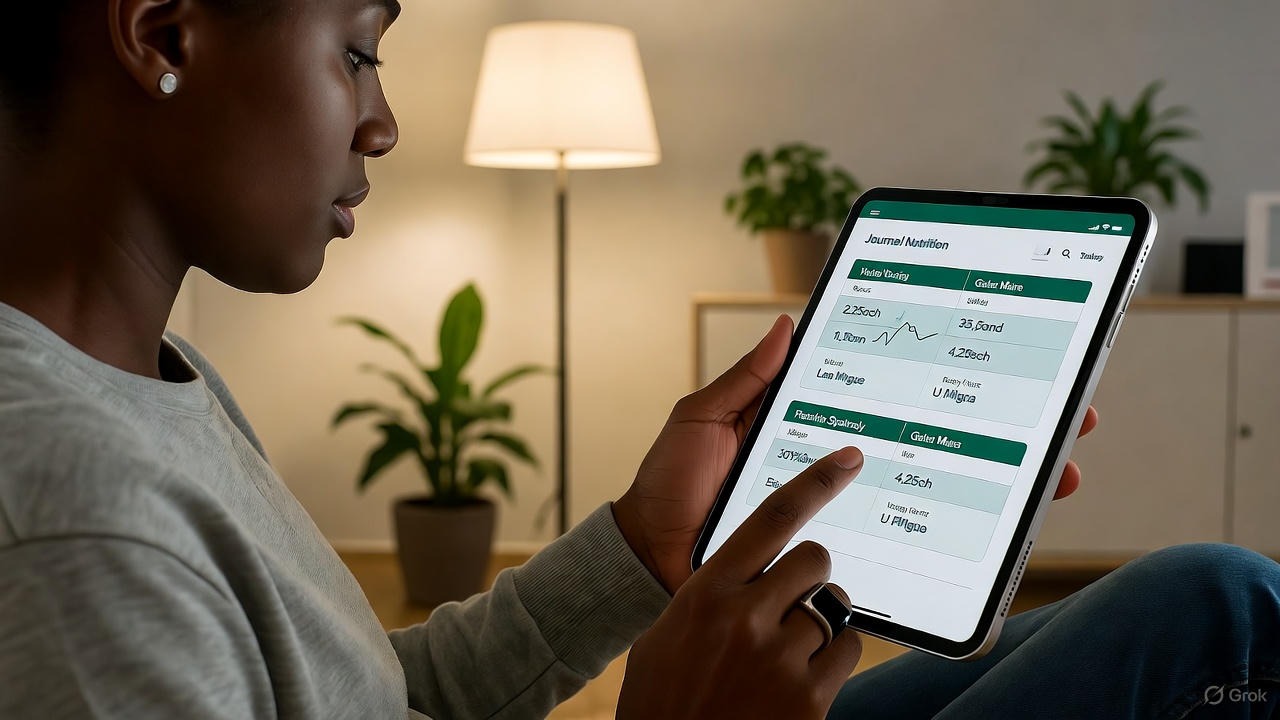
Enter the smart ring and its crown jewel for rest: the Sleep Score. This isn’t science fiction; it’s the new reality of personalized wellness. Worn comfortably on your finger, these sleek devices track the biometrics of your slumber—heart rate, heart rate variability, body temperature, and movement—all night long. By morning, they deliver a single, powerful number: your Sleep Score. It’s a data-driven verdict on your night’s rest, a starting point for genuine improvement.
But here’s the critical truth that every beginner must understand: your Sleep Score isn’t just measured; it’s earned. The story of your night begins hours before you slip between the sheets. The evening hours—your pre-bed routine—are the drafting table upon which your sleep architecture is drawn. A chaotic, stimulating evening often leads to a fragmented, low-scoring sleep. A intentional, wind-down ritual sets the stage for high-quality, restorative rest.
This guide is your roadmap to bridging that gap. We’re going deep on the symbiotic relationship between your deliberate pre-bed habits and the sophisticated data your ring provides. Forget generic “sleep hygiene” tips. We’ll explore the why behind the habits, how they directly influence the biometrics your ring tracks, and how to systematically use your Sleep Score to test, refine, and perfect your personal path to better sleep.
Think of your smart ring not as a judge, but as a coach. And this guide is your playbook. Let’s turn those restless nights into high-scoring recoveries.
What Exactly Is a Sleep Score? Decoding Your Nightly Performance Metric
You’ve seen the number. Maybe it’s 72, or 89, or a disappointing 64. It stares back at you from your wellness app, a seemingly simple grade for a profoundly complex process. But what is it actually grading? To move from frustration to empowerment, we must first become fluent in the language of the score.
A Sleep Score is a composite metric, a carefully weighted algorithm that synthesizes multiple dimensions of your sleep into a single, digestible figure. While different platforms use slightly different models, most comprehensive scores are built upon a foundation of four key pillars, each measured directly by the sensors in your smart ring:
Sleep Duration: The total time you spent asleep. This is the most basic component, but it’s not just about hitting 8 hours. The algorithm considers your age and personal needs, rewarding time spent in the "goldilocks zone"—not too little, not too much.
Sleep Quality (Architecture): This is the structure of your sleep. Your ring uses movement and heart rate data to identify the cycles of light sleep, deep sleep (the physically restorative phase), and REM sleep (the mentally restorative phase). A high-quality score requires sufficient amounts of deep and REM sleep, balanced throughout the night.
Sleep Continuity: How unbroken was your sleep? This metric penalizes frequent awakenings (even the micro-awakenings you don’t remember) and long periods of restlessness. A high continuity score means you sailed smoothly from one sleep cycle to the next.
Sleep Efficiency: This is the ratio of time spent actually asleep to the total time you spent in bed. Spending 9 hours in bed to get 6 hours of sleep results in poor efficiency. It’s a measure of how effectively you use your time in bed.
Some advanced scores, like those generated by Oura, Whoop, or other leading devices, incorporate additional physiological markers:
Resting Heart Rate (RHR): Your heart rate during sleep is a mirror of your nervous system. A lower, steady RHR indicates better recovery and relaxation.
Heart Rate Variability (HRV): This is the subtle variation in time between each heartbeat. A higher HRV generally signals a resilient, adaptable nervous system and is strongly correlated with deep recovery during sleep.
Body Temperature: Your core temperature naturally dips at night to initiate and maintain sleep. A smart ring tracks this distal temperature trend. A pronounced, steady drop is favorable; a flat or elevated line can signal poor sleep onset or underlying strain.
So, an 85+ score isn’t a pat on the back for just being in bed long enough. It’s a holistic affirmation: “You gave your body enough time, you cycled effectively through vital stages, you slept peacefully with few interruptions, and your physiology shows signs of deep nervous system recovery.”
This is the transformative power of the data. It moves you from “I feel tired” to precise diagnostics: “My duration is good, but my deep sleep is low and my resting heart rate is elevated 10 BPM above my baseline.” This specificity is your starting point. As we explore pre-bed habits, you’ll begin to see how your evening choices directly target these specific levers. For a deeper dive into the fundamentals of what you’re tracking, our article on sleep health foundations: what science says works breaks down the core principles.
The Pre-Bed Power Window: Why Your Evening Routine is Non-Negotiable
We often sprint toward bedtime. We’re working, scrolling, or watching a thrilling show until the moment our head hits the pillow, expecting our brain and body to slam on the brakes and shift instantly into sleep mode. This is like revving a car’s engine at redline and then expecting it to immediately idle peacefully. It doesn’t work.
Sleep is not an isolated event; it’s a biological process that must be prepared for. Your body runs on a master internal clock called the circadian rhythm, which regulates the ebb and flow of hormones, body temperature, and alertness over a 24-hour period. To fall asleep easily and sleep soundly, your physiology needs clear, consistent signals that the transition to “night mode” is underway.
This preparation phase is what we call the Pre-Bed Power Window—the 60 to 90 minutes before your target sleep time. This window is your most powerful lever for influencing your impending Sleep Score. The actions you take (or avoid) during this time send direct commands to your nervous system:
The “Wind-Down” Signal: Calming activities like reading or light stretching tell your brain to downshift the sympathetic (fight-or-flight) nervous system and activate the parasympathetic (rest-and-digest) system. This lowers cortisol and primes the release of melatonin, the sleep hormone.
The “It’s Still Daytime!” Signal: Bright lights, intense mental work, and stimulating content keep cortisol elevated and suppress melatonin. They confuse your circadian rhythm, telling your body it needs to be alert and ready for action.
The impact of this window is vividly reflected in your ring’s data. A chaotic evening often manifests as:
A delayed temperature drop, meaning your body struggled to initiate its cooling process.
An elevated resting heart rate throughout the night, showing your nervous system never fully relaxed.
Low HRV, indicating poor recovery.
Increased sleep latency (time to fall asleep) and fragmented sleep cycles, captured in your Sleep Quality and Continuity scores.
Conversely, a intentional wind-down routine can produce the opposite: a swift temperature drop, a lower RHR, higher HRV, and quicker transitions into deep sleep. The ring doesn’t just measure sleep; it measures your preparation for sleep. By mastering this power window, you move from being a passive recipient of sleep to an active architect of it. For beginners feeling overwhelmed, focusing on this single window is one of the most effective sleep health quick wins: easy changes with big impact you can implement.
Hacking Your Light Environment: The #1 Habit for Sleep Onset
Of all the environmental factors you can control, light is the undisputed heavyweight champion in regulating your circadian rhythm. Your eyes contain special photoreceptor cells that are exquisitely sensitive to blue-wavelength light. When these cells detect blue light—abundant in sunlight and the LEDs of our screens—they send a direct signal to your brain’s master clock: “It’s daytime. Be alert. Suppress melatonin.”
Using a bright smartphone or laptop in the pre-bed window is the biological equivalent of staring at a miniature sunset. It halts your natural melatonin production in its tracks, pushing your sleep time later and making sleep onset a struggle. Your ring will likely record this as a long “Sleep Latency.”
Hacking your light environment isn’t just about avoiding screens; it’s about proactively cultivating dim, warm light. Here’s your actionable protocol:
The 90-Minute Screen Curfew: This is non-negotiable. Set an alarm for 90 minutes before bed as your signal to power down all major screens (phones, TVs, laptops, tablets). If this feels impossible, start with 60 minutes and work your way up.
Embrace Amber & Red: In the evening, switch your light bulbs to warm-white or, ideally, amber/red hues. These longer wavelengths have a minimal impact on melatonin. Consider inexpensive smart bulbs or salt lamps that cast a warm glow.
Blue-Light Blocking as a Backup, Not a Strategy: While blue-light blocking glasses can help, they are a band-aid, not a cure. They don’t address the mental stimulation of content. Use them if you must be on a device, but don’t let them become an excuse to extend screen time.
Get Morning Light for Evening Sleep: Paradoxically, the best way to ensure a strong circadian rhythm at night is to get bright, natural light exposure first thing in the morning. This anchors your clock, making the evening drop in light more pronounced and effective.
Watch how this single change affects your ring data. You should see your “Time to Fall Asleep” metric decrease. You may also notice your “Sleep Timing” become more consistent, which the algorithm rewards. Your body, now receiving the correct environmental cues, can begin its temperature descent on schedule. For a broader look at how our digital lives intersect with rest, our guide on how technology helps and hurts sleep health explores this critical balance.
The Wind-Down Ritual: Creating a Personal Sleep Signal
Once the screens are off and the lights are dim, what do you do? This void is where many good intentions die. The key is to have a pre-planned, pleasurable wind-down ritual that becomes a Pavlovian signal for sleep.
A ritual is a consistent sequence of calming activities. The repetition itself is powerful, training your brain to associate these steps with the impending shift into sleep mode. Your ritual should be personal and sensory. Here are pillars to build upon:
The Mental Dump: If an anxious, racing mind is your nemesis, institute a “brain dump.” Take 5-10 minutes to write down every thought, worry, or to-do list item on paper. The act of externalizing it gets it out of your cyclical mental loop. You can even write, “I’ll deal with this tomorrow,” to give yourself permission to let go.
Gentle Movement: Not exercise, but movement. Think of it as releasing physical tension. This could be:
10 minutes of restorative yoga or gentle stretching
A slow, leisurely walk outside (enjoying the dim light)
Using a foam roller to ease muscle tightness
Mindfulness & Breathwork: Directly calming the nervous system. Try:
A simple 5-minute meditation using a guided app (with the screen face-down or covered).
Diaphragmatic breathing: 4 seconds in, 6 seconds out, for several minutes. This directly stimulates the vagus nerve, triggering relaxation.
Pleasurable, Analog Relaxation: Reconnect with low-stimulus pleasures.
Read a physical book (fiction is often best for escaping daily thoughts).
Listen to calming music, a podcast (on a simple audio player if possible), or an audiobook.
Practice light tidying (making your environment orderly can make your mind feel orderly).
Take a warm bath or shower. The subsequent cool-down of your body mimics the natural temperature drop and can aid sleep onset.
The Experiment: Use your smart ring to test different rituals. Try a week of reading fiction vs. a week of light stretching. Compare your Sleep Latency, Deep Sleep scores, and HRV. Does one ritual lead to a more pronounced nighttime temperature drop? The data will reveal what your unique system responds to best. The goal is to build habits that last, and we have a dedicated resource on how to build sleep health habits that last for when you’re ready to solidify your routine.
Nutrition & Hydration Before Bed: The Fuel for Your Night
What you consume in the evening is the fuel your body must metabolize while you’re trying to rest. Making strategic choices can mean the difference between a peaceful night and one punctuated by digestive distress, blood sugar swings, or trips to the bathroom.
The Timing Rule: Aim to finish your last large meal at least 2-3 hours before bedtime. This allows your body to complete the bulk of digestion (which raises core temperature and requires energy) before it needs to shift its focus to repair and restoration.
What to Be Mindful Of:
Caffeine: This is the most obvious sleep disruptor. Caffeine has a half-life of 5-6 hours. That means if you have a coffee at 4 PM, at 10 PM, about half the caffeine is still active in your system. Establish a “caffeine curfew” of at least 8-10 hours before bed. Watch your ring’s data on restlessness and sleep depth if you experiment with a later cutoff.
Alcohol: The great deceiver. Alcohol is a sedative, so it may help you fall asleep faster. However, as it metabolizes, it fragments the second half of your sleep, severely disrupting REM sleep and leading to frequent, unconscious awakenings. Your ring will show this as poor Sleep Continuity, low REM sleep, and often an elevated resting heart rate and low HRV—the hallmark of poor recovery despite being “unconscious.”
Heavy, Rich, or Spicy Foods: These can cause indigestion, acid reflux, and discomfort when lying down, directly impacting Sleep Continuity.
Excessive Fluids: Hydrate well earlier in the day, but taper off fluids 60-90 minutes before bed to minimize sleep-interrupting trips to the bathroom.
What Can Help:
Small, Sleep-Supportive Snacks: If you need something closer to bed, opt for a mini-combination of complex carbohydrates and a little protein or healthy fat (e.g., a small banana with almond butter, a few whole-grain crackers with cheese). This can help stabilize blood sugar overnight.
Tart Cherry Juice or Herbal Teas: Tart cherry juice contains natural melatonin precursors. Herbal teas like chamomile, passionflower, or valerian root have mild, calming properties and can be a wonderful part of a wind-down ritual.
Your smart ring is an excellent tool for conducting nutritional experiments. Notice how your Sleep Score, particularly Resting Heart Rate and Sleep Continuity, responds to a late meal versus an early one, or a glass of wine versus a night without. It provides objective feedback on how your body personally processes evening fuel. For those looking to optimize on a budget, you’ll find great strategies in our piece on sleep health on a budget: free improvement strategies.
The Temperature Sweet Spot: Optimizing Your Sleep Sanctuary
Your body’s core temperature needs to drop by about 1-2 degrees Fahrenheit to initiate and maintain sleep. Your smart ring tracks this distal temperature trend—one of its most unique and valuable insights. You can leverage this by optimizing your external environment to facilitate this internal drop.
The ideal bedroom temperature for most people is surprisingly cool: between 60-67°F (15.5-19.5°C). A room that’s too warm prevents your body from shedding heat efficiently, leading to restlessness and lighter sleep.
Your Thermal Optimization Checklist:
Cool the Room: Use air conditioning, a fan, or simply open a window to hit that 60-67°F range. A fan has the dual benefit of cooling and providing steady white noise.
Warm the Bed, Not the Room: The goal is a cool ambient air temperature with a warm, cozy nest. Use breathable, natural-fiber bedding (cotton, linen, bamboo) and layer blankets you can adjust. The warmth is cozy for falling asleep, but the cool air prevents overheating.
The Pre-Bed Shower Hack: Taking a warm bath or shower 60-90 minutes before bed is a powerful hack. As you step out, your blood vessels dilate to radiate heat, accelerating the core temperature drop your body needs for sleep. Your ring’s temperature graph may show a steeper, more defined decline on nights you do this.
Wear Socks if Needed: Cold feet can be a distraction. If your feet are icy, wear socks. Once you’re asleep and your body temperature has stabilized, you’ll often kick them off naturally.
Monitor Your Ring’s Data: Your ring’s temperature graph is your personal report card. Is it a smooth, downward-trending line? That’s ideal. Is it flat, jagged, or elevated? Your room might be too warm, or your bedding too insulating. Use the data to dial in your perfect sleep climate.
Creating this physical sanctuary is a foundational step. When your external environment is aligned with your internal biology, falling asleep becomes effortless, and staying asleep is more likely. This principle holds true across all ages, though specifics can vary, as detailed in sleep health for different age groups: what changes.
Managing Stress & an Anxious Mind: The Pre-Bed Mental Game
You’ve dimmed the lights, cooled the room, and had a light snack. But your mind is a hurricane of tomorrow’s presentation, a past conversation, or a never-ending to-do list. Mental and emotional stress is perhaps the most common and potent saboteur of the Pre-Bed Power Window.
Stress activates the sympathetic nervous system, flooding your body with cortisol and adrenaline—the exact opposite chemistry required for sleep. This state leads to a high resting heart rate, low HRV, and a mind that won’t quiet down.
Techniques to Disarm the Anxious Mind:
Scheduled Worry Time (The Brain Dump Expanded): Don’t wait until bed. Schedule 15 minutes in the late afternoon to sit with a notebook and actively worry. Write down everything causing anxiety. When those thoughts arise later, you can say, “I already addressed that during my worry time. I can let it go until tomorrow.”
The 4-7-8 Breathing Method: Developed by Dr. Andrew Weil, this is a natural nervous system tranquilizer.
Exhale completely through your mouth.
Close your mouth and inhale quietly through your nose for a count of 4.
Hold your breath for a count of 7.
Exhale completely through your mouth for a count of 8. Repeat this cycle 4 times. It’s almost impossible for your body to stay in a stress response while doing this.
Progressive Muscle Relaxation (PMR): Tense each muscle group in your body for 5 seconds, then release for 30 seconds, working from your toes to your head. This trains your body to recognize the contrast between tension and deep relaxation.
Gratitude Journaling: Shift your mental focus from what’s wrong to what’s right. Write down 3 specific things you were grateful for that day. This practice cultivates a positive mindset that is more conducive to peace and rest.
The Ring as a Biofeedback Tool: This is where your device shines. After a PMR or breathing session, simply lie still and watch your real-time heart rate on the app. Seeing the number physically drop is incredibly reinforcing. It proves your actions have a direct, measurable effect on your physiology. Over time, you can track how consistent stress-management practice raises your baseline HRV—the ultimate biomarker of resilience. The profound link between nightly recovery and daily mental state is explored in the connection between sleep health and mental wellness.
The Role of Consistency: Why Your Sleep Schedule is King
You can execute a perfect wind-down ritual, but if you do it at 9 PM one night and 1 AM the next, you’re fighting an uphill battle. Consistency is the unsung hero of high Sleep Scores.
Your circadian rhythm thrives on predictability. Going to bed and waking up at roughly the same time every day—yes, even on weekends—strengthens this internal clock. It allows your body to preemptively release melatonin at the right time and prepare all systems for the shut-down sequence.
The Weekend Lie-In Trap: Sleeping in 2+ hours on Saturday disrupts your clock. It’s akin to giving yourself minor jet lag every weekend (“social jet lag”). Come Sunday night, your body isn’t ready for sleep at your normal time, leading to poor sleep onset and a rough Monday morning.
The Smart Ring Doesn’t Lie: Inconsistency will show up in your data as variable Sleep Timing scores, fluctuating Sleep Latency, and an erratic temperature graph. A consistent schedule, on the other hand, leads to more stable, predictable, and generally higher scores.
How to Build Consistency:
Set a Fixed Wake-Up Time: This is more important than a fixed bedtime. Choose a wake-up time you can maintain 7 days a week and set an alarm. Get bright light exposure immediately upon waking.
Work Backward to Bedtime: From your fixed wake-up, subtract your target sleep duration (e.g., 7.5 hours) plus 15 minutes for falling asleep. That’s your target bedtime.
Be Patient and Gradual: If your schedule is currently off by hours, adjust in 15-30 minute increments every 2-3 days until you hit your target.
Your ring will reward this consistency with more stable scores and better overall recovery metrics. It turns sleep from a chaotic reaction to fatigue into a disciplined, proactive pillar of health. Sticking to a new schedule requires patience, a quality we discuss in the sleep health learning curve: be patient with yourself.
How to Truly Read and React to Your Sleep Score Data
Collecting data is pointless without interpretation and action. Staring at a score of 78 and feeling defeated is a dead end. The power lies in moving from judgment to curiosity. Your Sleep Score and its underlying metrics are a conversation with your body, not a verdict.
Adopt a Scientist’s Mindset: You are running experiments on yourself. Your pre-bed habits are the independent variables. Your Sleep Score and its components (Deep Sleep, REM, RHR, HRV) are the dependent variables.
Your Daily Review Process:
Look Beyond the Single Number: First, note the overall score for context. Then, dive into the breakdown. Where did you lose points? Was it Duration? Continuity? Late Bedtime? This identifies your primary leverage point for the next night.
Check Key Biomarkers: What was your resting heart rate trend? Was your HRV high, low, or trending in a certain direction? Did your body temperature drop smoothly?
Cross-Reference with Your Habits: This is the critical step. Did you have a late, heavy meal? Did you skip your wind-down ritual? Did you have a stressful evening call? Correlate the data with your lived experience.
Form a Hypothesis: “My RHR was 5 BPM higher than baseline, and my deep sleep was low. I had two glasses of wine with dinner. I hypothesize that alcohol disrupts my deep sleep and elevates my RHR.”
Test and Iterate: The next night, try a different variable. Skip the alcohol. Keep everything else the same. Observe the data the next morning. Did your RHR lower? Did your deep sleep increase? This is the feedback loop.
Avoid Data Anxiety: The goal is not to obsess over a single night’s score. Look at trends over time. Is your average score this month higher than last month? Is your baseline HRV slowly climbing? These long-term trends are the true measure of progress. For those just starting to interpret their data, our guide on sleep health standards: what’s normal and what’s not provides essential context.
Setting Realistic Goals and Tracking Your Progress
Transforming your sleep is a marathon, not a sprint. If your current average Sleep Score is 65, aiming for a consistent 90 within a week is a recipe for frustration and burnout. Sustainable change is built on small, incremental wins that compound over time.
The SMART Goal Framework for Sleep:
Specific: Don’t say “sleep better.” Say, “Increase my average Sleep Score by 5 points over the next month by implementing a 60-minute screen curfew and consistent 10:30 PM bedtime.”
Measurable: Your smart ring provides all the measurement you need—average score, bedtime consistency, deep sleep minutes.
Achievable: Is your goal realistic given your current lifestyle? A new parent cannot aim for 9 hours of unbroken sleep. A more achievable goal might be “maximize sleep efficiency during the hours I am in bed.”
Relevant: Does this goal matter to you? Will better sleep improve your energy for your family, your performance at work, or your personal hobbies? Connect it to a deeper “why.”
Time-Bound: Set a clear timeframe (e.g., “for the next 30 days”).
Effective Tracking Methods:
Weekly Check-Ins: Once a week, review your 7-day average score and key metrics. Don’t dwell on daily fluctuations.
Habit Stacking: Attach a new pre-bed habit to an existing one. “After I brush my teeth (existing), I will do my 4-7-8 breathing for 2 minutes (new).”
Celebrate Non-Score Wins: Did you stick to your wind-down ritual 5 nights in a row? That’s a win, regardless of the score. Did you feel more alert one morning? Celebrate it. The score is a tool; your lived experience is the ultimate goal.
Your smart ring’s trend graphs and monthly reports are perfect for this. They visually show your progress, helping you stay motivated. Seeing a steady upward trend in your HRV or a downward trend in your Sleep Latency is incredibly rewarding and proves your efforts are paying off. To see what this journey looks like over time, explore our sleep health improvement timeline: when you’ll see results.
The Beginner's First Week: A Step-by-Step Implementation Plan
Theory is great, but action is everything. Overwhelm is the enemy of consistency. Here is a simple, step-by-step plan for your first week. We’ll introduce one core habit at a time, letting you build momentum.
Night 1-2: The Foundation – Light & Time.
Habit: Set a screen curfew for 60 minutes before your target bedtime. When the alarm goes off, put all devices in another room or on a charger far from your bed.
Alternative Activity: In that hour, read a physical book or magazine in dim light.
Data Focus: Tomorrow, simply note your “Time to Fall Asleep” metric. Don’t worry about the full score yet.
Night 3-4: Add the Thermal Layer.
Keep the screen curfew habit.
New Habit: Adjust your bedroom thermostat or open a window to make your room noticeably cooler. Make your bed cozy with your preferred blankets.
Data Focus: Check your Sleep Score and note if you felt any difference in sleep depth or restlessness.
Night 5-6: Introduce a Wind-Down Anchor.
Keep the screen curfew and cool room.
New Habit: 30 minutes before bed, perform a 5-minute wind-down activity. Choose ONE: Write a quick brain dump list or do the 4-7-8 breathing cycle 4 times or listen to one calm song in the dark.
Data Focus: Look at your Resting Heart Rate graph. Does it look lower or more stable than earlier in the week?
Night 7: Review and Reflect.
Execute all three habits together.
In the morning, look at your weekly average Sleep Score in the app. Compare how you feel to a week ago. Don’t judge single nights; look for any slight positive trend.
Plan: Based on what felt easiest and most effective, choose ONE of these habits to lock in permanently for Week 2.
This gradual approach prevents burnout and allows you to see the direct impact of each change through your ring’s data. It turns a daunting overhaul into a manageable, evidence-based experiment. For a comprehensive starting point that puts all these pieces together, our foundational guide sleep health tracking for beginners: start here is the perfect companion to this plan.
Common Beginner Pitfalls and How Your Ring Reveals Them
You’re armed with knowledge and a plan, yet sometimes progress feels elusive. The score dips unexpectedly, or a week of perfect habits yields no improvement. This is normal. The path to better sleep isn’t linear, and the most common roadblocks are often hidden in plain sight. Your smart ring is the detective that can uncover them. Let’s decode the usual suspects.
Pitfall 1: The “Perfect Night” Overcompensation.
Scenario: You score an 89 on Tuesday night. Feeling invincible, you push harder on Wednesday—you work late, skip your ritual, and have a late dinner, reasoning you’re “a good sleeper.”
The Ring’s Revelation: Thursday morning shows a stark drop, perhaps to a 72. The data shows elevated RHR, low HRV, and fragmented deep sleep. The lesson? High scores come from consistency, not from a license to deviate. Your ring shows you the direct cost of that “cheat night,” reinforcing that every night counts.
Pitfall 2: Rigid Attachment to a Single Number.
Scenario: You become obsessed with hitting a score of 90 every night. On a night you score 85, you feel like a failure, creating anxiety about sleep itself—which ironically harms future sleep.
The Ring’s Revelation: Look at the trends. A consistent 85-88 is a monumental success compared to a volatile pattern of 92, 70, 89, 65. The ring’s monthly view helps you zoom out. Perhaps your 85-night still had excellent HRV and duration but was marked down for a later bedtime. That’s useful feedback, not failure.
Pitfall 3: Ignoring the “Why” Behind the Data.
Scenario: Your deep sleep percentage is consistently low. You keep going to bed earlier, but it doesn’t improve.
The Ring’s Revelation: Coupled with a consistently high resting heart rate, this pattern suggests your nervous system isn’t calming down enough for deep restoration. The solution isn’t more time in bed; it’s more effective stress management before bed. This shifts your focus from the symptom (low deep sleep) to the likely cause (evening stress).
Pitfall 4: Misinterpreting Natural Variability.
Scenario: Your period starts, and your Sleep Score drops 10 points for two nights. You panic, thinking your routine has failed.
The Ring’s Revelation: Advanced rings track physiological cycles. You may see a natural, cyclical rise in your core temperature and resting heart rate during the luteal phase, which can objectively impact sleep depth and scores. The ring contextualizes the dip, showing it’s a normal biological response, not a personal failing. This prevents you from abandoning effective habits during a temporary, expected downturn.
Pitfall 5: Data Collection Without Action.
Scenario: You wear your ring every night, glance at the score, and move on with your day. It’s a curiosity, not a tool.
The Ring’s Revelation: This is the most common pitfall of all. The ring’s power is in the feedback loop. Without connecting a poor continuity score to the late-night thriller you watched, or a high HRV to the relaxing bath you took, you’re missing the entire point. The ring gives you the “what.” Your job is to provide the “why” and then test a new “how.”
Learning to troubleshoot these patterns is a key skill. For a deeper exploration of solving typical issues, our resource on how to troubleshoot common sleep health problems is an excellent next step.
Beyond the Score: Other Vital Ring Metrics for Your Evening Routine
While the Sleep Score is the headline, the smart ring’s true genius lies in the supporting cast of biometrics. These metrics provide a richer, more nuanced story about how your pre-bed habits are affecting your physiology. They are the dials you’re tuning with your evening routine.
1. Heart Rate Variability (HRV): Your Recovery Compass HRV is the golden metric of readiness and recovery. A higher HRV generally indicates a resilient, adaptable nervous system. Your evening routine directly targets HRV.
The Connection: A chaotic, stressful evening lowers next-morning HRV. A calm, consistent wind-down ritual supports a higher HRV.
How to Use It: Don’t focus on the absolute number; track your baseline and trend. If you see a sustained dip below your personal baseline, it’s a red flag. Ask: Was last night’s routine off? Am I coming down with something? Am I overreaching in my workouts? Use it to decide if you need a gentler day or to double down on recovery that evening.
2. Resting Heart Rate (RHR): Your Engine’s Idle Your sleeping RHR is a pure indicator of physiological stress and recovery. When your body is truly at rest, repairing and rebuilding, your heart doesn’t need to work as hard.
The Connection: Alcohol, late meals, intense evening exercise, and psychological stress can all elevate your nighttime RHR. A successful wind-down should lead to a lower, steadier RHR graph throughout the night.
How to Use It: Watch the graph in your app. Is it a smooth, low line? Or is it jagged and elevated? An RHR that’s 5-10 BPM above your personal baseline is a clear sign your body was under strain during the night, regardless of your Sleep Score.
3. Respiratory Rate: The Silent Rhythm The number of breaths you take per minute during sleep is a remarkably stable metric. Significant deviations can be early indicators of illness, respiratory issues, or heightened stress.
The Connection: While you can’t directly control it with habits, seeing a consistent rate is a sign of stability. A sudden, sustained increase could be a data point prompting you to assess your overall health or stress levels.
4. Body Temperature: The Circadian Cue Master This is a superpower of the ring. Tracking your distal body temperature trend shows you if your internal thermostat is functioning optimally for sleep.
The Connection: Your pre-bed habits should facilitate a clear temperature drop. A cool room, avoiding late meals, and timing exercise correctly all support this. A flat or elevated temperature line often correlates with poor sleep onset, restlessness, or illness.
How to Use It: Look at the graph over weeks. Does it drop predictably after your wind-down begins? Experiment with a warm shower 90 minutes before bed and see if it creates a steeper, more defined drop on the graph.
By learning to read this full dashboard, you graduate from a passive observer of sleep to an active manager of your autonomic nervous system. You begin to see how a mindful evening doesn’t just “help you sleep”—it directly improves your physiological readiness for the next day. Understanding these metrics is part of developing the right sleep health mindset: why belief matters, where data empowers rather than judges.
The 60-Minute Pre-Bed Blueprint: A Visual Timeline
Theory is essential, but execution is everything. Let’s crystallize everything into a visual, actionable blueprint—a minute-by-minute guide for your ideal Power Window. This is your template to customize.
T-60 Minutes: The Transition Signal
Action: Screen Curfew in effect. All devices are put away or on a charger outside the bedroom.
Environment: Begin dimming overhead lights. Switch to amber/warm lamps or candlelight.
Mindset Shift: Verbally or mentally acknowledge, “My workday is over. My time for restoration begins now.”
T-45 Minutes: The Physical Unwind
Action: Engage in your chosen wind-down activity block (choose 1-2):
Option A (Mental): 10-minute brain dump/journaling session.
Option B (Physical): 10 minutes of gentle stretching or foam rolling.
Option C (Sensory): Take a warm bath or shower.
Nutrition: If needed, have a very small, sleep-supportive snack. Final sips of water or herbal tea.
T-30 Minutes: The Nervous System Calm
Action: Direct relaxation practice.
Perform a 5-minute meditation or guided body scan.
Practice 4-7-8 breathing or box breathing for 2-3 minutes.
Environment: Ensure bedroom is cooling toward your ideal range (60-67°F). Prepare your bed.
T-15 Minutes: The Final Sensory Cues
Action: Perform your final pre-sleep rituals: brush teeth, wash face, change into sleepwear.
Activity: Get into bed with a physical book (not an e-reader) for light reading, or practice gratitude reflection.
Environment: All lights out except for perhaps a tiny nightlight if needed. The room should be dark, cool, and quiet.
T-0 Minutes: Lights Out
Action: Put the book down. Settle into your preferred sleep position.
Mindset: If thoughts race, return focus to your breath or a simple mantra. Trust the process you’ve just created.
The Next Morning: The Data Review (5 Minutes)
Action: Before jumping out of bed, check your ring’s data. Note the overall score, but more importantly, check RHR and HRV.
Reflection: Connect one data point to one habit from last night. “My deep sleep was higher—I think the shower helped.” Or, “My RHR is elevated—that late conversation was more stressful than I thought.”
Intention: Based on the data, decide if you’ll keep, tweak, or experiment with one element of your routine tonight.
This blueprint turns abstract concepts into a concrete, repeatable sequence. It automates decision-making, reducing willpower drain. For a simpler, foundational approach to building your own plan, you can reference the simple sleep health formula everyone can follow.
Adapting Your Routine for Travel, Stress, and Life Events
Life is not a controlled laboratory. Holidays, work deadlines, travel across time zones, and personal upheavals will disrupt your perfect routine. The goal is not to maintain perfection, but to have a toolkit of adaptable strategies to minimize the damage and recover quickly. Your ring is your guide through these disruptions.
Scenario 1: Travel and Jet Lag
The Challenge: Time zone shifts decouple your internal clock from the external environment.
Pre-Bed Adaptation:
Before You Go: Use your ring to get exceptionally well-rested in the days prior. High sleep scores build a resilience buffer.
On the Plane: Hydrate aggressively, avoid alcohol, and use an eye mask and earplugs to simulate darkness. Set your watch to the destination time as soon as you board and try to align sleep/wake accordingly.
Upon Arrival: Get bright sunlight exposure immediately in the new morning. Force yourself to eat on the local schedule. For your first few evenings, be militant about your 60-minute wind-down blueprint, even if you don’t feel tired, to send strong “it’s night here” signals.
The Ring’s Role: It will show your body’s disorientation (erratic temperature curves, low scores). Use it to see your progress toward resynchronization. Celebrate when your temperature drop starts aligning with local night.
Scenario 2: Periods of High Stress (Work Deadlines, Family Issues)
The Challenge: Anxiety and cortisol are high, making wind-down feel impossible.
Pre-Bed Adaptation:
Double Down on the Ritual: Now is not the time to abandon structure; it’s when you need it most. The ritual becomes an anchor of control.
Shorten, Don’t Skip: If 60 minutes feels impossible, commit to a non-negotiable 20-minute “sleep seal.” 10 minutes of screen-free time + 5 minutes of breathing + 5 minutes of reading in bed.
Prioritize Physiological Calm: Focus on habits that directly lower RHR: breathwork, a warm bath, or even a short, slow walk. Avoid using screens to “zone out,” as this often backfires.
The Ring’s Role: It will objectively show the stress (high RHR, low HRV). This data can be a motivator to prioritize recovery. It also helps you test which mini-habit most effectively lowers your biomarkers on a stressful night.
Scenario 3: Social Events & Late Nights
The Challenge: A celebratory dinner, concert, or social gathering disrupts timing, food, and alcohol intake.
Pre-Bed Adaptation:
The Pre-Game: Have a fantastic, high-sleep-score night before the event.
Damage Control During: Stay hydrated (water between alcoholic drinks), try to eat earlier in the evening if possible, and get some natural light exposure as the event ends if it’s still dusk.
The Wind-Down, No Matter How Late: When you get home, do NOT look at screens. Go straight through a truncated version of your ritual: change, wash up, 2 minutes of deep breathing in the dark, then bed. Give your body some signal that it’s time to shift states.
The Ring’s Role: It will show the impact (likely a low score). Accept it as the cost of a lived life, and use it to inform your choices for the next event. More importantly, use it to guide your recovery the next day. Let the low HRV and high RHR convince you to prioritize light activity, hydration, and an on-time, pristine wind-down routine the following night.
The key is flexibility within a framework. The goal is to return to your baseline blueprint as swiftly as possible. Your ring provides the compassionate, objective feedback to guide that return without guilt. This adaptive skill is crucial for long-term success, as discussed in sleep health for beginners: avoiding information overload.
Pairing Your Ring with Other Sleep Tech: A Synergistic Approach
The smart ring is a powerhouse of physiological data, but it’s not the only tool in the modern sleeper’s arsenal. When paired thoughtfully with other technologies, you can create a holistic sleep ecosystem that addresses both the internal (your body) and external (your environment) factors.
1. Smart Lighting: Your Automated Circadian Cue
The Tech: Smart bulbs (like Philips Hue, Lifx) or smart switches that can be programmed to dim and shift to amber/red tones on a schedule.
The Synergy: Program your lights to begin dimming 60-90 minutes before your target bedtime. This provides a passive, environmental enforcement of your screen curfew and light-hacking habit. It removes willpower from the equation. Your ring can then measure how effective this consistent cue is by tracking improvements in your Sleep Latency and timing.
2. White Noise/Sound Machines: The Continuity Guardian
The Tech: Simple sound machines, smart speakers (playing white/pink/brown noise), or apps that generate masking sounds.
The Synergy: For light sleepers or those in noisy environments, consistent sound masks disruptive noises that cause micro-awakenings. Your ring’s Sleep Continuity score is the metric to watch. Does using white noise decrease your “awake time” or reduce spikes in your nighttime heart rate graph that might correspond to external sounds?
3. Smart Thermostats: The Climate Conductor
The Tech: Nest, Ecobee, or other programmable thermostats.
The Synergy: Program your thermostat to lower the temperature to your ideal 60-67°F range 30-60 minutes before bedtime, and to warm up slightly before your wake-up time. This perfectly aligns your environment with your body’s thermal needs. Your ring’s temperature graph will show a cleaner, more pronounced drop, and you may see improvements in deep sleep.
4. Advanced Mattresses & Sleep Trackers: The Macro-Movement Map
The Tech: Smart mattress pads (like Eight Sleep) that track movement, breathing, and offer dynamic temperature control, or under-mattress trackers (Withings Sleep).
The Synergy: These provide a second layer of validation for your ring’s sleep stage detection (movement vs. heart rate analysis). More importantly, a mattress with dynamic cooling can take thermal regulation to an extreme, potentially offering even greater control over the temperature lever your ring identifies as important.
5. Meditation & Breathwork Apps: The Guided Wind-Down
The Tech: Apps like Calm, Headspace, or Insight Timer (used on a device with the screen covered or off).
The Synergy: Use guided wind-down meditations or sleep stories as the active component of your 30-minute relaxation block. Your ring can then quantify their effectiveness. Does a 10-minute “Body Scan” meditation lead to a lower RHR than a 10-minute “Sleep Story”? Let your HRV and RHR data guide your choice of audio content.
Creating Your Stack: Start with your ring as the central data hub. Add one external tech piece at a time (e.g., smart lights) and use your ring’s metrics over 2-3 weeks to assess its impact. This prevents tech overload and ensures each addition is data-justified. For a critical look at navigating this technological landscape, revisit our analysis on how technology helps and hurts sleep health.
When to Be Concerned: Red Flags in Your Sleep Data
While daily fluctuations are normal, your smart ring can also help you identify persistent patterns that may warrant closer attention or a conversation with a healthcare professional. It’s a screening tool, not a diagnostic device, but its trends are powerful indicators.
Persistent Red Flags to Watch For:
Chronically Elevated Nighttime Resting Heart Rate: If your RHR is consistently 10-15+ BPM above your established baseline for weeks, without an obvious cause like intense training or illness, it can indicate chronic stress, potential overtraining, or an underlying cardiovascular consideration.
Consistently Low or Sharply Declining HRV: While absolute numbers vary, a sustained downward trend in your HRV, despite good sleep habits, can be a sign your body is struggling with a persistent inflammatory load, chronic stress, or another health issue.
Severe Sleep Fragmentation Every Night: If your Sleep Continuity is chronically poor, showing frequent, long awakenings (not just brief bathroom trips), and this is paired with daytime fatigue, it could point toward sleep disorders like sleep apnea or periodic limb movement disorder. Some advanced rings even use breathing rate and HRV to flag potential sleep apnea events.
Extremely Low Sleep Efficiency Despite Good Habits: If you’re spending 8+ hours in bed regularly but your sleep efficiency remains below 80% (meaning you’re awake for over 1.5 hours of that), and this doesn’t improve with optimized habits, it may indicate insomnia that requires behavioral (CBT-I) or medical intervention.
Major, Unexplained Shifts in Respiratory Rate: A sustained increase in your sleeping breaths per minute that can’t be explained by a cold or mild illness could be worth mentioning to a doctor.
How to Use This Information Responsibly:
Don’t Self-Diagnose: The ring provides clues, not answers.
Collect Evidence: Use the ring’s trend graphs and monthly reports to document a persistent pattern over 3-4 weeks.
Schedule a Conversation: Take this data to your doctor. Say, “My wearable has been showing a consistently elevated resting heart rate during sleep and poor sleep continuity for a month, and I’m still feeling fatigued. What could be causing this?” This objective data can make that conversation far more productive.
Your vigilance here is part of being an empowered participant in your health. For a broader list of signs to be aware of, our guide on sleep health red flags: beginners should watch for offers a comprehensive overview.
The Long-Term View: How Pre-Bed Habits Compound Into Lifelong Health
We’ve focused on the nightly score, but this journey has a much grander destination. The true value of mastering your Pre-Bed Power Window and partnering with your smart ring unfolds over months and years. This isn’t just about feeling sharper tomorrow; it’s about investing in the foundation of your long-term well-being. The compounding benefits are profound.
1. Cognitive Preservation & Mental Acuity: Sleep, particularly deep sleep and REM sleep, is when your brain clears metabolic waste (like beta-amyloid, associated with Alzheimer’s), consolidates memories, and repairs neural connections. High Sleep Scores over time are correlated with better long-term cognitive function, sharper memory, and a potentially lower risk of neurodegenerative diseases. Your evening ritual is quite literally a brain-cleaning appointment.
2. Metabolic & Cardiovascular Resilience: Consistently poor sleep disrupts glucose metabolism, increases appetite hormones (ghrelin), and decreases satiety hormones (leptin), creating a perfect storm for weight gain and insulin resistance. It also contributes to sustained higher blood pressure and inflammation. By consistently achieving restorative sleep, you support healthy metabolism, weight management, and cardiovascular health. Your ring’s HRV and RHR trends are direct proxies for this autonomic nervous system balance. Explore this vital connection in how sleep health impacts weight, mood, and energy.
3. Emotional Regulation and Mental Health Fortification: There is a powerful, bidirectional relationship between sleep and mental health. Chronic sleep disruption is a significant risk factor for anxiety and depression. Your pre-bed ritual is a daily practice in nervous system regulation. Over time, the ability to consciously downshift your physiology builds emotional resilience. High HRV, a metric you can nurture through your evening habits, is strongly linked to better stress coping and emotional stability.
4. Immune System Competence: Sleep is when your immune system releases cytokines, does surveillance, and builds antibodies. Repeated nights of low-quality sleep suppress immune function, making you more susceptible to infections and potentially reducing vaccine efficacy. Your consistent high-score nights are a direct investment in your body’s defense network.
5. The Habit of Self-Care: Perhaps the most underrated benefit is meta-habit you develop. By honoring your Pre-Bed Power Window, you are practicing a daily, non-negotiable act of self-respect. You are sending a message to yourself that your restoration matters. This mindset tends to ripple outward, influencing better choices in nutrition, exercise, and stress management throughout the day. It becomes the keystone habit for a holistic wellness lifestyle.
Your smart ring is the long-term tracker of this investment. The monthly reports aren’t just about sleep; they are a report card on your overall physiological resilience. Watching your baseline HRV gradually climb and your average RHR gently fall over a year is one of the most satisfying validations of a life well-lived. This is the ultimate promise, detailed in the long-term benefits of investing in sleep health.
Your Personal Sleep Hypothesis: Building a Custom Plan
Now comes the most exciting part: synthesis. You are the world’s leading expert on you. This guide and your smart ring provide the laboratory and instruments. It’s time to formulate your Personal Sleep Hypothesis—a living, breathing plan based on your unique data, lifestyle, and goals.
Step 1: Establish Your Baseline (2 Weeks)
Action: For two weeks, focus purely on consistent wear and data collection. Try to maintain your current routine without major changes. Use the sleep and readiness scores, but dive into the weekly averages for RHR, HRV, and Sleep Duration.
Question to Answer: What is my current normal? What’s my average Sleep Score? What’s my HRV baseline?
Step 2: Identify Your Primary Lever (The “One Thing”)
Action: Review your baseline data. What’s the biggest opportunity? Is it Sleep Timing (you go to bed too late)? Sleep Continuity (you wake up often)? Deep Sleep (you get very little)? Let the data, not your assumptions, choose.
Hypothesis Example: “My average Sleep Score is 75. My primary lever is Sleep Timing. My data shows I fall asleep after midnight, but my body naturally wakes at 7 AM, truncating my duration. I hypothesize that an earlier bedtime will increase my duration and overall score.”
Step 3: Design a Focused 3-Week Experiment
Action: Choose one pre-bed habit from this guide that directly targets your primary lever. Commit to it with 90% consistency for 3 weeks.
Lever = Timing? Experiment with a consistent 60-minute screen curfew and wind-down start time.
Lever = Continuity? Experiment with absolutely no alcohol or implementing white noise.
Lever = Deep Sleep? Experiment with a hot bath 90 minutes before bed or strict stress-management breathing.
Measure: At the end of 3 weeks, look at your weekly averages for your target metric and overall score. Did they improve?
Step 4: Analyze, Iterate, and Layer
Action: If the experiment worked, lock in that habit as a permanent part of your blueprint. If it didn’t, formulate a new hypothesis (e.g., “Maybe my low deep sleep is due to room temperature, not stress.”) and run a new 3-week experiment.
Progress: Once a habit is locked in, identify your next primary lever and run a new experiment. Slowly, you layer habit upon habit, each justified and reinforced by your personal data.
Step 5: Create Your Personalized Blueprint Document
Action: Write down your finalized, personal Pre-Bed Blueprint. It should include:
Your target bedtime/wake time.
Your non-negotiable habits (e.g., “Screen curfew at 9:30 PM”).
Your flexible wind-down menu (e.g., “Choose from: bath, journaling, or light stretching”).
Your weekly data review day (e.g., “Sunday morning: check weekly averages and set intention for next week”).
This process turns you from a follower of generic advice into a sleep scientist of your own life. The ring provides the feedback; you provide the curiosity and consistency. For a step-by-step framework on creating this plan, our guide on sleep health for beginners: creating your personal plan is the perfect companion to this section.
Conclusion of This Portion: The Journey Begins with Tonight
We’ve covered immense ground—from the microscopic details of circadian biology and biometrics to the macro view of lifelong health. The sheer volume of information can be daunting, but remember this: you do not need to do everything at once. In fact, you must not.
The entire philosophy of using pre-bed habits to influence your Ring Sleep Score is built on the power of marginal gains. It’s the aggregation of small, sustainable improvements. A 1% better wind-down ritual tonight leads to a 2% higher deep sleep score, which leads to 3% more energy tomorrow, which makes it easier to choose a healthy meal and get some sunlight, which then makes the next night’s wind-down even more effective.
Your smart ring is the compass for this incremental journey. It turns the invisible, subjective world of sleep into a visible, objective landscape you can navigate. It rewards your good choices with encouraging data and gently corrects your missteps without judgment.
So, as we conclude this portion of the guide, your assignment is simple:
Tonight, choose one thing.
Just one. Maybe it’s turning off all screens 60 minutes before bed. Maybe it’s setting your thermostat to 67°F. Maybe it’s writing down three worries from the day to get them out of your head.
Do that one thing with intention. Then, tomorrow morning, open your app. Don’t look first at the score. Look at the metric that one thing was meant to influence. Did your Sleep Latency decrease? Did your temperature graph look smoother? Connect the dot between your single action and a single data point.
That connection—that moment of insight—is where the magic starts. It’s the beginning of a dialogue with your own body. It’s the first step in moving from feeling like a victim of poor sleep to becoming the architect of your own restoration.
This journey isn’t about achieving a perfect 100. It’s about progress, understanding, and the profound realization that you have more control over the quality of your nights, and therefore your days, than you ever imagined. Your ring and your routine are the tools. Your willingness to experiment is the key.
Now, go design your evening. Your future, well-rested self is waiting to thank you. And remember, this is just the foundation. To continue building your knowledge, explore our comprehensive resource on how sleep health supports your bigger wellness goals to see how this vital pillar connects to every aspect of your life.



%402x.svg)