


How Your Smart Ring Enables True Preventive Wellness at Home
How your ring enables true preventive care at home.
How your ring enables true preventive care at home.
%402x.svg)
For generations, the concept of healthcare was reactionary. We waited for a symptom—a pang, a fever, a persistent cough—before seeking help. Our health was a black box, its inner workings a mystery we only probed in times of crisis. This paradigm is not just outdated; it’s antithetical to what true wellness should be. Wellness isn’t merely the absence of disease; it’s the proactive cultivation of vitality, balance, and resilience. Today, a revolution is quietly adorning our fingers, transforming that black box into a clear, actionable window. The smart ring is ushering in the era of true preventive wellness at home.
Imagine having a personal health guardian, one that works 24/7 from the most intimate point of contact on your body: your finger. This isn't about counting steps in a vacuum. It's about a continuous, nuanced dialogue with your physiology. A modern smart ring, like those pioneered by Oxyzen, gathers a symphony of data—your heart's rhythm, your body's temperature flux, the quality of your sleep, and your nervous system's state—and composes it into a coherent story about your well-being. It shifts the power dynamic from institutional, reactive medicine to personal, proactive insight. Your home becomes your primary wellness clinic, and you become the chief investigator of your own health, equipped with data that was once only available in a sleep lab or a cardiologist's office.
This article is your definitive guide to understanding and leveraging this shift. We will delve deep into the mechanisms, the science, and the practical applications that allow a small piece of wearable technology to become the cornerstone of a preventive health strategy. From decoding your nocturnal physiology to catching early signs of imbalance long before they manifest as illness, we will explore how this technology empowers you to live not just longer, but with greater vitality and awareness. This is the future of health management, and it’s already here, waiting to be worn.
The Paradigm Shift: From Reactive Treatment to Proactive, Data-Driven Prevention
The traditional healthcare model operates on a "find it and fix it" principle. You feel unwell, you visit a doctor, they run tests (often after the issue has progressed), and then treatment begins. This system, while heroic in acute care, is fundamentally ill-suited for managing chronic conditions, optimizing wellness, or catching subtle, early deviations from your personal baseline. It's like driving a car and only checking the engine when the warning lights flash red, ignoring all the subtle sounds and performance cues that preceded the failure.
Preventive wellness flips this script. Its core tenet is intervention before pathology takes hold. It’s about understanding your unique baseline—your personal "normal"—and noticing the minute deviations that signal your body is under stress, fighting an infection, or not recovering adequately. For decades, true prevention was elusive because we lacked the tools to measure these subtle shifts continuously and unobtrusively. Annual check-ups provide a single, static data point, a snapshot that often misses the dynamic movie of your daily health.
This is where the smart ring enables a seismic paradigm shift. By living on your finger, it provides continuous physiological monitoring. It moves us from episodic, sparse data to a rich, flowing stream of information. This data stream is the bedrock of proactive health. For instance, instead of discovering you have high blood pressure during a stressful physical exam, a smart ring can track trends in your heart rate variability (HRV) and resting heart rate (RHR)—two of the most sensitive indicators of cardiovascular stress, autonomic nervous system balance, and overall recovery—every single night. A sustained dip in HRV and a creep up in RHR can be your body’s earliest whisper of overtraining, impending illness, or chronic stress, long before your conscious mind is aware of it.
This shift empowers you to become the CEO of your own health. With actionable data in hand, you can make informed lifestyle adjustments: perhaps prioritizing sleep after a week of poor recovery scores, adjusting your workout intensity, or managing stress through meditation when your metrics indicate an imbalance. It transforms wellness from a vague concept of "eating right and exercising" into a precise, personalized feedback loop. As explored in the broader context of how health tracking technology has changed preventive medicine, this shift from population-level health advice to individualized, quantifiable insight is the single most significant advancement in personal wellness in the 21st century.
The smart ring is the perfect vessel for this new paradigm. It’s unobtrusive, worn during the most physiologically revealing periods (sleep and rest), and designed for seamless integration into daily life. It doesn't require you to change your behavior to gather data; it quietly observes your body's innate behavior. This marks the true beginning of healthcare that is predictive, personalized, participatory, and preventive.
Decoding the Night: How Sleep Analysis Forms the Core of Preventive Health
If proactive health is about early detection, then sleep is Ground Zero for investigation. Sleep is not a state of inactivity; it is a hyper-active period of restoration, regulation, and repair for nearly every system in your body. Your brain clears metabolic waste, your hormones rebalance, your immune system strengthens, and your cardiovascular system gets a respite. Disrupted sleep isn't just about feeling groggy—it's a direct assault on your long-term health, linked to hypertension, weight gain, diabetes, and cognitive decline.
A smart ring turns this critical biological process from a mystery into a masterpiece of actionable analytics. Unlike bedside sleep trackers or smartphones that infer sleep from movement, a smart ring on your finger uses medical-grade sensors like photoplethysmography (PPG) and accelerometers to measure what matters most: autonomic nervous system activity throughout the night.
Here’s what a sophisticated smart ring analysis reveals, forming the irreplaceable core of your preventive strategy:
By establishing your personal baseline for these metrics, the ring can alert you to deviations. For example, you might see a pronounced spike in your nighttime temperature and a plummet in your HRV two nights before you come down with a full-blown cold. This data provides a critical window for intervention—increasing hydration, prioritizing rest, and boosting nutrition—potentially mitigating the severity or duration of the illness. This is prevention in its purest form: acting on your body's subtle signals to maintain equilibrium.
Understanding these sleep basics is fundamental, and you can delve deeper into how to optimize this data in our guide on wellness ring basics for activity and movement tracking, which connects daily movement to nightly recovery. The night holds the answers to how well you lived your day, and your smart ring is the key to decoding them.
The early days of wearables were dominated by a single, simplistic metric: the step count. While motivating for general movement, steps are a woefully incomplete picture of your physical well-being. Ten thousand steps of leisurely walking are not physiologically equivalent to a high-intensity interval training (HIIT) session, a strength workout, or a restorative yoga practice. True preventive wellness requires understanding not just how much you move, but how you move, and, more importantly, how well you recover from that movement.
Modern smart rings elevate activity tracking from a simple pedometer to a holistic coach that balances exertion with recovery. This is achieved through several key features:
A high readiness score suggests your body is resilient and primed for a challenging workout or a demanding day. A low score is a clear, data-driven signal to prioritize rest, choose gentle movement like walking, or focus on stress management. Ignoring these signals and pushing through with intense exercise on a low-recovery day is a direct path to overtraining, injury, and immune suppression—the exact opposite of preventive wellness.
This creates a virtuous cycle: you use the ring to guide effective, personalized workouts, and the ring uses your body's response to those workouts to guide your necessary recovery. It prevents the all-too-common cycle of burnout by providing an objective measure of your systemic fatigue. This holistic view is what enables the ring to support vastly different health goals, from athletic performance to stress reduction to weight management. The same data tells the athlete to push harder and the stressed executive to take a yoga class. It’s personalized guidance at its finest, moving you beyond the one-size-fits-all step count into a world of nuanced, body-aware living.
The Silent Guardian: Early Detection of Physiological Imbalances
The most profound power of continuous, at-home physiological monitoring is its potential to act as a silent guardian, identifying imbalances so early that they remain in the realm of easy correction rather than serious illness. This is the frontier of true prevention. Your body is constantly communicating its state through biomarkers; a smart ring gives you the ability to listen to that communication 24/7.
Let’s explore specific examples where this silent guardianship comes to life:
This capability transforms the smart ring from a fitness tracker into a preventive health monitoring device. It empowers you with a longitudinal health record—a diary of your body's rhythms and responses. When you do visit a doctor, you don't go with vague descriptions of "feeling tired for a month." You can present data: "My nighttime heart rate has been elevated by 8 beats per minute and my HRV has dropped 20% for the past three weeks, despite adequate sleep." This objective data facilitates a more productive, investigative, and collaborative conversation with your healthcare provider. To understand how to set up your device for this very purpose, our resource on enabling preventive health monitoring is an essential read.
A universal flaw in generic health advice is the assumption that we all have the same "normal." The truth is that your optimal resting heart rate, your perfect sleep duration, and your ideal HRV range are as unique as your fingerprint. What's a warning sign for one person may be normal for another. This is why personalization isn't just a luxury in preventive wellness; it's an absolute necessity. The smart ring excels here by facilitating the most important first step: establishing your personalized health baseline.
During the first few weeks of wear, the ring isn't just collecting data; it's learning you. It’s understanding what a typical night of sleep looks like for your body, what your resting heart rate is when you're healthy, and how your body temperature naturally fluctuates. It establishes the range of your normal. Once this baseline is set, the system's true power is unlocked. It can now identify meaningful deviations—the outliers that signify something has changed.
This creates a powerful bio-feedback loop, a continuous conversation between you and your physiology:
This loop turns abstract health principles into concrete, personal experiments. You can test how a late coffee affects your deep sleep. You can see the positive impact of a 10-minute meditation on your afternoon HRV. You can learn which type of exercise improves your sleep quality and which might hinder it. This process of self-discovery is at the heart of sustainable wellness. It moves you from following external rules to understanding your internal laws.
The ability to personalize the device to your body and goals is what makes this technology so transformative. It acknowledges that you are a complex, dynamic system and provides the tools to learn your own operating manual. This personalized feedback loop is the engine of lasting behavioral change and proactive health management.
Data Privacy and Security: The Foundation of Trust in At-Home Health Monitoring
Entrusting a device with the most intimate details of your physiology—your heartbeat rhythms, sleep patterns, and temperature—is a significant act of trust. This data is profoundly personal, and its security cannot be an afterthought; it must be the bedrock upon which the entire system is built. For preventive wellness at home to be truly empowering and not anxiety-inducing, users must have absolute confidence in how their data is handled, stored, and used.
A reputable smart ring company will treat your health data not as a commodity, but as a sacred trust. Here are the non-negotiable pillars of data security and privacy that you should look for and that form the foundation of a trustworthy device:
Why is this so critical for preventive wellness? Because the value of the device is directly tied to the honesty and consistency of the data you provide. If you are worried about where your data is going, you might disengage, stop wearing the ring consistently, or ignore its insights—nullifying its preventive potential. Trust enables consistency, and consistency enables accurate baselines and meaningful trends.
At Oxyzen, we believe transparency is key. We encourage all users to educate themselves on these principles, which is why we’ve dedicated a resource to wellness ring privacy settings and data security. Your journey to preventive health should feel safe and private, giving you the peace of mind to focus entirely on what the data is telling you about your well-being.
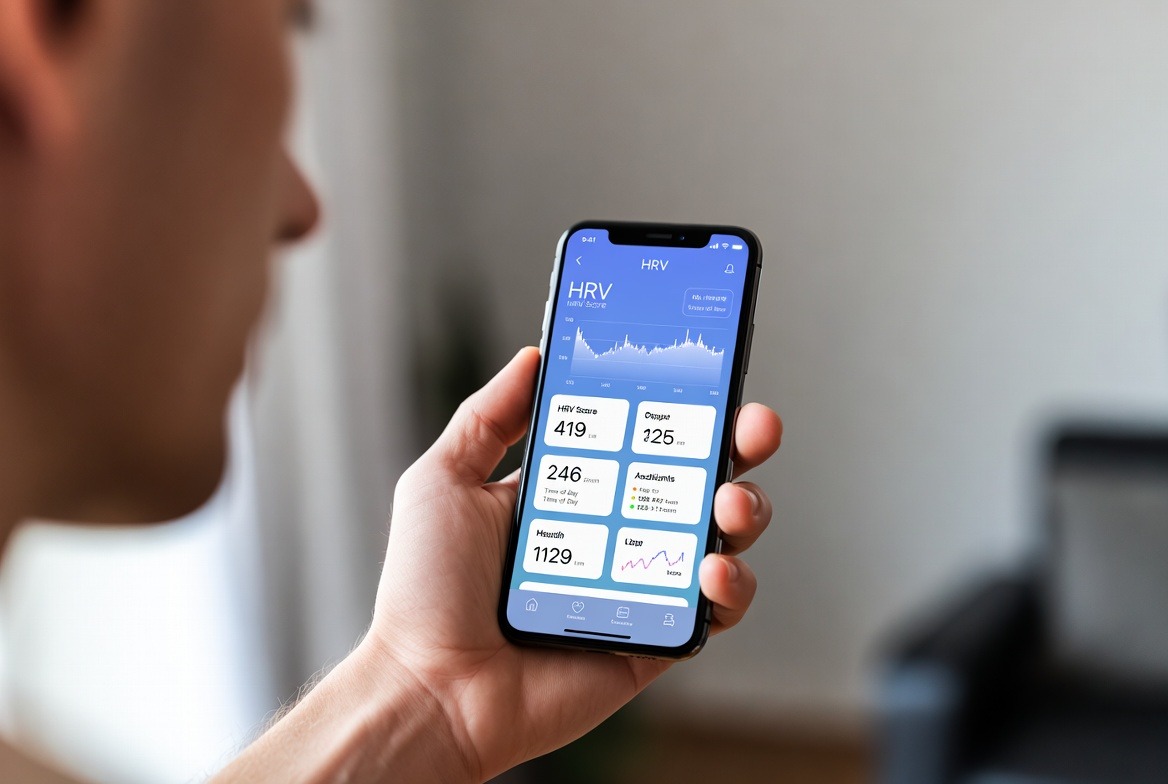
Your smart ring is a powerhouse of physiological data, but it doesn't exist in a vacuum. True holistic health management involves multiple data streams: nutrition logs from apps like MyFitnessPal, workout details from Strava or Apple Fitness+, mindfulness sessions from Calm or Headspace, and perhaps even lab results from your annual physical. The preventive power of your smart ring is magnified exponentially when its data can converse with these other parts of your health ecosystem.
Integration creates a unified dashboard for your life. Imagine this scenario: Your ring shows a poor recovery score. With a click, you can see that this correlates with a week of intense workouts logged in your fitness app and a period of poor nutrition tracking. Or, you see a positive trend in your HRV, and you can correlate it directly with the start of a new meditation habit in your mindfulness app. These connections turn isolated data points into a coherent, causal story.
Key integration capabilities to look for include:
This interconnectedness breaks down data silos. It prevents you from having to juggle multiple apps to get a full picture. Instead, your smart ring becomes the foundational data layer, with other apps building contextual layers on top. This is the future of personalized health tech: an interoperable ecosystem where devices and services work together to serve your unique health journey. For a deeper dive into how to connect your data streams, explore our article on wellness ring integration with other health apps.
By creating this cohesive ecosystem, you move from fragmented insights to unified intelligence, making your preventive wellness strategy more informed, effective, and easier to manage than ever before.
From Data to Daily Habits: Actionable Insights for Sustainable Lifestyle Change
Data, in isolation, is merely numbers. Its true transformative power is unlocked only when it is translated into actionable insights that guide sustainable behavior change. This is the critical bridge between monitoring and true prevention. A smart ring's app should not be a confusing dashboard of charts; it should be a intuitive coach that answers the "So what?" and "Now what?" questions.
The most effective platforms use artificial intelligence and smart algorithms to distill terabytes of raw sensor data into clear, contextual nudges. Here’s how this translation from data to habit happens:
This approach leverages the science of habit formation. It provides immediate feedback (a core principle of behavioral psychology), makes the abstract concrete, and celebrates small wins. When you see a direct, positive impact on your "readiness score" from going to bed an hour earlier, that behavior is reinforced far more powerfully than by a generic article telling you sleep is important.
The smart ring becomes an accountability partner and a positive reinforcement engine. It helps you build healthy habits that are informed by your body's unique responses, not just generic advice. This moves you from a state of "I should" to a state of "I know this works for me because I can see the proof." It turns prevention from a theoretical concept into a daily, lived practice composed of small, smart choices that compound over time into profound health dividends.
The ultimate value of at-home preventive monitoring isn't found in a single day's readiness score or one night of poor sleep. Its profound power is revealed over months, years, and decades. By wearing your smart ring consistently, you are building something priceless: a longitudinal health record unique to you. This is a dynamic, living document that charts your body's story across seasons, life stages, stressors, and triumphs.
Think of your annual physical. It provides a single snapshot—a set of values from one moment in time. Is your blood pressure slightly elevated because you were anxious in the doctor's office (white coat syndrome), or is it a persistent issue? A longitudinal record from your smart ring provides the context that a snapshot cannot. You can show your doctor a graph of your resting heart rate over the last year, demonstrating a clear, sustained upward trend that correlates with a stressful work project. Or, you can show how your sleep efficiency has changed since starting a new medication.
This long-term perspective enables several revolutionary aspects of preventive care:
This record becomes your health autobiography. It can show you how becoming a parent affected your sleep architecture for years. It can illustrate the tangible benefits of finally mastering stress management. It turns wellness from a daily chore into a lifelong journey of self-understanding and optimization. By committing to this long-term view, you are investing in the most detailed, personal, and potentially life-saving health document you will ever own—one that enables true prevention by providing the context that turns data into wisdom.
To trust the insights from your smart ring, it helps to understand the sophisticated technology that transforms the subtle rhythms of your body into clear, actionable data. This isn't magic; it’s a marvel of modern engineering, combining miniaturized medical-grade sensors with powerful, intelligent algorithms. The journey from a pulse in your finger to a "Readiness Score" on your phone is a story of light, motion, and artificial intelligence.
At the heart of most smart rings is a sensor called a Photoplethysmogram (PPG). This small, green LED light shines into the capillaries in your finger, and a photodetector measures how much light is absorbed or reflected back. With each heartbeat, blood volume in the capillaries changes minutely, altering the light pattern. This allows the ring to detect your pulse, and from that, derive your heart rate and, critically, the tiny variations in time between beats—your Heart Rate Variability (HRV). Advanced multi-wavelength PPG sensors can also estimate blood oxygen saturation (SpO2) by comparing absorption of different light colors.
Complementing the PPG is a 3-axis accelerometer and gyroscope. This tiny motion sensor detects movement, orientation, and rotation. It’s what allows the ring to distinguish between different sleep stages (based on micro-movements), track specific exercises, and measure overall activity levels. It provides the crucial context: is your elevated heart rate due to a run, or is it elevated while you’re sitting still?
The third key sensor is a skin temperature thermometer. By continuously monitoring the temperature at your skin’s surface, the ring can establish your personal circadian temperature rhythm and detect deviations, such as the rise associated with fever, ovulation, or inflammatory responses.
But raw data from these sensors is just the beginning. The true intelligence lies in the algorithms. This is where machine learning and vast datasets come into play. The algorithms perform several critical tasks:
Understanding this process demystifies the device and builds trust in its outputs. It’s not a guess; it’s a calculated analysis based on proven scientific principles. To dive even deeper into the technical foundations, our exploration of the science behind modern health tracking technology provides a comprehensive look. This fusion of hardware and software is what makes the modern smart ring a legitimate tool for preventive health, moving far beyond the simple pedometers of the past.
The theoretical promise of preventive wellness becomes tangible when applied to real-life goals. Smart rings are not abstract health devices; they are practical tools leveraged by diverse individuals to solve specific problems and optimize specific areas of their lives. Here are powerful, real-world applications that illustrate the technology's transformative potential:
For the Performance Athlete:
A competitive runner uses her ring to optimize her training cycle. Instead of following a rigid calendar-based plan, she trains by her "Readiness Score." On high-score days, she pushes for personal records in interval sessions. On low-score days, she switches to active recovery like swimming or mobility work, preventing overtraining and injury. She tracks her nighttime HRV to ensure she’s absorbing her training load and uses temperature trends to catch any illness before it derails a key week of preparation. The ring provides the objective data needed for precision periodization.
For the High-Stress Professional:
An executive under constant pressure uses his ring as a stress barometer. He’s learned that back-to-back virtual meetings send his daytime heart rate soaring and his nighttime HRV crashing. With this data, he now schedules mandatory 10-minute breathing breaks between meetings. He can literally see the calming effect of his meditation app practice reflected in a quick HRV rebound. The ring makes the invisible cost of stress visible, providing non-negotiable evidence to enforce boundaries and prioritize recovery, thereby preventing burnout.
For the Sleep-Optimizer:
Someone struggling with chronic fatigue uses the ring’s detailed sleep analysis to become a sleep detective. The data reveals she’s getting plenty of hours but very little deep sleep. Experimenting with the ring’s feedback, she discovers that alcohol, even one glass of wine with dinner, decimates her deep sleep percentage. She also finds her body temperature is too high for optimal sleep. Implementing a cooler bedroom and a earlier dinner cutoff, she sees her deep sleep double within a week, leading to transformative improvements in daily energy.
For the Individual Managing a Chronic Condition:
A person with a known autoimmune condition uses temperature and HRV trends as an early-warning system for flare-ups. A sustained, subtle rise in their baseline temperature often precedes noticeable symptoms by several days. This early signal allows them to immediately implement their doctor-approved protocol of rest, dietary adjustments, and stress reduction, often mitigating the flare’s severity. They bring monthly trend reports to their specialist, creating a richer, data-informed partnership for managing their health.
These stories highlight a common thread: the ring provides objective, personal evidence. It removes the guesswork and self-blame, replacing it with clarity and agency. Reading about real customer reviews and user experiences can provide even more inspiration for how this technology can be applied. Whether the goal is peak performance, resilience, restoration, or management, the smart ring serves as a personalized guide, turning the philosophy of prevention into a daily, practiced reality.
With the growing recognition of their value, the smart ring market is expanding. Choosing the right ring is a critical decision, as it will become your daily health companion. The "best" ring is not a universal answer; it’s the one that best aligns with your specific health priorities, lifestyle, and budget. Here is a framework for navigating your choice, focusing on the core features that enable true preventive wellness.
1. Sensor Accuracy and Biomarker Range: The Foundation
This is non-negotiable. The ring’s primary job is to collect accurate physiological data. Look for:
2. The Algorithm & Insights: The Intelligence
The hardware collects data; the software tells the story. Evaluate the companion app:
3. Battery Life and Form Factor: The Practicalities
For continuous, preventive monitoring, the ring must be effortless to wear.
4. Ecosystem and Privacy: The Environment
5. Subscription Model vs. One-Time Purchase:
This is a key differentiator. Some rings require a monthly subscription to access the full analytics and insights generated from your data. Others operate on a one-time purchase model. Consider which model aligns with your long-term budget and philosophy.
To make a fully informed comparison, a detailed wellness ring comparison chart of top brands can be invaluable. Ultimately, your choice should be guided by which device you trust to provide the most accurate, insightful, and actionable feedback for your unique journey toward preventive health. This is an investment in your long-term well-being, and the right tool will feel like a seamless extension of your own self-awareness.

You’ve chosen your ring. Now, the journey begins. The first weeks are a crucial period of calibration, learning, and habit formation. To move from unboxing to mastery quickly and avoid common pitfalls, follow this guide to set yourself up for long-term success.
Phase 1: The Unboxing and Fit (Weeks 1-2)
Phase 2: The Observation Period – Establishing Your Baseline (Weeks 2-4)
Phase 3: The Insight Phase – Learning Your Body’s Language (Week 4 and Beyond)
Pro-Tips for Beginners:
By following this phased approach, you transition smoothly from a new user to an informed individual who understands their body’s unique signals. You lay a foundation of high-quality data, which is the absolute prerequisite for effective, personalized preventive wellness.
Stress is often called the "silent killer" for a reason. Its effects are systemic, insidious, and, until now, largely invisible in their early stages. We might feel stressed, but quantifying its physiological impact was nearly impossible outside a lab. The smart ring changes this, making the abstract tangibly concrete. It allows you to measure your nervous system's response to life’s demands, transforming stress management from guesswork into a science.
The primary biomarker for this is Heart Rate Variability (HRV). Think of your heart not as a metronome with perfectly even beats, but as a symphony conductor, subtly speeding up and slowing down with each breath and thought. High HRV indicates a flexible, resilient autonomic nervous system (ANS)—one that can efficiently switch between focused energy (sympathetic) and deep recovery (parasympathetic). Low HRV indicates a stressed, fatigued, or inflexible ANS that is struggling to adapt, often stuck in a low-grade "fight or flight" mode.
Here’s how to use your ring to build a powerful stress-resilience practice:
1. Identify Your Stress Signatures:
Your ring will show you your personal stress patterns. You might discover:
2. Implement Measured Interventions:
Use the ring to test which stress-reduction techniques actually work for your physiology.
3. Leverage Data for Boundary Setting:
Objective data provides the justification you need to prioritize self-care. Seeing a graph that shows your body is in a state of constant sympathetic arousal can be the motivation needed to:
4. Track Long-Term Resilience:
Over months, the goal is to see a higher average HRV and a more stable resting heart rate, indicating a more resilient system. You’ll also notice you recover from stressful events faster—your HRV bounces back more quickly after a difficult day.
By quantifying stress, the ring removes its ambiguity. It turns "I feel anxious" into "My nervous system is showing signs of overload, and I have proven tools to help it recalibrate." This empowers you to move from being a victim of stress to being an active manager of your nervous system’s health—a cornerstone of true preventive medicine that protects your cardiovascular, immune, and mental health long-term. This is the practical application of the science behind how health tracking enables personalized wellness.
For nearly half the population, the menstrual cycle is not a sidelined event but a central, rhythmic driver of physiology, mood, and energy. Yet, traditional health tracking and medical models have often treated the female cycle as an inconvenient variable to be controlled, rather than a vital sign to be understood. The smart ring, with its continuous, passive data collection, is uniquely positioned to revolutionize cycle-aware health and provide women with unprecedented insight into their hormonal landscape.
The key lies in tracking basal body temperature (BBT) and heart rate variability (HRV), which fluctuate predictably across the cycle due to the influence of hormones like estrogen and progesterone.
How the Smart Ring Enables Cycle-Synced Prevention:
By honoring the female cycle as a source of data rather than noise, the smart ring empowers women to practice prevention in a way that is exquisitely tailored to their biology. It fosters a deeper, more respectful relationship with the body’s natural rhythms, allowing women to work with their cycles, not against them, for optimal long-term health. This is a prime example of the technology's ability to provide truly personalized wellness, addressing needs that have been historically overlooked.
The smart ring on your finger today represents just the beginning of a rapidly accelerating journey. The field of wearable health technology is one of the most dynamic in the world, with research and development pushing the boundaries of what’s possible from a non-invasive, at-home device. Understanding these emerging trends gives us a glimpse into the near future of preventive wellness, where the line between consumer device and medical tool will continue to blur.
1. Non-Invasive Blood Glucose and Metabolic Monitoring:
This is the holy grail for metabolic health and diabetes prevention. Several companies are developing optical sensors (using Raman spectroscopy or other advanced PPG techniques) to estimate glucose trends without a finger prick. While not yet available in consumer rings for medical diagnosis, the race is on. Success here would revolutionize the management and prevention of metabolic syndrome, insulin resistance, and diabetes.
2. Continuous Blood Pressure Monitoring:
Moving beyond the occasional cuff measurement to continuous, beat-to-beat blood pressure estimation is a major focus. Algorithms are being trained to derive blood pressure waveforms from the PPG signal (a technique called Pulse Wave Analysis). This would provide unparalleled insight into cardiovascular stress throughout the day and night, catching hypertensive episodes that occur outside the clinic.
3. Advanced Biomarkers and Molecular Sensing:
Future sensors may move beyond physical and optical signals to electrochemical sensing. Imagine a ring that can analyze the composition of your sweat in real-time, measuring electrolytes like sodium and potassium (critical for hydration and athletic performance), lactate (a marker of muscle fatigue), or even cortisol (the primary stress hormone). This would open a direct window into your body’s biochemistry.
4. Enhanced AI and Predictive Health Coaching:
The algorithms will become exponentially smarter. Future AI won’t just tell you your recovery is low; it will cross-reference your data with population studies to offer highly personalized, predictive insights. It might say: "Based on your recent HRV trend and sleep consistency, you have a 40% higher statistical risk of an upper respiratory infection in the next 72 hours. Suggested protocol: Increase vitamin C, prioritize 8 hours of sleep, and consider a zinc supplement."
5. Deeper Medical Integration and Remote Patient Monitoring (RPM):
This is already beginning. The future lies in seamless integration with electronic health records (EHRs). With your consent, your physician could monitor key trend lines from your wearable—like a heart failure patient’s nighttime heart rate and respiratory rate—enabling early intervention before a costly hospitalization is needed. This is the full realization of preventive care, moving from the home directly into the clinical workflow. Learn more about this intersection in our piece on health tracking technology in hospitals.
6. Multi-Modal Sensing and Context Awareness:
Future devices will better fuse data from multiple sensors to understand context. For example, combining motion, sound (via a tiny microphone for cough detection, with privacy safeguards), and temperature could more accurately distinguish between an anxiety-induced heart rate spike and one caused by the onset of illness.
These advancements point toward a future where your smart ring becomes a universal health mediator—a device that not only tracks but actively participates in maintaining your homeostasis. It will predict, prevent, and personalize care to a degree we are only beginning to imagine. For a broader look at what’s on the horizon, explore our vision for health tracking technology in 2025 and beyond. This evolution will further cement the smart ring’s role as the most personal and powerful tool in the pursuit of lifelong, proactive wellness.
Adopting any new technology that makes intimate health claims requires a leap of faith. For many, the promise of a smart ring is met with valid skepticism: “Is it accurate enough?” “Will it make me neurotic?” “Is my data safe?” “Do I really need another gadget?” Addressing these concerns head-on is essential for moving from curious observer to empowered user. Let’s dismantle the barriers to trust.
Concern 1: "The data can't be accurate from a ring. It's not medical-grade."
Concern 2: "It will make me obsessive and anxious about my health."
Concern 3: "My privacy will be compromised. Who owns this data?"
Concern 4: "It's just another expensive gadget that will end up in a drawer."
Concern 5: "The insights are too generic. It just tells me to sleep more and stress less."
Building trust is a process. It begins with choosing a credible brand, continues through setting healthy boundaries with the data, and is cemented when you experience the “aha” moment—when the ring’s data perfectly explains a physical feeling, or when acting on its advice leads to a tangible improvement in your well-being. This journey transforms skepticism into confident advocacy, as you become the expert on your own preventive health.
In a world of subscription services and gadget overload, the price tag of a premium smart ring—often ranging from $250 to $400 or more, sometimes plus a monthly fee—can give pause. It’s a legitimate question: Is it worth it? To answer this, we must reframe the purchase from a discretionary consumer electronics buy into a strategic investment in personal health capital. Let’s analyze the potential Return on Investment (ROI) through both tangible and intangible lenses.
Tangible Financial ROI: Preventing Costly Health Events
The most direct economic argument is avoidance. While a smart ring cannot guarantee you’ll never get sick, it equips you to act in ways that significantly reduce risk and catch issues early, when intervention is cheapest and least disruptive.
Intangible & Lifestyle ROI: The Value of Vitality
Beyond the ledger sheet, the ROI manifests in quality of life—assets that are priceless.
Making the Investment Decision:
When evaluating cost, consider it against other common health and wellness expenditures: a year of gym membership ($500-$1000), a series of sessions with a personal trainer or nutritionist (hundreds to thousands), or even a premium mattress ($1000+). The smart ring is a 24/7 coach, sleep lab, and health journal rolled into one.
To ensure you make the right choice for your budget and needs, a thorough guide on making the final purchase decision is invaluable. Ultimately, the ROI of a smart ring is measured not just in dollars saved, but in days filled with vitality, nights of restorative sleep, and the profound confidence that comes from being the active steward of your own well-being. In the economy of health, prevention is the highest-yield investment you can make.
One of the most powerful yet underutilized aspects of smart ring data is its potential to transform the patient-provider relationship. Walking into a doctor’s office armed with months of personalized physiological data shifts the dynamic from a passive reporting of symptoms to an active, collaborative investigation. However, this requires a strategic approach. Here’s how to bridge the gap between your at-home data and clinical care effectively.
1. Preparation: Curate, Don’t Dump.
Your doctor has 15 minutes. Presenting them with 90 days of raw heart rate graphs is overwhelming and unhelpful. Your job is to curate and synthesize.
2. Presentation: Be Clear, Concise, and Clinical.
3. Collaboration: Frame it as a Tool, Not a Diagnosis.
The Benefits of This Approach:
Many forward-thinking providers are eager for this kind of data. To understand what data professionals find most useful, you can read about what doctors find most useful in smart ring data. By preparing and presenting your ring data thoughtfully, you turn your personal health log into a powerful clinical asset, creating a true partnership with your provider aimed at long-term prevention and optimization.

While the smart ring is a profoundly personal device, its impact extends beyond the individual. When large groups of people opt to contribute their anonymized, aggregated data for research, a new frontier of population-level preventive insight opens. This is the concept of social or community wellness: leveraging the power of the crowd to understand health trends, environmental impacts, and disease patterns on a scale never before possible.
How Anonymous Aggregation Works:
Reputable companies will always make this an opt-in, transparent choice. If you consent, your de-identified data—stripped of all personal information like name, email, and precise location—is pooled with millions of other data points. Researchers can then analyze these massive datasets to answer questions like:
The Individual Benefit of the Collective:
By contributing to this pool, you indirectly benefit from its findings. The algorithms that power your personal insights are trained and refined on these vast datasets. The “Readiness Score” you rely on becomes more accurate because it has learned from the patterns of millions. Furthermore, the public health insights gained could lead to earlier warnings about community health risks or more effective wellness programs that you yourself might benefit from.
Ethical Imperatives and Trust:
For this to work, the ethical framework must be ironclad. Users must trust that:
Creating a Culture of Shared Wellness:
This model fosters a new social contract around health data. It allows individuals, by simply wearing their ring, to contribute to a greater good—a map of human health that is dynamic, real-time, and incredibly detailed. It turns a community of users into a powerful force for preventive discovery, helping to answer questions we haven’t even thought to ask yet.
While your personal journey is paramount, recognizing that your anonymized data can be part of a larger mission to improve human health adds a profound layer of purpose to the technology. It represents the evolution of health tracking from a solitary pursuit to a collective endeavor for a healthier society.
Sustainability and Ethical Production: The Wellness of the Planet and Its People
True wellness is holistic. It encompasses not only the health of the individual but also the health of the community and the planet that sustains us. As conscious consumers, it is reasonable to ask: Does the device that promotes my personal prevention come at an environmental or ethical cost? The leading companies in the wearable space are increasingly being judged not just on their technology, but on their commitment to sustainable and ethical practices.
Evaluating the Environmental Footprint:
The lifecycle of a smart ring—from material sourcing to manufacturing, shipping, daily use, and eventual disposal—has an impact. Key considerations include:
The Human Element: Ethical Labor Practices
Wellness should not be built on the exploitation of others. Ethical production means ensuring safe working conditions, fair wages, and the absence of forced or child labor throughout the supply chain. While harder for consumers to verify, companies that prioritize this will often speak about their factory audits and partnerships, aligning their corporate values with their mission of promoting health.
Making an Informed Choice:
As a consumer, you can:
Choosing a smart ring from a company that embodies these principles allows you to extend your preventive wellness philosophy outward. It becomes an act of voting with your wallet for a future where technology advances in harmony with environmental stewardship and human dignity. Your personal health journey can thus be part of a larger, healthier ecosystem.
After months of use, you’ve moved beyond the basics. You understand your trends and rely on your insights. Now, it’s time to master your device—to optimize its performance, troubleshoot common issues, and ensure it serves you faithfully for years to come. This is the advanced user’s guide to squeezing every ounce of value from your preventive wellness tool.
Advanced Optimization Tips:
Common Troubleshooting:
Long-Term Care for Longevity:
By mastering these advanced aspects, you transition from a passive data consumer to an active power user. You ensure the longevity of your device and the integrity of the data it provides, solidifying its role as a reliable cornerstone of your long-term preventive health strategy. For a comprehensive resource on upkeep, our guide on maintenance and care instructions is always available.
Your Trusted Sleep Advocate (Sleep Foundation — https://www.sleepfoundation.org/)
Discover a digital archive of scholarly articles (NIH — https://www.ncbi.nlm.nih.gov/
39 million citations for biomedical literature (PubMed — https://pubmed.ncbi.nlm.nih.gov/)
experts at Harvard Health Publishing covering a variety of health topics — https://www.health.harvard.edu/blog/)
Every life deserves world class care (Cleveland Clinic -
https://my.clevelandclinic.org/health)
Wearable technology and the future of predictive health monitoring. (MIT Technology Review — https://www.technologyreview.com/)
Dedicated to the well-being of all people and guided by science (World Health Organization — https://www.who.int/news-room/)
Psychological science and knowledge to benefit society and improve lives. (APA — https://www.apa.org/monitor/)
Cutting-edge insights on human longevity and peak performance
(Lifespan Research — https://www.lifespan.io/)
Global authority on exercise physiology, sports performance, and human recovery
(American College of Sports Medicine — https://www.acsm.org/)
Neuroscience-driven guidance for better focus, sleep, and mental clarity
(Stanford Human Performance Lab — https://humanperformance.stanford.edu/)
Evidence-based psychology and mind–body wellness resources
(Mayo Clinic — https://www.mayoclinic.org/healthy-lifestyle/)
Data-backed research on emotional wellbeing, stress biology, and resilience
(American Institute of Stress — https://www.stress.org/)


