
How Your Smart Ring Supports Health for Athletes Without Disrupting Training

The modern athlete lives in a world of data. From GPS trackers and heart rate monitors to lactate threshold tests and sleep apps, the pursuit of performance has become a science of metrics. Yet, for all this technology, a critical gap has persisted: the need for continuous, unobtrusive insight into the body’s most fundamental readiness signals without becoming another piece of cumbersome gear or a distraction from the flow of training.

Enter the smart ring. Sleek, durable, and designed for 24/7 wear, this discreet device represents a paradigm shift in athlete monitoring. It moves beyond tracking what you do—your pace, your power, your reps—to measure how you are. By leveraging the unique vascular access point of the finger, smart rings provide medical-grade data on heart rate variability (HRV), resting heart rate (RHR), blood oxygen saturation (SpO2), skin temperature, and sleep architecture. This isn't just another gadget; it's a personal physiological dashboard that works silently in the background.

For the athlete, the promise is profound. Imagine concluding a grueling interval session and having concrete, objective data on your nervous system's response by the next morning, guiding your recovery day. Or identifying a rising resting heart rate and dipping HRV—subtle harbingers of potential overtraining—days before fatigue seeps into your legs or your motivation wanes. This is the power of the smart ring: it translates the silent language of your autonomic nervous system into actionable intelligence.

The true genius, however, lies in its seamless integration. Unlike a chest strap or a wrist-worn device that can chafe, interfere with gear, or require conscious charging rituals, a smart ring disappears into your daily life. You sleep, train, work, and recover with it on, gathering a holistic, uninterrupted stream of baseline data. It supports health not by demanding attention, but by providing it precisely when needed—through a morning readiness score that suggests today’s optimal workout intensity, or a sleep quality assessment that pinpoints recovery deficits.

This article will explore how this elegant piece of technology is revolutionizing athletic preparation, performance, and longevity. We will dissect the core metrics it tracks, translate their meaning for training adaptation, and provide a roadmap for integrating this data into a sustainable, intelligent, and personalized athletic journey. This is not about replacing a coach’s intuition or an athlete’s self-awareness; it’s about empowering both with a deeper, quieter, and more complete understanding of the body’s needs. Welcome to the future of informed, uninterrupted athletic excellence.
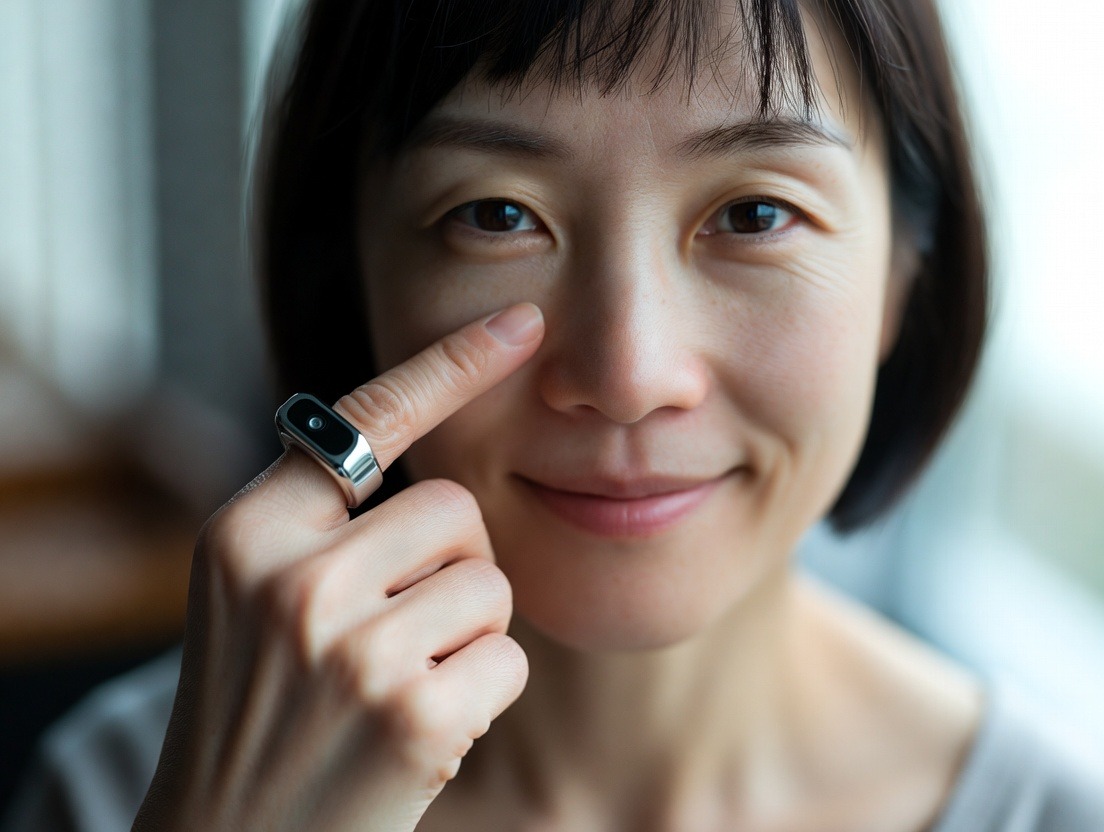
The Unobtrusive Powerhouse: How Smart Ring Design Complements an Active Life

For any piece of athlete technology, adoption hinges on a simple equation: does the value it provides outweigh the friction of using it? A chest strap heart rate monitor provides excellent data but can be uncomfortable, prone to slippage, and requires wetting the electrodes. Wrist-based devices can interfere with weightlifting, racquet sports, or even sleep posture. The smart ring elegantly solves these problems through its fundamental design philosophy: minimalism, durability, and constant proximity.

Crafted from advanced materials like titanium, ceramic, or resilient polymers, modern smart rings are built to endure the rigors of an athletic lifestyle. They are water and shock-resistant, capable of surviving swim sessions, sweat-drenched workouts, accidental impacts, and daily wear. Their form factor is their greatest asset. The finger presents a rich, consistent vascular bed, allowing for highly accurate photoplethysmography (PPG) sensor readings—the technology that measures pulse, blood oxygen, and more. This positioning avoids the "wrist noise" caused by tendon movement in hand-based activities, providing cleaner data during everything from typing to deadlifting.

The athlete’s experience is one of "set it and forget it." After an initial sizing and pairing with a smartphone app, the ring operates autonomously. Its low-profile design means no snagging on clothing or equipment. It doesn't require constant adjustment or interfere with gloves, grips, or watches. During sleep, a critical period for data collection, it’s far less intrusive than a bulky watch, allowing for natural movement and more accurate sleep stage detection. Charging is infrequent—often just once every 4-7 days—and can be slotted into a busy schedule, unlike daily charging rituals that can lead to data gaps.

This seamless integration fosters consistent data collection, which is the bedrock of meaningful insight. The ring builds a comprehensive physiological baseline because it’s always there, silently recording. It captures not just your response to a single workout, but your body’s 24-hour rhythm: how stress at work affects your nervous system, how a late meal impacts your sleep and next-morning recovery, how travel disrupts your circadian cycle. For the athlete, this holistic view is indispensable. Performance isn't created in a 60-minute training window; it's forged and eroded in every hour of the day. The smart ring, by virtue of its unobtrusive design, is the first device capable of illuminating that entire picture without asking you to change a single habit. It’s a tool that adapts to your life, not the other way around. For a deeper dive into how this continuous tracking builds a foundation for balance, our article on using a wellness ring to build the work-life balance you deserve explores this synergy in detail.

Decoding the Morning Readiness Score: Your Daily Training Prescription

You wake up. The alarm goes off, and the mental calculations begin: "How do I feel? Sore from yesterday? Energetic? A bit off?" For generations, athletes have relied on this subjective "feel" to guide daily training decisions—a flawed but necessary system. The smart ring transforms this guesswork into a data-driven conversation with your body, centered on one powerful metric: the Morning Readiness Score.

This composite score is not a random number. It's a sophisticated algorithm synthesizing the key recovery metrics your ring has collected overnight: Heart Rate Variability (HRV), Resting Heart Rate (RHR), Sleep Quality (duration, stages, disturbances), Skin Temperature, and Blood Oxygen (SpO2). Each of these is a vital sign of your autonomic nervous system (ANS) balance—the tug-of-war between the sympathetic ("fight or flight") and parasympathetic ("rest and digest") branches.

  • Heart Rate Variability (HRV): The gold standard for recovery and resilience. Higher HRV generally indicates a dominant parasympathetic state, meaning your body is recovered, adaptable, and ready for stress. A significant drop from your personal baseline is a clear, early warning sign of fatigue, insufficient recovery, or impending illness.
  • Resting Heart Rate (RHR): A elevated RHR upon waking can signal that your body is still under stress—working to repair muscles, fight off a pathogen, or manage systemic inflammation.
  • Sleep Data: The ring quantifies not just how long you slept, but how well. The balance of deep sleep (physical restoration), REM sleep (cognitive and emotional processing), and light sleep, along with wakefulness events, paints a precise picture of your recovery efficacy.

By weighing these factors against your personal, established baseline (not population averages), the readiness score delivers a clear, objective verdict on your physiological state. A score of 85/100 or "Optimal Recovery" is a green light: your body has absorbed the previous training load and is primed to perform. You can attack that key workout or long session with confidence.

A score of 65/100 or "Moderate Recovery," often accompanied by a lowered HRV and slightly elevated RHR, is a yellow light. It suggests incomplete recovery. This is where the smart ring proves its worth beyond tracking—it guides action. Instead of blindly following a pre-written plan, you learn to adapt. This might mean turning a high-intensity interval day into a moderate aerobic session, prioritizing extra mobility work, or doubling down on hydration and nutrition. It’s a call to listen and respond, preventing the accumulation of fatigue that leads to plateaus or injury.

A low score is a red light and a crucial intervention. It’s your body shouting that it’s under disproportionate stress. Heeding this warning by swapping a hard workout for complete rest or very light activity can be the difference between a minor setback and a weeks-long overtraining syndrome. This intelligent, responsive approach is the cornerstone of sustainable high performance. To understand how this score translates beyond the gym to your entire day, explore how a wellness ring's morning readiness score predicts daily productivity.

Heart Rate Variability: The Athlete's North Star for Nervous System Health

If you could only track one metric with your smart ring, for an athlete, it should be Heart Rate Variability. HRV is the ultimate insider report on your autonomic nervous system, offering a real-time, nuanced look at your body's ability to handle stress and recover from it. Contrary to what the name might imply, it’s not about heart rate, but the variation in time between successive heartbeats, measured in milliseconds.

A healthy, resilient heart does not beat with the metronomic regularity of a drum machine. Instead, it dances to a complex rhythm orchestrated by the constant push-and-pull between the sympathetic and parasympathetic nervous systems. When you are well-rested, recovered, and healthy, the parasympathetic system (via the vagus nerve) holds more influence, creating greater variability between beats—your heart can quickly adapt to subtle changes in breathing, thought, and environment. This is reflected in a higher HRV. When you are fatigued, stressed, dehydrated, or fighting illness, the sympathetic system takes a dominant, sustained tone, creating a more rigid, less variable heart rhythm and a lower HRV.

For the athlete, tracking HRV—especially the trend over time—is revolutionary. It provides an objective measure of training adaptation that goes far beyond "I'm tired."

  • Detecting Overtraining: A sustained downward trend in HRV over 5-7 days, despite adequate sleep, is one of the earliest and most reliable signs of non-functional overreaching or overtraining. It’s a signal that the cumulative stress (training, life, psychological) is overwhelming your body's capacity to adapt. Catching this early allows for immediate load reduction, preventing a full-blown performance crash.
  • Guiding Tapering: In the lead-up to a competition, watching HRV rise can confirm that your taper is effective. Your body is shedding fatigue, enhancing parasympathetic tone, and super-compensating—building confidence that you’ve arrived at the start line in peak condition.
  • Personalizing Load: HRV can help identify individual responses to different types of training. You might see that high-intensity sessions suppress your HRV for 48 hours, while long, steady aerobic work leaves it stable. This knowledge lets you sequence workouts more intelligently within your weekly microcycle.
  • Monitoring Life Stress: HRV doesn't distinguish between training stress and life stress. A sudden drop on a rest day might point to work deadlines, emotional strain, or poor sleep. This holistic view teaches athletes that performance is a whole-life endeavor.

Your smart ring makes HRV tracking effortless. By capturing your nightly, sleeping HRV (the most consistent and reliable measurement window), it establishes your personal baseline. The morning report then shows your current HRV relative to that baseline. This daily feedback loop fosters a profound mind-body connection, replacing vague feelings with concrete data and empowering you to train smarter, not just harder. For a foundational understanding of how to leverage this and other key metrics, our complete beginner-friendly guide to peak performance using ring data is an essential resource.

Sleep Architecture: Optimizing Your Most Powerful Recovery Tool

Elite athletes don't just train; they recover. And sleep is the undisputed king of recovery. It’s during deep, quality sleep that human growth hormone (HGH) is released, facilitating muscle repair and growth. The brain clears metabolic waste via the glymphatic system. Memories and skills (like a new movement pattern) are consolidated. The immune system reboots. For decades, athletes have known "get more sleep," but the smart ring unveils the critical nuance: it’s not just about quantity, but about quality and architecture.

A smart ring with advanced sleep staging uses its heart rate, HRV, and movement data to estimate the time you spend in each crucial sleep stage: Light Sleep, Deep Sleep (Slow-Wave Sleep), REM (Rapid Eye Movement) Sleep, and periods of wakefulness.

  • Deep Sleep (SWS): This is the physically restorative phase. It’s when tissue growth and repair occur, energy is restored, and crucial hormones for athletic development are released. For an athlete recovering from a heavy strength session or a long run, optimizing deep sleep is paramount.
  • REM Sleep: This stage is vital for cognitive recovery, emotional regulation, and memory consolidation. It’s when the brain processes the learning from the day—including the motor learning from technical skill practice. Poor REM sleep can impact coordination, reaction time, and mental resilience.
  • Sleep Latency & Efficiency: How long it takes you to fall asleep (latency) and what percentage of your time in bed you’re actually asleep (efficiency) are key indicators of sleep health and stress levels.

The smart ring transforms this data from academic to actionable. By tracking over time, you can answer pivotal questions:

  • Does my training affect my sleep? You may find that very late-evening high-intensity workouts raise your core temperature and heart rate, delaying sleep onset and reducing deep sleep in the first half of the night. This could prompt you to schedule such sessions earlier.
  • What pre-sleep routine works best for me? Compare nights with evening meditation, light reading, or screen time. Does one correlate with faster sleep onset and higher deep sleep percentages? The ring provides the evidence.
  • Am I truly recovering on rest days? A "rest day" is only effective if it includes quality sleep. The ring confirms whether your body is using that reduced physical load to achieve more restorative sleep.
  • How does travel or changing time zones affect me? The ring can track the disruption to your sleep stages and circadian rhythm, guiding you to use light exposure and other tools more effectively to re-synchronize.

By moving from simply counting hours to analyzing structure, you gain the power to optimize your single most potent recovery modality. You learn which behaviors support restorative sleep and which sabotage it, allowing you to make deliberate choices that directly fuel performance adaptations. The impact of this extends far beyond the gym; as detailed in our analysis, your wellness ring's sleep score significantly impacts next-day productivity, highlighting the universal importance of this metric.

Resting Heart Rate & Body Temperature: Early-Warning Sentinels

In the quest for peak performance, the line between optimal load and overload can be thin. Catching the early signs of imbalance—before they manifest as injury, illness, or a performance slump—is a superpower. Your smart ring equips you with two of the most reliable sentinel metrics for this task: Resting Heart Rate (RHR) and Nightly Skin Temperature.

Resting Heart Rate: The Body's Stress Gauge
Your RHR, measured ideally upon waking before any movement, is a beautifully simple yet profound metric. When you are well-recovered, parasympathetic tone is high, and your heart doesn’t have to work hard at rest, resulting in a lower RHR. When your body is under systemic stress—from intense training, psychological pressure, dehydration, or the early stages of an infection—it requires more oxygen and nutrient delivery. The sympathetic nervous system responds by increasing cardiac output, raising your RHR even at rest.

For the athlete, tracking the trend is key. A single elevated reading might be due to a poor night's sleep or alcohol consumption. However, a sustained elevation of 5-10 beats per minute above your personal baseline over several mornings is a bright red flag. It’s one of the classic, textbook signs of insufficient recovery or the onset of overtraining syndrome. By pairing this with a declining HRV trend, you have a very strong, objective case for inserting an extra recovery day or dialing back intensity, potentially saving weeks of progress.

Nightly Skin Temperature: The Inflammation & Cycle Tracker
Your body’s core temperature follows a circadian rhythm, typically dropping at night to facilitate sleep. Peripheral skin temperature, which your ring measures on your finger, provides a proxy for these shifts and other physiological changes.

  • Illness Detection: One of the earliest signs of a viral or bacterial invasion is a fever or elevated temperature. Your ring’s baseline data allows it to detect a sustained increase in your nocturnal skin temperature trend, often 1-2 days before you feel symptomatic. This early warning can prompt you to hydrate aggressively, prioritize sleep, and reduce training load, potentially mitigating the severity or duration of the illness.
  • Menstrual Cycle Insights (for female athletes): Basal body temperature (BBT) tracking is a long-established method for identifying ovulation and phases of the menstrual cycle. The smart ring automates this with far greater ease and accuracy than manual morning measurements, providing female athletes with crucial data on how their physiology and performance capabilities naturally fluctuate throughout the month. This allows for cycle-aware training planning, aligning demanding sessions with the higher-energy follicular phase and emphasizing recovery during the luteal phase.
  • Overreaching Marker: Similar to RHR, a sustained elevation in nighttime skin temperature can also indicate a state of systemic inflammation and stress from excessive training load.

Together, RHR and skin temperature act as your physiological early-warning system. They provide the "why" behind a low readiness score, helping you distinguish between simple fatigue and more systemic issues. This empowers proactive health management, keeping you healthy, consistent, and on track—which, for any athlete, is the ultimate competitive advantage. Learning to listen to these signals is a key component of the productivity-health synergy a smart ring teaches about rest.

Blood Oxygen & Respiratory Rate: Unveiling Cardiorespiratory Efficiency and Altitude Adaptation

While HRV and sleep often take center stage, two other vital signs captured by advanced smart rings offer deep insights into an athlete's cardiorespiratory health and adaptation to environmental stress: Blood Oxygen Saturation (SpO2) and Respiratory Rate.

Blood Oxygen Saturation (SpO2): The Oxygen Delivery Gauge
SpO2 measures the percentage of oxygen-saturated hemoglobin in your blood. For a healthy individual at sea level, this typically rests between 95-100%. Your ring uses specialized PPG sensors to estimate this overnight, providing a trend of your body's oxygenation during the critical recovery period.

  • Sleep Apnea & Breathing Disruption: Consistently low overnight SpO2 (e.g., frequent dips below 94%) can be an indicator of sleep-disordered breathing, such as sleep apnea. For athletes, this is critically important. Apnea events create micro-awakenings (disrupting sleep architecture) and cause intermittent hypoxia (low oxygen), placing extra stress on the cardiovascular system and impairing recovery. Identifying this issue can lead to a sleep study and treatment, often resulting in dramatically improved sleep quality, daytime energy, and performance.
  • Altitude Adaptation: For athletes training or competing at altitude, monitoring SpO2 is essential. Upon ascent, SpO2 will drop as the partial pressure of oxygen decreases. Tracking the gradual recovery of your SpO2 over days and weeks provides a direct metric of your physiological adaptation to altitude—your body's production of more red blood cells and other acclimatization processes. A smart ring makes this tracking effortless and continuous.
  • Illness Indicator: Respiratory illnesses, like chest infections, can also cause SpO2 to drop. A sudden, sustained decrease in your baseline SpO2 can be another early sign to take your foot off the training gas.

Respiratory Rate: The Autonomic Nervous System's Window
The number of breaths you take per minute is a direct output of your brainstem, heavily influenced by the autonomic nervous system. During deep, restorative sleep, your respiratory rate should be low and regular. Your smart ring can track this rate throughout the night.

  • Stress & Recovery Marker: An elevated respiratory rate during sleep can be a sign of heightened sympathetic nervous system activity, similar to an elevated RHR. It may indicate that your body is still in a stressed state, working hard to recover.
  • Training Load Response: You might observe that your nighttime respiratory rate is slightly higher after days of very high cardiovascular load, as your body's metabolic rate remains elevated during repair processes.
  • Consistency Check: A stable, low respiratory rate trend is generally a good sign of robust recovery and a calm nervous system.

For endurance athletes, in particular, these metrics are gold. They provide a window into the very system they are striving to improve—oxygen delivery and utilization. By ensuring this system is operating optimally during rest (via good SpO2 and respiratory rate), they set the stage for more efficient performance during activity. Understanding how these subtle metrics interplay is part of a larger journey, which we outline in our complete beginner-friendly guide to sustainable high performance.

Activity & Workout Tracking: Contextualizing Strain Without the Bulk

A common question from athletes is: "Can it track my workouts?" The answer is nuanced and reveals the smart ring's unique philosophy. While it may not replace a dedicated GPS sports watch for mapping your 20-mile run or a power meter for your wattage output, the smart ring excels at providing the crucial physiological context for that strain, seamlessly and without duplication of effort.

Most smart rings include a 3-axis accelerometer to measure general movement and activity. This allows them to:

  • Estimate Daily Energy Expenditure: By combining your movement data with your physiological metrics (like heart rate trends), the ring can provide a good estimate of total calories burned throughout the day, helping to inform nutrition strategies for maintenance, weight loss, or muscle gain.
  • Track Non-Exercise Activity Thermogenesis (NEAT): For athletes, NEAT—the calories burned through all activity outside of dedicated exercise—can be a significant and variable component of total load. The ring's all-day wear captures this effortlessly, whether you’re on your feet at work, doing chores, or taking a walk.
  • Provide Basic Workout Metrics: For runs, cycles, gym sessions, or other activities, you can manually start a workout session in the app. The ring will then record your heart rate throughout, providing average and maximum HR, along with an estimate of active calories burned for that session. This is incredibly useful for steady-state cardio or tracking the cardiovascular demand of a circuit training session.

The true magic, however, happens in the integration. The ring's primary value isn't in being your primary workout tracker, but in understanding how those workouts affect your system. After you log or sync a workout from another device (many ring apps allow integration with Strava, Apple Health, Google Fit, etc.), the ring’s data provides the aftermath.

You can see, in concrete terms:

  • How that specific 90-minute threshold run impacted your that night's deep sleep percentage and next-morning HRV.
  • Whether two high-intensity days in a row cause a cumulative drop in your readiness score, suggesting you need a different weekly structure.
  • If your body responds better—from a recovery standpoint—to morning versus evening training sessions.

This creates a virtuous cycle: you impose a known strain (the workout), and the ring measures the resulting stress and adaptation (the recovery metrics). This feedback loop is what turns training from a series of outputs into an intelligent conversation with your body. It helps you answer the most important question: "Was that workout effective in stimulating adaptation without being excessive?" For strategies on how to analyze this strain-recovery relationship, our guide on energy management using smart ring productivity insights offers valuable parallels.

The Art of Data Synthesis: Creating Your Personal Performance Blueprint

Raw data is just noise. The transformative power of the smart ring lies in your ability to synthesize its various streams of information into a coherent, personal performance blueprint. This is where you move from being a passive data collector to an active, intuitive athlete-scientist. The ring provides the signals; you learn the language.

Step 1: Establish Your True Baseline.
The first 2-4 weeks of wearing the ring are a discovery phase. During this time, try to maintain relatively consistent training and lifestyle habits. This allows the ring’s algorithms to learn your normal ranges for HRV, RHR, sleep, and temperature. Forget population averages; your baseline is your only meaningful reference point. A "low" HRV of 35 ms might be perfectly normal and healthy for you, while a drop to 25 ms is the critical warning sign.

Step 2: Observe the Cause-and-Effect Loops.
Start playing detective with your own life. Use the journal feature in most companion apps (or your own notebook) to tag days with specific stressors:

  • "Heavy Leg Day," "20k Long Run," "Mental Work Deadline," "Late Social Dinner," "Travel Day," "Argument with partner."
    Then, observe the data over the following 24-48 hours. You'll begin to see clear patterns. Perhaps deadlift sessions crush your HRV for two days, while long runs mainly impact your deep sleep. Maybe work stress elevates your RHR more than physical training. This is empowering knowledge—it tells you what costs your system the most and how it prefers to recover.

Step 3: Let Readiness Guide Your "Green, Yellow, Red" System.
Based on your established norms, create a simple decision framework:

  • Green Day (High Readiness, HRV high/stable, RHR low): Execute the plan as written. Push intensity. This is where PRs are built.
  • Yellow Day (Moderate Readiness, HRV slightly down, RHR slightly up): Adapt. Swap intensity for volume. Shift focus to technique. Add 10 extra minutes of cooldown/mobility. Be extra diligent with nutrition and hydration.
  • Red Day (Low Readiness, HRV significantly down, RHR elevated, poor sleep): Rest is training. Make this an active recovery day (walking, light yoga) or a complete rest day. Your only job is to recover.

Step 4: Look for Longitudinal Trends, Not Daily Noise.
Avoid the trap of obsessing over a single day's score. The real insights are in the weekly and monthly trends. Is your baseline HRV slowly climbing over a training block? That's a sign of improving fitness and resilience. Is it on a steady decline? That's a sign you're not recovering adequately from your current load. Use the trends to guide mesocycle (3-6 week block) planning, knowing when to push and when to incorporate a deload week.

By synthesizing data in this way, you build self-awareness that transcends the device. The ring becomes a coach that validates your intuition ("I feel off today") with data, and a teacher that reveals hidden patterns ("I always sleep poorly after evening caffeine"). This process of creating a personal blueprint is the ultimate goal, as explored in our article on the productivity-health synergy for athletes using smart ring data.

Mitigating Overtraining and Injury Risk: A Proactive, Data-Driven Defense

Overtraining syndrome (OTS) and injury are the twin specters that haunt every dedicated athlete. They represent the catastrophic end of a spectrum that begins with functional overreaching. The traditional approach has been reactive: you get hurt or burned out, then you stop. The smart ring enables a proactive, preventive model, allowing you to see the warning signs on the horizon and change course long before you crash.

The metrics provided by the ring form a diagnostic checklist for excessive strain:

  1. A Sustained Drop in HRV: The most sensitive indicator. If your HRV remains suppressed below your baseline for 5-7 consecutive days, despite normal sleep and nutrition, it is a powerful signal that your nervous system is failing to recover.
  2. A Sustained Elevation in RHR: Waking up with a heart rate 7-10 bpm higher than normal for multiple days indicates your body is in a persistent state of stress.
  3. Deteriorating Sleep Quality: Despite fatigue, you may experience restless sleep, reduced deep sleep, and frequent awakenings—a paradox where the body needs rest but the stressed nervous system won't allow it.
  4. Elevated Nightly Temperature: A prolonged rise can indicate systemic inflammation from too much breakdown without adequate repair.
  5. A Plummeting Readiness Score: This composite metric pulls all the above together, giving you a single, urgent number that demands attention.

When 2-3 of these red flags appear simultaneously, it is no longer a suggestion but a biological mandate to reduce load. This is where the ring pays for itself many times over. Instead of blindly following a plan into a state of non-functional overreaching (which can require weeks or months to recover from), you can implement a "stress reset." This might mean:

  • Turning a high-intensity week into a moderate-volume, low-intensity week.
  • Inserting 2-3 extra recovery days.
  • Delaying a planned competition or peak.
  • Focusing solely on sleep, nutrition, hydration, and stress-management techniques.

Similarly, for injury prevention, the data is indirect but invaluable. Chronic under-recovery leads to poor movement quality, decreased motor control, and accumulated tissue damage. By ensuring you are only performing high-skill or high-load training when your nervous system is recovered (high HRV, good readiness), you reduce the risk of technical failure and the resultant acute injury. The ring tells you when your central computer (your brain and nervous system) is functioning optimally to control the complex machinery of your body. This proactive defense is the cornerstone of a long, healthy, and progressive athletic career. It aligns perfectly with the philosophy of using data for strategic rest to achieve maximum output.

Nutritional and Hydration Insights: Fine-Tuning Fuel Through Physiological Feedback

Nutrition and hydration are not one-size-fits-all, and their needs fluctuate daily based on training load, stress, sleep, and environmental conditions. While a smart ring won't tell you exactly how many grams of carbs to eat, it provides the physiological feedback necessary to fine-tune your fueling strategies in real-time, creating a dynamic, responsive approach to athlete nutrition.

Hydration Status:
Chronic dehydration is a silent performance killer, impacting everything from blood volume and cooling to joint lubrication and cognitive function. Your smart ring offers clever proxies for hydration status:

  • Resting Heart Rate (RHR): Dehydration reduces blood plasma volume, forcing your heart to beat faster to maintain cardiac output and blood pressure. A sudden, unexplained spike in your morning RHR can often be traced back to inadequate fluid intake the previous day, especially if paired with a hard workout or sauna use.
  • Heart Rate Variability (HRV): Dehydration increases sympathetic nervous system activity, which can suppress HRV. If you see an unexpected dip in HRV, consider your fluid intake alongside other stressors.
  • Skin Temperature & Sleep: Dehydration can impair the body's thermoregulation, potentially affecting sleep quality. Poor sleep, in turn, can disrupt hunger hormones.

By correlating days of low fluid intake with these metrics, you learn your personal hydration requirements. The ring’s data encourages you to hydrate proactively, not just reactively during workouts.

Nutritional Timing and Recovery:
The ring’s recovery metrics are direct report cards on your nutritional strategies.

  • Post-Workout Refueling: Do you recover faster—with better next-morning HRV and readiness—when you consume a protein/carb meal within 30 minutes of a hard session versus delaying it? The data will show you.
  • Evening Meals and Sleep: Experiment with the size and timing of your last meal. Does a large, late dinner correlate with reduced deep sleep and elevated nighttime heart rate? The ring provides objective evidence, guiding you toward an optimal evening nutrition window for your body.
  • Macronutrient Effects: While harder to isolate, some athletes notice trends. For example, a day very low in carbohydrates might correlate with higher perceived stress (elevated RHR) and poorer sleep quality, signaling that their training load requires more glycogen replenishment.

Caffeine and Alcohol: The Quantifiable Impact
These two common substances have dramatic, measurable effects on physiology.

  • Caffeine Timing: Track what happens when you have caffeine after 2 PM. Does it increase your sleep latency, reduce deep sleep, or lower your next-morning readiness score? This data empowers you to set a personal "caffeine curfew" for optimal recovery.
  • Alcohol: Even one or two drinks can be vividly seen in the data: typically a suppressed HRV, elevated RHR, reduced REM sleep, and a higher resting respiratory rate. Seeing the concrete cost of alcohol on your recovery can be a powerful motivator for moderating intake, especially during key training phases.

By using the ring as a biofeedback tool, you move from following generic nutrition rules to developing a personalized fueling protocol that directly supports your recovery and performance goals. This level of fine-tuning is a key habit of elite performers, as discussed in our guide on morning nutrition and ring performance.

Integrating the Ring into Periodized Training: From Macrocycle Planning to Daily Micro-Adjustments

Periodization—the systematic planning of athletic training—has traditionally been a top-down process. A coach or athlete plots out mesocycles (build, peak, taper) based on a calendar and an event date, prescribing intensity and volume in advance. The smart ring introduces a powerful, bottom-up feedback loop to this model, transforming rigid periodization into adaptive periodization. It allows the plan to breathe, flex, and respond to the athlete’s actual physiological state, creating a living, dynamic roadmap to peak performance.

Informing the Macrocycle (The Big Picture):
At the start of a training season or block, the ring’s longitudinal data is invaluable. By reviewing trends from previous blocks, you can answer critical questions:

  • What is my typical recovery curve? How many days does it take for my HRV to bounce back after a max-effort competition or a brutal training week? This informs how you structure recovery weeks within your macrocycle.
  • How does my body respond to different stressors? Does high-volume training suppress my HRV more than high-intensity training? This knowledge helps you sequence training phases more effectively.
  • What is my true baseline? Starting a new block with a clear understanding of your "rested" metrics gives you a solid foundation to measure fatigue accumulation against.

Guiding the Mesocycle (The 3-6 Week Block):
This is where the ring becomes a co-pilot. A traditional 3-week build phase followed by a 1-week deload is a guess. With ring data, that deload week becomes data-driven.

  • Signaling the Deload: Instead of deloading on a pre-set calendar week, you deload when your metrics collectively signal the need. A progressive downward trend in HRV, a creeping elevation in RHR, and a dip in sleep quality over the final days of a build phase confirm that the deload is not just scheduled—it’s necessary.
  • Evaluating Block Effectiveness: At the end of a mesocycle, a successful block should show an elevation in your baseline HRV and a lowering of your baseline RHR during recovery periods. This indicates improved fitness and resilience. If your metrics are worse, the block may have been too aggressive, signaling a need to adjust the stress/recovery balance in the next one.

Mastering the Microcycle (The Weekly Plan) and Daily Adjustments:
This is the ring’s sweet spot—turning a static weekly schedule into an intelligent, responsive plan.

  • Dynamic Workout Sequencing: Your planned Tuesday intensity session arrives, but your readiness score is a 62/100. Adaptive periodization says: swap Tuesday’s and Wednesday’s workouts (if Wednesday is lower intensity), or modify Tuesday’s session to focus on technique at a lower heart rate. You preserve the weekly training stimulus but align it with your body’s readiness.
  • Optimizing the "Stress-Recovery-Stress" Cycle: The ring makes this cycle visible. You impose a stress (workout), see the dip in metrics (fatigue), and then wait for the supercompensation—the rebound of metrics above baseline—before applying the next major stress. Training at the peak of this rebound yields the best results and minimizes injury risk.
  • Taper Precision: The taper before a competition is often plagued by anxiety: "Am I doing too much? Too little?" The ring provides objective assurance. A well-executed taper will show a steady climb in HRV, a drop in RHR, and excellent sleep scores. If your metrics aren't improving, your taper volume may still be too high. This allows for last-minute, intelligent adjustments to ensure you arrive on the start line fully recovered and super-compensated.

By integrating ring data, periodization evolves from an art based on experience into a science guided by personal physiology. It respects the fundamental principle of individuality, ensuring the plan serves the athlete, not the other way around. This approach is key to achieving the kind of sustainable achievement through health that defines long-term athletic careers.

The Mental Game: Quantifying Stress, Building Resilience, and Enhancing Focus

Athletic performance is not purely physical. The mental and emotional load of competition, travel, media scrutiny, and personal life exerts a profound physiological toll that can derail even the most perfectly periodized physical plan. The smart ring’s groundbreaking role is in quantifying the intangible. It makes psychological stress physiologically visible, allowing athletes to manage their mental environment with the same precision as their training load.

Stress as a Measurable Metric:
The ring doesn't know if you’re stressed about a race, a contract, or a relationship. But it meticulously records the impact of that stress on your autonomic nervous system. A tough conversation with a coach, a day of intense travel, or pre-competition anxiety will often manifest as:

  • A suppressed HRV for the day/night.
  • An elevated resting heart rate.
  • More restless sleep with less deep or REM sleep.
  • A lower morning readiness score.

Seeing this data accomplishes two vital things:

  1. Validation: It confirms that "this is real." The stress isn't "just in your head"; it's having a measurable, recovery-sapping effect on your body. This reduces frustration and helps you address it as a legitimate training obstacle.
  2. Awareness: It builds mindfulness. You begin to connect internal feelings of anxiety or overwhelm with their physiological signatures. This awareness is the first step toward regulation.

Building Mental Resilience Through Biofeedback:
The ring can be used as a biofeedback tool to directly train your nervous system and improve stress resilience.

  • Breathwork & Meditation Validation: Engage in a 10-minute diaphragmatic breathing session or meditation. Observe what happens to your real-time heart rate (if your ring supports live reading) or your HRV/RHR the following morning. Does it improve? This positive feedback reinforces the practice, proving its tangible benefit and encouraging consistency.
  • Identifying Recovery Activities: Compare a rest day spent scrolling on your phone versus one spent on a nature walk. Which one leads to a better physiological recovery profile? The data will guide you toward truly restorative mental practices.
  • Pre-Competition Routine Optimization: Develop a pre-race routine aimed at calming the nervous system. Does listening to a specific playlist, performing a visualization exercise, or using a specific breathing pattern result in a more favorable physiological state (lower RHR, higher HRV) on the morning of competition? The ring provides the evidence to refine your most important rituals.

Focus and Cognitive Readiness:
Physical fatigue and nervous system fatigue are linked. A low readiness score or poor HRV doesn’t just mean your legs are heavy; it often means your focus, decision-making, and technical skill execution will be impaired. For athletes in sports requiring precision, strategy, or rapid reaction times (e.g., golf, tennis, climbing, motorsport), this is critical intelligence.

By checking your readiness score before a technical practice session, you can manage expectations. A "yellow" day might be better spent on film review, light drills, or physical recovery than on fine-tuning a complex skill. You preserve confidence and avoid ingraining poor movement patterns due to a fatigued central nervous system. This principle of aligning cognitive demand with physiological readiness is explored in our guide on decision-making quality based on ring metrics.

Ultimately, the smart ring bridges the mind-body gap. It provides an objective, non-judgmental report that fosters a more compassionate and intelligent relationship with oneself, turning mental game management from an abstract concept into a data-informed discipline.

Recovery Optimization: Beyond Rest Days to 24/7 Regeneration

For the modern athlete, recovery is no longer a passive state—it’s an active, strategic process. The smart ring elevates recovery from a vague concept ("get more sleep") to a multidimensional, optimized protocol. It answers the crucial question: "What specific recovery modalities work best for me, and when should I apply them?"

Personalized Recovery Modality Assessment:
The market is flooded with recovery tools: compression boots, infrared saunas, cryotherapy, contrast therapy, massage guns, float tanks. Do they work? The universal answer is: "It depends." The ring provides the personal evidence.

  • Test and Validate: Use the ring to conduct single-subject experiments. For example, after two similar hard training days, use the pneumatic boots on one evening and not the other. Compare the next morning’s HRV, RHR, and sleep data. Does one modality lead to measurably better recovery metrics? The ring tells you if it’s worth your time and money.
  • Timing is Everything: The ring can help identify the optimal time for certain modalities. Does an evening sauna session improve your deep sleep, or does it raise your core temperature too much and disrupt it? Does contrast therapy after a late afternoon workout help settle your nervous system faster? The data guides your schedule.

Nutritional Recovery Feedback Loop:
As touched on earlier, the ring closes the loop on nutritional recovery strategies.

  • Post-Workout Window: Track the speed of your physiological recovery (HRV rebound) when you consume a recovery shake immediately post-workout versus waiting 2 hours. The data may reveal your personal anabolic window.
  • Sleep & Macronutrients: Experiment with a small protein-rich snack before bed. Does it correlate with more stable blood sugar (indicated by fewer nighttime awakenings) and improved deep sleep? For some athletes, especially those in a calorie deficit or with high metabolic demands, it can.
  • Hydration Strategies: Correlate days of deliberate electrolyte supplementation (especially after sweat-heavy sessions) with improved overnight HRV and lower morning RHR. This moves hydration from a general goal to a targeted, data-backed protocol.

The 24/7 Recovery Mindset:
The ring’s constant wear reinforces that recovery happens every minute of the day, not just on your rest day. It encourages micro-habits that compound:

  • Stress Management as Recovery: A 5-minute meditation break during a stressful workday isn't just good for mental health; by potentially lowering sympathetic tone, it is a legitimate recovery activity that may show up in your evening data.
  • Non-Exercise Activity (NEAT) Balance: The ring shows your total daily movement. Learning to incorporate gentle, non-stressful movement on rest days (like walking) can aid recovery by promoting circulation without imposing strain, often reflected in better readiness scores than being completely sedentary.
  • Environmental Optimization: The ring’s temperature and sleep data can guide environmental tweaks—like lowering your bedroom temperature or using blackout shades—that directly enhance the quality of your most potent recovery period: sleep.

By treating recovery as an active, measurable component of training, the smart ring helps you maximize the return on every ounce of effort you put in. It ensures that the hard work you do is effectively absorbed and translated into adaptation, not lost to inadequate regeneration. This philosophy is central to preventing productivity burnout, a concept that applies equally to athletic performance.

Travel, Jet Lag, and Circadian Optimization: Maintaining Performance Across Time Zones

For the competing athlete, travel is a necessary disruptor. Jet lag isn't just about feeling sleepy; it's a profound desynchronization of your circadian rhythm—the internal 24-hour clock governing hormone release, core temperature, digestion, and sleep-wake cycles. This dysregulation directly impairs reaction time, strength, power, and mood. The smart ring is a powerful ally in navigating these disruptions, providing a personal roadmap for faster, more effective adaptation.

Quantifying the Disruption:
Upon crossing multiple time zones, your ring’s data will vividly illustrate the challenge:

  • Sleep Architecture Breakdown: Your deep and REM sleep will likely be fragmented and reduced as your body tries to sleep at the wrong biological time.
  • HRV Suppression & RHR Elevation: The stress of travel and circadian misalignment will push your nervous system into sympathetic dominance.
  • Temperature Rhythm Desynchronization: Your core body temperature cycle, which should drop at night, will be out of sync with the local dark/light cycle.

Seeing this data validates the challenge and sets a baseline for measuring your re-adaptation progress.

Creating a Data-Driven Jet Lag Protocol:
Instead of following generic advice, you can use your ring to personalize and validate your jet lag strategy.

  • Light Exposure Timing: The most powerful circadian reset tool is light. Use your ring’s data to test strategies. If traveling east, does forcing morning light exposure and avoiding evening light lead to a faster normalization of your sleep metrics and readiness score? The ring provides the proof.
  • Meal Timing Manipulation: Some evidence suggests aligning meals with the new time zone can help reset peripheral circadian clocks. Does eating on the local schedule correlate with better first-night sleep data versus eating when you're biologically hungry? Your personal data can guide you.
  • Strategic Melatonin Use: If you choose to use melatonin, the ring can help assess its effectiveness. Does a small dose at a specific time result in better sleep latency and architecture on the first few nights?

Monitoring Re-Synchronization:
The ultimate goal is to sync your internal rhythm with the local environment as quickly as possible. Your ring provides a daily report card on this process. You can track how many days it takes for your:

  • Sleep score to return to baseline.
  • HRV to recover and stabilize.
  • Readiness score to climb out of the "red" zone.

This allows you to plan your training intensity upon arrival accordingly. The first 2-3 days might be designated for very light, rhythmic activity and technical drills only, with intensity ramping up only as your physiological metrics show clear signs of adaptation. This prevents you from wasting a high-quality workout when your body is incapable of benefiting from it.

For the frequent traveler, this capability is transformative. It turns a major performance liability into a managed process, ensuring you can perform at your best no matter where in the world the competition takes you. Managing these cycles is a form of performance longevity through health.

The Female Athlete: Leveraging Data for Cycle-Aware Training

The traditional model of athletic training has been largely based on male physiology. For female athletes, this one-size-fits-all approach ignores the powerful, predictable hormonal fluctuations of the menstrual cycle, which profoundly influence energy availability, recovery capacity, injury risk, and performance potential. The smart ring is a game-changer for female athletes, providing the automated, precise data needed to practice truly personalized, cycle-aware training.

Automated Basal Body Temperature (BBT) & Cycle Tracking:
Manually tracking BBT to pinpoint ovulation is cumbersome and prone to error. The smart ring automates this by measuring your subtle nighttime temperature shifts with clinical accuracy. By tracking your temperature trend, the companion app can reliably predict:

  • Ovulation: A sustained temperature rise of about 0.3-0.5°C (0.5-1.0°F) indicates ovulation has occurred, marking the transition from the follicular phase to the luteal phase.
  • Phase Lengths: The app learns your unique cycle length and phase durations, providing forecasts for menstruation and fertile windows.

Physiological Mapping of the Cycle Phases:
With this framework, you can begin to map your ring’s other metrics to your cycle, uncovering powerful personal patterns:

  • Follicular Phase (from menstruation to ovulation): Characterized by rising estrogen. Many women find this period ideal for building new strength and power. Ring data may show higher baseline HRV, better sleep quality, and faster recovery, supporting higher-intensity, skill-based training.
  • Luteal Phase (from ovulation to menstruation): Characterized by rising progesterone, which increases core temperature and can impact metabolism and recovery. Ring data often reflects this: resting heart rate may be elevated by 3-8 bpm, HRV may be slightly lower, and sleep may be more disturbed in the days leading up to menstruation. The body may be under more metabolic stress, making it better suited for maintaining intensity rather than pushing new peaks, and emphasizing recovery.

Injury Prevention and Performance Optimization:
This data is not about limitation; it’s about optimization and risk reduction.

  • Injury Risk: Research suggests injury risk, particularly for ACL tears, may be higher during the late follicular phase due to hormonal effects on ligament laxity. Knowing you are in this phase can prompt extra emphasis on dynamic warm-ups, proprioceptive training, and technical focus.
  • Adapting the Plan: A cycle-aware approach might schedule a deload or technique-focused week to coincide with the pre-menstrual window when recovery capacity is lower, and schedule key intensity blocks in the follicular phase when the body is more resilient.
  • Nutritional & Hydration Tweaks: The ring can help identify increased hydration needs in the luteal phase (due to higher core temperature) or changes in carbohydrate utilization, allowing for smarter fueling.

Understanding Your Unique Response:
Every woman’s experience is different. Some may see dramatic swings in metrics, others subtle ones. The ring removes the guesswork, allowing each athlete to become the expert on her own physiology. It empowers female athletes to collaborate with coaches from a place of knowledge, co-creating training plans that work with their biology, not against it. This respectful, data-driven approach is fundamental to building a sustainable high-performance lifestyle that honors the body's natural rhythms.

Long-Term Health Monitoring: Building a Legacy Beyond Performance

While the immediate focus for an athlete is often on today's session or next month's race, the smart ring provides a priceless, long-term benefit: it is a longitudinal health monitoring system. The data it collects daily forms a comprehensive picture of your cardiovascular, metabolic, and nervous system health over years and decades. This shifts the device’s value from a performance tool to a lifelong wellness guardian, supporting athletic longevity and a healthy transition out of elite sport.

Building a Comprehensive Health Baseline:
In your 20s and 30s, you establish what "normal" looks like for you at peak fitness. This dataset becomes an invaluable reference point for the rest of your life. It includes your optimal:

  • Resting Heart Rate (often in the 40s or 50s for endurance athletes).
  • Heart Rate Variability range.
  • Sleep architecture.
  • Cardiorespiratory efficiency (via SpO2 and respiratory rate trends).

Early Detection of Long-Term Health Trends:
As you age or as lifestyle factors change, deviations from this robust athletic baseline can be early indicators of health shifts long before they become clinical problems.

  • Cardiovascular Health: A gradual, age-inappropriate rise in resting heart rate or a decline in HRV could be early signs of increased cardiovascular stress or declining vagal tone, prompting a conversation with a doctor.
  • Sleep Disorder Development: The early signs of sleep apnea—snoring, SpO2 dips, frequent awakenings—are clearly visible in the ring’s data. Catching this early can lead to diagnosis and treatment, preventing associated long-term risks like hypertension and heart disease.
  • Metabolic Health Indicators: While not a glucose monitor, trends in sleep quality and recovery metrics can sometimes reflect changes in metabolic health, especially when correlated with lifestyle factors.

Supporting the Transition Out of Sport:
The transition from high-volume, structured athletic life can be jarring for both mind and body. The ring provides continuity and guidance.

  • Managing Activity Changes: It helps you find a new "normal" for activity (NEAT) and understand how a reduced (or different) training load affects your physiology, preventing unhealthy weight gain or loss of fitness.
  • Mental Health Correlation: The stress of retirement can manifest physiologically. Monitoring HRV and sleep can provide objective signs of psychological distress, encouraging you to seek support or prioritize mental wellness practices.
  • Maintaining a Wellness Connection: The ring keeps you connected to your body’s signals, fostering a lifelong habit of listening and responding. It supports the maintenance of healthy routines around sleep, stress, and activity, which are the foundations of long-term vitality.

For the athlete, this long-view transforms the smart ring from a piece of sports tech into a lifelong health companion. It reinforces that the habits built for performance—attention to recovery, nutrition, and stress management—are the same habits that build a long, healthy life. This holistic perspective is the essence of true wellness, a topic explored in our article on how the smart ring reveals the true relationship between health and output.

Advanced Data Interpretation: Moving Beyond the Scores to Raw Metric Mastery

While the composite readiness score is an excellent daily compass, the true depth of insight lies in learning to interpret the raw, individual metrics that feed into it. This is where you transition from a user of technology to a true connoisseur of your own physiology. Advanced interpretation involves understanding the interplay, contradictions, and subtleties in the data to make more nuanced decisions than a simple "green, yellow, red" light can provide.

Deciphering Conflicting Signals:
Not all data points will move in unison. The art lies in understanding the story behind the discrepancy.

  • Scenario: High HRV but Elevated RHR. This seemingly contradictory signal—indicating both good recovery (high HRV) and systemic stress (high RHR)—can point to specific situations. It's common in the early stages of a viral infection (your immune system is ramping up, raising RHR, but hasn't yet crushed your nervous system's resilience) or during periods of high-volume, low-intensity training where the cardiovascular system is taxed but the nervous system is managing the load well. The action? Be cautious. It's not a green light for intensity, but a signal to monitor closely, prioritize sleep, and maybe take a restorative day.
  • Scenario: Good Sleep Score but Low Readiness. You slept 8 hours with great efficiency, but your morning HRV is in the tank. This suggests your sleep quantity and architecture were good, but the quality of recovery was poor. This often points to issues happening during sleep that the basic staging didn't capture: low-grade sleep apnea (seen as SpO2 dips), high inflammation (elevated skin temperature), or excessive nervous system activation (high sleep HR or respiratory rate). The action is to drill into the detailed sleep graphs, looking for these subtle disruptors.
  • Scenario: Low Readiness Score but Feeling Great. Sometimes subjective energy defies objective data. This can occur during a super-compensation phase at the end of a successful taper—your body is primed and full of glycogen, but the ring is still registering the residual fatigue from the training block. Alternatively, it could be a "fake energy" driven by sympathetic overdrive (e.g., from caffeine or pre-competition adrenaline). The wise action is to trust the data over the fleeting feeling for the workout's intensity, but use the good feeling to execute with excellent technique and a positive mindset.

Understanding Lag Times and Adaptation Curves:
Physiological responses are not instantaneous. The ring teaches you your personal lag times.

  • Training Stress Lag: The full impact of a brutal Tuesday workout might not appear in your HRV/RHR until Wednesday or even Thursday morning. Learning this lag helps you connect cause and effect more accurately.
  • Recery Intervention Lag: Don't expect a single good night's sleep or a massage to instantly reverse a week of accumulated fatigue. Watch for the trend over 2-3 days after implementing a recovery strategy to see if it's working.
  • Fitness Adaptation Signal: A rising baseline HRV over a training block is a slow, rewarding signal. It confirms your body is not just coping with stress, but getting fundamentally more resilient. This is the ultimate goal, distinct from daily fluctuations.

Contextualizing Metrics with Life Logs:
The advanced user meticulously uses the app's tagging or journal feature. Tagging days with "High Work Stress," "Travel," "Alcohol," "Late Caffeine," "New Supplement," or "Emotional Event" creates a searchable database. Six months later, when you see a puzzling data pattern, you can look back at similarly tagged days and find correlations invisible in the daily flow. This turns your data history into a personal research journal. This granular approach to understanding your body’s signals is a cornerstone of performance optimization via ring data.

Case Study Integration: Real-World Applications Across Sports

To move from theory to practice, let’s examine how smart ring data guides decision-making for athletes in different disciplines. These hypothetical case studies illustrate the device's versatile application.

Case Study 1: The Marathon Runner in a Heavy Training Block

  • Athlete: Sarah, 35, peaking for a marathon. In week 10 of an 18-week plan.
  • Data Pattern: Over the past 5 days, Sarah’s readiness scores have been: 78, 72, 65, 68, 62. Her HRV has dropped 15% from her baseline, and her RHR is up 7 bpm. Sleep duration is consistent, but deep sleep percentage has declined.
  • Traditional Approach: The plan calls for a 22-mile long run today. Feeling tired but dedicated, Sarah pushes through it.
  • Smart Ring Approach: Sarah sees the clear downward trend. She understands her body is not recovering from the cumulative load. Instead of the 22-miler, she executes a 12-mile easy run with heart rate strictly in Zone 2. She then designates the next two days as full recovery: extra sleep, hydration, nutrition, and gentle mobility.
  • Outcome: By day 3, her readiness score rebounds to 81, HRV recovers, and she completes a high-quality track session later that week. She avoided digging a deeper recovery hole, prevented a potential injury from poor running form under fatigue, and preserved her motivation. She used the data to show when to push hard and when to recover.

Case Study 2: The Strength Athlete Navigating a Plateau

  • Athlete: Marcus, 28, a competitive powerlifter, stuck on a 405 lb squat max for 8 weeks.
  • Data Pattern: Marcus notices his HRV is consistently lowest and his RHR highest on Tuesday mornings, after his heavy Monday lower-body sessions. His sleep data shows very poor sleep efficiency and low deep sleep specifically on Monday nights.
  • Traditional Approach: Grind harder, add more volume, change exercises.
  • Smart Ring Approach: Marcus hypothesizes his Monday night sleep disruption is due to inflammation and nervous system overactivation. He experiments: he moves his heavy session from Monday evening to Saturday morning. He implements a post-workout contrast shower and a magnesium supplement on Saturday. He then tracks the data.
  • Outcome: His Saturday night sleep shows dramatically improved deep sleep. His Sunday morning readiness is high. His nervous system is recovered by Tuesday, allowing for better quality accessory work. Within three weeks, fueled by better recovery, he breaks through his plateau with a 415 lb squat. The ring helped him identify a recovery bottleneck, not a strength deficit.

Case Study 3: The Collegiate Swimmer Managing Travel and Academic Stress

  • Athlete: Chloe, 20, a butterfly specialist during championship season, with midterms and an away meet.
  • Data Pattern: During midterm week, despite reduced swim volume, Chloe’s readiness scores drop into the 50s, with high RHR and low HRV. After traveling for the meet, her sleep data shows severe fragmentation and almost no REM sleep the first night.
  • Traditional Approach: Try to sleep, feel anxious about poor sleep, underperform at the meet due to combined academic and travel fatigue.
  • Smart Ring Approach: Seeing the academic stress data, Chloe and her coach proactively lighten her training load during exam week, focusing on technique. For travel, she uses the data to implement a strict protocol: blue-light blockers, morning light exposure at the destination, and melatonin timed via app advice based on her data. She tracks her metrics to see her re-synchronization progress.
  • Outcome: She arrives at the meet starting blocks with a readiness score of 83, knowing her body has adapted. She swims a personal best, leveraging the productivity-health synergy for students she learned to manage.

Integration with the Broader Tech Ecosystem: The Central Biometric Hub

The smart ring should not exist in a silo. Its greatest power is realized when it functions as the central, 24/7 biometric hub within a larger ecosystem of sports technology. By connecting with other devices and platforms, it provides the foundational physiological context for all other performance data.

Syncing with Training Platforms & Wearables:

  • Strava, TrainingPeaks, Final Surge: Most ring apps allow integration. This means your morning readiness score and HRV can be displayed right alongside your planned workout in TrainingPeaks. A coach can see not just that an athlete completed a session, but how recovered they were going into it and what the physiological cost was afterward. This enables true coach-athlete collaboration based on holistic data.
  • Garmin, Wahoo, Apple Watch: While there may be some functional overlap, the integration is complementary. Your sports watch captures the external load (pace, power, heart rate during activity, GPS route). The ring captures the internal state (readiness for activity, recovery from activity). Viewing them together answers: "Given my internal readiness (X), I executed this external load (Y), which resulted in this recovery outcome (Z)."
  • Bluetooth Smart Scales (e.g., Withings, Garmin Index): Pairing daily weight and body composition trends with ring data is powerful. A sudden drop in weight paired with a plummeting HRV and elevated RHR could indicate dangerous overreaching or illness, not just fat loss. Stable weight with improving HRV suggests positive body composition changes.

Health App Aggregation:

  • Apple Health & Google Fit: The ring feeds all its rich data into these central repositories. This allows other vetted apps—for nutrition tracking (MyFitnessPal), mindfulness (Headspace), or menstrual cycle tracking—to read the data, creating a more interconnected view of your health. You might see a correlation in a health dashboard between your logged carbohydrate intake and your ring-measured sleep quality.

Creating the Complete Performance Picture:
Think of your performance as a puzzle:

  • The Ring provides the "Body State" pieces: Recovery, Sleep Quality, Nervous System Balance.
  • Sports Watch provides the "Workout Execution" pieces: Duration, Intensity, Heart Rate Strain, Power.
  • Nutrition App provides the "Fuel" pieces: Calories, Macros, Timing.
  • The Integrated Platform is the puzzle board where they all connect.

Only when these pieces are viewed together can you see the full picture: "My low readiness score (Body State) likely contributed to my inability to hit target power (Workout Execution), despite eating enough calories (Fuel). Therefore, tomorrow's session should be adjusted."

This ecosystem approach prevents data overload by making the ring the quiet, constant source of truth about your baseline, against which all other activity is measured. It’s the foundation for strategic planning using smart ring data.

Sport-Specific Nuances: Tailoring the Data to Your Discipline

While the core principles of recovery, sleep, and nervous system balance apply universally, the emphasis and interpretation of smart ring data can vary meaningfully across different sports. Understanding these nuances allows for more precise application.

Endurance Sports (Running, Cycling, Triathlon):

  • Primary Metric Focus: HRV Trend and Sleep Deep/REM Balance. Cumulative fatigue from high volume is a primary concern. A steady decline in HRV over a build phase is the key indicator of unsustainable load. Deep sleep is crucial for muscular and systemic repair; REM sleep for the mental fortitude needed for long, monotonous efforts.
  • Key Insight: Correlate nighttime HRV/RHR with training load metrics (like Training Stress Score or Chronic Training Load). The ring validates if your body is absorbing the prescribed load. Endurance athletes also benefit greatly from SpO2 monitoring for altitude training and respiratory rate as a marker of overall metabolic stress.
  • Adaptation Strategy: Use readiness scores to modulate volume more than intensity on a daily basis. A yellow day might mean cutting a 10-mile run to 6 miles at the same easy pace.

Strength & Power Sports (Weightlifting, Powerlifting, Field Events):

  • Primary Metric Focus: Deep Sleep Percentage and Resting Heart Rate. The high neurological and mechanical load of heavy lifting places a premium on physical restoration (deep sleep) and systemic inflammation (elevated RHR). HRV is still important but may be more volatile day-to-day.
  • Key Insight: Pay close attention to data the night after a max-effort or high-volume session. Poor deep sleep and a high RHR the next morning are strong indicators that the recovery modalities were insufficient. Skin temperature can be a useful marker of inflammation from muscle damage.
  • Adaptation Strategy: Use readiness scores to determine intent for a session. A yellow day might mean lifting the same weights but for fewer total reps, or switching from a max-effort day to a speed/technique day. It’s about managing neurological fatigue.

Skill & Accuracy Sports (Golf, Archery, Shooting, Tennis):

  • Primary Metric Focus: HRV and Readiness Score for cognitive function. Precision and fine motor control are heavily influenced by autonomic nervous system balance. A low HRV/high sympathetic state can manifest as the "yips," shaky hands, or poor decision-making.
  • Key Insight: Check your readiness score before technical practice or competition. A low score suggests it's a bad day to tweak your swing or serve mechanic. It’s a better day for physical conditioning, video analysis, or mental rehearsal. Sleep data, particularly REM sleep for motor learning consolidation, is critically important.
  • Adaptation Strategy: Align high-skill training days with high-readiness days. Use the ring to identify lifestyle factors (like caffeine timing or evening screen use) that most disrupt your sleep and next-day focus, as detailed in our guide on optimal conditions for creative work per ring.

Team Sport Athletes (Soccer, Basketball, Rugby):

  • Primary Metric Focus: Composite Readiness Score and Sleep Quality. Team sport athletes face mixed demands: endurance, power, skill, and collision. They also deal with unpredictable schedules, travel, and late games. A simple, actionable composite score is invaluable for communicating with coaching/medical staff.
  • Key Insight: The ring is excellent for monitoring travel fatigue and circadian disruption. It can objectively show coaching staff which players are still recovering from a road trip or a late-night game. Tracking HRV and RHR can help identify players at higher risk of soft-tissue injuries during congested fixture periods.
  • Adaptation Strategy: Use data to personalize recovery protocols within a team setting. A player with a low score might need an individual regeneration session instead of full team training. It empowers a "load management" approach based on physiology, not just rotation.

The Future of Biometric Monitoring in Sport: Next-Generation Insights

The current capabilities of smart rings are impressive, but they represent just the beginning. As sensor technology, battery life, and machine learning algorithms advance, the future promises even deeper, more predictive, and more integrated insights for the athlete.

Non-Invasive Blood Biomarker Estimation:
The next frontier is moving beyond pulse and temperature to estimating key blood biomarkers through advanced spectroscopic PPG and other optical sensors. Future rings may provide insights into:

  • Lactate Trends: Monitoring nocturnal lactate clearance as a marker of metabolic recovery.
  • Glucose Trends: While not a medical CGM, trends in glucose variability could offer dietary feedback for endurance athletes fueling long efforts.
  • Electrolyte Balance: Estimations of sodium/potassium balance could revolutionize hydration strategies, especially in ultra-endurance or hot-environment sports.
  • Inflammatory Markers: Tracking proxies for cytokines like CRP could provide direct insight into systemic inflammation from training or illness.

Advanced Neurological and Cognitive Metrics:

  • Stress & Cognitive Load via HRV Decomposition: Future algorithms may break down HRV into more specific components, differentiating between physical fatigue, psychological stress, and cognitive overload.
  • Reaction Time & Vigilance Testing: Simple, gamified cognitive tests integrated into the companion app, correlated with physiological data, could provide a direct measure of "game-readiness" for cognitive sports.

Predictive Analytics and AI Coaching:
With enough longitudinal data, machine learning models will move from descriptive to predictive.

  • Injury Risk Prediction: An AI could analyze a combination of declining HRV, elevated RHR, poor sleep, and increased training load to assign a probabilistic "injury risk score" for the coming week, suggesting pre-emptive action.
  • Performance Prediction: Based on your current physiological trend and planned taper, an algorithm might predict your likelihood of hitting a personal best in an upcoming event with a certain confidence interval.
  • Personalized Recommendation Engine: Instead of just showing data, the ring's ecosystem will prescribe actions: "Given your low HRV and upcoming heavy training day, we recommend an extra 30g of protein at dinner and a 10-minute meditation before bed."

Even More Seamless Integration:

  • Battery-Free or Ultra-Long-Lasting Power: Advances in energy harvesting (from body heat or movement) could lead to rings that never need to be removed for charging.
  • Direct Integration with Equipment: Imagine your smart ring communicating with your bike's computer to auto-adjust your power targets based on your morning readiness, or with the weight stack at the gym to suggest an optimal load for the day.

The trajectory is clear: biometric monitoring will become more continuous, more comprehensive, and more intelligent. The smart ring, due to its ideal form factor for 24/7 wear, is poised to be the central device in this future, evolving from a recovery monitor into a full-fledged, AI-powered physiological guide. This journey towards deeper optimization is part of the path to achieving elite productivity through health optimization.

Building a Sustainable Practice: Avoiding Data Obsession and Cultivating Intuition

With great data comes great responsibility. A potential pitfall for the driven athlete is turning the pursuit of optimized metrics into a source of anxiety—checking the app incessantly, becoming demoralized by a low score, or allowing the data to override all subjective feeling. The healthiest relationship with a smart ring is one where it serves as a calibrating tool for intuition, not a replacement for it.

Establish Healthy Data Rituals:

  • Once-a-Day Check-In: Make your morning readiness score review a calm, informative ritual—like reading the morning news for your body. Check it once, decide on any adaptations, and then move on with your day. Avoid refreshing the app constantly.
  • Weekly Review, Not Daily Obsession: Set aside 15 minutes once a week (e.g., Sunday evening) to look at the broader trends. How did your metrics move through the training week? What was the net effect? This big-picture view is more valuable than fretting over daily noise.
  • Practice Data Detox: Occasionally, perhaps for a weekend or during a true vacation, commit to not checking the data at all. Just wear the ring and let it collect in the background. This helps maintain a balanced relationship and reminds you that you lived and recovered perfectly well for years before having this device.

Use Data to Validate and Refine Intuition, Not Ignore It:
The goal is a synergistic dialogue between subjective feeling ("I feel flat today") and objective data (Readiness: 58). The ring’s power is in its ability to:

  • Confirm Suspicions: "I thought I was run down, and the low HRV confirms it. I'll rest."
  • Challenge Assumptions: "I feel great and want to go hard, but my RHR is sky-high. Maybe I'm amped up on adrenaline and should reconsider."
  • Develop Richer Intuition: Over time, you'll start to physically feel what a 5% drop in HRV feels like in your body. The data trains your internal sensory awareness, making you a more attuned athlete even without the device.

Focus on Behaviors, Not Numbers:
Shift your mental focus from the score itself to the actions the score inspires. A low score isn't a "bad grade"; it's a useful instruction manual: "Today, prioritize hydration, eat nourishing food, take a walk instead of a run, and get to bed early." This behavioral focus is empowering and action-oriented, reducing anxiety about the number itself.

Embrace the Imperfect Data Day:
There will be days when the data seems "wrong" or is affected by something unusual (a poor sensor reading, a wild night out you don't need data to regret). That's okay. The ring is a tool, not an oracle. Its value is in the long-term trends, not in any single data point. Learning to hold the data lightly is as important as learning to interpret it deeply. This balanced mindset is crucial for stress management for better performance.

By cultivating this mindful approach, you ensure the smart ring remains a powerful ally in your athletic journey—one that enhances self-awareness, prevents burnout, and prolongs your career—without becoming a source of stress itself. It becomes part of a holistic system for well-being, perfectly aligned with the philosophy of using technology to build a perfect morning routine using your wellness ring as a guide.

Citations:

Your Trusted Sleep Advocate: Sleep Foundation — https://www.sleepfoundation.org

Discover a digital archive of scholarly articles: NIH — https://www.ncbi.nlm.nih.gov/

39 million citations for biomedical literature :PubMed — https://pubmed.ncbi.nlm.nih.gov/

Experts at Harvard Health Publishing covering a variety of health topics — https://www.health.harvard.edu/blog/  

Every life deserves world class care :Cleveland Clinic - https://my.clevelandclinic.org/health

Wearable technology and the future of predictive health monitoring :MIT Technology Review — https://www.technologyreview.com/

Dedicated to the well-being of all people and guided by science :World Health Organization — https://www.who.int/news-room/

Psychological science and knowledge to benefit society and improve lives. :APA — https://www.apa.org/monitor/

Cutting-edge insights on human longevity and peak performance:

 Lifespan Research — https://www.lifespan.io/

Global authority on exercise physiology, sports performance, and human recovery:

 American College of Sports Medicine — https://www.acsm.org/

Neuroscience-driven guidance for better focus, sleep, and mental clarity:

 Stanford Human Performance Lab — https://humanperformance.stanford.edu/

Evidence-based psychology and mind–body wellness resources:

 Mayo Clinic — https://www.mayoclinic.org/healthy-lifestyle/

Data-backed research on emotional wellbeing, stress biology, and resilience:

 American Institute of Stress — https://www.stress.org/
