


Wellness Ring Basics: The Materials and Hypoallergenic Options
Information on the materials used to make rings, with a focus on hypoallergenic options for sensitive skin.
Information on the materials used to make rings, with a focus on hypoallergenic options for sensitive skin.
%402x.svg)
In the quiet hum of modern life, a revolution is happening on our fingers. Wellness and smart rings, once the domain of speculative fiction, are now sophisticated tools for health, performance, and self-knowledge. They promise a window into our physiological inner workings—tracking sleep, stress, recovery, and activity with silent, persistent vigilance. But as these devices move from novel gadgets to constant companions, a fundamental question arises for the user who wears one 24/7: What is this ring made of, and is it safe for my skin?
We spend countless hours comparing sensor accuracy, battery life, and app features, yet often give only a passing glance to the very material that cradles this technology against our bodies. This oversight is more than an aesthetic concern; it’s a matter of comfort, safety, and long-term wearability. The choice of material dictates not just the ring's durability and appearance, but its very ability to integrate seamlessly into your life without causing irritation, allergic reactions, or discomfort.
Think about it. A wellness ring is unique among wearables. Unlike a watch you can take off at night, or a chest strap you wear only for a workout, the ideal wellness ring is worn continuously to gather the richest, most comprehensive data. It’s there during your toughest workout, your deepest sleep, your morning shower, and your most important meeting. This constant contact demands a material that is more than just strong or pretty. It must be biocompatible—a friend to your skin’s complex ecosystem. It must resist the corrosive effects of sweat, lotions, and chlorine. It must be strong enough to withstand daily knocks, yet lightweight enough to be forgotten.
This deep dive into wellness ring materials and hypoallergenic options is your essential guide. We will move beyond the marketing gloss to explore the molecular science, practical benefits, and potential pitfalls of every common material used today. Whether you have sensitive skin, a known metal allergy, an active lifestyle, or simply a desire to make an informed choice, understanding the "what" and "why" behind your ring's composition is the first step to a harmonious, long-lasting partnership with your personal health technology. Let’s begin at the foundation, with the material that started it all and remains a benchmark: titanium.

Before we examine individual metals and composites, it’s crucial to understand why this choice matters so profoundly. A wellness ring isn't jewelry in the traditional sense, nor is it a purely functional tech device. It occupies a hybrid space where biology, chemistry, physics, and design converge. The wrong material can turn a powerful health tool into a source of distraction, skin irritation, or even data disruption.
First, consider the biological interface: your skin. Skin is the body’s largest organ, a dynamic, living barrier that breathes, secretes, and protects. It has a delicate pH balance and hosts a microbiome of beneficial bacteria. A material that is abrasive, porous, or reactive can disrupt this balance. It can trap moisture, creating a breeding ground for bacteria and fungi (a common issue known as "ring dermatitis"). It can leach ions, particularly nickel, which is one of the most common contact allergens worldwide, causing redness, itching, and rashes. For a device meant to promote wellness, causing a skin condition is a fundamental design failure.
Second, the chemical environment is relentless. Daily life exposes a ring to a cocktail of potential corrosives. Sweat is slightly acidic and contains salts. Soaps, hand sanitizers (high in alcohol), moisturizers, sunscreen, and perfumes contain chemicals that can degrade certain materials over time. For the active user, chlorine from pools or saltwater from the ocean presents additional challenges. A material must be inherently inert or possess a protective layer that can withstand these assaults without breaking down, tarnishing, or, worse, transferring degraded particles to the skin.
Third, the physical demands are constant. A ring on a finger is vulnerable. It bumps against door frames, gym equipment, and keyboards. It experiences temperature fluctuations. The internal pressure from sensors and batteries requires a casing that doesn’t flex or deform, which could compromise sensor alignment and data accuracy. The material must have the right combination of hardness (resistance to scratching), toughness (resistance to chipping or cracking), and malleability (ability to be shaped and resized).
Finally, there is the human factor—comfort and psychology. A ring that is too heavy causes "finger fatigue." One that is too thick feels bulky and catches on things. A surface that is poorly finished can feel rough or drag on skin and clothing. The aesthetic, whether a sleek matte grey or a warm gold hue, contributes to whether you feel connected to the device or resent its presence. In the quest for holistic health, the tactile and visual experience is not trivial; it affects whether you keep the ring on, making it the difference between sporadic data and a complete, actionable health picture.
In essence, the material is the unsung hero of the wellness ring experience. It is the silent guardian that ensures the advanced electronics within can do their job effectively, comfortably, and safely, day after day, night after night. With this foundation in mind, let’s explore the first and most revered material in the category: aerospace-grade titanium.
When engineers and medical professionals need a material that is strong, light, and friendly to the human body, they consistently turn to titanium. Its adoption in the wellness ring space isn't a trend; it's the application of a proven, high-performance solution to a new problem. Titanium’s story begins not in a jewelry workshop, but in the skies and operating rooms.
The Science of Superiority
Titanium is an elemental metal (Ti on the periodic table) known for its exceptional strength-to-density ratio. It is as strong as many grades of steel but approximately 45% lighter. This innate strength comes from its atomic structure and the formation of a stable oxide layer when exposed to air. This layer, primarily titanium dioxide, is the key to its superpowers. It forms almost instantaneously and is chemically inert, meaning it does not react with most substances. This makes the metal highly resistant to corrosion from sweat, saltwater, and chlorine. Unlike a coating that can wear off, this oxide layer is self-repairing; if scratched, it re-forms in the presence of oxygen.
From a biocompatibility standpoint, titanium is the gold standard. It is the most common material for surgical implants like joint replacements, bone screws, and dental implants because the human body shows minimal immune response to it. It is hypoallergenic, with a near-zero risk of causing allergic reactions, as it contains no nickel or cobalt. This makes it an impeccable choice for individuals with sensitive skin or known metal allergies who plan to wear a ring continuously.
Practical Benefits for the Wearer
For the wellness ring user, these properties translate into direct, daily benefits. The lightweight nature of titanium means you can truly forget you’re wearing it—no heavy, dragging sensation or "finger fatigue" even after months of non-stop wear. Its strength ensures the delicate internal sensors and battery are protected from the impacts of an active life. You can type, workout, garden, or travel without constant worry about denting or deforming the ring.
The corrosion resistance is a game-changer for lifestyle integration. You don’t need to anxiously remove your ring before showering, swimming, or applying lotion. It can handle the chemical environments of daily life without tarnishing, pitting, or degrading. This durability also contributes to longevity; a titanium wellness ring is an investment likely to outlast the technology inside it, potentially serving as a shell for future upgrades or simply as a durable keepsake.
Aesthetic and Finishing Considerations
Titanium’s natural color is a cool, sleek grey. However, through advanced electrochemical processes, it can be anodized to create a vibrant, permanent spectrum of colors without using dyes or paints. The anodizing process thickens the natural oxide layer, and by precisely controlling the thickness, different colors are produced through light interference—blues, purples, bronzes, and even golds. This coloring is integrated into the metal itself and is highly scratch-resistant. Finishes range from polished (shiny) to bead-blasted (a soft, matte texture). The matte finish is particularly popular as it is excellent at hiding fine scratches and provides a modern, understated look.
The Trade-Off: The "Unpliable" Nature
Titanium’s greatest strength—its hardness—is also its primary limitation in one specific area: resizing. Resizing a titanium ring is a complex task that requires specialized laser welding equipment and expertise. It cannot be simply cut, stretched, or soldered like traditional gold or silver rings by a local jeweler. Most reputable wellness ring companies that use titanium offer a precise sizing kit for this reason. It is imperative to get your size right the first time. For some, this inflexibility is a small price to pay for the material’s unparalleled benefits. For others who anticipate significant finger size fluctuation, it is an important consideration.
In summary, titanium sets a high bar. It delivers a potent combination of rugged durability, effortless comfort, and ultimate skin safety. It is the material of choice for those who view their wellness ring as a serious, long-term health tool that must integrate flawlessly into every aspect of life. As we explore other options, titanium will remain the benchmark for performance and biocompatibility.
If titanium is the rugged, reliable engineer of the materials world, cobalt chrome is the polished, high-performance athlete. Often found in high-end watches, precision engineering, and dental prosthetics, cobalt chrome (typically an alloy of cobalt, chromium, and molybdenum) brings a different set of exceptional properties to the wellness ring arena, carving out a niche for those who prioritize a jewel-like finish and extreme scratch resistance.
Forged in Performance
Cobalt chrome alloys were originally developed for demanding industrial and aerospace applications where high temperature strength and wear resistance were critical. This heritage translates perfectly to a wearable device. The most notable feature of cobalt chrome is its exceptional hardness. On the Vickers hardness scale, it significantly outperforms titanium and stainless steel. In practical terms, this means a cobalt chrome ring is incredibly resistant to scratches and scuffs from daily wear. It will maintain a pristine, polished appearance far longer than most other metals, looking "like new" for years.
Like titanium, its biocompatibility is excellent, thanks to the chromium content which forms a passive oxide layer (chromium oxide) that protects against corrosion and minimizes ionic release. It is generally considered hypoallergenic and safe for long-term skin contact, though individuals with very specific cobalt allergies (which are rare compared to nickel allergies) should exercise caution and consult with a manufacturer.
The Feel of Substance
Where titanium is light and forgettable, cobalt chrome has a distinct heft. It is denser and heavier, providing a tangible sense of substance and luxury on the finger. For some users, this weight is desirable—it feels solid, premium, and present. The metal can achieve a brilliant, mirror-like polish that is difficult to match, appealing to those who want their wellness tech to double as a sleek piece of modern jewelry.
Its structural integrity is also superb. It is very rigid and resistant to deformation, offering superb protection for internal components. This rigidity also means it shares titanium’s challenge with resizing; it is a very difficult metal to work with using traditional jeweler's tools and typically requires specialized laser welding for alterations.
Considering the Weight and Conductivity
The weight, while a pro for some, can be a con for others. Those unused to wearing rings, or who prefer the truly "invisible" feel, might find a cobalt chrome ring noticeable, especially during sleep or high-dexterity activities. Additionally, metals with higher thermal conductivity can feel colder to the touch initially. Cobalt chrome will feel cooler when first put on compared to titanium, though it quickly acclimates to body temperature.
The Verdict on Value
Cobalt chrome rings are often positioned at the premium end of the market. The material cost is higher, and the machining is more challenging due to its extreme hardness, which wears down tools faster. You are paying for unparalleled scratch resistance, a stunning finish, and that luxury feel. It is the ideal choice for the user who wants their wellness ring to be a statement of refined technology—a device that looks as cutting-edge as the data it provides, and one that refuses to show the patina of daily life.
For a deeper understanding of how durable, continuous wear contributes to comprehensive health tracking, particularly in measuring recovery, explore how your sleep score reflects total body recovery. The consistency enabled by a comfortable, durable ring is key to this insight.

Stainless steel is the ubiquitous metal of the modern world. From kitchen appliances to surgical instruments to skyscrapers, its blend of affordability, strength, and corrosion resistance has made it indispensable. In the realm of wellness rings, it often serves as an entry-point material, offering a balance of performance and cost. However, the term "stainless steel" is a broad category, and the specific grade and composition make all the difference between a reliable companion and a source of skin irritation.
Not All Steel is Created Equal
Stainless steel is an alloy of iron, carbon, and a minimum of 10.5% chromium. The chromium is the magic ingredient—it forms that same invisible, protective oxide layer that prevents rust. But there are hundreds of grades. The two most relevant for wearables are 304 Stainless Steel (often used in food service and general purpose) and the superior 316L Stainless Steel.
The Appeal and the Compromise
The primary advantage of stainless steel is cost-effectiveness. It allows manufacturers to offer a robust, decent-performing ring at a more accessible price point. It is easier to machine and polish than titanium or cobalt chrome, and it is generally easier for a skilled jeweler to resize if needed.
316L steel is quite strong and offers good scratch resistance, though not on the level of cobalt chrome. It has a moderate weight—heavier than titanium, lighter than cobalt chrome—and can take on a high polish or a brushed satin finish. For many users with non-sensitive skin, a 316L stainless steel ring is a perfectly serviceable, durable option.
The Nickel Question: A Critical Warning
The significant caveat with any stainless steel is its nickel content. Nickel is added to stainless steel to increase strength and corrosion resistance. Even 316L steel typically contains 10-14% nickel. Nickel is the most common cause of metal contact allergy in the world. An allergic reaction can cause contact dermatitis: itching, redness, swelling, blistering, and dry patches on the skin under the ring.
For individuals with a known nickel allergy, stainless steel is likely a poor choice, even 316L. The risk of reaction is high, especially with the occlusive, moist environment created by 24/7 wear. Furthermore, some people can develop a nickel allergy over time through prolonged exposure—a process called sensitization. Choosing a nickel-free material from the start is a prudent preventative measure.
Making an Informed Choice
If you are considering a stainless steel wellness ring, you must do two things:
Stainless steel is the pragmatic workhorse. It gets the job done for a lower upfront cost and offers solid durability. But this affordability comes with a potential biological trade-off that each user must weigh carefully based on their own physiology. For true peace of mind and skin safety, nickel-free alternatives like titanium are the assured path.
Stepping away from metals entirely, ceramic emerges as a uniquely compelling option in the wellness ring landscape. Often seen in high-end watches and luxury jewelry, technical ceramics (like zirconia) are engineered materials that offer a profoundly different tactile and visual experience. For the user with extreme skin sensitivities or a desire for a minimalist, modern aesthetic, ceramic presents a near-ideal solution.
The Science of Inertness
The ceramics used in wearables are not the porous clay of pottery. They are advanced, fine-grained inorganic materials, most commonly zirconium dioxide (ZrO2), often marketed as "black ceramic" or "white ceramic." Zirconia is created by pressing and sintering ultra-fine powders at extremely high temperatures, resulting in a dense, non-porous, and polycrystalline structure.
From a biocompatibility standpoint, ceramic is arguably the champion. It is completely inert. It contains zero metals, meaning it is 100% nickel-free, cobalt-free, and iron-free. It does not conduct electricity or heat in the same way metals do. It will not corrode, oxidize, or tarnish when exposed to any substance—sweat, salt, chlorine, acids, or lotions are powerless against it. For individuals with severe metal allergies or reactive skin, ceramic is a sanctuary. It is also naturally hypoallergenic and non-toxic.
Unrivaled Scratch Resistance and Color
The most visually apparent benefit of ceramic is its legendary scratch resistance. On the Mohs scale of mineral hardness, sintered zirconia ranks around 8.5-9. For reference, titanium is about 6, and steel is around 4-4.5. Only diamond (10) and a few other exotic materials are harder. This means a ceramic ring is virtually impossible to scratch in everyday life. It cannot be scuffed by keys, desks, or tools. It will retain its flawless, smooth surface permanently.
This property also allows for deep, permanent color. Black ceramic is not a coating; the color is integrated throughout the entire material. It will not chip, fade, or wear away to reveal a different layer underneath. The result is a sleek, monochromatic look that is both high-tech and timeless. The surface is typically polished to a smooth, slightly warm gloss that feels incredible against the skin.
The Texture and Thermal Personality
Ceramic has a distinctive feel. It is smooth in a way metal cannot be—a uniform, almost velvety smoothness when polished. It is also a thermal insulator. When you first put it on, it doesn't feel cold like metal; it feels closer to room temperature and warms quickly. This can make it feel more organic and less "object-like" on the finger.
Understanding the Fragility Paradox
Here lies the central trade-off of ceramic: its supreme hardness comes with a degree of brittleness. While it resists scratches perfectly, it is susceptible to catastrophic failure from a sharp, high-impact blow or severe point pressure. Think of it like a dinner plate—you can scrape a knife across it all day with no mark, but dropping it on a tile floor can cause it to shatter. This does not mean ceramic rings are fragile in daily use; they are extremely robust for all normal activities. However, they are not recommended for heavy manual labor or high-impact sports where crushing forces are likely (e.g., weightlifting with heavy bars, rock climbing where the ring could be jammed in a crack). The risk isn't wear and tear, but a single, unfortunate accident.
A Niche of Pure Simplicity
Ceramic wellness rings cater to a specific user: someone who values absolute skin safety, a minimalist and modern aesthetic, and unparalleled scratch resistance for an urban, professional, or low-impact lifestyle. It is for the person who wants their device to be a silent, smooth, and hypoallergenic observant. If your daily life involves significant risk of sharp, crushing impacts, a tougher metal may offer more peace of mind. But for many, ceramic’s pure, simple, and safe nature is the ultimate expression of wearable wellness technology.
The consistent, irritation-free wear enabled by a material like ceramic is fundamental to building the long-term data needed for meaningful health insights. For example, tracking improvements in your sleep score journey over months requires a device you never need to take off due to discomfort.
Carbon fiber is the material of choice when the goal is to scream "advanced technology." Synonymous with Formula 1 race cars, aerospace components, and elite sporting goods, carbon fiber composites bring an unrivaled blend of extreme lightness and visual dynamism to wellness rings. It represents a departure from monolithic metals and ceramics into the world of layered, engineered composites.
Weaving Strength from Threads
Carbon fiber itself is made of thin, crystalline filaments of carbon, each thinner than a human hair. These fibers are incredibly strong in tension (when pulled). To become a usable material, thousands of these fibers are woven into a cloth or sheet and then impregnated with a resin polymer (like epoxy). This sheet is layered in specific orientations and cured under heat and pressure to create a rigid composite part. The orientation of the fibers allows engineers to tailor strength precisely where it's needed.
The most striking benefit is its weight, or lack thereof. Carbon fiber composites are exceptionally lightweight—often lighter than titanium. A carbon fiber ring feels almost like wearing nothing at all, providing the ultimate in forgettable comfort. Despite this lightness, it has a very high strength-to-weight ratio, making it robust and resistant to deformation under normal use.
The Aesthetic of Performance
Visually, carbon fiber is unmistakable. The characteristic woven pattern, often in a black-on-black or grey contrast, creates a textured, three-dimensional look that is deeply technical and sporty. No two pieces are exactly alike due to the organic nature of the weave, giving each ring a unique fingerprint. It’s a material that appeals to those who see their wellness tech as a performance tool and want it to look the part.
The Composite Reality: Considerations and Care
As a composite, carbon fiber's properties differ from metals. Its hardness and scratch resistance are primarily determined by the top clear-coat resin layer. This coating can be quite durable, but it is not as scratch-resistant as ceramic or cobalt chrome. Fine scratches can appear on the glossy surface over time. More importantly, the resin matrix can be susceptible to degradation from prolonged exposure to strong UV light (which can cause yellowing or weakening) and certain harsh chemicals, including some strong solvents found in aggressive cleaners or industrial environments.
While the carbon fibers themselves are inert, the epoxy resin must be chosen for skin safety. Reputable manufacturers use biocompatible, hypoallergenic resins, but it’s a point worth verifying. The material is also an electrical insulator and a thermal insulator, so it feels neutral to the touch.
A key structural point is that carbon fiber, while strong, can be brittle in certain failure modes. It is excellent at resisting forces it was designed for but can splinter or delaminate (the layers separate) under an extreme, sharp impact it wasn't designed to handle. It is also notoriously difficult to resize or repair if damaged; it typically must be completely replaced.
The Ideal User Profile
The carbon fiber wellness ring user is likely tech-forward, active, and values ultra-light comfort above all else. They are drawn to its racing-inspired aesthetic and appreciate the engineering story behind the material. They likely have a lifestyle that doesn’t involve constant exposure to harsh chemicals or abrasives and understand that the ring’s beauty is in its high-tech look, which may develop a subtle "patina of use" over time. It’s a choice driven by a desire for a fusion of performance aesthetics and featherlight functionality.
For centuries, platinum and gold have defined luxury, value, and timelessness in jewelry. It’s natural to wonder if these precious metals can house modern wellness technology. The answer is a nuanced yes, but with significant engineering and practical considerations that separate them from the purpose-built materials discussed so far. They occupy a unique, niche segment for the user who will accept no compromise on traditional luxury aesthetics.
The Inherent Properties: Weight and Malleability
Platinum (Pt) is an incredibly dense, heavy, and durable metal. It is naturally white, hypoallergenic (typically 95% pure, alloyed with other platinum-group metals), and highly resistant to tarnish and wear. Its density makes it feel supremely substantial—the heaviest option by far. It is also very malleable, which means it will scratch and develop a patina called a "platinum sheen" over time, which many enthusiasts cherish as a sign of authenticity and wear.
Gold, used in wellness rings, is never 24-karat (100% pure) because pure gold is too soft. It is alloyed for strength. Common variants include:
Gold is softer than the other metals listed. While it is highly malleable and easy to resize, it is also more susceptible to scratching, denting, and wear over time, especially in thinner profiles.
Engineering and Sensor Challenges
The primary challenge with these metals is their interaction with the ring’s core function: sensing. Many wellness rings use optical sensors (like PPG for heart rate) that rely on emitting and receiving light through the skin. Dense, opaque metals can interfere with this. To work, a gold or platinum ring must have a discrete sensor window made from a transparent or translucent material (like medical-grade resin or sapphire) embedded into the band. This must be perfectly flush and sealed, adding complexity.
Furthermore, the thermal conductivity of these metals is high. Gold is one of the best thermal conductors known. This can potentially affect the accuracy of temperature sensors within the ring, as the metal band itself can act as a heatsink, dispersing body heat. Advanced engineering and software calibration are required to compensate for this.
The Niche of Uncompromising Aesthetics
Choosing a platinum or gold wellness ring is, at its heart, a statement that traditional luxury form is as important as high-tech function. You are paying a significant premium for the material value and the specialized craftsmanship required to integrate the technology seamlessly. The user for this option desires a device that is completely indistinguishable from a fine jewelry ring when glanced at, yet houses cutting-edge sensors within. They are likely less concerned with the absolute maximum durability or the lightest weight and are willing to accept the care requirements (like periodic re-plating for rhodium-finished white gold) and potential for cosmetic wear that comes with these precious metals.
It is the ultimate convergence of heritage and innovation, catering to a market that sees no conflict between a centuries-old symbol of status and a modern tool for self-optimization.
The quest for the perfect wellness ring material doesn't force a single choice. Increasingly, manufacturers are turning to hybrid and composite designs that strategically combine materials to leverage the strengths of each while mitigating their weaknesses. This engineering-driven approach allows for targeted performance, unique aesthetics, and often, greater design freedom.
The Philosophy of "Best Tool for the Job"
A hybrid ring acknowledges that different parts of the ring have different requirements. The outer band needs durability and scratch resistance. The inner band, in constant contact with skin, needs supreme biocompatibility and comfort. The sensor area needs optical clarity or specific electrical properties. By using multiple materials, a ring can be optimized for each function.
Common and Innovative Hybrid Combinations
The User Advantage
For the consumer, hybrids offer a "have your cake and eat it too" potential. You might get the look of ceramic with more impact resistance, or the feel of carbon fiber with added sensor functionality. It represents the cutting edge of wellness ring design, where material science is actively manipulated to create a superior product. When evaluating a hybrid, it’s important to understand the role of each material, how they are bonded (is it a mechanical lock, adhesive, or co-molding?), and what the long-term wear implications are for the joints or transitions between materials.
Hybrids symbolize the maturation of the wellness ring category—no longer just repurposing existing jewelry materials, but actively engineering new solutions for a unique technological purpose.
The thoughtful design of a hybrid material ring, focused on all-day comfort, aligns with the broader philosophy of restful living—finding calm in a fast-paced world. The device itself should be a source of insight, not irritation.
While the outer material gets the most attention, the inner curve of the ring—the band that is in perpetual, intimate contact with your skin—is the true frontline of comfort and safety. This is where material claims of "hypoallergenic" and "biocompatible" are put to the ultimate test. A poorly designed inner band can ruin the experience of an otherwise perfect ring.
The Micro-Environment Challenge
The space between a ring and your finger is a unique micro-environment. It is occluded (sealed off from air), often slightly moist from perspiration, and experiences friction from tiny movements throughout the day. This is the perfect recipe for irritation if the material is wrong. Key issues include:
Design Features for Optimal Skin Health
The Gold Standard: Medical-Grade Coatings and Inserts
The most advanced solutions for skin contact come from the medical device industry. Some high-end wellness rings incorporate:
What to Look For and Feel For
When you receive a wellness ring, turn it inside out. Run your fingertip along the inner band. It should feel uniformly smooth, with no gritty spots or sharp transitions. Look at the finish—it should be even. Put it on and pay attention over the first few days. A perfect inner band should cause no sensation at all. No itching, no persistent red line, no feeling of being "stuck." It should feel dry and comfortable.
The inner band is a detail that separates a good product from a great one. It reflects a manufacturer’s deep understanding that they are not just building a device, but an interface with human biology. Investing in a ring with a thoughtfully engineered interior is an investment in your long-term wearing comfort and skin health.
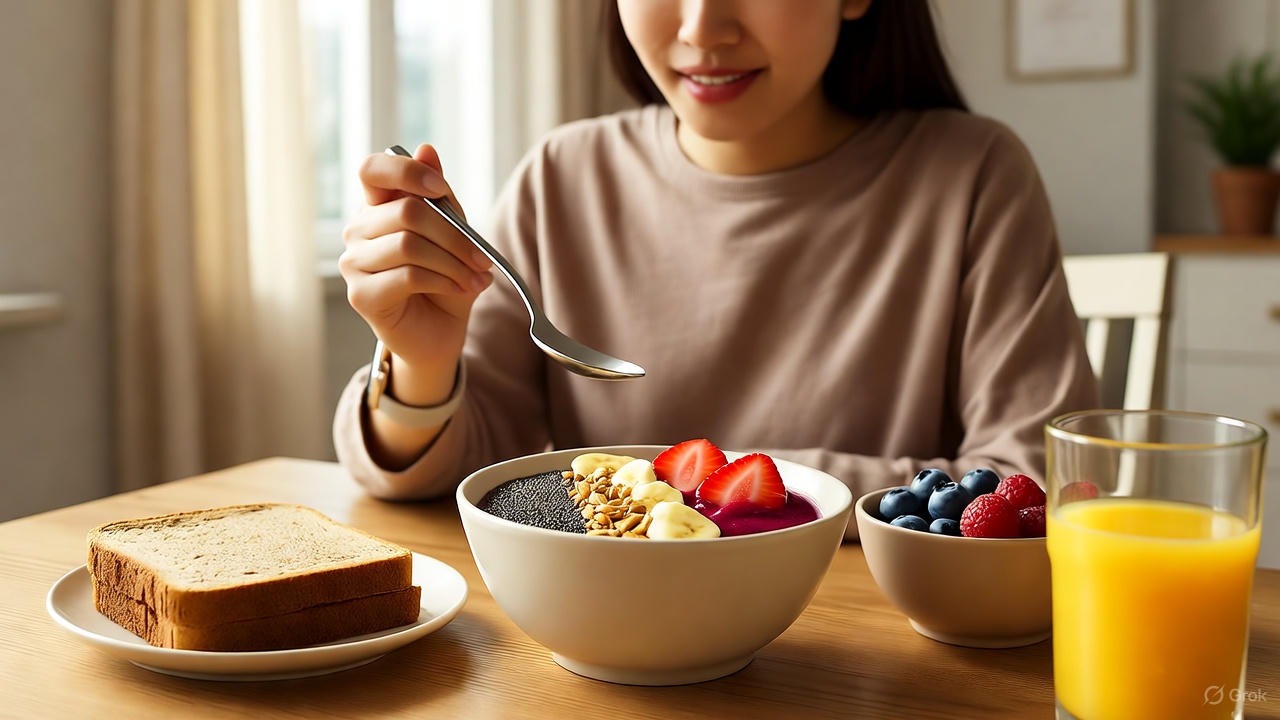
A wellness ring pledges to be your constant companion. That promise is tested not in the comfort of your home, but in the messy, chemical-filled reality of daily life: under a stream of hot, soapy water; immersed in a chlorinated pool; coated in sweat during a summer run; or exposed to dollops of hand sanitizer. A material’s resistance to these elements isn't a bonus feature; it’s a durability imperative that protects both the device's integrity and your skin.
The Corrosive Cocktail of Daily Life
How Top Materials Stack Up
The Seal is the Shield: IP Ratings and Gaskets
Beyond the material itself, the ring's construction is critical. The points where sensors, charging ports, or buttons meet the casing are potential ingress points for water and debris. This is where the Ingress Protection (IP) rating becomes important. A common rating for wellness rings is IP68, where '6' indicates total dust resistance and '8' indicates the device can withstand continuous immersion in water beyond 1 meter (usually specified by the manufacturer, e.g., up to 50 meters for 30 minutes).
This rating is achieved through meticulous engineering: using gaskets (tiny rubber or silicone seals), ultrasonic welding, and specialized adhesives to create a hermetic seal. The material of these internal seals must also be chemically resistant to prevent degradation from sweat and oils.
Best Practices for Longevity
Regardless of material, simple habits extend life:
Choosing a material with inherent corrosion resistance, backed by a strong IP rating, provides peace of mind. It ensures your investment is protected, and more importantly, it guarantees your data stream remains uninterrupted by the need to constantly remove your ring for life's messy, wonderful moments.
The durability to withstand water and daily stress means your ring can reliably collect the data needed to understand foundational health metrics. For instance, consistent wear is key to knowing what research says about healthy sleep score standards.
Armed with a deep understanding of material properties, the final and most personal step is mapping those characteristics to the realities of your own life. A material that is perfect for a software developer in a climate-controlled office might be a disaster for a marine biologist or a construction worker. Let’s build profiles to guide this crucial decision.
Profile A: The Active Athlete & Outdoor Enthusiast
Profile B: The Professional & Urban Dweller
Profile C: The Sensitive Skin & Allergy-Prone User
The Universal Advice: Use the Sizing Kit & Read the Fine Print
No matter your profile, precise fit is a material-agnostic must. A perfectly sized ring minimizes rotation, friction, and moisture trapping. Always use the manufacturer's sizing kit. Furthermore, read the technical specifications. Don't just accept "surgical steel"; look for "316L." Don't just accept "hypoallergenic"; look for "nickel-free" or "meets ISO 10993 biocompatibility standards." Your skin and your satisfaction depend on these details.
By honestly assessing your daily rhythms, physical demands, and biological sensitivities, you can move beyond marketing to select the material that will not just house technology, but enhance your life—becoming a true partner in your wellness journey. The right choice feels less like wearing a device and more like empowering yourself.
You've selected the perfect material for your lifestyle and skin. Now, the journey shifts from acquisition to stewardship. A wellness ring is a sophisticated piece of personal electronics and precision engineering, and its long-term performance, appearance, and comfort depend on proper care. Unlike a traditional ring you might toss in a dish, a wellness ring requires a mindful, consistent maintenance routine to ensure it continues to deliver accurate data and remains a comfortable, hygienic companion for years.
The single most important maintenance task is also the simplest: cleaning the inner band and sensor window. This isn't just about cleanliness; it's about sensor performance. Buildup of sweat, skin oils, lotion, and dead skin cells creates a physical barrier between the optical sensors and your skin, leading to poor signal quality, dropped readings, and increased battery consumption as the LEDs work harder to penetrate the grime.
The Optimal Cleaning Routine:
While daily wiping is universal, different materials have unique considerations.
The battery is the lifeblood of the device. Proper charging habits extend its lifespan, delaying the inevitable reduction in capacity over time.
Your finger size is not static. Summer heat and humidity can cause swelling; winter cold and dehydration can cause shrinking. Air travel, high-salt meals, and hormonal cycles can also have an effect.
Caring for your wellness ring is a small but profound act of partnership. It ensures the device remains a clear window into your health, not a source of error or discomfort. This regular, mindful maintenance is a form of respecting the tool that helps you respect yourself. It aligns with a broader philosophy of intentional living, much like the practices outlined in our guide on 15 restful living habits that transform your energy. Consistency in small acts creates lasting wellness.
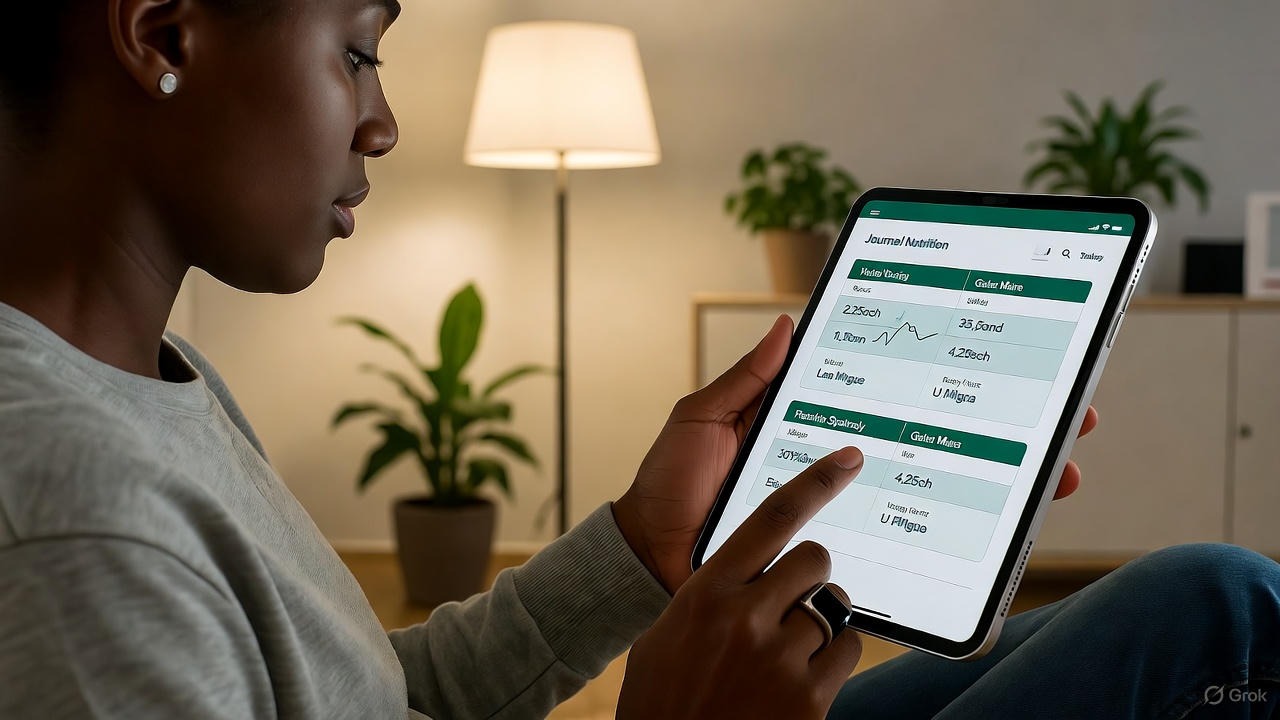
We've focused extensively on how materials interact with your skin and environment. But they also have a silent, critical dialogue with the sophisticated electronics inside. The casing is more than a shell; it's an integral part of the sensing system. Its properties can enhance, impede, or distort the very data you rely on.
Many advanced wellness rings include a skin temperature sensor, a powerful metric for tracking ovulation, illness onset, and overall metabolic baseline. This is where material choice becomes a direct variable in data accuracy.
Some rings are beginning to incorporate Bioelectrical Impedance Analysis (BIA) to estimate body composition (like water percentage). This requires sending a tiny, imperceptible electrical current through the body and measuring the resistance.
The Photoplethysmography (PPG) sensor is the heart of most rings. Its performance is affected by the material's interaction with light and skin.
The sensors and LEDs inside the ring are positioned with micron-level precision. If the ring band flexes or deforms, this alignment can shift.
In essence, manufacturers must design their sensor suite and algorithms for the specific material of the ring. The data from a titanium ring is processed with a different thermal model than data from a ceramic ring. When you choose a material, you are also choosing a specific calibration profile. Reputable companies optimize their firmware for each material variant they offer, ensuring that regardless of whether you choose sleek ceramic or rugged titanium, the core health metrics remain accurate and comparable. This deep integration of hardware and software is what separates a true wellness device from a simple sensor in a ring-shaped case.
Walk into any jewelry store or browse a wellness tech website, and you’ll see terms like "hypoallergenic," "nickel-free," "surgical steel," and "biocompatible" used liberally, often interchangeably. In the realm of marketing, these words can become vague promises. For the consumer with sensitive skin, understanding the official standards and certifications behind these claims is the key to true safety and trust.
For true assurance, look for references to ISO 10993: "Biological evaluation of medical devices." This is a multi-part international standard that outlines a framework for evaluating the biocompatibility of materials that will have human contact.
For a wellness ring worn 24/7, the most relevant tests under ISO 10993 include:
A material that has passed ISO 10993 certification for "limited duration" or "prolonged duration" skin contact has been rigorously tested according to these protocols. This is the level of assurance provided for materials used in titanium alloy implants (Ti-6Al-4V ELI) and certain cobalt chrome alloys (Co-28Cr-6Mo). If a wellness ring company states their material is "ISO 10993 certified" or "tested to ISO 10993 standards," they are providing a high level of scientific credibility to their hypoallergenic claims.
Don't rely on marketing copy alone. Engage with customer support or research the technical specifications page.
Even with certifications, individual biochemistry is unique. If you have a history of severe reactions, the ultimate test is a controlled patch test.
Investing in a ring from a company that is transparent about its compliance with international standards is an investment in your long-term comfort and health. It moves you from hoping a material is safe to knowing it has been scientifically vetted for the exact purpose you intend. In the holistic view of wellness, the assurance that your wearable isn't secretly stressing your immune system is a foundational piece of the puzzle, aligning with the goal of how restful living reduces chronic stress and burnout at a systemic level.
Theoretical properties and lab tests are one thing. How do these materials actually hold up after six months, a year, or two years of constant wear in the messy reality of life? Let’s examine hypothetical but realistic scenarios based on user reports and material science to see how different choices weather the journey.
These case studies illustrate that there is no "perfect" material, only the perfect material for a given person and their story. Your lifestyle will write its own narrative on the ring you choose. The goal is to select the material whose aging process you can live with—or even cherish—as it becomes a part of your personal history.
The ultimate success of a wellness ring isn't determined at the moment of purchase, but in the months that follow. Does it end up in a drawer, or does it become a seamless part of you? The psychological relationship between user and device is subtle yet powerful, and the material plays a surprisingly large role in fostering the consistency required for meaningful insights.
The most powerful health tool is the one you use consistently. A ring that is uncomfortable, irritating, or aesthetically discordant creates friction—a cognitive and physical reason to remove it. Every time you think, "I should take this off to shower/sleep/cook/work out," you create an opportunity for the habit to break.
When the device disappears from your conscious thought, wearing it becomes a default behavior, not a conscious choice. This is the psychological state necessary for collecting the undisturbed, longitudinal data that reveals true patterns.
We are not purely rational beings. We form attachments to objects that reflect our identity. A wellness ring is a visible, daily accessory.
When a ring aligns with your self-concept, you're not just wearing a sensor; you're wearing a symbol of who you are or aspire to be. This emotional connection is a powerful motivator for consistent use. It transforms the device from an external tool into an integrated part of your personal narrative.
Behavioral science notes the "fresh start" effect—we are more likely to adopt new habits at temporal landmarks (New Year's, a birthday, a new month). A new wellness ring often arrives during such a motivational peak. A high-quality, durable material supports this transition.
There is a subconscious link between build quality and perceived value/accuracy. A flimsy-feeling plastic ring might subconsciously lead you to doubt its data. A solid, well-crafted ring made of titanium or ceramic communicates engineering rigor and permanence. This builds trust in the device, which in turn builds trust in the data it provides. When you believe in the data, you're more likely to engage with it, creating a positive feedback loop of adoption.
In essence, the right material does psychological work. It minimizes friction, supports identity, builds trust, and turns a purchase into a partnership. It’s the difference between "using a device" and "living with an insight engine." This mindful integration of technology into life is a cornerstone of modern well-being, a concept explored in depth in our article on the restful living mindset: shifting from doing to being.
The market for wellness rings is growing rapidly, with established players and new entrants vying for attention. While software, algorithms, and specific sensor suites differ, their foundational material choices reveal their design philosophy and target user. Let's analyze several prominent brands through the lens of the materials they employ. (Note: This is a material analysis based on publicly available specifications and should not be construed as an endorsement of any specific brand.)
This landscape shows that while sensor competition is fierce, the "handshake" with the user—the material—is equally a battleground. Your choice of brand is, in part, a choice of which material philosophy resonates with you.
The consistent wear enabled by a well-chosen material from any of these brands is what fuels the long-term data necessary for a meaningful sleep score journey over months. The ring is the vessel; the data inside is the treasure.
We began this exploration with a simple, foundational question: What is a wellness ring made of, and why does it matter? Through thousands of words delving into metallurgy, biocompatibility, corrosion science, sensor physics, psychology, and real-world wear, we've uncovered that the answer is beautifully complex. The material is not a mere detail; it is the essential mediator between cutting-edge technology and the human experience.
You are now equipped with more than just product knowledge. You possess a framework for decision-making that transcends marketing hype. You understand that:
More importantly, you understand the why behind the properties of each. You know to look past "hypoallergenic" to seek ISO 10993 or specific alloy grades. You appreciate that a satin inner finish is for both comfort and sensor accuracy. You recognize that your active lifestyle demands corrosion resistance, while your professional setting might prioritize scratch-proof aesthetics. You see the ring not as a static object, but as a dynamic interface where your biology meets data science, facilitated by a carefully chosen substance.
The journey to your ideal wellness ring is a three-part alignment:
When these three align, the ring ceases to be a "device you wear" and becomes a natural extension of your pursuit of well-being. It is the comfortable, silent, and trustworthy companion that gathers the story of your body—through sleep, stress, activity, and recovery—and reflects it back to you with clarity.
This empowered choice is the first and most concrete step in a larger journey of self-knowledge. The data that flows from the ring on your finger is the raw material for insight, but the insights themselves are meaningless without action. They should inform a life lived with more intention, more balance, and more profound rest.
As you move forward with your new understanding, remember that the ultimate goal of all this technology is not to optimize you into a machine, but to help you live a more fully human life—one with energy for your passions, resilience for your challenges, and calm for your spirit. Let your well-chosen ring be the guide that helps you find that balance, supporting you in building a life of true, sustained vitality. To begin integrating those insights into your daily rhythm, consider exploring the restful living evening rituals that prepare you for sleep, completing the circle from the sensor on your finger to the quality of your night.
Your wellness journey is unique. May the material you choose be a perfect fit, in every sense of the word.
Your Trusted Sleep Advocate: Sleep Foundation — https://www.sleepfoundation.org
Discover a digital archive of scholarly articles: NIH — https://www.ncbi.nlm.nih.gov/
39 million citations for biomedical literature :PubMed — https://pubmed.ncbi.nlm.nih.gov/
Experts at Harvard Health Publishing covering a variety of health topics — https://www.health.harvard.edu/blog/
Every life deserves world class care :Cleveland Clinic - https://my.clevelandclinic.org/health
Wearable technology and the future of predictive health monitoring :MIT Technology Review — https://www.technologyreview.com/
Dedicated to the well-being of all people and guided by science :World Health Organization — https://www.who.int/news-room/
Psychological science and knowledge to benefit society and improve lives. :APA — https://www.apa.org/monitor/
Cutting-edge insights on human longevity and peak performance:
Lifespan Research — https://www.lifespan.io/
Global authority on exercise physiology, sports performance, and human recovery:
American College of Sports Medicine — https://www.acsm.org/
Neuroscience-driven guidance for better focus, sleep, and mental clarity:
Stanford Human Performance Lab — https://humanperformance.stanford.edu/
Evidence-based psychology and mind–body wellness resources:
Mayo Clinic — https://www.mayoclinic.org/healthy-lifestyle/
Data-backed research on emotional wellbeing, stress biology, and resilience:
American Institute of Stress — https://www.stress.org/


