


Wellness Ring Basics: Customer Reviews and User Experiences
Discusses the importance of considering real-world user feedback and experiences when evaluating rings.
Discusses the importance of considering real-world user feedback and experiences when evaluating rings.
%402x.svg)
In the quiet hum of our hyper-connected lives, a new form of self-awareness is emerging—not from our phones, but from our fingers. The wellness ring, a sleek band of titanium or ceramic, has moved from sci-fi novelty to a mainstream tool for millions seeking a deeper understanding of their health. It promises a continuous, intimate stream of data: the rhythm of our heart, the depth of our sleep, the silent signals of our stress. But beyond the marketing promises and technical specifications lies the true story: the lived, daily experiences of the people who wear them.
This is where the rubber meets the road—or rather, where the sensor meets the skin. What does it actually feel like to have a constant health companion on your finger? Does the data lead to genuine transformation, or just another source of digital anxiety? For every glowing five-star review proclaiming a life changed by better sleep insights, there’s a skeptical take questioning the value of one more data point.
This exploration dives into the heart of the wellness ring phenomenon through the lens of those who know it best: the customers. We’ll move beyond spec sheets to unpack the real-world triumphs, frustrations, surprises, and profound discoveries that define the user journey. By weaving together extensive analysis of user reviews, forum discussions, and long-term testimonials, we aim to paint a comprehensive portrait of life with a wellness ring. Whether you’re a quantified-self enthusiast or a wellness-curious newcomer wondering if a ring is right for you, understanding these authentic experiences is the most critical step before you make the leap.
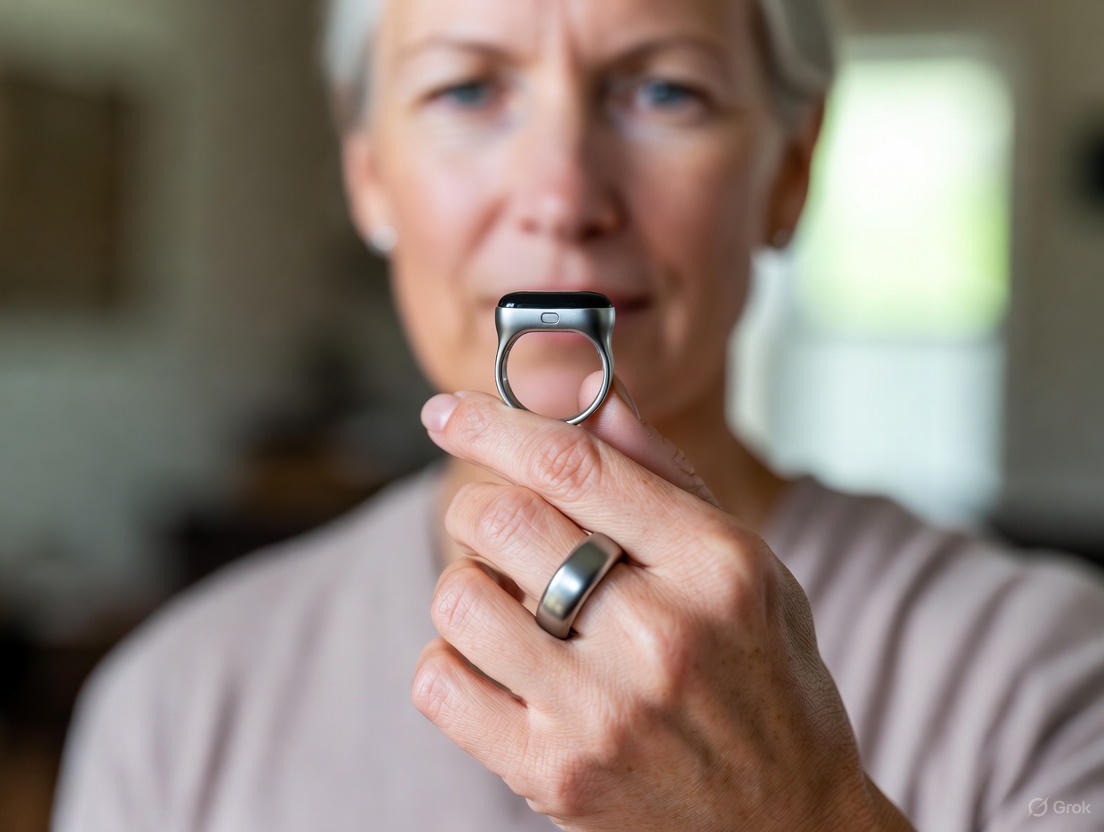
Before we can understand the reviews, we must first define the device itself. A wellness ring, often called a smart ring, is a compact wearable device worn on a finger that houses an array of miniature sensors to collect physiological data. Its core promise is 24/7, unobtrusive tracking, offering a stark contrast to the bulk of a smartwatch or the forgetfulness of a fitness band that needs charging every other day.
At its most basic, a wellness ring is an engineering marvel. Packed within its slender form are typically:
But the hardware is just the beginning. The true "smartness" lies in the algorithms and the app experience. Raw data—heartbeats and movement—is processed into actionable insights: Sleep Scores, Readiness Scores, Stress indices, and Recovery metrics. This software layer is where companies differentiate themselves and where user experiences diverge dramatically.
It’s also important to distinguish wellness rings from their flashier cousins, smartwatches. While a watch is often an extension of your phone—a screen for notifications, calls, and apps—a wellness ring is intentionally reductive. It has no screen. Its goal is not to connect you outward to the digital world, but to connect you inward to your body’s signals. It’s designed to be worn during activities where a watch is impractical: sleeping, weightlifting, typing, or playing an instrument. This fundamental difference in philosophy is a recurring theme in customer feedback. Many users express a sense of relief at "disconnecting" from their phone’s pings while still staying connected to their health, embracing what we might call a more restful living philosophy: less hustle, more health.
The appeal, therefore, is multifaceted: continuous data without distraction, sophisticated health metrics without the clinical feel, and a form factor that fits seamlessly into any lifestyle. As we’ll see in the reviews, it’s this unique combination that either captivates users for the long term or leaves them wondering what all the fuss is about.
The decision to buy a wellness ring is rarely an impulse purchase. It’s a considered investment, often costing several hundred dollars for a device with a very specific purpose. Analyzing thousands of user stories reveals a common purchase journey, marked by distinct questions and motivations.
For most, the journey begins with a pain point or a curiosity. A common narrative is the frustrated sleeper: "I was tired of waking up exhausted, having no idea why. My smartwatch told me I 'slept,' but I knew I tossed and turned all night." Others are athletes or biohackers seeking an edge: "I wanted to optimize my training and avoid overtraining, and HRV tracking seemed like the key." A growing segment includes those managing chronic stress or burnout, looking for an objective measure of their nervous system state. As one user put it, "I needed proof I was running on fumes, not just feeling like it."
This initial curiosity leads to the research deep dive. Prospective buyers confront a market that, while growing, is less saturated than the smartwatch space. They compare the major players—devices like Oura, Circular, RingConn, and Ultrahuman. The key comparison points, as reflected in forum threads and review videos, are:
The moment of checkout is often accompanied by a mix of excitement and skepticism. Users report hoping the ring will be the "missing piece" in their wellness puzzle, but with a lingering worry that it might become another expensive drawer ornament. This sets the stage for the unboxing and first impressions, which are critical for forming the initial—and often lasting—relationship with the device.

The arrival of the package marks the transition from digital research to physical reality. In the world of premium wearables, first impressions matter immensely, and wellness ring companies know this. User reviews consistently highlight that the unboxing experience is a strong indicator of the brand's overall attention to detail.
Most high-end rings arrive in meticulously designed packaging that feels more like opening a piece of jewelry than consumer electronics. The ring, often nestled in a charging case or a plush-lined box, is lighter and smaller than many expect. The initial "try-on" moment is pivotal. Common first reactions documented in reviews include:
This immediate tactile and aesthetic satisfaction is crucial for adoption. A device intended for 24/7 wear must pass this initial comfort and style test. Users often spend the first hour simply getting a feel for it, bending their fingers, making a fist, and typing to see if it interferes.
The next critical phase is sizing. Almost every major brand provides a free sizing kit with plastic replicas. Reviews are unanimous on one point: Using this kit is non-negotiable. The ring must be snug enough for the sensors to maintain contact but loose enough to slide over the knuckle comfortably, especially as fingers swell slightly with heat, exercise, or time of day. A frequent piece of advice from seasoned users to newcomers in online communities is: "Size up if you're between sizes, and test the sizer for a full 24 hours, trying it on different fingers."
Then comes the initial setup and syncing. This is the first interaction with the companion app and can be a make-or-break moment for the less tech-savvy. Reviews praise apps that offer a simple, guided onboarding process that explains core metrics without jargon. Complaints often arise if the Bluetooth connection is finicky or if the initial data processing takes too long. The moment the first night of sleep data appears, however, is universally described as fascinating. "Seeing my sleep broken down into stages for the first time was eye-opening," is a near-universal sentiment, connecting directly to a user's desire to understand their sleep score standards and what research says is healthy.
This honeymoon phase of discovery sets the foundation for daily use. The novelty of the data is fresh, and the user is highly engaged, eagerly checking the app each morning. But the true test begins as this novelty wears off and the ring becomes part of the everyday routine.
The two-week mark often separates the fleeting fascination from the integrated habit. This is where the promises of unobtrusive, 24/7 wear meet the messy reality of daily life. Reviews from long-term users (6+ months) provide the most valuable insights here, revealing what it’s really like to live with a piece of tech on your finger forever.
On the positive side, the most common praise is for the ring’s forgettable nature. "I literally forget it's there," is a powerful endorsement. Users highlight specific activities where a ring shines over a watch:
The form factor also receives high marks for social and professional acceptability. A sleek, metallic ring draws little attention and fits in at a formal event or a business meeting where a smartwatch might seem out of place. "It’s discreet wellness," as one user noted.
However, the long-term wearability review isn’t without its critiques. Common challenges include:
Ultimately, successful long-term adoption hinges on the ring fading into the background of physical awareness while remaining a trusted source of insight. The users who report the highest satisfaction are those who have seamlessly integrated the charging ritual and who view the minor scratches as signs of a well-used tool, not a broken ornament. For them, the ring becomes as natural as a wedding band—a constant, comfortable companion on their sleep score journey, tracking improvement over months of continuous wear.
If the ring is the data collector, the smartphone app is the translator, therapist, and coach. This is the primary interface for 99% of user interaction, making the app experience arguably more important than the hardware itself. User reviews are fiercely opinionated about their apps, with loyalty often tied to software clarity and usefulness.
A well-designed app, according to consensus, does three things brilliantly:
Positive reviews often highlight features like the "Morning Report" or "Daily Summary." Users describe the ritual of checking this report with their morning coffee as a grounding moment of self-awareness. It sets an intentional tone for the day. Furthermore, the ability to add manual tags (e.g., "drank alcohol," "stressed day," "intense workout," "meditated") is universally loved. Over time, users can see the direct correlation between their lifestyle choices and their biometrics, creating powerful feedback loops. This is where the ring transitions from a tracker to a teacher, illustrating precisely how your sleep score reflects total body recovery.
On the flip side, negative app reviews are scathing. Common complaints include:
The most successful user experiences are symbiotic: the ring collects data faithfully, and the app makes that data meaningful, guiding the user toward small, sustainable behavioral changes that compound over time.
Ask any wellness ring owner why they bought it, and the answer, more often than not, revolves around sleep. In a sleep-deprived culture, the promise of detailed, effortless sleep analysis is the primary purchase driver. Consequently, user reviews of sleep tracking features are the most detailed, passionate, and scrutinized.
Users are not just looking for a duration timer. They want the granular breakdown: Light, Deep, and REM sleep stages, sleep latency (time to fall asleep), wake-ups, and sleep efficiency. The ring’s ability to provide this without an uncomfortable wristband is its killer feature. Positive testimonials often read like detective stories: "My ring showed I was getting almost no deep sleep. I realized my evening coffee habit was the culprit. I cut it out, and my deep sleep doubled within a week. I feel like a new person."
The Sleep Score becomes a powerful, if sometimes tyrannical, daily metric. Users report becoming deeply attuned to the factors that influence it:
However, the sleep tracking experience is not without its controversies. The main point of debate is accuracy, particularly for sleep stage breakdown. Users cross-reference with EEG-based devices (like Dreem or Muse) or even with their own vivid dream recall (a proxy for REM) and sometimes find discrepancies. The consensus among expert reviewers and savvy users is that absolute precision on stages is less critical than consistency and trend data. As one long-term user eloquently put it in a forum: "I don't know if my 'deep sleep' is 48 minutes or 52 minutes on a given night. But I 100% trust the trend that my deep sleep is consistently higher on nights I exercise and lower on nights I work late. That's the insight that changed my behavior."
This focus on trends over absolute precision is what allows users to embark on a meaningful sleep score journey, tracking improvement over months. The ring becomes a compass, not a stopwatch, guiding them toward better sleep hygiene and providing undeniable proof of progress that fuels motivation.
Wellness rings have masterfully introduced a concept that was once the domain of elite athletes: the daily Readiness or Recovery Score. This single number, often derived from a combination of sleep data, HRV, resting heart rate (RHR), and body temperature, aims to answer the fundamental question: "Is my body ready to perform, or does it need rest?"
For users, this is the second pillar of the daily check-in, after sleep. The experience of receiving a "low readiness" score is a common and pivotal moment in the user journey. Initially, it can be frustrating for the driven gym-goer or the busy professional with a packed schedule. "I felt fine! I wanted to run, but my ring said to take it easy," is a frequent anecdote.
The profound shift comes when users start to listen to the score and observe the outcome. Reviews are filled with stories of experimentation: "I ignored a low score and pushed through a hard workout anyway—and felt terrible for two days, with the data to prove I was rundown." Conversely: "I heeded a low score, took a walk instead of a run, and my score bounced back beautifully the next day. I actually performed better in my next training session."
This creates a powerful feedback loop that teaches intuitive listening. The ring provides an objective metric that can override our often-flawed perception of our energy and stress levels, which are frequently clouded by caffeine, adrenaline, or plain stubbornness. It encourages a more nuanced approach to fitness, where rest is as valued as exertion—a core tenet of how to balance productivity with restful living.
On the activity tracking side, reviews are more measured. Rings accurately track steps, active time, and calorie burn, but users acknowledge this is a secondary feature. The lack of a GPS means runs or bike rides are not mapped, and the absence of a screen means no real-time pace or heart rate zones during a workout. For pure activity junkies, a dedicated sports watch or band is often still necessary.
The magic of the wellness ring for fitness lies in the balance. It’s not the best workout tracker, but it is arguably the best recovery advisor. It helps users avoid the common trap of chronic, low-grade overtraining by highlighting when the nervous system is stressed. For the recreational athlete, this guidance can be transformative, leading to more sustainable progress and fewer injuries. The ring reframes fitness not as a series of outputs, but as a holistic cycle of stress and recovery, monitored through the intimate lens of biometrics.

Perhaps the most profound—and for many, unexpected—insight from a wellness ring comes from its continuous monitoring of the autonomic nervous system. Through metrics like Heart Rate Variability (HRV) and resting heart rate (RHR), the ring offers a window into your body's stress and recovery state that is invisible to the conscious mind.
For new users, HRV is often a confusing acronym. The app's education is critical here. Once understood as a measure of the heart's adaptability (higher HRV generally indicates better recovery and resilience, lower HRV suggests stress or fatigue), it becomes a source of fascination. User reviews from those dealing with high-pressure jobs, anxiety, or burnout are particularly poignant. "Seeing my HRV tank during a brutal work week was the objective proof I needed to make a change," one manager shared. "It wasn't just in my head; my body was in fight-or-flight mode."
The ring’s ability to detect daytime stress moments through elevated heart rate or dips in HRV is another frequently cited "wow" moment. Users report notifications suggesting a brief breathing exercise after a period of sustained stress. While some find these notifications intrusive, many describe them as a valuable, real-time cue to reset, acting as a kind of digital mindfulness bell. This function supports the practice of restful living for busy professionals: micro-recovery throughout the day.
The body temperature sensor adds another critical layer. Users report the ring flagging a slight elevation in baseline temperature 1-2 days before they felt symptoms of a cold, flu, or even COVID-19. "My ring told me I was getting sick before I knew it," is a powerful testimonial that underscores the predictive potential of this data. For women, the temperature tracking is a cornerstone of fertility and cycle awareness, with many citing it as a primary reason for purchase.
However, this constant visibility into the nervous system has a potential dark side, noted in cautious reviews and wellness forums: obsession and anxiety. Some users, particularly those prone to health anxiety, report becoming overly fixated on daily HRV fluctuations, checking the app constantly, and feeling distressed by a "bad" number. This underscores a crucial lesson that emerges from long-term user experiences: The data is a guide, not a gospel. The most balanced users learn to observe trends over weeks and months, not daily spikes and dips. They use the data to inform choices, not dictate self-worth. They understand that a low HRV day is information, not a failure—a signal to be kind to oneself, perhaps by engaging in simple daily habits for deeper calm rather than pushing harder.
The journey with a wellness ring is often a solitary one of self-discovery, but it is supported by a vast, invisible network: the online user community. From dedicated subreddits and Facebook groups to brand-specific forums and Discord channels, these spaces are treasure troves of real-world experience and a significant factor in user satisfaction.
New users frequently turn to these communities for practical troubleshooting: "Is this normal battery drain?" "My ring won't sync, any tips?" "What does this specific graph mean?" The collective knowledge found here often surpasses official support documentation and provides immediate, peer-to-peer help.
Beyond troubleshooting, the community serves as a masterclass in data interpretation. Users share screenshots of their data alongside lifestyle logs, asking for insights. "Why did my sleep plummet this week?" might be met with suggestions about hidden stressors, diet changes, or even travel across time zones. This crowdsourced analysis helps individuals see patterns they might have missed and learn the nuanced language of their own biometrics.
Perhaps most powerfully, these communities provide normalization and motivation. A user feeling discouraged by a string of poor recovery scores can post and find dozens of responses saying, "That happened to me when I was under work stress/traveling/getting sick. Here’s how I got back on track." This reduces the anxiety of outlier data points. Success stories—"Used my ring data to fix my sleep and finally beat chronic fatigue"—are shared and celebrated, providing inspiration and proof of concept.
The social aspect also fuels feature requests and collective advocacy. When a large portion of a user base wants a specific new metric, app feature, or hardware improvement, they organize and voice it collectively. Brands that actively listen and engage with these communities (through AMAs with developers, for example) earn fierce loyalty, as seen in reviews that say, "I feel like the company actually listens to us."
This sense of belonging to a group of like-minded individuals on a similar quest for better health transforms the ring from a product into a passport to a community. It turns personal data into a shared language for understanding the human body, making the individual journey feel less isolated and more like part of a larger movement toward intentional, data-informed well-being.
No technology is perfect, and the wellness ring is no exception. For a balanced view, it is essential to address the criticisms and pain points that surface consistently in critical reviews, forum rants, and detailed comparisons. Understanding these flaws is crucial for any potential buyer to set realistic expectations.
Acknowledging these pain points is not to dismiss the technology but to ground it in reality. The most satisfied users are often those who entered with eyes open to these potential drawbacks and found that, for them, the benefits far outweighed the frustrations.
After the novelty fades, the batteries degrade slightly, and the initial excitement turns into routine, what is the enduring verdict? Reviews from long-term users (6 months to 3 years) provide the most credible and nuanced conclusions about the true value proposition of a wellness ring.
The overwhelming sentiment among this group is not one of unbridled hype, but of quiet integration and valued partnership. The ring is no longer a "new gadget"; it's a personal health observatory. These users often report a significant shift in their health literacy. They understand the language of HRV, the importance of sleep phases, and the somatic signs of stress. This education is repeatedly cited as the ring's greatest gift.
Long-term users also demonstrate sophisticated behavioral adaptation. They’ve internalized the lessons. They might not even check their score every single morning because they’ve learned to correlate how they feel with what the data will likely show. They’ve adjusted their evening routines, workout schedules, and even work habits based on cumulative insights. For them, the ring has successfully acted as a catalyst for building a lifestyle that inherently supports restful living and naturally improves sleep quality.
A common refrain is the diagnostic and preventive value. Long-term reviews are filled with stories that go beyond sleep optimization: "My ring's temperature trend helped me identify a thyroid issue my doctor later confirmed." "The sustained low HRV was my warning sign to address burnout before I crashed." "It helps me manage a chronic condition by showing what exacerbates it." This transforms the device from a wellness accessory into a potentially powerful health management tool.
However, long-term users are also the most realistic about limitations. They acknowledge the accuracy trade-offs, have made peace with (or grumble about) the subscription, and have developed workarounds for minor quirks. Their recommendation is usually conditional: "If you're genuinely curious about your body's signals and are ready to make changes, it's invaluable. If you just want a step counter or a sleep tracker without the deep engagement, save your money."
Ultimately, the long-term verdict hinges on a user's engagement level. For the passive observer, the ring's value diminishes. For the active participant in their own health, it becomes an indispensable, insightful, and often transformative companion on the journey toward better self-understanding. It provides the missing feedback loop between action and effect, turning the abstract pursuit of "wellness" into a tangible, data-informed practice.
The glowing reviews and cautionary tales from real users provide the emotional and practical backdrop, but when it comes time to make a purchase decision, the sheer number of options can be paralyzing. Choosing the right wellness ring isn't just about picking the "best" one; it's about finding the device and ecosystem that aligns perfectly with your unique physiology, lifestyle, goals, and values. This decision-making process, as detailed in countless forum threads and buyer's guides, is itself a crucial part of the user experience.
The first and most critical step is honest self-assessment. Before comparing specs, ask yourself:
Once you have clarity on your personal criteria, the comparison matrix emerges, built on pillars that users consistently rank as most important:
1. The Hardware & Form Factor:
2. The Biometric Suite & Accuracy:
3. The App & Algorithm Intelligence:
4. The Ecosystem & Brand Ethos:
By methodically working through this personal and technical checklist, you move from overwhelm to clarity. The goal is to select a partner that will not only collect data but will present it in a way that resonates with you, guiding you toward sustainable change—perhaps by helping you design restful living spaces that promote calm and restoration based on your unique sleep patterns. The right choice feels less like buying a gadget and more like hiring a personal health consultant that lives on your finger.
Beyond the charts and scores, the most profound testimonials about wellness rings focus on intangible shifts in mindset and daily behavior. Wearing a device that provides continuous biofeedback initiates a subtle but powerful re-education of the mind-body connection. Users don't just get data; they develop a new relationship with their own physiology.
The most significant psychological shift reported is from external validation to internal awareness. We often look outside ourselves for cues on how we "should" feel—pushing through fatigue because the calendar says we must, or ignoring stress because everyone else is busy too. The ring provides an internal, objective benchmark. "I used to cancel plans because I thought I was tired. Now, if my readiness score is high, I go and usually have a great time. If it's low, I honor that rest without guilt," one user shared. This cultivates a more authentic, body-led approach to life, a cornerstone of the restful living mindset: shifting from doing to being.
This leads directly to the empowerment of agency. Seeing the direct, often immediate impact of lifestyle choices on biometrics turns abstract health advice into personal, cause-and-effect science. Users conduct "n=1 experiments": "Let's see what happens to my deep sleep if I stop screens after 9 PM." "How does my HRV respond to a 10-minute meditation versus a 20-minute walk?" This transforms health from a passive state ("I hope I'm healthy") to an active practice ("I am making choices that build health"). The ring becomes the measurement tool for this personal science.
Perhaps the most valuable behavioral change is the normalization of rest and recovery. In a culture that glorifies hustle, a low readiness score or a dip in HRV can serve as a "permission slip" to prioritize rest without shame. The data legitimizes the need for downtime. Users report becoming more strategic about their energy, scheduling intense work or workouts on high-readiness days and protecting time for micro-recovery throughout the day on low-readiness days. This breaks the boom-and-bust cycle that leads to burnout.
However, this psychological impact has a nuanced shadow side, which users openly discuss in wellness circles. The risk of metric fixation is real. The daily score can become a source of performance anxiety—a "health grade" that dictates self-worth. Some users report feeling stressed by a poor sleep score, which ironically leads to worse sleep, creating a negative feedback loop. The journey, as recounted by seasoned users, involves learning to use the data as a gentle guide, not a harsh judge. It's about observing trends with curiosity, not clinging to daily numbers with fear. The ultimate goal is to develop such a strong internal sense of well-being that the ring's data simply confirms what you already intuitively feel, making its reminders less frequent but no less valuable.
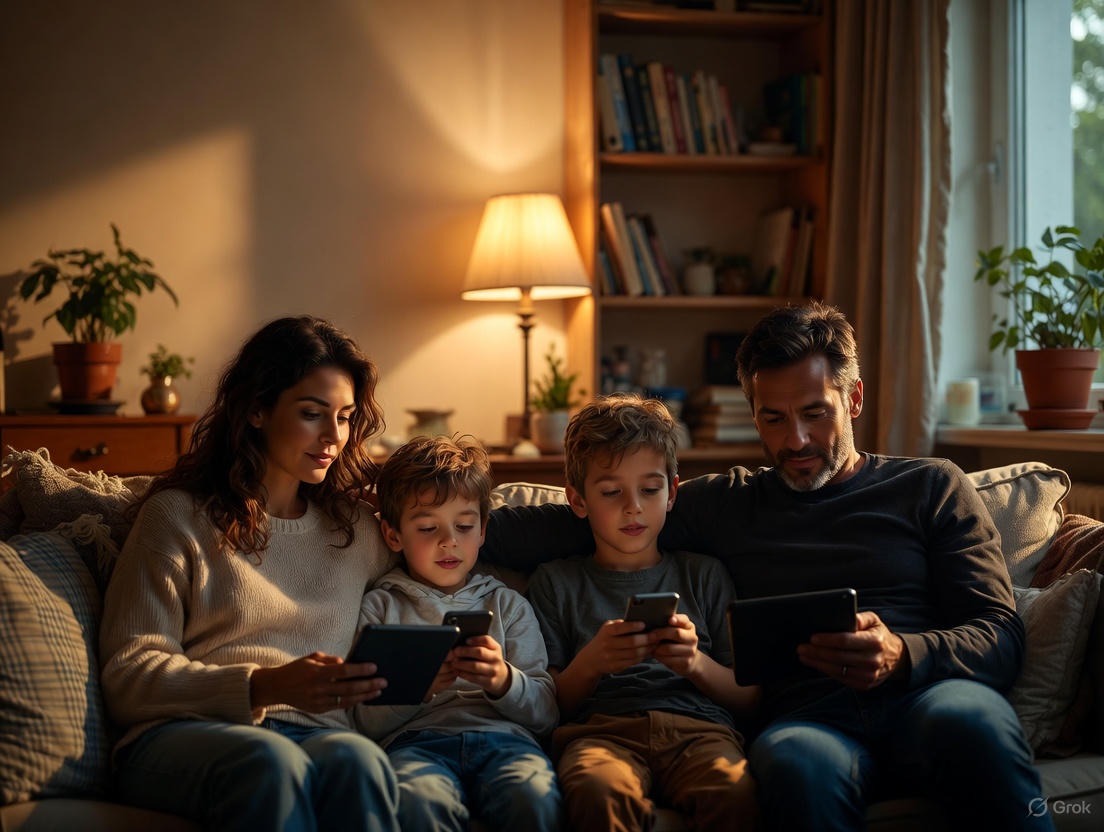
While the wellness journey is deeply personal, the ring's data often doesn't stay in a vacuum. It spills over into relationships, becoming a tool for shared understanding and collective well-being. Reviews and stories from couples and families reveal a fascinating social dimension to wearing these devices.
For couples, shared ring data can transform health from a solitary pursuit into a team sport. Partners report comparing sleep scores and discussing the factors that influenced them: "Your sleep was terrible last night too? Was it that heavy meal we shared?" This creates a shared language around health and a supportive environment for positive change. It can reveal mismatched sleep chronotypes (one partner is a natural early bird, the other a night owl), leading to compassionate compromises on bedtime routines instead of frustration.
Perhaps more impactful is the use of data for empathy and connection. One partner might see the other's stress score spike during the workday and send a supportive text. Seeing a tangible dip in a partner's recovery after they've taken on more household chores can lead to a more equitable division of labor. "I didn't realize how much the newborn's night feeds were affecting my wife's biometrics until we saw the data side-by-side. It made me step up in a whole new way," recounted one father. The ring provides objective evidence of invisible labor and stress, fostering deeper understanding.
This extends to family wellness, particularly with aging parents or teenagers. While not a medical device, the ring's trends can provide helpful information. An adult child might notice a sustained change in a parent's resting heart rate or sleep patterns, prompting a conversation about a doctor's visit. For teenagers, especially athletes, it can be a tool to educate them about the importance of sleep for growth, recovery, and academic performance, making the advice less nagging and more data-driven.
The social aspect also includes friendly competition and accountability. Friends with rings often form small groups to compare weekly averages, challenge each other to improve sleep consistency, or share tips for boosting HRV. This social accountability turns healthy habits into a more engaging and sustainable practice.
However, users also caution about the potential pitfalls of shared data. It can lead to comparison ("Why is your sleep score always higher than mine?") or unsolicited advice ("Your data shows you should really go to bed earlier"). The key, as with all aspects of the ring, is intention and consent. The most successful shared experiences are built on mutual curiosity and support, not surveillance or criticism. When used respectfully, the ring can move a household's culture toward one that collectively values and protects rest, modeling restful living for parents finding peace in the chaos of daily life.
A clear-eyed assessment of any technology requires understanding its boundaries. For all their sophistication, wellness rings are not oracles, doctors, or silver bullets. Long-term users develop a healthy respect for the device's limitations, which is essential for preventing disillusionment and misuse.
First and foremost, a wellness ring is not a medical device. It is a "general wellness" product. It cannot diagnose, treat, or prevent any disease. While its data can be indicative (like a rising temperature trend suggesting illness or a low HRV indicating systemic stress), it is not a substitute for professional medical advice, diagnosis, or treatment. The most responsible companies explicitly state this in their documentation. Users should never use ring data to self-diagnose or alter treatment plans without consulting a healthcare provider.
Secondly, rings are poor at capturing specific types of activity. They excel at measuring systemic, whole-body states (sleep, recovery, stress) but are limited in tracking specific exercises. They lack GPS for mapping runs or rides, cannot capture swim stroke counts or lap times with precision, and their heart rate readings during high-intensity interval training (HIIT) or weightlifting can lag behind chest straps due to the physiology of blood flow in the fingers. They are holistic health monitors, not sports watches.
A significant limitation lies in the interpretation of "why." The ring is brilliant at showing the "what"—your HRV is down, your sleep was restless, your temperature is elevated. But it can only hypothesize about the "why." It may suggest "late meal" or "alcohol" based on your manual tags, but it cannot detect subtler causes like emotional stress from a difficult conversation, mild dehydration, an allergen in your environment, or the onset of a menstrual cycle. The user must still be the detective, using the data as a clue, not a conclusion.
Furthermore, the algorithms are based on population-level data and assumptions that may not fit every individual. The definition of a "good" sleep duration or an "optimal" bedtime is averaged. For individuals with non-24 sleep disorders, natural night owl tendencies, or unique physiological responses, the scores may perpetually seem "off," leading to frustration. The ring provides a normative framework, and not all bodies are normative.
Finally, the ring cannot create motivation or discipline. It is a mirror, reflecting your choices. If you consistently ignore its recovery advice, skip sleep, and manage stress poorly, the ring will simply show you the consequences. It is a tool for the willing. It cannot force you to adopt 15 restful living habits that transform your energy; it can only show you the potential benefit if you do.
Understanding these limitations is liberating. It sets the ring in its proper role: a highly advanced, personal biofeedback tool. It empowers you with information, but the responsibility for action, interpretation in context, and knowing when to seek professional help remains firmly, and rightly, with you.
Few people use a wellness ring in isolation. It becomes one node in a personal network of technology, from smartphones and smartwatches to fitness equipment and home automation. The user experience is profoundly shaped by how well—or poorly—the ring plays with others in this digital ecosystem.
The most basic and critical integration is with health platforms on your smartphone. The best ring apps sync seamlessly with Apple Health (iOS) and Google Fit (Android). This is non-negotiable for many users. It allows the ring's rich sleep, HRV, heart rate, and activity data to populate a central, unified health record. From there, it can be used by dozens of other apps: nutrition trackers like MyFitnessPal, meditation apps like Calm or Headspace, or even period tracking apps. This interoperability creates a holistic picture that is greater than the sum of its parts.
For the quantified-self enthusiast, this integration is paradise. They can use platforms like Exist or Gyroscope to correlate Oura ring data with mood logs, productivity metrics, weather data, and calendar events, running complex personal analytics to uncover hidden patterns. The ring provides the foundational physiological layer for these deep dives.
Integration with smart home devices represents the frontier of contextual wellness. Imagine a future where your ring detects your sleep stages and communicates with a smart thermostat to subtly lower the temperature as you enter deep sleep, or where a spike in your nighttime heart rate triggers a gentle, gradual sunrise simulation from your smart lights to prevent a full awakening. While such seamless automation is still emerging, early adopters use IFTTT (If This Then That) or other platforms to create basic connections, like having their ring's "sleep mode" automatically silence their phone.
However, the current state of integration is often a point of friction. Users complain about:
The most seamless user experiences come from rings that embrace an open, collaborative approach to the digital ecosystem. They recognize that their value is amplified when their data can flow freely to enrich other tools and when they can incorporate external data (like logged workouts from Strava or tracked meditation from a separate app) to better interpret their own biometric signals. This creates a truly intelligent, context-aware health companion that supports a comprehensive approach to well-being, one that understands the value of both technology and how nature supports restful living by getting outside more.
In an era of frequent data breaches and growing surveillance capitalism, wearing a device that collects your most intimate physiological data 24/7 rightfully raises serious questions. The issues of privacy, security, and data ownership are not secondary concerns for informed users; they are primary determinants of trust. Reviews and expert analyses consistently highlight this as a make-or-break issue for a significant segment of the market.
The concerns are manifold. Users are asking:
Brands that are transparent and proactive about these questions earn fierce loyalty. The most trusted companies publish clear, detailed privacy policies and white papers on data security. They often adhere to strict frameworks like GDPR (General Data Protection Regulation) and offer features like:
The subscription model controversy is deeply tied to data ownership. The argument from subscription-based companies is that the fee pays for ongoing algorithm development, new features, and cloud storage—you're not buying a static product but a service. The counter-argument from users is that they should own the data their body generates, and locking access to it behind a recurring paywall feels exploitative. This debate is central to user choice, pushing some toward brands with a one-time purchase model, even if the hardware is more expensive upfront.
For the conscious consumer, due diligence is required. Before purchasing, one should read the company's privacy policy, research its history with data, and see how it has responded to past security concerns. The ideal is a company that views itself as a steward of your data, not an owner. This trust is the foundation upon which the entire user experience is built. You cannot fully embrace the benefits of a device meant to foster restful living and reduce chronic stress and burnout if the act of using it secretly contributes to digital anxiety about where your most private information is going.
The wellness ring market is dynamic and rapidly evolving. Based on user feedback, forum wish lists, and emerging technological capabilities, we can identify clear trends that are shaping the next generation of these devices. For potential buyers, understanding this trajectory can help decide whether to buy now or wait.
1. Greater Medical-Grade Affiliations and Applications: The line between "wellness" and "clinical" is blurring. We are seeing partnerships between ring manufacturers and academic research institutions to validate the devices for specific use cases. The future points toward rings that may receive FDA clearances for monitoring specific conditions (like atrial fibrillation detection or sleep apnea screening). Users desire more clinically actionable data that they can confidently share with their doctors.
2. Non-Invasive Blood Glucose and Blood Pressure Monitoring: This is the holy grail. Several companies are investing heavily in research to use advanced optical sensors and algorithms to estimate glucose trends or blood pressure from the finger. While likely years away from accurate, consumer-ready implementation, its potential to revolutionize preventative health is staggering.
3. Enhanced Contextual Awareness and AI: Future rings will move beyond telling you what happened to intelligently predicting what you need. Imagine an AI that learns your personal patterns so well that it can say: "Based on your current stress load, sleep debt, and calendar for tomorrow, you have an 85% chance of a migraine. Suggesting an electrolyte drink and 20-minute nap now to mitigate." This hyper-personalized, predictive guidance is a common user wish.
4. Improved Form Factors and "Invisible" Tech: The drive is toward rings that look and feel even more like ordinary jewelry—thinner, lighter, with longer battery life, and perhaps even flexible displays for minimal, subtle notifications. The goal is complete invisibility as a tech object.
5. Deeper and Smarter Ecosystem Integration: As mentioned, users want their ring to be the central command for their health ecosystem. Future apps might automatically adjust your smart home environment, suggest personalized meal plans from a connected app based on your recovery state, or schedule lighter workout days on your calendar when it predicts lower readiness.
6. Focus on Mental and Emotional Biomarkers: Research is exploring the correlation between physiological data (like HRV patterns) and emotional states like anxiety, focus, or mood. Future algorithms might gently nudge, "Your biometrics suggest elevated anxiety. Would you like to launch a breathing exercise?" This moves the ring from physical health into being a tool for emotional regulation and mental fitness.
For the current buyer, this presents a classic tech dilemma: buy now and benefit from today's insights, or wait for the next big leap? The consensus from seasoned users is that if you have a clear, current need—fixing sleep, managing stress, optimizing training—the technology available today is immensely powerful and can deliver transformative results. Waiting for the "perfect" future device means missing out on the benefits you could be accumulating now. The journey of understanding your body begins with the data you have today, guiding you toward a lifestyle that embraces the science behind restful living and why downtime matters.
As we conclude this deep exploration into the foundational experiences of wellness ring users, a clear, multifaceted picture emerges. This is not a story about a perfect product, but about a potent tool that, in the right hands and with the right mindset, can catalyze profound personal change.
We have seen that the journey begins with curiosity, navigates through the practicalities of sizing and daily wear, and culminates in a sophisticated dance with data. The most successful users are not those who become slaves to their scores, but those who learn the language of their bodies. They use the ring's objective feedback to quiet the external noise and cultural programming that often pushes them past healthy limits. They move from guessing about their health to knowing with a degree of certainty that was previously impossible.
The recurring themes from thousands of reviews are empowerment, education, and behavior change. The ring provides the "why" behind the vague feeling of fatigue, the evidence for the need to rest, and the positive reinforcement for healthy choices. It demystifies the abstract concept of "wellness," breaking it down into daily, manageable metrics. It supports the cultivation of a lifestyle that isn't about relentless optimization, but about intelligent balance—a practice that aligns with restful living on a budget with zero-cost wellness tips, proving that the most impactful changes are often behavioral, not financial.
Yet, this first phase of the journey also comes with necessary caveats. The technology has limitations—it is not medical-grade, it can prompt anxiety if misused, and its value is entirely dependent on user engagement. The landscape is also commercial, with ongoing debates about subscriptions and data ownership that every consumer must weigh.
Ultimately, the wellness ring represents a significant step in the democratization of health knowledge. It puts advanced biometric monitoring, once confined to labs and elite athletes, onto the finger of the everyday person. For those willing to engage with it thoughtfully—to observe trends, conduct personal experiments, and integrate its insights without obsession—it becomes more than a ring. It becomes a compass for a more attuned, intentional, and resilient way of living.
The story, however, does not end here. Understanding the basics and the user experiences is only the beginning. In the next portion of our exploration, we will delve into the advanced applications of this data, exploring how specific populations—athletes, shift workers, those with chronic conditions, and biohackers—leverage these insights in specialized ways. We will examine the cutting-edge research validating these devices, tackle the hard questions about placebo effects and long-term efficacy, and provide a definitive, side-by-side analysis of the leading devices on the market today. The journey from data to wisdom is just getting started.
The universal appeal of the wellness ring lies in its adaptability. While the core metrics of sleep, readiness, and stress are valuable to anyone, specific user groups have pioneered deep, specialized applications that push the device beyond general wellness into the realms of high performance, health management, and radical lifestyle optimization. Examining how these populations use the technology provides a masterclass in extracting maximum value from biometric feedback.
For the serious athlete—whether a marathoner, CrossFit enthusiast, or dedicated weightlifter—the wellness ring has become an indispensable part of the training toolkit. Their use case moves far beyond step counting, focusing intensely on recovery as the gateway to performance.
Primary Use: Preventing Overtraining and Optimizing Workout Timing.
Athletes live by their Readiness or Recovery Score. A high score is a green light to attack a high-intensity session, while a low score signals the need for active recovery, technique work, or complete rest. This data-driven approach prevents the all-too-common trap of chronic, low-grade overtraining, where performance plateaus and injury risk soars. “I used to follow a rigid six-day training split,” recounts a competitive triathlete. “Now, I let my ring dictate my hard days. If my HRV is suppressed and my resting heart rate is elevated for two mornings in a row, I swap my interval run for a gentle swim or a mobility session. My injury rate has plummeted, and my race results have improved.”
Key Metric: Heart Rate Variability (HRV) Trend.
Athletes monitor their HRV like a stock ticker. A rising trend suggests positive adaptation to training load. A sharp, sustained drop is a red flag for excessive fatigue, poor recovery, or impending illness. They correlate HRV dips with specific workout types, travel, or life stress, allowing for incredibly nuanced periodization.
The Night-Before Planning Ritual:
Many athlete users describe a ritual of checking their data before bed to plan the next day’s session. This proactive planning, based on physiological readiness, represents a paradigm shift from “working out on schedule” to “training in harmony with the body.”
For nurses, pilots, firefighters, and anyone working non-traditional hours, maintaining health is an uphill battle against their own biology. For this group, a wellness ring is less about optimization and more about damage mitigation and circadian awareness.
Primary Use: Visualizing the Disruption and Strategizing Sleep.
The ring provides incontrovertible evidence of how night shifts or rotating schedules ravage sleep quality and autonomic balance. Users report consistently low Sleep Scores and suppressed HRV on shift cycles. This objective data can motivate and inform counter-strategies. They use the ring to experiment with blackout sleep environments, strategic caffeine use, and carefully timed light exposure (using blue-light blockers before day sleep, seeking bright light before a night shift) to anchor their circadian rhythms as much as possible.
Tracking “Social Jetlag.”
Even for those with a semi-regular schedule, the ring can reveal “social jetlag”—the disconnect between weekday and weekend sleep times. Seeing the pronounced dip in recovery every Monday morning after a late weekend can be the motivation needed to prioritize consistency, a key habit for starting your day right with a restful living morning routine.
A Tool for Advocacy:
Some users report using their aggregate data in discussions with employers about schedule design, providing a physiological argument for more circadian-friendly rosters.
For individuals managing persistent health challenges, the wellness ring shifts from a luxury to a crucial management tool. It provides an objective measure of invisible symptoms, helping to pace activity and validate experiences.
Primary Use: Pacing and Avoiding “Boom-Bust” Cycles.
Those with conditions like Long COVID, ME/CFS, or fibromyalgia often struggle with post-exertional malaise (PEM). Pushing slightly too hard can lead to a debilitating crash. The ring’s readiness metrics offer a pre-emptive warning system. “If my resting heart rate is even 3-5 bpm above my baseline, I know I need to pull back, even if I feel okay in the moment,” explains a Long COVID patient. “It has helped me stay within my ‘energy envelope’ and avoid catastrophic crashes.”
For the Chronically Stressed or Anxious:
The ring makes the invisible, visible. Someone with an anxiety disorder can see their daytime heart rate spikes and low HRV, which often correlate with subjective feelings of overwhelm. This can depersonalize the experience (“My nervous system is activated,” vs. “I am failing to cope”). It also provides concrete feedback on the efficacy of interventions like therapy, medication, or mindfulness practices. Seeing HRV gradually rise over months of consistent meditation, for example, is powerful reinforcement.
The Insomniac’s Log:
For those with clinical insomnia, sleep trackers can sometimes exacerbate anxiety. However, used correctly, the ring can help identify specific, modifiable disruptors (e.g., a late rise in core body temperature, excessive nighttime wake-ups linked to specific foods) and track the slow, non-linear progress of sleep retraining programs, providing hope through data.
This group treats their body as the ultimate n=1 experiment. They are the power users, often integrating ring data with a dozen other sources to create a complete dashboard of human function.
Primary Use: Correlating Lifestyle Interventions with Biometric Outcomes.
Biohackers go far beyond manual tags. They may use the ring to test:
They often export data to platforms like Google Sheets, Python, or dedicated QS apps to run complex correlations, seeking levers they can pull to optimize cognitive and physical performance. For them, the ring is the primary data logger for their personal science lab.
Exploring the Edges of Function:
This group is often the first to notice and share non-standard correlations—like how HRV responds to breathwork practices (Wim Hof, box breathing) or how sleep scores are affected by electromagnetic fields or geopathic stress. While not always scientifically rigorous, this community-driven exploration pushes the boundaries of what we consider measurable in daily life.
Across all these populations, a common thread emerges: the wellness ring transforms subjective experience into objective data. This empowers individuals to move from passive patients or frustrated fitness enthusiasts to active, informed managers of their own complex systems. It provides the missing feedback loop, whether the goal is winning a race, surviving a night shift, managing a chronic illness, or simply unlocking a more optimized version of oneself.
User testimonials are powerful, but they raise a critical question: Is this faith well-placed? When a ring tells you your deep sleep was low or your nervous system is stressed, how confident can you be that it’s correct? The issue of scientific validation is paramount for the credibility and future of the entire category. Examining the current state of research helps us understand the ring’s place on the spectrum from “informed guess” to “clinical tool.”
The Validation Spectrum: From Strong to Evolving
The Independent Research Boom:
The landscape is shifting rapidly. Universities and research institutions are increasingly using wellness rings in large-scale studies due to their compliance (people wear them) and rich data output. Studies are investigating their use for early illness detection, mental health monitoring, and chronic disease management. This independent research is the most important validator, moving the technology from corporate claims to peer-reviewed evidence.
The Final Verdict on Trust:
Based on the current science, we can trust wellness rings to provide highly accurate trends and reliable signatures of change for core metrics like sleep timing, resting heart rate, HRV trends, and body temperature shifts. They are superb relative measurement devices. For absolute, clinical-grade diagnosis (e.g., “You have sleep apnea” or “Your HRV is clinically low”), they are not yet substitutes for medical equipment, but they are powerful screening tools that can provide the justification to seek professional help.
The informed user trusts the ring as a expert guide pointing in a direction, not as an infallible oracle stating a final destination. This balanced trust is what allows the technology to be empowering rather than misleading.
A fascinating and less-discussed aspect of the wellness ring experience is the potential for a powerful behavioral placebo effect. This isn’t about the data being fake; it’s about the very act of monitoring and wearing the device causing positive change, independent of the accuracy of its readings. Could simply believing you are being monitored nudge you toward healthier behaviors? User anecdotes and behavioral science suggest a resounding yes.
The Hawthorne Effect in Your Pocket:
The classic Hawthorne Effect observes that individuals modify their behavior when they know they are being studied. A wellness ring is a constant, personal observer. Knowing that your midnight snack or late-night scrolling will be “judged” by a lower Sleep Score tomorrow morning can be a potent deterrent. The ring acts as an accountability partner, raising consciousness around previously automatic behaviors. You might choose herbal tea over wine, not because the data told you to, but because you know the data will tell on you.
The Ritual of Reflection:
The daily morning check-in ritual is, in itself, a mindfulness practice. It focuses attention on well-being as the first act of the day. This daily pause for self-assessment, prompted by the device, can cultivate a more intentional and health-oriented mindset over time. It’s a modern, tech-enabled form of introspection that supports the restful living philosophy of less hustle, more health.
Data as a Motivational Language:
For some, willpower is an abstract and fleeting resource. “I should go to bed earlier” is weak. “My Sleep Score has been below 80 all week, and I want to hit 85 tonight” is a specific, gamified challenge. The ring translates vague health aspirations into a concrete scoring system, which many brains find more motivating. Improving a number can be a powerful reward, even if the number itself is a simplified representation of a complex state.
The "Wearing=Wellness" Identity:
Sliding on a sleek, tech-forward ring can create a psychological identity shift. The wearer begins to see themselves as someone who prioritizes health, who is engaged in self-care, who is “a person who tracks their sleep.” This identity can then drive behavior consistent with that self-image, leading to lasting habit formation.
Distinguishing the Effect:
This is not to say the benefits are “all in your head.” The data is real and guides real change. The placebo effect here is synergistic. The ring provides valid feedback (e.g., alcohol disrupts sleep), and the act of wearing it makes you more likely to heed that feedback. The outcome—better health—is real, regardless of the precise mix of accurate data and behavioral nudging.
The most insightful users recognize and embrace this dual effect. They understand that the ring is both a measurement tool and a catalyst. Its greatest power may not be in its absolute accuracy, but in its ability to focus attention, create accountability, and motivate positive action—transforming the wearer from a passive recipient of health outcomes into an active participant in creating them. In this light, even if the sleep stage algorithm were only 75% accurate, the 100% increase in mindful sleep hygiene it inspires is an undeniable win.
With the user experience and science as our foundation, we arrive at the pragmatic question: which one should you choose? The market has evolved from a single dominant player to a vibrant field of compelling options. This analysis focuses on the nuanced strengths and compromises of leading devices, based on aggregated expert reviews, long-term user reports, and spec analysis. Remember, “best” is deeply personal.
Contender A: The Established Ecosystem Leader (e.g., Oura Ring)
Contender B: The Value & Data Ownership Champion (e.g., RingConn, Circular)
Contender C: The Fitness & Glucose Trend Integrator (e.g., Ultrahuman, Movano)
The Decision Framework Revisited:
This head-to-head comparison underscores that there is no universal winner. Your choice depends on ranking your priorities:
The best practice is to watch in-depth, long-term review videos on YouTube for your finalists, and participate in their respective subreddits to see the real-time issues and praises from current users. This due diligence ensures your choice aligns not just with specs, but with the lived experience you seek, whether that’s effortless guidance or subscription-free ownership.
Your Trusted Sleep Advocate: Sleep Foundation — https://www.sleepfoundation.org
Discover a digital archive of scholarly articles: NIH — https://www.ncbi.nlm.nih.gov/
39 million citations for biomedical literature :PubMed — https://pubmed.ncbi.nlm.nih.gov/
Experts at Harvard Health Publishing covering a variety of health topics — https://www.health.harvard.edu/blog/
Every life deserves world class care :Cleveland Clinic - https://my.clevelandclinic.org/health
Wearable technology and the future of predictive health monitoring :MIT Technology Review — https://www.technologyreview.com/
Dedicated to the well-being of all people and guided by science :World Health Organization — https://www.who.int/news-room/
Psychological science and knowledge to benefit society and improve lives. :APA — https://www.apa.org/monitor/
Cutting-edge insights on human longevity and peak performance:
Lifespan Research — https://www.lifespan.io/
Global authority on exercise physiology, sports performance, and human recovery:
American College of Sports Medicine — https://www.acsm.org/
Neuroscience-driven guidance for better focus, sleep, and mental clarity:
Stanford Human Performance Lab — https://humanperformance.stanford.edu/
Evidence-based psychology and mind–body wellness resources:
Mayo Clinic — https://www.mayoclinic.org/healthy-lifestyle/
Data-backed research on emotional wellbeing, stress biology, and resilience:
American Institute of Stress — https://www.stress.org/


