


How Wellness Ring Basics Support Different Health Goals
Shows how ring data can be used to support a variety of goals, from fitness to stress management to sleep improvement.
Shows how ring data can be used to support a variety of goals, from fitness to stress management to sleep improvement.
%402x.svg)
In an era where health is both a personal priority and a complex puzzle, we've grown accustomed to tracking our steps, our calories, and our hours of sleep. Yet, for all the data we collect, a crucial piece has been missing: nuance. Traditional wrist-worn devices, while useful, often feel like external commentators on our lives. They can be bulky, obtrusive, and limited by their placement on the body, which is prone to motion artifacts and less-than-ideal for measuring core physiological signals. This is where a quiet but profound revolution is taking place—on your finger.
Welcome to the world of the modern wellness ring, a sleek, always-on device engineered to be your most intimate and insightful health companion. This isn't just a miniaturized smartwatch. It represents a fundamental shift in biometric monitoring, leveraging the unique advantages of the finger—a rich vascular bed with strong, clear pulse signals—to deliver clinical-grade insights into your body’s most fundamental processes: sleep, recovery, stress, and readiness. It moves beyond simple activity counting into the realm of autonomic nervous system analysis, measuring what your body is experiencing, not just what it’s doing.
The power of a wellness ring lies not in its ability to generate more data for data’s sake, but in its capacity to translate the silent language of your physiology into actionable intelligence. It answers questions you may not have even known to ask: How recovered are my nervous system and muscles from yesterday’s workout? Is my body showing signs of elevated stress, even if I feel mentally calm? What is the true quality of my sleep, beyond just duration? This continuous, effortless flow of personalized biomarkers creates a dynamic map of your internal state, a map you can use to navigate toward your specific health goals with unprecedented precision.
Whether you're an athlete chasing peak performance, a professional battling burnout, a parent seeking sustainable energy, or simply someone on a journey to better understand their own body, the foundational data from a wellness ring provides the common starting point. It democratizes access to insights once confined to sleep labs and high-performance training facilities. This article is your deep dive into exactly how these wellness ring basics—the core metrics and the philosophy behind them—become the scaffolding for supporting and achieving a vast spectrum of personal health objectives. We will move from understanding the fundamental pillars of ring data to exploring how they directly inform strategies for sleep optimization, stress resilience, athletic performance, metabolic health, and holistic well-being. This is the beginning of learning to listen to your body’s most subtle whispers, so you no longer have to wait for it to scream.
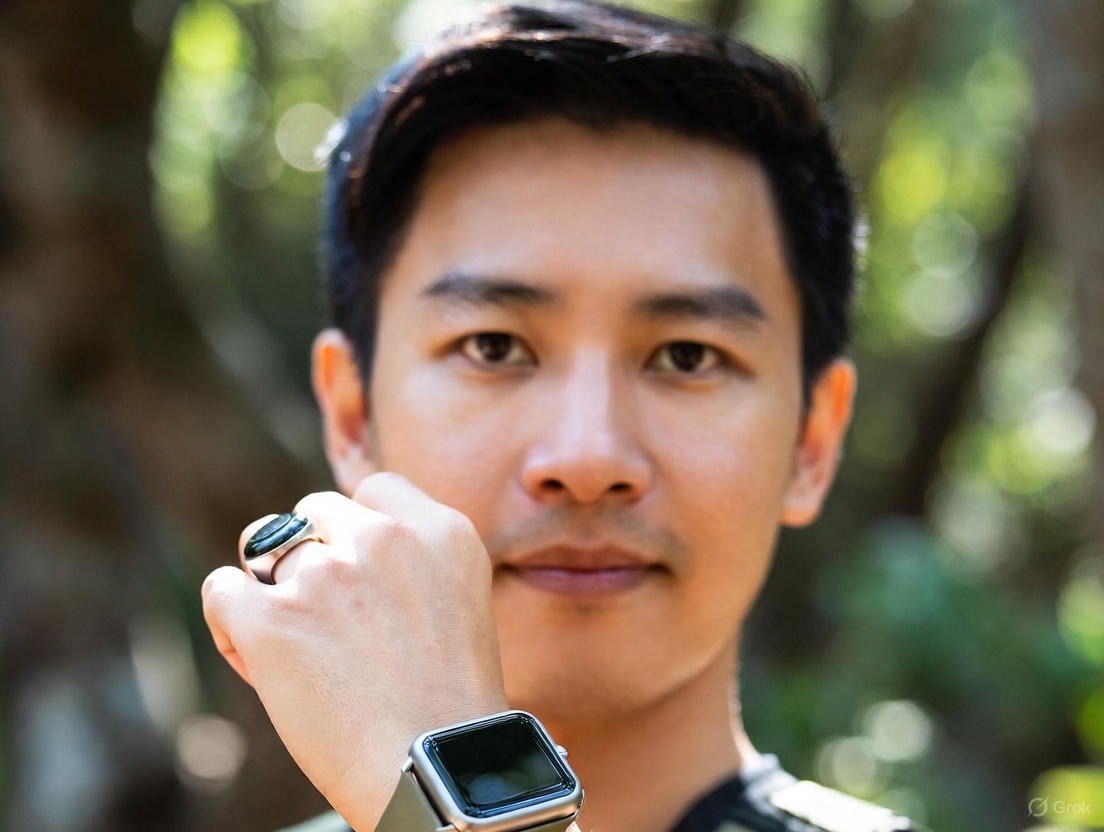
Before we delve into the specific metrics and goals, it's essential to understand why a ring has emerged as a superior form factor for continuous health monitoring. The choice of the finger is not an aesthetic or minimalist whim; it is a decision grounded in biomechanical and physiological superiority. This positioning unlocks a level of accuracy and comfort that wrist-based devices struggle to match consistently.
The primary advantage lies in vascular access. The arteries in your finger, particularly the palmar digital arteries, are rich, accessible, and close to the skin's surface. This allows photoplethysmography (PPG) sensors—the technology that uses light to measure blood volume changes—to capture a stronger, cleaner pulse wave signal. On the wrist, these signals can be easily obscured by bone and tendon, and are highly susceptible to noise from hand and arm movements (known as motion artifacts). A ring on your finger, however, experiences less of this disruptive movement during key measurement periods like sleep, leading to more reliable heart rate (HR) and heart rate variability (HRV) data. Think of it as the difference between trying to listen to a faint heartbeat through a thick wall versus a thin door.
Furthermore, the finger is an excellent site for measuring skin temperature, a key biomarker for circadian rhythm, ovulation tracking, illness onset, and metabolic states. The perfusion and relative stability of the finger provide a more consistent temperature reading than the wrist, which is often exposed to ambient air and varies greatly with arm position.
From a user experience perspective, the ring format offers near-invisible integration into daily life. It is unobtrusive during sleep, doesn't interfere with typing or workouts, and for many, feels more like jewelry than a tech device. This promotes 24/7 wear, which is absolutely critical for building a complete picture of your health. You cannot manage what you do not measure consistently, and the ring’s comfort ensures that measurement is seamless. Unlike a watch you charge nightly on a bedside table, a wellness ring can be worn continuously, capturing your body’s entire restorative journey each night without a single gap.
This unique combination of superior signal fidelity, ideal biomarker access, and unmatched wearability positions the wellness ring not as another gadget, but as a true personal health observatory. It is designed to be forgotten on your hand but remembered by your health strategy, providing a silent, steady stream of truth about your body’s internal state. This foundational accuracy is what makes every subsequent insight—every sleep score, every stress alert, every recovery metric—meaningful and actionable.
A wellness ring transforms raw photonic signals from your finger into a dashboard of understandable health metrics. These are not random numbers; they are interwoven pillars that tell the story of your autonomic nervous system (ANS) and overall physiological status. Understanding these pillars is the first step to using them effectively.
1. Heart Rate (HR) & Resting Heart Rate (RHR): Your foundational cardiovascular metric. While active heart rate tells you about exertion, Resting Heart Rate is the gold standard for cardiovascular fitness and recovery. A lower RHR typically indicates a stronger, more efficient heart. Crucially, your ring tracks RHR dynamically, noting its dip during deep sleep—your body’s most restorative phase—and its trend over time. A sudden, unexplained elevation in your nightly RHR can be an early warning sign of impending illness, overtraining, or accumulated stress.
2. Heart Rate Variability (HRV): This is the star metric of the wellness ring and the most direct window into your autonomic nervous system. HRV measures the subtle variations in time between each heartbeat. Contrary to intuition, a higher HRV is generally better—it indicates a resilient, adaptable nervous system that can smoothly switch between stress (sympathetic) and rest (parasympathetic) states. A low or dropping HRV suggests your body is under strain, whether from physical stress, emotional anxiety, poor sleep, or illness. Tracking your HRV, particularly your nighttime average or morning baseline, provides an objective, numerical readout of your body’s readiness to perform or its need to recover.
3. Skin Temperature (Temp): Your ring tracks your distal skin temperature continuously. Deviations from your personal baseline are highly informative. A sustained elevated temperature may signal the onset of an infection or inflammation. For women, the biphasic pattern of temperature shift is a core component of cycle tracking, helping identify ovulation. Furthermore, the timing of your body’s lowest temperature (the nadir) is a key marker of your circadian rhythm, informing you about the alignment of your internal biological clock.
4. Respiratory Rate (RR): The number of breaths you take per minute, measured passively throughout the night. This is a vital sign that is remarkably stable in healthy adults during sleep. An elevated nighttime respiratory rate can be a subtle indicator of sleep disturbances (like undetected sleep apnea), respiratory issues, or cardiovascular load. Seeing your RR creep up can be a prompt to investigate sleep quality or stress levels more deeply.
5. Blood Oxygen Saturation (SpO2): While not all rings offer this, it is becoming a standard feature. Monitoring SpO2 during sleep is critical for detecting potential breathing irregularities and assessing sleep quality. Frequent or significant dips (desaturations) can point to sleep-disordered breathing.
These five pillars do not exist in isolation. They are synthesized by advanced algorithms into higher-order scores that simplify complex physiology. The most common are:
By moving from isolated data points to this interconnected system of pillars and scores, you gain a multidimensional view of your health. This is the language your body speaks, and your wellness ring is the translator.
For most people, the journey with a wellness ring begins with a revelation about sleep. We’ve been conditioned to believe that "8 hours" is the holy grail. A wellness ring shatters that simplistic view, revealing that quality and architecture are far more important than duration alone. It answers the critical question: "Was my sleep truly restorative?"
Your ring deconstructs your night into its physiological components. It shows you how much time you spent in each vital stage:
A high Sleep Score depends on sufficient time in both deep and REM sleep, minimal disturbances (measured by how often your heart rate spikes or you move), and strong physiological signals of recovery, like a significant dip in your RHR and a robust HRV. Seeing this data makes the abstract concept of "poor sleep" concrete. You might see that while you were in bed for 8 hours, you got only 45 minutes of deep sleep due to a late meal and blue light exposure, or that your REM was fragmented by nighttime anxiety.
This objective feedback is transformative. It moves you from guessing to strategizing. You can conduct personal experiments: Does a 30-minute reduction in screen time before bed increase my deep sleep? Does a magnesium supplement improve my sleep continuity? Does a 7 AM workout yield a better sleep score than a 7 PM workout? The ring provides the empirical evidence.
Furthermore, tracking this data over time reveals your personal patterns and the impact of lifestyle choices. You can see how alcohol, while it may help you fall asleep, devastates your REM and deep sleep architecture. You can observe how consistent bed and wake times stabilize your scores. This long-term view is where true mastery lies. Tracking your sleep improvement journey over months turns vague intentions into a documented, motivational health narrative. It shifts your focus from a single bad night to your overarching trend, empowering you to make sustainable changes that compound into profoundly better rest and recovery, as your sleep score becomes a direct reflection of your total body recovery.
In our modern world, stress is often chronic, subtle, and insidious. We become accustomed to a background hum of anxiety, deadline pressure, and digital overload, failing to recognize its physiological toll until it manifests as burnout, insomnia, or illness. A wellness ring acts as an objective stress barometer, measuring what your mind might be ignoring.
The primary metric here is Heart Rate Variability (HRV). When you are stressed—whether from a work crisis, an emotional conflict, or a hard workout—your sympathetic nervous system ("fight or flight") dominates. This leads to a lower HRV, as your heart beats in a more rigid, metronomic pattern. Your ring, by tracking your HRV throughout the day and night, can identify these dips. A sustained low daytime HRV or a suppressed nighttime HRV is a clear signal that your nervous system is under load.
But the ring goes beyond HRV. It looks at the interplay of metrics. A stress response often involves:
By synthesizing this data, many rings offer a stress score or direct notifications of detected stress moments. This biofeedback is revolutionary. Instead of relying on your subjective, often dulled perception of stress, you have an objective readout. You might receive an alert during a seemingly calm afternoon, prompting you to realize you’ve been hunched over your laptop with shallow breath for three hours. This creates a powerful moment of mindfulness, a chance to intervene with a breathing exercise, a short walk, or a glass of water.
The goal is not to eliminate stress—a certain amount is essential for growth—but to manage your response and ensure adequate recovery. Your ring guides this by showing you the impact of different interventions. Does a 5-minute box breathing session raise your HRV? Does a 20-minute walk in nature lower your stress score? Does scrolling social media during a break keep you in a stressed state?
This data-driven approach fosters stress resilience. You learn to recognize your unique stress signatures and build a personalized toolkit to downregulate your nervous system. The ultimate aim is to widen your "HRV bandwidth"—to increase your baseline resilience so that stressors cause a smaller, shorter-lived dip in your physiology, and you return to balance more quickly. This journey from being a victim of stress to becoming its master is one of the most profound applications of wellness ring technology, moving you towards a more restful living philosophy of less hustle and more health.
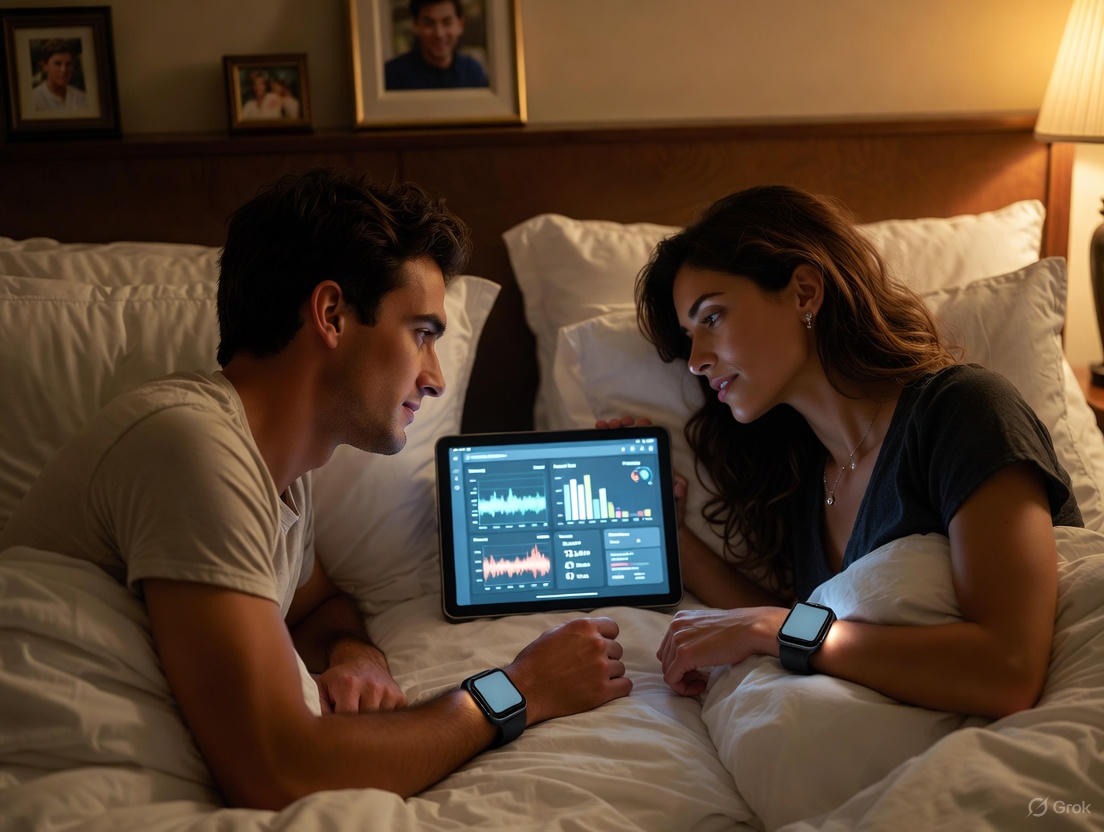
For athletes and fitness enthusiasts, the line between productive training and counterproductive overreaching is perilously thin. The old paradigm of "more is always better" has been shattered by sports science, which now prioritizes polarized training and individualized recovery. This is where the wellness ring transitions from a health device to a indispensable performance tool.
The cornerstone metric for the athlete is the Readiness or Recovery Score. This score, derived from your overnight HRV, RHR, sleep quality, and sometimes previous day’s activity, provides a daily, personalized answer to the most important training question: "Is my body ready to perform today?"
This objective guidance prevents both under-training and, more critically, overtraining syndrome (OTS). OTS is a state of prolonged fatigue and performance decline caused by excessive training without adequate recovery. Its early signs—persistently elevated RHR, plummeting HRV, and disturbed sleep—are perfectly captured by the ring long before an athlete "feels" overtrained on the track or in the gym.
Beyond the daily score, athletes use ring data to:
The ring shifts the athlete's mindset from "pushing through" to "training smart." It replaces ego and arbitrary schedules with a dialogue with one's own physiology. This ensures that every drop of sweat is invested wisely, leading to more consistent progress, fewer injuries, and a longer, healthier athletic lifespan. It is the ultimate tool for aligning hard work with the body’s innate wisdom.
The journey of metabolic health and weight management is often mired in simplistic calorie counting, which ignores the profound role of hormones, sleep, and stress. A wellness ring brings these critical, often invisible, factors into the light, creating a holistic strategy for metabolic well-being.
The connection starts with sleep. Poor or insufficient sleep is a direct metabolic disruptor. It:
Your ring’s sleep score and its underlying data (low deep sleep, high disturbances) provide direct evidence of this metabolic sabotage. Improving your sleep architecture becomes a non-negotiable first step in any weight management plan, often more impactful than dietary changes in the initial phase.
Next, the ring illuminates the impact of stress on metabolism. Chronic stress, indicated by a suppressed HRV and elevated RHR, keeps cortisol levels high. Elevated cortisol not only drives cravings for high-fat, high-sugar "comfort foods" but also signals the body to store visceral fat. By using your ring’s stress metrics to identify triggers and validate stress-reduction techniques (like meditation, walking, or breathing), you can directly lower a hormonal driver of weight gain.
Skin temperature data also plays a role. It can help you understand your circadian rhythm, which governs your metabolism. Eating late at night, when your body temperature should be dropping to prepare for sleep, can confuse your metabolic clock and lead to poorer glucose handling. The ring’s temperature curve can encourage you to align your eating window with your body’s natural cycle.
Furthermore, the Activity Score ensures you are moving consistently throughout the day—a key factor in non-exercise activity thermogenesis (NEAT), which can be a major contributor to total calorie expenditure. It helps balance deliberate exercise with general daily movement.
In practice, this means your ring helps you manage weight by addressing the root causes, not just the symptoms. Instead of just cutting calories and feeling miserable, you might focus on:
This creates a sustainable, health-forward approach where weight management becomes a natural byproduct of balanced physiology, not a punishing battle against it. This holistic alignment is the essence of restful living, which has been shown to naturally improve sleep quality and, by extension, metabolic health.
For women, the monthly hormonal cycle is not a bug in the system; it's a fundamental feature that influences energy, mood, cognitive function, metabolism, and recovery. A wellness ring becomes a powerful tool for cycle syncing—aligning lifestyle, nutrition, and training with the natural ebb and flow of hormones—by providing objective, cycle-phase data beyond mere calendar tracking.
The two most valuable metrics for this are skin temperature and resting heart rate.
Armed with this physiological map, a woman can tailor her life to her biology:
This data-driven cycle awareness empowers women to work with their bodies, not against them. It reduces frustration ("Why do I feel so sluggish this week?"), optimizes training to reduce injury risk, and supports metabolic health by aligning nutrition with hormonal needs. It transforms the cycle from a mysterious inconvenience into a strategic, four-week blueprint for living in harmony with one’s innate wisdom.
In a culture that prizes constant doing and external achievement, we have become profoundly disconnected from the subtle signals of our own bodies. We eat when stressed without feeling true hunger, push through fatigue until we crash, and ignore tension until it becomes pain. The wellness ring serves as a powerful biofeedback device and awareness amplifier, bridging this mind-body gap and cultivating a deeper state of interoceptive awareness—the sense of the internal state of the body.
This process begins with the simple act of checking your data. That morning glance at your Sleep Score, HRV, and RHR is a mindful moment of connection. It asks you to pause and ask, "How does my body feel in relation to these numbers?" You might see a low HRV and realize you do, in fact, feel wired and anxious. Or you might see a great recovery score and consciously embrace the feeling of energy in your body. This daily check-in ritual builds a habit of tuning inward.
The real-time stress detection features take this further. When your ring vibrates or sends a notification indicating elevated stress, it acts as a gentle mindfulness bell. It interrupts the autopilot of stress and creates a conscious choice point: "I am stressed. What will I do about it?" This moment is the foundation of emotional regulation. Instead of being carried away by a stress reaction, you can deploy a breathing technique, take a few mindful steps, or simply acknowledge the feeling. By observing how these actions affect your real-time metrics (many rings show a live HRV or heart rate graph), you get immediate positive reinforcement, strengthening the new, healthier habit.
This feedback loop transforms abstract concepts like "listen to your body" into concrete, actionable practices. You learn your personal physiological signatures:
This growing body literacy fosters self-compassion. You stop berating yourself for feeling tired and instead investigate the cause in your data. You celebrate not just external wins, but internal ones—like a rising HRV trend or a consistently earlier temperature nadir, indicating a stabilized circadian rhythm. This journey is at the heart of creating a sustainable, balanced life, and it aligns perfectly with principles of restful living, which helps you shift from a mindset of constant doing to one of conscious being.
Your body's fight against an impending or active illness is a massive physiological event, and your wellness ring is positioned to detect the early warning signs long before you feel classic symptoms like a sore throat or fever. It acts as a personal early detection system, giving you valuable time to rest, hydrate, and support your immune system, potentially shortening the duration and severity of sickness.
The tell-tale signs of immune system activation are clearly reflected in your core metrics:
By establishing your personal healthy baselines over time, your ring can alert you to these significant deviations. Seeing a "red flag" combination—like a high RHR, low HRV, and slight temperature rise—is a powerful signal to prioritize recovery. This allows you to:
On the flip side, during recovery from illness, your ring provides an objective guide for your return to normal activity. Just because you feel better doesn't mean your physiology has fully recovered. Your ring will show you when your RHR has returned to baseline, your HRV is climbing back, and your sleep is no longer disturbed. This data prevents a common mistake—rushing back into full activity too soon and risking a relapse or prolonged fatigue.
In this way, the wellness ring transforms you from a passive victim of illness to an active, informed participant in your own immune defense and recovery process.
For the high-achieving professional, the drive for productivity often comes at the direct expense of health, creating a slow, insidious path to burnout—a state of emotional, physical, and mental exhaustion. A wellness ring serves as an objective guardian against this creep, providing hard data that your "hustle" is crossing into harmful territory and offering a framework for sustainable performance.
Burnout is not an event; it's a process of erosion. Its physiological precursors are exactly what a ring measures:
For a professional, the ring's greatest gift is making the intangible cost of overwork tangible. You can see the direct impact of that last 10 PM email session on your sleep graph. You can observe how a week of back-to-back meetings and business travel craters your HRV. This data creates a non-negotiable boundary-setting tool. It moves the argument from "I should rest" (which can always be overridden by work demands) to "My body's data shows I must rest to maintain function."
The ring enables micro-recovery strategies throughout the day—a concept crucial for busy lives. You can use it to:
This approach fosters sustainable high performance. It replaces the brittle model of endless grinding with a resilient model of strategic effort balanced with intentional recovery. The ring becomes the tool that allows you to integrate micro-recovery throughout your busy day, ensuring you can perform at your best not just this quarter, but for decades to come, effectively reducing the risk of chronic stress and burnout.

The quest for longevity has evolved from a simple focus on lifespan to a more nuanced pursuit of healthspan—the number of years we live in good health, free from chronic disease and disability. While genetics play a role, the daily habits that influence our physiology are the true levers of healthy aging. A wellness ring provides the continuous, granular feedback necessary to optimize these habits, transforming longevity from a distant hope into a daily, data-informed practice.
The core metrics of a ring—HRV, RHR, sleep architecture, and temperature rhythm—are not just indicators of daily readiness; they are biomarkers of aging themselves. Research consistently shows that:
A wellness ring allows you to track the trajectory of these biomarkers over years. This long-term view is where its power for longevity truly shines. You’re not just managing day-to-day energy; you’re actively shaping your physiological future. For example, you can observe:
This data empowers proactive interventions grounded in the science of aging. You can experiment with and measure the impact of known longevity-supportive practices:
By turning abstract longevity principles into a personalized, feedback-driven lifestyle, the wellness ring helps you build a physiological "nest egg" for your future self. Every night of high-quality sleep, every managed stress response, and every optimized workout, as verified by your data, is a deposit into your healthspan account, compounding over time for a longer, more vibrant life.
Armed with a deep understanding of your physiological pillars and long-term goals, the ultimate application of a wellness ring is the creation of a personalized, dynamic daily protocol. This moves beyond generic health advice to a system finely tuned to your unique biology and the ever-changing context of your life. The ring ceases to be just a tracker and becomes the central processor for your bio-hacking command center.
This personalization happens through a continuous cycle of Action → Measurement → Insight → Refinement.
1. The Morning Diagnostic:
Your first interaction with your ring sets the tone for the day. You review your Readiness Score, which synthesizes your sleep, recovery, and stress data into a single directive. But the expert user digs deeper:
This diagnostic informs critical daily decisions:
2. The Daytime Biofeedback Loop:
Throughout the day, you use the ring's live metrics or periodic check-ins to stay in tune.
3. The Evening Wind-Down Protocol:
Your ring data reveals what truly prepares your body for rest, allowing you to design an evening ritual that actually works. You can test and validate:
By iterating on these daily experiments, you build a bespoke owner’s manual for your body. This creates a state of total life harmony, where your work, relationships, fitness, and leisure are not competing forces, but integrated elements flowing from a foundation of physiological awareness and balance. It’s the art of balancing productivity with the essential need for restful living, made possible by continuous, personal data.
To wield the power of a wellness ring with true mastery, it helps to understand the fundamental science it’s measuring. This isn't about becoming a biophysicist, but about appreciating the elegance of the systems you're monitoring, which deepens your respect for the data and informs smarter interpretations.
The Autonomic Nervous System (ANS): The Master Conductor
The ANS is the unconscious control system for your vital functions. It has two primary branches:
Health is not the absence of the SNS, but the dynamic balance between the two. A resilient system can activate the SNS powerfully when needed (to run a race or meet a deadline) and then swiftly return to PNS dominance for recovery. Heart Rate Variability is the premier metric of this balance. High HRV indicates a system that can fluidly switch between states—it's agile and resilient. Low HRV indicates a system that is either stuck "on" (chronic stress) or "off" (fatigue), lacking adaptability.
Sleep Architecture: The Nightly Repair Shift
Sleep is not a monolithic state. It's a cyclical journey through distinct stages, each with a specific purpose, orchestrated by your circadian rhythm and sleep-wake homeostasis.
A full sleep cycle (N1 → N2 → N3 → N2 → REM) lasts about 90 minutes. The proportion of N3 is highest in the first half of the night, while REM periods lengthen in the second half. Disrupting this architecture—through alcohol, sleep apnea, or erratic schedules—robs you of these specific, non-negotiable restorative benefits. Your ring infers these stages through movement, heart rate patterns, and heart rate variability, providing a proxy for this critical architecture.
Circadian Rhythms: Your Body's Internal Clock
Your circadian rhythm is the approximately 24-hour cycle governing physiological and behavioral processes like sleep-wake cycles, hormone release (cortisol, melatonin), body temperature, and digestion. It is synchronized by light exposure, especially morning sunlight.
Your core body temperature follows a clear circadian pattern: it begins to drop in the evening to initiate sleep, reaches its nadir (lowest point) in the early morning hours (around 4-5 AM), and then rises to promote wakefulness. The timing of this nadir is a stable marker of your internal clock. Your ring’s skin temperature trend is a faithful reflection of this rhythm. Shift work, late-night screen use, and inconsistent sleep schedules can desynchronize this clock from the solar day, leading to poor sleep, metabolic issues, and inflammation—a state known as circadian misalignment.
Understanding this science transforms your ring's dashboard from a collection of interesting numbers into a coherent narrative of your internal state. You see a low HRV not as a "bad number," but as a sign of a taxed nervous system. You see fragmented sleep not just as a poor score, but as a disruption in vital repair cycles. This knowledge empowers you to intervene at the systemic level, which is the very science that explains why intentional downtime matters so much for long-term health.
As with any powerful tool, the value of a wellness ring lies not just in having it, but in using it wisely. The depth of data it provides can, paradoxically, become a source of anxiety or misinterpretation if not approached with the right mindset. Moving from data obsession to data wisdom is a critical step in the journey.
Common Pitfalls and How to Avoid Them:
Smart Interpretation Guidelines:
By adopting this balanced, curious, and long-term perspective, you transform the wellness ring from a source of potential anxiety into a trusted advisor. It provides the "what," while you, armed with wisdom and self-compassion, provide the "so what" and "now what." This is the foundation for avoiding the common mistakes that keep people wired and tired despite their best tracking efforts.
A wellness ring is a phenomenally powerful device, but it is not a panacea. It excels at measuring autonomic nervous system function, recovery, sleep, and circadian rhythms. To build a complete picture of your health, its data should be viewed as one critical layer in a larger ecosystem of information. Intelligent integration with other tools creates a multidimensional view that is greater than the sum of its parts.
1. Synergy with Fitness Trackers & Smartwatches:
While rings are superior for sleep and recovery physiology, wrist-based devices often excel at specific fitness metrics. The ideal partnership looks like this:
2. Corroboration with Blood Biomarkers and Lab Tests:
Ring data reflects real-time function, while blood tests reveal underlying status. Together, they are unbeatable.
3. Augmentation with Subjective Logging:
Technology cannot capture everything. Pairing objective ring data with subjective notes creates a rich, qualitative context.
4. Connection with Environmental Sensors:
Your internal physiology is constantly interacting with your external environment.
By building this integrated health dashboard, you move from fragmented insights to a unified theory of your own well-being. The ring provides the continuous physiological thread, and you weave in other data points to create a complete tapestry of health. This holistic approach is the cornerstone of a sustainable, informed, and proactive wellness strategy, much like designing a home environment room-by-room for ultimate calm and restoration.
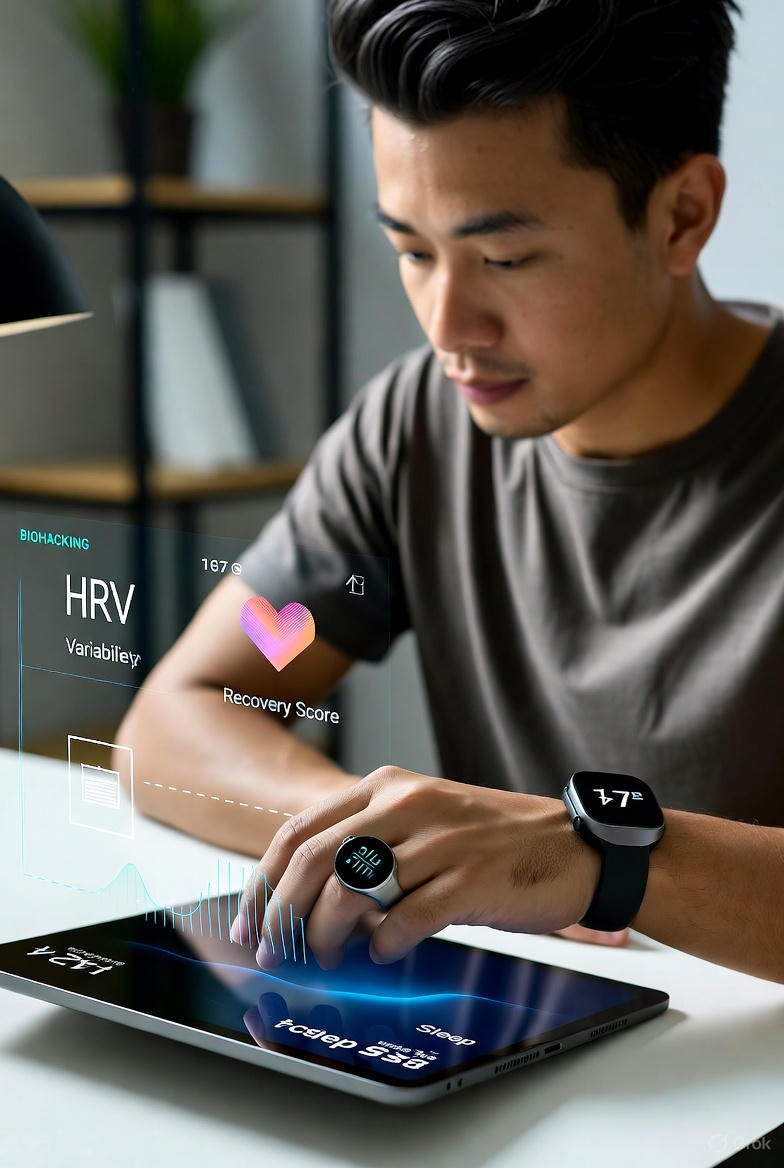
The wellness ring of today represents a significant leap in personal biometrics, but it is merely a stepping stone in the rapid evolution of wearable health technology. Looking forward, we can anticipate innovations that will make current devices seem rudimentary, further blurring the lines between consumer wellness and clinical-grade medicine. Understanding this trajectory helps us appreciate the present tool while anticipating an even more connected and insightful future.
1. Multi-Sensor Fusion and New Biomarkers:
Future wearables will incorporate a broader array of non-invasive sensors directly into the ring form factor or complementary devices.
2. Advanced AI and Predictive Analytics:
As datasets grow from millions of users over years, the power of artificial intelligence will unlock predictive, rather than just descriptive, insights.
3. Deeper Integration with Healthcare Ecosystems:
The future lies in breaking down the wall between consumer wellness data and the formal healthcare system.
4. The Invisible Wearable:
The ultimate goal is complete invisibility and seamless integration. This could mean:
The wellness ring of today is our gateway into this future. By adopting and understanding this technology now, we are not just optimizing our current health; we are preparing to be active, informed participants in a world where continuous, personalized physiological feedback is the norm, empowering us to take unprecedented control of our lifelong health journey. This future aligns perfectly with a vision of restful living supported by technology, not dominated by it.
Embarking on your journey with a wellness ring is exciting, but the sheer volume of data can be overwhelming. The key to a successful start is to shift from a mindset of immediate optimization to one of curious observation and baseline establishment. Your first month is not about fixing everything; it’s about listening, learning, and letting your body’s unique patterns reveal themselves.
Phase 1: Week 1 – The Observation Window (Days 1-7)
Your only goal for the first week is to wear the ring consistently and observe without judgment. Do not change your habits. Live your normal life—have your usual coffee, follow your regular workout schedule, keep your typical sleep hours.
Phase 2: Weeks 2 & 3 – The Connection Phase (Days 8-21)
Now, begin to gently connect the dots between your life and your data. Start a simple notes section in the app's journal feature or in your own notebook.
Phase 3: Week 4 – The First Experiment (Days 22-30)
With some correlations in mind, choose one single, small habit to experiment with. Do not try to overhaul your sleep, diet, and exercise at once.
Key Setup Considerations for Success:
By the end of 30 days, you will have moved from a state of novelty to one of foundational understanding. You’ll know your approximate baselines, have identified one or two key levers for improvement, and, most importantly, you’ll have begun the fundamental shift from being a passive recipient of your health to an active, informed observer. This mindful start is the first and most important step in a restful living journey that transforms your energy from the inside out.
Theory and data are powerful, but seeing how wellness ring principles are applied in diverse, real-life scenarios cements their practical value. These anonymized case studies illustrate how the same core metrics can be interpreted and acted upon to support vastly different health goals.
Case Study 1: The Endurance Athlete – Marathon Training without Overtraining
Case Study 2: The New Parent – Managing Energy and Preventing Burnout
Case Study 3: The Corporate Leader – Sustaining High-Pressure Performance
Case Study 4: The Menopausal Woman – Navigating a Hormonal Transition
These stories demonstrate that the wellness ring is not a one-size-fits-all solution, but a universal translator. It takes the common language of physiology and allows each individual to write their own unique health story, informed by data and tailored to their specific life context and ambitions.
As you deepen your engagement with wellness ring technology, questions inevitably arise. Here, we address some of the most common and nuanced queries to provide clarity and confidence in your journey.
Q1: How accurate are wellness rings compared to medical-grade devices?
This is the most critical question. The answer is nuanced: They are highly accurate for trend-based, consumer wellness purposes, but they are not diagnostic medical devices.
Q2: Why does my HRV sometimes drop after a really good night's sleep?
This apparent paradox is common and reveals the sophistication of the metric. HRV is a measure of autonomic nervous system (ANS) flexibility. A significant drop can mean two things:
Q3: Can I wear my ring while weightlifting or during contact sports?
This depends on the ring's design and your risk tolerance.
Q4: How do I handle data when I'm sick?
When you're actively ill, your data will be anomalous. This is the time to:
Q5: My ring and my smartwatch give different numbers for the same metric (like sleep stages). Which one is right?
This is a frequent point of confusion. Rather than seeking one "right" answer, understand that:
By approaching these common questions with a balanced, informed perspective, you can navigate the intricacies of wearable data with confidence, avoiding pitfalls and maximizing the profound benefits of this continuous dialogue with your body.
We began this exploration with a simple yet profound premise: that a deeper, more nuanced understanding of our own physiology is the key to unlocking our most ambitious health goals. The modern wellness ring, with its elegant fusion of clinical-grade sensing and everyday wearability, has emerged as the catalyst for this personal health revolution. It is far more than a piece of technology; it is a companion on a journey of self-discovery.
This journey moves through distinct, transformative stages. It starts with Awareness, as the ring illuminates the previously hidden rhythms of your sleep, the silent whispers of your stress, and the resilient pulse of your recovery. It progresses to Understanding, as you learn the language of your autonomic nervous system, connecting the dots between a late meal and fragmented deep sleep, between a mindful walk and a rising HRV, between your hormonal cycle and your energy reserves.
With understanding comes Agency. The data transforms from interesting information into an empowerment tool. You are no longer guessing. You are deciding—deciding to rest when your body signals red, to push when it signals green, to modify your environment, your schedule, and your habits in direct response to your unique physiological feedback. You transition from being a passenger in your own body to being its skilled pilot.
Finally, the journey culminates in Wisdom. This is the stage where you transcend the numbers. You no longer feel anxiety from a single data point but appreciate the long-term narrative. You integrate the ring's objective insights with your own subjective feelings, creating a holistic sense of well-being. The tool becomes seamless, its guidance a natural part of your intuition. You have internalized the principles of balance, recovery, and listening. This is the essence of true, sustainable health—a state where technology supports a life of restful living, not a life of relentless tracking.
The various health goals we’ve detailed—from athletic performance and stress resilience to metabolic harmony and longevity—are not separate paths. They are interconnected facets of the same jewel: a life lived in alignment with your body’s innate intelligence. The wellness ring provides the map and the compass for this alignment. Whether your aim is to run a marathon, build a business, raise a family, or simply wake up each day feeling vibrant and present, the foundational truth remains: you cannot optimize what you do not measure, and you cannot sustain what you do not understand.
As you move forward, let the data serve you, not define you. Let it inform your curiosity, not dictate your worth. Use it to craft days that are not just productive, but restorative; to build a life that is not just long, but abundantly healthy and deeply fulfilling. The ultimate goal is not a perfect sleep score or an impeccable HRV graph. The ultimate goal is the vitality, resilience, and peace that those numbers point toward.
Your health is your most profound project. Now, you have the tools to be its most insightful architect. Begin by listening. The conversation starts with a single heartbeat, measured quietly on your finger, echoing the timeless rhythm of a well-lived life. For those ready to take the next step without financial barrier, remember that the most powerful shifts often come from zero-cost wellness tips and a philosophical shift towards being. The journey is yours to shape.
Your Trusted Sleep Advocate: Sleep Foundation — https://www.sleepfoundation.org
Discover a digital archive of scholarly articles: NIH — https://www.ncbi.nlm.nih.gov/
39 million citations for biomedical literature :PubMed — https://pubmed.ncbi.nlm.nih.gov/
Experts at Harvard Health Publishing covering a variety of health topics — https://www.health.harvard.edu/blog/
Every life deserves world class care :Cleveland Clinic - https://my.clevelandclinic.org/health
Wearable technology and the future of predictive health monitoring :MIT Technology Review — https://www.technologyreview.com/
Dedicated to the well-being of all people and guided by science :World Health Organization — https://www.who.int/news-room/
Psychological science and knowledge to benefit society and improve lives. :APA — https://www.apa.org/monitor/
Cutting-edge insights on human longevity and peak performance:
Lifespan Research — https://www.lifespan.io/
Global authority on exercise physiology, sports performance, and human recovery:
American College of Sports Medicine — https://www.acsm.org/
Neuroscience-driven guidance for better focus, sleep, and mental clarity:
Stanford Human Performance Lab — https://humanperformance.stanford.edu/
Evidence-based psychology and mind–body wellness resources:
Mayo Clinic — https://www.mayoclinic.org/healthy-lifestyle/
Data-backed research on emotional wellbeing, stress biology, and resilience:
American Institute of Stress — https://www.stress.org/


