


The Beginner-Friendly Guide to Caffeine Habits: Using Your Ring to Find Balance
A beginner's guide to finding your optimal caffeine intake using feedback from your ring's sleep and recovery data.
A beginner's guide to finding your optimal caffeine intake using feedback from your ring's sleep and recovery data.
%402x.svg)
You wake up. The world is soft at the edges, a gentle fog clinging to your thoughts. The ritual begins almost without conscious thought: the shuffle to the kitchen, the scoop of grounds, the gurgle of the machine, the first, sacred sip. That dark, aromatic elixir is more than a beverage; it’s a signal to your nervous system that the day has officially begun. It’s your productivity partner, your afternoon savior, your social lubricant. Caffeine isn’t just a part of our culture; for many, it’s the invisible scaffold holding up our modern lives.
But what if that scaffold is also quietly undermining the very energy and wellness it promises to provide? What if your beloved cup is contributing to fragmented sleep, midday crashes, heightened anxiety, and a dependency that leaves you feeling like you can’t function without it?
For decades, managing our caffeine intake was a guessing game. We relied on vague feelings of "jitters" or struggled through sleepless nights, trying to connect the dots between a 3 PM latte and a 2 AM staring contest with the ceiling. We lacked the personal, granular data to see how this potent molecule was truly dancing with our unique biology.
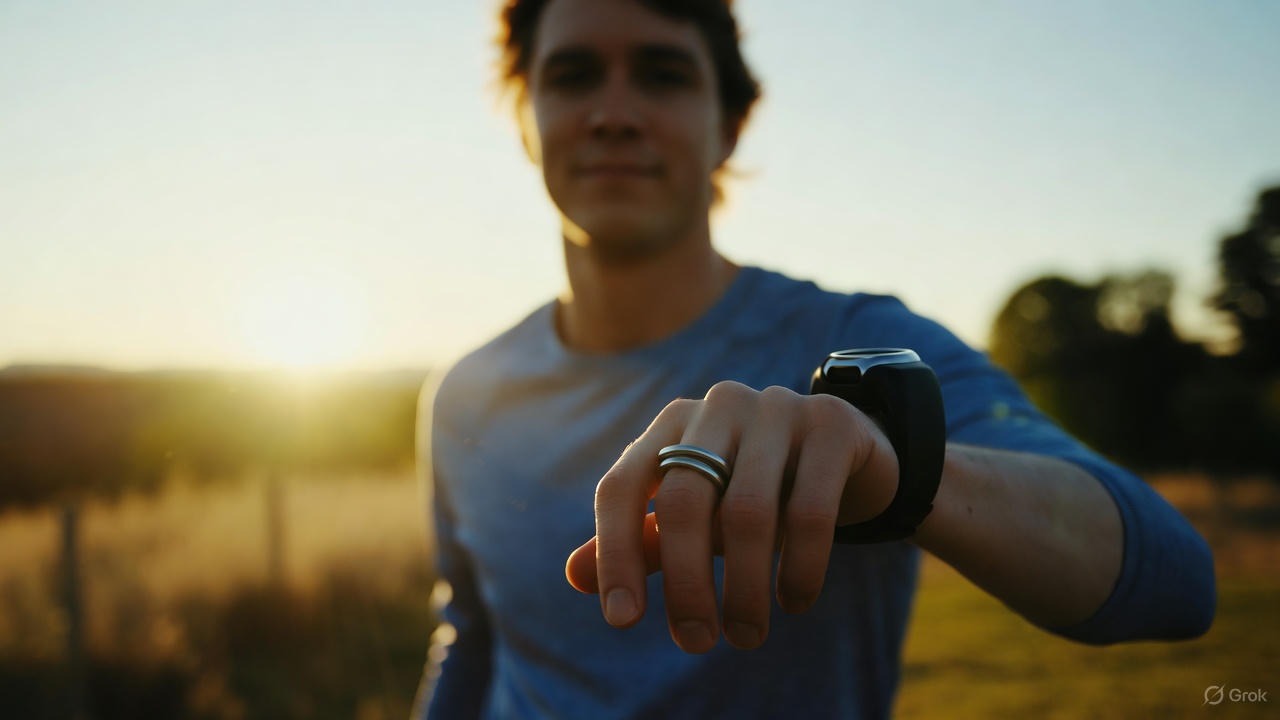
Enter the smart ring—a sleek, unobtrusive device you wear 24/7, most notably from innovators like Oxyzen. This isn't just another step-counter. This is a clinical-grade biometric laboratory on your finger, continuously decoding your body’s silent language: your heart rate variability (HRV), your sleep stages, your resting heart rate, your skin temperature, and your blood oxygen levels. It translates the whispers of your autonomic nervous system into a clear story about your stress, recovery, and readiness.
For the first time, we have a direct, personal feedback loop for caffeine. No more guesswork. Your ring shows you, in undeniable data, how that second coffee actually spiked your resting heart rate for hours, how it subtly eroded your deep sleep, or how it might have surprisingly helped you focus on a day you were well-rested. This guide is your roadmap to using that powerful feedback. We’ll move from caffeine confusion to caffeine clarity, transforming your relationship with the world’s most popular psychoactive drug from one of dependency to one of intelligent, personalized strategy. The goal is not elimination, but optimization—finding your unique balance where caffeine serves you, not the other way around.
Before we can manage something, we must understand it. Caffeine is a masterful impersonator. Its primary mechanism of action in the brain is to block adenosine receptors. Adenosine is a neurotransmitter that gradually builds up throughout the day, promoting sleepiness and relaxation—it’s your body’s natural “sleep pressure” chemical. By blocking its receptors, caffeine puts the brakes on this signal of fatigue. Simultaneously, this blockade triggers a cascade of other neurochemical events, increasing the release of dopamine (the “feel-good” chemical) and norepinephrine (a key player in alertness and focus).
This is why that first cup feels so miraculous. You’re not adding energy; you’re removing the sensation of tiredness while giving your brain a pleasurable nudge. However, the story doesn’t end there. While the receptors are blocked, adenosine continues to accumulate in the background. When the caffeine finally metabolizes and clears the receptors, you experience the infamous “caffeine crash”—a sudden flood of pent-up adenosine that can leave you feeling more fatigued than before you drank it.
The lifecycle of caffeine in your body is measured by its half-life—the time it takes for your body to eliminate half of the consumed dose. The average half-life is 5 to 6 hours. This means if you have a coffee with 200 mg of caffeine at 3 PM, by 9 PM, about 100 mg is still active in your system. By 3 AM, 50 mg may still be circulating. For individuals who are “slow metabolizers” (due to genetic factors in the CYP1A2 enzyme), this half-life can be significantly longer, turning an afternoon pick-me-up into a full-blown sleep saboteur.
This is where the disconnect between feeling and effect becomes critical. You may feel the acute alertness from caffeine wear off after a few hours, but its physiological impact—elevated heart rate, altered sleep architecture, nervous system stimulation—persists long after the perceived buzz is gone. Your smart ring bridges this gap in perception. While you might feel ready for bed, your ring’s data on resting heart rate and HRV can show your nervous system is still in a sympathetically dominant (stressed or alert) state, courtesy of that lingering caffeine.
Understanding this fundamental biology is the first step toward intentional use. Caffeine isn’t good or bad—it’s a tool. And like any powerful tool, its effectiveness depends on how skillfully you wield it. The data from your wearable is the instruction manual you’ve never had.
We often reach for caffeine with the best intentions: to boost performance, enhance mood, or simply survive a demanding schedule. Yet, without the objective data to see the downstream effects, we can inadvertently create a cycle that counteracts our broader wellness goals. Let’s explore the common, well-intentioned caffeine pitfalls that your smart ring can help you identify and correct.
The Energy Debt Cycle: This is the most pervasive pattern. You sleep poorly (perhaps partly due to prior-day caffeine). You wake up exhausted and reach for a strong coffee to jumpstart your day. The caffeine provides a short-term loan of alertness. By mid-afternoon, as the loan comes due with a crash, you take out another loan with a second cup. This might get you through the workday, but it continues to compromise your sleep quality at night. The next morning, you wake up with even greater fatigue, requiring an even larger “loan.” It’s a vicious cycle of borrowing energy from tomorrow to pay for today, with steep interest paid in poor sleep and adrenal fatigue. Your ring makes this cycle visible. You’ll see the correlation between afternoon caffeine and a higher resting heart rate at night, less deep sleep (the restorative phase), or more frequent awakenings.
The False Sense of Recovery: After a hard workout or a stressful day, your body needs to enter a parasympathetic (“rest and digest”) state to recover. Caffeine, as a sympathetic nervous system stimulant, can directly oppose this. You might drink a post-workout coffee feeling fine, but your ring’s HRV metric—a key indicator of autonomic nervous system balance and recovery readiness—may tell a different story. A suppressed or dropping HRV post-caffeine is a clear sign your body is being pushed to perform, not being allowed to repair. This can slow fitness progress, increase injury risk, and lead to burnout.
The Masked Stress Load: Modern life comes with chronic stress. Caffeine amplifies the body’s physiological stress response, increasing the production of cortisol, the primary stress hormone. Habitual caffeine use, especially in high doses, can keep your cortisol rhythm dysregulated. You may become accustomed to this heightened state, thinking it’s your “normal” productive mode. Your smart ring acts as a truth-teller. Chronically elevated resting heart rate, low HRV, and poor sleep scores are the biometric signatures of a system under excessive load. Caffeine could be a major, yet invisible, contributor to that load, preventing you from ever truly downshifting. For a deeper understanding of how stress and recovery interplay, our article on the connection between sleep health and mental wellness explores this critical relationship.
The Individual Variability Blind Spot: The biggest mistake is assuming caffeine affects you the same way it affects others, or even the same way every day. Your sensitivity is influenced by genetics, sleep debt, stress levels, menstrual cycle phase, hydration, and even what you eat with it. A cup on a well-rested Sunday may have little negative impact, while the same cup on a sleep-deprived, stressful Wednesday could wreak havoc on your nervous system. Without tracking, you’re flying blind to these nuances. Your ring provides the context you need to move from blanket rules to personalized, daily decisions.
Recognizing these patterns is the crucial first step toward change. In the following sections, we’ll build your toolkit for using your ring’s data to break these cycles and build a smarter, more sustainable caffeine strategy.
Your smart ring is a portal into your inner physiology. To harness its power for caffeine optimization, you need to know what to look for. Think of these metrics as characters in a story—caffeine’s influence on the plot becomes clear when you understand how they interact. Here are the key players:
Resting Heart Rate (RHR): This is your heart’s beats per minute when you are completely at rest, typically measured during sleep. It’s a fundamental indicator of cardiovascular fitness and autonomic nervous system state. Caffeine’s stimulant effect increases heart rate. A clear sign of caffeine sensitivity or excessive intake is an elevated RHR on nights following caffeine consumption, especially later in the day. Your ring’s sleep RHR is the gold standard—seeing a spike of 5-10 bpm above your baseline can be a direct signal of caffeine’s lingering effect.
Heart Rate Variability (HRV): This is the most sensitive and insightful metric for caffeine assessment. HRV measures the tiny, millisecond variations in the time intervals between your heartbeats. A higher HRV generally indicates a resilient, adaptable nervous system that can easily switch between action (sympathetic) and recovery (parasympathetic) states. A lower HRV suggests a stressed, fatigued, or overloaded system stuck in “go” mode. Caffeine is a potent HRV suppressant. A sharp drop in your nightly or morning HRV after caffeine consumption is a strong sign that your body is interpreting it as a stressor and is struggling to achieve restorative rest. Monitoring HRV trends is essential for understanding your personal tolerance and optimal timing.
Sleep Stages (Deep & REM Sleep): Quality sleep isn’t just about duration; it’s about architecture. Deep sleep (slow-wave sleep) is critical for physical restoration and immune function. REM sleep is vital for memory consolidation and emotional processing. Caffeine, particularly when consumed within 6-8 hours of bedtime, can significantly reduce the amount of deep sleep and fragment sleep continuity. Your ring’s sleep stage analysis allows you to see this directly. Did you get less deep sleep than usual? Did you have more awakenings? Correlating this with your caffeine log provides incontrovertible evidence of its impact on your most vital recovery process. For a foundational look at how these stages work, sleep health tracking for beginners is an excellent resource.
Sleep Latency: This is the time it takes you to fall asleep. While many factors affect this, caffeine is a prime culprit. If your ring shows your sleep latency increasing from a typical 15 minutes to 45 minutes on days you had afternoon caffeine, you have a clear, data-driven reason to adjust your cutoff time.
Body Temperature: Advanced sensors in rings like Oxyzen track subtle changes in your skin temperature throughout the night. Your body’s core temperature needs to drop to initiate and maintain sleep. Stimulants like caffeine can interfere with this natural thermoregulation process, leading to a warmer, more restless sleep. A disrupted temperature curve can be another fingerprint of caffeine’s disruption.
By learning to read this biometric story, you transform caffeine from a mystery into a measurable variable. You’re no longer wondering, “Does coffee affect my sleep?” You’re observing, “My 4 PM coffee correlated with a 7 bpm higher RHR, a 15% drop in HRV, and 30% less deep sleep last night.” This is the power of objective self-knowledge.
You cannot manage what you do not measure. Before making any changes, you need a clear, honest snapshot of your current caffeine reality. This isn’t about judgment; it’s about gathering intelligence. Conduct a one-week “Caffeine Audit” while wearing your ring and observing your biometrics neutrally.
Step 1: Log Everything, Meticulously.
For 7 days, track every source of caffeine. This goes far beyond coffee:
Record the time of consumption and your best estimate of the dose (e.g., “8 AM, 12 oz drip coffee, ~180 mg”). Use a notes app or a simple journal.
Step 2: Observe Your Biometrics Without Intervention.
During this audit week, do not try to change your habits. Live normally. The goal is to see the unvarnished truth of how your current routine maps onto your body’s signals. Each morning, check your ring’s recovery or readiness score and delve into the details:
Step 3: Correlate and Pattern-Spot.
At the end of the week, lay the two datasets side-by-side: your caffeine log and your biometric trends. Look for patterns:
This baseline audit is illuminating, often shocking. It turns anecdotes (“I think that latte kept me up”) into evidence. It establishes your personal starting point, from which all intelligent experimentation will flow. Remember, the journey to better habits starts with awareness. If you’re feeling overwhelmed by data, our guide on sleep health for beginners: avoiding information overload offers practical tips for managing this phase.

With your baseline established, you can now start the most impactful part of your caffeine optimization journey: mastering timing. Caffeine’s effects are not just about how much, but critically about when. Your ring’s data provides the feedback to find your ideal caffeine schedule. Let’s break down the key timing rules, backed by biometric insight.
The Cortisol Awakening Response (CAR) & The 90-Minute Rule: When you wake up, your body naturally produces a surge of cortisol—a hormone that helps you feel alert and awake. This peak typically occurs 30-45 minutes after waking. Introducing caffeine during this natural peak is not only redundant but can blunt your body’s own elegant wake-up system and lead to a sharper afternoon crash. The rule: Wait 90 minutes after waking before your first caffeine dose. During your audit, try this. You may find your mid-morning focus is sharper and more sustained, and your ring might show a more stable HRV throughout the day.
The Absolute Cut-Off vs. The Half-Life Rule: The old adage “no caffeine after 2 PM” is a blunt instrument. A better approach is based on caffeine’s half-life. A good starting guideline is to set your cut-off at 8-10 hours before your target bedtime. If you aim to sleep at 10:30 PM, your last caffeine should be between 12:30 PM and 2:30 PM. However, your ring will tell you if you need to be more conservative. If you see sleep disruption even with a 1 PM cut-off, you may be a slow metabolizer and need to move it to 11 AM or even earlier. Let your deep sleep scores and sleep latency be your guide.
Strategic Timing for Exercise: Caffeine is a proven ergogenic aid, enhancing endurance and strength. The optimal time for performance is typically 60 minutes before exercise. However, post-workout is a different story. Since recovery requires a parasympathetic state, post-exercise caffeine can be counterproductive. Check your ring’s recovery metrics on days you have a post-workout coffee vs. days you don’t. If your HRV is suppressed and your RHR stays elevated, it’s a sign to keep caffeine pre-workout only.
The “Readiness Score” Check: Many smart rings provide a daily “Readiness” or “Recovery” score that synthesizes your sleep, HRV, RHR, and temperature data. Get in the habit of checking this before you decide on your caffeine intake for the day. This is context-aware consumption.
By using your ring to experiment with these timing principles, you move from a fixed schedule to a dynamic, responsive caffeine strategy that aligns with your body’s actual needs, not just the clock.
More caffeine does not equal more productivity, focus, or sustainable energy. In fact, the relationship is often an inverted U-curve: benefits increase up to an optimal point, after which side effects (anxiety, jitters, digestive issues, sleep disruption) escalate and net benefits decline. Your mission is to find your personal “Goldilocks Zone”—the dose that provides maximum benefit with minimal negative biometric impact.
Start with the Science-Based Sweet Spot: For most healthy adults, research suggests the optimal dose for cognitive and physical performance, without significant side effects, is between 50 mg and 200 mg per dose (about half a cup to one strong cup of coffee), and a total daily intake under 400 mg. Use this as a starting framework, not a personal prescription.
The Minimum Effective Dose (MED) Principle: This is a powerful concept from pharmacology and fitness. What is the smallest amount of caffeine needed to produce your desired effect? Instead of automatically drinking a 16oz venti, try an 8oz cup. Instead of a double espresso, try a single. During this experiment, pay close attention to two things: 1) Your subjective feeling of focus and alertness 60-90 minutes later, and 2) Your ring’s data the following morning. You may be shocked to discover that the smaller dose provided 90% of the benefit with 50% less disruption to your sleep and recovery metrics. Finding your MED is a cornerstone of sustainable energy management.
Biometric Feedback is Your Dose Meter: Your ring provides the ultimate dose calibration tool. After reducing your dose for a week, ask:
If the answer is yes, you’ve likely moved closer to your optimal dose. If you see no change, you may have room to reduce further or may have already been near your optimal range.
Titrating Down Gracefully: If your audit revealed a high daily intake (600mg+), a sudden stop can cause severe withdrawal headaches and fatigue. A gradual titration is key. Reduce your total daily intake by about 50-100 mg per week. You can do this by mixing decaf with regular coffee, having one less cup per day, or switching a later cup to a lower-caffeine option like green tea. Monitor your ring data throughout this process. You’ll likely see your biometrics begin to improve even as you taper, which can be motivating. You may also notice your natural energy levels and sleep-driven alertness returning, reducing your perceived need for high doses. For support in building new, lasting routines around wellness data, our piece on how to build sleep health habits that last provides a proven framework.
Optimization requires a holistic view. Caffeine never acts in a vacuum. Its effects are dramatically modified by what you consume with it, other lifestyle factors, and hidden sources you might be missing. Your smart ring helps you uncover these interconnected relationships.
The Empty Stomach Amplifier: Consuming caffeine on an empty stomach accelerates its absorption, leading to a sharper, often more anxious spike and a quicker crash. Having it with food, especially a balanced meal with protein, fat, and fiber, slows absorption for a smoother, more sustained effect. Notice if your ring shows a more pronounced HRV dip or higher RHR when you have caffeine alone versus with a meal.
Hydration & The Diuretic Myth (and Reality): While caffeine’s acute diuretic effect is mild in habitual users, it’s still a net fluid loss. Chronic under-hydration compounds caffeine’s stress on the body and can amplify feelings of jitteriness and fatigue. Your ring’s skin temperature and HRV data can be indirect indicators of hydration status. Make a conscious effort to drink a glass of water before and after your caffeine. Track if this simple habit correlates with a milder physiological response in your data.
The Sugar and Synergy Trap: A mocha, frappuccino, or energy drink pairs caffeine with a significant dose of sugar. This combination creates a rollercoaster: a massive spike in blood sugar and adrenaline, followed by a precipitous crash that feels even worse than a caffeine crash alone. This double-whammy is profoundly stressful on your system. If you consume sugary caffeinated drinks, look for the signature in your biometrics: perhaps a huge dip in daytime readiness a few hours later, or significantly worse sleep metrics. Switching to unsweetened versions can be a game-changer your ring will applaud.
Alcohol & The Seductive False Calm: Alcohol is a sedative; caffeine is a stimulant. They don’t cancel each other out—they confuse your nervous system. The caffeine masks the depressant effects of alcohol, leading you to drink more than you otherwise would (“wide-awake drunk”), while the alcohol masks the sleep-disrupting effects of the caffeine. The result is often a terrible night of sleep where you fall asleep quickly (due to alcohol) but have severely suppressed REM sleep and frequent awakenings later in the night. Your ring’s sleep stage data will paint a brutal picture of this interaction, showing deep sleep possibly intact but REM sleep nearly eliminated.
Medications & Supplements: Be aware of interactions. Some antidepressants (MAOIs), antibiotics, and asthma medications can amplify caffeine’s effects. Similarly, stacking caffeine with other stimulants like certain fat-burners or even high doses of B-vitamins can push your nervous system into overdrive. Any new supplement regimen paired with caffeine should be accompanied by close monitoring of your ring’s HRV and RHR for signs of overstimulation.
By broadening your view to include these synergistic factors, you move from optimizing a single variable to orchestrating your entire daily chemistry for stable, clean energy.
Whether you’re titrating down from a high dose or embarking on a full reset to eliminate tolerance, navigating caffeine withdrawal with the support of your smart ring transforms a challenging process into an informative, even empowering, experiment. Withdrawal symptoms (headache, fatigue, brain fog, irritability) are real, but they are temporary and your biometric data can be a powerful motivator to push through.
Why Reset? The Tolerance Problem: With consistent daily use, your brain adapts to caffeine by creating more adenosine receptors. This means you need more caffeine to block the same percentage of receptors and achieve the same alerting effect—this is tolerance. It also means that when you don’t have caffeine, you have more receptors available for the built-up adenosine to bind to, leading to intensified withdrawal fatigue. A reset clears this tolerance, allowing you to regain sensitivity so a smaller dose becomes effective again.
The Smart Ring Reset Protocol (2-4 Weeks):
This protocol isn’t just about quitting; it’s about reclaiming control and resensitizing your biology. The data from your ring provides the objective proof that the short-term pain is worth the long-term gain in sleep quality, recovery, and energy stability.
Mastering caffeine is as much about what you do instead of it as it is about optimizing its use. On low-readiness days, when you’re in a reset, or simply when you want a clean-energy afternoon, having a toolkit of effective alternatives is essential. Your smart ring can help you validate which of these alternatives genuinely support your physiology without the disruptive side effects.
The Hydration First Principle: Dehydration is a primary cause of midday fatigue. Before reaching for any stimulant, drink 16-20 oz of water. Notice if your ring’s daytime readiness score or activity recovery metrics improve with consistent hydration. This is the simplest and most fundamental energy protocol.
Light & Air: Two of the most powerful, underutilized alertness signals are bright light and fresh air. A 10-minute walk outside in daylight (even on a cloudy day) provides bright light to suppress melatonin, increases blood flow, and can boost mood and focus as effectively as a low dose of caffeine, with zero negative impact on sleep. Track how a daily outdoor walk affects your sleep scores and HRV—the correlation is often strongly positive.
Strategic Movement & "Exercise Snacks": When energy dips, 5-10 minutes of movement can be transformative. A few sets of bodyweight squats, push-ups against a wall, or a brisk walk up and down stairs increases heart rate, delivers oxygen to the brain, and releases neurotransmitters like norepinephrine and dopamine. Unlike caffeine, this movement stress is followed by a positive recovery response, often improving your subsequent HRV.
Adaptogenic Herbs (Use with Biometric Caution): Herbs like Rhodiola Rosea, Ashwagandha, and Panax Ginseng are touted for supporting energy and stress resilience. Crucially, they work very differently from stimulants. They are thought to help modulate the body’s stress response (the HPA axis). If you experiment with these, do so one at a time and monitor your ring’s HRV and sleep data closely. A positive response would be a gradual increase in HRV and improved sleep scores over weeks. No change or a negative response means it’s not for you.
The Power Nap & NSDR: A 10-20 minute nap (before 3 PM) can restore alertness without sleep inertia. If you can’t nap, a 10-minute Non-Sleep Deep Rest (NSDR) protocol or yoga nidra (readily available on apps like YouTube) can produce similar restorative benefits. Your ring can track short periods of rest, and you may see a noticeable bump in your afternoon readiness score afterward.
Breathing for Energy: Stimulating breathing practices like the “physiological sigh” (double inhale through the nose, long exhale through the mouth) or a few rounds of box breathing (4 sec inhale, 4 sec hold, 4 sec exhale, 4 sec hold) can quickly increase alertness by altering the CO2/O2 balance in the blood and stimulating the sympathetic nervous system in a controlled way.
By building these protocols into your life and using your ring to confirm their positive effects, you build true energy resilience. You’re no longer dependent on a single molecule. You have a diversified portfolio of energy strategies, making you adaptable and robust. For more foundational strategies that don’t require any technology, explore how to measure sleep health without fancy devices.
Now it’s time to synthesize everything you’ve learned and observed into a living, breathing, personalized plan—your Caffeine Blueprint. This isn’t a rigid set of rules, but a flexible framework informed by your unique biology and lifestyle, with your smart ring as the continuous feedback mechanism. Here’s how to build it:
Step 1: Define Your "Why" and Set Goals.
What do you want from caffeine? Is it purely for morning ritual? For laser focus on deep work? For athletic performance? Your goal dictates your strategy. For example:
Step 2: Establish Your Core Parameters.
Based on your audit and experiments, lock in your foundational rules:
Step 3: Create Your Decision Matrix.
This is your daily playbook. It should be simple:
Step 4: Schedule Regular "Audit Weeks."
Every 4-8 weeks, conduct another focused audit week. Log meticulously and correlate with your ring data. Is your blueprint working? Have your baseline RHR and HRV improved? Has your sleep become more consistent? This regular check-in prevents slow drift back into old habits and allows you to refine your plan as your life or fitness changes. For those who love a systematic approach, this mirrors the simple sleep health formula everyone can follow.
Step 5: Embrace Flexibility, Not Perfection.
Life happens. There will be late nights, early mornings, and social occasions. The goal of the blueprint is not to make you anxious about every sip, but to give you a default, optimal routine. When you deviate, do so consciously, enjoy it, and then use your ring’s data to guide you back to your baseline. Notice how long it takes your body to recover from the deviation—this knowledge itself is empowering.
Your personalized caffeine blueprint, powered by the objective feedback from your smart ring, marks the end of guesswork and the beginning of a truly intelligent, balanced relationship with one of the world’s most powerful and popular substances. You are no longer a passive consumer of caffeine; you are an active director of your own energy and focus.

Mastering your caffeine habits is a monumental achievement, but its true power is unlocked when integrated into a broader framework of holistic wellness. Your smart ring isn’t just a caffeine monitor; it’s a central dashboard for your entire well-being. The data you’ve learned to interpret for caffeine—HRV, RHR, sleep architecture—are the same metrics that reflect your stress, nutrition, exercise, and mental state. By viewing your caffeine blueprint as one piece of a larger puzzle, you create a synergistic effect where each positive habit amplifies the others, leading to exponential gains in how you feel and perform every day.
The Energy Trinity: Sleep, Nutrition, Caffeine
Think of your daily energy as a three-legged stool supported by sleep, nutrition, and chemical stimulants (caffeine). If one leg is short, you'll over-rely on the others, and the stool becomes unstable.
Your smart ring helps you balance this trinity. A low readiness score tells you to prioritize sleep and nutrition before considering caffeine. Seeing your deep sleep improve after fixing your caffeine cut-off time is a direct demonstration of this interconnectedness.
Stress Stacking: When Caffeine Meets a Demanding Life
Caffeine stimulates the sympathetic nervous system—the "fight or flight" response. Psychological stress does the exact same thing. When you consume caffeine during a period of high work stress, relationship tension, or financial worry, you are effectively "stacking" stimulants. The combined load can push your nervous system past its capacity for healthy adaptation, leading to burnout, anxiety, and chronic fatigue.
Your ring’s HRV is the ultimate gauge of this total load. A consistently low or dropping HRV isn't just about your coffee; it's a summary of your job, your workouts, your relationships, and your internal dialogue. If your HRV is chronically low despite a perfect caffeine blueprint, it’s a signal to examine other stress sources. Perhaps you need to integrate mindfulness, set better boundaries, or adjust your training intensity. Learning to troubleshoot common sleep health problems often leads you to these non-sleep stressors that caffeine can exacerbate.
Movement as a Bi-Directional Modulator
Exercise profoundly impacts how you process and respond to caffeine, and vice versa.
By letting your ring guide the conversation between movement and caffeine, you ensure they work as partners, not opponents, in your fitness journey.
Your relationship with caffeine is not static. It will—and should—evolve with your age, fitness level, health status, and lifestyle. The power of continuous wearables like a smart ring lies in their ability to reveal these long-term trends, allowing you to adapt proactively rather than reactively. This transforms your approach from a short-term "hack" to a lifelong practice of somatic self-awareness.
Seasonal and Lifecycle Shifts
Your body’s response to caffeine can change with the seasons and with major life phases.
The Tolerance & Reset Cycle Revisited
Even with a perfect blueprint, mild tolerance can build over months. This is why the "regular audit week" is part of your long-term plan. You might notice that over six months, your MED has silently crept up from one cup to one and a half cups to feel the same effect. Your biometrics may hold the early warning signs before you even feel them subjectively: a very slight, gradual reduction in baseline HRV, or a minor decrease in sleep efficiency. This is your cue to implement a mini-reset—perhaps a week of halving your dose or switching to green tea—to resensitize your system. This proactive, data-driven maintenance prevents you from slowly sliding back into high dependency.
Life Events and Stressors
Major life events—a new job, a new baby, moving house, grief—create profound physiological stress. During these times, the instinct is often to lean heavily on caffeine to cope with fatigue and emotional strain. However, your ring’s data during these periods is invaluable. It will likely show your nervous system is already maxed out (chronically low HRV, high RHR). Adding more caffeine is like revving a red-lined engine. The data might instead guide you to a radically different strategy: protecting sleep at all costs, using caffeine sparingly if at all, and employing non-stimulant energy alternatives. This compassionate, data-informed response can help you navigate challenging times without compounding the stress on your body.
Embracing the long game means accepting that your caffeine blueprint is a living document. It requires periodic review and revision. The constant stream of data from your ring turns you into both the scientist and the subject of a lifelong study on your own optimal performance and well-being.
Our caffeine habits are not cultivated in a vacuum. They are deeply woven into our social fabric and daily environments. Office culture, social gatherings, and even our own kitchens are filled with cues that trigger automatic consumption. To master your personal blueprint, you must learn to navigate these external forces with intention. Your smart ring provides the "why" that empowers you to change the "how" in social settings.
The Office Coffee Ritual
The office coffee pot is a powerful social and behavioral hub. The mid-morning and post-lunch pilgrimages are as much about social connection and a break from work as they are about caffeine. To navigate this:
Social Dining and Evenings Out
Navigating dinners, dates, and evening gatherings requires a plan.
Environmental Cue Management
Our habits are often cued by our environment. To support your blueprint:
By bringing conscious awareness to these social and environmental triggers, you reclaim agency. You move from being a passive reactor to your environment to an active architect of your daily habits. This skill, of navigating external pressures with internal wisdom, is perhaps the greatest benefit of your entire caffeine optimization journey.
While RHR and HRV are the workhorses of caffeine insight, advanced smart rings like Oxyzen capture additional biomarkers that can provide deeper, more nuanced clues about how caffeine and other lifestyle factors are affecting your physiology. Two of the most insightful are nocturnal blood oxygen saturation (SpO2) and skin temperature variation.
Nocturnal Blood Oxygen (SpO2) – The Recovery Oxygenation Signal
SpO2 measures the percentage of oxygen-carrying hemoglobin in your blood. During sleep, it’s normal for this to dip slightly, but significant or frequent drops can indicate sleep-disordered breathing (like sleep apnea) or other issues.
Skin Temperature – The Circadian Rhythm Mirror
Your core body temperature follows a clear circadian rhythm, dropping to initiate sleep and reaching its nadir in the early morning before rising to help you wake. Smart rings track the subtle changes in skin temperature that reflect this internal cycle.
Integrating Advanced Data for a Holistic Picture
Don’t view these metrics in isolation. The real power is in the constellation of data.
Using these advanced metrics turns your optimization from a focus on "sleep quality" alone to a deeper understanding of systemic recovery. You’re not just sleeping better; you’re providing your body with the correct physiological conditions for cellular repair, hormonal regulation, and cognitive restoration. This level of insight is what makes modern wearable technology a true partner in high-performance wellness.
As you embark on this data-driven journey, you’ll inevitably encounter puzzling days. Your ring might show poor recovery despite perfect habits, or you might hit a plateau where further caffeine adjustments yield no biometric improvement. This is normal. The human body is complex and influenced by countless variables. Learning to troubleshoot these discrepancies is a mark of an advanced user. Here’s how to think like a biohacker when the data seems confusing.
"I Had No Caffeine Afternoon, But My Sleep Was Terrible!"
This is a common frustration that highlights the multifactorial nature of sleep.
"I Improved My Caffeine Habits, But My HRV Is Still Low."
You’ve dialed in your dose and timing, but your key recovery metric isn’t budging. This means caffeine was only one part of your total stress load.
The Plateau Effect: When Optimization Levels Off
After initial dramatic improvements from fixing bad habits, progress naturally slows. This is the law of diminishing returns.
The Importance of the Lifestyle Log
This troubleshooting underscores why a simple lifestyle log (a few notes on stress, meals, exercise, and alcohol) is indispensable alongside your ring data. When you see a biometric anomaly, your log provides the context to solve the mystery. This combination turns random data points into a coherent narrative of your life’s impact on your biology.
Our journey began with a personal quest for better energy and sleep. But as we deepen our understanding of caffeine’s power, it’s responsible to widen the lens to consider the broader impact of our consumption—on the global community and the environment. Conscious caffeine use is not just about internal balance; it’s about aligning our personal habits with ethical and sustainable values. The mindfulness cultivated through biometric tracking can naturally extend to this outward perspective.
Beyond the Bean: The Supply Chain Story
The coffee and tea in your cup have traveled a long road. Conventional caffeine agriculture can be associated with:
Making Ethically-Aligned Choices
Your newfound intentionality with caffeine can guide your purchasing power:
The Paradox of Optimization and Consumption
There’s an interesting tension here: as you optimize, you may consume less caffeine, but you might also be willing to pay more for higher-quality, ethically sourced products when you do consume. This shifts your role from a high-volume, low-quality consumer to a low-volume, high-quality connoisseur. This is a net positive. You support ethical producers, reduce your overall footprint, and elevate your personal experience. That single, perfectly timed cup of exquisite, shade-grown, fair-trade coffee becomes a moment of true pleasure and alignment, far removed from the desperate fuel-gulping of old habits.
Using Your Data for Advocacy
The detailed understanding you now have is a form of knowledge capital. In social settings, when discussing your changed habits, you have a powerful story: "I used my smart ring data to see how caffeine was affecting my sleep, so I cut back. Now I drink less, but I make sure what I do drink is sustainably sourced." This frames the change not as deprivation, but as an upgrade in quality, consciousness, and personal science. You become a subtle advocate for both self-experimentation and ethical consumption.
This ethical dimension is the final, integrative piece of the puzzle. It connects the deeply personal act of listening to your body with your role as a global citizen. Your smart ring helped you find internal balance; that balance now allows you to make choices that contribute to external balance as well.

We have covered vast territory, from the molecular mechanics of adenosine blockade to the social nuances of declining an after-dinner espresso, from decoding the subtle language of HRV to considering the global footprint of a coffee bean. This is the essence of modern wellness: leveraging technology for deep self-knowledge, then using that knowledge to make intentional, personalized choices that ripple out to improve every facet of your life.
You began with a simple, universal ritual—the morning cup. You now possess a sophisticated framework to transform that ritual from a dependency into a dialogue. Your smart ring is the translator in this dialogue, converting your body’s silent signals into a clear, actionable narrative.
Remember, the goal was never perfection. It was progress and awareness. It was replacing guesswork with knowledge, and habit with choice. Some days your blueprint will be followed perfectly, and your ring will show the rewarding green lights of high recovery and great sleep. Other days, life will happen—a celebratory late-night espresso martini, a brutal work deadline requiring an extra cup—and your data will reflect that, too. This is not failure; it’s information. It’s part of the long-term trend line.
The journey you've started is iterative and lifelong. You will audit, experiment, adapt, and re-audit. You will learn how your body changes with seasons, stress, and age. You have moved from being a passive passenger in your own body to an engaged pilot, with a sophisticated dashboard at your fingertips.
This knowledge empowers you to finally answer that ancient, daily question—“Should I have another cup?”—not with guilt, dogma, or desperation, but with data, context, and a deep understanding of your unique, miraculous biology. You are now the author of your own energy story.
Ready to continue your optimization journey? The principles you've learned here apply to every other pillar of health. Discover how to connect these dots and build a complete system for vitality in our comprehensive guide on how sleep health supports your bigger wellness goals.
Your Trusted Sleep Advocate: Sleep Foundation — https://www.sleepfoundation.org
Discover a digital archive of scholarly articles: NIH — https://www.ncbi.nlm.nih.gov/
39 million citations for biomedical literature :PubMed — https://pubmed.ncbi.nlm.nih.gov/
Experts at Harvard Health Publishing covering a variety of health topics — https://www.health.harvard.edu/blog/
Every life deserves world class care :Cleveland Clinic - https://my.clevelandclinic.org/health
Wearable technology and the future of predictive health monitoring :MIT Technology Review — https://www.technologyreview.com/
Dedicated to the well-being of all people and guided by science :World Health Organization — https://www.who.int/news-room/
Psychological science and knowledge to benefit society and improve lives. :APA — https://www.apa.org/monitor/
Cutting-edge insights on human longevity and peak performance:
Lifespan Research — https://www.lifespan.io/
Global authority on exercise physiology, sports performance, and human recovery:
American College of Sports Medicine — https://www.acsm.org/
Neuroscience-driven guidance for better focus, sleep, and mental clarity:
Stanford Human Performance Lab — https://humanperformance.stanford.edu/
Evidence-based psychology and mind–body wellness resources:
Mayo Clinic — https://www.mayoclinic.org/healthy-lifestyle/
Data-backed research on emotional wellbeing, stress biology, and resilience:
American Institute of Stress — https://www.stress.org/


