


How Exercise and Recovery Balance Affects Long-Term Fitness Gains
How balance affects long-term fitness progress.
How balance affects long-term fitness progress.
%402x.svg)
We live in a culture that venerates the grind. "No days off," "burnout is a badge of honor," and "crush your goals" are mantras echoed in gyms, boardrooms, and social media feeds. We meticulously track our steps, count our macros, log our miles, and celebrate personal bests. Yet, for all this focus on the output—the exertion, the sweat, the weights lifted—we systematically undervalue, and often outright ignore, the critical input of rest. This is a fundamental error in the arithmetic of fitness, one that limits potential, invites injury, and ultimately derails long-term progress.
The truth is, fitness is not built in the gym, on the track, or on the yoga mat. It is built in the quiet hours that follow. Muscle grows not when you stress it, but when you allow it to repair. Cardiovascular capacity expands not during the sprint, but during the recovery that allows your heart and circulatory system to adapt. Neurological pathways for skill and strength are solidified not during practice, but during sleep. Exercise is the catalyst, the stimulus that shakes your body out of homeostasis. But adaptation—the actual process of becoming fitter, stronger, and more resilient—is a recovery-based process.
This article is about restoring balance to the most important equation in your fitness journey: The Exercise-Recovery Equilibrium. We will dismantle the myth that more is always better and explore the sophisticated biological dialogue between stress and rest. We'll journey from the cellular machinery of muscle protein synthesis to the brain's glymphatic system, from the hormonal orchestra conducting your energy to the psychological foundations of sustained motivation. This is not a call to train less, but to recover smarter. It's a deep dive into the science of strategic strain and purposeful pause, revealing how the precise calibration of these two forces is the master key to unlocking fitness gains that are not just impressive, but enduring.
In an era of data-driven wellness, we are no longer guessing. Technologies like advanced smart rings are putting quantifiable metrics to previously intangible aspects of recovery—sleep quality, heart rate variability, body temperature trends, and resting heart rate. This allows us to move from generic, one-size-fits-all rest days to Personalized Recovery Protocols. By understanding the science and learning to listen to the nuanced signals of our own bodies, we can transform recovery from a passive absence of training into an active, potent component of our fitness regimen. The goal is lifelong progression, not short-term exhaustion. Let's begin by understanding the fundamental biological law that governs all growth: the Supercompensation Cycle.
Imagine your fitness level as a baseline, a steady line representing your current capacity. When you apply a training stimulus—a challenging run, a heavy lift, an intense circuit—you don't instantly elevate that line. Instead, you deplete it. You create what exercise scientists call "fatigue." You drain muscle glycogen, create microscopic tears in muscle fibers, elevate stress hormones, and disrupt homeostasis. In the immediate aftermath of a workout, your performance capacity is actually lower than when you started. This is the Fatigue Phase.
If you were to stop here, the story would be one of simple wear and tear. But the human body is a remarkable adaptive system. Perceiving this stress as a threat to its equilibrium, it initiates a sophisticated repair-and-rebuild process. It clears metabolic waste, repairs damaged tissue, and, crucially, doesn't just restore the system to its original state. It overcompensates. It builds a little more muscle fiber, stores a little more glycogen, strengthens tendons a little more, and makes your cardiovascular system a little more efficient than before to better handle the same stress in the future. This is the Recovery and Adaptation Phase. The pinnacle of this phase, where your fitness baseline surpasses its previous level, is called Supercompensation.
This elevated state is your window of opportunity. If you apply your next training stimulus during this peak, you begin the cycle again from a higher baseline, leading to cumulative fitness gains over time. This is the progressive overload principle in action. However, this elegant cycle is fragile and easily disrupted by two primary errors.
Error 1: Training Again Too Soon (Under-Recovery). If you impose a new stressor while your body is still in the fatigue or early recovery phase—before supercompensation is complete—you dig a deeper hole of fatigue. Performance stagnates or declines, the risk of overuse injuries skyrockets, and you may enter a state of non-functional overreaching or, worse, overtraining syndrome. This is the classic "two-a-day," "no-rest" pitfall that leads to burnout.
Error 2: Waiting Too Long (Detraining). If the period between stimuli is excessively long, the supercompensation effect fades. Your body, no longer perceiving a need for its enhanced capabilities, allows the baseline to drift back down toward its original level through detraining. Gains are lost.
The art and science of long-term fitness, therefore, is the precise timing of the next stimulus to coincide with the peak of supercompensation. But here's the catch: This timeline is not fixed. It is wildly variable. It depends on the individual's genetics, age, nutrition, sleep quality, life stress, and the nature of the workout itself. A grueling marathon will require a much longer supercompensation cycle than a moderate strength session.
This is where modern technology bridges the gap between theory and practice. Instead of relying on a arbitrary calendar schedule (e.g., "rest every third day"), we can now use physiological data to gauge our position within this cycle. Devices like the Oxyzen smart ring track key recovery metrics like Heart Rate Variability (HRV)—a direct indicator of your autonomic nervous system's readiness—and sleep architecture. By checking your recovery scores in the morning, you can move from guessing to knowing: is today a day to push for a new supercompensation peak, or is it a day to invest in active recovery to ensure the cycle completes? This data-driven approach turns the supercompensation theory from a textbook concept into a daily, actionable guide. For a deeper look at how this technology evolved to provide such personal insights, explore our article on the evolution of health tracking technology from manual logs to smart rings.
The supercompensation cycle is the fundamental engine of progress. But to understand what fuels this engine, we must look deeper—into the very building blocks of our bodies. Let's examine the cellular construction site where recovery truly happens.
Recovery is not a period of inactivity at the cellular level; it is a frenzy of coordinated biochemical activity. When you finish a workout and "rest," your body shifts from a catabolic (breaking-down) state to a powerful anabolic (building-up) state. This transformation is orchestrated across multiple systems simultaneously.
Muscle Repair and Growth (Hypertrophy): Resistance training creates controlled micro-tears in your muscle fibers. During recovery, satellite cells—muscle stem cells—are activated. They migrate to the damaged sites, donating their nuclei to the muscle fibers. This is a critical step, as each nucleus governs a certain volume of muscle protein synthesis. With more nuclei, the muscle fiber can synthesize more contractile proteins: actin and myosin. This process, stimulated by hormones like insulin-like growth factor (IGF-1) and testosterone, and fueled by dietary protein, is how muscles increase in size and strength. Without adequate recovery time and nutrients, this repair process is incomplete, and growth is stunted.
Replenishment of Energy Stores: Your muscles primarily burn glycogen (stored glucose) for high-intensity work. A strenuous session can significantly deplete these stores. During recovery, your body works to restore muscle and liver glycogen. This process is enhanced by consuming carbohydrates, particularly in the post-exercise "glycogen window," when insulin sensitivity in the muscles is heightened. If you train again before glycogen is replenished, you will experience premature fatigue, "heavy" legs, and poor performance.
The Central Nervous System (CNS) Reboot: The CNS is your body's command center, responsible for activating muscle fibers, coordinating movement, and maintaining motivation. High-intensity training, especially heavy lifting or explosive movements, places a significant toll on the CNS. Recovery allows for the restoration of neurotransmitters and a reduction in neural fatigue. This is why you can feel mentally exhausted after a tough workout, not just physically drained. CNS fatigue is a primary reason for the decrement in power output and coordination when under-recovered.
Hormonal Rebalancing: Exercise is a stressor that elevates catabolic hormones like cortisol (the primary stress hormone) and adrenaline. In the acute phase, this is beneficial for mobilizing energy. However, prolonged elevation of cortisol without adequate recovery suppresses immune function, inhibits protein synthesis, and promotes fat storage. The recovery phase allows cortisol levels to normalize and anabolic hormones to dominate, creating an environment conducive to repair and growth. This delicate hormonal dance is easily thrown off-kilter by poor sleep and chronic life stress, highlighting why recovery is a full-spectrum endeavor.
Connective Tissue Strengthening: Tendons and ligaments adapt slower than muscle tissue. The collagen synthesis that strengthens these crucial structures occurs during extended recovery periods. Neglecting this slow-adapting tissue by constantly re-stressing it is a direct path to tendinopathies and other debilitating injuries.
Perhaps the most profound of all recovery processes, however, is one we are unconscious for: sleep. Sleep is not passive rest; it is the non-negotiable, peak anabolic period where the majority of physical repair and crucial cognitive consolidation occur. Growth hormone secretion peaks during deep sleep (slow-wave sleep), directly stimulating tissue growth and repair. The brain's glymphatic system becomes highly active, clearing metabolic waste products like beta-amyloid (associated with cognitive decline) that accumulate during the day. This nightly "deep clean" is essential for cognitive function, mood regulation, and motor skill consolidation—the process by which the skills you practice in the gym become automatic.
Modern wearables have given us a window into this nocturnal construction site. By monitoring sleep stages, nighttime heart rate, and heart rate variability, a device like the Oxyzen ring can provide a quantifiable "sleep score" that reflects the quality of this critical recovery phase. It answers the question: "Was my body able to do its essential repair work last night?" This data is foundational for making intelligent decisions about the day's training load. To understand the sensors and algorithms that make this possible, the science behind modern health tracking technology provides a fascinating deep dive.
Understanding this cellular chaos-turned-construction is empowering. It reframes rest as the productive phase it truly is. But how do we measure our readiness to re-enter the stress phase? For that, we turn to the body's own dashboard of biomarkers.
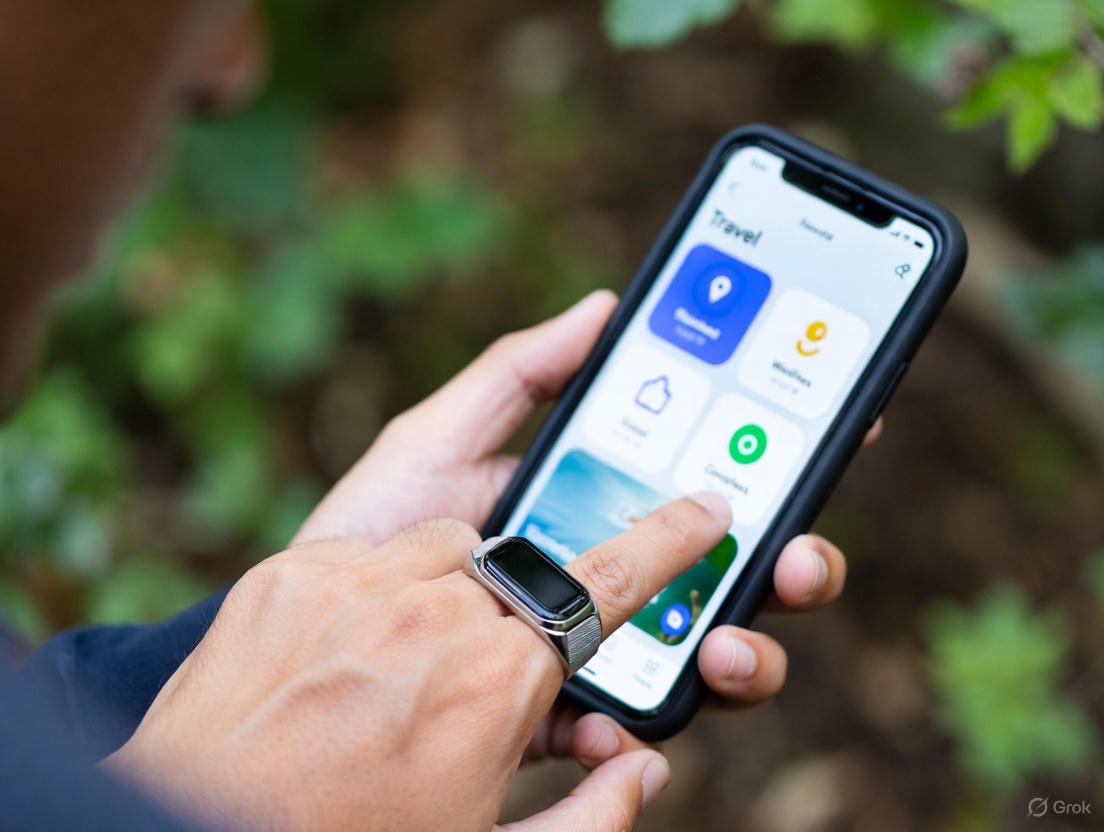
For decades, athletes and fitness enthusiasts relied on subjective feeling—"Do I feel tired?"—to gauge recovery. While listening to your body is essential, subjective feelings can be misleading, influenced by caffeine, motivation, or simply a bad mood. Today, we have access to objective, physiological data that acts as a direct dashboard for our internal recovery state. These biomarkers move us from guesswork to precision.
1. Heart Rate Variability (HRV): The Gold Standard of Readiness
HRV is not your heart rate. It is the variation in time between successive heartbeats, measured in milliseconds. Contrary to intuition, a higher HRV is generally better. It indicates a robust, adaptable autonomic nervous system (ANS). Your ANS has two main branches: the sympathetic (fight-or-flight) and the parasympathetic (rest-and-digest). A high HRV signifies a strong parasympathetic tone and a healthy balance between the two systems, meaning your body is resilient and ready to handle stress. A downward trend in your HRV, especially your morning resting HRV, is a strong, research-backed indicator of accumulated fatigue, insufficient recovery, or increased stress (from training or life). It’s your body’s way of saying, "I'm still dealing with the last load; maybe take it easy today." Tracking HRV longitudinally is one of the most powerful tools for personalizing your training and avoiding overtraining.
2. Resting Heart Rate (RHR): The Simplicity of Basal Stress
Your resting heart rate, taken first thing in the morning before you get out of bed, is a beautifully simple metric. A consistent, low RHR typically indicates good cardiovascular fitness and a calm ANS. An elevated RHR (a spike of 5-10+ beats per minute above your personal baseline) upon waking is a classic sign that your body is under stress—fighting an illness, digesting a poor meal, dealing with emotional anxiety, or still recovering from a hard workout. It’s a clear signal to prioritize recovery.
3. Sleep Quality & Architecture: Beyond Just Hours in Bed
Sleep is non-negotiable for recovery, but not all sleep is equal. The key is architecture: the balance and progression through light, deep (slow-wave), and REM sleep. Deep sleep is physically restorative, while REM sleep is crucial for cognitive and emotional processing. Wearables that track sleep stages can reveal if you're getting sufficient deep sleep, if your sleep is fragmented, or if you're spending too little time in REM. Waking up feeling unrefreshed despite adequate time in bed is often explained by poor sleep architecture, which can be influenced by late-night eating, alcohol, blue light exposure, or an inconsistent schedule.
4. Body Temperature Trends: The Metabolic Thermometer
Your core body temperature follows a circadian rhythm, typically lowest in the early morning and highest in the late afternoon. Deviations from your personal norm can be informative. A consistently higher nighttime or morning temperature can indicate systemic inflammation, the onset of illness, or a heightened metabolic rate from overtraining. Monitoring this trend helps catch issues before they manifest as full-blown fatigue or sickness.
5. Subjective Metrics: The Power of the Morning Check-In
While objective data is powerful, it must be integrated with subjective feelings. A simple 1-10 scale for metrics like sleep quality, muscle soreness, motivation, and overall mood, recorded each morning, creates a valuable qualitative layer. When your subjective "readiness" score plummets while your HRV drops and RHR rises, you have a multi-faceted, undeniable case for a light day.
The true power lies in the convergence of these data points. A single metric in isolation can be an outlier; a confluence of negative trends is a definitive message from your body. This is the core value proposition of advanced wellness wearables. By synthesizing HRV, RHR, sleep, temperature, and movement data into a single, easy-to-understand "Readiness" or "Recovery" score, they translate complex physiology into an actionable morning directive. For those curious about how these devices achieve their remarkable accuracy, our resource on the accuracy revolution in health tracking technology details the rigorous calibration and validation processes involved.
But data is only useful if it informs action. Once we've read our dashboard, what do we do? This leads us to the critical distinction between two types of recovery that are often conflated but serve very different purposes.
Recovery is not a monolithic concept. To optimize the supercompensation cycle, we must strategically employ two distinct types of recovery: passive and active. Understanding when and why to use each is a hallmark of an intelligent, long-term fitness strategy.
Passive Recovery: The Deep Reset
Passive recovery involves complete physical and mental rest. It is the absence of structured physical stress.
Active Recovery: The Facilitated Reboot
Active recovery involves performing very low-intensity, low-impact movement with the explicit goal of enhancing the recovery process, not providing a training stimulus.
The Critical Mistake: The most common error is treating an active recovery day as a "light workout." If your heart rate elevates significantly, you break a sweat, or you feel any muscular burn, you have crossed the line from active recovery into a training stimulus. This can interrupt the very recovery you are trying to facilitate. The intensity must be deliberately, almost absurdly, low. A good rule of thumb: you should be able to hold a conversation effortlessly, and the activity should feel like it is reducing fatigue, not adding to it.
Integrating both pillars requires awareness. A smart recovery plan might look like this: After a peak training day, you take a full passive recovery day. The following day, if soreness is present but your energy is returning, you engage in active recovery (a walk, light mobility). The day after that, based on restored biomarkers and feeling, you are ready for your next quality session.
This nuanced approach to recovery is what enables truly personalized wellness. By using your physiological dashboard to decide whether you need a passive or active day, you move beyond rigid schedules. This principle of personalization is at the heart of modern wellness technology, which is designed to enable personalized wellness plans based on your unique data, not population averages.
As we refine our recovery strategies, we must also confront a pervasive cultural myth that stands as the single greatest barrier to intelligent training: the "No Pain, No Gain" fallacy.
The "no pain, no gain" ethos is one of the most enduring and damaging myths in fitness. It conflates the discomfort of effort with the destruction of overexertion. While challenging yourself is essential for adaptation, persistently ignoring your body's signals for rest leads directly to a state of diminishing returns and negative health consequences: Non-Functional Overreaching (NFO) and its more severe cousin, Overtraining Syndrome (OTS).
Let's define the spectrum:
The "no pain, no gain" mindset blindly pushes people from FO into NFO and sometimes into OTS. The costs are immense:
1. The Injury Guarantee: Connective tissue (tendons, ligaments) adapts much slower than muscle. Relentless training without recovery doesn't give these tissues time to strengthen, making them the weakest link. Stress fractures, tendinopathies, and chronic joint pain are not signs of weakness; they are the bill coming due for unpaid recovery debt.
2. The Hormonal Rollercoaster: Chronic under-recovery keeps cortisol chronically elevated. This catabolic hormone breaks down muscle, inhibits protein synthesis, promotes abdominal fat storage, and suppresses immune function. Simultaneously, it can suppress the production of sex hormones like testosterone, further sabotaging muscle growth, libido, and mood.
3. The Immune System Sacrifice: Intense exercise temporarily suppresses immune function in the hours following a session—an "open window" for infection. Proper recovery closes this window. Chronic under-recovery leaves it perpetually open, leading to a pattern of constant minor illnesses, which further disrupts training and recovery—a vicious cycle.
4. The Neurological Burnout: CNS fatigue manifests as a loss of strength, power, and coordination. The "mind-muscle connection" fades. What used to feel like a crisp, powerful movement becomes sluggish and uncoordinated, increasing injury risk and crushing motivation.
5. The Psychological Toll: Fitness should enhance your life. Overtraining leads to exercise addiction, where self-worth becomes tied to grueling workouts. It steals joy, causes irritability, and can lead to social withdrawal. The gym stops being a sanctuary and becomes a prison of compulsion.
The antidote to this fallacy is not to avoid hard work, but to respect the purpose of hard work. Pain is not the goal; it is a potential byproduct. The goal is adaptation, and adaptation requires a dose of stress followed by a dose of recovery. Listening to your body's requests for rest is not a sign of weakness; it is the hallmark of a sophisticated, long-term athlete. It’s the difference between being a flash in the pan and a steady, enduring flame.
This is where a data-informed approach becomes a psychological shield. When the ingrained voice says, "You're lazy, you need to push harder," your recovery dashboard can provide objective counter-evidence: "My HRV is low, my RHR is up 8 bpm, and my sleep was poor. The data says today is for recovery." This external validation helps quiet the destructive inner critic and builds a healthier, more sustainable relationship with fitness. For those struggling to build these sustainable habits, our blog discusses how foundational tools can help build healthy habits that last a lifetime.
Having established the dangers of imbalance, let's shift our focus to the practical application. How do we structure our training not as a relentless assault, but as a rhythmic wave of stress and recovery? The answer lies in the science of periodization.
Periodization is the grand architectural blueprint for long-term fitness progress. It is the deliberate, systematic planning of training variables (volume, intensity, frequency, and exercise selection) over time to maximize adaptation while minimizing the risk of overtraining and injury. At its core, periodization is the master framework for managing the Exercise-Recovery Equilibrium. It moves us from random, haphazard workouts to a strategic, cyclical progression.
The fundamental unit of periodization is the wave—intentional periods of increasing stress (loading) followed by intentional periods of decreased stress (deloading or recovery) to facilitate supercompensation.
Key Concepts in Periodization:
Common Periodization Models:
How Periodization Optimizes the Recovery Balance:
The Modern, Data-Driven Twist:
Traditional periodization works off a calendar. Modern, personalized periodization can work off readiness. Instead of a rigid 4-week mesocycle followed by a deload week no matter what, you can use biomarkers to guide the timeline. For example, you might plan a 4-week strength block, but if your HRV trends downward dramatically in week 3, you can initiate the deload a week early. Conversely, if you feel fantastic with stable biomarkers in week 4, you might extend the loading phase for a few more days. This creates a fluid, responsive periodization model that respects your body's unique response to stress.
Implementing periodization doesn't require a coach; it can start simply. A beginner might use a basic 3:1 model: three weeks of progressively challenging workouts, followed by one week where you cut your training volume in half. This simple structure alone introduces the crucial rhythm of stress and recovery that fosters long-term gains. For more ideas on how to structure your training to support different objectives, our guide on how wellness technology can support different health goals offers practical starting points.
The periodization model provides the macro-framework. But even the best-laid plan can be sabotaged by a single, pervasive modern ailment: chronic, non-exercise stress. To understand true recovery, we must look beyond the gym walls.

Your body does not compartmentalize stress. It has one stress response system—the hypothalamic-pituitary-adrenal (HPA) axis—and it reacts to all stressors with the same physiological toolkit. The mental anxiety of a looming deadline, the emotional strain of a relationship conflict, the physical toll of poor sleep, and the metabolic demand of a heavy squat session all draw from the same pool of adaptive energy. This is a fundamental, often overlooked, principle: Life Stress Counts as Training Load.
When you are under significant psychological or emotional stress, your recovery capacity from physical training is severely compromised. Here’s why:
Practical Implications for the Fitness Enthusiast:
Ultimately, viewing life stress as part of the load fosters self-compassion and prevents the common scenario of beating yourself up for "failing" in the gym when the real issue is an overflowing cup of stress outside it. A holistic fitness strategy manages all forms of stress in harmony. This holistic, data-informed approach is what positions modern wearables not just as fitness gadgets, but as comprehensive tools for preventive health monitoring.
With our framework now encompassing life itself, we turn to the most powerful, modifiable lever in the entire recovery process: nutrition. It is the raw material from which all repair is made.
You can have perfect training, impeccable sleep, and managed life stress, but without the proper raw materials, the construction site of recovery remains idle. Nutrition provides the bricks, mortar, and construction crew. Its role in the Exercise-Recovery Equilibrium is threefold: Repair, Replenish, and Regulate.
1. The Repair Crew: Protein & Amino Acids
Protein is the building block of muscle tissue. After muscle protein breakdown from exercise, you need a positive net protein balance (synthesis > breakdown) to repair and grow.
2. The Energy Replenishment: Carbohydrates
Carbs are not the enemy; they are the premium fuel for high-intensity exercise and the key to restoring muscle glycogen.
3. The Regulation & Repair Crew: Fats, Micronutrients & Hydration
Nutritional Periodization & Recovery:
Just as you periodize training, you can periodize nutrition to support recovery. On a heavy training day, your post-workout meal might be higher in carbs and protein. On a rest or active recovery day, you might focus more on protein, healthy fats, and vegetables, with a lower carbohydrate intake. Listening to your hunger cues and aligning intake with energy expenditure and recovery needs is a hallmark of advanced fitness.
Nutrition closes the loop. It provides the specific materials the body calls for during the cellular repair processes we detailed earlier. Without them, the recovery signal sent by training goes unanswered, or is answered poorly. For those looking to implement such nuanced daily habits, especially as part of a long-term wellness vision, practical guidance can be found in resources like 50 healthy aging tips a smart ring helps implement daily.
We've covered the biological law, the cellular processes, the measurement tools, the strategic frameworks, and the necessary fuel. Now, we arrive at the ultimate frontier of recovery and the single most potent tool in our arsenal: sleep. It's time to explore the science of the ultimate reboot.
If recovery is the productive phase of fitness, then sleep is its most critical shift. It is not merely the absence of wakefulness but a complex, architecturally precise, and biologically active state where the majority of physical repair, cognitive consolidation, and metabolic regulation occurs. To neglect sleep is to fundamentally misunderstand the recovery equation; it is the equivalent of trying to build a house without allowing the concrete to cure. The science is unequivocal: there is no aspect of fitness—strength, hypertrophy, endurance, skill acquisition, or motivation—that is not profoundly enhanced by quality sleep and impaired by its lack.
Sleep Architecture: The Phases of Repair
Sleep is not a monolithic state. It cycles through distinct stages every 90-120 minutes, each with a specialized function:
The cyclical progression through these stages is essential. Missing deep sleep compromises physical repair. Missing REM sleep compromises skill learning and emotional resilience. Most adults need 7-9 hours of sleep per night to complete 4-6 full cycles.
The Fitness Costs of Sleep Deprivation:
Optimizing Sleep for Fitness Gains:
Understanding sleep science allows us to move beyond just "getting more hours" to engineering quality sleep. This is where modern wellness technology provides an unprecedented advantage. A smart ring like Oxyzen, worn continuously, can track not just sleep duration but its architecture—measuring time spent in light, deep, and REM sleep, as well as sleep consistency, disruptions, and overnight heart rate variability. This data answers critical questions: "Am I getting enough deep sleep for physical repair?" "Is my sleep fragmented, preventing full cycles?" "Is my nervous system calming down adequately at night?"
Armed with this insight, you can implement targeted interventions:
By treating sleep with the same strategic importance as your workout regimen, you unlock the full adaptive potential of your training. It is the ultimate performance-enhancing drug, with no side effects except greater health and vitality. For those seeking to master this aspect of their wellness, exploring the basics of how these devices track vital signs can be a great start, such as understanding activity and movement tracking fundamentals.
Sleep provides the foundational recovery environment. But within that environment, our bodies possess a natural, internal rhythm that dictates our capacity for stress and repair. Aligning with this rhythm is the next level of mastery.

You are not the same physiological entity at 6 AM as you are at 6 PM. Your body operates on a roughly 24-hour internal cycle known as the circadian rhythm, governed by a master clock in the brain's suprachiasmatic nucleus (SCN). This rhythm regulates core body temperature, hormone secretion (cortisol, melatonin, testosterone), metabolism, alertness, and even muscle function. Disregarding this rhythm—by training at wildly inconsistent times, exposing yourself to light at night, or keeping an erratic sleep schedule—is like trying to fine-tune a radio while ignoring the station's natural frequency. It introduces noise into the recovery system.
How Circadian Rhythm Impacts Performance and Recovery:
Practical Application for the Fitness Enthusiast:
The Role of Wearable Data:
A wellness ring that tracks skin temperature and resting heart rate throughout the 24-hour cycle can help you visualize your personal circadian rhythm. You can see if your body temperature is following a healthy curve, if your nighttime dip is pronounced (a sign of good rhythm), and if your resting heart rate drops adequately during sleep. Noticing a flattened temperature rhythm or a high nighttime heart rate can be an early warning sign of circadian disruption from poor sleep habits, excessive late-night training, or travel. This biofeedback allows for course correction before it impacts recovery and performance significantly.
By harmonizing your training and lifestyle with your innate biological rhythm, you reduce the "friction" of adaptation. You work with your body, not against it, making the process of stress and recovery more efficient. This principle of synchronization is a cornerstone of the personalized insights offered by platforms like Oxyzen, which aim to personalize wellness to your body's unique patterns.
Our biological rhythms set the tempo. But within that tempo, the type of stress we apply—cardio versus strength—elicits distinct recovery demands. Understanding these differences is key to balancing a multi-faceted fitness regimen.
We stand at the frontier of a revolution in personal health and fitness. The future is not about more grueling workouts or spartan discipline; it is about hyper-personalized, context-aware, and dynamically adaptive systems that seamlessly integrate the stress-recovery continuum into our daily lives. Technology is evolving from a passive tracker to an active guide, closing the loop between stimulus and adaptation in real-time.
1. From Data Tracking to Predictive Analytics and Prescriptive Guidance:
Current wearables are excellent diagnosticians—they tell you what has happened (your sleep was poor, your HRV is low). The next generation will be proactive coaches. Using artificial intelligence and machine learning on your longitudinal data (training, recovery, nutrition, life events), these systems will:
2. Multimodal Sensing and a Unified Health Dashboard:
The smart ring or wearable will become the central hub, but it won't work alone. It will seamlessly integrate data from other smart devices: your smart scale (body composition), continuous glucose monitor (metabolic response), smart kitchen appliances (nutritional intake), and even your calendar (psychosocial stress markers). This will create a holistic health avatar—a digital twin that models your unique physiology. Your recovery score won't be based just on heart rate; it will factor in blood glucose variability, hydration levels from bioimpedance, and your scheduled afternoon meeting with a difficult client.
3. Context-Aware Recovery Optimization:
Future systems will understand context. It will know if your elevated heart rate and low HRV are because you just finished a workout, are stressed from a work call, or are fighting off a virus. This context will dictate the advice. Post-workout, it might recommend a specific protein-carb shake. During work stress, it might trigger a 5-minute breathing exercise on your phone. When sickness is detected, it might advise complete rest and hydration, automatically clearing your training calendar for two days.
4. Closed-Loop Integration with Wellness Ecosystems:
Imagine your wearable communicating directly with your smart home. As it detects you entering deep sleep, it signals the thermostat to lower the temperature slightly to prolong that stage. In the morning, as it detects you moving from deep to light sleep, it gradually increases the light in your room to support a natural, cortisol-friendly awakening. Your recovery environment becomes actively optimized.
5. Democratizing Advanced Biomarkers:
Technology that is currently confined to sports labs or clinics will become consumer-friendly. Non-invasive biomarkers like heart rate variability-derived stress resilience scores, overnight blood oxygen saturation trends (for sleep apnea screening), and even estimates of blood pressure and arterial stiffness may become standard metrics. This puts unprecedented preventive health power in the hands of individuals. To glimpse what's on the horizon, our exploration of health tracking technology in 2025 delves into these emerging possibilities.
The Human Element Remains Central:
This technologically augmented future does not replace intuition, self-awareness, or the joy of movement. Instead, it amplifies it. It provides a clearer, more objective translation of your body's whispers (and shouts), allowing you to make more informed choices. It removes guesswork and fear, replacing them with confidence and personal agency. The goal is to use technology not as a taskmaster, but as a liberator—freeing you to engage in the activities you love, for longer, with more resilience and less risk.
The journey to mastering the Exercise-Recovery Equilibrium is a journey of self-knowledge. It is about learning the unique language of your body, respecting its need for both challenge and solace, and understanding that true strength is displayed as much in the wisdom to rest as in the courage to push. By embracing both sides of the equation, you are not just building a better physique or a faster race time; you are cultivating a sustainable, joyful, and lifelong practice of vitality.
We have established that recovery is an active, multifaceted process. While sleep and foundational nutrition are the non-negotiable pillars, a host of advanced modalities can strategically enhance the recovery process, address specific issues like soreness or stiffness, and accelerate the return to a state of readiness. These tools are not magic bullets, but they are powerful adjuncts when applied correctly and with understanding.
The use of alternating heat and cold—contrast therapy—is a time-honored practice for stimulating circulation and reducing inflammation. The theory is that vasodilation (from heat) followed by vasoconstriction (from cold) creates a "pumping" action that helps flush metabolic waste from tissues and delivers oxygenated, nutrient-rich blood.
The Mechanisms:
The Contrast Protocol:
A typical contrast therapy session involves alternating between hot and cold. A common ratio is 3-4 minutes of heat (sauna or hot tub at ~100-104°F) followed by 60-90 seconds of cold (cold plunge at ~50-60°F), repeated for 3-4 cycles, always ending with cold. This should be done post-workout, not before, as it can be relaxing and reduce neural drive.
Important Caveat: Research on the performance benefits of contrast therapy for muscle recovery is mixed. Its greatest benefit may be perceptual—it simply makes athletes feel less sore and more recovered, which can have a positive psychological impact on subsequent training. It is also a potent hormetic stressor that can improve cardiovascular adaptability and heat/cold tolerance over time.
Compression socks, sleeves, and tights have moved from medical devices to common athletic gear. The proposed benefits are twofold: performance enhancement during activity (by improving proprioception and venous return) and recovery acceleration post-activity.
The Recovery Rationale:
By applying graduated external pressure (tightest at the extremities, looser moving upward), compression garments may:
The Evidence and Use: Studies show a more consistent effect on the perception of recovery than on measurable markers like blood lactate clearance or creatine kinase (a marker of muscle damage). However, for athletes who travel or are on their feet all day after training, compression can be a valuable tool for managing leg heaviness and fatigue. Wearing them for 2-12 hours post-exercise is a common practice. They are a low-risk, potentially helpful modality, especially for endurance athletes.
From whole-body vibration plates to handheld percussion devices (like Theragun or Hypervolt), these tools deliver rapid, repetitive pulses to muscle tissue.
Proposed Mechanisms:
Application for Recovery: These tools are best used post-workout or on recovery days to address tightness and perceived soreness. They should not be used as a warm-up, as they can dampen neural excitability. Use them on major muscle groups for short durations (30-90 seconds per area). They are particularly useful for reaching large muscle groups like the quads, glutes, and lats, where manual massage might be difficult to self-apply with enough pressure. Think of them as a convenient form of self-myofascial release.
The most overlooked, and perhaps most powerful, recovery "modality" is the deliberate downregulation of the nervous system. Chronic low-grade sympathetic (fight-or-flight) activation from training, work, and modern life is a primary barrier to deep recovery. Activating the parasympathetic (rest-and-digest) system is the antidote.
Practices for Neural Recovery:
Integration: These are not occasional luxuries but daily essentials for the serious fitness enthusiast. A 10-minute breathing session before bed, a short walk in a park without your phone, or a guided meditation in the afternoon can have a more profound impact on your recovery curve than many physical modalities. Your smart ring can provide direct biofeedback on this; seeing your HRV rise during a breathing session reinforces the practice and proves its physiological efficacy.
With so many options, it's crucial to prioritize. Think of recovery as a pyramid:
Investing in a percussion massager while chronically sleeping 6 hours a night is a misallocation of resources. Master the base, then strategically apply the enhancers.
Having equipped ourselves with a full toolkit of physical and neurological recovery strategies, we must now confront the mental architecture that sustains this balance. The greatest protocol is useless without the psychological fortitude to execute it, especially when it prescribes rest in a culture that glorifies busyness.
Adopting a recovery-centric approach requires a psychological shift. For many, self-worth is tied to productivity and exertion. Rest can feel like laziness, triggering guilt and anxiety. To make recovery sustainable, we must reshape our beliefs and build an identity where rest is not a deviation from the path, but an integral, respected part of it.
The first step is cognitive reframing. Every time you feel guilty for taking a rest day, you must consciously replace that thought with a new narrative.
This reframing turns rest from a passive failure into an active, strategic choice. It helps to ritualize recovery. Just as you have a pre-workout routine (putting on your gear, filling your water bottle), create a recovery day ritual. It might involve making a special nutrient-dense smoothie, spending extra time on a mobility routine, or scheduling a relaxing evening activity. This signals to your brain that this is a purposeful part of your regimen.

James Clear, in Atomic Habits, argues that the most effective way to change behavior is to start with identity. Instead of "I need to take a rest day" (outcome-focused), think "I am the type of athlete who listens to my body and prioritizes recovery" (identity-focused).
Your wearable data is a powerful ally in this identity shift. It provides objective validation for your choice to rest. When the internal voice of guilt says, "You should be training," you can point to the data: "My body is showing clear signs of stress. The smart athlete in me knows today is for recovery." This externalizes the decision, reducing self-recrimination.
The "hustle" culture is pervasive. Social media is filled with #nodaysoff posts. You may have friends who brag about their two-a-days. To maintain your recovery balance, you must develop a healthy detachment from these external pressures.
The skill of interoception—listening to your body's internal signals—is like a muscle; it must be exercised. Dedicate 5 minutes each morning, before checking your phone or data, to simply check in. Scan your body. Do you feel energized or heavy? Are muscles sore or supple? Is your mind calm or anxious? Then, compare this subjective scan to your objective data from your smart ring. Over time, you will sharpen this connection, learning to trust your intuition informed by data.
This psychological foundation transforms recovery from a chore into a source of strength and confidence. You become the author of your fitness journey, not a slave to a rigid calendar or external expectations. For those looking to solidify these new, healthier patterns, our blog offers insights into how foundational tools can help build healthy habits that stand the test of time.
With the right mindset in place, theory must meet reality. How do these principles play out in the lives of actual individuals with different goals, bodies, and circumstances? Let's examine real-world case studies that bring the Exercise-Recovery Equilibrium to life.
Understanding principles is one thing; seeing them applied is another. These fictionalized case studies, based on common scenarios, illustrate how the recovery balance is managed across different fitness domains and life stages.
Profile: Mara, 38, is training for her third marathon. Her past two cycles ended with nagging shin splints that hampered her peak training. She runs 5 days a week and does one strength session.
The Problem (Traditional Approach): She followed a linear mileage plan, adding 10% each week. She viewed rest days as "lost miles" and often ran easy runs too hard. Strength training was sporadic and intense when done, adding to her fatigue.
The Equilibrium Solution:
Outcome: Mara completes her peak training weeks injury-free. Her easy runs feel genuinely easy, preserving her energy for key workouts. The deload weeks leave her feeling refreshed, not guilty. She runs her marathon strong, without the shin pain that previously plagued her, and recovers faster post-race.
Profile: Leo, 29, has been lifting for 5 years. His progress on main lifts (squat, bench, deadlift) has stalled for 6 months. He trains 5 days a week on a "bro split," often to failure, and feels perpetually tired and mildly sore.
The Problem: He is in a state of non-functional overreaching. He provides a massive stress stimulus but never allows full supercompensation before hitting the muscles again. His CNS is fried.
The Equilibrium Solution:
Outcome: After his radical deload, Leo returns to the gym feeling stronger mentally and physically. Within two mesocycles, he breaks through his 6-month plateau on all major lifts. He has more energy outside the gym and his chronic low-grade soreness disappears.
Profile: Sima, 45, is a project manager with two young kids. She gets 5-6 hours of interrupted sleep and has 45 minutes, 3-4 days a week, to exercise. She feels constantly "on" and her workouts often feel like a drain.
The Problem: Life stress is consuming her adaptive capacity. Her workouts, often high-intensity to "maximize time," add to the stress load without adequate recovery, leading to burnout.
The Equilibrium Solution:
Outcome: Sima stops feeling guilty about "missing" workouts. Her energy becomes more stable. Her three weekly gym sessions improve in quality because she's not perpetually fatigued. Fitness becomes a sustainable source of energy for her life, not another drain on it.
These cases illustrate that the principles of balance are universal, but the application is deeply personal. The next logical step for anyone seeing themselves in these stories is to learn how to make a purchase decision for the tools that can facilitate such a personalized approach.
As we progress through life, our bodies and priorities shift. A recovery strategy that worked at 25 may not suffice at 50. Let's explore how to adapt the equilibrium to the beautiful process of aging.
Aging is not the enemy of fitness; it is simply a change in the variables of the equation. Muscle protein synthesis becomes less efficient, tendons lose elasticity, sleep architecture changes, and hormonal profiles shift. The savvy athlete doesn't fight this reality but adapts their strategy to work harmoniously with it. The need for intelligent recovery doesn't increase with age—it becomes paramount.
While physical capacities may change, the aging athlete possesses invaluable assets: patience, discipline, and a long-term perspective honed by experience. The focus shifts from peak performance to sustainable performance and resilience. The victory is no longer a personal record, but the ability to continue engaging in beloved activities pain-free, with energy and joy.
The Adapted Protocol for the Lifelong Athlete:
The aging athlete exemplifies the true spirit of the Exercise-Recovery Equilibrium: a respectful, intelligent partnership with the body that prioritizes longevity, health, and the profound joy of movement across the entire lifespan.
Even with the best-laid plans and adapted strategies, things can go awry. When you feel stuck, fatigued, or like you're regressing, you need a systematic way to diagnose the problem. Let's build a recovery troubleshooting guide.
You're tracking your data, periodizing your training, and prioritizing sleep, yet you feel off. Progress has stalled, fatigue is high, or motivation is low. Before panicking, systematically work through this diagnostic checklist. Often, the issue is a correctable imbalance in one of the following areas.
Possible Causes & Solutions:
Possible Causes & Solutions:
Possible Causes & Solutions:
Possible Causes & Solutions:
When troubleshooting, always return to the hierarchy: Sleep > Nutrition > Stress Management > Training Modifications > Supplements/Tools. Fix the foundation first. If problems persist despite addressing all lifestyle factors, consult a healthcare professional to rule out underlying medical conditions (e.g., thyroid issues, anemia).
This systematic approach empowers you to be your own first-line coach. For more detailed answers to common questions that arise during this troubleshooting process, a comprehensive resource like the Oxyzen FAQ page can be an excellent reference.
Our exploration has covered immense ground—from cells to society, from youth to aging, from failure to troubleshooting. To conclude this second third of our definitive guide, we will synthesize everything into one cohesive, actionable philosophy: The Ethos of the Balanced Athlete.
We began by challenging the cultural dogma of relentless exertion. We journeyed through the biological mandate for repair, equipped ourselves with the tools to measure it, and built frameworks to honor it. We have now arrived at a cohesive philosophy—a way of being that transcends workout logs and diet plans. This is the Ethos of the Balanced Athlete.
This is not a finish line, but a starting point. Your task now is integration.
The future of fitness is personalized, intelligent, and sustainable. It is about leveraging our understanding of human physiology and the power of modern technology not to push ourselves to breaking points, but to find our unique, optimal rhythm of effort and ease. It is about building a resilient body and a quiet mind, capable of enjoying a lifetime of movement.
By embracing the Exercise-Recovery Equilibrium, you are doing more than optimizing your fitness gains. You are making a profound statement about the value of rest in a weary world. You are choosing health over hustle, sustainability over spectacle, and longevity over burnout. You are becoming a Balanced Athlete.
Your Trusted Sleep Advocate (Sleep Foundation — https://www.sleepfoundation.org/)
Discover a digital archive of scholarly articles (NIH — https://www.ncbi.nlm.nih.gov/
39 million citations for biomedical literature (PubMed — https://pubmed.ncbi.nlm.nih.gov/)
experts at Harvard Health Publishing covering a variety of health topics — https://www.health.harvard.edu/blog/)
Every life deserves world class care (Cleveland Clinic -
https://my.clevelandclinic.org/health)
Wearable technology and the future of predictive health monitoring. (MIT Technology Review — https://www.technologyreview.com/)
Dedicated to the well-being of all people and guided by science (World Health Organization — https://www.who.int/news-room/)
Psychological science and knowledge to benefit society and improve lives. (APA — https://www.apa.org/monitor/)
Cutting-edge insights on human longevity and peak performance
(Lifespan Research — https://www.lifespan.io/)
Global authority on exercise physiology, sports performance, and human recovery
(American College of Sports Medicine — https://www.acsm.org/)
Neuroscience-driven guidance for better focus, sleep, and mental clarity
(Stanford Human Performance Lab — https://humanperformance.stanford.edu/)
Evidence-based psychology and mind–body wellness resources
(Mayo Clinic — https://www.mayoclinic.org/healthy-lifestyle/)
Data-backed research on emotional wellbeing, stress biology, and resilience
(American Institute of Stress — https://www.stress.org/)


