


The Evolution of Health Tracking Technology: From Manual to Smart Rings
Traces the history of health tracking from manual methods to today's advanced smart ring technology.
Traces the history of health tracking from manual methods to today's advanced smart ring technology.
%402x.svg)
For millennia, humanity’s quest to understand and optimize its own health was a story told in guesswork and intuition. We relied on the rhythm of our own breath, the pace of our pulse felt at the wrist, and the subjective sense of being well-rested or run-down. The journey from these manual observations to the sophisticated, continuous physiological monitoring offered by a device like a smart ring is nothing short of a revolution in self-knowledge. It’s a shift from episodic, fragmented data to a holistic, 24/7 narrative of our well-being.
This evolution mirrors a broader cultural transformation: the move from reactive healthcare to proactive wellness. We are no longer passive passengers in our own bodies, waiting for a symptom severe enough to warrant a doctor’s visit. Instead, we are becoming the chief scientists of our personal health labs, equipped with tools that provide unprecedented insight into our most vital metrics. This article will trace that extraordinary journey, exploring how we moved from counting steps in our heads to analyzing heart rate variability (HRV), blood oxygen saturation (SpO2), and core body temperature from a piece of jewelry. We’ll uncover the pivotal technological breakthroughs, the changing paradigms in medical and consumer health, and arrive at the cutting edge, where devices like the Oura Ring, Circular Ring, and Ultrahuman Ring Air are redefining what it means to truly know oneself. This is the story of how we learned to listen to the subtle, silent language of the body, and how that knowledge is empowering a new era of personalized, preventative health and restful living.
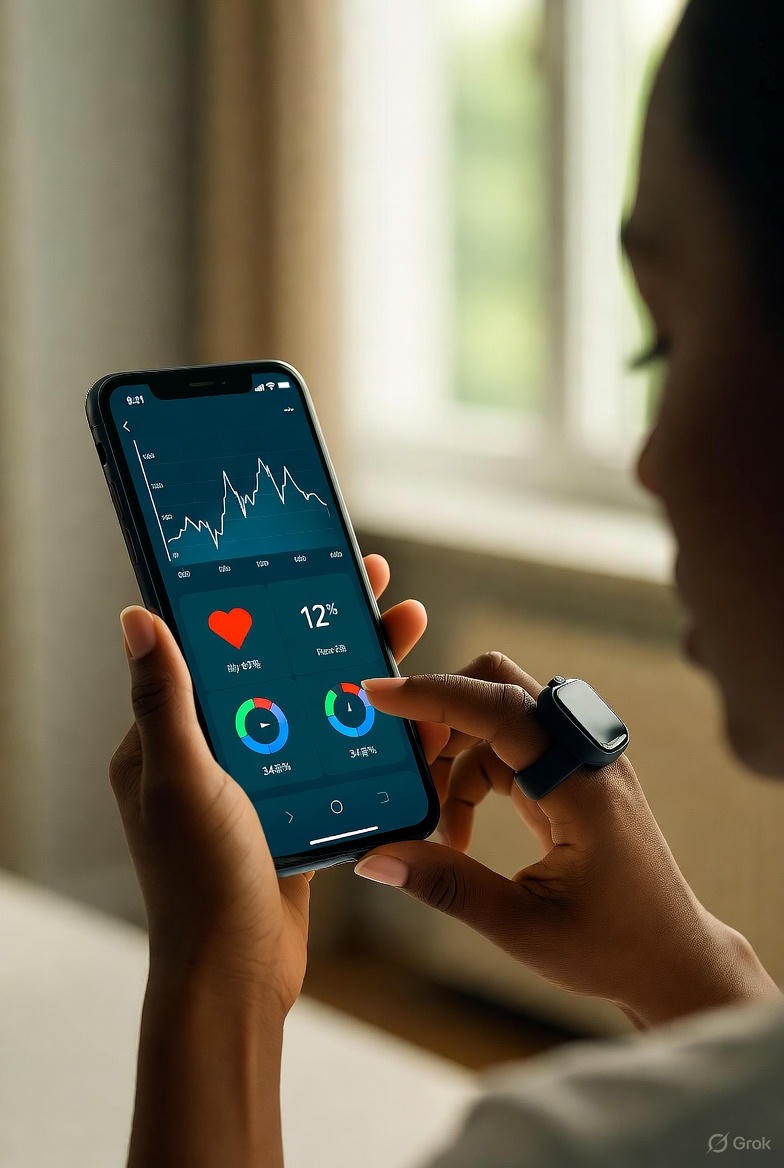
Long before the first silicon chip, health tracking was an intimate, analog art. It was deeply woven into daily life and medicinal practices, relying on acute observation and the body’s own sensory feedback. This era was defined by qualitative, subjective measures—a foundational but imprecise layer of self-awareness.
The most fundamental trackers were our own senses. Fatigue, pain, hunger, and mood were the primary dashboard indicators. People tuned into the body’s rhythms intuitively, aligning activity with energy levels and recognizing patterns in their sleep and digestion based solely on feel. The “sense of vitality” was the ultimate metric. Ancient systems of medicine, such as Traditional Chinese Medicine (TCM) and Ayurveda, formalized this observational approach. Practitioners tracked the quality of the pulse (not just its rate), the coating on the tongue, the appearance of the eyes, and countless other subtle signs to diagnose imbalances long before they manifested as overt disease. This was holistic tracking in its purest form, seeking patterns and connections across all bodily systems.
The first quantified steps were literal ones. Military commanders in ancient Rome used a device called a hodometer to measure distances marched by their legions—an early proxy for soldier exertion and logistical planning. For the individual, manual logging began with basic journals and ledgers. In the 18th and 19th centuries, it became fashionable among intellectuals and the affluent to keep “health diaries.” These diaries recorded sleep duration, diet, bowel movements, mood, and physical symptoms. Benjamin Franklin famously tracked his adherence to thirteen virtues; while not purely medical, it was a structured form of self-improvement based on daily accountability. These handwritten logs created a timeline of one’s health, allowing for retrospective analysis of what might have caused a bout of illness or a period of particularly good spirits. The limitation, of course, was reliance on memory and subjective interpretation, with no objective data to separate perception from physiological reality.
The critical breakthrough in manual, yet objective, tracking came with the ability to measure vital signs. The stethoscope (1816) allowed physicians to hear the heart and lungs directly. The mercury thermometer (1867) provided a reliable, if cumbersome, way to track fever. And the sphygmomanometer (1881) introduced blood pressure measurement. While these tools were initially confined to the clinic, they represented a monumental shift: health status could now be partially reduced to numbers. A patient was no longer just “feeling flushed”; they had a fever of 102°F. This seeded the idea that key aspects of our health could, and should, be quantified. However, these measurements were still episodic—snapshots taken at a single moment in time, often during illness. They missed the dynamic, ever-changing story of the body in its normal, daily state. This gap between the subjective diary and the clinical snapshot left a vast unknown territory: what was happening in the body during the 99% of life spent outside the doctor’s office? Answering that question would require a technological leap.
The journey from the clinic to the consumer’s wrist began not with computers, but with mechanics. The democratization of personal health tracking found its first mass-market avatar in the humble pedometer, a device that shifted focus from internal states to external output, inaugurating the era of the quantified activity.
The pedometer’s origins are surprisingly ancient, with concepts dating back to Leonardo da Vinci. However, its modern incarnation took shape in 1960s Japan with Dr. Yoshiro Hatano’s manpo-kei, literally “10,000-step meter.” Driven by research linking sedentary lifestyles to health risks, Dr. Hatano popularized the 10,000-steps-a-day target—a round, memorable number that became a global fitness mantra. These early devices were simple mechanical marvels. A horizontal, spring-suspended lever arm would swing with each hip movement, engaging a gear that advanced the counter by one digit. They were passive, single-metric, and required manual resetting, but they were profoundly empowering. For the first time, everyday people could tangibly measure a component of their daily exertion. It transformed an abstract goal like “be more active” into a concrete, achievable target: “walk 10,000 steps.”
The true cultural catalyst for wrist-worn tracking was the digital watch and the rise of the heart rate monitor. In the 1970s and 80s, companies like Polar introduced chest-strap monitors for elite athletes, providing real-time cardiac data during training. This cemented the link between intensity, heart rate, and fitness outcomes. The convergence happened when companies like Casio and Suunto began integrating basic pedometers and heart rate sensors into rugged digital sports watches in the 1990s and early 2000s. These were not yet “smart” in the connected sense, but they were dedicated wearable computers for fitness. They stored lap times, average heart rate, and sometimes estimated calorie burn. The wrist was established as the logical, accessible site for personal metrics—unobtrusive, always visible, and capable of detecting motion from the body’s command center.
This era created a foundational, yet narrow, health paradigm: activity-centric tracking. Health became largely synonymous with output—steps taken, calories burned, miles run, and minutes spent in a target heart rate zone. This was a massive leap forward in raising activity awareness, but it presented an incomplete picture. It celebrated doing while largely ignoring recovering. The watch could tell you how hard you worked out, but it was silent on how well your body repaired from that workout. It tracked the “burn” but not the “rebuild.” This lopsided data could inadvertently promote a culture of overtraining, where more activity was always assumed to be better. Users were left to guess whether their fatigue was a sign of productive adaptation or impending burnout. The need for a device that could balance the story by measuring the body’s readiness and recovery signals was becoming clear, setting the stage for a more holistic approach that would eventually be championed by restful living principles.

If the wristwatch revolution put data on our bodies, the smartphone explosion put a health laboratory in our pockets. The late 2000s and 2010s saw the rise of the iPhone and Android platforms, which did more than just create new devices; they created an entire ecosystem that turned every user into a potential health data collector. This was the era of the “quantified self” movement, where tech enthusiasts and early adopters began logging everything from mood to caffeine intake, seeking correlations and insights through sheer volume of data.
The initial wave was manual app-based logging. Apps like MyFitnessPal revolutionized diet tracking by putting a massive food database and calorie counter in everyone’s pocket. Mood trackers, period trackers, hydration logs, and manual sleep journals proliferated. This was a powerful step in self-awareness, as it allowed users to connect behaviors (like eating a heavy meal) with outcomes (like poor sleep quality). However, the burden of data entry was high, leading to “user fatigue.” Accuracy was also a constant issue, reliant on memory and honest estimation. The data was rich but cumbersome to maintain and often fragmented across dozens of specialized apps.
The paradigm shifted dramatically with the inclusion of dedicated motion sensors in smartphones. The MEMS (Micro-Electro-Mechanical Systems) accelerometer and gyroscope, initially used for screen rotation and gaming, were repurposed as universal activity trackers. Suddenly, your phone in your pocket or purse could count your steps, estimate distance, and differentiate between walking and running. This passive tracking was the killer feature. It removed the friction of manual entry, providing a constant, background stream of activity data. Apple’s HealthKit (2014) and Google Fit (2014) attempted to solve the fragmentation problem by acting as centralized repositories where all health and fitness apps could read and write data, creating a unified, if still incomplete, health dashboard on the device.
However, the smartphone epoch had inherent physiological limits. A phone is a proxy tracker. It’s not always on the body—left on a desk, in a bag, or on a charger. This creates massive data gaps, especially during sleep, the most critical period for recovery. Furthermore, a phone can’t measure true biometrics. It can guess at activity type, but it cannot measure heart rate, blood oxygen, or skin temperature directly from your pocket. It provided a broad-strokes picture of movement but remained deaf to the body’s internal signals. This gap between the convenience of the smartphone and the need for continuous, clinical-grade biometrics created a market opportunity. Consumers, now accustomed to constant data, wanted more—specifically, they wanted accurate, automatic, 24/7 insights into their stress, recovery, and sleep quality. They wanted a device that worked seamlessly with the smartphone ecosystem but transcended its limitations. This demand pulled the next generation of wearables off the wrist and onto a new, more intimate location.
Driven by the limitations of the phone-as-tracker, the 2010s witnessed the explosive rise of dedicated fitness bands. Companies like Fitbit, Jawbone, and later, Garmin and Xiaomi, made it their mission to solve the smartphone’s problems: they were wearable, always-on, and incorporated more sensors. This era moved health tracking from periodic snapshots and activity sessions to a promise of continuous, 24/7 monitoring, fundamentally changing our relationship with daily data.
The foundational sensor for this revolution was the optical heart rate monitor (PPG – Photoplethysmography). By shining green LED light into the skin and measuring the amount of light reflected back by blood flow, these devices could estimate heart rate continuously without a chest strap. This was a monumental leap. Now, users could see their resting heart rate trend over time, track heart rate during exercise, and even get crude estimates of sleep stages based on heart rate and movement. The addition of triaxial accelerometers provided detailed activity recognition (running, cycling, swimming) and all-day step counting. Sleep tracking, while still rudimentary based primarily on movement (actigraphy), became a standard feature, introducing millions to the concept of monitoring their rest.
These devices created powerful feedback loops and community dynamics. The dawn of “closing your rings” or hitting step goals created daily micro-achievements. Social features allowed friends to compete in step challenges, turning health into a game. This network effect drove massive adoption and made daily tracking a mainstream habit. For the first time, people could see weekly and monthly trends in their activity levels and resting heart rate, connecting lifestyle choices to tangible physiological shifts.
Despite their success, fitness trackers hit a biometric ceiling and a form factor constraint. The wrist, while convenient, is a suboptimal location for certain key metrics. It is prone to motion artifact (false signals from hand movement), and its distance from the core makes it less ideal for measuring true skin temperature or precise heart rate variability (HRV), a critical marker of nervous system recovery. The form factor also created an identity crisis: were these devices fashion accessories or medical tools? For many, the chunky plastic band was fine for the gym but unsuitable for formal occasions or sleep, leading to the very data gaps they were designed to fill. Furthermore, the analytics largely remained an extension of the activity-centric paradigm. They excelled at telling you what you did but provided limited, often inaccurate, insight into how you recovered. Their sleep scores, for example, were primarily based on movement and simple heart rate, missing the deeper nuances of sleep architecture that are essential for understanding true total body recovery. The stage was set for a device that could provide more intimate, accurate, and recovery-focused data from a less obtrusive, more wear-able location.
Parallel to the consumer fitness boom, a quiet revolution was happening in clinical and professional sports settings. Advanced biometric monitoring was moving out of intensive care units and physiology labs, becoming miniaturized and portable. This crossover of medical-grade technology into the consumer sphere provided the scientific rigor and new data types that would make advanced devices like smart rings possible.
The most significant crossover metric was Heart Rate Variability (HRV). Long used by cardiologists as a marker of heart health and by sports scientists as the gold standard for monitoring athletic recovery, HRV measures the subtle variations in time between each heartbeat. High HRV generally indicates a resilient, adaptable autonomic nervous system (strong parasympathetic, or “rest-and-digest,” tone), while low HRV can signal stress, fatigue, or overtraining. The ability to track HRV nightly—using the extended, stable data collected during sleep—provided a profound, objective window into recovery status that steps or exercise minutes never could. It shifted the question from “How hard did I work?” to “How well did I recover?”
Similarly, Pulse Oximetry (SpO2), a staple in hospitals for monitoring blood oxygen saturation, became miniaturized. Consumer demand for SpO2 tracking skyrocketed during the COVID-19 pandemic, as it was a key indicator of respiratory distress. In wellness, however, its value lies in monitoring nocturnal blood oxygen levels, which can reveal sleep disturbances like sleep apnea or simply indicate how well the body is oxygenating during restorative sleep. Core Body Temperature monitoring, another clinical pillar, also saw consumer advances. Tracking distal (like finger) temperature trends can reveal the body’s circadian thermal rhythm, predict ovulation in women, and offer early signs of illness or inflammation.
Professional sports teams and elite athletes were the proving ground for this multi-sensor fusion. They used bulky, multi-device setups—ECG chest straps, armband temperature sensors, finger-clip pulse oximeters—to get a complete picture of an athlete’s readiness to perform. The holy grail was to condense this array of clinical-grade sensors into a single, unobtrusive, all-day wearable. The goal was no longer just fitness tracking; it was physiological readiness monitoring. This paradigm asks: “Based on my body’s current state of recovery, stress, and circadian rhythm, what is my capacity for physical and mental performance today?” This shift from looking backward (what you did yesterday) to looking forward (what you are capable of today) represents one of the most significant evolutions in health technology. It empowers users to make data-informed decisions about training intensity, work demands, and, crucially, when to prioritize restful living and true downtime.
As the desired biometrics grew more advanced, the limitations of the wristband form factor became increasingly apparent. The quest for more accurate, comfortable, and continuous data sparked an industry-wide search for the ideal form factor. This period of experimentation ultimately pointed toward a surprising and elegant solution: the finger.
The wrist, for all its convenience, presents several challenges. It is a bony area with tendons that move constantly, which can lead to poor sensor skin contact and motion noise, corrupting sensitive metrics like HRV and SpO2. The “wrist flip” during sleep can completely block the optical sensor. Furthermore, for true temperature trend tracking, the wrist is too distal and variable; finger temperature is a much better proxy for core temperature shifts. Aesthetically, the wrist is a prime location for personal expression through watches and jewelry. A bulky plastic tracker often clashed with personal style, leading users to remove it for important events, creating the very data gaps they sought to avoid.
The industry experimented with alternatives. Clip-on devices (like early Fitbits) were easily lost. Smart clothing embedded with sensors faced washing and durability issues. Ear-based sensors showed promise for certain metrics but were often uncomfortable for all-day wear. The chest strap remained the gold standard for heart accuracy during exercise but was impractical for 24/7 life.
Throughout this experimentation, one location consistently emerged in clinical settings as optimal for certain measurements: the finger. It is rich in capillaries, providing a strong PPG signal for heart rate and SpO2. It shows clear circadian temperature shifts. It is relatively immobile during sleep, offering a stable measurement window. This clinical insight collided with a consumer desire for discretion and aesthetics. Could the form factor be not a band, but a ring?
The ring offered a compelling solution to the form factor dilemma. It sits on a finger with excellent vascular flow. It is naturally worn 24/7, like wedding bands, making it both socially acceptable and conducive to continuous data collection. Its small size encourages a minimalist, durable, and often elegant design. By moving to the finger, a wearable could theoretically provide more accurate biometrics (especially at night) while solving the fashion and comfort issues that plagued wristbands. The concept of the smart ring was born not just as a new gadget, but as a purposeful convergence of clinical measurement best practices and seamless, everyday wearability. It promised to be the first wearable truly optimized for the most important, and previously elusive, part of the health equation: recovery and sleep.
The smart ring did not merely shrink a fitness tracker into a smaller circle; it inaugurated a new paradigm focused on passive, continuous, and recovery-oriented biometrics. Early pioneers like the Oura Ring (generation one launched in 2015) entered the market with a clear, differentiated thesis: stop focusing solely on activity and start prioritizing sleep and readiness. This represented a fundamental reordering of health priorities, aligning more closely with how physiologists and functional medicine practitioners view well-being.
The smart ring’s primary advantage is its nocturnal data fidelity. During sleep, the hand is still, and the finger provides an exceptionally stable platform for sensors. This allows for high-fidelity measurement of key biomarkers with minimal motion artifact. Nightly HRV readings become highly reliable trends, not spotty estimates. SpO2 can be tracked continuously throughout the night to identify breathing disturbances. Temperature sensors can detect minute deviations (as small as 0.1°C) from your personal baseline, which can indicate the onset of illness, stress, or hormonal changes. This makes the ring a powerful tool for understanding the quality of restoration, not just its duration. You can learn more about what these nightly scores truly mean in our analysis of sleep score standards and what research defines as healthy.
Beyond sleep, the form factor enables true 24/7 wear. Because a well-designed ring is unobtrusive and waterproof, users wear it in the shower, while swimming, during sleep, and at formal events. This eliminates the data gaps that plagued wrist-based devices. The result is a continuous, unbroken stream of physiological data that paints a holistic picture of the body’s rhythms across weeks and months. This longitudinal view is critical, as it reveals personal baselines and meaningful deviations from them. It shifts analytics from “You took 12,000 steps today” to “Your resting heart rate is 8 beats per minute higher than your baseline, your HRV is depressed, and your temperature is elevated—your body is showing signs of significant stress. Consider a recovery day.”
The smart ring’s value proposition is thus actionable insight for prevention and optimization. It acts as an early warning system for overtraining, impending illness, and chronic stress accumulation. It provides objective data to support lifestyle interventions, such as adjusting bedtime, managing stress, or modifying training plans. By focusing on the inputs that drive health (sleep, recovery, circadian rhythm), rather than just the outputs (exercise), it empowers users to build a more resilient system. This philosophy is deeply aligned with building sustainable habits for restful living that transform your daily energy.
The sleek exterior of a smart ring belies a dense ecosystem of miniaturized technology inside. Its power isn’t just in having sensors, but in how it fuses their data streams through sophisticated algorithms to translate raw signals into meaningful, personalized health insights. This is where engineering meets data science to create the true magic of modern health tracking.
A modern smart ring is a sensor hub in miniature. At its core are typically three key components:
The raw data from these sensors is a flood of numbers—light absorption values, milligravity movements, and resistance readings. The first critical step is signal processing. Algorithms filter out noise: the jolt from typing, the temporary signal loss when a hand is under a pillow, the ambient temperature changes from walking outside. What remains is the clean physiological signal.
Then comes sensor fusion. This is the advanced technique of combining data from multiple sensors to deduce something none could measure alone. For example:
The most critical evolution in these algorithms is the move from population norms to personal baselines. Early fitness trackers compared your 10,000 steps to a global average. Smart ring algorithms spend the first weeks learning you—your unique HRV range, your typical temperature curve, your individual sleep architecture. All subsequent insights are based on deviations from your normal. A temperature rise of 0.3°C might be insignificant for one person but a major flag for another. This personalization is what makes the data profoundly relevant. It turns the ring into a coach that knows your body’s unique language, helping you track your personal sleep score journey and improvement over months.
The smart ring’s sensor fusion delivers a dashboard that looks radically different from the step counters of the past. It focuses on the autonomic nervous system, circadian biology, and metabolic health—the foundational pillars of long-term wellness. Understanding these metrics is key to using the device not as a novelty, but as a tool for genuine health transformation.
Heart Rate Variability (HRV) Balance is the cornerstone metric. It’s no longer a single number but a trend line representing the balance between your sympathetic (“fight or flight”) and parasympathetic (“rest and digest”) nervous systems. A consistently high or improving HRV trend indicates good resilience and recovery. A sudden or sustained drop is a clear signal from your body that it is under stress—be it physical, emotional, or immunological. Tracking HRV teaches you which behaviors (e.g., evening alcohol, late meals, intense night workouts) disrupt your nervous system and which (e.g., meditation, restful evening rituals, consistent bedtimes) support it.
Body Temperature Trends offer a window into your circadian rhythm and inflammatory state. Your body temperature follows a daily cycle, dipping at night to promote sleep and rising during the day to support alertness. A smart ring tracks this rhythm. A disrupted cycle can indicate poor sleep hygiene or circadian misalignment (like jet lag or social jet lag). More importantly, a sustained elevation from your personal baseline is one of the earliest signs of illness, infection, or physiological stress, often appearing 1-3 days before you feel symptoms.
Nocturnal Pulse Oximetry (SpO2) moves beyond the acute COVID-monitoring use to become a chronic health tool. Consistently low or fluctuating oxygen levels during sleep can be a sign of sleep-disordered breathing, like sleep apnea, which fragments sleep and strains the cardiovascular system. Even for those without apnea, seeing how SpO2 responds to factors like alcohol consumption or sleeping at altitude provides insight into respiratory efficiency during rest.
Activity & Metabolic Heat represents the evolution of the step count. Instead of just counting steps, advanced rings use the accelerometer and PPG to estimate active metabolic expenditure. This provides a more accurate picture of total daily energy output than steps alone, as it accounts for non-step movements like cycling or weight training.
Together, this ecosystem of metrics shifts the focus from external activity to internal state. The ultimate output is often a Readiness or Recovery Score—a synthesized metric that advises you on how to approach your day. A high score suggests you’re primed for a tough workout or a demanding workday. A low score is a recommendation to prioritize recovery through gentle movement, stress management, and excellent sleep hygiene. This guidance system is the logical technological endpoint of the restful living philosophy: using data to honor your body’s need for balance between doing and being.
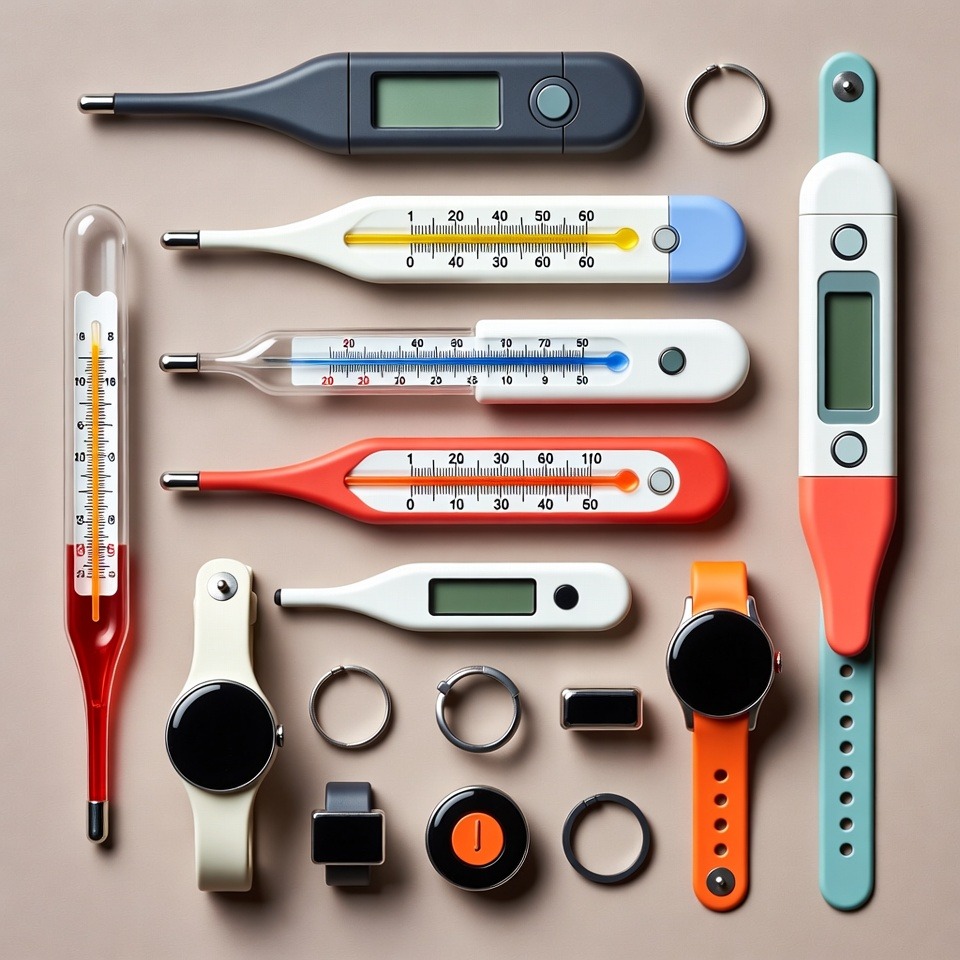
Perhaps no area has been more profoundly impacted by smart ring technology than our understanding and optimization of sleep. While wristbands made sleep tracking popular, their limitations often led to frustration and inaccurate data. Smart rings, by virtue of their form factor and sensor placement, have positioned themselves as the de facto consumer-grade tool for serious sleep analysis, bringing lab-like insights into the home.
The key differentiator is multi-parametric sleep analysis. Clinical polysomnography (the sleep lab gold standard) uses over a dozen sensors to measure brain waves (EEG), eye movements (EOG), muscle activity (EMG), heart rate (ECG), breathing effort, and blood oxygen. While a ring cannot measure EEG, it effectively replicates and fuses several other channels:
By fusing these, smart rings generate a detailed sleep architecture report. Users can see time spent in Light, Deep, and REM sleep, with timestamps for each period. More importantly, they can see the continuity of their sleep. How long did it take to fall asleep (sleep latency)? How many times did you wake up (sleep interruptions)? How much time did you spend awake after initially falling asleep (wake-after-sleep-onset, or WASO)? These metrics of fragmentation are often more critical to next-day feeling than total sleep time.
The ring excels at identifying sleep disruptors. Because it’s worn continuously, it can correlate lifestyle inputs with sleep outputs. The app might show that on nights you had alcohol within three hours of bedtime, your deep sleep percentage plummeted and your resting heart rate was elevated by 10-15%. It can reveal that late-evening screen time or meals delay your circadian temperature drop, pushing your sleep onset later. This creates a powerful cause-and-effect learning loop, empowering users to experiment with simple daily habits for deeper calm and better sleep.
Furthermore, by combining sleep data with daytime readiness metrics, the ring provides prescriptive feedback. It doesn’t just tell you your sleep was “poor”; it connects that poor sleep to your depressed HRV and elevated resting heart rate the next morning, explicitly recommending that you take it easy. This holistic view reinforces that sleep is not an isolated event but the foundational pillar that determines your next day’s physiological capacity. For those struggling with persistent fatigue, this data can be the objective proof needed to seek professional help for potential sleep disorders, making the ring a powerful tool for both optimization and early intervention.
If the smart ring's sleep analysis is a deep dive into a single night, its ability to track your circadian rhythm is the panoramic view of your body's 24-hour symphony. This represents one of the most sophisticated applications of continuous biometrics: moving beyond isolated metrics to map the master biological clock that governs nearly every function in the human body. It’s the evolution of health tracking from measuring discrete events to understanding the fundamental temporal architecture of life itself.
Chronobiology—the study of biological rhythms—teaches us that we are not static beings. Our hormone levels, body temperature, metabolism, cognitive function, and even gene expression ebb and flow in predictable, roughly 24-hour cycles called circadian rhythms. These rhythms are orchestrated by a master clock in the brain's suprachiasmatic nucleus (SCN), which is primarily set by light exposure. For centuries, we could only infer these rhythms subjectively through feelings of alertness and drowsiness. Now, smart rings provide an objective, continuous readout of this internal timing through two primary proxies: core body temperature rhythm and heart rate/HRV rhythm.
The distal body temperature sensor in a smart ring is uniquely positioned to capture your circadian thermal curve. Your core body temperature follows a distinct pattern: it begins to drop in the evening as melatonin rises, facilitating sleep onset. It reaches its nadir in the early morning hours (around 4-5 AM) and then steadily rises throughout the day, promoting alertness, peaking in the late afternoon or early evening. A smart ring tracks this entire curve. When this rhythm is robust and stable—with a clear, pronounced dip at night and rise during the day—it indicates a well-synchronized circadian system. When the curve is flattened or phase-shifted (e.g., the dip occurs too late), it reveals circadian misalignment, a state linked to poor sleep, metabolic dysfunction, and increased long-term health risks.
Simultaneously, the ring tracks your autonomic nervous system rhythm. Your resting heart rate is typically lowest during sleep and rises upon waking (the cortisol awakening response). Heart Rate Variability follows a complementary pattern, often highest during deep sleep (peak parasympathetic activity) and varying throughout the day based on stress and activity. By overlaying the temperature curve with the autonomic rhythm, the ring creates a composite picture of your circadian health. This data is transformative. It allows you to see the impact of social jet lag—the chronic misalignment caused by staying up late and sleeping in on weekends, which effectively forces your body into a minor, weekly time-zone shift. You can witness how late-night exposure to blue light from screens delays your temperature drop, pushing your biological night later. You can also observe how consistent morning routines that incorporate light exposure help anchor this rhythm, leading to more stable energy and better sleep.
This understanding empowers circadian-centric lifestyle design. Instead of just aiming for 8 hours of sleep, you can aim to align your activities with your biological strengths. The data might show your temperature peaks at 5 PM, indicating that's your optimal time for physical performance or demanding cognitive work. It can reveal that your body isn't ready for sleep until your temperature has sufficiently dropped, explaining why lying in bed at 10 PM is futile. By making lifestyle choices that support, rather than fight, this innate rhythm, you move from forcing health to flowing with it. This alignment is a core, yet often overlooked, component of creating a lifestyle that reduces chronic stress and prevents burnout, as a robust circadian rhythm is foundational to resilience.
The true frontier of smart ring technology lies not in the sensors, but in the intelligence that interprets them. We are moving from descriptive analytics (“This was your sleep last night”) to diagnostic (“This is why your sleep was poor”) and are now entering the era of predictive and prescriptive insights (“This is likely to happen, and here’s what you can do about it”). This leap is powered by artificial intelligence and machine learning models that transform a data logger into a personalized health advisor.
The foundational AI innovation is the establishment of a dynamic personal baseline. Early algorithms compared your HRV of 50 ms to a population average, which is meaningless. Modern systems use machine learning to create a multi-dimensional baseline unique to you. This baseline isn't static; it's a rolling model that learns how your body responds to different stimuli over seasons, training cycles, and life events. It understands that for you, a resting heart rate of 58 is normal, a temperature of 36.5°C is your standard, and an HRV of 65 ms is your healthy range. More importantly, it learns the complex relationships between variables: how a hard workout typically affects your next night's deep sleep, how alcohol impacts your temperature curve, or how work stress manifests in your HRV trend.
From this dynamic baseline emerges predictive analytics. By analyzing deviations across multiple metrics, AI can identify patterns that often precede specific outcomes. For instance, a confluence of a rising resting heart rate, depressed HRV, and elevated skin temperature—even before you feel symptoms—has a high probability of signaling an impending illness. The ring can provide an early alert, prompting you to rest and hydrate. Similarly, AI can predict the risk of overtraining by recognizing a pattern of cumulative strain without adequate recovery, or forecast a poor night of sleep based on daytime stress levels and evening biometrics. This shifts the user from a reactive to a proactive stance.
The ultimate goal is personalized prescriptive guidance. This is where the “invisible advisor” becomes tangible. Instead of generic advice like “get more sleep,” the AI can generate contextual, actionable recommendations: “Your recovery metrics are low today after three consecutive intense workouts. Consider a light walk instead of your planned run, and prioritize a 30-minute wind-down routine before bed.” It can link cause and effect with stunning clarity: “The two glasses of wine you had last night correlated with a 70% reduction in your REM sleep and a 5 bpm increase in your resting heart rate.” This feedback loop accelerates behavior change by providing immediate, objective consequences for lifestyle choices.
This AI-driven personalization is what makes the technology scalable yet intimate. It provides the kind of tailored coaching previously available only to elite athletes with dedicated sports scientists. For the everyday user, it demystifies the body’s complex signals, offering a clear path to optimization that respects individual differences. It helps users navigate the often-conflicting advice in the wellness world by showing them what actually works for their unique biology, guiding them toward a more sustainable and restful approach to living well without expensive guesswork.
The proliferation of sophisticated consumer health data creates both an opportunity and a challenge for the traditional medical establishment. Smart rings sit at the fascinating intersection of wellness and healthcare, generating data of potentially high clinical relevance. The evolving relationship between these devices and professional health providers is forging a new paradigm of collaborative, data-informed care.
For the individual, a smart ring acts as a powerful pre-clinical insight tool. It generates longitudinal data that a 15-minute annual physical can never capture. A patient can walk into a doctor’s office not just with subjective complaints of “constant fatigue,” but with three months of objective data showing chronically elevated nighttime heart rate, low HRV, and fragmented sleep architecture. This transforms the clinical conversation. It moves the dialogue from generic advice to targeted investigation: Are these signs of undiagnosed sleep apnea? Is it an indicator of metabolic syndrome or chronic inflammation? Is it purely stress-related? The data provides a starting point for deeper diagnostic workups, making the patient an active, informed participant in their own care.
Specific use cases are already emerging. In sleep medicine, patients can use rings to conduct multi-week sleep studies at home, providing far more representative data than a single night in an unfamiliar lab. The continuous SpO2 and movement data can strongly suggest sleep-disordered breathing, prompting a referral for a formal diagnosis. In metabolic health and cardiology, trends in resting heart rate and HRV can offer supporting evidence of cardiovascular fitness or risk. For women’s health, the precision of temperature tracking provides detailed cycle mapping and ovulation prediction, offering insights for fertility, cycle syncing, and perimenopausal transition that surpass basal body temperature (BBT) charting. In mental health, providers are beginning to explore how HRV and sleep data can objectively track the physiological impact of stress, anxiety, and the effectiveness of therapeutic interventions like mindfulness or medication.
The future lies in seamless data integration. The ideal scenario is for a patient to be able to securely share relevant biometric trends—with their control and consent—directly into their Electronic Health Record (EHR) or via a clinician dashboard. This creates a “biometric history” parallel to a patient’s medical history. Doctors could remotely monitor post-operative patients for signs of infection via temperature trends, or track the recovery of cardiac patients through improving HRV. Therapists could see the physiological impact of a traumatic period reflected in sleep and nervous system data.
However, this integration requires navigating significant hurdles: data validation (ensuring consumer-grade sensors are accurate enough for clinical contexts), privacy and security (HIPAA/GDPR compliance for health data), and clinical workflow (not overwhelming providers with un-curated data streams). The most effective path is not for rings to become diagnostic devices, but to become screening and monitoring tools that identify when professional consultation is warranted and provide objective tracking of treatment efficacy. This collaborative model, where consumer technology empowers individuals and informs professionals, heralds a more proactive, preventative, and personalized future for healthcare, where daily choices are informed by a deeper understanding of one’s own physiological state and need for restoration.
For a health-tracking device to fulfill its promise of continuous, lifelong insight, it must first be something people want to wear—always. This has been the Achilles’ heel of many wearables. The smart ring category has uniquely succeeded by placing design philosophy on equal footing with engineering, understanding that adoption is dictated by aesthetics, comfort, and seamless integration into daily life. The goal is not just to be worn, but to be lived in.
The primary design challenge is the miniaturization of power. Packing a PPG sensor, temperature sensor, accelerometer, Bluetooth chip, and a battery into a ring-sized enclosure is a feat of micro-engineering. Early iterations were often thick and bulky. Advances in chip design, sensor integration, and battery chemistry have allowed modern smart rings to approach the profile of a substantial piece of traditional jewelry, often between 4-7mm in thickness. Materials are chosen for durability, skin compatibility, and signal transparency. Titanium is a favorite for its strength, light weight, and hypoallergenic properties. Ceramics and tungsten carbide are also used for scratch resistance. The sensor window is typically a black zirconia or medical-grade resin that is durable and allows light to pass through for PPG measurements.
This technical packaging is then elevated by intentional aesthetics. Leading smart ring companies invest heavily in design, offering finishes like brushed titanium, matte black, stealth, and even gold plating. The aim is to create a device that is discreet and neutral enough to complement any style, from gym wear to a business suit to sleepwear. Some offer interchangeable outer shells or designs that mimic a classic signet or wedding band. This focus on fashion is not superficial; it is critical to the core function. If a user removes their ring for a dinner party or a job interview, they lose the very continuous data that makes it valuable. By making the device something the user forgets about and others rarely notice, it achieves its ultimate purpose: invisibility in function through desirability in form.
The philosophy extends to the user experience beyond the ring. The companion smartphone app must present complex biometric data in an intuitive, calm, and non-addictive interface. The best apps use clean data visualizations, gentle notifications, and educational content to guide rather than overwhelm. They respect the user’s attention, understanding that the goal is to cultivate awareness, not create screen-time anxiety. This holistic approach to design—from the metal on your finger to the pixels on your screen—is what separates a true lifestyle device from a gadget. It ensures the technology serves the human, not the other way around, fostering a sustainable, long-term partnership. This principle of designing tools for seamless integration into life is a cornerstone of creating home environments and personal spaces that support calm and restoration, rather than adding to digital clutter.
The smart ring market has evolved rapidly from a niche category dominated by a single pioneer to a dynamic and competitive space with distinct players, each carving out a unique value proposition. Understanding this landscape is key to seeing where the technology is heading, as competition drives innovation in sensors, algorithms, design, and affordability.
The Recovery & Sleep Pioneers (The High-End Benchmark): Oura Ring remains the market leader and category definer. Its strategy has been unwavering: focus on clinical-grade sleep and recovery accuracy, premium materials (titanium), a subscription-based service for advanced insights, and strong partnerships with research institutions and professional sports leagues. It targets the biohacker, elite athlete, and wellness-obsessed consumer who prioritizes data fidelity and is willing to pay a premium. Its challenges include the subscription model, which some users resist, and maintaining its edge as competitors catch up technically.
The Agile Challengers (Feature-Rich & Value-Oriented): Companies like Circular Ring, RingConn, and Ultrahuman Ring Air have entered the market with aggressive strategies. They often compete on price, offering similar core sensors at a lower upfront cost and without a mandatory subscription. They also innovate on features, adding color LED notification systems (Circular), extensive stress tracking throughout the day, or a strong focus on metabolic health and glucose insights (Ultrahuman’s integration with continuous glucose monitors). Their apps tend to be more feature-dense and customizable. They target the tech-savvy consumer who wants comprehensive data without a recurring fee, appealing to those who find the pioneer’s model restrictive.
The Tech Titan Horizon (The Sleeping Giants): The most significant potential market shift looms with the rumored or confirmed entry of Apple and Samsung. Apple has filed numerous patents for ring-based biometric sensors, and Samsung has officially teased a “Galaxy Ring.” Their entry would bring massive advantages: seamless ecosystem integration (tying ring data directly to the iPhone/Apple Watch or Galaxy phone/Galaxy Watch), unparalleled supply chain and manufacturing scale, and instant mainstream credibility. They could democratize the form factor but may also pivot its use case, perhaps positioning it more as a complementary device to their smartwatches rather than a standalone recovery tool.
The Niche Specialists: Other players focus on specific applications. The Movano Ring aims for FDA clearance for medical use cases like hypertension and sleep apnea monitoring, targeting a direct-to-clinical pathway. NFC-ring style products may focus more on payments and access control with basic activity tracking.
This competition is driving rapid evolution. We are seeing a feature convergence (most rings now offer SpO2, temperature, and advanced sleep staging) and a battle over the intelligence layer—whose AI provides the most actionable, personalized insights? The market is also segmenting: one tier for the ultra-committed wellness user, another for the broader consumer seeking a stylish, simpler health overview. This dynamic environment ensures that the technology will continue to improve, prices may become more accessible, and the ultimate winner will be the consumer, who gains ever-better tools to understand their health. For those navigating this choice, the key is aligning a device’s strengths with personal priorities, whether that’s unparalleled sleep insight or a holistic view of managing energy and finding peace within a busy life.
As with any transformative technology, the rise of smart rings and advanced health tracking is not without its valid criticisms, technical limitations, and ethical quandaries. A balanced perspective requires acknowledging these challenges, as they shape the responsible development and use of these powerful tools.
Technical and Scientific Limitations: First, it is crucial to remember these are consumer wellness devices, not medical instruments. While sensor accuracy is high, it is not equivalent to FDA-cleared medical gear. A ring’s SpO2 reading is indicative, not diagnostic; its temperature is a skin trend, not a core clinical measurement. The algorithms, while intelligent, are making educated inferences—they guess sleep stages, they don’t measure brain waves. There is also the issue of individual variability. Not all bodies signal stress or illness in the same way. An algorithm might miss a significant event for one user while flagging a false positive for another. Furthermore, the focus on quantitative data can sometimes miss qualitative realities. A high “sleep score” doesn’t guarantee you feel rested, and a low “readiness score” on a day you feel great can create unnecessary cognitive dissonance.
Psychological and Behavioral Risks: This leads to the most common critique: obsession and anxiety. For some personalities, constant biometric feedback can fuel orthosomnia—an unhealthy preoccupation with achieving perfect sleep data. A low HRV score can become a source of stress, ironically depressing HRV further. The pursuit of optimized metrics can turn health into a punishing, gamified chore, undermining the very restful living mindset these devices often aim to promote. There’s also the risk of data determinism—allowing an algorithm to override bodily intuition. If the ring says “you’re recovered” but you feel exhausted, learning to trust your subjective feeling is a vital skill the device should not erode.
The Ethical Frontier – Data, Privacy, and Access: The ethical implications are profound. Smart rings generate the most intimate data stream imaginable: a continuous log of your physiology, location (via synced phone), and inferred behaviors. Who owns this data? How is it stored, encrypted, and shared? Could it be sold to or accessed by insurance companies, employers, or advertisers? The potential for discrimination is real: could lower “health scores” lead to higher premiums or missed job opportunities? There’s also a major issue of equity and access. These devices are expensive, creating a “biometric divide” where the benefits of advanced health insights are available only to the affluent, potentially widening existing health disparities.
Navigating this landscape requires responsibility from both companies and users. Companies must practice privacy-by-design, with transparent, user-controlled data policies and robust security. They should avoid dark patterns that coerce sharing and be clear about data use. For users, the healthiest approach is to use the device as a guide, not a gospel. It’s a tool for curiosity and education, not for self-judgment. The goal should be to cultivate enough internal awareness that you eventually need the device less, not more. You learn the patterns—how alcohol affects you, how stress feels in your body—and integrate that knowledge. The smart ring should be a teacher that helps you reconnect with your body’s innate wisdom, not a replacement for it. This balanced approach helps avoid the common restful living mistakes that can keep you wired and tired despite having all the right data.
The smart ring we see today is likely a primitive ancestor of what will be on our fingers in a decade. The trajectory of miniaturization, sensor fusion, and AI integration points toward a future where these devices become even more powerful, predictive, and seamlessly integrated into a broader ecosystem of health intelligence. We are standing at the threshold of several converging technologies that will redefine personal health monitoring.
Next-Generation Sensors: The sensor suite will expand and become more sophisticated. Electrodermal Activity (EDA) sensors, which measure minute changes in skin sweat associated with stress, could be miniaturized for ring integration, providing direct sympathetic nervous system activation tracking. Continuous, non-invasive blood glucose monitoring is the holy grail for metabolic health. While currently the domain of dedicated skin patches (like CGMs), research into optical or spectroscopic methods could one day enable ring-based glucose trend tracking, revolutionizing nutrition and diabetes management. Blood pressure estimation from PPG waveforms is an active area of research and could provide daily trend data, though absolute accuracy remains a challenge.
The Multimodal Health Ecosystem: The future is not a single device, but a constellation of synchronized sensors. The smart ring will be the central, 24/7 biometric hub, but it will converse with other specialized devices: smart scales for body composition, smart clothing for muscle oxygen and EMG during exercise, continuous glucose monitors, and even advanced at-home blood testing kits. Your ring’s AI will act as the conductor, synthesizing data from all these sources into a unified, holistic health model. It won’t just tell you your HRV is low; it will say, “Your HRV is low, your CGM shows glucose dysregulation after your afternoon snack, and your scale indicates you’re retaining water—this pattern suggests high systemic inflammation. Consider an anti-inflammatory diet and consulting your doctor.”
Predictive Health & True Prevention: With enough longitudinal data from millions of users, population-level AI models will become extraordinarily powerful. They could identify subtle, pre-symptomatic biometric patterns associated with higher risks for conditions like depression, atrial fibrillation, or metabolic syndrome. The ring could move from saying “you seem to be getting sick” to “your long-term biomarker trends suggest a rising risk profile for Type 2 diabetes; here are personalized, evidence-based interventions you can start now.” This shifts healthcare from sickness care to true health care—maintaining wellness and preventing disease before it takes root.
The Ultimate Integration – Invisible & Ambient: The final evolution may be the disappearance of the device itself. Advances in flexible electronics, biodegradable batteries, and sensor inks could lead to skin-like patches or even subcutaneous implants that provide continuous monitoring without any wearable at all. Alternatively, ambient sensors in our homes, cars, and workplaces could pick up biometric signals remotely, creating a seamless web of health intelligence. The ring represents a crucial midway point in this journey: a conscious, chosen partnership with technology to understand ourselves better, on the path to a future where such understanding is effortless and woven into the fabric of our existence. This journey of understanding is not just about technology, but about reconnecting with the fundamental human need for balance, a connection powerfully supported by the restorative power of the natural world.

We have traversed the technological evolution, but the most critical evolution must happen within the user. The final, and perhaps most important, chapter in the story of health tracking is not about sensors or algorithms, but about psychology. It's about transitioning from being a passive data collector to becoming an insightful, empowered interpreter—transforming raw numbers into personal wisdom. This is the bridge between having information and achieving well-being.
The initial phase for many is the "Honeymoon of Quantification." There's a thrill in seeing your body's hidden processes made visible. You check your sleep score immediately upon waking, celebrate a high HRV, and become fascinated by your temperature curve. This stage is valuable; it builds awareness and engagement. However, it can easily tip into "Metric Myopia"—an anxious fixation on daily scores, where a single red number can derail your mood. This is where the tool designed to reduce stress can paradoxically become a source of it. The key is to recognize that health is not a daily score; it is a longitudinal trend across weeks, months, and seasons. A single night of poor sleep is a data point; a two-week trend of declining deep sleep is an insight. The intelligent user learns to zoom out, observing the broader landscape of their health rather than obsessing over daily weather.
This requires developing informed intuition. The goal of a smart ring should be to educate your own internal sense of well-being. You learn to correlate the data with your subjective experience: "Ah, when my HRV is below my baseline for three days, I usually feel more irritable and my workouts feel heavier." Or, "I see that on days I practice that evening meditation, my sleep graph shows fewer wake-ups." Over time, you internalize these patterns. The device becomes a validation tool for what you already sense, and a guide when your perception is clouded by denial or habit. This cultivates a balanced partnership: you respect the data, but you also honor your lived experience. You use the ring to experiment and learn, adopting the mindset of a restful living philosopher who observes cause and effect with curiosity rather than judgment.
Ultimately, the wisest use of this technology may involve periodic disconnection. Just as we need digital detoxes from our phones, we can benefit from biometric detoxes. Taking the ring off for a weekend, a vacation, or simply one day a week can be a powerful reset. It allows you to practice trusting your body's signals without the digital intermediary. It prevents the external metric from completely substituting for internal feeling. This practice reinforces that the device is a servant to your health, not the master of it. By intermittently stepping away, you ensure that you are using the technology with intention, not compulsion, keeping your focus on the ultimate goal: a life of vitality, resilience, and authentic calm, supported by—not dictated by—data.
The paradigm shift from reactive to preventative healthcare has long been an ideal, but it has often lacked the tools for practical, personal execution. Smart rings move this ideal into the realm of the actionable. By providing a continuous, personalized stream of physiological data, they transform prevention from a vague concept of "healthy living" into a precise practice of listening to and responding to your body's earliest, silent signals of imbalance.
Consider the traditional model: You feel a scratchy throat and fatigue, so you rest. The illness manifests, runs its course, and you recover. A smart ring can intervene days before the scratchy throat. It detects the first subtle rise in resting heart rate, the slight elevation in skin temperature, and the dip in HRV that indicates your immune system is activating. This is the pre-symptomatic window. At this stage, the prescription is potent and simple: aggressive rest, hydration, nutrient-dense foods, and stress reduction. By heeding this early warning, you may bolster your defenses sufficiently to prevent the full-blown illness altogether, or significantly shorten its duration and severity. This is preventative health in its most direct form—intercepting a process before it becomes a problem.
Beyond acute illness, rings excel at identifying patterns of chronic sub-clinical strain. Persistent, low-grade stress may not send you to the doctor, but it silently erodes resilience. A smart ring can reveal a pattern of elevated nighttime heart rate, suppressed HRV, and poor sleep continuity that perfectly correlates with a demanding work project or personal turmoil. This objective data removes the ambiguity of "I'm just busy." It shows the tangible physiological cost. This evidence can be the catalyst for implementing real stress-management strategies, whether it's setting better boundaries, starting a meditation practice, or seeking professional support. It prevents chronic stress from solidifying into burnout or contributing to long-term conditions like hypertension or anxiety disorders. For those navigating high-pressure lives, learning to spot these patterns is key to sustainable performance and aligns with strategies for finding micro-moments of recovery throughout a busy day.
This approach also empowers personalized lifestyle experimentation. With a smart ring, you have a biofeedback loop for almost any intervention. Want to see if a new anti-inflammatory diet works for you? Track your resting heart rate and HRV trends over the next month. Curious if cutting out afternoon coffee improves your sleep? The ring will show you the impact on sleep latency and deep sleep percentage. Considering a new supplement or workout regimen? Monitor your recovery metrics. This turns wellness from a game of following generic advice into a personalized science. You become the principal investigator of your own N=1 study, making data-driven decisions about what truly enhances your biology. This is the ultimate form of prevention: actively designing a lifestyle that continuously nudges your physiology toward its optimal, resilient state.
The story of health tracking technology is often told from a Western, techno-centric perspective. However, as devices like smart rings proliferate globally, they encounter and intertwine with diverse cultural philosophies of health, creating a fascinating tapestry of adoption and adaptation. This cultural lens reveals that the value of biometric data is not universal; it is filtered through pre-existing beliefs about the body, balance, and the nature of well-being.
In East Asian cultures, where traditional medicine systems like TCM (Traditional Chinese Medicine) and Kampo have long emphasized balance (yin/yang), energy flow (Qi), and holistic observation, smart ring data can be interpreted through a complementary framework. Metrics like HRV and temperature trends may be seen as modern, quantitative validations of ancient concepts like "Kidney Yang deficiency" (which can correlate with low body temperature and poor energy) or "Heart Fire" (which might align with elevated resting heart rate and sleep disturbances). The ring’s focus on sleep and recovery dovetails perfectly with cultural emphases on rest as restorative. Here, the technology may be adopted not to replace traditional practice, but to enrich it, providing a new language to describe states of imbalance that practitioners have diagnosed for centuries through pulse and tongue.
Nordic and European perspectives, with strong traditions of public health, outdoor activity (friluftsliv), and sauna culture, might use the ring to optimize these existing practices. They could track how a cold plunge affects their HRV recovery, or how a week of forest bathing influences their sleep scores. The data serves to reinforce culturally valued behaviors with objective proof of their benefit, seamlessly blending tech with a deep-seated connection to nature—a connection known to support restful living and mental restoration.
Conversely, in cultures with a more fatalistic or spiritually-oriented view of health, where well-being is seen as a gift from a higher power or determined by fate, the intense personal quantification of a smart ring might be met with skepticism or disinterest. The very premise of using technology to exert control over one’s health may clash with broader worldviews. Meanwhile, in hyper-competitive, performance-driven societies, the ring risks being co-opted into the grind culture it aims to counter, becoming just another tool to optimize output rather than cultivate balance.
This global interplay is crucial for the technology's evolution. It pushes developers to consider cultural calibration. A "good" sleep score or HRV range may have population-level differences based on diet, genetics, and lifestyle norms. Algorithms may need to adapt. More importantly, the most successful global health tech will be that which is flexible enough to serve different philosophies—able to support someone on a biohacking quest for optimality just as effectively as it supports someone simply seeking peace of mind and better sleep within their traditional framework. The ring becomes a universal translator of the body's language, but the meaning derived from that translation will always be deeply personal and culturally informed.
In our enthusiasm for the benefits of smart rings, we must also cast a critical eye on their environmental and ethical footprint. As wearable technology becomes more disposable and upgrade cycles accelerate, addressing the sustainability of these devices is not just an add-on—it is a moral imperative for the industry and a consideration for the conscious consumer.
The environmental impact begins with materials extraction. The tiny sensors, batteries, and chips inside a ring require rare earth elements, lithium, cobalt, and gold, mined often under socially and ecologically damaging conditions. The production of the sleek titanium or ceramic casing is energy-intensive. While a ring uses far fewer materials than a smartphone or laptop, its scale—potentially millions of units—creates a significant collective footprint. The industry must prioritize modular design and repairability, which are currently almost non-existent. A dead battery or a cracked sensor window typically renders the entire device obsolete, destined for e-waste. Forward-thinking companies could design rings with user-replaceable batteries or offer robust, affordable refurbishment and repair programs to extend product lifecycles far beyond the standard two-year tech refresh cycle.
This leads to the business model dilemma. The current tech industry model thrives on planned obsolescence and frequent upgrades. For a device whose core value is longitudinal health tracking, this is philosophically misaligned. Your health story is continuous; severing it every 18 months for a new model with marginally better sensors is disruptive. The most sustainable model may be a "tech-as-a-service" approach. Instead of selling a physical ring, a company could lease the hardware for a monthly fee that includes servicing, upgrades when the hardware genuinely advances, and responsible recycling at end-of-life. This aligns the company's incentive with product durability and reduces e-waste. Some existing subscription models hint at this, but they still couple the software fee with a sold physical product.
For the consumer, sustainable practice means mindful purchasing and maximal use. Choosing a device from a company with clear sustainability commitments, using it for its full functional life, and recycling it properly through the manufacturer’s take-back program (never in household waste) are essential steps. It also means resisting the urge to upgrade for minor feature increments. The most sustainable device is the one you already own. Furthermore, the ultimate sustainability of the wellness technology movement hinges on its ability to foster behaviors that reduce our broader consumption and stress. If a smart ring genuinely helps someone sleep better, manage stress, and prevent illness, that individual's reduced reliance on healthcare resources, stimulants, and other consumer fixes has a positive secondary environmental impact. The goal should be to create a closed-loop system where the technology itself and the lifestyle it promotes are both sustainable, supporting not just personal health, but planetary health as well—a principle at the heart of creating a restful home environment that minimizes waste and maximizes harmony.
Amidst the data streams and technological marvels, the most compelling proof of the smart ring's value lies in human stories. These are not just anecdotes; they are case studies in how continuous biometric awareness can catalyze profound personal change, provide life-altering insights, and restore a sense of agency over one's own health. Here, the abstract potential of the technology becomes viscerally real.
Consider the story of Alex, the overtrained amateur athlete. For years, Alex followed a rigid, high-volume training plan, believing more was always better. Despite constant fatigue, recurring minor injuries, and plateauing performance, he pushed through. Upon getting a smart ring, the data was unequivocal: his HRV was chronically low, his resting heart rate trended upward, and his sleep was consistently fragmented. The "Readiness" score rarely recommended hard training. The objective data forced him to confront a pattern of overreaching. He switched to a periodized plan with built-in recovery weeks, guided by his daily readiness metrics. Within months, his HRV climbed to new highs, his performance breakthroughs returned, and the nagging injuries vanished. The ring didn't just change his training; it changed his relationship with exertion and recovery, teaching him that true strength is built in the rest.
Then there's Maria, who unraveled a mystery of chronic fatigue. For years, Maria felt perpetually drained. Doctors ran standard tests, found nothing clinically wrong, and suggested it was stress or depression. A smart ring revealed a critical clue: her nocturnal blood oxygen levels showed frequent, subtle dips, and her heart rate variability was strikingly low every night. This data gave her the confidence to insist on a sleep study, which diagnosed mild sleep apnea. With treatment (a dental device), her oxygen levels stabilized, her deep sleep skyrocketed, and her daily energy returned. The ring provided the missing piece that connected her subjective feeling to a measurable, treatable physiological disruption.
Or David, who gained control over stress and anxiety. David considered his high-pressure job just a fact of life, but he suffered from insomnia and irritability. His ring showed a jagged, chaotic HRV pattern and a resting heart rate that barely dropped at night. Seeing the physical proof of his constant "fight-or-flight" state was a wake-up call. He started using the ring's data to experiment: he saw how a 10-minute meditation lowered his daytime heart rate, how a walk in nature smoothed his HRV, and how a consistent evening ritual dramatically improved his sleep scores. The ring became a biofeedback tool, showing him in real-time how to downshift his nervous system. He didn't just manage his stress; he learned to change his physiological response to it.
These stories share a common thread: the smart ring acted as an objective mirror. It reflected truths that subjective feeling could ignore or misinterpret, and provided a clear feedback loop for change. It empowered each individual to move from being a patient of unexplained symptoms to an active architect of their own recovery. This transformation—from confusion to clarity, from frustration to agency—is the deepest promise of the technology.
We have traveled a great distance from the manual pulse checks and health diaries of our ancestors. The evolution of health tracking technology is a profound narrative of human curiosity turned inward, armed with ever-more sophisticated tools. We began with subjective observation, progressed to mechanical step-counters, embraced the appified quantified self, and have now arrived at an epoch where jewel-like devices silently conduct a symphony of our internal biology.
This first portion of our exploration has established the foundation. We've seen how the convergence of clinical-grade sensors, AI-driven personalization, and a discreet form factor has birthed the smart ring—a device uniquely positioned to answer the most modern of health questions: not just "What did I do?" but "How well am I recovering?" and "What is my body ready for today?" We've acknowledged its power to revolutionize sleep science, illuminate circadian rhythms, and serve as a bridge to professional healthcare. We've also soberly examined its limitations, the ethical frontiers of intimate data, and the psychological pitfalls of an unchecked pursuit of optimization.
The journey, however, is far from complete. In the next portion of this article, we will delve deeper into the practical application of this technology. We will explore:
The story of the smart ring is still being written, both in labs and on the fingers of millions. It represents a pivotal moment in our relationship with technology—not as a distraction, but as a conduit back to our own biological essence. It challenges us to use data not for self-judgment, but for self-compassion; not to fuel relentless optimization, but to cultivate sustainable harmony. As we continue to explore, we hold the core truth that the most advanced technology is that which helps us reconnect with the timeless wisdom of the body, guiding us toward a state of balanced, informed, and truly restful living in a fast-paced world.
Your Trusted Sleep Advocate: Sleep Foundation — https://www.sleepfoundation.org
Discover a digital archive of scholarly articles: NIH — https://www.ncbi.nlm.nih.gov/
39 million citations for biomedical literature :PubMed — https://pubmed.ncbi.nlm.nih.gov/
Experts at Harvard Health Publishing covering a variety of health topics — https://www.health.harvard.edu/blog/
Every life deserves world class care :Cleveland Clinic - https://my.clevelandclinic.org/health
Wearable technology and the future of predictive health monitoring :MIT Technology Review — https://www.technologyreview.com/
Dedicated to the well-being of all people and guided by science :World Health Organization — https://www.who.int/news-room/
Psychological science and knowledge to benefit society and improve lives. :APA — https://www.apa.org/monitor/
Cutting-edge insights on human longevity and peak performance:
Lifespan Research — https://www.lifespan.io/
Global authority on exercise physiology, sports performance, and human recovery:
American College of Sports Medicine — https://www.acsm.org/
Neuroscience-driven guidance for better focus, sleep, and mental clarity:
Stanford Human Performance Lab — https://humanperformance.stanford.edu/
Evidence-based psychology and mind–body wellness resources:
Mayo Clinic — https://www.mayoclinic.org/healthy-lifestyle/
Data-backed research on emotional wellbeing, stress biology, and resilience:
American Institute of Stress — https://www.stress.org/


