


Daily Wellness Habits That Make Your Wellness Ring Investment Worth It
Daily habits that provide enough value to justify the purchase of a wellness ring.
Daily habits that provide enough value to justify the purchase of a wellness ring.
%402x.svg)
You’ve made the investment. A sleek, intelligent piece of technology now rests on your finger, promising a deeper understanding of your health than you’ve ever had before. But a wellness ring, no matter how advanced its sensors or elegant its design, is not a magic amulet. Its true value isn’t unlocked at the moment of purchase, but in the days, weeks, and months that follow. It becomes priceless only when its data sparks a transformation in your daily life.
This is the fundamental shift in modern wellness: moving from passive tracking to active, informed living. Your ring is the compass, but you are the navigator. It provides the what—your sleep scores, your stress levels, your recovery metrics. The golden opportunity lies in your response—the so what. The daily habits you build in response to that data are what turn a significant financial investment into an invaluable life investment. This article is your master guide to building those habits. We’ll explore the fundamental, daily practices that create a powerful synergy with your device, ensuring you don’t just own a wellness ring, but that you truly leverage it to build a healthier, more resilient, and more vibrant you.
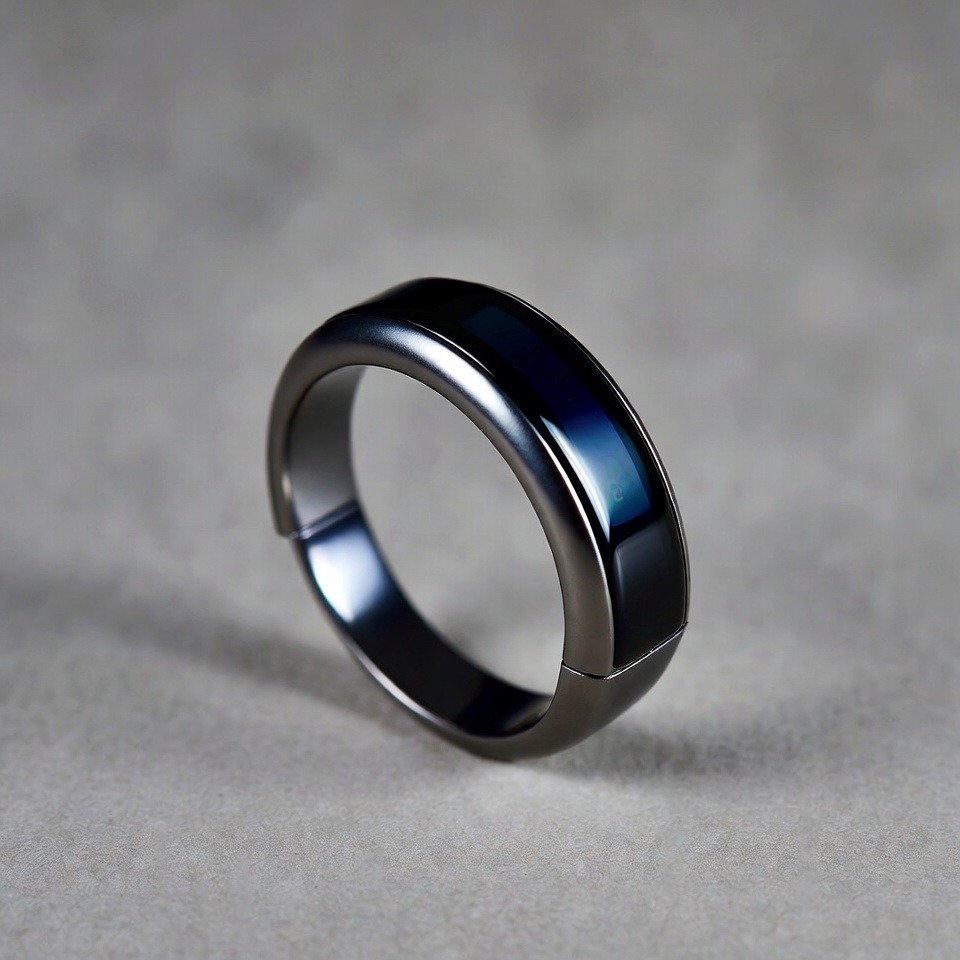
A state-of-the-art wellness ring is a masterpiece of miniaturized engineering. It continuously gathers biometric data—heart rate variability (HRV), skin temperature, blood oxygen saturation, and movement—transforming your finger into a 24/7 health observatory. Yet, this stream of numbers and graphs is inert without interpretation and action. This is where the critical partnership is formed: the ring provides objective feedback, and your daily habits provide the controllable inputs.
Think of it as a conversation. Your ring “listens” to your body’s whispers (and sometimes shouts) through its physiological signals. It then “speaks” to you through its app, showing you how your body responded to yesterday’s choices. Did that late-night work email spike your nighttime stress? Did the 30-minute afternoon walk improve your sleep depth? Did that extra glass of wine depress your morning recovery score? Without consistent daily habits, this conversation is one-sided. You’re just collecting a diary of your body’s complaints without changing the narrative.
The magic happens when you close the feedback loop. You use the ring’s data to inform a small, sustainable change—a habit. You then use the ring again to measure the impact of that change. This creates a powerful cycle of experimentation and learning unique to your biology. You’re no longer following generic wellness advice; you’re conducting personalized research on the single most important subject: yourself. The ring’s value compounds with each cycle, transforming it from a mere tracker into a personal health coach, guiding you toward the specific habits your body needs most. This foundational understanding turns data anxiety into empowerment, setting the stage for every habit we will explore.
How you begin your day sets the tone for everything that follows. A reactive, chaotic morning often leads to a stressful, scattered day. A mindful, intentional morning, informed by your body’s overnight report, builds a foundation of calm and control. Your wellness ring provides that crucial report. Instead of silencing an alarm and stumbling into the day, you can start by consulting your data.
First, review your recovery metrics. Most rings provide a single score—often called Readiness, Recovery, or Body Battery—that synthesizes your sleep data, HRV, and resting heart rate. Don’t just glance at it; understand what it’s telling you. A high score is a green light: your body is primed for exertion, learning, and high performance. A low score is not a failure; it’s vital information. It’s your body requesting a gentler day—perhaps prioritizing mobility over intensity, deep work over scattered meetings, and nutrient-dense foods over processed fuels.
Next, cultivate a non-digital first hour. The moment you reach for your phone, you invite the world’s demands into your nervous system before it’s had a chance to solidify its own calm. For at least the first 60 minutes, avoid email, social media, and news. Instead, anchor yourself in physical reality. Hydrate with a large glass of water. Step outside for 5-10 minutes of natural morning light; this is one of the most powerful signals to regulate your circadian rhythm, which your ring tracks through sleep consistency and body temperature. Practice a short mindfulness or gratitude exercise. This habit directly combats stress, a metric your ring likely tracks through HRV and resting heart rate.
Finally, let your data guide your movement. Don’t be a slave to a pre-set, rigid workout schedule. If your recovery score is high, proceed with your planned intense training. If it’s moderate or low, consider it an invitation for restorative movement: gentle yoga, a walk in nature, or focused mobility work. This habit of “listening to your body” is no longer abstract; it’s quantified. By aligning your morning exertion with your physiological state, you reduce injury risk, prevent burnout, and train more effectively over time. This data-informed flexibility is a cornerstone of sustainable wellness.
Nutrition is plagued by dogma and one-size-fits-all advice. Your wellness ring cuts through the noise, offering direct feedback on how your food choices affect your foundational health metrics, not just your weight. This transforms eating from a game of calories and restrictions to one of energy optimization and system support.
Begin by correlating meals with energy dips. Use your ring’s daytime heart rate or stress graph. Do you notice a predictable spike in stress or a drop in energy 60-90 minutes after a carbohydrate-heavy lunch? This could indicate a blood sugar rollercoaster. Your ring provides the evidence to experiment: try swapping refined carbs for complex ones, adding more protein and healthy fats to that meal, and observe if the afternoon crash disappears. The data becomes your personal nutritionist, showing you which foods create stable, sustained energy for your unique metabolism.
Next, leverage hydration data. Many advanced rings now estimate hydration levels or use skin temperature and pulse variability as proxies for fluid status. Make a habit of checking this metric, especially before and after exercise or caffeine consumption. Use it to build a proactive hydration routine, not a reactive one. If you see your hydration trending low by mid-afternoon, it’s a tangible cue to drink more water. Proper hydration is critical for every function your ring tracks—from sleep quality to cognitive performance to physical recovery.
Furthermore, establish a consistent eating window. Your ring excels at tracking your circadian rhythm through sleep and temperature. Nutrition is a key lever for circadian health. The habit of time-restricted eating (like a 10-12 hour window between your first and last meal) gives your digestive system a predictable rest period, which can improve sleep quality and metabolic markers. Your ring’s sleep and recovery scores will show you if this habit is beneficial. Did compressing your eating window lead to deeper sleep and a higher HRV? The data holds the answer, allowing you to personalize this powerful habit for your lifestyle. For a deeper understanding of how foundational habits interconnect, explore the science-backed principles that govern sleep and metabolic health.

The old paradigm of fitness was “more is better” and “no pain, no gain.” This mindset leads to overtraining, injury, and burnout. Your wellness ring ushers in a new paradigm: strategic, intelligent movement. It replaces guesswork with guidance, helping you balance stress and recovery to build a truly resilient body.
The core habit here is making your recovery score your daily coach. Before you decide on your workout’s intensity, consult this number. On high-recovery days, challenge your limits. These are the days for high-intensity interval training (HIIT), heavy strength sessions, or long endurance efforts. Your body is signaling it’s ready to adapt and grow stronger. On low-recovery days, exercise discipline in the form of restraint. Honor the data. Swap the intense workout for active recovery—a leisurely walk, gentle stretching, or foam rolling. This prevents digging a deeper recovery hole and allows your body to repair.
Develop the habit of post-workout reflection. After your session, don’t just close your fitness app. Later that evening or the next morning, check how your body responded. Did that evening workout disrupt your sleep architecture, showing less deep sleep? Did a morning sprint session lead to a sustained elevation in resting heart rate? Your ring provides the cause-and-effect evidence. You might learn that intense exercise after 7 PM is detrimental for you, or that yoga sessions consistently improve your sleep latency. This turns every workout into a learning experience.
Finally, prioritize non-exercise activity thermogenesis (NEAT). Your ring tracks your total daily movement. A one-hour workout followed by 10 hours of sitting is not a recipe for vitality. Build habits of consistent, low-grade movement throughout the day: take walking meetings, park farther away, set a stand-up reminder every hour. These small habits keep your circulation active, support metabolic health, and often contribute more to your daily calorie expenditure than your workout. Your ring’s step count and activity minutes are a simple, powerful motivator to “close your rings” of daily movement, creating a holistic movement practice that goes far beyond the gym.
Chronic, unmanaged stress is the silent saboteur of modern health, and it’s brilliantly illuminated by your wellness ring. While we can’t eliminate life’s stressors, we can radically change how our nervous system responds to them. Your ring, through HRV and stress score algorithms, gives you a real-time window into your nervous system state, making stress management a tangible, daily practice.
The first critical habit is the biometric breath break. When you feel tension rising, or better yet, as a proactive practice, use your ring’s guided breathing feature if it has one. If not, simply set a timer for 2-5 minutes of slow, diaphragmatic breathing (aim for 5-6 breaths per minute). Watch what happens. In real-time, you will likely see your stress graph dip and your heart rate smooth. This isn’t just calming; it’s proof. It trains your brain to associate the breath with a direct, measurable shift in physiology. Perform 2-3 of these “resets” daily—before meals, between meetings, during transitions. This habit builds nervous system flexibility.
Next, schedule micro-moments of joy and connection. Stress isn’t just about what we add (breath work); it’s also about what we counter it with. Positive emotions like joy, gratitude, and connection have a measurable, soothing effect on the autonomic nervous system. Build habits of savoring your morning coffee, sharing a genuine laugh with a colleague, or spending 10 minutes petting your dog. Afterwards, notice your body. You may find these moments are followed by a period of high HRV or a lower resting heart rate. Your ring validates the profound impact of positive psychology, encouraging you to prioritize these moments not as luxuries, but as essential maintenance.
Furthermore, create digital boundaries based on data. Notice the correlation between screen time—especially doomscrolling social media or late-night work—and your stress metrics or sleep quality. Use this data to institute hard stops. Make it a habit to enable “Do Not Disturb” mode 90 minutes before bed, or to have phone-free meals. When you see the direct line between a quiet evening and a high recovery score, the motivation to protect your peace becomes data-driven, not just theoretical. For a comprehensive look at how technology affects your nervous system and sleep, our analysis of how technology helps and hurts sleep health offers crucial insights.

Sleep is the cornerstone of recovery, and it’s where most wellness rings provide their richest, most actionable data. Moving from simply tracking sleep to actively optimizing it is the single greatest habit shift you can make to justify your ring’s value. This isn’t about chasing a perfect score every night; it’s about building a consistent, supportive process—a sleep hygiene ritual informed by personalized feedback.
Start with the pre-sleep wind-down audit. Your ring’s sleep staging (light, deep, REM) and sleep score are the outcomes. Your 60-90 minutes before bed are the inputs. Use your data to experiment. If you see low deep sleep, try a hot bath 90 minutes before bed (the subsequent drop in core temperature signals sleep readiness). If you have high restlessness, experiment with a magnesium supplement or legs-up-the-wall pose. If your sleep latency (time to fall asleep) is long, build a wind-down routine that actually works for your lifestyle. Your ring will show you which interventions move the needle for you, creating a personalized sleep protocol.
Next, master your sleep environment. Your ring tracks ambient temperature and often noise disturbances through movement. The data makes you a scientist of your bedroom. If you see wake-ups correlated with temperature spikes, lower your thermostat to the ideal 65-68°F (18-20°C). If your light sleep is fragmented, invest in blackout curtains or a quality sleep mask. Use the data to justify these small investments—they are directly improving the quality of your most important health activity.
Crucially, decouple from the sleep score anxiety. It’s easy to become obsessed with a number. The healthier habit is to look at weekly and monthly trends, not nightly absolutes. Did your average deep sleep increase this month compared to last? That’s a huge win, even if last night was poor. Use the data for gentle curiosity, not harsh judgment. This long-term view is essential for sustainable progress and mental peace. For those just starting this journey, beginning with a focus on simple, foundational sleep tracking is highly recommended.
Your circadian rhythm is your body’s internal 24-hour master clock, governing everything from hormone release to digestion to cognitive function. When it’s disrupted, your health suffers across the board. Your wellness ring is a powerful circadian rhythm detective, tracking its expression through body temperature, sleep/wake consistency, and even HRV patterns. Aligning your daily habits with this rhythm is a profound way to enhance energy, metabolism, and overall well-being.
The most potent habit is daylight anchoring. Make it non-negotiable to get bright, natural light into your eyes within 30-60 minutes of waking. This is the primary signal that tells your brain the day has begun, shutting off melatonin production and setting the timer for its release roughly 14-16 hours later. Your ring will reward this habit with more consistent sleep onset times and improved sleep architecture. Conversely, build the habit of minimizing blue and bright light after sunset. Use dim, warm-toned lights and enable night shift modes on devices. Your ring’s sleep data will show you the benefits of protecting your evening darkness.
Next, regularize your schedule. Your body craves predictability. Go to bed and wake up at roughly the same time every day, even on weekends. Your ring’s sleep consistency metric is a direct measure of this habit. A regular schedule reinforces your circadian rhythm more powerfully than almost anything else. This extends to meal times as well. Eating at chaotic times sends confusing signals to your peripheral clocks (like those in your gut and liver). Regularity synchronizes your systems.
Finally, respect your chronotype with data. Are you a natural night owl or an early bird? Your ring can help you discover this by showing when your body naturally wants to sleep and wake when free from alarms (look at sleep trends on vacation or weekends). Instead of fighting your biology, use the data to design a life that respects it as much as possible. An owl might schedule creative work for the evening when they’re naturally alert, while a lark might protect their early mornings for deep focus. This alignment reduces internal stress and increases life satisfaction. To understand how these rhythms change throughout life, consider the adjustments needed for different age groups.
While sleep and exercise often dominate the wellness conversation, two physiological levers—hydration and core temperature—are critically important and exquisitely tracked by advanced wellness rings. Building daily habits around these metrics can resolve unexplained fatigue, improve cognitive function, and boost overall resilience.
Develop a hydration strategy based on biometrics, not thirst. Thirst is a late-stage signal of dehydration. Your ring provides earlier warnings. If your ring provides a hydration estimate, monitor it like a fuel gauge. But even without a direct metric, related data is telling. A sudden, unexplained rise in resting heart rate or a dip in HRV can often be linked to mild dehydration. A higher-than-normal skin temperature can also be a clue. Make it a habit to drink a glass of water upon waking, before each meal, and consistently throughout the morning and afternoon. Use your ring’s data to see if this habit stabilizes your afternoon energy and improves your recovery scores.
Learn your personal temperature rhythm. Your ring tracks your distal body temperature (at the finger) all night. This data reveals your personal circadian temperature minimum (the lowest point, which usually occurs in the second half of the night) and how it shifts. Use this knowledge strategically. For example, your core temperature needs to drop to initiate sleep. If you struggle to fall asleep, the habit of a warm bath 90 minutes before bed leverages this—you get out, your blood vessels dilate to release heat, and your core temperature drops, signaling sleep readiness. Conversely, a cool, dark room supports this natural drop. Your temperature data validates whether your evening routine is helping or hindering this process.
Use temperature for illness preemption. One of the most valuable features of continuous temperature tracking is the establishment of a personal baseline. Your ring can detect a sustained elevation in skin temperature—often days before you feel full-blown symptoms of illness or infection. When you see this, let it trigger a “body armor” habit protocol: prioritize extra sleep (even an hour more), increase your hydration, dial back intense exercise, load up on nutrient-dense foods and maybe vitamin C or zinc. This habit of preemptive rest, guided by data, can help you nip illness in the bud, saving you days of downtime. This is a powerful example of moving from reactive sick-care to proactive self-care.
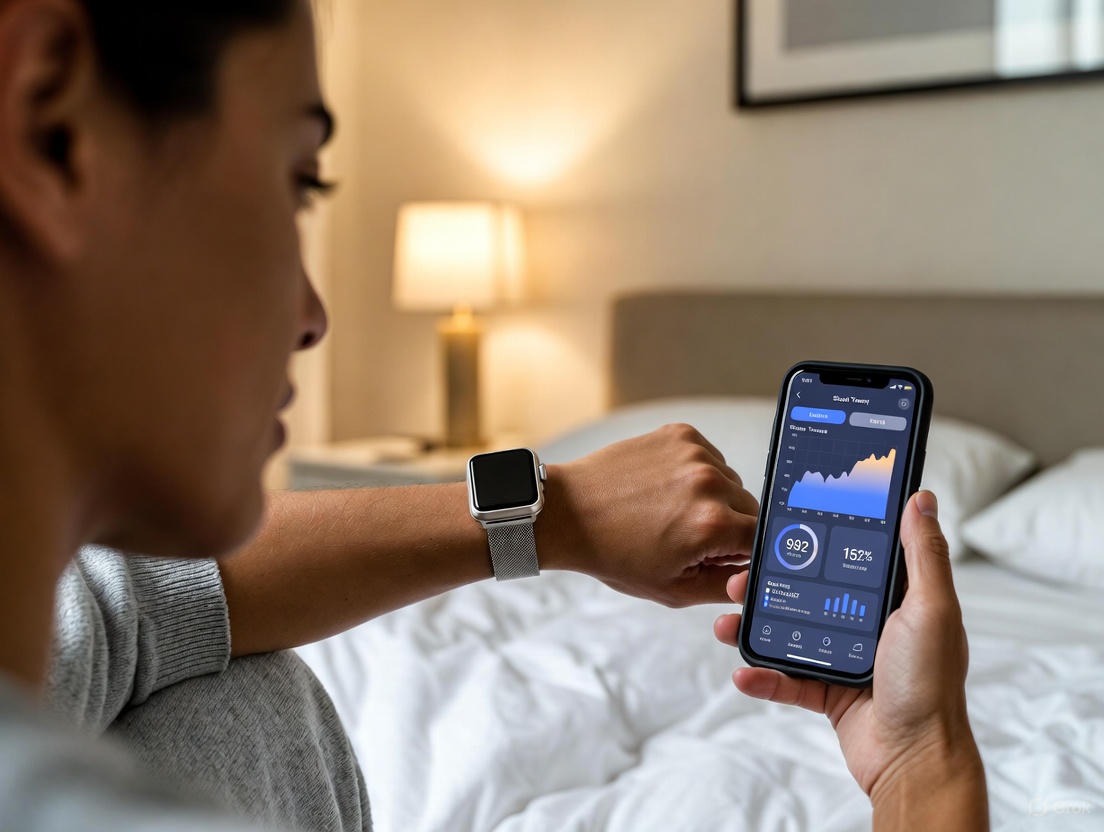
In our hyper-connected world, our devices are a constant source of cognitive load, blue light, and fractured attention—all of which have measurable, negative impacts on stress and sleep. Your wellness ring provides the hard evidence of this impact, allowing you to build conscious, defensive habits around technology use rather than falling into passive consumption.
Institute a daily digital sunset. The evidence from your ring is clear: screen light before bed disrupts melatonin production and can fragment sleep. Make it an unbreakable habit to put all screens away 60-90 minutes before your target bedtime. This isn’t just about light; it’s about content. Scrolling through work emails or stressful news activates the mind, which your ring will later reflect in lower sleep scores or elevated nighttime stress. Replace this time with analog wind-down rituals: reading a physical book, gentle stretching, conversation, or planning the next day. Watch as your sleep latency shortens and deep sleep increases, proving the value of this digital boundary.
Create focus blocks informed by your ultradian rhythms. Your ring tracks your daily energy and stress. You’ll likely see natural 90-120 minute rhythms of higher and lower alertness. Use this data to batch your work. During periods of high energy/low stress on your graph, protect that time for deep, focused work. Silence notifications and close unnecessary tabs. When you see your energy dipping or stress rising, that’s your cue for a proper break—a walk, some hydration, a few minutes of looking into the distance—not for switching to social media. This habit of working with your biology, as shown by your ring, increases productivity while reducing mental fatigue.
Curate your notification landscape. Every ping, buzz, and banner is a micro-interruption that pulls your nervous system out of its current state. Let your ring’s stress graph motivate you to conduct a ruthless notification audit. Turn off all non-essential notifications. Schedule specific times to check email and social media, rather than letting them check you. This habit reclaims your attention and reduces baseline cognitive load. You’ll likely see the benefit in a calmer daytime heart rate pattern and a mind more prepared for quality rest at night. For more on creating sustainable, low-tech wellness habits, discover strategies that don’t rely on expensive gadgets.
The greatest pitfall in any wellness journey is the pursuit of perfection, which inevitably leads to frustration and abandonment. Your wellness ring, with its relentless daily data, can either fuel this perfectionism or become your greatest ally in embracing sustainable consistency. Cultivating the right mindset habits is therefore essential to long-term success.
Practice weekly review, not daily judgment. Make it a habit every Sunday to review your weekly trends in the ring’s app. Look at your average sleep score, your trend in HRV, your consistency in bedtime. Celebrate the averages that are improving. Notice what a “good” week looks like versus a “stressful” one in the data. This macro view helps you see progress that is invisible day-to-day and prevents you from overreacting to a single bad night or a low recovery day. It reinforces that you are playing a long game.
Embrace the “80/20 Rule” of wellness. Your data will show you the 20% of habits that drive 80% of your results. Perhaps it’s a consistent bedtime that most impacts your sleep score, or morning daylight that most stabilizes your energy. Identify these keystone habits from your data and focus on making them non-negotiable. Let the other details be flexible. This habit of prioritization, informed by your personal data, makes your routine robust and adaptable to real life.
Use setbacks as data points, not failures. You will have late nights, stressful days, and skipped workouts. The unhealthy habit is to beat yourself up and quit. The transformative habit is to lean into your ring’s data with curiosity. “Fascinating, my resting heart rate was 10 BPM higher after that difficult conversation.” “Interesting, my deep sleep was lower even though I went to bed on time—was it the spicy food?” This neutral, scientific approach detaches emotion from the data and turns every experience, good or bad, into a learning opportunity that deepens your self-knowledge. This is the ultimate habit that ensures your ring remains a tool for empowerment, not anxiety. For guidance on navigating the initial learning process, this resource on the sleep health learning curve is invaluable.
The final, master habit is integration. The goal is not to add 10 new, separate “wellness tasks” to your already busy day, but to weave these practices seamlessly into the fabric of your existing life. Your wellness ring’s data helps you see the interconnectedness of your habits, encouraging a holistic approach that feels natural, not burdensome.
Stack your habits. Use the concept of “habit stacking” by attaching new wellness behaviors to existing routines. After you brush your teeth (existing habit), do 2 minutes of box breathing (new habit). While your morning coffee brews (existing), step outside for morning light (new). After you shut down your work computer (existing), begin your digital sunset ritual (new). Your ring will show you the compound benefits of these small, stacked actions, making them easier to maintain than isolated, large commitments.
Sync habits with natural transitions. Your day has natural transitions: wake-up, pre-work, lunch, post-work, pre-bed. Use these as habit anchors. The “pre-work” transition becomes your time to check your recovery score and set your movement intention. The “post-work” transition becomes your definitive shift from productivity to recovery. Your ring’s data will reinforce the power of these transitions; you’ll likely see your stress score start to drop during your intentional post-work wind-down, for example.
Create environmental cues. Let your environment do the work. Use your ring’s data to justify changes in your space. Place your water bottle next to your monitor because you see hydration dips. Leave your walking shoes by the door because you see the link between afternoon steps and sleep quality. Install smart bulbs that dim at sunset because you see the benefit for your sleep latency. These environmental designs make the right choice the easy choice, automating your wellness without constant willpower. This is the art of building a life that naturally supports your health, with your wellness ring serving as the insightful guide, confirming that your system is working. For a holistic view of how these integrated habits serve larger ambitions, see how quality sleep supports every other wellness goal you have.
Once the daily habit loops are established, your relationship with your ring’s data deepens. You move from observing obvious correlations (late coffee = poor sleep) to interpreting subtle patterns and making sophisticated, predictive adjustments. This stage is where the investment truly matures, transforming you from a user into an expert on your own physiology.
Master the HRV Trend, Not the Daily Number. Heart Rate Variability (HRV) is your nervous system’s fingerprint, a key metric of recovery and resilience. The biggest beginner mistake is obsessing over daily fluctuations. The advanced habit is to analyze the trend line. Use your ring’s weekly or monthly HRV view. Is the general trend sloping upward? This indicates improving foundational fitness and resilience. Is it trending downward despite good sleep? This could be a silent signal of overreaching in training, lingering emotional stress, or the early onset of illness. Let this trend guide your deload weeks in training or prompt a week of deliberate recovery focus. It’s your body’s most honest long-term report card.
Decode Your Body Temperature’s Story. Nighttime temperature is more than a sleep aid metric. An advanced habit is to track its cyclical patterns in relation to your menstrual cycle (for women) or general monthly rhythms. A sustained upward shift in baseline temperature can confirm ovulation or signal inflammation. A significant, multi-night drop outside your norm might indicate a need for metabolic support or a check on thyroid function. By understanding your personal temperature landscape, you can have more informed conversations with healthcare providers, bringing objective data to subjective feelings of being “off.”
Correlate Subjective Feelings with Objective Data. This is the pinnacle of self-awareness. Keep a brief notes field in your ring’s app or a journal. When you feel inexplicably fatigued, anxious, or exceptionally sharp, note it. Later, cross-reference these subjective notes with your biometric data from that day and the preceding 48 hours. You might discover that your “off” days consistently follow a pattern of slightly elevated resting heart rate and lower HRV, even with good sleep. This builds self-trust. You learn that your body’ signals are valid and often precede conscious awareness. It turns intuition into informed insight. For those interested in the research behind these signals, a beginner's guide to trustworthy sleep and health research is an excellent resource.
Your brain is your most valuable asset, and its performance is inextricably linked to your physiological state. Your wellness ring provides a dashboard for your brain’s biological substrate. By building habits that optimize this substrate, you can directly enhance cognitive clarity, memory, and creative output.
Schedule Deep Work During Physiological Prime Time. Your daily biometrics reveal your personal “prime time.” For most, this is 2-4 hours after waking, when core body temperature rises and cortisol peaks healthily. Check your ring’s daytime data: when is your stress score typically lowest and most stable? When does your heart rate show calm, coherent patterns? Protect this window fiercely for your most demanding cognitive tasks—writing, coding, strategic planning. The habit of aligning high-focus work with biological peaks ensures higher quality output in less time, reducing the need for stressful, late-night cramming that ruins sleep.
Leverage Movement for Cognitive Resets. The data is clear: prolonged sitting leads to cognitive stagnation and elevated stress markers. Use your ring’s inactivity alerts not just for physical health, but as a cognitive refresh signal. Build the habit of a “movement snack” every 45-60 minutes during focused work. A 5-minute walk, some bodyweight squats, or gentle stretching does more than get your blood flowing. You will often see a corresponding dip in your stress graph post-movement. This brief reset clears mental fog, boosts neuroplasticity, and often sparks creative insights, making you more effective when you return to your desk.
Fuel Your Brain Based on Data, Not Cravings. Cognitive fatigue and afternoon slumps are often misdiagnosed as needing caffeine or sugar. Your ring offers a better diagnosis. Is the slump correlated with a post-lunch blood sugar spike and crash (visible in heart rate or stress data)? Is it tied to poor sleep from the night before (low HRV/high resting heart rate)? Use this data to build smarter fueling habits. If sleep is the issue, prioritize a power nap or at least rest over another coffee. If blood sugar is the culprit, adjust your lunch to include more protein, fiber, and healthy fats. This turns cognitive management from a chemical crutch into a systemic support strategy. The profound link between your sleep quality and next-day mental performance is explored in depth in our article on the connection between sleep health and mental wellness.
Human connection is a biological need, not just an emotional one. Loneliness and chronic social stress are profound health risks. Conversely, positive social interactions boost oxytocin, reduce cortisol, and improve cardiovascular function—all metrics your ring can track. Building habits that prioritize meaningful connection, guided by your body’s feedback, is a critical component of holistic wellness.
Audit Your Social Energy. Are you an introvert who needs solitude to recharge, or an extrovert who gains energy from others? Your ring can provide objective evidence. After social gatherings, check your stress and recovery metrics. Did a dinner with close friends lead to a calm nervous system and good sleep? That’s nourishing connection. Did a large, obligatory party leave you with a high nighttime heart rate? That’s draining interaction. Use this data not to avoid all draining events, but to balance your social calendar intelligently and ensure you schedule recovery afterward. It gives you permission to honor your social battery without guilt.
Practice Co-Regulation. Co-regulation is the process where a calm nervous system can help soothe a stressed one. You can use your ring to practice this with partners, family, or close friends. If you see your stress score spiking, the habit of seeking a hug, holding hands, or simply sitting quietly with a trusted person can be measured. Often, you’ll see a tangible calming effect on your graphs. This turns emotional support into a tangible, biometric reality, strengthening relationships and providing a powerful tool for managing anxiety or conflict.
Measure the Impact of Digital vs. In-Person Connection. In our digital age, not all connection is equal. Make it a point to compare your physiological response to a video call versus an in-person meeting, or to scrolling social media versus having a phone call with a loved one. You may find that while digital tools are convenient, they often lack the full physiological calming effect of in-person presence. This data can motivate you to convert some digital interactions into face-to-face coffees or walks, investing in the higher-quality connections that truly move the needle on your wellness metrics. Understanding these nuanced impacts is part of navigating the modern wellness landscape without overload, as discussed in this guide to avoiding information overload for beginners.
Your environment is the invisible hand shaping your habits and biology 24/7. Your wellness ring acts as a sensor, revealing how your surroundings—from light and noise to air quality and ergonomics—impact you. This allows you to move from passively enduring your environment to actively designing it for health.
Become a Light Detective. Beyond morning and evening light, your ring’s sleep data can reveal sensitivities to light pollution. If you have frequent, brief awakenings (shown as restless periods), investigate light sources: a charging LED, a streetlamp, or early sunrise. Use this data to justify blackout solutions. Conversely, use your daytime energy scores to assess your workspace lighting. Is your stress higher under harsh fluorescent lights? Experiment with natural light positioning or a warmer, dimmable desk lamp. Your body’s response guides you to create an optically optimal environment for both alertness and rest.
Tune Your Soundscape. Noise disturbances fragment sleep and spike stress hormones. Your ring’s sleep graph, showing frequent awakenings or light sleep bouts, can be a noise map. It validates the value of habits like using a white noise machine, soundproofing curtains, or earplugs. During the day, if you work in a noisy open office, notice if your stress score remains elevated. This data supports the habit of using noise-canceling headphones during focus blocks or advocating for quieter workspaces. You’re not being sensitive; you’re being data-informed.
Optimize Your Workspace for Physiology. Prolonged sitting with poor posture compromises breathing, circulation, and stress. Use your ring’s data to experiment with ergonomic setups. Try a standing desk for an hour and note if your energy and posture feel better (this may correlate with slightly lower stress scores due to improved circulation). Implement the habit of “posture checks” aligned with your movement snack reminders. A more aligned body facilitates better breathing, which directly improves HRV—a metric you can watch improve in real-time with these adjustments. Your environment should serve your biology, and your ring provides the audit report to make it happen.
Travel, whether for work or pleasure, is a notorious disruptor of wellness routines. It’s also the ultimate stress test for your habits and your ring’s utility. With a data-informed strategy, you can minimize jet lag, maintain resilience, and enjoy your travels without a total health setback.
Pre-Adapt Your Schedule. In the days leading up to a trip across time zones, use your ring’s circadian data to gently shift your routine. If traveling east, gradually move your bedtime and wake-up time 15-30 minutes earlier each day. If west, shift later. Your ring’s sleep consistency score will tell you how well you’re adapting. This pre-hab habit, guided by data, softens the blow of jet lag significantly. It also makes you more mindful of the upcoming change, prompting better packing and planning habits.
Use Your Ring as a Jet Lag Navigator. Upon arrival, your primary goal is to entrain your circadian rhythm to the new environment. Your ring is your guide. Immediately seek bright daylight at the local morning time, even if you’re tired. This is the single most powerful resynchronization signal. Use your ring’s sleep data not to judge your first fragmented nights, but to track progress. Are you falling asleep closer to the target time each night? Is your deep sleep incrementally returning? This turns a frustrating experience into an interesting self-experiment, reducing stress about poor sleep.
Stick to Keystone Habits. You can’t maintain your full routine, but you can protect the 20% of habits that give 80% of the results—your keystone habits. Based on your data at home, what are they? Likely: morning light, hydration, and a consistent bedtime/wake-up anchor (local time). Prioritize these above all else. Let your exercise be exploratory (walking tours, hiking) rather than rigid gym sessions. Use your ring’s recovery score to decide each day’s activity level. This flexible, data-respecting approach allows you to enjoy new experiences while safeguarding your core wellness, ensuring you return home refreshed, not depleted. For a framework on establishing these foundational, portable habits, the simple sleep health formula everyone can follow is a great place to start.
The most profound value of a wellness ring accrues over years, not days. It becomes a longitudinal health diary, capturing your body’s story through seasons of life, stress, training, and aging. Building the habit of periodic, long-term review transforms your device from a fitness tool into a health insights platform.
Conduct Quarterly Health Reviews. Every three months, set aside time to analyze trends. Export or scroll through your monthly graphs for Sleep Score, Resting Heart Rate, HRV, and Respiratory Rate. Look for seasonal patterns: Do your metrics dip in winter? This might suggest a need for more vitamin D or targeted stress management during darker months. Do they peak in summer with more outdoor activity? This reinforces the value of nature and movement. These quarterly reviews allow for macro-adjustments to your habits and environment, ensuring your routine evolves with the seasons of the year and of your life.
Establish Your Personal Baselines. Over time, you will establish what “normal” looks like for you. This is incredibly powerful. If a doctor asks about your resting heart rate, you won’t quote a textbook range; you’ll say, “My personal baseline is 58, and right now it’s averaging 68, which is abnormal for me.” This is actionable, personalized data. When you see a sustained deviation from your own baseline—a 5% increase in resting heart rate over two weeks, a 10% drop in HRV—it’s an early warning sign to investigate. This habit of self-referencing is the core of proactive health care.
Correlate Life Events with Biomarkers. Life is not a controlled lab experiment. Use your ring’s historical data to understand how major life events—a new job, a big project, a period of grief, a training marathon, the birth of a child—affected your physiology. This isn’t about regret; it’s about wisdom. Seeing the tangible impact of a stressful period on your nervous system can foster self-compassion and inform how you navigate future challenges. It also beautifully illustrates your resilience, showing how your metrics eventually recovered, providing hope and evidence of your body’s innate capacity to heal. Understanding this long-term relationship is crucial, as explored in our article on the relationship between sleep health and chronic disease.
Your wellness ring generates a wealth of subjective data that can bridge the gap between how you feel and what a healthcare provider can measure in a 15-minute appointment. Building the habit of thoughtfully preparing and presenting this data empowers you to become an active partner in your health care, leading to more personalized and effective outcomes.
Create a “Health Status Report.” Before an annual physical or specialist appointment, prepare a one-page summary derived from your ring’s data. Include: 1) Your 3-month average and range for key metrics (Resting Heart Rate, HRV, Sleep Duration/Quality). 2) Notable trends or deviations (e.g., “Noticed a sustained 10% drop in HRV starting in mid-March”). 3) Correlations you’ve observed (“When I prioritize 7.5 hours of sleep, my RHR is consistently 3-5 BPM lower”). This objective report provides context that your subjective description (“I’ve been tired”) cannot. It gives your provider a window into your daily life, prompting more insightful questions and investigations.
Use Data to Track Intervention Efficacy. If you and your provider decide on an intervention—a new medication, a supplement, physical therapy, a dietary change—your ring provides a continuous feedback loop. Monitor the relevant metrics. Is the new anti-inflammatory supplement correlating with a lower resting heart rate and better sleep? Is physical therapy improving your sleep quality by reducing pain-related awakenings? Sharing this objective progress (or lack thereof) at follow-up appointments makes your care dynamic and responsive. It moves the conversation from “How do you feel?” to “Here is the data on how my body responded.”
Frame Data as a Conversation Starter, Not a Diagnosis. The habit here is one of humble curiosity. Approach your provider with, “I’ve been tracking my data, and I’ve noticed X. I’m curious what your clinical perspective is on that pattern?” This is collaborative, not confrontational. It acknowledges their expertise while bringing valuable observational data to the table. This can be particularly powerful in areas like sleep medicine, cardiology, endocrinology, and mental health, where daily patterns are critically important but hard to capture in a clinical setting. To effectively communicate the importance of this data, you might find tips in our guide on how to explain sleep health to friends and family, which are equally applicable to healthcare discussions.
The final advanced habit is meta-cognitive: cultivating a mindset that embraces the non-linear, iterative process of data-informed wellness. This prevents burnout, fosters self-compassion, and ensures the journey remains engaging and sustainable for decades.
Adopt a “Play and Learn” Mentality. Frame your habit adjustments not as rigid prescriptions, but as experiments. “This week, I’m experimenting with a 10 PM digital sunset to see its effect on my deep sleep.” “I’m playing with adding 10 grams of protein to my breakfast to stabilize my mid-morning energy.” This language reduces pressure. If the experiment “fails,” you didn’t fail; you simply learned something valuable about your body. Your ring is the ultimate tool for this playful exploration, providing immediate, objective results for your personal science projects.
Celebrate Behavioral Consistency, Not Just Metric Outcomes. The most reliable path to better metrics is consistent habits. Therefore, make habit adherence the primary win. Celebrate the 30-day streak of checking your recovery score each morning. Celebrate the week you hit your hydration goal every day. Your ring’s app often has streak counters for this reason. By focusing on the process, the positive outcomes (improved HRV, better sleep) become natural byproducts, not elusive targets. This process-orientation is the bedrock of long-term change.
Practice Periodic Detachment. To avoid biometric obsession, schedule regular breaks from constant checking. Perhaps on a lazy Sunday, you leave your phone in another room and don’t look at the data. Or you take a weekend trip and decide to wear the ring for collection but not look at the app. This habit reinforces that you are not the data; the data is in service to you. It maintains a healthy relationship with your device, ensuring it remains a empowering tool rather than a source of anxiety. It allows you to reconnect with subjective, felt experience—the joy of a hike, the peace of a nap, the connection of a conversation—which is, after all, the ultimate goal of the entire wellness endeavor. This balanced mindset is key to the long-term benefits of investing in sleep and overall health.
Life is punctuated by major transitions—career changes, relocation, parenthood, menopause, retirement. These periods are inherently destabilizing and can derail even the most established wellness routines. Your wellness ring, with its objective biometric feedback, becomes a stabilizing anchor and a compassionate guide, helping you navigate change with resilience rather than depletion.
Use Baselines to Manage Stress of Change. During a transition like starting a new job or moving, your subjective sense of stress can be overwhelming and vague. Your ring provides objective measurement. In the weeks leading up to the event, note your baseline metrics. As you enter the transition, watch the data without judgment. Seeing a predictable rise in resting heart rate and dip in HRV normalizes the experience: “My body is having a stress response to a big change, which is biologically normal.” This prevents secondary anxiety (“Why am I so stressed?”) and allows you to deploy your stress-management habits precisely when they’re needed most. The data helps you differentiate between healthy adaptive stress and chronic, harmful distress.
Adapt Routines, Don’t Abandon Them. When a new baby arrives or a demanding project launches, the idea of a 60-minute workout or a 9 PM bedtime is laughable. This is where granular data inspires micro-habits. Your ring might show that even three 10-minute blocks of walking (visible as active minutes and positive impacts on stress) are enough to maintain some physiological stability. It might reveal that protecting just the first 90 minutes and last 60 minutes of your day for routine (morning light, evening wind-down) creates enough circadian anchor to support fractured sleep. The habit becomes one of creative adaptation, using your ring to find the minimum effective dose of wellness that sustains you through the transition.
Track the Transition’s Resolution. Data provides closure. As the new normal settles, your metrics will begin to stabilize and hopefully return to baseline—or even establish a new, healthy baseline. Witnessing this through your ring’s trends is profoundly affirming. It provides tangible evidence of your resilience. You can look back and say, “That was incredibly hard, and here’s the data showing how my body weathered it and recovered.” This builds immense confidence for facing future challenges, knowing you have both the tools and the proof of your own capacity to navigate them. Understanding your personal improvement timeline is key; learn more about when you can expect to see results from new wellness habits.
Wellness is often seen as a solo pursuit, but its impact radiates outward, affecting our closest relationships. Your ring’s data can become a neutral, non-judgmental tool for building empathy, aligning goals, and creating shared healthy rituals with partners, family, and even friends.
Foster Empathy Through Objective Data. It’s hard to argue with someone’s subjective feeling of fatigue. It’s easier to understand a low recovery score. In a partnership, making it a habit to share your daily readiness scores can foster empathy. “My score is really low today, so I might need a quiet evening” is a clear, non-blaming communication. It depersonalizes the need for rest. Similarly, seeing a partner’s chronically poor sleep data can motivate collaborative problem-solving—“What can we do together to improve our sleep environment or wind-down routine?”—turning a potential source of friction into a team project.
Create Shared, Data-Informed Rituals. Use your collective data to build connection through health. If both you and your partner see poor sleep after late-night screen time, make a pact to institute a shared digital sunset, replacing that time with a walk or conversation. Use your ring’s activity alerts to prompt a 5-minute dance break together. Track how a weekly cooking ritual for healthy meals impacts both of your energy levels. These shared habits, reinforced by positive data trends, strengthen your bond while simultaneously improving your health, creating a powerful positive feedback loop between relationship quality and individual wellness.
Navigate Health Decisions as a Team. When making lifestyle decisions—like moving to a new home, considering a job with a brutal commute, or planning a family—biometric data can be part of the conversation. “This schedule destroyed my sleep for a month; can we structure it differently?” or “Walking to work in my old neighborhood gave me 40 natural activity minutes daily; let’s prioritize walkability.” Your ring provides concrete evidence of how lifestyle choices impact your biology, allowing for more informed and holistic decision-making that supports the health of all involved.
This is perhaps the most significant long-term value of continuous biometric monitoring: the shift from managing present-moment wellness to preventing future illness. Your ring establishes your unique fingerprint of health, allowing it to detect subtle anomalies that may be the earliest whispers of imbalance, long before symptoms become unignorable.
Recognizing Your Personal “Red Flags.” Over time, you learn the specific biometric signatures that precede illness for you. For one person, it might be a sustained 0.3°C rise in nighttime temperature for two nights. For another, it might be a 15% drop in HRV alongside a slightly elevated respiratory rate. These are your personal early warning systems. Building the habit of checking for these red flags, especially during periods of high exposure or stress, allows for preemptive action—extra rest, immune-supporting nutrition, hydration, and pulling back on training. This is the essence of true preventive care: intervention at the earliest possible stage. For a foundational understanding of what to watch for, review sleep health red flags beginners should watch for.
Monitoring Long-Term Cardiovascular Trends. Resting Heart Rate (RHR) and HRV are powerful proxies for cardiovascular and autonomic nervous system health. A long-term, gradual upward creep in RHR or a downward trend in HRV, after accounting for aging, can be a prompt for a deeper health check. It might indicate rising chronic inflammation, unmanaged stress, or the need for a change in fitness regimen. Bringing these multi-month trends to a healthcare professional provides a powerful, data-rich starting point for conversations about heart health, far more useful than a single snapshot from an annual physical.
Using Data to Triage Symptoms. When you feel unwell but it’s ambiguous—is this allergies, a cold, or just exhaustion?—your historical ring data can help. Compare your current metrics to your baseline. A dramatic deviation suggests something systemic (like an infection), while metrics close to baseline might point to a more localized or non-physiological issue. This doesn’t replace a doctor, but it can inform your response, helping you decide whether to rest and hydrate at home or seek professional advice sooner. It turns vague malaise into a more informed assessment.
As we deepen our reliance on data, we must consciously cultivate a healthy relationship with it. The goal is informed self-care, not obsessive self-surveillance. Building habits around the ethical and psychological use of your data is the final safeguard to ensure your wellness ring remains a liberating tool.
Practice Data Democracy, Not Data Dictatorship. Your lived experience is the ultimate authority. The habit is to use data as a consultant, not a tyrant. If your ring says you had a poor sleep score but you feel fantastic, trust the feeling. Explore the discrepancy with curiosity—maybe the algorithm weights certain stages differently than your body requires. Conversely, if you feel terrible but the data looks good, honor the feeling; the ring may not capture everything (emotional pain, certain types of fatigue). This respectful dialogue between subjective experience and objective data prevents you from outsourcing your bodily authority to a device.
Define Your “Enough” Point. Self-optimization can be an endless treadmill. The advanced habit is to periodically ask: “Have I reached a point of ‘good enough’ wellness where I can simply maintain and enjoy life?” For some metrics, like sleep, once you’ve achieved consistent, restorative patterns, the work shifts from optimization to protection. You might decide to check your sleep score only weekly for maintenance, not daily. This conscious disengagement at times is a sign of health, not neglect. It allocates mental energy towards living well, not just tracking well.
Guard Against Comparative Anxiety. In an age of social sharing and leaderboards, it’s easy to fall into the trap of comparing your HRV or sleep duration with others. This is meaningless and harmful. Genetics, age, and life circumstances create vast differences. The only valid comparison is you-against-you-yesterday, and you-against-you-trending-over-time. Reinforce the habit of focusing exclusively on your personal trends. Your ring’s data is a private conversation between you and your body; letting others’ data into that space only creates noise and insecurity. This mindset is critical for sustainable progress, as emphasized in the sleep health mindset and why belief matters.
The ultimate testament to your ring’s worth is not just your own transformation, but your ability to positively influence the health of those around you—your children, family, and community. The habits and understanding you’ve cultivated become a legacy you can pass on, modeling a proactive, curious, and empowered approach to health.
Modeling Non-Obsessive Self-Care. For children, seeing a parent check a recovery score and choose a walk over a hard workout, or prioritize sleep for the family, teaches a powerful lesson: listening to your body is important and there are tools to help. It frames health not as punishment or restriction, but as intelligent self-respect. You’re modeling that technology can be used for self-knowledge, not just distraction, and that data is a guide for compassionate choices.
Teaching the “Why” Behind Habits. When you explain to a child or friend, “I’m seeking morning light because it helps set my internal clock for better sleep tonight,” or “I’m hydrating because my ring shows I’m low, and it affects my focus,” you’re educating them on the mechanistic links between behavior and biology. This moves health advice from arbitrary rules (“drink 8 glasses of water”) to empowered, cause-and-effect understanding. Your ring gives you the concrete evidence to make these explanations compelling and real.
Creating a Ripple Effect of Awareness. As you become more attuned to your physiology, you naturally become more empathetic to the unseen struggles of others. You understand that a colleague’s irritability might be rooted in poor sleep, or a friend’s lack of motivation could be tied to chronic stress. This awareness can make you a source of gentle support rather than judgment. You might share a resource or simply offer understanding. In this way, the investment in your own wellness ripples outward, contributing to a more health-literate and compassionate culture in your immediate circles.
We have journeyed from the first moment you placed the ring on your finger, through the establishment of daily rituals, the mastery of data interpretation, the navigation of life’s storms, and finally to the broader impact of a life lived in deep somatic awareness. The thread connecting every stage is the feedback loop.
Your ring provides the feedback: clear, objective data on your body’s state.
You provide the action: the daily habits, the mindful choices, the experiments in living.
Your body then provides new feedback on those actions.
And the loop continues, forever.
This loop transforms the ring from a purchase into an investment with compounding returns. The return is not just in better sleep scores or lower resting heart rate, though those are valuable markers. The true return is in the quality of your days: the energy to engage fully, the resilience to handle stress, the clarity to make better decisions, the presence to enjoy your relationships, and the profound confidence that comes from truly understanding and caring for the only vessel you have for this life.
Your wellness ring is the tool that makes this invisible process visible. The habits outlined in this comprehensive guide are the means by which you harness that visibility to steer your life toward greater vitality and purpose. The investment is worth it when the data on your finger ceases to be just numbers and becomes the language through which you consciously co-author your own well-being, day after day, for years to come.
Your Trusted Sleep Advocate: Sleep Foundation — https://www.sleepfoundation.org
Discover a digital archive of scholarly articles: NIH — https://www.ncbi.nlm.nih.gov/
39 million citations for biomedical literature :PubMed — https://pubmed.ncbi.nlm.nih.gov/
Experts at Harvard Health Publishing covering a variety of health topics — https://www.health.harvard.edu/blog/
Every life deserves world class care :Cleveland Clinic - https://my.clevelandclinic.org/health
Wearable technology and the future of predictive health monitoring :MIT Technology Review — https://www.technologyreview.com/
Dedicated to the well-being of all people and guided by science :World Health Organization — https://www.who.int/news-room/
Psychological science and knowledge to benefit society and improve lives. :APA — https://www.apa.org/monitor/
Cutting-edge insights on human longevity and peak performance:
Lifespan Research — https://www.lifespan.io/
Global authority on exercise physiology, sports performance, and human recovery:
American College of Sports Medicine — https://www.acsm.org/
Neuroscience-driven guidance for better focus, sleep, and mental clarity:
Stanford Human Performance Lab — https://humanperformance.stanford.edu/
Evidence-based psychology and mind–body wellness resources:
Mayo Clinic — https://www.mayoclinic.org/healthy-lifestyle/
Data-backed research on emotional wellbeing, stress biology, and resilience:
American Institute of Stress — https://www.stress.org/


