


Work-Life Balance for Remote Workers: How Your Smart Ring Detects Overwork
Advice for remote workers on how their ring can detect signs of overwork through stress and recovery metrics.
Advice for remote workers on how their ring can detect signs of overwork through stress and recovery metrics.
%402x.svg)
The dream sold to us was alluring: swap the soul-crushing commute for cozy loungewear, trade the sterile office for a sun-drenched home desk, and reclaim your life. Remote work promised freedom, autonomy, and the holy grail of modern existence: true work-life balance. Yet, for millions, the reality has morphed into a different beast. The home has become the office, the office has become ever-present, and the line between “on” and “off” has blurred into oblivion. You’re logging off at 8 PM only to find your mind racing until midnight. You feel perpetually drained, yet strangely unproductive. The flexibility you craved has become a trap of constant, low-grade availability.
This isn’t just burnout; it’s a physiological crisis disguised as a logistical one. Our bodies are screaming in protest—through disrupted sleep, elevated stress, and a nervous system stuck in "fight or flight"—but we’re too mentally foggy to hear them. We’ve lost the vital biofeedback that tells us we’re pushing too hard. In an office, the cues were external: the building empties, the lights go off. At home, the only cue is your own exhaustion, a signal that often arrives far too late.
Enter a silent, intelligent guardian on your finger: the modern smart ring. This unassuming piece of wearable tech is emerging as the most powerful tool for remote workers to reclaim their boundaries, not through notifications and reminders, but by translating your body’s hidden language into actionable insight. It goes beyond counting steps; it detects the physiological signature of overwork before your conscious mind ever does. This article is your deep dive into how this technology works and how it can help you rebuild a sustainable, healthy remote work life from the ground up—starting with the signals your body is already sending.

The transition to remote work was seismic, but the promised land of balance has proven difficult to inhabit. The very freedoms that define remote work—schedule flexibility, location independence, autonomy—are paradoxically the ingredients that can catalyze chronic overwork. Without the physical and social structures of an office, the responsibility for creating boundaries falls entirely on the individual, a task we are often ill-equipped to handle.
Consider the architecture of a traditional workday. The commute, often bemoaned, served as a crucial psychological buffer—a ritual to mentally prepare for work and later, to decompress. The sight of colleagues packing up provided social reinforcement to end the day. The remote work environment demolishes these structures. Your workplace is now also your sanctuary, your kitchen, your gym. The context collapse is total. This leads to what researchers call "role blurring," where the identities of "professional" and "personal" constantly intrude on one another. You check email while making dinner. You think about a project while reading bedtime stories. The workday never truly ends; it just fades in and out.
Furthermore, the "always-on" digital culture, exacerbated by tools like Slack and Teams, creates an expectation of instantaneous response. The ping of a message triggers a dopamine hit and a compulsion to react, fracturing deep focus and extending work into every crevice of life. This isn't mere distraction; it's a state of constant, low-grade cognitive tension. A study from the National Bureau of Economic Research found that the average workday increased by 48.5 minutes post-pandemic transition to remote work, and the number of meetings rose significantly. We are working more, not less.
The most insidious part of this paradox is the erosion of self-awareness. In the absence of external cues, we lose touch with our internal ones. We normalize elevated stress levels. We mistake fatigue for laziness and push harder. We ignore the body’s whispers until they become shouts in the form of insomnia, anxiety, irritability, and illness. This is where the need for objective, physiological insight becomes critical. We need a mirror that reflects not what we think we’re doing, but what our nervous system is actually experiencing. To understand the foundation of this stress, one must first understand its opposite: true recovery, which is built on the bedrock of quality sleep. For a foundational look at why sleep is non-negotiable, explore our guide on sleep health foundations: what science says works.
Overwork isn't just a feeling; it's a measurable, physiological state. Your autonomic nervous system (ANS)—the autopilot controlling your heart, digestion, and stress response—is the primary narrator of this story. It has two main modes: sympathetic (fight-or-flight) and parasympathetic (rest-and-digest). Chronic overwork locks the ANS into a sympathetic-dominant state, a kind of biological red alert that persists long after the work laptop closes.
A smart ring, equipped with advanced sensors, acts as a translator for this hidden biological dialogue. Here are the key physiological signs it detects that scream "overwork":
1. Heart Rate Variability (HRV): The Stress Barometer: HRV is the subtle variation in time between your heartbeats. Contrary to intuition, a higher HRV is generally better—it indicates a resilient, adaptable nervous system that can smoothly switch between stress and recovery. A consistently low HRV is a powerful indicator of chronic stress, fatigue, and overtraining (or in this case, overworking). When you're burned out, your heart beats with a monotonous, metronomic regularity, a sign your body is stuck in survival mode.
2. Resting Heart Rate (RHR) Trends: Your resting heart rate is a foundational vital sign. While it fluctuates daily, a sustained elevation over days or weeks is a major red flag. It signals that your body is under persistent strain, forcing your cardiovascular system to work harder even at complete rest. It’s like an engine idling too high.
3. Skin Temperature & Electrodermal Activity (EDA): Subtle shifts in your peripheral skin temperature and microscopic amounts of sweat (galvanic skin response) are direct outputs of your sympathetic nervous system. A smart ring can detect the temperature dips associated with the onset of deep sleep (a sign of good recovery) or the stress-induced sweat responses you might not even feel during a tense video call.
4. Sleep Architecture Disruption: This is the crown jewel of data for detecting overwork. Chronic stress doesn’t just shorten sleep; it ravages its quality. You may be in bed for 8 hours, but overwork can:
A smart ring tracks these sleep stages, providing an unflinching report card on your recovery. The connection between poor sleep and declining mental state is profound, as detailed in our analysis of the connection between sleep health and mental wellness.
Ignoring these signals has consequences. Persistently low HRV and poor sleep are linked to a heightened risk of cardiovascular disease, immune dysfunction, depression, and anxiety. Your body’s SOS is not a suggestion; it’s a vital alert. Learning to recognize these red flags without technology is a crucial skill, which you can develop by reading about sleep health red flags beginners should watch for.
Fitness trackers of the past were largely anthropocentric—focused on the output of the human engine: steps taken, floors climbed, calories burned. The smart ring paradigm is physiocentric. It is focused on the input and state of the human system: how stressed you are, how well you’re recovering, and how ready you are to perform. It’s the difference between monitoring a car’s mileage and monitoring its engine temperature, oil pressure, and electrical system in real-time.
So, how does this sleek device on your finger capture such intimate data?
The Sensor Suite:
The Magic Is in the Fusion and Algorithms: Raw data is meaningless. The transformative power lies in sensor fusion—combining data streams from all these sensors—and the sophisticated machine learning algorithms that interpret them. For instance, the algorithm uses movement data from the accelerometer to validate the heart rate data from the PPG. It uses skin temperature and heart rate trends to pinpoint your precise time of sleep onset and wakefulness. It analyzes the interplay of heart rate, HRV, and movement to stage your sleep (light, deep, REM) with surprising accuracy.
This creates a holistic Readiness Score or Recovery Index. Unlike a single metric, this composite score synthesizes your sleep data, ANS balance (HRV), activity load, and body temperature to give you a simple, morning answer to the question: “Is my body primed for a productive day, or does it need a more cautious, recovery-focused approach?”
This deep, physiological insight is what separates a smart ring from a basic activity tracker. It moves from telling you what you did to telling you how it affected you. This is the critical feedback loop missing from the remote worker’s life. For those new to this type of data, starting with the basics is key, as outlined in sleep health tracking for beginners: start here.
You’ve unboxed your smart ring, synced the app, and worn it faithfully for a week. Now you’re confronted with dashboards, graphs, and scores. It can feel overwhelming. Let’s translate that first week of data into a coherent story about your work-life balance.
Day 1-2: The Baseline (Or The Shock)
Your initial readings are establishing a personal baseline. Don’t be alarmed if your HRV is lower than you expected or your sleep score is mediocre. This is your starting truth. Pay attention to:
Day 3-4: Patterns Emerge
Look for correlations between your daily actions and your nightly data.
Day 5-7: The Story of Your Week
By week’s end, the macro-trend becomes clear. Most remote workers in a state of overwork will see a telltale pattern:
This data is not meant to judge you, but to inform you. It objectifies the vague feeling of “being run down.” You now have proof that your 10 PM email session has a tangible, negative cost on your biological recovery. This is the first, crucial step toward change: awareness grounded in evidence. Interpreting this data without becoming obsessed is a skill. For guidance on navigating this new information, see our resource on sleep health for beginners: avoiding information overload.
One of the greatest gifts of remote work is the ability to design your own schedule. Yet, this freedom can be a double-edged sword if it leads to a war with your innate biology. Your circadian rhythm—the roughly 24-hour internal clock governing sleep-wake cycles, hormone release, and body temperature—is not a suggestion. It’s a fundamental physiological program. Disregarding it is a primary driver of overwork symptoms, as it disconnects your work output from your natural energy cycles.
Smart rings track two powerful proxies for your circadian rhythm: core body temperature variation and heart rate dip during sleep. Your temperature follows a predictable wave: lowest in the early morning hours, rising to wake you up, peaking in the late afternoon, and falling again in the evening to initiate sleep. A flattened temperature rhythm indicates a disrupted clock, often from inconsistent sleep/wake times or excessive late-night light exposure.
For the remote worker, common circadian disruptors include:
Your smart ring data will reveal this chaos. You’ll see a delayed temperature drop correlating with late sleep onset, or a highly variable resting heart rate pattern from day to day.
The goal is not rigid conformity, but consistent rhythm. The ring helps you find your optimal schedule by experimenting. Try for a week to:
You may discover you are a natural early riser whose best deep work happens at 7 AM, or a night owl who shouldn’t schedule important meetings before 10 AM. The data validates your personal chronotype, allowing you to design a work schedule that aligns with your biology, not fights against it. This alignment is a cornerstone of sustained productivity, a topic explored in how sleep health affects productivity and performance.
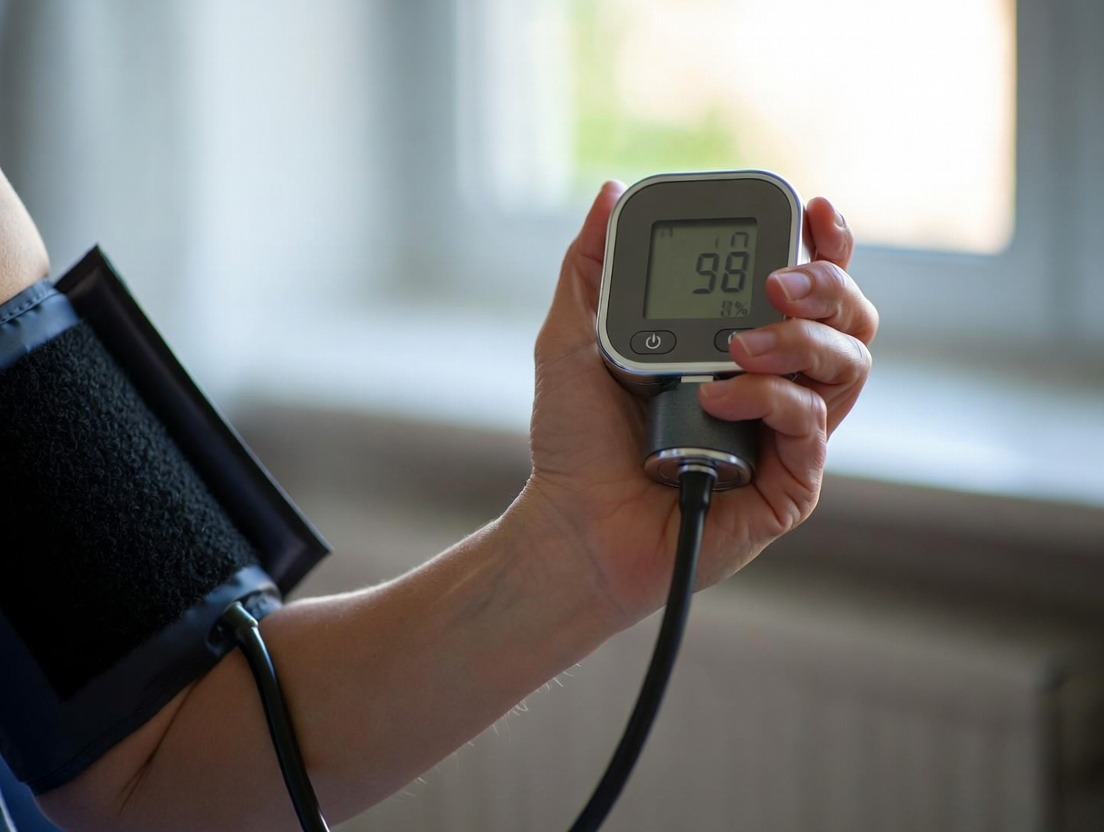
Stress is an inevitable part of professional life. The problem for remote workers is not stress itself, but its unchecked accumulation and the inability to "leave it at the office." Smart rings are now incorporating features that move beyond chronic stress tracking (via HRV) to detect acute stress episodes in real-time, offering a moment of conscious awareness.
This is typically done through Electrodermal Activity (EDA) or continuous HRV monitoring during the day. Imagine you’re in a tense, high-stakes video conference. Your body may enter a subtle stress state—palms slightly clammy, heart rate creeping up—that you’re too engaged to notice. A smart ring with an on-demand EDA scan or a continuous stress score can capture this spike.
How This Transforms Your Workday:
By identifying these micro-storms of anxiety, you can begin to implement micro-recoveries. A five-minute breathing exercise, a walk around the block, or even some gentle stretching can reset your nervous system, as shown by a calming of your EDA or heart rate data. This turns the workday from a marathon of endurance into a series of sustainable sprints with purposeful recovery. Learning to troubleshoot these stress-induced disruptions is key, and methods are discussed in how to troubleshoot common sleep health problems.
For the remote worker, sleep is not downtime; it is the single most critical work-life balance and performance tool. It is when your brain files away the day’s learning, processes emotions, clears metabolic waste, and your body repairs tissues and regulates hormones. Sacrificing sleep to get more work done is the ultimate act of biological false economy—you are borrowing from a high-interest loan that will be repaid with compound interest in lost creativity, irritability, and errors.
Your smart ring elevates sleep from a vague concept of "hours in bed" to a rich, multi-dimensional performance report. Let’s break down what it tells you:
Applying This to Remote Work:
When you review your weekly data, you can draw direct lines:
This data transforms sleep from a passive activity into an active part of your performance strategy. You begin to protect your sleep not just because you "should," but because you have empirical evidence of its cost. You start crafting a sleep-centric schedule, working backward from your needed wake-up time to establish an inviolable wind-down ritual. The long-term payoff of this investment is immense, as detailed in the long-term benefits of investing in sleep health.
You can ignore the data, dismiss the fatigue, and power through on willpower and caffeine for weeks or even months. But your body keeps a ledger. Every night of poor sleep, every day of elevated stress, every skipped break is logged as recovery debt. This is the cumulative physiological cost of overwork that hasn't been paid back through adequate rest and relaxation.
Like financial debt, recovery debt accrues interest. The interest is paid in:
The terrifying part of recovery debt for remote workers is that the line of credit is invisible until it’s suddenly maxed out. This is often called "hitting the wall" or burnout.
Your smart ring is your real-time debt monitor. It doesn’t just show today’s balance; it shows the trend. A steadily declining HRV trendline over two weeks is your credit rating dropping. A resting heart rate that won’t come down is a warning that the interest payments are becoming unsustainable. A sleep score that remains low despite ample time in bed signals that your body is too dysregulated to even use the recovery time you’re giving it.
The ring’s Readiness Score is essentially your daily credit check. A low score isn’t a punishment; it’s a recommendation to make a payment on your debt. It’s telling you: "Today, prioritize parasympathetic activities. Do lighter work. Take more breaks. Go for a walk. Don’t add more stress."
Ignoring a low readiness score and pushing hard anyway is like taking out a payday loan. You might get a surge of output today, but the interest rate is catastrophic for your system tomorrow. Learning to respect this data means learning to strategically schedule demanding work on high-readiness days and administrative, lighter tasks on low-readiness days. It’s the ultimate in sustainable productivity. For a practical approach to building habits that support this recovery, see how to build sleep health habits that last.
Data without action is merely trivia. The true power of your smart ring is its ability to guide concrete, personalized changes to your remote work structure. It moves you from feeling guilty about overwork to strategically engineering balance. Here’s how to turn insight into action:
1. Establish a "Data-Informed" Shutdown Ritual: Instead of an arbitrary end time, let your physiology guide you. Start your wind-down 60-90 minutes before your target bedtime. Use your ring’s stress scan feature. Is your stress score still elevated from the day? That’s your cue that your ritual needs to be longer or more effective. It could include:
2. Design Your "Focus Sprints" and "Recovery Breaks": Use your natural ultradian rhythms and stress data. Work in focused 75-90 minute blocks. Set a timer. After each block, mandate a break. Don’t just scroll on your phone. Get up, move, look out a window. Check your ring’s stress graph afterward. Does the break create a visible dip? This positive feedback reinforces the healthy behavior.
3. Protect Your Chronotype: If your data consistently shows you fall asleep after midnight and sleep best until 8 AM, stop trying to be a 5 AM "miracle morning" guru. Advocate for a work schedule that starts at 9:30 AM. Use your deep work blocks during your biologically prime times, which your data will help identify.
4. Implement a "Recovery Day" Protocol: When your readiness score is chronically low (e.g., below 40-50% for several days), it’s a signal to declare a deliberate recovery day. This isn't a sick day; it’s a strategic investment. On this day:
5. Use Data to Communicate Needs: It’s one thing to tell your manager you’re "feeling burned out." It’s another to say, "My physiological recovery metrics have been declining for three weeks, indicating cumulative fatigue. I need to adjust my project timeline or delegate some tasks to protect my sustainable performance." While you may not share the actual data, the language of sustainability and performance is powerful and professional.
By creating these boundaries, you stop being a passive victim of work creep and become the architect of your own energy management system. This proactive approach is the cornerstone of not just avoiding burnout, but thriving in a remote career. The mindset behind this sustainable approach is critical, as explored in the sleep health mindset: why belief matters.
The most profound use of smart ring data is not in daily nudges, but in the analysis of long-term trends. Burnout rarely happens overnight; it’s a slow creep. By zooming out to the monthly or quarterly view, you can spot the dangerous trajectories and course-correct long before you reach a crisis point.
What to Look For in Your Trends:
The Predictive Power:
This trend analysis allows for preventative maintenance. For example:
Your smart ring becomes an early-warning system for your entire well-being. It shifts the paradigm from crisis management ("I'm burned out, I need a month off") to sustainable capacity management ("My metrics show I'm at 80% capacity, I need to dial back this week to stay healthy").
This long-view turns well-being from a reactive, emotional pursuit into a strategic, data-driven practice. It empowers you to make life and career decisions—about job roles, workloads, and even employment—from a place of empowered self-knowledge, not desperation. To understand how this long-term investment supports all aspects of wellness, read about how sleep health supports your bigger wellness goals.
Your smart ring is a powerful source of physiological truth, but it exists within a broader ecosystem of your wellness. Its data becomes exponentially more valuable when correlated with other aspects of your life. This integrated approach creates a holistic dashboard for your remote work well-being.
1. Digital Wellbeing Integrations: Many ring apps allow you to note daily tags or activities. Diligently log:
Over time, you’ll see clear correlations: "Deadline Days" consistently crush your next-day HRV. "Alcohol >1 drink" reliably fragments your sleep. "Afternoon caffeine" delays your sleep onset.
2. Calendar Synchronization: This is a game-changer. Imagine if your weekly review could overlay your physiological readiness score onto your calendar. You might see that every Thursday, when you have back-to-back meetings from 9 AM to 3 PM, your stress graph is a mountain range and your sleep that night is poor. This visual proof can motivate you to redesign your meeting schedule, advocate for breaks, or at least prepare with pre-emptive stress-management techniques.
3. Journaling for Context: The numbers tell the "what," but your journal tells the "why." When you have a terrible sleep score, check your journal entry from the previous evening. Did you write about an argument with a colleague? Anxiety about a presentation? Conversely, after a great recovery night, did you journal about feeling accomplished, connecting with a friend, or spending time on a hobby? This qualitative layer adds meaning to the quantitative data, helping you identify not just stressors, but also your most potent recovery activities.
4. The Big Picture Dashboard: The ultimate goal is to view your life through these interconnected lenses. A single screen might show: High work intensity + Late alcohol + Poor sleep = Catastrophically Low Readiness Score. The prescription becomes clear: On high-intensity work days, non-negotiable early wind-down and zero alcohol.
By integrating these streams, you move from observing isolated data points to understanding the complex, interacting systems of your work-life balance. You become the scientist and subject of your own well-being experiment, continuously learning and optimizing. This integrated learning journey requires patience, a theme discussed in the sleep health learning curve: be patient with yourself.
The initial phase of using a smart ring is revelatory—it names the invisible. You see your stress, you quantify your sleep, you confront your recovery debt. But this is merely the first layer of understanding. The journey from raw data to true wisdom involves moving beyond monitoring symptoms and towards interpreting the subtle, complex language of your autonomic nervous system (ANS). This is where advanced biometrics transform you from a passive observer into an active conductor of your own physiological state.
At this stage, you're not just asking, "Was my sleep good?" You're asking deeper questions: "How adaptable is my nervous system? How efficiently does my body transition between effort and ease? What is my true capacity for stress today?" Your smart ring provides the metrics to answer these questions, but understanding their interplay is key.
Heart Rate Variability (HRV) – Beyond the Single Number: By now, you know a higher HRV is generally better. But the advanced practitioner looks at three dimensions of HRV:
Heart Rate (HR) – The Story of Effort and Ease: Your resting heart rate is foundational, but the dynamic story lies in:
The Sympathetic-Parasympathetic Balance: Advanced analysis isn't about eliminating the sympathetic (stress) response; it's about achieving dynamic balance. Your ANS is designed to be a see-saw. Overwork glues it to the stress side. By tracking metrics like your nighttime HRV rise (parasympathetic) and your daytime stress episode frequency (sympathetic), you can gauge this balance. The goal is a strong, flexible see-saw, not a broken one stuck in one position.
Integrating these advanced views allows you to move from generic advice ("get more sleep") to precision interventions ("my HRV curve is flat, indicating poor autonomic recovery, so I will prioritize vagus nerve toning exercises like humming or cold exposure before bed, and avoid late meals"). This is the frontier of personalized well-being. For a deeper understanding of how these physiological systems impact broader health, consider the relationship between sleep health and chronic disease.
The remote work revolution has created a crisis of context for managers and leaders. How do you gauge team morale, prevent collective burnout, and foster a sustainable culture when you can't see people in a hallway or read their body language in a meeting? The answer is not to surveil your employees' biometrics—that raises serious ethical and legal issues—but to shift the conversation towards psychological safety and data-informed cultural design.
Imagine a team that, voluntarily and anonymously, aggregates key well-being metrics (like average readiness scores or sleep duration trends) to create a Team Vitality Index. This isn't about judging individuals, but about understanding the physiological cost of team processes. The insights could be transformative:
Identifying Toxic Workflows: The data might reveal that every time the team enters a "quarter-end crunch" phase, the collective sleep score drops by 15% and average reported stress increases. This isn't surprising, but quantifying it moves the problem from anecdotal ("we're all tired") to empirical. Leadership can then ask: "Is this level of disruption necessary? Can we redesign this process? What support can we provide during these periods?"
Optimizing Meeting Culture: What if the team could see that 4-hour marathon planning sessions on Monday mornings correlate with a mid-week productivity slump? Or that scheduling demanding meetings right before lunch leads to poor recovery in the afternoon? This data could fuel a new meeting charter: mandated breaks every 50 minutes, no deep-work meetings before 10 AM, and "no-meeting Wednesdays" to protect focus time.
Promoting Proactive Recovery: A manager, educated on recovery debt, can use the concept of the data to change language and expectations. Instead of praising the employee who sends emails at midnight, they can say, "I notice you were working very late last night. To protect your recovery, I don't expect a response until you're back online tomorrow. Let's discuss if that workload is sustainable." They can encourage team members to block "recovery time" on their calendars after intense sprints, modeling that rest is a professional necessity, not a sign of weakness.
The Ethical Imperative: This application only works with complete transparency, voluntary participation, and aggregate-only data. The goal is organizational learning, not individual evaluation. It’s about creating a culture where well-being is a shared responsibility and a key performance indicator for the health of the team itself. When teams understand the collective cost of overwork, they can collaboratively design smarter, more humane ways of working. This shift in culture is one of the most significant long-term benefits of a wellness-focused lifestyle, as it extends beyond the individual to their environment. To effectively communicate this importance to others, our guide on how to explain sleep health to friends and family offers useful frameworks.
Wearing a device that continuously reads your heart, tracks your sleep, and infers your stress level places a tremendous amount of intimate data into the digital ecosystem. As we embrace this technology for self-improvement, we must navigate its use with intentionality and a clear-eyed view of the ethical landscape. Your biometric data is not just another data point; it is the digital representation of your inner state—your "inner space."
Key Ethical Considerations:
Practicing Digital Sovereignty:
Using a smart ring wisely means enjoying its benefits while fiercely protecting the sanctity of your personal data. It is a tool for empowerment, not a leash. This mindful approach aligns with developing a healthy relationship with all wellness technology, a balance explored in how technology helps and hurts sleep health.
Your smart ring is the dashboard, but your physical environment, daily routines, and mental frameworks are the engine. To truly solve remote work overwork, you must engineer your life for sustainable performance. This means creating a holistic sanctuary that supports your biology, not works against it. Here’s how to build that ecosystem, layer by layer.
Layer 1: The Physical Workspace (Ergonomics meets Energy)
Your desk is a command center for your nervous system.
Layer 2: The Temporal Architecture (Designing Your Day)
Your calendar is your most important productivity tool.
Layer 3: The Nutritional Foundation (Fuel for Focus)
Food is information for your brain and hormones.
By consciously designing these three layers, you create an environment where maintaining balance requires less willpower. It becomes the default. This comprehensive approach is about building habits that create lasting change, a process detailed in how to build sleep health habits that last.
The final, and most crucial, frontier is not technological or environmental, but psychological. Remote work overwork is often fueled by an internalized "hustle culture" mindset that equates busyness with worth, long hours with dedication, and constant availability with professionalism. Your smart ring can be the catalyst for a profound mindset shift: from Hustle to Harmonious Output.
Hustle is effort-centric. It asks, "How many hours did I log? How many tasks did I check off?" It glorifies the grind, often at the expense of the outcome and the human.
Harmonious Output is effectiveness-centric. It asks, "What high-impact result did I create? Was it sustainable? How do I feel?" It respects the natural rhythms of energy and recovery.
How the Ring Facilitates the Shift:
This mindset is the ultimate goal. The ring becomes less of a crutch and more of a tuning fork—a tool you occasionally use to check you're still vibrating at the right frequency, while you live a life designed for natural harmony. Embracing this patience and self-trust is part of the journey, as noted in the sleep health learning curve: be patient with yourself.

Let's move from theory to a tangible, data-driven narrative. Meet "Alex," a 34-year-old remote software developer who came to the brink of burnout. By integrating a smart ring and acting on its insights, Alex engineered a recovery. Here’s a condensed view of that transformative month.
Week 0: The Baseline (The Crisis Point)
Intervention & Week 1-2: Structural Change
Alex made three non-negotiable changes based on the obvious data:
Week 3-4: Precision Recovery & Mindset
Alex dove deeper into the data:
The Takeaway: Recovery wasn't linear, but the data provided a compass. Initial broad fixes stopped the bleeding. Deeper data analysis guided the precision interventions that accelerated healing. Alex learned that recovery is an active process of paying down debt and then building resilience. This journey from crisis to control mirrors the improvement timeline many experience when they commit to their well-being, discussed in sleep health improvement timeline: when you'll see results.
The market for advanced smart rings is growing. Choosing one isn't about finding the "best" in a vacuum, but the best for you—your priorities, your ecosystem, and your values. Here’s a breakdown of key decision factors beyond marketing specs.
1. The Core Biometric Accuracy (The Non-Negotiable):
All rings claim accuracy, but their performance can vary, especially for:
2. The Algorithm & App Intelligence (The Brain):
The hardware collects data; the software makes it meaningful. Evaluate:
3. Form, Fit, and Comfort (The Wearability Factor):
You must forget you're wearing it.
4. Ecosystem and Data Sovereignty:
For the Remote Worker, Prioritize:
Remember, the perfect ring is the one you wear consistently and whose insights you trust and act upon. It's a partnership with a piece of technology. Understanding how to measure your state even without such devices can also be empowering, as covered in how to measure sleep health without fancy devices.
We are at the dawn of a new era in personal well-being technology. The current generation of smart rings is diagnostic—they tell you what has happened. The next generation will be predictive and prescriptive, powered by advanced AI that learns your unique patterns and intervenes proactively.
Predictive Insights:
Imagine your ring’s AI analyzing a week of declining HRV, rising RHR, and poor sleep efficiency. Instead of showing you a low readiness score this morning, it sends a gentle alert three days prior: "Your trends indicate a high risk of burnout by Friday. Consider lightening your Thursday schedule and prioritizing sleep tonight." This shifts the paradigm from reactive to genuinely preventative.
Hyper-Personalized Prescriptions:
Today's advice is generic: "meditate more," "get better sleep." Tomorrow's AI coach will be specific:
Integration with the Digital Work Environment:
The future ring won't be an island. It will integrate seamlessly with your work tools:
The Human-Centric Warning:
This future is both exhilarating and fraught. The risk is outsourcing our self-awareness to algorithms. The goal must be augmented intuition, not replaced intuition. The technology should make us more attuned to our bodies, not less. It should provide options, not commands. The ethical frameworks we build today will determine whether this future empowers human flourishing or creates a new, more insidious form of optimized slavery to productivity.
This trajectory points toward a world where work-life integration is not a struggle, but a dynamically managed flow, guided by a deep, real-time partnership between human consciousness and compassionate AI. This is the ultimate application of understanding how sleep health supports your bigger wellness goals—it becomes the foundational data stream for a fully optimized, human-centric life.
Knowledge is potential power; action is kinetic. This 30-day blueprint synthesizes everything we've covered into a step-by-step plan to use your smart ring (or even just the principles) to dismantle overwork and build sustainable resilience. Treat this as an experiment. You are the subject and the scientist.
Days 1-7: The Observation Phase – Collect Your Truth
Days 8-14: The Hygiene Intervention – Master the Fundamentals
Days 15-21: The Precision Phase – Listen and Respond
Days 22-30: The Integration Phase – Design Your System
This blueprint isn't about a radical overhaul; it's about conscious, incremental change guided by feedback. It's about building a system where work serves your life, not consumes it. For those ready to create a comprehensive, personal plan, our resource on sleep health for beginners: creating your personal plan offers a complementary framework.
Your Trusted Sleep Advocate: Sleep Foundation — https://www.sleepfoundation.org
Discover a digital archive of scholarly articles: NIH — https://www.ncbi.nlm.nih.gov/
39 million citations for biomedical literature :PubMed — https://pubmed.ncbi.nlm.nih.gov/
Experts at Harvard Health Publishing covering a variety of health topics — https://www.health.harvard.edu/blog/
Every life deserves world class care :Cleveland Clinic - https://my.clevelandclinic.org/health
Wearable technology and the future of predictive health monitoring :MIT Technology Review — https://www.technologyreview.com/
Dedicated to the well-being of all people and guided by science :World Health Organization — https://www.who.int/news-room/
Psychological science and knowledge to benefit society and improve lives. :APA — https://www.apa.org/monitor/
Cutting-edge insights on human longevity and peak performance:
Lifespan Research — https://www.lifespan.io/
Global authority on exercise physiology, sports performance, and human recovery:
American College of Sports Medicine — https://www.acsm.org/
Neuroscience-driven guidance for better focus, sleep, and mental clarity:
Stanford Human Performance Lab — https://humanperformance.stanford.edu/
Evidence-based psychology and mind–body wellness resources:
Mayo Clinic — https://www.mayoclinic.org/healthy-lifestyle/
Data-backed research on emotional wellbeing, stress biology, and resilience:
American Institute of Stress — https://www.stress.org/


