


The Complete Beginner-Friendly Guide to Work-Rest Cycles Your Ring Monitors
A complete beginner's guide to the natural cycles of work and rest that your ring monitors.
A complete beginner's guide to the natural cycles of work and rest that your ring monitors.
%402x.svg)
Imagine a world where your most trusted advisor isn’t a person, but a quiet, gleaming loop of titanium on your finger. It whispers insights gleaned from your own biology, not from generic advice columns. It knows when your body is primed for a deep work sprint and when it’s secretly begging for a walk in the sun. It understands that the key to sustainable energy isn’t pushing harder, but resting smarter. This is the promise of the modern smart ring, a device that transforms the invisible dance of your nervous system into a clear, actionable rhythm of work and rest.
For too long, productivity culture has worshipped at the altar of relentless hustle, treating the body like a machine that can ignore its own maintenance lights. We’ve burned the candle at both ends, celebrated “all-nighters” as badges of honor, and wondered why we’re left feeling drained, foggy, and chronically stressed. The truth, now illuminated by continuous biometric tracking, is that human performance isn’t linear. It’s cyclical. Our bodies operate on intricate, natural cadences—ultradian rhythms within the day, circadian rhythms across it—that dictate our capacity for focus, creativity, and recovery.
This guide is your master key to decoding those rhythms. We’ll move beyond simply logging sleep and steps. We’ll delve into the rich, nuanced story your biometrics tell about your personal work-rest cycles. You’ll learn to interpret the signals of stress (measured by Heart Rate Variability or HRV), the true cost of mental effort (via heart rate and body temperature), and the profound necessity of recovery (seen in sleep architecture and resting heart rate). This isn’t about optimizing every second for output; it’s about aligning your life with your biology to create a foundation for lasting energy, resilience, and well-being. Your smart ring is the translator. Let’s become fluent in its language.

At its core, a work-rest cycle is a period of expenditure followed by a period of recovery. While this sounds simple, the sophistication lies in the biological mechanisms underpinning it. Your body doesn’t run on a single, steady engine. It operates more like a symphony orchestra, with different systems taking solos and then resting, guided by the conductor of your autonomic nervous system (ANS).
The ANS has two main branches: the sympathetic (“fight-or-flight”) and the parasympathetic (“rest-and-digest”). A healthy, resilient body seamlessly oscillates between these states throughout the day. The sympathetic system gears you up for a presentation, a tough workout, or solving a complex problem. It increases your heart rate, diverts blood to muscles, and sharpens focus. The parasympathetic system takes over to replenish you. It lowers heart rate, stimulates digestion and repair, and stores energy. A work-rest cycle, therefore, is the conscious structuring of your day to harmonize with this natural oscillation.
But how does this connect to the data on your finger? Your smart ring tracks the primary biomarkers of this symphonic shift:
Ignoring these cycles is like driving a car while ignoring the fuel gauge, engine temperature, and oil light. You might keep going for a while, but you’re headed for a breakdown. By understanding and respecting your personal work-rest rhythm, you transition from forcing productivity to cultivating it, creating a sustainable flow state that enhances every aspect of your life. To build a complete picture, it’s essential to first understand the foundation of all recovery: your sleep. For a deep dive into this cornerstone of rest, explore our guide on what sleep patterns are and why they matter.
Your smart ring presents a dashboard of your vitality, but without understanding the gauges, it’s just a collection of numbers. Let’s translate these key metrics from data points into a coherent story about your daily cycles.
Heart Rate Variability (HRV): The Stress Resilience Score
HRV is not your heart rate. It’s the tiny, millisecond variation in the time interval between each heartbeat. Contrary to intuition, a higher HRV is better. It means your heart is responsive and adaptable, like a skilled drummer subtly changing tempo. This indicates a strong parasympathetic tone and good recovery. A low, stagnant HRV suggests your nervous system is “stuck” in a stressed or fatigued state, with a rigid, metronomic heart rhythm. Your ring tracks HRV trends, especially during sleep (nighttime HRV), giving you a daily readiness score. A sudden drop can signal impending illness, overtraining, or high emotional stress.
Resting Heart Rate (RHR): The Baseline Load
Your RHR is your heart’s idle speed. For most adults, a healthy range is 60-100 beats per minute, but fit individuals often have a lower RHR (50-60 bpm) because their heart muscle is more efficient. Your ring identifies your personal baseline. A trend of increasing RHR over days or weeks is a major red flag. It can indicate poor sleep, dehydration, chronic stress, or the onset of an infection. It’s your body saying, “The baseline workload is increasing. Something is wrong.”
Sleep Stages & Quality: The Recovery Audit
This is more than just total hours. Your ring uses movement, heart rate, and temperature to estimate time in Light, Deep, and REM sleep.
A good “score” isn’t just a number; it’s the right balance of these stages for your needs. Understanding your unique architecture is the first step to improving it. A detailed sleep pattern analysis from your tracker can reveal issues you never felt consciously.
Body Temperature & Skin Temperature: The Circadian Compass
Your core temperature follows a reliable 24-hour cycle, dipping at night to promote sleep and rising in the morning to promote wakefulness. Your ring’s skin temperature sensor tracks this rhythm’s echo. A disrupted temperature rhythm can signal circadian misalignment (like jet lag or shift work), illness, or hormonal shifts like ovulation. For women, this data can be particularly insightful for cycle tracking.
Activity & Movement: The Energy Expenditure Ledger
This isn’t just step counting. It’s a record of your kinetic energy output. Correlating high-activity periods with subsequent HRV and RHR data shows you the true “cost” of your exertions and whether you’re adequately recovering from them.
By learning to read this dashboard holistically—seeing how a poor night’s sleep tanks your HRV, which then elevates your RHR throughout the next stressful day—you gain predictive power over your own well-being. This biometric fluency allows you to make proactive adjustments instead of reactive fixes.
While the 24-hour circadian rhythm governs our sleep-wake cycle, a shorter, equally powerful rhythm dictates our energy and focus throughout the day: the ultradian rhythm. These are cycles lasting 90-120 minutes during which our brains naturally oscillate between higher and lower alertness.
Neuroscience reveals that our brains cannot maintain peak focus for 8 hours straight. Instead, they operate in sprints. For roughly 90 minutes, we can enter a state of high-frequency brain activity (beta waves) ideal for concentrated, analytical work. Then, our system cues for a break, shifting toward lower-frequency alpha waves—a state of restful awareness, daydreaming, and consolidation.
Ignoring this rhythm by pushing through fatigue with caffeine or willpower leads to a rapid depletion of neurotransmitters and a buildup of stress hormones. The result? The afternoon crash, mental fog, and irritability. Your smart ring can help you identify your personal ultradian cadence. Look for these signs:
Respecting this rhythm is the single most effective productivity hack available. It involves working with your biology, not against it. Structure your deep work into 90-minute “sprints” followed by 20-30 minutes of genuine rest—a walk, meditation, a casual conversation, looking out the window. This isn’t laziness; it’s the process that allows your brain to solidify learning, make creative connections, and return to the next sprint refreshed. This principle is a cornerstone of finding your peak productivity hours through your natural sleep patterns.
In the world of biometrics, comparison is the thief of joy—and accuracy. The most critical number is not the absolute value of your HRV or RHR, but the trend relative to your own personal baseline. A person with a naturally high HRV of 100 ms and a person with a baseline of 40 ms can both be equally healthy; what matters is if their number drops 20% from their own norm.
Establishing your baseline requires consistent tracking for at least two to four weeks under relatively normal conditions. This creates your unique biometric fingerprint. Follow these steps:
Once your baseline is set, you can begin to see the story in the deviations. Did that intense project week cause a steady decline in your HRV? Does a weekend camping trip, despite less sleep, skyrocket your recovery scores due to reduced blue light and stress? Does your data show you are a classic morning person or night owl? Your natural chronotype profoundly affects your daily cycle. You can take a chronotype quiz to identify your natural sleep pattern and better align your work with your biology.
Your baseline is your North Star. It removes anxiety from a single “bad” number and replaces it with empowered curiosity: “Why is my system deviating from its norm today?” This shift turns data into self-knowledge.

Armed with your baseline, you can now strategically approach your work phases. Your ring’s “Readiness” or “Recovery” score (a composite of HRV, RHR, sleep, and temperature) is your starting pistol for the day. But it’s not a command; it’s a recommendation.
High Readiness Scores (The Green Light):
This is your body giving you the all-clear. Your nervous system is resilient, recovery is solid, and you have a large buffer for stress. On these days:
Medium/Low Readiness Scores (The Yellow/Red Light):
A lower score is not a failure. It’s crucial information—your body is signaling depleted resources or active stress. This is intelligence, not criticism. On these days:
Real-Time Stress Signals (The In-the-Moment Cues):
Beyond the morning score, learn to spot acute stress during the workday. A sudden, sustained elevation in your heart rate while sitting at your desk isn’t about physical exertion; it’s a sign of cognitive or emotional load. Pair this with a notification. When you see it, don’t panic. Use it as a cue for a micro-break. Practice 60 seconds of diaphragmatic breathing to stimulate the parasympathetic system and reset. This turns your ring into a real-time biofeedback device, helping you manage stress as it happens.
Understanding these signals helps prevent the all-too-common cycle of burnout, where we ignore the yellow lights until the system fails. For those in demanding careers, this awareness is key to navigating the challenges of when your work schedule clashes with your biological sleep pattern.
Modern society often confuses rest with passive consumption: scrolling through social media, binge-watching TV, or other low-engagement activities. While these can be relaxing, they often don’t qualify as true active recovery from a nervous system perspective. True recovery is any activity that shifts your system from sympathetic dominance to parasympathetic dominance. Your smart ring helps you identify what truly works for you.
Active Recovery vs. Passive Downtime:
Evidence-Based Recovery Activities to Test:
Use your ring to experiment. After trying a new recovery activity, check your stress graph and later, your sleep data. Did your heart rate decelerate during the activity? Was your sleep slightly deeper or less fragmented? This biofeedback loop turns recovery from a vague concept into a personalized science. This process of using data to fine-tune your life is powerful, as detailed in our article on how to use sleep pattern data to optimize your daily life.
Every work-rest cycle throughout your day culminates in and depends upon the master recovery cycle: sleep. It’s not merely downtime; it’s an active, neurologically complex state of repair, detoxification, and memory processing. Your smart ring provides an unparalleled window into this critical process, moving far beyond simple duration.
Understanding Your Sleep Architecture:
Your ring estimates your time in each sleep stage, painting a picture of your night:
A “good” sleep score isn’t just about 8 hours. It’s about sufficient time in both deep and REM sleep, with minimal fragmentation. Chronic deficits in either stage have distinct consequences: poor deep sleep links to physical aches and weakened immunity, while REM deprivation links to anxiety, poor focus, and emotional volatility. To understand the different structures sleep can take, you can read about monophasic, biphasic, and polyphasic sleep patterns.
Using Your Ring to Optimize Sleep:
Your data helps you identify disruptive patterns:
By addressing the specific issues your data reveals—like cutting off caffeine 10 hours before bed, making your room cooler, or treating sleep apnea—you can transform the quality of your foundational recovery. This directly fuels more stable, energetic work-rest cycles the following day.
Life is not a controlled lab experiment. Sickness, travel, and intense stress periods will disrupt your cycles. The goal isn’t to avoid disruption, but to navigate it intelligently using your biometric data as a guide. Your ring becomes your personal health navigator during stormy weather.
Travel and Jet Lag:
Jet lag is a brutal clash between your internal circadian clock and the external light-dark cycle. Your body temperature rhythm is out of sync. Your ring’s temperature data vividly shows this mismatch.
Periods of High Stress:
A demanding project, family crisis, or emotional turmoil will leave clear biometric signatures: suppressed HRV, elevated RHR, and poor sleep. The key is to manage the recovery, not just the stress.
Fighting Illness:
Your ring can often provide early warning signs of illness 24-48 hours before you feel symptoms.
In all these cases, the data fosters self-compassion. It provides an objective reason to pull back, making “rest” a data-driven decision rather than a guilty indulgence.
Theory is powerful, but practice is everything. Now, we synthesize everything into a actionable, personalized daily template. This isn’t a rigid schedule, but a flexible framework informed by your unique biometrics and chronotype.
Step 1: Anchor Your Day with Sleep & Wake Times.
Consistency is the bedrock. Use your ring data to find your natural sleep window. Do you fall asleep easily at 10:30 PM and wake refreshed at 6:30 AM? Lock that in, even on weekends. This regularity stabilizes your circadian rhythm and improves every metric. For those struggling, a dedicated effort to reset unhealthy sleep patterns in two weeks can establish this crucial anchor.
Step 2: Block Your Day into Ultradian Sprints.
Using the 90-120 minute rhythm, block your calendar.
Step 3: Integrate Active Recovery Rituals.
Intentionally place recovery blocks:
Step 4: Review and Adapt Weekly.
Each weekend, spend 10 minutes reviewing your weekly data. What days did your readiness score stay high? What patterns preceded a low-score day? Did your evening walk correlate with better sleep? Tweak your schedule accordingly. Maybe you need to move your workout to the morning, or perhaps you discover that a 7:30 PM coffee truly does destroy your sleep, as shown in the data on how caffeine timing affects your sleep pattern.
Your first schedule is a hypothesis. Your body, through your ring, will provide the evidence to refine it into your personal blueprint for sustainable energy.
Embarking on this journey of biometric self-knowledge is exciting, but it’s easy to get lost in the data or become obsessive. Here are the most common traps for beginners and how to skillfully avoid them.
Pitfall 1: Obsessing Over Single Data Points.
Pitfall 2: Misinterpreting “Bad” Scores as Failure.
Pitfall 3: Ignoring How You Feel in Favor of the Data.
Pitfall 4: Making Too Many Changes at Once.
Pitfall 5: Neglecting the Big Picture for the Micro-Optimization.
By steering clear of these pitfalls, you maintain a healthy, curious, and empowered relationship with your data—one that serves your well-being rather than adding a new layer of anxiety to it.
As you become fluent in reading individual metrics, the next level of mastery involves seeing the interconnected stories they tell. These patterns reveal profound insights about how different types of work and stress affect your system, and how effectively you're recovering from them.
The Overtraining/Overwork Pattern:
This is one of the most critical patterns to recognize early. It manifests as a persistent, multi-day trend where:
This pattern indicates your cumulative stress load (physical, mental, or emotional) exceeds your recovery capacity. The solution isn't to push through but to deliberately schedule a "deload" period: reduce workout intensity by 40-50%, minimize cognitive demands, prioritize sleep and nutrition. Continuing to push against this pattern leads to burnout, injury, or illness. This is especially crucial for athletes and high-performers; the impact on performance is detailed in our analysis of sleep patterns and athletic/cognitive performance.
The Supercompensation Pattern:
This is the positive counterpart to overtraining. After a period of intentional stress followed by dedicated recovery, you might see:
This is the biological proof of "getting stronger." Your body has adapted to the stressor and built greater resilience. This pattern validates your training or work cycle and shows you're in a positive growth phase. It's the sweet spot for sustainable progress.
The Circadian Misalignment Pattern:
When your lifestyle fights your internal clock, the data shows:
This pattern is common among night owls forced into early schedules or shift workers. The long-term health consequences are significant. If you see this, your primary focus should be on circadian hygiene: morning light exposure, consistent meal times, and managing light at night. For a comprehensive look at this common issue, read about the weekend sleep pattern problem known as social jet lag.
The Inflammatory Response Pattern:
Often preceding illness or signaling hidden inflammation:
When you see this cluster, your body is actively fighting something. Treat this as a biological red alert. Prioritize rest, hydration, and immune support. Ignoring this pattern and trying to exercise or work through it typically prolongs illness.
Learning to spot these patterns transforms your ring from a sleep tracker into a true health early-warning system and performance optimizer. You move from reacting to daily scores to managing your biological trends proactively.

What you eat, and when you eat it, profoundly influences your work-rest cycles through measurable effects on your biomarkers. Your smart ring provides the feedback loop to personalize your nutrition like never before.
Meal Timing and Circadian Rhythm:
Your digestive system follows a circadian rhythm. Eating late at night, when your body expects to be fasting and repairing, forces it into processing mode instead. The data often shows:
Experiment with finishing your last meal 3-4 hours before bedtime. Notice if your sleep scores, particularly your deep sleep percentage and HRV, improve. This is a cornerstone of metabolic health and quality recovery.
Macronutrient Effects on Energy and Recovery:
Different foods fuel different phases of your cycle.
Hydration: The Overlooked Biometric Mover:
Dehydration is a stealthy stressor. Even mild dehydration (1-2%) can:
Use your ring data to spot dehydration. If you see an unexplained RHR increase during a workday, drink a large glass of water and observe if your heart rate trends down over the next 30-60 minutes. Your first morning HRV can also be lower if you went to bed dehydrated.
Caffeine and Alcohol: The Quantifiable Impact:
These substances leave clear signatures:
Use your ring after an evening with alcohol. The data often shows a "biphasic" pattern: decent-looking sleep for the first 3-4 hours, followed by terrible sleep for the remainder. This objective feedback can be powerful for making informed choices.
By treating your nutrition as an input and your biometrics as the output, you create a personalized nutrition guide based on your body's actual responses, not generic diet plans.
The old paradigm of sticking to a rigid workout schedule regardless of how you feel is obsolete—and counterproductive. Your smart ring enables a dynamic, responsive approach to fitness called "readiness-based training."
The Readiness-Based Training Framework:
Post-Exercise Recovery Tracking:
The real value comes after your workout. Your ring tracks how well you recover from the stress you applied.
Identifying Your Ideal Workout Times:
Your chronotype and daily rhythm influence performance. Use your ring's daytime heart rate and HRV data (if it provides it) or correlate workout performance with time of day.
Experiment. Do you sleep better on days you exercise in the morning or afternoon? Does your HRV handle evening workouts well? Let your recovery data guide you to your optimal movement schedule, complementing your understanding of your natural peak productivity hours.
While both tax your system, mental and physical stress manifest in subtly different ways in your biometric data. Understanding this helps you tailor your recovery strategies more precisely.
The Signature of Deep Cognitive Work:
Intense focus, problem-solving, creative flow, and emotional labor (like difficult conversations) create a "cognitive load" that activates the sympathetic nervous system. The biometric signs can include:
This type of stress is insidious because it lacks the clear start and stop of a workout. Without the ring's data, you might not realize how taxing that 3-hour deep work session truly was.
The Signature of Physical Work/Exercise:
Physical stress is more acute and obvious:
Tailoring Recovery to the Stress Type:
The Most Important Insight: Additivity.
Your ring reveals the cumulative nature of all stress. A day with both a hard workout and a mentally taxing work meeting will show a much larger dip in your nighttime HRV and a greater elevation in RHR than either would cause alone. This teaches you to be strategic: if you have a crucial mental workday scheduled, perhaps make your workout lighter. If you're planning a heavy leg day, try to keep your work calendar light. This holistic view prevents the "stress bucket" from overflowing. For individuals in high-stress careers, recognizing this additivity is key to preventing the destructive cycle outlined in how shift work destroys natural sleep patterns.
Your internal work-rest cycles are powerfully entrained by external cues, the most important of which is light. Your smart ring's data vividly shows how your environment shapes your biology.
Light: The Master Circadian Cue
Light exposure, particularly blue-wavelength light, is the primary signal that tells your brain it's daytime. It suppresses melatonin and promotes alertness.
Temperature: The Sleep Switch
Your body needs to drop its core temperature by about 1°C (1.8°F) to initiate and maintain sleep.
Noise & Disruption: The Fragmentation Factor
Even if you don't fully wake up, environmental noise can cause micro-arousals that shift you from deep or REM sleep into lighter sleep. This shows up as:
By systematically experimenting with these environmental levers and observing the changes in your biometrics, you engineer an external world that supports, rather than fights, your internal work-rest cycles. This is a powerful form of bio-hacking that requires no willpower—just observation and adjustment.
Your biometrics are not just a record of physical states; they are a mirror of your emotional and social world. Relationships, loneliness, joy, and conflict all register in your nervous system with measurable precision. Your smart ring, perhaps surprisingly, can become a tool for emotional intelligence.
Positive Social Connection as Recovery:
Moments of genuine connection, laughter, and feeling understood can stimulate the parasympathetic nervous system. You might see:
Conversely, chronic loneliness or social isolation is a profound stressor, often showing up as a pattern of suppressed HRV and elevated RHR similar to chronic work stress.
Conflict and Emotional Labor as Stress:
Difficult conversations, suppressing emotions, or managing others' feelings (emotional labor) create significant sympathetic activation.
The Weekend Effect and Social Jet Lag:
Your data often reveals a stark split between weekday and weekend biometrics. This isn't just about alcohol or late nights.
Using the Data for Emotional Awareness:
This application requires careful, non-judgmental curiosity.
This understanding is especially valuable for couples with different natural rhythms. Navigating these differences requires strategy, which we cover in our guide to managing sleep patterns in couples with different chronotypes. By acknowledging the social-emotional drivers of your physiology, you can make more conscious choices about how you spend your time and with whom, using objective data to support your well-being.
While daily and weekly insights are valuable, the true power of continuous wear emerges over months and years. Long-term tracking reveals the macro-cycles of your life: how aging, lifestyle changes, major events, and even the seasons influence your foundational biology.
Aging Gracefully with Data:
Aging naturally changes our sleep architecture and stress resilience. Your ring provides a personalized map of this process.
Life Transitions and Their Biometric Signatures:
Major life events leave clear imprints:
Seasonal Cycles:
Your body is not separate from nature. Many people see clear seasonal patterns:
The Power of the Historical Baseline:
After a year or more of data, you have an incredible asset: a historical baseline for "You at Your Best." When you go through a rough patch—an illness, a period of burnout—you can look back and see your own capacity for resilience. This provides hope and a concrete target: "My body has been here before. I know what recovery looks like for me."
This long-view transforms your relationship with the data from daily performance management to lifelong health stewardship. It provides context for daily fluctuations and helps you make decisions that support your well-being across the span of your life.
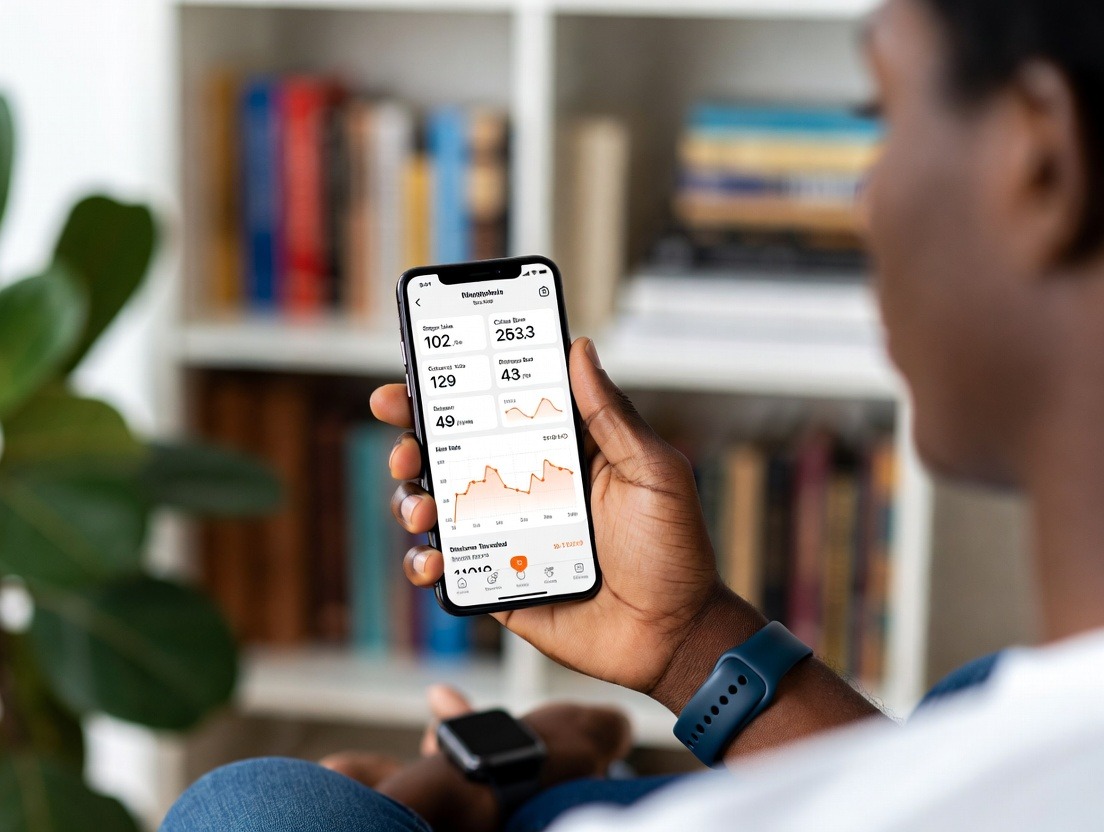
Your smart ring is a powerful standalone device, but its insights multiply when integrated with other data streams. Creating a connected "digital health hub" gives you a multidimensional view of your work-rest cycles, revealing connections you might otherwise miss.
Syncing with Health Platforms:
Most smart rings sync with Apple Health (iOS) and Google Fit (Android). This is your foundational integration layer. It allows:
Complementary Wearables for Deeper Insight:
While your ring excels at 24/7 recovery and sleep tracking, other devices fill specific gaps:
The Power of Manual Logging:
The most underrated integration is your own subjective input. Use a simple journaling app (like Day One) or even the notes field in your ring's app to log:
After a few weeks, you can cross-reference these logs with your biometric data. Did that "difficult conversation" correspond with a 3-hour elevated heart rate? Did the "heavy dinner" trash your deep sleep? This turns correlation into actionable causation.
Automation for Seamless Living:
Use automation platforms like IFTTT or Apple Shortcuts to make your data work for you.
This moves you from passive observation to an interactive, responsive environment that supports your cycles automatically. The goal isn't more screen time, but less—using technology to create boundaries and cues that align with your biology. For those fascinated by how technology reveals hidden patterns, our article on how technology reveals sleep patterns you never noticed delves deeper into this concept.
As you rely more on your ring's guidance, questions about accuracy and odd data points will inevitably arise. Understanding the limitations and common artifacts ensures you interpret your data wisely and avoid unnecessary anxiety.
"My HRV Seems Too Low/High Compared to [Other Device/Person]":
"My Heart Rate Spikes Randomly While I'm Sitting Still":
"My Sleep Data Shows Me Awake When I Was Asleep (or Vice Versa)":
"My Readiness Score Is High, But I Feel Terrible (and Vice Versa)":
"My Data is All Over the Place—I Can't Find a Pattern":
By approaching data issues with curiosity rather than frustration, you deepen your understanding of both the technology and your own body. The ring is a tool for insight, not an infallible oracle.
Your personal optimization has ripple effects. When you understand your own cycles, you can bring that awareness into your collaborations, making teams more effective and relationships more harmonious.
Team Performance and Collective Rhythms:
In a work team, especially a hybrid or remote one, mismatched cycles create friction.
Managing Different Cycles in Romantic Partnerships:
This is one of the most common and impactful applications. A 90-minute difference in natural sleep-wake times can feel like a constant, low-grade jet lag.
Parenting with Cycle Awareness:
Parents, especially of young children, are in a constant state of cycle disruption. Yet, awareness can still help.
The Ultimate Goal: Cycle Synchronization
In close relationships, you can sometimes gently nudge your cycles toward each other for more shared quality time. The earlier person might get morning light and exercise to build sleep pressure for a slightly later bedtime. The later person might use morning light therapy to gently advance their clock. This should be a gracious, mutual effort, not a demand for one person to change entirely.
By extending cycle awareness beyond yourself, you build environments—at work and at home—that are more humane, productive, and resilient, because they respect the fundamental biological realities of the people within them.
As we immerse ourselves in self-quantification, we must navigate the psychological and ethical shoals. The goal is empowerment, not anxiety; freedom, not another form of imprisonment by numbers.
The Pitfall of Orthosomnia:
A term coined by sleep researchers, orthosomnia is the paradoxical preoccupation with achieving perfect sleep data, which in itself creates anxiety and insomnia. You lie in bed worrying about your deep sleep percentage, which ensures you'll get less of it.
Data Privacy and Ownership:
Your biometric data is profoundly personal. It can reveal your stress levels, illness, and even patterns that might indicate pregnancy or other sensitive conditions.
Avoiding Reductionism: You Are More Than Your Numbers.
A low HRV score does not make you a "bad recoverer" any more than a high score makes you a "good human." Your worth is not quantified in milliseconds. The data is a partial snapshot of your complex, wonderful, emotional, spiritual, and social being.
The Equity and Access Consideration:
Advanced biometric tracking is a privilege. Not everyone can afford a smart ring or has the leisure to optimize their sleep schedule. As you benefit from this technology, be mindful not to universalize your experience or imply that those who are tired or unwell are simply "not tracking their data." Systemic factors—economic stress, caregiving burdens, inequitable work hours—play a far greater role in population health than individual optimization.
By holding these considerations in mind, you ensure your journey with biometrics remains healthy, ethical, and grounded. The tool serves you; you do not serve the tool. The ultimate metric of success is not a perfect sleep score, but a greater sense of vitality, presence, and joy in your lived experience—numbers be damned. For those feeling overwhelmed, our guide on resetting unhealthy sleep patterns focuses on practical, non-obsessive steps back to balance.
The end goal of all this tracking and analysis is not to become a master of your ring's app, but to internalize the principles so thoroughly that they become unconscious habits. You transition from needing the data to tell you what to do, to simply living in rhythm—a state of embodied fluency.
The Internalization Process:
This happens in stages:
Creating Cycle-Friendly Rituals:
Design your day around rituals that naturally support oscillation, not constant output.
Flexibility Within Structure:
A cycle-aware life is not rigid. It has a strong skeleton (consistent sleep/wake times) with flexible muscle and skin. Some days you'll stay out late with friends. Some weeks you'll have a crushing deadline. The structure ensures you have a healthy baseline to return to, and the data gives you the confidence to deviate because you know how to get back on track. You develop what we might call sleep pattern flexibility—the ability to adapt without crashing.
The Ultimate Transformation: Redefining Productivity:
The most profound shift is redefining what it means to be "productive." In a cycle-aware life:
Your value is no longer tied to constant doing. It's tied to the quality of your being, which then enables effective, sustainable doing. This is the real promise of the technology: not to make you a better worker drone, but to make you a more resilient, joyful, and fully human being.
As you move forward, let your ring be your guide, but let your own lived experience be the final authority. The data is the map, but you are the traveler. Use the map to navigate challenging terrain, but never forget to look up and enjoy the scenery, breathe the air, and connect with fellow travelers along the way. The journey toward balance is itself the destination.
Your Trusted Sleep Advocate: Sleep Foundation — https://www.sleepfoundation.org
Discover a digital archive of scholarly articles: NIH — https://www.ncbi.nlm.nih.gov/
39 million citations for biomedical literature :PubMed — https://pubmed.ncbi.nlm.nih.gov/
Experts at Harvard Health Publishing covering a variety of health topics — https://www.health.harvard.edu/blog/
Every life deserves world class care :Cleveland Clinic - https://my.clevelandclinic.org/health
Wearable technology and the future of predictive health monitoring :MIT Technology Review — https://www.technologyreview.com/
Dedicated to the well-being of all people and guided by science :World Health Organization — https://www.who.int/news-room/
Psychological science and knowledge to benefit society and improve lives. :APA — https://www.apa.org/monitor/
Cutting-edge insights on human longevity and peak performance:
Lifespan Research — https://www.lifespan.io/
Global authority on exercise physiology, sports performance, and human recovery:
American College of Sports Medicine — https://www.acsm.org/
Neuroscience-driven guidance for better focus, sleep, and mental clarity:
Stanford Human Performance Lab — https://humanperformance.stanford.edu/
Evidence-based psychology and mind–body wellness resources:
Mayo Clinic — https://www.mayoclinic.org/healthy-lifestyle/
Data-backed research on emotional wellbeing, stress biology, and resilience:
American Institute of Stress — https://www.stress.org/


