


How Light Exposure Shapes Your Sleep Patterns
Exposure to bright light in the morning strengthens your circadian rhythm for daytime alertness, while avoiding blue light at night prevents delay of sleep.
Exposure to bright light in the morning strengthens your circadian rhythm for daytime alertness, while avoiding blue light at night prevents delay of sleep.
%402x.svg)
Imagine a world where your deepest sleep, your morning alertness, and your overall vitality are silently orchestrated by an invisible conductor. This isn't science fiction—it’s the reality of light, the most powerful environmental cue your body knows. In our modern lives, bathed in the glow of screens and insulated from natural darkness, we have unwittingly declared war on our own biology. The result? A global sleep deprivation epidemic, with millions tossing and turning, unaware that the key to restorative slumber lies not in a pill, but in the quality and timing of the light that hits our eyes.
This article is your definitive guide to understanding this profound relationship. We will journey from the primal pathways of your brain to the practical realities of your illuminated bedroom. We’ll decode the science of your internal clock, expose the hidden costs of artificial light, and provide a actionable blueprint for harnessing light to reclaim your sleep. This isn't just about avoiding screens before bed; it's about a holistic realignment with the luminous rhythms of the planet we evolved on. Your journey to mastering sleep, energy, and long-term health begins here, with the very first ray of dawn.
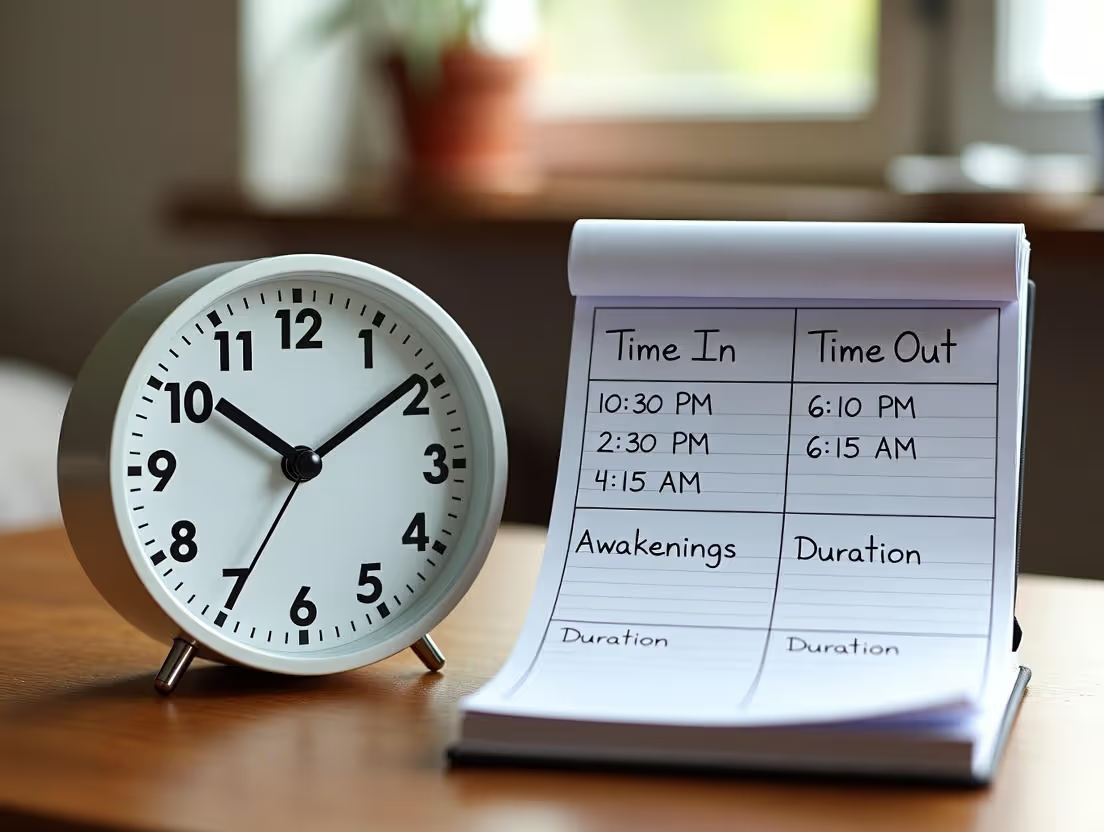
At the core of your sleep-wake cycle lies a sophisticated timekeeping system known as your circadian rhythm. This 24-hour internal clock is not a metaphor; it's a physical reality embedded deep within your brain, in a tiny region called the suprachiasmatic nucleus (SCN). Housing just about 20,000 neurons, the SCN acts as the conductor of your body’s symphony, dictating the ebb and flow of hormones, body temperature, digestion, and, most critically, your propensity for sleep and wakefulness.
Your circadian rhythm is endogenously generated—meaning it runs on its own, even in total darkness. However, left unchecked, this free-running rhythm would drift slightly each day, much like a watch that loses a few minutes. This is where light performs its most vital role: it is the primary zeitgeber (German for "time-giver"), the environmental cue that resets your SCN each day to precisely 24 hours. When light, particularly short-wavelength blue light, enters your eyes, it triggers a cascade of signals that tell the SCN, "It is now daytime." This signal suppresses the production of melatonin, the sleep-inducing hormone, and promotes the release of cortisol and other neurotransmitters associated with alertness.
The precision of this system is breathtaking. The SCN doesn't just manage sleep; it orchestrates the timing of nearly every physiological process. It tells your liver when to ramp up glucose production for morning energy, your digestive system when to be most active, and your muscles when to be at peak performance. When your light exposure is aligned with the natural solar cycle, this orchestra plays in perfect harmony. You wake refreshed, digest efficiently, maintain stable energy, and fall asleep easily.
However, this ancient system, fine-tuned over millennia of sunrise and sunset, was never designed for the modern light environment. The disconnect between our internal timing and our external light exposure—a state known as circadian misalignment—is the root cause of much more than poor sleep. It's linked to increased risks for metabolic disorders like obesity and type 2 diabetes, cardiovascular disease, mood disorders, and compromised immune function. Understanding this master clock is the first step to respecting it. To dive deeper into how technology can help you track these biological rhythms, explore the insights available on our main platform.
We often think of vision and circadian regulation as separate functions of the eyes, but they are intricately linked through specialized cells. For decades, science believed that rods and cones—the photoreceptors responsible for sight—were solely responsible for setting our biological clock. This changed with a groundbreaking discovery in the early 2000s: a third type of photoreceptor in the human retina, intrinsically photosensitive retinal ganglion cells (ipRGCs).
These ipRGCs are fundamentally different. They are not involved in forming visual images. Instead, they are uniquely sensitive to short-wavelength blue light (around 480 nanometers) and have a direct neural pipeline straight to the suprachiasmatic nucleus (SCN). This dedicated pathway, the retinohypothalamic tract, is the express lane for light’s time-setting signal. It’s why you can feel alert from light even if you are blind to shapes and colors, provided your ipRGCs are intact.
This discovery revolutionized our understanding of light’s impact. It explains why the "blue light" from devices is so potent: it’s precisely the wavelength that ipRGCs are tuned to detect. When this light hits your eyes in the evening, the ipRGCs send a robust "DAYTIME!" signal to your SCN, halting melatonin production and shifting your entire circadian phase later. Your body gets conflicting information: your environment says "night," but your primal timekeeping cells are being told "day."
Furthermore, the response of these photoreceptors is not linear; it follows a phase-response curve. Light exposure in the morning (before your natural circadian "dip") shifts your rhythm earlier, helping you become a "morning lark." Light exposure in the evening (after your natural circadian "peak") shifts your rhythm later, pushing you toward "night owl" tendencies. The middle of the day has minimal phase-shifting effect, though it is crucial for sustaining alertness. This nuanced understanding empowers you to use light strategically, not just avoid it fearfully. For a more detailed look at the biology of sleep and recovery, our blog features ongoing research and analysis.
Melatonin is often dubbed the "hormone of darkness," and for good reason. Its secretion from the pineal gland in the brain is tightly controlled by the SCN, beginning as ambient light fades in the evening, peaking in the middle of the night (typically between 2-4 AM), and tapering off toward dawn. This nightly surge is the central biochemical event that initiates and maintains sleep. It lowers core body temperature, reduces alertness, and promotes feelings of drowsiness, preparing your body for restorative rest.
But melatonin’s role is far more profound than a simple sleep switch. It is a powerful antioxidant, a regulator of immune function, and a modulator of other hormonal systems. It helps synchronize peripheral clocks in organs throughout your body, ensuring your liver, gut, and heart are all operating on the same schedule. Think of melatonin as the SCN’s nightly broadcast signal, telling every cell in your body, "It is now time for rest, repair, and regeneration."
The critical factor for healthy melatonin rhythm is not its presence, but the contrast between its daytime suppression and nighttime rise. A robust, high-amplitude rhythm—very low levels during bright daylight and a sharp, high peak at night—is a hallmark of a healthy circadian system. Modern life flattens this curve. Chronic exposure to evening light, especially from indoor lighting and screens, blunts the nightly surge. It’s like trying to hear a whisper in a noisy room; the signal for sleep becomes weak and unclear.
This suppression has measurable consequences. Research shows that even moderately bright room light (about 100 lux, common in living rooms) can suppress melatonin by over 50%. The light from a typical tablet or smartphone at close range is exponentially more powerful. The result is not just difficulty falling asleep, but also poorer sleep quality, reduced REM sleep, and a disruption of the vital repair processes that occur during deep sleep. Protecting the integrity of your melatonin cycle is arguably one of the most important things you can do for long-term health. For those troubleshooting their sleep environment, our FAQ section addresses common questions on tracking and optimizing these biological signals.
If evening light is the arch-nemesis of sleep, then morning light is its most powerful ally. Exposure to bright light within the first hour of waking (or better yet, within 30 minutes) is the single most effective action you can take to set your circadian rhythm for the day. This morning light serves as a powerful anchor, providing a clear, unequivocal signal to your SCN that "day has begun."
The mechanism is straightforward but profound. Morning light, rich in blue wavelengths, hits your ipRGCs and tells the SCN to immediately halt any residual melatonin production. It also triggers a cortisol awakening response—a healthy, natural spike in cortisol that promotes alertness, focus, and readiness for the day. This resets your internal clock to a precise starting point, strengthening its rhythm and making it more resistant to phase-shifting disruptions later in the evening. Essentially, a strong morning signal makes your circadian clock run "tighter" and more robustly.
The intensity matters. Outdoor light, even on an overcast day, is orders of magnitude brighter than indoor lighting. A cloudy day provides about 1,000-2,000 lux, while a sunny day can be 50,000-100,000 lux. By comparison, a well-lit office is often only 300-500 lux. This is why a 15-30 minute walk outside without sunglasses is exponentially more effective than sitting by a bright window. The goal is to get a high dose of photons into your eyes to trigger the full reset.
The timing also creates a valuable buffer. By advancing your circadian phase in the morning, you effectively move your entire rhythm slightly earlier. This means your evening melatonin onset will naturally begin earlier as well, making you feel sleepy at an appropriate time. It’s a proactive, rather than reactive, approach to sleep hygiene. Making morning light exposure a non-negotiable ritual is the foundation upon which all other sleep-optimizing habits are built. It’s a simple, free, and profoundly effective tool. For stories on how integrating this practice has transformed users' routines, see the experiences shared in our testimonials.
For 99% of human history, light after sunset was limited to the warm, dim flicker of fire. The invention of the electric light bulb, followed by LEDs and digital screens, has fundamentally altered our species' relationship with darkness. This perpetual "electronic summer" is a monumental evolutionary mismatch, and our circadian systems are paying the price.
Artificial light at night (ALAN) is problematic for two key reasons: its timing and its spectral quality. Our ancestors experienced darkness for 10-14 hours each night. Today, we are lucky to get 6-7 hours of true darkness. This extended exposure to light extends our perceived "day," delaying the signal for physiological night. More insidious is the spectral shift. Incandescent bulbs, while still disruptive, emit much of their energy in the longer red and orange wavelengths. Modern LEDs and fluorescent lights, and the screens they illuminate, have a pronounced peak in the blue part of the spectrum—the exact wavelength that most aggressively stimulates ipRGCs and suppresses melatonin.
The pervasiveness of this exposure is staggering. It’s not just the hour of scrolling in bed. It’s the bright overhead lights during dinner prep, the television in the living room, the streetlamp glare through the window, and the tablet on the couch. This creates a state of chronic, low-grade circadian disruption, where melatonin production is partially but not fully suppressed, leading to a shallow, fragmented sleep rhythm.
The consequences extend beyond poor sleep. Epidemiological studies have linked high exposure to ALAN with increased risks for breast and prostate cancers, likely due to melatonin's role in suppressing tumor growth and its antioxidant properties. It’s associated with higher rates of depression and anxiety. Shift workers, who live in a state of extreme circadian misalignment, face markedly higher risks for all these conditions. Recognizing that our environment is constantly sending false "daytime" signals is the first step in constructing a defense. Our brand story delves into our mission to create technology that helps navigate these modern challenges, not exacerbate them.
The impact of mistimed light exposure ripples far beyond the confines of your bed. Because the SCN governs peripheral clocks in nearly every tissue, circadian disruption disrupts core metabolic processes. Think of your body as a 24-hour factory with a meticulously planned schedule: the liver processes toxins and manages glucose at specific times, fat cells release or store energy on a cycle, and the gut regulates digestion and permeability according to the clock.
When light at night delays your central clock, it desynchronizes these peripheral operations. The liver, for instance, may still be in its "active day phase" when you’re trying to sleep, impairing its ability to perform crucial repair functions. Research shows that circadian misalignment leads to impaired glucose tolerance, increased insulin resistance, and elevated evening cortisol—a perfect storm for weight gain and metabolic syndrome. In one seminal study, participants exposed to dim light at night for just one week showed reduced leptin (the satiety hormone) and increased glucose levels after meals.
Your energy and mood are equally susceptible. The alertness-promoting signal from morning light sets the tone for your neurochemical day, influencing dopamine and serotonin pathways. Inadequate morning light and excessive evening light are strongly linked to symptoms of Seasonal Affective Disorder (SAD) and non-seasonal depression. The mechanism is clear: a misaligned clock leads to dysregulated neurotransmitter systems, inflammation, and impaired stress response.
This holistic view reframes light exposure from a simple sleep aid to a foundational pillar of metabolic health, mental resilience, and sustainable energy. Optimizing your light isn't just about sleeping better tonight; it's about programming your biology for peak performance, stable mood, and long-term vitality across every system in your body. It’s one of the highest-leverage interventions available for overall wellness. To understand our commitment to this holistic view of health, you can learn more about our foundational principles and vision.
Not everyone’s internal clock is set to the same time. This individual difference is known as your chronotype—your natural predisposition for sleeping and waking at particular times. Think of it as your circadian personality. "Larks" (morning types) wake early with ease and feel most productive before noon, but often fade in the evening. "Owls" (evening types) struggle with mornings, hit their stride in the late afternoon or evening, and naturally prefer later bedtimes. Most people fall somewhere on a spectrum, sometimes called "Hummingbirds."
Your chronotype is influenced by genetics, age, and environment. Teenagers are notoriously owl-like due to biological shifts during puberty. As we age, we tend to shift toward lark-like tendencies. However, your innate chronotype is a powerful force. An owl forced into a lark’s schedule (or vice versa) will experience a form of perpetual social jet lag, even with perfect sleep hygiene. This mismatch is associated with poorer academic and work performance, higher stress, and greater risk of mental and physical health issues.
Understanding your chronotype is not an excuse to keep unhealthy late-night habits, but a tool for optimization. It allows you to:
Respecting your chronotype means working with your biology, not against it. The goal of light hygiene is not to turn a true owl into a lark, but to bring their rhythm to the healthiest, most aligned point within their natural range, minimizing social jet lag and maximizing the quality of both their wakefulness and sleep. For a deeper exploration of personal biometrics and how to interpret your own data, resources are continually added to our blog.
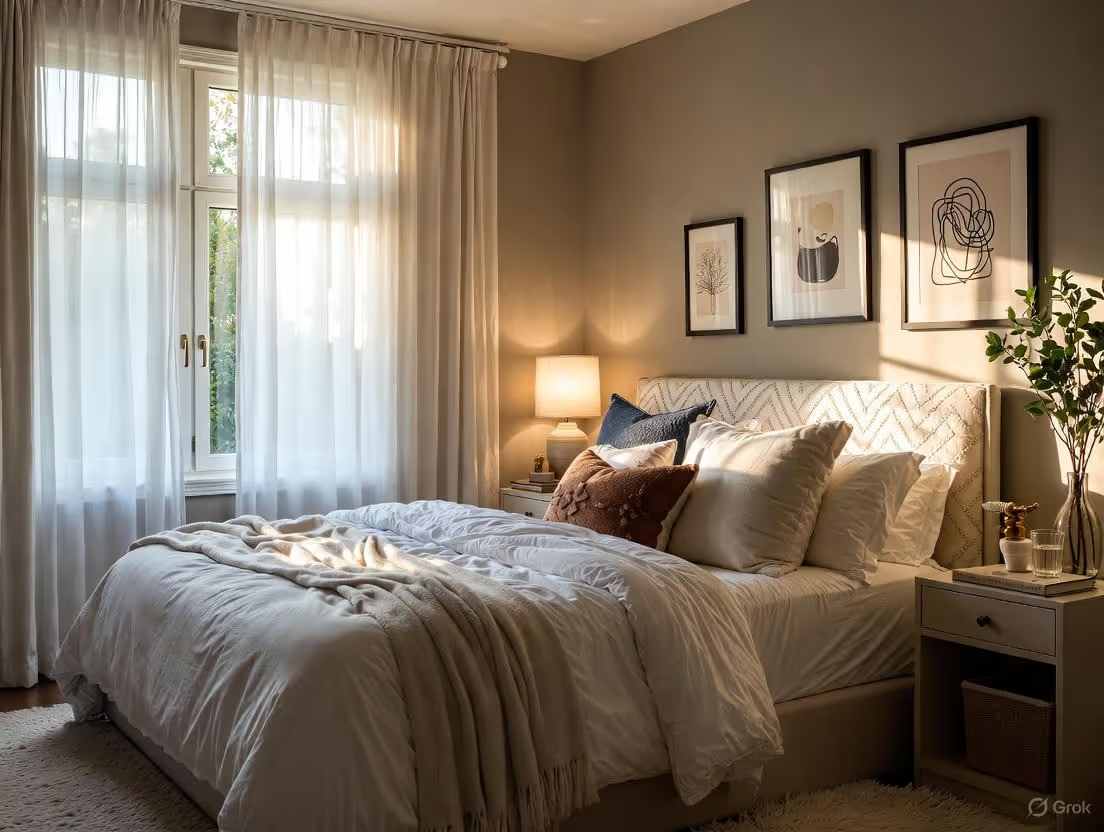
Your bedroom should be a circadian sanctuary—a space engineered for absolute darkness and signal-free rest. This goes far beyond aesthetics; it’s functional biology. Even small amounts of light pollution can fragment sleep and suppress melatonin. The glow from a charging indicator, a digital clock, or streetlights seeping around blinds can be enough to interfere.
Here is your actionable checklist for a true dark sanctuary:
Creating this sanctuary is a non-negotiable investment. It tells your brain that this space is for one thing only: deep, uninterrupted, restorative sleep. It allows your melatonin to rise to its full potential and your sleep cycles to unfold without disruption from false dawns. For practical tips and user-shared solutions on creating the perfect sleep environment, our community often shares their successes in the testimonials section.
Given their ubiquity and potent blue light emission, managing screens is the most critical practical challenge of modern light hygiene. A "digital sunset" is a structured wind-down protocol, not about deprivation, but about intentional transition. The goal is to sever the dual assault of cognitive stimulation and circadian disruption from devices.
The Core Protocol:
What to Do During Your Digital Sunset: This freed-up time is an opportunity. It can be used for reading a physical book (with a warm, dim reading light), light stretching, meditation, listening to calming music or podcasts, or having a real conversation. This ritual not only protects your circadian rhythm but also actively engages your parasympathetic nervous system, promoting the relaxation necessary for sleep onset.
In our quest to fix a problem caused by technology, we can wisely use other forms of technology as part of the solution. The key is to use tools that provide awareness and guide behavior, not ones that add more stimulating screen time.
The power of this data is personalization and feedback. Instead of following generic advice, you can see in real data how your body responds to a 7 AM walk versus an 8 AM one, or the effect of that single late-night email. This transforms light hygiene from a set of rules into a personalized science, where you can experiment and observe the direct impact on your foundational biology. To see how this technology works in practice, you can discover the detailed capabilities of the Oxyzen system.
When we zoom out, the connection between light, sleep, and longevity becomes starkly clear. Every major system that declines with aging—metabolic, immune, cognitive, cardiovascular—is regulated by circadian rhythms. Chronic circadian disruption, driven by improper light exposure, acts as an accelerator of this aging process.
The hallmarks of aging—genomic instability, mitochondrial dysfunction, cellular senescence—are all influenced by circadian clocks at the cellular level. Melatonin, whose rhythm is directly controlled by light, is a potent antioxidant and anti-inflammatory agent. Flattening its rhythm deprives your body of this nightly repair molecule. Studies on shift workers, the human model for extreme circadian disruption, show they have a significantly higher incidence of age-related diseases: heart disease, stroke, certain cancers, and cognitive decline.
Therefore, optimizing your light exposure is not a wellness trend; it is a fundamental longevity strategy. It is about ensuring that the very tempo of your biology—the daily rhythm of breakdown and repair, activity and rest—is playing in tune. By anchoring your rhythm with morning light, protecting it with evening darkness, and aligning your habits with your chronotype, you are doing more than improving sleep. You are reducing systemic inflammation, stabilizing your metabolism, enhancing DNA repair, and supporting the clean, efficient function of every cell in your body. This is preventative medicine in its most elegant, accessible, and cost-free form. The journey to mastering this force continues as we explore the nuances of season, travel, and specific life stages in the sections to come.
The relationship between light and sleep is not static; it is a dynamic dance that changes with the tilt of the Earth. As the seasons turn, the duration, intensity, and timing of natural light undergo profound shifts, challenging our circadian rhythms to adapt. For our ancestors, these changes signaled profound alterations in behavior and biology—from hibernation cues in animals to changes in fertility and metabolism. In our climate-controlled, artificially lit modern world, we may have buffered ourselves from the cold, but we cannot escape the biological imperative to respond to changing photoperiods (day length).
The most significant seasonal challenge for most people is the transition into winter. Shorter days and longer nights mean drastically reduced exposure to bright morning light and an extended period of darkness that our evening habits often fill with artificial light. This mismatch can lead to a form of circadian misalignment specific to the season. The lack of a strong morning zeitgeber can cause the circadian rhythm to drift later and become more dampened, while the extended evening artificial light exposure further confuses the system. This is the perfect storm for the symptoms many experience: difficulty waking, low daytime energy, carbohydrate cravings, and a depressed mood—often diagnosed as Seasonal Affective Disorder (SAD).
SAD is not simply "winter blues"; it is a clinical manifestation of severe circadian and hormonal disruption, primarily triggered by inadequate light exposure. The strategy for combating it, light therapy, directly addresses the core issue. A 10,000-lux light therapy lamp used for 20-30 minutes within the first hour of waking acts as a synthetic sunrise, providing the strong circadian anchor that the weak winter sun cannot. This simple practice can advance the circadian phase, suppress out-of-phase melatonin, and boost daytime alertness and mood with efficacy comparable to antidepressants for seasonal depression.
Conversely, summer brings its own challenges. Long days and late sunsets can delay the natural onset of darkness, pushing melatonin secretion later. If you combine this with social schedules that ignore dusk, you can develop a summer-specific form of delayed sleep phase. The key here is to be mindful of evening light exposure even when it’s bright outside; using blackout curtains to create an artificial "night" at a reasonable hour can be crucial. Understanding these seasonal ebbs and flows allows you to proactively adjust your light-hygiene rituals, using tools like light therapy in winter and darkness curation in summer to maintain a stable, healthy rhythm year-round. For more resources on managing seasonal wellness, our blog frequently covers adaptive strategies and the latest research.
Jet lag is the most acute and undeniable proof of the power of your circadian rhythm. It is the state of profound desynchrony that occurs when your internal master clock, still aligned with your origin time zone, is suddenly plopped into a completely new light-dark cycle. The resulting mismatch—where your body thinks it’s 3 AM but the local time is noon—causes fatigue, insomnia, gastrointestinal distress, and impaired cognitive function. This is not just tiredness; it is every peripheral clock in your liver, gut, and brain being out of sync with the environment and with each other.
The speed of your adjustment depends on the direction of travel. Flying east, which requires you to fall asleep earlier, is typically harder than flying west, which requires you to stay up later. This is because the free-running human circadian period is slightly longer than 24 hours (about 24.2 hours on average), making it easier to delay (lengthen) your cycle than to advance (shorten) it. The core principle of beating jet lag is strategic light exposure: using light to pull your circadian rhythm in the desired direction as quickly as possible.
The Strategic Light Protocol for Jet Lag:
The timing is precise. There is a "dead zone" in the middle of your biological night where light exposure has the opposite effect of what you intend, causing a shift in the wrong direction. Advanced travelers and athletes now use apps that calculate these personal phase-response windows based on their sleep data and itinerary. The goal is to use light as a tool to forcefully reset your SCN to the new local time, minimizing the days spent in physiological limbo. This scientific approach transforms jet lag from an inevitable ordeal into a manageable biological process. For frequent travelers looking to quantify their recovery, many use devices like the Oxyzen ring to objectively track how their body adapts to new time zones.
While our focus has been on the visible spectrum, particularly blue light, the complete story of light and health involves wavelengths we cannot see. Natural sunlight isn't just a source of brightness; it's a complex cocktail of radiation spanning ultraviolet (UV), visible, and infrared (IR) light. Each band has unique interactions with our biology beyond circadian regulation.
Infrared Light (IR): Often experienced as heat, far-infrared wavelengths penetrate deeper into tissue. Emerging research suggests targeted near-infrared and red light therapy (often with LEDs) may support cellular energy production in mitochondria, reduce inflammation, and promote tissue repair and recovery. While not a primary circadian driver, some theories propose that the infrared component of natural light, especially at sunrise and sunset, may play a subtle supporting role in overall physiological regulation and the feeling of "vitality" we get from sunlight.
Ultraviolet Light (UV): UVB rays are essential for the synthesis of Vitamin D in our skin, a hormone critical for bone health, immune function, and mood regulation. However, UVA and UVB are also the primary causes of skin damage and aging. The key, as with all things, is dose and timing. Small, sensible amounts of unprotected sun exposure (often cited as 10-20 minutes on arms and legs, around midday, several times a week) can support Vitamin D levels, but prolonged exposure requires protection.
Full-Spectrum Light: This term, often used in lighting design, refers to artificial light that mimics the spectral balance of natural daylight. While no indoor light can truly replicate the sun, full-spectrum bulbs provide a broader, more balanced range of wavelengths compared to standard LEDs. This can reduce eye strain, improve color perception, and may contribute to a more naturalistic light environment during the day, potentially supporting better mood and alertness than dim, spectrally narrow lighting.
Understanding the full spectrum encourages a nuanced view: we shouldn't fear all light, nor seek to live under exclusively warm, dim bulbs all day. The goal is to mimic the dynamic natural pattern: bright, full-spectrum (including blue) light during the day, and the absence of short wavelengths at night. It’s about quality and timing across the entire electromagnetic offering of the sun. Our mission and vision are deeply tied to this holistic understanding of environmental inputs on human health.
Our circadian system is not fixed from birth; it evolves dramatically across the lifespan, changing how we interact with and are affected by light. Recognizing these life-stage specifics is key to applying light hygiene principles effectively for yourself and your family.
Infants & Children: Newborns have no consolidated circadian rhythm; it develops over the first 4-6 months of life. The primary zeitgeber for this development is exposure to robust day/night cycles. Keeping days bright, active, and noisy, and nights dark, quiet, and calm, helps train the infant's nascent SCN. For older children and teenagers, the story shifts. During puberty, there is a strong biological tendency for a phase delay—teenagers become natural "owls." Fighting this with early school start times, while denying access to morning light and failing to control evening screen use, creates a catastrophic circadian mismatch linked to poor academic performance, mood disorders, and increased risk-taking behavior.
Adulthood: This is the stage of greatest personal control and also greatest susceptibility to the slow creep of circadian erosion from modern lifestyles. Careers demand early starts, social life thrives at night, and digital devices are omnipresent. This is the critical period for establishing and defending non-negotiable light-hygiene habits—morning light anchors, digital sunsets, and dark sanctuaries—to protect metabolic health, cognitive function, and emotional resilience.
Older Adults: As we age, several changes occur: the lens of the eye yellows, filtering out more blue light, and the pupil shrinks, reducing total light intake. This means an older adult may need up to ten times more light intensity to get the same circadian signal as a 20-year-old. Combined with a natural tendency for rhythms to fragment and become phase-advanced (sleeping and waking earlier), this can lead to insufficient daytime light exposure and excessive time spent in dim conditions. This contributes to sleep maintenance insomnia, daytime drowsiness, and depression. For seniors, prioritizing extremely bright daytime light (often with light therapy boxes) and maintaining social/physical activity during the day is as important as nighttime darkness.
By tailoring light exposure strategies to these biological realities, we can support healthier sleep-wake cycles at every chapter of life. This isn't a one-size-fits-all prescription, but a flexible framework that respects our evolving biology. For personal stories of how individuals at different stages have used awareness and technology to improve their rest, our testimonials page offers a wealth of real-world experiences.
The pathway from the retina to the SCN is not the only neural highway light travels. ipRGCs also project to other key brain regions, including the limbic system, which governs emotion. This creates a direct neuroanatomical link between light exposure and mood regulation. The impact is both acute and chronic.
Acutely, bright light acts as a stimulant. It increases alertness, reaction time, and can even reduce the perception of pain. This is mediated through its suppression of melatonin and its stimulation of orexin/hypocretin neurons and monoamine pathways (like dopamine and serotonin). This is why a walk outside can feel like a "reset" for a foggy brain or a low mood.
Chronically, the stability of your circadian rhythm is foundational for mental health. Major depressive disorder, bipolar disorder, and anxiety disorders are frequently accompanied by significant circadian abnormalities—disturbed sleep-wake cycles, hormonal rhythms, and body temperature patterns. Disrupted light exposure can be both a trigger and a perpetuating factor. The efficacy of light therapy for non-seasonal depression and its use in treating perinatal depression and bipolar depression is strong evidence of this link. Light therapy is thought to work by reinforcing a weakened circadian signal, normalizing neurotransmitter function, and reducing inflammation.
Furthermore, the timing of light exposure interacts with stress. Chronic circadian misalignment leads to a dysregulated hypothalamic-pituitary-adrenal (HPA) axis, resulting in abnormal cortisol patterns—often flattened during the day and elevated at night. This aberrant cortisol rhythm impairs the body's ability to shut off the stress response, creating a vicious cycle where stress disrupts sleep, and poor sleep heightens stress sensitivity. By stabilizing light exposure, you directly support a healthier, more resilient stress response system. In essence, light hygiene is a powerful, accessible form of brain and mood hygiene.
The clocks in your liver, pancreas, and fat tissue are exquisitely sensitive to the timing of food intake. Just as light resets the master clock in your SCN, eating sends powerful timing signals to these peripheral metabolic clocks. When you eat at unusual times—particularly late at night—you send a conflicting "daytime activity" signal to your metabolic organs while your brain is trying to initiate sleep mode. This internal desynchrony is a key driver of weight gain and metabolic dysfunction.
Light exposure sets the stage for this metabolic dance. Morning light helps establish insulin sensitivity, priming your body to efficiently use carbohydrates for energy. As the day progresses and evening darkness approaches, your metabolism naturally shifts toward winding down; insulin sensitivity decreases, and the body prepares for a fasting (sleeping) period. Eating a large meal late in the evening, under bright artificial lights, creates a double mismatch: your liver is told to be active (by food) at a time when it should be repairing (by the circadian clock), and the light is suppressing melatonin, which itself has roles in glucose metabolism.
Research in time-restricted eating (TRE), a form of intermittent fasting where all calories are consumed within an 8-12 hour window each day, shows powerful benefits. These benefits—improved weight management, blood sugar control, and cholesterol levels—are significantly amplified when the eating window is aligned with the natural light cycle (e.g., eating from 8 AM to 6 PM rather than from noon to 10 PM). This is because TRE reinforces the natural circadian rhythm of metabolism.
Therefore, your light hygiene protocol directly supports your metabolic health. A strong morning light signal helps regulate appetite hormones like ghrelin and leptin throughout the day. Protecting evening darkness not only boosts melatonin but also supports your body's natural evening fast, allowing for cellular cleanup (autophagy) and metabolic repair. Optimizing light and aligning your eating window with daylight are synergistic strategies for a healthy metabolism. To explore how tracking biometrics can help you personalize your eating schedule, visit our blog for guides and case studies.
We spend roughly 90% of our lives indoors. Therefore, the light environment we construct in our homes and offices is arguably our most persistent circadian interface. Intentional environmental design can passively support your rhythm, turning your living and working spaces into tools for health.
The Principles of Circadian Lighting Design:
Your Workspace: If you have a window, orient your desk to receive sidelight (not direct glare). If you're in a windowless office, a small personal light therapy lamp or a high-quality, bright task light (5000K color temperature) on your desk can provide a crucial circadian stimulus during the day. Taking a "light break" by walking outside for 10 minutes is more effective than any indoor solution.
Your Home: Create specific zones. Kitchens and home offices can have brighter, cooler lights. Living rooms should have dimmable, warm lighting options for the evening. Bedrooms, as discussed, should have blackout capability and no overhead lights—only very warm, dim bedside lamps. This zoning creates a physical journey through light environments that mimics the solar day, gently guiding your biology toward rest. For those interested in the technology that can help monitor your body's response to these environments, our main site details the solutions we've developed.
The impact of widespread circadian misalignment extends far beyond individual suffering; it imposes a staggering burden on public health, safety, and the economy. We are living through a mass, uncontrolled experiment in circadian disruption, and the societal bills are coming due.
Public Health: The links between shift work (the most extreme form of circadian disruption) and chronic disease are undeniable: significantly elevated risks for cardiovascular disease, diabetes, obesity, and several cancers. As our collective light habits mimic a mild form of shift work—late nights under bright lights—we may be seeing a population-level shift in disease risk profiles. The flattening of our collective melatonin rhythms could have implications for cancer incidence on a macro scale.
Safety and Performance: Sleepiness, driven by circadian misalignment, is a major factor in industrial accidents, medical errors, and transportation disasters. The Chernobyl nuclear disaster, the Exxon Valdez oil spill, and countless highway fatalities have been linked to operator fatigue. In offices and schools, the cognitive fog from poor sleep—often light-induced—lowers productivity, creativity, and learning outcomes. A study from RAND Europe estimated that sleep deprivation costs the U.S. economy up to $411 billion annually in lost productivity.
Social Jet Lag: This is the chronic weekly cycle where people follow one sleep schedule on weekdays (dictated by work/school) and another on weekends (dictated by social life). This is essentially giving yourself mini jet lag every week, forcing your circadian system into a constant state of adjustment and recovery. It's incredibly common and is associated with worse metabolic profiles, mood, and cumulative sleep debt.
Addressing this requires a societal rethink. It involves later school start times for adolescents, more circadian-conscious workplace and lighting design, and public health campaigns that elevate light hygiene to the same level of importance as diet and exercise. It's about recognizing that our 24/7, always-lit world comes with a profound biological cost that we are only beginning to fully quantify. Our company's story is rooted in a desire to provide individuals with the tools to understand and push back against these societal challenges.
Knowledge is power, but implementation is transformation. This 14-day plan is designed to systematically and gently pull your circadian rhythm back into alignment with the natural world. It’s progressive, so start at Day 1 and build upon each success.
Week 1: Foundation & Awareness
Week 2: Optimization & Integration
Advanced Tools for Week 3+: Consider introducing a light therapy lamp for winter mornings or pre-dawn wake-ups. Explore a smart lighting system to automate daytime brightness and evening dimming. To truly personalize this journey, consider a biometric tracker to move from subjective feeling to objective data, allowing you to see your heart rate variability improve and your sleep stages deepen as your rhythm stabilizes. For support and answers as you embark on this plan, our FAQ is a valuable resource.
The frontier of chronobiology is moving from general principles to hyper-personalized medicine. The future lies in not just knowing that light affects your rhythm, but knowing exactly how and when it affects your unique biology.
Genetic Profiling: Research into "clock genes" like PER, CRY, and CLOCK is revealing how genetic polymorphisms explain why some people are extreme larks or owls, or why some are exquisitely sensitive to evening light while others are more resilient. In the future, a simple genetic test could provide a personalized chronotype and light-sensitivity profile, informing your ideal sleep schedule, light exposure times, and even medication timing (a field known as chronopharmacology).
Closed-Loop Circadian Tech: Imagine a wearable device that doesn't just track your rhythm, but actively manages it. It could measure your real-time melatonin levels or core body temperature (the gold standard for circadian phase). Connected to your environment, it could automatically adjust the color and intensity of the lights in your home or office to gently nudge your rhythm back on track if it detects drift. It could advise the optimal time for your morning light exposure or evening wind-down based on your current physiological state, not just the clock on the wall.
Prescribed Light Doses: Light therapy will evolve beyond a 10,000-lux box for 30 minutes. It will involve precise prescriptions of wavelength, intensity, duration, and timing tailored to treat specific conditions—from jet lag and shift work disorder to non-seasonal depression and even neurodegenerative diseases like Alzheimer's, where circadian disruption is a hallmark.
Biophilic Integration: Architecture and urban design will increasingly prioritize human circadian biology. We'll see buildings designed to maximize beneficial daylight exposure for occupants while minimizing glare, and cities that consider the harmful effects of light pollution on human and ecological health.
The goal is a world where our technology and environments work in concert with our biology, not against it. By continuing to deepen our understanding and develop smarter tools, we can reclaim the profound health benefits of a life in sync with the primordial rhythm of light and dark. This journey of a thousand miles begins, quite literally, with a single ray of light.
As we stand at the crossroads of an epidemic of burnout, metabolic disease, and mental health struggles, a new pillar of wellness is emerging from the shadows of chronobiology. It is the pillar of Circadian Health. This paradigm shift moves beyond isolated goals of "better sleep" or "more energy" and embraces the optimization of the 24-hour temporal order that governs every cell in our body. Light exposure is the most powerful lever we have to pull on this system, making it the cornerstone of this new wellness pillar.
For decades, the focus of health has been on what we put into our bodies (nutrition) and how we move them (exercise). While critical, this approach has been incomplete, missing the crucial dimension of when. When we eat, move, sleep, and are exposed to light are not mere lifestyle details; they are signals that instruct our biological clocks. Disrupted timing leads to disrupted function, no matter how pristine the diet or rigorous the workout.
Embracing circadian health means recognizing that your body is not a static machine but a dynamic, rhythmic organism. It means scheduling your life not just by the clock on the wall, but in harmony with the internal clocks in your brain, liver, and gut. The payoff is profound: enhanced metabolic efficiency, stronger immune responses, sharper cognitive function, more resilient emotional regulation, and deeper, more restorative sleep. It is the ultimate form of systems-based, preventive medicine. Companies like ours are built on this foundational belief, and you can learn more about our philosophy and mission here.
This perspective is empowering. It reframes challenges like night owl tendencies or midday slumps not as personal failings, but as feedback from a biological system out of sync. It provides a clear, actionable roadmap for intervention that begins with the first light of day and ends with the profound darkness of night. As we move forward, personal technology will not just track our steps or calories but will become essential partners in mapping and aligning our unique circadian landscapes.
The interplay between light, circadian rhythms, and hormones is particularly intricate and powerful in women’s health. The female endocrine system—governing the menstrual cycle, pregnancy, and menopause—is deeply intertwined with circadian regulation. Both systems are hierarchical, rhythmic, and exquisitely sensitive to environmental cues.
The Menstrual Cycle as a Circadian Event: The menstrual cycle itself is an infradian rhythm (longer than 24 hours) that is influenced by the master circadian clock. The pulsatile release of gonadotropin-releasing hormone (GnRH) from the hypothalamus follows a circadian pattern. Research suggests that a robust and stable circadian rhythm supports hormonal balance and regular ovulatory cycles. Conversely, circadian disruption from shift work, jet lag, or chronic late-night light exposure is associated with increased rates of menstrual irregularity, more severe premenstrual symptoms (PMS/PMDD), and even reduced fertility. The mechanism likely involves the SCN’s direct influence on the hypothalamic-pituitary-ovarian (HPO) axis and the disruptive effect of mistimed melatonin on reproductive hormones.
Pregnancy and Postpartum: During pregnancy, the fetus develops its own circadian system, synchronized by signals from the mother—primarily through her melatonin, which crosses the placenta. A mother with a disrupted circadian rhythm (from poor light hygiene or shift work) may impact the developing circadian system of her baby. Postpartum, new mothers face extreme circadian disruption due to nighttime feedings. Strategic light exposure becomes a critical tool: maximizing bright light during daytime wakefulness (to maintain alertness and mood) and using very dim, red light during nighttime feeds (to protect her own melatonin and facilitate a quicker return to sleep) can help mitigate the profound exhaustion and reduce the risk of postpartum depression.
Menopause and Beyond: The hormonal shifts of perimenopause and menopause often directly disturb sleep, with night sweats and insomnia being hallmark symptoms. This is compounded by the age-related reduction in light intake due to changes in the eye’s lens. Prioritizing extremely bright light exposure during the day becomes doubly important—it helps stabilize the circadian system to improve sleep-wake cycles and can directly boost mood and energy levels during a time of significant transition.
Understanding this connection empowers women to use light as a non-pharmacological tool to support hormonal balance throughout their lifespan. It underscores that paying attention to circadian hygiene is not a luxury, but a core component of holistic female health.
For athletes, where marginal gains translate to podium finishes and personal records, circadian optimization is no longer a niche concept—it’s a cutting-edge performance strategy. Every metric that matters to an athlete—power output, reaction time, motor coordination, metabolic efficiency, injury resilience, and psychological focus—fluctuates predictably over the 24-hour day under the direction of the circadian clock.
Peak Performance Timing: Core body temperature, which peaks in the late afternoon for most people, is a key driver of athletic performance. Muscle strength, anaerobic power, and joint flexibility are all higher when core temperature is elevated. This is why world records in sprinting and weightlifting are statistically more likely to be broken in the evening. Understanding one’s personal chronotype allows an athlete and their coach to schedule high-intensity training sessions during their biological peak. A morning-type athlete might perform best in a 9 AM race, while an evening-type would have an advantage in an evening event.
Light as a Performance Tool: Strategic light exposure can be used to shift this peak if needed. An athlete traveling east for competition would use bright morning light at the destination to advance their rhythm and get their body primed for an earlier event time. Conversely, training under bright lights in the evening could help a morning-type athlete adapt to a late-game schedule. Beyond phase-shifting, bright light exposure immediately before an event (especially if held at a non-optimal time, like a morning swim final for an owl) can acutely boost alertness, reaction time, and pain tolerance.
The Critical Role of Recovery: Sleep is the ultimate recovery tool, and it is governed by light. Deep, restorative sleep, particularly the slow-wave sleep (SWS) phase, is when human growth hormone (HGH) is secreted, facilitating tissue repair and muscle growth. REM sleep is crucial for cognitive recovery and motor learning. By rigorously protecting evening darkness and ensuring a strong morning light anchor, an athlete ensures they enter these recovery phases more quickly and spend more time in them. This accelerates physical repair, consolidates skill memory (like a new technique), and regulates inflammatory responses. In the hyper-competitive world of sports, neglecting light hygiene is like neglecting hydration or nutrition—it leaves a critical edge untapped. For athletes exploring the fusion of biometrics and performance, our blog features insights into recovery optimization.
When we speak of light at night, the problem isn't confined to our living rooms; it blankets our planet. Light pollution—the excessive, misdirected, or obtrusive use of artificial light—has made truly dark skies a rarity for over 80% of the world’s population. This environmental alteration has profound consequences for ecosystems and human health.
Ecological Impact: Nocturnal animals are the most obvious victims. Artificial light disrupts the foraging, navigation, reproduction, and predation behaviors of countless species. It disorients migratory birds, leading to fatal collisions with buildings. It confuses sea turtle hatchlings, drawing them away from the ocean toward inland lights. It alters the composition of insect populations, with cascading effects up the food chain. The natural cycles of plants can also be disturbed by perpetual "daylight."
Human Health at the Population Level: For humans, light pollution is a pervasive, involuntary source of circadian disruption. The pervasive orange "skyglow" over cities reduces the contrast between day and night, even for those trying to maintain good sleep hygiene. Studies have shown that people living in areas with higher levels of outdoor nighttime light have shorter sleep duration, more sleep disturbances, and increased prevalence of conditions like obesity and depression. This is a public health issue driven by urban and suburban planning that prioritizes perpetual illumination over biological darkness.
The Solution is Within Reach: The fix is not to plunge our cities into darkness, but to light them smarter. This means using fully shielded fixtures that direct light downward where it’s needed, not into the sky or neighboring windows. It means employing motion sensors and dimmers so light is used only when necessary. It means shifting the spectral output of public lighting away from bright blue-rich LEDs to warmer, more circadian-friendly options, especially in residential areas. Advocacy for "dark sky" policies is, in essence, advocacy for human and ecological health. It’s a recognition that darkness is not a void to be feared, but a vital biological resource to be preserved. Our company’s journey is intertwined with a respect for natural cycles, a principle that extends to our environmental ethos.
One of the most compelling examples of peripheral clock function is in our gastrointestinal system. The gut has been called the "second brain," and it operates on a tight circadian schedule orchestrated by the SCN and directly influenced by light through systemic signals.
The Digestive Clockwork: Nearly every aspect of digestion is rhythmic. Stomach acid secretion, digestive enzyme production, intestinal motility (the waves of movement that push food along), and the permeability of the gut lining all follow a daily cycle. These processes ramp up during the day in anticipation of food intake and wind down at night to focus on repair and regeneration. The microbiome—the trillions of bacteria in our gut—also exhibits daily fluctuations in composition and function, synchronized by our eating patterns and host circadian signals.
The Consequences of Mistiming: When we eat late at night, we send a massive "activity" signal to our digestive organs during their designated repair phase. This is like calling a factory maintenance crew back to the production line. The results are measurable: impaired glucose tolerance, increased fat storage, and disruption of the microbiome. Over time, this contributes to gastrointestinal disorders like acid reflux (GERD) and irritable bowel syndrome (IBS), which often have a circadian component to their symptom flare-ups.
Light’s Indirect but Powerful Role: Light sets the stage for this entire process. A strong morning light signal helps synchronize the clocks in the liver and gut, priming them for the day’s first meal. It also helps regulate appetite hormones. Conversely, evening light exposure delays the entire system, including the natural winding down of digestive activity. This makes late-night eating even more metabolically disruptive because the body is in a conflicting state: the gut is being told to work (by food) while the brain is being told it’s still day (by light), preventing a clean transition into rest-and-repair mode.
Therefore, a key tenet of gut health is time-restricted feeding aligned with the light cycle. Finishing meals 2-3 hours before bedtime, in a gradually dimming light environment, allows the GI tract to enter its crucial maintenance phase. This supports a healthier microbiome, a stronger gut barrier, and more efficient metabolism. Optimizing light, in this context, is a direct intervention for digestive wellness.
While poor sleep hygiene can disrupt anyone’s rhythm, some individuals suffer from extreme, persistent circadian rhythm sleep-wake disorders (CRSWDs) that are fundamentally disorders of light entrainment. The two most common are Delayed Sleep-Wake Phase Disorder (DSPD) and Advanced Sleep-Wake Phase Disorder (ASPD).
Delayed Sleep-Wake Phase Disorder (DSPD): This is the clinical extreme of the "night owl." Individuals with DSPD have a circadian period that is significantly longer than 24 hours or an exceptionally delayed phase. They cannot fall asleep until the very early morning (e.g., 2-6 AM) and struggle immensely to wake for conventional daytime commitments. This is not a choice; it is a hardwired, often genetic, mismatch. Telling someone with DSPD to "just go to bed earlier" is like telling someone to fall asleep in the middle of their biological afternoon. Treatment focuses on chronotherapy, using very bright light therapy (5000-10,000 lux) immediately upon waking (which may be at noon) to aggressively advance the rhythm, combined with absolute darkness in the evening and sometimes timed melatonin supplementation in the late afternoon/early evening.
Advanced Sleep-Wake Phase Disorder (ASPD): The opposite extreme, ASPD is the "super lark." Individuals feel overwhelmingly sleepy in the early evening (6-9 PM) and wake spontaneously in the very early morning (2-5 AM), unable to sleep longer. This can be socially isolating and lead to evening fatigue and lost social time. Treatment involves using evening bright light therapy to deliberately delay the circadian phase, pushing sleepiness and wake times later.
Both disorders highlight the power and rigidity of the internal clock. They are diagnosed through sleep logs and often actigraphy (movement tracking) or melatonin profiling. Successful management almost always involves a strict, medical-grade application of light and darkness, sometimes guided by a sleep specialist. For individuals exploring whether their extreme tendencies might indicate a disorder, tracking with a precise wearable can provide crucial data; our FAQ addresses how such devices can support understanding personal patterns.
One of the most tragic hallmarks of neurodegenerative diseases like Alzheimer’s and Parkinson’s is the profound disintegration of circadian rhythms and sleep-wake cycles. This is not just a symptom; it is believed to be an active contributor to disease progression, creating a vicious cycle of deterioration.
The Broken Clock in Neurodegeneration: The suprachiasmatic nucleus (SCN) itself can suffer neurodegeneration. Furthermore, the neural pathways from the SCN to other brain regions are disrupted. The result is a dampened, fragmented circadian output. Patients experience "sundowning" (increased confusion and agitation in the late afternoon/evening), severe sleep fragmentation, and daytime drowsiness. Their melatonin rhythms are often flat or phase-shifted.
Light as a Non-Pharmacological Intervention: Given the lack of disease-modifying drugs, managing symptoms and quality of life is paramount. Here, light therapy has emerged as a promising, low-risk intervention. Studies have shown that daily, structured bright light exposure (typically in the morning) for patients with dementia can:
The proposed mechanisms are direct: the bright light provides the strongest possible signal to a weakened SCN, helping to amplify its rhythm. It also suppresses daytime melatonin, allowing for a stronger nighttime surge, and improves the timing of other rhythmic hormones. For caregivers, creating a circadian-friendly environment—maximizing daytime light, ensuring darkness at night, and maintaining regular daily schedules—is one of the most impactful and compassionate strategies for care. This application of light science offers a glimmer of clarity and calm in the face of a devastating disease.
Our modern war on darkness is not just physiological; it is deeply psychological. Culturally, darkness has been conflated with danger, ignorance, and evil ("the dark side," "a dark time"). This fear, or nyctophobia, is primal—rooted in a time when nighttime posed legitimate threats from predators or rival humans. Our instinctual solution? Turn on the lights.
However, in eliminating physical darkness, we have also eradicated the psychological and existential space it provides. Darkness is essential for mental rest. The constant sensory input of a lit world—screens, ads, notifications, streetlights—creates cognitive overload. Darkness provides a necessary sensory gating, a boundary that tells our busy minds it is time to turn inward, to process, to dream, and to let go of the day’s stimuli. The absence of this boundary is a key driver of anxiety and rumination at bedtime.
Reclaiming Darkness as a Sanctuary: To heal our relationship with darkness, we must reframe it not as an empty void, but as a fertile space for restoration.
By shedding our irrational fear, we can begin to see the period of darkness as the essential, restorative counterpart to the vibrant day. It is the yin to light’s yang. Protecting it is an act of self-care for the mind as much as for the body. For those documenting their journey toward better mental and physical balance, many share their stories of transformation in our testimonials section.
Our current scientific understanding of light and circadian rhythms is revolutionary, but it echoes ancient wisdom observed by countless cultures throughout history. Long before we knew of the SCN or melatonin, humans were keen observers of the profound connection between the sun and their vitality.
Historical Synchronicity: Ancient medical systems were built on rhythmic principles. Traditional Chinese Medicine’s Organ Clock maps energy flow through different organ systems at specific 2-hour intervals throughout the day, reflecting an intuitive understanding of circadian physiology. Ayurveda, the traditional medicine of India, places immense importance on daily routines (dinacharya) synchronized with the sun: waking before sunrise, practicing hygiene and meditation at dawn, eating the largest meal at solar noon, and winding down with the sunset.
Architectural Alignment: From the stone circles of Stonehenge to the solstice-aligning structures of the Ancestral Puebloans, ancient architecture often paid homage to the solar cycle. Homes were designed to capture the morning sun. Life was organized around the solar day because survival depended on it.
The Modern Disconnect: The industrial revolution, and especially the invention of electric light, severed this primordial link. We gained incredible freedom and productivity but at the cost of our biological synchronicity. The 20th century was the era of conquering darkness. The 21st century must become the era of re-integrating it—using our science not to further separate ourselves from natural cycles, but to consciously reintegrate them into our modern lives.
This historical perspective is humbling and instructive. It tells us that our current "discovery" of circadian health is, in many ways, a rediscovery. It validates that the path to well-being isn't found in fighting our biology with more stimulation, but in returning to the rhythmic patterns that have always sustained life. Our modern tools—from light therapy boxes to circadian-tracking smart rings—are not ends in themselves, but means to help us return to this ancient, essential balance. Our story as a company is part of this modern effort to bridge ancient wisdom with cutting-edge technology.
We have journeyed from the microscopic ipRGCs in your retina to the societal-scale impact of light pollution, from the womb to old age, from the athlete’s podium to the depths of sleep. The evidence is overwhelming and clear: light is the principal conductor of your biological symphony. You are not a passive audience member to this performance; you are the stage manager, the lighting director. You hold immense power to shape the environment that shapes you.
Your action plan is not about perfection. It is about progressive alignment. It begins with a single, powerful habit: seeking morning light. From that anchor, you build: dimming the lights as evening falls, defending the sanctity of your dark bedroom, and mindfully managing your relationship with screens. You learn to observe your own body’s signals—your energy dips, your sleep quality, your mood—as feedback from your circadian system.
Embrace the tools available to you. Use blackout curtains. Try blue-blocking glasses. Consider a light therapy lamp in the dark months. And for true personalization, consider technology that provides objective feedback. A device like the Oxyzen smart ring doesn't just tell you how long you slept; it reveals the quality of your rest and the stability of your underlying rhythm, allowing you to see the direct impact of your light habits on your physiology. This transforms guesswork into a science. Discover how this technology provides a window into your circadian health.
Your Trusted Sleep Advocate: Sleep Foundation — https://www.sleepfoundation.org
Discover a digital archive of scholarly articles: NIH — https://www.ncbi.nlm.nih.gov/
39 million citations for biomedical literature :PubMed — https://pubmed.ncbi.nlm.nih.gov/
Experts at Harvard Health Publishing covering a variety of health topics — https://www.health.harvard.edu/blog/
Every life deserves world class care :Cleveland Clinic - https://my.clevelandclinic.org/health
Wearable technology and the future of predictive health monitoring :MIT Technology Review — https://www.technologyreview.com/
Dedicated to the well-being of all people and guided by science :World Health Organization — https://www.who.int/news-room/
Psychological science and knowledge to benefit society and improve lives. :APA — https://www.apa.org/monitor/
Cutting-edge insights on human longevity and peak performance:
Lifespan Research — https://www.lifespan.io/
Global authority on exercise physiology, sports performance, and human recovery:
American College of Sports Medicine — https://www.acsm.org/
Neuroscience-driven guidance for better focus, sleep, and mental clarity:
Stanford Human Performance Lab — https://humanperformance.stanford.edu/
Evidence-based psychology and mind–body wellness resources:
Mayo Clinic — https://www.mayoclinic.org/healthy-lifestyle/
Data-backed research on emotional wellbeing, stress biology, and resilience:
American Institute of Stress — https://www.stress.org/


