Morning Routine Optimization Based on Your Wellness Ring Circadian Data
How to optimize your morning routine based on your personal circadian rhythm data from your wellness ring.
The Dawn of You: Revolutionizing Your Morning Routine with Circadian Data from Your Wellness Ring
The first thought that enters your mind upon waking. The first thing you reach for. The first ritual you perform. For decades, these “firsts” have been dictated by habit, whim, or the strident call of an alarm clock. But what if your morning could be something more profound than routine? What if it could be a precise, personalized response to the unique biological symphony that played within you as you slept?
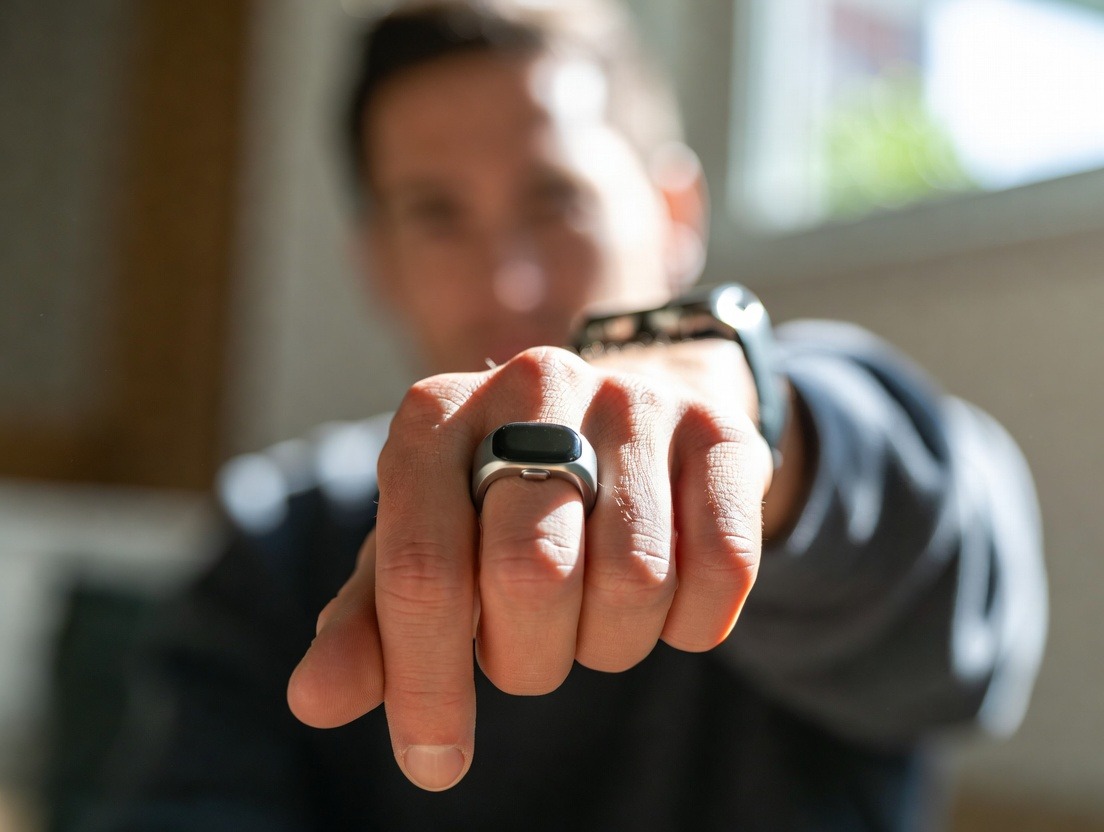
Welcome to the era of the data-optimized morning—a revolution powered not by generic advice, but by the intimate, continuous stream of insight from a device on your finger. Your wellness ring is more than a sleep tracker; it is a sentinel of your internal clock, a decoder of your personal circadian rhythm. It knows when you truly descended into restorative deep sleep, when your heart rate variability signaled recovery or stress, and when your core body temperature began its gentle climb toward wakefulness. This article is your master key to translating that raw, nocturnal data into a morning ritual so perfectly aligned with your biology that it feels less like a routine and more like a seamless unfolding of your best self.
We are moving beyond the one-size-fits-all dogma of “wake at 5 AM, drink lemon water, meditate for 20 minutes.” That approach, while well-intentioned, ignores the fundamental truth of human biology: we are not identical clocks. Your optimal wake window, your ideal first activity, and even what you should consume are all dictated by the story your body told last night. By optimizing your morning based on your circadian data, you’re not just adding efficiency; you’re cultivating harmony. You are aligning your actions with your physiology, setting a trajectory for sustained energy, razor-sharp focus, emotional equilibrium, and long-term health that compounds like a high-yield investment. This is the ultimate biohack, and it begins not with your first conscious thought, but with the data from your last sleep cycle.
Decoding the Night: What Your Wellness Ring’s Circadian Data Actually Means
Before you can build a new morning, you must first understand the language of the night. Your wellness ring collects a symphony of biometric data while you sleep, and each metric is a vital instrument telling a part of your recovery story. This isn't just about "how long" you slept, but how well your body performed its essential nocturnal functions.
The Core Pillars of Nocturnal Data:
Sleep Stages & Architecture: This is the plot of your night. Your ring uses accelerometers and photoplethysmography (PPG) to distinguish between light, deep (slow-wave), and REM sleep. A healthy sleep cycle shows a rhythmic, wave-like progression through these stages every 90-120 minutes. Deep sleep is your physical restorative phase—crucial for tissue repair, immune function, and growth hormone release. REM sleep is your mental and emotional consolidator, where memories are processed and creativity is seeded. The ratio and timing of these stages are paramount. An imbalance, like suppressed deep sleep, tells a story of physical stress or inflammation, while fragmented REM can hint at emotional unrest.
Heart Rate Variability (HRV): Often called the “master metric” of recovery, HRV measures the subtle variations in time between each heartbeat. A higher HRV (relative to your baseline) indicates a resilient, adaptable nervous system—specifically, strong parasympathetic (“rest-and-digest”) tone. It means your body handled the day’s stresses effectively and is ready for a new one. A depressed HRV is a clear signal from your autonomic nervous system that it is fatigued, stressed, or potentially fighting illness. It’s your body’s most honest review of yesterday.
Resting Heart Rate (RHR): Your nocturnal RHR is your metabolic idling speed. A lower RHR during sleep typically indicates better cardiovascular fitness and efficient recovery. A trend of elevated nocturnal RHR can be an early warning sign of overtraining, impending illness, dehydration, or chronic stress.
Body Temperature & Skin Temperature: Your core temperature naturally dips to its lowest point in the early morning hours (around 4-5 AM) and then begins to rise, a process critical for initiating wakefulness. Your ring tracks distal skin temperature, a proxy for this circadian thermal rhythm. A blunted temperature drop can signal poor sleep quality or a misaligned circadian rhythm. Furthermore, tracking this rhythm helps pinpoint your personal, data-driven “wake-up window”—the period when your biology is already preparing for consciousness.
Movement & Restlessness: The frequency and intensity of tosses and turns are quantified. While some movement is normal during stage transitions, excessive restlessness can indicate discomfort, sleep apnea, stress, or digestive issues.
Connecting the Dots: The Night’s Report Card Imagine your ring delivers this data: Low deep sleep, elevated RHR, low HRV. The old paradigm might just say, "You slept poorly." The circadian-optimized interpretation is richer: "Your body was under significant physical or inflammatory stress last night. Resources were diverted from restoration. Your nervous system is fatigued. Your morning priority must be gentle recovery—not high-intensity exertion."
This foundational understanding transforms your ring from a passive tracker into an active diagnostic tool. It provides the why behind your morning feeling. With this knowledge, you can move from guessing to knowing, from a rigid routine to an adaptive ritual. This personalized awareness is the first, most critical step toward building mental wellness resilience for future challenges, as you learn to respond to your body's signals rather than override them.
Your Chronotype is Just the Start: Moving Beyond "Lark" or "Owl"
The popular concept of chronotypes—early birds, night owls, and everything in between—was a helpful first step in personalizing sleep. However, it is a static, categorical label in a dynamic, fluid biological system. Your wellness ring reveals something far more powerful: your circadian phenotype. This is not a fixed identity but a living, breathing pattern that shifts with your lifestyle, stress, diet, light exposure, and even the seasons.
While you may have a general predisposition, your ring data shows your rhythm in real-time. You might be a "natural lark" who, after a week of late work nights and blue light exposure, is presenting with the delayed temperature rhythm of an owl. The label is less important than the daily reality.
Key Data Points That Transcend Chronotype:
Sleep Midpoint Variation: Your chronotype is often defined by your natural sleep midpoint (the halfway point between bedtime and wake time). A true, unforced "owl" might have a consistent midpoint of 4:30 AM. Your ring can show if your midpoint is drifting later due to behavior (social jet lag) or holding steady.
HRV Recovery Pattern: Does your HRV climb steadily through the night, peaking just before wake-up (signaling excellent recovery)? Or does it plateau or even drop, suggesting your body is still struggling to downregulate stress? This pattern is more informative than any label.
Temperature Minimum Precision: By tracking your skin temperature, your ring can help estimate your personal temperature nadir. Waking up before this point (common with early alarms) is a direct assault on your circadian biology, forcing you from deep sleep and causing sleep inertia. Waking naturally after this rise begins is the gold standard.
The goal is not to fit yourself into a chronotype box, but to use your data to create the conditions for your best rhythm each day. This might mean that on days with high stress and low HRV, you prioritize absolute darkness and an early wind-down, even if you’re an "owl." It’s about honoring your current biological state, not an idealized archetype. This nuanced, responsive approach is a cornerstone of learning to integrate mental wellness into your daily routine in a way that is truly sustainable because it is self-informed.
The Wake-Up Window: How to Use Data to Find Your Perfect, Natural Alarm Time
The blaring alarm clock is a modern act of violence against our biology. It often rips us from deep or REM sleep, causing grogginess, cognitive impairment, and a sour start that can last for hours—a state known as sleep inertia. Your wellness ring offers an elegant escape from this tyranny by helping you identify and leverage your natural Wake-Up Window.
This window isn't a random time; it's a physiological zone. It occurs after your core body temperature has begun its circadian climb out of its nightly nadir and during a period of lighter sleep (typically Stage 1 or 2, or the very end of a REM cycle).
How to Calculate Your Data-Driven Window:
Analyze Your Sleep Stage History: Over a week of free, alarm-less sleep (try on a vacation or weekend), note the times you typically wake naturally. Your ring’s sleep stage graph will show you are likely waking at the end of a sleep cycle, not in the middle of deep sleep.
Observe Temperature Trends: Look for the point in the early morning where your skin temperature curve definitively turns upward. Your wake-up window opens roughly 60-90 minutes after this estimated temperature minimum.
Use Smart Alarm Features: Many advanced wellness rings have "smart wake" or "circadian alarm" functions. You set a range (e.g., 6:00 AM - 6:45 AM), and the ring uses real-time movement and heart rate data to gently vibrate when it detects you are in a light sleep phase within that range. This is the ultimate technological solution for graceful awakening.
Practical Application: Your data shows your temperature typically begins rising at 5:15 AM, and you cycle into light sleep around 6:00 AM. Your ideal wake window is therefore 6:00 - 6:30 AM. Instead of setting a jarring alarm for 5:45 AM to "get a head start," you allow yourself to wake at 6:10 AM, within this window. You will gain 25 minutes of restorative sleep and wake up feeling more refreshed than if you had cut your sleep short. The quality of those final minutes is vastly superior.
By respecting this window, you start your day in sync with your internal clock. This simple act of alignment reduces morning stress, enhances mood, and sets a foundation of hormonal balance. It is a profound, yet simple, application of stress relief techniques that actually work, moving from fighting your biology to flowing with it.
The First 60 Minutes: A Circadian-Biased Protocol for the Most Important Hour of Your Day
What you do—and don't do—in the first 60 minutes after waking sets the hormonal and neurological tone for the next 16 hours. This "circadian anchor" period is your greatest leverage point. A generic morning routine pales in comparison to one dynamically tailored to last night's data. Here is how to build a responsive, circadian-biased first hour.
Step 1: The 5-Minute Data Triage (Before You Even Get Up)
Scenario A (High HRV, Good Sleep Scores): "Green Light" day. Your body is recovered and resilient. Your protocol can be ambitious: higher-intensity exercise, challenging cognitive work, or social engagements. Your nervous system is primed for stress and adaptation.
Scenario B (Low HRV, Low Deep Sleep): "Yellow Light" day. Your system is fatigued. Your protocol must prioritize restoration: gentle movement, hydration, stress mitigation, and nourishing food. This is not a day to push.
Scenario C (High RHR, Disrupted Sleep): "Red Light" day. Potential illness or high inflammation. Your protocol is medicinal: maximum rest, immune-supporting nutrition, hydration, and perhaps canceling non-essential demands. Listen intently.
Step 2: Light & View (Minutes 0-10) Light is the most powerful circadian cue. Your goal is to shut down melatonin and spike cortisol (healthily) at the right time.
Ideal: Get 10 minutes of bright, outdoor morning sunlight in your eyes (no sunglasses, don't look directly at the sun). This calibrates your internal clock more powerfully than any other cue.
On a "Yellow/Red" Day: If you feel fragile, combine this with gentle grounding. Stand barefoot on grass or a balcony while getting your light. This dual-input of light and Earth's electrons can be profoundly calming for a stressed system.
Step 3: Hydration & Initial Nourishment (Minutes 10-20) After 7-8 hours of fasting and respiration, you are dehydrated.
Non-Negotiable: 12-16 oz of water, ideally with a pinch of high-quality salt (like Himalayan pink salt) to aid electrolyte balance and cellular hydration.
Data-Informed Addition: On a low-HRV/high-RHR day, consider a calming agent. A teaspoon of raw honey in warm water can support liver glycogen and provide gentle, non-stimulating energy. Or, add a splash of lemon juice for vitamin C if inflammation is suspected.
Step 4: Movement & Mindfulness (Minutes 20-40) This is the most variable slot based on your data.
Green Light Day: Engage in vigorous exercise: a run, strength training, or HIIT. Your body is ready for the beneficial stress.
Yellow Light Day: Choose non-exercise movement: a leisurely walk, gentle yoga, stretching, or mobility flow. The goal is circulation and lymphatic drainage, not intensity. This is an ideal time for the 4-7-8 breathing technique for instant parasympathetic activation, to reinforce a state of calm.
Red Light Day: Restorative practices only. Deep, diaphragmatic breathing on the couch, a few minutes of gratitude journaling, or gentle self-massage. Forcing exercise here can deepen the hole you're in.
Step 5: Strategic Fueling (Minutes 40-60) Breakfast timing and composition should be informed by your sleep, not just habit.
After a Good Night's Sleep: You can eat earlier. Prioritize protein and healthy fats to sustain energy and cognitive function (e.g., eggs, avocado, Greek yogurt).
After a Poor or Short Night's Sleep: Consider slightly delaying your first meal. A stressed system may not be primed for digestion immediately. When you do eat, focus on easily digestible, nutrient-dense foods like a protein smoothie or oatmeal. Avoid large carbohydrate loads that can lead to an energy crash later.
This first hour becomes a dynamic conversation with your body, moving you from a state of sleep to a state of optimally prepared wakefulness. It directly impacts your work mental wellness connection, as a calm, focused, and energetically balanced start is the greatest predictor of a productive and satisfying workday.
Nutrition Timing & Composition: Eating for Recovery Based on Last Night’s Sleep
Breakfast has been called the most important meal of the day, but its timing and composition are what truly matter, and both should be influenced by your nocturnal data. Your metabolic flexibility—your body’s ability to efficiently switch between fuel sources—is heavily influenced by sleep quality.
The Sleep-Metabolism Connection: Poor sleep, especially low deep sleep, disrupts insulin sensitivity and increases levels of the hunger hormone ghrelin while decreasing the satiety hormone leptin. This is a recipe for craving sugary, high-carb foods upon waking and experiencing unstable energy.
Data-Driven Breakfast Strategies:
Scenario: High Deep Sleep, High HRV (Excellent Recovery)
Strategy: You have a wide window of optimal eating. You can benefit from a balanced meal with protein, complex carbohydrates, and healthy fats 30-60 minutes after waking. Your body will efficiently use the carbs for energy and muscle glycogen replenishment.
Example Meal: Veggie omelet with a side of sweet potato hash and spinach.
Scenario: Low Deep Sleep, Low HRV (High Stress/Inflammation)
Strategy: Prioritize anti-inflammatory foods and be cautious with carbohydrates. Delay your first meal by 60-90 minutes to allow cortisol to naturally decline and stress hormones to settle. Focus on protein and fat to provide steady fuel without a blood sugar spike.
Example Meal: Chia seed pudding made with coconut milk and topped with berries and almonds, or scrambled eggs with avocado and salmon.
Key Addition: Incorporate potent anti-inflammatory agents like turmeric, ginger, or omega-3s (from fish oil or seeds).
Scenario: Short Sleep Duration (<6 hours)
Metational State: Energy crisis, high ghrelin (hunger).
Strategy: Avoid the temptation to grab a quick, sugary pastry or cereal. This will lead to a catastrophic mid-morning crash. Your priority is protein and volume to combat hunger and provide sustained energy. Fiber is your friend.
Example Meal: A large protein smoothie with spinach, protein powder, a tablespoon of nut butter, and a handful of frozen blueberries. It’s quick, nutrient-dense, and satiating.
The Caffeine Decision: Your ring data should dictate your caffeine timing. If your HRV is low and RHR is high, your adrenal system is already stressed. Pounding coffee first thing will add fuel to that fire. On such days, delay caffeine by at least 90 minutes after waking (allowing adenosine to clear naturally and preventing an afternoon crash) or significantly reduce your dose. On a high-HRV day, your system can likely handle earlier caffeine without major disruption.
This nutritional fine-tuning ensures you are not working against your body’s overnight efforts but are actively supporting its recovery process with every bite, a principle that is also vital when navigating the mental wellness and hormonal changes that occur during life stages like puberty, pregnancy, and menopause.
The Perfect Morning Movement: From High-Intensity to Recovery Based on HRV & Heart Rate Data
Exercise is a potent circadian cue and stressor—eustress (good stress) when appropriately applied, and distress when it’s not. Your pre-breakfast movement should be a direct reflection of your readiness to handle physical stress, as clearly indicated by your Heart Rate Variability (HRV) and Resting Heart Rate (RHR).
The Readiness Metrics:
HRV (Trending Above Baseline): Green light for training. Your nervous system is recovered and resilient.
HRV (Trending Below Baseline): Proceed with caution. Your nervous system is fatigued. Opt for recovery-focused movement.
RHR (Elevated >5-10 bpm above your normal): A potential red flag for overreaching, dehydration, or illness. Intensity is contraindicated.
Protocol for Movement Selection:
1. Green Light Protocol (High Readiness):
Goal: Performance, adaptation, metabolic boost.
Ideal Modalities: High-Intensity Interval Training (HIIT), heavy strength training, sprint intervals, competitive sports.
Timing: Excellent in that first 60-minute window after light exposure. This leverages elevated morning cortisol for performance and fuels your metabolism for the day.
Why it works: You are applying a stressor when your body is most prepared to absorb it, recover from it, and grow stronger.
Goal: Promote circulation, support recovery, maintain mobility without adding systemic fatigue.
Ideal Modalities: Low-Intensity Steady State (LISS) cardio (brisk walk, light cycling), yoga, Tai Chi, extensive mobility work, foam rolling.
Timing: Perfect for the morning, but keep intensity firmly in check. The focus is on movement as medicine, not as a challenge.
The Science: Gentle movement increases blood flow, delivering nutrients to stressed tissues and flushing out metabolic waste. It can actually provide rapid stress relief by engaging the parasympathetic nervous system post-activity, unlike intense exercise which may keep sympathetic tone elevated in a fatigued individual.
3. Red Light Protocol (Poor Readiness):
Goal: Pure restoration and nervous system downregulation.
Ideal Modalities: Non-exercise physical activity (NEPA) like a slow, mindful stroll in nature, gentle stretching, or breath-focused practices. This may also be a day for complete rest.
Key Practice: This is the ideal time for deep, restorative techniques. A 10-minute session of progressive muscle relaxation for complete body stress release can be more valuable than any workout. Or, employ visualization for deep stress relief, imagining muscle recovery and nervous system calm.
By letting your HRV and RHR guide your movement, you turn your fitness regimen from a blindly repetitive schedule into an intelligent, periodized program that maximizes gains and minimizes injury and burnout. This is the essence of listening to your body—a skill that extends far beyond the gym and into every aspect of building mental wellness resilience.
Hydration & Supplementation: A Data-Informed Approach to Your First Fluids
Morning hydration is about more than just water. It’s about strategically rehydrating a system that has been in a prolonged fasted state and setting the biochemical stage for the day. Your sleep data provides clues about what your hydration cocktail might need.
The Baseline: Electrolyte-Enhanced Water Start with 12-16 oz of pure water. Adding a pinch of Celtic or Himalayan salt provides trace minerals and sodium, which helps water enter your cells more effectively (cellular hydration) rather than just passing through (vascular hydration). This is crucial for everyone, but especially on mornings after poor sleep or alcohol consumption, which are dehydrating.
Data-Driven Additives:
For Low HRV / High RHR (Stress/Inflammation Flags):
Magnesium Glycinate or Citrate: Magnesium is depleted by stress and is a cofactor for hundreds of enzymatic processes, including nervous system regulation. Adding a powdered form to your water can support calm.
Vitamin C (from camu camu powder or a squeeze of lemon): A potent antioxidant to combat inflammation signaled by poor recovery metrics.
Adaptogens (like Ashwagandha or Rhodiola): If you use them, a morning dose can help modulate a stressed cortisol response. (Consult a healthcare provider before starting new supplements).
For Low Deep Sleep (Physical Recovery Deficit):
Branched-Chain Amino Acids (BCAAs) or a Complete Essential Amino Acid (EAA) supplement: These can provide the building blocks for tissue repair that may have been lacking overnight, especially if you trained hard the day before.
Tart Cherry Juice Concentrate (a small splash): Natural source of melatonin and anti-inflammatory compounds that may support sleep quality over time.
For a Night of High Restlessness/Poor Sleep Efficiency:
Glycine (powder): An inhibitory neurotransmitter that promotes calm and can improve sleep quality. Taking it in the morning can have a calming, anti-anxiety effect throughout the day.
The Caffeine Caveat (Revisited): Consider your first water-based hydration as separate from your caffeine vehicle. Drink your electrolyte water, complete your movement, then have your coffee or tea. Never let caffeine be your first fluid. On high-stress (low HRV) days, consider swapping caffeine for a herbal alternative like chicory root or a calming tulsi tea.
This nuanced approach to your first fluids treats hydration as a foundational pillar of recovery, not an afterthought. It’s a direct intervention based on the night’s report, helping to correct imbalances before they define your day. This level of attentive self-care is a powerful practice that supports the spiritual dimension of mental wellness, fostering a deeper connection and responsiveness to your physical vessel.
Light Exposure & Digital Hygiene: Programming Your Circadian Clock from Dawn
Light is the primary “zeitgeber” (time-giver) for your circadian rhythm. The quality, quantity, and timing of your morning light exposure are arguably the most powerful free tools you have for daily optimization. Your wellness ring’s data on sleep timing and quality shows you how well your clock is currently set; your morning light practice is how you calibrate it.
Phase 1: The Critical Morning Light Dose (0-60 Minutes After Waking)
Ideal: 10-30 minutes of bright, outdoor light viewing. This doesn't mean staring at the sun; it means being outside without sunglasses, allowing natural light to hit your retina. Even on a cloudy day, outdoor light intensity (measured in lux) is exponentially higher than indoor lighting.
Mechanism: This light, especially in the blue spectrum, suppresses melatonin production and signals to your suprachiasmatic nucleus (SCN)—the brain's master clock—that the day has begun. It triggers a healthy cortisol spike, setting your energy curve for the day.
On a “Red Light” (Fatigued) Day: Still do this, but pair it with grounding (barefoot on earth if possible). The combination of light and Earth's electrons can have a harmonizing effect on a dysregulated nervous system.
Phase 2: Managing Artificial Light & Digital Onslaught Your first digital interaction sets your cognitive and emotional tone. A chaotic inbox or stressful news feed can instantly trigger a fight-or-flight response, spiking cortisol unhealthily and derailing your circadian-hormonal ramp-up.
The 60/90-Minute Rule: Commit to no email, social media, or news consumption for at least the first 60 (ideally 90) minutes of your day. Protect your mental state.
Context: Use this time for your circadian anchor practices: light, movement, hydration, mindfulness. This deliberate delay is a form of an information diet for mental wellness, allowing you to start the day from a place of intention, not reaction.
If You Must Use Screens: Ensure all devices are in “Night Shift” or blue-light reduction mode 24/7, but especially in the morning. The goal is to get your blue light from the sun, not from a screen.
Phase 3: Creating a Light-Optimized Environment
Maximize Natural Light: Have your morning ritual near a window. Open blinds immediately.
Consider a Light Therapy Lamp: For those in high-latitude regions with dark winters, a 10,000-lux light therapy lamp used for 20-30 minutes during your morning routine can be a game-changer for mood and circadian alignment, effectively simulating a sunrise.
By mastering your light environment, you take direct control of the most powerful lever on your biology. You are no longer a passive recipient of environmental cues but an active architect of your circadian rhythm. This proactive management of your sensory input is fundamental to creating a calm internal environment, which is especially crucial if you are also managing the complex interplay between mental wellness and chronic pain.
Mindfulness & Intention Setting: Aligning Your Mental State with Your Physiological Data
A morning mindfulness practice is often touted for its mental benefits, but its form and focus should be influenced by your physiological state. Meditating with a stressed, low-HRV body requires a different approach than meditating with a calm, recovered one. This is where mindfulness meets biometrics.
Data-Informed Mindfulness Practices:
For High HRV / Excellent Recovery (A "Green" Nervous System):
Practice: Focused-attention or goal-oriented meditation. Your resilient system can handle directed focus.
Format: Set clear intentions for the day, visualize successful outcomes, or practice mindfulness during more vigorous activity (like a run). You can engage in more cognitively demanding practices like loving-kindness (metta) meditation that involves active generation of feeling.
Duration: 10-20 minutes is ideal.
For Low HRV / High Stress (A "Yellow/Red" Nervous System):
Practice: Non-directive, restorative, or body-scan meditation. The goal is to release, not to achieve.
Format:
Body Scan: Progressively bring awareness to each body part, inviting it to soften and release tension. This is highly effective for physical stress.
Breath Awareness: Simply observe the natural breath without changing it. When the mind wanders (which it will, frequently in this state), gently return to the breath. No judgment.
Yoga Nidra (Non-Sleep Deep Rest): A guided practice that induces a state between wakefulness and sleep, profoundly restorative for the nervous system. A 10-20 minute session can reset a stressed system more effectively than trying to "force" calm through focused meditation.
Use Supporting Tools: Employ aromatherapy for stress relief with calming scents like lavender or frankincense. Use a weighted blanket during your practice for deep-pressure touch.
Intention Setting from a Place of Acceptance: On a low-HRV day, your intention should not be "crush my to-do list." It should be grounded in self-compassion and acceptance. Examples:
"My intention is to move through this day with gentleness and patience for my body."
"I will listen to my energy and take restorative breaks without guilt."
"I will prioritize one important task and be okay with leaving the rest."
This practice ensures your mental goals are in harmony with your physical capacity, preventing the psychological stress of over-promising to yourself. It’s a practical application of learning how to support someone else's mental wellness without overstepping—in this case, you are the "someone else." You are learning to listen, accept, and nurture your own state.
Environmental Optimization: Tweaking Your Space for Circadian Harmony
Your morning environment is not a passive backdrop; it's an active participant in your circadian reset. Every sensory input—from the temperature of your shower to the sounds you hear—can either support or sabotage the biological transition from sleep to wakefulness. Use your data to tailor these inputs.
1. Temperature Therapy:
The Shower Strategy: End your morning shower with 30-90 seconds of cold water. Cold water therapy provides rapid stress relief by shocking the nervous system, increasing norepinephrine (focus and alertness), and reducing inflammation. On a "green light" day, this reinforces resilience. On a "red light" day, start with a shorter, less intense burst—it's a hormetic stressor that should be dosed appropriately.
Ambient Temperature: A slightly cool room (around 65-68°F or 18-20°C) is ideal for waking up, as it supports your body's natural warming trend.
2. Soundscaping:
Ditch the Screaming Alarm: As discussed, use a smart wake feature or a gentle, gradually increasing sound from a sunrise simulator lamp.
First Audio Inputs: Choose intentionally. This could be:
Silence (highly underrated).
Nature sounds (birdsong, rain) which are inherently calming and circadian-friendly.
Uplifting or calming music. Music therapy provides measurable stress relief by influencing heart rate and brainwave states. On a stressed morning, choose slower-tempo, instrumental music.
Avoid: Jarring news radio, aggressive podcasts, or chaotic playlists first thing.
3. Olfactory Cues (Aromatherapy):
Alertness: Scents like peppermint, rosemary, and citrus (orange, lemon) can promote alertness and cognitive clarity. Diffuse them in your morning space.
Calm: As mentioned, lavender, frankincense, or cedarwood can ease a stressed system. The power of scent to modulate mood is direct and profound, bypassing the cognitive brain to speak to the limbic system.
4. Order & Visual Clutter: A chaotic, messy environment subconsciously signals stress to the brain. Taking 2 minutes the night before to tidy your morning space—clearing counters, preparing your clothes, having your water glass ready—reduces decision fatigue and creates a visual sense of calm and order upon waking. This reduces the cognitive load on a potentially fatigued brain.
By curating these environmental factors, you create a "circadian cocoon"—a space designed to usher your biology gracefully into the day. This attentiveness to your surroundings acknowledges the powerful impact of environmental factors in mental wellness, recognizing that where you live and wake matters on a physiological level.
Tracking Progress & Iterating: How to Refine Your Perfect Morning Over Time
The ultimate power of using a wellness ring is the feedback loop. You don't just create a routine and stick to it rigidly. You create a hypothesis ("If I do X in the morning after Y sleep data, I will feel Z"), test it, and measure the outcome. Your daytime metrics—energy, focus, mood, and even your next night's sleep data—are the results of your experiment.
The Iteration Process:
Baseline Week: For one week, simply track your morning actions and your starting data (sleep scores, HRV, RHR). Don't change anything yet. Note your subjective energy (scale 1-10) at 10 AM, 2 PM, and 6 PM.
Introduce One Change: Based on your most common data scenario (e.g., you often have low HRV), implement one change from this guide. For example: "On low-HRV mornings, I will replace my HIIT workout with a 30-minute walk and do 10 minutes of yoga nidra."
Measure the Impact:
Short-Term (Same Day): Did your subjective energy and focus improve? Did your stress levels feel lower?
Long-Term (Next Night): Did that change lead to better recovery data the following night? Did your HRV trend upward? Did you get more deep sleep?
Refine and Continue: If it worked, solidify it as a rule for that data scenario. If it didn't, tweak it. Maybe the walk was too long, or you need a different mindfulness practice.
Key Metrics to Correlate:
Morning Routine + Last Night's Data → Today's Subjective Energy & Focus.
Morning Routine + Last Night's Data → Tonight's Sleep & Recovery Data.
This turns wellness from a static pursuit into a dynamic, personal science. You are no longer following a guru; you are following your own data. You learn what your body truly needs after a stressful day, a short night, or an excellent recovery. This process of self-experimentation and refinement is the most powerful way to measure mental wellness progress over time. You move from vague feelings to clear, correlated data points, building self-knowledge that lasts a lifetime.
Beyond the Self: How Your Social Morning Interactions Are Shaped by Recovery Data
Human beings are inherently social creatures, and our interactions are a fundamental pillar of wellness. However, the quality and nature of these interactions are deeply influenced by our physiological state. A low HRV and poor sleep don't just make you tired; they can make you irritable, emotionally reactive, and less empathetic. Your morning routine, therefore, must include a strategic approach to social engagement—or intentional disengagement—based on what your ring reveals.
The Physiology of Social Readiness: When your nervous system is in a stressed, sympathetic-dominant state (signaled by low HRV), your brain's prefrontal cortex—responsible for executive functions like empathy, emotional regulation, and nuanced communication—is effectively dialed down. The more primitive, reactive parts of your brain take precedence. Forcing cheerful, patient social interaction in this state is neurologically challenging and can be draining.
Data-Driven Social Protocols for the Morning:
"Green Light" Social Strategy (High HRV, Good Sleep):
Your State: Resilient, emotionally regulated, cognitively sharp.
Action: This is the time for meaningful, energizing connection. Actively engage with family over breakfast. Have a thoughtful check-in with your partner. Make that important phone call. Your capacity for listening and providing support is high. You can be a pillar for others, contributing positively to the community factor in mental wellness around you.
Pro-Tip: Use this social energy to strengthen bonds. Express gratitude, share your intentions for the day, or offer genuine compliments.
"Yellow Light" Social Strategy (Moderate/Low HRV, Fragmented Sleep):
Your State: Fatigued, potentially fragile, with lower emotional bandwidth.
Action: Communicate your state gently and set soft boundaries. This doesn't mean being antisocial; it means being strategic. You might say to your family, "My brain is still booting up this morning, going to be quiet for the first hour." Use nonverbal, low-demand connection: a warm hug, a smile, preparing a coffee for someone. Listen more than you speak. Avoid heated discussions or complex planning sessions.
Key Practice: This is a critical time to support someone else's mental wellness without overstepping by managing your own capacity. You can't pour from an empty cup. Politely deferring a deep conversation until later is a form of care for both parties.
"Red Light" Social Strategy (Very Low HRV, Poor Recovery, High RHR):
Your State: In recovery mode, potentially inflamed or fighting illness. Your primary social obligation is to yourself.
Action: Minimize verbal interaction and sensory input. This is a morning for solitude and quiet. Use visual cues (a closed door, headphones) to signal unavailability. Communicate clearly but simply: "I need some quiet space this morning to feel better." The most socially responsible thing you can do when you're in this state is to focus on your own restoration, preventing the spread of negative energy or irritability.
Digital Hygiene: Extend this to digital spaces. Do not check social media or group chats where you might feel obligated to respond. The pressure to perform socially, even digitally, can be a significant stressor on a depleted system.
By aligning your social behavior with your physiological readiness, you protect your energy, prevent interpersonal friction, and engage from a place of authenticity rather than obligation. This fosters healthier, more sustainable relationships and is a sophisticated application of emotional intelligence rooted in biometric awareness.
The Deep Work Schedule: Using Your Temperature Rhythm to Time Cognitive Tasks
Your cognitive abilities do not remain static throughout the day. They follow a predictable circadian rhythm, closely tied to your core body temperature. Your wellness ring’s temperature-tracking capability allows you to identify your personal peak performance windows with unprecedented accuracy, moving beyond the generic "morning person/evening person" dichotomy.
The Cognitive-Thermal Link: As your core body temperature rises from its nadir, so too does your alertness, reaction time, and working memory. For most people on a standard schedule, this creates a peak in cognitive performance in the late morning (e.g., 10 AM - 12 PM). However, your personal curve is unique. A delayed temperature rise (indicating a later chronotype) will shift this peak later.
Mapping Your Personal Cognitive Curve:
Identify Your Temperature Rise: Using your ring's data, note the time your skin temperature consistently begins its upward climb. Your "cognitive engine" starts firing here.
The 90-Minute Rule: Your highest-focus "deep work" window typically begins about 90-120 minutes after you wake within your ideal wake-up window. This allows time for sleep inertia to fully dissipate and for your brain to achieve optimal neurochemistry.
Track Subjective Focus: For one week, rate your mental clarity and focus every hour from 8 AM to 12 PM. Correlate this with your ring's temperature graph. Do you see a clear peak? Does it align with the 90-minute post-wake mark?
Building Your Morning Work Block:
First 90 Minutes Post-Wake: Reserve this for your non-cognitive circadian anchor rituals (light, movement, hydration, gentle mindfulness) and shallow work. This includes:
Consuming information (reading, listening to podcasts)
Peak Cognitive Window (e.g., 9:30 AM - 11:30 AM): This is your sacred, protected time. Guard it fiercely.
Task Type: Deep, creative, or highly analytical work. Writing, coding, strategic planning, complex problem-solving, learning new skills.
Environment: Eliminate all distractions. Use app blockers, put your phone in another room, and signal to others that you are in a focus session.
Duration: Work in 90-120 minute blocks, followed by a true break. This aligns with your brain's ultradian rhythm cycles.
Adapting to Off Days: On a "yellow" or "red" recovery day, your cognitive peak may be blunted or delayed. Your deep work capacity will be reduced. Adjust your expectations and schedule accordingly.
Strategy: Break deep work into smaller, 25-minute chunks (using a Pomodoro timer). Focus on editing and revising rather than creating from scratch. Tackle moderately difficult tasks instead of the most complex ones. This prevents the frustration of trying to force a level of performance your biology cannot currently support, which is crucial for maintaining the work mental wellness connection and avoiding burnout.
By scheduling your most demanding mental labor in harmony with your biological peak, you achieve more in less time, with less effort and mental strain. This is productivity redefined—working with your nature, not against it.
Stress Inoculation vs. Stress Avoidance: Strategically Using Morning Challenges
Not all stress is bad. Eustress is the positive, adaptive stress that makes us stronger, like the stress of exercise on muscles or the challenge of learning a new skill. The key is to apply the right dose of eustress at the right time. Your morning HRV is your guide to dosing this "stress vaccine."
The Principle of Hormesis: Hormesis is the biological phenomenon where a low dose of a stressor activates protective mechanisms, making the organism more resilient to a larger dose in the future. Your morning routine can be designed to provide hormetic stressors—but only when your system is prepared to adapt to them.
Data-Informed Hormetic Morning Practices:
For a "Green Light" System (High HRV): Your body is primed for adaptation. This is the time to strategically introduce challenges that build resilience.
Physical: The cold shower, the high-intensity workout, a challenging mobility hold.
Cognitive: Tackling your most difficult intellectual problem first thing.
Emotional: Engaging in a difficult but necessary conversation (if social energy is also green).
Thermal: As mentioned, cold water therapy provides rapid stress relief through hormesis, but its resilience-building effects are best harnessed when you are already in a recovered state.
For a "Yellow Light" System (Low HRV): Your system is already dealing with stress. Adding more is counterproductive. The goal here is stress mitigation, not stress inoculation.
Avoid intense hormetic stressors. A cold plunge now could be the tipping point.
Focus on practices that promote tolerance and nervous system downregulation: gentle movement, extended exhales, warmth, and comfort.
Practice: This is the ideal time for the grounding method (5-4-3-2-1 technique) for immediate calm if you start to feel anxious. It's a tool for de-escalation, not for building capacity.
For a "Red Light" System (Very Low HRV/High RHR): Any additional stress is toxic. The protocol is pure stress avoidance and restoration.
Priority: Remove all demands. Seek comfort, warmth, and safety.
Action: Cancel non-essential obligations. Use emergency stress relief techniques for panic or acute anxiety if needed, such as focused diaphragmatic breathing or bilateral stimulation (tapping).
Mindset: Frame this as a "system reboot" day, not a failure. Recovery is an active and necessary part of a sustainable high-performance cycle.
By reading your HRV as a "stress readiness" gauge, you can intelligently cycle between periods of strategic challenge and dedicated recovery. This prevents the all-too-common trap of chronic, unaddressed stress that leads to burnout and illness. Instead, you build lifelong resilience through intentional oscillation, a concept explored in depth in our guide on vagal tone optimization.
The Weekend Recalibration: Using Free-Running Sleep to Reset Your Natural Rhythm
The workweek often forces a circadian schedule that may not be perfectly aligned with your innate rhythm, leading to "social jet lag"—the difference between your biological clock and social clock. The weekend is your opportunity to use your wellness ring not to track an alarm-driven schedule, but to discover your body's true, free-running preference. This isn't about "sleeping in" indiscriminately; it's about conducting a personal experiment.
The Free-Running Sleep Protocol:
Friday Night: Go to bed when you feel naturally tired, without setting an alarm for Saturday.
Let Your Body Lead: Allow yourself to wake naturally. Your ring will track your actual, unforced sleep midpoint and total sleep duration.
Observe the Data:
What was your natural sleep duration compared to your weekday average?
What was your true sleep midpoint? Is it significantly later than your weekday midpoint?
How did your HRV and deep sleep compare?
Sunday Adjustment: Use Saturday's natural wake time to inform a slightly later, but still consistent, bedtime and wake time on Sunday. Avoid the extreme shift of staying up very late Saturday and sleeping very late Sunday, as this simply creates a new jet lag for Monday.
What This Data Tells You & How to Use It:
If Your Free-Running Sleep Midpoint is Much Later: You have a delayed circadian rhythm relative to your work schedule. Your weekday mornings are likely a struggle. Action: Use your weekend data to gently nudge your rhythm earlier. On weekdays, be militant about evening light hygiene (no screens 90 mins before bed, use blue blockers) and maximize morning light exposure to pull your rhythm forward. Consider a slightly earlier bedtime incrementally over the week.
If Your Free-Running Sleep Duration is Much Longer: You have a significant sleep debt from the week. Action: This is a clear signal to prioritize more sleep on weeknights. Use your evening routine to protect your bedtime.
If Your HRV is Dramatically Higher: The reduction in alarm stress and schedule pressure is profoundly beneficial for your nervous system. Action: Explore ways to introduce more of this "pressure-off" feeling into your weekdays, even in small doses. Perhaps you need to build more true breaks into your schedule or practice saying "no" to non-essential commitments.
This weekend recalibration is a dialogue with your biology. It provides the baseline truth from which you can make intelligent compromises during the week, rather than living in a constant state of misalignment. Honoring this rhythm is a profound act of self-care that supports long-term mental wellness and aging, as chronic circadian disruption is linked to a host of age-related cognitive and health declines.
Long-Term Trends & Seasonal Adaptation: Your 90-Day Optimization Cycle
True optimization isn't about daily tweaks in isolation; it's about observing long-term patterns and adapting to larger cycles—monthly, seasonally, and yearly. Your wellness ring’s historical data is a goldmine for this macro-view. By reviewing 90-day trends, you can move from reactive daily adjustments to proactive lifestyle design.
Key Long-Term Trends to Analyze:
HRV Trendline: Is the general direction of your HRV over 90 days sloping upward (increasing resilience), downward (increasing fatigue/load), or flat? An upward trend indicates your overall lifestyle and recovery practices are working. A downward trend is a major warning sign to audit your stress, training, nutrition, and sleep.
Sleep Consistency: What is your variance in bedtime and wake time? High inconsistency is one of the most damaging factors for circadian health, often worse than short but consistent sleep.
Recovery vs. Load Correlation: Can you pinpoint periods of high stress (work deadlines, intense training blocks) and see their direct impact on your HRV and deep sleep? How long does it take you to bounce back? This defines your personal recovery velocity.
Seasonal Adaptation: Your circadian rhythm is inherently sensitive to changes in daylight length. It's natural for sleep needs and energy patterns to shift with the seasons.
Winter: With shorter days and less light, you may naturally need more sleep and feel less inclined for intense morning exercise. Your data may show a tendency for slightly later wake times or lower HRV. This is normal. Adapt your routine: prioritize the use of a light therapy lamp in the morning, shift intense exercise to midday if possible, and embrace more restorative movement.
Summer: Longer days and more morning light may make it easier to wake earlier and have more energy for activity. Your routine can lean into this with earlier outdoor exercise.
The 90-Day Review & Reset: Every quarter, conduct a formal review.
Step 1: Look at your 90-day trend graphs for HRV, RHR, Sleep Duration, and Deep Sleep.
Step 2: Journal about the life events, routine changes, or stressors that occurred during that period.
Step 3: Ask: What is one habit that clearly supports my metrics? (Double down on it). What is one habit that may be hindering them? (Experiment with changing it).
Step 4: Set one or two achievable mental wellness goals for the next quarter based on this data. For example: "Based on my low HRV trends during high-workload weeks, my goal for Q3 is to implement a mandatory 20-minute wind-down routine every work night to improve sleep efficiency."
This cyclical process of observation, interpretation, and gentle adaptation turns self-quantification into self-evolution. You are not a machine to be optimized, but a complex, rhythmic organism to be understood and nurtured over time. This longitudinal awareness is the practice of making a 10-year mental wellness investment, where small, data-informed adjustments compound into a lifetime of better health and vitality.
Troubleshooting Common Data Patterns: Your Morning Prescription for Specific Scenarios
Despite our best efforts, certain challenging data patterns will emerge. Here is a targeted "morning prescription" for some of the most common issues revealed by wellness ring data.
Scenario 1: Consistently Low Morning HRV (The "Stressed Baseline")
Pattern: Your HRV is chronically below your personal baseline, regardless of sleep duration.
Likely Culprits: Chronic psychological stress, overtraining, underlying inflammation, poor nutrition, or a dysfunctional breathing pattern (chronic over-breathing).
Morning Prescription:
Extended Exhale Focus: Before getting out of bed, practice 5 minutes of breathing with an extended exhale (e.g., inhale for 4 counts, exhale for 6-8 counts). This directly stimulates the vagus nerve and parasympathetic system.
Movement as Medicine: Absolutely no high-intensity exercise. Only gentle, rhythmic movement like walking, easy cycling, or restorative yoga. The goal is to promote blood flow without adding metabolic stress.
Anti-Inflammatory Fuel: Delay breakfast slightly and make it high in protein and healthy fats, low in refined carbs. Consider adding a green powder or turmeric to your water.
Radical Light Management: Be obsessive about morning sunlight and evening darkness. Your circadian system needs strong, clear signals to regulate stress hormones.
Scenario 2: High Resting Heart Rate (RHR) Upon Waking
Pattern: Your nocturnal or immediate waking RHR is 5-10+ bpm above your normal average.
Likely Culprits: Dehydration, impending illness, metabolic stress from late eating/alcohol, excessive evening exercise, or high emotional stress.
Morning Prescription:
Hydration Priority: Before anything else, drink 16-20 oz of water with electrolytes. Rehydration is often the fastest fix.
Take Your Temperature: Use a traditional thermometer to check for fever. If elevated, treat the day as a "Red Light" sick day.
Gentle Assessment: Do a simple body scan. Do you feel achey, fatigued, or off? Honor those signals.
Cancel Intensity: Any planned intense training is off the table. Focus on rest and recovery. This is a day for the progressive muscle relaxation guide to release physical tension that may be contributing.
Scenario 3: Adequate Sleep Duration but Low Deep Sleep
Pattern: You're getting 7-8 hours of sleep, but your deep sleep percentage is consistently low (<15-20% of total sleep).
Likely Culprits: Evening blue light exposure, late eating (especially high-carb/sugar), alcohol consumption, sleeping in a too-warm room, or late-day intense exercise.
Morning Prescription:
Patience with Wakefulness: Low deep sleep often leads to pronounced sleep inertia. Allow extra time for your circadian anchor routine. Don't jump into complex tasks.
Focus on Physical Recovery: Your body missed its repair window. Prioritize protein at breakfast and consider activities that promote circulation without strain, like foam rolling or a contrast shower (warm to cool, not intensely cold).
Evening Prep Commitment: Use your morning resolve to commit to fixing your evening. Your prescription is less about this morning and more about tonight: an earlier digital sunset, a cooler bedroom, and a 3-hour fasting window before bed.
Scenario 4: Frequent Early Morning Awakenings (3-5 AM)
Pattern: You fall asleep easily but consistently wake up in the early hours and struggle to fall back asleep.
Likely Culprits: Blood sugar dysregulation (a dip causes a cortisol spike), anxiety/rumination, or a manifestation of mental wellness and hormonal changes (common in perimenopause).
Morning Prescription:
If You Wake: Do not check the time or your phone. Practice a sleep-friendly technique like the 4-7-8 breath or a body scan to coax yourself back to sleep.
Morning Nutrition Focus: Ensure your breakfast includes protein, fat, and fiber to stabilize blood sugar for the entire day. Avoid sugary cereals or pastries.
Daytime Stress Practice: This pattern is often linked to daytime anxiety. Your morning routine must include a mindfulness practice that builds daytime resilience, teaching your brain it can calm down. Consider a 10-minute meditation focused on releasing worry.
By having specific protocols for these common issues, you move from feeling defeated by your data to being empowered by it. You have a clear action plan, transforming anxiety about a "bad score" into purposeful steps toward correction.
The Mind-Body Feedback Loop: How Your Morning Mindset Shapes Tonight’s Data
We’ve focused extensively on how last night's data shapes this morning. But the loop flows both ways. Your conscious thoughts, emotional state, and behaviors this morning actively shape the physiological data your ring will record tonight. This is the powerful mind-body feedback loop, where psychology becomes biology.
The Psychology-to-Physiology Pathway: A stressful, frantic, or self-critical morning triggers the release of cortisol and adrenaline. This sets your nervous system into a sympathetic state that can persist throughout the day, making it harder to downshift in the evening. It can elevate your resting heart rate, lower your heart rate variability, and impair your ability to descend into deep, restorative sleep. Conversely, a calm, intentional, and self-compassionate morning promotes parasympathetic tone, setting a trajectory for stable energy, emotional regulation, and ultimately, better recovery data.
Morning Mindset Practices That Pay Off Tonight:
Reframe Your Data: Instead of seeing a low HRV as a "bad score," view it as a compassionate alert from your body: "Hey, I need some extra care today." This reduces performance anxiety and associated stress.
Practice Micro-Gratitude: Before you rise, name three simple things you are grateful for. This could be the comfort of your bed, the promise of a new day, or your health. Gratitude practice has been shown to immediately improve heart rate variability.
Set an Energy Intention, Not Just a To-Do List: Instead of mentally running through tasks, set an intention for how you want to feel and be today. "I intend to move through this day with calm focus," or "I intend to be patient with myself and others." This orients your nervous system toward a state, not just a series of achievements.
Embrace "Good Enough": On a yellow or red light day, give yourself explicit permission for your morning routine to be "good enough." A 5-minute walk is good enough. A 3-minute breathing session is good enough. This releases the stress of perfectionism, which is a major nighttime sleep disruptor.
By cultivating a morning mindset of awareness and self-compassion, you are not just having a nicer morning—you are programming your biology for better recovery. You are breaking the cycle where a bad night leads to a stressful day, which leads to another bad night. This is the essence of breaking the mental wellness and chronic pain cycle, where mental state and physical state are inextricably linked in a feedback loop that can be virtuous or vicious. You have the power, each morning, to choose the virtuous path.
Conclusion of This Portion: The Integrated, Living Morning Practice
Optimizing your morning based on your wellness ring’s circadian data is the antithesis of a rigid, dogmatic self-improvement plan. It is the cultivation of a dynamic, intelligent, and deeply personal practice—a living dialogue between you and the most intimate dataset you will ever own: the story of your life as told by your body.
We have moved from decoding the night's signals to crafting a responsive first hour, from aligning nutrition and movement to managing light and social interaction—all through the lens of your unique physiology. This is not about adding more to your plate; it is about bringing profound intentionality to what is already there. It is about replacing "should" with "what does my body need today?"
The ultimate goal is not to become a slave to your ring’s metrics, but to use them as a teacher. Over time, this external data becomes internalized wisdom. You begin to feel your low HRV as a subtle need for gentleness. You sense your optimal wake window without an alarm. The ring becomes a training wheel for a deeper somatic awareness, guiding you toward a state where you are exquisitely attuned to your own rhythms.
This journey of alignment is perhaps the highest form of self-respect. It acknowledges that you are a biological being of rhythm and cycle, not a linear productivity machine. By honoring these rhythms each morning, you set in motion a day of greater ease, focus, and vitality, and you lay the foundation for long-term health that truly compounds.
In the next portion of this guide, we will dive even deeper. We will explore how to extend these circadian principles throughout your entire day—optimizing your afternoon energy, designing your evening wind-down, and understanding the weekly and seasonal cycles that govern your performance and well-being. We'll look at advanced biometric correlations, the role of specific nutrients on sleep architecture, and how to build a supportive environment that sustains this practice for life. The journey to a fully circadian-optimized life continues.
The Circadian Afternoon: Leveraging Your Morning Data to Prevent the 3 PM Crash
The decisions you make in the morning, informed by your nocturnal data, create a ripple effect that defines the quality of your entire day. One of the most profound applications of this foresight is strategically navigating the post-lunch circadian dip—the infamous 3 PM crash. This slump is not a personal failing; it's a biological inevitability driven by a natural dip in core body temperature and alertness. However, its severity and your ability to navigate it are directly influenced by how you started your day.
How Your Morning Routine Sets Your Afternoon Trajectory:
A "Green Light" Morning (Optimal Recovery): You began the day in sync. Your cortisol peaked healthily with morning light, you fueled your body appropriately, and you either trained or moved strategically. This strong circadian anchor creates resilience. The afternoon dip will still occur, but it will be a gentle wave, not a crashing tide. Your energy and focus will dip modestly and rebound more easily.
A "Yellow/Red Light" Morning (Sub-Optimal Recovery): You started the day with a stressed or fatigued system. Your cortisol response may have been blunted or excessive. Your fuel may have been suboptimal. This creates a fragile foundation. The afternoon dip now hits a system already running on borrowed energy, resulting in severe fatigue, brain fog, and intense cravings.
Data-Informed Afternoon Strategies (Pre-Planned in the Morning):
When you review your ring data upon waking, you should already be formulating a plan for the afternoon.
If Your Data Was "Green":
Strategy: Strategic Recharge. Your system can handle and benefit from a short, deliberate break.
2:30 PM - 3:30 PM Protocol:
Movement Snack: 10 minutes of brisk walking outside. This provides light exposure, increases circulation, and gently elevates core temperature to counteract the dip.
Strategic Fuel: A small, protein-focused snack (e.g., a handful of almonds, a hard-boiled egg) if hungry. Avoid sugar, which will cause a sharper crash later.
Cognitive Shift: Switch from deep work to administrative or creative tasks that require less intense focus.
Why it works: You are working with your biology, providing it with the stimuli it needs to naturally elevate alertness without stimulants.
If Your Data Was "Yellow" or "Red":
Strategy: Aggressive Restoration. Your goal is to prevent a crash that could derail your entire evening.
2:00 PM - 3:30 PM Protocol:
Non-Sleep Deep Rest (NSDR): 10-20 minutes of a guided Yoga Nidra or a simple lying-down meditation with legs up the wall. This is the single most powerful tool to reset a fatigued nervous system without entering sleep, which can be groggy.
Hydration & Electrolytes: Drink a large glass of water with a pinch of salt. Afternoon fatigue is often compounded by dehydration.
Gentle Mobility: 5 minutes of very gentle stretching or diaphragmatic breathing at your desk. Avoid anything strenuous.
Caffeine Avoidance: Resist the urge for a 3 PM coffee. On a fatigued system, this will likely disrupt that night's sleep, creating a vicious cycle. If you must, opt for green tea (lower caffeine, contains L-theanine).
Why it works: You are giving your stressed autonomic nervous system what it truly needs: a signal of safety and rest, not another stimulant. This can be a form of emergency stress relief for a system on the brink.
By using your morning data to pre-empt the afternoon, you transition from being a victim of your energy cycles to being the architect of them. This proactive approach is a cornerstone of sustainable performance and directly protects your work mental wellness connection by preventing end-of-day exhaustion and burnout.
Evening Wind-Down Design: Using Morning Insights to Prepare for the Next Sleep Cycle
The most sophisticated morning routine is one that consciously sets the stage for the following night's recovery. This is long-term strategic thinking. The evening wind-down shouldn't be a generic list of activities; it should be a targeted protocol designed to correct the imbalances revealed that morning and to reinforce the rhythms you wish to cultivate.
The Morning-Evening Feedback Loop:
Your morning review provides a diagnostic for your evening prescription. Think: "Given my state this morning, what does my body need tonight to recover and improve?"
Evening Protocol Prescriptions Based on Morning Data:
Prescription for a "Red/Yellow" Morning (Poor Recovery):
Goal: Maximize parasympathetic activation and sleep pressure.
7:00 PM - Bedtime Protocol:
Digital Sunset at 8 PM: Strict, absolute cutoff from screens. Use blue-blocking glasses if any screen use is unavoidable after this time. This is non-negotiable for a stressed system sensitive to light.
Earliest Possible Last Meal: Finish eating 3-4 hours before bed. Opt for a easily digestible, magnesium-rich dinner (leafy greens, salmon, nuts) to support nervous system calm.
Therapeutic Heat: A warm bath (not hot) with Epsom salts (magnesium sulfate) 90 minutes before bed. The rise and subsequent drop in core body temperature mimics the natural circadian drop and promotes sleepiness. This is a direct intervention for poor sleepers.
Advanced Nervous System Downtraining: Spend 20 minutes on the couch with a weighted blanket, practicing a vagal tone optimization technique like humming or gentle gargling. Listen to calming, slow-tempo music.
Bedroom Environment: Ensure the room is cold (65-68°F) and pitch black.
Prescription for a "Green" Morning (Excellent Recovery):
Goal: Maintain rhythm and optimize sleep architecture.
8:00 PM - Bedtime Protocol:
Digital Sunset at 9 PM: You have more leeway, but consistency is key.
Light Social or Creative Time: Enjoy calm conversation, light reading (physical book), or a hobby like drawing or playing an instrument. This leverages your relaxed state for gentle enjoyment.
Reflective Journaling: Briefly note what worked well in your morning and day. This reinforces positive behaviors and ends the day with gratitude.
Consistent Bedtime: Even though you feel great, stick within 30 minutes of your target bedtime to maintain the strong rhythm you've established.
Addressing Specific Deficits:
Low Deep Sleep This Morning? Prioritize the warm bath and ensure your room is cool. Absolutely avoid alcohol.
Low HRV/High RHR This Morning? Prioritize the NSDR/Yoga Nidra practice in the early evening (7 PM) and the weighted blanket time. Focus on releasing the day's tension through stress relief through touch—perhaps a self-foot massage or asking a partner for a gentle shoulder rub.
Fragmented Sleep This Morning? Examine hydration—stop fluids 90 minutes before bed. Ensure absolute darkness and silence (use a white noise machine if needed).
This approach transforms your evening from a passive shutdown into an active, therapeutic session for sleep optimization. You are using the intelligence gained at dawn to craft the perfect conditions for the next dawn, creating a virtuous cycle of improvement. This is how you measure mental wellness progress over time—not by isolated good days, but by establishing self-reinforcing cycles of recovery.
The Role of Weekly & Monthly Cycles: Syncing with Infradian Rhythms
Your circadian rhythm operates on a 24-hour cycle, but it is nested within longer biological cycles. For individuals who menstruate, the infradian rhythm (the ~28-day hormonal cycle) exerts a powerful, predictable influence on energy, recovery, and nutritional needs. For all individuals, weekly patterns of stress and recovery (the workweek vs. weekend) create a meta-rhythm. Your wellness ring data, viewed over weeks and months, reveals these patterns, allowing for even more sophisticated routine optimization.
Optimizing for the Infradian Rhythm (Menstrual Cycle):
A woman's resting metabolic rate, core body temperature, heart rate variability, and sleep architecture fluctuate predictably across phases. Ignoring this is like optimizing a car without considering the season.
Follicular & Ovulatory Phases (Post-Period to Ovulation): Typically associated with higher energy, better stress resilience (potentially higher HRV), and increased capacity for intense exercise and cognitive work.
Morning Routine Lean-In: This is the time for "Green Light" protocols. Schedule challenging workouts, important meetings, and creative deep work in the morning. You can afford to be more ambitious.
Luteal & Menstrual Phases (Post-Ovulation through Period): Progesterone rises and then falls. This can lead to increased core temperature, lower HRV, higher RHR, more fragmented sleep, and a greater need for recovery.
Morning Routine Adaptation: Expect and honor "Yellow Light" signals. Your morning movement should shift to strength-focused (which can be beneficial) or gentle cardio, not intense HIIT. Your nutrition should focus on supporting stable blood sugar (more complex carbs, consistent protein). Your mindfulness should be self-compassionate. This is not a decline, but a different biological mode. For a deeper dive into this synergy, see our article on mental wellness and hormonal changes.
Optimizing for the Weekly Rhythm:
Most people live in a 7-day cycle of stress accumulation (Mon-Fri) and recovery (Sat-Sun). Your ring data will show this.
Thursday/Friday Morning Data: Often shows the cumulative strain of the week—HRV may trend down, RHR up. Your Thursday/Friday morning routine should be increasingly restorative, even if you have to perform at work. This is the time to implement the "Yellow Light" social and movement strategies to prevent a weekend crash.
Sunday Evening Preparation: Use the recovery of the weekend to prepare for Monday. Your Sunday evening wind-down should be impeccable, treating Monday morning like the important event it is. Go to bed at your "school night" time to set a strong anchor for the week.
By zooming out to view weekly and monthly trends, you move from tactical daily adjustments to strategic life design. You can plan challenging projects during your high-resilience phases and schedule rest, administrative work, and gentle socializing during your more vulnerable phases. This eliminates the guilt and frustration of trying to perform at 100% all the time and replaces it with a respectful collaboration with your body's innate wisdom.
Nutritional Timing Beyond Breakfast: Aligning Meals with Your Personal Recovery Curve
We covered a data-informed breakfast. But the principles of circadian nutrition extend throughout the day. When and what you eat for lunch and dinner should be subtly influenced by your morning recovery metrics and your activity goals, all in service of that night's sleep.
The Circadian Metabolism Principle: Your body is most insulin sensitive in the morning and becomes more insulin resistant as the day progresses. This means you metabolize carbohydrates more efficiently earlier in the day. Furthermore, eating late at night, especially close to bedtime, can disrupt core body temperature cooling and impair sleep quality.
Data-Driven Lunch & Dinner Guidelines:
General Rule (Strong "Green" Morning): You have metabolic flexibility. You can follow a more traditional structure: balanced lunch, slightly lighter dinner. Finish eating 2-3 hours before bed.
After a "Yellow/Red" Morning (Compromised Recovery): Your metabolic and stress systems are strained. Your nutritional strategy should be protective.
Lunch: Make this your largest or most substantial meal. Prioritize protein, healthy fats, and a moderate amount of complex carbohydrates (like quinoa, sweet potato). This provides sustained energy for the afternoon without a crash and ensures digestion is mostly complete before evening.
Dinner: Make this meal lighter and earlier. Focus on easily digestible proteins (fish, poultry) and a large portion of non-starchy vegetables. Minimize fats and eliminate refined carbohydrates. The goal is to reduce metabolic work during the sleep period. Absolutely avoid late-night snacking, which is a common response to poor recovery but guarantees another poor night.
The Caffeine & Alcohol Corollary:
Caffeine: Your morning data should dictate your caffeine cutoff time. On a low-HRV day, caffeine's half-life in your system may feel longer. Move your last coffee to before 12 PM. On a high-HRV day, you might tolerate a 2 PM cutoff. Use your ring's sleep data (specifically, sleep latency and restlessness) to find your personal threshold.
Alcohol: Alcohol is a potent sleep disruptor, particularly suppressing REM sleep. If your morning data shows poor sleep, even one drink in the evening is likely contraindicated. View alcohol consumption as a deliberate choice that will be reflected in tomorrow's data—sometimes that's okay, but it should be an informed trade-off.
By aligning your later meals with your morning-readiness and evening intentions, you use nutrition as a continuous tuning tool for your circadian biology, not just a source of fuel. This holistic approach supports every layer of well-being, from cellular energy production to hormonal balance, creating the internal stability needed for long-term cognitive and emotional health as we age.
Advanced Correlation: Linking Specific Daytime Activities to Nighttime Data
The ultimate goal of self-quantification is to establish clear cause-and-effect relationships. Beyond broad metrics like "stress," you can begin to correlate specific daytime activities—down to the hour—with their impact on that night's sleep and recovery data. This turns your life into a precision laboratory.
How to Conduct a Personal Correlation Analysis:
Log Specific Daytime Variables: Beyond your ring data, keep a simple note of:
Stress Events: Difficult meeting at 11 AM, argument at 6 PM.
Nutrition Deviations: Unusually sugary snack at 3 PM, late dinner at 9 PM.
Exercise Details: Type, duration, and intensity of any workout.
Social Energy: Large social gathering, intense conversation.
Mindfulness Practice: Type and duration.
Review the Nocturnal Impact: The next morning, compare your log to your ring's detailed sleep graph.
Did that late dinner correlate with a higher resting heart rate throughout the night?
Did that high-intensity evening workout (despite finishing 3 hours before bed) suppress your deep sleep percentage?
Did that stressful afternoon meeting result in lower HRV and more tosses-and-turns at 2 AM?
Did that 20-minute afternoon Yoga Nidra session correlate with a faster sleep onset and higher HRV?
Common Advanced Insights:
"Second Wind" Syndrome: You feel energetic at 10 PM and stay up late. Your ring data may show that this "wind" came at the cost of fragmented, shallow sleep later in the night, leading to poor morning recovery. The insight: that late-night energy is a circadian mirage; honor your earlier wind-down cue.
The Social Hangover: A fun, but late and perhaps alcohol-involved, social evening. Beyond sleep duration, your data will show suppressed HRV and elevated RHR. The insight: the physiological cost of socializing is real. You can choose to pay it, but you must then schedule a true recovery day after.
The "Perfect Storm": You may see that it's not one factor, but a combination—a poor night's sleep, followed by a high-stress day and a late workout—that leads to a catastrophic data readout. The insight: you have a personal "load capacity." Single stressors are manageable, but combinations must be carefully managed.
By conducting these personal experiments, you move from generic advice ("don't eat late") to personal law ("If I eat after 8 PM, my deep sleep drops by 15%"). This is empowering knowledge. It allows you to make informed choices: "I choose to have this late dinner with friends, knowing I will need a gentle tomorrow." This level of self-awareness is the foundation of building mental wellness resilience for future challenges, as you learn your true limits and capacities.
The Psychology of Adherence: Making Your Data-Informed Routine Stick
The most perfectly designed routine is useless without adherence. The novelty of ring data can wear off, and life's demands can intrude. The key to long-term success is to build a routine that is not only effective but also psychologically sustainable—one that feels like self-care, not self-punishment.
Strategies for Sustainable Adherence:
Focus on the "Why," Not Just the "What": Connect your morning actions to a deeply felt value. Don't just do breathwork to raise HRV; do it to feel calm and present for your children. Don't just avoid late screens for sleep architecture; do it to wake up feeling excited for the day. Link the data to the lived experience.
Embrace the 80/20 Rule: Aim for consistency, not perfection. If you execute your ideal morning routine 4 out of 5 weekdays, that is a resounding success. The 5th day might be a travel day or a sick day—let it be. Rigidity breeds resentment; flexibility fosters longevity.
Batch and Simplify: Make your routine easy to execute. Have a "morning station": your glass for water, your supplements, your walking shoes laid out. Use technology to help: sunrise alarm clocks, smart light bulbs that turn on gradually, podcast apps queued with your favorite mindfulness guide.
Reframe "Failure" as Data: You skip your routine and have a chaotic morning. Instead of self-criticism, get curious. What happened? Was the routine too long? Did you not get to bed on time? Your ring will still give you data from that night and the following morning. Use it. A "failed" day is just another data point in your personal optimization study.
Connect with Community: Share your journey. Discuss your insights with friends who also track data. This taps into the community factor in mental wellness, providing support, accountability, and shared learning. You might learn a new tip for interpreting HRV or get encouragement after a rough night.
The Role of Self-Compassion: This is the most important psychological component. Your wellness ring is a mirror, not a judge. On days when the data is poor and your routine falls apart, practice speaking to yourself as you would to a friend: "It's okay, today was hard. Let's look at what we can learn and try again tomorrow." This compassionate inner dialogue prevents the shame spiral that derails so many wellness journeys and is a practice explored in our guide on how to create mental wellness goals that are achievable.
By weaving together the science of circadian biology with the art of compassionate habit formation, you create a practice that endures. It becomes less of a "routine" and more of an identity: "I am someone who listens to my body and crafts my days with intention."
The Future of Circadian Optimization: Where Biometric Feedback is Heading
The technology on your finger is just the beginning. The field of personal biometrics and circadian optimization is advancing rapidly. Understanding this trajectory helps contextualize your current practice and prepares you for the next wave of tools that will deepen your self-knowledge.
Emerging Trends & Technologies:
Continuous Glucose Monitoring (CGM) Integration: The confluence of CGM data with heart rate, HRV, and sleep data is a game-changer. You'll be able to see how specific foods (not just meal timing) affect your nocturnal recovery. Does a high-glycemic lunch cause a blood sugar rollercoaster that elevates your resting heart rate at night? This integration will provide dietary personalization at an unprecedented level.
Real-Time HRV Biofeedback: Future devices and apps may provide real-time HRV readings during your mindfulness or breathwork practice, allowing you to see which specific techniques (e.g., box breathing vs. coherent breathing) most effectively calm your nervous system in the moment. This turns stress management into a precise skill.
Environmental Sensor Integration: Your ring data will be cross-referenced with data from your environment: the light spectrum in your home, air quality, and noise levels. You'll receive insights like: "Your deep sleep was lower last night. Your bedroom CO2 levels were elevated. Consider opening a window."
AI-Powered Circadian Coaching: Advanced algorithms will move beyond tracking to prescribing. Based on your long-term data, life calendar, and real-time metrics, an AI coach might suggest: "Given your low HRV trend and your upcoming business trip, I recommend shifting your workout this week to lower intensity and prioritizing a 20-minute wind-down each night to build resilience."
Decoding Sleep Micro-Architecture: Future sensors may analyze the microstructure of sleep—the stability of your sleep spindles and the coupling of slow waves—providing even deeper insight into cognitive restoration and memory consolidation.
The Human Imperative in a Data-Driven World: As data becomes richer, the human role becomes more, not less, important. The technology provides the "what"; you must provide the "so what." The goal is not to outsource your intuition to an algorithm, but to use the algorithm to educate your intuition. The data should help you answer the fundamental human questions: How do I want to feel? What makes my life meaningful? How can I use my energy to contribute?
This journey, at its best, is about using external technology to foster internal wisdom. It's about becoming the expert on yourself. As you master the principles in this guide, you are not just optimizing mornings; you are participating in the frontier of personalized health, building a life that is not just longer, but fuller, more vibrant, and more authentically your own—a life in sync.
Final Synthesis: Your Personal Circadian Code
We have journeyed from the microscopic details of heart rate variability to the macroscopic view of seasonal cycles, from the immediate impact of morning light to the long-term strategy of weekly planning. The culmination of this knowledge is not a checklist, but a framework—a living, breathing methodology for crafting your days called Your Personal Circadian Code.
The Five Tenets of Your Circadian Code:
Diagnose with Data, Not Assumption: Begin each day not with a predetermined plan, but with a curious review of your body's overnight report card (HRV, RHR, Sleep Stages). Let this objective data override your subjective "I feel fine" or "I feel tired," as feelings can be misleading.
Anchor with Light & Rhythm: Use bright morning light exposure as your non-negotiable foundation to set your master clock. Protect this rhythm with consistent sleep and wake times, understanding that consistency is often more powerful than duration.
Respond, Don't React: Your morning and daily actions should be a response to your diagnostic data. This creates an adaptive, intelligent routine. Green light = challenge. Yellow light = maintain. Red light = restore.
Think in Cycles, Not Lines: View your life through the lens of cycles—the 24-hour circadian cycle, the 7-day weekly cycle, the monthly infradian cycle (if applicable), and the annual seasonal cycle. Optimize within each cycle and prepare for transitions between them.
Close the Loop: Design your evening to directly address the needs revealed in the morning and to set the conditions for the next day's success. See each day as part of a continuous loop of recovery and performance.
Putting It All Together: A Sample "Code" in Action
Monday Morning: Data shows moderate HRV (Yellow), good sleep. Code Response: Morning walk instead of run. Protein-focused breakfast. Intentional, calm start to work. Afternoon block includes an NSDR session.
Thursday Morning: Data shows low HRV, high RHR (Red). Code Response: Cancel AM meeting if possible. Extended breathwork, gentle stretching only. Communicate need for quiet focus. Evening: early digital sunset, warm bath, no alcohol.
Saturday Morning: Free-running sleep. Code Response: Observe natural wake time. Use data to assess sleep debt. Plan a relaxing, socially light day if recovery is needed.
Sunday Evening: Code Response: Impeccable wind-down based on the week's data trend. Early bedtime to anchor the coming week.
This is your code. It is unique, dynamic, and powerful. It transforms you from a passenger in your own body to its pilot, navigator, and chief engineer. By honoring your circadian nature, you are not chasing a fleeting peak performance; you are cultivating a sustainable, resilient, and joyful state of being—day after day, season after season.
This concludes the first major portion of our comprehensive guide. You now possess the foundational knowledge and strategic framework to revolutionize your mornings and, by extension, your life, using the circadian intelligence from your wellness ring. In the next and final portion, we will delve into advanced troubleshooting, explore the intersection of genetics and circadian rhythm, and provide a comprehensive toolkit for maintaining this practice through life's inevitable changes and challenges. The journey toward a fully synchronized life continues.



%402x.svg)