


Preventive Wellness Guide: The Future of Proactive Healthcare
The future of proactive, data-driven healthcare.
The future of proactive, data-driven healthcare.
%402x.svg)
We stand at the precipice of a profound transformation in how we manage our most precious asset: our health. For generations, the dominant healthcare model has been reactive—a system designed to treat illness after it manifests, often at great personal and financial cost. You feel a persistent pain, notice a troubling symptom, or receive a worrying lab result, and then the medical machinery springs into action. This approach, while heroic in crisis, is fundamentally flawed. It’s like waiting for your car’s engine to seize before changing the oil.
But what if you could see the subtle signs of wear and tear on your body’s engine before the warning light flashes? What if, instead of managing disease, you could actively cultivate vitality? This is the promise of preventive wellness—a data-driven, personalized, and proactive philosophy that shifts the focus from "sick care" to genuine health care. It's about moving from a calendar of annual check-ups to a continuous conversation with your body, using insights to make daily choices that compound into a lifetime of resilience.
At the heart of this revolution is a quiet, powerful device that’s turning science fiction into daily routine: the smart wellness ring. Unlike bulkier wearables, it operates 24/7 from the most intuitive place—your finger—capturing a symphony of physiological data while you sleep, work, and play. It’s the cornerstone of a new era where technology doesn't just track steps; it deciphers your body’s unique language of stress, recovery, and readiness. Companies like Oxyzen are pioneering this space, creating elegant wearables designed not for the tech enthusiast, but for the wellness-focused individual seeking actionable, meaningful data. You can discover their approach at Oxyzen.shop, where form meets function in the pursuit of proactive health.
This guide is your roadmap to that future. We will journey beyond generic health tips into the world of quantified self-awareness, exploring how the convergence of biometric sensors, artificial intelligence, and behavioral science is creating a personalized blueprint for well-being. We’ll demystify the core pillars of preventive wellness, illustrate how continuous data transforms abstract concepts like "balance" into actionable metrics, and show you how to build a sustainable, proactive health strategy. The goal is not to become obsessed with data, but to use it wisely—to become the architect of your own long-term health, empowered by knowledge that was once accessible only in research labs.
Welcome to the future of healthcare. It’s not waiting for you in a doctor’s office. It’s being written, pulse by pulse, on your finger, and it starts today.
Our current healthcare paradigm is a magnificent castle built on shifting sand. It is engineered for acute intervention—brilliant at setting broken bones, fighting infections, and performing life-saving surgeries. Yet, it stumbles catastrophically when faced with the slow, chronic diseases that define modern health crises: heart disease, type 2 diabetes, metabolic syndrome, and a host of autoimmune and stress-related conditions. These are not illnesses that strike suddenly; they are the result of decades of subtle, accumulating dysfunction. The "reactive care trap" ensnares us by only engaging when that dysfunction has already blossomed into full-blown pathology.
The economic and human costs are staggering. In the United States alone, chronic diseases account for approximately 90% of the nation's $4.5 trillion annual healthcare expenditures. These are conditions overwhelmingly linked to modifiable lifestyle factors: nutrition, physical activity, sleep, and stress management. We spend fortunes on downstream treatments—medications, procedures, hospitalizations—while investing pennies in upstream prevention. The human toll is measured in diminished quality of life, lost productivity, and unnecessary suffering. It’s a system that pays surgeons handsomely to perform bypass operations but offers little structured support to help people avoid the arterial plaque that necessitates the surgery in the first place.
Furthermore, the traditional annual physical is a hopelessly blunt instrument for preventive care. A snapshot of blood pressure and a standard blood panel once a year can miss critical trends and subtle variations that occur daily. Your body is not a static entity; it’s a dynamic system influenced by sleep, diet, stress, and activity. A fasting glucose reading of 98 mg/dL at your physical might be deemed "normal," but it tells you nothing about the potentially damaging glucose spikes you experience after every high-carb meal for the other 364 days of the year. As one cardiologist famously noted, "You can't manage what you don't measure." Our current system measures too little, too infrequently, and often too late.
This reactive model also fosters a profound sense of disempowerment. Patients become passive recipients of care, waiting for an authority figure to tell them what’s wrong. Health becomes something that is done to you by professionals when you break, rather than something you actively build and maintain every day. This passivity is the antithesis of wellness. True health is an active, participatory state.
The shift away from this trap isn't just desirable; it's inevitable. The rise of consumer health technology, from continuous glucose monitors to advanced sleep trackers, is democratizing access to the kind of data once reserved for ICU patients. People are no longer willing to be kept in the dark about their own physiology. They are demanding the tools to understand their unique baselines, to see the impact of their choices in real-time, and to course-correct before a minor imbalance becomes a major diagnosis. This is the foundational mindset of preventive wellness: taking ownership of your health narrative, with data as your guide and daily habits as your most powerful medicine. For a deeper look at how tracking technology has fundamentally altered this landscape, explore our article on how health tracking technology changed preventive medicine.
If preventive wellness were a pyramid, sleep would be its unshakable base. It is the single most potent performance-enhancing, health-protecting, and life-extending activity at our disposal, and yet, it is chronically sacrificed on the altars of productivity and busyness. We've been conditioned to view sleep as downtime, a period of inactivity. Nothing could be further from the truth. Sleep is a state of intense biological activity—a nightly tune-up for the brain and a repair session for the body.
During deep sleep (NREM), the body enters repair mode. Growth hormone secretion peaks, facilitating tissue repair, muscle growth, and cell regeneration. The glymphatic system, the brain’s waste-clearance system, kicks into high gear, flushing out neurotoxic waste products like beta-amyloid, which is associated with Alzheimer's disease. Your immune system releases cytokines, proteins that help fight infection and inflammation. Skimping on sleep doesn't just make you groggy; it directly impairs your body's ability to heal, defend itself, and clear metabolic debris.
REM sleep, the stage associated with vivid dreams, is the brain’s consolidation studio. It’s where emotional experiences are processed, memories are solidified and integrated, and neural connections are pruned and strengthened. This is crucial for learning, creativity, and emotional resilience. Poor sleep architecture—getting enough hours but not cycling properly through these stages—can leave you feeling unfocused, emotionally volatile, and cognitively dulled, even if you technically "slept for eight hours."
This is where smart wellness rings shine with unparalleled utility. While many wearables track sleep duration, the best rings, like those developed by Oxyzen, go much deeper. By leveraging sensors like photoplethysmography (PPG) and accelerometers from the optimal vascular location of the finger, they provide granular insights into:
This data transforms sleep from a vague concept of "I slept okay" into a quantifiable pillar of health. You can see, for example, that on nights you have alcohol, your deep sleep plummets and your resting heart rate is elevated by 10-15 beats per minute. You can observe how a late, heavy meal delays your body temperature drop, prolonging sleep latency. You can prove to yourself that a consistent bedtime routine correlates with higher sleep efficiency and a more positive morning mood score.
Armed with this knowledge, you stop guessing about your sleep and start managing it. You become an experiment of one, testing interventions like evening blue-light blocking, magnesium supplementation, or cooler room temperatures, and receiving immediate, objective feedback on their efficacy. Sleep is no longer a mystery; it’s the most critical dataset in your preventive wellness portfolio. For practical tips on how a smart ring can help you implement daily habits that support better sleep and healthy aging, our blog offers 50 actionable strategies.
If sleep is the foundation, then the balance between stress and recovery is the rhythm that dictates the stability of the entire structure. We live in a world that glorifies "the grind" and wears burnout as a badge of honor. This chronic, unrelenting stress—whether from work, relationships, financial worries, or even over-exercising—keeps our sympathetic nervous system (the "fight-or-flight" response) perpetually engaged. When this happens, the body’s restorative, "rest-and-digest" parasympathetic nervous system doesn’t get a chance to perform its essential maintenance duties.
The consequences of a chronically tilted autonomic balance are severe: systemic inflammation, impaired digestion, hormonal dysregulation (like elevated cortisol and disrupted sex hormones), hypertension, and a weakened immune response. It’s a slow drip of physiological erosion that paves the way for chronic disease. Therefore, preventive wellness isn't about eliminating stress—that’s impossible—but about becoming a master of your recovery, ensuring your body has the time and resources to counteract stress’s effects.
The premier biomarker for quantifying this stress-recovery balance is Heart Rate Variability (HRV). HRV is not your heart rate; it’s the subtle, millisecond variation in the time interval between each heartbeat. A higher, more variable HRV generally indicates a robust, adaptable autonomic nervous system—one that can respond powerfully to a stressor and then efficiently return to a calm, recovered state. A low, stagnant HRV suggests a nervous system that is stuck in a state of overload, with limited resilience and adaptability.
For decades, HRV was a metric confined to cardiology clinics and elite sports labs. Today, advanced wellness rings have brought it to the consumer’s fingertips. By capturing precise pulse waveforms, devices like the Oxyzen ring can calculate your HRV, often presenting it as a nightly average or a morning readiness score. This single number becomes your daily report card on your nervous system’s recovery status.
How to Use This Data Proactively:
Mastering this pillar means listening to the whispers of your nervous system through data like HRV, so you never have to hear it scream through burnout or illness. It’s about honoring the vital need for recovery with the same discipline we apply to work and exercise. For those curious about the technology that makes this possible, we delve into the science behind modern health tracking sensors and algorithms.

The third pillar of preventive wellness dismantles the outdated dogma of "calories in, calories out" and replaces it with a nuanced understanding of metabolic health. True nutrition for prevention isn’t about deprivation or fad diets; it’s about nourishing your body’s cellular machinery to function optimally, maintaining stable energy, and avoiding the inflammatory rollercoaster of blood sugar spikes and crashes.
Metabolic health is defined by how efficiently your body processes fuel (food) into usable energy. Key markers include stable blood glucose levels, healthy blood lipid profiles, balanced hormones, and well-managed blood pressure. When these systems are dysregulated—a state known as metabolic dysfunction—it is the primary driver for virtually every chronic disease, from diabetes to heart disease to cognitive decline. Shockingly, studies suggest that only about 12% of the U.S. adult population is metabolically healthy.
The central player in this drama is glucose, or blood sugar. While we need glucose for energy, chronic high levels and dramatic spikes are incredibly damaging. They trigger oxidative stress, promote inflammation, glycate proteins (a process involved in aging), and overwork the insulin-producing cells of the pancreas, leading to insulin resistance—the root of type 2 diabetes and a key risk factor for many other conditions.
This is where wearable technology is undergoing a revolutionary leap. While continuous glucose monitors (CGMs) have been groundbreaking, smart rings are now integrating metabolic insights in a more holistic and continuous way. By analyzing heart rate, heart rate variability, skin temperature, and movement, sophisticated algorithms can infer metabolic states and the body’s response to food.
How a Wellness Ring Supports Metabolic Awareness:
The goal is to move from eating by rules (which are often wrong or misapplied) to eating by physiological feedback. You learn that for you, oatmeal spiked your heart rate for hours, but eggs and avocado kept you steady. You discover that stopping food intake 3 hours before bed dramatically improves your sleep metrics. This is personalized nutrition in its most actionable form—a continuous loop of action, measurement, and learning that empowers you to become the expert on what truly fuels your body best. To see how this enables a truly personalized approach, read about how health tracking technology enables personalized wellness.
Embracing preventive wellness requires a fundamental shift in mindset. It means transitioning from operating on assumptions, generic advice, and how you "feel" (which can be deceiving) to making decisions guided by objective, personal data. This is the Data-Driven Mindset, and it’s the engine that turns raw biometric numbers into transformative health outcomes.
The core principle is the Biofeedback Loop. It’s a simple, powerful cycle:
This loop turns you from a passive patient into an active health scientist, with your own body as the laboratory. The beauty of a device like a wellness ring is that it automates and simplifies the "Measure" phase, providing a continuous, passive stream of high-quality data without you having to do anything but wear it.
Overcoming Analysis Paralysis and Finding Your "North Star" Metrics
A common fear is being overwhelmed by data. The key is to start simple and focus on trends over time, not obsessing over single data points. One day’s low HRV is noise; a two-week downward trend is a signal.
For beginners, we recommend focusing on just one or two "North Star" metrics for the first month:
By focusing on trends, you learn what "normal" looks like for you. This establishes your personal baseline, making it dramatically easier to spot meaningful deviations. For guidance on starting this journey, our wellness ring basics for beginners is an excellent resource.
Furthermore, the most advanced platforms integrate these disparate data points into a single, easy-to-understand score, like a "Readiness" or "Recovery" score. This score synthesizes sleep, HRV, RHR, and temperature data to give you a clear, immediate answer to the question: "Is my body ready to perform, or does it need rest today?" This removes the guesswork and provides a powerful, actionable starting point each morning. It’s the ultimate expression of the data-driven mindset—complex physiology translated into simple, intelligent guidance for daily life.
The philosophy of preventive wellness is ancient, but its modern practicability is born from a technological revolution. Wearable devices have evolved from simple pedometers counting steps to sophisticated health monitors providing a 24/7 window into our inner workings. At the forefront of this evolution is the smart wellness ring, a form factor that offers unique advantages for the proactive health seeker.
Why the Ring? The Form Factor Advantage
While wrist-worn devices are common, the finger presents a superior biometric vantage point for several reasons:
Sensors: The Silent Translators
Inside a modern wellness ring like the Oxyzen is a miniaturized health lab:
The magic, however, isn’t just in the hardware; it’s in the software and algorithms. Raw sensor data is just noise. It’s the proprietary algorithms—often powered by machine learning—that clean the signal, identify patterns, and transform trillions of data points into the insightful charts and scores that guide your decisions. This is where the real value of a company’s expertise lies. To understand the precision involved, you can explore the accuracy revolution in health tracking technology.
Beyond Steps: The Holistic Data Portfolio
A best-in-class wellness ring doesn’t just track fitness; it builds a holistic health portfolio:
This comprehensive view is what makes the ring a true guardian. It’s not a fitness tracker you use for a workout; it’s a health companion that understands the interplay between your sleep last night, your stress today, and your readiness for tomorrow. For a comprehensive look at what’s possible with today’s tech, our blog explores what health tracking technology will enable by 2025.
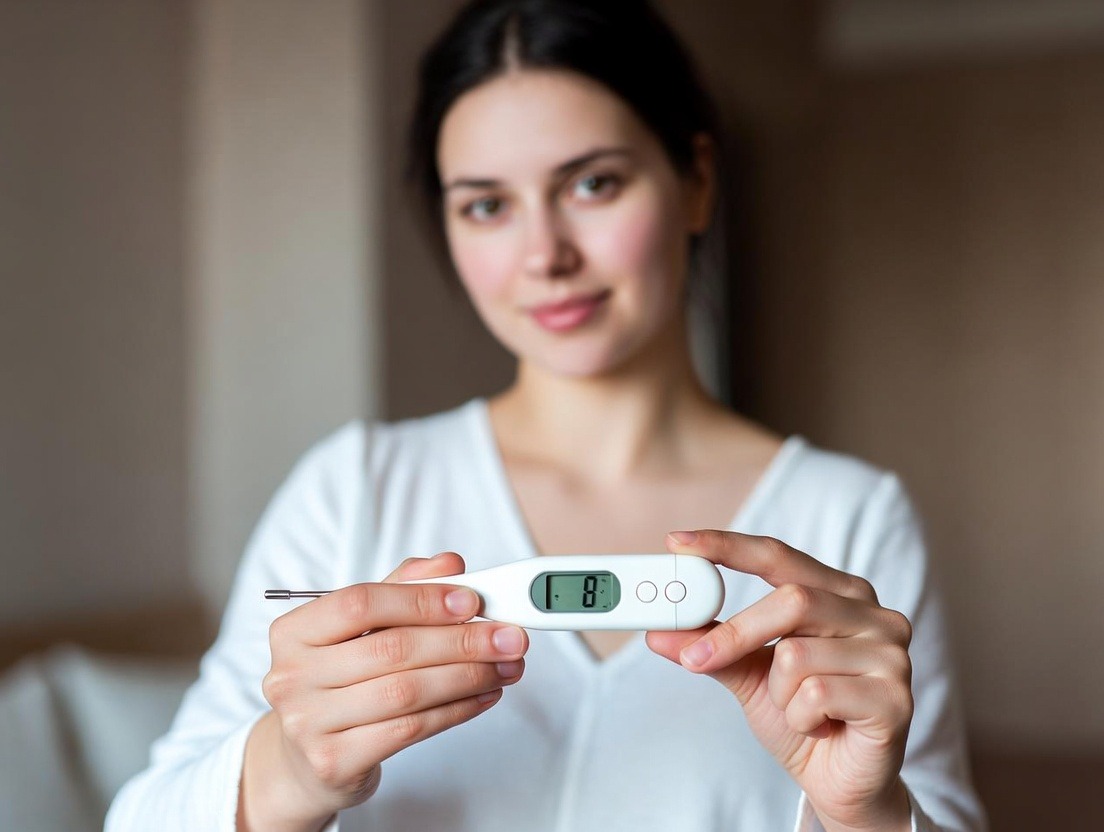
This is the central tenet that makes preventive wellness powered by data so revolutionary: There is no universal "optimal" health metric. The textbook "normal" ranges for HRV, resting heart rate, or even blood pressure are population averages—broad bell curves that encompass a massive variety of human physiology. Your optimal zone is unique to you, shaped by your genetics, age, sex, fitness level, and lifestyle.
A resting heart rate of 55 might be dangerously low for one person and a sign of peak athletic conditioning for another. An HRV of 40 ms might be a fantastic, high reading for a 50-year-old but a concerning low reading for a fit 25-year-old. Relying on population averages for personal guidance is like using a national average temperature to decide what to wear today—it’s statistically interesting but practically useless.
The Power of Establishing Your Baseline
The first and most critical job of your wellness ring is to learn you. Over the first 30-60 days of continuous wear, it gathers data across all your life’s contexts—work weeks, weekends, vacations, periods of stress, and times of rest. From this, it establishes your personal baselines. It learns what a good night’s sleep looks like for you. It calculates your typical HRV range. It understands your normal temperature rhythm.
Once this baseline is locked in, the device becomes extraordinarily powerful. Now, it’s not comparing you to a million strangers; it’s comparing you to yourself. It can detect meaningful deviations—the anomalies that signal something has changed.
Detecting Deviations: The Early Warning System
This is where preventive wellness becomes tangible. A sustained deviation from your personal baseline is your body’s earliest whisper that something is off. This could manifest as:
By alerting you to these deviations, the technology gives you a precious window of opportunity to intervene proactively. You can prioritize rest, hydrate, adjust your diet, or manage stress at the very first sign of trouble, potentially heading off a full-blown cold, a bout of burnout, or a metabolic slump. This is the essence of moving from reactive to proactive care—acting on subtle, subjective data before it becomes an overt, clinical problem. For real-world examples of how users experience these benefits, our testimonials page shares powerful stories.
Data in isolation is merely interesting. Data integrated into a coherent, personalized system of habits is transformative. Your wellness ring provides the insights; your protocol is the set of rules and routines you create to act on them. This is where you stop tracking your health and start directing it.
Think of your protocol as a dynamic, living document with core pillars that are informed by your continuous data stream:
1. The Sleep Protocol:
2. The Activity & Recovery Protocol:
3. The Nutrition & Metabolism Protocol:
The Key is Experimentation and Patience. Your protocol is not set in stone. It evolves as you learn what works for your unique biology. The ring provides the objective feedback to know if an intervention is working or not. This process of building a personalized protocol turns abstract wellness advice into a concrete, self-optimizing system. For more ideas on how to build healthy habits with your device, see how wellness rings help build healthy habits.
When we string together nights of quality sleep, days of managed stress and smart nutrition, and years of listening to our body’s data-driven signals, we are doing more than just feeling better next week. We are engaging in the most meaningful form of self-care: longevity planning. But not just longevity as more years of life—healthspan, meaning more years of vibrant, functional, disease-free life.
The chronic diseases that plague modern society are not acts of random fate; they are the end result of decades of accumulated physiological wear and tear—metabolic dysfunction, chronic inflammation, cellular damage, and hormonal imbalance. A proactive, data-informed lifestyle directly counteracts these processes at their root.
Your wellness ring provides the daily and weekly feedback loops to keep you on this path. It helps you make the right small choices that, compounded over years, dramatically alter your long-term health trajectory. It shifts your focus from fearing disease to cultivating vitality. The data becomes your compass, pointing you toward habits that don't just add years to your life, but life to your years.
This journey is a profound shift from outsourcing your health to taking radical responsibility for it. It’s empowered, it’s personalized, and it’s the undeniable future of healthcare. To learn more about the company behind this vision and our commitment to proactive health, we invite you to read about our story and mission.
Health is not solely an individual pursuit; it exists within a web of relationships. Our habits are contagious, and our environments are shared. The true potential of preventive wellness technology is magnified when it extends beyond the self to foster healthier families, partners, and communities. This is where data transforms from a personal mirror into a connective tool.
Family Wellness: A Shared Dashboard for Health
For families, a shared understanding of wellness principles can be transformative. Imagine partners using wellness rings not in competition, but in collaboration:
Community & Social Accountability:
The rise of private, opt-in community features within wellness apps creates a powerful layer of positive social pressure. This isn't about public leaderboards for steps, but about shared intention.
This social dimension adds a layer of motivation and support that pure self-tracking can lack. It turns wellness from a solitary discipline into a collective journey, where shared data (with full privacy controls) can lead to shared understanding, support, and better health outcomes for everyone involved. For those interested in how this technology integrates into broader life systems, learn about wellness ring integration with other health apps.
In an era where personal data is a commodity, the intimate nature of continuous health biometrics raises critical questions. Your sleep patterns, stress levels, and activity profiles form a deeply personal digital portrait. Trust is not a feature in this space; it is the foundational currency. A commitment to rigorous privacy, security, and ethical data stewardship is non-negotiable for any company and any individual embarking on this journey.
The Principles of Ethical Health Data Use:
Questions to Ask of Any Wellness Tech Provider:
Your Role as a Data Steward:
Your vigilance is also required. Use strong, unique passwords for your wellness accounts. Enable two-factor authentication if available. Be cautious about connecting your health data to numerous third-party apps; each connection is a potential vulnerability. Understand the privacy settings within your app—you can often choose what is calculated on-device versus what is sent to the cloud.
Choosing a wellness technology partner is a decision of trust. It's essential to select a company whose values align with this ethical framework, one that views your data not as an asset to be monetized, but as a sacred trust to be protected. At Oxyzen, we have built our platform on these principles, and we encourage you to review our detailed privacy and data security policies to understand our commitment.

The most exciting frontier for preventive wellness technology is its potential to create a seamless bridge between daily life and the clinical setting. The goal is not to replace physicians, but to empower them with richer, more contextual data, transforming the annual check-up into a collaborative review of a patient's continuous health story. This is the path to truly personalized medicine.
The "Useless" Annual Physical vs. The Data-Rich Consultation:
Imagine walking into your doctor's office not with vague complaints like "I'm tired," but with a structured report showing:
This contextual, longitudinal data is a goldmine for a clinician. It moves the conversation from diagnosing based on a single point-in-time snapshot to understanding patterns and trends. The doctor can ask targeted questions: "What changed in your life when this HRV trend started?" They can make precise recommendations: "Let's focus on sleep hygiene and stress management techniques first, and re-evaluate these trends in 6 weeks."
Use Cases in Clinical Pathways:
The Challenges & The Future:
The integration is not without hurdles. Clinicians are time-poor, and data overload is a real risk. The solution lies in intelligent data summarization. Future platforms will generate clinician-facing reports that highlight only significant deviations and trends, flagging potential areas of concern rather than dumping raw data.
The industry is moving towards this future. Some forward-thinking practices are already beginning to accept patient-generated health data. As the clinical utility of this longitudinal information becomes undeniable, and as interoperability standards improve, the wearable on your finger will become a standard piece of your medical record—a continuous sentinel that helps your doctor practice not just medicine, but preventive medicine. To understand what doctors find most useful in this data, read perspectives from medical professionals in our article on what doctors find most useful about wellness rings.
Embarking on a data-driven wellness journey can feel overwhelming. The key is to start with curiosity, not obsession. The first 90 days are a discovery phase—a time to establish your baseline, learn the language of your body, and run simple, insightful experiments. Here is a structured roadmap to ensure you gain maximum value without burnout.
Phase 1: The Observation Month (Days 1-30) – Establish Your Baseline
Phase 2: The Exploration Month (Days 31-60) – Run Simple Experiments
Phase 3: The Integration Month (Days 61-90) – Build Your Protocol
Pro-Tips for Success:
By following this phased approach, you build knowledge and sustainable habits, avoiding the common pitfall of data anxiety. You transition smoothly from a novice to a confident, body-literate individual in control of your preventive health journey. For a complete step-by-step guide, from unboxing to expert use, check out our wellness ring mastery guide.
Entering the world of advanced wellness wearables requires a considered investment—not just of money, but of trust and commitment to the process. With a growing market, choosing the right device is crucial. The goal is to find a tool that aligns with your goals, fits your life, and operates from a foundation of integrity. Here is a framework for making an informed decision.
1. Define Your Primary "Why?"
Your goal dictates the features you prioritize.
2. The Critical Evaluation Criteria
3. Cost vs. Value Analysis
A wellness ring is an investment in your long-term health. Consider the cost not just as a product purchase, but as a tool for potentially avoiding future medical expenses, improving daily performance, and extending your healthspan. Many find the value in improved sleep and reduced stress alone to be worth the investment.
4. The Trial Period & Support
Choose a company that stands behind its product with a reasonable trial period and a clear warranty. Good customer support is essential for a technical product. Review the warranty and return policies carefully. Read real user experiences to gauge long-term satisfaction on the testimonials page.
Ultimately, the best device is the one you will wear consistently and engage with thoughtfully. It should feel like a helpful companion, not a chore. By taking the time to evaluate based on these criteria, you can select a partner that will empower your preventive wellness journey for years to come. For a side-by-side look at the market, our comparison chart of top brands can provide a helpful overview as you begin your research.
The first 90 days transform you from a novice to a competent user. You understand your baselines, have run simple experiments, and built foundational habits. The journey now deepens. The expert user moves beyond reacting to daily scores and begins to wield data for long-term optimization, fine-tuning their life across seasons, life stages, and ambitious goals. This phase is characterized by sophisticated analysis, proactive periodization, and using data to navigate life’s larger transitions.
1. Longitudinal Trend Analysis: The Macro View
The expert shifts focus from the daily dashboard to the monthly and quarterly trends. This macro view reveals the slow, powerful currents of your health, invisible in the daily noise.
2. Biohacking with Precision: Targeted Interventions
With a solid baseline, you can test advanced interventions with clear hypotheses and precise outcome measures.
3. Stress Inoculation & Resilience Building
The expert doesn’t just avoid stress; they strategically dose it to build resilience, a concept known as hormesis. Data is crucial for navigating this delicate balance.
This expert phase is where you truly become the architect of your own physiology, using empirical feedback to craft a lifestyle that doesn’t just prevent disease, but actively cultivates peak resilience and performance. For a vision of where this user journey is headed, explore our thoughts on the future of wearable health tech.
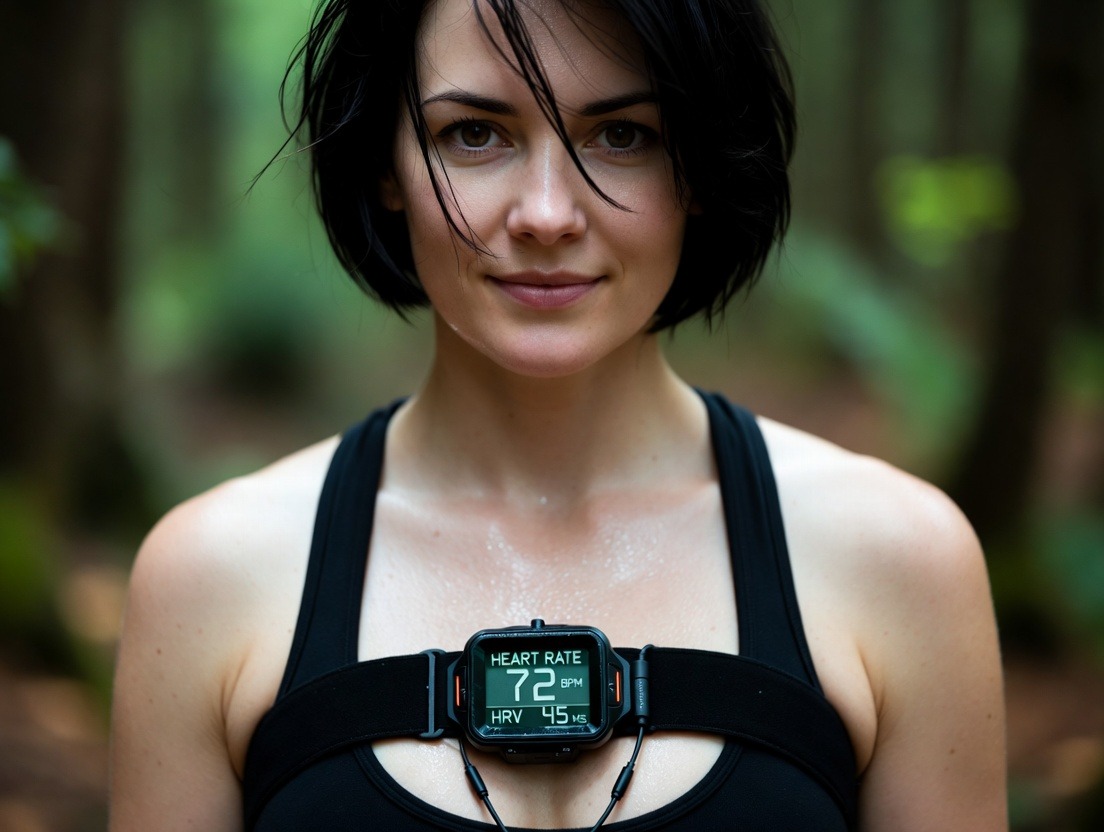
Preventive wellness is not a one-size-fits-all philosophy; its application and primary focus evolve beautifully across the lifespan. A wellness ring is a constant companion, but the story it helps you write changes with each chapter of life.
The 20s & 30s: Building the Foundation
The 40s & 50s: The Pivot to Preservation
The 60s and Beyond: Cultivating Healthspan
Across all stages, the constant is the power of a personal baseline. A 70-year-old isn’t compared to a 25-year-old’s HRV; they are monitored for significant deviations from their own established normal. This makes preventive care truly age-appropriate and personally relevant. For targeted strategies for later decades, our 50 healthy aging tips resource is invaluable.
The Limits of Data: Cultivating Intuition and Avoiding Obsession
An essential chapter in the story of data-driven wellness is knowing when to look away. The goal is body literacy, not data obsession. The ring provides quantitative data (the "what"), but your lived experience provides qualitative context (the "why" and "so what"). The expert user knows how to marry the two.
The Pitfalls of Quantification:
The Balanced Protocol: Data as a Guide, Not a God
The most advanced skill in preventive wellness is knowing when to trust the machine and when to trust yourself. The data is a powerful compass, but you are still the navigator, reading the wind and the waves of your own lived experience. For those concerned about finding this balance, our blog on how wellness rings help build healthy habits focuses on sustainable integration.
Theory and methodology come alive through story. Here are composite case studies, inspired by real user experiences, that illustrate the transformative power of a proactive, data-informed approach.
Case Study 1: Sarah, 42 – Solving the "Unexplained Fatigue"
Case Study 2: Mark, 58 – From "Pre-Hypertensive" to Optimized
Case Study 3: The Chen Family – Shared Sleep, Shared Health
These stories underscore that the value of this technology is not in the data itself, but in the behavioral change it inspires and the personalized insights it unlocks, moving health from a mystery to a manageable project. For more inspiring transformations, visit our testimonials page.
A wellness ring is a powerful central hub, but it reaches its full potential when integrated into a broader ecosystem of tools and practices—a personalized "health stack." This isn't about using more apps, but about creating intelligent connections that give you a unified, comprehensive view.
1. Nutrition & Food Logging:
2. Fitness & Training Platforms:
3. Mindfulness & Mental Fitness Apps:
4. Medical & Clinical Data:
5. Smart Home & Environment:
The principle is interoperability. By allowing your ring’s data to flow into other apps you use, and importing relevant data into your wellness platform, you break down data silos. You move from having fragmented pieces of your health picture in different places to having a single, unified command center where you can see how nutrition, fitness, mindfulness, and physiology interact in real-time. Learn more about setting this up in our guide to wellness ring integration with other health apps.
The technology we have today is merely the first chapter. The next decade will see an acceleration that will further blur the lines between consumer wellness, clinical-grade monitoring, and personalized medical intervention. Here are the horizons we are rapidly approaching.
1. Multi-Modal Sensing & Non-Invasive Blood Biomarkers:
The next generation of wearables will incorporate new sensing modalities. Spectroscopy could enable non-invasive tracking of key blood biomarkers like lactate (for athletic performance), cortisol (for stress), and even markers like CRP (for inflammation). A ring could one day provide a daily, non-invasive "mini blood panel," tracking trends in these crucial health indicators.
2. Advanced Predictive AI & True Early Warning Systems:
AI will evolve from descriptive ("you slept poorly") to truly predictive and prescriptive. By analyzing population-scale anonymized data, algorithms will identify pre-symptomatic patterns for common conditions like infections, migraines, or depressive episodes. Your device may alert you: "Your physiological patterns are 70% consistent with users 24 hours before a migraine. Consider hydration and reducing screen time today."
3. Closed-Loop Systems for Behavior Change:
Integration will become more automated and responsive. Imagine a system where:
* Your ring detects elevated stress during work.
* It signals your smart lights to subtly shift to a calmer hue.
* It prompts your smart speaker to suggest a 2-minute breathing exercise.
* It logs the session and later shows you how it lowered your heart rate.
This creates an ambient, supportive health environment that acts in real-time.
4. Democratized Clinical Research & Population Health:
With proper privacy safeguards and user consent, aggregated, anonymized data from millions of wearables will become the world's largest real-world health study. Researchers could study the impact of lifestyle on disease progression, the effectiveness of public health interventions, or the physiological signatures of long-term health in unprecedented detail, accelerating medical discovery.
5. Integration into Standard Medical Care:
As clinical validation grows, prescribing a "diagnostic wearable" for post-operative care, chronic disease management, or preventive screening will become as common as prescribing a medication. Hospitals will use in-patient wearables for continuous monitoring, as explored in our article on health tracking technology in hospitals. Your primary care physician will routinely review your wearable data trends as part of your annual physical.
The future of proactive healthcare is not a single device, but an intelligent, interconnected ecosystem centered on the individual. It is a future where illness is increasingly preempted, where health is continuously cultivated, and where each person is empowered with the knowledge and tools to be the primary author of their own well-being. This is the profound promise we are working towards at Oxyzen, and you can follow our journey and insights on our blog.
Understanding the philosophy and potential is one thing; embarking on your own journey is another. If the vision of data-empowered, preventive wellness resonates with you, the next step is choosing a partner you can trust for the long term. Oxyzen is built from the ground up for this new era of proactive health. Here’s what the beginning of your journey looks like with us.
1. Finding Your Perfect Fit:
The journey begins at Oxyzen.shop. Here, you can explore the elegant design that makes 24/7 wear a pleasure, not a chore. We understand that a wellness tool must fit your life aesthetically as well as physiologically. You can browse the various color and style options to find a ring that feels like you.
2. The Simple, Informed Purchase:
We believe in transparency. Alongside product details, you’ll find resources to answer all your questions before you buy. Our comprehensive comparison chart and guide to making a purchase decision are designed to give you confidence. We clearly outline our warranty and support policies because your trust is paramount.
3. Unboxing to Mastery:
From the moment your ring arrives, we’re with you. Our mastery guide walks you through unboxing, sizing (including how to personalize the fit for your body), and initial setup. The app will gently guide you through the crucial first 30-day observation phase.
4. Continuous Learning and Support:
Your ring is a companion, and we are your support team. For any operational questions, our extensive FAQ and blog with common questions answered are always available. For inspiration and deeper learning, the Oxyzen blog is a constantly updated resource on everything from the basics of activity tracking to the evolution of the technology itself.
5. Becoming Part of a Community:
When you choose Oxyzen, you’re not just buying a product; you’re aligning with a mission to make proactive health accessible, elegant, and ethical. You can learn about our story and values and connect with other users who are on the same journey of discovery and optimization.
The path to preventive wellness is the most important investment you can make. It’s a journey of self-knowledge, empowerment, and long-term vitality. We’ve built Oxyzen to be your trusted guide on that path, from the first curious glance at your data to a lifetime of informed, proactive choices.
Your Trusted Sleep Advocate (Sleep Foundation — https://www.sleepfoundation.org/)
Discover a digital archive of scholarly articles (NIH — https://www.ncbi.nlm.nih.gov/
39 million citations for biomedical literature (PubMed — https://pubmed.ncbi.nlm.nih.gov/)
experts at Harvard Health Publishing covering a variety of health topics — https://www.health.harvard.edu/blog/)
Every life deserves world class care (Cleveland Clinic -
https://my.clevelandclinic.org/health)
Wearable technology and the future of predictive health monitoring. (MIT Technology Review — https://www.technologyreview.com/)
Dedicated to the well-being of all people and guided by science (World Health Organization — https://www.who.int/news-room/)
Psychological science and knowledge to benefit society and improve lives. (APA — https://www.apa.org/monitor/)
Cutting-edge insights on human longevity and peak performance
(Lifespan Research — https://www.lifespan.io/)
Global authority on exercise physiology, sports performance, and human recovery
(American College of Sports Medicine — https://www.acsm.org/)
Neuroscience-driven guidance for better focus, sleep, and mental clarity
(Stanford Human Performance Lab — https://humanperformance.stanford.edu/)
Evidence-based psychology and mind–body wellness resources
(Mayo Clinic — https://www.mayoclinic.org/healthy-lifestyle/)
Data-backed research on emotional wellbeing, stress biology, and resilience
(American Institute of Stress — https://www.stress.org/)


