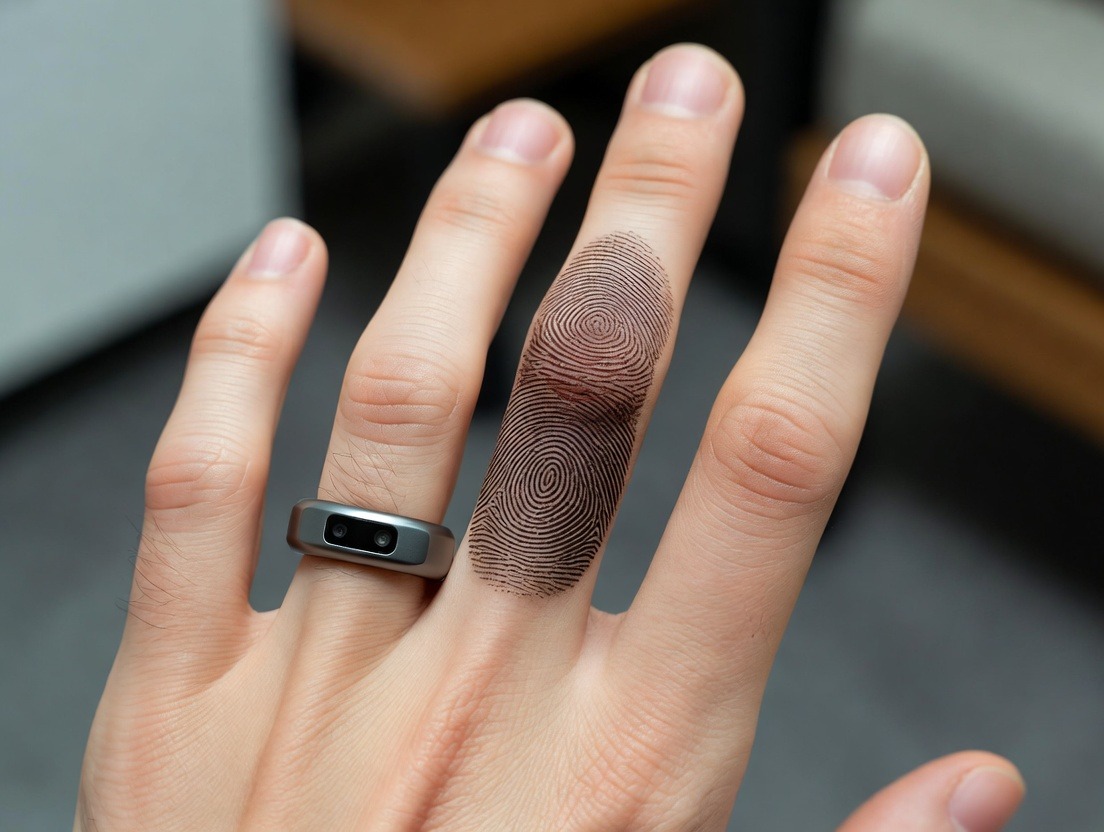
The Complete Beginner-Friendly Guide to Work Stress Management via Ring Insights
A complete beginner's guide to managing work stress using insights from your ring's biometrics.
The Complete Beginner-Friendly Guide to Work Stress Management via Ring Insights
You wake up before the alarm, a knot of tension already forming in your stomach. Your mind races with yesterday’s unfinished tasks and today’s looming deadlines before your feet even touch the floor. At work, you navigate a constant barrage of emails, meetings, and urgent requests. You power through, fueled by coffee and adrenaline, only to find yourself lying awake at night, your brain stubbornly refusing to shut off, your body humming with a residual, exhausting buzz. Sound familiar?
This isn't just a bad day; this is modern work stress. It’s chronic, insidious, and often invisible until it manifests as burnout, illness, or a deep sense of dissatisfaction. For years, we’ve tried to manage this with generic advice: “take deep breaths,” “meditate,” “get more sleep.” But what if the advice could be personalized? What if you could see the invisible physiological signatures of your stress—your body’s raw, unfiltered truth—and learn exactly how your unique system responds to pressure?
Enter the smart ring. This unassuming piece of wearable technology is revolutionizing our understanding of personal wellness by moving beyond step counts and into the realm of continuous, clinical-grade biometric monitoring. It measures what you cannot feel—subtle shifts in heart rate, minute changes in body temperature, detailed sleep architecture, and nervous system activity—all from your finger.
This guide is your map to a new frontier: using the objective data from a smart ring not just to track your life, but to transform your relationship with work stress. We’ll move from simply knowing you’re stressed to understanding the precise triggers, timing, and physical toll of that stress. You’ll learn how to interpret your body’s signals, create a truly personalized stress-resilience plan, and use empirical insights to build a more sustainable, healthier, and more productive professional life. This isn’t about working harder; it’s about working smarter, guided by the most reliable source of information you have—your own physiology.
Understanding Stress: It's Not All in Your Head (Your Ring Can Prove It)
We throw the word “stress” around casually, but to manage it effectively, we must first define it scientifically. Stress, in physiological terms, is your body’s reaction to any demand or threat—a complex cascade of hormones and nervous system responses designed for survival. Dr. Hans Selye, a pioneering stress researcher, coined the term “General Adaptation Syndrome,” describing three stages: alarm (the initial fight-or-flight reaction), resistance (the body attempts to cope and adapt), and exhaustion (resources are depleted if the stressor is chronic).
For our modern lives, the “threats” are rarely saber-toothed tigers. They are looming project deadlines, a toxic email from a colleague, back-to-back virtual meetings, or the constant ping of notifications. The problem is, your primal nervous system can’t tell the difference. It activates the same sympathetic nervous system (SNS) response: cortisol and adrenaline flood your system, your heart rate accelerates, blood pressure rises, and blood is shunted away from “non-essential” systems like digestion and repair towards your muscles and brain. This is the stress response.
The opposite state is governed by the parasympathetic nervous system (PNS), often called the “rest and digest” system. This is where recovery, healing, and calm occur. Healthy living is about balance—or homeostasis—between these two systems.
Chronic work stress traps you in a prolonged state of SNS activation with insufficient PNS recovery. This imbalance has tangible, measurable effects:
Cardiovascular Strain: Elevated resting heart rate and reduced heart rate variability (HRV). HRV—the subtle variation in time between heartbeats—is a key biomarker of autonomic nervous system resilience. High HRV generally indicates a healthy, adaptable system that can switch efficiently between stress and recovery. Low HRV is a strong indicator of chronic stress, fatigue, or overtraining.
Thermal Dysregulation: Chronic stress can disrupt your body’s core temperature rhythm, which is intricately linked to sleep quality and circadian health.
Sleep Architecture Disruption: Stress hijacks sleep, particularly deep (Slow-Wave) and REM sleep, which are critical for memory consolidation, emotional processing, and physical restoration.
This is where the promise of the smart ring shines. It acts as a personal biofeedback lab, quantifying these invisible processes. While you subjectively feel “wired and tired,” your ring is collecting objective data: “Your nighttime resting heart rate is 8 bpm higher than your baseline. Your HRV dropped 25% this week. Your sleep latency increased, and you got only 12 minutes of deep sleep last night.”
This shift from subjective feeling to objective fact is empowering. It removes the guilt (“Am I just not resilient enough?”) and provides a clear starting point. The data doesn’t lie. By understanding the core physiology of stress, you can begin to use your ring not as a judge, but as a guide, pinpointing exactly when your system is taxed and what truly helps it recover. This foundational knowledge is critical, as the interplay between daily stress and nightly recovery is profound. To build resilience, we must first ensure the foundation—sleep—is solid, which you can explore in depth by understanding what are sleep patterns and why do they matter.
How a Smart Ring Becomes Your Personal Stress Biomonitor
You might wonder, “Why a ring? My watch or phone tracks stress too.” The difference is in the intimacy, continuity, and precision of the data. A smart ring leverages the unique vascularity of your finger, providing a superior signal for key metrics, all while being worn 24/7 without the need to charge daily or the discomfort of a bulky device during sleep.
Let’s break down the core biometrics a modern smart ring tracks and what each one reveals about your stress and recovery state:
Heart Rate (HR) & Resting Heart Rate (RHR): Your RHR is a fundamental vital sign. A consistent elevation from your personal baseline (often seen over a week or month) is one of the clearest indicators your body is under sustained physiological stress—whether from work, illness, or poor recovery. Your ring tracks this continuously, especially at night when the data is cleanest.
Heart Rate Variability (HRV): This is arguably the crown jewel of stress and recovery metrics. Think of it as your body’s “readiness” score. A higher HRV suggests a robust, adaptable autonomic nervous system that can respond efficiently to challenges and then recover quickly. A lower or declining HRV suggests your system is fatigued, overloaded, or struggling to adapt. Your ring calculates this nightly, giving you a daily benchmark of your recovery status.
Body Temperature: Advanced rings track subtle changes in your peripheral body temperature. A elevated temperature trend can signal the onset of illness, inflammation, or significant stress response. More importantly, your body’s core temperature rhythm is the primary driver of your sleep-wake cycle. Disruptions in this rhythm, visible as erratic temperature curves, can point to circadian misalignment—a common side effect of erratic work schedules and high stress.
Respiratory Rate: Even your breathing pattern during sleep tells a story. A higher-than-normal respiratory rate can be a sign of stress, anxiety, or even sleep-disordered breathing like apnea, all of which undermine recovery.
Sleep Staging & Quality: This is where the ring synthesizes data. By analyzing movement, heart rate, and temperature, it estimates time spent in Light, Deep, and REM sleep. Chronic stress notoriously robs you of Deep and REM sleep. Seeing this quantified—e.g., “You got only 45 minutes of Deep sleep”—provides irrefutable evidence of your recovery deficit. For a deeper dive into interpreting this crucial data, a sleep pattern analysis can reveal what your tracker is telling you.
The magic isn’t in one metric alone, but in the trends and correlations. Your ring’s app transforms this raw data into actionable insights:
A Readiness Score: A composite index (often using HRV, RHR, sleep, and temperature) that advises whether you’re primed for a high-stress day or should prioritize recovery.
Stress Timeline: Some rings can detect moments of acute sympathetic activation throughout the day, helping you identify specific stress triggers.
Recovery Tracking: Showing how your body recovers overnight from the previous day’s strain.
This continuous stream of personalized data moves you from guesswork to knowledge. You’re no longer managing an abstract concept of “stress”; you’re managing your specific, measurable physiology. With this powerful tool in hand, the next step is to establish your personal baseline—the essential reference point that makes all this data meaningful.
Establishing Your Personal Baseline: What "Normal" Really Means for You
Before you can identify what’s wrong, you must first define what’s right—for you. This is the most critical, and most often skipped, step in using any biometric device. There is no universal “good” number for HRV or RHR. A “good” HRV for a 25-year-old athlete might be 80ms, while a “good” HRV for a 50-year-old office worker might be 40ms. Comparing your data to population averages or, worse, to a friend’s data, is not only unhelpful but can be actively misleading and demotivating.
Your baseline is your personal physiological fingerprint. It’s the range of values your body operates within when you are relatively unstressed, well-rested, and healthy. Establishing this requires patience and observation over a minimum of two to four weeks of consistent wear, ideally during a period that is representative of your “typical” life (not on vacation, but not during an insane project crunch either).
Here’s how to use your ring to build this foundational self-knowledge:
Wear It Consistently: The ring must be worn 24/7, especially during sleep, to gather clean, continuous data. Nighttime data is gold, as it’s free from the noise of movement, eating, and emotional fluctuations.
Observe Without Judgment: For the first few weeks, resist the urge to “optimize” or fret over daily numbers. Simply wear it, live your life, and let the data accumulate. Use the app to observe daily and weekly trends.
Identify Your Healthy Ranges: After this observation period, look at your data in the app’s weekly or monthly view. Note the following:
Average Nightly RHR: What is your typical resting heart rate when well-recovered?
Average HRV: What is your normal HRV range? (e.g., “My HRV typically falls between 42 and 55 ms.”)
Typical Sleep Profile: How much total sleep, and how much Deep/REM sleep do you get on a good night?
Temperature Trend: What does your nightly temperature curve look like when you feel good?
Log Contextual Notes: Use the journal feature in your ring’s app (or a separate notebook) to add simple context on days that stand out. Note: “Big presentation today,” “Drank alcohol last night,” “Intense workout,” “Felt a cold coming on,” “Weekend, slept in.” This creates a powerful feedback loop, helping you connect lifestyle factors to physiological outcomes.
Once you have this baseline, your data becomes a powerful diagnostic language. Instead of seeing a single day’s low HRV and panicking, you can view it in context. Is it 10% below your baseline after three nights of poor sleep? That’s informative. Is it 40% below your baseline despite a full night’s sleep? That’s a red flag that something else—like an oncoming illness or extreme fatigue—might be at play.
This self-benchmarking is the cornerstone of personalized stress management. It empowers you to make data-informed decisions. For instance, if your readiness score is low and your metrics are off-baseline, you might choose to tackle your most demanding creative work during your biological peak hours, a concept you can refine by reading about sleep patterns and productivity for finding your peak hours. Conversely, if your scores are high, you can confidently lean into a challenging day. Your baseline turns your ring from a novelty into a true guide, and with this guide, we can begin to decode the first and most profound signal of imbalance: the state of your sleep.
Decoding the First Signal: How Work Stress Sabotages Your Sleep (And What Your Ring Shows)
Sleep is not an optional downtime; it is non-negotiable maintenance for your brain and body. It is during sleep that your body clears metabolic waste, repairs tissues, consolidates memories, and, most importantly, processes stress hormones and resets your emotional and physiological systems. Therefore, when work stress invades, sleep is often the first casualty—and poor sleep, in turn, drastically lowers your stress resilience, creating a vicious cycle.
Your smart ring illuminates this cycle with stark clarity. Here’s how chronic work stress manifests in your sleep data:
Increased Sleep Latency: This is the time it takes you to fall asleep. A stressed mind is a racing mind. If your ring shows you’re routinely taking 30+ minutes to fall asleep when your baseline is 15, it’s a direct signal of cognitive hyperarousal.
Elevated Nighttime Heart Rate: Your RHR should drop significantly during sleep. If your ring shows your average sleeping heart rate is creeping up and getting closer to your daytime resting rate, it’s a sign your sympathetic nervous system is still partially “on,” preventing full physiological recovery. This is one of the most telling signs of chronic stress.
Reduced HRV During Sleep: While HRV is naturally higher during sleep (as the PNS takes over), chronic stress can suppress this rise. A flatter, lower HRV curve throughout the night indicates your system isn’t achieving a deep state of recovery.
Disrupted Sleep Architecture: This is the key battleground.
Deep Sleep (Slow-Wave Sleep) Deprivation: Deep sleep is for physical restoration and hormonal regulation, including clearing cortisol. High stress and an elevated heart rate can physically block your brain from entering this vital stage. Your ring may show short, fragmented periods of deep sleep instead of long, restorative blocks.
REM Sleep Disturbance: REM sleep is for emotional processing and memory consolidation. Stress and anxiety can cause an overabundance of REM early in the night (leading to intense, stressful dreams) or a reduction in overall REM. This can leave you feeling emotionally raw and cognitively foggy.
Frequent Awakenings: You may not remember them, but your ring does. Micro-awakenings, often correlated with spikes in heart rate, fragment your sleep cycle and reduce its restorative quality.
Irregular Sleep Timing: The “I’ll just finish this report” mentality leads to later bedtimes, while morning anxiety causes early wake-ups. This erodes sleep consistency, which is devastating for your circadian rhythm. The impact of this inconsistency is so significant it has a name, which you can learn about in our article on the weekend sleep pattern problem known as social jet lag.
The Story in the Data: Imagine your ring report shows: Sleep Latency: 42 min. Avg. Sleep HR: 68 bpm (Baseline: 58). Deep Sleep: 32 min. Awakenings: 12. This isn’t just a “bad night’s sleep.” It’s a biometric report card screaming that your work stress has followed you to bed, prevented your nervous system from downshifting, stolen your most restorative sleep, and left you fundamentally un-repaired for the next day. Recognizing this pattern is the first step to breaking it. The next step is to use your waking data to identify the specific triggers that set this destructive cycle in motion.
From Data to Insight: Identifying Your Unique Stress Triggers and Patterns
With your baseline established and your sleep’s stress signature understood, you can now play detective with your daily life. The goal is to move from “work is stressful” to identifying the specific conditions, tasks, and interactions that cause the most significant physiological disruption. This precision allows for targeted intervention.
Your smart ring aids this investigation in several ways:
The Daily Stress Timeline: Some rings offer a continuous stress score or “body battery” drain estimate throughout the day. Look at the graph. Do you see predictable spikes?
A sharp peak at 10:05 AM? What happened then? Was it the daily stand-up meeting with your demanding manager?
A sustained elevated period from 2-4 PM? Is that when you tackle your most cognitively draining work, or is it the post-lunch slump combined with a poor dietary choice?
A spike at 7 PM, even though you’re home? Are you habitually checking work emails, triggering a stress response during your supposed downtime?
Correlating Events with Next-Day Readiness: This is a powerful long-game analysis. Use your app’s journal or note-taking feature.
Example A: You log “4 back-to-back client calls Tuesday afternoon.” Wednesday morning, your readiness score is low, and your sleep data shows high resting heart rate. Correlation: Intense social/performance demands may be a major trigger for you.
Example B: You log “Took a 20-minute walk outside during lunch break.” That night, your sleep HRV is 15% higher than the previous night. Correlation: Midday movement and nature exposure may be a powerful buffer for your system.
Example C: You have a “normal” day but work from a noisy coffee shop. Your stress timeline shows constant low-grade activation. Your ring has identified environmental noise as a subtle but persistent stressor.
Identifying Recovery Activities: The flip side is just as important. What genuinely lowers your stress signature? Does a 10-minute meditation session cause a visible dip in your real-time stress graph? Does disconnecting from screens by 9 PM lead to a faster drop in your sleeping heart rate? Your ring provides objective proof of what works for you, moving you beyond trendy wellness hacks to proven, personal recovery protocols.
Common Stress Trigger Archetypes Your Ring Might Reveal:
The Meeting Hangover: Physiological activation remains high for hours after a tense meeting.
The Digital Drip: Constant email/slack notifications cause a series of micro-stress spikes, keeping your nervous system on edge.
The Chronotype Clash: Your deepest work is scheduled at your biological low point (e.g., a night owl forced into 8 AM creative sessions), resulting in high stress and low output. Understanding if you are a morning person or night owl is key to understanding this pattern.
The Recovery Illusion: You “relax” by watching an intense, violent TV show, but your ring shows your heart rate remains elevated, undermining true recovery.
By moving from vague feelings to specific, data-backed triggers, you reclaim agency. You can’t eliminate all stress, but you can strategically manage your exposure to your biggest triggers and double down on what brings you back to balance. This sets the stage for building your first, data-informed defense against the workday grind: crafting a personalized daily work rhythm.
Crafting Your Personalized Daily Work Rhythm
Armed with knowledge of your triggers and your body’s daily patterns, you can now design a workday that respects your biology, rather than fighting it. This isn’t about time management in the traditional sense; it’s about energy and nervous system management. Your ring data provides the blueprint.
Here’s how to build your rhythm:
1. Honor Your Chronotype & Circadian Rhythm: Your body has a natural ebb and flow of energy, focus, and stress resilience throughout the day, dictated by your circadian rhythm. Your ring’s temperature and sleep data are direct reflections of this rhythm.
Use Your Ring Data: If your ring shows you consistently fall asleep late and have a late temperature nadir (coolest point), you likely have a later chronotype.
Schedule Strategically:
Protect Your Peak: Identify your 2-3 hour biological peak window (often late morning for early birds, late afternoon for night owls). Use your ring’s readiness score and historical data to confirm this. Guard this time ferociously for your most important, focused, creative, or demanding tasks. No meetings, no email—deep work only.
Schedule Admin in the Troughs: Save low-cognitive tasks (email, administrative work, routine calls) for your post-lunch dip or other lower-energy periods.
Align Meetings: If possible, schedule collaborative meetings during your “social” or moderate-energy periods, not during your sacred peak focus time.
2. Build Proactive Stress Buffers into Your Schedule: Don’t wait until you’re overwhelmed. Use your ring’s stress timeline to identify vulnerable periods and pre-schedule recovery.
Pre-Meeting Buffer: If client calls spike your stress, block 10 minutes before for centering breathwork (and verify its effect with your ring).
Post-Deadline Reset: After submitting a major deliverable, block time for a walk or a non-work activity to help your nervous system downshift. Check if this reflects in a lower stress reading afterward.
The Micro-Break Rhythm: Use a pomodoro-style timer (e.g., 50 minutes work, 10 minutes break) but personalize it. In your 10-minute break, do something that genuinely engages your PNS: look out a window, do some light stretching, or step outside. See if this practice improves your afternoon stress timeline over a week.
3. Optimize Your Environment Based on Data:
Noise: If your stress timeline shows activation in open offices or noisy environments, use noise-canceling headphones as a proactive shield. Test different soundscapes (white noise, brown noise, silence) and see which one correlates with a calmer stress graph.
Light: Maximize natural light exposure, especially in the morning. This strengthens your circadian signal, improving sleep and daytime energy. If you’re stuck indoors, consider a bright light therapy lamp during your morning work session.
Movement: Correlate your activity data with stress. Does a short walk at 3 PM prevent the classic slump? Schedule it. Use stand-up or walking meetings when possible.
4. Redefine “Productivity”: True productivity is sustainable output without burning out your nervous system. A “productive” day should end with your physiology capable of recovering fully overnight. Let your ring’s recovery metrics be the ultimate judge of your daily structure. If your current rhythm consistently leaves you with poor sleep scores and low readiness, the rhythm is flawed, no matter how much you crossed off your to-do list.
By crafting this personalized rhythm, you stop being a passive recipient of the workday’s demands and become the architect of your own sustainable performance. However, even the best-designed day can be derailed by acute stress. That’s when you need a toolkit of in-the-moment, data-verified techniques to hit the brakes on your stress response.
The In-the-Moment Toolkit: Using Ring Feedback for Real-Time Stress Interruption
Despite our best plans, stress spikes happen. A critical email arrives, a presentation goes sideways, or a conflict arises. In these moments, the goal is to interrupt the sympathetic cascade quickly and engage the parasympathetic nervous system to prevent a prolonged stress state. Your smart ring can be an extraordinary biofeedback tool here, providing real-time or near-real-time validation of what works.
How to Use Your Ring for Biofeedback:
Find a Quiet Moment: When you feel stressed, take 3-5 minutes if possible. Open your ring’s app to where it shows live heart rate or a stress graph (if available).
Try a Technique & Observe: Perform a stress-relief technique while watching the data.
Note the Response: Does the number (heart rate) go down? Does the graph curve downward? This objective feedback is powerfully reinforcing. It proves you can control your physiology.
Data-Verified Techniques to Test:
Coherent or Resonant Breathing: This involves breathing at a specific, slow pace (often 5-6 breaths per minute: inhale for 5 seconds, exhale for 5 seconds). This rhythm has been shown to synchronize heart rate and breathing, maximizing HRV and promoting PNS activation. Watch your live heart rate; it should slowly decrease and become more regular.
The Physiological Sigh: Popularized by Dr. Andrew Huberman, this is a double-inhale through the nose (filling the lungs completely) followed by a long, slow exhale through the mouth. It’s one of the fastest ways to reduce acute stress. Do 1-3 cycles and check your ring’s stress graph or heart rate.
Brief Body Scan or Grounding: Close your eyes and feel your feet on the floor, your body in the chair. Tense and release your shoulders. This directs attention away from the cognitive threat and back into the physical body, which can help downregulate the stress response.
A Short Walk (Without Your Phone): If possible, a 5-minute walk, especially outside, can work wonders. Movement helps metabolize stress hormones. Check your stress timeline afterward to see if the spike was truncated.
Building a Personalized “Stress-Interrupt” Playlist: Through experimentation with your ring, you’ll discover which techniques give you the quickest, most reliable physiological shift. It might be box breathing for one person and a quick bout of stair-climbing for another. Create a mental (or physical) list of your top 3 proven techniques. When stress hits, you don’t have to think—you can execute.
The Power of Objective Validation: This process transforms stress management from a vague, “woo-woo” concept into a tangible, skill-based practice. When you see your heart rate drop 8 BPM in two minutes because of your breathing, you build self-efficacy. You learn that you are not at the mercy of your stress response; you have the tools to modulate it. This empowered stance is fundamental to long-term resilience. And while managing acute spikes is crucial, the foundation of all resilience is built on the quality of your recovery outside of work hours, particularly in how you navigate the critical transition from work mode to rest mode.
Mastering the Art of the Evening Wind-Down: A Data-Driven Approach
The period between ending your workday and falling asleep is the bridge between stress and recovery. A poor transition—like jumping directly from your inbox to Netflix thrillers—means you bring a revved-up nervous system to bed, guaranteeing poor sleep and impaired recovery, as your sleep data will clearly show. A effective wind-down is a deliberate, ritualized process of lowering physiological arousal. Your ring provides the perfect feedback loop to design and refine yours.
The Goal: To lower resting heart rate, increase HRV, and initiate the core temperature drop that precedes sleep before you get into bed.
Steps to Create Your Data-Informed Wind-Down:
Set a Hard “Work Stop” Time: This is non-negotiable. Use a calendar alert. This is your symbolic and practical boundary.
Perform a “Brain Dump”: Spend 5-10 minutes writing down all unfinished tasks, worries, and ideas for tomorrow. This gets them out of your cyclical mental space and onto paper, reducing cognitive arousal.
Choose Your Wind-Down Activities Based on Data: Test different activities and see how they affect your next morning’s readiness score and your overnight heart rate.
Test Gentle Movement vs. Inactivity: Try a 20-minute gentle yoga or stretching session one night. The next week, try simply reading a book. Which leads to better sleep metrics for you?
Test Digital Content: Compare an evening of scrolling social media/news to an evening of reading a physical book or listening to calm music. Your ring will likely show a significant difference in sleep latency and resting heart rate. The blue light and stimulating content of screens are potent disruptors.
Test Connection: A calm, positive conversation with a partner versus solo time. See which correlates with better recovery.
Test Temperature: A warm bath or shower 60-90 minutes before bed. The rise and subsequent fall in body temperature can strongly promote sleepiness. Your ring’s temperature graph will show this effect.
Dim the Lights: Mimic the sunset. Lowering light exposure, especially blue light, signals your circadian clock that it’s time to prepare for sleep. Use dim, warm-toned lights.
The Final 60 Minutes: Based on your experiments, create a predictable sequence. Example: Bath at 9 PM, followed by herbal tea and fiction reading in dim light, followed by 5 minutes of gratitude journaling and a brief meditation in bed.
How Your Ring Validates Your Wind-Down:
Check Your Sleep Latency: A successful wind-down should lead to a shorter time to fall asleep.
Review Your Sleeping Heart Rate: It should be at or near your personal baseline.
Observe Your HRV Trend: A good wind-down facilitates a strong rise in overnight HRV.
Use the “Experiment” Feature: Many apps let you tag nights with different conditions. Tag nights with “Good wind-down” vs. “Poor wind-down” and compare the averages over a month.
Troubleshooting with Data: If your sleep metrics are still poor, use your ring’s data to investigate.
Is your heart rate still elevated when you get into bed? Your wind-down might need to start earlier or be more effective.
Are you having multiple awakenings? Could late caffeine be a factor? The timing of your stimulants is critical, as detailed in our analysis of how caffeine timing affects your sleep pattern.
By treating your evening wind-down as a non-negotiable recovery protocol—and using your ring to optimize it—you ensure that the work stress of the day is processed and released, not carried into the night. This sets the stage for the most powerful recovery tool of all: high-quality, restorative sleep, which we will now learn to systematically improve.
Optimizing Sleep for Stress Resilience: An Action Plan Backed by Data
We’ve seen how stress ruins sleep. Now, let’s flip the script: How can we use sleep as an active tool to build stress resilience? With your smart ring as a guide, you can move beyond generic “get 8 hours” advice to precise, personalized sleep optimization.
This is a continuous cycle: Measure -> Interpret -> Intervene -> Re-measure.
Step 1: Measure & Interpret (Your Ring’s Role) Weekly, review your sleep dashboard. Don’t fixate on a single night; look at weekly averages and trends. Ask:
Trend: Is my average sleep duration, deep sleep, or HRV trending up, down, or holding steady?
Correlation: What did I do on days that preceded my best sleep scores? What preceded my worst?
Key Metrics: Focus on three as your primary “resilience indicators”:
Sleeping Resting Heart Rate: The lower and more stable, the better.
Deep + REM Sleep Duration: Are you getting sufficient amounts (typically 1.5-2hrs of deep and 1.5-2hrs of REM across 8 hours)?
HRV Average/Overnight Curve: Is it high and showing a healthy rise during the night?
Step 2: Intervene with Targeted Strategies Based on your data, choose one area to improve for 2-3 weeks.
If Sleep Latency is High (>20 min):
Strengthen your wind-down ritual (as per previous section).
Try 4-7-8 breathing in bed: Inhale 4, hold 7, exhale 8. Watch your ring’s live HR if possible.
Ensure complete darkness and cool temperature (65-68°F).
If Deep Sleep is Low:
Prioritize consistent, earlier bedtimes. Deep sleep is predominant in the first half of the night.
Avoid alcohol entirely. Alcohol is a deep sleep destroyer, even if it makes you feel sleepy initially. Your ring will show this as a spike in nighttime heart rate and a cratering of deep sleep.
Incorporate strength training or vigorous exercise, but finish at least 3 hours before bed. This creates a stronger sleep drive and can increase deep sleep.
Manage evening eating. A large, heavy meal too close to bedtime can divert energy to digestion and disrupt sleep.
If Nighttime Heart Rate is Elevated:
This is a direct stress signal. Intensify daytime stress management and wind-down.
Review your day’s stress timeline. What happened that might have caused this carry-over arousal?
Consider mindfulness or meditation practice to improve overall nervous system regulation.
If Sleep Consistency is Poor (varying bed/wake times):
This is a circadian rhythm issue. Your body craves predictability. Use your ring to find your natural fall-asleep window when you’re not sleep-deprived. This is part of discovering your optimal sleep pattern for your age and lifestyle.
Set a fixed wake-up time and stick to it every day, even weekends. Use bright light immediately upon waking.
Get morning sunlight exposure within 30 minutes of waking. This is the strongest signal to anchor your circadian clock.
Step 3: Re-measure & Refine After 2-3 weeks of focused intervention, check your weekly averages again. Did your target metric improve? If yes, that strategy works for you. Integrate it permanently. If not, hypothesize why and test a different intervention.
The Long-Term View: The goal isn’t perfection every night. Life happens. The goal is to build a resilient system where, even after a bad night, your habits and self-knowledge help you bounce back quickly. Your ring provides the long-term tracking to see this resilience build over months, showing you that your baseline resting heart rate is slowly decreasing or your average HRV is slowly rising—the true marks of improved stress resilience forged in sleep. Yet, our physiology exists in a wider context. To complete our understanding, we must look at the foundational lifestyle pillars that either support or sabotage everything we’ve built so far.
The Foundational Pillars: Nutrition, Movement, and Light – Validated by Your Data
Your body’s stress response and recovery capability don’t exist in a vacuum. They are profoundly influenced by three foundational lifestyle pillars: what you eat, how you move, and when you see light. Generic advice on these topics is abundant, but your smart ring offers something better: personal validation. It shows you, in your own biometrics, how your choices directly impact your nervous system state. Let’s explore how to use your ring to optimize each pillar.
Pillar 1: Nutrition – Beyond Calories to Inflammatory Impact
Food is information for your cells. What you eat can either promote inflammation and oxidative stress (exacerbating the physiological load) or provide anti-inflammatory, calming nutrients that support recovery.
How Your Ring Reveals Nutritional Impact:
The Evening Meal Effect: This is often the clearest signal. A late, large, or heavy meal (especially high in refined carbs or saturated fats) can lead to:
Elevated Sleeping Heart Rate: Your body is working hard to digest instead of resting.
Reduced HRV: Digestive stress competes with recovery.
Less Deep Sleep & More Awakenings: Your ring’s sleep staging will show a fragmented, less restorative night.
Alcohol – The Recovery Illusion: Alcohol is a potent sedative but a terrible sleep aid. It reliably suppresses REM sleep early in the night and causes a rebound of lighter, more fragmented sleep in the second half. Your ring data will show:
A significant spike in nighttime heart rate (often 10-20 bpm above baseline).
A dramatic plunge in HRV.
Very low deep sleep scores.
Use your ring’s tagging feature to label “alcohol” nights and compare averages to “no-alcohol” nights over a month. The objective data is often a powerful motivator for change.
Caffeine Timing: Caffeine has a half-life of 5-6 hours. A 3 PM coffee means half is still in your system at 8 PM. This can increase sleep latency and reduce sleep depth. Correlate your caffeine cut-off time with your sleep latency metric.
Hydration Status: Chronic mild dehydration can elevate cortisol. See if days with higher water intake correlate with slightly better HRV or readiness scores.
Data-Driven Nutrition Rules:
Experiment with Meal Timing: Try finishing your last meal 3+ hours before bed for two weeks. Compare your average sleeping heart rate to a period where you ate later.
Observe Food Types: While harder to isolate, note if heavy “comfort food” days lead to worse sleep metrics than days centered on plants, lean protein, and healthy fats.
Use Data for Moderation: Instead of swearing off alcohol or late meals entirely, let your ring guide your choices. If you have a critical, high-stakes day tomorrow, the data shows why a quiet evening with an early, light meal is a strategic performance decision.
Pillar 2: Movement – Finding Your Sweet Spot
Exercise is a hormetic stressor—a controlled dose of stress that, with adequate recovery, makes your system more resilient. But the dose matters. Too little leads to stagnation; too much (or too intense) without recovery leads to burnout and suppressed immunity. Your ring’s recovery metrics are essential for finding your personal “training sweet spot.”
How Your Ring Informs Your Movement Strategy:
The Gold Standard: HRV Trend. This is your best guide. A rising or stable HRV trend over weeks indicates you are absorbing your training load well. A steadily declining HRV trend is a clear sign of overreaching or inadequate recovery.
Resting Heart Rate (RHR): A morning RHR elevated by 5+ bpm above your baseline can indicate your body is still fighting inflammation from a hard workout or is generally stressed.
Readiness Score: Many rings integrate sleep and HRV data into a single score. Let this score guide your workout intensity.
High Readiness: Go for that intense interval session, heavy lifting, or long run.
Low/Medium Readiness: Opt for gentle movement—a walk, light yoga, mobility work, or complete rest. This is “training based on feel,” but backed by objective physiology.
Creating Your Movement Protocol:
Non-Negotiable Daily Movement: Aim for at least 30 minutes of low-intensity movement (walking) daily. This aids circulation, lymphatic drainage, and mental clarity without imposing a significant recovery burden. See if this habit improves your average daily stress timeline.
Strategic High-Intensity Work: Schedule demanding workouts on days following high readiness scores. Avoid placing them on back-to-back days unless your recovery metrics are exceptional.
Recovery as Part of Training: Schedule a true rest day (or two) after a very intense session. Watch how your metrics rebound. This teaches you how long your body needs to recover.
Mind-Body Connection: Note how different activities affect your acute stress. Does a 20-minute yoga session lower your real-time stress graph more than a 20-minute scroll on your phone? Use this data to choose movement that doubles as a stress buffer.
Pillar 3: Light – Your Master Circadian Signal
Light exposure is the most powerful synchronizer of your circadian rhythm, which governs your sleep-wake cycle, hormone release (like cortisol and melatonin), body temperature, and ultimately, your stress resilience. Mismanaged light exposure is a silent, chronic stressor on your biology. Your smart ring’s temperature and sleep data are direct readouts of your circadian health.
How to Use Light Strategically (Your Ring Will Show the Results):
Morning Sunlight is Non-Negotiable: Aim for 10-30 minutes of outdoor light within 30-60 minutes of waking. This:
Halts melatonin production.
Sets your circadian clock for the day.
Triggers a cortisol pulse that promotes alertness (this is a healthy, timed pulse).
The Ring Result: Better daytime energy, stronger sleep drive at night, and a more stable core temperature rhythm.
Maximize Daylight Exposure: Get outside during the day, especially if you work indoors. This reinforces the “day” signal.
Dim Artificial Light at Night: As the sun sets, reduce your exposure to bright, blue-rich light (phones, TVs, computers). Use features like Night Shift or install flux on your devices. Use dim, warm-toned lamps.
The Ring Result: Lower sleep latency, increased melatonin production, and a smoother transition into deep sleep. This is critical for reversing the negative effects of modern work life, especially for those whose sleep patterns are disrupted by technology.
Complete Darkness for Sleep: Even small amounts of light (from a charger LED or streetlight) can fragment sleep. Use blackout curtains and a sleep mask.
The Ring Result: More consolidated sleep, fewer awakenings, and potentially more deep sleep.
Validating Your Light Habits: Your ring’s core temperature graph is a proxy for your circadian rhythm. A robust, well-timed rhythm shows a clear peak in the afternoon and a steady drop overnight. An erratic, flattened curve suggests circadian misalignment. By adhering to strong light hygiene, you should see your temperature rhythm become more pronounced and predictable over weeks, leading to better sleep scores and readiness.
By treating nutrition, movement, and light as levers you can adjust—and using your ring to read the outputs—you build a lifestyle that actively supports your nervous system. This holistic foundation makes all the targeted stress management techniques far more effective. But what about when life inevitably throws a major curveball? This is when we must learn to navigate high-stress seasons with intention.
Navigating High-Stress Seasons and Projects: A Strategic Survival Guide
Inevitably, work life delivers periods of intense demand: a product launch, fiscal year-end, a major client presentation, or an audit. These are “stress sprints” where high output is required for a defined period. The key is to navigate them strategically, using your ring data to prevent a sprint from turning into a crash-and-burn marathon. The goal is managed depletion with a planned recovery.
Phase 1: The Pre-Sprint Preparation (The Calm Before the Storm)
Bank Sleep & Resilience: In the week leading up to the intense period, prioritize impeccable sleep hygiene, nutrition, and recovery. Aim to boost your HRV baseline and lower your RHR. Think of it as filling your physiological tank.
Plan Your Rhythm: Block your calendar proactively. Guard your biological peak hours for the most critical work. Schedule recovery buffers as non-negotiable meetings. For example, block “Walk & Breathe” for 15 minutes after a known stressful daily check-in.
Communicate Boundaries: If possible, inform your team or family: “The next two weeks are intense for me. I’ll be focusing deeply during [X hours] and will need to be offline after [Y PM] to recharge.”
Phase 2: The Sprint Execution (Monitoring the Gauges)
During this phase, your ring becomes your cockpit instrument panel. Check it daily with a specific focus.
Morning Check – The Readiness Score: This is your go/no-go guide for the day.
Green/High: You have capacity. Lean in.
Yellow/Medium: Proceed with caution. Prioritize, delegate what you can, and be diligent about stress buffers.
Red/Low: This is a critical alert. Your body is depleted. You must prioritize damage control: simplify tasks, communicate delays if necessary, and double down on recovery actions today. Pushing through a red day greatly increases the risk of error, illness, or prolonged burnout.
Evening Check – The Wind-Down is Sacred: No matter what, protect your 60-90 minute wind-down ritual. This is not a luxury; it’s maintenance required to keep the machine running tomorrow. Use the data-driven techniques you’ve already validated.
Key Metric to Watch: Nighttime Resting Heart Rate. If it starts climbing steadily throughout the sprint, it’s a sure sign of cumulative stress load. If it stays relatively stable, your coping strategies are working.
Phase 3: The Strategic Recovery (The Deliberate Rebuild)
The project ends on Friday. Do not simply collapse into a weekend of chaos or zoning out. Plan your recovery as deliberately as you planned your work.
Schedule a “Performance Debrief” with Your Data: Over the weekend, review your biometric trends from the sprint period.
What was the overall impact on your HRV trend?
How high did your RHR get?
What days were the worst? What was happening then?
What small habits helped the most?
Plan Active Recovery: Don’t go from 100 to 0. Plan gentle, pleasurable activities: time in nature, a leisurely meal with friends, light stretching, fun hobbies. Avoid a “crash” by engaging your PNS through enjoyment, not just passivity.
Re-synchronize Your Rhythm: Get back to your consistent sleep schedule immediately. Re-establish your morning light routine. The first few nights of full, recovery sleep after a sprint are incredibly restorative—your ring will show a surge in deep sleep and HRV as your body finally gets the “all clear” to repair.
The Post-Sprint Reset: Consider this process essential for those who experience the boom-and-bust cycle. For a structured approach, our guide on how to reset unhealthy sleep patterns in 2 weeks provides a perfect framework for this recovery phase.
The Mindset Shift: View high-stress seasons not as inevitable suffering, but as a challenge you are instrumented to handle. Your ring gives you the feedback to make micro-adjustments in real-time, helping you endure the pressure without breaking. It teaches you that resilience isn’t about being impervious to stress, but about being intelligent and responsive to your body’s signals under pressure.
The Long Game: Tracking Progress and Preventing Burnout
The ultimate goal of this entire journey is not to eliminate stress, but to build sustainable resilience—the capacity to withstand, adapt to, and recover from life’s pressures without degrading your health or happiness. This is a long-term endeavor. Your smart ring is the perfect tool for this longitudinal tracking, moving you from managing daily crises to steering your overall wellbeing trajectory.
How to Track Macro-Progress:
Shift Your Focus from Daily to Monthly Views: Stop obsessing over today’s HRV. Instead, each month, open the long-term trend charts in your app.
Look for Positive Trends (Over 3-6 Months):
A Gradual Decline in Average Resting Heart Rate: This indicates improved cardiovascular efficiency and lower basal stress.
A Gradual Rise or Stabilization in Average HRV: This is the hallmark of improved autonomic nervous system resilience.
Increased Consistency in Sleep Scores: Less wild night-to-night variability shows a more stable system.
Higher Average Readiness Scores: This composite metric improving means your overall baseline is lifting.
Celebrate Data-Driven Wins: Notice that your recovery from a hard workout is faster (HRV bounces back in 1 day instead of 2). Notice that a previously stressful meeting no longer spikes your stress graph as high. These are tangible signs of growth.
The Ultimate Warning System: Early Burnout Detection
Burnout is not an event; it’s a slow creep of emotional exhaustion, cynicism, and reduced professional efficacy. Your physiology changes long before your mind accepts there’s a problem. Your ring can provide the early warnings that your conscious mind rationalizes away.
The Biometric Red Flags of Impending Burnout:
A Sustained, Multi-Week Downtrend in HRV: This is the most significant signal. Your system is losing its adaptive capacity.
A Chronically Elevated Resting Heart Rate: Your body is stuck in a persistent low-grade fight-or-flight mode.
Sleep Metrics That Won’t Recover: Even on weekends or days off, your sleep remains light and fragmented, with a high heart rate. This shows an inability to disengage.
A Flattened Temperature Rhythm: Your circadian rhythm is blunted, a sign of chronic dysregulation.
The “Can’t Get Out of Bed” Readiness Score: Your readiness scores are perpetually low, even after what you thought was adequate rest.
What to Do When You See the Red Flags:
This data is a gift—a chance to course-correct before a full breakdown.
Acknowledge the Data: Don’t dismiss it. Treat it as a critical system alert.
Conduct a Life Audit: What has changed in the last 1-3 months? Workload? Personal life? Have you dropped your foundational pillars (nutrition, movement, light)?
Dial Back Immediately: Use the data as justification to yourself (and if needed, to your employer) to prioritize recovery. This may mean:
Using more vacation days.
Delegating non-essential tasks.
Saying “no” to new commitments.
Returning to the absolute basics: consistent sleep, sunlight, walking, and whole foods.
Seek Support: Talk to a manager, a trusted colleague, or a mental health professional. The data provides objective context for the conversation: “I’ve been tracking my biomarkers, and they indicate my system is under unsustainable strain. I need to discuss adjusting my workload.”
By playing the long game, you transition from being a passive victim of work stress to being the active steward of your own human sustainability. The ring’s long-term trends offer profound insight into the deep, reciprocal relationship between your mental state and your physical body, a connection that is particularly evident when we explore the powerful link between chronic stress, sleep, and mood.
The Mind-Body Feedback Loop: Stress, Sleep, and Emotional Resilience
We’ve treated stress as a physiological phenomenon, but it is inextricably linked to our emotional and mental state. This creates a powerful, often vicious, feedback loop: Work stress → Poor Sleep → Negative Mood/Lowered Resilience → Increased Perception of Stress → Worse Sleep. Your smart ring can help you break this cycle by providing objective evidence of the connection.
How the Loop Works:
Stress Hurts Sleep: As covered, stress hormones and cognitive arousal disrupt sleep architecture (less deep/REM) and raise nighttime heart rate.
Poor Sleep Hurts Emotional Regulation: Sleep, particularly REM sleep, is when the brain processes emotional memories and resets its reactivity. With poor sleep:
The amygdala (the brain’s fear center) becomes hyper-reactive.
The prefrontal cortex (responsible for rational thought and impulse control) is impaired.
Result: You become more irritable, anxious, pessimistic, and emotionally volatile. Small work setbacks feel like catastrophes.
Dysregulated Emotions Increase Stress Perception: In this state, you perceive your work environment as more threatening, which triggers more physiological stress responses, completing the loop.
Using Your Ring to Break the Loop:
Your ring provides the “outside view” to interrupt this subjective spiral.
“Is It Me, or Is It My Sleep?” When you find yourself unusually reactive, snappy, or overwhelmed at work, check last night’s sleep data first. If it shows poor sleep (high RHR, low HRV, low deep sleep), you have a likely culprit. This externalizes the problem: “I’m not a terrible person; my brain is running on a degraded emotional operating system due to poor recovery.” This simple reframe can reduce self-criticism and prompt a recovery-focused action instead of spiraling.
Validate the Impact of Positive Actions: When you practice a mindfulness app, have a good therapy session, or take a digital detox weekend, does it show up in your biometrics? Often, emotional relief leads to physiological calm. Seeing your sleep HRV improve after an emotional release is powerful validation that the mental work is real physical work.
Track the Impact of Work Events: Notice if a period of interpersonal conflict or intense uncertainty at work correlates with a sustained dip in your weekly HRV average or a rise in RHR. This data can help you identify toxic environments or relationships that are having a measurable health impact, empowering you to make changes.
Building Emotional Resilience with Data:
Use Low-Readiness Days for Emotional Hygiene: On days when your ring shows low recovery, consciously schedule lighter cognitive work and avoid difficult conversations if possible. Protect yourself emotionally.
Correlate “Good Mood” Days: Tag days when you feel particularly balanced and positive. Look back at the preceding night’s sleep and the day’s activities. What patterns emerge? This helps you identify the lifestyle recipe that supports not just your body, but your mind.
Understand the Deeper Cycles: It’s important to recognize that these patterns aren’t static. Our biology and psychology interact in complex ways that shift over time, which is explained in the research on the relationship between sleep patterns and mood disorders.
By acknowledging this mind-body loop, you stop compartmentalizing “work stress,” “sleep problems,” and “bad moods” as separate issues. You see them as interconnected symptoms of a dysregulated system. Your ring’s data becomes the unifying thread, allowing you to address the root cause—be it physiological overload or an emotional trigger—with greater clarity and compassion. This integrated understanding naturally leads us to the final, and most practical, stage of mastery: synthesizing all this data and insight into a simple, sustainable weekly practice.
Building Your Personalized Weekly Stress Resilience Protocol
After this deep exploration, you might feel overwhelmed with data points and strategies. The final step is to distill everything into a simple, repeatable weekly routine—a protocol that becomes as habitual as brushing your teeth. This protocol uses your ring as a planning tool, a feedback mechanism, and a motivation source.
Your Weekly Rhythm (A Template to Customize):
Sunday Evening – The Planning Session (15 minutes):
Review the Past Week: Open your ring app’s weekly view. Note your average readiness, sleep scores, and HRV trend. What was your peak stress day? Your best recovery night? Without judgment, observe the story.
Plan the Coming Week:
Identify Peak Demand: Mark your 2-3 most demanding work blocks. Guard the hours before and after them for recovery buffers.
Schedule Your Foundations: Block time for morning light, a daily walk, and your evening wind-down ritual. Treat these as critical meetings.
Plan Movement: Based on your projected schedule, pencil in your workouts. Leave intensity flexible based on your morning readiness score.
Nutritional Intent: Plan for earlier dinners on busy days. Decide which nights will be alcohol-free.
Monday-Friday – The Daily Execution:
Morning (5 min): Check your readiness score. Let it set your intensity dial for the day. Perform your morning light routine.
Throughout the Day: Use your in-the-moment techniques when needed. Stick to your scheduled buffers as much as possible.
Evening (60-90 min): Execute your non-negotiable wind-down. No work screens.
Bedtime: Be consistent.
Saturday – The Release Valve:
Sleep In, But Not Too Much: Shift your schedule by no more than 60-90 minutes to avoid social jet lag.
Active Recovery & Joy: Do something physically gentle and emotionally fulfilling.
Digital Detox: Consider a 4-12 hour period completely away from work communications and social media.
The Monthly Deep Dive (Once a Month – 30 minutes):
Review your 4-week trend charts. Are your key resilience metrics (HRV, RHR) moving in the right direction?
What’s one new, small experiment you want to try next month? (e.g., “Test a 4 PM caffeine cut-off,” “Try 10 minutes of meditation before my wind-down.”)
Celebrate one clear win or improvement you’ve noticed, supported by your data.
Troubleshooting Your Protocol:
If You Fall Off Track: Don’t abandon the system. Simply look at your ring data to see the impact, then gently restart at the next Planning Session. The data is feedback, not failure.
If Data Feels Overwhelming: Narrow your focus. For one month, focus only on sleep consistency and morning light. Ignore everything else. Watch how that single change affects your trends.
If You Hit a Plateau: Use the data to ask new questions. Has a new stressor emerged? Have you become desensitized to a once-effective technique? It might be time for a new experiment.
This protocol turns knowledge into embodied wisdom. The ring shifts from being a device you check to a seamless part of your operating system for a healthier life. It provides the objective feedback that makes self-care tangible and progress visible, moving you from hoping you’re less stressed to knowing you are building a more resilient self, day by day, week by week, and data point by data point.
The Corporate Athlete: Framing Your Career as a Performance Journey
You would never expect an Olympic runner to compete daily without monitoring their heart rate, tracking their sleep, or planning their nutrition. Their performance depends on it. In the modern knowledge economy, your performance—your focus, creativity, decision-making, and emotional intelligence—is your primary asset. Therefore, it’s time to start thinking of yourself as a Corporate Athlete. This mindset shift reframes wellness from a personal luxury into a critical component of professional excellence. Your smart ring is the essential tech in your training kit.
What is a Corporate Athlete? The term, popularized by Dr. Jim Loehr and Tony Schwartz, describes a professional who manages their energy with the same rigor an athlete manages their physical conditioning. They understand that sustainable high performance requires cycles of stress and recovery across four key dimensions:
Physical: Fitness, nutrition, sleep.
Emotional: Positive affect, emotional regulation.
Mental: Focus, creativity, realistic optimism.
Spiritual: Sense of purpose and alignment with values.
Your smart ring provides the foundational physical data from which the other three dimensions flourish.
Applying the Athletic Model to Your Work Life:
You Need a Training Plan (Your Weekly Protocol): Just as an athlete doesn’t wander into the gym aimlessly, you can’t navigate a high-stakes career reactively. Your weekly planning session, informed by ring data, is your training plan.
You Must Track Your Metrics (Your Ring Data): An athlete reviews splits, weights, and times. You review HRV trends, sleep scores, and readiness metrics. These are your performance diagnostics.
Recovery is Part of Training, Not Laziness: An athlete knows a rest day is when muscles repair and grow stronger. Your wind-down rituals, weekends, and vacations are when your brain consolidates learning, processes emotions, and restores cognitive capacity. Your ring validates this: a true recovery day should lead to a rising readiness score.
You Have a “Season” and an “Off-Season”: Intense projects are your competitive season. The periods between are for skill development, strategic thinking, and rebuilding resilience. Your biometric trends help you identify and respect these phases.
How Your Ring Supports the Corporate Athlete Mindset:
Objective Readiness Assessment: An athlete has a coach who says, “You look tired, take it light today.” Your readiness score is your objective, personalized coach. It tells you if you’re primed for a “performance day” (deep work, big meetings) or a “recovery day” (admin, planning, learning).
Prevents Overtraining (Burnout): The most common cause of athlete failure is overtraining syndrome—pushing too hard for too long without adequate recovery, leading to injury or illness. Chronic work stress is cognitive and emotional overtraining. A sustained drop in HRV is your “overtraining” alert, signaling you to pull back before you “crash.”
Quantifies the Impact of Lifestyle Choices: An athlete knows exactly how a poor night’s sleep affects their sprint time. You can now see how a poor night’s sleep affects your focus in a 10 AM meeting or your patience in a 4 PM negotiation.
Embracing this identity transforms your relationship with self-care. It’s not “self-indulgence”; it’s strategic performance optimization. It gives you permission to set boundaries, prioritize sleep, and manage your energy with the same seriousness you bring to a quarterly business report. With this empowered mindset, we can explore how to strategically use your biometric data during the most demanding professional moments.
Data in the Arena: Leveraging Ring Insights for High-Stakes Moments
High-stakes professional situations—a major presentation, a critical negotiation, an important interview, or a demanding creative session—are the moments where your training pays off. But they also represent acute, concentrated stress. Using your ring data proactively before, during, and after these events can dramatically improve your performance and mitigate the physiological hangover.
The Pre-Game Protocol (24-48 Hours Prior)
Your preparation begins long before you step into the room or onto the call.
Prioritize Sleep Banking: The two nights before the big day are more important than the night of. Performance anxiety often disrupts sleep the night prior, so use the preceding nights to build a resilience buffer. Aim for exceptional sleep hygiene, using your ring to confirm you’re getting deep, restorative rest. This is a direct application of understanding sleep pattern consistency and why regular timing matters.
Nutritional Strategy: Avoid alcohol and heavy, late meals in the 48-hour window. These disrupt sleep architecture and can leave you with low-grade inflammation or brain fog. Hydrate well.
Light & Movement: Get strong morning light to anchor your circadian rhythm. A moderate workout the day before can help burn off nervous energy and improve sleep, but avoid intense training the morning of, which could elevate cortisol unnecessarily.
Mental Rehearsal & “Brain Dump”: The night before, do a mental walk-through of the event. Then, perform a full “brain dump” on paper to clear cognitive loops that could interfere with sleep.
Game Day Execution (Using Your Data in Real-Time)
Morning Readiness Check: Your readiness score provides crucial intel.
High Score: Excellent. Trust your preparation. Your physiology is primed.
Low/Medium Score: Don’t panic. This is vital information. It means you need to be extra deliberate. Double down on your centering routine. Simplify your messaging. Focus on calm, clear delivery over flashy improvisation. Use your pre-event time for nervous system downregulation.
The Pre-Event Buffer (30-60 Minutes Before): This is non-negotiable. Block this time in your calendar.
Disconnect: Get off email and messages.
Hydrate: Drink water.
Activate the PNS: Use your data-validated, in-the-moment technique. This could be 5 minutes of coherent breathing, a brief walk outside, or a guided meditation. If your ring has a live stress or HR feature, use it. Watch your heart rate descend. This practice installs a sense of physiological control.
During the Event – Anchor in Physiology: If you feel anxiety rising, subtly anchor your awareness in your body. Feel your feet on the floor, slow your breathing slightly. Remember, you have trained for this. You have the data that proves your body can handle stress and recover.
The Post-Game Recovery (Critical for Sustainability)
How you handle the aftermath determines how quickly you bounce back and are ready for the next challenge.
Immediate Cool-Down (0-60 Minutes After): Do not jump straight back into emails. Your sympathetic nervous system is activated. You need an active cool-down.
Move: Take a 10-15 minute walk. This helps metabolize the stress hormones.
Reflect, Don’t Ruminate: Jot down 2-3 things that went well and one thing to learn from. Then stop. Avoid replaying every detail.
Hydrate and Have a Light, Nutritious Meal.
Evening Wind-Down: Honor your ritual, even if you feel “wired.” Your body needs the signal that the event is over and it’s safe to recover. A warm bath can be particularly effective to initiate the core temperature drop for sleep.
Next-Day Analysis – With Data: The morning after, check your sleep data.
Did you fall asleep quickly, or was there latency from residual arousal?
Was your sleeping heart rate elevated? This shows a physiological “hangover.”
Use this data to refine your next pre-game protocol. Maybe you need a longer buffer, or a different pre-sleep activity.
The Big Picture: Treating high-stakes moments as athletic events creates a structure that contains the stress. It gives you a sense of agency and a playbook. Over time, you’ll build a portfolio of successful performances backed by biometric data showing you managed your physiology effectively. This builds deep confidence. However, no one performs in a vacuum. The environments we work in—and the flexibility we have within them—play a massive role in this equation.
The Future of Work: Designing Your Environment for Biometric Harmony
The rise of remote and hybrid work has given many of us unprecedented control over our immediate environment. This is a monumental opportunity for the data-informed Corporate Athlete. You can now design a workspace that actively supports your nervous system, rather than one that passively drains it. Your ring provides the feedback to know what’s working.
Optimizing Your Physical Workspace:
Lighting is Everything: This is your #1 environmental lever.
Prioritize Natural Light: Position your desk to face or be adjacent to a window. The circadian-entraining effects of daylight are irreplaceable.
Supplement Strategically: For dark rooms or early/late work, use a high-quality, bright light therapy lamp aimed indirectly in your peripheral vision for 30-60 minutes in the morning. See if this correlates with better afternoon energy and mood.
Evening Considerations: As work ends, ensure you can dim overhead lights. Use warm-toned desk lamps.
Noise Management: Consistent, unpredictable noise is a chronic low-grade stressor.
Test Solutions: Use noise-cancelling headphones with different soundscapes (white noise, brown noise, focus playlists). Check your daily stress timeline. Does a specific sound correlate with calmer, more focused periods?
Communicate Needs: If household noise is disruptive, use your ring data to have a fact-based conversation: “My biometric data shows I’m much more focused and less stressed when I have quiet from 9-12. Can we arrange that?”
Ergonomics & Movement: A painful, static posture creates physical stress that adds to cognitive load.
Standing Desk Experiments: Alternate sitting and standing. Does standing during certain types of work (like calls or reading) correlate with better energy or lower stress?
Movement Prompts: Use a small under-desk treadmill for walking during meetings or focus sessions, or set a timer to stretch every 45 minutes. See if this micro-movement improves your post-lunch energy dip on your stress graph.
Designing Your Digital Environment:
Notification Bankruptcy: Every ping is a micro-interruption and a potential micro-stressor. Turn off all non-essential notifications. Batch-check email and messages at designated times. Observe if your stress timeline becomes less “spiky.”
The “Focus Mode” Ritual: Use app blockers (like Freedom or Cold Turkey) during your deep work blocks. Your ring can validate the impact: you may find your heart rate is lower and more stable during these protected periods, indicating deeper focus and less cognitive friction.
Virtual Meeting Hygiene: Back-to-back video calls are a unique form of cognitive and social exhaustion (“Zoom fatigue”).
Buffer Breaks: Mandate a 10-minute gap between calls. Use it to stand, look out the window, and breathe.
Audio-Only Walks: Propose “walking meetings” for 1:1s where video isn’t crucial. The combination of movement, nature (if outside), and conversation is powerfully regenerative. Check your readiness score after such meetings versus after a series of video calls.
The Role of the Employer & Biometric Literacy:
Forward-thinking organizations are beginning to understand that employee wellbeing is a performance and retention strategy. While individual privacy is paramount, there is a growing role for biometric literacy in the workplace.
Companies can educate on the science of sleep, circadian rhythms, and stress recovery without requiring data sharing.
They can design policies that respect focus time, discourage after-hours communication, and encourage breaks.
They can design offices with access to natural light, quiet zones, and movement-friendly spaces.
As an individual, you can use your personal insights to advocate for your needs: “I do my best creative work in focused blocks in the morning. Can we avoid scheduling meetings before 11 AM?” Your ring data gives you the confidence to make these requests, grounded in your proven biological patterns. This self-advocacy is a key skill, especially when your natural rhythms seem to clash with societal or workplace norms—a challenge known as social jet lag, which is explored in our article on the sleep pattern mismatch that occurs when work and biology clash.
Beyond the Ring: Integrating Data with Other Tools and Practices
Your smart ring is a powerful cornerstone, but it’s not the entire castle. True resilience is built by integrating its insights with other complementary tools and timeless practices. This creates a holistic, multi-layered approach to stress management.
1. The Digital Integration Layer:
Comprehensive Health Apps (Apple Health, Google Fit): Sync your ring data here to create a centralized dashboard. Correlate your ring’s recovery scores with other metrics you might track, like mindful minutes from a meditation app (e.g., Calm, Headspace), menstrual cycle data, or detailed nutrition logs from an app like Cronometer. Does a week of consistent meditation show up as a slight HRV uptrend?
Journaling Apps (Day One, Reflect): Use these for rich, qualitative context. Don’t just note “stressful day.” Write about the emotion: “Felt undermined in the meeting, stomach in knots.” Later, you can cross-reference this entry with a spiked stress timeline and poor sleep, deepening your understanding of how specific emotional triggers affect your body.
Productivity Tools (Notion, Todoist): Integrate your wellness protocol into your productivity system. Schedule your wind-down ritual as a recurring task. Block your peak focus hours as “Do Not Disturb” events on your shared calendar. Make your recovery plan as visible as your project deadlines.
2. The Analog & Experiential Layer (Where the Data Meets Real Life):
Mindfulness & Meditation: This is training for your mental muscle. The goal is to create space between a stress trigger and your reaction. Your ring can validate its physiological impact: does a 10-minute session lower your real-time heart rate? Does a consistent practice over months contribute to a higher HRV baseline? Use the data to stay motivated.
Therapy and Coaching: A skilled therapist or coach helps you process the emotional and cognitive content that your ring quantifies as physiological stress. You can bring observations like, “My data shows I’m consistently depleted after interactions with Person X,” and explore that relationship dynamically. This combines the “what” (the data) with the “why” (the psychological underpinnings).
Nature Immersion (“Forest Bathing”): The proven stress-reducing effects of time in nature are profound. Use your ring to measure it. Go for a 30-minute walk in a park versus 30 minutes in a crowded urban setting. Compare your stress graph or note your physiological state post-walk. The data can turn a nice idea into a non-negotiable prescription.
Community and Connection: Strong social bonds are a buffer against stress. While harder to measure directly, you might note that evenings spent in positive connection with loved ones correlate with better sleep scores than evenings spent alone scrolling.
Creating Your Integrated System:
Your goal is a seamless flow: Experience -> Data -> Reflection -> Action.
You have a terrible night’s sleep (Ring data shows high HR, low HRV).
You journal: “Felt anxious about the reorganization rumors all evening.”
You correlate: The anxiety (experience) caused the poor sleep (data).
You act: You schedule a walk with a trusted colleague to discuss concerns (action to address the experience) and commit to a pre-sleep meditation to calm the anxiety loop (action to address the physiology).
You re-measure: The next night’s data shows improvement. The integrated approach worked.
This system prevents you from becoming myopically focused on the numbers. The ring data prompts deeper inquiry into your life, and your life experiences give rich meaning to the numbers. As we integrate these layers, we must also develop a critical eye, understanding both the profound science behind the technology and its current limitations.
The Science and the Skeptic: Understanding the Limits and Possibilities of Biometric Tracking
To be an empowered user, you must understand what your ring is truly measuring, the science behind it, and where its limitations lie. This balanced perspective prevents you from becoming overly anxious about daily fluctuations or dismissing valuable trends.
The Robust Science Behind the Core Metrics:
Heart Rate Variability (HRV): This is not a wellness fad. HRV is a well-established, non-invasive measure of autonomic nervous system function used in clinical cardiology, sports medicine, and psychophysiology for decades. High HRV is consistently associated with better cardiovascular health, resilience to stress, and emotional regulation. The method of measurement (photoplethysmography/PPG on the finger) is considered valid for tracking trends, though it may not be as precise as an electrocardiogram (ECG) chest strap for absolute values.
Resting Heart Rate (RHR): A foundational vital sign. Elevated RHR is a known risk factor for cardiovascular mortality and a reliable indicator of physiological stress, illness, or overtraining.
Sleep Staging via Actigraphy & PPG: While not as precise as a polysomnogram (a clinical sleep study in a lab), the combination of movement (actigraphy) and heart rate/HRV patterns (PPG) provides a highly accurate estimate of sleep stages for healthy adults. It is excellent for tracking trends—knowing if you’re getting more or less deep sleep over time.
Core Temperature Rhythm: Tracking peripheral temperature to infer circadian rhythm phase is a established research method. The timing of your temperature minimum is a key marker of your internal clock.
Important Limitations and Caveats:
It’s a Trend Device, Not a Medical Device: Your ring is designed for personal wellness tracking and trend observation. It is not FDA-approved to diagnose, treat, or prevent any disease. Do not use it to ignore symptoms or replace professional medical advice.
The Algorithm is a Black Box: Each company uses proprietary algorithms to calculate scores like “Readiness” or “Sleep Score.” While based on science, the exact weighting is a secret. Focus less on the absolute score and more on changes relative to your own baseline.
Individual Variability is Huge: Two people can have the same “low” HRV for completely different reasons (one is overtrained, one is under-slept, one is fighting a virus). This is why your personal baseline and context are everything.
Data Can Cause Anxiety (“Orthosomnia”): A small minority of users can become overly obsessed with perfecting their sleep scores, creating a new source of performance anxiety around sleep itself. If checking your data makes you more stressed, take a break. The tool should serve you, not enslave you.
Technical Limitations: PPG signals can be noisy during intense movement. Rings can fit differently day-to-day, affecting data quality. Alcohol and certain medications can skew readings.
Adopting a Healthy, Skeptical Mindset:
Trust Trends, Not Dailies: A single day’s strange number is noise. A week-long trend is a signal worthy of attention.
Use Data as a Guide, Not a Gospel: Let it prompt questions (“Hmm, why was my HRV so low?”) not deliver definitive judgments (“My HRV is low, therefore I am failing”).
Pair Data with Subjective Feel: The most powerful insight comes when objective data and subjective feeling align. If your ring says you’re recovered but you feel exhausted, listen to your body. If you feel great but your HRV is low, consider if you’re fighting off an illness.
Focus on Behavioral Outputs, Not Metric Optimization: The goal is not to “get a higher HRV.” The goal is to live in a way that supports a resilient nervous system, which is then reflected in a higher HRV. Focus on the behaviors (sleep, nutrition, stress management), and let the metrics follow.
By understanding both the power and the boundaries of the technology, you use it wisely—as a lantern in the fog of modern stress, not as an oracle of absolute truth. This mature perspective allows you to leverage the final, and perhaps most profound, use of this data: fostering a deeper, more compassionate connection with your own body.
Cultivating Body Literacy: Rebuilding Your Connection to Internal Signals
For many of us, chronic work stress has created a state of disembodiment—we live in our heads, ignoring or overriding the whispers (and eventually, shouts) of our bodies until they manifest as burnout, pain, or illness. The ultimate gift of using a smart ring for stress management is not the gadget itself, but the process of re-learning the language of your body. This is the cultivation of body literacy.
What is Body Literacy?
It’s the ability to perceive, interpret, and respond to the subtle signals of your physical self with accuracy and compassion. It’s moving from:
“I feel off” -> “My jaw is clenched, my shoulders are up near my ears, and my breathing is shallow. I am holding tension from that earlier conflict.”
“I’m tired” -> “I feel a heavy fatigue behind my eyes and a craving for sugar, which likely means I’m in a post-lunch blood sugar dip, not actually sleep-deprived.”
Your smart ring accelerates this learning by providing an objective translation of your internal state.
How the Ring Teaches You Body Literacy:
It Validates Your Intuition: You have a gut feeling you’re run down. Your ring shows a 7-day downtrend in HRV and elevated RHR. This confirmation teaches you to trust those subtle feelings earlier.
It Provides a Vocabulary for Sensations: You learn that a feeling of being “wired but tired” often correlates with high nighttime heart rate and low deep sleep. You learn that a sense of calm, focused flow often happens on days with a high morning readiness score. You start to associate internal sensations with physiological states.
It Reveals Mismatches: Sometimes, you feel “fine,” but your data shows clear signs of strain. This prompts a curious investigation: “Am I numb to my stress? Am I using caffeine to override my body’s signals?” This can be a breakthrough moment in self-awareness.
It Shows the Impact of Small Actions: When you see your real-time heart rate drop after five minutes of deep breathing, you learn, viscerally, that you have agency over your nervous system. This empowers you to use those tools more often.
Exercises to Deepen Body Literacy Alongside Your Ring:
The 3x Daily Body Scan: Set a gentle alarm three times a day. When it goes off, pause for 60 seconds.
Feel: What do you feel in your body? Pressure? Heat? Tightness? Where?
Observe: What is your breath doing? Shallow? Held?
Note: Don’t judge or change it. Just observe. Then, check in with your ring’s stress graph from that period. Start to connect the subjective feeling with the objective data.
Pre- and Post-Action Checks: Before and after a meeting, a meal, a workout, or a meditation, quickly note your subjective energy and mood on a scale of 1-5. Later, look at your biometric data from that period. What patterns emerge?
Journal the “Why”: When your ring flags a poor recovery night, don’t just look at the score. Sit with a journal and ask: “What did I need yesterday that I didn’t get? Was it connection? Was it a sense of accomplishment? Was it peace and quiet?” Often, physiological stress is the final expression of an unmet psychological or emotional need.
The Long-Term Outcome: Over months, you will begin to internalize the feedback loop. You’ll notice your jaw clenching and think, “Ah, sympathetic activation,” and instinctively take a deeper breath. You’ll feel a certain type of fatigue and know, “This is an early sign; I need to prioritize sleep tonight, not push through.” The ring becomes a training wheel; eventually, you ride on your own, more attuned and responsive to yourself than ever before.
This deep self-connection is the ultimate antidote to the alienating pressure of modern work. It grounds you in the reality of your physical being, fostering self-compassion and intelligent self-care. This foundational work prepares you for the final, integrative stage: weaving all these threads—data, lifestyle, mindset, and body wisdom—into a sustainable, lifelong practice of resilience.



%402x.svg)