


The Foundation of Health Tracking: Which Metrics Actually Matter
Identifies which health metrics are truly foundational to track.
Identifies which health metrics are truly foundational to track.
%402x.svg)
You wake up, glance at your phone, and a cascade of numbers greets you: 7 hours 32 minutes of sleep, 98% oxygen saturation, 63 resting heart rate, 12,547 steps from yesterday, a heart rate variability of 42ms. You feel... okay. But what do these numbers mean? Are you healthy, optimized, or unknowingly on the brink of burnout? In the era of wearable technology, we are data-rich but wisdom-poor. We are tracking more about our bodies than ever before in human history, yet a fundamental question remains unanswered for most: Which of these metrics actually matter for my long-term health and well-being?
The modern wellness landscape is a noisy bazaar of quantified self-promises. From smart rings and watches to patches and implants, technology offers a relentless stream of biometric feedback. But not all data is created equal. Some numbers are vanity metrics—interesting but ultimately shallow signposts. Others are vital signs—profound, actionable windows into the foundational systems that dictate your energy, resilience, and longevity. Confusing the former for the latter is like meticulously tracking the paint color of your car while ignoring the engine oil light.
This is not just about optimization for athletes or biohackers. This is about preventive health for everyone. The true power of a device like a smart ring isn't in its ability to generate graphs, but in its potential to translate silent, physiological whispers into a language you can understand and act upon. It’s about moving from passive tracking to active understanding. To do that, we must dig beneath the surface-level dashboard and explore the core biomarkers that serve as the true foundation of health tracking.
This comprehensive guide will demystify the biometric jungle. We will sift through the metrics, separating the signal from the noise. We’ll explore the science behind the numbers that genuinely predict and influence your healthspan—the quality of your years—not just your lifespan. We’ll move beyond generic step counts to the nuanced rhythms of your nervous system, beyond simple sleep duration to the intricate architecture of your sleep cycles, and beyond sporadic heart rate checks to the continuous story your body tells about stress, recovery, and resilience.
Whether you’re new to wearable tech or a seasoned data veteran, this deep dive will equip you with the knowledge to use your device—be it an Oxyzen smart ring or another tracker—not as a novelty, but as a genuine tool for health empowerment. This journey begins by understanding that the most important metric is the one that changes your behavior for the better. Let’s find those metrics together.
We stand at a pivotal moment in the history of personal health. For centuries, medicine has been overwhelmingly reactive. You feel pain, you experience symptoms, you seek a diagnosis, and you receive treatment for an established illness. The entire system is engineered around fixing what is broken. But what if we could build a system—a personal, daily practice—centered on preventing things from breaking in the first place? This is the fundamental promise and philosophy of modern health tracking.
The shift from reactive to proactive care isn't just a technological one; it's a profound cultural and psychological shift. It requires us to become the CEOs of our own health, with data as our board report. Instead of an annual snapshot from a doctor's visit—often under artificial, stressful conditions—we now have access to a continuous, real-time stream of data collected in our natural environment: while we sleep, work, eat, and relax. This longitudinal data is revolutionary because our bodies don't operate in single data points. Health is a dynamic, fluid process, best understood through trends and patterns over time.
Think of it this way: A single elevated resting heart rate on Tuesday morning could be due to a poor night's sleep or a looming deadline. But a steadily climbing trend in your resting heart rate over four weeks, as observed by a device worn consistently, is a far more powerful signal. It could indicate underlying stress, the onset of illness, overtraining, or even a cardiovascular issue. This is the power of contextual, continuous monitoring. It provides the baseline—your personal "normal"—against which meaningful deviations can be measured.
This philosophical foundation is what separates serious health tools from mere fitness gadgets. A gadget asks, "Did you hit 10,000 steps?" A tool asks, "How is your autonomic nervous system balancing stress and recovery today so you can thrive tomorrow?" The latter question engages with the deeper, systemic functions of the body that govern everything from immune response and metabolic health to cognitive function and emotional stability.
This proactive philosophy is embodied in devices designed for 24/7 wear, like smart rings. Their form factor isn't an accident. The finger is a rich source of arterial blood flow data, and wearing a sensor in a location you never remove (unlike a watch you might take off to charge or shower) enables truly seamless monitoring. It’s this seamless integration that fuels the shift from tracking to living. You’re not performing a task; you’re simply living your life while gathering the insights needed to live it better.
As we embrace this philosophy, we must be guided by purpose. We track not for the sake of data, but for the sake of actionable insight. The goal is not a perfect score on an app, but a deeper connection to your body's needs, leading to informed decisions about sleep, activity, nutrition, and stress management. It’s about using technology to reconnect with our own biology, creating a feedback loop where data informs behavior, and improved behavior creates better data. To learn more about how this technology is reshaping our approach to healthcare, you can explore our article on how health tracking technology has changed preventive medicine.
Before we dive into specific metrics, we must establish a critical framework for evaluating them. In the world of health data, not all numbers are created equal, and misunderstanding their nature can lead to confusion or misguided actions. Three core concepts are essential: accuracy, precision, and personal baselines.
Accuracy vs. Precision: Why Both Matter
In scientific terms, accuracy refers to how close a measurement is to the true value. Precision refers to how consistent repeated measurements are. A smart ring might give you a heart rate reading that is very precise (it shows 62 BPM every time you sit still) but not accurate (the true value, as measured by a medical-grade ECG, is 68 BPM). For most health-tracking purposes, precision is often more valuable than absolute clinical accuracy in a single reading.
Why? Because we are primarily interested in trends and deviations. If your device is precisely and consistently off by a few beats, that’s accounted for in your personal baseline. A reliable, precise trend showing your resting heart rate creeping up by 10% over two weeks is a meaningful health signal, even if the absolute number isn't hospital-grade. The real question is: can you trust the device to detect meaningful changes? This is where the accuracy revolution in health tracking technology is making huge strides, bringing consumer wearables closer to clinical-grade reliability than ever before.
The Supreme Importance of Your Personal Baseline
This is the most crucial concept in personalized health tracking. Your baseline is your personal "normal." It is unique to you, influenced by your genetics, age, fitness level, and lifestyle. The widely published "normal ranges" for metrics like resting heart rate (60-100 BPM) or HRV are so broad as to be almost useless for individual insight.
For example, a resting heart rate of 55 might be dangerously low for one person but a sign of peak athletic conditioning for another. An HRV of 35ms might be low for a 25-year-old triathlete but excellent for a 70-year-old. Therefore, the most powerful insights come not from comparing your numbers to population averages, but from comparing your today to your own yesterday, last week, and last month.
Establishing a robust baseline requires consistent wear (ideally 24/7, especially during sleep when the body is in a standardized rest state) over a period of at least two to four weeks. This captures your rhythms across different life circumstances—workdays, weekends, periods of stress, and periods of relaxation. Once this baseline is established, the device’s AI and algorithms can begin to identify what is statistically normal for you and flag meaningful anomalies.
The Role of Sensors and Algorithms
The raw data comes from sensors—photoplethysmography (PPG) optical sensors for heart rate and blood oxygen, 3D accelerometers for movement, skin temperature sensors, etc. But the magic happens in the algorithms. These sophisticated pieces of software interpret the raw sensor data, filter out noise (like motion artifact), and calculate higher-order metrics like sleep stages, HRV, and respiratory rate.
The quality of a health-tracking device is therefore a combination of its sensor hardware and its algorithmic software. A great sensor with a weak algorithm will produce poor insights. This is why companies invest heavily in clinical validation and machine learning. The science behind these systems is fascinating; you can dive deeper into the sensors and algorithms that make modern tracking possible.
Understanding this anatomy empowers you to be a savvy interpreter of your own data. You learn to look for trends, not get fixated on single-day scores. You understand that a "poor" readiness score is not a failure, but a valuable message from your body to prioritize recovery. With this framework in mind, we can now explore the metrics that form the true pillars of a health-tracking foundation.
If there is one universal, non-negotiable foundation of human health, it is sleep. It is the primary time for physical repair, cognitive consolidation, metabolic regulation, and emotional processing. Tracking sleep is arguably the most valuable function of any 24/7 wearable. But modern tracking has moved far beyond the simple question of "how long did I sleep?" The true insights lie in the architecture and quality of your sleep.
Sleep Stages: The Nightly Symphony of Restoration
Sleep is not a monolithic state. It's a cyclic journey through different stages, each with a distinct purpose:
A good night's sleep isn't just about total time; it's about sufficient time in each stage and a healthy number of complete cycles (typically 4-6, each lasting about 90 minutes). A smart ring tracks your movement and heart rate variability to estimate these stages. Seeing a disruption in your usual pattern—like a lack of deep sleep after a hard workout or suppressed REM during a period of high stress—provides a direct window into your recovery status.
Sleep Latency & Efficiency: The Metrics of Sleep Hygiene
These metrics are powerful feedback on your pre-sleep routine. They answer questions like: Is my bedtime ritual working? Is my bedroom environment optimized?
The Silent Disruptors: Restlessness and Wake Events
Even if you don't remember waking up, micro-awakenings and periods of restlessness fragment your sleep architecture, reducing its restorative quality. Your tracker can identify these events, often correlating them with external factors like alcohol consumption, a late heavy meal, an overheated room, or even sleep apnea (though diagnosis requires a medical professional). Noticing that your restlessness spikes after certain behaviors is a direct cue to modify them.
Tracking sleep comprehensively transforms it from a passive activity into an active pillar of health. It moves you from saying "I slept 8 hours" to understanding how you slept those 8 hours. This data empowers you to experiment: Does a cooler room temperature increase my deep sleep? Does avoiding blue light after 9 PM reduce my sleep latency? Does a consistent wake time improve my sleep efficiency?
For a deeper exploration of how this data can be applied to longevity, our guide on 50 healthy aging tips a smart ring helps implement daily offers practical, data-driven strategies. Sleep is the bedrock upon which all other health metrics are built. When sleep is optimized, everything else—from stress resilience to metabolic function—becomes easier to manage.
If sleep is the foundation, then Heart Rate Variability (HRV) is perhaps the most sophisticated and informative window into your body's internal state. Despite its name, HRV has nothing to do with how fast your heart beats. Instead, it measures the tiny, millisecond variations in the time intervals between consecutive heartbeats. Paradoxically, a higher, more variable HRV is a sign of superior health, resilience, and fitness.
HRV as the Dashboard of Your Nervous System
Your heart rate is not a metronome. The time between beats is constantly changing due to the dynamic tug-of-war between two branches of your autonomic nervous system (ANS):
A high HRV indicates a healthy, flexible ANS that can respond appropriately to stress and then recover effectively. It suggests strong parasympathetic tone and good cardiovascular health. A low or declining HRV indicates that your sympathetic system is dominant—your body is under chronic stress, fatigued, overworked, inflamed, or possibly fighting off illness.
How to Use HRV Data: Trends Over Absolute Numbers
As with all metrics, your personal baseline is king. An athlete might have an HRV baseline of 100ms, while another healthy individual's baseline might be 40ms. Neither is "better" in a universal sense. What matters is the trend.
This makes HRV an unparalleled tool for daily readiness assessment. Many advanced wearables use HRV (combined with sleep, RHR, and temperature data) to generate a "Readiness" or "Recovery" score. A low score isn't a punishment; it's crucial intelligence. It tells you today might be a day for light movement, meditation, and hydration rather than an intense workout or a high-stakes meeting marathon.
Factors That Influence HRV
Understanding what moves your HRV allows you to take action:
By tracking HRV, you move from subjectively "feeling run down" to having an objective, physiological confirmation that your body needs rest. It fosters a deeper sense of body literacy, helping you align your daily actions with your body's actual capacity. For those curious about how this technology enables a truly personalized approach, our exploration of how health tracking enables personalized wellness delves further into this topic.
While HRV measures the subtle nuances between beats, Resting Heart Rate (RHR) is the steady, underlying rhythm. Defined as the number of times your heart beats per minute while you are at complete rest (typically measured during sleep or first thing in the morning before rising), RHR is a classic, yet profoundly informative, metric of cardiovascular fitness and overall health.
The Physiology of a Lower Resting Heart Rate
A lower RHR generally indicates a more efficient cardiovascular system. A strong, well-conditioned heart muscle can pump a greater volume of blood with each contraction (stroke volume). Therefore, it doesn't need to beat as frequently to supply the body with oxygenated blood at rest. Elite endurance athletes often have RHRs in the 40s or even 30s. For the average adult, a RHR between 60 and 100 is considered "normal," but aiming for the lower end of that spectrum is associated with better long-term health outcomes.
RHR as a Sentinel of Change
Beyond being a static marker of fitness, RHR is incredibly responsive to your daily life, making it a powerful sentinel metric. Acute and chronic elevations in your RHR are one of your body's clearest distress signals.
The Sympathetic Link
Like HRV, RHR is heavily influenced by your autonomic nervous system. An elevated RHR often reflects increased sympathetic ("fight-or-flight") tone. When you're stressed, your body releases adrenaline and cortisol, which directly increase heart rate to prepare for perceived threats. Continuous tracking reveals how your lifestyle directly impacts this fundamental physiological system.
How to Track and Utilize RHR
The best measurement is taken during deep sleep by your wearable, as this eliminates the influence of posture, activity, and conscious stress. By reviewing your nightly average or your sleeping heart rate graph, you get a pure reading.
Using RHR effectively means monitoring its relationship with other metrics. For instance:
This integration of data is where the true intelligence of a system like Oxyzen's smart ring platform shines, synthesizing simple metrics into complex understanding. It turns a basic number into a dynamic conversation with your body, allowing you to respond with appropriate care—whether that means pushing forward or pulling back.

For generations, we've understood body temperature in a binary context: 98.6°F (37°C) means normal, anything higher means fever. But with the advent of continuous wearable sensors, a far more nuanced and valuable picture has emerged. Basal body temperature and its subtle, daily fluctuations are a rich source of data on metabolic rate, circadian rhythm, menstrual cycle health, and immune response.
The Circadian Rhythm of Temperature
Your body temperature is not a fixed set point; it follows a predictable 24-hour cycle, a core component of your circadian biology. It is typically at its lowest in the early morning hours (around 4-5 AM) and peaks in the late afternoon or early evening. This rhythm is driven by your master circadian clock in the brain and is essential for regulating sleep-wake cycles, hormone release, and metabolism.
Disruptions to this temperature rhythm are red flags. A flattened rhythm (minimal difference between night-time lows and daytime highs) is often associated with poor sleep, circadian misalignment (like jet lag or shift work), and metabolic dysregulation. A well-defined, robust temperature rhythm is a sign of a healthy, well-synchronized internal clock.
Basal Temperature as a Metabolic and Hormonal Marker
Your temperature upon waking—your basal body temperature (BBT)—is a sensitive indicator of physiological changes.
The Power of Deviations, Not Absolute Numbers
As with heart metrics, the power lies in your personal baseline and deviations from it. A temperature of 98.0°F might be normal for one person, while 97.8°F is their baseline and 98.4°F represents a significant spike. Continuous monitoring establishes this baseline and can alert you to meaningful changes.
For example, a smart ring might detect a 0.9°F elevation in your nighttime skin temperature. Combined with a slightly elevated RHR and increased resting heart rate, this creates a powerful, multi-system confirmation that your body is mounting an immune response. This early warning allows you to act proactively: prioritize rest, hydrate aggressively, and maybe cancel intense plans, potentially shortening the illness's duration or severity.
Stress and Temperature
Acute stress can also cause transient increases in body temperature due to the release of stress hormones and increased metabolic activity. Seeing a temperature spike after a stressful event, followed by a slow return to baseline, quantifies your body's physiological stress response and recovery time.
Integrating temperature data completes a more holistic physiological picture. It connects the dots between your sleep, your stress, your hormones, and your immune system. It transforms a simple concept of "hot or cold" into a dynamic readout of your internal environment. For those interested in the technology making this possible, the science behind modern health tracking technology offers a fascinating look under the hood.
Blood Oxygen Saturation, or SpO2, is a measure of the percentage of hemoglobin in your blood that is carrying oxygen. For healthy individuals at sea level, this number is consistently between 95% and 100%. While it's a metric that typically sits quietly in the background, its value becomes immense when it deviates, offering critical insights into respiratory and cardiovascular function, especially during sleep.
SpO2 as a Window into Sleep Quality and Breathing
While daytime SpO2 is usually stable, the night tells a different story. During sleep, our muscles relax, including those in the airway. This can lead to partial or complete obstructions, causing breathing to become shallow (hypopnea) or stop altogether (apnea) for short periods. These events, characteristic of sleep apnea, cause blood oxygen levels to drop—a phenomenon called nocturnal oxygen desaturation.
A consumer wearable with an SpO2 sensor (like a smart ring using PPG technology) can track these trends throughout the night. While it is not a diagnostic medical device for sleep apnea, it can be an incredibly effective screening tool. Seeing frequent, significant dips in your nightly SpO2 (e.g., recurring drops below 92%) provides strong, objective evidence to take to a healthcare professional. Symptoms you might have attributed to "just poor sleep"—like daytime fatigue, morning headaches, or brain fog—suddenly have a potential physiological cause.
Beyond Sleep Apnea: The Broader Health Context
Changes in SpO2 can also reflect other conditions:
How to Interpret SpO2 Data
The key metrics to look for are:
A healthy pattern shows a high, flat line with minimal dips. A concerning pattern shows a "sawtooth" graph with frequent, repetitive drops. By providing this data, a wearable empowers you to have a more informed conversation with your doctor, potentially leading to life-changing interventions for undiagnosed sleep disorders. This is a prime example of how consumer technology is becoming a partner in proactive healthcare, a topic explored in our piece on what's possible with health tracking technology in 2025 and beyond.
Of all the core vital signs—heart rate, blood pressure, temperature, and respiratory rate—breathing is often the most ignored in daily health tracking. Yet, your respiratory rate (RR), the number of breaths you take per minute, is a profoundly informative and sensitive metric. It is controlled by the autonomic nervous system but can also be consciously regulated, making it a unique bridge between involuntary physiology and voluntary well-being practices.
Why Respiratory Rate Matters
At rest, a normal adult breathes 12 to 20 times per minute. Like resting heart rate, a lower resting respiratory rate (e.g., 10-14 breaths/minute) often indicates better cardiovascular fitness and more efficient gas exchange in the lungs. More importantly, changes in your respiratory rate are extremely sensitive indicators of physiological and psychological state.
The Gold Standard of Recovery: Nighttime Respiratory Rate
While RR fluctuates during the day, your sleeping respiratory rate is remarkably stable from night to night for a given individual—often varying by less than 1-2 breaths per minute. This makes it an exceptionally clean and reliable metric.
Therefore, a sustained increase in your average nighttime respiratory rate is one of the most specific and early signs that something is amiss. It is a hallmark signal that the body is under increased metabolic load, which can be due to:
Many clinicians consider a persistent elevation in sleeping RR to be a more sensitive and earlier indicator of illness than a rise in body temperature.
The Biofeedback Opportunity
Unlike heart rate or HRV, you have direct voluntary control over your breathing. This makes respiratory data a powerful tool for biofeedback. Seeing your RR spike on your device during a stressful work meeting is an immediate cue to engage in a calming breathing exercise (like 4-7-8 breathing or box breathing). You can then watch in real-time or retrospectively as your deliberate practice lowers your RR—and, by extension, calms your sympathetic nervous system.
Tracking respiratory rate completes the cardiopulmonary picture, linking the heart's activity (HR, HRV) directly with the lung's activity. It adds a critical layer of context, helping to explain why your heart rate might be elevated (is it due to physical demand or psychological stress signaled by rapid breathing?). It turns the simple, unconscious act of breathing into a measurable dialogue between your mind and body.
The step count is the universal currency of activity tracking, but it is a deeply flawed and incomplete metric. Ten thousand steps of leisurely shopping is not physiologically equivalent to ten thousand steps of brisk walking with hills. True activity insight requires moving beyond simple volume to understand intensity, patterns, and non-exercise movement—all of which are crucial for metabolic health, longevity, and functional fitness.
The Limitations of the Step Count
The arbitrary 10,000-step goal has little scientific basis for optimal health. More importantly, it fails to capture:
Relying solely on steps can lead to "empty" volume—hitting a number without achieving meaningful physiological stimulus—while missing other vital forms of movement entirely.
The Critical Role of Non-Exercise Activity Thermogenesis (NEAT)
NEAT is the energy expended for everything we do that is not sleeping, eating, or sports-like exercise. It includes walking to your car, typing, gardening, fidgeting, and standing. For most people, NEAT constitutes a significant portion of daily calorie expenditure and is a major factor in metabolic health. A sedentary job that yields 5,000 steps can have very low NEAT, while an active lifestyle that also yields 5,000 steps might involve constant standing, stretching, and moving around the house, resulting in much higher NEAT.
Advanced wearables estimate NEAT and encourage you to break up prolonged sedentary periods. A reminder to stand up and move for a minute every hour is arguably more valuable for long-term health than a single, long walk that still leaves you sitting for 8 hours straight.
Active Minutes & Heart Rate Zones: Measuring Intensity
This is where the combination of movement sensors and continuous heart rate monitoring becomes powerful. Tracking Active Minutes—time spent in moderate-to-vigorous activity—is a far better health indicator than steps. Guidelines like 150 minutes of moderate activity per week are based on intensity, not steps.
By using your personal heart rate data, your device can estimate the time you spend in different zones:
Seeing a breakdown of your week—e.g., 180 Zone 2 minutes, 40 Zone 4 minutes—provides a nuanced picture of your training balance that a step count never could. It answers: Am I building a resilient aerobic base? Am I incorporating enough intensity?
Recovery as Part of the Activity Cycle
A sophisticated activity tracker also understands that inactivity is a necessary part of the equation. It values rest and recovery days as part of the optimal fitness cycle. By integrating activity data with readiness scores from HRV and sleep, it can suggest when to push and when to pull back, preventing overtraining and promoting sustainable progress.
This holistic view of movement—valuing gentle, consistent NEAT, purposeful zone-based training, and intentional recovery—redefines fitness tracking. It’s not about punishing inactivity but about optimizing all forms of movement for lifelong health. For beginners looking to build these healthy movement habits, our guide on how a wellness ring helps build healthy habits is an excellent starting point.
Stress & Recovery: The Modern Yin and Yang of Health
In our final core metric category, we arrive not at a single biometric, but at a dynamic relationship: the perpetual dance between stress and recovery. This is the ultimate synthesis of all the data we've discussed. No single metric defines it; rather, it is the interpretative conclusion drawn from the orchestra of HRV, RHR, sleep architecture, activity, and respiratory rate. Understanding this balance is the key to preventing burnout, enhancing resilience, and sustaining performance in all areas of life.
Stress: The Necessary Challenge
Stress is not the enemy. Physiological stress is a stimulus for growth and adaptation. A challenging workout is a metabolic and muscular stress. Learning a new skill is a cognitive stress. A hard day at work is an emotional and psychological stress. These stressors, when applied in the right "dose," make us stronger, smarter, and more capable. The problem in modern life is rarely the presence of stress, but its chronic, unrelenting nature and the absence of adequate recovery.
Recovery: The Non-Negotiable Adaptation Phase
Recovery is when the magic happens. It's during rest, sleep, and downtime that the body repairs micro-tears in muscle, consolidates memories, rebalances hormones, and lowers inflammation. Without sufficient recovery, stress ceases to be a stimulus and becomes a destructive load. This is the state of allostatic overload—where the body's stress response systems are persistently activated, leading to breakdown.
How Wearables Quantify the Balance
This is where advanced health platforms excel. They don't just report data; they synthesize it into actionable insights about your stress-recovery balance.
The Actionable Insight: Closing the Loop
The power of this tracking is in creating a feedback loop:
This process turns abstract concepts of "work-life balance" into tangible, data-driven experiments. It helps you identify your unique stress triggers and validate which recovery modalities (meditation, nature time, stretching, digital detox) actually move the needle for your physiology.
Mastering the stress-recovery cycle is the pinnacle of modern health tracking. It moves the goal from simply living longer to living with more vitality, focus, and resilience every single day. It empowers you to align your daily choices with your body's true needs, creating a sustainable foundation for lifelong well-being. For real-world examples of how people are using these insights, the stories shared in our customer testimonials provide powerful inspiration.
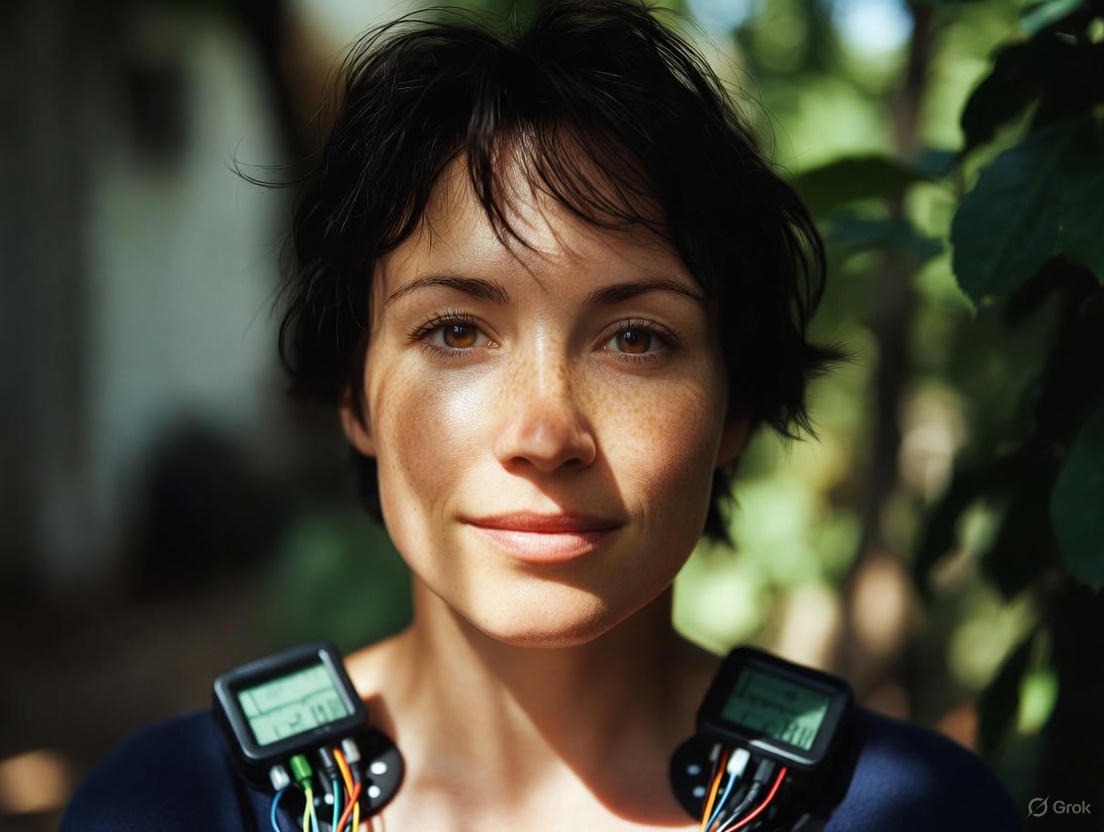
We have now laid the foundation, examining each core health metric as a distinct instrument in an orchestra. Sleep, HRV, RHR, temperature, SpO2, respiratory rate, and activity each play their own vital part. But the true symphony of your health emerges only when these instruments play in concert. The single most transformative principle in effective health tracking is integration—the practice of synthesizing disparate data points into a unified, actionable narrative about your body’s state.
From Data Silos to Holistic Insight
A common pitfall for wearable users is “data silo syndrome”—staring at individual metrics in isolation. You might obsess over a single night of poor sleep score while ignoring a week-long trend of excellent HRV. Or you might celebrate hitting your activity goal but miss the fact that your resting heart rate has been climbing steadily for five days straight. In isolation, each data point tells only a fraction of the story. Together, they corroborate, contextualize, and clarify.
For instance, consider these two scenarios built from the same raw data points:
The Power of Correlation: Discovering Your Personal Levers
Integration enables the most valuable process in personalized health: discovering correlations. This is where you move from generic advice to personalized truth. Your device provides the objective “what”; your lived experience provides the subjective “why.” By cross-referencing timelines, you begin to see cause and effect.
These aren’t guesses; they are data-informed patterns unique to your biology. They reveal your personal levers for pulling yourself toward better health. This process of self-discovery is at the heart of what makes modern wearables so empowering. For a deeper look at how this personalization works from a technological standpoint, our article on how health tracking technology enables personalized wellness explores the algorithms behind these insights.
The Role of AI and Composite Scores
Advanced platforms, like the one behind the Oxyzen smart ring, use machine learning to perform this integration for you. They don’t just show you ten graphs; they analyze the relationships between them to generate composite scores like Readiness, Sleep, and Stress. These scores are weighted algorithms that prioritize the most telling signals.
A “Readiness” score, for example, might weigh nighttime HRV most heavily, followed by sleep quality, then resting heart rate, then temperature deviation. This single number is a pre-integrated summary, a quick-look assessment of your body’s prepared state. It’s a starting point that prompts you to dig into the underlying metrics if the score is unusually high or low. These scores reduce cognitive load, helping you make a fast, smart decision about how to approach your day without requiring you to be a data scientist every morning.
Building Your Personal Health Timeline
The ultimate goal of integration is to build a continuous, personal health timeline. This timeline connects lifestyle inputs (food, drink, exercise, work stress, travel) to biometric outputs (all the metrics we’ve covered). Over months and years, this becomes an invaluable health diary. It can help you and your healthcare provider see long-term trends, understand your body’s response to aging, and make more informed decisions about interventions.
Was that new supplement effective? Look at the HRV and sleep trends after starting it. Is your new workout regimen sustainable? Monitor the balance between activity scores and recovery scores over a training block. This integrated timeline transforms your health from a series of snapshots into a dynamic, flowing film, where you are both the subject and the director.
Data is inert. Insight is passive. Action is everything. The entire value proposition of health tracking collapses if the numbers on your screen don’t translate into tangible improvements in your daily life. The bridge between insight and action is the most critical one to build. This requires moving beyond mere observation to a structured, compassionate framework for behavior change.
Closing the Feedback Loop: The Observe-Experiment-Learn Cycle
Sustainable change is built on intelligent experimentation, not rigid dogma. Your wearable provides the perfect laboratory for this. Adopt the mindset of a compassionate scientist studying the single most important subject: you.
This cycle turns tracking from a passive audit into an active, engaging process of self-discovery and improvement. It’s empowering because it gives you control and agency.
Prioritizing the Foundation: The Hierarchy of Health Interventions
When multiple metrics are suboptimal, it’s easy to feel overwhelmed. Where do you even start? Use a simple hierarchy to prioritize your actions:
Your wearable’s data will clearly point to which layer needs attention. A terrible sleep score and high stress score? Focus all your energy on Layer 1. Great sleep but low activity? Layer 3 is your target.
Using Alerts and Notifications Wisely
Most devices allow for customizable alerts. Use them as gentle guides, not digital taskmasters.
Set alerts that prompt positive actions, not ones that foster obsession over every fluctuation. The goal is to use technology to be more present in your life, not more attached to your phone.
Embracing the "Why" Behind the Action
The most powerful motivator for lasting change is connecting an action to a deeply personal, positive "why." Your data provides this connection.
This transforms a chore into a meaningful choice. Your data becomes the evidence that proves your efforts are working, reinforcing positive habits. To see how others have successfully built these habits, the real-world experiences in our user testimonials can be a powerful source of motivation and practical ideas.
As we deepen our engagement with health data, a shadow side can emerge: the potential for obsession, anxiety, and a phenomenon known as analysis paralysis. When every heartbeat and breath is quantified, it’s easy to fall into the trap of mistaking the map for the territory. The data is a representation of your health, not your health itself. Navigating this mental terrain is as important as interpreting the numbers.
Recognizing the Signs of Unhealthy Tracking
Health tracking should reduce anxiety by providing clarity, not increase it by creating new things to worry about. Be mindful of these red flags:
When tracking starts to feel like a source of pressure rather than a tool for liberation, it’s time for a mental reset.
Establishing Healthy Data Boundaries
Creating structure around your data interaction is key to a healthy relationship.
Reuniting Data with Sensation
The highest purpose of tracking is to sharpen your interoceptive awareness—your ability to perceive the internal state of your body. Use the data to educate your intuition.
Over time, this practice will make you less dependent on the device. You’ll begin to trust the signals your body is sending you directly. The wearable becomes a training tool for your own internal awareness, not a crutch. For those struggling with the balance, our FAQ section on common questions often addresses user concerns about healthy engagement with data.
Remembering the Human Context
Data exists in a vacuum without context. A period of lower scores isn’t a failure; it’s information. It could mean you’re grieving, you’re in a demanding project phase, you’re traveling, or you’re fighting off a virus. This is life. The goal is not to have perfect graphs, but to use the graphs to navigate life’s inevitable challenges with more grace and self-compassion, returning to your baseline with more efficiency. Sometimes, the most important metric is one no device can measure: your own sense of peace and well-being.
We have explored the present state of health tracking: a detailed, integrative, and actionable view of your current and recent physiological state. But the horizon holds something even more transformative: predictive health analytics. This is the shift from telling you what is or was happening, to forecasting what could or likely will happen. It’s the move from a rearview mirror and dashboard to a GPS with traffic prediction for your health.
The Power of Longitudinal Data and Machine Learning
The predictive future is built on the foundation we’ve laid: vast amounts of clean, integrated, longitudinal data. As you wear a device like a smart ring for months and years, it amasses a deep, personal database of your unique rhythms and responses. Advanced machine learning models can analyze this dataset to identify subtle, pre-symptomatic patterns that precede noticeable health events.
Imagine a system that learns your personal signature for an oncoming upper respiratory infection. It may recognize that 48 hours before you ever feel a tickle in your throat, your resting heart rate exhibits a specific slight elevation, your skin temperature shows a minor but distinct nightly increase, and your HRV begins a steady decline. By recognizing this pattern, the system could provide an early alert: “Your biometric patterns suggest your immune system is activated. Consider prioritizing rest and hydration.”
Personalized Early-Warning Systems
This predictive capacity could extend to various areas:
This isn’t science fiction; it’s the logical next step as algorithms mature and datasets grow. It represents the ultimate form of preventive care: intervention at the very earliest, most reversible stage of dysfunction. You can read more about this imminent future in our exploration of health tracking technology in 2025 and what’s possible.
The Integration with Digital Health Ecosystems
For prediction to reach its full potential, data cannot be trapped in a single app. The future lies in secure, user-controlled data interoperability. Imagine your wearable data seamlessly and privately integrating with:
This connected ecosystem turns disparate health tools into a cohesive, intelligent health management system. The smart ring becomes the central, always-on biometric sensor feeding context to all other aspects of your digital health life.
Ethical Considerations and the Role of the User
With great predictive power comes great responsibility. This future raises critical questions:
The journey to a predictive future must be a partnership—one where technology provides insights, but the human (and their healthcare providers) remains firmly in the driver’s seat, making final decisions. It’s about augmenting human intuition with machine intelligence, not replacing it.

A smart ring or wearable is a powerful tool, but it does not exist in a vacuum. Its value is magnified—or diminished—by the ecosystem that surrounds it. To truly build a foundation of health tracking that lasts, you must consider the broader support system: the community, education, and professional guidance that turn raw data into lasting well-being.
The Critical Role of Community and Shared Experience
Tracking your health can sometimes feel like a solitary journey. This is where community becomes invaluable. Connecting with others who use similar technology provides:
Whether it’s through brand-specific forums, social media groups, or in-person meetups, community turns individual curiosity into collective wisdom. Reading the journeys of others in spaces like our blog can provide both camaraderie and inspiration.
Continuous Learning: The Path from Novice to Expert
The field of biometrics and wellness is rapidly evolving. To get the most from your device, commit to being a lifelong learner.
An educated user is an empowered user. They can troubleshoot issues, ask better questions, and avoid being swayed by wellness fads that contradict their own data. For those starting this journey, our guide on wellness ring basics for beginners is designed to build this foundational knowledge.
When to Integrate Professional Guidance
Your wearable is a phenomenal personal health tool, but it is not a doctor. Knowing when to bring your data to a professional is a key skill.
This professional layer transforms self-tracking from a hobby into a component of a managed health strategy. It’s about creating a team where you are the lead investigator, armed with data. For insights into which metrics professionals find most valuable, our article on what doctors find most useful in wellness ring data offers a professional perspective.
The Brand Ecosystem: Support, Updates, and Vision
Finally, consider the ecosystem provided by the brand itself. A device is a snapshot in time, but software updates, customer support, and a clear roadmap are promises for the future.
By building this holistic ecosystem—community for support, education for understanding, professionals for guidance, and a trustworthy brand for the foundation—you create an environment where your health-tracking practice can thrive and evolve for years to come.
With a deep understanding of the metrics that matter and the ecosystem that supports them, you are now equipped to make a discerning choice about the tool itself. The market is flooded with options, from smartwatches to bands to rings. Selecting the right device isn't about the most features; it's about the right features for a foundation of meaningful, actionable health insight. Here are the critical factors to consider.
Form Factor and Wearability: The Key to Consistent Data
The single most important feature of any health tracker is that you wear it consistently. All the advanced sensors in the world are useless if the device is in a drawer.
Sensor Suite: The Foundation of Data Quality
Look for the core sensors necessary for the foundational metrics we’ve discussed:
Algorithm Intelligence: The Brain Behind the Sensors
Hardware collects data; software creates insight. The algorithm is everything. Prioritize companies that:
Battery Life and Charging: The Practicalities
A device that needs daily charging is a device you will inevitably miss data from. Look for:
Data Privacy and Security: Your Biometric Fort Knox
Your health data is among the most personal information you possess. Scrutinize the company’s data policy:
Ecosystem and Compatibility
Ensure the device works with your lifestyle:
Choosing your tool is the first concrete step in building your health intelligence system. It’s an investment in a long-term partnership with your own biology. By prioritizing consistent wear, accurate sensors, intelligent software, and ironclad privacy, you select a device that will serve as a reliable, insightful companion on your wellness journey. When you’re ready to explore a device built on these principles, you can begin your discovery at the Oxyzen shop.
You have the knowledge, the framework, and the tool. Now, it’s time to build. Implementing a health-tracking practice can feel daunting, but by following a simple, staged protocol, you can build a sustainable system that grows with you. Think of this not as a rigid set of rules, but as a blueprint for constructing your Personal Health Intelligence (PHI) system.
Phase 1: The Baseline Establishment (Weeks 1-4)
Goal: Gather data, not insights. Establish your personal normal.
Phase 2: Pattern Recognition & Gentle Correlation (Weeks 5-8)
Goal: Shift from observation to gentle curiosity.
Phase 3: Strategic Integration & Habit Stacking (Month 3+)
Goal: Move from single experiments to integrated habit formation.
Creating Your Personal Health Dashboard
Beyond the app, consider keeping a simple journal or digital note. Log:
Over time, this journal becomes your personal health playbook, filled with proven strategies for what makes you feel and perform your best.
Embracing the Iterative Process
Your PHI system is never “finished.” It evolves as you age, as your lifestyle changes, and as the technology advances. The goal is progress, not perfection. Some weeks you’ll be dialed in; other weeks, life will happen, and your data will reflect that. The system’s purpose is to give you the intelligence to navigate all of it with more awareness and resilience, always providing a compassionate, data-driven guide back to your center.
By following this protocol, you transition from being a passive consumer of data to an active architect of your own well-being. You are building a lifelong skill: the ability to listen to your body’s objective language and respond with intelligent care. This is the ultimate foundation of health tracking.
You have your baseline, you understand the individual metrics, and you’ve begun to integrate them into a cohesive story. Now, we enter the masterclass: advanced interpretation. This is where you learn to correlate the subtle language of your biometrics with tangible, real-world outcomes in performance, health, and daily life. It’s about moving from “my HRV is 50” to “my HRV trend predicts my creative output and immune resilience.”
The Biometric Signature of Peak Performance
Peak performance—whether in the boardroom, the studio, or on the athletic field—isn't an accident. It has a physiological signature. By retrospectively analyzing your data from days where you felt exceptionally “on,” you can identify your personal recipe for readiness.
By identifying this “peak performance cluster,” you can learn to predict and even cultivate these states. It turns exceptional days from random occurrences into repeatable events.
The Data of Resilience: Bouncing Back from Stress
True health isn’t the absence of stress; it’s robust resilience—the speed and efficiency with which you return to baseline after a stressor. Your wearable is a perfect tool to measure this.
The Subtle Onset of Illness: Pre-Symptomatic Detection
One of the most practical applications of continuous tracking is its ability to flag illness before you feel sick. We’ve touched on this, but advanced interpretation involves recognizing the specific pattern.
Correlating with Lifestyle Experiments: N=1 Research
Advanced users embrace the role of citizen scientist. Your body is your laboratory (N=1). Use your data to test hypotheses with rigor.
This level of interpretation transforms your relationship with your body from one of mystery to one of partnership. You become fluent in its language, capable of not just hearing its shouts (pain, fatigue) but understanding its whispers (subtle metric shifts) long before they become screams.

Health tracking’s ultimate value may not be in optimizing your next workout, but in shaping the trajectory of your next decades. This is the shift from fitness to healthspan—the period of life spent in good health, free from chronic disease and disability. By viewing your biometric data through a longitudinal lens, you can identify trends that predict aging and intervene proactively.
Biomarkers of Aging: Your Data as a Aging Clock
Research is increasingly identifying certain biometric patterns as proxies for biological (vs. chronological) age.
By monitoring these trends, you’re not just tracking your health; you’re tracking your rate of aging. This provides a powerful motivator for lifestyle interventions, as you can see their potential to slow or even reverse these trends.
Using Data to Navigate Life Transitions
Major life phases—perimenopause/menopause, andropause, career changes, retirement—come with profound physiological shifts. Continuous data provides an objective compass.
Building a Legacy Health Dataset
Imagine having a decade-long record of your sleep, heart rate, and activity patterns. This isn’t just personal curiosity; it’s a medical asset. This longitudinal dataset:
Committing to long-term tracking is an investment in your future self. It’s a decision to navigate aging not with fear and reactivity, but with awareness and agency. For a comprehensive look at applying this long-term view, our article on 50 healthy aging tips a smart ring helps implement daily is a practical guide rooted in this philosophy.
As we embrace the power of biometric monitoring, we must also navigate its complex ethical landscape with eyes wide open. The data we generate is uniquely intimate—a digital readout of our inner state. How we manage it, who controls it, and how it impacts our psyche are questions of paramount importance for individuals and society.
Data Privacy: Your Biometric Soul in the Digital Age
Your heart rate pattern can reveal your emotional state. Your sleep data can indicate mental health struggles. Your location and activity can paint a detailed picture of your daily life. This data must be guarded with the highest level of security and ethical consideration.
The Quantified Self vs. The Qualified Life: Avoiding Data Tyranny
There is a dangerous line between self-knowledge and self-obsession. When tracking ceases to serve your life and instead begins to dictate it, the tool has become a tyrant.
The antidote is to regularly revisit your philosophy of use. Why are you tracking? Is it to feel more free and capable, or more anxious and controlled? Establish personal rules: no checking data during social meals, no forcing workouts when your body clearly says rest, and regular “data appreciation” periods where you simply live without analysis.
Equity and the Digital Health Divide
Advanced health tracking currently requires financial means, technological literacy, and leisure time to engage with the data. This risks creating a health intelligence gap, where the already health-conscious and affluent gain further advantages in longevity and disease prevention, while others are left with only reactive, symptom-based care.
As a community and industry, we must advocate for:
Engaging with health tracking is not just a personal choice; it’s a step into a new societal conversation about health, privacy, and equity. We must do so with intentionality, advocating for a future where this technology is a force for democratizing health, not further stratifying it.
We have journeyed from the basic physiology of individual metrics to the profound implications of a lifetime of biometric data. We arrive now at a synthesis: What does it mean to live well—to live wisely—in an age of constant self-quantification? The answer lies not in the data itself, but in the human relationship we cultivate with it.
Cultivating Data Mindfulness
Mindfulness is the practice of paying attention, on purpose, in the present moment, without judgment. We can apply this directly to our health data.
The Balanced Feedback Loop: Your Ultimate System
The ideal relationship forms a balanced, healthy feedback loop:
This loop ensures technology remains a servant to your life, not the other way around. It ensures you are using data to enhance your human experience, not replace it.
The Unquantifiable Essentials
Finally, we must forever hold space for the aspects of health that no ring, watch, or sensor can ever measure. These are the ultimate foundations, and they will always trump any dataset:
Your smart ring won’t track these. It is your job to ensure they remain the central pillars of your life. The data is there to support the vitality with which you pursue them.
We began with a simple, overwhelming question: Which metrics actually matter? We end not with a ranked list, but with a new framework for understanding. The metrics that matter are not the ones with the flashiest graphs or the highest scores; they are the ones that translate the silent language of your body into a dialogue you can understand and act upon.
The foundational metrics we’ve explored—sleep architecture, HRV, RHR, temperature, SpO2, respiratory rate, and intelligent activity—are the core vocabulary of this language. They matter because they are proxies for your most vital systems: your nervous system’s balance, your cardiovascular efficiency, your metabolic health, your immune readiness, and your circadian integrity.
Learning this language through a tool like a smart ring is an act of empowerment. It is a rejection of passive, reactive healthcare and an embrace of proactive, participatory well-being. It allows you to move from generic, one-size-fits-all health advice to a personalized, evidence-based practice built on the unique patterns of your own biology.
Remember, the goal is not a perfect, flat line on all your graphs. That line is not health; it is stasis. Health is dynamic resilience—the beautiful, rhythmic dance of stress and recovery, effort and rest, challenge and adaptation. Your data is the sheet music for that dance. Some days the rhythm will be syncopated and wild; other days it will be a steady, serene beat. The wisdom lies in learning to listen to the rhythm, understand its meaning, and move with it gracefully.
As you move forward, let this knowledge settle not as a burden of more to do, but as a liberation. You are no longer guessing. You have a guide. You can now build your days not on what you think you should do, but on what your body shows it needs. You can approach your health not with anxiety, but with the quiet confidence of an informed partner.
This is the true foundation of health tracking: a partnership between human intuition and machine intelligence, between the timeless wisdom of listening to your body and the modern tool that makes its whispers audible. It is a foundation upon which you can build a life of greater vitality, resilience, and purpose—one data-informed, yet deeply human, choice at a time.
To begin or deepen this journey, explore the tools and community that can support you. Discover the technology designed for this purpose at the Oxyzen shop, delve into more resources on our blog, and remember that every step towards understanding your body is a step towards owning your well-being.
Your Trusted Sleep Advocate (Sleep Foundation — https://www.sleepfoundation.org/)
Discover a digital archive of scholarly articles (NIH — https://www.ncbi.nlm.nih.gov/
39 million citations for biomedical literature (PubMed — https://pubmed.ncbi.nlm.nih.gov/)
experts at Harvard Health Publishing covering a variety of health topics — https://www.health.harvard.edu/blog/)
Every life deserves world class care (Cleveland Clinic -
https://my.clevelandclinic.org/health)
Wearable technology and the future of predictive health monitoring. (MIT Technology Review — https://www.technologyreview.com/)
Dedicated to the well-being of all people and guided by science (World Health Organization — https://www.who.int/news-room/)
Psychological science and knowledge to benefit society and improve lives. (APA — https://www.apa.org/monitor/)
Cutting-edge insights on human longevity and peak performance
(Lifespan Research — https://www.lifespan.io/)
Global authority on exercise physiology, sports performance, and human recovery
(American College of Sports Medicine — https://www.acsm.org/)
Neuroscience-driven guidance for better focus, sleep, and mental clarity
(Stanford Human Performance Lab — https://humanperformance.stanford.edu/)
Evidence-based psychology and mind–body wellness resources
(Mayo Clinic — https://www.mayoclinic.org/healthy-lifestyle/)
Data-backed research on emotional wellbeing, stress biology, and resilience
(American Institute of Stress — https://www.stress.org/)


