


Morning Routine Optimization During Different Life Stages: Ring Adaptations
How to adapt your morning routine at different life stages, using your ring for feedback.
How to adapt your morning routine at different life stages, using your ring for feedback.
%402x.svg)
For centuries, philosophers, poets, and productivity gurus have extolled the sacred power of the morning. “Win the morning, win the day,” the saying goes. But what if the very definition of “winning” your morning is not a fixed target, but a moving one? What if the ideal sunrise ritual for a frenzied college student is the kryptonite for a new parent, and the savior for a mid-career professional would overwhelm a recent retiree?
We are not static beings. Our biology, responsibilities, stressors, and core objectives morph dramatically as we journey through life’s chapters. Yet, we often cling to a one-size-fits-all morning routine, borrowed from a silicon valley CEO or a wellness influencer, wondering why it eventually crumbles. The frustration isn’t in you; it’s in the misalignment between a rigid routine and an evolving life.
Enter the era of the intelligent companion: the smart ring. Sleek, unobtrusive, and worn 24/7, this device moves beyond counting steps. It becomes a silent biometrically-attuned confidant, gathering a rich, continuous dataset from your body’s deepest signals—heart rate variability (HRV), resting heart rate, skin temperature, and sleep architecture. It doesn’t just track; it understands context. It knows when you’re fighting off a virus before you feel symptoms, when your nervous system is fried from invisible stress, and crucially, it learns what a truly restorative night looks like for you.
This article is not another prescriptive list of things to do at 5 AM. This is a deep exploration of Morning Routine Optimization During Different Life Stages, and how a data-informed, adaptive approach—powered by the insights from a smart ring—can help you craft a morning ritual that doesn’t fight your current reality, but flows with it. We’ll journey from the tumultuous seas of adolescence to the reflective waters of later life, uncovering how your body’s needs change and how your most powerful daily tool—your morning—can be expertly adapted to meet them.
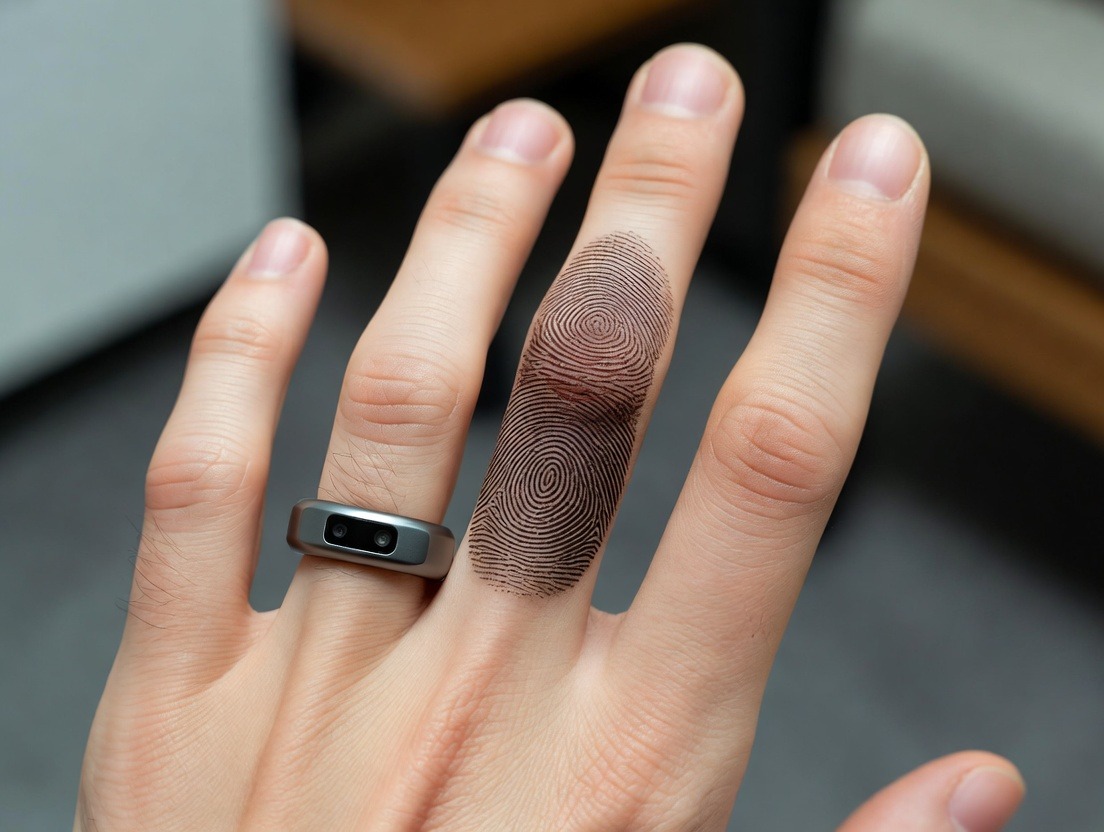
Before we dive into life stages, let’s crystallize what a modern smart ring brings to your bedside table. Unlike a phone that demands interaction, a ring operates passively. While you sleep, it measures:
This nightly report card becomes your Morning Readiness Score—a single, powerful metric summarizing your body’s capacity to handle the day ahead. A high score suggests you’re primed for intensity, learning, and social engagement. A low score is a flag, advising a morning of gentleness, recovery, and compassion.
This objective data cuts through the noise of “I should” and replaces it with the clarity of “My body needs.” It transforms your morning routine from a rigid performance into a responsive dialogue with your own physiology. With this foundation, let’s explore how this dialogue changes across the lifespan.
This life stage is a whirlwind of biological revolution and social pioneering. The brain is undergoing its final, dramatic remodeling, particularly in the prefrontal cortex—the seat of judgment, impulse control, and long-term planning. Simultaneously, circadian rhythms naturally shift later, making early mornings a biological challenge, not a moral failing. Add the pressures of academic deadlines, social navigation, financial firsts, and identity formation, and you have a perfect storm for chaotic mornings and sleep deprivation.
The central conflict here is between societal clocks (school start times, first jobs) and biological clocks, which are screaming for more and later sleep. The classic advice of “just go to bed earlier” ignores potent melatonin shifts. The goal for a morning routine in this stage isn’t about peak productivity at dawn; it’s about creating stability and managing energy amid the chaos.
A smart ring worn during this stage often reveals telling patterns:
Ignoring these signals and powering through on caffeine and willpower sets a dangerous precedent, teaching the body that its stress signals are irrelevant. This can erode the very foundation of mental wellness that is being built for adulthood.
1. The "Non-Negotiable" Sleep Buffer. The routine starts the night before. Use the ring’s sleep goal feature not as a strict target, but as a commitment device. If the ring shows a consistent need for 8.5 hours but life only allows 7 during the week, the weekend morning routine must prioritize sleep recovery, not social FOMO. A Saturday morning with no alarm is an investment, not laziness.
2. Light as a Circadian Anchor. Upon waking (even if it’s late), the first act should be 10 minutes of bright, natural light exposure. This resets the delayed circadian clock more effectively than any screen. A short walk outside, or even sitting by a sunny window while eating breakfast, sends a powerful signal to the suprachiasmatic nucleus: “The day has begun.”
3. The 5-Minute Nervous System Reset. Before reaching for the phone, use the ring’s HRV trend as a guide. If it’s low, indicating high stress, a short breathing exercise is more critical than checking notifications. A simple 4-7-8 breath (inhale 4, hold 7, exhale 8) for just 2-3 minutes can gently nudge the nervous system toward calm, building self-regulation skills that are fundamental for mental wellness.
4. Fuel for a Fluctuating Brain. Mornings after poor sleep (indicated by low deep sleep or high wakefulness on the ring’s data) demand a protein and healthy fat-focused breakfast (e.g., eggs, Greek yogurt, avocado). This provides steady energy and supports neurotransmitters, counteracting the impulse for sugary cereals that will lead to a mid-morning crash and mood dip, negatively impacting the brain chemistry of mental wellness.
5. Dynamic Movement. The ring’s activity readiness score can guide exercise. A high score after a good night’s sleep? Perfect for a morning gym session or run. A low score? Opt for gentle, mobilizing movement like stretching or yoga. This teaches a vital lesson: listening to the body trumps rigid discipline.
The overarching theme for this stage is experimentation and education. The smart ring becomes a biofeedback tool, helping a young person learn their unique stress signatures and recovery needs, building self-awareness that is the cornerstone of lifelong mental wellness and physical health.
Welcome to the decade(s) of “AND.” Building a career AND nurturing relationships. Pursuing personal ambitions AND, for many, starting a family. Financial growth AND often significant debt. Social life AND maintaining health. The mental load is immense, and mornings become the coveted sliver of time claimed for the self before the demands of the world come knocking.
Here, the challenge is integration without burnout. The body is no longer in its metabolic peak of adolescence, and recovery becomes less automatic. Stress is often chronic and performance-based—tied to deliverables, promotions, and perceptions. Sleep is frequently sacrificed at the altar of productivity or parenting. The risk is running on sympathetic overdrive for years, mistaking exhaustion for dedication.
A smart ring analysis in this stage can uncover silent alarms:
This data is a stark contrast to the “hustle” persona often projected. It shows the physiological cost of the grind.
1. The Strategic Sleep Shield. The morning routine is won or lost at bedtime. Use the ring’s sleep data to identify your personal, non-negotiable wind-down period. If the ring shows it takes you 90 minutes from high stress to reach restorative sleep, then your evening must reflect that. The morning after a high-readiness sleep score is for focused, deep work. The morning after a poor score is for administrative tasks and meetings.
2. The Unplugged First Hour. This is the most powerful adaptation for this stage. Commit to the first 60-90 minutes phone-free. Not just “not checking email,” but airplane mode. The dopamine hits of notifications fracture attention and spike cortisol, putting you in reactive mode before you’ve had a chance to set your own intention. Let your ring be your only wearable tech during this time.
3. Purposeful Movement as Stress Inoculation. Use your readiness score to choose not just if, but how you move. High readiness? High-Intensity Interval Training (HIIT) or strength training to build resilience. Medium/Low readiness? Focus on parasympathetic-nervous-system-engaging activities: nature walks, tai chi, or flow-state yoga. This isn’t just exercise; it’s how exercise supports mental wellness by literally flushing stress hormones and boosting neuroplasticity.
4. The Ritual of Prioritization. After movement and before the digital world intrudes, spend 10 minutes with a physical notebook. Write down the one critical task for the day that aligns with your long-term goals (career, personal, relationship). Then list 2-3 smaller must-dos. This act, informed by the self-awareness from your ring data (e.g., “I’m tired, so I’ll keep the big task simple”), creates focus and reduces the anxiety of an overwhelming mental load. It connects daily action to the role of purpose and meaning in mental wellness.
5. Connection Before Content. For those with partners or children, use the morning to secure a moment of authentic connection—a full hug, a shared joke, a few minutes listening without devices. This micro-moment of social bonding releases oxytocin, a buffer against the day’s stressors, reinforcing why the social component of mental wellness is non-negotiable, even when busy.
The goal here is to use the morning as a keystone habit that structures the entire day with intention, preventing the external world from dictating your internal state from the moment you open your eyes.
This stage often overlaps with the career years but introduces a seismic shift: the needs of dependent others, primarily young children or sometimes aging parents, routinely trump your own. Sleep is negotiated in 2-3 hour blocks. Time is a fragmented commodity. The concept of a “solely personal” morning routine can feel like a luxurious fantasy. The dominant stress is no longer just performance, but relentlessness—the constant, low-grade drain of being “on call.”
Burnout in this phase is often parental or caregiver burnout, characterized by emotional exhaustion, detachment, and a profound sense of ineffectiveness. The body’s signals are often ignored because “there’s no alternative.” This is where objective data becomes not just informative, but compassionate.
The biometric narrative here is stark:
This data serves a crucial purpose: validation. It objectively confirms the exhaustion, moving it from a feeling of personal failure (“Why can’t I handle this?”) to a logical physiological response to an extreme demand.
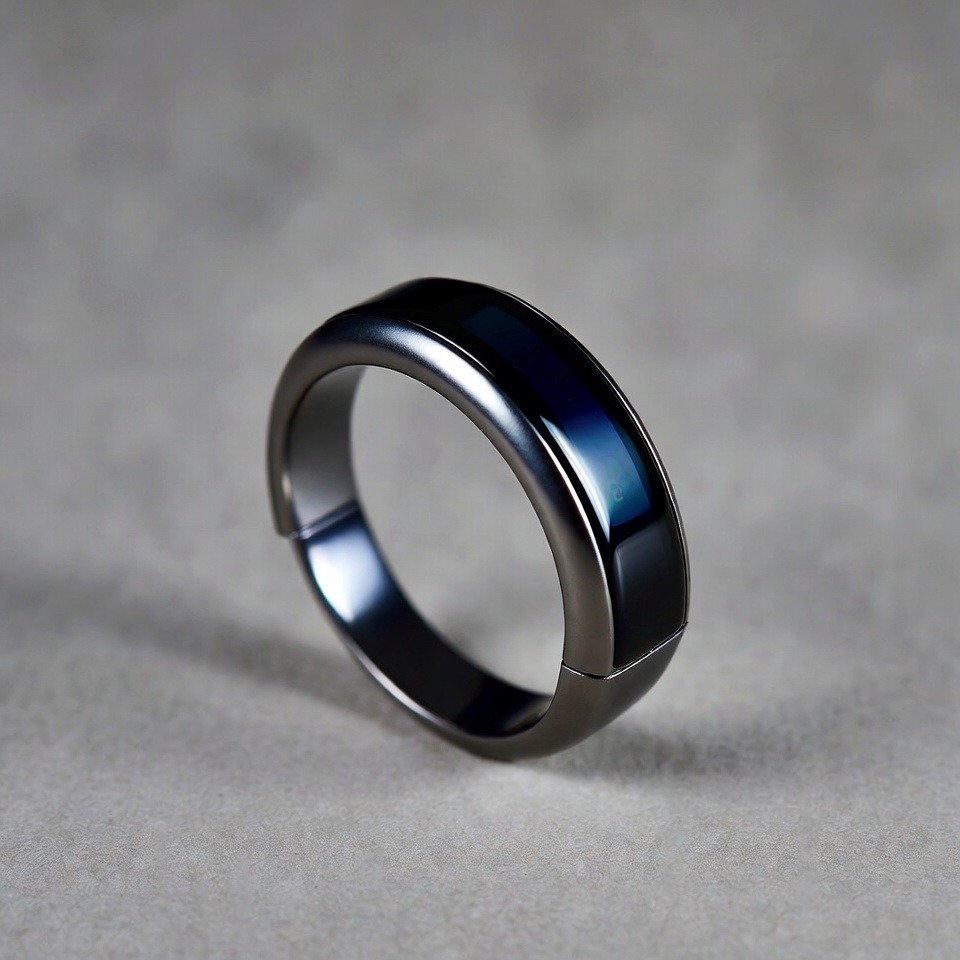
1. Redefine “Morning.” Let go of the ideal of a 60-minute block. Your “morning routine” might be the first 10 minutes after the kids are finally occupied, or after the school drop-off. Use your ring’s “time asleep” data to be ruthless about protecting a 10-20 minute window for yourself later if the dawn is chaos.
2. The 90-Second Breath-Body Scan. While still in bed, or even during a nighttime feeding, use the ring’s awareness of your stress to prompt a micro-practice. Take three deep breaths, then mentally scan from toes to head. Don’t try to change anything, just observe. This tiny habit builds interoception (awareness of internal body states), a key skill for maintaining mental wellness during chronic stress.
3. Hydration as a Foundational Ritual. Before coffee, drink a large glass of water. Dehydration magnifies fatigue and stress. Keep a bottle by the bed. This simple, non-negotiable act is a win you can achieve in 30 seconds, setting a tone of self-care.
4. The "Tag-Team" Recovery Strategy. For partners, share ring data. It creates an objective basis for support. “My HRV has been in the tank for three nights; I really need 30 minutes alone after work to reset.” This moves the conversation from blame (“You never help!”) to shared problem-solving based on biological need.
5. Embrace "Movement Snacks." A 30-minute workout may be impossible. But three 10-minute walks while pushing a stroller, or 5 minutes of bodyweight exercises during naptime, tracked by your ring, add up. The ring will show the cumulative benefit on your stress metrics, proving that these snippets matter. This adaptive approach is core to building mental wellness habits that last a lifetime, even in seasons where life seems to resist structure.
In this stage, optimization isn’t about maximizing output; it’s about strategic preservation. The morning (or its substitute) becomes a life raft of minimal self-regulation, ensuring you have something left in the tank to give to those who depend on you.
By this stage, many individuals are in senior leadership roles, running businesses, or operating at the peak of their professional influence. The stress profile shifts from “doing the work” to “bearing the responsibility.” Decisions have wider ramifications. The mental fatigue is less about volume of tasks and more about cognitive load, strategic thinking, and emotional labor of leading teams. Physical recovery slows further; you can no longer burn the candle at both ends without immediate and severe biometric consequences.
This is the era where sustainable performance becomes the only viable model. Hustle leads to hypertension, not breakthroughs. The morning routine must transition from a boot camp to a masterclass in energy management and cognitive priming.
The data tells a story of systemic load:
1. The Cognitive Prime. Instead of consuming news or email first thing, use the first 20-30 minutes for focused learning, strategic reading, or big-picture thinking. Your brain, fresh from (hopefully) REM sleep, is at its most plastic and creative. Feed it challenging material that moves your long-term vision forward. This leverages the psychological link between mental wellness and creativity.
2. Data-Driven Delegation. Review your ring’s weekly readiness report every Sunday night. Identify patterns: “My readiness consistently dips on Thursdays.” Use this insight to schedule your week strategically. Protect high-readiness mornings for your most demanding intellectual work. Schedule administrative tasks, routine meetings, or delegation conversations for lower-readiness periods. This is the ultimate application of biometrics for sustainable work-life integration.
3. Precision Recovery. Your post-workout or post-stress recovery is no longer automatic. Use your ring’s recovery metrics (like overnight HRV rebound) to gauge the effectiveness of your down-regulation practices. Is a 10-minute meditation post-work meeting enough? The data will tell you. You might need to incorporate contrast showers, deliberate cold exposure, or extended breathwork to actively drive physiological recovery.
4. The Relationship Audit. High-pressure roles can strain personal relationships. Use the calm of the morning to send one thoughtful message—a text of appreciation to your partner, a check-in with an old friend. This small, proactive investment in your social ecosystem, informed by the knowledge that relationships matter profoundly for wellness, pays massive dividends in emotional resilience.
5. Nutritional Timing as a Tactical Tool. Intermittent fasting or optimized meal timing can be powerful, but must be personalized. Use your ring’s glucose response trends (if compatible) or morning resting heart rate to see how your body reacts to different breakfast protocols. Some leaders perform fasted; others need steady protein to maintain steady cortisol levels. Let your biometrics, not a trending diet, guide your fuel.
Here, the smart ring evolves from a wellness tracker to an executive bio-feedback system, providing the hard data needed to make soft skills like leadership sustainable for the long haul.
This stage brings a profound shift in external structure. Children leave home, creating both spaciousness and potential for loss of identity. The drive for career climbing often mellows, replaced by a desire for legacy, meaning, and deepened personal pursuits. The body sends clearer signals of aging—hormonal shifts (menopause/andropause), slower metabolism, increased injury risk. The morning routine must pivot from external achievement to internal alignment and physical preservation.
The danger here is a void that leads to inertia or a clinging to outdated routines that no longer serve. The opportunity is to design a morning that intentionally cultivates the health and passions that will define a vibrant next chapter.
Biometric data provides a clear baseline for this new chapter:
1. The Purposeful Start. Without the automatic structure of school runs or hectic commutes, intention is key. Begin the morning by connecting to a “why.” This could be journaling about a passion project, spending 30 minutes on a creative hobby, or planning a volunteer activity. This directly nurtures the role of purpose and meaning in mental wellness, which is crucial for life satisfaction in this phase.
2. Mobility & Stability as Prime Movement. The morning workout shifts focus. Use the ring’s readiness score, but prioritize joint health, flexibility, and balance. A routine incorporating yoga, Pilates, tai chi, or dedicated mobility work becomes paramount. The ring can track how consistent mobility work improves sleep quality or reduces resting heart rate over time.
3. Deepened Mindfulness Practice. With more time and often a greater need for emotional integration, extend mindfulness or meditation practices. Use the ring to observe the direct, quantifiable impact of a 20-minute meditation on your daytime HRV. This turns a “soft” practice into a validated pillar of your health strategy, reinforcing the cognitive frameworks that underpin mental wellness.
4. Social Connection Scheduling. Loneliness can become a health risk. Make a morning habit of scheduling at least one meaningful social connection for the week—a coffee date, a walking group, a class. The act of scheduling it in the morning ensures it happens. Your ring may well show that your sleep is better on nights following rich social interaction.
5. Proactive Health Monitoring. Your morning routine should include a quick review of weekly health trends from your ring. Is there a slow creep in RHR? A dip in HRV? This is the time to be proactively vigilant, using the data to have informed conversations with your doctor and to adjust lifestyle factors before issues become critical. This embodies the preventive approach to mental wellness and physical health.
The empty nest morning is an act of re-authorship. The smart ring provides the honest feedback needed to write this new chapter with wisdom, aligning daily actions with a deeply personal definition of vitality.
This life stage is not an end, but a culmination—a time to harvest the wisdom of experience and focus squarely on quality of life, connection, and contribution on one’s own terms. The physiological priorities are maintaining functional independence, cognitive sharpness, and social engagement. The morning routine is freed from the tyranny of the alarm clock but gains new importance as the architect of daily well-being.
Risks include social isolation, physical sedentariness leading to frailty, and cognitive decline. The opportunity is to craft a rhythm that consistently delivers joy, stimulation, and physical maintenance. Consistency and routine themselves become therapeutic, providing structure that supports cognitive health.
For the older adult, a smart ring is a powerful, discreet safety and wellness monitor:
1. Natural Light & Circadian Reinforcement. With no work schedule, it’s easy for sleep-wake cycles to become irregular. Make a morning walk in the sunlight a non-negotiable pillar. This reinforces the circadian rhythm, boosts Vitamin D, and improves mood. The ring can track sleep consistency as a reward for this habit.
2. The Brain-Body Warm-Up. Start the day with a combined cognitive and physical warm-up. This could be doing a crossword or Sudoku while pedaling a stationary bike, or listening to an educational podcast during gentle stretching. This dual-task activity is excellent for neuroplasticity.
3. Legacy & Reflection Time. The morning is an ideal time for life review, memoir writing, or recording stories for family. This process of meaning-making is profoundly therapeutic and is supported by research on mental wellness across the lifespan. It turns memory into a gift.
4. Community Check-In. Use part of the morning to connect. A phone call to a friend, a video chat with grandchildren, or attending a regular morning community group (book club, gardening club). The ring’s data will likely show the positive physiological impact of these connections, reinforcing their importance as powerfully as any medication.
5. Data-Sharing for Peace of Mind. Sharing ring data (with consent) with a trusted adult child or caregiver can provide immense peace of mind for both parties. It transforms worry into informed awareness. “Mom’s activity and sleep scores are stable and strong this week” is a powerful reassurance, facilitating independence while maintaining connection.
In the wisdom years, the morning routine is the gentle rhythm that sustains the melody of a life well-lived. The smart ring is the tuner, ensuring every note of health, connection, and purpose resonates clearly.
Athletes and dedicated fitness enthusiasts exist across all age stages but operate under a unique set of demands. Their morning routine is the launchpad for daily training and the critical period for assessing recovery from yesterday’s load. For them, optimization isn’t a luxury; it’s the margin between a personal best and an injury. The smart ring becomes an essential piece of sports technology, moving beyond fitness tracking to performance biomonitoring.
The central question each morning is: “What is my body’s readiness to perform today?” Pushing through on a low-recovery day is the fast track to overtraining syndrome, burnout, and injury. Conversely, under-training on a high-readiness day means leaving potential gains on the table.
An athlete’s ring data tells a detailed story of adaptation and strain:
1. The First-Minute Readiness Check. Before feet hit the floor, check the ring’s app for three key metrics: Sleep Score, HRV status (vs. personal baseline), and RHR. This 30-second review provides an objective answer to “How do I feel?”
2. Dynamic Adaptation of the Training Plan. This is the core superpower. Have a flexible training plan (e.g., planned HIIT session).
3. Hydration & Electrolyte Strategy. Morning hydration is informed by overnight data. Did skin temperature spike (suggesting sweating)? Was sleep restless? These can indicate dehydration. Begin the day with 500ml of water with a pinch of high-quality salt and lemon, especially before a morning session.
4. Neuromuscular Priming. Based on readiness, the warm-up is adjusted. Low readiness requires a longer, more deliberate warm-up focusing on mobility and activation. High readiness allows for a more sport-specific, dynamic warm-up. The goal is to prepare the body for the specific demand of the day, not follow a robotic script.
5. Post-Workout Recovery Tracking. The morning after a hard session, the ring’s data is critical. Did HRV recover? Is RHR back to baseline? This feedback loop tells you if your post-workout nutrition, hydration, and cool-down were effective, allowing for real-time refinement of recovery protocols.
For the athlete, the ring transforms intuition into intelligence. It replaces “I feel sluggish” with “My HRV dropped 30%, so I’ll prioritize recovery today.” This data-driven autoregulation is the future of sustainable, peak performance at any age.
For nurses, factory workers, pilots, hospitality staff, and countless others, the concept of a “morning routine” is untethered from the sun. Their circadian rhythm is in a constant state of negotiation with their schedule. The health risks are well-documented: increased incidence of metabolic disorders, cardiovascular disease, mood disorders, and sleep disorders. Optimizing a “morning” (i.e., the first 1-2 hours after waking, regardless of clock time) is a critical health intervention for this population.
The challenge is monumental: creating stability in an inherently unstable schedule. The goal is to use routine as an anchor to mitigate the biological chaos of shift work.
The data from a shift worker’s ring is a powerful illustration of the internal conflict:
This data is not a judgment; it’s a map of the challenge, showing exactly where interventions are most needed.
1. The Pre-Sleep “Night” Routine, Regardless of Time. The 60-90 minutes before your scheduled sleep (even if it’s 9 AM) must be sacred. Use blackout curtains, white noise, and a cool room. The ring can track how these interventions improve your daytime sleep score. This routine is your new “night.”
2. Light Strategy as a Weapon. Upon waking for a night shift, seek BRIGHT light exposure (a light therapy lamp can be essential). This signals “wake time” to your confused circadian system. Conversely, after a night shift, wear blue-light-blocking glasses on the commute home to prevent sunlight from hijacking your sleep drive.
3. The Strategic Meal Timing. The “morning” meal after waking should be the largest, aligning with your body’s altered cortisol peak. For a night worker waking at 5 PM, this is their “breakfast.” Focus on protein and complex carbs to fuel the shift. Avoid heavy meals in the latter half of the shift, as digestion will interfere with upcoming sleep.
4. Micro-Naps & Recovery Metrics. If possible, a strategically timed 20-minute nap before a night shift (or during a break, if policy allows) can boost performance. Use the ring’s sleep data to see if you are able to fall asleep quickly for these naps—a sign your routine is working.
5. The Off-Day Recalibration. On consecutive days off, gently guide your sleep schedule back toward a more normal circadian phase, but don’t swing wildly. The ring’s data helps you find a sustainable compromise, perhaps shifting sleep time by 1-2 hours per day, rather than flipping 12 hours instantly, to minimize the shock to your system.
For the shift worker, the smart ring is a shift manager for their biology, providing the hard data needed to argue for sleep with the same conviction they argue for a paycheck. It makes the invisible strain visible, empowering them to fight for their health in a system stacked against it.
For individuals managing chronic illness (e.g., autoimmune conditions, fibromyalgia, Long COVID, clinical anxiety/depression) or prolonged high stress (e.g., caregivers, those in grief), the morning is often the hardest part of the day. Symptoms can be most pronounced upon waking. The gap between “what I need to do” and “what my body can do” can feel like a canyon. Here, the morning routine is stripped of all performance metrics. Its sole purpose is compassionate assessment and gentle support.
The traditional wellness narrative of “pushing through” is not just unhelpful; it’s harmful. The goal is pacing and energy conservation. The smart ring’s role shifts from optimizer to protector and validator.
For this population, correlations are key:
1. The Bedside Buffer Zone. Do not jump out of bed. Spend 5-10 minutes in bed practicing a gentle body scan or gratitude meditation. Use the ring’s overnight data to set an intention: “My HRV was low, so today’s intention is kindness, not productivity.”
2. Hydration and Medication as Foundational. Before anything else, take medications with a full glass of water. This simple, non-negotiable act is the first step in managing the condition.
3. The "Spoon Theory" Check-In. Inspired by Christine Miserandino’s Spoon Theory, use your ring’s readiness score to estimate your “spoons” (units of energy) for the day. A very low score might mean you have 3 spoons. Allocate them deliberately: one for a shower, one for making a healthy meal, one for a short phone call. This framework, supported by data, reduces the guilt of “underachieving.”
4. Movement as Medicine, Not Exercise. Let go of “working out.” Focus on “moving with kindness.” If the ring shows high stress (low HRV), a 5-minute gentle stretch or a slow walk to the mailbox is a triumph. The ring validates this as meaningful activity that supports the inseparable connection between mental and physical health without triggering a crash.
5. Radical Acceptance & Data-Driven Pacing. The most important adaptation is using the data not to fight your reality, but to understand and accept it. A week of low readiness scores isn’t failure; it’s information that your body needs deep rest. This shift in mindset, from frustration to curiosity, is perhaps the most therapeutic application of the technology. It aligns with the principles of building mental wellness during chronic illness, where self-compassion is the primary treatment.
For those in a season of illness or profound stress, the smart ring is a beacon of objectivity in a fog of subjective suffering. It says, “Your experience is real. Here is the data. Now, let’s be gentle.”
The entrepreneur, freelancer, artist, or creative professional faces a unique paradox: the need for immense self-discipline to create structure, within a life that inherently resists it for the sake of spontaneity and innovation. Their energy is their currency, and it fluctuates wildly with inspiration, client demands, and the solitude of the work. Mornings are the blank canvas before the market’s demands are painted onto it.
The challenge is protecting deep work and creative flow from the tyranny of the urgent (email, admin, meetings). Burnout comes not from long hours, but from context-switching and a loss of connection to the core creative mission.
The biometrics of a creative life are often volatile and revealing:
1. The "Input Before Output" Rule. The first hour is for consumption, not creation, but curated consumption. Read a book in your field, listen to an inspiring podcast, study great art. This fills the well without the reactive drain of digital noise. It’s priming the pump for your own originality.
2. Batching by Biometric State. Use your ring’s readiness score to batch tasks intelligently.
3. The Physical- Creative Link. Many creatives find their best ideas come during or after movement. Schedule a morning walk, run, or gym session not as a separate task, but as part of the creative process. Use a voice memo app to capture ideas that arise. The ring will likely show a correlation between consistent movement and higher, more stable HRV—the state where insight thrives.
4. The Financial Stress Buffer. Entrepreneurial stress is often directly tied to cash flow. Use a calm morning moment to review finances, even briefly. This “worry appointment” contains the anxiety rather than letting it leak into the entire day. Pair this with data from your ring to understand the physiological cost of money stress, reinforcing the need for the economic and mental wellness connection in your own life.
5. The Evening Wind-Down for a Racing Mind. Since creative minds are hard to shut off, use the ring’s sleep data to design an effective evening ritual. If you see sleep latency is long, you might need a “brain dump” journaling session 90 minutes before bed to get thoughts out of your head and onto paper, clearing the mental cache for rest.
For the entrepreneur and creative, the ring is a project manager for their nervous system, helping them allocate their most precious resource—their focused creative energy—to the tasks that truly move the needle, while safeguarding the health of the system that produces it.
Amidst the specific adaptations for each life stage, career path, and health status, certain foundational pillars of a beneficial morning routine stand immutable. These are the non-negotiable elements that, regardless of whether you’re 18 or 80, a CEO or a caregiver, form the bedrock of a day that supports rather than depletes you. Your smart ring doesn’t replace these pillars; it refines and personalizes them, providing feedback on how effectively you’re implementing them for your unique biology.
Think of these as the universal principles of dawn, with your ring as the tuning fork that ensures they’re vibrating at your optimal frequency.
Light is the single most powerful cue for your circadian rhythm, the internal 24-hour clock governing sleep, hormone release, and metabolism. A morning routine without intentional light exposure is like sailing without a compass.
After 6-9 hours of fasting and respiration, your body is in a state of relative dehydration. Morning hydration isn’t just about quenching thirst; it’s about kickstarting metabolism, supporting cognitive function, and facilitating the flushing of metabolic waste products.
Morning movement doesn’t have to be a grueling workout. Its primary purpose is to signal to your body and mind that the day of engagement has begun. It increases blood flow, releases endorphins, and enhances neuroplasticity.
The first thoughts you cultivate set the tone for your cognitive and emotional patterns throughout the day. A morning practice of mindfulness or intention-setting builds the mental muscle of focus and resilience.
Breakfast literally means “breaking the fast.” What you choose to break that fast with sets your blood sugar, energy, and mood trajectory for the coming hours.
These five pillars—Light, Hydration, Movement, Mindfulness, and Nourishment—are your toolkit. The life-stage adaptations we’ve discussed are simply different ways of wielding these tools based on the unique construction project of your current life. Your smart ring is the level, measuring tape, and blueprint all in one, ensuring your efforts are structurally sound.
Collecting terabytes of biometric data is pointless if it doesn’t translate into a single, positive action. The true magic of a smart ring lies not in the dashboard, but in the behavioral change it inspires. The hurdle for many is the gap between seeing a number and knowing what to do. This section is your guide to bridging that gap, transforming raw data into actionable morning wisdom.
For the first month, practice detached observation. Wear your ring consistently. Go about your normal routine. The goal is not to change anything, but to discover your normal.
Understand what your key metrics are telling you, especially in combination.
Armed with baseline knowledge, begin to experiment. The key is isolation. Change one thing for 1-2 weeks and observe the effect in your data.
This methodical approach turns self-optimization into a personal science project. It’s empowering and removes the guesswork. Each experiment builds your personal knowledge base, helping you create a mental wellness plan that fits your life.
This is the crystallization of your learning. Based on your data patterns, create simple decision trees for your mornings.
These rules automate decision-making, freeing your willpower for more important things. Your morning becomes a dynamic, responsive system rather than a static checklist.
Set aside 10 minutes each Sunday evening to review your week in data. Look at the trends, not the daily noise.
This weekly audit is where you connect the dots between lifestyle, data, and feeling. It’s where you move from being a passive tracker to an active architect of your own well-being. This reflective habit is a cornerstone of long-term mental wellness and prevents crises before they hit.
Even with the best data and intentions, life intervenes. Travel, illness, holidays, and sheer exhaustion can derail the most carefully crafted morning routine. The goal is not perfection, but resilience—the ability to return to your anchors quickly. Here’s how to navigate common pitfalls with your ring as a guide.
Travel is a perfect storm for your circadian rhythm: changing time zones, dry airplane air, disrupted sleep, and unfamiliar food.
When you’re sick, all optimization rules are off. The body’s sole job is healing.
You miss your morning routine one day, so you write off the entire week.
Constantly checking your scores, becoming anxious about a slight dip in HRV.
A new baby, a bereavement, a job loss, a move. These events redefine normal.
By anticipating these obstacles and having a ring-informed strategy for each, you build not just a routine, but a resilient practice that can withstand the realities of being human.
Now we arrive at the synthesis. It’s time to move from theory and adaptation to creating your own, living document: a Personalized Morning Blueprint. This is not a rigid schedule, but a flexible framework informed by your life stage, your goals, and the continuous feedback from your smart ring. Follow these steps to build yours.
Using the Five Universal Pillars, sketch your ideal morning sequence. Assign not fixed times, but a flexible order.
This is your template—the “Green Light” day structure.
This is the core of your blueprint. Create a simple table for yourself:
Ring Readiness Score / Sleep Data
Movement Pillar Adaptation
Mindfulness/Nourishment Adaptation
Overall Tone
Green (>80): High sleep score, high HRV
Planned workout: HIIT, Strength, Long Run.
Focused meditation. Protein-rich breakfast.
Capitalize. Tackle hard tasks. Socialize.
Yellow (60-79): Moderate sleep, avg. HRV
Lighter workout: Steady-state cardio, yoga, long walk.
Gentle stretching + gratitude. Still prioritize protein.
Maintain. Do admin, have meetings. Be social but don’t overextend.
Red (<60): Poor sleep, low HRV, high RHR
Recovery only: Walking, mobility, REST.
Compassionate self-talk. Soothing tea, easy-to-digest food (smoothie, oatmeal).
Restore. Minimize decisions. Cancel non-essentials. Early bedtime.
Illness Signal: Elevated temp, very high RHR
Complete rest.
Hydration focus. Broth, simple foods.
Heal. The only goal is recovery.
Your morning begins the night before. List your non-negotiable evening preparations that support your blueprint:
This Personalized Morning Blueprint turns you from a passive participant in your day into its conscious, compassionate designer. It honors that you are a dynamic being, and it gives you the tools to build a morning—and therefore a life—that is not just productive, but sustainable and fulfilling.
Your Trusted Sleep Advocate: Sleep Foundation — https://www.sleepfoundation.org
Discover a digital archive of scholarly articles: NIH — https://www.ncbi.nlm.nih.gov/
39 million citations for biomedical literature :PubMed — https://pubmed.ncbi.nlm.nih.gov/
Experts at Harvard Health Publishing covering a variety of health topics — https://www.health.harvard.edu/blog/
Every life deserves world class care :Cleveland Clinic - https://my.clevelandclinic.org/health
Wearable technology and the future of predictive health monitoring :MIT Technology Review — https://www.technologyreview.com/
Dedicated to the well-being of all people and guided by science :World Health Organization — https://www.who.int/news-room/
Psychological science and knowledge to benefit society and improve lives. :APA — https://www.apa.org/monitor/
Cutting-edge insights on human longevity and peak performance:
Lifespan Research — https://www.lifespan.io/
Global authority on exercise physiology, sports performance, and human recovery:
American College of Sports Medicine — https://www.acsm.org/
Neuroscience-driven guidance for better focus, sleep, and mental clarity:
Stanford Human Performance Lab — https://humanperformance.stanford.edu/
Evidence-based psychology and mind–body wellness resources:
Mayo Clinic — https://www.mayoclinic.org/healthy-lifestyle/
Data-backed research on emotional wellbeing, stress biology, and resilience:
American Institute of Stress — https://www.stress.org/


