


Productivity and Health for Entrepreneurs: What Your Smart Ring Tracks
What entrepreneurs can learn about balancing hustle and health from their smart ring data.
What entrepreneurs can learn about balancing hustle and health from their smart ring data.
%402x.svg)
For the modern entrepreneur, the line between peak performance and burnout is often a blurry one. We chase deadlines, back-to-back meetings, and that elusive state of "flow," all while trying to maintain some semblance of personal health. For years, we’ve relied on spreadsheets, time-blocking apps, and sheer willpower to optimize our output. But what if the most critical dashboard for business success isn’t on your laptop or phone, but on your finger? Welcome to the era of biometric intelligence, where the humble smart ring is becoming the entrepreneur's most personal and powerful advisor. This device quietly collects a stream of physiological data, translating the whispers of your body into actionable insights about your health, energy, and cognitive capacity. This isn't just about tracking steps; it's about decoding the biological foundations of sustainable success. This article will serve as your comprehensive guide to understanding exactly what your smart ring tracks and, more importantly, how to leverage that data to build a business without sacrificing your well-being.
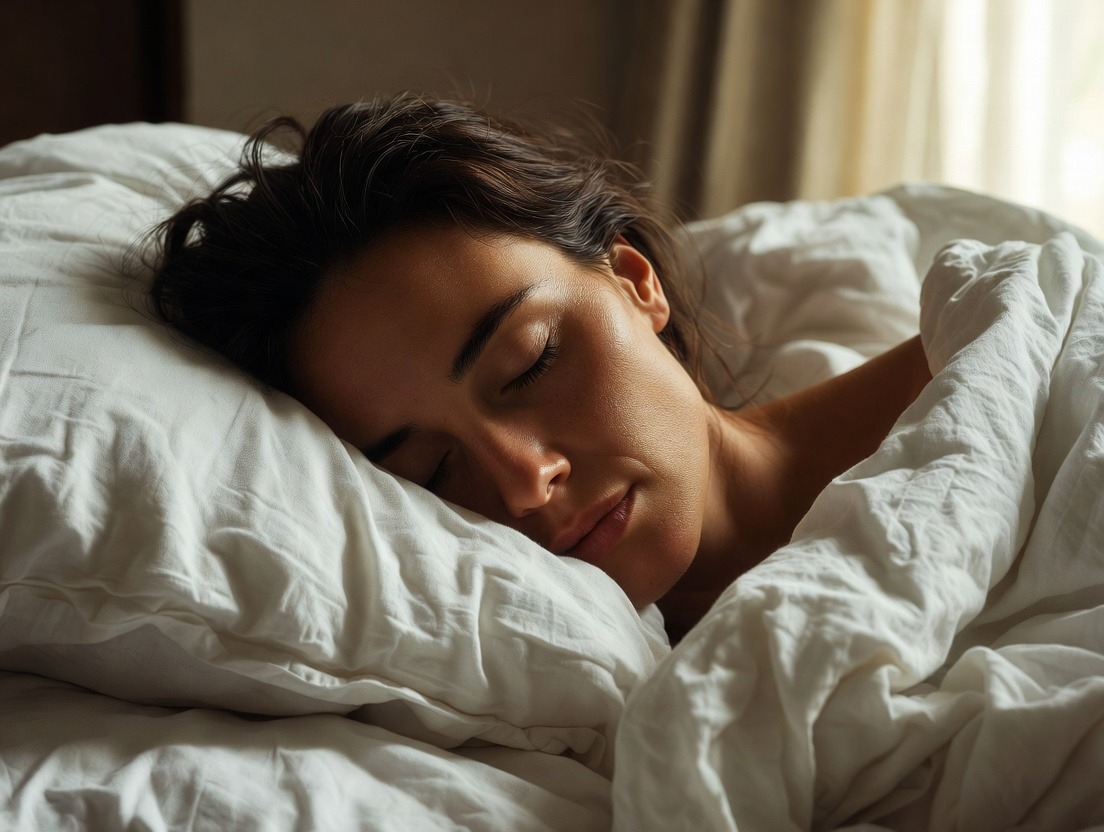
Before your first coffee is brewed or your morning email sprint begins, your potential for the day has already been largely determined by the quality of your sleep. For entrepreneurs, sleep is not a luxury; it is a non-negotiable strategic asset. It is during these crucial hours that your brain consolidates memories, processes complex problems, and flushes out metabolic waste. Your smart ring moves beyond simple duration tracking to provide a nuanced map of your nocturnal landscape, offering a window into the restoration your body and mind actually received.
At the core of this analysis are your sleep stages: light sleep, deep sleep (slow-wave sleep), and REM (rapid eye movement) sleep. Each plays a distinct role. Deep sleep is your physical restoration phase, crucial for tissue repair, immune function, and hormone regulation. Interruptions here can leave you feeling physically drained. REM sleep, often called "dream sleep," is where emotional processing and memory consolidation occur—it’s essential for creativity, learning, and navigating the emotional rollercoaster of startup life. A smart ring uses advanced sensors like photoplethysmography (PPG) and accelerometers to track your heart rate variability (HRV) and movement, constructing a highly accurate picture of your sleep architecture. You’ll see not just that you slept for 7 hours, but that you had 1.2 hours of deep sleep, 1.8 hours of REM, and experienced 15 disturbances.
This data reveals your unique biological rhythm. Perhaps you’re a natural night owl whose best deep sleep occurs after 3 AM, or an early bird whose REM peaks just before dawn. Understanding your sleep pattern is the first step to honoring it. Forcing a 5 AM wake-up call because a guru said so, when your data shows your deepest sleep happens between 4 AM and 7 AM, is a recipe for chronic underperformance. This is where sleep pattern journaling can be transformative. By correlating your ring's sleep stage data with a quick note on your pre-bed routine (e.g., "late client call," "no screens after 9 PM," "evening workout"), you begin to see what truly moves the needle for your rest.
The impact of poor sleep patterns is stark. A night of fragmented deep sleep can mean slower reaction times, impaired judgment, and a reduced ability to handle stress the next day. You might find yourself snapping at a team member or making a risky, impulsive decision. Conversely, a night of rich, cyclical sleep, as confirmed by your smart ring’s data, sets the stage for sharp focus, emotional resilience, and innovative thinking. Your ability to pivot, pitch, and persevere is fundamentally tied to this invisible foundation. To dive deeper into interpreting the numbers your device provides, a comprehensive sleep pattern assessment is an invaluable next step. Ultimately, the goal is not to chase a mythical perfect sleep pattern, but to understand and work with your unique biology, learning to honor your sleep pattern in a 9-to-5 world that wasn't built for entrepreneurial rhythms.
If sleep is your foundation, then your stress resilience is the framework that holds everything together. For entrepreneurs, stress is a constant companion. The key to thriving isn't eliminating it—that's impossible—but managing your body's response to it. This is where your smart ring's most sophisticated metric comes into play: Heart Rate Variability (HRV). Often misunderstood, HRV is not your heart rate. While your heart may beat 60 times per minute, the interval between those beats is not perfectly uniform; it varies by milliseconds. A higher HRV generally indicates a healthy, resilient nervous system that can adapt quickly to change. A lower, less variable HRV suggests your body is under strain—perhaps from emotional stress, physical overtraining, illness, or poor recovery.
Think of HRV as your internal stress compass. In the morning, your smart ring provides an HRV reading, often derived from your last deep sleep period, which serves as a daily readiness score. A higher-than-baseline reading suggests your body is recovered and primed to tackle a demanding day of negotiations and strategy. A dip, however, is a red flag. It’s your body whispering, "Proceed with caution." On days when your HRV is low, that’s your cue to schedule fewer critical decisions, delegate more, opt for a walking meeting instead of a high-intensity workout, and be extra diligent about your sleep hygiene that night.
This metric directly combats "decision fatigue," the psychological phenomenon where the quality of your decisions deteriorates after a long session of decision-making. Every minor choice—what to wear, what to eat for lunch, which email to answer first—erodes the same finite cognitive resource. When your HRV is low, your buffer against this fatigue is thin. You’re more likely to make poor choices, such as procrastinating on an important task, agreeing to an unfavorable term, or skipping your workout. By using your HRV as a guide, you can strategically front-load your most important decisions for when your physiological resilience is highest and build more recovery into days when your system is strained.
The power of HRV tracking lies in its predictive and reflective nature. You might notice your HRV consistently drops after days with three or more back-to-back video calls, pointing to social interactions as a significant stressor for your system. Or, you may see it climb when you incorporate 10 minutes of meditation into your afternoon. This turns abstract concepts of "work-life balance" into concrete, data-driven protocols. It allows you to move from reacting to stress to strategically managing your capacity. By paying attention to this compass, you can navigate entrepreneurial storms with greater steadiness, preserving your cognitive resources for the decisions that truly matter.
While we often reach for a thermometer only when feeling feverish, your body's core temperature is a dynamic, finely tuned metric that tells a complex story about your health, metabolism, and circadian rhythm. Your smart ring, worn on the finger—a site with good blood flow and proximity to core temperature—continuously monitors this subtle fluctuation, providing insights that go far beyond detecting illness.
Your body temperature follows a circadian wave, typically lowest in the early morning (around 4 AM) and highest in the late afternoon or early evening. This rhythm is orchestrated by your master clock, the suprachiasmatic nucleus, and is a cornerstone of your energy cycle. When this rhythm is stable and pronounced, it reinforces robust sleep-wake cycles and consistent energy levels. Your smart ring can track the timing and amplitude of this wave. A flattened temperature rhythm, where there's little difference between your nightly low and daytime high, is often a warning sign. It can indicate circadian disruption from late-night screen work, irregular sleep schedules, or chronic stress, all of which can precede feelings of persistent fatigue and brain fog—the entrepreneur's nemesis.
Perhaps more critically, continuous temperature monitoring can serve as an early warning system. A sustained elevation in your resting temperature, even a slight one of 0.5 to 1 degree Fahrenheit, can be the earliest sign of an oncoming illness, an inflammatory response, or, for women, an indicator of ovulation. For an entrepreneur, catching a cold or flu at its earliest stage is a strategic advantage. Seeing a subtle, data-driven temperature trend rise could be your cue to immediately prioritize rest, hydrate aggressively, cancel non-essential meetings, and bolster your immune system. This proactive move could shorten an illness from a week to a couple of days, saving crucial productivity.
Furthermore, temperature data is invaluable for understanding your personal metabolic rhythm. You might discover that your temperature—and thus your metabolic rate—peaks later in the day. This could explain why you feel sluggish during morning brainstorming sessions but hit your cognitive stride in the late afternoon. Instead of fighting this rhythm, you can adapt your schedule: handle administrative tasks in the morning and reserve your peak-temperature hours for deep, creative work or important pitches. In this way, a metric as fundamental as temperature transforms from a simple health gauge into a tool for strategic personal scheduling.
We think of oxygen as a given, but its availability at a cellular level is a key determinant of brain function and overall vitality. Blood oxygen saturation (SpO2) measures the percentage of hemoglobin in your blood that is carrying oxygen. While a healthy individual typically registers between 95-100% during the day, this level can dip during sleep, especially in response to breathing disturbances. This is where your smart ring’s SpO2 monitoring becomes a critical tool for the entrepreneur focused on cognitive sharpness.
The most common application is screening for sleep-related breathing issues, like sleep apnea. Apnea events, where breathing repeatedly stops and starts, cause sudden drops in blood oxygen. Your brain, starved of oxygen, triggers a micro-arousal to restart breathing, fragmenting your sleep architecture. The result? You might log 8 hours in bed but wake up feeling utterly unrefreshed, with a headache, poor concentration, and irritability. For an entrepreneur, this creates a vicious cycle: chronic sleep disruption impairs executive function, which increases stress, which can further disrupt sleep. By tracking your nocturnal SpO2, your smart ring can highlight these periodic dips, providing tangible data to take to a healthcare professional. Addressing an undiagnosed sleep breathing issue can be one of the most dramatic sleep improvement strategies for chronic fatigue.
Beyond detecting disturbances, maintaining optimal oxygenation is fundamental for peak mental performance. The brain, though only 2% of body weight, consumes about 20% of the body's oxygen. Even slight, non-pathological dips can impair cognitive functions essential for entrepreneurship: complex problem-solving, sustained attention, and working memory. Factors like poor posture (slumping at a desk), shallow "stress breathing," high-altitude travel, or even a stuffy conference room can subtly reduce oxygen efficiency.
By being aware of your SpO2 trends, you can create an environment and habits that support oxygen richness. This might mean introducing more plants into your office, taking regular breaks for deep breathing exercises, ensuring proper ventilation, or being mindful of your posture during long work sessions. Furthermore, integrating how exercise timing influences sleep patterns can be insightful, as vigorous exercise too close to bedtime can impact overnight recovery and oxygenation. Tracking SpO2 turns an invisible factor into a manageable variable, ensuring your brain has the fundamental fuel it needs to innovate, negotiate, and lead.
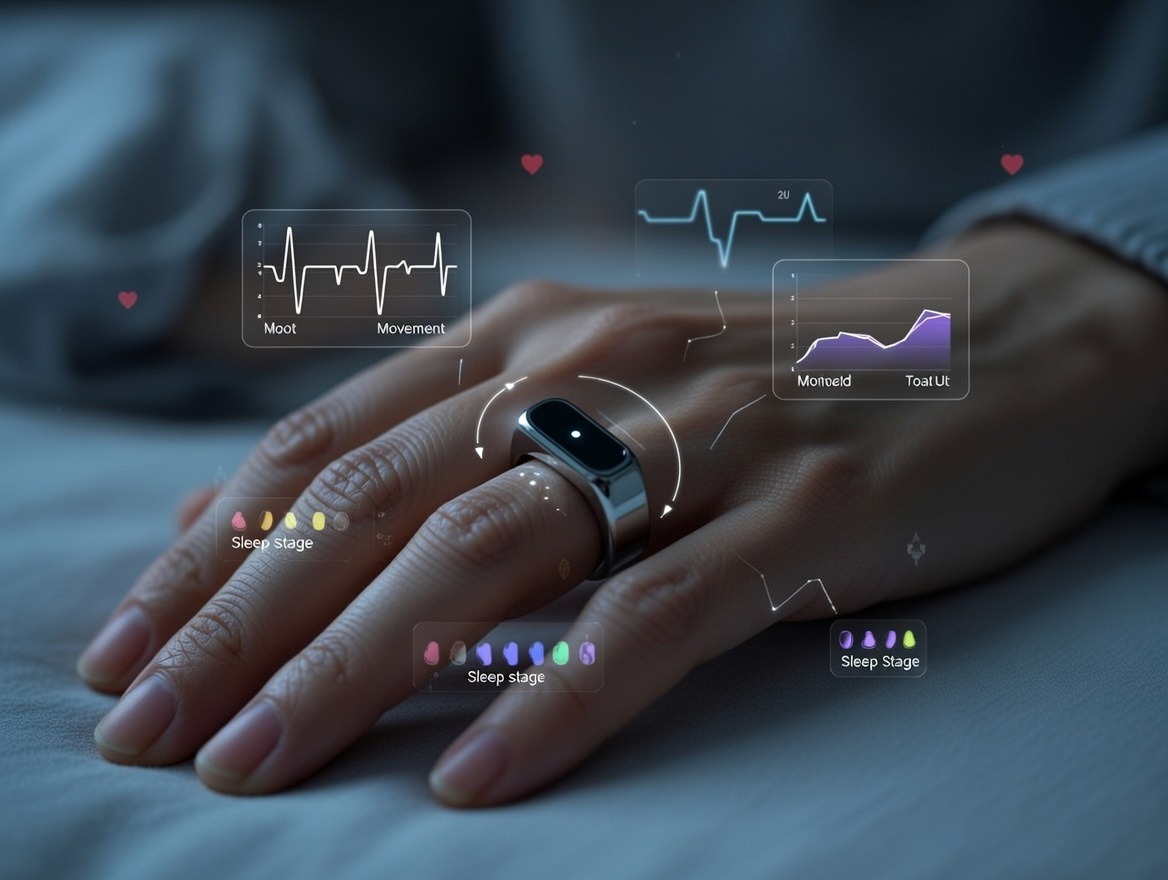
Your heart is the relentless engine of your endeavor, and its baseline rhythm tells a clear story of your overall fitness and recovery state. Your smart ring tracks your Resting Heart Rate (RHR)—the number of times your heart beats per minute when you are completely at rest, typically during sleep or upon first waking. For most adults, a lower RHR (often between 50-70 bpm) indicates stronger cardiovascular fitness and more efficient heart function. For the entrepreneur, tracking RHR trends is like conducting a daily energy audit.
A sudden, sustained increase in your RHR (e.g., a jump of 5-10 bpm above your personal baseline for several days) is one of the clearest biometric signals that something is off. Your body is working harder to maintain homeostasis. The cause could be multifaceted: it might be the onset of an illness, dehydration, excessive caffeine or alcohol consumption, psychological stress, or insufficient recovery from training. If you see your RHR climbing alongside a dropping HRV, you have a powerful, two-data-point confirmation that your system is under significant strain and you need to dial back.
Conversely, a gradual, long-term decrease in your RHR can be a rewarding indicator of improved cardiovascular health from consistent exercise and stress management—a direct ROI on your wellness investments. But the smart ring’s power here is in the marriage of RHR with activity. Modern devices don’t just count steps; they categorize activity into minutes of moderate, vigorous, or inactive time and can even track specific workouts. This creates a cause-and-effect dialogue. Did your RHR remain elevated after that intense 6 AM HIIT class? Maybe pairing a hard workout with a high-stakes investor day isn't optimal. Did a day of non-stop travel and inactivity lead to a poorer sleep score and higher next-morning RHR? This highlights how physical stagnation can be just as stressful to the system as overexertion.
The goal for the entrepreneur is not to maximize activity for its own sake, but to find the personalized, sustainable movement rhythm that supports—not drains—energy for business. This data helps answer critical questions: What type of exercise leaves me energized for a productive workday? How many days of intense activity can my body handle before it signals for rest? How does passive activity (like sitting through meetings) impact my physiology? By auditing your heart’s response to both rest and activity, you move from guesswork to a strategic, data-informed plan for maintaining your physical engine.
With a constant stream of data points—sleep stages, HRV, temperature, RHR, SpO2—the challenge becomes synthesis. What does it all mean for today? This is where the concept of a "Readiness" or "Recovery" score becomes invaluable. Many smart ring ecosystems analyze your key biometrics from the previous night and morning to generate a single, easy-to-interpret number or percentage. This score is your body’s aggregated verdict on how well it has recovered and its preparedness to handle stress, physical exertion, and cognitive load.
Think of this score as your chief operations officer for your personal health, providing a concise executive summary each morning. A high readiness score (e.g., 85/100) suggests your systems are primed. This is the day to tackle that challenging product roadmap, have the tough conversation with a co-founder, or push through a long creative sprint. A low score (e.g., 45/100) is not a judgment, but a crucial piece of intelligence. It’s your body advising a defensive strategy. On these days, the goal shifts from achievement to recovery and damage control. Prioritize lighter tasks, schedule breaks, focus on nutrition and hydration, and make an unwavering commitment to an early, protective bedtime.
The profound psychological benefit of a readiness score is the permission it provides. Entrepreneurs are often driven by a relentless inner critic that equates rest with laziness. Ignoring low-grade fatigue and pushing through is worn as a badge of honor. A low biometric readiness score externalizes this feedback. It’s not that you "feel like" taking it easy; the data indicates your physiological resources are depleted. This makes it easier to make rational, sustainable choices rather than emotional, gritty ones. It transforms recovery from a guilty pleasure into a data-driven, strategic imperative for long-term performance.
This score also helps you validate the effectiveness of your wellness interventions. Did that new mindfulness app, a change in your workout schedule, or a weekend sleep pattern strategy actually improve your recovery metrics? The readiness score, as a composite, will show you. By letting this synthesized metric guide the intensity of your days, you create a feedback loop that naturally balances ambition with restoration, building resilience and preventing the boom-bust cycles that plague so many founders.
Entrepreneurs often treat eating as a logistical problem to be solved quickly between tasks, leading to erratic meals, reliance on caffeine and sugar, and chronic dehydration. Yet, the fuel you provide your body directly powers the complex biochemistry behind every decision, conversation, and line of code. Your smart ring’s biometrics offer indirect but powerful insights into how your nutrition and hydration habits are serving—or sabotaging—your performance.
There is no direct "glucose" or "hydration" sensor on a ring (yet), but the downstream effects of poor fueling are clearly visible in your other metrics. Let’s start with hydration. Even mild dehydration (a loss of just 1-2% of body water) can impair cognitive function, concentration, and short-term memory. How might this show up in your data? Dehydration increases cardiovascular strain, as your blood becomes thicker and your heart works harder. You may see an elevated resting heart rate (RHR) and a decreased heart rate variability (HRV). You might also experience more restless sleep and a higher body temperature as your body’s thermoregulation struggles. Noticing these patterns, especially after a day of back-to-back meetings where you drank only coffee, can be a clear cue to prioritize water intake.
Nutrition’s impact is even more profound. A large, heavy meal late at night can divert blood flow to your digestive system, raising your body temperature and disrupting your ability to enter deep, restorative sleep. Your sleep score and HRV will likely reflect this the next morning. Conversely, going too long without eating can cause a blood sugar crash, triggering a stress response (cortisol release) that can also negatively impact HRV and increase feelings of anxiety or irritability—hardly the mindset for a stable leader.
Your biometrics can help you identify personal food sensitivities. You might notice that on days you consume dairy or high-gluten foods, your overnight heart rate is elevated and your HRV dips, indicating an inflammatory response. Or, you may see a positive correlation between a diet rich in omega-3s and antioxidants and a gradual improvement in your baseline HRV. By observing how your physiological data responds to different eating patterns—intermittent fasting vs. regular small meals, high-protein breakfasts vs. carbohydrate-heavy ones—you can move from following generic diet trends to creating a personalized nutrition protocol that stabilizes your energy, sharpens your mind, and supports recovery. It turns your body into a biofeedback lab, where the ring provides the data on each experiment.

The holy grail for any knowledge worker is sustained, deep focus. We try to manage it with digital tools and techniques, but what if your ability to concentrate has a physiological signature? Your smart ring, by tracking your autonomic nervous system (ANS) activity, can act as a focus barometer, helping you identify the physical states most conducive to mental clarity and those that signal impending distraction or fatigue.
The ANS has two main branches: the sympathetic ("fight or flight") and the parasympathetic ("rest and digest"). High-focus work, especially of a creative or complex nature, is paradoxically best supported by a state of calm alertness—a slightly elevated sympathetic tone coupled with strong parasympathetic control. This is often reflected in a moderate, steady heart rate and a high, stable HRV. Your smart ring can help you identify the times of day when this state occurs naturally for you. Is it mid-morning after you’ve settled in? Is it in the late afternoon? Scheduling your most demanding cognitive work during these biologically primed windows is a profound productivity hack.
Conversely, when you are stressed, anxious, or fatigued, the sympathetic nervous system can become dominant, leading to a higher, more erratic heart rate and lower HRV. In this state, focused work is extraordinarily difficult. Your mind will seek escape through distractions like social media, unnecessary emails, or snacking. Your ring can alert you to this state before you consciously feel overwhelmed. A notification of "heightened stress" or simply observing a rising real-time heart rate while working can be your cue to intervene.
The intervention is the key. This is where you can deploy targeted, biofeedback-informed breaks. Seeing your stress metrics climb, you might step away for five minutes of box breathing—a technique proven to stimulate the parasympathetic nervous system. You could take a brisk walk outside (combining movement, nature, and a change of scenery) and watch your heart rate data settle in real-time. These aren’t random breaks; they are precise, metric-driven resets for your nervous system. Over time, you’ll learn which activities most effectively shift your physiology back into a focus-friendly state. You move from being a passenger to your mental states to becoming a pilot, using physical data to navigate toward sustained, productive focus.
Entrepreneurship is a marathon of unpredictable sprints. The danger lies in optimizing for the daily or weekly sprint while ignoring the erosion of your long-term capacity. Smart ring data shines brightest not in its daily notifications, but in the long-term trends it reveals. This longitudinal view transforms the device from a fitness tracker into a longevity and sustainable performance tool.
By reviewing weekly, monthly, and quarterly trends in your core metrics, you answer existential questions about your lifestyle: Is my current pace sustainable? What is the trend of my resting heart rate and HRV over the last quarter? A gradually rising RHR and falling HRV baseline is a critical warning sign of cumulative, unaddressed stress—the path to burnout. Conversely, seeing your deep sleep percentage gently increase and your HRV baseline climb over six months is incontrovertible proof that your new management style, delegation habits, and sleep improvement plan are working. This positive reinforcement is powerful motivation.
These trends also illuminate the impact of life and business cycles. You’ll see the biometric cost of a product launch, a funding round, or a business trip etched into your data. More importantly, you can see how long it takes your body to return to baseline afterward. Does it take two days or two weeks? This knowledge allows for better planning. After a known high-stress period, you can proactively schedule lighter workdays instead of waiting to crash.
Ultimately, this long-view data connects daily habits to the grand goal of entrepreneurial longevity—not just the longevity of your business, but of your health, vitality, and passion. There is a well-documented relationship between sleep patterns and longevity, and the same principles apply to stress management and cardiovascular health. By making small, consistent adjustments guided by trend data—protecting sleep during stressful times, prioritizing recovery, learning your true energy rhythms—you aren’t just avoiding burnout. You are systematically building a healthier, more resilient biological foundation from which to lead and innovate for decades. The smart ring becomes the ledger for this most important investment: the investment in yourself.
Entrepreneurs are adept at measuring business metrics—MRR, CAC, LTV—but often lack the tools to measure the most critical variable: their own physiological strain. The relentless pursuit of goals creates a hidden "workload" on your nervous system, a cumulative burden that, if unmanaged, inevitably leads to burnout. Your smart ring tracks this unseen workload through two powerful, interrelated concepts: Strain and Recovery. Understanding this dynamic is your ultimate defense against hitting the wall.
Strain is not simply "being busy." It's the total physiological cost of your day, a composite of mental stress, emotional labor, physical activity, and even digestion. While your ring tracks active strain through exercise metrics, its genius lies in quantifying passive strain: the elevated heart rate during a difficult conversation, the suppressed HRV while solving a complex problem, the restless sleep after a day of back-to-back decisions. Your device aggregates these into a daily strain score. A day of intense, focused intellectual work in a calm environment might yield a moderate score, while a day filled with chaotic, context-switching tasks and interpersonal conflicts could register as high strain, even with minimal physical activity.
Recovery is the counterbalance. It's the process by which your body repairs itself, restores energy, and returns to homeostasis. As discussed, this is measured through nocturnal HRV, deep sleep, resting heart rate, and body temperature regulation. The critical insight for the entrepreneur is that Recovery must exceed or at least match Strain over time. This is the fundamental equation of sustainable performance: Strain > Recovery = Negative Debt. Consistently spending more physiological resources than you replenish creates a deficit. This deficit manifests slowly at first—as increased irritability, diminished creativity, and a reliance on caffeine. Then, more acutely: chronic fatigue, insomnia, anxiety, and a collapse in immunity.
Your smart ring’s trend analysis makes this debt visible. The weekly view should show a rhythm: peaks of strain followed by troughs of recovery. A healthy pattern looks like a dynamic wave. A dangerous pattern shows strain scores consistently hovering high while recovery scores flatline or trend downward. This is the biometric signature of burnout in progress. It’s a more truthful indicator than your own perception, which can be skewed by adrenaline and denial.
The strategic application is profound. Use your daily strain and recovery scores to plan the type of work, not just the amount. After a day of high strain (even if it was "just" mental), your next day should be consciously designed for lower physiological cost. This means scheduling administrative tasks, routine meetings, or creative brainstorming instead of high-stakes negotiations. It means committing to a sleep improvement strategy for chronic insomnia if your recovery is consistently poor despite your efforts. By actively managing this strain-recovery balance, you stop viewing rest as the absence of work and start seeing it as the essential, non-negotiable process that makes high-quality work possible. You move from a linear model of "more hours equals more output" to a cyclical model of "strategic strain followed by intentional recovery equals sustainable excellence."
The entrepreneur's world is illuminated by screens—the primary portal to work, communication, and often, relaxation. Yet, this digital environment wages a silent war on your biology, primarily through its emission of blue light. Your smart ring, by tracking sleep quality and circadian markers, provides incontrovertible evidence of this impact, turning abstract warnings into personal, data-driven revelations.
Blue light, prevalent in LED screens, smartphones, and tablets, has a potent effect on your suprachiasmatic nucleus, your brain's master clock. It suppresses the production of melatonin, the hormone that signals sleepiness and helps regulate your sleep-wake cycle. For the entrepreneur working late into the night, this means artificially telling your brain it's midday, disrupting the very natural sleep patterns your body is trying to maintain. The consequence in your ring data is clear: delayed sleep onset (it takes you longer to fall asleep), reduced deep sleep in the first half of the night, a flattened body temperature rhythm, and a lower HRV. You might log 7 hours in bed, but the restorative quality of that sleep is profoundly compromised.
But the impact extends beyond sleep. A disrupted circadian rhythm affects hormone regulation throughout the day. Cortisol, your primary stress hormone, which should peak in the morning to help you wake up and decline throughout the day, can become dysregulated. You may experience an afternoon crash or feel wired yet tired at night. This hormonal chaos impairs glucose metabolism, cognitive function, and emotional regulation—all critical for leadership. Your ring’s daytime HRV and resting heart rate data will often reflect this underlying dysregulation, showing more instability and stress reactivity.
The solution isn't to abandon technology, but to manage your digital environment with the same strategic intent you apply to your business. Your biometric data can guide this. If you see a correlation between late-night screen use and poor sleep scores, it's time to enforce a "digital sunset." Use your ring’s data to experiment: try stopping screen use 60, 90, or 120 minutes before bed and note the changes in your sleep architecture and readiness score. You may find that reading a physical book or using an e-ink reader doesn't disrupt your metrics, while even 30 minutes of social media scrolling does.
Furthermore, leverage technology to mitigate its own effects. Use blue light filtering apps (like f.lux or Night Shift) on all devices after sunset. Consider investing in blue-light-blocking glasses for evening work. Most importantly, prioritize morning light exposure. Getting bright, natural light within an hour of waking is the most powerful signal to reset your circadian clock, reinforcing a healthy pattern and improving your resilience to evening blue light. By treating light as a drug—with carefully timed doses of natural light and cautious evening limitation of artificial blue light—you reclaim control of your biological code, ensuring your digital tools serve your performance rather than sabotage it.

Building a business is inherently social: networking events, team building, investor dinners, and customer support. For many entrepreneurs, these interactions are energizing; for others, they are a significant source of stress. Your smart ring, through its stress and recovery metrics, can help you decipher your unique social rhythm and navigate the founder's classic dilemma: the trade-off between necessary networking and nervous system preservation.
Every social interaction carries a physiological cost or credit. A positive, connecting conversation with a trusted mentor might leave you feeling uplifted, and this could be reflected in a stable or even improved HRV reading afterward. Conversely, a contentious board meeting, a draining sales pitch, or the performative nature of a large networking mixer can trigger a pronounced stress response. Your ring will likely capture this as a spike in real-time heart rate, a period of low HRV, and if the event is in the evening, a disruption in that night's sleep. This isn't weakness; it's a measurable autonomic nervous system reaction to perceived social-evaluative threat.
The key is to move from guessing to knowing. Review your data after different types of social engagements. You might discover that one-on-one coffee meetings are neutral or positive for your physiology, while large conferences are highly taxing. You may find that social obligations you feel pressured to attend are the ones that most conflict with your sleep patterns and recovery. This data empowers you to make strategic choices. You can decide which events are truly worth the physiological investment and which you can skip or delegate. For essential but draining events, you can employ pre- and post- rituals: a short meditation beforehand to center yourself, and mandatory downtime afterward to decompress, rather than rushing to the next task.
This understanding is also crucial for managing your energy across the workweek. If you have a major networking dinner on Thursday night, your data might show that you need to protect your sleep on Wednesday to build resilience, and clear your Friday schedule for lower-stakes work to allow for recovery. It helps you plan social density. Packing four client lunches into two days might be efficient for your calendar, but it could be catastrophic for your nervous system, leading to a weekend spent in recovery instead of rejuvenation.
Ultimately, your smart ring helps you define and defend your social boundaries based on biological reality, not just social anxiety or FOMO. It allows you to participate in the social world of business intentionally, investing your social energy where it aligns with your goals and physiology, and gracefully declining what doesn't. This leads to more authentic, sustainable connections and protects the inner calm required for visionary thinking.
For the globally-minded entrepreneur, travel is often a necessity. Yet, business travel imposes a significant, multifaceted "tax" on your body: circadian disruption from time zones, physical strain from immobility, mental load from logistics, and the stress of unfamiliar environments. Your smart ring is an indispensable travel companion, providing a real-time dashboard of this toll and guiding your mitigation strategies.
The most obvious impact is jet lag—the misalignment between your internal circadian clock and the local time zone. Your ring’s core metrics are the perfect jet lag monitors. As you cross time zones, you can watch your body temperature rhythm struggle to adjust, your sleep architecture become fragmented (with a notable loss of deep sleep), and your HRV plummet. The data provides a clear picture of how long it truly takes you to adapt. A common rule of thumb is one day per time zone crossed, but your biometrics will give you a personal recovery timeline. You might find that eastward travel (which shortens the day) is more physiologically costly for you than westward travel, a common pattern confirmed by sleep science.
Beyond circadian disruption, travel is a holistic stressor. The anxiety of making connections, the dehydration from dry cabin air, the poor nutrition of airport food, and the prolonged sitting all leave their mark. Your resting heart rate may be elevated for days, and your activity score will show long periods of inactivity punctuated by stressful bursts. The compounding effect can mean that even a "successful" three-day business trip can leave you with a week of subpar performance upon return.
Armed with this awareness, you can transform travel from a performance killer into a managed event. Use your ring’s data to inform pre-travel preparation. If you’re flying east, gradually shift your sleep schedule earlier in the days before departure. Upon arrival, use light exposure strategically: seek bright morning light if you need to shift your clock earlier, and avoid evening light to help you adjust. Your ring’s body temperature data can even help you time meals; eating in alignment with your new local time can help synchronize peripheral clocks in your liver and gut.
During travel, use the data to enforce recovery behaviors. A high resting heart rate notification can be your reminder to drink water. A poor sleep score the first night can prompt you to double down on sleep hygiene in the hotel—using blackout curtains, a white noise app, and strictly avoiding work in bed. By actively managing the "travel tax" with biometric feedback, you preserve more of your cognitive and emotional resources for the business objectives that prompted the trip in the first place, arriving at your meetings sharper and returning home with a faster rebound to peak performance.
Entrepreneurship’s culture has long been intertwined with stimulants (caffeine) and, often, depressants (alcohol) used for networking and unwinding. The modern founder may also experiment with nootropics and supplements to gain an edge. But the effects of these substances are highly individual. What sharpens one person's focus may trigger anxiety in another; what helps one unwind may destroy another's sleep. Your smart ring removes the guesswork, providing a personalized biofeedback loop to optimize your intake for performance, not just habit.
Caffeine is the entrepreneur's primary fuel, but its optimal use is a science. Caffeine has a half-life of 5-6 hours, meaning it can linger in your system long after your last sip. Your smart ring data reveals caffeine's true impact on you. Do you see a noticeable improvement in daytime HRV and focus after a morning coffee? Or does it cause a jittery heart rate spike and a subsequent crash? Most critically, how does it affect your sleep? Even if you fall asleep easily, caffeine can significantly reduce deep sleep and increase sleep fragmentation. You might be shocked to see that your 3 PM latte correlates with 20% less deep sleep that night. This data empowers you to establish a personal "caffeine curfew." For many, stopping caffeine by noon is a game-changer for sleep quality, which in turn reduces the need for caffeine the next day, creating a virtuous cycle.
Alcohol, even in moderate amounts, is a potent sleep and recovery disruptor. It may help with sleep onset but it severely suppresses REM sleep in the first half of the night and leads to rebound awakenings later. It also increases heart rate, dehydrates you, and elevates body temperature. Your ring will document this clearly: a night with even two drinks will likely show elevated resting heart rate, minimal REM sleep, and a depressed HRV. Seeing the quantitative cost of a "wind-down" drink can be revelatory. It allows you to make conscious trade-offs: "Is this networking event worth the hit to my recovery and tomorrow's productivity?" You can also experiment with mitigation strategies: drinking extra water, setting a firm one-drink limit, or ensuring the drink is several hours before bedtime.
For supplements and nootropics, the ring is your personal clinical trial. Considering magnesium for sleep? Start taking it and watch your deep sleep and HRV trends over two weeks. Testing an adaptogen like rhodiola for stress? Monitor your daytime HRV and reactivity. The data provides objective evidence of efficacy, helping you invest only in what moves your personal biomarkers. This biohacking approach moves you from following blanket advice to conducting N=1 experiments, creating a truly personalized protocol for peak mental and physical operation. It turns self-optimization from an abstract pursuit into a data-driven discipline.
The archetype of the stoic, unflappable founder is a dangerous myth. Entrepreneurship is an emotional rollercoaster—euphoria from a win, frustration with setbacks, anxiety about the future, and the constant, low-grade hum of pressure. We often try to compartmentalize these feelings, believing we can quarantine them from our decision-making and leadership. But your smart ring tells a different story: every emotional state has a direct, measurable physiological correlate. By learning to read this mind-body loop, you gain not just self-awareness, but a powerful tool for emotional regulation and resilience.
Emotions are not purely mental events; they are whole-body experiences orchestrated by the autonomic nervous system (ANS). A surge of anxiety before a pitch doesn't just happen in your mind; it triggers a cascade of physical changes: your sympathetic nervous system activates, releasing adrenaline and cortisol. Your heart rate accelerates, blood pressure rises, and blood is shunted away from your digestive system to your muscles (the "fight or flight" response). Your smart ring captures these signatures in real-time: a sharp spike in your heart rate graph, a dip in heart rate variability (HRV), and sometimes a subtle increase in skin temperature. Conversely, a moment of genuine gratitude or a feeling of "flow" during deep work can correlate with a coherent heart rhythm, higher HRV, and steady, efficient breathing—all signs of parasympathetic activation and nervous system harmony.
This data provides a crucial service: objectivity. You can no longer dismiss a feeling as "just stress." You can see its tangible footprint on your physiology. Seeing a pattern of frequent, sharp heart rate spikes throughout your day is a quantitative measure of your emotional reactivity. It answers the question, "How stressed am I, really?" with hard data. This externalization is the first step toward management. It allows you to identify your specific emotional triggers. Does your heart rate consistently spike during check-ins with a particular team member? Right before weekly financial reviews? When you open your email inbox? This isn't about blame; it's about pattern recognition for strategic intervention.
Once you identify the triggers, you can use your ring for biofeedback in real-time. Feeling overwhelmed? Glance at your real-time HRV reading and practice a minute of diaphragmatic breathing. Watch the number climb as your nervous system calms. This turns an abstract mindfulness exercise into a gamified, results-driven practice. Post-emotional event, your recovery metrics tell the rest of the story. That difficult confrontation that left you rattled—did it also trash your sleep that night, evident in low deep sleep and high resting heart rate? This shows the lingering physiological cost of unresolved emotional stress. It argues powerfully for the business case of emotional processing techniques like journaling, therapy, or mindful reflection, as they are no longer "soft" skills but effective sleep improvement strategies that protect your most valuable asset: your recovered state.
By tracking this loop, you learn to respect the profound connection between your emotional world and your physical capacity. You stop trying to "power through" emotions and start managing them as a core component of your performance protocol. You build emotional granularity—the ability to distinguish between excitement and anxiety, frustration and rage—by noting their distinct physiological signatures. This mastery doesn't eliminate the entrepreneurial rollercoaster, but it gives you a seatbelt and a map, allowing you to navigate the dips and turns without derailing your health or your business.
Creativity is the lifeblood of entrepreneurship. It's the spark for new products, the ingenious solution to operational bottlenecks, the novel marketing angle. Yet, we often treat creativity as a mystical force that strikes at random. Your smart ring data reveals a more predictable truth: creativity has a physiological sweet spot, and you can learn to identify and cultivate it.
Neuroscience tells us that creative insight often arises from a relaxed yet alert brain state, associated with alpha wave activity. This state typically occurs when we are not under acute stress but are engaged in diffuse, rather than focused, thinking. Your smart ring’s metrics are excellent proxies for this state. The ideal "creativity pulse" likely corresponds with a moderate to high HRV (indicating a calm, resilient nervous system), a stable and comfortable resting heart rate, and a body temperature that is not elevated from stress or illness. It's the state you might find yourself in during a relaxed walk, a warm shower, or in the gentle haze just after waking.
Your historical data can pinpoint when you are most likely to be in this state. Review your trends. Do you see a window of high HRV and low resting heart rate in the late morning, a few hours after you've settled into work but before decision fatigue sets in? Or perhaps it's in the early evening, after a workout and a shower? This is your biological creativity window. Once identified, you can ruthlessly defend and utilize this time. Block it on your calendar not for meetings or emails, but for activities that foster diffuse thinking: free writing, mind-mapping, walking in nature, or engaging in a hobby. This is the time to ponder the "what ifs" and connect disparate ideas.
Conversely, your data also shows the states that kill creativity. High sympathetic arousal—marked by elevated heart rate, low HRV, and the sense of being "on edge"—is antithetical to creative thought. This is the state of frantic putting out fires. In this mode, your brain is optimized for narrow, linear problem-solving (how to fix this now), not for the broad, associative thinking required for innovation. If you try to brainstorm while your ring shows a stress alert, you'll likely hit a wall of frustration.
Therefore, the strategic approach is two-fold. First, schedule creativity during your biologically primed windows. Second, if you need a creative breakthrough and aren't in that state, engineer the physiological preconditions. Use your ring’s biofeedback to guide you into a calmer state. A 10-minute meditation to raise HRV, a brisk walk to reset your nervous system, or even a power nap can shift your physiology into a more creativity-friendly zone. This is why companies like Google have nap pods; it's not about laziness, it's about cognitive regeneration. By aligning your creative work with your unique sleep patterns and creativity cycles, you stop waiting for the muse and start creating the biological conditions for her arrival, transforming innovation from a random event into a repeatable process.
The greatest leverage for an entrepreneur is effective delegation. Yet, letting go is famously difficult, often rooted in the belief that "it's faster if I do it myself" or that no one else can meet our standards. This mindset leads to the founder's bottleneck—overwhelm, stagnation, and burnout. Your smart ring data can provide an unexpected yet powerful framework for rethinking delegation: it creates an objective "Delegation Dashboard" based on your physiological capacity, not just your to-do list.
The principle is simple but transformative: match the cognitive and emotional demand of tasks to your current biological readiness. Your morning readiness or recovery score is the key input for this dashboard. On a high-readiness day (85+), your system is primed for high-stakes, complex, and emotionally demanding work. These are the tasks you should keep: strategic planning, key hires, important investor updates, and creative direction. On a low-readiness day (<60), your body is signaling a need for conservation. This is the prime time to delegate. The tasks you offload should be those that are necessary but depleting: routine administrative work, answering non-critical emails, moderating community forums, or conducting initial research.
This reframes delegation from a failure ("I can't handle it all") to a strategic, data-driven decision ("My biological metrics indicate this is the optimal time to leverage my team's capacity"). It makes the act of handing off a task a rational choice for peak organizational performance, not an emotional admission of weakness. To implement this, you need a clear inventory of your tasks categorized by their physiological "cost." High-cost tasks are those that you know, from your data, tend to spike your stress metrics or follow nights of poor recovery. Low-cost tasks are those you can perform almost on autopilot.
Your dashboard then becomes a daily practice: Check your readiness score. If low, immediately identify 1-3 high or medium-cost tasks you can delegate or defer that day. Communicate clearly to your team: "My focus is on recovery today, so I'm empowering you to handle X. Here are the guidelines; I trust your judgment." This not only protects your own health but actively develops your team's skills and autonomy. Over time, this practice systematically pushes more of the business's operational weight onto the broader team, freeing you to operate consistently in your zone of genius—the visionary, high-leverage work that only you can do. It turns your biometrics into a management tool, scaling your leadership by ensuring you are personally working on the business precisely when you have the biological resources to do it best.
Entrepreneurs are masters of calculating return on investment (ROI). We scrutinize marketing spend, software subscriptions, and hire salaries. Yet, we rarely apply the same rigor to the single largest investment we make: the one in our own health and performance. Smart ring data allows us to start quantifying this ROI, transforming wellness from a personal virtue into a strategic business metric with a clear financial implication.
The "cost" of poor health manifests in tangible business losses. Let's assign conservative numbers:
Your smart ring provides the leading indicators to prevent these costs. It's an early warning system. A sustained drop in HRV and rise in resting heart rate is a cheaper signal to address than a $50,000 mistake or a $10,000 medical bill. The "investment" is the cost of the ring and, more importantly, the time and effort to act on its data.
The ROI calculation becomes: (Costs Avoided + Performance Gains) / (Cost of Ring + Value of Time Invested).
While precise dollar figures may be elusive, the directional ROI is overwhelmingly positive. Viewing your ring data through a financial lens creates the necessary urgency and discipline to act on it. It moves health from the "nice-to-have" personal column to the "essential-to-have" business operations column. You begin to see that an extra hour of sleep isn't lost time; it's an investment with a higher return than most marketing campaigns. Protecting an afternoon for recovery isn't laziness; it's preventative maintenance on your most critical business asset. This mindset shift is perhaps the most valuable return of all.
Data without action is just noise. The ultimate goal of wearing a smart ring is not to collect fascinating graphs, but to build a better, more responsive Personal Operating System (POS). Your POS is the set of daily rituals, rules, and heuristics that automatically guide your decisions about work, health, and recovery. Your smart ring becomes the core sensor feeding real-time data into this system, making it dynamic and personalized.
Your POS starts with Morning Intelligence. The first ritual is checking your readiness score and key metrics (HRV, RHR, sleep score). Don't just note the number; assign it a meaning and a protocol.
The next layer is Real-Time Biofeedback. Integrate ring checks into your daily flow. Before starting a deep work session, check your stress level. If it's high, do a 3-minute breathing exercise first. After a stressful meeting, check your metrics and take a 5-minute walk if needed to reset. Use the physical activity reminders not as nuisances, but as system commands to break up sedentary time, which you know from your data correlates with poorer afternoon focus.
Your POS also includes Evening Wind-Down Rules, dictated by historical data. If your ring shows that screens after 9 PM consistently lower your sleep score, then "No screens after 9 PM" becomes a non-negotiable system rule, not a flexible guideline. If alcohol tanks your HRV, your POS might include a rule like "Maximum 1 drink, and only before 7 PM."
Finally, your POS requires a Weekly Review. Each week, spend 15 minutes reviewing your biometric trends alongside your business and personal calendar. Ask: What events lifted my metrics? What drained them? How did my readiness trend across the week? Use this to plan the following week. If you see a major product launch on Thursday, proactively block Friday for low-intensity work. This review is where you iteratively upgrade your POS, adding new rules (e.g., "No caffeine after 1 PM") and retiring ones that no longer serve you.
By building this integrated system, you automate healthy responses. You stop debating with yourself about whether you're "tired enough" to skip a workout or "stressed enough" to meditate. Your POS, informed by objective data, makes the call. It externalizes willpower, creating an environment where the optimal choice for your health and performance is also the default, easiest choice. This is the pinnacle of using technology for self-mastery—transforming data into a living, breathing system that runs in the background, freeing your conscious mind to focus on what truly matters: building your vision.
As we integrate these powerful devices into our lives, we must confront the critical ethical questions they raise. The data collected by a smart ring is profoundly intimate—a continuous readout of your internal state, your vulnerabilities, your habits, and your health. For the entrepreneur, this creates a dual frontier: the personal ethics of self-tracking and the emerging corporate ethics of biometric monitoring in the workplace.
Personal Ethics & Data Ownership: When you strap on a ring, you are entrusting a company with your most private information. It's imperative to understand their privacy policy. Where is your data stored? How is it encrypted? Is it anonymized and aggregated for research? Can it be sold to third parties? Who owns the data—you or the company? As a user, you must be a vigilant custodian of your own information. Use strong, unique passwords for your associated account. Be cautious about connecting your biometric data to numerous third-party apps, as this expands the attack surface for potential breaches. Your physiological patterns could reveal more than you intend; for instance, consistent data could potentially indicate undisclosed health conditions. Treat your biometric data with the same seriousness as your financial data.
The Workplace Frontier: This is where the conversation becomes complex and urgent. Some forward-thinking (or potentially intrusive) companies are beginning to offer smart rings or similar devices to employees as part of corporate wellness programs. The stated goal is often noble: to reduce burnout, improve team health, and boost collective productivity. But the ethical risks are significant.
For the entrepreneur as a leader, these questions are paramount. If you consider implementing such tools in your own company, you must build a framework of radical transparency, genuine consent, and absolute employee data ownership. The data should be used only to empower the individual employee with self-knowledge, never for managerial evaluation or coercion. The focus should be on providing resources (flexible schedules, wellness stipends, mental health support) based on aggregated, anonymous trends, not on monitoring individuals.
The future we must steer toward is one of biometric empowerment, not surveillance. The goal is to give individuals sovereignty over their own data to optimize their lives, not to give institutions a new tool for control. As an early adopter and leader, you have the responsibility to model this ethical use. Be open about your own journey with the data, focusing on how it helps you set boundaries and practice sustainable leadership, not on using it as a badge of superior hustle. By engaging with these ethical questions proactively, you help ensure that this powerful technology develops as a force for human flourishing in the entrepreneurial journey and beyond.
Your Trusted Sleep Advocate: Sleep Foundation — https://www.sleepfoundation.org
Discover a digital archive of scholarly articles: NIH — https://www.ncbi.nlm.nih.gov/
39 million citations for biomedical literature :PubMed — https://pubmed.ncbi.nlm.nih.gov/
Experts at Harvard Health Publishing covering a variety of health topics — https://www.health.harvard.edu/blog/
Every life deserves world class care :Cleveland Clinic - https://my.clevelandclinic.org/health
Wearable technology and the future of predictive health monitoring :MIT Technology Review — https://www.technologyreview.com/
Dedicated to the well-being of all people and guided by science :World Health Organization — https://www.who.int/news-room/
Psychological science and knowledge to benefit society and improve lives. :APA — https://www.apa.org/monitor/
Cutting-edge insights on human longevity and peak performance:
Lifespan Research — https://www.lifespan.io/
Global authority on exercise physiology, sports performance, and human recovery:
American College of Sports Medicine — https://www.acsm.org/
Neuroscience-driven guidance for better focus, sleep, and mental clarity:
Stanford Human Performance Lab — https://humanperformance.stanford.edu/
Evidence-based psychology and mind–body wellness resources:
Mayo Clinic — https://www.mayoclinic.org/healthy-lifestyle/
Data-backed research on emotional wellbeing, stress biology, and resilience:
American Institute of Stress — https://www.stress.org/


