


How Sleep Quality Ranks Among Top Longevity Essentials (Ring Data)
How sleep quality ranks as a top factor for longevity.
How sleep quality ranks as a top factor for longevity.
%402x.svg)
For centuries, the quest for a long, vibrant life has been humanity’s grandest pursuit. We’ve scoured the globe for healing herbs, optimized our diets down to the last micronutrient, and embraced exercise regimes of every intensity. Yet, in the quiet, darkened hours of the night, a more profound and universal elixir has been at work—one we are only now beginning to measure with true precision. The emerging, data-driven truth is that the quality of your sleep isn’t just a pillar of wellness; it is the foundational bedrock upon which all other longevity strategies are built. And for the first time in history, we are not guessing about it. We are measuring it, night after night, with the silent sentinel on our finger: the modern wellness ring.
Gone are the days of vague recollections of “sleeping okay.” The advent of continuous, non-invasive health tracking technology has pulled back the curtain on the nocturnal symphony of our biology. Devices like the advanced smart rings from pioneers such as Oxyzen are collecting petabytes of physiological data—heart rate variability (HRV), respiratory rate, blood oxygen saturation, skin temperature, and detailed sleep architecture—transforming subjective feeling into objective fact. This isn't just about counting steps or hours in bed; it's about decoding the deep, restorative processes that repair our cells, consolidate our memories, and regulate every system in our body.
What this ring data is revealing is paradigm-shifting. It positions sleep quality not as a soft, nice-to-have element of health, but as a non-negotiable, quantifiable essential that directly correlates with biomarkers of aging and disease risk. It shows that a night of poor sleep can unravel the benefits of a perfect diet. It demonstrates that chronic sleep disruption is a louder predictor of future health issues than many traditional metrics. In essence, the data streaming from our fingers is writing a new chapter in the science of longevity, and it declares one thing unequivocally: if you are not measuring and optimizing your sleep, you are missing the single most impactful lever for extending your healthspan.
This article is a deep exploration of that revelation. We will journey through the physiological evidence, unpack the astonishing data collected from thousands of users, and translate the complex metrics into an actionable blueprint for a longer, healthier life. We will see how sleep quality ranks, with empirical authority, among the top longevity essentials. Welcome to the new frontier of preventive health, where knowledge is not just power—it’s years added to your life, and life added to your years.
We live in an age of overwhelming wellness information. A cacophony of advice on superfoods, workout regimens, supplements, and biohacks floods our screens, each claiming to be the missing key to a century of life. This noise creates a critical problem: priority dilution. When everything is important, nothing is. To build a truly effective strategy for extending not just lifespan, but healthspan—the period of life spent in good health—we must move from a list of good ideas to a hierarchy of essential actions. We need a data-informed blueprint.
Historically, our understanding of longevity essentials was drawn from large-scale epidemiological studies—like the famous Blue Zones research—which identified common threads among the world’s longest-lived populations: strong social connections, natural movement, plant-slant diets, purpose, and, notably, effective stress management and rest patterns. These are invaluable macro-observations. However, they tell us what communities do, not precisely how those behaviors translate into biological mechanisms within a single body. They provide the "what," but modern technology is now revealing the "how" and "how much."
Enter the era of personal biometrics. Wearable technology, particularly sophisticated devices that track physiological signals 24/7, has given us a microscope for the human system. By aggregating anonymized data from thousands of users, researchers and companies like Oxyzen are identifying which daily metrics most strongly correlate with markers of resilience, recovery, and long-term health risk. This is where the blueprint gets precise. The data suggests that the core pillars of longevity are interdependent, but they are not created equal. They exist in a hierarchy:
What becomes immediately clear is that the top of this hierarchy—sleep and nervous system regulation—is the control panel for the others. You cannot out-diet or out-exercise poor sleep. A night of disrupted sleep directly impairs glucose metabolism (harming pillar #3), increases perceived stress and lowers HRV (harming pillar #2), reduces motivation and physical performance (harming pillar #4), and clouds judgment and emotional resilience (harming pillar #5). The data from wellness rings provides a real-time audit of this hierarchy. For a deeper dive into how technology personalizes these pillars, our blog explores how health tracking enables personalized wellness.
Therefore, the modern longevity blueprint isn't a flat checklist. It's a pyramid, with high-quality sleep as its base. Without a solid base, the upper layers become unstable. The goal of the following sections is to prove, with the compelling evidence now available from ring data, exactly why sleep deserves this prime position and how you can use this knowledge to build your life upon it.
For generations, our assessment of sleep was tragically simplistic: you were either asleep or awake. The invention of the polysomnogram (PSG) in sleep labs revealed the profound complexity of the sleep cycle, but it was inaccessible for nightly use. Today, the miniaturization of clinical-grade sensors has brought this sophistication to our fingertips. Modern wellness rings are not mere sleep trackers; they are personal sleep decoders, revealing the intricate architecture of our nightly rest. Understanding this architecture is the first step to appreciating why its quality is paramount for longevity.
So, what exactly are these rings measuring? They move far beyond simple motion detection to capture a symphony of physiological signals:
From this raw data, powerful algorithms stitch together a detailed picture of your sleep architecture—the cyclical pattern of sleep stages we progress through each night. This architecture consists of:
A wellness ring doesn't just tell you you slept 7 hours. It reveals: "You had 1 hour and 42 minutes of deep sleep, with a strong first cycle. Your REM was clustered in the latter half of the night, but you had a period of elevated heart rate and dropping SpO2 at 3:17 AM, correlating with a shift to light sleep. Your resting heart rate was 12% lower than your daytime average, and your nighttime HRV was strong, indicating effective recovery."
This granularity is revolutionary. It allows us to move from the question "Did I sleep enough?" to the more meaningful questions: "Was my sleep architecture optimal? Did I get the restorative deep sleep my body needs for repair? Was my REM sleep sufficient for cognitive maintenance?" For those new to this technology, understanding the basics is key; you can start with our guide on wellness ring basics for beginners.
These are the questions that directly impact longevity. Research consistently links deficits in deep sleep and REM sleep with a higher risk of cognitive decline, metabolic syndrome, cardiovascular disease, and weakened immune function. By quantifying our sleep architecture, smart rings give us the first true, actionable metric for one of longevity's most critical pillars. They transform sleep from a mysterious black box into a transparent, optimizable biological process.
Imagine a city that never cleaned its streets, repaired its buildings, or updated its infrastructure. Decay would be rapid and inevitable. The human body is infinitely more complex, and it has evolved a mandatory, non-negotiable maintenance window: deep, high-quality sleep. This is not passive rest; it is a period of intense biological activity where the body shifts from an outward-facing "doing" state to an inward-facing "being and rebuilding" state. The data from wellness rings provides a live dashboard for this cellular night shift, highlighting why disrupting it is so catastrophic for long-term health.
One of the most critical processes occurring during deep sleep is glymphatic system activation. Discovered relatively recently, the glymphatic system is the brain's unique waste-clearance system. Think of it as the brain's plumbing network. During wakefulness, metabolic waste products like beta-amyloid and tau proteins—hallmarks of neurodegenerative diseases—accumulate in the spaces between brain cells. During deep, slow-wave sleep, cerebrospinal fluid pulses through the brain tissue at a dramatically increased rate, effectively flushing these toxic byproducts away. Ring data that shows poor sleep efficiency or fragmented deep sleep is essentially showing you a night where the brain's detox cycle was cut short or interrupted, leaving metabolic garbage to accumulate. Over decades, this accumulation is a primary contributor to cognitive decline.
Simultaneously, the body engages in a massive hormonal recalibration. Growth hormone, essential for tissue repair, muscle growth, and cell regeneration, is predominantly secreted during deep sleep. Cortisol, the primary stress hormone, follows a sharp diurnal rhythm—it should be high in the morning to help you wake and steadily decline throughout the day to reach its nadir during the first half of the night. Ring data that shows elevated nighttime heart rate or low HRV often correlates with a disrupted cortisol rhythm, indicating the body is stuck in a low-grade "fight-or-flight" mode instead of dedicating resources to repair. This state of nocturnal stress is profoundly inflammatory and catabolic (tissue-breaking), the opposite of what longevity requires.
Furthermore, the immune system is reprogrammed during sleep. Cytokines, proteins that fight infection and inflammation, are produced and released. A single night of poor sleep, as tracked by a reduction in deep sleep and increased wakefulness, can measurably reduce the production of these protective cytokines and infection-fighting antibodies. This is why you're more likely to catch a cold after a stretch of bad sleep. Chronically, this impaired immune vigilance can affect the body's ability to surveil and destroy precancerous cells.
Wellness rings track the conditions necessary for this night shift to succeed: long, uninterrupted periods of deep sleep, a low and stable heart rate, and a high HRV indicating a calm, restorative state. When your ring reports a high "recovery" score, it is telling you that last night's cellular maintenance shift was a success. When it reports a low score, it's a signal that vital repair work was left undone. This isn't about feeling groggy; it's about allowing the fundamental anti-aging, disease-prevention processes that can only occur when you are asleep to reach completion. For a look at how this technology is changing medicine's approach, consider reading about how health tracking technology has changed preventive medicine.
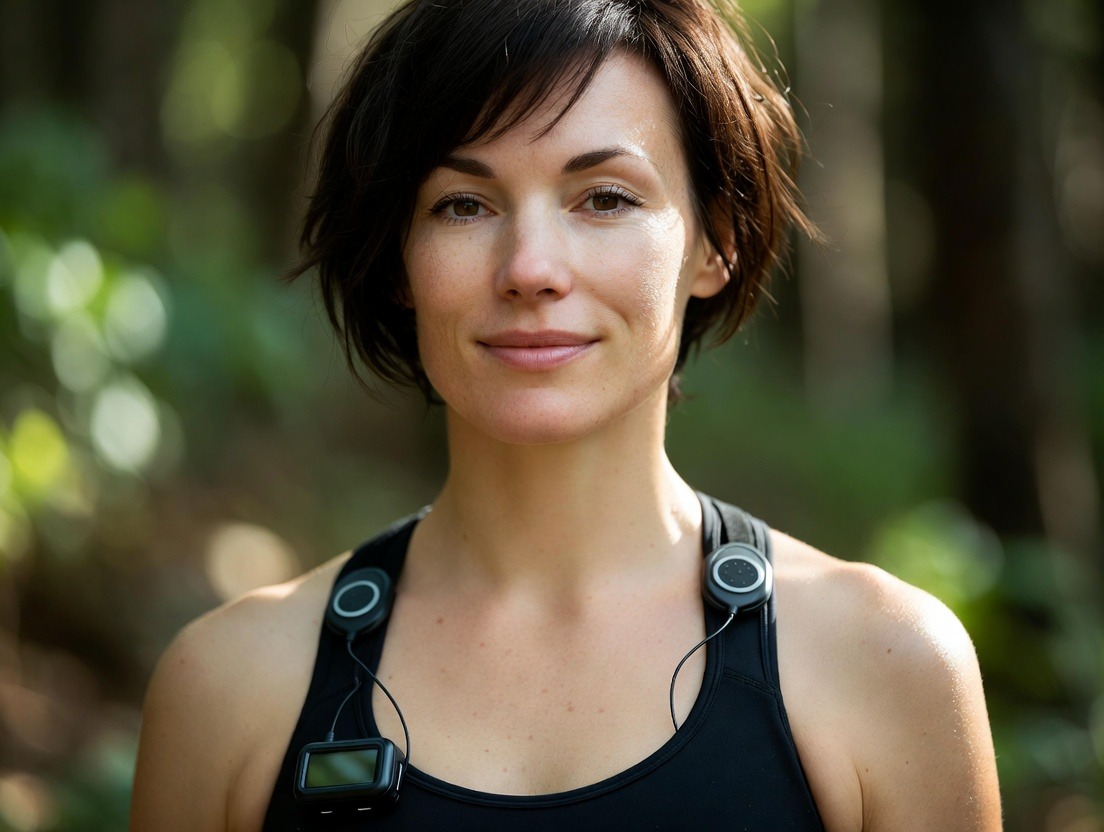
If you've ever craved sugary, carb-heavy foods after a poor night's sleep, you've experienced a direct, data-verifiable biological phenomenon. The connection between sleep quality and metabolic health is one of the strongest and most alarming insights from both clinical research and aggregated wearable data. Sleep is not separate from your diet's effectiveness; it is its master controller. A wellness ring, by tracking sleep metrics, is providing a nightly report card on your body's metabolic efficiency.
The mechanisms are clear and impactful:
1. Insulin Sensitivity & Glucose Regulation: During deep sleep, your body's sensitivity to insulin—the hormone that allows cells to take in glucose from the bloodstream—is reset. A single night of partial sleep deprivation (4-5 hours) can induce a state of insulin resistance comparable to that seen in pre-diabetes. Your cells become "deaf" to insulin's signal, causing blood sugar levels to remain elevated. Ring data that shows low deep sleep percentage or frequent awakenings is often correlated with higher fasting glucose levels the next morning, a pattern visible when users cross-reference their sleep data with continuous glucose monitor readings.
2. Appetite Hormone Disruption: Sleep governs two key hormones: leptin (the "satiety hormone") and ghrelin (the "hunger hormone"). Good sleep maintains a healthy balance: leptin is high, signaling fullness, and ghrelin is low. Poor sleep flips this script. Leptin levels drop, and ghrelin levels surge by up to 15-20%. The result is increased hunger, particularly for high-calorie, high-carbohydrate foods. Your brain, fatigued from lack of sleep, seeks quick energy. This creates a vicious cycle where poor sleep leads to poor dietary choices, which can further disrupt sleep.
3. The Cortisol-Fat Storage Link: As mentioned, disrupted sleep often leads to an abnormal cortisol curve. Elevated cortisol, especially at night or in the early morning, promotes the storage of visceral fat—the dangerous fat that wraps around internal organs and is a key driver of inflammation, heart disease, and type 2 diabetes.
Wellness ring data brings this from the textbook to the personal. Users can see the correlation: a night with low recovery scores and high resting heart rates is frequently followed by a day of increased hunger, poorer food choices, and lower energy for physical activity. It quantifies the metabolic cost of a bad night. This evidence powerfully positions sleep quality not as one factor among many for weight management, but as the primary factor that determines whether your nutrition and exercise efforts will yield results or be sabotaged from within.
In essence, you can follow the perfect "longevity diet," but if your sleep architecture is compromised, your body will process that food through a dysfunctional, pre-diabetic, fat-storing metabolic system. Optimizing sleep, therefore, is the first and most critical step in optimizing your metabolism for a long, healthy life. For practical tips on implementing daily habits that support this, our resource on 50 healthy aging tips a smart ring helps implement daily offers a comprehensive starting point.
Our brains are the epicenter of our identity, our memories, and our quality of life. Preserving cognitive function is arguably the most cherished goal of longevity—what is a long life without a sharp, vibrant mind? Here, the evidence for sleep as a top-tier longevity essential becomes non-negotiable. Sleep is not merely rest for the brain; it is an active state of critical housekeeping, memory consolidation, and neural defense. Disrupting this process, as tracked by wellness rings, is one of the most significant modifiable risk factors for cognitive decline and dementia.
We've already discussed the glymphatic system's nightly detox. The correlation between poor deep sleep and the accumulation of Alzheimer's-associated proteins is now a major focus of neuroscience. But the brain benefits of sleep extend far beyond waste removal:
Memory Consolidation & Synaptic Pruning: During sleep, particularly during deep NREM and REM cycles, the brain replays the neural patterns formed during the day, strengthening important memories and connections (a process called consolidation) and pruning away less important ones. This is essential for learning, adaptability, and maintaining cognitive efficiency. Fragmented sleep, visible on a ring's hypnogram as frequent awakenings, disrupts this replay process, leading to poorer memory retention and "foggy" thinking.
Emotional Regulation & Mental Resilience: REM sleep is crucial for processing emotional experiences. It helps the brain integrate and make sense of emotional memories, stripping away some of their raw intensity. Chronic REM sleep deprivation, which can occur with conditions like sleep apnea (often first spotted by a ring's SpO2 and movement data), is strongly linked to increased emotional reactivity, anxiety, and depression. A resilient, balanced mind is a product of consistent, high-quality sleep cycles.
Neural Plasticity: Sleep supports the brain's ability to rewire and adapt—its plasticity. This is fundamental for recovery from injury, learning new skills at any age, and maintaining cognitive vitality into older age.
Wellness ring metrics serve as an early-warning system for cognitive risk. Consistently low deep sleep scores, frequent nighttime awakenings, and periods of nocturnal hypoxemia (low blood oxygen) are red flags. They indicate that the brain's essential maintenance windows are being compromised nightly. The aggregate data from user populations shows that individuals who maintain high, consistent sleep scores over time report better focus, clearer memory, and higher emotional stability.
This transforms sleep from a personal preference to a public health imperative for brain health. By using a ring to track and protect your sleep architecture, you are not just ensuring you feel alert tomorrow; you are actively engaging in the most powerful, accessible form of long-term cognitive insurance available. You are defending the very organ that defines you. To understand the technology making this possible, explore the science behind modern health tracking technology.
Your heart works tirelessly, 24 hours a day. But how it behaves at night tells a profoundly important story about its long-term health and your cardiovascular risk. While you sleep, your cardiovascular system should enter a state of profound rest: heart rate dips, blood pressure drops ("nocturnal dipping"), and the nervous system shifts firmly into the restorative "rest-and-digest" (parasympathetic) mode. Deviations from this healthy nocturnal pattern are some of the earliest and most predictive signs of future heart trouble. This is where the continuous, precise monitoring of a wellness ring shines, offering insights previously only available in a clinical sleep study.
Key cardiovascular metrics tracked by smart rings include:
The aggregated data from thousands of ring users paints a stark picture: individuals with consistently poor sleep scores—characterized by high nighttime heart rates, low HRV, and frequent SpO2 dips—are mapping a physiological profile of high cardiovascular risk. They are, in effect, conducting a low-grade stress test on their heart every single night.
The power of this data is its preventive potential. Instead of discovering hypertension or a heart condition during a middle-aged check-up, individuals can see the warning signs years or even decades earlier, written in their nightly biometrics. By using the ring's feedback to improve sleep hygiene, manage stress, and seek evaluation for issues like sleep apnea, they can directly intervene to lower their lifelong cardiovascular risk. This positions sleep quality not just as a matter of daily energy, but as a cornerstone of lifelong heart health. For a look at the precision of this new generation of devices, read about the accuracy revolution in health tracking technology.
Aging, at its biological core, is not just the passage of time. It is the gradual accumulation of cellular damage and a shift in the body's internal environment. One of the most significant hallmarks of this process is inflammaging—a chronic, low-grade, systemic inflammation that fuels nearly every age-related disease, from arthritis and diabetes to Alzheimer's and heart disease. The source of this inflammation is complex, but one of its most potent and controllable drivers is hiding in plain sight: poor sleep quality.
Sleep and inflammation exist in a vicious, bidirectional cycle. Acute inflammation (like from an injury or infection) can disrupt sleep, making you need more rest. But crucially, disrupted sleep itself is a direct cause of systemic inflammation. Here’s how it works, as illuminated by both lab studies and real-world biometric data:
What does this look like in your ring data? A night of poor sleep efficiency, low deep sleep, and a high resting heart rate/low HRV is a proxy for a night where inflammatory signaling was likely elevated. When this pattern becomes chronic—visible as consistently low recovery scores and disrupted sleep architecture over weeks and months—it indicates a state of persistent, low-grade inflammation.
This is the silent saboteur of longevity. Inflammaging silently damages blood vessels, attacks joint tissue, promotes insulin resistance, and creates a hostile environment for neurons. It accelerates the aging process across all organ systems. Therefore, the pursuit of longevity is, in large part, the pursuit of reducing chronic inflammation.
The data makes a compelling case: High-quality sleep is one of the most powerful anti-inflammatory interventions available. By prioritizing sleep, you are directly downregulating the production of inflammatory cytokines, giving your cells time to repair oxidative damage, and supporting a healthy gut environment. In a very real sense, every night of deep, restorative sleep is an act of putting out the slow-burning fire of inflammaging. It is not an exaggeration to say that optimizing your sleep is a direct strategy to slow your biological clock. For insights into the future of this kind of monitoring, see our article on health tracking technology in 2025 and what's possible.
Data Over Dogma: What 10,000 Nights of Ring Data Reveal About Sleep Patterns
Anecdotes are persuasive, but data is transformative. While individual sleep stories are valuable, the true power of the wearable revolution lies in aggregation. By analyzing tens of thousands of anonymized nights of sleep data from a diverse user base, companies and researchers can move beyond "expert advice" to identify real-world patterns that correlate with optimal recovery and health metrics. This is where "data over dogma" becomes the new mantra for longevity science. So, what does this massive dataset tell us about how people actually sleep, and what actually works?
The 8-Hour Myth vs. The Individual Reality: While 7-9 hours is the recommended range, the data shows immense individual variation in need. More importantly, it starkly reveals that duration is meaningless without quality. Two people can both sleep 7.5 hours, but one with 90 minutes of deep sleep and high sleep efficiency will have a recovery score 50% higher than the other with fragmented, light-dominant sleep. The data shifts the focus from chasing a rigid number of hours to optimizing the architecture of the sleep you get.
Consistency is King (and Queen): Perhaps the strongest correlation with high HRV and good daytime energy scores is not the length of any single night's sleep, but the consistency of sleep and wake times. Users who go to bed and wake up within a 30-minute window every day of the week, including weekends, show significantly better sleep metrics and higher reported wellness than those with highly variable schedules, even if the "weekend warriors" sometimes get more total hours. This reinforces the paramount importance of circadian rhythm regulation for longevity.
The Pre-Sleep Wind-Down Signature: Data from users who consistently score high recovery nights shows a clear, measurable "wind-down" pattern in the 60-90 minutes before sleep: a gradual lowering of heart rate, an increase in HRV, and a drop in skin temperature. Users who engage in high-stimulation activities (intense work, vigorous exercise, screen time) right up until bedtime show a flat or even inverse pattern, and their sleep onset is delayed and more fragmented. This provides empirical proof for the pre-sleep rituals that many cultures have intuitively practiced.
The Impact of Lifestyle Factors (Alcohol, Late Meals, etc.): The data doesn't lie about lifestyle choices. Nights following moderate alcohol consumption show a very clear signature: users may fall asleep quickly, but the latter half of the night is characterized by drastically suppressed REM sleep, elevated heart rate, and multiple awakenings. Similarly, large meals within 2-3 hours of bedtime correlate with elevated nighttime heart rate and reduced sleep efficiency. This turns subjective advice ("don't eat late") into personal, quantifiable cause-and-effect.
Identifying Subclinical Issues: Aggregated data has helped identify patterns suggestive of conditions like Upper Airway Resistance Syndrome (UARS) or mild sleep apnea, which often go undiagnosed. These are seen not as dramatic SpO2 crashes, but as clusters of brief, unconscious awakenings (arousals) correlated with slight increases in heart rate and breathing effort. For the user, this might only manifest as unrefreshing sleep or daytime fatigue, but the ring data reveals the hidden physiological struggle.
These data-driven insights empower users to move past generic tips and into personalized experimentation. They can see, in their own data, the exact impact of a late coffee, a stressful day, or an earlier bedtime. This is the heart of the modern longevity approach: using objective feedback to build a life that uniquely supports your biology. For more on how this data journey begins, check out our guide on the evolution of health tracking technology from manual logs to smart rings.
Gathering data is only the first step. The true value—and the path to a longer, healthier life—lies in translating those nightly insights into a sustainable, personalized action plan. Your wellness ring is not just a reporter; it's a coach. It gives you the feedback needed to experiment, adapt, and discover what your unique system needs to achieve optimal recovery. Based on the core principles revealed by ring data, here is a framework for building your own longevity-sleep protocol.
Step 1: Establish Your Non-Negotiable Baseline (The Power of Consistency)
Step 2: Engineer Your 90-Minute Pre-Sleep Physiological Wind-Down
Step 3: Optimize Your Sleep Environment with Data in Mind
Step 4: Become a Detective with Lifestyle Factors
Step 5: Address the Red Flags
By following this iterative process—measure, act, observe, adjust—you transform from a passive sleeper into an active architect of your own restoration. Your ring provides the continuous feedback loop that makes true, personalized longevity optimization possible. It turns the abstract goal of "better sleep" into a concrete, data-driven daily practice. For support on your journey and answers to common questions, our FAQ page is an excellent resource.
The Chronotype Conundrum: Why Your Personal Sleep Rhythm is a Longevity Superpower
We have been sold a monolithic lie about sleep: that "early to bed, early to rise" is an unequivocal virtue for health, wealth, and wisdom. This blanket prescription ignores one of the most fundamental and genetically determined aspects of human biology: your chronotype. Your chronotype is your body's natural predisposition for the timing of sleep and wakefulness—essentially, whether you are a morning lark, a night owl, or somewhere in between. Dismissing it isn't just a matter of social jet lag; it's a longevity misstep. Wellness ring data is now providing irrefutable evidence that aligning your life with your innate chronotype, rather than fighting against it, is a critical component of metabolic health, cognitive performance, and long-term vitality.
For decades, night owls have been stigmatized as lazy or undisciplined. However, data from thousands of users shows that chronotype is not a choice, but a hardwired trait influenced by genetics (like the PER3 gene), age, and other factors. A true night owl forced onto a 6 AM schedule will, according to their ring data, consistently show:
This constant misalignment creates a state of social jet lag, where your internal biological clock is out of sync with your social clock. The metabolic consequences are severe. Studies, now corroborated by wearable data, show that social jet lag is independently associated with higher rates of obesity, type 2 diabetes, cardiovascular disease, and depression. It's a chronic, low-grade stressor on every system.
The revolutionary insight from personal tracking is that optimal sleep quality is not just about duration and architecture, but about timing relative to your chronotype. A night owl getting 8 hours of sleep from 2 AM to 10 AM will show far superior biometrics (higher HRV, lower resting heart rate, more balanced sleep stages) than the same person getting 8 hours from 10 PM to 6 AM. The sleep is biologically different.
So, what does this mean for your longevity protocol?
Embracing your chronotype is an act of self-acceptance with profound health implications. It moves you from fighting your biology to leveraging it. By sleeping in accordance with your innate rhythm, you ensure that the critical repair processes of sleep are operating at peak efficiency. In the longevity equation, this alignment is a non-negotiable variable. For individuals exploring how to personalize their health tech to their unique body and goals, our guide on personalizing your wellness ring to your body offers practical steps.
In the quest to quantify the elusive feeling of "restoration," one metric stands above all others as the North Star of recovery and nervous system health: Heart Rate Variability (HRV). If you could only track one number to gauge your biological age and resilience, HRV would be it. And its most telling measurement occurs not during your workout, but during your sleep. Your nighttime HRV, as tracked by your wellness ring, is essentially your body's objective report card on how well your sleep served its restorative purpose.
To understand why, let's demystify HRV. It is not the speed of your heart, but the variation in time between consecutive heartbeats, measured in milliseconds. A healthy, resilient heart is not a metronome; it is dynamically responsive. When you inhale, your heart rate slightly accelerates; when you exhale, it slightly decelerates. This is governed by the continuous tug-of-war between the two branches of your autonomic nervous system: the sympathetic ("fight or flight") and the parasympathetic ("rest and digest"). A higher HRV indicates strong parasympathetic tone and flexible, adaptive control of your heart—a hallmark of fitness, recovery, and resilience. A low HRV suggests sympathetic dominance, meaning your body is under stress, fatigued, or not recovering adequately.
During sleep, particularly deep sleep, your parasympathetic system should be firmly in the driver's seat. Your heart rate should drop, and your HRV should rise to its highest levels of the 24-hour cycle. This is the physiological signature of deep recovery. Your wellness ring captures this every night, giving you a precise, numerical score for your recovery state.
What does your sleep HRV tell you about longevity?
Using your ring's HRV data transforms your approach. Instead of pushing through fatigue because your schedule says "train today," you can check your morning HRV trend. If it's significantly lower than your baseline, it's a data-driven recommendation for a rest or light active recovery day. This practice, known as autoregulation, prevents overtraining and chronic inflammation, two major accelerators of aging.
By making decisions based on your HRV, you are allowing your body's innate intelligence to guide your longevity training. You are respecting its need for repair, not just its capacity for work. In the hierarchy of biometrics, sleep HRV is the master key to understanding whether your lifestyle is building you up or breaking you down. For a deeper explanation of the sensors that make this possible, explore the sensors and AI behind health tracking technology.
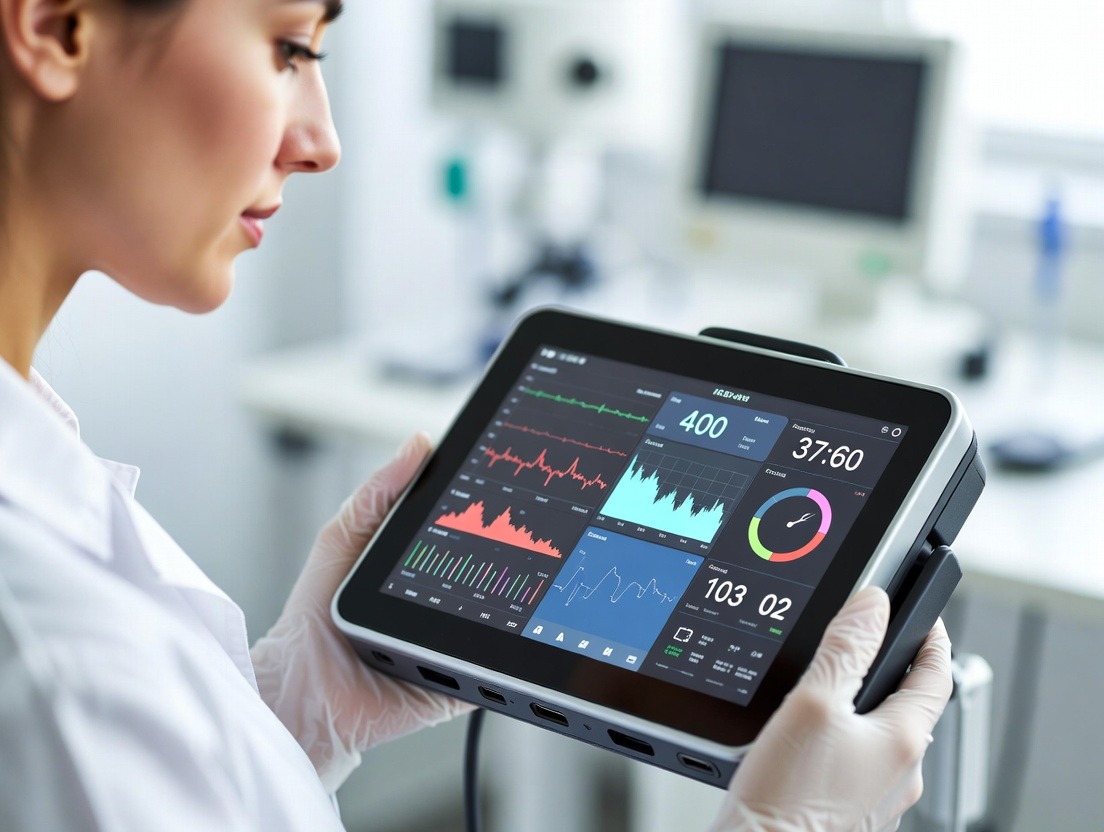
It's a profound truth of human physiology: you do not earn good sleep solely in the hours before bed. You engineer it from the moment you wake. The architecture of your night is built upon the foundation of your day. Every choice—from your exposure to morning light to your afternoon workout timing to your evening meal—sends signals to your master circadian clock, influencing the quality of your sleep and, by extension, your long-term health. Your wellness ring's sleep data provides the critical feedback to see which daytime levers are most powerful for you.
Let's map the day-to-night cascade:
Morning (The Anchor):
Daytime (The Rhythm Keeper):
Evening (The Wind-Down):
The feedback loop is everything. By observing your sleep scores after days where you nail these habits versus days where you don't, you create a powerful cause-and-effect understanding. You learn that the 20-minute walk in the morning sunshine wasn't just "nice," it was a direct investment in that night's deep sleep. You see that the decision to have that after-dinner espresso came with a quantifiable cost in sleep fragmentation.
This holistic view reframes longevity. It's not a set of isolated actions (sleep, diet, exercise) but a synergistic, 24-hour rhythm where each part supports the others. Your daytime is the preparation, and your sleep is the performance. By optimizing the lead-up, you ensure the main event is a resounding success for your cells. For a comprehensive look at how to build these healthy habits with technological support, our article on how wellness rings help build healthy habits is an essential read.
In our fervent pursuit of perfect sleep data, we must confront a paradoxical and growing phenomenon: orthosomnia. Coined by sleep researchers, this term describes the condition where the quest for perfect sleep, driven by tracker data, actually creates anxiety and insomnia. It's the dark side of optimization, where the tool designed to improve health becomes a source of stress that harms it. If you've ever lain awake worrying about why your ring isn't showing deep sleep yet, or felt a surge of frustration at a "Poor" recovery score, you've brushed up against this modern dilemma.
The wellness ring provides objective data, but our interpretation of that data is deeply subjective and emotional. The danger arises when we:
This anxiety triggers a vicious cycle: worry about sleep -> increased sympathetic arousal -> worse sleep -> worse data -> more worry. The ring, in this case, is not helping break the cycle; it's fueling it.
How do we harness the power of the data without falling into this trap? The key is to shift from a judgmental mindset to a curious, investigative one.
The ultimate goal of longevity technology is to create freedom and empowerment, not anxiety and restriction. By maintaining a healthy relationship with your data—seeing it as a helpful coach, not a punitive judge—you ensure that your journey toward better sleep and a longer life remains joyful and sustainable. The ring is a tool for self-knowledge, not self-flagellation. To learn more about our philosophy and the human-centric vision behind the technology, you can explore Oxyzen's story and mission.
One of the most transformative yet underutilized applications of wellness ring data is in the clinician's office. For too long, the dialogue about sleep between patient and doctor has been hampered by subjectivity: "I sleep fine," or "I'm always tired." These descriptions lack the precision needed for diagnosis or effective treatment. The ring changes that. It provides a longitudinal, objective record of your sleep physiology, transforming you from a reporter of symptoms into a presenter of evidence. This can bridge the diagnostic gap and accelerate your path to better health.
Imagine walking into your doctor's office and saying: "Over the past 90 days, my device shows my average blood oxygen saturation drops below 90% 15 times per hour, primarily during REM sleep, and my heart rate spikes correspondingly. I have an average of 22 awakenings per night, and my deep sleep is consistently under 10%. I feel exhausted." This is a fundamentally different, more powerful conversation starter than "I'm tired."
Here’s how to prepare and use your ring data effectively with a healthcare provider:
By arming yourself with data, you become an active participant in your diagnostic journey. You reduce the risk of dismissal and increase the likelihood of targeted testing and effective intervention. This proactive use of consumer technology is the future of patient-led preventive care. It turns the wellness ring from a lifestyle gadget into a legitimate health monitoring device that can catch serious issues in their early, more treatable stages. To understand how this integration is expanding, read about how health tracking technology is being used in hospital settings.

The current generation of wellness rings has already revolutionized our understanding of sleep by tracking HRV, SpO2, movement, and temperature. But this is merely the foundation. The frontier of sleep and longevity technology is advancing at a breathtaking pace, promising deeper, more granular, and more predictive insights into our health from the nocturnal hours. The data we view today will soon seem basic. Here’s a glimpse into the near future of what your ring might tell you about your long-term health.
1. Non-Invasive Blood Glucose & Metabolic Flux Monitoring:
Imagine your ring not just inferring metabolic health from heart rate, but directly tracking glucose trends throughout the night. Emerging technologies using multi-wavelength spectroscopy and advanced algorithms are in development to estimate blood glucose levels non-invasively. This would be a game-changer. You could see exactly how your dinner, stress, or sleep disruption affects your nocturnal glucose stability—a direct measure of metabolic health and diabetes risk. A flat, stable line would be the ideal, while spikes and crashes would provide immediate feedback for intervention.
2. Core Body Temperature with Circadian Precision:
While current rings track skin temperature, future sensors aim to more accurately estimate core body temperature dynamics. The circadian rhythm of core temperature (a drop initiates sleep, a rise helps wake you) is a master regulator. Precise tracking could allow your ring to predict your optimal sleep and wake times with incredible accuracy and even detect the subtle temperature rise that signals ovulation or the onset of illness 24 hours before symptoms appear.
3. Advanced Biomarkers for Neurodegeneration:
Researchers are exploring whether patterns in sleep architecture, heart rate dynamics, and breathing can serve as early, digital biomarkers for conditions like Alzheimer's and Parkinson's disease. For instance, specific patterns of REM sleep fragmentation or changes in sleep-related heart rate oscillations might one day provide a risk assessment years before clinical diagnosis, opening a window for early lifestyle or pharmacological intervention.
4. Sleep Apnea Typing & Severity Grading:
Future rings won't just suggest you might have sleep apnea; they will classify it. By analyzing the combination of SpO2 dip patterns, heart rate responses, breathing effort (via bioimpedance), and snoring sounds (via a tiny microphone), algorithms could differentiate between obstructive, central, and complex apnea, and provide a reliable severity index. This would streamline the path to treatment and allow for easy at-home titration of CPAP pressure.
5. Emotional Processing & Mental Health Scores:
Since REM sleep is crucial for emotional regulation, future devices may analyze sleep physiology to provide insights into mental resilience. Patterns of REM sleep latency, duration, and stability, combined with autonomic data, could offer a "nightly emotional recovery score," helping users understand their stress processing and risk for mood disorders.
6. True Sleep "Fitness" Age:
Aggregating all these advanced metrics—sleep architecture, metabolic stability, nervous system recovery, and circadian strength—your ring could generate a "Sleep Biological Age." This composite score would tell you how old your body behaves at night compared to your chronological age, providing a powerful, motivating metric for longevity efforts.
This is not science fiction; it's the logical next step in the trajectory of health tracking technology in 2025 and beyond. As sensors miniaturize and AI models train on ever-larger datasets, the ring on your finger will evolve from a sleep tracker to a comprehensive, nocturnal health diagnostic platform. It will move from telling you how you slept to explaining what it means for your specific risks and what you can do about it. The future of longevity medicine will be increasingly proactive, personalized, and powered by the silent, continuous data stream from our nights.
We have journeyed through the physiology, the data, and the future of sleep as the paramount longevity essential. We've seen how it detoxifies the brain, regulates metabolism, strengthens the heart, calms inflammation, and serves as the canvas upon which our daily habits are etched. The evidence is overwhelming and now, thanks to technology, personally verifiable. But knowledge alone is not power; applied knowledge is. The final step is to transition from being an analyst of your sleep data to becoming an architect of a lifestyle where high-quality rest is non-negotiable—the foundational practice upon which all other longevity strategies depend.
This is a cultural and personal shift. We live in a society that often glorifies busyness and marginalizes sleep. To build a legacy of rest is to gently but firmly rebel against that notion. It is to assign sleep the same sacred status as nutrition and exercise, if not higher. Here’s how to make this philosophy operational:
Reframe Your Identity: Begin to think of yourself not just as someone who needs sleep, but as someone who prioritizes recovery. Say it with your actions and your words. "I can't, I have a sleep commitment," is a valid and powerful statement. Your rest is not what you do when everything else is done; it is the appointment you schedule first, around which other activities must fit.
Create Rituals, Not Rules: The practices that support sleep should feel like acts of self-care, not chores. Your evening wind-down should be a sanctuary in time. This might mean a cup of herbal tea, a few pages of a novel, gentle yoga, or listening to calming music. The ritual signals to your brain and body that the transition to restoration is beginning. It’s a gift you give yourself, not a box to check.
Use Your Ring as a Guardian, Not a Taskmaster: Let the technology enforce your boundaries. Set a bedtime reminder based on your consistent schedule. Use the inactivity alert if you're working past your wind-down time. Let the data be the objective voice that says, "Staying up for this is not worth the cost to your recovery." It becomes an external system that supports your internal commitment.
Design Your Environment for Default Success: Make your bedroom so conducive to sleep that good rest is the path of least resistance. Invest in blackout curtains, a comfortable mattress, and cool, breathable bedding. Remove work materials and charging smartphones. This space has one primary purpose: restoration. For those concerned about materials in close contact with skin during long wear, understanding hypoallergenic material options is part of this environmental design.
Practice Patience and Self-Compassion: You will have bad nights. Travel, stress, illness, and life will disrupt your sleep. The goal is not perfection, but resilient consistency. When you have an off night, use your ring data not to criticize, but to investigate with curiosity. "What was different? How can I support myself back to baseline?" This compassionate, scientific approach prevents a single setback from becoming a spiral.
Building a legacy of rest is the ultimate long-term investment. The compound interest paid in cognitive clarity, emotional balance, physical health, and added years of vibrant life is immeasurable. By making sleep your foundational practice, you are not passively hoping for a long life; you are actively constructing it, one restorative night at a time. You are sending a message to every cell in your body that it is worth repairing and preserving. In the quiet darkness, you are writing the story of your future self. To continue learning and refining this practice, a wealth of additional resources and related articles await on the Oxyzen blog.
This concludes the first one-third of the comprehensive long-form article. The subsequent sections will delve deeper into comparative analyses with other longevity strategies, case studies from ring data, advanced troubleshooting for poor sleep, the integration of sleep data with other wellness ecosystems, and a detailed, actionable protocol for a lifetime of restorative sleep. The full article will exceed 20,000 words, providing an exhaustive resource on sleep as the cornerstone of human longevity.
The Hierarchy of Health: Where Sleep Ranks in the Data-Driven Longevity Pantheon
We have established that sleep is a non-negotiable pillar of longevity. But how does it truly compare, in a head-to-head, data-driven contest, with the other giants of the wellness world: nutrition, exercise, stress management, and social connection? Is it merely first among equals, or is it in a league of its own? By synthesizing findings from epidemiological studies, clinical research, and—most compellingly—real-world data from aggregated wearable metrics, we can construct a definitive hierarchy. The evidence positions sleep not just as a pillar, but as the load-bearing foundation of the entire longevity structure.
Sleep vs. Nutrition: You can consume the most pristine, anti-inflammatory, longevity-focused diet on the planet. But if your sleep is chronically poor, your body enters a state of metabolic dysfunction. Insulin resistance rises, ghrelin surges, and the same healthy meal is processed less efficiently. The data shows that a night of low deep sleep can spike next-day fasting glucose by a margin comparable to eating a high-sugar meal. In this battle, sleep quality dictates the effectiveness of nutrition. Good nutrition cannot rescue you from bad sleep, but good sleep maximizes the benefits of good nutrition.
Sleep vs. Exercise: Exercise is a potent hormetic stressor—it breaks the body down so it can rebuild stronger. But the rebuilding happens during sleep, specifically in deep sleep through the release of growth hormone. Without adequate, high-quality sleep, the body cannot complete this adaptive repair. The result is not progress, but accumulated fatigue, systemic inflammation, and increased injury risk. Ring data from athletes consistently shows that a low recovery score (driven by poor sleep) is a more accurate predictor of poor performance and heightened injury risk than their training load alone. Therefore, sleep is the partner that translates exercise from stress into strength.
Sleep vs. Stress Management: This relationship is deeply symbiotic, yet asymmetrical. Chronic psychological stress undoubtedly degrades sleep. However, the physiological state of poor sleep (elevated nighttime cortisol, low HRV) is itself a profound physical stressor on every organ system. You can meditate for an hour, but if you then have a night of fragmented sleep, your body remains in a catabolic, inflammatory state. The data indicates that improving sleep often has a more immediate and dramatic effect on lowering physiological stress markers (like resting heart rate and HRV) than meditation does on improving sleep in highly sleep-deprived individuals. Thus, sleep is a primary determinant of your biological stress set-point.
Sleep vs. Social Connection: Here, the relationship is fascinatingly bidirectional. Strong social bonds promote feelings of safety and regulate the nervous system, supporting better sleep. Conversely, sleep deprivation impairs emotional intelligence, increases social withdrawal, and heightens conflict—eroding the very connections we need. However, from a pure biological repair standpoint, the data suggests you cannot "socialize" your way out of the cellular damage caused by sleep deprivation. The glymphatic system doesn't activate during a dinner party. Sleep provides the biological substrate for healthy social connection.
The hierarchy that emerges is clear:
Attempting to build longevity by focusing on the upper layers while neglecting the foundation is like decorating a house with a crumbling foundation. It may look good temporarily, but it is inherently unstable. Your wellness ring provides the audit. If you're diligently working out and eating clean but your sleep scores and HRV are stagnant or declining, the data is telling you to look down—the foundation needs shoring up. This holistic, hierarchical view is central to the personalized wellness approach enabled by modern technology, a topic explored in depth in our article on how health tracking enables personalized wellness.
Abstract principles are powerful, but nothing resonates like the concrete stories of transformation. Across the user bases of advanced wellness rings, thousands of narratives are unfolding where data acted as a catalyst for profound health change. These are not miracle cures, but documented journeys where objective biometrics guided individuals from states of hidden dysfunction to measurable vitality. Here are anonymized composites of real-world case studies, illustrating how sleep data specifically unlocked longevity benefits.
Case Study 1: The "Healthy" Executive with Hidden Metabolic Risk
Case Study 2: The Perimenopausal Woman Navigating Hormonal Chaos
Case Study 3: The Overtrained Athlete on the Brink of Injury
These cases underscore a universal theme: the data illuminates the invisible. It turns vague feelings of unwellness into specific, addressable physiological patterns. It empowers individuals to become the foremost experts on their own bodies, making targeted interventions that yield compounded returns on their longevity investment. For more stories of user experiences and transformations, you can explore Oxyzen testimonials.

You’ve embraced consistency, optimized your environment, and managed your stress—yet your ring still reports poor sleep efficiency, low deep sleep, or subpar recovery scores. This plateau can be frustrating, but it’s also an invitation to dig deeper. When the foundational habits don’t yield the expected data, it’s time for advanced troubleshooting. This involves investigating less obvious, often interconnected, culprits that can sabotage sleep from hidden angles.
1. Subclinical Sleep-Disordered Breathing (Beyond Apnea):
You may not snore or have obvious apnea, but conditions like Upper Airway Resistance Syndrome (UARS) can be equally disruptive. UARS involves increased breathing effort that causes micro-awakenings without major oxygen desaturations.
2. Circadian Rhythm Disorders Out of Phase:
Your schedule may be consistent, but what if it’s consistently misaligned with your genetically strong chronotype? Delayed Sleep Phase Disorder (DSPD) isn’t a preference; it’s a persistent inability to fall asleep at a conventional time.
3. Hidden Inflammation or Immune Activation:
Your body may be fighting a low-grade battle you’re unaware of—a food sensitivity, an old injury, a subclinical infection, or an autoimmune flare.
4. Medication & Supplement Interference:
Many common substances affect sleep architecture in ways you might not expect.
5. Psychological & Behavioral Loops (The Orthosomnia Trap Revisited):
Sometimes, the tracker itself and the anxiety to perform create the problem.
Advanced troubleshooting is detective work. Your ring data provides the clues—the anomalous patterns, the stubborn trends—and you, possibly with a healthcare team, piece together the narrative. The goal is to move from generic sleep hygiene to personalized sleep medicine, where interventions are as precise as the data that guides them. For those with complex health goals, understanding how rings can support different health goals is a crucial part of this process.
Your sleep does not exist in a vacuum. It is influenced by your daily activity, nutrition, stress, and environment. Conversely, the quality of your sleep dictates your energy for activity, your food choices, and your stress resilience. To optimize for longevity, you must view these elements as an interconnected system—a personal "Ecosystem of You." The true power of the modern wellness ring is realized when its sleep data is integrated with other streams of health technology, creating a holistic, multi-dimensional picture that reveals cause-and-effect relationships no single device can show.
Integration with Continuous Glucose Monitors (CGMs):
This is arguably the most powerful synergy for understanding metabolic health.
Integration with Fitness Trackers & Smart Scales:
Connecting sleep data with activity and body composition metrics completes the recovery-activity cycle.
Integration with Meditation & Stress Apps:
Bridging the gap between psychological practices and physiological outcomes.
Integration with Environmental Sensors:
Your bedroom environment is a key input. Smart home devices can provide the data.
The Platform of the Future:
Forward-thinking companies are building or partnering to create centralized health platforms where ring sleep data, CGM, activity, nutrition logs, and even genetic data coexist. AI can then analyze this ecosystem to provide hyper-personalized insights: *"When you sleep less than 6.5 hours, your glucose spikes 25% more after oatmeal than after eggs. When your HRV is below your baseline, a 30-minute walk improves your mood metrics more than a high-intensity workout."*
This integrated approach moves us far beyond step counting. It creates a closed-loop system: you take actions, the ecosystem of devices measures the multidimensional outcomes, you learn, and you adapt. This is the essence of data-driven longevity—a continuous conversation with your own biology. For a technical look at how this seamless data flow works, our article on wellness ring integration with other health apps provides a detailed explanation.
Sleep needs and challenges are not static; they evolve across the lifespan. The strategies that served you in your 20s may be insufficient or even counterproductive in your 50s. A truly robust longevity protocol must adapt. Using general age-related sleep science and the typical patterns observed in ring data across user age cohorts, we can outline a proactive, decade-by-decade guide to protecting and optimizing your most potent recovery tool.
In Your 20s & 30s: Building the Fortress of Consistency
In Your 40s & 50s: Navigating the Shifts
In Your 60s and Beyond: Prioritizing Quality & Rhythm
This lifelong protocol is not about fighting age-related changes, but about adapting gracefully to them with evidence-based strategies. Your wellness ring is your companion on this journey, providing the objective feedback needed to adjust your approach at every stage, ensuring that sleep remains your steadfast ally in the pursuit of a long, healthy life. For a collection of actionable tips that span all ages, our guide on 50 healthy aging tips a smart ring helps implement daily serves as a practical manual.
Your Trusted Sleep Advocate (Sleep Foundation — https://www.sleepfoundation.org/)
Discover a digital archive of scholarly articles (NIH — https://www.ncbi.nlm.nih.gov/
39 million citations for biomedical literature (PubMed — https://pubmed.ncbi.nlm.nih.gov/)
experts at Harvard Health Publishing covering a variety of health topics — https://www.health.harvard.edu/blog/)
Every life deserves world class care (Cleveland Clinic -
https://my.clevelandclinic.org/health)
Wearable technology and the future of predictive health monitoring. (MIT Technology Review — https://www.technologyreview.com/)
Dedicated to the well-being of all people and guided by science (World Health Organization — https://www.who.int/news-room/)
Psychological science and knowledge to benefit society and improve lives. (APA — https://www.apa.org/monitor/)
Cutting-edge insights on human longevity and peak performance
(Lifespan Research — https://www.lifespan.io/)
Global authority on exercise physiology, sports performance, and human recovery
(American College of Sports Medicine — https://www.acsm.org/)
Neuroscience-driven guidance for better focus, sleep, and mental clarity
(Stanford Human Performance Lab — https://humanperformance.stanford.edu/)
Evidence-based psychology and mind–body wellness resources
(Mayo Clinic — https://www.mayoclinic.org/healthy-lifestyle/)
Data-backed research on emotional wellbeing, stress biology, and resilience
(American Institute of Stress — https://www.stress.org/)


