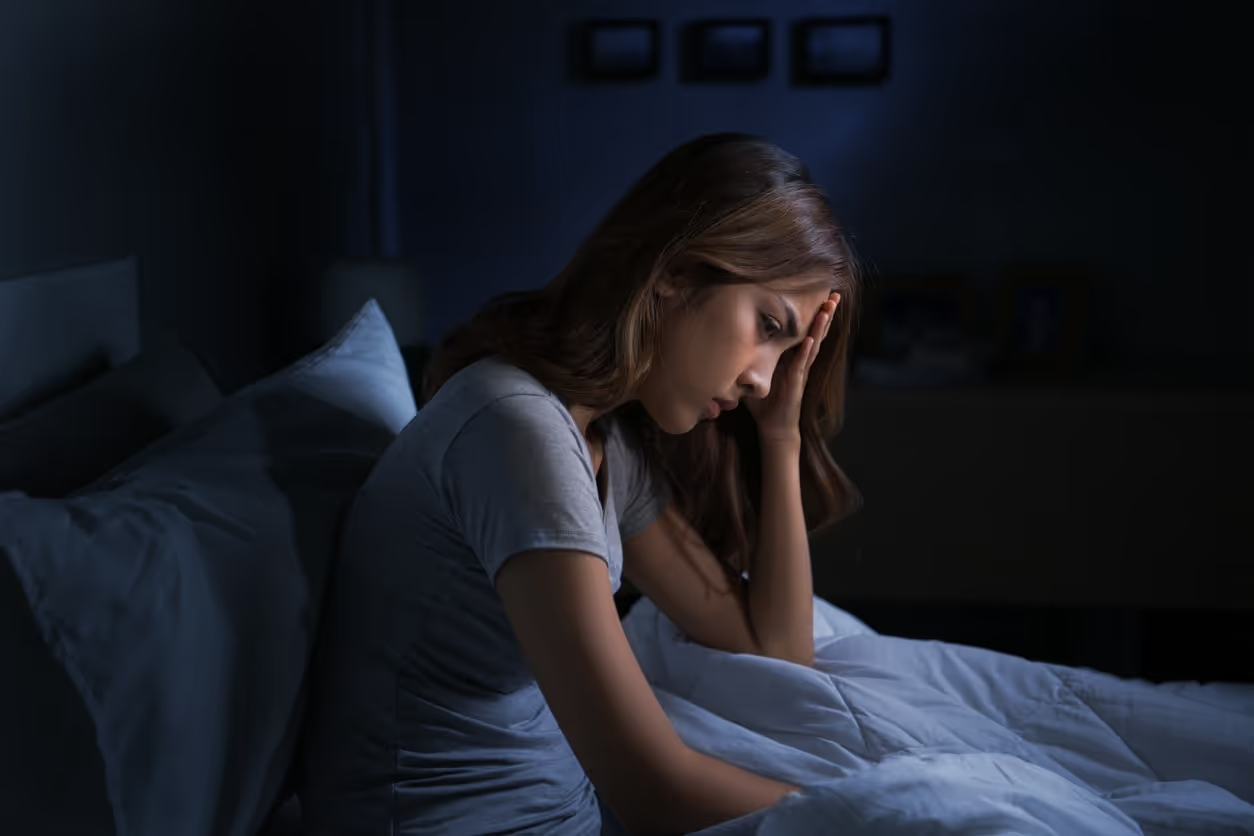
7 Signs Your Sleep Quality Is Poor (And How to Fix It)
Poor sleep quality manifests through seven key warning signs including morning fatigue, frequent night wakings, difficulty concentrating, mood changes, increased caffeine dependence, weakened immunity, and afternoon energy crashes. This guide identifies each symptom, explains the underlying causes, and provides actionable solutions to restore restorative rest and improve overall wellbeing.
7 Signs Your Sleep Quality Is Poor (And How to Fix It)
You wake up. The alarm has sounded, daylight seeps through the blinds, and a new day awaits. But instead of feeling refreshed and energized, you're met with a dense mental fog, a body that feels heavy, and a lingering sense of exhaustion that coffee seems only to mask, not cure. You got your "eight hours," so why do you feel like you barely slept?
This pervasive feeling of unrested awakening is the silent epidemic of modern life. We obsess over nutrition, exercise, and mindfulness, yet we chronically neglect the single most potent performance enhancer and health regulator we possess: high-quality sleep. It's not just about the quantity of hours you spend in bed; it's about what happens during those hours. Poor sleep quality is a master of disguise, subtly eroding your health, cognitive function, and emotional resilience, often without a clear diagnosis.
The consequences extend far beyond daytime drowsiness. Consistently poor sleep is a foundational risk factor for a host of serious conditions, including cardiovascular disease, diabetes, obesity, depression, and a weakened immune system. It sabotages your memory, creativity, and decision-making, impacting your professional performance and personal relationships.
But here's the empowering truth: you don't have to accept fatigue as your default state. The first step to reclaiming your rest is recognition. Your body and mind are constantly sending you signals about the quality of your sleep. By learning to decode these signals, you can move from guessing to knowing, and from knowing to fixing.
In this comprehensive guide, we will delve deep into the seven most common, yet frequently overlooked, signs that your sleep quality is poor. More importantly, for each sign, we will provide a science-backed, actionable roadmap for correction. This journey is about moving beyond generic "sleep hygiene" tips to personalized understanding. Modern technology, like the advanced sensors in a smart ring from Oxyzen, can provide the precise, personal data you need to transform your sleep from a source of frustration into a pillar of vitality. Let's begin by waking up to the signs you've been missing.
You Wake Up Tired, No Matter How Long You "Sleep"
The most paradoxical and frustrating sign of poor sleep quality is waking up exhausted after a seemingly full night in bed. You hit the sack at a reasonable hour, you may not recall waking up, and yet, the morning alarm feels like a personal assault. This isn't just "not being a morning person"; it's a fundamental mismatch between time spent in bed and restorative sleep achieved.
The Science of Sleep Architecture: It's Not One Thing, It's a Cycle
To understand why this happens, we must move beyond seeing sleep as a monolithic state. Sleep is a complex, cyclical architecture composed of distinct stages, each with a critical purpose:
NREM Stage 1 (Light Sleep): The transition from wakefulness to sleep. Lasts several minutes. Easy to be awakened.
NREM Stage 2 (Light Sleep): Heart rate slows, body temperature drops. You spend about 50% of your night here. It's crucial for memory consolidation and synaptic pruning.
NREM Stage 3 (Deep Sleep or Slow-Wave Sleep): The most physically restorative phase. Tissue growth and repair occur, energy is restored, and the immune system is bolstered. This is when the body truly "rebuilds." Waking from this stage results in "sleep inertia"—that groggy, disoriented feeling.
REM Sleep (Rapid Eye Movement): The stage most associated with dreaming. The brain is highly active, processing emotions, solidifying memories, and fostering creativity. Your body is temporarily paralyzed (atonia) to prevent you from acting out your dreams.
A full, restorative night requires cycling through these stages 4-6 times, each cycle lasting about 90 minutes. The proportion of deep sleep and REM sleep within these cycles is what dictates how rested you feel. Poor sleep quality often means you are getting enough light sleep (Stages 1 & 2) but are chronically deficient in the vital, restorative deep and REM stages.
Why You Can "Sleep" for 9 Hours and Still Be Tired
Several disruptors can fragment your sleep architecture, robbing you of its most valuable phases:
Sleep Fragmentation (Micro-Awakenings): You may not remember them, but your brain does. Brief arousals caused by sleep apnea (pauses in breathing), environmental noise, a restless partner, or even an uncomfortable mattress can pull you out of deeper stages into lighter sleep or brief wakefulness. This constantly resets your sleep cycle, preventing you from reaching and maintaining deep, restorative sleep.
Misaligned Circadian Rhythm: Your body has a master clock in the brain (the suprachiasmatic nucleus) that regulates your sleep-wake cycle based on light exposure. Staring at bright screens late at night, inconsistent bedtimes, or lack of morning sunlight can misalign this rhythm. Your body may be trying to sleep at the wrong biological time, resulting in more light, less restorative sleep.
Subconscious Stress & Anxiety: Even if you fall asleep, a mind under stress has higher levels of cortisol and alertness neurotransmitters. This can keep your brainwave patterns in a higher-frequency, lighter sleep state, acting as a barrier to the deep, slow-wave sleep you desperately need.
How to Fix It: From Time in Bed to Quality in Sleep
Fixing this requires a shift from tracking hours to tracking quality.
Become a Sleep Detective: Start with a sleep diary for two weeks. Log bedtime, wake time, estimated sleep onset, nighttime awakenings, and most importantly, your morning feeling on a scale of 1-10. Look for patterns.
Embrace Objective Data: A sleep diary is subjective. To truly see your sleep architecture, consider a wearable that tracks sleep stages. Unlike wrist-based devices that can mistake stillness for sleep, a sleek, comfortable smart ring like Oxyzen measures physiological signals like heart rate variability (HRV) and body temperature from the finger—a highly vascular area—providing a more accurate picture of your sleep cycles, including how much deep and REM sleep you're actually getting.
Prioritize Sleep Continuity: Create a fortress for your sleep. Use blackout curtains, a white noise machine, and a cool room temperature (around 65°F or 18°C). Address potential sleep apnea if you snore loudly or gasp for air at night—see a sleep specialist.
Respect Your Circadian Rhythm: Get bright light exposure (ideally sunlight) within 30 minutes of waking. Dim lights and eliminate blue light from screens 60-90 minutes before bed. Go to bed and wake up at consistent times, even on weekends. This regularity strengthens your body's natural sleep drive.
The goal is not just to be unconscious, but to move efficiently through the full, restorative sleep architecture. As you learn more about how your body's signals translate to sleep quality, you can stop counting sheep and start engineering sleep that truly restores.
You Rely on Multiple Alarms (Or Can't Wake Up Without One)
The "snooze button ballet" is a modern-day ritual for millions. Setting three, four, or five staggered alarms, each met with a groggy, resentful slap to silence, is a glaring red flag for poor sleep quality. It signifies that your body's natural awakening process—a gentle, physiological rise to consciousness—has been completely overridden. You are not waking up; you are being forcibly extracted from sleep, often from the wrong stage of the sleep cycle.
The Biology of Natural Awakening: A Cortisol Awakening Response
In an ideal world, you would wake up naturally, just before your alarm, feeling alert. This is governed by your circadian rhythm and a phenomenon called the Cortisol Awakening Response (CAR). About 30-60 minutes before your natural wake time, your body begins to secrete cortisol (your "alertness" hormone) and other neurotransmitters like dopamine. Your core body temperature starts to rise, heart rate increases, and sleep lightens, preparing you for a smooth transition into wakefulness.
When you rely on multiple alarms, it indicates that this natural process is not happening. You are likely in a deep sleep stage (N3) or a heavy REM stage when the first alarm blares. Being jolted from these stages causes severe sleep inertia—that disoriented, groggy, cognitively impaired state that can last for over an hour. Hitting snooze is not granting you "more sleep"; it's initiating a new, abbreviated sleep cycle that you will be torn from again in 9 minutes, compounding the inertia.
The Vicious Cycle of Social Jetlag
This alarm dependency often stems from a form of "social jetlag." Your biological sleep-wake rhythm is out of sync with your social/work schedule. You may be a natural "night owl" forced onto an "early bird" schedule, or you may be chronically sleep-deprived during the week and attempting to "catch up" on weekends, further confusing your internal clock. Your body never adjusts to a consistent wake time, so it never learns to initiate the CAR at the right moment.
How to Fix It: Retraining Your Wake-Up Call
The fix is to move from a state of forced extraction to natural emergence.
Find Your Chronotype and Respect It: Are you naturally an early riser, a night owl, or somewhere in between? While society favors early risers, fighting your genetic predisposition is a losing battle for sleep quality. If possible, adjust your schedule (even by 30-60 minutes) to better align with your natural rhythm. You can explore different chronotype assessments and stories of people who have successfully aligned their lives with their biology on resources like the Oxyzen blog.
Establish a Rock-Solid Sleep Schedule: Consistency is the most powerful tool for circadian alignment. Wake up at the exact same time every single day, weekends included. Yes, even on Saturday. This trains your body to expect wakefulness at that hour and to begin the cortisol rise accordingly. After a few weeks, you may find yourself waking up a minute or two before the alarm.
Use Light as Your Primary Alarm: Light is the most potent signal for your circadian clock. Invest in a sunrise simulation alarm clock that gradually increases light intensity over 30 minutes, mimicking a natural dawn. This gently stimulates the end of melatonin production and the start of your cortisol rise, pulling you from sleep in a far more physiological way than a blaring siren.
Analyze Your Sleep Data for Wake-Up Windows: Wearable data is invaluable here. By reviewing your sleep graphs, you can see when you are naturally transitioning into lighter sleep in the final hour of your night. You can then set a single alarm during a predicted period of light sleep (Stage 1 or 2), minimizing sleep inertia. This is where a device that provides detailed cycle analysis, such as the Oxyzen smart ring, becomes a powerful tool for scheduling your awakening with precision.
Create an Irresistible Morning Ritual: Give yourself a compelling reason to get out of bed immediately. Place a glass of water by your bed and drink it. Open the curtains to sunlight. Do five minutes of gentle stretching. This breaks the "snooze" habit loop and reinforces the wake-up time.
Ditching the multiple alarms is about more than convenience; it's a declaration that you are in sync with your body's natural rhythms, not at war with them.
Your Mind Race or You Can't "Switch Off" at Bedtime
You're physically exhausted. The day is done. You crawl into bed, close your eyes... and your brain decides now is the perfect time to host a festival of thoughts. You replay awkward conversations from 2012, mentally draft tomorrow's to-do list, worry about global events, or solve hypothetical problems. This phenomenon—often called "racing mind" or the inability to achieve cognitive quiet—is a hallmark of poor sleep quality in the making. It's your nervous system stuck in "fight-or-flight" (sympathetic) mode when it desperately needs to be in "rest-and-digest" (parasympathetic) mode.
The Neurochemistry of a Busy Brain at Bedtime
When your mind races at night, it's often due to an imbalance in key neurotransmitters and hormones:
Elevated Cortisol: The stress hormone cortisol should follow a diurnal rhythm, peaking in the morning to help you wake and gradually declining throughout the day to reach its lowest point at bedtime. Chronic stress, anxiety, or even late-night intense exercise can disrupt this, leaving cortisol levels inappropriately high at night, keeping your brain alert and vigilant.
Norepinephrine/Adrenaline: These are your primary "alertness" neurotransmitters. A mind stuck in planning, worrying, or problem-solving mode is flooded with them, directly opposing the state needed for sleep initiation.
Diminished GABA & Serotonin: Gamma-aminobutyric acid (GABA) is your brain's primary inhibitory neurotransmitter—it slows things down. Serotonin is its precursor and is also crucial for mood regulation and the production of melatonin. An overactive mind often correlates with lower relative activity in these calming neurochemical pathways.
The Role of "Sleep Pressure" and "Sleep Drive"
Sleep is governed by two primary processes:
Circadian Rhythm (Process C): Your body's internal "clock" that signals when it's time to be awake or asleep.
Sleep-Wake Homeostasis (Process S): The buildup of "sleep pressure" throughout the day, primarily driven by the accumulation of a chemical called adenosine in the brain.
A racing mind at bedtime can indicate a problem with Process S. If you've been mentally under-stimulated or physically sedentary all day, or if you've napped excessively, you may not have built up sufficient adenosine-driven sleep pressure to overcome an alert mind. Conversely, extreme exhaustion can sometimes trigger a stress response that paradoxically keeps you awake.
How to Fix It: Building a Cognitive Bridge to Sleep
The goal is to create a deliberate, ritualized transition from "doing" mode to "being" mode.
Implement a Digital Sunset: The single most effective step is to eliminate stimulating input. Blue light from screens suppresses melatonin, but more importantly, the content (emails, news, social media) is cognitively and emotionally activating. Enforce a strict 60-90 minute screen-free buffer before bed.
Create a "Brain Dump" Ritual: About an hour before bed, take 10-15 minutes to write down everything on your mind. Don't edit or organize—just download. Pour out tomorrow's tasks, current worries, ideas, and random thoughts onto paper. This act externalizes your mental clutter, signaling to your brain, "It's noted. We can let it go now."
Practice Progressive Muscle Relaxation (PMR) or Diaphragmatic Breathing: These are not just relaxation techniques; they are active switches for your nervous system. By systematically tensing and relaxing muscle groups (PMR) or engaging in slow, deep belly breathing (5-second inhale, 7-second exhale), you directly stimulate the vagus nerve, shifting your body into the parasympathetic "rest-and-digest" state. This lowers heart rate and tells the brain the coast is clear for sleep.
Use "Boring" as a Tool: If you're lying in bed with a busy mind, don't just lie there frustrated. Get up and do something intentionally boring in dim light. Read a physical book on a topic you find dry. Listen to a slow, monotonous podcast. The goal is to bore your brain into wanting to sleep, not to stimulate it further.
Investigate Your Daytime Stress: Nighttime mental chatter is often a symptom of unmanaged daytime stress. Consider incorporating mindfulness meditation, even for 10 minutes during the day, to increase your baseline resilience and improve your ability to detach from ruminative thoughts. Many users find that tracking their daytime stress through metrics like HRV on a device helps them connect the dots; you can read about how others have used this data to identify and manage stress triggers.
Your bed must become a sanctuary for sleep and intimacy only—not for worrying, planning, or problem-solving. By building a strong cognitive and physiological bridge from wakefulness to sleep, you teach your brain that the bedroom is a place for quiet, not a conference room.
You Wake Up with Aches, Pains, or a Stiff Jaw
Waking up feeling like you've been in a physical struggle overnight—with a sore back, a stiff neck, a pounding headache centered at your temples, or a jaw that aches—is a direct signal that your body was not at rest during sleep. These physical symptoms often point to unconscious, sleep-disrupting behaviors like poor sleep posture, teeth grinding (bruxism), or clenching. They are not just minor annoyances; they are evidence that your sleep was fragmented and non-restorative, as your musculoskeletal system was under constant, low-grade strain.
The Nighttime Battle: Bruxism and Muscle Tension
Bruxism (teeth grinding) and jaw clenching are classic parasomnias (unusual behaviors during sleep) often linked to stress, anxiety, or an abnormal bite. They exert tremendous force—up to 250 pounds of pressure—on your teeth, jaw muscles (masseters), and temporomandibular joints (TMJ). This leads to:
Morning jaw pain, stiffness, or clicking/popping.
Headaches, especially temple or "hatband" headaches.
Tooth sensitivity, wear, or damage.
Disrupted sleep, as the grinding can cause micro-arousals, pulling you out of deeper sleep stages.
Similarly, chronic muscle tension in the neck, shoulders, and back during sleep often stems from two issues: an unsupportive sleep environment (mattress, pillow) or chronic daytime stress that manifests physically at night when the body's voluntary controls are offline.
The Sleep Posture and Environment Connection
How you position yourself and what you position yourself on matters immensely.
Stomach Sleeping: Generally the worst for spinal alignment. It forces your neck into a severe rotation, strains your lower back, and can compress nerves.
Unsupported Side Sleeping: Without a pillow that fills the space between your neck and mattress, your spine bends laterally, straining neck and shoulder muscles. A pillow between the knees is also crucial for hip alignment.
Old or Unsuitable Mattress: A mattress that sags or is too firm/soft for your body type and sleeping position fails to support your spine's natural curvature, leading to pressure points and muscular strain as your body works all night to find a neutral position.
How to Fix It: Creating a Physically Supportive Sleep Sanctuary
Addressing morning aches requires a dual approach: treating the symptom and fixing the cause.
Consult a Professional for Bruxism: If you suspect teeth grinding, see a dentist. They can diagnose wear patterns and fit you for a custom night guard (occlusal splint). This appliance creates a protective barrier between your teeth, absorbs the grinding force, and can help reduce muscle activity in the jaw. It is often the single most effective intervention for bruxism-related pain.
Audit Your Sleep Ergonomics:
Mattress: The ideal mattress supports spinal alignment. If it's older than 7-8 years or visibly sagging, it's time to consider a replacement. When testing, lie in your usual sleep position; your spine should be in a neutral, straight line.
Pillow: Your pillow supports your neck, not just your head. Side sleepers need a thicker, firmer pillow to fill the shoulder-neck gap. Back sleepers need a medium-thick pillow to support the cervical curve. Stomach sleepers need a very thin, soft pillow, or none at all.
Strategic Pillow Placement: For side sleepers, a firm pillow between the knees aligns the hips and pelvis. For back sleepers, a small pillow under the knees can reduce lower back strain.
Incorporate Pre-Bed Stretching and Relaxation: A gentle yoga or stretching routine before bed, focusing on the neck, shoulders, back, and jaw, can release stored physical tension. Practice conscious jaw relaxation: let your teeth part slightly, place your tongue on the roof of your mouth behind your front teeth, and breathe deeply.
Use Temperature and Recovery Tracking: Some aches are related to inflammation or poor recovery. A cool bedroom (65-68°F) can aid muscle recovery. Advanced wearables can provide insights into your body's readiness and recovery score each morning, which often correlates with physical sensations. Understanding your personal recovery metrics can help you connect poor sleep nights with morning pain; you can learn more about this connection through detailed data analysis.
Your body should feel restored in the morning, not beaten up. By treating your sleep environment as critical ergonomic infrastructure and addressing unconscious physical habits, you turn your bed into a true recovery chamber.
You Experience Frequent Nighttime Bathroom Trips (Nocturia)
Waking up once per night to urinate is common, especially as we age. However, consistently waking up two or more times—a condition known as nocturia—is a major disruptor of sleep continuity and a key sign of poor sleep quality. Each trip fragments your sleep cycle, making it difficult to string together the 90-minute blocks needed for deep and REM sleep. While it can be a symptom of underlying medical conditions, it's often influenced by modifiable lifestyle and sleep habits.
It's Not Always a Bladder Problem: The Sleep Connection
The body has a natural circadian process to reduce urine production at night. The brain releases more of the antidiuretic hormone (ADH, or vasopressin), which signals the kidneys to concentrate urine and produce less of it, allowing for uninterrupted sleep.
Nocturia occurs when this process is disrupted. Crucially, you often wake up first (due to poor sleep or a slight arousal), and then notice the need to go, rather than the bladder urge waking you from deep sleep. This means the root cause can be poor sleep architecture itself, creating a vicious cycle: light sleep makes you aware of a half-full bladder you'd otherwise sleep through, and getting up further fragments your sleep.
Common Culprits Behind Nighttime Trips
Fluid and Dietary Timing: Consuming large volumes of liquids, especially diuretics like alcohol and caffeine, in the 2-3 hours before bed.
Medications: Some drugs, like certain diuretics for blood pressure, are timed to be taken in the morning for this reason. Others may have diuretic side effects.
Sleep Apnea: This is a major and often overlooked cause. When breathing pauses (apnea), oxygen drops and carbon dioxide rises. This creates intrathoracic pressure changes that signal the heart to release atrial natriuretic peptide (ANP), a hormone that increases urine production.
Underlying Health Conditions: Diabetes (high blood sugar leads to excess urine production), urinary tract infections, bladder overactivity, or an enlarged prostate in men.
Habitual Behavior: Sometimes, after a period of genuine need (like during pregnancy or illness), getting up to urinate becomes a conditioned habit that persists.
How to Fix It: Strategies for an Uninterrupted Night
Tackling nocturia requires a systematic approach to rule out causes and establish new habits.
Implement the "Fluid Shift": Hydrate adequately during the morning and afternoon. Then, strategically reduce fluid intake starting 2-3 hours before bedtime. This doesn't mean becoming dehydrated; it means front-loading your hydration.
Eliminate Evening Diuretics: Avoid alcohol and caffeine for at least 4-6 hours before bed. Both are potent bladder stimulants and sleep disruptors.
Mind Your Evening Diet: Salty snacks before bed can make you thirsty, leading to increased drinking. Sugary foods can also disrupt fluid balance.
Elevate Your Legs: If you have mild fluid retention in your legs (edema), try elevating your legs for 60-90 minutes in the evening before bed. This can help redistribute fluid so your kidneys can process it before you sleep, rather than when you lie down.
Rule Out Sleep Apnea: If you snore, gasp, or choke at night, or if your partner notices pauses in your breathing, discuss a sleep study with your doctor. Treating sleep apnea often dramatically reduces or eliminates nocturia. Devices that track blood oxygen saturation (SpO2) overnight, like some advanced wearables, can provide initial clues; understanding these metrics is part of a comprehensive approach to wellness, as detailed in Oxyzen's mission to provide holistic health insights.
Create a "Do Not Disturb" Signal for Your Brain: If you wake up and don't feel a strong, urgent need to go, try staying in bed. Practice deep breathing and see if the sensation passes. You may be in a light sleep phase and can drift back down without breaking the cycle. However, if the urge is strong, go—don't cause yourself discomfort and further wakefulness.
Consult a Healthcare Professional: If lifestyle changes don't help, see your doctor. They can check for infections, diabetes, prostate issues, or bladder dysfunction, and review your medications.
The goal is to train your body for a full, uninterrupted night of sleep, where your natural antidiuretic processes can work as intended, safeguarding your precious sleep cycles.
You Have Uncontrollable Daytime Sleepiness or "Energy Crashes"
Feeling a profound, irresistible urge to nap during the day—especially in monotonous situations like meetings, long drives, or after meals—is one of the most dangerous signs of poor sleep quality. This isn't ordinary tiredness; it's your brain's emergency signal that it is severely sleep-deprived and is demanding immediate shutdown to meet basic functional needs. These "energy crashes," distinct from the natural mid-afternoon dip in alertness, indicate that your sleep is not fulfilling its core restorative function.
The Spectrum of Daytime Sleepiness: From Drowsy to Dangerous
Daytime sleepiness exists on a spectrum:
Mild: Feeling drowsy when inactive. Yawning, heavy eyelids.
Moderate: Difficulty concentrating, irritability, low motivation. The classic "afternoon slump" that makes you crave caffeine or sugar.
Severe: Fighting to stay awake during active tasks (like driving or working at a computer), microsleeps (brief, involuntary episodes of loss of attention), and an overwhelming need to nap.
Severe daytime sleepiness is a critical public health issue. It significantly increases the risk of workplace accidents, medical errors, and motor vehicle collisions. It's also a primary symptom of sleep disorders like obstructive sleep apnea (OSA) and narcolepsy, but it is most commonly caused by chronic, self-imposed sleep restriction and poor sleep quality.
The Afternoon Crash: More Than Just Lunch
While a slight dip in core body temperature and alertness around 2-3 PM is biologically normal (the post-lunch "circadian dip"), a severe crash is often exacerbated by:
Poor Nighttime Sleep: The foundational cause. Inadequate deep sleep fails to restore cellular energy (adenosine triphosphate/ATP) and clear metabolic waste from the brain.
Dietary Choices: A large, carbohydrate-heavy meal can spike blood sugar and trigger an insulin response, leading to a subsequent crash in blood sugar and energy. This compounds the natural circadian dip.
Sedentary Behavior: Sitting for long periods slows circulation and metabolic rate, reinforcing feelings of lethargy.
How to Fix It: Building Sustainable Daytime Energy
Eradicating debilitating daytime sleepiness requires fixing the night and strategically managing the day.
Prioritize Sleep Quantity AND Quality: This is non-negotiable. You cannot out-supplement, out-caffeinate, or out-exercise chronic sleep debt. Commit to a full 7-9 hour sleep opportunity in a cool, dark, quiet room. Use the previous sections to optimize for quality.
Schedule a Strategic "Power Nap": If you must nap, do it right. A short nap of 10-20 minutes, taken before 3 PM, can improve alertness and performance without causing sleep inertia or interfering with nighttime sleep. Set an alarm. Lie down if possible; if not, even resting eyes in a chair can help.
Harness Light and Movement: When you feel a crash coming, get up and move. A 10-minute brisk walk outside is the perfect antidote. The movement increases circulation and alertness, and the natural light (especially sunlight) suppresses melatonin and reinforces your circadian wake signal.
Optimize Your Fuel: For lunch, choose a balanced meal with protein, healthy fats, fiber, and complex carbohydrates to provide sustained energy and avoid a massive blood sugar spike and crash. Stay hydrated with water throughout the day.
Use Caffeine Strategically, Not Desperately: Caffeine is an adenosine receptor antagonist—it blocks the sleepiness signal. Have your last cup at least 6-8 hours before bedtime. Avoid using it to prop up severe sleep debt, as it masks the problem and can further disrupt that night's sleep, creating a vicious cycle.
Investigate Underlying Disorders: If you are giving yourself adequate sleep opportunity (e.g., 8+ hours in bed) and still experience severe, uncontrollable sleepiness, consult a sleep physician. You may need a sleep study to rule out sleep apnea, narcolepsy, or other disorders. Tracking your sleep patterns and daytime alertness can provide valuable data for this discussion; for examples of how data leads to insight, you can explore real user stories and outcomes.
True energy is not found in a can or cup; it is built in the quiet, restorative dark of night. By addressing the root cause of your sleep debt, you build a foundation of stable, renewable energy that lasts all day.
You're Irritable, Moody, or Emotionally Fragile
Have you ever snapped at a loved one over a minor inconvenience, felt tears well up at a sentimental commercial, or been overwhelmed by a sense of gloom for "no reason"? While we often blame the day's events, the most likely culprit is frequently the previous night's sleep—or lack thereof. Poor sleep quality doesn't just drain your physical energy; it fundamentally destabilizes your emotional regulation and resilience. Your brain's emotional centers become hyper-reactive, while the prefrontal cortex—the "CEO of the brain" responsible for rational thought and impulse control—goes offline.
The Amygdala Hijack: How Sleep Loss Fuels Emotional Turbulence
The neuroscience behind sleep and emotion is clear:
The Amygdala (The Alarm Bell): This almond-shaped region processes emotional reactions, especially fear and threat. Sleep deprivation amplifies amygdala activity by over 60%. This means you perceive neutral or mildly negative events as more threatening.
The Prefrontal Cortex (The Brakes): This region modulates the amygdala's response, providing context, reason, and impulse control. Sleep loss severely impairs prefrontal cortex function, essentially removing the brakes from your emotional reactions.
The Connection: The link between these two regions becomes dysfunctional with poor sleep. The result is what psychologist Daniel Goleman termed an "amygdala hijack"—a rapid, overwhelming emotional response that bypasses rational thought.
Furthermore, sleep, particularly REM sleep, is crucial for processing and consolidating emotional memories. Without sufficient REM, negative emotional experiences from the day aren't properly "filed away" and can linger, coloring your next day's mood.
Emotional Reactivity → increases Perceived Stress & Anxiety throughout the day.
High Daytime Stress & Anxiety → elevates Nighttime Cortisol & Racing Thoughts.
High Nighttime Arousal → causes Poor Sleep... and the cycle continues.
It's why after a bad night's sleep, the world feels like a more hostile, challenging place. Your capacity for patience, empathy, and perspective is simply diminished.
How to Fix It: Fortifying Your Emotional Resilience
Improving your emotional stability starts by safeguarding your sleep, the foundation of your nervous system's regulation.
Recognize the Source: The first step is metacognition—thinking about your thinking. When you feel inexplicably irritable or fragile, pause and ask: "How did I sleep last night?" Simply making the connection can help you depersonalize the emotion, seeing it as a physiological state rather than your true self.
Build in a "Pause and Respond" Buffer: Knowing your emotional regulation is compromised on low-sleep days, consciously create space before reacting. Take three deep breaths. Excuse yourself for a glass of water. This brief pause can allow a sliver of prefrontal cortex activity to intervene before the amygdala hijack is complete.
Prioritize Sleep as Emotional Hygiene: Reframe sleep. It's not a luxury or a sign of laziness; it is non-negotiable emotional and mental hygiene, as critical as brushing your teeth for physical health. Protecting your sleep is an act of self-care and a gift to those around you.
Use Wind-Down Rituals to Process the Day: Incorporate activities that help your brain process the day's emotions before bed. This could be journaling, a mindful gratitude practice, or a gentle conversation with a partner. The goal is to prevent the day's emotional residue from playing on a loop as you try to sleep.
Leverage Data for Objectivity: On days you feel emotionally off-kilter, check your sleep data. Seeing a low sleep score, high resting heart rate, or low HRV can provide an objective explanation for your subjective state. This data-driven awareness is powerful for breaking the cycle of self-blame and focusing on the solution (better sleep) rather than the symptom (bad mood). Understanding this mind-body connection is at the heart of a holistic approach to wellness, a principle you can learn more about in Oxyzen's story.
You Snore Loudly or Gasp for Air During Sleep (Or Your Partner Says You Do)
Snoring is often dismissed as a mere nuisance, a comedic trope in sitcoms. But loud, chronic snoring—especially when punctuated by silences followed by gasps or choking sounds—is a critical warning siren for obstructive sleep apnea (OSA), one of the most common and destructive thieves of sleep quality. This isn't about poor sleep; it's about repeatedly not breathing during sleep, which places immense strain on your cardiovascular system and fragments your sleep architecture hundreds of times per night.
The Mechanics of an Apnea: When Breathing Stops
During sleep, the muscles in your throat naturally relax. In some people, these tissues relax excessively, collapsing and blocking the airway. This is an obstructive apnea. When your brain detects the resulting drop in blood oxygen, it triggers a micro-arousal—a sudden, brief shift to a lighter stage of sleep or near-wakefulness—to tense the throat muscles and reopen the airway. This is often accompanied by the trademark gasp or snort.
The problem is threefold:
Oxygen Deprivation: Repeated drops in blood oxygen (desaturations) stress the heart, brain, and blood vessels.
Sleep Fragmentation: Each micro-arousal, though you may not remember it, pulls you out of deep or REM sleep. A person with moderate sleep apnea may experience 15-30 of these events per hour, meaning their sleep is shattered into tiny, non-restorative fragments.
Sympathetic Nervous System Storm: Each event triggers a fight-or-flight response, spiking heart rate and blood pressure.
The result? You wake up exhausted, as if you ran a marathon in your sleep, because in a way, your cardiovascular system did.
The Silent Symptoms You Might Miss
You may not hear your own snoring or gasps. Key signs to watch for, often reported by a bed partner, include:
Loud, intermittent snoring.
Witnessed pauses in breathing (apneas).
Choking or gasping sounds.
Restless tossing and turning. Beyond partner reports, telltale signs include:
Severe daytime sleepiness (as discussed in the previous section).
Waking with a dry mouth or sore throat.
Morning headaches from fluctuating oxygen and carbon dioxide levels.
Night sweats from the effort of breathing.
High blood pressure that is difficult to control.
How to Fix It: From Diagnosis to Reclaimed Sleep
Addressing sleep apnea is a medical intervention that can be life-changing.
Take It Seriously and Get Evaluated: If you or your partner suspect sleep apnea, consult your doctor or a sleep specialist. The gold standard for diagnosis is an overnight sleep study (polysomnogram), which can be done in a lab or, increasingly, with a home sleep apnea test.
Understand the Treatment Gold Standard: CPAP: The first-line and most effective treatment for moderate to severe OSA is Continuous Positive Airway Pressure (CPAP). A small machine delivers a gentle stream of pressurized air through a mask, acting as a pneumatic splint to keep your airway open all night. While it takes getting used to, modern machines are quiet, and masks are more comfortable than ever. Successful CPAP therapy eliminates apneas, stops snoring, and allows for continuous, restorative sleep. The difference in daytime energy is often dramatic.
Explore Alternative Therapies (For Mild Cases or CPAP Intolerance):
Oral Appliance Therapy: A dentist specializing in sleep medicine can fit you with a custom mandibular advancement device. It looks like a sports mouthguard and works by gently pulling your lower jaw forward to open the airway.
Positional Therapy: If your apnea occurs primarily when sleeping on your back (supine), wearable devices or special pillows can encourage side-sleeping.
Weight Management: Excess weight, particularly around the neck, is a major risk factor. Even a 10% reduction in body weight can significantly improve or even resolve OSA.
Surgery: Various ENT surgeries can remove or stiffen tissues in the throat, but these are typically considered when other therapies have failed.
Use Technology for Awareness and Tracking: While not a diagnostic tool, wearable technology can provide supportive data. Devices that track blood oxygen saturation (SpO2) overnight can show you patterns of potential desaturation events. Tracking your heart rate variability (HRV) and resting heart rate can also reveal the cardiovascular strain of disrupted sleep. This kind of physiological insight can be the catalyst for seeking a formal diagnosis. For those curious about how such data translates to health insights, exploring the technology and methodology behind it can be enlightening.
Treating sleep apnea is one of the most powerful actions you can take for your long-term health, dramatically reducing the risk of heart attack, stroke, and cognitive decline while instantly upgrading your sleep quality.
Your Resting Heart Rate Is Elevated Overnight or in the Morning
Your heart rate tells a story, and during sleep, it should be reading a quiet, restorative tale. A key, objective sign of poor sleep quality is an elevated resting heart rate (RHR) during the night or upon waking. While your daytime RHR is important, your nocturnal RHR is a purer metric, measured when your body is at its most passive. Normally, your heart rate should dip significantly during deep sleep, reaching its lowest point of the 24-hour cycle. If it remains stubbornly high or spikes erratically, it's a clear signal that your body is under stress and not achieving true physiological rest.
The Physiology of the Sleeping Heart: The "Nocturnal Dip"
A healthy cardiovascular system uses sleep as a time for repair and lowered demand. The parasympathetic nervous system ("rest-and-digest") should dominate, slowing your heart rate and breathing, and lowering blood pressure. This decrease, typically 10-20 beats per minute below your daytime resting rate, is known as the nocturnal dip. It's a critical marker of cardiovascular health.
An absent or blunted nocturnal dip (a <10% drop from daytime RHR) is associated with:
Chronic Stress: High cortisol and sympathetic nervous system activity keep your heart in a state of readiness.
Sleep Disruption: As covered with sleep apnea, each micro-arousal triggers a sympathetic surge and a heart rate spike.
Under-Recovery: Intense late-night exercise, alcohol consumption, or illness can force your body to work harder overnight (processing metabolites, fighting infection, metabolizing alcohol) instead of resting.
Dehydration or Overheating: Your heart has to work harder to pump blood and regulate temperature if you are dehydrated or your sleep environment is too warm.
Heart Rate Variability (HRV): The Gold Standard of Recovery
Even more telling than your raw heart rate is your Heart Rate Variability (HRV)—the variation in time intervals between heartbeats. Contrary to intuition, a higher HRV is generally better. It indicates a robust, responsive autonomic nervous system that can swiftly adapt to changing demands. During deep, restorative sleep, your HRV should be high, reflecting strong parasympathetic activity.
Low HRV during sleep is a powerful indicator of poor sleep quality and insufficient recovery. It shows your nervous system is "stuck" in a state of stress (low variability, rigid rhythm), unable to relax fully. Consistently low nocturnal HRV is linked to overtraining, chronic fatigue, anxiety, and poor resilience.
How to Fix It: Using Your Heart's Data to Guide Recovery
Your cardiovascular metrics provide an unfiltered look at your sleep's restorative power.
Track Trends, Not Single Nights: Don't panic over one night of high RHR or low HRV. Look at weekly and monthly averages. Is there a persistent elevation? This trend is what matters. Tools that provide this longitudinal view are invaluable for spotting patterns related to lifestyle factors.
Correlate with Lifestyle Logs: Was your RHR high after a night of drinking? After a particularly stressful day? After a late, heavy meal or intense evening workout? Use your data to identify your personal recovery disruptors. This turns abstract advice into personalized, actionable insight.
Prioritize Sleep Consistency and Environment: The foundations matter. A cool, dark, quiet room and a consistent sleep schedule are the bedrock for promoting the parasympathetic dominance needed for a healthy nocturnal dip and high HRV.
Master Your Evening Wind-Down: Actively shift your nervous system before bed. Practices like meditation, gentle yoga, diaphragmatic breathing, or reading a physical book in dim light directly stimulate the vagus nerve, increasing parasympathetic tone and setting the stage for a physiologically restorative night.
Time Exercise and Meals Wisely: Finish intense workouts at least 2-3 hours before bed to allow your core body temperature and sympathetic arousal to decrease. Have your last large meal 2-3 hours before sleep to allow digestion to complete, so your body isn't diverting energy to your gut overnight.
Leverage Advanced Tracking: A wearable that provides detailed nocturnal RHR and HRV data, like a smart ring designed for comprehensive wellness tracking, moves you from subjective guesswork to objective understanding. By monitoring these metrics, you can directly see the impact of your sleep interventions. Does a new wind-down routine improve your HRV trend? Does cutting out evening alcohol lower your morning RHR? This feedback loop is the key to sustainable change. For a deeper dive into how this data-driven approach fits into a holistic health philosophy, you can explore the principles behind Oxyzen's mission.
By listening to the story your heart tells overnight, you gain a powerful, objective measure of whether your sleep is truly accomplishing its most vital task: restoring your body from the inside out.
You Have Vivid, Disturbing Dreams or Nightmares
Dreams, particularly during the REM (Rapid Eye Movement) stage of sleep, are a normal and healthy part of emotional and memory processing. However, a consistent pattern of intensely vivid, emotionally charged, or frightening nightmares can be a sign of disrupted sleep and poor sleep quality. While occasional bad dreams are normal, frequent nightmares may indicate that your REM sleep is dysregulated—either fragmented, occurring at abnormal times, or overloaded with unprocessed stress.
The Role of REM Sleep: The Brain's Emotional Therapist
Think of REM sleep as your brain's overnight therapy session. It's when your brain processes the emotional experiences of the day, integrating memories and stripping away the intense emotional "charge" from events, which helps you wake up with a clearer, more balanced perspective.
When REM sleep is disrupted—by stress, substance use, or sleep disorders—this process can go awry:
REM Rebound: If you are sleep-deprived or have suppressed REM sleep (common with alcohol or certain medications), when you finally do get solid sleep, your brain may plunge into longer, more intense REM periods to "catch up." This can lead to an overwhelming flood of vivid, sometimes bizarre or frightening, dreams.
REM Fragmentation: Conditions like sleep apnea or periodic limb movement disorder can cause micro-arousals that pull you out of REM sleep. You may not wake fully, but the dream narrative can become fractured, intense, or jarring as your brain attempts to re-enter the dream state.
Stress Overflow: High levels of daytime anxiety, trauma, or unresolved emotional conflict can overwhelm the brain's capacity to process during REM, leading to dreams that replay or symbolize these stresses in distressing ways.
Substances That Hijack Your Dreams
Alcohol: Alcohol is a potent REM sleep suppressant in the first half of the night. As it metabolizes, it leads to a rebound effect in the second half, causing fragmented, intense, and often unpleasant REM sleep and dreams.
Certain Medications: Some antidepressants, blood pressure medications, and drugs used to treat Parkinson's disease are known to affect REM sleep and can cause vivid dreams or nightmares as a side effect.
Withdrawal: Stopping medications or substances that suppress REM sleep (including alcohol and some recreational drugs) can trigger a significant REM rebound with intense dreaming.
How to Fix It: Calming the Nighttime Narrative
Taming troublesome dreams involves stabilizing your sleep architecture and managing daytime stress.
Stabilize Your Sleep Schedule: The single best way to normalize REM sleep is consistency. Going to bed and waking up at the same time every day helps regulate the timing and proportion of your sleep stages, preventing rebounds and fragmentation.
Address Sleep Disruptors: If you suspect an underlying disorder like sleep apnea is fragmenting your REM, seeking treatment (e.g., CPAP) can dramatically reduce nightmares by allowing for continuous, stable sleep cycles.
Audit Substance Use: Pay close attention to the relationship between alcohol consumption and your dream quality. Try eliminating alcohol for several weeks and observe the change in your sleep and dreams. Review your medications with your doctor if you suspect they are a contributor.
Practice Image Rehearsal Therapy (IRT): This is a clinically proven cognitive-behavioral technique for recurring nightmares. While awake, you write down the nightmare in detail, then rewrite it with a new, positive, or empowering ending. You rehearse this new version in your mind for 10-20 minutes daily. Over time, this can change the nightmare script in your sleep.
Develop a Pre-Sleep Mental Hygiene Routine: Dedicate time before bed to consciously "download" worries. Journaling, talking with a partner, or a mindfulness practice can help process daytime emotions, so they are less likely to erupt chaotically in your dreams. Creating a calm mental state before sleep sets the stage for calmer dream content.
Create a Soothing Wake-Up Ritual: If you do wake from a nightmare, have a plan to anchor yourself back in the present and calm your nervous system. Keep a glass of water by your bed, practice a few minutes of deep breathing, or have a comforting object to touch. Avoid turning on bright lights or checking your phone, as this can reinforce wakefulness. Reading about how others have built effective wellness routines can provide practical inspiration.
By viewing vivid dreams and nightmares not as random misfires but as messages about the state of your sleep and stress, you can take proactive steps to soothe your mind, both day and night.
Your Body Temperature Is Dysregulated Overnight
One of the most subtle yet scientifically profound signs of poor sleep quality is a dysregulated core body temperature rhythm throughout the night. Your body's thermal regulation is intimately tied to your sleep-wake cycle, and deviations from the ideal pattern directly inhibit your ability to fall asleep, stay asleep, and cycle through restorative stages. You may not feel it consciously, but if your body can't cool down properly or experiences erratic temperature swings, your sleep is paying the price.
The Thermal Gateway to Sleep
The initiation and maintenance of sleep are governed by a core body temperature drop. Here’s the process:
Evening Preparation: In the 1-2 hours before your natural bedtime, your body begins to dissipate heat. Blood vessels in your skin dilate (vasodilation), increasing blood flow to your extremities (hands and feet) to release core heat into the environment. This is why you might have warm hands before bed—it’s your body’s cooling mechanism.
Sleep Onset: This heat loss triggers the onset of sleepiness and is necessary for the transition into light and then deep sleep.
Overnight Low: Your core temperature hits its lowest point about 2-3 hours before you naturally wake up, during your longest period of deep sleep.
Morning Rise: As morning approaches, your core temperature begins to rise, helping to prepare your body for wakefulness.
When this process is disrupted—your core stays too high, your extremities stay too cool to release heat, or your environment fights against cooling—sleep suffers.
Common Causes of Nocturnal Temperature Dysregulation
Sleep Environment Too Warm: A room temperature above 68°F (20°C) can prevent adequate heat dissipation. Your bedding (especially synthetic materials) can also trap heat.
Poor Bedroom Ventilation: Stale, stagnant air reduces the efficiency of evaporative cooling from your skin.
Late-Night Exercise: Intense exercise raises core temperature for hours afterward, essentially telling your body it's still "daytime" and not yet safe to initiate the cooling process for sleep.
Alcohol Before Bed: While alcohol makes you feel drowsy, it is a vasoconstrictor. It causes blood vessels to constrict, impairing the essential heat-release process through your extremities. It also disrupts the body's natural thermoregulation, often leading to nighttime sweating as the body attempts to correct itself.
Hormonal Fluctuations: Women experiencing perimenopause or menopause often have night sweats due to declining estrogen, which directly affects the hypothalamus (the body's thermostat).
Underlying Medical Conditions: Thyroid disorders, infections, or other illnesses can affect metabolic rate and temperature control.
How to Fix It: Mastering Your Thermal Environment for Sleep
Optimizing your body temperature for sleep is a powerful, non-pharmacological sleep aid.
Cool the Cave: Aim for a bedroom temperature between 60-67°F (15.5-19.5°C). This is the single most effective environmental change for most people. Use air conditioning, fans, or open windows to achieve this.
Take a Warm Bath or Shower 1-2 Hours Before Bed: This sounds counterintuitive, but it's a powerful technique. The warm water raises your core temperature slightly, but when you get out, the rapid cooling that follows mimics and accelerates the natural pre-sleep temperature drop, sending a strong signal to your brain that it's time for sleep.
Optimize Your Bedding: Use breathable, natural fibers like cotton, linen, or bamboo for your sheets and sleepwear. Consider a cooling mattress pad or a pillow with cooling gel if you tend to sleep hot. Have layers available to adjust easily.
Use Your Feet and Hands: If you have trouble falling asleep because you feel too warm or too cold, focus on your extremities. For cooling, stick a foot or hand out from under the covers. For warming (which aids heat loss by improving circulation), wear socks to bed. Studies show warm feet can help dilate blood vessels and promote the core-to-shell heat transfer needed for sleep onset.
Avoid Thermoregulatory Disruptors: Steer clear of alcohol, heavy meals, and intense exercise in the 2-3 hours before bed.
Track Your Physiological Data: To move beyond guesswork, track your temperature trends. Some advanced wearables can measure peripheral body temperature continuously throughout the night. Reviewing this data can show you if your temperature is dropping adequately after bedtime and staying low. It can also reveal patterns—like temperature spikes correlating with wake-ups or poor sleep stages. This objective feedback allows you to fine-tune your environment and habits with precision. Understanding this level of biometric detail is part of a modern approach to health, a journey you can learn more about through Oxyzen's story.
By treating temperature regulation as a critical pillar of sleep hygiene, you work with your body's innate physiology, creating the ideal internal and external conditions for deep, uninterrupted restorative sleep.
Conclusion of Part One: The Power of Awareness and a Path Forward
We have now journeyed through the ten most critical signs that your sleep quality is poor. From the overt frustration of morning fatigue and dependence on alarms to the subtle, objective data of an elevated resting heart rate and dysregulated body temperature, these signals form a comprehensive diagnostic map. They reveal that poor sleep is not a single problem but a systemic one, affecting your physical recovery, cognitive function, emotional stability, and long-term health.
Recognizing these signs in yourself is the transformative first step. It moves you from a state of passive suffering—wondering why you always feel "off"—to one of empowered awareness. You are no longer guessing; you are observing. Each sign you identify is not a verdict, but a clue pointing you toward a specific, actionable aspect of your sleep that can be improved.
The fixes outlined for each sign are not mere tips; they are evidence-based strategies that form the pillars of what we might call "Sleep Engineering." This is a proactive, systematic approach to designing your life and environment for optimal sleep, rather than hoping it happens by chance. It involves:
Mastering Your Environment (light, temperature, noise, bedding).
Regulating Your Schedule (consistent circadian timing).
Cultivating Your Physiology (heart rate variability, temperature drop).
Quieting Your Mind (cognitive offloading, stress management).
Seeking Professional Help When Needed (for apnea, chronic insomnia, etc.).
In the forthcoming sections of this guide, we will build upon this diagnostic foundation. We will dive deeper into advanced sleep optimization protocols, exploring topics such as:
Personalized Sleep Nutrition: The role of specific nutrients, meal timing, and supplements like magnesium, glycine, and adaptogens.
Advanced Biohacking for Sleep: Using controlled heat, cold, light, and sound therapies to enhance sleep depth and recovery.
The Gut-Sleep Axis: How your microbiome influences sleep and vice versa.
Building Your Personalized Sleep Tech Stack: How to intelligently integrate wearables, apps, and devices without becoming overwhelmed by data.
The goal is to provide you with a complete, 20,000-word master resource—a blueprint you can return to again and again as you refine your relationship with sleep. This journey is iterative. Start by addressing the one or two signs that resonate most powerfully with your experience. Use the tools available, from simple sleep diaries to advanced biometric tracking with a device like the Oxyzen smart ring, to measure your progress.
Remember, the pursuit of perfect sleep is not about rigidity or anxiety; it is about cultivating a profound respect for this foundational biological process. It is about giving your body and mind the conditions they need to perform their nocturnal magic of repair, consolidation, and rejuvenation. By investing in your sleep, you are investing in a brighter, sharper, healthier, and more emotionally resilient version of yourself, every single day.
Continue your journey to mastering sleep. In the next installment, we move from diagnosis to advanced optimization, providing the tools and knowledge to transform your sleep from a source of frustration into your greatest performance advantage. For further resources and deep dives into specific wellness topics, be sure to explore our comprehensive library of articles on the Oxyzen blog.
The Personalized Sleep Nutrition Protocol: Fueling Your Night
You are what you eat, but you also sleep how you eat. The connection between diet and sleep is a powerful, bidirectional relationship that goes far beyond the old adage of avoiding caffeine before bed. The timing, composition, and nutrient density of your meals directly influence neurotransmitter production, hormone regulation, inflammation, and even the stability of your blood sugar overnight—all of which determine the quality of your slumber. A personalized sleep nutrition protocol is about strategically using food and targeted nutrients to build a biochemical environment conducive to deep, restorative sleep.
The Blood Sugar Roller Coaster: A Nocturnal Nemesis
One of the most common yet overlooked disruptors of sleep maintenance is nocturnal hypoglycemia (low blood sugar). If you consume a dinner high in refined carbohydrates and sugars without adequate protein, fat, or fiber, you may experience a rapid spike in blood sugar followed by a sharp insulin-driven crash a few hours later, often in the middle of the night. This crash triggers a stress response, releasing cortisol and adrenaline to mobilize glucose from storage, which can wake you up feeling anxious, sweaty, or with a racing heart. Stabilizing your blood sugar from dinner through the night is paramount.
Key Nutrients: The Building Blocks of Sleep Neurochemistry
Specific nutrients act as precursors for the sleep-wake cycle:
Tryptophan → Serotonin → Melatonin: This is the fundamental sleep pathway. Tryptophan (an amino acid found in turkey, chicken, eggs, pumpkin seeds, and dairy) is converted into serotonin, our "feel-good" neurotransmitter. In darkness, serotonin is then converted into melatonin, the "sleep hormone." Without adequate tryptophan and the co-factors needed for these conversions (like vitamin B6, magnesium, and zinc), this pipeline falters.
Magnesium: Often called nature's relaxation mineral, magnesium plays over 300 roles in the body. For sleep, it acts as a natural NMDA receptor antagonist (calming excitatory signals) and a GABA receptor agonist, promoting relaxation. It also helps regulate melatonin. Deficiency is linked to insomnia and restless sleep.
Glycine: This amino acid has a gentle cooling effect on core body temperature and acts as an inhibitory neurotransmitter, calming the nervous system. Studies show supplemental glycine can improve subjective sleep quality and reduce daytime sleepiness.
Omega-3 Fatty Acids (DHA/EPA): Found in fatty fish, algae, and walnuts, these fats are crucial for brain health and have been linked to increased sleep duration and less nighttime disturbances. They may help regulate serotonin and dopamine pathways.
How to Build Your Protocol: Timing and Composition
Design Your "Sleep-Promoting" Dinner (The Last Major Meal):
Timing: Eat your last large meal at least 2-3 hours before bedtime. This allows for significant digestion to occur before you lie down, preventing reflux and allowing resources to shift from digestion to restoration.
Composition: Build a plate that prioritizes protein (for tryptophan), healthy fats (for satiety and hormone production), fiber-rich vegetables, and complex carbohydrates in moderation (e.g., sweet potato, quinoa, brown rice). The fiber, fat, and protein will slow the absorption of carbs, providing a steady glucose release overnight. Avoid heavy, spicy, or overly fatty foods that are difficult to digest.
Consider a Strategic Evening Snack (If Needed): If you go to bed hungry, that too can disrupt sleep. A small, balanced snack 45-60 minutes before bed can be beneficial. Ideal options combine a little carbohydrate with tryptophan or healthy fats:
A small bowl of tart cherries (natural source of melatonin).
A handful of almonds (magnesium, healthy fats).
Plain Greek yogurt with a sprinkle of pumpkin seeds (tryptophan, magnesium, zinc).
Kiwi fruit (contains serotonin and antioxidants linked to improved sleep).
Supplement Strategically (After Consulting a Professional): Supplements can fill nutritional gaps but are not a substitute for a healthy diet. Consider discussing these with a healthcare provider:
Magnesium Glycinate/Bisglycinate: 200-400 mg taken 30-60 minutes before bed. The glycinate form is highly bioavailable and gentle on the stomach.
Glycine: 3 grams before bed can promote a deeper drop in core temperature and improve sleep quality.
Apigenin (from Chamomile): A flavonoid that binds to GABA receptors, promoting calm. A strong cup of chamomile tea is a perfect evening ritual.
L-Theanine (from Green Tea): An amino acid that promotes alpha brain waves (relaxed alertness) and can reduce anxiety without causing drowsiness, excellent for an afternoon or early evening wind-down.
Hydrate Intelligently: Stay well-hydrated throughout the day, but taper fluid intake in the 1-2 hours before bed to minimize nocturia. If you wake thirsty, small sips are fine.
By viewing your evening nutrition as intentional fuel for the repair work of the night, you move from eating for pleasure or convenience alone to eating for recovery—a cornerstone of the biohacker's mindset. For more detailed explorations of how nutrition intersects with other wellness metrics, resources like the Oxyzen blog offer ongoing insights.
Advanced Biohacking for Sleep: Leveraging Heat, Cold, Light & Sound
Biohacking is the practice of changing our environment and biology in a measurable way to enhance performance and health. When applied to sleep, it involves using controlled, deliberate stimuli to powerfully signal to your brain and body that it's time to shift into a state of deep recovery. These are not gimmicks; they are tools grounded in human physiology that can dramatically amplify your sleep quality.
1. Strategic Thermoregulation (Beyond a Cool Room)
We've discussed the importance of a cool room, but we can actively hack the core-to-shell heat dissipation process.
The Hot-Cold Contrast Protocol: This is one of the most potent methods. About 90 minutes before bed, take a hot bath (100-104°F / 38-40°C) or shower for 10-15 minutes. This raises your core temperature. As you step out, your body's cooling mechanisms kick into high gear, producing a rapid and significant temperature drop. This mimics and strengthens the natural pre-sleep temperature decline, inducing profound sleepiness. For an enhanced effect, some practitioners follow the hot immersion with a brief (30-60 second) cold shower. The cold causes vasoconstriction, and the subsequent rebound vasodilation as you warm up can further amplify heat loss. The result is often falling asleep faster and achieving deeper sleep earlier in the night.
2. Photobiomodulation: Using Light as a Precision Tool
Light is the primary driver of your circadian rhythm. We know to avoid blue light at night, but we can also use specific wavelengths proactively.
Morning Solar Loading: Within 30 minutes of waking, get 5-10 minutes of direct, outdoor sunlight (without sunglasses). The high-intensity, full-spectrum light, especially in the blue-green range, powerfully suppresses melatonin and sets your 24-hour circadian clock. On cloudy days, aim for 20-30 minutes. This single habit is foundational for reinforcing a strong sleep-wake cycle.
Evening Amber & Red Light: As the sun sets, shift your environment to longer, warmer wavelengths. Use dim, amber-toned bulbs in your living areas and bedroom. Red light (around 660 nm) is particularly interesting as it does not suppress melatonin and may even support its production. Using a small red light bulb for a bedside lamp or reading light in the final hour before bed can be an excellent signal to your brain that sleep is imminent.
3. Sonic Biohacking: Engineering Your Soundscape
Sound can either fragment or consolidate your sleep.
Pink Noise & Brown Noise: While white noise contains all frequencies at equal power, pink noise (with more power in lower frequencies) and brown noise (even deeper, like a gentle waterfall or thunder) have been shown in studies to not just mask disruptive sounds, but to increase the stability of deep sleep (slow-wave activity) and improve memory consolidation. They appear to help "smooth" brainwave activity.
Binaural Beats: This involves playing two slightly different tones in each ear. The brain perceives a third, "phantom" beat at the difference between the two frequencies. Listening to binaural beats in the delta (0.5-4 Hz) or theta (4-8 Hz) range before bed may help guide the brain into these slower, sleep-associated states. While research is ongoing, many users report a significant calming effect, making it a useful tool for quieting a racing mind.
4. The Power of Controlled Breathing (Physiological Sigh)
This is a direct, immediate nervous system hack. The "physiological sigh" is a pattern hardwired into our biology to rapidly reduce stress. It involves:
A gentle, double inhale through the nose (the second inhale is a slight top-up).
A long, slow, complete exhale through the mouth. Performing 3-5 of these cycles when you get into bed can drop your heart rate and stimulate parasympathetic activity faster than standard box breathing. It's a biological override switch for anxiety.
Integrating even one of these advanced biohacks can create a step-change in your sleep quality. The key is to experiment methodically and track the results. Using a device that measures sleep stages and heart rate variability, like the Oxyzen smart ring, allows you to see the objective impact of a hot bath or a pink noise night on your deep sleep percentage and recovery score. This turns experimentation into actionable data, a core principle of the Oxyzen mission to empower through insight.
The Gut-Sleep Axis: How Your Microbiome Influences Your Slumber
The communication network between your gastrointestinal tract and your brain, known as the gut-brain axis, is a bustling two-way highway of information. Emerging research reveals that the trillions of bacteria residing in your gut—your microbiome—play a surprisingly direct role in regulating your sleep. An imbalanced gut (dysbiosis) can be a hidden driver of insomnia and poor sleep quality, while restorative sleep, in turn, promotes a healthier microbiome. Optimizing this axis is a frontier in sleep science.
The Microbial Messengers: How Gut Bugs Talk to the Brain
Your gut bacteria produce a vast array of neuroactive compounds that can cross the blood-brain barrier or signal via the vagus nerve:
Serotonin Production: Approximately 90% of your body's serotonin is produced in the gut, by specific bacteria that convert the amino acid tryptophan. As we know, serotonin is the direct precursor to melatonin. An unhealthy gut microbiome may impair this critical conversion.
GABA Production: Certain probiotic strains (e.g., Lactobacillus and Bifidobacterium) can produce gamma-aminobutyric acid (GABA), the brain's primary inhibitory neurotransmitter that calms nervous activity. Low GABA is associated with anxiety and insomnia.
Inflammatory Signals: A gut lining damaged by a poor diet (high in processed foods, sugar, and unhealthy fats) can become "leaky," allowing bacterial endotoxins (like LPS) into the bloodstream. This triggers systemic, low-grade inflammation, which has been consistently linked to disrupted sleep and reduced slow-wave sleep.
Short-Chain Fatty Acids (SCFAs): When you feed your good bacteria with fiber, they produce SCFAs like butyrate. Butyrate is not only anti-inflammatory but also influences the expression of circadian clock genes in the liver and other tissues, helping to synchronize peripheral clocks throughout the body.
The Vicious Cycle: Poor Sleep Worsens Gut Health
The relationship is bidirectional. Just as a bad gut hurts sleep, poor sleep damages the gut:
Sleep deprivation increases hunger hormones (ghrelin) and decreases satiety hormones (leptin), often driving cravings for sugary, high-fat foods that feed harmful bacteria.
It increases stress hormones like cortisol, which can damage the gut lining and alter microbial composition.
Disrupted circadian rhythms from irregular sleep schedules can throw off the rhythmic fluctuations of the gut microbiome itself, as different species thrive at different times of day.
How to Fix It: Cultivating a Sleep-Supportive Microbiome
Healing your gut is a long-term strategy for sustainable sleep health.
Feed the Good Bacteria with Prebiotic Fiber: This is the most important step. Aim for 30+ grams of diverse fiber daily from vegetables, fruits, legumes, nuts, seeds, and whole grains. Specific sleep-supportive prebiotics include:
Resistant Starch: Found in cooked and cooled potatoes, rice, legumes, and green bananas. It feeds bacteria that produce butyrate.
Inulin & FOS: Found in onions, garlic, leeks, asparagus, and Jerusalem artichokes.
Consider a Targeted Probiotic: While food is best, a high-quality probiotic supplement can be helpful, especially after antibiotics or during periods of high stress. Look for strains studied for sleep and mood, such as Lactobacillus helveticus, Bifidobacterium longum, and Lactobacillus rhamnosus.
Eat Fermented Foods Daily: Incorporate natural sources of probiotics like unsweetened yogurt, kefir, sauerkraut, kimchi, kombucha, and miso. Diversity is key.
Avoid Gut Disruptors: Minimize artificial sweeteners (especially aspartame and sucralose), excessive alcohol, and processed foods, all of which can negatively alter your microbiome.
Time Your Meals for Circadian Rhythm: Try to eat your meals within a consistent 10-12 hour window each day (e.g., 8 am to 6 pm), a practice known as time-restricted eating. This gives your gut a nightly "fasting" period for repair and helps align your gut microbes with your central circadian clock.
Be Patient and Track Holistically: Gut changes take weeks to months. As you modify your diet, pay attention not just to digestion, but also to your sleep, energy, and mood. Holistic tracking that connects lifestyle inputs (diet, stress) with outputs (sleep score, HRV) can reveal these powerful connections over time. For those navigating this complex interplay, our FAQ section often addresses how different lifestyle factors impact overall wellness metrics.
By nourishing your inner ecosystem, you are effectively farming the very neurotransmitters and anti-inflammatory compounds that build a resilient, sleep-ready brain. It is perhaps the most profound form of long-term sleep medicine.
Navigating Life's Inevitable Sleep Disruptors
Even with a perfect protocol, life happens. Shift work, parenting, jet lag, illness, and chronic pain don't respect your bedtime. The mark of true sleep resilience isn't a flawless record of 8-hour nights; it's the ability to adapt, mitigate damage, and recover swiftly when your schedule or body is thrown off course. This section provides tactical strategies for navigating the most common sleep disruptors.
1. Shift Work: Defying Your Circadian Rhythm
For nurses, pilots, factory workers, and others, working overnight or rotating shifts is a necessary but brutal assault on biology. The goal here is damage control and strategic adaptation.
Light Strategy is Everything: Use bright, blue-enriched light during your shift to promote alertness. Wear blue-blocking glasses (amber lenses) for at least 60 minutes before you intend to sleep after your shift, and during your commute home if it's daylight. Sleep in a pitch-black room using blackout curtains and a sleep mask.
Strategic Caffeine: Use caffeine only in the first half of your shift to avoid interfering with post-shift sleep. Stop consumption at least 6 hours before your planned bedtime.
Nap Strategically: A prophylactic nap of 90 minutes before a night shift can build some sleep pressure and improve performance. A recovery nap of 2-3 hours after a night shift can reduce total sleep debt, but keep it short enough to still be tired for your next night's sleep.
Consider Melatonin Supplementation: Taking 0.5-3 mg of melatonin before your daytime sleep period can help signal to your confused circadian clock that it's now "night." Consult a doctor for personalized advice.
2. Parenting (The Newborn & Toddler Years)
This is a marathon of sleep fragmentation. The strategy is about preserving your own sleep architecture and seizing opportunities.
The "Sleep When the Baby Sleeps" Fallacy: This is often impractical. A better mantra is "rest when the baby sleeps." Even lying down in a dark room for 20 minutes without sleeping can lower cortisol and provide physiological rest.
Split Night Shifts with a Partner: Divide the night into defined shifts (e.g., 9 pm-2 am and 2 am-7 am). The "off-shift" partner sleeps in a separate, soundproofed room with earplugs and a white noise machine to guarantee an uninterrupted block of 4-5 hours of core sleep, which is far more restorative than 8 hours of fragmented sleep.
Outsource What You Can: If possible, hire help for cleaning, meal prep, or even a night nurse occasionally. Preserving your sleep is an investment in your ability to be a present, healthy parent.
Practice Radical Self-Forgiveness: Let go of perfect sleep hygiene. Do what you need to survive (e.g., co-sleeping safely if it gets you more sleep, using screens during night feeds to stay awake). This is a season, not a lifetime.
3. Jet Lag: Resetting Your Internal Clock
Jet lag occurs when your internal circadian clock is out of sync with the external light-dark cycle of your new time zone. Eastward travel (losing hours) is typically harder than westward travel (gaining hours).
Pre-Travel Adjustment: Gradually shift your sleep schedule by 1 hour per day for 2-3 days before your trip in the direction of your destination.
Use Light Exposure Like Medicine: Upon arrival, use light to aggressively reset your clock. For eastward travel, seek bright morning light and avoid afternoon light. For westward travel, seek bright afternoon/evening light and avoid morning light.
Use Melatonin Carefully: For eastward travel, taking 0.5-3 mg of melatonin at local bedtime for the first few nights can help advance your clock. For westward travel, it's less effective.
Stay Hydrated and Avoid Heavy Meals & Alcohol: Dehydration and poor digestion exacerbate jet lag symptoms.
4. Chronic Pain or Illness
Pain and sleep have a torturous relationship: pain disrupts sleep, and poor sleep lowers pain tolerance and increases inflammation.
Optimize Your Sleep Environment for Comfort: Invest in a high-quality, supportive mattress and pillows designed for your condition (e.g., orthopedic pillows). Use pillows for strategic support (between knees, under back).
Establish a Pain-Relief Wind-Down: Take prescribed pain medication, use a heating pad, or do gentle physical therapy exercises before bed to minimize pain as you attempt to sleep.
Cognitive Behavioral Therapy for Insomnia (CBT-I): This is the gold-standard psychological treatment for chronic insomnia, including insomnia comorbid with pain. It teaches you to change thoughts and behaviors around sleep, breaking the anxiety-pain-sleeplessness cycle. It is often more effective long-term than sleep medication.
Mindfulness & Acceptance: Practices like mindfulness meditation can help change your relationship to pain sensations, reducing the secondary suffering of "I can't sleep because of this pain" anxiety.
Navigating these disruptors requires flexibility, self-compassion, and a focus on the fundamentals you can control: light, timing, and your mindset. For more community-sourced ideas and shared experiences on managing sleep through life's challenges, you can often find relatable insights in user testimonials and stories.
Building Your Personalized Sleep Tech Stack (Without Overwhelm)
In the quest for better sleep, technology is a double-edged sword. It can be a source of disruptive blue light and anxiety-inducing data, or it can be a powerful ally that provides objective insight and automates your sleep environment. The key is to build a personalized, minimalist tech stack—a curated set of tools that serve you, not overwhelm you. The goal is to use technology to create consistency, gather actionable data, and then get out of the way so you can actually sleep.
The Three Pillars of a Smart Sleep Tech Stack
The Biometric Tracker (The Insight Layer): This is your objective feedback mechanism. It answers the question: "What is actually happening with my sleep and physiology?"
Choose the Right Form Factor: Options range from under-mattress pads and bedside devices to wearables (rings, wristbands, headbands). Smart rings, like the one offered by Oxyzen, have a significant advantage for sleep tracking: they are comfortable to wear all night, and the finger provides a strong, stable pulse waveform for accurate heart rate and HRV data—key metrics for sleep staging and recovery assessment.
Focus on Trends, Not Nightly Scores: Never stress over a single night's "poor" score. Your sleep is variable. The power is in the longitudinal view. Look at weekly and monthly averages. Did your deep sleep increase after you started taking magnesium? Did your resting heart rate drop after fixing your sleep apnea? This is the insight that drives change.
Use Data to Correlate, Not Dictate: Let the data inform your experiments. "When I drink alcohol, my HRV plummets and my resting heart rate is elevated. I will test cutting it out for a month." The data is a guide, not a judge.
The Environment Controller (The Automation Layer): This layer uses technology to create the perfect, consistent sleep environment with minimal daily effort.
Smart Thermostat: Programs your bedroom to cool to 65°F (18°C) 30 minutes before bedtime and warm up slightly before your wake-up time.
Smart Lights/Bulbs: Automatically dim and shift to amber/red tones in the evening, and simulate a sunrise in the morning. You can set "scenes" like "Sleep Mode" that turn off all lights with one command.
White Noise/Sound Machine: A dedicated machine or a smart speaker can play consistent pink or brown noise all night, masking disruptive sounds.
Smart Blinds/Blackout Shades: Can be programmed to close at sunset and open for morning light.
The Habit & Wind-Down Support (The Behavioral Layer): This layer uses tech to support positive pre-sleep rituals and limit bad habits.
Blue Light Blocker Apps & Settings: Use system-wide night shift modes on your devices and apps like f.lux on computers. Consider physical blue-blocking glasses for evening screen use.
App Blockers: Use tools like Freedom or Cold Turkey to block access to social media, email, or news websites after a certain time in the evening.
Meditation & Breathwork Apps: Apps like Calm, Headspace, or Waking Up provide guided wind-down meditations and breathing exercises to calm the nervous system.
How to Implement Without Overwhelm: The 30-Day Integration Plan
Weeks 1-2: Gather Baseline Data. Simply wear your biometric tracker (like the Oxyzen ring) and use your environmental controls manually. Don't try to change anything. Just observe.
Weeks 3-4: Automate One Thing. Set up one automation, like your smart lights turning on a sunset schedule. Let it run. See how it feels.
Month 2: Add a Behavioral Tool. Introduce a 10-minute guided meditation from an app into your wind-down routine.
Month 3: Review and Correlate. Look at your 3-month sleep trend data. What improved? What didn't? Use this to decide your next experiment (e.g., "My deep sleep is still low, I will try the hot bath protocol.").
The ultimate goal of your tech stack is to make healthy sleep the default, effortless option. The automation handles your environment. The tracker provides quiet feedback. And you are freed from constant management, able to simply trust the process and enjoy the profound benefits of truly restorative sleep. To see how this philosophy of seamless, insightful technology comes to life, you can explore the journey and vision behind Oxyzen.
In our final, comprehensive section, we will tie all of these threads together into a single, actionable 30-Day Sleep Transformation Protocol. We will provide a day-by-day framework to systematically implement the insights from Parts 1 and 2—addressing your personal signs of poor sleep, integrating advanced nutrition and biohacks, and leveraging your tech stack—to catalyze a complete and lasting revolution in your sleep quality and overall vitality.



%402x.svg)