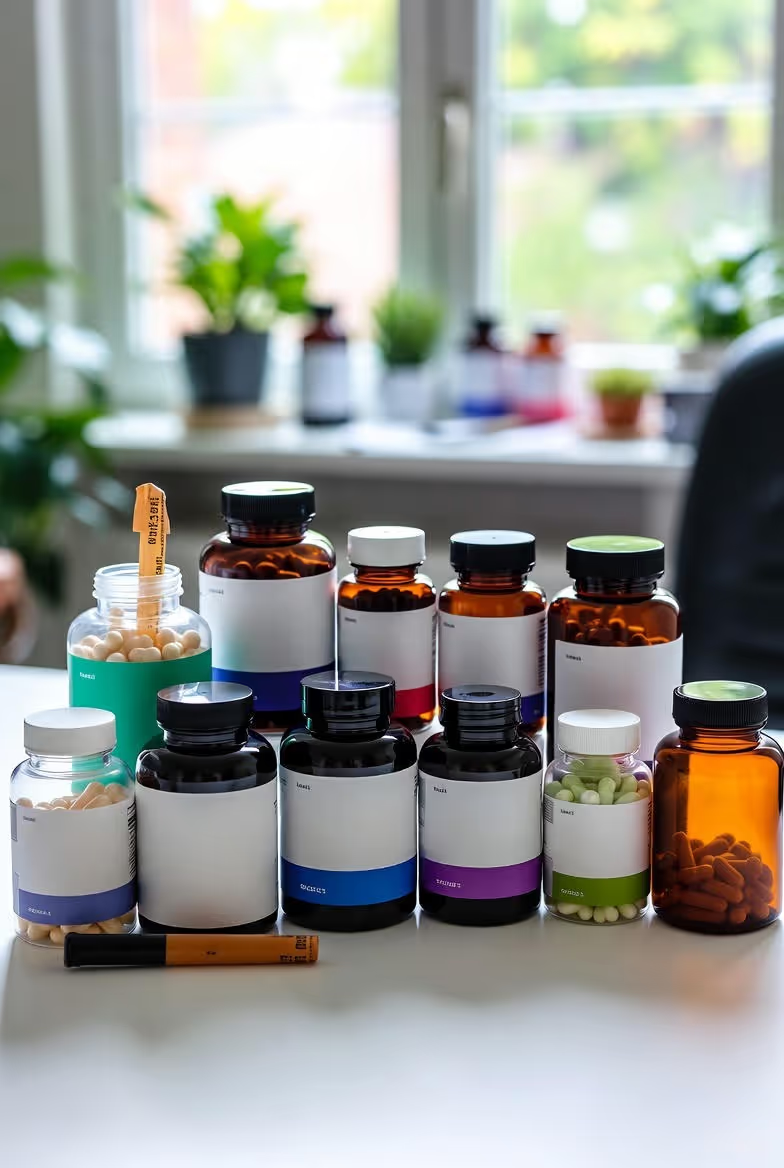
Better Sleep Naturally: Breaking Bad Sleep Habits for Good
Breaking bad sleep habits naturally requires understanding behavior patterns and implementing replacement strategies. This habit-modification guide identifies common sleep-disrupting behaviors, explains why they persist, and provides step-by-step techniques for permanent behavior change that improves rest quality sustainably.
Better Sleep Naturally: Breaking Bad Sleep Habits for Good
You know that feeling—the deep, groggy drag of exhaustion after another night of tossing and turning. You stare at the ceiling, your mind a frantic parade of tomorrow’s to-dos and yesterday’s regrets, while the clock mercilessly counts down the hours until your alarm. You’ve tried everything: counting sheep, expensive mattresses, even melatonin gummies that promised serenity but delivered only a faint, foggy hope. Yet, true, restorative sleep remains just out of reach. What if the problem isn’t just what you’re doing at bedtime, but the invisible architecture of your entire day? What if the key to unlocking perfect sleep isn’t found in a pill, but in systematically dismantling the bad habits you didn’t even know you had?
Welcome to a new paradigm. This isn’t about quick fixes or fleeting trends. This is a deep, evidence-based exploration into the science of sleep hygiene and behavioral change. In this comprehensive guide, we will journey together to rebuild your relationship with sleep from the ground up. We’ll move beyond the simplistic "eight-hour" rule and delve into the circadian rhythms, environmental triggers, and psychological patterns that truly govern slumber. And we’ll harness modern technology, like the advanced biometric tracking from Oxyzen smart rings, to move from guessing to knowing what your body needs. Consider this your definitive manual for reclaiming the night, written for the weary who are ready to become the well-rested. The journey to better sleep naturally starts not when you close your eyes, but the moment you open them in the morning.
The Silent Epidemic: Why Your Poor Sleep is Costing You Everything
We live in a culture that wears sleep deprivation like a badge of honor. "I’ll sleep when I’m dead," we quip, glorifying the 5 AM hustle and the late-night grind. But this bravado masks a devastating public health crisis. The Centers for Disease Control and Prevention (CDC) has declared insufficient sleep a public health epidemic, with nearly one in three adults failing to get the recommended minimum of seven hours per night. The cost is far more than just daytime drowsiness; it’s a systemic tax on your entire existence.
Physiologically, sleep is our body’s most critical maintenance window. During deep sleep, the brain’s glymphatic system kicks into high gear, flushing out metabolic toxins like beta-amyloid, a protein linked to Alzheimer’s disease. Our immune system releases cytokines, proteins that fight infection and inflammation. Hormones that regulate growth, stress (cortisol), and appetite (ghrelin and leptin) are balanced. Skimp on sleep, and this vital maintenance is cut short. The research is unequivocal: chronic sleep deprivation is linked to a staggering increase in the risk of heart disease, stroke, type 2 diabetes, obesity, and depression.
Cognitively, the effects are just as profound. Sleep is when memory consolidation occurs—the process of transferring short-term memories into long-term storage. A study from the University of California, Berkeley, found that a single night of poor sleep can reduce your ability to form new memories by up to 40%. Your emotional resilience plummets. The amygdala, the brain’s emotional center, goes into overdrive, while the prefrontal cortex, responsible for rational decision-making, is dampened. This is why everything feels more stressful, overwhelming, and frustrating when you’re tired. You’re not just sleepy; you’re neurologically impaired.
Financially and socially, the toll is immense. The RAND Corporation estimated that sleep loss costs the U.S. economy up to $411 billion annually in lost productivity. On a personal level, it strains relationships, kills creativity, and robs you of the vitality needed to pursue your passions. You’re operating at a fraction of your potential, making costly mistakes, and missing out on the joy of a life fully lived. The first step to breaking bad sleep habits is to radically reframe sleep not as a luxury or an obstacle to productivity, but as the non-negotiable foundation upon which a healthy, successful, and happy life is built. It is the ultimate performance enhancer. To understand how deeply your own habits are affecting you, consider using a tool that provides personalized data, like the insights available from Oxyzen’s detailed sleep analysis.
Debunking Sleep Myths: The Truth About What You Think You Know
Before we can build a new, healthy sleep structure, we must clear the rubble of misinformation. Popular culture is rife with sleep myths that not only mislead but can actively worsen our habits. Let’s dismantle the most pervasive ones.
Myth 1: You Can "Catch Up" on Sleep on the Weekend. This is perhaps the most dangerous fallacy. While sleeping in on Saturday might make you feel temporarily better, it does not reverse the metabolic, cognitive, and cardiovascular damage incurred during the week. This pattern, often called "social jet lag," severely disrupts your circadian rhythm. Your body thrives on consistency. A 2019 study in Current Biology showed that weekend recovery sleep did not prevent weight gain or correct insulin sensitivity deficits from weekday sleep loss. You cannot bank sleep debt and repay it in a lump sum; the interest rate is too high.
Myth 2: Alcohol Helps You Sleep. Alcohol is a sedative, not a sleep aid. It may help you fall asleep faster, but it devastates sleep architecture. It suppresses REM (Rapid Eye Movement) sleep, the stage crucial for emotional processing, memory consolidation, and dreaming. As the alcohol metabolizes later in the night, it causes withdrawals that lead to fragmented, shallow sleep and early morning awakenings. You might be unconscious, but you are not achieving restorative sleep.
Myth 3: Watching TV in Bed Helps You Unwind. The blue light emitted from screens is a well-known sleep disruptor, as it suppresses melatonin production. But the problem is deeper than just light. Engaging with stimulating content—be it a tense drama, scrolling through social media, or even the news—activates your cognitive and emotional brain. You’re feeding your mind information and drama when it should be winding down. The bed should be associated solely with sleep and intimacy, not with the latest streaming series.
Myth 4: If You Can’t Sleep, Stay in Bed and Try Harder. This instinct is understandable but counterproductive. Lying awake in bed for more than 20 minutes creates an association between your bed and frustration/alertness. This can fuel psychophysiological insomnia, where the bedroom itself becomes a trigger for anxiety. The correct strategy is to get out of bed, go to a dimly lit room, and do something quiet and boring (like reading a physical book) until you feel sleepy.
Myth 5: Older Adults Need Less Sleep. Sleep patterns change with age—it often becomes more fragmented, and lighter—but the need for 7-8 hours does not diminish. The idea that seniors need less sleep is a misinterpretation of these changes and can lead to inadequate treatment of sleep disorders in the elderly. The requirement for restorative sleep is a lifelong constant. For more science-backed clarifications on sleep and wellness tracking, our FAQ page addresses many common questions.
Understanding the truth is your first act of empowerment. It separates fact from folklore, allowing you to make informed decisions about your nightly routine.
Your Body’s Hidden Clock: Mastering Your Circadian Rhythm for Perfect Sleep
At the core of your sleep-wake cycle is a magnificent, ancient biological system: your circadian rhythm. This roughly 24-hour internal clock, governed by a tiny region in your brain called the suprachiasmatic nucleus (SCN), dictates not just when you feel sleepy, but also your body temperature fluctuations, hormone release, digestion, and cellular repair. Working with this rhythm is the single most powerful thing you can do for natural sleep.
The Role of Light: Your Master Zeitgeber. The primary cue that sets and resets your circadian clock is light, specifically bright blue-wavelength light. When light hits photoreceptors in your eyes in the morning, it signals to your SCN that it’s time to be awake. The SCN then tells your pineal gland to halt melatonin production (the "sleepiness" hormone). As darkness falls, melatonin production ramps up, preparing your body for sleep. The modern problem is artificial light, especially from LEDs and screens, which tricks your brain into thinking it’s perpetually daytime, delaying melatonin release and pushing your sleep time later.
Harnessing Light for Sleep Success:
Morning Light Bombardment: Within 30-60 minutes of waking, get at least 10-15 minutes of bright, outdoor light exposure. Even on a cloudy day, outdoor light is far more intense than indoor lighting. This provides a strong, clear signal to your clock that the day has begun, boosting morning alertness and helping to solidify an earlier evening melatonin onset.
Daylight Diet: Seek periodic exposure to natural light throughout the day. This helps maintain a robust rhythm.
Evening Dim-Down: Starting 2-3 hours before bed, dim household lights and avoid overhead bright lights. Use lamps with warm-colored bulbs.
Digital Sunset: Implement a strict screen curfew 60 minutes before bedtime. If you must use a device, enable night shift modes and consider wearing blue-light-blocking glasses. The goal is to create a symbolic sunset for your biology.
Temperature Rhythm: The Sleep Switch. Your core body temperature follows a circadian pattern, peaking in the late afternoon and hitting its lowest point around 4-5 AM. The process of falling asleep is initiated by a drop in core temperature. You can facilitate this by:
Taking a warm bath or shower 1-2 hours before bed. As you exit the warm water, your blood vessels dilate to release heat, accelerating the core temperature drop.
Keeping your bedroom cool, ideally between 60-67°F (15-19°C).
Using breathable bedding and sleepwear.
The Power of Consistency. Your circadian rhythm loves predictability. Waking up and going to bed at the same time every day—yes, even on weekends—is more potent than any supplement. It stabilizes your clock, making sleep onset easier and more reliable. This is where technology like a smart ring becomes invaluable. Devices like the Oxyzen ring passively track your sleep and wake times, providing you with concrete data on your rhythm’s consistency, so you can make precise adjustments. Reading real user testimonials often highlights how seeing this data was the key to fixing their schedule.
By aligning your daily habits with these innate biological cues, you stop fighting your body and start partnering with it. You are not forcing sleep; you are allowing it to arrive naturally.
The Pre-Sleep Power Down: Building an Unbeatable 90-Minute Wind-Down Routine
You cannot sprint into sleep. Transitioning from the alert, stimulated state of modern life to the quiet readiness for sleep requires a deliberate bridge. This is your wind-down routine—a non-negotiable series of calming rituals that signal to your brain and nervous system that it’s safe to power down. Think of it as a mandatory "shutdown sequence" for your human operating system. An effective routine should begin 60 to 90 minutes before your target bedtime.
Phase 1: The Digital Detox (T-90 minutes). This is your hard stop for stimulating screens and work. Put your phone on silent (or Do Not Disturb) and place it outside the bedroom to charge. Close the laptop. The goal is to end the state of "continuous partial attention" that technology demands.
Phase 2: Environmental Transition (T-60 minutes). Begin lowering sensory input.
Light: Dim the lights as discussed. Use candlelight or salt lamps for ambient lighting.
Sound: Shift from dynamic audio (podcasts, loud music) to calming sounds—soft, instrumental music, nature sounds, or white noise.
Clutter: Spend 5 minutes tidying your living space. A cluttered environment can subconsciously contribute to a cluttered mind.
Phase 3: Mind and Body Calming (T-45 minutes). This is the core of your routine.
Gentle Movement: Light stretching, restorative yoga, or a leisurely walk can help release physical tension. Avoid vigorous exercise, which raises core temperature and is stimulating.
Therapeutic Heat: The warm bath or shower, as mentioned, is a perfect biological trigger.
Mindfulness Practice: This is critical for managing the "mental chatter." Options include:
Gratitude Journaling: Write down three things you are grateful for. This shifts mental focus from anxiety to positivity.
Breathing Exercises: Try the 4-7-8 technique (inhale for 4, hold for 7, exhale for 8) or simple diaphragmatic breathing to activate the parasympathetic (rest-and-digest) nervous system.
Progressive Muscle Relaxation: Systematically tense and then release each muscle group from toes to head.
Phase 4: The Final Approach (T-30 minutes). Move into the bedroom. Engage in a quiet, non-screen activity in low light:
Read a physical book (fiction is often better for escape than non-fiction).
Listen to an audio story or calm music.
Practice gentle meditation or visualization.
Phase 5: The Bedroom Sanctuary (Bedtime). Your bed is for sleep and intimacy only. Once you get into bed, if sleep doesn’t come within 20 minutes, adhere to the rule discussed earlier: get up and return to a calm activity until sleepiness returns.
The magic of this routine is not in any single step, but in the cumulative, consistent signaling. It transforms sleep from a hoped-for event into a predictable, reliable process. For more ideas on creating personalized wellness rituals, our blog is a great resource.
The Culprit in Your Kitchen: How Diet and Nutrition Steal (or Seal) Your Sleep
You are what you eat, and you sleep how you eat. The timing, composition, and quantity of your food and drink play a dramatic role in your sleep quality. Navigating your nutritional choices is a direct line to a better night.
The Great Disruptors:
Caffeine: A central nervous system stimulant with a half-life of 5-6 hours. This means that if you have a coffee at 3 PM, half the caffeine is still in your system at 8-9 PM. For good sleep hygiene, institute a "caffeine curfew" by 2 PM, or at least 8 hours before bedtime. Be mindful of hidden sources like dark chocolate, certain teas, and some medications.
Alcohol: As debunked earlier, it’s a sedative that ruins sleep architecture. Limit consumption and avoid it within 3 hours of bedtime.
Heavy, Rich, or Spicy Foods: Eating a large, high-fat meal close to bedtime forces your digestive system to work overtime, which can cause discomfort, acid reflux, and elevate core body temperature, disrupting sleep. Aim to finish your last large meal at least 3 hours before bed.
The Sleep-Promoting Nutrients:
Tryptophan: An amino acid precursor to serotonin and melatonin. Found in turkey, chicken, eggs, nuts, seeds, and dairy.
Magnesium: A mineral that acts as a natural relaxant, helping to quiet the nervous system and muscles. Excellent sources include leafy greens, nuts, seeds, avocados, and bananas.
Glycogen Support: A small, balanced snack about 45 minutes before bed can prevent a drop in blood sugar that might wake you up. The key is combining a complex carbohydrate with a little protein or healthy fat to provide steady fuel. Examples: a small bowl of oatmeal with nuts, a banana with almond butter, whole-grain crackers with cheese.
The Hydration Balance: Dehydration can lead to nighttime waking due to dry mouth or thirst. However, drinking too much fluid before bed guarantees disruptive trips to the bathroom. The strategy is to hydrate consistently throughout the day and taper off your intake 1-2 hours before bed, taking only small sips if needed.
Timing is Everything: Align your eating with your circadian rhythm. Emerging research on time-restricted eating (TRE) suggests that confining your daily food intake to a 10-12 hour window (e.g., eating between 8 AM and 6 PM) can improve sleep quality and strengthen circadian signals. This gives your body a long, fasted period overnight to focus on repair, not digestion.
By treating your diet as a form of sleep medicine, you wield enormous control over your nightly rest. It’s not about deprivation, but about strategic fueling. Understanding the connection between daily habits and nightly results is part of the holistic mission we champion at Oxyzen, which you can learn more about in our story.
Your Bedroom, Reborn: Designing the Ultimate Sleep Sanctuary
Your bedroom environment should be a passive sleep aid, engineered to facilitate slumber the moment you enter. It’s not just a room with a bed; it’s a sensory-deprivation chamber optimized for restoration. Let’s audit and optimize each element.
The Non-Negotiable Trinity: Dark, Cool, and Quiet.
Pitch Darkness: Even small amounts of light from streetlights, chargers, or electronics can interfere with melatonin production and sleep continuity. Solutions include blackout curtains or shades, covering or removing all LED indicators, and considering a comfortable sleep mask. Darkness should be absolute.
Optimal Coolness: Reiterating the temperature point: a cool room (60-67°F or 15-19°C) is essential. Use fans, air conditioning, or even a dedicated cooling mattress pad or pillow to maintain this range.
Profound Silence: Sudden noises are one of the most common causes of sleep fragmentation. If you cannot control ambient noise (traffic, neighbors), use a white noise machine, a fan, or earplugs. White noise creates a consistent auditory blanket that masks disruptive sounds.
The Tactile Environment: Bedding and Comfort.
The Mattress: There is no single "best" mattress. It’s about personal support and comfort. A good rule is that your mattress should be replaced every 7-10 years. When testing, your spine should maintain a neutral alignment when lying on your side.
Pillows: Your pillow should keep your head and neck in alignment with your spine. Side sleepers often need a firmer, thicker pillow; back and stomach sleepers need thinner ones.
Bedding: Choose natural, breathable fabrics like cotton, linen, or bamboo. They help wick moisture and regulate temperature better than synthetic materials.
The Psychological Space: Order and Association.
Declutter: A messy room can subconsciously create stress. Keep surfaces clear, clothes put away, and the space tidy. The bedroom should feel like a serene retreat.
Scent: Introduce calming scents like lavender, chamomile, or sandalwood through a diffuser with essential oils (safely used) or a linen spray. The olfactory system has a direct pathway to the brain’s emotional centers.
Technology Exile: This cannot be overstated. Remove televisions, laptops, and charging phones. The bedroom is a screen-free zone. This strengthens the powerful psychological association: Bed = Sleep.
By intentionally crafting this sanctuary, you remove environmental obstacles to sleep. You create a space that does half the work for you, welcoming you into rest the moment you cross the threshold. It’s an investment in your wellbeing that pays dividends every single night.
Taming the Midnight Mind: Conquering Anxiety, Rumination, and Stress for Sleep
For many, the body is ready for sleep, but the mind is running a marathon. Anxiety, worry, and an endless to-do list replay can hijack the sleep process completely. Learning to manage your cognitive and emotional state is perhaps the most nuanced skill in sleep hygiene.
Understanding the "Sleep- Anxiety" Cycle. Worrying about not sleeping creates performance anxiety around sleep itself. The bed becomes a place of pressure, not peace. This cycle must be broken cognitively and behaviorally.
Cognitive Strategies (During the Day):
Designated Worry Time: Schedule a 15-20 minute "worry period" in the late afternoon or early evening. Write down everything that’s on your mind—tasks, fears, problems. Once the time is up, close the notebook. When worries arise at night, you can mentally tell yourself, "I’ve already addressed that during my worry time, and now it’s time for sleep."
Reframe Your Thoughts: Challenge catastrophic thinking ("If I don’t sleep tonight, tomorrow will be a disaster") with evidence-based thinking ("I have functioned on less sleep before. Resting quietly in bed is still beneficial.").
Gratitude & Positivity Priming: As part of your wind-down, actively reflect on positive events or things you appreciate. This builds a mental habit of seeking the good, counteracting the brain’s negativity bias.
Behavioral & Somatic Strategies (At Night):
The "Get Up" Rule (Revisited): This is your most important tool. It breaks the association of bed with wakeful frustration.
Sensorimotor Grounding: When anxiety strikes in bed, focus on physical sensations to get out of your head. Notice the feeling of the sheets on your skin, the weight of your body on the mattress, the rhythm of your breath. Count your breaths backwards from 100.
Paradoxical Intention: Try to stay awake (with your eyes closed). Often, the effort to avoid sleep removes the performance pressure and allows sleep to slip in.
Auditory Distraction: Use a boring audiobook or a calm, narrative podcast (at low volume) to give your "thinking brain" something harmless to focus on, allowing the sleep system to engage.
Addressing Chronic Stress: If underlying stress or anxiety is significant, these techniques must be supported by daytime practices: regular exercise, mindfulness meditation, therapy, or journaling. Your ability to sleep is a barometer for your overall emotional health. Managing stress is not a separate project from managing sleep; they are one and the same. Tracking your heart rate variability (HRV)—a key metric of nervous system balance provided by devices like the Oxyzen ring—can offer incredible insights into how well you’re managing stress and recovering overnight.
Moving to Sleep: The Surprising Link Between Daily Activity and Nightly Rest
The relationship between exercise and sleep is beautifully symbiotic: regular physical activity promotes more deep sleep, and quality sleep enhances athletic performance and recovery. But timing and intensity are everything.
The Sleep Benefits of Exercise: Moderate-to-vigorous aerobic exercise increases the amount of slow-wave (deep) sleep you get, which is the most physically restorative phase. It also helps regulate your circadian rhythm, reduces symptoms of anxiety and depression (common culprits of insomnia), and can elevate core body temperature during the day, leading to a more pronounced drop at night.
The Timing Conundrum:
Morning/Afternoon Exercise: Ideal. It reinforces a healthy circadian signal, boosts daytime energy, and allows plenty of time for body temperature and arousal hormones to descend before bedtime.
Evening Exercise: This is where nuance is key. Vigorous exercise (e.g., HIIT, intense cycling, heavy weightlifting) within 1-2 hours of bedtime can be overly stimulating for many people, raising core temperature, cortisol, and adrenaline. However, gentle exercise (like yoga, stretching, or a leisurely walk) as part of your wind-down can be beneficial.
The Individual Factor: Listen to your body. Some people can run at 8 PM and sleep soundly at 10 PM. For most, however, a buffer zone is wise. Use your own data—if you track your sleep and notice poorer quality after evening workouts, adjust your schedule.
The Type of Movement Matters:
Aerobic Exercise: (Running, swimming, cycling) is most strongly linked to improvements in sleep quality and duration.
Resistance Training: (Weightlifting) also improves sleep, particularly by reducing sleep onset latency (the time it takes to fall asleep).
Mind-Body Exercises: (Yoga, Tai Chi) are exceptional for reducing pre-sleep arousal and improving sleep quality, making them perfect for late-day activity.
Inactivity is the Enemy. A sedentary lifestyle is a major risk factor for poor sleep. Simply moving regularly throughout the day—taking walking breaks, using a standing desk, taking the stairs—contributes to better sleep hygiene. The goal is to avoid long periods of stillness, which can dysregulate your natural energy rhythms.
Think of exercise as a potent dose of sleep medicine with no side effects. It tires the body in a healthy way, manages stress, and reinforces the natural rhythm of your day. For a deeper dive into optimizing all aspects of your daily wellness, explore the resources on our blog.
From Data to Dreaming: How Technology Can Finally Solve Your Sleep Puzzle
In the quest for better sleep, guesswork is your enemy. For decades, we’ve relied on subjective feelings ("I slept okay, I guess") which are notoriously inaccurate. The rise of consumer biometric wearables has changed the game, offering objective, personalized data. At the forefront of this are smart rings—like those developed by Oxyzen—which provide a unique, non-intrusive window into your nocturnal physiology.
Why a Smart Ring? Unlike wrist-based devices, a ring worn on the finger can provide highly accurate readings of key metrics due to the density of capillaries close to the skin’s surface. It’s also comfortable for all-night wear and doesn’t get in the way. The data it collects transforms abstract sleep advice into a personalized blueprint.
Key Metrics That Unlock Your Sleep:
Sleep Stages: Accurate tracking of Light, Deep, and REM sleep shows you not just how long you slept, but the architecture of that sleep. Are you getting enough restorative deep sleep? Is your REM (for mental recovery) sufficient?
Heart Rate (HR) & Heart Rate Variability (HRV): Your nighttime heart rate pattern is a direct reflection of your nervous system state. A lower, stable heart rate during sleep indicates good recovery. HRV—the variation in time between heartbeats—is a powerful biomarker of stress resilience and autonomic nervous system balance. A higher HRV generally indicates better recovery and adaptability.
Blood Oxygen (SpO2): Monitoring overnight blood oxygen levels can reveal subtle dips (desaturations) that might indicate breathing disturbances, even if you’re not aware of them.
Body Temperature: Tracking your distal body temperature trend can provide further insight into your circadian rhythm and readiness for sleep.
Sleep Latency & Consistency: Precisely how long it takes you to fall asleep and how consistent your bed/wake times are.
From Insight to Action: This data is powerful because it creates feedback loops.
The Experimentation Loop: Did your deep sleep increase after you started taking a magnesium supplement? Did your sleep latency drop after you instituted a strict digital curfew? The data gives you the answer.
The Accountability Loop: Seeing a "Consistency Score" can motivate you to stick to your bedtime, even on weekends.
The Early Warning Loop: Trends in resting heart rate or HRV can indicate you’re over-stressed or coming down with an illness before you feel symptoms, allowing you to prioritize rest.
Technology, when used wisely, bridges the gap between intention and result. It turns you from a passive sufferer of poor sleep into an active sleep scientist, experimenting on your own biology to find what works uniquely for you. This data-driven approach is at the heart of what we do. You can discover more about how Oxyzen’s technology works to provide these insights.
The Foundation of Consistency: Building Rituals That Last Beyond Willpower
Knowledge is powerless without implementation. The final, and most critical, piece of the puzzle is sustainability. How do you turn these strategies from a daunting checklist into an effortless, automatic part of your life? The answer lies in understanding habit formation and building rituals.
The Science of Habit: Cue, Routine, Reward. Every habit runs on a neurological loop. A cue triggers a routine, which delivers a reward. To build a new sleep habit, you must design this loop deliberately.
Cue: Make it obvious. (e.g., "When I finish brushing my teeth at 9:30 PM, that is my cue to start my wind-down routine.").
Routine: Make it attractive and easy. (Your enjoyable, pre-planned 90-minute ritual).
Reward: Make it satisfying. (The immediate feeling of calm, the data the next morning showing improved sleep scores, the tangible feeling of being well-rested).
Start Insanely Small. Don’t try to overhaul everything at once. This leads to burnout. Use the "Two-Minute Rule." Start with a ritual so small it’s impossible to fail. "I will read one page of a book in dim light before bed." Once that is automatic, you can build on it ("I will read for 10 minutes").
Stack Your Habits. Attach a new sleep habit to an existing, solid habit. This is called "habit stacking." For example: "After I pour my evening cup of herbal tea (existing habit), I will sit in my chair and do 5 minutes of deep breathing (new habit)."
Track and Celebrate. Use a simple calendar or your smart ring’s data to track your consistency. Don’t track perfection; track effort. A checkmark for completing your wind-down routine is a victory, regardless of how you slept. Celebrate small wins to reinforce the positive behavior.
Cultivate Self-Compassion. You will have off-nights. Travel, stress, illness, or simple life disruptions will happen. The goal is not perfection, but resilience. When you falter, gently return to your routine the next night without self-criticism. This is a lifelong practice, not a 30-day sprint.
By focusing on the tiny, consistent actions—the rituals you build one brick at a time—you construct an unshakable foundation for sleep health. This journey is about more than just avoiding fatigue; it’s about claiming the energy, clarity, and vitality that is your biological birthright. It’s about showing up fully for your life, every single day. And it starts, quite simply, with the decision to close your eyes tonight, supported by the wisdom and habits you’ve built. We’re honored to be part of that journey, and you can read about the vision that drives our commitment to this cause.
When Habits Aren't Enough: Identifying and Addressing Clinical Sleep Disorders
For all the power of behavioral change, there exists a critical boundary where poor sleep transitions from a habit problem to a medical one. Approximately 70 million Americans suffer from clinically diagnosed sleep disorders, many of whom struggle for years believing they simply have "bad sleep habits." Understanding the signs that indicate a deeper issue is crucial for your health and safety. No amount of perfect sleep hygiene can cure an underlying disorder; it can only manage symptoms.
The Major Culprits:
Obstructive Sleep Apnea (OSA): This is not just loud snoring. OSA involves repeated, partial, or complete collapse of the upper airway during sleep, leading to breathing pauses (apneas) that can last from seconds to over a minute. Each event triggers a micro-arousal to restart breathing, fragmenting sleep and starving the brain and body of oxygen. Key signs include: loud, chronic snoring punctuated by gasps or choking sounds; excessive daytime sleepiness (falling asleep at red lights, in meetings); morning headaches; high blood pressure that's difficult to control; and waking with a dry mouth or sore throat. OSA is a serious cardiovascular stressor linked to hypertension, stroke, and heart failure.
Insomnia Disorder: When difficulty falling or staying asleep occurs at least three nights per week for three months or more, despite adequate opportunity for sleep, it moves beyond "poor sleep" to chronic insomnia. It creates a state of hyperarousal—a nervous system that is perpetually "on," both day and night. It often becomes a self-fulfilling prophecy of anxiety around sleep itself.
Restless Legs Syndrome (RLS): An overwhelming, often irresistible urge to move the legs, accompanied by uncomfortable sensations (crawling, itching, throbbing) that begin or worsen during periods of rest or inactivity, especially in the evening. Relief comes only with movement, making sleep onset nearly impossible.
Circadian Rhythm Sleep-Wake Disorders: When your internal clock is permanently out of sync with the 24-hour day. This isn't just jet lag or shift work, but conditions like Delayed Sleep-Wake Phase Disorder (night owls who can't fall asleep until 2-4 AM and struggle to wake before noon) or Advanced Sleep-Wake Phase Disorder (the extreme "morning larks").
The Critical First Step: When to See a Sleep Specialist. If you experience any of the following, consult your primary care physician or a board-certified sleep medicine specialist:
Chronic, loud snoring with observed pauses in breathing.
Daytime fatigue so severe it impairs driving, work, or social functioning.
Taking 30 minutes or more to fall asleep most nights, for months.
Waking up multiple times per night and struggling to return to sleep.
Uncomfortable leg sensations at night that are relieved only by movement.
A partner notices you kick or jerk your limbs repetitively during sleep.
Diagnosis and Hope: The gold standard for diagnosis is an overnight polysomnogram (sleep study), either in a lab or with a home sleep apnea test. Treatments are effective and life-changing: Continuous Positive Airway Pressure (CPAP) therapy for apnea is highly successful; Cognitive Behavioral Therapy for Insomnia (CBT-I) is the first-line treatment for chronic insomnia and has lasting results; medications and lifestyle interventions can manage RLS. The message is clear: suffering is not necessary. Accurate diagnosis is the gateway to effective treatment. Many users first suspect a problem through the detailed oxygen and movement data from their Oxyzen ring, which can provide the evidence needed to seek professional help.
The Mind-Body Bridge: Yoga, Meditation, and Breathwork for Sleep
When stress and anxiety are the primary thieves of your sleep, cognitive strategies must be paired with somatic practices. The body stores tension, and the breath is a direct remote control for the nervous system. Practices from ancient traditions offer some of the most powerful, drug-free tools for calming the pre-sleep mind.
The Science of Calm: These practices work by stimulating the parasympathetic nervous system (PNS)—the "rest and digest" counterpart to the "fight or flight" sympathetic system. They lower heart rate, blood pressure, and cortisol levels while increasing heart rate variability (HRV), a key marker of resilience.
Breathwork: Your Portable Sleep Aid. You can use your breath to trigger the PNS anywhere, anytime.
4-7-8 Breathing (The Relaxing Breath): Developed by Dr. Andrew Weil, this is exceptionally effective for sleep onset. Place the tip of your tongue behind your upper front teeth. Exhale completely through your mouth. Close your mouth and inhale quietly through your nose for a count of 4. Hold your breath for a count of 7. Exhale completely through your mouth, making a whoosh sound, for a count of 8. Repeat this cycle 4-8 times. This ratio acts as a natural tranquilizer for the nervous system.
Diaphragmatic Breathing: Lie on your back with one hand on your chest and the other on your belly. Breathe in slowly through your nose, feeling your belly rise while keeping your chest relatively still. Exhale slowly through pursed lips. This deep, belly breathing counters the shallow, chest-based breathing of stress.
Yoga Nidra: Non-Sleep Deep Rest. Often called "yogic sleep," this is a guided meditation practice done lying in Savasana (corpse pose). It systematically guides your awareness through different parts of the body and breath, inducing a state of profound relaxation that lies between wakefulness and sleep. A 20-30 minute Yoga Nidra session can be as restorative as several hours of sleep for the nervous system and is a perfect pre-bed ritual. Many guided versions are available on meditation apps.
Gentle, Restorative Yoga: Unlike vigorous vinyasa flows, restorative yoga uses props (bolsters, blankets, blocks) to fully support the body in passive poses held for 5-10 minutes each. Poses like Legs-Up-The-Wall (Viparita Karani) or Supported Child's Pose promote blood flow, quiet the mind, and release hip and lower back tension—common areas where stress is stored. A short sequence before bed signals profound physical release.
Mindfulness Meditation: The practice of observing thoughts and sensations without judgment weakens the power of racing thoughts. A simple 10-minute practice of focusing on the breath, and gently returning focus when the mind wanders, trains the brain to disengage from the "storyline" of anxiety. Over time, this creates space between you and your thoughts, preventing them from spiraling when your head hits the pillow.
Integrating even one of these practices into your wind-down routine creates a powerful buffer against the stresses of the day. It’s the active process of transitioning from doing into being. For a variety of guided practices and further exploration of mind-body techniques, our blog features curated resources.
The Social Side of Sleep: How Your Relationships and Environment Impact Your Rest
Sleep is often viewed as a solitary act, but it is profoundly social and environmental. The quality of our relationships, our household dynamics, and even our societal expectations create the backdrop against which our sleep—or lack thereof—plays out.
The Partner Problem: Snoring, Schedules, and Sleep Divorce. Sharing a bed can be a significant sleep disruptor. Differing schedules, temperature preferences, and movement all play a role, but the number one culprit is often snoring or sleep apnea.
Open Communication: Frame the conversation around health and mutual care, not blame. "I'm worried about how often you stop breathing at night; it sounds scary and I want you to be healthy," is more effective than "Your snoring is keeping me awake."
Practical Solutions: White noise machines can mask disruptive sounds. Weighted blankets can reduce disruptive movement. Adjustable beds or mattress toppers that minimize motion transfer can help. For irreconcilable differences in schedule or sensitivity, a "sleep divorce"—sleeping in separate rooms—is not a relationship failure but a pragmatic, health-focused decision that often improves relationship quality by ensuring both parties are well-rested and less irritable.
Parenting and Sleep Deprivation: New parents operate in a state of sanctioned, temporary sleep deprivation. The key here is management and surrender to the phase.
The Tag-Team Strategy: For bottle-fed infants, partners can take shifts to guarantee one uninterrupted 4-5 hour sleep block for each adult.
Sleep When the Baby Sleeps: Cliché but critical. Let go of non-essential chores during nap times. Your recovery is the priority.
Asking for Help: Enlist family or paid help, even for a few hours, to get a crucial nap.
The Societal Glorification of Busyness: We live in a culture that equates being busy with being important and being tired with being productive. Pushing back against this requires conscious defiance.
Set Boundaries: Guard your pre-bed wind-down time as a non-negotiable appointment. Say "no" to late-night social engagements or work requests that infringe on it.
Reframe Your Identity: Start thinking of yourself as "someone who prioritizes deep recovery" rather than "someone who can run on empty." Your well-rested performance will ultimately be more impressive than your tired hustle.
The Environmental Factor Beyond the Bedroom: Neighborhood noise, light pollution, and even air quality can infiltrate your sanctuary. Consider secondary glazing for windows, heavy blackout curtains, and high-quality air purifiers, especially if you live in an urban area or have allergies. Creating your sleep sanctuary is an act of defending your health from environmental assault.
Recognizing these external factors validates that sometimes, your sleep struggles are not entirely of your own making. It empowers you to advocate for your needs within your relationships and your environment. Seeing how others have navigated these challenges can be inspiring; reading real customer experiences often highlights creative solutions for shared sleep spaces.
Navigating Shift Work and Jet Lag: Resetting Your Clock Against the Odds
For millions, their work schedule or travel demands a direct war with their circadian rhythm. Shift workers and frequent travelers face a unique set of sleep challenges that standard sleep hygiene can't fully address. The goal here shifts from perfect rhythm to managed rhythm, minimizing the health damage of desynchronization.
For the Shift Worker: Working nights or rotating shifts is linked to higher risks of metabolic disorder, cardiovascular disease, and certain cancers. The strategy is to create the most stable rhythm possible within an unnatural schedule.
Light is Your Lever: Use bright light strategically to shift your rhythm. For night shifts: Seek bright, blue-enriched light during your work shift to promote alertness. Wear blue-light-blocking sunglasses during your commute home in the morning to prevent the morning sun from signaling "wake time" to your clock. Then, make your bedroom pitch black for daytime sleep.
Consistency is Still King: If possible, keep the same sleep schedule even on your days off. This is incredibly difficult socially but profoundly helpful biologically. A consistent sleep-wake time, even if it's 9 AM to 5 PM, is better than flipping back to a daytime schedule on weekends.
Nap Strategically: A short 20-30 minute "prophylactic nap" before a night shift can boost alertness. During long shifts, a short nap on a break can help, but avoid long naps that can induce sleep inertia (grogginess).
Caffeine Timing: Use caffeine in the first half of your shift, but cease intake at least 4-5 hours before your planned sleep time.
For the Frequent Flyer (Jet Lag): Jet lag occurs when your internal clock is out of sync with the local time zone. Eastward travel (losing time) is typically harder than westward travel (gaining time).
Pre-Travel Adjustment: Gradually shift your sleep and meal times 1-2 hours in the direction of your destination's time zone for several days before departure.
Master the Light Strategy on Arrival: This is the single most effective tool. Use online jet lag calculators to determine whether to seek or avoid light at specific times. The general rule: To shift your clock later (for westward travel), seek light in the evening. To shift your clock earlier (for eastward travel), seek light in the morning and avoid afternoon/evening light.
Melatonin Supplementation: Taking 0.5-3 mg of melatonin at the target bedtime of your destination for a few days before and after travel can help nudge your clock. Consult a physician first.
Stay Hydrated, Avoid Alcohol: The dry cabin air dehydrates you, worsening jet lag symptoms. Alcohol on the plane will further disrupt your sleep and dehydration.
In both scenarios, using a wearable to track your sleep and body temperature can provide invaluable feedback on how well your adaptations are working, allowing you to fine-tune your approach. This kind of bio-hacking is at the core of using technology for resilience, a principle you can learn more about on our about page.
Supplements and Sleep Aids: A Science-Backed Guide to What Works (and What’s Risky)
The supplement aisle is packed with promises of perfect sleep. While some natural compounds have strong evidence, others are ineffective or carry risks. It's crucial to approach supplements as adjuncts to—not replacements for—behavioral sleep hygiene. Always consult with a healthcare provider before starting any new supplement, especially if you are on medication.
The Evidence-Based Front Runners:
Melatonin: A hormone, not a sedative. It's best used as a chronobiotic—a substance that shifts the timing of your circadian clock. It's most effective for jet lag, shift work disorder, and Delayed Sleep-Wake Phase Disorder. Typical doses are much lower (0.3-1 mg) than what's commonly sold (3-10 mg). Take it 2-3 hours before your desired bedtime for phase-shifting. For general sleep onset, a low dose 30-60 minutes before bed may help, but it's not a knockout pill.
Magnesium: This mineral is a natural NMDA receptor antagonist and GABA agonist, promoting nervous system relaxation. Magnesium glycinate and bisglycinate are particularly well-absorbed and less likely to cause digestive issues. Studies show it can improve sleep quality, especially in those with deficiency. A dose of 200-400 mg about an hour before bed is common.
Glycine: An amino acid that acts as an inhibitory neurotransmitter. Taking 3 grams before bed has been shown to improve subjective sleep quality, reduce daytime sleepiness, and help lower core body temperature at night.
L-Theanine: An amino acid found in green tea. It promotes alpha brain waves (associated with relaxed alertness) and increases levels of GABA. It can reduce anxiety and improve sleep quality without causing drowsiness. Dose: 100-400 mg before bed.
The "Proceed with Caution" Category:
Valerian Root: Studies are mixed, but some meta-analyses show a mild benefit for sleep quality. It appears to work on the GABA system. It can take 2-4 weeks of consistent use for effects to be noticeable. It may interact with some medications.
CBD (Cannabidiol): Early research is promising for reducing anxiety, which may secondarily improve sleep. However, products are largely unregulated, dosage is not standardized, and long-term studies are lacking. THC, the psychoactive component of cannabis, is sedating but strongly suppresses REM sleep and can lead to dependency for sleep.
What to Avoid or Use Only Short-Term:
Over-the-Counter (OTC) Antihistamines (Diphenhydramine, Doxylamine): Found in products like Benadryl or Unisom. They are sedating but have anticholinergic effects, which are linked to increased risk of dementia with long-term use. They also cause next-day grogginess, dry mouth, and constipation. They are not for chronic use.
Prescription Sleep Medications (Z-drugs like Ambien, Lunesta): While effective for short-term insomnia, they carry risks of dependency, complex sleep behaviors (sleep-walking, eating, driving), and tolerance. They should only be used under strict, short-term supervision of a physician, ideally alongside CBT-I.
The golden rule: No supplement can overcome poor sleep hygiene. They are best used to support a solid foundation of habits, not to compensate for a chaotic schedule or a stimulating pre-bed routine. For questions on how biometric data can help you assess the effect of a new supplement, our support FAQ can be a helpful resource.
Sleep Across the Lifespan: Adapting Your Habits from Childhood to Your Golden Years
Our sleep needs and patterns evolve dramatically from infancy to old age. Understanding what’s normal at each stage prevents unnecessary worry and allows for age-appropriate habit optimization.
Childhood and Adolescence: Sleep is the bedrock of development.
Children: They require 9-12 hours. Consistent bedtimes and routines are paramount. The blue light from tablets and TVs is especially damaging to young circadian systems. Prioritize physical activity and limit screens.
Teenagers: A biological shift pushes their circadian rhythm later. The early start times of most high schools are fundamentally at odds with their biology, creating a state of chronic sleep deprivation. Key interventions: Advocate for later school start times. Encourage teens to minimize screen light after 9 PM. Help them understand that sleep supports athletic performance, academic success, and emotional stability—their top priorities.
Adulthood (20s-50s): This is the period where lifestyle choices make or break sleep. Career demands, parenting, and social pressures conspire against sleep hygiene. This is the stage where the habits outlined in this guide are most actively built and defended. It’s also when sleep disorders like apnea often first appear. Vigilance and intentionality are key.
Pregnancy and Postpartum: Hormonal changes, physical discomfort, anxiety, and frequent urination disrupt sleep. Side-sleeping becomes recommended after the first trimester. Strategic pillow placement (between knees, under belly) can help. Postpartum, the sleep deprivation is profound but temporary. The "tag-team" strategy and surrendering household standards are survival techniques. Self-compassion is the most important supplement.
Older Adults (65+): Changes are normal, but poor sleep is not inevitable.
Normal Changes: Sleep becomes more fragmented (lighter, with more awakenings). There's a phase advance—tendency to get sleepy earlier and wake earlier. Time in deep sleep decreases.
Not-Normal Problems: Waking up every hour, severe daytime sleepiness, or loud snoring with pauses are signs of a disorder, not aging. The misconception that "older people need less sleep" often prevents treatment.
Optimization for Seniors: Maintain a consistent schedule. Increase bright light exposure in the morning to counteract the phase advance and boost daytime alertness. Limit long or late-afternoon naps (keep them to 20 minutes before 3 PM). Review medications with a doctor, as many common prescriptions (e.g., for blood pressure, depression) can disrupt sleep.
The through-line across all ages is consistency, light management, and the bedroom environment. The fundamentals remain true; only the application nuances change. Understanding this lifelong journey helps contextualize your own sleep patterns. The vision behind Oxyzen's development was to create a tool that could support this entire journey—from the anxious young professional to the health-conscious senior.
The Digital Detox: Reclaiming Your Brain from the Blue Light Glow
Our previous section touched on screens, but the issue deserves its own deep dive. Digital devices aren't just sources of blue light; they are portals to endless cognitive and emotional engagement. The "digital detox" for sleep isn't a trendy cleanse; it's a necessary neurological disengagement.
Beyond Blue Light: The Cognitive Load. Yes, blue light suppresses melatonin. But the greater threat may be the content. Scrolling through social media triggers social comparison and anxiety. Reading work emails activates problem-solving mode. Watching thrilling or dramatic shows elevates cortisol and adrenaline. Even "relaxing" video games keep your brain in a state of goal-oriented arousal. You are feeding your mind stimulating information when it needs to be emptying.
The Architecture of a Successful Digital Sunset:
Set a Firm "Last Call" Time: 60-90 minutes before bed is non-negotiable. Announce it to household members for accountability.
Create a Physical Barrier: Charge your phone and laptop outside the bedroom. Use a traditional alarm clock. This breaks the compulsive "one last check" habit and severs the association between your bed and information consumption.
Replace, Don't Just Remove: You must have a positive alternative. What will you do with that 90 minutes? This is where your wind-down ritual (reading, gentle yoga, conversation, music) fills the void. The key is to choose activities that are linear, slow, and low-stakes—the antithesis of digital interactivity.
Manage Expectations: Set an auto-responder on your email after a certain hour. Inform close contacts that you won't be checking messages after your digital sunset. Most "urgent" matters can wait until morning.
Daytime Digital Hygiene for Better Nighttime Sleep: Your daytime habits set the stage.
No Screens in the Bedroom, Ever: Reinforce that the bedroom is for sleep and intimacy only. Do not check your phone first thing in the morning while still in bed.
Notification Cull: Turn off non-essential notifications. Each ping is a micro-interruption that spikes stress hormones and trains your brain for fragmented attention.
Tech-Free Zones: Establish other screen-free times or places, like during meals or the first hour after coming home. This strengthens your brain's ability to disengage.
The Result: When you consistently implement a digital sunset, remarkable things happen. The mental "chatter" quiets sooner. The sense of time slows down. You may rediscover the pleasure of a book, the connection of a face-to-face conversation, or the simple calm of sitting with your own thoughts. Your brain relearns how to transition naturally into a state of rest. For more practical tips on creating balanced, tech-aware wellness routines, we regularly publish ideas on our blog.
Tracking Your Triumphs: How to Measure Progress Beyond Just Feeling Tired
In a journey of habit change, subjective feeling is a fickle guide. You can have a night of poor sleep and feel okay, or a night of good sleep and still feel groggy due to weather or stress. To stay motivated and make accurate adjustments, you need objective and subjective measures of progress.
The Objective Triad (The Gold Standard):
Biometric Data: This is where a device like the Oxyzen ring shines. Track these key metrics over weeks and months, not days:
Sleep Consistency Score: Your bedtime and wake time variability. Improving this is a foundational win.
Resting Heart Rate (RHR) & HRV: A downward trend in nightly RHR and an upward trend in HRV are excellent indicators of improving recovery and decreasing stress load.
Sleep Stage Breakdown: Look for increases in deep and REM sleep as a percentage of total sleep.
Sleep Latency: The time it takes to fall asleep should decrease and stabilize.
Behavioral Adherence: Objectively track your habit execution. Did you complete your 90-minute wind-down routine? Did you get morning sunlight? Did you meet your caffeine curfew? Use a simple habit tracker app or calendar.
The 20-Minute Rule Compliance: Track how often you successfully got out of bed when sleep didn't come, rather than lying there frustrated.
The Subjective Measures (The Human Element):
Sleep Diaries: Each morning, note (before looking at any device data):
Estimated time to fall asleep.
Number of awakenings.
Overall sleep quality (1-10 scale).
Morning alertness (1-10 scale).
Mood upon waking. This practice builds mindfulness about your sleep and provides a subjective counterpoint to the device data.
Daytime Function Checklists: Ask yourself daily:
Did I need caffeine to get through the afternoon?
Was my focus and concentration stable?
Was my emotional reactivity manageable?
Did I have the energy for my daily activities and exercise?
How to Interpret the Data: Look for Trends, Not Nightly Wins. One bad night is noise. A pattern over two weeks is data. Correlate your subjective feelings with the objective data. For example: "Every time my HRV dips below my baseline, I feel more irritable the next day," or "On nights I skipped my warm bath, my deep sleep percentage was lower."
Celebrating Non-Linear Progress: Sleep improvement is rarely a straight line upward. It's a staircase with occasional steps down due to life events. Celebrate the process victories (e.g., "I maintained my digital sunset all week") as much as the outcome victories ("I had a great sleep score last night"). This process-oriented tracking is what turns a short-term experiment into a lasting lifestyle. Seeing the tangible proof of your efforts is incredibly motivating, a sentiment echoed in many of our users' shared experiences.
Putting It All Together: Your Personalized 30-Day Sleep Transformation Roadmap
Knowledge is only potential energy. This roadmap converts it into kinetic action. The following 30-day plan is designed to systematically layer habits, starting with the foundations and building complexity. It prioritizes consistency over perfection.
Week 1: Foundation & Observation (The Reset)
Focus: Light and Schedule.
Actions:
Fix your wake time. Get up at the same time every day, no matter what. Use light to help: get 15 minutes of outdoor light within 30 minutes of waking.
Fix your bedtime. Calculate 7.5 hours before your wake time. Be in bed with lights out at this time.
Start a simple sleep diary (subjective notes only).
Begin charging your phone outside the bedroom.
Goal: To stabilize your circadian rhythm. Expect difficulty; this is the hardest but most important week.
Week 2: Environment & Wind-Down Beginnings (The Sanctuary)
Focus: Bedroom Optimization and Ritual Start.
Actions:
Audit and optimize your bedroom for darkness, coolness, and quiet. Install blackout curtains or a white noise machine if needed.
Implement a 60-minute digital sunset. Screens off, phones away.
Introduce a 20-minute pre-bed wind-down activity (reading, gentle stretching, listening to calm music).
Practice the 4-7-8 breathing technique 3 times when you get into bed.
Goal: To create a sleep-conducive environment and introduce a calming transition period.
Week 3: Diet, Movement & Data (The Integration)
Focus: Body Fuel and Tracking.
Actions:
Implement your caffeine curfew (e.g., no caffeine after 2 PM).
Ensure your last large meal is at least 3 hours before bed.
Incorporate 20-30 minutes of moderate exercise (a brisk walk counts) most days, ideally in the morning or afternoon.
If using a biometric tracker, start paying attention to your sleep consistency score and resting heart rate. Don't obsess over nightly data; look at the weekly average.
Goal: To integrate nutrition and movement that support sleep and begin using data for awareness.
Week 4: Refinement & Advanced Techniques (The Mastery)
Focus: Stress Management and Personalization.
Actions:
Introduce a 10-minute mindfulness meditation or gratitude journaling into your wind-down.
Experiment with one evidence-based supplement (like magnesium glycinate) after consulting your doctor, or try a warm bath 90 minutes before bed.
Analyze your data from the past 3 weeks. What's improved? What's still a challenge? Identify one stubborn issue (e.g., mid-night awakenings) and apply a targeted strategy (e.g., the "get up" rule).
Plan for the week ahead—how will you protect your sleep schedule and rituals?
Goal: To address mental chatter and fine-tune your approach based on personal data and experience.
Beyond 30 Days: The Maintenance Mindset Your 30-day reset is not an end, but a new beginning. Sleep health is a lifelong practice. Continue tracking key metrics, maintain your non-negotiables (consistent wake time, digital sunset), but allow for flexibility. When you travel or face disruption, return to the foundational Week 1 habits as quickly as possible. You are no longer a person trying to sleep better; you are a person who prioritizes sleep as the core of your wellbeing. For ongoing support and to dive deeper into any of these strategies, remember that our comprehensive FAQ and blog are always available.
This concludes the first two-thirds of our definitive guide. In the final portion, we will tackle advanced topics including long-term maintenance, building a sleep-supportive lifestyle beyond the bedroom, and answering the most complex questions that arise on this journey to lasting, natural sleep.
The Long Game: Building a Sleep-Supportive Lifestyle for Lifelong Resilience
Achieving great sleep for 30 days is a victory. Maintaining it for 30 years is a lifestyle. This final, crucial phase moves beyond isolated sleep habits and asks: How do you build a life that naturally generates good sleep? It’s about aligning your daily choices, your environment, and even your purpose with the principles of restoration.
The Pillars of a Sleep-Supportive Lifestyle:
1. Stress Sovereignty: Chronic stress is the arch-nemesis of sleep. A sleep-supportive lifestyle proactively manages stress load, rather than reacting to it at bedtime.
Build Recovery into Your Schedule: Treat non-negotiable downtime like a critical meeting. Block time for lunch away from your desk, for a walk, for reading fiction. This prevents stress accumulation.
Cultivate Mindful Transitions: Create a 15-minute ritual between work and home life—a short walk, changing clothes, a cup of tea. This psychologically disentangles you from the day’s demands.
Develop a "Worry Containment" System: Beyond the evening worry time, practice cognitive defusion techniques during the day. Learn to observe stressful thoughts as passing mental events, not absolute truths.
2. Rhythmic Living: Align your entire day with your circadian biology.
Eat, Move, and Work in Rhythm: Consume most of your calories during daylight hours. Schedule demanding cognitive work for your peak alertness window (often late morning). Place physical activity when your body temperature is rising (late afternoon). This harmony reduces internal friction.
Honor Seasonal Shifts: In winter, with less light, you may naturally need slightly more sleep. In summer, you might have more energy for evening socializing. Tuning into these natural cycles, rather than fighting them, is key.
3. The Social Fabric of Sleep: Surround yourself with people who respect and value rest.
Communicate Your Values: It’s okay to say, "I need to leave by 9 PM to protect my sleep," or "I don’t check emails after 7 PM." Framing it as a positive health choice, not a deprivation, often inspires others.
Create a Sleep-Positive Household: If you have a family, make sleep hygiene a family project. Establish digital sunsets for everyone, create calming evening routines for children, and keep the home environment tranquil in the hours before bed.
4. Purpose and Fatigue: Meaningful engagement is a powerful antidote to the type of mental fatigue that disrupts sleep. A life devoid of purpose can lead to rumination and existential anxiety at night. Conversely, a life of aligned, meaningful work and connection creates a healthy "tired"—a satisfied fatigue that welcomes rest, not a frantic exhaustion that resists it.
This lifestyle approach ensures your sleep isn't a fragile construct that collapses under travel, stress, or a busy week. It's a resilient system woven into the very fabric of your life. This holistic philosophy is central to our mission at Oxyzen, which is about more than tracking—it's about supporting a fundamentally healthier way of living.
Beyond the Pillow: Daytime Habits That Directly Predict Nighttime Success
Your sleep is largely determined long before you brush your teeth. Let’s explore the most potent daytime levers you can pull to ensure sleep comes easily and deeply.
Morning Light Exposure (Revisited and Expanded): This is the most important signal of the day. It should be non-negotiable. On bright days, 10 minutes. On overcast days, 20-30 minutes. Don’t wear sunglasses during this time (safety permitting), and don’t look directly at the sun. This one act sets in motion the cascade of hormonal events that will culminate in melatonin release roughly 14 hours later.
Strategic Movement and Posture:
Morning Movement: Even 5-10 minutes of gentle movement—sun salutations, a walk around the block—upon waking further reinforces the circadian "day" signal and boosts mood-regulating neurotransmitters.
Posture and Breathing: Chronic stress leads to shallow, chest-based breathing and a forward, hunched posture. This physically compresses the diaphragm and keeps the nervous system in a subtle state of alert. Practice "posture resets" throughout the day: roll your shoulders back, lift your chest, and take three deep diaphragmatic breaths. This physically tells your body it is safe.
Hydration Rhythm: The goal is to be well-hydrated by early afternoon so you can taper off fluid intake in the evening. Front-load your water consumption. This supports every cellular process, including those that regulate sleep, while minimizing nocturia (nighttime bathroom trips).
The Afternoon Energy Dip Management: The natural post-lunch dip in core temperature and alertness around 2-3 PM is a great time for a strategic nap (if needed) or a non-stimulating break.
The Power Nap: If you nap, keep it to 20 minutes. This can boost alertness without entering deep sleep and causing inertia. Do not nap after 3 PM.
The Non-Sleep Rest Break: Alternatively, use this time for a walking meeting, quiet reading, or meditation. Avoid reaching for caffeine or sugar, which will only disrupt your evening sleep.
Cognitive Load Management: How you use your mind matters. Practice "single-tasking" whenever possible. The cognitive cost of constant task-switching creates mental fragmentation and low-grade stress that lingers into the evening. Use time-blocking techniques to dedicate focused periods to specific tasks, followed by short, true breaks.
These daytime habits are like depositing money into your "sleep bank." Each one builds your reserve of circadian stability and nervous system calm, ensuring you have a substantial balance to withdraw from when night falls. For more practical daily routines and tips, our blog is regularly updated with actionable strategies.
When Progress Stalls: Troubleshooting Common Sleep Plateaus and Setbacks
You’ve built the rituals, optimized your room, and tracked your data. For weeks, things improved. Now, you’ve hit a plateau—or worse, regressed. This is not failure; it’s feedback. Here’s how to diagnose and overcome common stalling points.
Plateau 1: "I do everything right, but I still wake up at 3 AM."
Potential Causes & Fixes:
Blood Sugar Dip: A dinner too high in refined carbs or too early can cause a hypoglycemic dip 3-4 hours later, triggering a cortisol awakening. Fix: Ensure your dinner includes protein, fiber, and healthy fats. Consider a very small, protein-focused snack if dinner was more than 4 hours before bed.
Stress / Cortisol Dysregulation: The 3-4 AM wake-up is classically linked to a cortisol spike. This often indicates unresolved daytime stress. Fix: Intensify daytime stress management. Consider adaptogenic herbs like ashwagandha (under medical guidance) and ensure you're not over-exercising.
Silent Reflux: Lying down can cause stomach acid to creep up, causing micro-awakenings without heartburn. Fix: Elevate the head of your bed 4-6 inches, finish eating 3+ hours before bed, and avoid trigger foods.
Plateau 2: "I fall asleep fine but wake up exhausted."
Potential Causes & Fixes:
Poor Sleep Architecture (Lack of Deep/REM): This is a data-driven diagnosis. Look at your biometrics. Fix: If deep sleep is low, prioritize strength training and consistent, high-quality protein intake. If REM is low, focus on emotional processing (journaling, therapy), ensure you're not suppressing REM with alcohol or cannabis, and allow for longer sleep duration (REM cycles lengthen toward morning).
Undiagnosed Sleep Apnea or PLMD: You could be having hundreds of micro-awakenings you don't recall. Fix: Review your Oxyzen data for oxygen variation or prolonged movement. Consult a sleep specialist.
Non-Restorative Sleep from Chronic Illness: Conditions like fibromyalgia, chronic fatigue syndrome, or autoimmune disorders directly affect sleep quality. Fix: Work with a specialist to manage the underlying condition; perfect sleep hygiene becomes even more critical as a support tool.
Plateau 3: "My schedule is inconsistent due to life/work, and I can't stick to a routine."
Fix: The "Anchor Habit" Method. When you can't control everything, control one non-negotiable anchor.
Anchor Habit: Your consistent wake time. No matter when you went to bed, get up at the same time and get your morning light. This single habit will do more to stabilize a chaotic schedule than any other. Protect this one thing fiercely.
Flexible Wind-Down: Have a shortened, portable 30-minute version of your wind-down that you can do anywhere (breathing, reading, gentle stretching).
The Setback Mindset: Illness, travel, a work crisis, or family stress will disrupt your sleep. This is normal. The key is to prevent a total collapse. Revert immediately to your foundational habits: protect your wake time and morning light, enforce a digital sunset, and get back to your routine the very first night you can. Avoid the trap of "all-or-nothing" thinking. One bad night is not a relapse. For personalized troubleshooting, our community and FAQ section can offer support and shared experiences.
Sleep and Your Immune System: The Ultimate Defense Mechanism
In a world increasingly focused on health resilience, sleep is your most potent, freely available immune booster. The relationship is bidirectional: sleep strengthens immunity, and a robust immune system promotes healthy sleep. Understanding this can transform your view of sleep from a personal luxury to a biological imperative.
The Nightly Immune Symphony: During sleep, particularly slow-wave deep sleep, your body executes critical immune functions.
Cytokine Release: The body produces and releases cytokines, proteins that target infection and inflammation. Sleep deprivation decreases the production of these protective cytokines.
T-Cell Activation: T-cells are a type of white blood cell critical for adaptive immunity. Research from the University of Tübingen showed that sleep improves the ability of T-cells to adhere to and destroy virus-infected cells.
Immunological Memory: Sleep is when the immune system "processes" the pathogens it encountered during the day, strengthening long-term memory. This is crucial for vaccine efficacy; studies show poor sleep can reduce antibody response to vaccinations like the flu shot.
The Vicious Cycle of Sickness and Sleep: When you are fighting an infection, your immune system actively promotes sleep. The inflammatory cytokines released (like IL-1 and TNF-alpha) are potent sleep-inducers. This is why you feel so tired when you're sick—your body is forcing you into the state it needs to heal. Fighting this urge and staying awake can prolong illness.
Practical Implications for Lifelong Health:
Prioritize Sleep Before and After Vaccination: For the strongest immune response, aim for 7-8 hours of high-quality sleep in the nights surrounding a vaccination.
Listen to Your Body During Illness: When you feel the first signs of sickness, prioritize sleep above all else. Cancel non-essentials and go to bed early. Think of it as actively dosing yourself with medicine.
View Sleep as Preventive Care: Consistent, high-quality sleep isn't just about feeling sharp tomorrow; it's about building an immune reservoir that can defend you against pathogens and reduce the severity and duration of illness. It modulates chronic inflammation, the root of many modern diseases.
This profound connection makes the pursuit of good sleep one of the most responsible health choices you can make. It’s a cornerstone of the proactive wellness approach we advocate, a journey you can read more about in our story.
The Future of Sleep Tech: From Tracking to Predicting and Personalizing
We stand at the frontier of a revolution in sleep health. The next generation of technology, including devices like advanced smart rings, is moving beyond passive tracking to active guidance and prediction.
The Shift from Descriptive to Prescriptive Analytics: Current tech tells you what happened: "You got 6.5 hours with 22% REM sleep." The future lies in prescriptive insights: "Based on your elevated resting heart rate and low HRV, your body is stressed. For optimal recovery tonight, we suggest a 20-minute meditation at 8 PM, a magnesium supplement, and a 68°F bedroom temperature. Here’s a guided wind-down routine tailored to your current physiology."
Integration with the Smart Home Ecosystem: Imagine your sleep tracker communicating with your home.
As your wind-down begins, your bedroom lights automatically dim to a warm hue.
Your thermostat adjusts to the optimal cooling slope for your sleep phase.
Your smart speaker plays a personalized sleep story or soundscape based on your stress level that night.
Your alarm wakes you with gentle light and sound at the optimal point in your sleep cycle, within a preset window.
Predictive Health Monitoring: The most exciting frontier is the potential for early detection. Patterns in biometric data—subtle, long-term changes in heart rate variability, respiration rate, or blood oxygen—may serve as early warning systems for conditions like atrial fibrillation, the onset of respiratory infections, or metabolic shifts, long before clinical symptoms appear. Your sleep device becomes a 24/7 health guardian.
Personalized Sleep Nutrition and Supplementation: Future apps could analyze your sleep data alongside food logs to identify personal dietary triggers or enhancers of sleep. "Data shows your deep sleep increases by 15% on nights you consume kiwi fruit or tart cherry juice two hours before bed."
This isn't science fiction; it's the logical next step. The goal is to remove guesswork entirely, creating a seamless, responsive environment that actively coaxes your biology into its natural, restorative rhythm. Being at the forefront of this responsible, human-centric application of technology is a core part of our vision for Oxyzen.
Your Sleep Legacy: Teaching the Next Generation Healthy Habits
The habits you build today do more than transform your own life; they create a legacy. Children learn what they live. By modeling and teaching healthy sleep hygiene, you give one of the greatest gifts possible: the foundation for a lifetime of physical health, emotional regulation, and cognitive performance.
Modeling Behavior (The Most Powerful Teacher):
Protect Your Own Sleep: Let your children see you prioritizing your wind-down routine, putting your phone away, and respecting bedtime. Explain why you do it: "I'm turning off the TV so my brain can get ready for a good sleep, which helps me be a more patient mom/dad tomorrow."
Create Family Rhythms: Establish screen-free times for the whole household. Have a collective "quiet hour" before bed where the home environment shifts to calm.
Age-Appropriate Education and Empowerment:
For Young Children: Use simple, biological metaphors. "Your brain has a little cleaner that comes out at night when you sleep to wash away the gunk from the day. If you don't sleep enough, the cleaner can't do its job!" Make their bedroom a cozy, safe cave.
For Teenagers: Appeal to their values. Connect sleep to their goals: athletic performance, clear skin, better test scores, improved mood, and social ease. Help them problem-solve their unique challenges (late-night phone use, early school starts). Provide them with tools like alarm clocks and blue-light management strategies.
The Bedroom as a Sanctuary Principle: Teach them that their bed is for sleep and rest, not for homework, video games, or frantic social scrolling. This association, built young, pays dividends for decades.
The Ripple Effect: A well-rested child is more likely to become a well-rested adult. They will carry these implicit beliefs and behaviors into their future families and workplaces. By breaking your own bad sleep habits, you are not just healing your own fatigue; you are interrupting a potential cycle of sleep deprivation for generations to come. This kind of positive impact is what motivates us, and you can see how it connects to our broader company values.
Conclusion: Waking Up to Your Well-Rested Life
We began this journey staring at the ceiling, locked in a frustrating battle with our own fatigue. We end it with a profound understanding: sleep is not a passive state of inactivity, but an active, vital process of restoration and integration. It is the single most effective performance enhancer, health supplement, and emotional regulator at your disposal.
Breaking bad sleep habits for good is not an exercise in restriction, but a practice of profound self-respect. It is the decision to stop glorifying exhaustion and start honoring your biological need for renewal. It is the understanding that the energy, clarity, and joy you seek in your waking hours are forged in the quiet depths of the night.
You now possess the map:
The science of your circadian rhythm.
The architecture of a perfect sleep sanctuary.
The power of a deliberate wind-down.
The tools to troubleshoot and track.
The vision for a lifestyle that sustains it all.
This journey requires patience and self-compassion. There will be nights that defy your best efforts. That’s okay. Progress is not linear. The goal is not a perfect sleep score every night, but a resilient system and a peaceful relationship with sleep itself.
Let your restored energy be your proof. Let your sharpened focus be your evidence. Let your balanced mood and strengthened health be your reward. You are no longer at the mercy of bad habits and restless nights. You have the knowledge and the tools to claim the rest you deserve.
Now, close this guide. Begin your wind-down. Breathe deeply. And step into the well-rested life that has been waiting for you all along.
Ready to take the next step in your personalized sleep journey? Discover how precise biometric tracking can provide the insights you need to make your new habits stick. Explore what Oxyzen can do for you. For continued learning and support, visit our comprehensive blog or connect with our community to see how others have transformed their sleep.



%402x.svg)