Better Sleep Naturally: The Role of Darkness and Circadian Rhythm
Darkness and circadian rhythm fundamentally control natural sleep quality. This biological guide explains how light exposure affects your body clock throughout the day, reveals optimal darkness strategies for evening and nighttime, and shows how to align with circadian biology for effortless rest.
Better Sleep Naturally: The Role of Darkness and Circadian Rhythm
Imagine a world without electric lights, glowing screens, or the constant hum of digital devices. For 99.9% of human history, that was our reality. Our biology evolved under the simple, profound rhythm of the sun rising and setting, with true darkness defining the night. Today, we live in perpetual twilight. From the moment we wake to a smartphone alarm to the last email checked under the glow of a bedside lamp, we have severed our primal connection to natural light and dark cycles. This disconnect comes at a steep cost to our most fundamental restorative process: sleep.
The statistics are sobering. Approximately 50 to 70 million Americans suffer from sleep disorders, and one in three adults regularly fails to get the recommended amount of uninterrupted rest . The consequences ripple far beyond simple tiredness, linked to poor work performance, strained relationships, and serious long-term health conditions like heart disease, obesity, and metabolic disorders .
Yet, the solution to this modern epidemic is ancient. It lies not in a pill but in a principle—reclaiming the essential role of darkness and realigning with our innate circadian rhythm. This internal 24-hour clock, fine-tuned over millennia, governs not just when we feel sleepy, but also our hormone production, body temperature, metabolism, and cellular repair . Light is its primary conductor, and darkness is the non-negotiable condition for the symphony of sleep to begin.
This guide is the first part of a comprehensive exploration into achieving better sleep naturally. We will journey deep into the science of why darkness is not merely the absence of light, but an active, biological trigger for health. We will dissect how the very technology that illuminates our nights is sabotaging our sleep and learn to harness light strategically. Finally, we will explore the modern tools, like advanced smart rings, that can provide personalized feedback, helping you see the invisible patterns of your own biology to make lasting, natural changes.
The path to better sleep begins by turning out the lights—both literally and metaphorically—to rediscover the power of the dark.
The Silent Conductor: Understanding Your Circadian Rhythm
At the core of your sleep-wake cycle, and indeed much of your physiology, is a master clock known as your circadian rhythm. This isn't a metaphor; it's a biological reality. A finely tuned, 24-hour cycle operates in nearly every cell and tissue of your body, orchestrating the timing of essential functions from hormone release and digestion to brain wave activity and cellular repair .
The supreme conductor of this orchestra is light. For most of human history, circadian rhythms were perfectly synchronized with the solar day, cued by the bright, blue-rich light of sunrise and the encroaching darkness of dusk . This light information is captured by specialized photoreceptor cells in your eyes, which send signals directly to a tiny region in your brain called the suprachiasmatic nucleus (SCN)—your central circadian pacemaker. The SCN then broadcasts time-of-day signals throughout your body, ensuring all your peripheral clocks (in your liver, gut, heart, etc.) are in harmony.
The most critical signal for sleep is the daily release of melatonin, often called the "hormone of darkness." As light fades in the evening, your pineal gland begins secreting melatonin, which circulates the message that it's time to prepare for sleep. It promotes feelings of drowsiness, lowers your core body temperature, and quiets alertness. Melatonin production peaks in the middle of the night and gradually tapers off as morning approaches . Crucially, this process is exquisitely sensitive to light, especially blue light wavelengths. Exposure to light at night acts as a "stop" signal, abruptly halting melatonin production and confusing the body's internal representation of night .
A well-aligned circadian rhythm is the foundation of sleep homeostasis—the body's natural drive for sleep that builds throughout the day. Think of it as a balance: wakefulness puts pressure on the sleep system, and a strong circadian rhythm ensures that pressure is released at the optimal time, allowing you to fall asleep easily and progress through vital, restorative sleep stages. When your rhythm is disrupted, this system falters. You may lie in bed feeling "tired but wired," unable to shut down your brain even though your body needs rest.
Understanding this rhythm is the first step toward respecting it. Your sleep isn't a passive state you fall into; it's an active, precisely timed physiological process directed by an ancient internal clock. By learning to work with this clock instead of against it, you unlock the door to truly natural, restorative sleep.
Why Darkness Isn't Just Absence of Light: It's a Biological Trigger
We often think of darkness as simply a lack of light—an empty backdrop. For your biology, however, darkness is an active, potent, and essential trigger. It is the non-negotiable environmental cue that initiates a cascade of processes fundamental to health, with the production of melatonin being the most direct and well-studied.
A landmark study published in The Journal of Clinical Endocrinology & Metabolism provides startling clarity on how sensitive this system is. Researchers found that exposure to standard room light (less than 200 lux, typical of a well-lit living room) in the hours before bedtime suppressed melatonin levels in 99% of individuals and shortened the body's internal production of the hormone by about 90 minutes. To put that in perspective, this isn't the bright light of a screen pressed against your face; this is the ambient light many of us relax in after dinner. The study concluded that this common practice "exerts a profound suppressive effect" and disrupts the body's internal signal of night .
But the impact of light at night extends far beyond sleepiness. Emerging research reveals that exposure to even moderate ambient light during sleep can have measurable negative effects. A 2022 study from Northwestern University found that just a single night of sleeping in a room with moderate light (100 lux, enough to see around) harmed cardiovascular function during sleep and increased insulin resistance the following morning . These are key risk factors for heart disease, diabetes, and metabolic syndrome.
The psychological toll is equally significant. A 2023 study highlighted a correlation between nighttime light exposure and a 20% increase in symptoms associated with psychiatric disorders like insomnia, depression, and anxiety . The mechanism is believed to be a combination of disrupted melatonin, misaligned circadian rhythms, and the resulting fragmentation of sleep itself.
Darkness, therefore, is a active therapeutic state. It allows for:
Uninterrupted Melatonin Production: Essential for sleep initiation and quality.
Cellular Repair and Detoxification: Deep sleep stages, facilitated by darkness, are when the brain's glymphatic system clears metabolic waste.
Hormonal Regulation: Cortisol (the stress hormone) naturally dips at night, while growth hormone, vital for repair, is released.
Stable Core Body Temperature: Darkness helps facilitate the slight drop in core temperature necessary for sleep onset.
Creating true darkness is not about preference; it's about providing your biology with the correct environmental context to perform its essential nighttime functions. As we'll explore next, the primary obstacle to achieving this today is a very specific part of the light spectrum that has hijacked our evenings.
The Modern Saboteur: How Blue Light Hijacks Your Evening
In our quest to illuminate the night, we have inadvertently engineered the perfect circadian disruptor: blue light. This high-energy, short-wavelength light is abundant in sunlight, where it plays a positive role during the day by boosting attention, reaction times, and mood . However, its artificial proliferation after sunset lies at the heart of our modern sleep crisis.
Blue light is the dominant emission from most light-emitting diodes (LEDs), which now power everything from energy-efficient household bulbs and streetlights to the screens of our smartphones, tablets, computers, and televisions . When this light enters our eyes in the evening, it tells our master clock one thing: "It's daytime."
The mechanism is brutally efficient. Blue light is particularly effective at suppressing the secretion of melatonin because the specialized photoreceptors in our eyes that communicate with the SCN are most sensitive to these wavelengths . A systematic review of the research confirms the effect, noting that blue light exposure can decrease sleep quality and duration while increasing the time it takes to fall asleep . It's a biological override switch, tricking a system honed over millennia.
The impact is cumulative and cultural. We are no longer exposed to a campfire's amber glow after dark; we are bathed in the cool, bright light of screens. This chronic "circadian misalignment" has been linked to more than just poor sleep. Research suggests long-term consequences include an increased risk for metabolic disorders, certain cancers, and mental health conditions like depression .
Yet, it's not that blue light is inherently "bad." The problem is one of timing. The same 2022 review that highlighted its sleep-disrupting potential also noted that blue light can increase cognitive performance, alertness, and reaction time—beneficial traits for daytime productivity . This dual nature presents a clear prescription: we need to embrace blue light as a tool for the day and diligently minimize it at night.
Understanding this is the key to taking back control. The goal isn't to live in a cave, but to create a new rhythm—one where we use light, especially blue light, strategically to reinforce our natural biology rather than fracture it. The first and most effective step in this new rhythm is what many experts call a "digital sunset."
Your First Defense: Mastering the "Digital Sunset" and the 3-2-1 Rule
Knowing the science behind blue light is only half the battle; the other half is implementing a practical, sustainable defense. This starts with creating a wind-down routine that prioritizes darkness and calm. One of the most straightforward and effective frameworks for this is the 3-2-1 Rule, a simple method to organize the last three hours of your day .
Think of it as a gradual descent into rest, addressing the three key systems that need to downshift before sleep: digestion, mental arousal, and biological timing.
3 Hours Before Bed: Stop Eating This gives your digestive system time to do its work before the body shifts into rest-and-repair mode. A heavy meal too close to bedtime can cause discomfort, acid reflux, and bloating, all of which can interfere with falling asleep . If you need a small snack, opt for something light and easy to digest.
2 Hours Before Bed: Stop Working This is the mental quarantine period. "Stop working" means ceasing all cognitively demanding activities: answering emails, planning projects, paying bills, or having stressful conversations . These tasks activate the brain's problem-solving networks and stimulate the release of cortisol and adrenaline, which are antithetical to the calm state needed for sleep. Instead, transition to soothing activities like light reading (from a physical book), gentle stretching, listening to calming music, or having relaxed conversation.
1 Hour Before Bed: Total Digital Disconnection This is your digital sunset—the most critical step for protecting your circadian rhythm. All screens (phones, tablets, TVs, laptops) should be powered down . Remember, it's not just the blue light; it's also the cognitive and emotional stimulation from social media, news, or shows that keeps your mind alert. This hour allows melatonin to rise naturally. Fill this time with a calming pre-sleep ritual: take a warm bath (the subsequent drop in body temperature can promote sleepiness), practice meditation or deep breathing exercises, or jot down thoughts in a journal to clear your mind.
This rule isn't meant to be a rigid law but a guiding principle. Even implementing it partially a few nights a week can train your brain to associate evening rituals with sleep onset, leading to long-term improvements in sleep quality . It builds a buffer zone between the stimulation of the day and the rest your body requires.
Engineering the Ideal Sleep Sanctuary: A Practical Guide
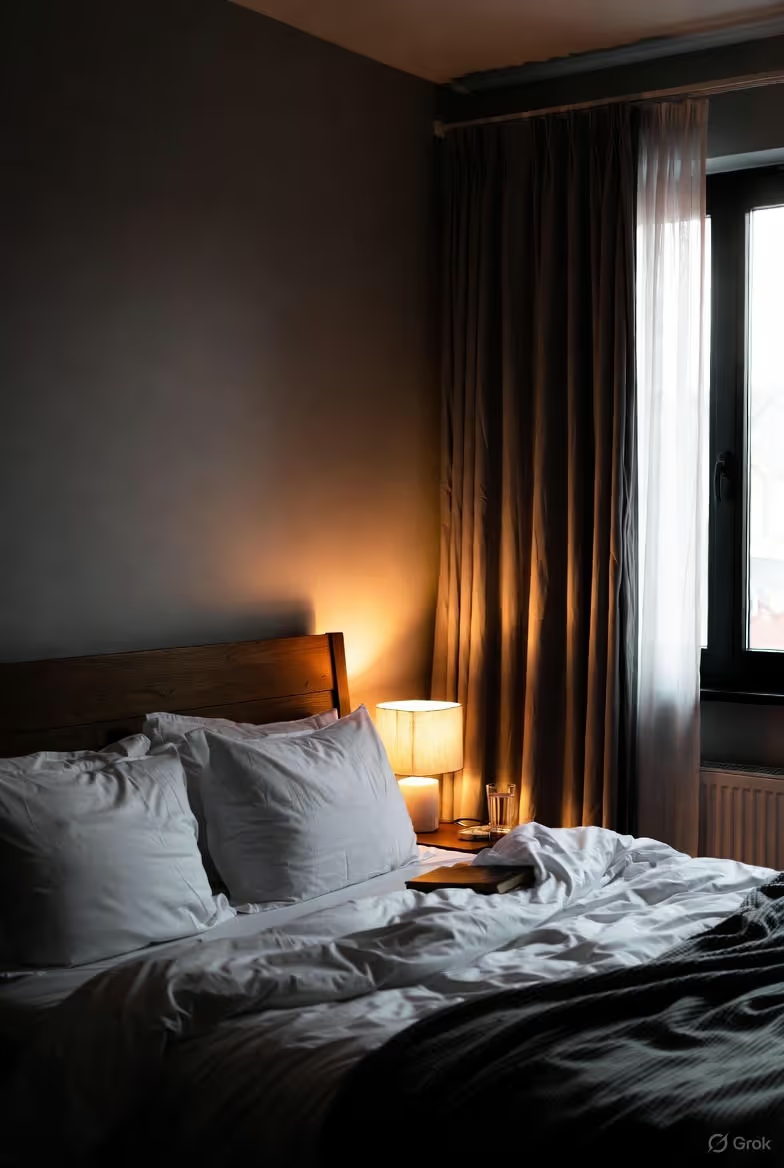
Your bedroom environment should be a fortress for sleep, designed to protect and promote your natural rhythms. The goal is to create a space that is cool, quiet, and—above all—profoundly dark. Here’s how to transform your bedroom into a true sleep sanctuary.
The Quest for Total Darkness
Blackout is Best: Invest in high-quality blackout curtains or shades. Standard blinds and curtains often allow slivers of light from streetlights or early dawn to seep through. Blackout materials create a near-total blackout condition, which is ideal .
The Eye Mask Advantage: If blackout curtains aren't feasible (e.g., due to renting or travel), a comfortable sleep mask is an excellent solution. Research confirms that light penetrates the eyelids, so a mask provides a personal layer of darkness .
Eliminate Electronic Glow: Become a light detective at bedtime. Cover or remove every tiny LED light from chargers, smoke detectors, air purifiers, and electronic devices. Use electrical tape if necessary. The goal is zero artificial light sources.
Choose the Right Night Light: If you or a family member needs a light for safety, choose carefully. Amber, red, or orange bulbs are far less stimulating to the circadian system than white or blue light . Place it as low to the ground and as far from the bed as possible.
Optimizing Temperature and Atmosphere
Keep it Cool: A core body temperature drop is a key signal for sleep onset. Most experts recommend a bedroom temperature between 60-67°F (15-19°C). A cool room facilitates this natural decline. Consider using a fan, which also provides consistent white noise.
Cultivate Quiet: Use earplugs, a white noise machine, or a fan to mask disruptive sounds like traffic, plumbing, or a partner's snoring. Consistent, low-level sound can prevent startling noises from interrupting your sleep cycles.
Reserve the Bed for Sleep and Sex: As advised by Harvard Health, your brain should associate your bed with rest and intimacy—not work, stress, or entertainment . Avoid watching TV, working on your laptop, or even having stressful conversations in bed. This strengthens the mental connection between your bed and sleep.
The Pre-Bed Ritual Your sanctuary isn't just physical; it's also ritualistic. A consistent, calming routine performed in your prepared space signals powerfully to your brain that sleep is near. This could be 5-10 minutes of light stretching, reading a few pages of a physical book (under warm, dim light), or a guided meditation. The consistency is what trains your nervous system to unwind.
By taking control of your sleep environment, you remove external obstacles and create the optimal conditions for your body to follow its natural inclination toward deep, restorative sleep.
Fueling Sleep: Nutrition and Substances That Help or Hinder
What you consume in the hours before bed acts as chemical information for your body, either supporting the wind-down process or throwing a wrench into the delicate gears of your circadian rhythm and sleep architecture. Strategic choices here can make a significant difference.
The Major Disruptors
Caffeine: This powerful stimulant blocks adenosine receptors in the brain, masking the natural sleepiness that builds throughout the day. Its effects can linger for 6-8 hours or more. Avoid caffeine (in coffee, tea, soda, chocolate, and some medications) after mid-afternoon .
Alcohol: While it may induce initial drowsiness, alcohol is a sedative that dramatically fragments sleep architecture. It suppresses REM sleep (the stage crucial for memory and mood regulation) and often leads to awakenings in the second half of the night as its effects wear off. It also relaxes throat muscles, worsening snoring and sleep apnea .
Heavy, Rich, or Spicy Meals: Eating a large meal too close to bedtime forces your digestive system to work overtime when it should be resting, potentially causing discomfort, acid reflux, or heartburn that can keep you awake .
Natural Supports and Timing
The Last Meal: Aim to finish dinner or your last substantial meal at least 2-3 hours before bedtime. This allows for adequate digestion.
The Right Evening Snack: If you're hungry closer to bed, a small snack that combines complex carbohydrates with a bit of protein or healthy fat can be helpful without being disruptive. Think of a few whole-wheat crackers with cheese, a small bowl of oatmeal, or a banana with a spoonful of almond butter.
Hydration Balance: Drink plenty of water during the day, but taper off in the last hour or two before bed to minimize disruptive nighttime trips to the bathroom.
Sleep-Supportive Nutrients: Certain foods contain nutrients that play a role in sleep regulation. For example, tart cherries are a natural source of melatonin, kiwi contains serotonin and antioxidants, and almonds provide magnesium—a mineral that can aid muscle relaxation and has been linked to better sleep quality .
The evening is not the time to fuel your body for action; it's the time to signal that operations are winding down. By being mindful of the chemical signals you send through food and drink, you directly support the physiological transition into peaceful, unbroken sleep.
Movement and Rest: Using Exercise to Strengthen Your Sleep Cycle
Physical activity is one of the most potent, drug-free sleep aids available, but like light, its benefits are deeply dependent on timing. Used correctly, exercise reinforces your circadian rhythm and builds up healthy sleep pressure. Used incorrectly, it can become another source of nighttime stimulation.
Exercise as a Circadian Reinforcer Regular physical activity helps to:
Increase Sleep Drive: Exercise increases the body's production of adenosine, a chemical that builds up in the brain throughout the day and creates "sleep pressure"—the feeling of needing to sleep.
Reduce Anxiety and Stress: By lowering levels of stress hormones like cortisol, exercise can quiet the mental chatter that often interferes with falling asleep.
Stabilize Mood: It promotes the release of endorphins and helps regulate neurotransmitters, which can alleviate symptoms of depression and anxiety that are common culprits of insomnia.
Promote Deeper Sleep: Studies show that people who exercise regularly spend more time in slow-wave (deep) sleep, which is the most physically restorative stage.
The Critical Importance of Timing The stimulating effects of exercise—increased heart rate, body temperature, and endorphin release—are fantastic for the day but counterproductive at night. This is why most sleep experts, including those at the Mayo Clinic, advise avoiding vigorous exercise too close to bedtime.
Morning/Midday Ideal: Morning exercise, especially outdoors, is a powerhouse for sleep. It exposes you to bright daylight, which powerfully resets your circadian clock for the day, and the resulting energy expenditure builds healthy sleep pressure for the evening .
The Evening Cut-off: As a general rule, try to finish any moderate-to-high-intensity workouts at least 2-3 hours before you plan to sleep. This allows your core body temperature, heart rate, and arousal hormones to return to baseline levels.
The Evening Exception: Gentle Movement This doesn't mean you must be completely sedentary in the evening. In fact, gentle, restorative movement can be a wonderful part of a wind-down ritual. Think of activities like:
A leisurely walk after dinner (in dim light).
Gentle yoga or stretching (focusing on relaxing poses, not vigorous vinyasa flows).
Tai Chi or Qi Gong.
These activities promote relaxation, release muscular tension, and can help transition the body into a restful state without the stimulating effects of more intense exercise. By aligning your movement with your body's daily rhythm, you transform exercise from a simple fitness tool into a foundational pillar of your sleep hygiene.
The Mind-Bed Connection: Quieting the Brain for Sleep
You can have the perfect dark, cool, and quiet bedroom, but if your mind is a storm of worry, planning, and anxiety, sleep will remain elusive. The "tired but wired" feeling is often a result of an activated nervous system. Learning to quiet the mind is therefore not a luxury, but an essential skill for sleep.
Why the Brain Resists Shutdown Stress and worry activate the sympathetic nervous system—your "fight-or-flight" response. This triggers the release of cortisol and adrenaline, increases your heart rate, and puts your brain into a state of high alert, primed for problem-solving. This state is the direct opposite of the parasympathetic "rest-and-digest" state required for sleep onset . Modern life, with its constant connectivity and information overload, can keep this low-grade stress simmering well into the night.
Practical Tools for Mental Quiet
The Worry Journal: One of the simplest and most effective techniques is to "download" your brain onto paper. About an hour before bed, take 10 minutes to write down everything on your mind: tomorrow's to-do list, unresolved problems, anxieties, or random thoughts. The act of writing externalizes these thoughts, giving your brain permission to let them go for the night, trusting they are captured and can be addressed tomorrow .
Diaphragmatic Breathing: Also known as belly breathing, this directly stimulates the vagus nerve, which commands the parasympathetic nervous system. Lie down and place one hand on your chest and the other on your belly. Breathe in slowly through your nose for a count of 4, feeling your belly rise. Hold for a count of 7, then exhale slowly through your mouth for a count of 8. Repeat this 4-7-8 pattern 5-10 times.
Progressive Muscle Relaxation (PMR): This involves systematically tensing and then relaxing different muscle groups in the body. Start with your toes, clench them tightly for 5 seconds, then release completely for 30 seconds, noticing the sensation of relaxation. Move gradually up your body—calves, thighs, abdomen, hands, arms, shoulders, face. This practice builds body awareness and releases physical tension that often accompanies mental stress.
Mindfulness or Guided Meditation: Using a meditation app or audio track for even 5-10 minutes can guide you away from ruminative thoughts and into the present moment, focusing on breath or body sensations. This breaks the cycle of anxiety and trains the brain to disengage from its default problem-solving mode.
Creating a "mental buffer zone" before bed is as important as the digital sunset. By developing a toolkit of relaxation practices, you give your mind a clear, calming path to follow as it transitions from the busyness of the day into the stillness of sleep.
The Modern Sleep Toolkit: How Technology Can Help (When Used Wisely)
Given that technology is often the villain in our sleep story, it may seem ironic to suggest it as part of the solution. Yet, when applied intentionally, certain modern tools can provide the objective feedback and personalized insights needed to master your sleep naturally. The most promising of these tools is the smart ring.
Unlike phones that demand attention or smartwatches with glowing screens, a smart ring is a passive, unobtrusive biosensor. Worn continuously on your finger, it leverages the unique vascular access and stability of the finger to collect high-fidelity data on the very systems governed by your circadian rhythm .
What a Smart Ring Tracks to Illuminate Your Sleep Health:
Sleep Stages & Continuity: Using a combination of accelerometers and heart rate variability (HRV), advanced algorithms can estimate your time in light, deep, and REM sleep, as well as track awakenings—giving you a far clearer picture of sleep quality than simply duration .
Body Temperature Rhythm: Your core body temperature follows a circadian cycle, dipping at night to initiate sleep and rising in the morning for wakefulness. Smart rings with high-precision temperature sensors can track this subtle, crucial rhythm, revealing if your internal clock is aligned or disrupted .
Heart Rate Variability (HRV): HRV is a key indicator of your autonomic nervous system balance. Higher HRV generally indicates a healthier, more resilient system with strong parasympathetic (rest) activity. Tracking nightly HRV can show how well you're recovering and how stress is impacting your physiology .
Resting Heart Rate (RHR): Your nightly resting heart rate is a foundational health metric. A lower, stable RHR during sleep typically indicates good cardiovascular health and effective recovery.
Blood Oxygen (SpO2): Monitoring overnight oxygen saturation can help identify potential issues like sleep-disordered breathing, which fragments sleep even if you're unaware of it .
From Data to Personalized Insight: The true power of a device like the Oura Ring or similar advanced models isn't just in collecting data, but in synthesizing it into a personalized Readiness or Recovery Score . By analyzing your sleep data, temperature trend, and HRV, the ring can provide actionable feedback: "You didn't recover fully last night; consider a lighter day," or "Your sleep was deep and restorative; you're ready for a challenge."
This moves you from guessing about your sleep to knowing. You can see, in concrete terms, how a late-night exposure to screens affects your deep sleep percentage, or how a consistent 3-2-1 routine improves your HRV over time. It turns abstract sleep hygiene principles into a personalized, data-driven experiment in living better.
For a deeper understanding of how this technology fits into a holistic wellness journey, you can explore the mission and vision behind such innovations at Oxyzen.ai. Used wisely, this tool doesn't add more stimulation to your life; it provides the quiet, objective feedback needed to make the natural principles of darkness and rhythm work optimally for you.
Note: This concludes the first portion of this comprehensive guide. In the next sections, we will delve deeper into advanced topics including managing shift work and jet lag, understanding sleep disorders, exploring the role of natural supplements, and building a long-term, sustainable practice for lifelong sleep health. For further reading on wellness technology and sleep science, visit our resource hub at Oxyzen.ai/blog.
Navigating Disruption: Sleep Strategies for Shift Workers and Frequent Travelers
For shift workers and frequent flyers, the modern world’s demand for 24/7 operation directly conflicts with human biology. These individuals are forced into a state of chronic circadian misalignment, where their internal clock is perpetually out of sync with their external environment. This isn’t merely inconvenient; it’s a serious health risk. Studies consistently link shift work to higher incidences of metabolic syndrome, cardiovascular disease, certain cancers, and mental health disorders . The goal here is not perfect alignment—which is often impossible—but strategic circadian management to minimize harm and maximize potential sleep.
The Shift Worker’s Survival Guide
The key for night shift workers is to rigidly defend daytime sleep and carefully manipulate light exposure to gradually shift their circadian phase.
Mastering the Post-Shift Wind-Down: After a night shift, the urge is to jump into daylight chores. Resist it. Wear blue-light-blocking glasses during your commute home. This simple tool is one of the most effective for signaling "night" to your brain after exposure to morning sun .
Creating a Fortress for Daytime Sleep: Your bedroom must be a bunker against daytime noise and light. Blackout curtains are non-negotiable; consider combining them with aluminum foil or blackout boards for windows. Use a white noise machine or a fan to mask daytime sounds. A "Do Not Disturb" sign on your door is essential.
Strategic Light Exposure for Your "New Day": When you wake up in the late afternoon or evening, seek bright light exposure immediately. This could be a light therapy box (10,000 lux) for 20-30 minutes or time outside if the sun is still up. This light exposure acts as your "morning," telling your master clock it’s time to be alert for your upcoming "day" (the night shift) .
Caffeine Timing: Use caffeine strategically at the start of your shift to promote alertness, but institute a strict cutoff 6-8 hours before your planned daytime sleep to avoid interference.
Conquering Jet Lag with Science
Jet lag occurs when you rapidly cross time zones, but your circadian rhythm lags behind. The severity depends on the number of zones crossed and the direction of travel. Eastward travel (losing time) is typically harder to adjust to than westward travel (gaining time), as it requires advancing your internal clock, which is a more difficult physiological shift for most people .
Pre-Travel Preparation: For trips crossing multiple time zones, you can begin to gently shift your schedule 2-3 days in advance. For eastward travel, go to bed and wake up 30-60 minutes earlier each day. For westward travel, shift 30-60 minutes later.
The Power of Strategic Light on Arrival: Light is your most powerful tool for resetting your clock. Use online jet lag calculators or apps to get a personalized light exposure schedule. The general principle: seek bright light during the local time you want to be awake, and avoid bright light during the local time you want to be asleep. For eastward travel, get bright morning light; for westward travel, seek afternoon/evening light .
Melatonin as a Timing Signal: Taking a small dose (0.5-3 mg) of melatonin at local bedtime can help advance your rhythm for eastward travel. It’s not a sleeping pill; it’s a timing signal that tells your brain "night is here." Consult a healthcare provider before use, especially if you take other medications.
Immediate Alignment: As soon as you board the plane, set your watch to your destination’s time zone. Try to sleep, eat, and expose yourself to light (or darkness) based on that new schedule, even while in transit.
For both shift workers and travelers, the principles remain the same: use light as your primary lever, defend your sleep environment fiercely, and use tools like melatonin and blue-light blockers with strategic intent. It’s a challenging balancing act, but with deliberate practice, restorative sleep is still within reach.
When foundational sleep hygiene isn't enough, it may indicate an underlying sleep disorder. Understanding these conditions is crucial, as they are medical issues that often require professional diagnosis and treatment. Self-managing without proper guidance can be ineffective or even harmful.
Chronic Insomnia: When the Brain Won’t Switch Off
Insomnia is defined as persistent difficulty falling asleep, staying asleep, or waking too early, despite adequate opportunity for sleep, leading to daytime impairment . It’s often fueled by a cycle of anxiety: worry about not sleeping leads to heightened arousal, which guarantees the very sleeplessness that is feared.
Cognitive Behavioral Therapy for Insomnia (CBT-I): This is the gold-standard, first-line treatment for chronic insomnia, often more effective and durable than sleep medications. CBT-I is a structured program that addresses the thoughts and behaviors perpetuating insomnia. Key components include:
Stimulus Control Therapy: Reforges the association between bed and sleep. Instructions include: only go to bed when sleepy, get out of bed if awake for more than 20 minutes, and use the bed only for sleep and sex.
Sleep Restriction: Temporarily limits time in bed to match actual sleep time, building healthy sleep pressure and consolidating sleep. This is done under professional guidance to avoid excessive sleep deprivation.
Cognitive Therapy: Identifies and challenges unrealistic beliefs about sleep (e.g., "I must get 8 hours or I'll be ruined") that fuel performance anxiety.
Sleep Apnea: The Disrupted Breath
Sleep apnea is characterized by repeated pauses in breathing during sleep, often caused by a collapse of the airway (obstructive sleep apnea). Each pause triggers a micro-arousal to restart breathing, fragmenting sleep and straining the cardiovascular system. Loud, chronic snoring, witnessed breathing pauses, and excessive daytime sleepiness are major red flags.
Diagnosis and Treatment: Diagnosis requires a sleep study (polysomnography). The primary treatment is Continuous Positive Airway Pressure (CPAP), a device that delivers a gentle stream of air through a mask to keep the airway open. For mild cases or those who cannot tolerate CPAP, oral appliances or certain surgical procedures may be options. Weight management is also a critical component, as excess weight is a major risk factor.
Restless Legs Syndrome (RLS): The Uncontrollable Urge
RLS involves uncomfortable, often indescribable sensations in the legs (sometimes arms) accompanied by an irresistible urge to move them. Symptoms are worse at rest and in the evening/night, directly interfering with sleep onset.
Management Strategies: A medical evaluation is essential to identify potential underlying causes (e.g., iron deficiency, kidney disease, certain medications). Treatment may include:
Iron Supplementation: If ferritin (iron stores) levels are low, even if not anemic.
Lifestyle Measures: Regular moderate exercise, leg massages, warm baths, and avoiding caffeine/alcohol close to bedtime.
Medications: For moderate to severe cases, doctors may prescribe medications that affect dopamine or calcium channels in the brain.
The Critical First Step: If you suspect you have a sleep disorder, the most important action is to consult a healthcare professional or a sleep specialist. They can provide an accurate diagnosis and a structured treatment plan. For those exploring technology to identify potential issues, many modern smart rings now include features like nightly blood oxygen and movement tracking that can help spot patterns suggestive of sleep-disordered breathing, providing valuable data to bring to a doctor. You can learn more about these advanced tracking capabilities on our FAQ page.
The Sunlight Prescription: Harnessing Morning Light for Nighttime Sleep
If darkness is the "off" switch for alertness, then bright morning light is the powerful "on" switch that sets your entire circadian cycle in motion for the day. Consistent morning light exposure is arguably the single most effective habit for strengthening your circadian rhythm and improving nighttime sleep.
The Science of the Morning Reset
When bright light, particularly the blue-rich light of a clear morning sky, enters your eyes, it sends a direct signal to your SCN. This signal does two critical things:
It Immediately Suppresses Melatonin: It clears any remaining melatonin from your system, promoting alertness and wakefulness.
It Sets the Timer: It establishes a precise reference point for your internal clock, beginning the countdown for the next evening's melatonin release. A strong morning signal results in a stronger, more well-timed evening signal .
A 2020 study in Sleep Health found that increased exposure to natural daylight during the morning hours was associated with earlier sleep timing, easier sleep onset, and fewer sleep disturbances . It effectively makes your circadian rhythm more robust and resistant to the minor disruptions of modern life.
Practical Application: Your Daily Light Dose
Timing is Everything: Aim to get at least 15-30 minutes of outdoor light exposure within 30-60 minutes of waking. If the sun is up, this is ideal. Even on an overcast day, outdoor light intensity (often over 1,000 lux) far exceeds that of typical indoor lighting (200-500 lux).
Don't Filter It: Go outside without sunglasses for this initial exposure (though never look directly at the sun). The light needs to reach your eyes. A walk, having your morning coffee on a porch, or simply standing by a window can work.
The Indoor Solution: Light Therapy Boxes: For those who wake before sunrise, work in windowless environments, or live in regions with long, dark winters, a 10,000-lux light therapy box is an excellent tool. Use it for 20-30 minutes each morning while eating breakfast or reading, positioning it about 16-24 inches from your face at an angle.
Consistency Creates the Rhythm: This is a daily practice, not a weekend remedy. The consistent daily anchor of morning light is what trains your clock to be precise and reliable.
By investing in bright light at the start of your day, you are proactively programming your biology for better sleep that night. It’s a classic example of working with your circadian rhythm, not against it, and it costs nothing but a few minutes of your time.
The Circadian Diet: When You Eat Matters as Much as What You Eat
Emerging research in the field of chrononutrition reveals that our bodies process food differently depending on the time of day, guided by our peripheral circadian clocks in organs like the liver, pancreas, and gut . Aligning your eating pattern with your circadian rhythm can improve sleep, metabolism, and overall health.
The Principles of Time-Restricted Eating (TRE)
Time-Restricted Eating involves consuming all of your daily calories within a consistent window of 8-12 hours, followed by a 12-16 hour fasting period. This pattern generally aligns with the body's natural metabolic cycles: active digestion during the day and cellular repair/fasting during the night.
The Sleep Benefit: A longer overnight fast gives the digestive system a true rest, reducing the risk of acid reflux or digestive discomfort that can disrupt sleep. It may also support the natural overnight dip in insulin and blood sugar, creating a more stable metabolic environment for sleep.
The Alignment Benefit: Eating late at night sends a conflicting signal to your peripheral clocks. Food is a powerful zeitgeber (time cue). A late meal tells your liver it's still "daytime," which can misalign it from your central brain clock, potentially delaying sleep signals.
Practical Implementation: A common and sustainable approach is a 10-12 hour eating window, such as from 8 am to 7 pm. The most critical rule for sleep is to avoid large meals within 3 hours of bedtime. If your schedule demands a late meal, keep it light, small, and easy to digest.
Nutrients That Directly Influence Sleep
Beyond timing, specific nutrients act as precursors or co-factors for sleep-regulating neurotransmitters and hormones.
Tryptophan → Serotonin → Melatonin: This is the key biochemical pathway. Tryptophan (found in turkey, milk, nuts, seeds) is converted to serotonin, which is then converted to melatonin in darkness. Consuming tryptophan-rich foods with complex carbohydrates in the evening can facilitate this process .
Magnesium: This mineral acts as a natural relaxant, helping to calm the nervous system and muscles. Deficiency has been linked to insomnia. Sources include leafy greens, nuts, seeds, avocados, and dark chocolate.
Glycine: An amino acid found in bone broth and collagen, glycine has been shown in some studies to lower core body temperature and improve subjective sleep quality.
The circadian diet is not a fad; it’s a framework for synergy. By eating the right foods at the right time, you provide your body with the resources it needs for wakefulness during the day and create the metabolic calm necessary for restoration at night.
Supplements and Natural Aids: A Science-Based Review
While lifestyle is the bedrock of good sleep, certain natural supplements can play a supportive, adjunctive role for specific challenges. It is vital to approach them with a clear understanding of their function—as occasional aids or targeted interventions—and to consult with a healthcare provider before starting any new supplement, especially if you are on medication.
The Primary Player: Melatonin
Melatonin is a hormone, not an herb. Its most effective use is for circadian rhythm shifting, not as a general-purpose sleep pill.
Best For: Jet lag (eastward travel), shift work adjustment, Delayed Sleep-Wake Phase Disorder.
Dosage & Timing: Less is often more. A dose of 0.5 mg to 3 mg, taken 1-2 hours before your desired bedtime, is typically sufficient to provide a timing signal. Higher doses (5-10 mg) are not necessarily more effective and can cause morning grogginess.
Important Note: It signals "darkness," so ensure your environment is dim to support its effect.
Botanical and Nutritional Supports
Magnesium Glycinate or Bisglycinate: This highly bioavailable form of magnesium is favored for sleep due to magnesium's role in muscle relaxation and nervous system regulation, combined with the calming effects of the glycine molecule. A dose of 200-400 mg about an hour before bed may help quiet the mind and body.
Glycine: As mentioned, this amino acid can promote a drop in core body temperature. Studies using 3 grams before bed have shown benefits for sleep onset and quality .
Adaptogenic Herbs:
Ashwagandha: This adaptogen may help reduce stress and anxiety, which are common barriers to sleep. Some research shows it can improve sleep quality and help with sleep onset, particularly in those with stress-related insomnia .
Valerian Root: A traditional sleep remedy, the evidence is mixed but generally positive for mild to moderate insomnia. It may enhance the effects of GABA, a calming neurotransmitter. Effects can be subtle and may take a few weeks of consistent use.
L-Theanine: An amino acid found in green tea, L-Theanine promotes relaxation and alpha brain waves (associated with wakeful relaxation) without drowsiness. It can be useful for calming an overactive mind before bed, often taken in doses of 100-400 mg.
A Critical Caveat on Dependence and Expectation
Supplements should not replace behavioral strategies like CBT-I or good sleep hygiene. There is a risk of developing psychological dependence—the belief that you cannot sleep without the supplement. They work best when used intermittently for specific needs (e.g., a period of high stress, travel) or as a short-term bridge while you establish stronger lifestyle habits. The goal is always to empower your body's natural sleep mechanisms, not to override them with external substances.
For personalized guidance on how lifestyle tracking can help you identify if and when you might benefit from such aids, our team is always available to answer your questions.
The Long Game: Building a Sustainable, Lifelong Sleep Practice
Achieving a single night of perfect sleep is a victory; turning it into a consistent, lifelong practice is the ultimate goal of true health. This requires moving beyond rigid rules and fostering a flexible, resilient mindset. Sustainable sleep hygiene is about creating a personalized framework that can adapt to life's changes while protecting the core non-negotiables.
From Rigid Rules to Resilient Rhythms
The initial phase of sleep improvement often involves strict adherence to rules (no screens after 9 pm, always in bed by 10:30 pm). This is useful for establishing new patterns. Long-term sustainability, however, requires flexibility.
The 80/20 Principle: Aim to follow your optimal sleep routine 80% of the time. Allow for the 20%—the occasional late night out, the weekend movie marathon, the vacation where schedules shift. Guilt over "breaking the rules" can cause more sleep-disrupting stress than the deviation itself.
Listen to Your Body, Not Just the Clock: While consistency is key, your sleep need can vary slightly night to night based on activity, stress, or immune challenges. Use how you feel (or data from a tracking device) as a guide, not just a predetermined bedtime.
Seasonal Adjustments: Your rhythm may naturally shift with the seasons—feeling sleepier earlier in the dark winter months and more alert later in the bright summer evenings. Allow for some natural ebb and flow.
The Role of Continuous Monitoring and Feedback
This is where modern wellness technology becomes a powerful ally for long-term maintenance. A smart ring or similar wearable provides objective biofeedback that keeps you connected to your physiology.
Preventing Drift: Over months and years, small, slow deviations from good habits can creep in. Regular review of your sleep and readiness data can alert you to a gradual decline in sleep quality or recovery before you consciously feel it, allowing for course correction.
Personalized Experimentation: It turns your life into a personal lab. You can see, with data, how a new workout regimen, dietary change, or stress-management technique truly affects your recovery. This empowers you to build a lifestyle uniquely suited to your biology.
Motivation Through Visibility: Seeing the tangible benefits of a good week of sleep—higher HRV, stable temperature, more deep sleep—can be a profound motivator to maintain positive habits.
Integrating Sleep into a Holistic Identity
Ultimately, sustainable sleep practice is not a separate "health task." It becomes woven into your identity as someone who values recovery, respects their body's limits, and understands that daytime performance is built on nighttime restoration. You begin to make choices not out of restriction, but from a place of self-knowledge: "I won't have that late espresso because I know how it affects my sleep graph, and I value feeling rested tomorrow."
This journey is deeply personal. To see how others have integrated these principles and technology into their own wellness journeys, you can read their stories and experiences. Building this practice is a commitment to yourself, recognizing that in the quiet, dark hours of the night, your body is doing its most vital work to prepare you for all the bright, active hours of your life.
Note: In the final portion of this comprehensive guide, we will synthesize all we've learned into actionable daily and weekly protocols. We will also look to the future, exploring the cutting-edge science of sleep and circadian health, and provide a conclusive roadmap for making the principles of darkness and rhythm the unwavering foundation of your lifelong well-being.
Better Sleep Naturally: The Role of Darkness and Circadian Rhythm (Final Part)
We have journeyed from the foundational biology of darkness and circadian rhythms, through the practical defenses against modern life's disruptions, and into the advanced strategies for managing shift work, disorders, and long-term adherence. We've established that sleep is not a passive state but an active, vital process governed by an ancient rhythm—a rhythm that requires protection, nurturing, and respect.
This final portion of our guide is dedicated to synthesis and forward momentum. Here, we move from knowledge to action, from principles to protocol. We will consolidate everything into actionable, step-by-step routines for your day, week, and month. We will also peer into the horizon at the emerging science that is reshaping our understanding of sleep's role in longevity, immunity, and cognitive health. Finally, we will conclude with a empowering vision: how mastering the simple, profound elements of darkness and light can become the cornerstone of a healthier, more resilient, and more vibrant life.
Synthesis and Action: Your Personalized Sleep Protocol
Knowledge is only power when it is applied. This section provides a structured framework to translate the science and strategies from this entire guide into your daily life. Think of it as your personal sleep operating manual, divided into daily rituals, weekly check-ins, and monthly resets.
The Daily Rhythm: A 24-Hour Protocol for Optimal Sleep
Morning (Within 1 Hour of Waking): The Circadian Anchor
Light: Seek 15-30 minutes of bright, outdoor light without sunglasses. If impossible, use a 10,000-lux light therapy box for 20-30 minutes.
Movement: Engage in gentle activity—a short walk, stretching, or a more vigorous workout. This reinforces the wake signal.
Nutrition: Have a protein-rich breakfast within an hour of waking to break the overnight fast and stabilize blood sugar. Avoid sugary cereals or pastries.
Mindset: Set an intention for the day. Avoid diving into stressful emails or news immediately.
Afternoon (The Maintenance Phase)
Light: Get another dose of natural light if possible, especially in the late afternoon if you struggle with early evening sleepiness.
Movement: Use movement to combat the post-lunch dip—a brisk walk is ideal.
Nutrition: Eat a balanced lunch. Make your last caffeinated beverage at least 6-8 hours before your target bedtime.
Cognitive Management: Tackle demanding work tasks. Use techniques like the Pomodoro method to maintain focus.
Evening (The Wind-Down: 3-2-1 Rule in Action)
3 Hours Before Bed: Finish any large meals or heavy snacks.
2 Hours Before Bed: Stop all work and stressful mental activity. Begin the mental transition. This is the time for light chores, relaxing conversation, or gentle hobbies.
1 Hour Before Bed: Initiate Digital Sunset.
Put all screens away (phones, tablets, laptops, TV).
Switch home lighting to warm, dim lamps (under 50 lux if possible). Consider using smart bulbs set to an amber/redshift after sunset.
Engage in your calming pre-sleep ritual: take a warm bath, read a physical book, practice 10 minutes of meditation or gentle yoga, or listen to calming music.
Prepare your sleep sanctuary: ensure the room is cool (60-67°F/15-19°C), blackout curtains are closed, and any distracting lights or sounds are mitigated.
Bedtime (The Final Cues)
Go to bed at a consistent time, even on weekends (variation of no more than 60 minutes is ideal).
If you are not asleep after 20 minutes, get out of bed. Go to a dimly lit space and do a quiet, non-stimulating activity (like the boring book) until you feel sleepy, then return to bed.
Use the bed only for sleep and intimacy.
The Weekly Review: Data-Informed Tuning
Once a week, perhaps on a Sunday evening, take 15 minutes for a sleep audit.
Review Your Data: If you use a smart ring or tracker, look at your weekly averages: Sleep Score, HRV trend, sleep consistency, and deep/REM sleep. Look for patterns. Did a late dinner on Thursday affect your deep sleep? Did a stressful Wednesday cause a dip in HRV?
Reflect Subjectively: How did you feel this week? Rate your energy, mood, and focus on a scale of 1-10. Note any days you felt exceptional or particularly drained.
Plan and Adjust: Based on your audit, make one small, intentional adjustment for the coming week. For example: "This week, I will stop eating by 7:30 pm," or "I will commit to my 3-2-1 rule on at least 5 nights."
The Monthly Reset: Habit Stacking and Exploration
Each month, consider integrating one new element or "leveling up" an existing habit.
Month 1: Focus solely on Morning Light and a consistent Wake Time.
Month 2: Add the Digital Sunset (1-hour screen-free buffer).
Month 3: Optimize your Sleep Environment (blackout, temperature, noise).
Month 4: Implement the 3-2-1 Rule in full.
Month 5: Begin a Weekly Sleep Audit using a tracker or journal.
Month 6: Experiment with Time-Restricted Eating (12-hour window).
This gradual, layered approach builds sustainable habits without overwhelm. For a deeper exploration of how to integrate tracking into this process, our resource hub at Oxyzen.ai/blog offers continuous insights and guidance.
The Future of Sleep Science: Emerging Research and Trends
Our understanding of sleep is evolving at a rapid pace. The future points toward hyper-personalization, where sleep and circadian health are recognized as central to systemic medicine. Here are the frontiers being explored today:
Circadian Medicine and Chronotherapy
This emerging field treats timing as a critical component of healthcare. It's not just what treatment you get, but when you get it.
Cancer Therapy: Research is exploring how timing chemotherapy or radiation to coincide with the circadian rhythms of healthy cells (while cancer cells are vulnerable) can reduce side effects and improve efficacy .
Medication Timing: The effectiveness and side effects of drugs for hypertension, asthma, and arthritis can vary dramatically based on the time of day they are administered, aligned with relevant organ rhythms .
Mental Health: Therapies for depression, such as bright light therapy and even the strategic timing of antidepressant medications, are being refined using circadian principles.
Sleep and the "Clean Brain" Theory: The Glymphatic System
A groundbreaking discovery of the last decade is the glymphatic system—the brain's unique waste-clearance system. It becomes highly active during deep, slow-wave sleep, flushing away metabolic waste products like beta-amyloid proteins, which are associated with Alzheimer's disease . This has profound implications, framing sleep not just as rest, but as an essential nightly "detox" for the brain. The quality of your deep sleep may be directly linked to your long-term cognitive health.
Precision Sleep Tracking and AI-Driven Insights
The next generation of wearables and ambient sensors will move beyond describing what happened to predicting what will happen and prescribing what to do.
Multimodal Sensing: Future devices may combine ring or watch data with under-mattress sensors, ambient room monitors, and even smart lighting to create a holistic picture of the sleep ecosystem.
Predictive Analytics: AI will be able to predict your optimal bedtime, forecast your next day's cognitive readiness, or alert you to early signs of illness based on subtle deviations in sleep and physiological data (e.g., elevated resting heart rate or disrupted temperature rhythm).
Closed-Loop Environments: Imagine a bedroom where your smart lights automatically dim at the optimal time based on your personal circadian curve, or where white noise adapts to mask a sudden outside disturbance. The environment itself will become an active participant in sleep optimization.
This exciting future reaffirms a central tenet of this guide: sleep is a dynamic, complex, and utterly indispensable pillar of health. Staying informed on these developments can be a powerful motivator, and you can follow our story and vision for this future as it continues to unfold.
Conclusion: Embracing the Rhythm for a Lifetime of Wellness
Our exploration of sleep naturally through darkness and circadian rhythm comes to a close, but your practice is just beginning. We have traveled from the microscopic photoreceptors in your eyes to the societal challenge of shift work, from the simple act of turning off a screen to the complex symphony of hormonal signals that it protects.
The core message is elegantly simple, yet profoundly challenging in our illuminated world: To sleep well, we must honor the dark and protect our rhythm.
This is not a return to pre-industrial life, but a conscious integration of ancient wisdom with modern science and technology. We use blackout curtains and smart rings. We practice digital sunsets and harness morning light therapy. We understand the role of melatonin and the power of CBT-I.
The benefits of committing to this path extend far beyond feeling less tired. You are investing in:
A Resilient Mind: Improved mood, emotional regulation, and cognitive function.
A Stronger Body: Enhanced metabolic health, immune function, and cellular repair.
A Longer Healthspan: A significantly reduced risk for chronic diseases, including neurodegeneration.
A More Vibrant Life: The energy and clarity to fully engage with your passions, relationships, and purpose.
Begin tonight. Start with one change. Draw the curtains completely. Charge your phone outside the bedroom. Take five deep breaths before turning out the light. Observe the effect. Then build from there.
Sleep is not lost time; it is the foundation upon which every aspect of your waking life is built. By reclaiming the dark and synchronizing with your innate rhythm, you are not just aiming for better sleep—you are cultivating the essential condition for a healthier, more focused, and more fulfilling life.
We invite you to continue this journey with a community dedicated to holistic wellness. To learn more about how our integrated approach to technology and well-being can support your path, visit us at Oxyzen.ai. Here’s to your deep, restorative sleep, tonight and every night.
Synthesis and Action: Your Personalized Sleep Protocol
Knowledge is only power when it is applied. This section provides a structured framework to translate the science and strategies from this entire guide into your daily life. Think of it as your personal sleep operating manual, divided into daily rituals, weekly check-ins, and monthly resets.
The Daily Rhythm: A 24-Hour Protocol for Optimal Sleep
Morning (Within 1 Hour of Waking): The Circadian Anchor
Light: Seek 15-30 minutes of bright, outdoor light without sunglasses. If impossible, use a 10,000-lux light therapy box for 20-30 minutes.
Movement: Engage in gentle activity—a short walk, stretching, or a more vigorous workout. This reinforces the wake signal.
Nutrition: Have a protein-rich breakfast within an hour of waking to break the overnight fast and stabilize blood sugar. Avoid sugary cereals or pastries.
Mindset: Set an intention for the day. Avoid diving into stressful emails or news immediately.
Afternoon (The Maintenance Phase)
Light: Get another dose of natural light if possible, especially in the late afternoon if you struggle with early evening sleepiness.
Movement: Use movement to combat the post-lunch dip—a brisk walk is ideal.
Nutrition: Eat a balanced lunch. Make your last caffeinated beverage at least 6-8 hours before your target bedtime.
Cognitive Management: Tackle demanding work tasks. Use techniques like the Pomodoro method to maintain focus.
Evening (The Wind-Down: 3-2-1 Rule in Action)
3 Hours Before Bed: Finish any large meals or heavy snacks.
2 Hours Before Bed: Stop all work and stressful mental activity. Begin the mental transition. This is the time for light chores, relaxing conversation, or gentle hobbies.
1 Hour Before Bed: Initiate Digital Sunset.
Put all screens away (phones, tablets, laptops, TV).
Switch home lighting to warm, dim lamps (under 50 lux if possible). Consider using smart bulbs set to an amber/redshift after sunset.
Engage in your calming pre-sleep ritual: take a warm bath, read a physical book, practice 10 minutes of meditation or gentle yoga, or listen to calming music.
Prepare your sleep sanctuary: ensure the room is cool (60-67°F/15-19°C), blackout curtains are closed, and any distracting lights or sounds are mitigated.
Bedtime (The Final Cues)
Go to bed at a consistent time, even on weekends (variation of no more than 60 minutes is ideal).
If you are not asleep after 20 minutes, get out of bed. Go to a dimly lit space and do a quiet, non-stimulating activity (like the boring book) until you feel sleepy, then return to bed.
Use the bed only for sleep and intimacy.
The Weekly Review: Data-Informed Tuning
Once a week, perhaps on a Sunday evening, take 15 minutes for a sleep audit.
Review Your Data: If you use a smart ring or tracker, look at your weekly averages: Sleep Score, HRV trend, sleep consistency, and deep/REM sleep. Look for patterns. Did a late dinner on Thursday affect your deep sleep? Did a stressful Wednesday cause a dip in HRV?
Reflect Subjectively: How did you feel this week? Rate your energy, mood, and focus on a scale of 1-10. Note any days you felt exceptional or particularly drained.
Plan and Adjust: Based on your audit, make one small, intentional adjustment for the coming week. For example: "This week, I will stop eating by 7:30 pm," or "I will commit to my 3-2-1 rule on at least 5 nights."
The Monthly Reset: Habit Stacking and Exploration
Each month, consider integrating one new element or "leveling up" an existing habit.
Month 1: Focus solely on Morning Light and a consistent Wake Time.
Month 2: Add the Digital Sunset (1-hour screen-free buffer).
Month 3: Optimize your Sleep Environment (blackout, temperature, noise).
Month 4: Implement the 3-2-1 Rule in full.
Month 5: Begin a Weekly Sleep Audit using a tracker or journal.
Month 6: Experiment with Time-Restricted Eating (12-hour window).
This gradual, layered approach builds sustainable habits without overwhelm. For a deeper exploration of how to integrate tracking into this process, our resource hub at Oxyzen.ai/blog offers continuous insights and guidance.
The Future of Sleep Science: Emerging Research and Trends
Our understanding of sleep is evolving at a rapid pace. The future points toward hyper-personalization, where sleep and circadian health are recognized as central to systemic medicine. Here are the frontiers being explored today:
Circadian Medicine and Chronotherapy
This emerging field treats timing as a critical component of healthcare. It's not just what treatment you get, but when you get it.
Cancer Therapy: Research is exploring how timing chemotherapy or radiation to coincide with the circadian rhythms of healthy cells (while cancer cells are vulnerable) can reduce side effects and improve efficacy .
Medication Timing: The effectiveness and side effects of drugs for hypertension, asthma, and arthritis can vary dramatically based on the time of day they are administered, aligned with relevant organ rhythms .
Mental Health: Therapies for depression, such as bright light therapy and even the strategic timing of antidepressant medications, are being refined using circadian principles.
Sleep and the "Clean Brain" Theory: The Glymphatic System
A groundbreaking discovery of the last decade is the glymphatic system—the brain's unique waste-clearance system. It becomes highly active during deep, slow-wave sleep, flushing away metabolic waste products like beta-amyloid proteins, which are associated with Alzheimer's disease . This has profound implications, framing sleep not just as rest, but as an essential nightly "detox" for the brain. The quality of your deep sleep may be directly linked to your long-term cognitive health.
Precision Sleep Tracking and AI-Driven Insights
The next generation of wearables and ambient sensors will move beyond describing what happened to predicting what will happen and prescribing what to do.
Multimodal Sensing: Future devices may combine ring or watch data with under-mattress sensors, ambient room monitors, and even smart lighting to create a holistic picture of the sleep ecosystem.
Predictive Analytics: AI will be able to predict your optimal bedtime, forecast your next day's cognitive readiness, or alert you to early signs of illness based on subtle deviations in sleep and physiological data (e.g., elevated resting heart rate or disrupted temperature rhythm).
Closed-Loop Environments: Imagine a bedroom where your smart lights automatically dim at the optimal time based on your personal circadian curve, or where white noise adapts to mask a sudden outside disturbance. The environment itself will become an active participant in sleep optimization.
This exciting future reaffirms a central tenet of this guide: sleep is a dynamic, complex, and utterly indispensable pillar of health. Staying informed on these developments can be a powerful motivator, and you can follow our story and vision for this future as it continues to unfold.
Conclusion: Embracing the Rhythm for a Lifetime of Wellness
Our exploration of sleep naturally through darkness and circadian rhythm comes to a close, but your practice is just beginning. We have traveled from the microscopic photoreceptors in your eyes to the societal challenge of shift work, from the simple act of turning off a screen to the complex symphony of hormonal signals that it protects.
The core message is elegantly simple, yet profoundly challenging in our illuminated world: To sleep well, we must honor the dark and protect our rhythm.
This is not a return to pre-industrial life, but a conscious integration of ancient wisdom with modern science and technology. We use blackout curtains and smart rings. We practice digital sunsets and harness morning light therapy. We understand the role of melatonin and the power of CBT-I.
The benefits of committing to this path extend far beyond feeling less tired. You are investing in:
A Resilient Mind: Improved mood, emotional regulation, and cognitive function.
A Stronger Body: Enhanced metabolic health, immune function, and cellular repair.
A Longer Healthspan: A significantly reduced risk for chronic diseases, including neurodegeneration.
A More Vibrant Life: The energy and clarity to fully engage with your passions, relationships, and purpose.
Begin tonight. Start with one change. Draw the curtains completely. Charge your phone outside the bedroom. Take five deep breaths before turning out the light. Observe the effect. Then build from there.
Sleep is not lost time; it is the foundation upon which every aspect of your waking life is built. By reclaiming the dark and synchronizing with your innate rhythm, you are not just aiming for better sleep—you are cultivating the essential condition for a healthier, more focused, and more fulfilling life.
We invite you to continue this journey with a community dedicated to holistic wellness. To learn more about how our integrated approach to technology and well-being can support your path, visit us at Oxyzen.ai. Here’s to your deep, restorative sleep, tonight and every night.



%402x.svg)