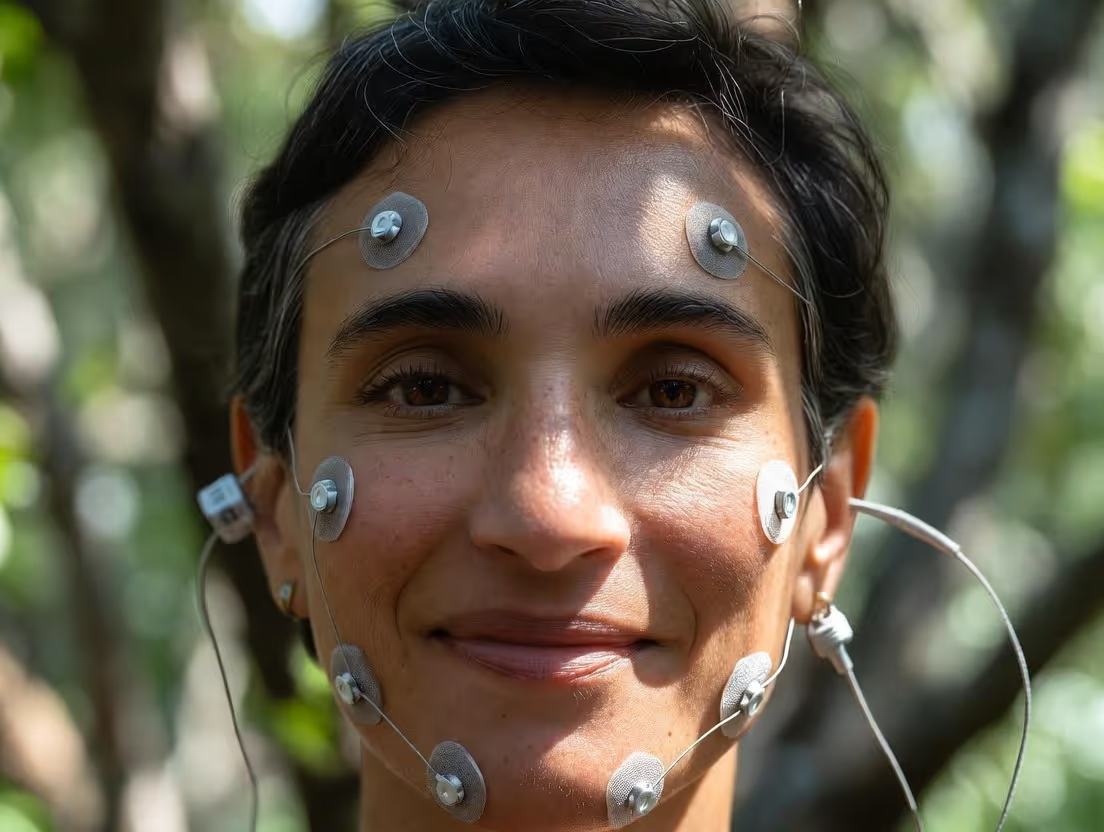
The Body Shaking Method: Releasing Trapped Stress Energy
A digital detox—scheduled time away from screens—reduces information overload and the stress of constant connectivity.
The Body Shaking Method: Releasing Trapped Stress Energy
We live in a world that vibrates with tension. From the low hum of digital notifications to the high-stakes pressure of modern work and life, our nervous systems are under a constant, unprecedented siege. The result? A silent epidemic of trapped stress energy—a physiological residue of unease, anxiety, and overwhelm that becomes lodged in our muscles, our posture, and our very cellular memory. We chase solutions in meditation apps, grueling workouts, and endless self-help lists, yet often find that a deep-seated tremble of stress remains, locked away where conscious thought can't reach it.
But what if the most potent tool for release wasn't about more control, but about intelligent, deliberate surrender? What if the key to unlocking chronic tension has been within us all along, encoded in a primal, biological response observed across the animal kingdom: shaking.
This is not a metaphor. It’s a physiological imperative. Watch a gazelle escape the jaws of a predator. After its life-or-death sprint to safety, it doesn’t just calmly graze. It trembles—violently, involuntarily, and completely—discharging the massive surge of survival energy its body mobilized. Only then does its nervous system reset, returning to a state of calm. Humans possess this same innate mechanism, but our sophisticated brains, with their layers of social conditioning and cognitive override, have taught us to suppress it. We "hold it together." We stiffen our jaws, freeze our breath, and clench our muscles, effectively imprisoning the stress energy that needs to flow out.
The Body Shaking Method is a revolutionary yet ancient practice that reclaims this biological birthright. It is a structured, conscious practice of invoking tremors and vibrations to delve into the body’s deepest stores of tension and trauma, facilitating a release that talk therapy or rationalization alone cannot achieve. This is somatic intelligence at its most powerful—a direct dialogue with the autonomic nervous system, guiding it from states of fight, flight, or freeze, back into safety, regulation, and resilience.
In this comprehensive exploration, we will journey through the science, the practice, and the profound implications of this method. You’ll learn how trapped stress manifests not just as a feeling, but as a measurable physical state, and how innovative tools like advanced wellness wearables from Oxyzen.ai are providing unprecedented visibility into this process. We will demystify the neurobiology of shaking, provide actionable frameworks for practice, and integrate this knowledge into a modern blueprint for holistic well-being. This is an invitation to stop fighting your stress with your mind, and to start releasing it through the wisdom of your body.
The Silent Reservoir: Understanding Trapped Stress Energy
We often speak of stress as a psychological event—a reaction to a looming deadline, a difficult conversation, or a pile of responsibilities. But this mental experience is merely the tip of the iceberg. The bulk of stress exists as a tangible, physical substance in the body: trapped energy. To understand the power of the Body Shaking Method, we must first comprehend what we are trying to release.
When confronted with a perceived threat (be it a physical danger or an email from your boss), your body’s sympathetic nervous system launches an exquisite, lightning-fast survival protocol. Hormones like cortisol and adrenaline flood your bloodstream. Your heart rate and blood pressure spike, shunting blood to major muscles. Your muscles themselves contract in preparation for action—to fight or to flee. This is an immense mobilization of biochemical and electrical resources.
In a natural environment, this energy is consumed through physical action. You either confront the threat or run from it. The cycle completes. However, in modern life, our "threats" are chronic and social. You cannot punch your quarterly report or sprint away from a mortgage payment. So, what happens to all that mobilized energy? It has nowhere to go. The physiological cascade is activated, but the intended physical release is aborted. The energy becomes trapped.
This trapped energy doesn’t simply vanish. It settles. It crystallizes into chronic patterns:
Muscular Armoring: Persistent tension in the jaw, neck, shoulders (the "stress hunch"), lower back, and hips. These are not just bad habits; they are the body’s frozen, unfinished movements of defense.
Altered Breathing: Shallow, chest-centric breathing becomes the norm, a vestige of the body’s emergency oxygen intake, perpetually stuck "on."
Nervous System Dysregulation: The autonomic nervous system loses its fluidity, getting caught in a sticky loop of mild-to-moderate fight-or-flight, making true relaxation elusive. This state, often measured as a depressed Heart Rate Variability (HRV), is a key biomarker of stress load that devices like the Oxyzen smart ring track with precision.
Emotional and Cognitive Correlates: This physical state fuels anxiety, hyper-vigilance, irritability, and mental fog. The body is literally screaming a danger signal that the mind struggles to rationalize.
Trapped stress energy is, therefore, a form of incomplete experience. The body’s story of the stressful event remains unfinished, lodged in the tissues as a somatic memory. It creates a background noise of unease, a reduced capacity for joy, and a vulnerability to future stressors. Releasing it isn't about relaxation in the common sense; it’s about completing the biological cycle that was left hanging. As you’ll discover, this is where measured, intentional shaking serves as the perfect key, a topic we explore in depth alongside other somatic practices on our blog.
A Primal Blueprint: What Animals Teach Us About Nervous System Reset
To validate the Body Shaking Method, we need not look to complex human theories, but to the simple, observable behavior of mammals in the wild. The work of Dr. Peter Levine, founder of Somatic Experiencing®, was profoundly shaped by this very observation. He noted that wild animals, constantly facing life-and-death threats, rarely show symptoms of trauma. The secret lies in their innate capacity to discharge excess arousal.
The sequence is a universal survival blueprint:
Immobilization (Freeze): When escape seems impossible, an animal will play dead or become still. This is an involuntary, last-ditch survival response mediated by the dorsal vagal branch of the parasympathetic nervous system.
Mobilization (Fight/Flight): If an opportunity arises, a massive surge of energy fuels explosive action.
Discharge (Shaking & Tremoring): After the threat has passed, the animal shakes. It trembles, quivers, and pants deeply. This is not a sign of weakness or fear, but of the nervous system intelligently releasing the tremendous energy that was mobilized but not fully used in the escape. It’s a reset button.
Return to Homeostasis: Following the discharge, the animal returns to a calm, alert state—its nervous system restored to a flexible, resilient baseline. It goes back to grazing, playing, or resting.
Humans share this exact neural hardware. Our more complex cerebral cortex, however, often interrupts the cycle. We feel the tremble of fear after a near-miss car accident and consciously stiffen to stop it. We feel anxiety before a speech and interpret the body’s preparatory energy as a problem to be suppressed with beta-blockers or deep breaths alone. We judge shaking as a loss of control, when in the language of the body, it is the very mechanism of regaining control.
This biological blueprint reveals a critical truth: Trauma and chronic stress are not about the threatening event itself, but about the inability of the mobilized survival energy to complete its cycle and be discharged. The shaking is the completion. It is the body’s own, evolved technology for healing. By learning from our animal kin, we can reclaim this technology. We can move from being victims of our stress responses to skilled operators of our own nervous systems, using practices like shaking to guide ourselves back to balance—a balance that tools from Oxyzen.ai can help you measure and understand in your own life.
The Science of the Shake: Neurobiology and Physiology of Release
Moving from observation to mechanism, what actually happens inside the body during intentional shaking? The process engages multiple, interconnected systems, creating a cascade of regulatory benefits that are both immediate and long-term.
1. The Polyvagal Theory Lens: Dr. Stephen Porges's Polyvagal Theory provides a powerful framework. It describes a hierarchical nervous system with three primary states:
Ventral Vagal (Safe & Social): The state of calm, connection, and optimal health.
Sympathetic (Fight/Flight): The state of mobilization, action, and stress.
Dorsal Vagal (Freeze/Shutdown): The state of immobilization, dissociation, and collapse.
Trapped stress often represents a looping between sympathetic arousal and dorsal vagal numbness. Intentional shaking acts as a "vagal brake" and a reset. The rhythmic, oscillatory movements appear to stimulate the ventral vagus nerve, the core of the "social engagement system," gently pulling the nervous system out of defensive states and back toward safety and regulation. It's a bottom-up signal of safety.
2. Discharging the Neuromuscular Loop: During stress, your brain sends constant, low-level signals to your muscles to stay braced. This creates a feedback loop: tense muscles send signals back to the brain that say, "We are still under threat." Shaking breaks this loop. The involuntary muscular tremors overwhelm and disrupt the patterned tension, sending a new, chaotic signal to the brain that essentially forces a system reboot. The brain receives the message that the defensive action is concluding, and it can stand down.
3. The Myofascial Release: Our muscles are enveloped in a web of connective tissue called fascia. Under chronic stress, fascia can become tight, sticky, and restrictive—a physical manifestation of trapped energy. The vibrations from shaking create a gentle, internal massage of the myofascial system, helping to hydrate tissues, release "knots," and improve fluid movement. This can lead to profound releases in long-held areas of pain and stiffness.
4. Hormonal and Chemical Rebalancing: The act of shaking stimulates the release of endorphins, the body's natural painkillers and mood elevators. It also helps to metabolize and clear the stress hormones like cortisol and adrenaline that have been circulating. By completing the stress cycle physically, we signal to the endocrine system that the emergency is over, allowing it to restore hormonal balance.
5. Interoceptive Awareness: Shaking profoundly enhances interoception—your sense of the internal state of your body. Most people with chronic stress are dangerously disconnected from their bodies, ignoring signals until they become screams (pain, burnout, panic). Shaking practice turns the volume knob back up on these subtle sensations, fostering a vital mind-body dialogue. This cultivated awareness is a cornerstone of resilience, allowing you to catch and address dysregulation early. For those tracking their wellness journey, pairing this subjective awareness with objective data from a device like the Oxyzen smart ring can be transformative, a synergy we discuss in our comprehensive FAQ.
In essence, shaking is not creating a new process in the body; it is harnessing and amplifying a latent, innate one. It is the science of using controlled, conscious chaos to re-establish order at the deepest physiological level.
Beyond the Gym: How Shaking Differs from Exercise-Induced Tremors
A common question arises: "If I work out until my muscles shake, isn't that the same thing?" While exercise is undoubtedly beneficial for stress, the tremors from muscle fatigue are physiologically distinct from the neurogenic tremors elicited by the Body Shaking Method. Understanding this difference is crucial.
Exercise-Induced Tremors (EIT):
Source: Primarily peripheral, in the muscles themselves. They result from local muscle fatigue, electrolyte depletion, or motor unit recruitment failure.
Neurological Drive: A top-down, voluntary motor command from the brain to perform a specific, often strenuous, movement (e.g., holding a plank, lifting heavy weights).
Nervous System State: Can occur in either a stressed or a relaxed state. Exercise often engages the sympathetic nervous system (especially high-intensity training).
Purpose: A byproduct of pushing physical limits. The goal is strength, endurance, or metabolic output.
Neurogenic Tremors (The Body Shaking Method):
Source: Central, originating in the nervous system—specifically, the brainstem and spinal cord. They are an involuntary, oscillatory discharge.
Neurological Drive: A bottom-up, autonomic release. The shaking is invited or allowed, not forced by muscular effort. It often begins spontaneously when the body is in a supported, safe position.
Nervous System State: Specifically designed to move the system out of sympathetic arousal or dorsal vagal shutdown and into ventral vagal regulation. The context is safety and release, not effort.
Purpose: Nervous system reset and trauma discharge. The goal is regulation, not performance.
Think of it this way: Exercise is like vigorously scrubbing a pot clean (an active, effortful process). The Body Shaking Method is like tapping the pot so the stuck-on food simply falls off (a resonant, releasing process). One is about doing; the other is about undoing.
This is not to diminish exercise, but to highlight that shaking practice serves a unique, complementary role. It addresses the software of stress (the nervous system patterns) rather than just the hardware (muscular strength). Many athletes are now incorporating neurogenic trembling practices into their routines to release the chronic tension that impedes performance and recovery, finding it enhances flexibility and reduces injury risk in ways traditional stretching cannot. For insights into optimizing all facets of recovery, our blog offers resources on integrating these practices.
The First Tremors: A Beginner's Guide to Initiating Release
The idea of starting to shake intentionally can feel strange, intimidating, or even silly. The key is to approach it with curiosity, not force. Here is a foundational, safe practice to invite your body’s innate tremoring response.
Creating the Container: Safety is the Prerequisite Your nervous system will not release what it is holding if it does not feel safe. Begin by creating an environment of support.
Space: Find a private, quiet space where you will not be disturbed for 15-20 minutes.
Position: Lie on your back on a firm, comfortable surface like a yoga mat or carpet. Place a thin pillow under your head if needed. Bend your knees so your feet are flat on the floor, hip-width apart. Let your arms rest comfortably by your sides, palms down. This is a stable, grounded, and non-threatening position.
Intention: Set a gentle intention, such as "I allow my body to release what it no longer needs," or simply, "I invite ease."
The Practice: From Tension to Tremor
Scan and Tense (Top-Down Initiation): Starting with your feet, deliberately tense all the muscles as tightly as you can. Hold for 5-7 seconds, noticing the sensation of strain. Then, release very quickly—let go all at once. Don't ease out of it; just drop the tension. Observe the wave of relaxation and any sensations (tingling, warmth, pulsation) that follow. Pause for 15-20 seconds.
Progress Upward: Move systematically up your body: calves and shins, thighs, glutes, pelvic floor, abdomen, chest, hands, forearms, upper arms, shoulders, neck, and face. For each area, follow the same pattern: deliberate, strong tension for 5-7 seconds, followed by a sudden, complete release. Observe.
The Invitation: After completing the full-body tense-and-release, return to simply lying still. Scan your body again. You may already feel subtle vibrations or tremors beginning, often in the legs or hands. This is your nervous system beginning to discharge.
Amplifying the Signal: If tremors are subtle or not yet present, try this: With your knees still bent and feet flat, gently lift your heels an inch off the floor. Hold them there for 15-20 seconds. You will likely feel your thigh muscles begin to quiver from the mild, sustained isometric hold. This muscular fatigue can act as a "gateway" for the neurogenic tremors to come online. Slowly lower your heels. As the muscular quiver subsides, pay attention to see if a different, more fluid, wave-like trembling takes its place. This is the target.
Allow and Observe: Your only job now is to be a curious witness. Let the shaking happen. Do not try to control its rhythm, speed, or location. It may travel from your legs to your spine, into your arms, or cause your head to gently nod. Your jaw might chatter. This is all normal. Breathe naturally. If the shaking feels too intense, you can always slow your breath or gently place your hands on your belly to self-soothe. The control is always in your choice to continue or pause.
Integration is Crucial: After 5-10 minutes of allowing the tremors, let them subside naturally. Spend at least 5 minutes lying completely still, absorbing the sensations. Notice the quality of stillness that follows—it is often profoundly different from the stillness you began with. This integration phase is where the nervous system settles into its new, more regulated state.
Remember, some days the tremors will be powerful; other days, they may be faint or not appear at all. All responses are valid. The practice itself is the act of listening and offering the opportunity. For personalized guidance on starting a somatic practice, you can always reach out to our support team with your questions.
Listening to the Body: Interpreting Different Types of Tremors and Releases
As you develop a consistent shaking practice, you'll begin to notice that not all tremors are the same. The body speaks in a nuanced language of sensation. Learning to interpret this language deepens the practice and helps you work with, rather than against, your own unique release process.
The "Categories" of Release:
Fine Vibrations: Often felt as a high-frequency buzz, like a cell phone on silent, usually in the extremities (hands, feet). This is frequently the first sign of the nervous system "waking up" and beginning to discharge low-level anxiety or subtle arousal. It’s a gentle release.
Gross Motor Tremors: Larger, more pronounced shaking movements—legs jerking, torso rocking, arms flapping. This often corresponds to the discharge of more significant, older stores of mobilized energy—the "fight or flight" impulse that never got to move. It can feel powerful and sometimes surprising in its force.
Waving and Flowing Movements: These are less like jerks and more like undulations or slow, involuntary stretches. The body may arch, curl, or twist. This is often associated with releases in the deeper myofascial layers and the core. It can feel like the body is "unwinding" a deeply held pattern.
Shivering or Chattering: Teeth chattering or full-body shivers, as if cold, often indicate a release from the freeze response. This is the dorsal vagal state thawing. It's a profound sign of the body coming out of a kind of neurological shutdown. Allow warmth and comfort.
Spontaneous Breath Releases: Sudden, deep sighs, yawns, coughs, or changes in breathing pattern. The diaphragm is a primary seat of tension and emotion. These releases indicate unlocking at the respiratory core, often leading to a feeling of deep, effortless breath afterward.
Emotional Waves: It is common for emotions to surface after or during a physical release. You might feel sudden sadness, laugh uncontrollably, or feel a surge of anger. Important: The emotion is not the trauma; it is the energy associated with the trauma finally moving. The strategy is not to analyze it, but to allow it to be felt in the body as sensation and let it pass through. Tears are a classic release mechanism.
What Your Body is Telling You:
Location Matters: Tremors that start and stay in the legs often relate to the urge to flee or run. Activity in the arms, hands, and shoulders can connect to unexpressed anger or the impulse to push away. Jaw and neck shaking is tied to swallowed words, screams, or the startle reflex.
Intensity and Duration: A short, intense burst may be releasing a recent, acute stress. A long, gentle, persistent tremor might be working on a more chronic, background state of tension. Neither is better; both are useful.
The Feeling of "Stuckness": Sometimes, you may feel a strong impulse to shake in a specific area that feels "locked" and won't move. Instead of forcing it, bring gentle, curious attention to that area. Imagine breathing into it. Often, the act of compassionate awareness without demand is what allows the final protective layer to soften, leading to a later release.
The principle is autonomy. Your body knows the sequence and the dosage. Your conscious mind’s role is to provide the safe container and the permission. This deep self-listening cultivates a trust that transcends the practice itself, impacting how you relate to stress in daily life. Documenting these subjective experiences alongside objective biometric trends from a wellness wearable can reveal powerful personal insights, a journey shared by many in our testimonials.
From the Mat to the World: Micro-Shaking for Real-Time Stress Interruption
The true power of the Body Shaking Method is realized when its principles move beyond a dedicated practice session and become integrated into the fabric of your daily life. You don’t need to lie on the floor to discharge accumulating stress; you can use "micro-shakes" to prevent tension from becoming trapped in the first place. This is the art of real-time nervous system hygiene.
The Concept of Stress Momentum: Stress accumulates incrementally. A critical email, a tense commute, a difficult interaction—each event adds a layer of neuromuscular tension. If left unaddressed, this momentum builds, leading to the feeling of being "wound up" by the end of the day. Micro-shaking interrupts this momentum, discharging energy in small increments before it crystallizes.
Invisible, Anytime-Anywhere Techniques:
The 30-Second Reset: Feel a surge of anxiety before a meeting? In a bathroom stall or even seated at your desk, plant your feet firmly. Tense your thighs and calves subtly for a few seconds, then release. Allow any resulting subtle tremor in your legs to happen for 15-20 seconds. This quietly discharges the "I need to run" energy.
Hand and Arm Flap: After hours of typing or a frustrating call, drop your hands to your sides and gently shake them out, as if flicking water off your fingers. Let the motion travel up to a loose-jointed shake of the wrists and forearms. This releases the accumulated "fight" energy in the upper body.
The Jaw Jiggle: We hold immense tension in the temporomandibular joint. Periodically, let your jaw go completely slack. Gently move it side-to-side or let it tremble lightly. Follow with a few exaggerated, soft yawns. This directly counteracts clenching.
The Stealthy Sigh: A deliberate, audible sigh is one of the fastest vagus nerve stimulators. Make it a practice: inhale normally, then exhale with a long, slow "haaaaaah" sound, letting your shoulders drop. Do this 2-3 times. It’s a mini-shake for your respiratory system.
Vibrational Breathing: While sitting, imagine your in-breath is sending a subtle vibration down to your feet. On the exhale, imagine that vibration shaking loose any tension, which flows out into the ground. This mental imagery can often initiate a genuine, subtle physical release.
The Post-Event Shake: After any significantly stressful event—even a heated but productive conversation—take 60 seconds alone. Don't rehash the conversation in your mind. Instead, focus on the physical aftermath. Are your shoulders up? Is your breath shallow? Perform a quick, full-body shake (like a dog shaking off water) for just 20-30 seconds. This literally shakes off the physiological residue, preventing it from becoming a somatic memory.
By making these micro-interventions habitual, you train your nervous system to return to baseline more quickly and frequently. You are no longer a passive accumulator of stress, but an active manager of your own energy flow. This proactive approach to well-being aligns perfectly with the mission of Oxyzen.ai, which aims to empower individuals with the knowledge and tools for daily resilience.
The Data of Release: Quantifying the Unshakeable with Biometric Feedback
While the sensations of release—the lightness, the calm, the ease—are profoundly subjective, we now live in an era where we can also observe the objective, physiological footprint of these changes. This is where modern wellness technology, particularly advanced wearables like the Oxyzen smart ring, creates a powerful synergy with somatic practices like shaking.
Biometrics transform the subjective "I feel better" into a measurable "Here is how my body has changed." This feedback loop is invaluable for motivation, personalization, and deep understanding.
Key Metrics That Tell the Story of Release:
Heart Rate Variability (HRV): The North Star metric for nervous system balance. HRV measures the subtle variations in time between each heartbeat. A higher HRV generally indicates a more resilient, adaptable autonomic nervous system—one that can respond smoothly to stress and recover efficiently. A consistent shaking practice should, over time, contribute to a rising HRV trend. You can observe acute effects: a 10-minute shaking session often leads to an immediate, significant spike in HRV as the nervous system shifts into the restorative parasympathetic state.
Resting Heart Rate (RHR): Chronic stress keeps resting heart rate elevated. As trapped energy is released and nervous system regulation improves, you will likely see a gradual decrease in your average RHR, indicating less sympathetic "drive" and a more efficient cardiovascular system.
Sleep Architecture: Trapped stress energy is the enemy of deep, restorative sleep. It causes frequent awakenings, reduces time in deep (N3) and REM sleep, and increases light sleep. By discharging this energy before bed (a few minutes of gentle shaking is excellent), you can directly impact your sleep data. Look for improvements in sleep stability, increased deep sleep duration, and higher sleep scores.
Respiratory Rate: Chronic, shallow breathing is a hallmark of stuck stress. A regulated nervous system breathes slower and more diaphragmatically. Wearable data can track your average nighttime respiratory rate, and a downward trend can be a clear sign of improved autonomic regulation.
Body Temperature & Readiness Scores: Many advanced devices compile these metrics into a daily "readiness" or "recovery" score. Observing how your score responds on days after a shaking practice versus days without provides concrete, personal evidence of its impact.
Creating Your Personal Feedback Loop:
Baseline: Use your device to establish a baseline for key metrics like HRV and RHR over a week.
Track the Intervention: Before a shaking session, note your current stress level (subjectively). After your session and integration, check the acute effect on your live HRV reading—it often rises visibly.
Observe Trends: Over weeks and months, watch the long-term trends. Is your 7-day average HRV climbing? Is your sleep score improving? This data validates your effort in a deeply motivating way.
Personalize Your Practice: Data can guide you. If you see your HRV is particularly low one morning (indicating poor recovery), you might choose a gentle, restorative shaking session over an intense workout. It turns practice into precision medicine for your nervous system.
This marriage of ancient wisdom and modern technology demystifies the healing process. It allows you to see that the intangible act of "shaking it off" has a very real, quantifiable impact on your biological state. To explore how this technology can support your journey, you can learn more about Oxyzen's approach to holistic biometric tracking.
Common Hurdles and Holistic Support: Navigating Resistance and Maximizing Benefits
Embarking on this practice is not always a linear journey of easy release. The body's protective mechanisms are sophisticated, and resistance is a normal part of the process. Anticipating and skillfully navigating these hurdles is key to a sustainable and profound practice.
1. The Mind's Resistance: "This Feels Silly or Weird." Our cultural programming values control and stillness. Voluntary shaking can trigger self-judgment.
Support Strategy: Reframe it as a scientific, biological practice. You are not "acting crazy"; you are "performing nervous system maintenance." Start in absolute privacy to bypass the social fear. Remember the animal analogy—you are engaging in a deeply natural behavior.
2. The Fear of Loss of Control: "What if I can't stop?" This is a common anxiety, rooted in the fear of being overwhelmed by stored emotion or sensation.
Support Strategy: You are always in control. The shaking is allowed, not forced. Practice the "Pause Button": Consciously slow your breathing to a long, smooth rhythm. Place a hand gently on your heart or solar plexus. This sends a top-down signal of safety that will naturally modulate the shaking. The tremors may subside or change character. This builds trust that you are the guide, not the victim, of the process.
3. Emotional Overwhelm: "Strong emotions came up and scared me." As energy moves, so can the emotions tied to it.
Support Strategy: Don't switch to cognitive analysis ("Why am I sad?"). Stay somatic. If tears come, let them flow as a physical release. If anger arises, allow it to be a sensation of heat or pressure in the body, not a story. You can direct the shaking energy into a pillow or into the mattress. After the session, practice strong self-care—wrap yourself in a blanket, drink water, be kind. If you have a history of significant trauma, consider seeking a therapist trained in somatic modalities to guide you.
4. The "Nothing is Happening" Phase: Some days, the body feels silent and unresponsive. This is not failure.
Support Strategy: The act of showing up and listening is the practice itself. The body may be integrating previous releases or may need a different approach. Try very gentle movement first—slow, cat-cow stretches or gentle bouncing on the balls of your feet. Sometimes, the invitation needs to be softer. Consider that stillness itself can be a sign of a deeply relaxed state, which is also a positive outcome.
5. Physical Discomfort or Pain: Shaking might bring attention to areas of old injury or pain.
Support Strategy: Never shake into sharp pain. Modify your position. If you have a sensitive lower back, keep your knees bent and feet flat, or even try shaking in a seated position. The goal is to create movement around areas of stiffness, not to aggressively confront them. Let the vibrations from other parts of the body gently resonate into the tight area. Hydrate well before and after, as releases can involve metabolic shifts.
Holistic Support for the Journey:
Hydration: Releases can be dehydrating. Drink plenty of water.
Grounding: After practice, spend time physically grounded. Walk barefoot on grass, eat a hearty meal, or place your hands in soil with a plant.
Journaling: Keep a non-analytical practice log. Note physical sensations, not stories. "Felt waves in my spine" vs. "I was shaking because of my terrible boss."
Community: Sharing experiences can normalize them. Our community forums and blog are spaces where many discuss their somatic practice journeys.
Remember, the path of release is as individual as you are. For additional support and answers to specific questions, our comprehensive FAQ resource is always available.
Shaking as a Gateway: Connecting to Broader Somatic and Mindfulness Practices
The Body Shaking Method is not an isolated technique, but a potent gateway into a wider world of somatic (body-based) intelligence. Once you have re-established communication with your body through shaking, you can more effectively integrate other practices that build on this foundation of awareness and regulation.
Shaking & Breathwork: A Symbiotic Pairing Conscious breathing is a top-down regulator; shaking is a bottom-up release. They are perfect partners.
Pre-Shake: Use calming breathwork (like extended exhales or coherent breathing at 5 breaths per minute) to establish a safe, relaxed container before you invite tremors. This tells the nervous system it's safe to let go.
During Shake: Let the breath be autonomous. It will often deepen, sigh, or yawn on its own. Trying to control it can inhibit the release.
Post-Shake: Transition into a gentle, mindful breathing practice to integrate. Feel how the breath now moves more freely into a relaxed abdomen. This solidifies the new state.
Shaking & Yoga/Tai Chi/Qigong: From Movement to Vibration These movement arts cultivate flow and release stagnation. Shaking adds a layer of neurogenic discharge.
Before Practice: A short shaking session can release superficial tension, allowing you to move into yoga poses or qigong forms with less muscular armoring and greater ease.
Within Practice: In yoga, you can invite micro-tremors in challenging holds (like a squat or plank)—not from muscle fatigue, but from allowing the nervous system to discharge through the intensity. In qigong, the subtle vibrations of "Zhan Zhuang" (standing post) are a controlled, meditative form of shaking.
After Practice: Use shaking to release any residual intensity from a strong movement session, guiding the body from sympathetic activation back to calm.
Shaking & Meditation: The Stillness After the Storm For many, meditation is challenging because sitting still forces a confrontation with pent-up physical energy, leading to fidgeting and mental agitation.
The "Shake First" Protocol: Try 10 minutes of shaking followed by 10 minutes of seated meditation. The physical discharge often leads to a much deeper, quieter, and more accessible meditative state. The mind settles because the body has already expressed its restlessness.
Mindfulness of Sensation: Use meditation to practice non-judgmental observation of the very sensations that arise during and after shaking—tingling, pulsation, warmth, emotional waves. This deepens interoceptive awareness.
Shaking & Creative Expression: Energy in Motion Released energy is pure life force. Channeling it creatively prevents it from cycling back into anxiety.
Post-Shake Flow: After a session, move directly into a creative act—free writing, drawing, dancing, or playing music. Don't judge the output. The goal is to let the mobilized, now-fluid energy continue its expression in a conscious, joyful form. Many report their most authentic creative moments arise from this state.
By viewing shaking as a core regulatory practice, you can stack it with other modalities, creating a personalized, holistic wellness ecosystem. This integrated approach to mind-body health is at the heart of what we believe in at Oxyzen.ai, where technology is designed to support the full spectrum of human well-being.
The Modern Malady: Why We Are Chronically "Stuck On" and How Shaking Offers a Path Off
To fully appreciate the necessity of a practice like the Body Shaking Method, we must diagnose the modern condition with clarity. We are not merely stressed; we are dysregulated. Our natural rhythms—of activity and rest, tension and release, engagement and withdrawal—have been hijacked by a world of constant, low-grade alarm. The result is a pervasive state of being "stuck on," where the nervous system's off switch seems broken.
This dysregulation is fueled by a perfect storm of contemporary factors:
The Digital Tether: The blue light, endless notifications, and performance-driven culture of our devices create a state of chronic, low-level threat perception. Our brains interpret the ping of a new email or message as a potential social threat, triggering micro-doses of cortisol. We live in a state of "continuous partial attention," which neuroscientists identify as profoundly stressful and disorienting to the nervous system.
Sedentary Seclusion: We mobilize energy through stress hormones but then remain physically still for 8-12 hours a day, often in ergonomically poor positions. This is the antithesis of our design. The energy has nowhere to go but inward, creating internal pressure, inflammation, and that familiar feeling of being "wired and tired."
Cognitive Overload: We are asked to process more information in a day than our ancestors did in a year. This cognitive burden, while not physically dangerous, is interpreted by the older parts of our brain as a survival-level problem-solving marathon, keeping the sympathetic system engaged.
Social Fragmentation and Performance Pressure: Loneliness is a potent physiological stressor. Coupled with the pressure to curate a perfect life, it creates a background hum of social evaluation anxiety, keeping us in a subtle but constant state of defensive arousal.
In this environment, traditional "relaxation" often falls short. A bubble bath or an hour of Netflix may distract the mind, but it does little to address the somatic residue—the actual, physical imprint of the stress cycle that remains incomplete in the body. This is why people can meditate and still feel anxious, can vacation and return feeling tense within hours. The underlying physiological software hasn't been updated.
The Body Shaking Method directly targets this dysregulation at its root. It doesn't ask the overthinking prefrontal cortex to "calm down." Instead, it speaks the native language of the brainstem and autonomic nervous system: sensation and movement. It provides the missing physical completion to the thwarted stress cycle.
Think of your nervous system as a sophisticated alarm system. Modern life pulls the fire alarm dozens of times a day, but you never evacuate the building. The siren (stress hormones) blares, but the action (physical mobilization) is suppressed. Shaking is the equivalent of conducting the fire drill. It allows the body to go through the full sequence of alarm > action > all-clear, convincing the ancient parts of your brain that the threat has been successfully handled and it is now safe to stand down.
This "path off" is not a cognitive decision but a biological one. It's about moving from a state of sympathetic hyper-arousal or dorsal vagal hypo-arousal back into the integrated, resilient state of ventral vagal regulation. Shaking is a direct bridge between these states, a tool we are evolutionarily equipped with but culturally conditioned to ignore. By reclaiming it, we move from being passive hosts to our stressors to becoming active architects of our own inner stability, a principle that guides the development of every tool at Oxyzen.ai.
The Trauma-Release Connection: Somatic Approaches to Healing
While the Body Shaking Method is profoundly beneficial for everyday stress, its implications run deeper into the realm of trauma healing. Trauma, in a somatic context, is not defined by the event itself, but by the way the nervous system organizes itself in response to an overwhelming event. When stress is too much, too fast, or too soon for the system to process, the survival energy becomes frozen in time—trapped.
This is where modalities like Trauma Release Exercise (TRE®) and Somatic Experiencing® have pioneered the clinical application of neurogenic tremors. They operate on a core principle: The body holds the key to its own healing. The traumatic memory is stored not just as a story in the mind, but as a patterned set of sensations, muscular holdings, and nervous system biases.
How Shaking Facilitates Trauma Resolution:
Completing the Survival Response: Trauma often results from interrupted defensive movements. The person who froze in a moment of terror may have an unfinished impulse to run or fight. The trembling mechanism allows these thwarted impulses to discharge in a safe, controlled environment. The shaking isn't re-traumatizing; it's finally allowing the body to complete the biological sequence that was frozen at the time of the event.
Restoring Nervous System Flexibility: Trauma narrows a person's "window of tolerance"—the range of arousal in which they can function effectively. They may be easily triggered into hyperarousal (panic, rage) or hypoarousal (numbness, collapse). Regular, gentle shaking practice widens this window. It teaches the nervous system, through direct experience, that high arousal can be followed by a safe and organic return to calm. This builds resilience.
Reclaiming the Body: Trauma often leads to dissociation—a disconnection from the body because the sensations feel too dangerous. Shaking practice, when approached gently and with ample resources of safety, can be a way to cautiously, incrementally re-inhabit the body. The self-generated movements can feel empowering, a contrast to the helplessness often felt during trauma.
Discharging Implicit Memory: Traumatic memory is often implicit—it exists as a "body memory" devoid of a coherent narrative. A smell, a tone of voice, or a sensation can trigger a full-body stress response without the person knowing why. Shaking works directly on this implicit level, discharging the energy charge associated with these memories without requiring the story to be re-told or even consciously accessed.
A Critical Distinction: Self-Practice vs. Therapeutic Guidance It is vital to understand the difference between using shaking for general stress release and for trauma resolution.
For General Stress: Self-practice, as outlined in beginner guides, is generally safe and beneficial. You are working with the accumulated stress of daily life.
For Trauma History: If you have a history of significant trauma, complex PTSD, or a diagnosed psychiatric condition, it is strongly advised to explore these practices with the support of a qualified therapist trained in somatic modalities. A therapist can help you:
Pace the process to avoid becoming overwhelmed.
Establish "resources" and "anchors" (internal or external sensations of safety) to return to if the process feels too intense.
Integrate the somatic releases with cognitive and emotional understanding in a supportive container.
The shaking unlocks the vault, but a skilled guide can help you navigate its contents with care. This respectful, evidence-based approach to deep healing reflects the values we hold in our own story and mission at Oxyzen, where we believe in empowering individuals with both tools and knowledge.
Building Your Personal Practice: Protocols for Consistency and Depth
Moving from theory and experimentation to a consistent, deepening practice is where transformation solidifies. A haptic, occasional shake brings relief; a dedicated practice rewires your nervous system's baseline. Here is how to structure a sustainable journey.
Finding Your Rhythm: Frequency, Duration, and Timing
Frequency: Consistency trumps duration. Aim for short, regular sessions rather than occasional marathons. Starting with 3-4 sessions per week of 10-15 minutes is more effective than one 60-minute session weekly. This regular "nervous system hygiene" prevents energy from re-accumulating.
Duration: Let your body be the guide. A session can be 5 minutes or 30. A good rule is to allow the shaking to arise, peak, and begin to naturally subside. The integration period (lying still afterward) should be at least one-third of your shaking time.
Optimal Timing:
Morning: A gentle shake can "clear the static" from the night, setting a regulated, calm tone for the day. It can be more energizing.
Afternoon/Evening (Post-Work): This is ideal for discharging the accumulated stress of the day. It creates a clear boundary between work and personal time, preventing work stress from contaminating your evening.
Pre-Bed (The Most Powerful for Many): A very gentle, short shaking session 30-60 minutes before bed is profoundly effective for sleep. It discharges the sympathetic charge that causes tossing and turning, allowing you to slip into deep sleep more easily. Pair this with tracking your sleep data on a device like the Oxyzen ring to see the objective impact on deep sleep and restfulness.
Progressive Overload (The Gentle Way):
Just as you progressively add weight in strength training, you can gently deepen your shaking practice.
Phase 1: Foundation (Weeks 1-4). Focus on the basic lie-down protocol. Goal: Cultivate safety and familiarity. Notice where shaking begins, get comfortable with the sensation. No goals other than showing up.
Phase 2: Exploration (Weeks 5-8). Begin to explore different positions:
Seated Shaking: Sit on a sturdy chair, feet flat. This can bring tremors more into the torso and spine.
All-Fours (Tabletop): A powerful position for releasing the back, shoulders, and neck. Let your spine be loose like a ragdoll.
Standing Shaking: With soft knees, allow a bounce or tremble to move up from your feet through your legs. Great for grounding.
Phase 3: Integration (Ongoing). Start combining shaking with other modalities. Try 5 minutes of shaking followed by 10 minutes of yoga nidra. Or use shaking as a warm-up for a mindful walk in nature.
The Practice Journal: Tracking Subjective Data
Pair your biometric data with a simple subjective log. After each session, note:
Pre-Shake State: "Wired, anxious, neck tight."
Practice Details: "10 mins, lying down, strong tremors in legs."
Post-Shake State: "Calm, heavy, relaxed jaw."
Notable Sensations/Emotions: "Felt a wave of sadness pass through, then deep peace."
Over time, patterns emerge. You'll see which practices best address certain states, building your personal somatic toolkit. For inspiration from others on their wellness tracking journey, our testimonials page shares real user experiences.
Contraindications and Safety: Practicing with Wisdom and Awareness
While shaking is a natural process, intentional practice requires mindful awareness of when to proceed, when to modify, and when to seek guidance. Safety is the foundation upon which release is built.
When to Proceed with Extreme Caution or Seek Professional Guidance:
Acute Physical Injury: Do not initiate shaking in or around a recently injured area (e.g., a sprained ankle, recent surgery). The involuntary movements could impede healing. You can practice gently, focusing release in other parts of the body.
Certain Cardiovascular Conditions: Uncontrolled hypertension, aneurysms, or a history of stroke. The changes in blood pressure and circulation during vigorous shaking may pose risks. Consult your physician first.
Neurological Conditions: Such as severe epilepsy, where involuntary movements could potentially trigger a seizure. A neurologist familiar with somatic therapies should be consulted.
Pregnancy: The first trimester is generally a time for great caution with any new physical practice. Later in pregnancy, gentle, modified shaking (like seated or all-fours) may be beneficial for releasing pelvic tension, but should only be done with the approval of a midwife or obstetrician familiar with the practice.
Severe Psychological Conditions & Significant Trauma History: As noted, if you have diagnoses of PTSD, Complex PTSD, dissociative disorders, or active psychosis, self-directed shaking can potentially destabilize without the container of therapeutic support. Working with a somatic therapist is strongly recommended.
Red Flags During Practice (Signs to Slow Down or Stop):
Sharp or Shooting Pain: The tremor should feel like a release, not a tearing or stabbing sensation. If sharp pain arises, stop immediately. Gently move or massage the area.
Increased Agitation or Panic: If instead of moving toward calm, you feel more scattered, fearful, or panicked, this is a sign of overwhelm. Stop shaking. Use your "pause button": slow your breath, place hands on your belly and chest, look around the room naming objects you see. Ground yourself in the present.
Loss of Boundaries/Control: The feeling that "I can't stop this" is a sign to intervene. Remember, you are allowing the tremor, not being possessed by it. Consciously slow your breathing to regain a sense of agency.
Severe Dizziness or Nausea: This can happen if the release is too fast or if you are dehydrated. Stop, come to a seated position slowly, and drink water.
The Golden Rule: Your Body's "No" Trumps Any Protocol. The most advanced practitioner is not the one who shakes the hardest, but the one who listens the most closely. If your body signals clear resistance, honor it. Sometimes the most profound act of healing is to simply lie still and breathe, offering presence without demand. This cultivates a relationship of trust, which is the ultimate goal. For any specific, personal health concerns, always consult with a qualified professional who can advise you in the context of your full history.
The Future of Somatic Tech: How Wearables Like Oxyzen Are Bridging Sensation and Data
We stand at a fascinating frontier in wellness: the marriage of ancient somatic wisdom and cutting-edge biometric technology. This synergy is transforming subjective experience into an objective science of the self, and wearables like the Oxyzen smart ring are at the forefront.
From Guesswork to Guided Practice:
Historically, somatic practices relied solely on internal feedback. You had to feel if something was working. While this internal sensing (interoception) is a skill to be cultivated, technology now provides an external mirror, validating and clarifying the internal experience.
Specific Ways Technology Enhances the Shaking Practice:
Real-Time Biofeedback During Session: Imagine lying down to shake, with your ring connected to a simple app graph showing your HRV in real-time. As you begin to tremor, you watch your HRV line climb steeply—a live visual of your nervous system shifting into parasympathetic dominance. This positive reinforcement is powerful, building immediate confidence in the practice.
Identifying Optimal Personal Timing: Your device learns your unique rhythms. It might notify you: "Your stress load is elevated today. Consider a calming practice." This data-driven nudge can prompt you to engage in shaking when you need it most, rather than when you remember it.
Quantifying Recovery Quality: The true measure of any wellness practice is its impact on your recovery and resilience. By tracking trends in your HRV, resting heart rate, and sleep scores over weeks of consistent shaking practice, you move from faith to fact. You can see the correlation: on weeks with 4+ sessions, my average HRV is 10% higher and my deep sleep increases by 15 minutes.
Preventing Overdoing It: The same data can protect you. If your readiness score is very low (indicating your body needs rest), the data might suggest a gentle, restorative shaking session or even complete rest, steering you away from a more intense session that could be counterproductive.
Community and Benchmarking (Anonymized): While deeply personal, aggregated, anonymized data can reveal larger trends. Could a platform identify that users who combine evening shaking with a digital sunset see a 20% greater improvement in sleep latency? This crowd-sourced wisdom can guide more effective protocols for everyone.
Oxyzen as a Somatic Companion:
A device like the Oxyzen ring is uniquely positioned for this role. Its continuous, non-intrusive wear provides a 24/7 picture of your autonomic nervous system, not just snapshots. This is crucial because the goal of shaking isn't just an acute release; it's a sustained elevation of your baseline state of regulation.
The ring becomes your somatic feedback loop:
Practice -> Observe Data -> Adjust/Refine Practice -> Observe Improved Data.
This closes the circle, transforming wellness from a vague concept into an iterative, personal science. It empowers you to become the expert on your own nervous system, using both felt sense and empirical evidence. To discover how this technology works in detail is to understand a new paradigm in proactive health.
Cultural and Historical Context: Shaking Practices Across Traditions
While modern science now explains its mechanisms, the Body Shaking Method is not a new invention. It is a rediscovery of a healing impulse that has arisen independently across cultures and epochs, woven into the fabric of spiritual, medicinal, and communal practices. Examining this context removes the practice from the realm of fad and places it within a timeless human tradition.
Ecstatic and Spiritual Traditions:
Shaking Medicine in Qigong and Taoist Traditions: Known as "Zi Fa Dong Gong" (spontaneous movement qigong), this practice involves entering a meditative state to allow the body's innate "Qi" (vital energy) to move freely, often resulting in shaking, trembling, swaying, or dancing. It is seen as a way to clear blockages in the body's energy channels (meridians) and achieve healing.
The Quakers (Religious Society of Friends): Their very name derived from the physical trembling or "quaking" that would overcome early members during deeply moved worship, seen as a manifestation of the divine spirit moving through them.
Shakers (United Society of Believers): Another Christian sect whose worship involved ecstatic shaking, dancing, and trembling to "shake off" sin and the world's impurities.
Kundalini Awakening in Yoga: The rising of Kundalini energy, a primal force believed to lie coiled at the base of the spine, is often described as being accompanied by involuntary physical movements, including shaking and vibrating, as the energy clears and ascends through the chakras.
Ecstatic Dance & Ritual: From the Dionysian rites of ancient Greece to the whirling of Sufi dervishes to modern ecstatic dance communities, rhythmic, repetitive movement leading to trance states and involuntary release has long been used for transcendence and healing.
Indigenous and Shamanic Practices:
Shaking in Shamanic Journeys: Many shamanic traditions use drumming, rattling, and dance to induce altered states. The shaman's body often shakes violently as they are "entered" by spirits, a process seen as integral to healing for themselves or the community.
Ritual Cleansing: The concept of "shaking off" evil spirits, bad energy, or illness is prevalent in numerous indigenous cultures, often enacted through specific ceremonial dances or gestures.
Modern Somatic Therapy Lineage:
Wilhelm Reich: A student of Freud, Reich was a pioneer in connecting character structure to chronic muscular tension ("body armor"). He believed emotional release was tied to physical release, though his techniques were more direct and manipulative.
Alexander Lowen (Bioenergetics): Building on Reich's work, Lowen developed exercises to "ground" individuals and release tension, many of which involved inviting trembling in the legs to discharge anxiety.
Peter Levine (Somatic Experiencing®): As previously discussed, Levine's observation of animals led to the development of a formal, titrated method for trauma resolution that harnesses the body's innate tremoring response.
David Berceli (TRE®): A bioenergeticist and trauma specialist who explicitly designed a sequence of simple exercises to reliably induce the neurogenic tremors for self-healing, making the process accessible worldwide.
This rich tapestry shows that the impulse to shake for release is a human universal. What was once interpreted through spiritual or energetic frameworks is now being validated through neurophysiology. This confluence of ancient wisdom and modern science provides a robust foundation for the practice, reminding us we are not fixing a broken system, but re-awakening a dormant, innate capacity for self-regulation. The journey to integrate such timeless wisdom with modern life is part of our own story at Oxyzen.
Personal Stories of Transformation: Case Studies in Release
Theory and data provide the framework, but personal stories animate the truth of the Body Shaking Method. Here are composite case studies, drawn from common patterns reported by practitioners, that illustrate the transformative potential across different life challenges.
Case Study 1: The Burned-Out Executive
Profile: Mark, 42, a tech director. Chronic neck and shoulder pain, insomnia, irritable with his family, feeling "on edge" constantly despite a successful career. His Oxyzen data showed consistently low HRV (in the 20s ms) and high resting heart rate.
The Shift: Introduced to shaking via a corporate wellness talk, he started with 10-minute sessions in his home office after work. The first few times, he felt only mild vibrations. By the end of the first week, he experienced a powerful full-body tremor that left him weeping with relief. He continued a 4x/week practice.
The Outcome (6 months later): Mark reports sleeping through the night for the first time in years. The chronic neck pain has diminished by 80%. He feels a "buffer" between work stress and his home life. His biometrics show a dramatic shift: average HRV now in the mid-40s, resting heart rate down by 8 BPM. "It's like I found a pressure valve I never knew I had," he says. "The data proved it wasn't just in my head."
Case Study 2: The Survivor Reclaiming Safety
Profile: Lena, 35, with a history of childhood trauma leading to a diagnosis of C-PTSD. Prone to dissociation and panic attacks, she felt chronically disconnected from her body. Talk therapy helped with cognitive understanding but left the physical fear untouched.
The Shift: Working with a somatic therapist, Lena began with "resourcing"—finding places in her body that felt neutral or safe. Slowly, under guidance, she was introduced to tiny, micro-tremors in her feet while feeling grounded and supported. Over months, she learned to allow the tremors to move up her legs, always with the ability to pause and return to her "safe place."
The Outcome (1 year later): Lena no longer meets the diagnostic criteria for PTSD. The panic attacks have ceased. She describes feeling "inhabited" in her body for the first time. "The shaking wasn't about reliving the trauma; it was about my body finally believing the danger was over. It was learning to discharge instead of store." For Lena, the practice was a cornerstone of reclaiming her life.
Case Study 3: The Athlete Breaking Through a Plateau
Profile: Sarah, 28, a competitive CrossFit athlete. Plagued by chronic tightness in her hips and hamstrings, recurring minor injuries, and frustrating performance plateaus. Her recovery metrics were always low.
The Shift: Her coach suggested incorporating TRE® to address the neuromuscular tension. Post-workout, she began doing 15 minutes of the tremor exercises, focusing not on strength but on release.
The Outcome (3 months later): Sarah's flexibility improved dramatically without additional stretching. Her minor injuries ceased. Most notably, her performance metrics (like her 1-rep max lifts) began climbing again as her muscles could fire more efficiently without inhibitory tension. Her Oxyzen recovery scores consistently hit "high" the day after intense training. "It changed my understanding of recovery from passive to active. I'm not just resting; I'm actively clearing the stress of the workout from my system."
Case Study 4: The Anxious New Parent
Profile: David, 38, a new father experiencing severe sleep deprivation and heightened anxiety about his baby's health. He was caught in a cycle of rumination and hyper-vigilance, unable to rest even when the baby slept.
The Shift: Desperate for a tool that didn't require leaving the house or much time, he found a guided shaking meditation. He began practicing for 7-10 minutes during the baby's naps, lying on the nursery floor.
The Outcome (2 months later): David reports a significant decrease in his background anxiety. He can fall back asleep more easily after nighttime feedings. "It's a hard reset for my nervous system in less time than it takes to make coffee. It doesn't fix the sleep deprivation, but it keeps me from spiraling into panic about it." He feels more present and patient with his child.
These stories highlight the universality of the mechanism. Whether the stress source is professional, traumatic, physical, or situational, the body's need for completion is the same. The shaking practice provides a universal key to that lock. Reading others' journeys can provide powerful motivation, a collection of which you can find in our user testimonials.
Integrating Shaking into a Holistic Wellness Ecosystem
The Body Shaking Method reaches its full potential not as a standalone silver bullet, but as a core component within a holistic ecosystem of well-being practices. Each component supports and amplifies the others, creating a synergistic effect greater than the sum of its parts.
The Foundational Pillars of a Regulated Life:
Movement (The Physical Pillar):
Supports Shaking: Regular aerobic exercise and strength training "use up" sympathetic energy, making the energy addressed in shaking practice more about chronic, deep-held patterns than daily surplus. Movement also increases body awareness.
Shaking Supports It: By releasing chronic muscular armoring and improving nervous system recovery, shaking enhances workout performance, reduces injury risk, and improves flexibility.
Nutrition (The Biochemical Pillar):
Supports Shaking: A stable blood sugar and a diet rich in magnesium, B vitamins, and omega-3s supports neurological health and provides the biochemical substrate for a resilient nervous system, making releases smoother.
Shaking Supports It: The practice can improve vagal tone, which enhances digestion and gut motility (the gut-brain axis). Reducing stress also reduces cravings for inflammatory foods.
Sleep (The Restorative Pillar):
Supports Shaking: High-quality sleep is the ultimate nervous system reset. Being well-rested gives you the resilience to engage in deep release practices without becoming overwhelmed.
Shaking Supports It: This is one of the strongest links. Pre-sleep shaking is arguably the most impactful application, directly catalyzing the transition into deep, restorative sleep by discharging the day's arousal.
Mindfulness & Connection (The Psychosocial Pillar):
Supports Shaking: Mindfulness cultivates the non-judgmental observer stance crucial for allowing tremors without interference. Strong social connections provide the "ventral vagal" safety that makes deep release possible.
Shaking Supports It: By discharging the physiological barriers to presence (anxiety, tension), shaking makes it easier to be mindful and authentically connect with others. A regulated nervous system is a social nervous system.
The Role of Technology as the Integrator:
This is where a platform like Oxyzen acts as the ecosystem's central dashboard. It doesn't replace any pillar but illuminates the connections between them.
It can show you how a poor night's sleep (Pillar 3) lowers your HRV, making your morning shake (Practice) feel less accessible.
It can reveal how a week of consistent shaking (Practice) and good nutrition (Pillar 2) elevates your sleep score (Pillar 3).
It can demonstrate how a stressful social conflict (impacting Pillar 4) spikes your resting heart rate, and how a targeted shaking session can bring it back down.
This integrated view moves you from chasing isolated symptoms to stewarding a complex, interconnected system. The Body Shaking Method becomes a lever you can pull with precision, knowing its specific effect within your unique biological terrain. To explore how to build this kind of integrated awareness, our blog offers continuous resources and insights.
Conclusion of This Portion: Embarking on Your Journey of Release
We have journeyed from the biological blueprint in animals to the neurobiology of release, from ancient traditions to modern biometrics. We've defined trapped stress energy, differentiated neurogenic tremors from fatigue, provided a starter protocol, and situated the practice within a holistic life.
The core takeaway is this: You are not designed to be a passive container for stress. You are designed to be a fluid conduit for energy—taking it in, using it, and releasing it. The Body Shaking Method is a practical, powerful, and profoundly natural technology to restore that innate capacity.
Your journey begins not with a dramatic catharsis, but with a simple, curious experiment. Create a safe container for yourself. Lie down. Tense and release. And invite. Listen not with your thoughts, but with your sensations. The first tremors may be subtle—a vibration in your fingertips, a quiver in your thigh. Honor them. They are the voice of a deep intelligence saying, "Thank you for finally listening."
Pair this felt sense with the objective curiosity of data if you can. Notice how you feel after. Notice how you sleep. Notice the spaces that grow between you and your reactions.
This practice is a homecoming. It is a return to the wisdom that your body has held all along, waiting for your conscious mind to grant it permission. It is a reclamation of your biological right to ease, to flow, and to resilience. In a world that constantly asks you to tense, to hold, and to brace, it is a radical act of self-care to finally, compassionately, let go.
As you move forward, remember that this is not just a stress-management technique. It is a fundamental repatterning of your relationship with your own vitality. It is the beginning of a conversation with the deepest layers of your being, a conversation that promises greater peace, vitality, and wholeness. We are here to support that journey with both knowledge and technology. To continue exploring this and other pathways to modern wellness, we invite you to discover more about our holistic approach.



%402x.svg)