


The Clinical Applications of Wearable Health Tech
How wearable tech is being used in clinical and medical settings.
How wearable tech is being used in clinical and medical settings.
%402x.svg)
Imagine a world where your doctor receives a continuous, real-time stream of your vital health data, long before you ever set foot in a clinic. A silent, chronic condition like atrial fibrillation is detected not during a frantic emergency room visit, but by a device on your finger as you sleep, triggering a life-saving early intervention. A patient recovering from cardiac surgery is monitored not from a sparse hospital bed, but from the comfort of their own home, with their physician alerted the moment their heart rate variability dips into a danger zone. This is not the speculative realm of science fiction. It is the emerging, evidence-based reality of clinical-grade wearable health technology.
For years, wearables like smartwatches and fitness bands lived squarely in the consumer wellness sphere—counting steps, estimating sleep, and motivating workouts. They were tools of quantification, often with questionable medical accuracy. Today, a profound transformation is underway. Driven by leaps in sensor miniaturization, advanced biometric algorithms, and rigorous clinical validation, wearable health tech is crossing the Rubicon from lifestyle gadgetry into the sanctum of clinical care. These devices are evolving into powerful, proactive partners in diagnosis, chronic disease management, postoperative recovery, and preventive medicine.
This article delves deep into the burgeoning clinical applications of wearable health technology. We will move beyond the hype to explore the concrete, peer-reviewed science demonstrating how data from our wrists, fingers, and clothing is beginning to reshape patient pathways and clinical decision-making. From revolutionizing cardiac care to creating remote "hospitals-at-home," we will examine how this continuous flow of physiological data is bridging the critical gap between episodic medicine and continuous health. We will also confront the significant challenges that remain: regulatory hurdles, data privacy concerns, and the imperative of health equity. The journey from novelty to clinical necessity is complex, but as we will see, it is already well begun, promising a future where healthcare is truly personalized, predictive, and participatory. For a deeper look at how one form factor, the smart ring, is pioneering in this space, you can always explore the technology behind Oxyzen.
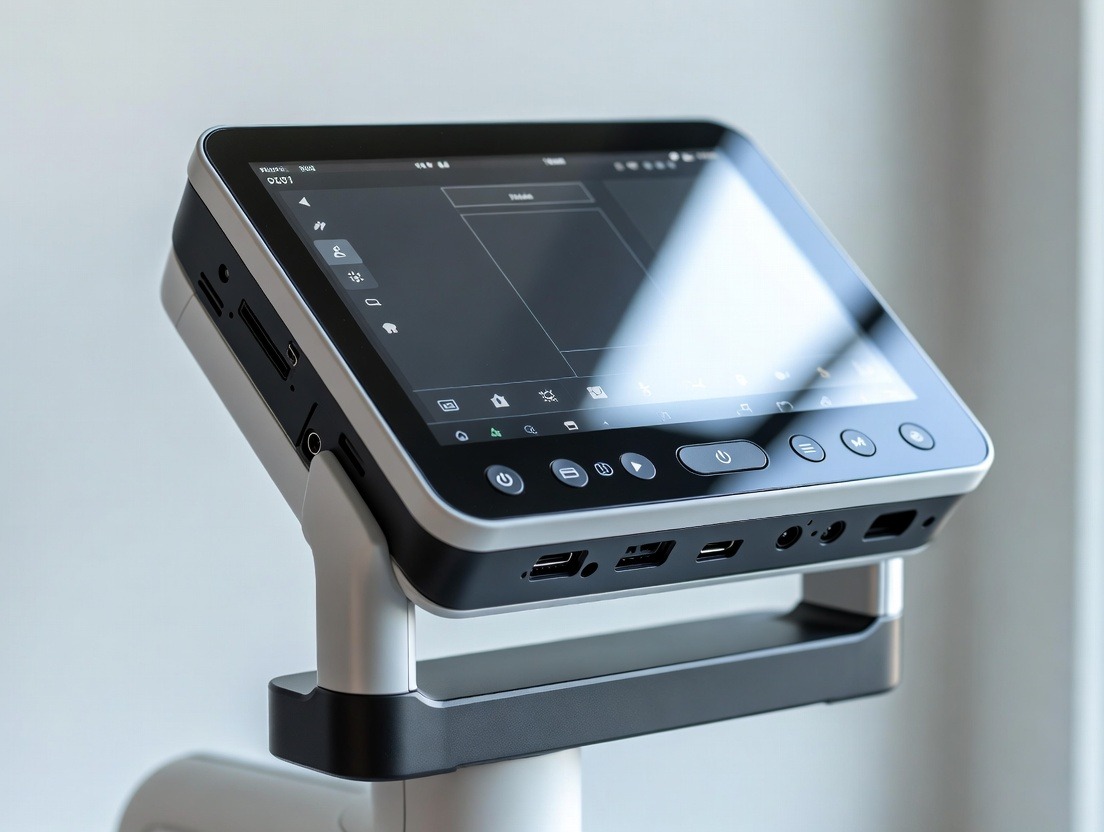
The story of clinical wearables begins with their humble, consumer-focused ancestors. The first wave of devices was defined by a simple mandate: motivation. They tracked gross motor activity through basic accelerometers, translating movement into step counts and crude calorie burn estimates. Sleep tracking was often a simple guess based on nighttime lack of movement. The data was interesting, sometimes engaging, but rarely precise enough for an individual to act upon medically, and certainly not admissible in a clinical setting. The gap between "interesting" and "actionable" was vast.
The paradigm shift began with the integration of more sophisticated sensors. The photoplethysmogram (PPG) sensor, which uses light to detect blood volume changes in capillaries, became commonplace. Initially used for heart rate monitoring during exercise, developers soon realized this tiny light could unlock a treasure trove of physiological data—heart rate variability (HRV), respiratory rate, and even peripheral blood oxygen saturation (SpO2). Simultaneously, innovations in electrocardiogram (ECG) technology allowed for single-lead ECG capture directly from a wearable. This was a landmark moment; ECG is a gold-standard diagnostic tool. When a consumer device received FDA clearance for atrial fibrillation detection via ECG in 2018, it signaled a new era: the direct-to-consumer medical device.
This evolution is underpinned by three critical pillars:
The journey, as chronicled in the founding story of many pioneering health tech companies, is one of converging disciplines—where silicon valley tech meets rigorous clinical science. The outcome is a new class of device: the prescribable wearable. These are tools that a cardiologist can confidently recommend to a patient for long-term rhythm monitoring, or that a pulmonologist can use to manage a COPD patient remotely. The line between consumer electronics and medical equipment is blurring, creating a powerful new conduit for health data that flows continuously, directly from the patient to the provider.
Cardiology has emerged as the foremost frontier for wearable health technology, and for compelling reasons. Cardiovascular disease remains the leading cause of death globally, and many of its most dangerous manifestations—like arrhythmias and silent ischemia—are transient and unpredictable. A standard 12-lead ECG in a doctor’s office is a mere snapshot, often missing the critical episodic evidence. Holter monitors, worn for 24-48 hours, offer a longer view but are cumbersome, invasive to daily life, and still finite in duration. Wearables shatter these temporal and practical constraints.
Atrial Fibrillation (AFib) Detection and Management: This is arguably the most proven and impactful application to date. AFib, an irregular and often rapid heart rhythm, significantly increases the risk of stroke. It can be paroxysmal (coming and going), making it notoriously difficult to catch. Smartwatches and smart rings with PPG-based pulse rhythm monitoring and confirmed single-lead ECG capabilities have demonstrated remarkable sensitivity and specificity in identifying potential AFib episodes. Large-scale studies, such as the Apple Heart Study, have validated this approach, screening hundreds of thousands of users and referring those with irregular pulse notifications for clinical care. The clinical workflow is becoming standardized: a wearable-detected episode prompts a user to take a simultaneous ECG strip, which is then reviewed by a clinician to confirm diagnosis and initiate anticoagulation therapy if needed, potentially preventing a devastating stroke.
Heart Failure Management: For patients with heart failure, small changes in physiology can signal rapid decompensation, often leading to costly and traumatic hospital readmissions. Wearables are now being used to create personalized baselines and detect early warning signs. Key biomarkers include:
By monitoring these parameters continuously, clinicians can intervene early—adjusting medications via telehealth, for example—to keep the patient stable at home. This proactive model is shifting heart failure care from reactive crisis management to proactive stability maintenance.
Hypertension and Vascular Health: While cuffless, continuous blood pressure monitoring via wearable is an area of intense research and not yet fully realized for clinical diagnosis, wearables contribute valuable contextual data. They track activity, stress (via HRV), and sleep—all critical lifestyle factors in hypertension management. Furthermore, metrics like Pulse Arrival Time (PAT) derived from PPG signals show correlation with vascular stiffness and blood pressure trends, offering a window into overall vascular health beyond a single daily cuff reading.
The cardiology revolution is about moving from intermittent assessment to continuous care. It empowers patients to be active participants in their heart health and provides clinicians with a rich, longitudinal dataset that tells a story far more complete than any clinic visit could. For patients curious about how this technology feels in daily life, reading real user experiences and testimonials can provide valuable insight.
The seismic pressures on healthcare systems—aging populations, rising chronic disease prevalence, nursing shortages, and pandemic-era pressures on hospital capacity—have accelerated the adoption of Remote Patient Monitoring (RPM). RPM uses digital technologies to collect medical and other health data from individuals in one location (typically home) and electronically transmit it to providers in a different location for assessment and recommendations. Wearables are the foundational sensor layer of this ecosystem.
RPM programs are moving far beyond simple phone check-ins. They are structured, billable clinical services that leverage wearable data to manage patients with acute and chronic conditions outside traditional clinical settings. The core model involves:
Key Clinical Applications of RPM with Wearables:
The "hospital-at-home" model, supercharged by wearables, is proving to be more than a convenience; it's often superior care. Patients recover better in their own environments, with lower risks of hospital-acquired infections and less sleep disruption. Healthcare systems benefit from reduced bed occupancy and lower costs. The success of this model hinges on reliable, comfortable, and intuitive wearable technology that patients will actually wear consistently—a challenge that form factors like the smart ring are specifically designed to address.

The brain governs our most fundamental states of being: sleep, wakefulness, and cognitive function. Yet, for decades, studying these states outside the lab was incredibly difficult. Wearable technology, capable of capturing data 24/7, is now illuminating the previously opaque domain of neurology and sleep, offering objective insights where subjective patient recall often fails.
Sleep Disorder Diagnosis and Management: Polysomnography (PSG) in a sleep lab is the gold standard for diagnosing disorders like sleep apnea. However, it is expensive, inaccessible, and unnatural—wires and sensors in a strange bed often lead to "first-night effect," skewing results. Wearables offer a compelling alternative for screening and longitudinal management. Using a combination of PPG (to measure heart rate, HRV, and blood oxygen), actigraphy (movement), and sometimes sonar-based sleep sensing, advanced wearables can estimate:
This allows for mass screening of at-risk populations (e.g., those with hypertension, obesity). A wearable can suggest a high probability of OSA, prompting a confirmatory home sleep test or PSG, thereby streamlining the diagnostic pathway. For those already diagnosed, wearables help track the efficacy of CPAP therapy or positional therapy by monitoring if oxygen dips and sleep architecture normalize.
Migraine and Headache Prediction: Migraines are notoriously debilitating and unpredictable. Wearables are being used to identify prodromal phases—the hours or days before a migraine attack. Subtle physiological changes often occur during this window, including:
By learning an individual's unique "migraine signature," a wearable app can provide a prediction alert, enabling the user to take pre-emptive medication, practice biofeedback, or avoid known triggers, potentially reducing the severity or preventing the attack altogether.
Neurodegenerative Disease and Cognitive Health: Research is exploring the potential of wearables in early detection and monitoring of conditions like Parkinson's and Alzheimer's disease. Gait analysis via accelerometers can detect subtle changes in stride length, symmetry, and arm swing—early motor signs of Parkinson's. Changes in sleep architecture, particularly a reduction in deep and REM sleep, are linked to cognitive decline. Circadian rhythm disruption, measurable through activity and temperature cycles, is also a feature of many neurodegenerative diseases. While not diagnostic, wearable data could serve as a valuable digital biomarker for tracking disease progression and response to therapy in clinical trials and eventually in routine care.
This field exemplifies the power of passive, continuous monitoring. A patient cannot accurately describe their sleep architecture or their autonomic nervous system fluctuations, but a wearable can measure them objectively, night after night, creating a detailed map of neurological health. For those seeking to understand the science behind these measurements, our blog features deep dives into topics like HRV and sleep staging.
The field of endocrinology, particularly diabetes care, has been arguably the most transformed by wearable technology to date. The Continuous Glucose Monitor (CGM) is a wearable biosensor that measures interstitial glucose levels every few minutes, providing a real-time, dynamic picture of glycemic control that fingerstick checks could never reveal. The success of CGMs has created a blueprint for the wider wearable revolution and is now extending beyond diabetes to the broader realm of metabolic health.
Diabetes Management Revolution: For patients with Type 1 and insulin-dependent Type 2 diabetes, CGMs are life-changing. They provide:
The clinical outcomes are profound: reduced A1c, decreased time in hypoglycemia (a dangerous state), and improved quality of life. CGMs are increasingly integrated with insulin pumps in closed-loop "artificial pancreas" systems, automating much of the daily management burden.
The Expansion to Prediabetes and General Metabolic Health: A paradigm-shifting trend is the use of CGMs by non-diabetic individuals interested in optimizing their metabolic health. By wearing a CGM for a few weeks, a person can see their unique glucose responses to different foods, meal timings, sleep quality, and exercise types. This creates powerful, personalized nutritional insights. A food considered "healthy" might cause a dramatic spike in one person but not another, guiding smarter dietary choices. This application is moving from biohacking circles into mainstream wellness and preventive medicine, helping to combat insulin resistance—the root driver of metabolic syndrome—before it progresses to full-blown diabetes.
Wearable Synergy for a Holistic View: While the CGM is the star, other wearables add crucial context. A smart ring or watch tracking sleep is vital, as poor sleep directly impairs glucose metabolism and insulin sensitivity. Heart rate variability from a wearable is a proxy for stress; psychological stress elevates cortisol, which raises blood glucose. Physical activity data shows the direct glucose-lowering effects of movement.
This integrated approach allows for a systems-level understanding of metabolic health. A clinician or health coach can see that a patient's morning glucose spike is correlated with poor sleep the night before and high stress levels, rather than just breakfast choices. This enables truly personalized lifestyle interventions. For anyone navigating the complexities of metabolic health data, our FAQ section offers clear explanations on interpreting wellness metrics.
Mental health has long been assessed through subjective questionnaires and clinical interviews. While indispensable, these tools rely on self-report, which can be biased by current mood, insight, and recall. Wearable technology is introducing an objective, physiological dimension to mental healthcare, providing digital biomarkers for states like stress, anxiety, and depression. This field, sometimes called "digital phenotyping," seeks to correlate the inner experience of the mind with measurable outputs of the body.
The Autonomic Nervous System (ANS) as a Window: The primary gateway for wearable assessment of mental state is the Autonomic Nervous System, which regulates involuntary functions like heart rate, respiration, and sweating. The balance between the sympathetic ("fight-or-flight") and parasympathetic ("rest-and-digest") branches is highly sensitive to psychological state.
Clinical and Therapeutic Applications:
The integration of wearable data into mental health care must be handled with immense sensitivity and ethical consideration. The data is suggestive, not diagnostic. A low HRV day could be due to a hard workout, an illness, or emotional stress. Clinical interpretation by a trained professional, in the context of the patient's full story, is essential. However, as a complementary tool, it offers an unprecedented, continuous view of the physiological underpinnings of mental well-being, moving care towards greater personalization and prevention.

Respiratory diseases, from chronic conditions like asthma and COPD to acute infections like pneumonia and COVID-19, are defined by their impact on a fundamental process: breathing. Traditionally, assessing respiratory function required bulky spirometry in a clinic or subjective symptom reporting at home. Wearable technology is now enabling continuous, objective monitoring of respiratory health in the real world, where environmental triggers and daily activities occur.
Continuous Pulse Oximetry (SpO2): The widespread inclusion of SpO2 sensors in wearables was accelerated by the COVID-19 pandemic, which highlighted the danger of "silent hypoxia"—dangerously low blood oxygen without pronounced shortness of breath. For patients with chronic respiratory conditions, continuous overnight SpO2 monitoring is invaluable:
Respiratory Rate (RR) Monitoring: Respiratory rate is a critical vital sign, often the first to change in clinical deterioration. Wearables derive RR through sophisticated analysis of the PPG signal (each breath causes subtle variations in blood flow) or via accelerometers sensing chest wall movement. An elevated RR, especially at rest or during sleep, is a major red flag for:
Novel Acoustic and Sonar Sensing: The next frontier involves directly listening to or measuring lung function. Some research wearables use contact microphones on the chest to detect wheezing or crackles associated with asthma or fluid. Others use ultra-wideband radar or sonar from a bedside device to measure chest wall movement and breathing patterns completely contact-free. These technologies promise even more detailed pulmonary assessments at home.
Integrated Environmental Sensing: The most advanced applications combine physiological data with environmental data. A wearable or a paired smartphone can track location and local air quality (pollen, pollution). For an asthma patient, this can reveal clear correlations between exposure to specific triggers (e.g., high ozone levels in a certain part of town) and physiological responses (increased respiratory rate, decreased HRV), enabling precise trigger avoidance.
This continuous, contextual monitoring allows for a shift from reactive to proactive pulmonary care. Instead of waiting for a severe asthma attack to land in the ER, a patient and their doctor can see a pattern of increasing nocturnal respiratory rate and take preventive steroid adjustments. It empowers patients with actionable insights about their own disease and environment.
A cancer diagnosis launches a patient into a grueling journey of treatments—surgeries, chemotherapy, radiation—each with a heavy burden of side effects. Managing these toxicities often relies on patients recognizing and reporting symptoms, which can be delayed or underreported due to fear or fatigue. Wearable technology is emerging as a compassionate, objective companion in oncology, aiming to improve quality of life, manage side effects proactively, and potentially predict outcomes.
Monitoring Treatment Toxicity: Many chemotherapy regimens and immunotherapies have cardiovascular, pulmonary, and systemic side effects that wearables are uniquely suited to detect.
Pre-Operative Risk Stratification and Post-Operative Recovery: For patients undergoing cancer surgery, wearable data collected before surgery (a concept called "pre-habilitation") can predict surgical risk. A patient with high baseline activity levels and robust HRV may have better reserves and a smoother recovery. Post-operatively, wearables monitor recovery at home, tracking the return of mobility, normalization of sleep, and vital signs, ensuring complications like infections or blood clots are caught early.
Predicting Immunotherapy Response: This is a cutting-edge area of research. Early evidence suggests that physiological data from wearables—such as changes in activity, sleep, and heart rate patterns—may correlate with a patient's immune system response to immunotherapy drugs. This could one day provide an early signal of whether a costly and intensive treatment is likely to be effective.
Palliative Care and Quality of Life: In advanced cancer, the goal of care shifts to maximizing quality of life and managing symptoms like pain and dyspnea (shortness of breath). Wearables can help monitor these symptoms objectively (e.g., increased respiratory rate with dyspnea, decreased movement with pain), allowing palliative care teams to adjust medications more responsively.
In oncology, the wearable is more than a sensor; it is a silent sentinel. It offers a continuous thread of data through a fragmented care journey, connecting the patient at home to the oncology team at the clinic. It provides objective evidence where subjective reporting is difficult, and it holds the promise of making harsh treatments more tolerable and outcomes more predictable. The mission to bring such supportive technology to patients aligns closely with the core values and vision of many health-focused tech companies.

The global population is aging rapidly. A paramount societal goal is enabling older adults to "age in place"—to live independently, safely, and with dignity in their own homes for as long as possible. Wearable and ambient technology is becoming the cornerstone of this vision, providing both safety monitoring and health insights for the elderly and their caregivers.
Fall Detection and Prevention: Falls are a leading cause of injury, loss of independence, and mortality in older adults. Modern wearables go beyond basic fall detection (using accelerometers and gyroscopes to sense a sudden impact and orientation change) to include fall risk prediction. By analyzing gait parameters like walking speed, stride length, and symmetry over time, a wearable can detect deteriorating stability before a fall occurs. This allows for timely interventions: physical therapy, medication review, or home safety modifications.
Activity and Social Engagement Monitoring: Social isolation and physical inactivity are silent epidemics in the elderly, linked to depression, cognitive decline, and physical frailty. Wearables provide objective measures:
Medication Adherence and Management: Forgetfulness in taking medication is a major problem. Smart pillboxes that sync with wearable apps can provide reminders and alert family members if a dose is missed. Furthermore, wearables can monitor for side effects of medications—like orthostatic hypotension (a blood pressure drop upon standing, detectable via heart rate spikes) from blood pressure medications.
Remote Wellness Checks for Family Caregivers: Adult children caring for aging parents often live far away. A secure wearable dashboard allows them to see a high-level view of their parent's wellness: "Mom slept well last night, her activity is normal, and her heart rate is stable." This provides immense peace of mind and replaces anxious check-in calls with data-informed conversations. It also helps differentiate between normal aging changes and genuine health concerns that require a professional's attention.
The ethical considerations in geriatric wearables are significant. Autonomy and privacy must be balanced with safety. The technology must be extremely simple, with long battery life and minimal required interaction. The goal is not surveillance, but supportive oversight—creating a safety net that empowers independence rather than diminishes it. When designed thoughtfully, these tools can reduce caregiver burden, delay institutionalization, and profoundly improve the quality of life for our aging populations.
Monitoring the health of children presents unique challenges. They are often poor historians, unable to articulate symptoms clearly, and can be frightened by clinical environments. Wearable technology, especially in comfortable, child-friendly form factors, is opening new avenues for gentle, continuous monitoring in both sick and healthy children.
Monitoring Febrile Illnesses and Infections: In young children, especially infants, fever is a key sign of infection. Continuous temperature monitoring via a wearable patch (like those used in hospitals but designed for home) can provide parents and pediatricians with trend data, showing how a fever responds to medication and helping to distinguish between a benign viral illness and something more serious requiring urgent care. It can also detect fever onset during sleep.
Managing Chronic Pediatric Conditions:
Sleep and Developmental Monitoring: Healthy sleep is foundational for cognitive and physical development in children. Wearables can objectively track sleep duration and quality, identifying issues like insufficient sleep or disruptive sleep patterns that might be linked to behavioral problems, ADHD symptoms, or growth issues. For infants, specialized wearables can track feeding times, diaper changes, and sleep, helping parents establish routines and providing pediatricians with valuable data.
Research into Neurodevelopmental Disorders: Wearables are powerful tools for research into Autism Spectrum Disorder (ASD) and ADHD. They can quantify levels of physical activity, measure physiological arousal (HRV, EDA) in response to stimuli, and assess sleep patterns—all of which can be atypical in these conditions. This objective data can aid in earlier identification, subtyping of conditions, and measuring the impact of behavioral therapies.
The adoption of wearables in pediatrics hinges on safety, comfort, and data security. Devices must be non-invasive, hypoallergenic, and durable. Parental control and transparent data sharing are paramount. When these conditions are met, wearables can transform pediatric care from a series of snapshots during frightening sick visits into a comforting, continuous narrative of a child's health and development.
We have traversed the landscape of current clinical applications, but the horizon holds even more transformative potential. The true power of wearable data will be unlocked not by looking at individual metrics in isolation, but by synthesizing them into a holistic, dynamic model of human health. This is the frontier of predictive analytics and Artificial Intelligence (AI), paving the way for truly personalized, preventive medicine.
From Descriptive to Predictive and Prescriptive Analytics:
This shift requires massive, longitudinal datasets and AI models trained to find subtle, multivariate patterns that precede health events. Research is already showing that wearable data can predict the onset of infections like Lyme disease, COVID-19, and even the common cold days before symptoms appear.
The Digital Twin and Personalized Health Avatars: A compelling vision for the future is the "Digital Twin"—a personalized, computational model of an individual's physiology, constantly updated by data from their wearables, genomics, microbiome, and environmental exposures. Clinicians could use this digital twin to simulate "what-if" scenarios: How will this patient likely respond to this specific blood pressure medication? What is their personalized risk of developing diabetes in the next 5 years based on their current trajectory? This moves medicine from population-based guidelines to individual-based forecasting.
Closed-Loop Therapeutic Systems: We see this today with the artificial pancreas for diabetes. The future will expand this concept. Imagine a system for hypertension: a wearable continuously estimates blood pressure trends, and an implanted or external device delivers micro-doses of medication in real-time to maintain optimal pressure. Or a system for mental health: a wearable detects rising anxiety via HRV and EDA, and a connected app automatically initiates a guided meditation or breathing exercise.
Population Health and Public Health Surveillance: Aggregated, anonymized wearable data on a population scale could revolutionize public health. It could provide real-time maps of flu-like illness spread based on resting heart rate and sleep data, monitor community stress levels after a traumatic event, or track the impact of a new park on neighborhood activity levels. This would enable faster, more targeted public health interventions.
The journey to this future is fraught with challenges—algorithmic bias, data sovereignty, and the need for robust clinical trials—but the direction is clear. Wearables are destined to become the primary interface between the individual and the healthcare system, generating a living stream of data that will power a new era of medicine that is not only reactive or preventive, but truly predictive and participatory. To stay updated on these rapidly evolving trends, we encourage you to follow our blog for the latest analysis and insights.
The unprecedented flow of intimate physiological data from wearable devices presents a parallel frontier of critical importance: the ethical stewardship of this information. While the clinical benefits are immense, they are contingent on a foundation of profound trust. Patients and consumers must be confident that their most sensitive health data—continuous heart rhythms, sleep patterns, stress levels, geolocation—is protected from misuse, breaches, and exploitation. Navigating this landscape is not just a technical challenge; it is an ethical imperative for the entire ecosystem.
The Sensitivity of the Data Stream: Wearable data is uniquely revealing. Unlike a single lab result, it provides a 24/7 biographical narrative of a person’s body. It can infer when you are sleeping, exercising, stressed, or sexually active. Patterns can reveal underlying health conditions before the individual is even aware of them. This data, if aggregated and analyzed, can paint a picture so complete it threatens to eclipse personal privacy. The risk extends beyond embarrassment to tangible harms: discrimination by employers or insurers, targeted advertising for predatory health products, or even manipulation based on detected emotional states.
Key Security Pillars for Clinical-Grade Wearables:
The Ethical Quandaries:
Building this trust is the linchpin for widespread clinical adoption. As these devices become more entwined with our medical care, the companies behind them must demonstrate a commitment to security and ethics that is as strong as their commitment to innovation. Users seeking transparency should be able to easily find clear answers, much like those provided in a comprehensive FAQ resource, explaining how their data is protected and used.
For a wearable to transition from a well-informed guess to a clinically trusted tool, it must navigate a complex global landscape of medical device regulation. This process, while arduous, is what separates actionable medical insights from interesting wellness data. Understanding these pathways is key to discerning the clinical credibility of any wearable technology.
The U.S. Food and Drug Administration (FDA) Framework: The FDA classifies medical devices based on their risk to patients.
For wearables, the most common and significant milestone is FDA 510(k) Clearance or De Novo classification (for novel devices without a predicate). When a smartwatch receives FDA clearance for its ECG app, it means the algorithm's ability to identify AFib has been reviewed against clinical standards. It's crucial to note that the FDA often clears specific software algorithms (like an AFib detection algorithm) for use with a specific sensor in a specific device. It does not broadly "approve" the smartwatch as a whole medical device.
The European Union's CE Marking (MDR): In Europe, the Medical Device Regulation (MDR) governs device certification. Under MDR, devices are also classified by risk (Class I, IIa, IIb, III). A CE Mark as a medical device indicates the product meets the safety, health, and environmental protection requirements of the EU. The process involves assessment by a notified body (an independent auditing organization). The MDR, which fully applied in 2021, is notably more stringent than its predecessor, requiring stronger clinical evidence and post-market surveillance, bringing it closer in rigor to the FDA's approach.
The Importance of Clinical Trials: Regulatory submissions are built on the back of clinical validation studies. These are not simple usability tests. They are rigorous trials that compare the wearable's output to an accepted gold-standard measurement in a relevant patient population. For example:
Post-Market Surveillance and Real-World Evidence: Regulation doesn’t stop at launch. Both the FDA and EU MDR require robust post-market surveillance to monitor device performance in the real world, report adverse events, and identify any long-term issues. Furthermore, the data collected from these devices in clinical use is increasingly being used to generate Real-World Evidence (RWE) to support new treatment approaches and even regulatory decisions for drugs and other therapies.
For clinicians and healthcare systems, these regulatory stamps are essential filters. They provide assurance that the data presented to them meets a minimum threshold of accuracy and reliability for clinical consideration. For consumers, understanding these distinctions is vital—a device with an FDA-cleared feature for a specific condition has undergone a level of scrutiny that a general wellness tracker has not. The journey to achieve these clearances, often spanning years, is a testament to a company's commitment to clinical rigor, a narrative frequently detailed in a brand's our story page.
The promise of wearable health technology is universal, but its current reach is not. There is a very real danger that these innovations, instead of leveling the healthcare playing field, could deepen existing chasms of health inequality—creating a "digital health divide." This divide runs along familiar fault lines: socioeconomic status, race, ethnicity, age, geography, and digital literacy. Addressing this is not a secondary concern; it is a prerequisite for ethical and effective scale.
Barriers to Access and Adoption:
Strategies for Bridging the Divide:
The goal is progressive universalism: deploying wearable technology for everyone, but with a focus and intensity of effort directed first toward those with the greatest need and the least access. The true measure of success for this technological revolution will not be how it serves the wealthy and wired, but how effectively it reaches and improves the health of the marginalized and underserved. This commitment to equitable health is often rooted in a company's fundamental mission and values.
For all its patient-facing promise, wearable health technology will only realize its full clinical potential if it is seamlessly and usefully integrated into the workflows of healthcare providers. An overloaded primary care physician cannot be expected to monitor dozens of patients' continuous data streams in real-time. The challenge is to translate massive datasets into concise, actionable clinical intelligence that saves time, not consumes it.
The Data Deluge Problem: A clinician receiving a 30-day heart rate trend graph with 43,200 data points (one per minute) is overwhelmed, not informed. The raw data stream is noise without intelligent signal processing and summarization.
Key Principles for Effective Clinical Integration:
Changing the Clinician-Patient Dynamic: Wearables also transform the clinical encounter itself. Instead of relying on a patient's recall ("How have you been sleeping?" "Oh, okay, I guess"), the clinician has objective data ("The data shows your sleep efficiency has been below 70% for the past two weeks, and you're having multiple awakenings. Let's talk about that."). This shifts conversations from vague to specific, fostering more collaborative, data-informed decision-making. It also extends the clinician's senses beyond the clinic walls, creating a continuous therapeutic relationship.
Training and Changing Mindsets: Adoption requires training a generation of clinicians who may not be "digital natives." Medical education must incorporate digital health literacy, teaching future doctors how to interpret wearable data, understand its limitations, and integrate it into diagnostic and management plans. Skepticism is healthy and necessary, but it must be met with high-quality evidence from rigorous studies, many of which are now being published in leading medical journals.
The successful clinician-facing tool is invisible. It doesn't create more work; it creates better, more efficient, and more informed care. It provides the right piece of information, at the right time, in the right format, allowing the human clinician to do what they do best: exercise judgment, provide empathy, and guide healing. For clinicians interested in the practical applications of this technology, resources like our blog often feature case studies and clinical perspectives.
Ultimately, the success of any clinical wearable hinges on a single, simple act: will the patient wear it, consistently and correctly? Device adherence is the critical first link in the data chain. Beyond compliance, the deeper goal is to foster a sense of empowerment—transforming patients from passive recipients of care into active, informed managers of their own health. This psychological journey is complex and deeply personal.
The Challenge of Long-Term Adherence: The novelty of a new device wears off quickly. Studies show high abandonment rates for consumer fitness trackers, often within six months. For clinical use, this is catastrophic. Factors influencing adherence include:
From Anxiety to Empowerment: The initial phase of wearing a clinical device can provoke anxiety—"What will it find?" This is especially true for those monitoring a known condition. Good design mitigates this by:
The Shared Decision-Making Partner: In chronic disease management, the wearable becomes a constant companion. A patient with heart failure can see, in real time, how taking their medication and reducing sodium intake improves their resting heart rate and HRV trend. This tangible feedback reinforces treatment adherence far more effectively than a doctor's abstract admonition. It turns the management of a chronic condition into a series of small, winnable daily goals.
Building Health Literacy: Over time, interacting with their own physiological data builds a patient's health literacy. They learn what "good" sleep looks like for their body, how their heart responds to different types of exercise, and how stress manifests physically. This knowledge is itself a therapeutic outcome, fostering a more attuned and resilient relationship with their own body.
The ideal patient experience is one of supported autonomy. The wearable and its app serve as a compassionate, unbiased coach and a reliable communication channel to the clinical team. It reduces the fear of the unknown and replaces it with knowledge, agency, and a sense of partnership in the healthcare journey. Hearing how others have navigated this journey can be inspiring, as seen in the testimonials from long-term users.
We stand at the threshold of a new paradigm. The future of healthcare is not a series of disconnected events—clinic visits, lab tests, hospital stays—but a continuous, integrated ecosystem. In this ecosystem, the clinical wearable is the primary sensor, the individual is the central node, and data flows securely to create a dynamic, living model of health that informs care at every level.
The Interoperable Health Cloud: Imagine a future where data from your smart ring (sleep, HRV, temperature), your CGM (glucose), your smart scale (weight, body composition), and even your smart refrigerator (nutritional intake) can be synthesized, with your permission, into a unified health profile. This profile is not owned by any single company but is housed in a secure, personal health data platform you control. You grant access keys to your cardiologist to see cardiac-relevant data, your endocrinologist to see metabolic data, and your fitness coach to see activity and recovery metrics. Each sees only what they need, in the format most useful for their specialty.
AI as the Orchestrating Intelligence: In this ecosystem, advanced AI acts as the orchestrator. It doesn't replace clinicians but augments them. It continuously analyzes the multi-stream data, looking for complex, cross-system patterns. It might detect that a patient's rising blood glucose trends are most strongly correlated with nights of poor deep sleep, which in turn are preceded by late-day caffeine intake. It then generates a personalized, holistic recommendation: "To improve glycemic control, consider shifting your last coffee to before 2 PM."
Predictive and Preventative Primary Care: Your primary care physician's annual physical will be transformed. Instead of a snapshot, they will review your Annual Health Timeline—a summary of your wearable and other data from the past year. The AI will highlight significant trends and predictive risks: "This patient's vascular aging biomarker suggests a 20% increased 5-year risk for hypertension. Recommend focused dietary counseling and stress management." Care becomes proactive, targeting interventions before disease manifests.
Hospital-at-Home as the Default for Many Conditions: Acute care will increasingly shift to the home. A patient with pneumonia will be sent home with a kit: a wearable for vitals, a connected spirometer, a Bluetooth stethoscope for a nurse to listen remotely, and a tablet for daily video check-ins. Their data will be monitored on a virtual hospital ward dashboard by a centralized care team. This will become the standard, safe, and preferred option for a wide range of conditions, freeing hospital beds for the most critical cases.
Clinical Trials and Drug Development: The pharmaceutical industry will leverage this ecosystem for faster, more efficient trials. Wearables will enable decentralized clinical trials, where participants are monitored remotely from anywhere in the world. They will provide continuous, objective endpoints (e.g., actual improvement in daily activity for a heart failure drug, not just a questionnaire score), reducing trial cost, duration, and participant burden.
This integrated future is not without its daunting challenges—technological, regulatory, ethical, and cultural. But the direction is inevitable. The convergence of miniaturized sensors, ubiquitous connectivity, powerful AI, and a growing demand for personalized, convenient care is unstoppable. The wearable is the catalyst, the point of contact between the human body and the digital intelligence that will help us steward our health like never before. This vision of seamless, human-centric care is what drives the research and development at the forefront of health tech, a vision you can learn more about here.
Your Trusted Sleep Advocate: Sleep Foundation — https://www.sleepfoundation.org
Discover a digital archive of scholarly articles: NIH — https://www.ncbi.nlm.nih.gov/
39 million citations for biomedical literature :PubMed — https://pubmed.ncbi.nlm.nih.gov/
Experts at Harvard Health Publishing covering a variety of health topics — https://www.health.harvard.edu/blog/
Every life deserves world class care :Cleveland Clinic - https://my.clevelandclinic.org/health
Wearable technology and the future of predictive health monitoring :MIT Technology Review — https://www.technologyreview.com/
Dedicated to the well-being of all people and guided by science :World Health Organization — https://www.who.int/news-room/
Psychological science and knowledge to benefit society and improve lives. :APA — https://www.apa.org/monitor/
Cutting-edge insights on human longevity and peak performance:
Lifespan Research — https://www.lifespan.io/
Global authority on exercise physiology, sports performance, and human recovery:
American College of Sports Medicine — https://www.acsm.org/
Neuroscience-driven guidance for better focus, sleep, and mental clarity:
Stanford Human Performance Lab — https://humanperformance.stanford.edu/
Evidence-based psychology and mind–body wellness resources:
Mayo Clinic — https://www.mayoclinic.org/healthy-lifestyle/
Data-backed research on emotional wellbeing, stress biology, and resilience:
American Institute of Stress — https://www.stress.org/


