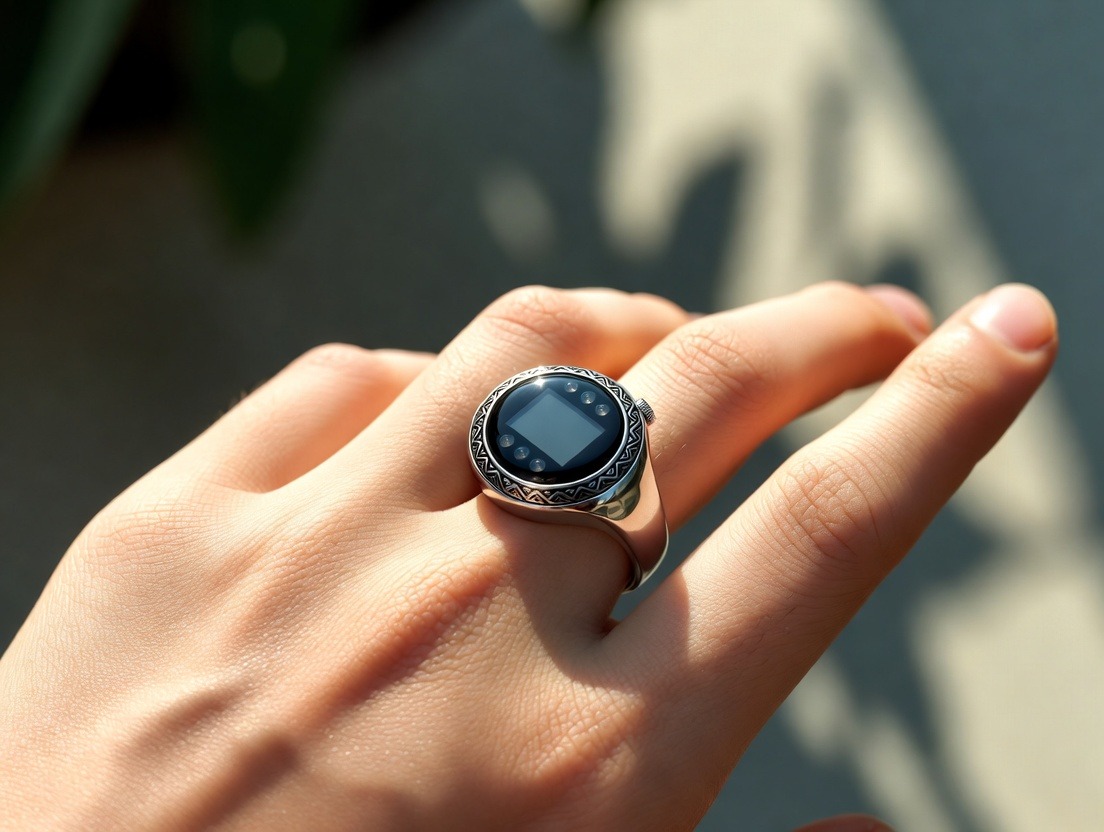
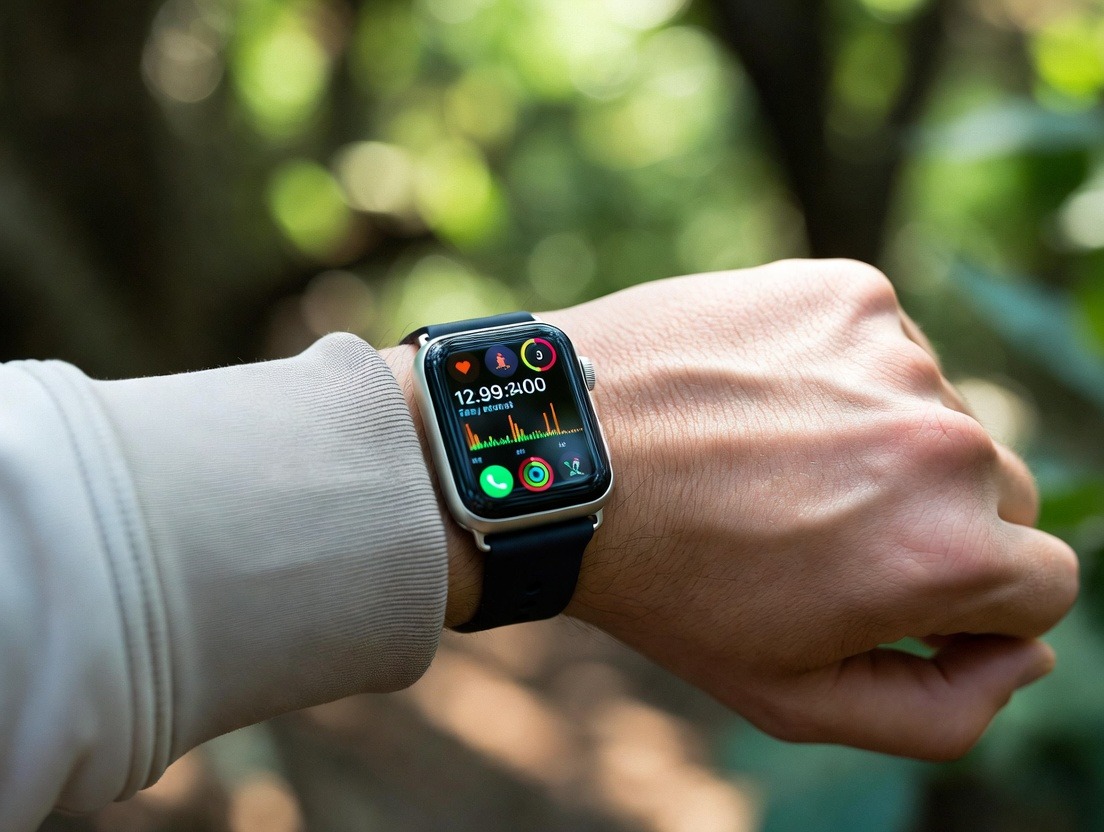
A complete guide to wearable health technology for the year 2025.
The Complete Wearable Health Tech Guide for 2025: Your Path to Proactive Wellness
Imagine a world where your jewelry can predict illness before you feel symptoms, where your clothing can monitor your heart’s rhythm, and where a simple ring on your finger becomes a 24/7 personal health guardian. This isn't science fiction—it's the reality of 2025. In the past decade, wearable technology has undergone a radical transformation, evolving from simple pedometers counting steps to sophisticated health guardians capable of delivering clinical-grade insights directly to your wrist, finger, or ear. This revolution signals a seismic shift in the global wellness market, now valued at a staggering $2 trillion, where consumers, especially younger generations, are embracing daily, personalized health practices over reactive medical care.
Welcome to The Complete Wearable Health Tech Guide for 2025. We stand at a pivotal moment where technology and wellness converge, empowering you with unprecedented control over your own body's data. No longer are we passive recipients of annual check-up summaries; we are becoming the CEOs of our health, equipped with a dashboard of real-time, actionable intelligence. This guide is your essential roadmap through this exciting landscape. We’ll journey from the foundational science behind the sensors to the specific devices poised to dominate the market, and ultimately, explore how to integrate this data into a holistic, personalized wellness plan. This is the beginning of a new era: the end of guesswork and the dawn of the truly quantified self.
The Evolution of Wearables: From Pedometers to Proactive Health Guardians
The story of wearable tech is a tale of rapid miniaturization and expanding ambition. Just over a decade ago, the market was defined by basic fitness bands that primarily quantified movement—steps taken, calories burned, and floors climbed. They were novel tools for fitness enthusiasts, often providing more motivation than medical insight. Today, that paradigm has been completely overturned. The modern wearable has transcended its role as a simple activity tracker to become a continuous health-sensing platform.
This fundamental shift is driven by a powerful convergence of technological breakthroughs. First, sensor miniaturization has advanced to a point where an array of clinical-grade detectors can fit into a device the size of a ring or a watch case. Second, the rise of powerful edge computing and generative AI allows these devices to process complex biometric data in real-time, transforming raw numbers into personalized health recommendations. The goal is no longer just to tell you how you slept last night, but to analyze your sleep architecture, understand its impact on your recovery, and advise you on how to improve it tonight. This evolution reflects a broader societal trend: wellness is no longer an occasional pursuit but a daily, personalized practice, particularly for millennials and Gen Z, who are driving demand and innovation in this space.
Why Wearable Health Tech Matters More Than Ever in 2025
The value proposition of wearable health technology has never been stronger or more relevant. We are witnessing a perfect storm of consumer demand, technological capability, and systemic healthcare needs.
The Rise of Proactive, Personalized Wellness: Modern consumers, armed with information, are rejecting a one-size-fits-all approach to health. They seek personalized insights tailored to their unique physiology, lifestyle, and goals. Wearables are the perfect tool for this, establishing a multi-parameter baseline for each user and detecting subtle, personalized deviations.
The Shift from Episodic to Continuous Care: Traditional medicine offers a "snapshot" of health during brief clinical visits. Wearables provide a continuous, longitudinal data stream, offering a far more complete and dynamic picture. This is critical for managing chronic conditions like hypertension or diabetes, where a single office reading can be misleading due to "whitecoat syndrome" or other factors.
Bridging the Gap to Professional Care: Wearables are becoming the doctor's new assistant. The data from these devices is increasingly used in Remote Patient Monitoring (RPM), allowing physicians to track recovery, manage chronic diseases, and adjust treatments in real-time from afar, supporting the emerging "hospital-at-home" model of care.
Addressing Unmet Wellness Needs: Surveys indicate that consumers, especially younger ones, feel significant gaps in areas like cognitive health, mindfulness, and longevity. The next generation of wearables is directly targeting these needs with advanced stress tracking, recovery analysis, and predictive insights, moving beyond physical fitness to encompass total well-being.
How to Use This Guide
This comprehensive guide is structured to take you from novice to knowledgeable advocate for your own health. We will begin by demystifying the core technologies that make these devices work—the sensors, metrics, and artificial intelligence that translate bodily signals into meaningful insights. From there, we’ll conduct a detailed exploration of the device ecosystem, providing in-depth analysis and comparisons of smart rings, advanced smartwatches, and emerging form factors like smart clothing and medical patches.
The final, crucial part of our journey will focus on you. We’ll provide a practical framework for selecting the perfect device based on your individual health priorities, lifestyle, and budget. More importantly, we’ll guide you on how to build a cohesive, integrated health ecosystem, turning fragmented data points into a powerful, actionable wellness plan. For a deeper dive into specific product journeys and the philosophy behind user-centered health tech, you can always explore our brand's story and mission here.
Let's begin by pulling back the curtain on the remarkable technology tucked inside these sleek devices.
The Science Behind the Sensors: How Your Wearable Measures Your Health
To truly harness the power of a wearable device, it helps to understand the basic principles of how it gathers data. These aren't magic boxes; they are sophisticated instruments employing proven scientific methods to peer inside your body—non-invasively. The accuracy and utility of your device hinge on the quality and integration of these sensor systems.
Core Biometric Sensors and What They Measure
Most advanced health wearables in 2025 combine several key sensor types to paint a holistic picture.
Photoplethysmography (PPG) Sensor: This is the workhorse, found in nearly every wearable. It uses tiny LED lights (green, red, and sometimes infrared) to shine light into your skin and measure the amount of light reflected back by your blood flow. Pulsatile changes in blood volume with each heartbeat alter the light absorption, allowing the sensor to calculate your heart rate (HR). Advanced PPG analysis can also extract heart rate variability (HRV), blood oxygen saturation (SpO2), and even estimate metrics like blood pressure through complex waveform analysis.
Electrocardiogram (ECG or EKG) Sensor: While PPG is optical, ECG is electrical. It measures the heart's electrical activity by requiring you to touch a sensor on the device to complete a circuit. This provides a medical-grade, single-lead rhythm strip that can help detect arrhythmias like atrial fibrillation (AFib). ECG is becoming a standard feature in higher-end smartwatches and is now appearing in the first generation of smart rings.
Bioimpedance Sensor: This sensor sends a tiny, imperceptible electrical current through your body. Since different tissues (fat, muscle, water) impede the current differently, the sensor can estimate metrics like body composition (body fat percentage), stress levels via electrodermal activity, and even hydration status. It's the technology behind smart scales and is increasingly integrated into wrist-worn devices.
Skin Temperature Sensor: A high-precision thermistor monitors the temperature at the surface of your skin. While not a direct measure of core temperature, continuous tracking establishes your personal baseline. Deviations from this baseline—often a sustained increase—can be one of the earliest signs of oncoming illness, stress, or, for women, ovulation.
3-Axis Accelerometer and Gyroscope: These motion sensors track movement, orientation, and acceleration. They are fundamental for counting steps, detecting falls, identifying specific workout types, and, crucially, for sleep staging. By analyzing micro-movements throughout the night, the device can distinguish between wakefulness, light sleep, deep sleep, and REM sleep.
From Raw Data to Insight: The Role of AI and Algorithms
Sensors collect data, but artificial intelligence provides understanding. This is the most significant leap in wearable tech. On-device AI and machine learning algorithms perform several critical functions:
Establishing Your Personal Baseline: For the first week or two of use, the device isn't just tracking you—it's learning you. It determines what's normal for your resting heart rate, your nighttime temperature, and your sleep patterns.
Identifying Meaningful Patterns and Anomalies: Once your baseline is set, AI scans the continuous data stream for significant deviations. A elevated nighttime heart rate coupled with a temperature spike and restless sleep creates a pattern that might indicate your body is fighting an infection.
Providing Contextual, Actionable Insights: The best devices don't just flag an anomaly; they explain it. An AI-powered "health guardian" might note: "Your recovery score is low today. Your HRV dropped 15% below your baseline last night, likely due to two intense workouts yesterday. Consider a lighter day or focus on hydration and sleep." This transforms data into a personalized health recommendation.
Understanding Key Health Metrics and Their Meaning
Your wearable will present you with a dashboard of scores and metrics. Here’s what the most important ones actually mean for your wellness:
Heart Rate Variability (HRV): This is not your heart rate. HRV measures the tiny variations in time between each heartbeat, controlled by your autonomic nervous system. A higher, less variable HRV generally indicates a more resilient, recovered, and less-stressed state. It's a premier metric for tracking recovery and overall fitness.
Resting Heart Rate (RHR): Your heart rate at complete rest. A well-conditioned cardiovascular system typically has a lower RHR. Sudden, sustained increases can signal overtraining, illness, or dehydration.
Respiratory Rate: The number of breaths you take per minute, often measured during sleep. Significant changes can be linked to cardiac conditions, respiratory illness, or sleep apnea.
Sleep Staging (Light, Deep, REM): Each stage serves a purpose. Deep sleep is critical for physical recovery and immune function. REM sleep is essential for memory consolidation and mood regulation. Wearables help you understand not just how long you sleep, but the quality of that sleep architecture.
Recovery / Readiness Scores: These are composite scores generated by the AI, typically combining HRV, RHR, sleep quality, and temperature data. They provide a single, easy-to-understand indicator of whether your body is primed for stress (a workout) or in need of rest.
Armed with this knowledge of the underlying technology, we can now explore the dazzling array of devices that bring this science to life on your body. For answers to common questions about how these technologies work in practice, our FAQ page is an excellent resource.
The Smart Ring Revolution: Discreet, Powerful Health Tracking
In the diverse world of wearables, one category has captured the imagination of wellness enthusiasts and tech reviewers alike: the smart ring. Representing the fastest-moving area of wearables, smart rings offer a compelling proposition—delivering deep, continuous health insights in the most discreet and comfortable form factor imaginable. For those who find smartwatches bulky, distracting, or uncomfortable to sleep in, the ring is a revelation.
Why Choose a Smart Ring? The Core Value Proposition
The appeal of a smart ring is multifaceted and addresses specific user frustrations with wrist-worn devices.
Unobtrusive, 24/7 Wearability: A smart ring weighs between 2 to 5 grams and is designed to be forgotten on your finger. There's no screen lighting up to distract you, and its slim profile makes it ideal for wearing during all activities, especially sleep. This leads to more consistent data collection, particularly for nighttime metrics.
Superior Sensor Placement for Key Metrics: The vascularity of the finger can provide a stronger, more consistent PPG signal than the wrist, especially during stationary activities or weightlifting where wrist-based sensors can be obstructed. This can translate to more accurate heart rate and HRV readings during critical recovery periods.
Aesthetic and Lifestyle Compatibility: A smart ring is a piece of jewelry. It doesn't clash with a traditional watch, making it perfect for individuals who value both classic style and modern health tech. As noted by industry experts, it allows you to "wear your favorite watch or timepiece" while still getting advanced health tracking.
2025's Top Contenders: A Detailed Breakdown
The market has moved far beyond a single pioneer. Here is an in-depth look at the key players defining the smart ring space in 2025, based on extensive testing and reviews.
The Established Leader: Oura Ring 4
The Verdict: Widely regarded as the best overall smart ring on the market, the Oura Ring 4 sets the standard for accuracy, actionable insights, and app polish.
Key Strengths: Its crown jewel is its exceptionally well-designed app, which translates complex biometric data into clear Readiness, Sleep, and Activity scores. It boasts strong clinical validation, excellent sleep tracking, and has continually added features like menstrual cycle predictions, pregnancy insights, and stress resilience tracking. Recent updates focus on long-term health trends like cardio fitness and circadian rhythm alignment.
Considerations: This premium experience comes at a cost. The ring itself starts at $349 and requires a $5.99/month subscription to access the full insights and historical data. Some users also note its profile is slightly thicker than newer rivals.
The Premium Subscription-Free Alternative: Ultrahuman Ring Air
The Verdict: The best subscription-free smart ring, offering a compelling blend of advanced metrics, a unique health philosophy, and no ongoing fees.
Key Strengths: Ultrahuman places a strong emphasis on metabolic and circadian health. Its app features unique insights like the "Adenosine Clearance Window," which advises on optimal caffeine timing, and detailed circadian rhythm coaching. It tracks a wide array of metrics, including skin temperature, SpO2, and offers women's health tracking, all without a monthly fee.
Considerations: The app interface, while powerful, is sometimes described as less immediately intuitive than Oura's. It also faces ongoing patent-related legal challenges with Oura that have affected its availability in certain markets.
The Ecosystem Powerhouse: Samsung Galaxy Ring
The Verdict: A top integrated choice for Samsung smartphone users, leveraging the power of the Samsung Health ecosystem.
Key Strengths: The Galaxy Ring is praised for its lightweight, concave design and comfort. It offers helpful, AI-powered health insights and benefits from seamless integration with other Samsung Galaxy devices. Like Ultrahuman, it does not require a monthly subscription fee.
Considerations: Its full potential is unlocked primarily within the Samsung ecosystem. Users of other Android brands or iPhones may find some features limited or unavailable. Some independent testing has also noted occasional accuracy issues.
The Value Champion: RingConn Smart Rings (Gen 2/Gen 3)
The Verdict: An affordable, capable, and subscription-free option that excels in battery life and core tracking.
Key Strengths: RingConn rings offer tremendous value. The RingConn Gen 2 Air provides detailed sleep tracking, SpO2, and temperature monitoring, and boasts a class-leading battery life of over 10 days—all for a one-time cost starting around $199 with no subscription. The forthcoming Gen 3 promises to build on this solid foundation.
Considerations: The companion app is often cited as functional but less polished or visually engaging than those of Oura or Ultrahuman. Its exercise tracking capabilities are also more basic.
Critical Buying Considerations for Smart Rings
Choosing the right ring requires more than comparing feature lists.
The Subscription Model Question: This is a primary decision point. Are you willing to pay a monthly fee (like Oura's $5.99) for a constantly updated, premium software experience? Or do you prefer a one-time purchase with all features included (like Ultrahuman, RingConn, or Samsung)?
Battery Life and Charging: Battery life varies from 4-7 days (Oura) to 10+ days (RingConn). Consider your tolerance for charging frequency. Some, like the Samsung Galaxy Ring, come with a charging case that provides an extra boost on the go.
Sizing is Non-Negotiable: Never skip the sizing kit. A proper fit is critical for comfort and, more importantly, for sensor accuracy. The ring should be snug enough not to spin freely but not so tight as to be uncomfortable. Most reputable companies provide free plastic sizing kits before shipping your actual ring.
Durability and Lifestyle: While made from tough materials like titanium, a smart ring is exposed to daily wear and tear. Consider your daily activities; you may want to remove it during heavy weightlifting or manual labor. Look for a water resistance rating of at least 5ATM if you plan to swim or shower with it.
The smart ring market is a testament to the demand for minimalist, powerful health tech. But for many, the wrist remains the command center. Next, we explore how modern smartwatches have evolved into formidable health hubs in their own right. To see how real users are integrating devices like these into their daily lives, check out their experiences and reviews here.
The Wrist-Worn Powerhouse: Smartwatches as Your Health Hub
While smart rings excel in passive, holistic monitoring, the modern smartwatch embraces a different, more active philosophy. It has solidified its position as a versatile health and connectivity hub strapped to your wrist. In 2025, driven by generative AI and relentless sensor innovation, smartwatches are not just keeping pace with the health tracking revolution—they are helping to lead it.
Beyond Notifications: The Smartwatch as a Clinical Tool
Today's leading smartwatches are blurring the line between consumer gadget and medical device, incorporating features that were once confined to clinics.
Comprehensive Cardiovascular Monitoring: The ECG app is now standard on premium models, capable of generating a single-lead ECG trace to check for signs of AFib. Coupled with continuous heart rate monitoring and new, FDA-cleared cuffless blood pressure monitoring technology (using PPG and pulse arrival time analysis), the watch provides a powerful window into heart health.
Advanced Sleep and Recovery Analytics: Like their ring counterparts, top-tier smartwatches now offer detailed sleep staging (light, deep, REM), blood oxygen (SpO2) monitoring during sleep, and skin temperature tracking to establish baselines and detect shifts. They synthesize this into recovery metrics that advise on daily readiness.
The Rise of Non-Invasive Biomarker Estimation: This is the bleeding edge. Research and development are focused on using advanced optical sensors (lasers, multi-wavelength LEDs) to perform non-invasive biomarker analysis. The goal is to estimate glucose trends, lactate, hydration, and more by analyzing interstitial fluid beneath the skin—a game-changer for metabolic health monitoring.
Safety and Emergency Features: Fall detection, car crash detection, and emergency SOS have moved from nice-to-have to essential. For older adults or those with specific health conditions, these features provide a critical safety net.
AI Integration: Your Proactive Health Coach
Generative AI is the force transforming the smartwatch from a data logger into an intelligent partner. Imagine a virtual assistant that doesn't just schedule meetings but also analyzes your health data to:
Provide context for a poor night's sleep, linking it to a late workout and caffeine intake.
Suggest a walking meeting after noticing you've been sedentary for too long.
Deliver personalized mindfulness or breathing exercises when it detects signs of elevated stress through HRV and heart rate data.
Offer generative training plans that adapt to your recovery scores and progress.
This AI-driven, conversational interface is becoming a key differentiator, making health guidance more accessible and actionable than ever before.
Leading Ecosystems: Apple, Samsung, Garmin, and Fitbit
The smartwatch landscape is dominated by powerful ecosystems, each with a distinct focus.
Apple Watch: The market leader for iPhone users, renowned for its seamless integration, robust app ecosystem, and pioneering health features like ECG and AFib history. Its focus is on a comprehensive health profile within the Apple Health app.
Samsung Galaxy Watch: The Android counterpart, deeply integrated with Samsung phones and the Galaxy Ring. It emphasizes holistic wellness tracking and is a leader in bringing body composition analysis and (in some regions) blood pressure monitoring to the wrist.
Garmin: The undisputed champion for athletes and outdoor adventurers. Garmin watches offer unparalleled battery life, sophisticated performance metrics (like VO2 Max, training load, and recovery time), and rugged durability. Their health tracking is robust, with a strong bias toward fitness and endurance.
Fitbit (by Google): Focuses on approachable health and wellness guidance. Known for user-friendly sleep tracking, stress management scores (EDA sensor), and a social-challenge platform. It aims to make health tracking engaging for the mainstream user.
Smartwatch vs. Smart Ring: Choosing Your Primary Device
This isn't a question of which is objectively better, but which is better for you.
Choose a Smartwatch if: You want an active, screen-based companion for notifications, apps, contactless payments, GPS workout tracking, and on-wrist calls. You prefer having data visible at a glance and value a broad set of features beyond pure health tracking.
Choose a Smart Ring if: You prioritize discreet, 24/7 health monitoring above all else. You want the most comfortable device for sleep tracking, dislike screen distractions, and wish to wear a traditional watch. You desire deep, passive insights into recovery, sleep, and readiness.
For many, the ultimate setup in 2025 might be a combination: a smartwatch for daily active use and workout tracking, paired with a smart ring for continuous, uninterrupted biometric monitoring—especially during sleep. This combination provides the most complete picture of your health.
Beyond the Wrist and Finger: The Expanding Universe of Wearable Form Factors
The innovation in wearable health tech isn't confined to rings and watches. 2025 is witnessing a fascinating proliferation of form factors, embedding sensors into the very fabric of our lives and bodies. These emerging devices cater to specialized needs and offer monitoring capabilities that traditional wearables cannot match.
Smart Clothing and Biometric Apparel
Imagine a shirt that performs a continuous ECG or compression sleeves that monitor muscle oxygenation. Smart clothing, embedded with conductive fibers and textile sensors, turns everyday garments into powerful health monitors.
Applications: Chest straps for medical-grade heart rate monitoring during exercise; socks with pressure sensors to detect the onset of diabetic foot ulcers; smart bras with ECG sensors for long-term cardiac monitoring in women; compression garments that track lymphedema.
Advantage: Provides superior sensor placement for specific metrics (e.g., ECG electrodes across the chest are more diagnostically useful than a single-lead wrist or finger sensor). It's also incredibly discreet—the technology is invisible.
Medical-Grade Patches and Adhesive Monitors
These represent the closest link between consumer wellness and clinical healthcare. Disposable adhesive patches are prescribed for short-term, continuous monitoring and are often used in hospital "hospital-at-home" programs.
Examples: The VitalPatch by VitalConnect is an FDA-approved patch that continuously streams ECG, heart rate, respiratory rate, and skin temperature data to clinicians. CGMs (Continuous Glucose Monitors) like the Dexcom G7 are life-changing for diabetics, providing real-time glucose data without fingersticks.
Advantage: Clinical-grade accuracy and continuous, unobtrusive monitoring for days or weeks at a time. They are ideal for post-operative recovery, chronic disease management, and diagnostic monitoring.
Hearables: Wellness Tracking Through Your Ears
Premium wireless earbuds are incorporating health sensors, leveraging the unique vascular access of the ear canal.
Capabilities: Some advanced earbuds now include PPG heart rate sensors and skin temperature sensors. The ear can provide a stable, motion-resistant location for heart rate monitoring during activities like running. Future developments may include hearing health diagnostics and advanced noise cancellation for stress reduction.
Advantage: Ideal for individuals who already wear earbuds daily for music or calls, adding health tracking without requiring an additional device.
Smart Glasses and Future Interfaces
While still in earlier stages of consumer adoption for health, smart glasses hold potential for monitoring biomarkers related to the eye (like intraocular pressure for glaucoma detection via smart contact lenses) and for providing discreet, augmented reality displays of health data. Neural interfaces, like those pioneered by Neuralink (which has begun FDA-approved human testing), represent a far-future frontier for directly interfacing with the nervous system.
This explosion of form factors underscores a central theme of 2025: wearable health tech is becoming deeply personalized not just in software, but in hardware. There is now a device tailored to virtually every lifestyle, health priority, and aesthetic preference. The challenge—and opportunity—lies in weaving these diverse data streams into a coherent, actionable picture of your health.
Remote Patient Monitoring (RPM) and the "Hospital-at-Home" Revolution
The impact of wearable health technology extends far beyond the individual consumer. It is catalyzing a fundamental transformation in the healthcare system itself, moving from a centralized, episodic model to a distributed, continuous one. This shift is embodied in the rapid growth of Remote Patient Monitoring (RPM) and the "hospital-at-home" care model.
How RPM is Changing the Doctor-Patient Relationship
Traditionally, a physician's understanding of a patient's condition was based on brief clinical visits and self-reported symptoms. RPM flips this script by providing a continuous stream of objective physiological data from the patient's normal environment.
A GP on Sermo, a physician community, explained the benefit: "Remote monitoring... allows continuous monitoring of cardiac activity from a distance, facilitating early detection of arrhythmias, heart failure and other abnormal events".
Practical Applications:
Chronic Disease Management: Patients with hypertension can use a wearable blood pressure monitor (like the BioBeat chest patch) to provide 24/7 data, avoiding the "whitecoat syndrome" of in-office readings and allowing for more accurate medication titration. Diabetics using CGMs can share glucose trends with their endocrinologist.
Post-Operative and Acute Care Recovery: Instead of an extended hospital stay, a patient recovering from heart surgery can go home wearing a patch like the VitalPatch. Their care team can remotely monitor ECG, heart rate, and respiration for complications, intervening only if the data indicates a problem.
Preventive and Proactive Care: Data from consumer wearables (like an Oura ring detecting a persistent temperature rise or an Apple Watch detecting an irregular rhythm) can be the catalyst for a patient to seek timely care, potentially preventing a more serious adverse event.
The Benefits for Patients and Healthcare Systems
The advantages of this data-driven, remote model are profound:
Improved Patient Outcomes: Early detection of complications leads to faster intervention. Care plans can be personalized and adjusted in real-time based on how the patient's body is actually responding.
Enhanced Patient Empowerment and Engagement: Patients become active participants in their own care, leading to better adherence to treatment plans. A family medicine physician noted that these devices "empower patients to take control of their health".
Reduced Healthcare Costs: RPM can significantly lower costs by reducing unnecessary hospital readmissions, preventing expensive emergency interventions through early detection, and optimizing medication usage. It also decreases the burden of travel and time off work for patients.
Increased Access to Care: For patients in rural areas or with mobility issues, RPM breaks down geographical barriers to receiving high-quality, specialist monitoring.
The Role of Consumer-Grade Devices in Professional Care
A fascinating development is the creeping validation of consumer-grade wearables in clinical settings. While they are not replacements for prescribed medical devices, physicians are increasingly paying attention to the longitudinal data they provide.
The Data as a Conversation Starter: A year's worth of sleep, heart rate, and activity data from a patient's smart ring can provide context that a 15-minute appointment cannot. It can reveal patterns of overtraining, chronic sleep deprivation, or unexplained physiological stress.
The Importance of Data Integration: The future lies in interoperable platforms where patients can choose to share relevant data streams from their personal devices with their healthcare providers in a secure, standardized format. This creates a collaborative health record that combines professional medical data with rich, everyday lifestyle data.
The integration of wearables into clinical care is still evolving, but the direction is clear. The line between personal wellness and professional healthcare is blurring, creating a more collaborative, continuous, and effective model for maintaining health. For companies and innovators at the forefront of this change, the mission is about more than hardware; it's about building a bridge between individuals and better health outcomes. You can learn more about one company's approach to this mission here.
The Critical Challenges: Privacy, Accuracy, and Equity in Wearable Tech
As we embrace the remarkable potential of wearable health technology, we must also navigate a series of significant challenges. The industry's long-term success and ethical standing depend on transparently addressing issues of data privacy, clinical accuracy, and equitable access.
The Paramount Issue: Data Privacy and Security
Wearables collect the most intimate data possible: the continuous, real-time functioning of your body. This creates a huge target and an enormous responsibility.
The Risks: Data breaches could expose sensitive health information. Data could be sold to third parties (insurers, employers, advertisers) without user consent. As one analysis notes, users often lack control over their collected data and face concerns about "data ownership, potential security breaches, and risks associated with third-party applications".
The Solutions for 2025:
On-Device Processing: A major trend is moving AI analysis directly onto the wearable device itself. This means raw data (like your precise heartbeat) never leaves your wrist or finger, only the processed insights (e.g., "stress level elevated"). This minimizes the privacy risk.
End-to-End Encryption and Clear Data Policies: Leading manufacturers are implementing military-grade encryption for data in transit and at rest. Furthermore, they are providing clear, granular privacy controls that allow users to decide exactly what data is collected, how it is used, and who it is shared with.
Regulatory Compliance: Adherence to regulations like HIPAA (for data used in specific clinical programs) and GDPR is becoming a baseline expectation for serious health tech companies.
The Quest for Clinical Accuracy and Trust
Not all data is created equal. A heart rate reading during yoga may be accurate, while a SpO2 reading during intense movement may not be. This variability raises concerns about the "correctness and consistency of collected health information".
The "Wellness vs. Medical" Distinction: It is crucial for users to understand that most consumer wearables provide wellness information for lifestyle improvement, not medical diagnoses. An ECG app on a watch can suggest the possibility of AFib, but a diagnosis must be confirmed by a doctor using medical-grade equipment.
The Move Towards Regulatory Clearance: To build trust, companies are increasingly seeking clearance from bodies like the FDA or CE for specific health features (e.g., ECG for AFib detection, optical blood pressure monitoring). This process validates that the device meets stringent performance standards for that specific claim.
Transparency from Brands: The best companies are transparent about the limitations of their sensors, the populations their algorithms were validated on, and the intended use of each metric.
The Challenge of Health Equity and Accessibility
Advanced health tech comes with a price tag, creating a risk of a digital health divide.
The Problem: If only those who can afford a $300+ ring or watch gain access to predictive health insights and early warnings, it exacerbates existing health disparities. As noted in industry analyses, "there is a risk of creating a divide between those who can afford these insights and those who cannot".
Paths Forward:
Insurance and Employer Integration: More health insurers and employers are subsidizing or providing wearables as part of wellness programs, seeing them as tools to improve outcomes and reduce long-term costs.
Tiered Product Offerings: The market is developing a range of price points. While high-end devices offer the most features, capable trackers at lower price points are bringing core health monitoring to a wider audience.
Focus on Value: The industry must continue to drive innovation that delivers the most impactful health insights at accessible price points, ensuring this technology can benefit society as a whole.
Addressing these challenges is not optional; it is essential for building the sustainable trust required for wearable health tech to fulfill its world-changing potential. For consumers, staying informed and asking questions about privacy, accuracy, and data use is a key part of being a responsible participant in this new health landscape. For further reading on how technology is being developed with these principles in mind, our blog offers ongoing insights and discussions.
The Complete Wearable Health Tech Guide for 2025: Building Your Personal Health Ecosystem
Now that we've explored the technological foundations and the diverse landscape of devices—from smart rings and watches to emerging form factors—we arrive at the most crucial part of the journey: you. The true power of wearable technology isn't in the device itself, but in how you integrate its insights into a cohesive, actionable strategy for daily living. This section will guide you through selecting your perfect device companion, building a connected health ecosystem, and developing sustainable habits that transform data into meaningful wellness transformation.
Choosing Your Perfect Device: A Framework Based on Your Health Priorities
With so many compelling options, selecting a wearable can feel overwhelming. The key is to move beyond marketing features and start with a clear understanding of your personal health goals, lifestyle, and data preferences. Use this decision framework to identify the device that will serve you best.
Step 1: Define Your Primary "Health North Star"
What is the single most important health area you want to understand or improve? Your answer will immediately narrow the field. Different devices and ecosystems excel in different domains.
If Your Goal is Sleep Optimization & Holistic Recovery: Prioritize devices with the most advanced sleep staging (detecting light, deep, REM), reliable skin temperature tracking, and strong HRV measurement. Smart rings like the Oura Ring or Ultrahuman Ring Air are purpose-built for this, offering unparalleled 24/7 comfort and passive tracking. Smartwatches like the Withings ScanWatch 2 or high-end Garmins (like the Venu 3) also offer excellent sleep analytics.
If Your Goal is Athletic Performance & Advanced Fitness: You need robust GPS, detailed workout metrics (VO2 Max, Training Load, Recovery Time), and durability. Sports-focused smartwatches from Garmin (Forerunner, Fenix series), Coros, or Polar are the undisputed leaders here. They offer the battery life, precision, and sport-specific features serious athletes require.
If Your Goal is Cardiovascular & Long-Term Health Monitoring: Look for devices with FDA-cleared or validated ECG capabilities for arrhythmia detection and, increasingly, cuffless blood pressure monitoring. The Apple Watch Series 10, Samsung Galaxy Watch 7, and Withings ScanWatch 2 are strong contenders focused on heart health. Pairing these with a smart ring for continuous background data can be powerful.
If Your Goal is Stress Management & Mental Wellness: Seek devices that measure HRV consistently and have dedicated stress-tracking algorithms or EDA (electrodermal activity) sensors. The Fitbit Sense 3, Garmin Venu 3, and the Oura Ring all provide detailed stress and recovery scores with guided breathing exercises.
Step 2: Evaluate Your Lifestyle & Aesthetic Preferences
The most accurate device is useless if you won't wear it consistently. Be brutally honest with yourself.
Wrist Real Estate: Do you already wear a traditional watch you love? If so, a smart ring is likely a more compatible, complementary choice. If your wrist is bare or you're ready to replace your watch, a smartwatch offers more functionality.
Sleep Comfort: Are you sensitive to wearing something on your wrist in bed? Many find a slim ring far more comfortable for uninterrupted sleep tracking, which is critical for recovery data.
Work Environment: Do you work in a formal setting where a sporty smartwatch might look out of place? The discreet jewelry-like design of a titanium smart ring or a hybrid watch like the Withings ScanWatch 2 may be more suitable.
Battery Tolerance: How often are you willing to charge a device? Smart rings typically last 4-10 days; smartwatches 1-3 days (with Garmins often lasting 1-2 weeks). If you dread nightly charging, factor this heavily.
Step 3: Understand the True Cost: Hardware + Software
The sticker price is only part of the equation. Consider the total cost of ownership over 2-3 years.
The Subscription Model (e.g., Oura, Whoop, Fitbit Premium): You pay a monthly or annual fee to access the full insights, historical data, and advanced analytics. This model funds continuous software updates and new features. Calculate the total: A $6/month subscription adds $216 to the cost over three years.
The One-Time Purchase Model (e.g., Ultrahuman, RingConn, Garmin, Apple Watch): You pay more upfront, but all features and updates are included without a recurring fee. The app experience may evolve more slowly.
Ask Yourself: Do I prefer a constantly evolving service, or do I want to own a complete product outright? There's no right answer, only a personal preference.
Step 4: Commit to the Ecosystem
Your smartphone is the hub. Compatibility is non-negotiable.
iPhone Users: The Apple Watch offers a seamless, unparalleled experience with deep iOS/Apple Health integration. Most other wearables (Garmin, Oura, etc.) will sync data to Apple Health, but with less deep integration.
Android/Samsung Users: The Samsung Galaxy Watch (and Galaxy Ring) provides the most integrated experience. Google's Pixel Watch works best with Pixel phones. Other brands like Garmin and Fitbit work well with Android.
The Data Aggregator: Regardless of your choice, use Apple Health (iOS) or Google Fit (Android) as your central, secure repository. Set all your devices and apps to write data here. This prevents vendor lock-in and gives you a unified health dashboard.
By working through these steps, you can move from confusion to clarity, selecting a tool that aligns with your goals and life, rather than forcing your life to adapt to a tool. For personalized guidance and to see how different devices serve different needs, our FAQ page addresses many common selection dilemmas.
Building Your Connected Health Ecosystem: Beyond a Single Device
No single wearable provides a complete picture. The most informed and empowered individuals in 2025 don't rely on one device; they cultivate a synchronized health ecosystem. This is a collection of interconnected tools—both digital and physical—that work together to provide context and depth to your biometric data.
The Core Triad: Trackers, Apps, and People
Your Primary Wearable: This is your constant biometric guardian, as chosen in the previous section. Its role is to provide the continuous, passive data stream—heart rate, HRV, sleep, temperature.
Specialized Secondary Devices: These are used periodically or for specific purposes to answer questions raised by your primary data.
A Smart Scale (e.g., Withings Body Comp): Provides weekly or daily data on weight, body fat %, muscle mass, and visceral fat. A rising resting heart rate coupled with a sudden increase in weight could indicate inflammation or overtraining, rather than just poor sleep.
A Cuff-Based Blood Pressure Monitor (e.g., Omron): Validates and calibrates the estimated readings from a wearable with BP features. Crucial for managing hypertension.
A Continuous Glucose Monitor (CGM): Even for non-diabetics, a short-term CGM (like from Levels or Nutrisense) can provide revolutionary insights into how your diet uniquely affects your metabolic health, energy, and even sleep. Seeing a glucose spike after a "healthy" meal can be transformative.
Manual Logging Apps: Use a simple app like Apple Notes, Google Keep, or a dedicated journaling app to log subjective states: mood, energy levels on a 1-10 scale, meal times, stress events, and menstrual cycle symptoms. This subjective data is the key to interpreting your objective biometrics.
The Centralized Hub: Your Health App As mentioned, Apple Health or Google Fit must become your "single source of truth." Ensure every device and app you use has permission to write data here. This aggregation allows you to spot correlations that are impossible to see in siloed apps—like the direct impact of your logged late-night meals on your deep sleep percentage and next-morning HRV.
Creating Context: The Art of Data Correlation
Data in isolation is just a number. Data in context is insight. Your job is to become a detective of your own physiology.
Example Investigation: "Why was my recovery score so low today?"
Check your primary wearable data: HRV was low, resting heart rate was elevated 8 bpm, sleep showed low deep sleep.
Cross-reference your ecosystem:
Smart Scale: Weight is up 1.5 lbs from yesterday (possible fluid retention/inflammation).
Manual Log: You noted you had a hard workout at 7 PM, ate a large, salty meal at 8:30 PM, and had a stressful work call before bed.
The Insight: The low recovery wasn't a mystery. It was likely caused by the combination of late intense exercise + late eating + psychological stress, all conspiring to disrupt nervous system recovery and sleep architecture. The solution isn't generic "get more sleep"; it's to experiment with scheduling workouts earlier, having a lighter evening meal, and implementing a pre-sleep wind-down ritual.
By building this ecosystem, you stop being a passive receiver of scores and become an active investigator, running personalized experiments to see what truly works for your body.
From Data to Action: Building Sustainable, Insight-Driven Habits
Collecting data is easy. Changing behavior is hard. The final—and most important—step is to close the loop, using your insights to inform small, sustainable changes that compound into significant health gains. This is where wearable tech delivers its ultimate return on investment.
The "Insight → Experiment → Refine" Cycle
Adopt a mindset of curiosity rather than judgment. View your data as feedback, not a grade.
Identify One Insight: Start with one clear, data-driven observation. For example: "My data shows my HRV drops and my sleep score suffers every time I have alcohol after 8 PM, even just one drink."
Design a Tiny Experiment: Form a hypothesis and a micro-action. "Hypothesis: Eliminating evening alcohol will improve my sleep and morning HRV. Experiment: For the next 14 days, I will have my last drink before 6 PM, or not at all."
Observe the Results: After the experiment period, review your data. Did your average sleep score improve? Did your HRV baseline rise? Look for the objective trend.
Refine and Iterate: If it worked, make it a default habit. If the results were unclear or negative, adjust the experiment. Maybe it's the type of drink, or the combination with food. The cycle continues.
Key Health Domains and Actionable Experiments
Here are common insights and the kinds of experiments they can inspire:
Sleep Insight: "I get less than 1 hour of deep sleep on nights my skin temperature is elevated."
Experiments: Lower bedroom thermostat to 65°F (18°C); take a warm bath 90 minutes before bed (it causes a temperature drop afterward); experiment with lighter bedding.
Recovery Insight: "My HRV is consistently lowest on Monday mornings."
Experiments: Implement a Sunday evening digital curfew and relaxation routine; schedule your hardest workouts for Tuesday/Wednesday when data shows you're more recovered; evaluate Sunday nutrition and social commitments.
Stress Insight: "My stress score remains elevated for 2+ hours after my weekly team meeting."
Experiments: Schedule a 10-minute mindful walk immediately after the meeting; practice box breathing (4-7-8) for 5 minutes post-meeting; use the wearable's guided breathing session to actively downregulate your nervous system.
Activity Insight: "My daytime heart rate is higher and more variable on days I take fewer than 4,000 steps."
Experiment: Implement a "5-minute movement break" every hour during sedentary work days, aiming to hit the 4,000-step minimum.
The goal is not to optimize every metric to perfection—that leads to burnout and "orthosomnia" (an unhealthy obsession with perfect sleep data). The goal is to use data as a compass, guiding you toward choices that make you feel consistently more energetic, resilient, and in tune with your body. For a community of people sharing their own experiments and results, you can find real-world stories and social proof here.
Navigating the Psychological Landscape: Avoiding Data Anxiety and Obsession
This guide would be incomplete without addressing the potential dark side of self-quantification. For some, the constant feedback loop can trigger anxiety, compulsive checking, or a dysfunctional relationship with health data. This is sometimes called "data anxiety" or "wearable stress."
Recognizing the Warning Signs
Feeling of failure or frustration when you see a "poor" score.
Compulsively checking your app dozens of times a day.
Making decisions solely based on what will "make your numbers look good," rather than what you enjoy or what feels right.
Ignoring how you actually feel in favor of what the data says.
Strategies for a Healthy Data Relationship
Embrace Trends, Not Daily Numbers: Your daily readiness score is a noisy data point. Look at weekly and monthly averages. Is your HRV trend gently rising over 3 months? That's meaningful progress, regardless of today's low number.
Schedule Data Reviews, Don't Compulse: Designate one or two specific times per day to check your data—e.g., morning with coffee to review sleep, and evening to plan for the next day. Turn off unnecessary notifications.
Lead with Sensation, Validate with Data: Start by asking "How do I feel today?" Then, consult the data to understand why you might feel that way. Let your body's wisdom lead the conversation, with data as the supportive translator.
Take Periodic Breaks: If you find yourself becoming obsessive, it's perfectly healthy to take the device off for a weekend, a vacation, or even a full week. Reconnect with intuitive living. Your baseline data will be waiting when you return, often with renewed perspective.
The wearable is a tool for self-awareness, not a taskmaster. You are in charge of the narrative. For more perspectives on cultivating a balanced and empowered approach to health technology, our blog regularly explores the mindset and philosophy behind the data.
The Future of You: A Personalized, Predictive, and Preventative Health Journey
As we look beyond 2025, the trajectory of wearable health tech points toward an even more integrated, predictive, and preventative future. The devices we've discussed are the foundational infrastructure for a new model of lifelong health.
The Predictive Health Horizon
The next leap will be from descriptive ("this is how you slept") to prescriptive ("do this to sleep better") to truly predictive ("based on your current data trajectory, you are at elevated risk for a migraine in 12 hours"). AI models trained on massive, anonymized datasets will identify ultra-subtile, personalized precursors to common ailments—like the specific combination of resting heart rate, HRV, and temperature that precedes an illness for you.
The Era of the "Digital Twin"
Imagine a dynamic, computer-based model of your physiology—your digital twin. It would be built from your lifelong wearable data, genetics, and medical history. You could run simulations on this twin: "What would happen to my metabolic health if I switched to a Mediterranean diet?" or "What's the optimal time of day for me to exercise for cardiovascular benefit?" This virtual "you" becomes a safe sandbox for personalized health experimentation.
Seamless Integration into Daily Life
The technology will continue to fade into the background. Smart rings will become indistinguishable from standard jewelry. Smart fabrics will be in all our clothing. Sensors will be embedded in our homes, cars, and workplaces, creating an ambient health-smart environment that supports our well-being without conscious effort.
Your Role in the Future of Healthcare
As a wearer of this technology, you are not just a consumer. You are a citizen scientist, contributing to a broader understanding of human health. With proper privacy safeguards, aggregated, anonymized data from millions of users can help researchers uncover new disease patterns, understand population health trends, and accelerate medical discoveries.
Your journey with wearable health tech in 2025 is the first step into this future. By choosing your device wisely, building a connected ecosystem, and developing a healthy, curious relationship with your data, you are taking unprecedented ownership of your wellbeing. You are moving from a model of treating sickness to one of actively cultivating health—day by day, insight by insight.
This is the promise of the complete wearable health guide: to equip you not just with information about devices, but with a practical, sustainable framework for living a more informed, resilient, and vibrant life. The technology is here. The power is now in your hands—and on your wrist, finger, and in the fabric of your life. To begin exploring the specific tools that can start this journey for you, you can learn more about one innovative approach here.
The Complete Wearable Health Tech Guide for 2025: Navigating Professional Integration and Future Frontiers
In the previous sections, we equipped you with the knowledge to build a personal health ecosystem—from selecting the perfect device to transforming data into sustainable habits. Now, we dive deeper into two critical dimensions that are shaping the future of this technology: its formal integration into professional healthcare and the groundbreaking innovations that will define the years beyond 2025. This part of the guide addresses how your personal data can bridge to clinical care and explores the emerging technologies that will further revolutionize preventative health.
Bridging the Gap: How Wearable Data is Transforming Professional Healthcare
The line between consumer wellness gadgets and clinical medical devices is rapidly dissolving. What was once considered "interesting data" for personal use is increasingly being viewed by forward-thinking clinicians as valuable adjunctive patient-reported outcomes. This integration is creating a more collaborative, continuous, and data-informed model of care.
From Clinic Snapshot to Continuous Narrative
Traditional medicine operates on a "snapshot" model: vital signs checked during brief appointments, lab tests from a single moment in time. This often misses the dynamic fluctuations that occur in daily life. Wearables provide the "continuous narrative": how your heart rate responds to stress at work, how your blood pressure varies overnight, how your activity levels change through recovery.
A cardiologist reviewing a patient's Apple Watch ECG that captured a symptomatic episode of palpitations at home has far more diagnostic information than a normal in-office ECG.
A sleep physician analyzing a month of Oura Ring data showing consistently disrupted deep sleep and elevated nighttime heart rate gains crucial context before even ordering a sleep study.
A physical therapist tracking a patient's daily step count and heart rate via a Garmin watch can objectively monitor rehabilitation progress and adjust protocols in real-time.
This continuous data stream empowers what is known as "precision lifestyle medicine," where recommendations for diet, exercise, and stress management can be tailored not to population averages, but to an individual's unique physiological responses, tracked over time.
The Practical Pathways for Data Integration
How does your personal data actually reach your doctor? Several pathways are emerging:
Patient-Initiated Sharing: The most common method today. You can generate a PDF report from your wearable's app (e.g., a weekly sleep summary from Oura, an ECG PDF from Apple Watch) and bring it to your appointment or upload it to a patient portal. This turns data into a conversation starter.
Provider-Prescribed RPM (Remote Patient Monitoring): For managing chronic conditions like hypertension, heart failure, or diabetes, your doctor may prescribe an FDA-cleared device (e.g., a connected blood pressure cuff, a VitalPatch, a CGM) as part of a formal RPM program. Data is transmitted automatically to a clinical dashboard for the care team to review, often triggering insurance reimbursement for this monitoring.
Integrated Digital Health Platforms: The future lies in interoperable platforms like Apple Health Records and Google's Health Connect. These systems aim to create a seamless flow of data (with patient consent) from consumer wearables into a patient's Electronic Health Record (EHR). While full integration is still evolving, health systems like the U.S. Department of Veterans Affairs and Johns Hopkins already allow patients to share Apple Health data with their clinicians.
The Clinician's Perspective: Benefits and Cautions
Healthcare providers are cautiously optimistic. The benefits are clear: earlier detection of issues, more objective tracking of treatment efficacy, and empowered, engaged patients. However, legitimate cautions remain:
Data Overload: Clinicians cannot be expected to review endless streams of raw data. The solution is smart summarization—AI within wearable apps that highlights clinically relevant trends and anomalies, presenting a concise "clinical summary" rather than millions of data points.
Accuracy and Validation: A doctor's decision-making relies on validated tools. They will typically use wearable data as supportive context, not as the sole basis for diagnosis, unless it comes from an FDA-cleared feature like an ECG for AFib detection.
Reimbursement and Workflow: For widespread adoption, the workflow must be simple and reimbursable. The growth of RPM CPT codes is a key step in making the review of wearable data a sustainable part of clinical practice.
As this bridge strengthens, your role evolves. You become a co-pilot in your health journey, equipped with data that fosters a more productive partnership with your care team. For organizations building technology to support this collaborative future, the mission extends beyond hardware to creating trustworthy, clinical-grade insights. You can learn more about this philosophy here.
The Regulatory Landscape: FDA Clearance, CE Marking, and What They Mean for You
As wearables make more serious health claims, understanding the regulatory badges they earn becomes crucial for assessing their reliability. Terms like "FDA-cleared" or "CE-marked" are not just marketing jargon; they signify a level of scientific scrutiny.
Understanding the Terms
FDA Clearance (U.S. Market): The U.S. Food and Drug Administration grants clearance for specific medical features of a device (not the entire device) after reviewing evidence that it is substantially equivalent to a legally marketed predicate device. For example, the ECG app on the Apple Watch and the AFib detection algorithm on the Samsung Galaxy Watch are FDA-cleared features. This means the company provided clinical study data proving the feature works accurately for its intended use.
CE Marking (European Market): This indicates a device meets the health, safety, and environmental protection standards for the European Economic Area. For medical devices, a CE mark under specific regulations (like the MDR) involves a conformity assessment, often by an independent "Notified Body," to ensure safety and performance.
"Wellness" vs. "Medical" Devices: A device marketed only for general wellness (e.g., "track relaxation") may not require regulatory clearance. A device making a medical claim (e.g., "detects atrial fibrillation") typically does. The line is blurring, with many devices operating in both realms.
Why This Matters to You
Trust in Critical Features: When a feature like ECG is FDA-cleared, you can have higher confidence that its readings are clinically valid for their stated purpose. It has been tested against medical-grade equipment.
Setting Realistic Expectations: It clarifies what a device is and is not. A smart ring with excellent sleep tracking is a wellness device providing insights. It is not a diagnostic polysomnogram. Understanding this distinction prevents both over-reliance and unwarranted dismissal of the data.
Driving Industry Standards: The pursuit of regulatory clearance pushes companies to conduct rigorous clinical trials, improving the overall quality and accuracy of the entire wearable health tech field.
When evaluating a device, look for transparency. Reputable companies will clearly state which features have undergone regulatory review and for what specific intended use.
Security and Privacy in 2025: Owning Your Biometric Data
Your health data is among the most sensitive information you generate. In 2025, leading wearable companies are moving beyond basic compliance to implement privacy-by-design architectures that give users genuine control.
The Advanced Privacy Framework of Modern Wearables
On-Device Processing as the Gold Standard: The most significant trend is keeping raw data on the device. Advanced chipsets now allow AI models to analyze PPG signals, sleep patterns, and activity directly on the ring or watch. Only the processed insights (e.g., "Sleep Score: 82, with 1.5h deep sleep") are synced to the cloud, not your minute-by-minute heartbeat. This drastically reduces the privacy attack surface.
End-to-End Encryption (E2EE): For any data that must be transmitted, E2EE ensures it is scrambled from the moment it leaves your device until it reaches the company's secure servers, where it remains encrypted. Not even the company employees can read it without keys controlled by you.
Granular User Controls: Look for platforms that offer a clear privacy dashboard. You should be able to:
Choose exactly which data types are collected.
Opt out of any data use for research or product improvement.
Download all your raw data in a standardized format (like through Apple Health's export function).
Permanently delete your account and all associated data.
Your Action Plan for Data Security
Audit Your Settings: Regularly check the privacy and security settings in your wearable's app and connected hubs like Apple Health/Google Fit. Review app permissions.
Use Strong Authentication: Always enable two-factor authentication (2FA) on your wearable and health app accounts. This simple step is the strongest barrier against account takeover.
Understand the Business Model: Ask: How does this company make money? If it's primarily through selling hardware and subscriptions, your data is less likely to be a product. Be wary of extremely cheap devices; they may monetize data.
Centralize with Trusted Hubs: Using Apple Health or Google Fit as your aggregator can be a privacy-positive strategy. These platforms have strong security infrastructure and give you a single point of control for data sharing and access logs.
In 2025, you should demand transparency and control. Your biometric data is your property. For more detailed answers on how specific platforms handle and protect user data, our FAQ page addresses these critical concerns.
The Innovation Horizon: What's Next in Wearable Health Tech (2026-2030)
The devices of 2025 are stepping stones to a future where health monitoring is truly frictionless, predictive, and multi-dimensional. Here are the frontiers where research and development are focused.
Non-Invasive Biomarker Monitoring
The "holy grail" is moving blood tests to the skin's surface. Researchers are making strides with optics and spectroscopy:
Continuous Glucose Monitoring (CGM) for All: Several companies (including Apple, Samsung, and dedicated startups) are in advanced R&D phases for optical glucose sensing. The goal is a reliable, non-invasive alternative to fingersticks and implantable CGMs, democratizing metabolic insight.
Lactate, Alcohol, and Hydration: Similar optical techniques could estimate blood lactate (key for athletic performance), track alcohol metabolism, and provide better hydration status than simple bioimpedance.
The Challenge: The skin is a formidable barrier. These technologies require extreme precision to separate signal from noise and will need to undergo years of clinical validation before reaching consumer devices.
Advanced Neural and Cognitive Sensing
Moving beyond the body to the brain:
Stress and Focus via HRV & EEG: While today's devices infer mental state from HRV, future wearables may incorporate simple electroencephalography (EEG) sensors (perhaps in earbuds or headbands) to directly measure brainwave states associated with focus, meditation, and stress.
Early Cognitive Decline Markers: Subtle changes in speech patterns, typing speed, gait, and sleep architecture, detected by a suite of wearables and smartphones, could serve as early, passive digital biomarkers for conditions like mild cognitive impairment, enabling earlier intervention.
The "Ambient Health" Environment
The wearable will not be an island. It will be a node in a smart environment:
Smart Home Integration: Your bed sensors (like Eight Sleep pods) will share sleep data with your ring. Your bathroom mirror (like the HiMirror) may analyze your skin and combine it with internal hydration data. Your lights will adjust to support your circadian rhythm based on your wearable's readiness score.
Connected Car Integration: Your car's steering wheel or seat could monitor vital signs for stress or drowsiness, while your wearable provides context on your prior sleep debt.
Material Science and Form Factor Evolution
Epidermal Electronics: Think of a temporary tattoo or a slim, flexible patch that adheres to the skin, containing all the sensors of a smartwatch. It's virtually weightless, waterproof, and invisible.
Battery-Free Operation: Research into harvesting energy from body heat, motion, or even ambient radio waves could lead to devices that never need deliberate charging.
These innovations promise a future where comprehensive health monitoring requires no conscious effort—it's simply a part of your environment, providing gentle, proactive guidance to maintain your wellbeing.
Building a Long-Term Strategy: Your Wearable Tech Lifecycle
Adopting wearable health tech is not a one-time purchase; it's an ongoing practice. Managing this lifecycle thoughtfully ensures you continue to benefit without fatigue or unnecessary expense.
The Upgrade Cycle: When to Consider a New Device
Resist the urge to upgrade every year. Instead, consider a new device when:
Your Health Priorities Fundamentally Shift: You transition from general wellness to training for a marathon, necessitating a move from a ring to an advanced sports watch.
Key Technology Becomes Standard: When a critical, validated feature you need (e.g., reliable non-invasive blood pressure, medically-validated glucose trends) becomes available on new models and is proven in independent reviews.
Your Current Device Reaches End-of-Life: Support ends, the battery no longer holds a viable charge, or the hardware can no longer run the latest algorithms securely. A typical lifecycle for a well-built device is 3-4 years.
Data Continuity and Portability
Your historical data is incredibly valuable. Before switching ecosystems:
Ensure Full Export: Use your old device's app to export all raw data (usually as CSV files) to your personal storage.
Leverage Central Hubs: If all your old data was synced to Apple Health or Google Fit, it remains there when you get a new device. Your new device will simply add its fresh data stream alongside the old, preserving your long-term trends.
Beware of Walled Gardens: Some platforms make data export difficult. Factor data portability into your initial purchase decision.
The Path from Enthusiast to Ambassador
Over time, your experience can benefit others:
Share Knowledge, Not Prescriptions: You can educate friends and family on how to evaluate devices based on their needs, emphasizing the importance of data privacy and realistic expectations.
Contribute to Citizen Science: Opt-in to anonymized research studies conducted by wearable companies or academic institutions (like the Apple Heart and Movement Study with Brigham and Women's Hospital). Your aggregated data can help advance public health knowledge.
Provide Feedback to Companies: Responsible companies listen to user feedback. Share your experiences regarding feature requests, app usability, and privacy concerns. You help shape the future of the products you use.
Your journey with wearable health tech is a personal evolution of discovery, habit formation, and increased self-knowledge. By understanding its role in professional care, its future potential, and how to manage it wisely over the long term, you position yourself not just as a user of technology, but as an empowered architect of your ongoing health narrative.
This guide has provided you with the map—from the microscopic sensors to the macroscopic future of healthcare integration. The next step is yours to take, one day of data, one insight, one positive habit at a time. For ongoing support, community stories, and the latest insights as this field evolves, remember that resources like our blog are here to accompany you on your journey.



%402x.svg)