


Daily Health Optimization for Busy Professionals: Time-Efficient Strategies
Efficient daily health strategies for people with busy careers.
Efficient daily health strategies for people with busy careers.
%402x.svg)
You know the drill. The 5:30 AM alarm feels like a provocation. Your day is a meticulously color-coded calendar of back-to-back meetings, deep work sprints, and urgent deadlines. Lunch is a transaction, often at your desk. The idea of a 60-minute gym session feels as realistic as a trip to Mars, and by 9 PM, your brain is static, yet you’re still scrolling. You’re successful, driven, and perpetually exhausted. You’re optimizing everything—your workflow, your investments, your team—except the one system that underpins it all: you.
This isn’t another lecture on the virtues of kale and eight hours of sleep. This is a strategic blueprint. We operate in an economy where cognitive performance, resilience, and sustained energy are the ultimate currencies. Neglecting your health isn’t just a personal cost; it’s a professional liability. Burnout, brain fog, and chronic stress are not badges of honor—they are systemic failures in your personal operating system.
But here lies the paradigm shift: Health optimization is not about adding more to your plate; it’s about strategic, high-leverage interventions that yield exponential returns. It’s about working with your biology, not against it, using the same principles of efficiency and data-driven decision-making you apply in your career. This is the core philosophy behind modern wellness technology, like the advanced smart rings from innovators such as Oxyzen, which provide the actionable, personalized data busy professionals need to make informed choices without adding mental overhead.
This comprehensive guide is your manual for rebuilding your daily routine from a foundation of vitality. We will dismantle the myth that health requires endless time and replace it with a framework of time-efficient, scientifically-backed strategies. From mastering your circadian biology in minutes to transforming your work environment into a recovery zone, we will cover the pillars of sustainable high performance. Consider this your first strategic investment in the only asset that truly appreciates over time: your well-being.

For decades, the image of "health" was static: a gym rat, a marathon runner, someone with the luxury of time to meticulously plan and execute. For the professional whose most precious commodity is minutes, this model is not just impractical—it’s demoralizing. It’s time to retire that definition and adopt a new framework built on three core principles: Marginal Gains, Biological Syncing, and Data-Informed Intuition.
The Marginal Gains theory, popularized in high-performance sports, posits that a 1% improvement in dozens of areas creates a significant competitive advantage. A 1% better night’s sleep, a 1% reduction in stress during your commute, a 1% improvement in post-lunch focus—these micro-wins compound. You don’t need two hours at the gym; you need five minutes of strategic movement every hour. You don’t need a perfect diet; you need to master the art of the strategic snack.
Biological Syncing is about aligning your actions with your body’s innate rhythms—your circadian clock, your ultradian cycles (90-120 minute focus periods), and your hormonal fluxes. Fighting these rhythms is exhausting. Leveraging them is effortless productivity. When do you schedule your most demanding cognitive work? When should you take a true break? Your body has a blueprint for this, and we’ll learn to read it.
Finally, Data-Informed Intuition moves us beyond guesswork. You track KPIs at work; why wouldn’t you track the biomarkers of your own performance? This is where technology becomes a force multiplier. A device like a smart ring from Oxyzen passively collects data on your sleep stages, heart rate variability (HRV—a key stress and recovery metric), respiratory rate, and body temperature. This isn’t for obsessive tracking; it’s for creating feedback loops. Did that 10-minute meditation before bed actually improve your deep sleep? Did that third coffee at 3 PM disrupt your nighttime rest? Data turns anecdotes into strategy.
This new framework liberates you. Health is no longer a distant destination or a chore. It becomes a seamless, integrated layer of your daily operations—a series of smart, efficient choices that protect and enhance your most valuable asset.
Your first waking hour sets the neurological tone for the next sixteen. Hitting snooze and diving into email hijacks your nervous system, putting you in a reactive, stressed state from the moment you open your eyes. The "Unbreakable Morning Code" is a non-negotiable, sub-20-minute sequence designed to anchor you in calm, focused intentionality.
Minutes 1-5: Hydration and Light Anchor. Before you check your phone, do two things: Drink a large glass of water (after 7-8 hours of dehydration) and get bright light in your eyes. Step outside, or sit by a sunny window for 5 minutes. This simple act suppresses melatonin, sets your circadian clock, and boosts cortisol (the healthy, wake-up kind) at the right time, enhancing alertness and mood. It’s the most powerful circadian signal you can give your body.
Minutes 6-15: Movement & Mindfulness (Choose One). You are not training for the Olympics; you are awakening your system. Your options:
Minutes 16-20: Fuel Strategy. Break your fast intelligently. If you practice intermittent fasting, have black coffee or tea. If you eat, prioritize protein and healthy fats (e.g., Greek yogurt with nuts, eggs, a protein shake) over pure carbohydrates to avoid a mid-morning energy crash. This stabilizes blood sugar, which is critical for sustained cognitive performance.
This ritual is your keystone habit. It requires no extra time—it simply repurposes the chaotic first 20 minutes of your day into a structured launch sequence. As noted in many user experiences shared on platforms like Oxyzen's testimonials page, individuals who pair such intentional routines with data from their wearable devices often report a profound increase in morning consistency and daytime calm, as they can see the direct impact of their ritual on measurable metrics like HRV and resting heart rate.

For the busy professional, food is often logistical, not nutritional. The goal here is leverage: making each meal and snack a strategic decision that supports energy, focus, and mood, without requiring a personal chef.
The Plate Principle for Busy People: Mentally divide your plate. Half should be colorful vegetables (fibre, micronutrients). One quarter should be high-quality protein (chicken, fish, tofu, legumes—essential for neurotransmitter production). One quarter should be complex carbohydrates (quinoa, sweet potato, brown rice). This balance prevents energy rollercoasters. When ordering lunch or assembling a quick dinner, use this as a filter.
Master the Art of the Strategic Snack. The 3 PM crash is a biological event, not a personal failing. Combat it with snacks that combine protein, fat, and fibre. Keep these at your desk or in your bag: a handful of almonds and an apple, Greek yogurt, sliced vegetables with hummus, or a high-quality protein bar. This is far more effective than pure sugar (which causes a spike and crash) at maintaining steady glucose levels, the brain’s primary fuel.
Hydration as a Cognitive Protocol. Dehydration by just 1-2% impairs concentration, memory, and mood. Waiting until you’re thirsty is too late. Protocolize it: a glass of water upon waking, one before each meal, and one at the top of every hour during work. Use a large bottle and track your intake. Herbal teas and sparkling water count. Limit dehydrating culprits like excessive caffeine and alcohol, especially later in the day.
The Caffeine Cutoff. Caffeine has a half-life of 5-6 hours. That 3 PM coffee means 1.5 cups' worth is still in your system at 9 PM, fragmenting your precious deep sleep. Institute a firm caffeine cutoff 8-10 hours before your target bedtime. Switch to decaf, herbal tea, or water. The quality of your sleep is the foundation of tomorrow’s energy, and protecting it is one of the highest-leverage nutrition decisions you can make. For more detailed explorations on how diet interacts with sleep and recovery metrics, our resource hub at the Oxyzen blog offers continual insights.
The human body was not designed to sit for 10 hours a day. Sedentary behavior is an independent risk factor for poor health, even if you exercise for an hour after work. The solution is non-exercise activity thermogenesis (NEAT) and strategic movement snacks woven into the fabric of your day.
The 20-8-2 Rule. For every 20 minutes seated, spend 8 minutes standing, and 2 minutes moving. Use a simple timer or a smart device that reminds you. This movement breaks up prolonged postural stress, improves circulation, and resets your focus. The 2 minutes of movement can be walking to get water, doing a set of 10 squats, or simply pacing during a phone call.
Desk-Based Mobility Circuits. These are 3-5 minute movement sequences you can do in your office or even a bathroom stall.
Walking Meetings and Active Commuting. Can that 1:1 check-in be a walking conversation? Can you park 10 minutes farther away, or get off the subway a stop early? This passive accumulation of steps is effortless and integrates movement into existing obligations.
Reframing "Exercise." Let go of the all-or-nothing mindset. A 15-minute high-intensity interval training (HIIT) session at home (bodyweight exercises like burpees, mountain climbers, jumping jacks) can be more effective for metabolic health and time-efficiency than a protracted, inefficient gym session. Consistency with short, intense bursts trumps sporadic, long workouts. The key is to see movement not as a separate "event," but as a fluid component of your day. Data from a wearable can be incredibly motivating here, showing you how these micro-movements positively affect your overall activity score and even your stress readiness throughout the day.
Your brain doesn’t operate like a machine that can run continuously at high RPM. It works in natural cycles called ultradian rhythms—approximately 90-minute periods of high alertness followed by 20-minute periods of lower alertness. The modern workday, which demands constant focus, directly fights this biology, leading to the afternoon slump and mental fatigue. The key is to sync with these rhythms.
Work in "Sprints," Not Marathons. Using a timer, work with intense, undistracted focus for 90 minutes. During this time, close all irrelevant tabs, silence notifications, and put your phone in another room. This is deep work. Then, honor the down cycle. Take a true 20-minute recovery break. Do not use this break to check email or social media. That is simply switching cognitive tasks, not resting.
The Art of the True Break. A restorative break resets your nervous system. Effective options include:
The Pomodoro Adaptation. If 90 minutes feels too long, use a 52-17 minute cycle (popularized by some productivity studies) or the classic 25-5 Pomodoro technique. The principle is the same: focused work followed by mandatory, guilt-free recovery. This rhythm prevents the buildup of cognitive fatigue and makes an 8-hour day sustainably productive, not brutally draining.
By strategically resting, you are not being lazy; you are conducting strategic system recovery to maintain a higher average performance throughout the day. Understanding your own personal rhythm can be enhanced by reviewing your daily heart rate variability and activity data from a device like an Oxyzen ring, which can help you identify your natural peaks and troughs, allowing for even more personalized work-rest scheduling.
Your mind is shaped by what it consumes. Just as you are careful with food, you must be ruthless with your information diet. The constant stream of emails, Slack pings, news alerts, and social media is a recipe for cognitive overload, anxiety, and fragmented attention. Optimizing your digital environment is a profound act of mental hygiene.
Batch Processing Communication. Designate 2-3 specific times per day to process email and messages (e.g., 10 AM, 1 PM, 4 PM). Turn off all notifications outside these windows. This single change reclaims dozens of micro-interruptions that shatter focus and force your brain to constantly context-switch, a major energy drain. Communicate this protocol to your team to set expectations.
The Single-Tab Challenge. When working on a critical task, close every browser tab and application not directly essential to that task. The visual clutter of multiple tabs creates subconscious cognitive load. Work from a clean, focused digital space.
Implement a "Shutdown Ritual" at Day's End. Just as you have a morning code, create a 5-minute evening ritual to close the workday. Write down your top 3 priorities for tomorrow, close all work applications, and physically shut down your computer if possible. This creates a psychological boundary, signaling to your brain that work is over, which is essential for mental recovery and preventing work-related rumination.
Curate Your Consumption. Audit who you follow on social media and the news sources you check. Do they inspire, educate, and uplift, or do they trigger anxiety, envy, or outrage? Unfollow liberally. Schedule time for conscious consumption rather than endless scrolling. This proactive curation reduces mental noise and protects your emotional energy. The founding vision behind many wellness-focused tech companies, like the one detailed in Oxyzen's our-story page, often stems from this very principle: using technology to reduce noise and provide clear, meaningful data, rather than adding to the digital clutter.
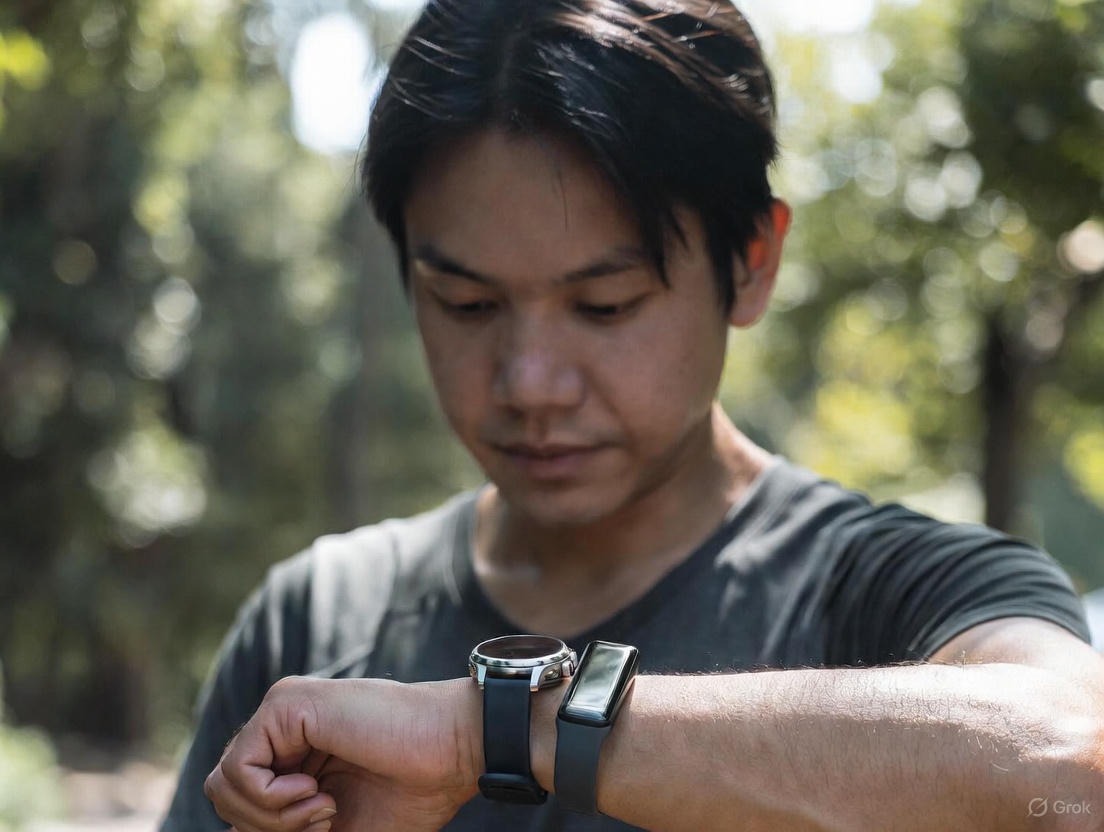
For the high-performing professional, stress is not the enemy—it’s the fuel. The problem is chronic, unchecked stress without adequate recovery. This leads to sustained high cortisol, suppressed immunity, poor sleep, and burnout. You cannot avoid stressors, but you can master your physiological response to them with an "Instant Reset Toolkit"—techniques that activate the parasympathetic nervous system in under 60 seconds.
Physiological Sigh. This is the fastest, most researched hard reset. Inhale deeply through your nose, then take one more sharp, short inhale to fully inflate the lungs. Then, exhale slowly and completely through the mouth. Do this 2-3 times. This pattern rapidly improves oxygen exchange and lowers heart rate, used instinctively by humans and animals to calm down.
Box Breathing (Tactical Breathing). Inhale for a count of 4, hold for 4, exhale for 6, hold for 2. Repeat for 1-2 minutes. This pattern is used by Navy SEALs to maintain calm under extreme pressure. It directly influences the autonomic nervous system, promoting calm focus.
Cold Exposure (The Micro-Blast). Splashing very cold water on your face, or placing a cold pack on your neck or wrists for 30 seconds, triggers the "mammalian dive reflex," instantly slowing heart rate and shifting blood flow. It’s a powerful jolt back to the present moment.
Grounding (90-Second Rule). When feeling overwhelmed, drop into your senses. Identify: 5 things you can see, 4 things you can feel, 3 things you can hear, 2 things you can smell, 1 thing you can taste. This forces your brain out of its anxious narrative and into the present sensory reality.
Keep this toolkit accessible. When a stressful email hits, before a big presentation, or in the middle of a chaotic day, step away for 60 seconds and deploy one of these resets. The goal is not to feel blissful, but to interrupt the stress cascade and return to a state from which you can operate effectively. Tracking your HRV over time can show you how your nervous system is handling cumulative stress, and how effective your reset tools are at improving your recovery metrics, a topic often explored in depth for those seeking to learn more about smart ring technology.
Your physical environment exerts a constant, low-grade influence on your energy, focus, and stress levels. "Environmental Engineering" is the practice of deliberately shaping this space to work for you, not against you. Small, inexpensive tweaks can yield significant dividends in daily well-being.
Light: Your Productivity Drug. Prioritize natural light. Position your desk near a window. Exposure to bright, blue-rich daylight during the day reinforces your circadian rhythm and boosts alertness. In the afternoon and evening, reduce exposure to blue light. Use software like f.lux or your operating system's Night Shift mode, and consider wearing blue-light-blocking glasses. This protects your melatonin production for better sleep.
Soundscaping for Focus. Constant, unpredictable office noise is a major cognitive drain. If you can't control the noise, mask it. Use noise-canceling headphones with a consistent, non-distracting soundscape. Options include:
Ergonomics is Health Economics. Poor posture creates physical stress that the brain must constantly monitor. Invest in a good chair, or use a standing desk converter. Ensure your monitor is at eye level and your wrists are neutral when typing. This isn't about luxury; it's about preventing the chronic pain and tension headaches that sabotage performance.
Air Quality & Greenery. Stale, CO2-heavy air in meeting rooms can cause drowsiness and impaired decision-making. Crack a window when possible. Introduce plants like snake plants or peace lilies, which can improve air quality and have a demonstrated calming effect, reducing perceived stress.
By taking control of these environmental levers, you create a "performance cockpit" that passively supports your goals. It removes friction and subtle stressors, allowing you to devote your full mental resources to the task at hand. For professionals curious about how even ambient temperature and daily routines affect their core biometrics, the Oxyzen FAQ provides answers on how advanced sensors can help you make these invisible factors visible.
You cannot out-supplement, out-exercise, or out-willpower poor sleep. Sleep is the ultimate biohack—the time when your brain cleans metabolic waste, consolidates memories, regulates hormones, and repairs your body. For the busy professional, protecting and enhancing sleep is the highest-ROI activity. It's not about more sleep; it's about better sleep.
The Wind-Down Protocol (The 60-Minute Bridge). Your transition from "on" to "off" is critical. Create a consistent 60-minute buffer before bed. This protocol should include:
Consistency is King. Go to bed and wake up at roughly the same time every day, even on weekends. This regularity strengthens your circadian rhythm, making it easier to fall asleep and wake up naturally.
Caffeine & Alcohol Reassessment. We addressed caffeine. Alcohol is a sedative, but it dramatically fragments sleep architecture, suppressing vital REM sleep (critical for emotional regulation and creativity). Limit consumption and avoid it within 3 hours of bedtime.
Leveraging Data for Sleep Quality. This is where a device like a smart ring shines. Unlike wrist-worn devices that can be inaccurate due to movement, a ring worn on the finger can provide highly precise data on sleep stages (light, deep, REM), sleep latency (time to fall asleep), restlessness, and blood oxygen saturation. You can see, for example, if your wind-down protocol is increasing your deep sleep, or if a late dinner is causing disruptions. This turns sleep from a mysterious black box into an optimized system. Reading about real customer reviews and experiences with sleep tracking can provide relatable insights into how others have used this data to transform their recovery.
In the quest for health optimization, technology can be a savior or a source of anxiety. The key is to move from passive data collection to actionable insight. The goal is not to become a slave to numbers, but to use them to create informed feedback loops and eliminate guesswork.
Choosing the Right Metric: Less is More. Focus on a few high-signal metrics rather than dozens of data points. For the busy professional, the golden triad is:
The Weekly Review, Not the Hourly Obsession. Don't check your data constantly. Instead, set aside 10 minutes once a week (Sunday evening is ideal) to review your trends. Ask: What was my average sleep score? Is my HRV trending up or down? What patterns do I see? Did a heavy workweek correlate with poorer recovery? This macro view provides meaningful insights without daily neurosis.
Personalized Experimentation. This is the superpower. Use the data to run 1-week experiments.
This is the scientific method applied to your own biology. A sophisticated device acts as your lab equipment. The mission of companies like Oxyzen, as you can discover on their about page, is often to provide this precise, actionable clarity—transforming raw data into a personal guide for daily optimization without adding to the noise.
Integration, Not Addition. The best health tech integrates seamlessly into your life. A smart ring, for instance, is worn 24/7 with zero daily interaction required—no charging every night, no need to remember to put it on. It silently gathers data while you live your life, providing the insights only when you seek them. This is the definition of a true efficiency tool: it does the work in the background so you can focus on execution.
For the high-achieving professional, downtime is often viewed as wasted time—a gap in productivity to be eliminated. This mindset is fundamentally flawed and is the express lane to burnout. Modern performance science reveals that proactive recovery is an active skill, not a passive state. It is the deliberate process of restoring your physical, mental, and emotional capacity. Think of it not as stopping work, but as charging your battery to a higher level for the next cycle of output. Resilience isn't about enduring more stress; it's about recovering from it faster and more completely.
The critical concept here is allostatic load—the cumulative physiological wear and tear from chronic stress. When your work life is a relentless series of deadlines, decisions, and digital demands, your allostatic load increases. Without intentional recovery, this load leads to breakdown: fatigue, cynicism, reduced efficacy, and illness. Proactive recovery techniques are designed to reduce this load, lowering your baseline stress and raising your capacity for future challenges.
Effective recovery isn't one-size-fits-all. It exists on a spectrum:
The busy professional must master the first two. This means scheduling recovery with the same intentionality as you schedule meetings. Block "strategic renewal" time on your calendar. This could be a 20-minute post-lunch walk, a 90-minute window for a hobby on Wednesday evening, or protecting your Sunday as a true digital sabbath. When recovery is scheduled, it shifts from a guilt-inducing "should" to a non-negotiable component of your performance plan. Many who utilize biometric feedback from devices like an Oxyzen ring find that seeing tangible data—like an improved HRV score after a true day of rest—provides powerful reinforcement for this behavior, turning abstract concepts into validated strategies. For deeper dives into integrating recovery into a high-performance lifestyle, resources like the Oxyzen blog regularly feature expert insights.

Humans are neurobiologically wired for connection. For the busy professional, often isolated in focus mode or amidst transactional work relationships, loneliness and a lack of meaningful social interaction become silent stressors. "Social fitness" is the deliberate practice of nurturing relationships that replenish rather than drain you. It is a critical, yet often overlooked, pillar of holistic health optimization.
The Quality-Over-Quantity Principle. You do not need a vast network. You need 2-3 high-value, trusted connections where you can be vulnerable, supported, and intellectually stimulated. Invest in these relationships with scheduled consistency—a weekly call with a mentor, a bi-monthly dinner with a close friend, a daily check-in with a partner. These interactions release oxytocin, reduce cortisol, and provide a vital perspective outside the bubble of your work.
Boundary-Setting as a Form of Self-Care. Part of social fitness is pruning relationships and interactions that are toxic or excessively draining. This requires clear communication and boundaries. It’s okay to mute group chats, decline invitations that feel obligatory, or limit time with chronically negative colleagues. Protecting your emotional energy is not selfish; it’s necessary for sustaining your ability to show up fully for the people who matter most.
The Power of Micro-Connections. Don't underestimate the value of small, positive social interactions throughout your day. A genuine thank you to a barista, a brief, non-work-related chat with a colleague, or a smile to a stranger. These micro-moments of positivity and recognition foster a sense of belonging and community, counteracting the anonymity that can accompany high-pressure professional life.
Leveraging Community for Accountability. Shared goals create powerful accountability. Consider joining or forming a mastermind group, a fitness challenge with friends, or a book club. When your health and growth goals are socially embedded, your commitment strengthens. Sharing your journey with a community that understands the unique pressures of professional life can be incredibly validating. Reading about others' experiences in similar journeys, such as those shared in Oxyzen's community testimonials, can inspire and provide a sense of shared purpose.
Ultimately, social fitness ensures that your drive for professional optimization doesn’t come at the cost of the human connections that give life meaning and provide a critical buffer against stress. It is the relational infrastructure that supports your ambition.
"Metabolic flexibility" is your body's ability to efficiently switch between using carbohydrates and fats for fuel. The modern, high-carb, frequent-snacking diet trains your body to be a "sugar burner"—reliant on constant glucose hits, leading to energy crashes, cravings, and brain fog when that glucose dips. The metabolically flexible professional is a "fat-adapted hybrid"—able to tap into steady, abundant fat stores for energy between meals, ensuring stable mood, focus, and energy regardless of meeting schedules.
Intermittent Fasting (IF) as a Time-Efficiency Tool. For the busy professional, IF isn't just a metabolic hack; it's a profound time-saver. By condensing your eating window (e.g., eating between 12 PM and 8 PM), you eliminate the need to plan, procure, and consume breakfast, freeing up mental space and morning time. More importantly, the 16-hour fast gently trains your body to access fat stores, improves insulin sensitivity, and can trigger cellular repair processes like autophagy. Start gently: skip breakfast, have black coffee/tea and water, and break your fast with a protein-rich lunch.
Prioritizing Protein and Healthy Fats. When you do eat, make protein the anchor of your meal. It provides the most satiety per calorie, is essential for maintaining muscle mass (critical for metabolic rate), and provides amino acids for neurotransmitter production. Pair this with healthy fats (avocado, olive oil, nuts, fatty fish) which provide sustained energy and are crucial for brain health. This combination naturally moderates carbohydrate intake, smoothing out blood sugar curves.
Strategic Carbohydrate Timing. Carbohydrates are not the enemy; they are a tool. For the sedentary workday, lower-carb meals support stable energy. If you exercise, especially with intensity, strategically consume healthier carbs (sweet potatoes, fruit, rice) in the meal after your workout. This is when your muscles are most insulin-sensitive and will shuttle those carbs into glycogen stores for future energy, not into fat.
The Post-Lunch Walk. A 10-15 minute walk after your largest meal, especially if it contains carbs, is one of the most potent tools for metabolic health. It improves glucose disposal, lowering the blood sugar spike and subsequent crash that leads to afternoon fatigue. It's a simple, non-negotiable habit with immediate and long-term benefits.
Cultivating metabolic flexibility means you are no longer a slave to hunger every three hours. You gain control over your energy supply, reducing cravings and the cognitive drain of constant food decisions. It is the ultimate form of nutritional efficiency for the mind and body.
Your brain is your primary instrument of value creation. "Cognitive capital" refers to the sum total of your brain's health, agility, and resilience. In a knowledge economy, depreciating this asset is catastrophic. Optimization here focuses on protection from decay and active investment in enhanced function.
Managing Cognitive Load. Your working memory has limited capacity. Every open tab, unfinished task, and unresolved worry consumes a slice. Use tools to externalize this load:
Deep Work Schedules. As discussed, defend blocks of time for undistracted, high-concentration work. This is when you produce your most valuable output. During these blocks, work on a single, pre-defined task. Multitasking is a myth that increases cognitive load, reduces quality, and drains energy.
Novelty and Learning as Cognitive Cross-Training. Just as you cross-train your body, you must cross-train your brain. Engaging in new, complex learning outside your professional domain builds new neural pathways and enhances neuroplasticity. Dedicate 30-60 minutes a week to learning a language, a musical instrument, a new software, or studying a topic completely unrelated to your work. This keeps your brain agile and resilient against age-related decline.
Nutritional Neuroprotection. Your brain is 60% fat. Support it with omega-3 fatty acids (from fatty fish or algae supplements), antioxidants (from colorful berries and vegetables), and key nutrients like choline (eggs, liver) and B vitamins (leafy greens). Protect it by minimizing processed foods, industrial seed oils, and excessive sugar, which promote inflammation linked to brain fog and long-term cognitive decline.
Investing in your cognitive capital ensures that your most valuable professional tool remains sharp, creative, and reliable for decades to come. It is the ultimate long-game strategy. For those interested in the intersection of technology and cognitive performance, exploring how Oxyzen works to provide data on sleep and recovery—two pillars of brain health—offers a practical application of this principle.
If your morning ritual sets the tone for your day, your evening ritual determines the quality of your recovery. The "Evening Unwind" is a deliberate, 60-90 minute process of decelerating your nervous system from the sympathetic (fight-or-flight) dominance of the workday to the parasympathetic (rest-and-digest) state required for deep sleep and cellular repair. A chaotic, screen-filled evening essentially puts your body through a metaphorical car crash right before you ask it to perform delicate repair work.
The Digital Curfew (Revisited and Reinforced). This is so critical it bears repeating. The single most effective thing you can do for your sleep and next-day energy is to eliminate blue light exposure 60-90 minutes before bed. This means no phones, no laptops, no TV. The light signal tells your brain it's daytime, suppressing melatonin. If you must use a device, employ severe blue-light filters and keep it brief.
The Power of Dim Light. As the sun sets, mimic nature indoors. Swap bright overhead lights for warm, dim lamps, preferably with orange/red hues. Consider using smart bulbs that automatically shift color temperature in the evening. This simple environmental cue powerfully reinforces your circadian rhythm.
The Ritual of Reflection. Use a journal for a "brain dump" or a gratitude practice. Writing down 3 things you're grateful for from the day has been shown to improve sleep quality and increase positive affect. Alternatively, write down your worries and unfinished tasks for tomorrow to clear mental RAM. This practice creates closure on the day’s events.
Gentle Somatic Practices. Engage in activities that bring awareness to the body and release physical tension:
The Consistent "Last Call." Finish eating and drinking (especially alcohol and large volumes of liquid) at least 2-3 hours before bed. This allows digestion to complete and minimizes sleep disruptions for bathroom trips.
By engineering this transition zone, you are not just "going to bed." You are actively, skillfully guiding your entire physiology into the optimal state for regeneration. The data from a consistent wind-down routine is often starkly visible in sleep tracking metrics—longer deep sleep, less restlessness, higher sleep scores—providing tangible proof of its efficacy. You can explore common questions about perfecting this routine in resources like the Oxyzen FAQ.
When you commit to daily health optimization, the benefits extend far beyond your own improved energy and focus. You create a positive ripple effect that impacts your team, your family, and your community. This isn't a selfish pursuit; it's a leadership responsibility and a form of service.
The Leader as a Model. As a professional, you are a de facto leader, whether you have a formal title or not. Your behaviors set a cultural tone. When you prioritize sustainable work practices, take real breaks, manage your energy, and speak openly about the importance of recovery, you give implicit (and explicit) permission for others to do the same. You help dismantle the toxic "hustle culture" that burns out talent and stifles creativity. Your vitality becomes contagious.
Enhanced Presence in Relationships. When you are well-rested, metabolically stable, and stress-resilient, you show up differently for the people in your life. You have the cognitive and emotional bandwidth to be truly present with your partner, your children, and your friends. You listen better, react less, and engage more. Your personal optimization directly improves the quality of your most important relationships.
Increased Capacity for Service. Burnout leads to cynicism and withdrawal. Vitality leads to generosity and engagement. When your own cup is full, you have significantly more to pour into mentoring others, contributing to your community, and tackling challenges with a solutions-oriented mindset. Your professional work itself becomes more impactful and meaningful.
The Data-Informed Family. The principles you learn—circadian rhythm respect, the importance of sleep, strategic nutrition—benefit your entire household. You can model and teach these habits, creating a healthier home environment. Sharing insights from your own biometric data (e.g., "Look how my sleep improves when we have a calm evening") makes health science tangible and collaborative.
In this way, the journey of optimizing your own health becomes a cornerstone of a more effective, compassionate, and sustainable professional and personal life. It’s the foundation upon which you can build a legacy that isn’t defined by what you achieved at the cost of your well-being, but by what you achieved because of it. The vision driving many wellness innovators, as detailed in Oxyzen's our-story page, is often rooted in this expansive view: empowering individuals to improve their own health, thereby creating a positive impact that radiates outward.

Knowledge is only potential power; execution is everything. The final step is to synthesize these strategies into a Personalized Health Optimization Protocol (PHOP)—a living, breathing set of default behaviors that automate your vitality. The goal is to make the healthy choice the easy, default choice, requiring minimal daily decision-making.
Step 1: The Audit (One Week). Before you change anything, observe. For one week, track your current baseline using whatever tools you have. Note your energy levels at 10 AM, 3 PM, and 8 PM. Note your sleep quality. Pay attention to your diet, stress triggers, and mood. If you have a device like a smart ring, this is its prime function—to give you an objective baseline of sleep, HRV, and activity without judgment.
Step 2: Prioritize Two Keystone Habits. Do not try to overhaul everything at once. Based on your audit, choose the two habits that will give you the biggest leverage. These are likely:
Step 3: Environment Design. Make your chosen habits inevitable by designing your environment.
Step 4: The Weekly Review & Experiment. Each Sunday, spend 15 minutes reviewing your week. Look at your data (if you have it) and your subjective feelings. What worked? What didn't? Then, plan one tiny experiment for the coming week. For example: "This week, I will take a 10-minute walk outside within 30 minutes of waking." This keeps the process engaging and scientific, not rigid and punitive.
Step 5: Iterate and Expand. Once your first two keystone habits are solid, add a third. Then a fourth. Your PHOP will evolve with your life, your goals, and your seasons of stress. It is a flexible framework, not a rigid set of rules. The ultimate aim is to build a lifestyle where health-supporting behaviors are so embedded they require little willpower—they are simply "what you do."
This structured approach prevents overwhelm and ensures sustainable progress. It turns the mountain of "getting healthy" into a series of manageable, strategic steps. For ongoing support, ideas, and community as you build your protocol, a wealth of information can be found on dedicated resource hubs like the Oxyzen blog, where new strategies and user experiences are continually shared.
The modern professional is fluent in data—KPI dashboards, sales forecasts, market analytics. Yet, when it comes to the most complex system we manage—our own biology—we often operate on guesswork and vague feelings ("I'm tired," "I'm stressed"). Advanced biometric feedback bridges this gap, transforming subjective experience into objective, actionable intelligence. This isn't about biohacking for its own sake; it’s about applying the same data-driven decision-making to your health that you apply to your business.
Moving Beyond Step Counting: The High-Value Metrics. While steps and active minutes are useful for general activity, the metrics that truly inform optimization for cognitive and physical resilience are more nuanced:
The power of a consolidated wearable, like a smart ring that tracks these metrics 24/7, is in revealing patterns and correlations, not isolated data points. For instance, you might discover that on days your deep sleep dips below 1.5 hours, your afternoon HRV plummets, correlating with poor focus. This moves you from feeling vaguely "off" to knowing a probable cause.
The Art of Interpreting Trends, Not Numbers. Obsessing over a single night's low HRV score is counterproductive. Life has variability. The wisdom lies in the trend line. Use a weekly or monthly view. Is your average HRV trending upward over the last 90 days? That’s a sign of improving resilience. Is your deep sleep percentage gradually decreasing? That’s a signal to investigate your evening routine or stress management. This longitudinal view turns data into a compass, not a hammer.
Running Personal N-of-1 Experiments. This is the pinnacle of personal optimization. Use your biometrics to test hypotheses with the rigor of a scientist.
You can run experiments on caffeine timing, workout intensity, meditation styles, or dietary changes. This method eliminates generic advice and delivers what works for your unique biology. It empowers you to become the expert on yourself. For those beginning this journey, exploring the Oxyzen FAQ can provide clarity on how such devices capture and present this critical data for experimentation.
Business travel is a potent disruptor of even the most solid health protocols. Jet lag, irregular schedules, airport food, and hotel living can dismantle your routines in days. The goal here is not perfection, but damage control and rapid re-synchronization. With strategy, you can maintain 80% of your vitality, making travel sustainable rather than destructive.
Pre-Flight Protocol:
In-Flight Strategy:
Destination Mastery:
The Homecoming Reset: Schedule a "buffer day" if possible after a major trip—a day with no critical meetings to allow for physical and mental re-acclimation. Prioritize sleep, home-cooked meals, and gentle movement to hit the ground running, not crawling, upon your return. The biometric feedback from your wearable during this period is invaluable; it shows you exactly how your body handled the trip and how quickly it’s recovering, providing data for refining your travel protocol next time.
Time management is obsolete. You cannot manage time; it passes at a fixed rate. What you can manage is your energy—the finite resource that fuels your focus, emotion, and physical capacity across four dimensions: Physical, Emotional, Mental, and Spiritual. Sustaining high performance requires investment and renewal in each quadrant.
1. Physical Energy: Quantity & Quality. This is the foundation. It’s managed through the pillars we’ve established: sleep, nutrition, movement, and breath. The key insight for professionals is pulsing. Alternate periods of expenditure (focus blocks, meetings) with deliberate renewal (movement breaks, strategic snacks, hydration). This rhythmic cycling prevents depletion. Track your physical energy via biometrics (sleep score, HRV) to know your capacity each day and plan your workload accordingly.
2. Emotional Energy: Quality. This is the energy derived from your emotional state. Negative emotions like frustration, anxiety, and resentment are high-energy drains. Positive emotions like joy, confidence, and appreciation are energy generators. Manage this quadrant by:
3. Mental Energy: Focus. This is the energy for cognition. It is depleted by multitasking, context-switching, and constant distraction. It is renewed by focused attention, mindfulness, and novelty. Manage this by:
4. Spiritual Energy: Purpose. This is the energy derived from a sense of meaning and connection to something larger than yourself. It’s the most renewable and powerful source. It’s managed by:
The professional who masters energy management audits these quadrants regularly. A feeling of burnout isn't just physical tiredness; it's often a depletion across all four. The solution is a targeted renewal strategy: if you're mentally drained, a physical workout might not help, but an hour disconnected in nature (spiritual/mental renewal) might. This framework provides a sophisticated diagnostic and treatment model for sustaining performance. For real-world examples of how individuals balance these energy dimensions, the narratives shared in Oxyzen's testimonials often provide powerful, relatable insight.
Health optimization for the busy professional is often framed around next-quarter performance: avoiding burnout, nailing the presentation, having energy for the sprint. While valid, this is a short-term, finite game. The Longevity Mindset shifts the goalposts. It asks: How do I build a physiology and a life that allows me to perform at a high level, enjoy deep relationships, and pursue passions not just for the next project, but for the next 50 years? This is the infinite game.
From Acute Interventions to Chronic Adaptations. The longevity mindset values consistency over intensity. It’s not about a 6-week crash diet for a vacation; it’s about a lifelong pattern of nutritious eating. It’s not about running a marathon on broken sleep; it’s about prioritizing sleep 90% of nights for decades. The focus shifts to creating lifestyle habits so ingrained they become identity: "I am someone who sleeps well," not "I am trying to sleep better."
The Centenarian Decathlon. Coined by Dr. Peter Attia, this concept asks: What are the essential physical tasks you want to be able to do at age 80, 90, or 100? Carry your own groceries? Hike with your grandchildren? Get up off the floor without assistance? Play a musical instrument? Work backward from those goals to inform your training today. This makes exercise purposeful—not for aesthetics, but for functional independence. It means prioritizing strength training, balance, and mobility now to preserve them later.
Cognitive Reserve & Brain Longevity. The longevity mindset actively invests in cognitive reserve—the brain's resilience to age-related decline or pathology. This is built through a lifetime of novel learning, complex problem-solving, rich social connections, and managing vascular health (through diet and exercise). It’s the reason to keep learning languages or instruments, not as a hobby, but as a direct deposit into your cognitive retirement account.
Social Integration as a Longevity Pillar. The famed Blue Zones—regions of the world with the highest concentrations of centenarians—all highlight strong social integration as a non-negotiable factor. Being embedded in a community with a sense of belonging is a powerful protective factor against disease and decline. The longevity-minded professional intentionally invests in and nurtures these bonds, seeing them as critical infrastructure for a long, healthy life.
Adopting this mindset transforms daily choices. That 20-minute resistance training session isn't just for today’s endorphins; it’s a deposit into your future muscle mass. That salmon salad isn't just for afternoon focus; it’s fighting chronic inflammation. This perspective adds profound meaning to the micro-choices, framing them as investments in a long, vibrant, and capable future. The mission of companies focused on sustainable health technology, as explored in Oxyzen's our-story, often aligns with this very vision: empowering individuals with the insights needed for a lifetime of well-being, not just a quick fix.
No optimization journey is linear. There will be weeks of travel, periods of intense work stress, illnesses, and life events that completely derail your best-laid plans. Interpreting these as "failures" is a critical error. The goal is not to avoid setbacks but to build anti-fragility—the quality of systems that grow stronger from volatility, stress, and disorder. Your health protocol must be anti-fragile.
The 85% Rule. Aim for consistency, not perfection. If you execute your ideal habits 85% of the time, you are winning spectacularly. This allows for 15% of life—the spontaneous dinners, the missed workouts during crunch time, the late nights with friends. This flexibility prevents the brittle, all-or-nothing mentality that leads to complete abandonment after one slip.
The Reset Ritual. Have a pre-defined, simple ritual for getting back on track after a setback. This could be as simple as:
This ritual takes the emotion and drama out of the setback and turns recovery into a systematic procedure.
Learning from the Data of Disruption. A setback is a rich data source. Look at your biometrics during and after a period of high stress or broken routine. How quickly did your HRV recover? How severely was your sleep impacted? This isn't for self-judgment; it's to understand your personal resilience thresholds. Maybe you learn that you need two full recovery days after a major project, not one. This data allows you to plan future intense periods more strategically, scheduling intentional recovery afterward.
Cultivating a Growth Mindset Towards Health. View your health as a skill you are constantly honing, not a fixed state you achieve. A setback is merely feedback, informing your next experiment. This mindset, common among the most successful individuals in any field, turns obstacles into information and fosters resilience. It’s the difference between “I failed at my diet” and “I learned that I need more prepared snacks during client quarters.”
Building anti-fragility ensures that life’ inevitable storms don’t break you; they provide the stress that, followed by adequate recovery, makes you more resilient for the next challenge. It is the ultimate integration of optimization into the messy, unpredictable reality of a high-powered life.
As we embrace data, there is a countervailing risk: data obsession. Checking your sleep score the moment you wake up and letting it dictate your mood. Becoming anxious because your HRV is 3 points lower today. This neurosis is counterproductive. The end goal is not to live by the numbers, but to use the numbers to refine your intuition—your innate sense of what your body needs. The sweet spot is where technology informs and validates, not rules, your decisions.
Data as a Compass, Not a GPS. A GPS gives turn-by-turn commands. A compass provides direction, but you still choose the path. Let your biometric data be a compass. A trend of low HRV suggests you need more recovery, but it doesn’t prescribe whether that’s an extra hour of sleep, a meditation session, or a day off. You apply your self-knowledge and context to choose.
The "Feel vs. Real" Check-In. Develop a daily practice of checking in with your subjective state before you look at any data. Rate your energy, mood, and focus on a scale of 1-10. Then, later, compare it to your data. Over time, you will calibrate your subjective feelings to the objective metrics. You’ll start to notice, "When my HRV is below X, I usually feel more irritable," or "I feel great even with less sleep if my deep sleep was high." This calibration is the birth of true bio-intelligence.
Seasonal and Cyclical Awareness. Your body is not a machine with static targets. Women have hormonal cycles. Men have infradian rhythms. Seasons change. Your optimal sleep duration, workout intensity, and even nutritional needs fluctuate. Use data to observe these personal cycles, not to fight them. Perhaps you see your RHR rise and HRV dip predictably in the week before a major project deadline—this is your body’s stress response. Knowing this allows you to schedule lighter work and more recovery during that phase, working with your biology.
Knowing When to Disconnect. There will be periods—a vacation, a family-focused weekend—where the most optimal choice is to take off the tracker and simply be present. This is a sign of mastery. You trust the habits you’ve built and the intuition you’ve honed. You can return to the data later to see the positive impact of true disconnection, often visible in a dramatic rebound in recovery metrics.
This harmonious integration is the pinnacle of modern health optimization. You become the CEO of your own well-being, with advanced biometrics as your dashboard and your cultivated intuition as your strategic vision. For those seeking to understand this balance, the community and resources found through Oxyzen's platform offer a space to learn from others navigating the same path.
You have now traversed a comprehensive landscape—from the micro-rituals of morning and evening to the macro-strategies of energy management and longevity thinking. You have been equipped with a framework that redefines health not as a time-consuming chore, but as a series of strategic, high-leverage interventions woven into the fabric of a demanding professional life.
The core tenets stand clear:
This is not the end of the journey, but the establishment of a solid, actionable foundation. The principles herein are your operating system. The habits you build are your applications. The data you gather is your user feedback.
The path forward involves deeper layers: advanced nutritional strategies for peak cognition, sophisticated training protocols that align with hormonal health, the psychology of habit formation and behavior change, and building an environment and community that perpetuates your success. It also involves confronting the unique challenges of different life stages, from early career intensity to the complexities of leadership and family life.
You now possess the map and the tools. The next phase is about refinement, personalization, and navigating more complex terrain. Remember, the goal was never to add more to your plate, but to transform the plate itself—to build a life where health is the invisible engine of your success, not a competing priority. Continue to learn more about smart ring technology and other tools, seek out further reading on the Oxyzen blog, and most importantly, begin your first experiment. Your most valuable project awaits: the optimization of you.
Your Trusted Sleep Advocate: Sleep Foundation — https://www.sleepfoundation.org
Discover a digital archive of scholarly articles: NIH — https://www.ncbi.nlm.nih.gov/
39 million citations for biomedical literature :PubMed — https://pubmed.ncbi.nlm.nih.gov/
Experts at Harvard Health Publishing covering a variety of health topics — https://www.health.harvard.edu/blog/
Every life deserves world class care :Cleveland Clinic - https://my.clevelandclinic.org/health
Wearable technology and the future of predictive health monitoring :MIT Technology Review — https://www.technologyreview.com/
Dedicated to the well-being of all people and guided by science :World Health Organization — https://www.who.int/news-room/
Psychological science and knowledge to benefit society and improve lives. :APA — https://www.apa.org/monitor/
Cutting-edge insights on human longevity and peak performance:
Lifespan Research — https://www.lifespan.io/
Global authority on exercise physiology, sports performance, and human recovery:
American College of Sports Medicine — https://www.acsm.org/
Neuroscience-driven guidance for better focus, sleep, and mental clarity:
Stanford Human Performance Lab — https://humanperformance.stanford.edu/
Evidence-based psychology and mind–body wellness resources:
Mayo Clinic — https://www.mayoclinic.org/healthy-lifestyle/
Data-backed research on emotional wellbeing, stress biology, and resilience:
American Institute of Stress — https://www.stress.org/


