


The Daily Health Optimization Routine of High Performers
The daily health routines of high-performing individuals.
The daily health routines of high-performing individuals.
%402x.svg)
In a world where the bar for achievement is perpetually rising, a new class of individuals has redefined what’s possible. These are the high performers: the founders, creators, elite athletes, and visionary leaders who consistently operate at the peak of their potential. For years, society attributed their success to sheer willpower, innate genius, or an unsustainable work ethic. We idolized the 4 AM wake-up calls and the grueling 100-hour workweeks, assuming that burnout was the inevitable price of greatness.
But a paradigm shift is underway. The most successful people on the planet are no longer glorifying exhaustion. Instead, they are treating their biology as the ultimate high-performance technology. Their secret isn’t just what they do—it’s a meticulous, data-informed system for optimizing how they function at a fundamental physiological level. This isn't about biohacking for its own sake; it's about creating a sustainable, resilient foundation that allows for consistent excellence without sacrifice.
Welcome to the new frontier of performance, where the daily routine is a finely-tuned protocol, and the smartest tool on your finger isn’t jewelry—it’s a command center for your wellbeing. This article is your deep dive into the daily health optimization routines of modern high performers. We’ll move beyond generic advice and into the specific, actionable strategies backed by physiology, neuroscience, and real-world data. We’ll explore how technologies like the advanced wellness-tracking smart rings from innovators like Oxyzen are transforming guesswork into precise insight, and how you can architect your own day for unparalleled vitality, clarity, and output. This is your blueprint.

For the high performer, health is not a separate category of life labeled "wellness" to be addressed on weekends. It is the core operating system upon which every other application—creativity, leadership, emotional resilience, strategic thinking—runs. Viewing health as a system means understanding that inputs (sleep, nutrition, movement, stress) directly determine outputs (focus, energy, decision-making, recovery).
This systemic approach is rooted in a simple, undeniable truth: You cannot outperform your biology. Your brain is a physical organ, reliant on blood flow, neurotransmitters, and stable glucose. Your willpower is a finite resource, depleted by poor sleep and inflammation. Your creative insights are most likely to arrive when your nervous system is in a state of calm alertness, not frantic survival.
High performers leverage this knowledge by making their health protocols as non-negotiable as their most critical business meetings. They schedule recovery with the same importance as product launches. They measure physiological data with the same rigor as key performance indicators (KPIs). Why? Because they’ve learned through experience—sometimes painful—that a 1% improvement in daily cognitive function, stress resilience, or sleep quality compounds over time to create an unassailable competitive advantage.
This shift from vague intention to precise system is powered by a new generation of personal biometrics. No longer reliant on subjective feelings ("I feel tired"), they use objective data ("My sleep latency was 12 minutes, and my nighttime heart rate variability dropped by 15%, indicating unresolved stress"). This is where deep, personalized insight becomes possible, moving you from simply having a routine to optimizing one that is uniquely yours.
The first hours of a high performer’s day are not about checking email. They are about deliberately setting the physiological and psychological tone for the next sixteen. This "morning anchor" is a series of intentional practices designed to prime metabolism, stabilize mood, and sharpen focus.
Light First, Caffeine Second. The most critical intervention happens before a single task is done: exposure to natural morning light. Viewing sunlight within 30-60 minutes of waking stimulates cortisol production in a healthy, time-releasing pattern, regulates circadian rhythms, and boosts daytime alertness and evening sleep drive. High performers prioritize getting outside for 10-15 minutes of low-angle sunlight, regardless of the weather. Caffeine consumption is strategically delayed for 90-120 minutes after waking. This allows adenosine receptors to clear naturally, prevents the afternoon crash, and leverages the body's natural cortisol pulse for energy.
Hydration and Movement. Following light, a liter of water with electrolytes (sodium, potassium, magnesium) is consumed to rehydrate after 7-8 hours of fasting. This replenishes fluids lost through respiration, supports cellular function, and aids cognitive performance. This is often followed by a short, non-strenuous movement sequence—dynamic stretching, a brisk walk, or yoga—designed to increase body temperature, lubricate joints, and enhance blood flow to the brain, not to exhaust.
The Strategic Fast. Many high performers utilize some form of time-restricted eating, commonly compressing their food intake into an 8-10 hour window. The morning, therefore, is often a fasted state. This practice has been shown to improve metabolic flexibility—the body's ability to efficiently switch between burning carbohydrates and fats for fuel. This metabolic agility translates to more stable energy levels and mental clarity throughout the day, free from the dips associated with constant snacking. To understand the nuances of how fasting and other biometrics interact with your unique body, resources like the Oxyzen blog offer continuously updated, science-backed guidance.
This entire morning sequence is engineered to build energy and focus from within, creating a stable platform for the demanding work ahead, rather than relying on external stimulants as a crutch.
For the high performer, food is neither a reward nor a comfort; it is strategic fuel. The goal is to provide steady, clean energy for the brain and body while minimizing inflammation, brain fog, and energy crashes. This requires a shift from thinking about calories to thinking about information—what biochemical signals is each meal sending?
Macronutrient Mastery. The focus is on high-quality protein (to support neurotransmitter production and muscle synthesis), a plethora of fibrous vegetables and low-fructose fruits (for micronutrients and gut health), and healthy fats (for hormone production and sustained energy). Carbohydrates are not demonized but are strategically timed. Complex, fibrous carbs are often consumed around periods of physical or cognitive exertion when their energy can be utilized, rather than stored.
The Anti-Inflammatory Plate. Chronic, low-grade inflammation is a silent killer of cognitive performance and recovery. High performers prioritize anti-inflammatory foods: leafy greens, berries, fatty fish rich in omega-3s, nuts, seeds, and spices like turmeric and ginger. They minimize or eliminate processed foods, refined sugars, and industrial seed oils, which are known to disrupt gut health and increase systemic inflammation.
Precision Supplementation. Supplementation is used to fill nutritional gaps and provide therapeutic doses of compounds that support cognitive and physical performance. Common staples include high-quality fish oil (EPA/DHA for brain health), vitamin D3 + K2 (for immune function and bone health), magnesium (for sleep and relaxation), and adaptogens like rhodiola rosea or ashwagandha to modulate stress response. However, this is not a guessing game. The most effective protocols are informed by regular blood work and, increasingly, by continuous biometric feedback. By tracking how your body responds to different foods and supplements, you can move from generic advice to a truly personalized nutrition plan. For those curious about how technology enables this, you can discover how Oxyzen works to correlate lifestyle inputs with physiological outputs.
The outcome of this nutritional strategy is not just a healthier body, but a clearer, more agile, and resilient mind capable of sustained deep work.

Physical activity for the high performer is a dual-purpose tool: it builds resilience for stress and enhances cognitive function, but it is also a potent stressor that must be carefully managed. The key is intelligent periodization—balancing intense effort with dedicated recovery—to create a positive adaptation cycle without overtraining.
Non-Negotiable Low-Intensity Steady State (LISS). Far from the "go hard or go home" mentality, a cornerstone of the movement protocol is frequent, low-intensity movement. This includes 30-60 minutes of walking, cycling, or swimming at a heart rate zone where conversation is easy (often Zone 2). This type of movement enhances mitochondrial density (the energy powerhouses of cells), improves cardiovascular health, aids metabolic flexibility, and promotes recovery by stimulating blood flow without significant systemic stress. It’s often scheduled for after lunch to combat the postprandial dip or as a standalone recovery session.
Strength as a Keystone Habit. Resistance training 2-4 times per week is prioritized not for aesthetics alone, but for its profound systemic benefits: increased bone density, improved insulin sensitivity, boosted growth hormone and testosterone (crucial for vitality in both men and women), and enhanced resilience to injury. The focus is on compound movements (squats, deadlifts, presses, rows) that build functional strength and stimulate the most beneficial hormonal responses.
Strategic High-Intensity Interval Training (HIIT). HIIT is used sparingly and purposefully—typically 1-2 times per week at most. These short, intense bursts (like sprints or kettlebell circuits) are powerful for improving VO2 max and metabolic rate, but they come with a high recovery cost. High performers time these sessions strategically, often before a rest day or a period of lower cognitive demand, and they rely on objective data to ensure they are fully recovered before subjecting themselves to another high-stress bout.
This is where recovery is truly quantified. It’s no longer about "taking a day off if you feel tired." Devices like a smart ring provide direct insight into your body's readiness. Metrics like Heart Rate Variability (HRV), resting heart rate (RHR), and sleep quality data inform whether the day calls for a high-intensity sprint, a steady-state walk, or complete rest. This feedback loop prevents the all-too-common pitfall of chronic overreaching, which silently erodes performance. To see how others have leveraged this data to transform their training, real customer reviews often highlight this precise application.
If there is one non-negotiable pillar of high performance, it is sleep. Elite performers treat sleep with a reverence bordering on ritual. They understand that sleep is not passive downtime; it is an active, neurologically critical process for memory consolidation, metabolic repair, emotional processing, and cognitive rejuvenation.
The Wind-Down Protocol. Sleep optimization begins hours before bed. High performers employ a deliberate "digital sunset," dimming lights and eliminating blue-light exposure from screens 60-90 minutes before target bedtime. This supports the natural production of melatonin, the sleep hormone. This time is often used for reflection (journaling), light reading (fiction, not work-related material), gentle stretching, or meditation. The environment is engineered for darkness (blackout shades), coolness (65-68°F or 18-20°C), and quiet.
Consistency is King. Perhaps more important than the duration of sleep is the consistency of timing. Going to bed and waking up at the same time every day—even on weekends—is a powerful signal to the body's master clock, the suprachiasmatic nucleus. This regulates not only sleep-wake cycles but also hormone release, digestion, and cellular repair cycles. A consistent schedule leads to higher sleep efficiency (more time asleep while in bed) and improved subjective sleep quality.
Beyond Duration: Measuring Sleep Architecture. High performers don't just track "8 hours in bed." They track sleep stages: light, deep (slow-wave), and REM sleep. Each stage serves a distinct purpose. Deep sleep is crucial for physical recovery and growth hormone release, while REM sleep is essential for learning, memory, and creativity. Using technology that provides insight into this architecture allows for targeted optimization. For example, if data shows consistently low deep sleep, interventions might include adjusting evening exercise timing, moderating alcohol (a known deep-sleep disruptor), or increasing magnesium intake. The journey to perfecting this pillar is personal, and many find value in the support and FAQ resources offered by their tech partners to troubleshoot common sleep-tracking questions.
The result of this meticulous approach is waking up truly refreshed, with a mind ready to tackle complex problems and a body fully repaired from the previous day's demands.
Physical health alone is insufficient for enduring high performance. The modern achiever invests equally in mental fitness—the capacity to manage attention, regulate emotions, and maintain cognitive flexibility under pressure. This is the practice of training the mind with the same discipline as the body.
Daily Mindfulness Practice. This is not necessarily a 60-minute silent meditation. For many, it’s a non-negotiable 10-20 minute daily session of focused attention (on breath, a mantra, or bodily sensations) or mindfulness. The proven benefits are manifold: increased gray matter density in the prefrontal cortex (associated with decision-making), reduced amygdala reactivity (the brain's fear center), and improved ability to disengage from distracting thoughts. This creates a "gap" between stimulus and reaction, allowing for more deliberate and less emotionally-driven responses.
The Practice of Gratitude and Reframing. Actively cultivating a positive mindset is a defensive strategy against burnout and anxiety. A simple nightly practice of writing down three specific things one is grateful for has been shown to significantly improve optimism and life satisfaction over time. Furthermore, high performers practice cognitive reframing—consciously interpreting challenges as opportunities for growth rather than threats. This isn't positive thinking; it’s strategic thinking that preserves cognitive resources.
Focused Deep Work Sprints. Mental fitness is also about the architecture of attention. The workday is structured around blocks of 60-90 minutes of uninterrupted, deep work—phone off, notifications silenced, single tasking. This is followed by a true break for mental recovery. This rhythm, aligned with the brain's ultradian cycles, maximizes the quality of output while minimizing mental fatigue. The ability to enter and sustain this state of "flow" is itself a trainable skill, honed by eliminating digital distractions and creating ritualistic starting cues. For more on building these sustainable productivity systems, the Oxyzen blog frequently explores the intersection of biometrics and cognitive performance.
By training the mind, high performers build an inner resilience that allows them to navigate volatility, uncertainty, and high-stakes pressure without losing their center or their strategic edge.
This is the defining difference between the old-school grind and the new-school optimized performance: the integration of continuous, objective biometric data. High performers no longer rely solely on subjective feelings ("I feel okay") to guide decisions about training, recovery, or workload. They use data as a coach, a compass, and an early warning system.
Key Performance Indicators for Your Body. The most valuable metrics form a dashboard of internal readiness:
The Feedback Loop in Action. A high performer might review their morning readiness score (derived from HRV, RHR, and sleep data) to decide: Should I do my planned high-intensity workout, or switch to a recovery-focused day? They might notice that late-evening meals consistently depress their deep sleep scores and adjust their eating window accordingly. They could correlate periods of high work stress with a steady decline in HRV, prompting them to institute mandatory digital detox weekends.
This objective feedback is what closes the loop on optimization. It removes ego and guesswork from the equation. It personalizes the broad principles of health into a protocol that is uniquely responsive to your body's signals. This philosophy of human-centric innovation is at the core of the Oxyzen story, which was founded on the belief that technology should serve our biological needs, not distract from them.

High performers have redefined their relationship with stress. They understand that stress is not the enemy; in fact, acute, manageable stress (hormesis) is essential for growth, whether in lifting weights, learning a skill, or tackling a business challenge. The enemy is chronic, unmanaged stress—the kind that persists without adequate recovery.
Strategic Stressors. They intentionally apply acute stressors in controlled doses: a hard workout, a cold plunge, a challenging work project, or a public speaking engagement. Each of these triggers a beneficial stress response, releasing hormones like adrenaline and cortisol that, in the short term, enhance focus and energy. The critical follow-up is the recovery period, where the body adapts and becomes stronger, more resilient.
Scheduled Non-Negotiable Downtime. Recovery is not passive; it is actively scheduled. This includes:
The Role of Biofeedback. Technologies that provide real-time stress indicators (like a sudden elevation in resting heart rate during a meeting) allow for in-the-moment stress management. A high performer, noticing this spike, might employ a discreet breathing technique (like a physiological sigh) to bring their physiology back into balance before a stress response escalates. This is the art of staying in the performance zone—aroused enough to be engaged, but not so stressed that cognition shuts down.
A high performer’s routine extends into the very spaces they inhabit. They recognize that environment powerfully shapes behavior, energy, and focus. Therefore, they engineer their physical and digital environments to make optimal choices the default and to minimize cognitive drain.
The Physical Workspace. Their work area is designed for deep focus: clutter-free, with intentional lighting (prioritizing natural light, using bright, blue-enriched light for focus periods, and warm, dim light for winding down). Ergonomics are non-negotiable—a standing desk, an ergonomic chair, proper monitor height—to prevent the physical stress of poor posture, which can subtly drain energy and focus over hours.
The Digital Landscape. This is where major battles for attention are won or lost. High performers aggressively defend their cognitive space:
The Social Environment. They are mindful of the "social thermocline"—the fact that we tend to adopt the habits and attitudes of the five people we spend the most time with. High performers consciously cultivate relationships with others who value growth, health, and excellence, creating a positive peer-pressure ecosystem that supports their goals. This principle of building a supportive community is a value you’ll find woven into the fabric of Oxyzen’s mission, which aims to bring together individuals focused on meaningful self-improvement.
By designing an environment that supports rather than sabotages their intentions, high performers conserve vast amounts of willpower and mental energy, redirecting it towards their most important work.
Just as the morning anchors the day, the evening secures the night and sets the stage for tomorrow’s success. For the high performer, the 60-90 minutes before bed are a sacred transition period from high-output mode to deep-recovery mode. This is not wasted time; it is an active investment in sleep quality and next-day readiness.
The Temperature Drop. A drop in core body temperature is a key signal for sleep onset. High performers leverage this by taking a warm bath or shower 60-90 minutes before bed. The body’s subsequent effort to cool down post-bath mimics this natural temperature decline, promoting drowsiness. Conversely, they ensure the bedroom itself is cool, as mentioned earlier.
The Cognitive Shutdown. This is a deliberate process of downloading the day’s thoughts to quiet the mind. It often involves:
The Relaxation Response. The final minutes before lights out are dedicated to a parasympathetic nervous system activation practice. This could be a short, guided meditation focused on body scan relaxation, a few minutes of very gentle stretching or yoga nidra, or listening to calming music or an audiobook. The goal is to achieve a state of calm alertness, not exhaustion from staring at a screen until the last second.
This entire unwind ritual is a signal to the brain and body that the work is done, it is safe to rest, and the intensive repair processes of sleep can begin. By consistently following this pattern, the body learns to anticipate and prepare for high-quality sleep, turning it from a hopeful occurrence into a predictable outcome.
High performance is a marathon, not a series of sprints. The smartest performers understand that to avoid the inevitable crash of chronic stress, they must periodize their lives not just in workouts, but across the entire week. This creates a rhythm of stress and recovery that is sustainable for decades, not just months.
The Concept of the "Stress Bucket." Imagine a bucket that fills with stress from all sources: work deadlines, hard workouts, difficult conversations, poor sleep, and even excessive news consumption. The bucket has a tap at the bottom (recovery activities) that lets water out. Burnout occurs when the bucket overflows. The weekly rhythm is about strategically managing the inflow and ensuring the outflow is consistently greater.
Designing the Week. A prototypical high-performance week might look like this:
The Quarterly Off-Ramp. Beyond the weekly rhythm, true high performers schedule longer recovery blocks—a 3-4 day mini-vacation or a complete digital detox every quarter. This acts as a hard reset for the nervous system, prevents the accumulation of chronic stress, and often sparks their biggest creative insights, born from a rested mind.
This disciplined rhythm is what separates enduring excellence from fleeting brilliance. It is the ultimate acknowledgment that to perform at the highest level, you must respect the fundamental need for oscillation—between effort and ease, between stress and recovery. It is within this balance that sustainable greatness is forged.
Beneath the surface of every habit, every meal, and every workout lies the invisible orchestra of hormones. For the high performer, understanding and supporting this hormonal symphony is not an advanced elective; it's a core curriculum in human performance. Hormones like cortisol, insulin, testosterone, estrogen, and thyroid hormones are the chemical messengers that dictate energy allocation, mood, recovery speed, cognitive function, and overall vitality. The daily routine is, in many ways, a series of levers designed to conduct this symphony toward harmony, not cacophony.
Cortisol: The Rhythm Conductor. Often misunderstood as merely the "stress hormone," cortisol's rhythm is critical. A healthy cortisol curve peaks sharply in the morning (aiding wakefulness), gradually declines throughout the day, and reaches its lowest point at night (facilitating sleep). High performers protect this rhythm religiously. They support the morning peak with light exposure and movement. They prevent destructive midday or evening spikes by managing psychological stress, avoiding caffeine late in the day, and not engaging in intense exercise too close to bedtime. Chronic, flatlined cortisol (from burnout) or elevated evening cortisol are red flags that the system is out of tune, directly impairing sleep and recovery. This is where HRV data becomes a proxy indicator—a depressed HRV often correlates with a dysregulated cortisol pattern.
Insulin: The Fuel Manager. Insulin sensitivity—how efficiently your cells respond to insulin—is a master metric for metabolic health. High performers aim for high insulin sensitivity, meaning their bodies require less insulin to manage blood sugar. This is achieved through the combination of resistance training, strategic carbohydrate timing (e.g., around workouts), a high-fiber diet, and time-restricted eating. Poor insulin sensitivity (insulin resistance) leads to energy crashes, brain fog, increased inflammation, and fat storage. The goal is to keep insulin levels low and stable for most of the day, avoiding the frequent spikes and crashes caused by constant snacking on processed carbs.
Sex Hormones: The Vitality Sustainers. Testosterone (in both men and women) and estrogen are crucial for muscle maintenance, bone density, libido, motivation, and cognitive sharpness. Lifestyle factors that high performers optimize for naturally support healthy levels: high-quality sleep (especially deep sleep), strength training, managing body fat percentage, consuming healthy fats and zinc, and minimizing exposure to endocrine-disrupting chemicals found in plastics and personal care products. Chronic stress, alcohol excess, and poor sleep are among the fastest ways to sabotage this aspect of the hormonal profile.
The Thyroid: The Metabolic Thermostat. Thyroid hormones (T3 and T4) set the metabolic rate of every cell in the body. Supporting thyroid function involves ensuring adequate intake of iodine (from seafood, iodized salt), selenium (Brazil nuts), and zinc, while also managing the autoimmune inflammation that is a common cause of dysfunction in the modern world. This again ties back to the foundational anti-inflammatory nutrition and gut health strategies. For a deeper exploration of how these physiological systems interconnect and can be tracked, the resources at the Oxyzen blog offer valuable, evolving insights.
By viewing their daily actions through the lens of hormonal impact, high performers move beyond superficial habits. They understand that skipping sleep doesn't just make them tired—it disrupts cortisol, growth hormone, and testosterone. They know that that sugary afternoon snack doesn't just provide a brief buzz—it triggers an insulin spike that will compromise energy and clarity hours later. This biochemical literacy allows for profoundly more effective decision-making.
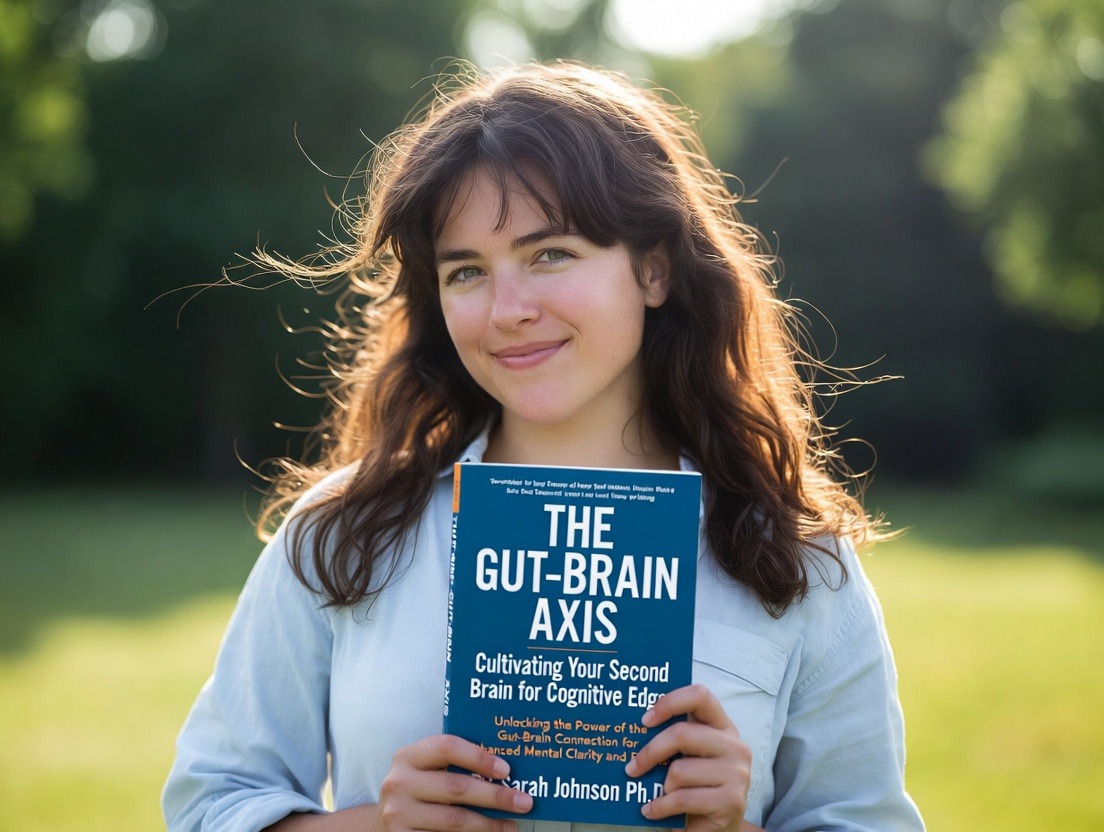
The most cutting-edge frontier in performance optimization may well reside in the gut. The gut-brain axis—the bidirectional communication network linking the enteric nervous system in your gastrointestinal tract with your central nervous system—is now understood to be a critical determinant of mental state, stress resilience, and cognitive function. High performers are increasingly acting as "gut gardeners," cultivating a microbiome that works for them, not against them.
The Microbiome as a Performance Partner. Your gut is home to trillions of bacteria that produce neurotransmitters (like ~90% of your body's serotonin and a significant amount of GABA), regulate inflammation, and influence the production of brain-derived neurotrophic factor (BDNF), a key protein for learning and memory. A diverse, robust microbiome is associated with lower anxiety, better mood, and sharper cognition. Conversely, a dysbiotic gut (an imbalance of good and bad bacteria) is linked to brain fog, low energy, and increased susceptibility to stress.
Dietary Strategies for a High-Performance Gut. The protocol is focused on feeding the beneficial bacteria:
Protecting the Gut Lining. Equally important is avoiding what damages the gut. This means minimizing or eliminating:
High performers notice the cognitive payoff of a healthy gut: more stable moods, less reactivity to stress, and a "cleaner" mental energy. They treat digestive discomfort not as a minor nuisance, but as a critical system alert. Understanding this deep connection between what you eat and how you think is part of the comprehensive approach to wellness that guides companies like Oxyzen. You can learn more about smart ring technology and how it can correlate lifestyle choices like diet with markers of recovery and readiness, offering clues about your gut-brain axis health.
Deliberate, acute exposure to extreme temperatures—cold and heat—has moved from fringe biohacking to a mainstream tool in the high-performer's arsenal. When applied correctly, these are powerful hormetic stressors that train the nervous system, boost mood, enhance circulation, and improve metabolic health.
The Cold Plunge Protocol. Exposure to cold water (50-59°F / 10-15°C) for 2-5 minutes, typically upon waking or post-workout, triggers a suite of beneficial adaptations:
The Sauna Ritual. Regular sessions in a dry or infrared sauna (176-194°F / 80-90°C) for 15-30 minutes, followed by a cool shower, offer complementary benefits:
Integration into the Routine. High performers use these tools strategically. A morning cold plunge primes them for the day. A sauna session in the late afternoon or evening aids muscle recovery and, for many, promotes deeper sleep (provided it's not done too close to bedtime). The key is listening to the body and using readiness data; an already-stressed system (indicated by low HRV) may benefit more from a gentle contrast shower than an intense ice bath. For those navigating how to integrate these powerful tools safely, checking the FAQ and support resources of trusted wellness platforms can provide practical guidance.
If the gut microbiome needs curation, the "info-biome" demands it with even greater urgency. The average person's attention is under relentless assault from notifications, social media feeds, news cycles, and the infinite scroll. High performers practice radical "cognitive hygiene"—a set of protocols to protect their most valuable asset: their focused attention and mental clarity.
The Principle of Intentional Consumption. They shift from passive, algorithmic-driven consumption to active, intentional intake. This means:
Deep Work Guardrails. As described, focused work blocks are sacred. To protect them, they employ physical and digital barriers:
The Attention Restoration Theory. High performers recognize that focused attention is a finite resource that depletes. To restore it, they engage in activities that invite "soft fascination": walks in nature (without headphones), looking out a window, or engaging in a hands-on hobby. These activities allow the brain's directed attention networks to replenish, leading to renewed creativity and problem-solving ability later. This philosophy of designing technology to augment, not usurp, our human capacities is a core tenet of thoughtful innovation, something you can explore further in Oxyzen's story and mission.
By treating their attention with the same care as their nutrition, they maintain a clarity and depth of thought that allows them to solve complex problems and generate novel ideas—the true currency of high-level performance.
The journey of optimization can be a lonely one if undertaken in isolation. The most successful high performers understand that while the work is personal, the environment is communal. They build a "social scaffolding"—a network of relationships that provides support, accountability, and positive peer pressure.
Mastermind Groups and Accountability Partnerships. They often participate in small, trusted groups of peers (masterminds) or have a single accountability partner. These relationships are not for casual networking; they are structured for mutual elevation. They meet regularly to set goals, review progress, share challenges, and offer brutally honest feedback. Knowing you have to report your week's sleep average or workout consistency to a group that expects excellence is a powerful motivator.
The Coach- Athlete Dynamic. Even the best athletes in the world have coaches. High performers in business and life apply the same principle. They hire coaches for specific domains: a strength coach, a nutritionist, a business strategist, or an executive coach. A good coach provides an external perspective, holds you to a higher standard than you might hold yourself, and provides the structured programming that frees your mental energy for execution rather than planning.
Cultivating a Positive "Tribe." They are deliberate about their inner circle. They spend less time with "energy vampires" who are perpetually negative or cynical and more time with people who are optimistic, growth-oriented, and engaged in meaningful pursuits. This isn't about being elitist; it's about recognizing that motivation and mindset are contagious. The social proof and shared values within such a tribe make healthy, ambitious choices feel normal and effortless.
Sharing the Journey. Many find value in sharing aspects of their journey publicly or within a community, like the Oxyzen user community. Seeing others' data, routines, and challenges normalizes the process, provides new ideas, and creates a sense of shared purpose. It transforms a personal quest into a collective endeavor.
This social layer transforms discipline from a grim exercise of willpower into a supported, engaging practice. It provides encouragement during plateaus and celebrates victories, making the path to sustained high performance not only more effective but also more enjoyable.
A high performer's system is not static; it is a dynamic, evolving experiment. The quarterly review is the dedicated time to step back from the daily and weekly grind, assess the data, and deliberately adjust the course. This is where strategy meets physiology.
The Data Triangulation. They pull together data from all sources:
Habit Audit. They review their current routine with ruthless honesty. Which habits are serving them and feel sustainable? Which have become chores or are no longer yielding benefits? They ask: "Is this still the most effective practice for my current goals?" This prevents ritual from devolving into empty routine.
Goal Recalibration. Based on the assessment, they set goals for the next quarter. These are specific, measurable, and informed by the past quarter's learnings. A goal might shift from "get stronger" to "increase my average HRV by 10% through prioritizing sleep hygiene and adding two LISS sessions per week," recognizing that foundational recovery is the current bottleneck to strength.
Protocol Experimentation. The quarterly review is the time to introduce one or two new, focused experiments. This could be testing a new supplementation protocol, shifting a workout time, or trying a different meditation app. By changing only one variable at a time and monitoring the biometric and subjective results over the next 90 days, they engage in true self-optimization. This iterative, data-informed approach is the hallmark of a modern high performer, turning life into a continuous learning loop. For those seeking a structured way to begin this process, exploring the tools and philosophy behind how Oxyzen works can provide a solid foundation for your own quarterly reviews.

Ultimately, the most sophisticated routine will crumble without a compelling "why." High performers connect their daily disciplines to a purpose that is larger than themselves—whether it's building a legacy, supporting their family, contributing to a field, or mastering an art. This purpose is the fuel that makes the early mornings and declined invitations meaningful, not just punishing.
Alignment of Actions and Values. Their health protocol is not an isolated vanity project; it is in service of their mission. They see that being physically resilient allows them to lead their team through a crisis. Mental clarity enables them to make better strategic decisions. Emotional stability lets them be a better partner and parent. The routine becomes an act of integrity, aligning their physical capacity with their life's ambitions.
Service as a Motivator. Many find that their ability to serve others—their clients, community, or family—is directly tied to their own vitality. "I need to be at my best for them" is a far more powerful and sustainable motivator than "I need to look a certain way." This reframe transforms discipline from self-denial into an act of responsibility and care.
The Virtuous Cycle. Engaging in a purposeful life provides positive stress (eustress) and deep fulfillment, which themselves are powerful promoters of health. Positive emotions, a sense of accomplishment, and strong social bonds all lower inflammatory markers and support healthy hormonal function. Thus, the purpose that the health routine supports ends up reciprocally supporting the health routine. It creates a virtuous cycle where thriving in one's work and relationships makes it easier to maintain physical health, and vice-versa.
This deep alignment is the final, non-negotiable ingredient. It's the reason why the routine is maintained not just for a 30-day challenge, but for a lifetime. It answers the question, "For what?"—and the answer makes every deliberate choice worthwhile. To see how others have integrated purpose with performance, reading through the real-world experiences shared by Oxyzen users can be a powerful source of inspiration.
The volume of information can be paralyzing. The final step is translation: moving from understanding these principles to building your own personalized, sustainable protocol. Here is a non-dogmatic, phased framework used by high performers to integrate without overwhelm.
Phase 1: The Foundation Audit (Weeks 1-2). Before adding anything new, measure your baseline. For two weeks, simply track without trying to change. Use whatever tools you have—a notepad, a basic app, or a comprehensive device. Record:
Phase 2: The "Keystone Habit" Implementation (Weeks 3-8). Identify ONE keystone habit that will have a ripple effect. This is almost always sleep consistency. For 6 weeks, make it your sole mission to be in bed and awake at the same time every day, within a 30-minute window, and get 7-8 hours. Protect this habit above all else. Do not try to change your diet, workout routine, or anything else yet. Master this first. The resulting improvement in energy and willpower will make every subsequent change easier.
Phase 3: Layering in Nutrition & Movement (Weeks 9-14). Once sleep is solid, add the second layer: strategic hydration and one daily whole-food meal. Start your day with a large glass of water. Ensure one meal (e.g., lunch) is built around a protein source, vegetables, and healthy fats. Concurrently, introduce daily low-intensity movement—a 20-minute walk. Don't worry about gym workouts yet. This phase stabilizes energy and establishes non-negotiable daily health anchors.
Phase 4: Optimization & Personalization (Week 15+). Now, with solid foundations, you can begin to experiment and personalize. This is where you might:
Remember, the goal is not to imitate someone else's perfect routine on day one. The goal is to build your resilient, sustainable system, one intelligent brick at a time. For a wealth of practical guides and deeper dives into each of these phases, the Oxyzen blog serves as an excellent, ever-growing repository of actionable information.
For the true high performer, the horizon of optimization extends far beyond next quarter's goals. It spans decades. The ultimate aim shifts from merely "performing well this year" to building a biology that supports vitality, cognitive sharpness, and physical capability well into later life. This longevity lens reframes daily habits as investments in a future where one is not just alive, but actively engaged, contributing, and thriving. It’s the difference between lifespan (how long you live) and healthspan (how long you live well).
Cellular Health: Autophagy and Mitophagy. At the core of longevity are cellular repair processes. Autophagy (the body's way of cleaning out damaged cells) and mitophagy (the recycling of worn-out mitochondria) are critical for preventing the cellular debris that accelerates aging. High performers actively stimulate these processes through:
The Blood Chemistry Blueprint. Longevity-focused performers get regular, comprehensive blood work—not just standard panels, but advanced markers like:
Preserving Muscle and Bone. Sarcopenia (age-related muscle loss) and osteoporosis are not inevitable. They are outcomes of a default lifestyle. The longevity protocol fiercely combats this with non-negotiable, progressive resistance training and adequate protein intake (often 1.6-2.2g per kg of body weight) distributed throughout the day to maximally stimulate muscle protein synthesis. This preserves metabolic rate, functional independence, and hormone health.
Cognitive Reserve and Brain Plasticity. To protect against cognitive decline, they engage in continuous, novel learning—learning a language, a musical instrument, or a complex new skill. This builds "cognitive reserve," creating more neural connections so the brain can withstand age-related changes. Combined with the anti-inflammatory diet, quality sleep (when the brain's glymphatic system clears waste), and cardiovascular exercise, this creates a robust defense for the mind. This holistic view of long-term wellness is deeply aligned with the vision of companies like Oxyzen. Understanding Oxyzen's story and mission reveals a commitment not to short-term trends, but to enduring tools that support a lifetime of health.
By adopting this long-term view, the daily choices gain a deeper significance. That evening walk isn't just for today's stress; it's an investment in your cardiovascular health 30 years from now. That serving of vegetables isn't just for micronutrients; it's feeding the gut bacteria that will help regulate your inflammation for decades. The routine becomes a legacy-building practice.
No optimization journey is a straight, upward line. Life intervenes: travel, illness, family emergencies, periods of intense work stress. The difference between a high performer and someone who abandons their routine at the first obstacle is their mindset and strategy for navigating these inevitable setbacks. Resilience is not the absence of failure; it's the speed and grace of the comeback.
The Concept of "Minimum Viable Dose" (MVD). When life gets chaotic, the all-or-nothing mentality is fatal. High performers switch to a "maintenance mode" defined by MVD—the smallest possible set of actions that will preserve the core of their gains and prevent backsliding.
Data as a Non-Judgmental Coach. After a period of travel, poor sleep, or illness, biometrics provide an objective reset button. Instead of feeling guilty, they look at the data: "My HRV dropped 25% during that project launch and my resting heart rate increased. I am objectively in a recovery deficit." This depersonalizes the setback, turning it from a moral failing into a systems problem with clear solutions: prioritize sleep, dial back training intensity, and double down on nutrition for a week.
The Planned "Degradation." The most strategic high performers sometimes plan deliberate periods of stepping back. After a major goal achievement (a product launch, a competition), they might schedule a "recovery week" or even a "recovery month" where the protocols are intentionally relaxed. They may enjoy foods they normally avoid, sleep in, and skip structured workouts. This planned degradation serves two purposes: it provides a psychological break that prevents burnout, and it can actually lead to a "supercompensation" effect, where the body rebounds to a higher baseline of performance after the rest.
Radical Self-Compassion. They practice speaking to themselves after a setback as they would to a trusted teammate: with clarity, kindness, and a focus on solution. "Okay, that week was a wash. My sleep was terrible and I ate airport food for three days. What's the very next step I can take to get back on track? I'll go to bed 30 minutes early tonight and grocery shop tomorrow." This breaks the cycle of shame that entrenches bad habits. For practical advice on navigating specific challenges like travel or stress with your wellness tech, the Oxyzen FAQ is a valuable resource for troubleshooting and strategy.
The ability to navigate these valleys without losing sight of the peak is what makes a routine truly robust and lifelong. It’s the understanding that the path to excellence is a winding mountain trail, not a sprint on a track.

The frontier of human performance is being redrawn by artificial intelligence and hyper-personalized technology. What we consider cutting-edge today—tracking HRV and sleep stages—is just the beginning. High performers are keeping a close eye on the emerging tools that will define the next decade of optimization.
From Tracking to Predicting. The next leap is from descriptive analytics ("Your sleep was poor last night") to predictive and prescriptive insights. AI models trained on millions of anonymized biometric data points will be able to forecast: "Based on your current stress load, sleep debt, and circadian rhythm, you have an 85% likelihood of catching a cold in 3 days. Prescribed action: Prioritize 9 hours of sleep tonight, take 1g of Vitamin C, and consider postponing your high-intensity workout." This shifts the paradigm from reactive to preventive.
Continuous, Non-Invasive Biomarkers. The future moves beyond the finger or wrist. Emerging technology aims to continuously and non-invasively monitor blood glucose, cortisol, electrolyte levels, and even neurotransmitter metabolites from sweat, breath, or interstitial fluid. This would provide a real-time, dynamic dashboard of your internal biochemistry, allowing for minute-by-minute adjustments to nutrition, stress management, and cognitive tasks.
Personalized "N-of-1" Experimentation Platforms. AI will power platforms that design and run personalized experiments for you. You would input a goal ("Improve my deep sleep percentage"), and the system would analyze your historical data, design a protocol (e.g., "Take 400mg of magnesium glycinate 1 hour before bed, lower your bedroom temperature by 1 degree, and practice a 10-minute breathing exercise for 2 weeks"), and then analyze the results to see what worked specifically for your biology. This is the ultimate realization of personalized medicine applied to daily performance.
Neural Interface and Cognitive Enhancement. While more speculative, technologies like non-invasive brain stimulation (tDCS/tACS) and advanced neurofeedback are being explored to directly enhance focus, learning speed, and creativity. The ethical high performer's use of such tools will focus on removing obstacles (like ADHD-like symptoms) and unlocking natural potential, rather than creating an artificial advantage.
These advancements will place even more importance on data privacy and ethical frameworks. The relationship with a trusted technology partner becomes paramount—one that views your data as a sacred trust to be used solely for your benefit. Exploring the principles and vision behind the tools you use is a critical step in navigating this future responsibly.
We have traversed the landscape of modern high-performance health optimization, from morning light to longevity genes, from gut bacteria to future AI. The final task is synthesis: weaving these threads into a cohesive, living blueprint that is uniquely and authentically yours. This is not about copying a list; it's about composing a symphony where all the sections play in harmony.
Identify Your Archetype and Current Season. Your optimal routine depends on your primary performance domain and your current life season. A software founder in a launch crunch, a professional athlete in season, and a creative writer on a sabbatical will have radically different stress profiles and recovery needs. Honestly assess: Are you in a season of intense output (requiring supreme recovery focus) or a season of capacity building (where you can tolerate more training stress)? Your protocol must flex to this reality.
Define Your Non-Negotiables (The Pillars). Based on your audit and goals, select 3-5 non-negotiable pillars. These are the habits you will defend above all else, your MVD. For almost everyone, this includes:
Build Your Feedback Loops. Decide on your primary source of objective data. This could be a smart ring, a morning journal rating, or weekly measurements. The key is to have a system that tells you, without emotion, whether your current routine is working. Schedule a monthly "check-in" with this data to assess trends, not daily fluctuations.
Embrace Iteration, Not Perfection. Your blueprint is a draft, forever. You will tweak it monthly, overhaul it yearly, and adapt it to life's changes. The goal is not to find the perfect routine and stick to it rigidly until you break. The goal is to develop the skill of self-regulation—the ability to listen to your body and your data, and adjust your habits accordingly. This meta-skill is the ultimate performance advantage.
Connect It to Your "Why." Revisit your deeper purpose. Write it down. How does having more energy, a clearer mind, and a resilient body allow you to better serve that purpose? Place that statement somewhere you will see it daily. This is the fuel that will keep your blueprint alive when motivation wanes.
To see this synthesis in action, reading through real customer reviews and stories can be incredibly powerful. It demonstrates how individuals with different goals, bodies, and lives have taken these universal principles and crafted them into a personal science of thriving.
The era of glorifying burnout, sacrificing health on the altar of success, and relying on brute-force willpower is over. It was always a flawed, unsustainable model. The new paradigm, embraced by the world's most effective individuals, is one of stewardship, intelligence, and symbiosis with our own biology.
High performance is no longer just about what you accomplish in the world. It is first about how well you care for the instrument—the human body and mind—that makes that accomplishment possible. It is about understanding that the quality of your decisions, the depth of your creativity, and the strength of your leadership are direct products of your physiological state.
This daily health optimization routine is not a selfish indulgence. It is a foundational practice for anyone who wishes to contribute their best work, lead with clarity, and thrive while doing so. It is the recognition that to build a remarkable life and legacy, you must first build a remarkable you.
The tools are now available. The science is increasingly clear. The path is one of self-experimentation, guided by data and fueled by purpose. It begins not with a drastic overhaul, but with a single, intelligent choice: to treat your health not as an afterthought, but as the primary project that makes all other projects possible.
Start with one pillar. Measure your baseline. Iterate with kindness. You are not just building a routine; you are architecting a life of sustained vitality and impact. The journey to becoming a modern high performer—resilient, clear, and capable of decades of meaningful contribution—begins today.
Your Trusted Sleep Advocate: Sleep Foundation — https://www.sleepfoundation.org
Discover a digital archive of scholarly articles: NIH — https://www.ncbi.nlm.nih.gov/
39 million citations for biomedical literature :PubMed — https://pubmed.ncbi.nlm.nih.gov/
Experts at Harvard Health Publishing covering a variety of health topics — https://www.health.harvard.edu/blog/
Every life deserves world class care :Cleveland Clinic - https://my.clevelandclinic.org/health
Wearable technology and the future of predictive health monitoring :MIT Technology Review — https://www.technologyreview.com/
Dedicated to the well-being of all people and guided by science :World Health Organization — https://www.who.int/news-room/
Psychological science and knowledge to benefit society and improve lives. :APA — https://www.apa.org/monitor/
Cutting-edge insights on human longevity and peak performance:
Lifespan Research — https://www.lifespan.io/
Global authority on exercise physiology, sports performance, and human recovery:
American College of Sports Medicine — https://www.acsm.org/
Neuroscience-driven guidance for better focus, sleep, and mental clarity:
Stanford Human Performance Lab — https://humanperformance.stanford.edu/
Evidence-based psychology and mind–body wellness resources:
Mayo Clinic — https://www.mayoclinic.org/healthy-lifestyle/
Data-backed research on emotional wellbeing, stress biology, and resilience:
American Institute of Stress — https://www.stress.org/


