


The Deep Sleep and Immune System Connection
Explore powerful connections between deep sleep and immune system function. Learn how slow-wave sleep strengthens infection fighting and why adequate rest is essential for immunity.
Explore powerful connections between deep sleep and immune system function. Learn how slow-wave sleep strengthens infection fighting and why adequate rest is essential for immunity.
%402x.svg)
Imagine your body as a fortress. By day, the gates are open—you interact with the world, meet friends, handle objects, breathe the air. Thousands of microbial invaders, from common cold viruses to opportunistic bacteria, attempt to breach your walls. Your immune system stands vigilant, a highly trained army on constant patrol. But where does this army regroup, repair its defenses, and forge its most powerful weapons? The answer lies not in a bustling command center by daylight, but in the profound, silent depths of the night. During deep sleep, your body undertakes a critical, covert operation of immune restoration and fortification that determines your health for the days ahead.
For centuries, sleep was considered a passive state, a mere respite from wakefulness. Modern science has radically rewritten this script, revealing sleep—and deep sleep in particular—as a period of intense biological activity. It is a non-negotiable pillar of health, as vital as nutrition and exercise. Yet, in our always-on, productivity-obsessed culture, sleep is often the first sacrifice we make, worn like a badge of honor. We prioritize late-night work, endless scrolling, and packed schedules, unknowingly dismantling our primary defense system.
This article delves into the extraordinary, symbiotic relationship between deep sleep and your immune system. We will journey into the neurobiology of the sleep cycle, uncover the nightly rituals of your immune cells, and explore the cascading consequences when this sacred connection is broken. Furthermore, we will arm you with actionable, science-backed strategies to protect and enhance this life-sustaining process. In an era where we track steps, calories, and heart rate, understanding and optimizing our sleep—the ultimate biometric—is the next frontier of proactive wellness. With advanced tools like the Oxyzen smart ring, gaining personal, precise insight into this hidden world is no longer science fiction, but a daily reality.

To appreciate the immune system's nightly work, we must first understand the theater in which it performs: the sleep cycle. Sleep is not a monolithic state of unconsciousness. It is a meticulously structured, cyclical journey through distinct stages, each with its unique brainwave patterns, physiological functions, and purpose. The National Sleep Foundation divides sleep into two primary types: Non-Rapid Eye Movement (NREM) sleep and Rapid Eye Movement (REM) sleep. NREM sleep is further broken down into three stages, with Stage 3—often called slow-wave sleep or deep sleep—being the most physically restorative.
The cycle begins with NREM Stage 1, the lightest phase of sleep, serving as the gateway from wakefulness. Lasting several minutes, it features slow eye movements and relaxed muscles. You can be easily awakened, perhaps with the sensation of falling. This transitions into NREM Stage 2, which constitutes about 50% of an adult's total sleep. Here, brain activity further slows with occasional bursts of rapid waves called sleep spindles and K-complexes, which are believed to play a role in memory consolidation and sensory disengagement from the external environment.
Then, we descend into the sanctuary of NREM Stage 3: Deep Sleep. Characterized by slow, high-amplitude brain waves known as delta waves, this is the most challenging stage from which to be awakened. If someone rouses you from deep sleep, you will likely feel disoriented and groggy—a state called sleep inertia. Physically, during deep sleep, your heart rate and breathing reach their lowest rates, blood pressure drops, and muscles are completely relaxed. Growth hormone, essential for tissue repair and muscle growth, is pulsarily released. This stage is paramount for physical recovery, energy restoration, and, as we will see, foundational immune function.
Finally, the cycle ascends into REM Sleep. The brain becomes highly active, resembling wakefulness, and vivid dreaming occurs. To prevent you from acting out your dreams, your body experiences temporary muscle paralysis (atonia). REM sleep is crucial for cognitive functions: memory processing, learning, emotional regulation, and creativity.
A full sleep cycle—progressing from N1 to N2 to N3 to REM—lasts about 90 to 110 minutes. Throughout an ideal 7-9 hour night, you will complete 4-6 of these cycles. Crucially, the architecture of these cycles matters. The first half of the night is dominated by longer periods of deep NREM sleep, while REM sleep periods lengthen in the second half toward morning. This architecture is why getting a full night's sleep is critical; cutting sleep short disproportionately robs you of later-stage REM, while disruptions earlier in the night can decimate your deep sleep quota.
Understanding this architecture is the first step toward honoring it. As one sleep researcher noted, "We are not sleeping to rest from the day; we are sleeping to prepare for the next one." Every stage is a vital act in the play of health, with deep sleep serving as a dramatic climax of physical renewal.

If the brain during REM sleep is like a busy office organizing files and processing emotions, the brain and body during deep sleep are akin to a factory floor during the night shift. The lights are low, activity is synchronized and purposeful, and the major work of physical restoration is underway. This stage is so critical that the brain employs a "deep sleep first" prioritization system. After a period of sleep deprivation, your brain will dive more quickly into deep sleep and spend a greater percentage of the night there—a phenomenon known as "deep sleep rebound." This is a clear signal of its non-negotiable biological importance.
The physiological changes during deep sleep create the perfect environment for repair. The reduction in heart rate and blood pressure provides a period of sustained rest for the cardiovascular system. Energy consumption by the brain decreases, and stored energy sources like glycogen are replenished. The pituitary gland releases a surge of growth hormone, which stimulates the repair of micro-tears in muscle tissue, the growth of new tissue, and the fortification of bone. This anabolic state is why athletes prioritize sleep for performance recovery and why children need abundant deep sleep for proper growth.
But the maintenance work extends far beyond muscles and bones. The brain engages in its own form of deep cleaning. The glymphatic system, a waste-clearance network, becomes up to 10 times more active during deep sleep. It flushes out metabolic debris that accumulates between brain cells during the day, including toxic proteins like beta-amyloid, which is associated with Alzheimer's disease. Think of it as a nightly power-wash for your neural pathways.
Furthermore, deep sleep is a master regulator of the endocrine system. It helps recalibrate hormones that control appetite (leptin and ghrelin), stress (cortisol), and metabolism. Disruption of deep sleep throws these hormones into disarray, leading to increased hunger, carb cravings, heightened stress reactivity, and a sluggish metabolism—a recipe for weight gain and metabolic syndrome.
Perhaps most profound is deep sleep's role in cognitive "downscaling." The synaptic connections between neurons strengthen throughout the day as we learn and experience. This cannot continue unchecked, as it would lead to neural overload and excessive energy consumption. During deep sleep, the brain intelligently weakens less important synaptic connections while preserving and integrating the important ones, effectively making room for new learning the next day. This process is fundamental for long-term memory consolidation and mental clarity.
In essence, deep sleep is the cornerstone of systemic resilience. It is when the body shifts from a mode of expenditure and interaction to one of investment and internal fortification. Without this critical shift, every system—from your cardiovascular network to your cognitive faculties—operates at a deficit. And as we are about to explore, no system is more directly and dynamically engaged in this nightly renewal than your immune system.
Before we connect the dots to sleep, let's briefly map the incredible complexity of the system we're discussing. Your immune system is not a single entity but a sophisticated, multi-layered defense network involving various organs, cells, and proteins. Its mission is twofold: to defend against foreign invaders (pathogens like viruses, bacteria, and fungi) and to seek out and destroy dysfunctional own cells (such as pre-cancerous cells). It operates through two main branches: the innate (non-specific) immune system and the adaptive (specific) immune system.
The innate immune system is your first line of defense. It responds rapidly, within hours, to a broad range of threats. Its components include:
The adaptive immune system is your specialized, learned defense. It is slower to activate (days) but provides a powerful, targeted response and creates long-lasting immunological memory. Its key players are lymphocytes:
This entire network requires immense energy and coordination. Immune cells are constantly being produced, primarily in the bone marrow, and they communicate via signaling proteins called cytokines. Some cytokines promote inflammation to fight infection (pro-inflammatory), while others help resolve inflammation and promote healing (anti-inflammatory). The balance between these signals is crucial; too much inflammation leads to autoimmune disorders and chronic disease, while too little leaves you vulnerable to infection.
What powers this vast, intricate army? What allows it to produce billions of new cells, fine-tune its responses, and form lasting memories? The answer lies in the rhythmic, cyclical support it receives from a process governed by our circadian biology and, most potently, activated during deep sleep.
The connection between sleep and immunity is not random; it is conducted by the master biological clock known as the circadian rhythm. This 24-hour internal clock, housed in the brain's suprachiasmatic nucleus (SCN), regulates nearly every physiological process in your body—from hormone release and body temperature to digestion and, critically, immune function. It aligns your biology with the Earth's light-dark cycle.
Your immune system is highly circadian. The production and circulation of key immune cells, the release of cytokines, and the intensity of inflammatory responses all ebb and flow with a predictable daily rhythm. For example, levels of the stress hormone cortisol, which has a natural anti-inflammatory effect, peak in the early morning to help you wake up and are lowest around midnight. Conversely, immune factors that promote inflammation and activate immune cell migration, like certain cytokines, often increase at night, peaking during sleep.
This is not a design flaw. This rhythmic orchestration serves an evolutionary purpose. During the active daytime, when you are more likely to encounter pathogens through activity and social interaction, the immune system prioritizes surveillance and the "alert" signals for potential threats. Energy is directed toward movement and cognition. At night, when energy demands are lower and the risk of new exposure is minimal, the system shifts into a mode of activation, proliferation, and memory formation. The cover of darkness and the state of sleep provide a safe, energy-efficient window to ramp up internal defense activities without competing with the demands of wakefulness.
Think of it like a city's emergency services. By day, police and ambulances patrol the streets, responding to incidents as they arise (innate immunity on surveillance). At night, when the streets are quiet, the department focuses on training new recruits (producing new immune cells), analyzing threats from the day (forming immunological memory), and repairing equipment (regulating inflammation).
This circadian-immune link explains why we often feel symptoms of sickness more acutely at night. That creeping fever, body aches, and fatigue that worsen in the evening are partly due to the pro-inflammatory cytokines that naturally increase as part of the nocturnal immune activation. Your body is intentionally creating a less hospitable environment for pathogens (fever) while marshaling its forces. Disrupting your circadian rhythm through irregular sleep schedules, night-shift work, or excessive blue light exposure at night effectively scrambles the sheet music for this complex symphony, leading to a poorly coordinated and weakened immune response.

As we dive into the specific immune activities of deep sleep, we begin with the innate immune system—the rapid-response force. Research over the past two decades has provided compelling evidence that deep sleep is a potent enhancer of innate immunity.
One of the most well-studied connections is between deep sleep and natural killer (NK) cell activity. NK cells are critical innate lymphocytes that act as ruthless assassins. They patrol the body, identifying and destroying virus-infected cells and some types of cancer cells without needing prior exposure. They are a crucial first defense against viral infections like the common cold and influenza.
Landmark studies have shown that even a single night of partial sleep deprivation can lead to a significant reduction in NK cell activity—by as much as 70% in some experiments. This isn't just a drop in number, but a drop in cytolytic function, their killing potency. Imagine a castle with its entire guard force suddenly becoming sluggish and inattentive. The barrier is still there, but its defensive power is critically compromised.
Furthermore, deep sleep regulates the production and balance of cytokines. During the early, deep-sleep-rich part of the night, the body releases increased levels of certain pro-inflammatory cytokines like interleukin-1 (IL-1) and tumor necrosis factor-alpha (TNF-α). This might seem counterintuitive—why promote inflammation during rest? This controlled, acute inflammatory pulse is believed to be a preparatory and supportive signal. It helps activate and mobilize innate immune cells, promotes their differentiation, and supports the body's fever response if an infection is present. It’s a controlled burn to clear the underbrush.
Simultaneously, deep sleep supports the resolution of inflammation. The anti-inflammatory cytokine interleukin-10 (IL-10) also follows a rhythmic pattern. The state of deep sleep, with its low stress hormone (cortisol) environment, helps prevent an excessive or chronic inflammatory response. It allows for a strong, acute attack on pathogens followed by a timely return to baseline. In chronic sleep deprivation, this balance is lost. Pro-inflammatory signals can become persistently elevated, creating a state of low-grade, systemic inflammation—a known driver of nearly every chronic disease, from diabetes and heart disease to depression and autoimmune disorders.
In essence, deep sleep acts as both a stimulant for innate immune readiness and a regulator to keep its powerful inflammatory weapons in check. It ensures your front-line defenders are well-trained, well-equipped, and disciplined, ready to mount a swift and effective response without causing collateral damage to your own tissues.
While deep sleep tunes up the innate immune system, its role in adaptive immunity—the system of learned, specific defense—is perhaps even more profound. This is where the body builds its long-term immunological memory, the basis for vaccine efficacy and lasting protection against diseases you've encountered before.
The cornerstone of adaptive immunity is the T cell. These cells are the master strategists and specialized killers of the immune army. For T cells to become effective, they must be activated. This happens when a type of innate immune cell, called an antigen-presenting cell (APC), displays a fragment of a pathogen (an antigen) to a naive T cell. Once activated, T cells proliferate explosively, creating an army of clones specifically designed to target that particular invader.
Here’s where sleep works its magic. A groundbreaking study published in the Journal of Experimental Medicine revealed a direct molecular link between sleep and T cell function. The process of T cells activating and adhering to their targets (infected cells or APCs) relies on specialized adhesion molecules called integrins. The researchers found that levels of stress hormones and pro-inflammatory molecules that are high during wakefulness (like adrenaline, noradrenaline, and prostaglandins) act as potent suppressors of integrin activation. They essentially handcuff the T cells, reducing their ability to stick to and attack their targets.
During sleep, particularly deep sleep, concentrations of these "handcuffing" molecules drop significantly. This decline removes the suppression, allowing T cells' integrins to become highly activated, enhancing their ability to attach to and destroy infected cells. The study showed that even a single night of good sleep improved T cell adhesion efficiency, while sleep deprivation left T cells in a suppressed state. As one researcher put it, "Sleep improves the potential ability of T cells to react against infected cells."
But the support doesn't stop at activation. Deep sleep also optimizes the memory formation of the adaptive immune system. The consolidation of immunological memory—the process that ensures you are protected from the same pathogen years later—shares mechanistic similarities with synaptic memory consolidation in the brain. The slow-wave brain activity of deep sleep is thought to facilitate the "offline" processing and strengthening of these immune memories. Furthermore, the hormonal milieu of deep sleep, particularly the growth hormone surge and low cortisol, creates an ideal environment for the proliferation and differentiation of memory T and B cells.
This has enormous practical implications. It explains why well-rested individuals respond more robustly to vaccinations. Studies on flu vaccines and hepatitis B vaccines have consistently shown that people who are sleep-deprived in the days surrounding vaccination produce a significantly weaker antibody response, sometimes needing a second booster to achieve the same level of protection as a well-rested person. Your body can't effectively "write" the immune memory to its long-term storage without the deep sleep phase.
In this way, deep sleep is the master strategist's quiet planning room. It's where the intelligence gathered by the innate forces during the day is analyzed, where specialized forces (T and B cells) are empowered and deployed, and where the blueprints for future defense (immunological memory) are permanently archived.
Understanding the positive role of deep sleep naturally leads us to examine the dark side of the equation: what happens when this vital process is chronically disrupted? The consequences are not merely feeling groggy; they form a self-perpetuating, vicious cycle that can erode health at a foundational level.
It begins with sleep restriction or fragmentation. Whether by choice (late nights), disorder (sleep apnea, insomnia), or environment (noise, light), insufficient or poor-quality sleep reduces time spent in deep sleep. As we've seen, this immediately dampens NK cell activity, impairs T cell function, and disrupts the circadian regulation of cytokines.
The result is a double-hit to immune competence:
This inflammation then directly interferes with sleep architecture. Elevated pro-inflammatory cytokines, particularly IL-1β and TNF-α, are known to promote "sickness behavior"—fatigue, social withdrawal, and, crucially, increased NREM sleep. While this is beneficial for acute infection, chronically high levels can fragment sleep, increase sleepiness, and alter the normal sleep cycle. Furthermore, inflammation can affect the neurotransmitters and brain regions that regulate sleep, such as the hypothalamus.
The cycle tightens. Poor sleep → increased inflammation → further sleep disruption → even more inflammation. This cycle is a recognized pathway in the development of numerous conditions:
Breaking this cycle is one of the most powerful interventions for long-term health. It requires moving from seeing sleep as optional downtime to treating it as a core, non-negotiable component of immune resilience and metabolic repair. For those navigating chronic health issues, exploring the Oxyzen blog can provide deeper insights into how sleep data intersects with overall wellness management.
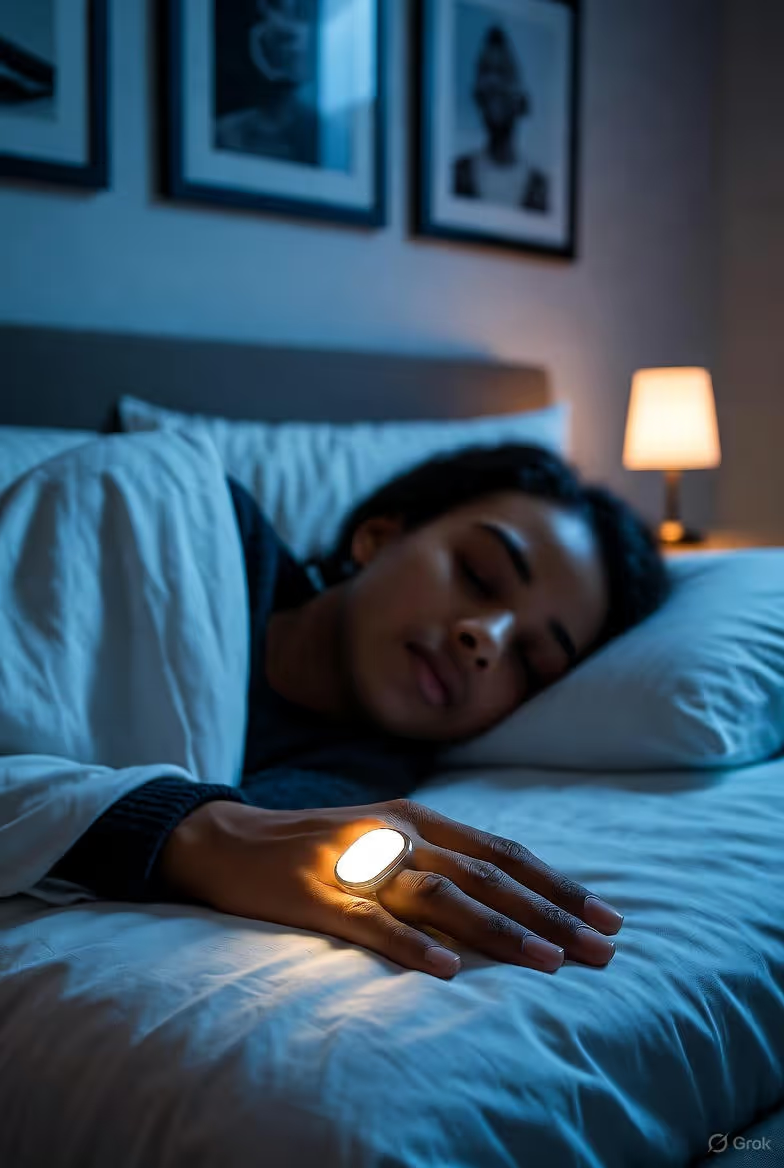
For generations, our understanding of our own sleep was limited to subjective feeling: "I slept like a rock" or "I tossed and turned all night." This ambiguity made it easy to dismiss poor sleep's impact. The dawn of consumer sleep-tracking technology has revolutionized this, transforming an invisible biological process into quantifiable, actionable data. This is a paradigm shift in personal wellness.
Early trackers relied largely on movement (actigraphy) to estimate sleep versus wake. While useful, they could not accurately distinguish between sleep stages. The current generation of technology has leaped forward. Advanced wearables, and particularly smart rings like the Oxyzen ring, utilize a combination of sensors to provide a much richer picture:
Why does this matter? Data makes the abstract concrete. Seeing a dashboard that shows you only achieved 45 minutes of deep sleep, or that your resting heart rate was 10 BPM higher than usual after a stressful day, creates a powerful feedback loop. It moves sleep from the realm of vague advice ("get more sleep") to personalized insight ("my deep sleep drops when I have alcohol after 8 PM" or "my HRV is lowest when I skip my afternoon walk").
This is especially crucial for the sleep-immune connection. While no consumer device can directly count your NK cells, it can provide powerful proxies:
By tracking these metrics over time, you can begin to see patterns. You might discover that your deep sleep percentage plummets after late-night screen use, or that your sleep regularity on weekends impacts your "readiness" scores on Monday mornings. This empowers you to run personal experiments. Does a magnesium supplement improve your sleep depth? Does a 10-minute meditation before bed increase your HRV? The data provides the answers. For those curious about how this technology integrates into a holistic wellness philosophy, the Oxyzen story delves into the mission behind creating such tools.
This quantification demystifies sleep and places the power of optimization in your hands. It turns the nightly immune-boosting ritual from a black box into a transparent, manageable process. In the following sections, we will translate this knowledge and capability into concrete, daily practices.
To defend and enhance your deep sleep, you must first align with your circadian rhythm. The most powerful zeitgeber (time-giver) for your internal clock is light. Managing your light exposure is the single most effective behavioral intervention for circadian and sleep health.
By Day: Seek Bright, Blue-Rich Light
By Night: Defend Against Blue Light Intrusion
Consistency is King: Go to bed and wake up at roughly the same time every day, even on weekends. A consistent schedule strengthens your circadian rhythm, making sleep onset easier and deep sleep more reliable. A erratic schedule is like giving your internal clock jetlag without leaving home, scrambling the precise timing of immune functions.
Mastering light hygiene is the foundation upon which all other sleep-promoting habits are built. It directly supports the robust circadian rhythm that orchestrates the nightly immune symphony.
Your body needs to drop its core temperature by about 1-2 degrees Fahrenheit (0.5-1 degree Celsius) to initiate and maintain sleep. This thermoregulatory process is a key part of the circadian rhythm and is intimately linked to the onset of deep sleep. Optimizing your environment and pre-sleep routine to facilitate this drop is the second critical pillar.
The Cool Bedroom: The ideal bedroom temperature for most people is between 60-67°F (15.5-19.5°C). A cool room aids the body's natural cooling process. Experiment within this range to find your personal sweet spot. Consider using fans or climate control. Your Oxyzen smart ring can help you correlate nighttime skin temperature data with your subjective sleep quality to pinpoint your ideal.
The Warm Bath Paradox: Taking a warm bath or shower 1-2 hours before bed is a powerful sleep aid. As you step out, the rapid cooling of your skin surface as the water evaporates mimics the body's natural temperature drop, sending a strong signal to the brain that it's time for sleep. It also promotes relaxation.
Crafting a "Wind-Down" Ritual: The hour before bed should be a transition period, a buffer zone between the stimulation of the day and the quiet of the night. This ritual signals to your nervous system that it's safe to shift into restorative mode.
Optimize the Sleep Sanctuary:
By deliberately crafting your environment and pre-sleep behavior, you create the external and internal conditions that are most conducive to a swift sleep onset and an uninterrupted journey into the deep, immune-boosting stages of sleep. For more personalized tips and troubleshooting, resources like the Oxyzen FAQ can be invaluable.
What you eat and how you move your body have profound, bidirectional relationships with sleep. These behaviors are not just about physical fitness or weight management; they are direct modulators of your sleep architecture and, by extension, your immune resilience. The timing of these activities is often as important as the activities themselves.
Nutrition: Fueling Sleep, Not Fighting It
The goal of evening nutrition is to support stable blood sugar and provide the precursors for sleep-regulating neurotransmitters, without overtaxing digestion.
Exercise: The Powerful, Time-Sensitive Sleep Regulator
Regular physical activity is one of the most evidence-based ways to improve sleep quality and increase deep sleep duration. It reduces stress hormones, raises body temperature during the day (promoting a steeper drop at night), and helps regulate circadian rhythms.
The synergy here is powerful: good sleep enhances workout recovery and performance, and regular, well-timed exercise deepens sleep. Tracking this synergy with a device like the Oxyzen smart ring can be revelatory—you might see a direct correlation between your afternoon workout and an elevated deep sleep score, or notice how a late meal pushes your resting heart rate higher overnight. This biofeedback turns guesswork into a precise science.
If light sets the stage and temperature sets the scene, then stress is the unruly actor that can ruin the entire play. Psychological stress and its physiological counterpart—an activated sympathetic nervous system (the "fight-or-flight" response)—are among the most potent enemies of deep sleep. The connection is a vicious loop: stress disrupts sleep, and poor sleep lowers resilience to stress, creating a state of chronic hyperarousal that keeps the immune system on a pro-inflammatory high alert.
The Physiology of the Bedtime Battle: When you are stressed, your body releases cortisol and adrenaline. Elevated evening cortisol is particularly problematic, as it directly opposes melatonin, telling the body it's time to be alert, not to rest. Furthermore, a racing mind triggers the "default mode network" in the brain, leading to rumination and worry, which are incompatible with the neurobiological state required for sleep onset.
Breaking the Cycle with Intentional Down-Regulation: The goal of a pre-sleep mindfulness practice is to activate the parasympathetic nervous system (the "rest-and-digest" response). This is not about emptying your mind, but about gently training its focus.
Creating Psychological Boundaries: Just as you have a digital sunset, implement a "worry deadline." Earlier in the evening, take 10 minutes to write down any concerns or to-do list items for the next day on a piece of paper. Tell yourself, "It's on the paper, and I don't need to hold it in my mind anymore." This symbolic act can help compartmentalize stress.
The data doesn’t lie. When you engage in these practices, you will likely see it reflected in your biometrics: a higher nightly HRV, a lower resting heart rate, and more stable sleep stages. It's tangible proof that calming the mind is not just "woo-woo"—it's a physiological imperative for accessing the deep sleep that repairs and defends the body. For more on integrating mindfulness with technology, our blog offers a wealth of resources.
Despite our best efforts with hygiene, sometimes deep, restorative sleep remains elusive due to an underlying sleep disorder. These are medical conditions, not personal failings, and they can severely cripple the sleep-immune connection. Recognizing the signs is the first step toward seeking effective treatment.
1. Insomnia: Characterized by persistent difficulty falling asleep (sleep onset insomnia), staying asleep (sleep maintenance insomnia), or waking too early, despite adequate opportunity for sleep. It leads to daytime impairment. Chronic insomnia often involves a cycle of anxiety about sleep itself, which perpetuates the problem. It’s associated with heightened sympathetic nervous system activity and elevated inflammatory markers.
2. Sleep Apnea (Obstructive Sleep Apnea - OSA): This is a potentially serious disorder where breathing repeatedly stops and starts during sleep due to the collapse of the upper airway. Each apnea (pause in breathing) causes a micro-arousal from sleep to restart breathing, fragmenting sleep architecture and preventing deep sleep.
3. Restless Legs Syndrome (RLS): An irresistible, often uncomfortable urge to move the legs, usually in the evenings and at rest, temporarily relieved by movement. It can significantly delay sleep onset.
4. Circadian Rhythm Sleep-Wake Disorders: These occur when your internal clock is misaligned with your environment (e.g., Delayed Sleep-Wake Phase Disorder—"night owls," Advanced Sleep-Wake Phase Disorder, Shift Work Disorder). The timing of sleep is off, disrupting the circadian coordination of immune functions.
The Importance of Diagnosis: If you suspect a sleep disorder, consult a healthcare professional or a sleep specialist. Diagnosis may involve a detailed sleep history, sleep diaries, or an overnight sleep study (polysomnography). Treatment can be transformative:
Using a sleep tracker can provide valuable preliminary data to bring to a clinician. Noting consistent low oxygen saturation readings, extremely high resting heart rates, or minimal deep sleep despite good habits can be clues worth investigating. Your journey to better health often starts with understanding the root cause, and the team behind Oxyzen's mission believes deeply in empowering that discovery.
The deep sleep-immune dialogue is not static; it evolves throughout life and faces unique challenges during specific physiological states. Understanding these nuances helps tailor expectations and strategies.
Aging and the "Deep Sleep Drought": One of the most consistent changes with healthy aging is a reduction in both the amount and spectral power of slow-wave (deep) sleep. This decline begins in mid-life. The reasons are multifaceted, involving changes in brain structure, neurotransmitter systems, and increased prevalence of health conditions and medications. This natural reduction means the immune-supporting benefits of deep sleep become harder to come by, potentially contributing to immunosenescence—the age-related decline in immune function. Older adults are often more susceptible to infections, have poorer vaccine responses, and experience higher levels of chronic inflammation ("inflammaging"). This makes prioritizing the sleep they can get even more critical, emphasizing sleep consistency, optimal sleep environment, and management of sleep disorders like apnea, which become more common with age.
Pregnancy: The Immune Paradox and Sleep Disruption: Pregnancy involves a complex immunological shift: the mother's immune system must tolerate the foreign fetal tissue while remaining vigilant against pathogens. Sleep is profoundly disrupted by hormonal changes, physical discomfort, and frequent urination. The loss of deep sleep during this critical period of physical construction and immune adaptation may have implications for maternal health, fetal development, and even pregnancy outcomes like pre-eclampsia (linked to inflammation). Supporting sleep with strategic pillow placement, left-side sleeping, and gentle relaxation practices is a vital, though challenging, component of prenatal care.
The High-Performance Athlete: For athletes, sleep is the ultimate performance-enhancing drug. Deep sleep is when human growth hormone peaks, driving muscle repair and adaptation. The immune system of an elite athlete is uniquely stressed; intense training creates temporary immunosuppression (the "open window" theory), making athletes more susceptible to upper respiratory tract infections (URTIs). Adequate deep sleep is the primary recovery tool that closes this window, reducing inflammation from muscle damage and supporting the proliferation of immune cells. It’s no coincidence that sleep extension studies in athletes show improvements in sprint times, accuracy, and reaction time, coupled with a reduction in illness.
Chronic Illness and Autoimmunity: Here, the sleep-immune-inflammation cycle is often a central, vicious player. In conditions like rheumatoid arthritis, lupus, or multiple sclerosis, disease activity and pain can severely disrupt sleep. The resulting sleep loss then exacerbates systemic inflammation, potentially fueling disease flares. Furthermore, the inflammatory cytokines released in these conditions (like TNF-α, IL-6) are themselves sleep-disrupting. Breaking this cycle requires medical management of the underlying condition combined with dedicated sleep hygiene and sometimes CBT-I. Improving sleep can be a powerful adjuvant therapy for managing symptoms and improving quality of life. Reading about others' wellness journeys, such as those shared in Oxyzen testimonials, can provide both perspective and inspiration.
Once the foundational pillars of sleep hygiene are solidly in place, you can explore advanced, evidence-based strategies to further optimize deep sleep and its immune benefits. This frontier of sleep science is where lifestyle, technology, and targeted interventions converge.
Thermoregulation Hacks: We know a cool room is essential. Taking it further:
Nutritional Supplementation (With Caution): While food first is the best policy, some supplements have credible research for sleep support. Always consult a healthcare provider before starting any supplement regimen.
The Power of Napping (Strategically): A short nap can help compensate for lost sleep and boost certain immune parameters. The key is to keep it short (20-30 minutes) and early (before 3 PM). A "power nap" of this length primarily consists of Stage 2 NREM sleep, which can boost alertness and learning without entering deep sleep, which can cause sleep inertia and disrupt nighttime sleep.
Emerging Science: Sleep and the Glymphatic System: This recently discovered waste-clearance system of the brain is most active during deep sleep. It flushes out neurotoxic waste products, including beta-amyloid. The implications for long-term brain health and prevention of neurodegenerative diseases are enormous. Enhancing deep sleep may be one of our most powerful tools for maintaining cognitive function and brain immunity. Research is now exploring whether specific acoustic stimulation (pink noise) synchronized to slow brain waves can enhance deep sleep and boost glymphatic flow—a fascinating intersection of sound and biology.
Personalized Chronotype Optimization: Beyond just being a "night owl" or "morning lark," tools like the Munich Chronotype Questionnaire can help you understand your unique biological predisposition. Aligning your sleep schedule, workout timing, and even mentally demanding work with your innate chronotype can reduce social jetlag and improve overall sleep quality and depth.
Tracking the impact of these advanced strategies is where modern wellness technology shines. Did a magnesium supplement increase your deep sleep percentage by 5%? Did a 20-minute nap improve your afternoon HRV? The Oxyzen smart ring provides the objective data to move beyond anecdote and build a truly personalized sleep optimization protocol, turning your nights into a deliberate, data-driven health intervention.
Knowledge is only power when applied. This final section synthesizes everything into a practical, step-by-step framework you can adapt to your life. The goal is not perfection, but consistent, mindful progress.
Phase 1: The Foundation Audit (Week 1-2)
Phase 2: Systematic Implementation (Week 3-8)
Phase 3: Refinement & Personalization (Ongoing)
The Role of Community and Support: Sharing your goals and challenges with a partner or a community can provide accountability and support. Reading about how others have used data to transform their health, like the stories shared on the Oxyzen about page, can reinforce that you are not alone in this pursuit.
By following this phased plan, you move from being a passive recipient of whatever sleep you can get to an active architect of your nightly restoration. You are no longer just "going to sleep"; you are initiating a nightly immune-boosting, metabolic-resetting, cognitive-enhancing biological protocol. This shift in perspective is the ultimate key to unlocking the profound health benefits that lie in the deep, quiet hours of the night.
Understanding the why and how of the sleep-immune connection is the first victory. The next is learning to read the language of your own body through the data it provides each night. Modern sleep tracking delivers a dashboard of metrics, but without interpretation, they are just numbers. Let’s translate these key biomarkers into a story about your nightly immune function and overall resilience.
1. Deep Sleep (Slow-Wave Sleep) Duration & Percentage: The Direct Correlate
2. Heart Rate Variability (HRV): The Window Into Your Nervous System
3. Resting Heart Rate (RHR) During Sleep: The Measure of Recovery
4. Sleep Consistency & Timing: The Circadian Scorecard
5. Sleep Latency & Awakenings: Indicators of Hyperarousal
Creating Your Personal Baseline: The true power lies not in comparing your numbers to others, but in establishing your own healthy baseline. Wear your tracker consistently for at least two weeks during a period of good health and routine. Those averages become your normal. From then on, deviations from your baseline are your most important data points—early warning signs that your immune resilience may be dipping. For more on making sense of this data in the context of overall wellness, resources like the Oxyzen blog are dedicated to this very topic.
Theory and data come alive through real-world application. Let’s examine three hypothetical, yet research-informed, case studies that illustrate the transformative power of prioritizing deep sleep for immune health.
Case Study 1: The Stressed Executive (Chronic Inflammation)
Case Study 2: The Perimenopausal Professional (Thermoregulation & Immune Resilience)
Case Study 3: The Endurance Athlete (Performance & Infection Risk)
These stories underscore a universal truth: optimizing sleep is not a one-size-fits-all prescription. It is a personal engineering project, where biometric feedback is the essential tool for diagnosis, intervention, and verification. The journey of Oxyzen, as detailed in our story, was born from the belief that this kind of personalized insight is the future of proactive health.
Even the most meticulously crafted sleep routine will face inevitable disruptions: a cross-country flight, a sick child, a bout of the flu itself. Understanding how these events impact the sleep-immune axis—and how to navigate them skillfully—prevents temporary setbacks from becoming chronic slides.
When You Are Sick: Sleep as the Primary Medicine
Jet Lag and Shift Work: The Circadian Emergency
Life’s Inevitable Stressors: Grief, Deadlines, New Parenthood
The key takeaway is that resilience is not about never falling off track; it’s about having a clear, compassionate, and data-informed plan for getting back on. Your sleep tracker becomes your compass during these disruptive storms, showing you when you are genuinely recovered and when you need to extend yourself more grace.
We have explored the acute, nightly conversations between deep sleep and the immune system. But what is the cumulative effect of these millions of nightly dialogues over a lifetime? The answer shapes nothing less than your healthspan—the number of years you live in good health—and potentially your lifespan.
Deep Sleep as a Pillar of the “Longevity Stack”: In the science of longevity, certain interventions (like nutrition, exercise, and social connection) are known to promote longer, healthier lives. Robust, deep sleep belongs at the very top of this list. Its benefits are systemic and multiplicative:
The Telomere Connection: Telomeres are the protective caps on the ends of chromosomes that shorten with each cell division; shorter telomeres are associated with aging and age-related diseases. Chronic psychological stress and inflammation accelerate telomere shortening. Here, sleep plays a fascinating mediating role. Research has found that poor sleep quality and short sleep duration are associated with shorter telomere length, independent of stress. The proposed mechanism? That the oxidative stress and systemic inflammation from chronic sleep deprivation directly damage telomeres. Deep sleep, with its anti-inflammatory and restorative effects, may thus be protective at the most fundamental, cellular level of aging.
The Dementia Defense: Alzheimer’s disease is characterized by the buildup of amyloid-beta plaques and tau tangles in the brain. The glymphatic system’s nightly cleansing activity during deep sleep is now understood to be a primary clearance pathway for these toxic proteins. Disrupted sleep, years or even decades before symptoms appear, may allow these proteins to accumulate, setting the stage for neurodegeneration. In this light, prioritizing deep sleep is one of the most potent, proactive brain health strategies available.
The Practical Implication for a Lifetime: This long-view perspective transforms sleep from a daily performance hack into a foundational investment in your future self. It’s the compound interest of health: the small, consistent deposits of good nights’ sleep yield enormous dividends decades later in the form of preserved mental acuity, metabolic flexibility, and a resilient, well-regulated immune system that doesn’t turn on its host.
This isn’t about adding years to your life at any cost; it’s about adding vibrant, healthy life to your years. It makes the effort to maintain a cool, dark bedroom or to put your phone away an hour early not just an act of self-care for tomorrow, but an act of love for the person you will be in thirty years. This core philosophy of long-term wellness through data and understanding is central to the vision you can explore on the Oxyzen about page.
We stand at an inflection point in our cultural understanding of health. For decades, medicine has been largely reactive—treating disease after it manifests. The emerging paradigm is proactive and preventative, focusing on optimizing the fundamental pillars of health to prevent disease from taking root. In this new model, sleep is not a sidebar; it is a central, actionable lever for systemic health optimization.
From Symptom Management to Root Cause Prevention: Instead of waiting for hypertension to prescribe medication, we can use sleep optimization to help regulate blood pressure. Instead of managing the blood sugar spikes of pre-diabetes with diet alone, we can use deep sleep to improve insulin sensitivity. Instead of wondering why we “catch every bug that goes around,” we can build a robust immune system through consistent, quality rest.
The Role of Personal Biometrics: This paradigm is made possible by the democratization of health data. Just as we can now track our daily steps and calorie intake, we can now track our core physiological recovery metrics—deep sleep, HRV, RHR—in real-time. This turns abstract health advice (“get 8 hours of sleep”) into a personalized, feedback-driven process. You become the scientist of your own biology.
The Integrated Health Dashboard: The future of wellness lies in the integration of these data streams. Imagine a dashboard that correlates your previous night’s deep sleep with your afternoon workout performance, your morning fasting glucose, and your subjective mood. Patterns emerge: poor sleep predicts higher afternoon cravings; excellent sleep correlates with better workout recovery. This holistic view reveals sleep not as an isolated habit, but as the linchpin that influences every other domain of health. By exploring the full potential of such integration through tools like the Oxyzen smart ring, you move from fragmented insights to a unified understanding of your well-being.
A Call for Systemic Change: This new understanding also demands a shift in our societal structures. Workplaces that value employee health will create policies that respect circadian rhythms and discourage “sleep bragging.” Schools that want to optimize learning will consider later start times to align with adolescent biology. The conversation moves from “I’ll sleep when I’m dead” to “I sleep well so I can live fully.”
Embracing sleep as proactive medicine is empowering. It places a significant degree of your health destiny back into your own hands. It is a daily, renewable opportunity to lower inflammation, sharpen your mind, fortify your defenses, and invest in your long-term vitality. It requires no prescription, has no negative side effects when achieved naturally, and its benefits compound with stunning efficiency.
We have journeyed from the cellular battlefields of the immune system to the broad horizons of lifelong health, all through the lens of deep sleep. The evidence is clear, robust, and compelling: the quality of your sleep, and particularly the depth of it, is a decisive factor in your immune competence, your inflammatory state, your mental clarity, and your resilience against the stresses of life.
Let’s recap the core tenets that form the bedrock of this understanding:
The path forward is not about achieving a perfect night’s sleep every single night—that is an unrealistic goal that breeds its own anxiety. The path is about consistent practice and intelligent course-correction. It is about building a lifestyle that values and protects sleep, much like you value a healthy diet or regular exercise.
Start tonight. Pick one pillar from the foundation—perhaps it’s getting 15 minutes of morning sunlight tomorrow, or committing to a digital sunset 60 minutes before bed. Implement it with intention. Observe how you feel. Use your data, if you have it, to note any subtle shifts.
This is the beginning of a profound partnership with your own biology. By honoring your need for deep, restorative sleep, you are not being lazy or unambitious. You are engaging in the most sophisticated form of preventative health care available. You are giving your immune system the nightly command center it requires to defend you, your brain the deep cleaning it needs to stay sharp, and your entire being the renewal it deserves to thrive.
In the next portion of this deep dive, we will explore the cutting-edge intersections of this science: from the gut-sleep-immune axis and the role of specific nutrients, to advanced biohacking techniques and a detailed look at how different lifestyle choices—from your social life to your exposure to nature—weave into this nocturnal tapestry of health. The journey to mastering your sleep, and thereby empowering your immune system, is just beginning. For continued learning and exploration of these topics, the collection of resources on the Oxyzen blog awaits.
Your Trusted Sleep Advocate: Sleep Foundation — https://www.sleepfoundation.org
Discover a digital archive of scholarly articles: NIH — https://www.ncbi.nlm.nih.gov/
39 million citations for biomedical literature :PubMed — https://pubmed.ncbi.nlm.nih.gov/
Experts at Harvard Health Publishing covering a variety of health topics — https://www.health.harvard.edu/blog/
Every life deserves world class care :Cleveland Clinic - https://my.clevelandclinic.org/health
Wearable technology and the future of predictive health monitoring :MIT Technology Review — https://www.technologyreview.com/
Dedicated to the well-being of all people and guided by science :World Health Organization — https://www.who.int/news-room/
Psychological science and knowledge to benefit society and improve lives. :APA — https://www.apa.org/monitor/
Cutting-edge insights on human longevity and peak performance:
Lifespan Research — https://www.lifespan.io/
Global authority on exercise physiology, sports performance, and human recovery:
American College of Sports Medicine — https://www.acsm.org/
Neuroscience-driven guidance for better focus, sleep, and mental clarity:
Stanford Human Performance Lab — https://humanperformance.stanford.edu/
Evidence-based psychology and mind–body wellness resources:
Mayo Clinic — https://www.mayoclinic.org/healthy-lifestyle/
Data-backed research on emotional wellbeing, stress biology, and resilience:
American Institute of Stress — https://www.stress.org/


