


The Deep Sleep Paradox: Why More Sleep Doesn't Always Help
Discover the deep sleep paradox revealing why sleeping more doesn't always help recovery. Learn how total sleep time differs from restorative quality and why.
Discover the deep sleep paradox revealing why sleeping more doesn't always help recovery. Learn how total sleep time differs from restorative quality and why.
%402x.svg)
You set your alarm for a luxurious eight-and-a-half hours, diligently avoid blue light before bed, and sink into your perfectly cooled, ergonomic mattress. You wake up feeling... drained. Foggy. As if you never slept at all. You check your sleep tracker, and it confirms your victory: 8 hours and 23 minutes of rest. So why does it feel like a defeat?
This is the Deep Sleep Paradox: the confounding reality that more sleep does not automatically equal better rest. In our relentless pursuit of wellness, we have fixated on quantity as the ultimate metric, while often neglecting the profound, non-negotiable importance of quality. Chasing extra hours in bed can, ironically, leave us more fatigued, disrupt our natural rhythms, and mask underlying issues that truly govern restoration. It’s not about logging marathon sessions of unconsciousness; it’s about the depth, architecture, and efficiency of the sleep you actually get.
Modern sleep science is shifting from the simplistic question of "how long" to the more complex and revealing investigation of "how well." This journey takes us into the realm of sleep stages, autonomic nervous system balance, and the subtle biomarkers of recovery that a simple duration counter can never capture. It’s here that technology like the Oxyzen smart ring moves beyond being a mere tracker to become an essential diagnostic tool, measuring what your conscious mind cannot perceive during the night.
In this exploration, we will dismantle the myth of sleep quantity as a standalone goal and uncover why you can sleep for nine hours and still wake up exhausted. We’ll investigate the true pillars of restorative sleep, the hidden culprits that sabotage depth, and how a precise, data-informed approach can help you escape the paradox and finally achieve the waking vitality you’ve been seeking.
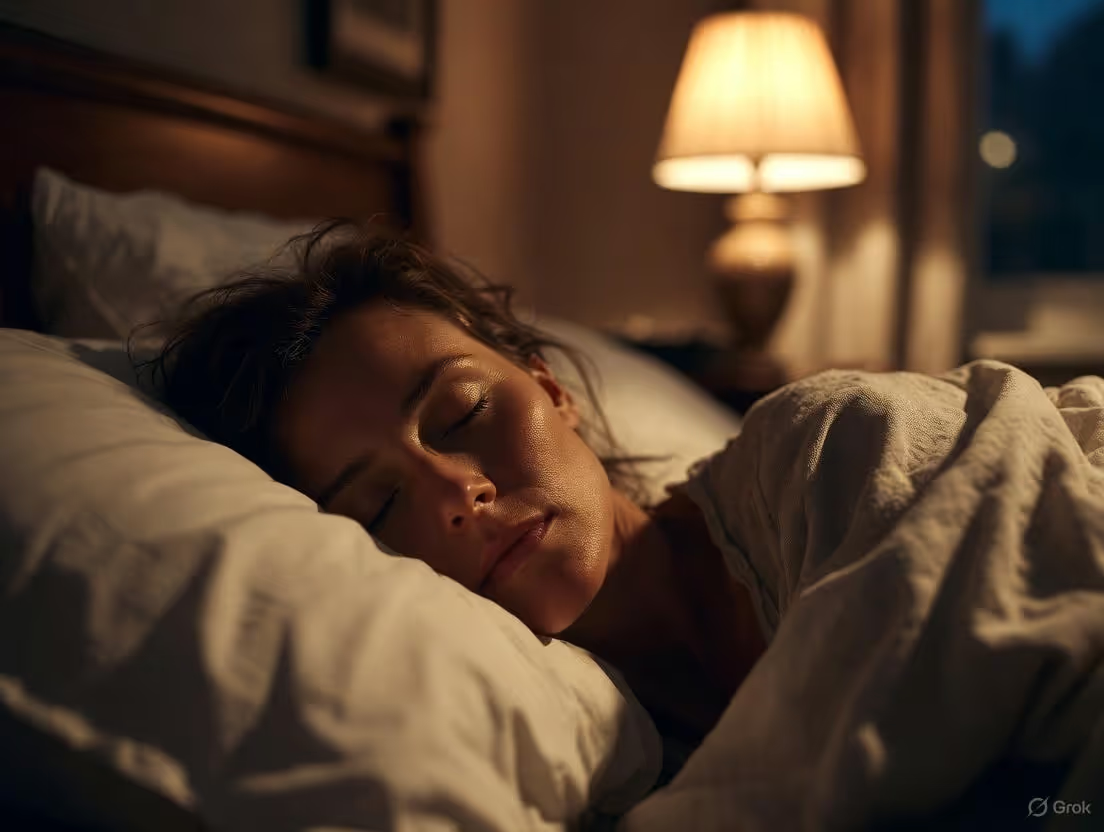
For decades, public health messaging has hammered a simple, seemingly irrefutable rule: adults need 7-9 hours of sleep per night. This guideline, while well-intentioned, has been absorbed by wellness culture as a rigid, one-dimensional target. We’ve turned sleep into a numbers game, where hitting a nightly hour goal is seen as the pinnacle of self-care, often to the detriment of understanding what truly happens during those hours.
The proliferation of consumer sleep trackers accelerated this quantification. Suddenly, we had a score—a hard number—to judge our nights. A 92 was a good day; a 78 meant failure. This gamification, while motivating for some, created a generation of "orthosomniacs": individuals obsessed with achieving perfect sleep data, an anxiety that itself can become a potent barrier to rest. The focus remained squarely on duration and superficial "readiness" scores, rarely delving into the physiological nuances that separate light, easily disturbed sleep from the profound, restorative depths of slow-wave and REM sleep.
This obsession stems from a fundamental misinterpretation of epidemiological research. Large-scale studies do find correlations between short sleep duration (consistently less than 6 hours) and negative health outcomes like cardiovascular disease, obesity, and cognitive decline. However, correlation is not causation, and these studies often lack the granular data to assess sleep quality. The critical flaw in the public’s understanding is the assumption that the opposite of "too short" is "very long," and that more is always better. Research tells a different story. Consistently sleeping more than 9-10 hours per night is also associated with increased morbidity and mortality, a U-shaped curve that highlights the paradox. The body has an optimal zone for sleep duration, and straying too far in either direction signals a problem.
Our cultural glorification of busyness plays a role, too. Sleep is often framed as a negotiable commodity, something to be optimized and minimized for productivity. In reaction, the wellness counter-movement swung hard in the opposite direction, promoting extended sleep as a panacea. Both views miss the mark. True restoration isn’t found in squeezing sleep into a productivity spreadsheet nor in treating it as a lazy indulgence. It is a complex, active biological process with its own architecture—an architecture that can be disrupted just as easily by spending too long in bed as by spending too little.
To move beyond this simplistic model, we must first understand what we’re actually trying to optimize. This requires a shift from tracking time to tracking state. As you’ll discover in our deeper resources, understanding your personal sleep architecture is the first step toward genuine recovery. It’s not about adding more bricks (hours) to the house; it’s about ensuring the foundation (deep sleep) and the intricate design (sleep cycles) are solid.
If sleep quantity is the flawed, simplistic headline, then sleep quality is the nuanced, complex full article. Quality is the multidimensional measure of how effective your sleep is at performing its vital functions: physical restoration, cognitive consolidation, emotional regulation, and metabolic housekeeping. It is determined by a confluence of factors that no single number on a clock can capture.
At its core, sleep quality is governed by Sleep Architecture—the cyclical pattern of sleep stages we progress through each night. A healthy architecture involves repeating, roughly 90-minute cycles, each containing:
High-quality sleep isn't just about having these stages present; it's about having them in the right proportions, with minimal disruptions, and in a stable, rhythmic progression. A person could sleep for 9 hours but have a fragmented, unstable architecture with little deep sleep and disproportionate light sleep, resulting in poor quality.
Other critical pillars of sleep quality include:
This is where advanced tracking becomes indispensable. A basic tracker might tell you you were "asleep," but a device that measures heart rate variability (HRV), peripheral body temperature, and blood oxygen levels—like the Oxyzen smart ring—can infer sleep stages and disturbances with far greater accuracy. It can show you not just that you woke up, but why you might have woken up (e.g., a sudden temperature spike, a spike in heart rate, or a drop in blood oxygen). Understanding these biomarkers is key to moving from guessing about your sleep to diagnosing it. For a practical guide on interpreting these metrics, our FAQ section offers detailed insights into what your data really means.
To understand why quality trumps quantity, we must dive into the nocturnal biochemistry and neurology of true restoration. While you are asleep, your body and brain are not on standby; they are engaged in a meticulously orchestrated series of repair processes, most of which are exclusive to specific sleep stages.
Deep Sleep: The Body's Workshop
During slow-wave sleep (N3), your brain waves slow to a synchronized, rhythmic pulse called delta waves. This stage is the cornerstone of physical recovery:
REM Sleep: The Mind's Studio
During REM sleep, your brain is almost as active as when you're awake, but your body is in a state of temporary paralysis (atonia). This stage is the architect of your mind:
The crucial takeaway is that these processes are not linearly tied to time. You cannot simply extend light sleep and get more deep sleep benefits. The body prioritizes deep sleep early in the night; if you disrupt the first few cycles with alcohol, noise, or an irregular schedule, that deep sleep may be lost entirely, not just postponed. Similarly, truncating your sleep by waking up too early often robs you of your longest, most impactful REM periods.
This physiological reality explains the paradox: an uninterrupted, efficient 6-hour sleep with robust deep and REM cycles can be infinitely more restorative than a fitful, fragmented 9-hour sleep spent mostly in light stages. The goal is to protect the integrity of the sleep cycle architecture, not merely to extend the rental period on the mattress. At Oxyzen, our mission is built on providing the precise, personalized data needed to protect that fragile architecture, because we understand that it's the foundation of daily performance and long-term health.
Armed with the goal of getting "more" sleep, many people deliberately extend their time in bed. They go to bed earlier, sleep in later, or take long naps. While this can be beneficial for the chronically sleep-deprived, for many others, it becomes a counterproductive strategy that actively degrades sleep quality and entrenches poor sleep habits.
1. Sleep Fragmentation and Reduced Efficiency: The sleep-wake system thrives on a strong association between bed and sleep. When you spend excessive time awake in bed—tossing, turning, watching the clock—you weaken that association. This can lead to increased sleep fragmentation, where you wake up more frequently throughout the night. Your sleep efficiency plummets. The result is a longer sleep duration filled with more light, unconsolidated sleep and less of the precious deep and REM stages.
2. Misalignment with Circadian Rhythms: Your body has a master clock in the brain (the suprachiasmatic nucleus) that regulates sleepiness and wakefulness based on light exposure and consistent timing. Forcing yourself to bed hours before your natural melatonin rise (your "dim light melatonin onset" or DLMO) is like trying to fall asleep in the middle of your biological afternoon. You'll lie awake, building frustration. Conversely, sleeping far past your natural wake time (dictated by a rise in cortisol and body temperature) can muddy your rhythm for the next night, creating a cycle of misalignment.
3. The Development of Psychophysiological Insomnia: This is a learned form of insomnia where the bed itself becomes a cue for anxiety and arousal, not relaxation. The pressure to sleep a certain number of hours creates performance anxiety. The act of going to bed triggers a state of hyper-vigilance about whether sleep will happen, which releases cortisol and adrenaline—the very hormones that promote wakefulness. The individual becomes a spectator to their own failed sleep attempts, a process that is profoundly antithetical to the passive surrender required for true sleep onset.
4. Daytime Sleep Inertia and Grogginess: Oversleeping frequently leads to waking from a deep sleep stage (if the extra sleep occurs in the morning) or from a high-sleep-pressure state that causes profound grogginess known as sleep inertia. This fog can last for hours, impairing cognitive function and mood, effectively negating any perceived benefit of the extra sleep.
5. Masking Underlying Sleep Disorders: Using extended time in bed to compensate for unrefreshing sleep can be a way of ignoring a more serious problem. Conditions like sleep apnea, restless legs syndrome, or periodic limb movement disorder cause frequent micro-arousals that destroy sleep continuity. Adding more time in bed simply adds more time for these disruptions to occur, without addressing the root cause. The person wakes up after 9 hours feeling exhausted because their sleep was violently interrupted hundreds of times, even if they have no memory of it.
The alternative to blind extension is sleep consolidation and optimization. This involves restricting time in bed to more closely match actual sleep time (a technique used in Cognitive Behavioral Therapy for Insomnia, or CBT-I) to build a strong sleep drive and reinforce the bed-sleep connection. It's about working with your biology, not against it. This nuanced approach is what we champion through data-driven insights, helping users at Oxyzen identify their personal optimal window, not a societal prescription.
Even with the best intentions and a perfect duration, countless invisible factors can sabotage sleep quality, turning what should be a restorative cascade into a fractured, shallow experience. These saboteurs often operate below our conscious awareness, which is why objective data is so crucial in uncovering them.
The Temperature Trap: Core body temperature must drop to initiate and maintain sleep. A bedroom that is too warm, or bedding that doesn’t allow for thermoregulation, prevents this critical drop. Even more subtle are nocturnal temperature spikes, often caused by heavy meals, alcohol, or intense late-evening exercise, which can trigger arousals and pull you out of deep sleep. Advanced wearables can track these subtle nighttime shifts, revealing a hidden cause of morning fatigue.
Light Pollution: It’s not just the blue light from screens. Even small amounts of ambient light from street lamps, LED indicators on electronics, or a crack under the door can seep through closed eyelids and suppress melatonin production. This is especially damaging to the later, REM-rich cycles of sleep in the early morning hours.
The Diet and Digestion Effect: Eating a large, high-fat, or high-sugar meal within 3 hours of bedtime forces your digestive system to work overtime when it should be powering down. This can cause discomfort, acid reflux, and an elevated metabolic rate that interferes with the cooling process necessary for sleep. Conversely, going to bed hungry can also cause arousals due to a drop in blood sugar.
Substance Interference:
The Stress and Unwind Fallacy: Bringing the day's stress to bed is a surefire way to guarantee shallow sleep. The brain needs a buffer zone—60 to 90 minutes of wind-down time without work, intense conversations, or stimulating content. Without this transition, the high cortisol and mental arousal of the day follow you into the night, keeping your nervous system in a sympathetic ("fight-or-flight") state when it needs to be in a parasympathetic ("rest-and-digest") state for sleep initiation.
The power of uncovering these saboteurs lies in moving from generic advice to personalized insight. Telling everyone to "keep the room cool" is one thing; showing a user that their deep sleep is consistently disrupted by a 2:00 a.m. heart rate spike correlated with a late dinner is a transformative piece of evidence. This is the level of detail that empowers real change, and it’s at the heart of the personalized guidance we aim to provide.
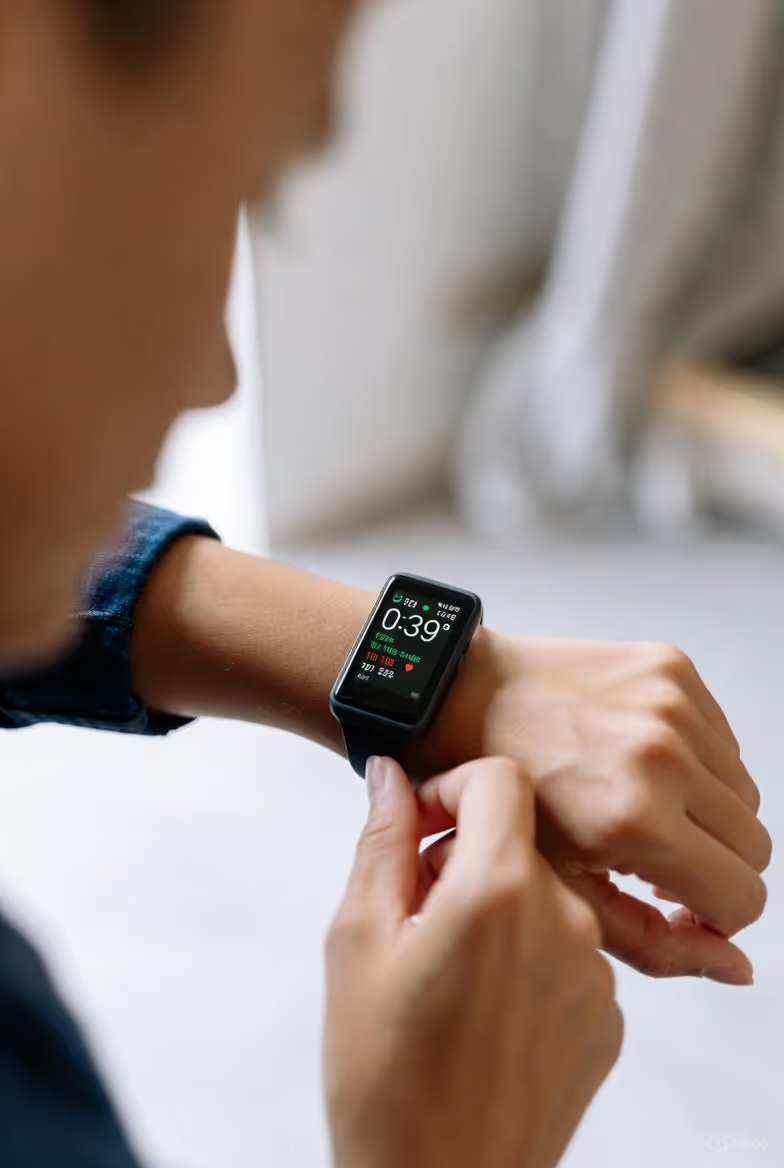
The rise of consumer sleep technology has been a double-edged sword in the sleep quantity versus quality debate. Early devices, often simple accelerometers, primarily tracked movement to estimate sleep and wake states. While a step forward in awareness, they frequently mischaracterized quiet wakefulness as sleep and provided little insight into sleep stages or the causes of disturbances. This sometimes reinforced the quantity obsession with limited data.
The new generation of advanced wearables, particularly those worn on the finger like the Oxyzen ring, represent a paradigm shift. By leveraging the vascular-rich finger, they can capture clinical-grade signals that are far more revealing:
This multi-sensor approach moves tracking from "what happened" to "why it happened." Instead of just seeing "light sleep" at 3 a.m., you might see it correlated with a temperature spike, a heart rate jump, and a blood oxygen dip—pointing directly to a potential cause. This transforms the device from a passive reporter into an active diagnostic partner.
However, the data itself is only as useful as the interpretation framework. The risk of "orthosomnia" remains if users become anxious over every data point fluctuation. The key is to look for trends and patterns, not nightly scores. Did your deep sleep percentage increase after you stopped eating after 8 p.m.? Did your sleep latency decrease after implementing a consistent wind-down routine? This longitudinal, cause-and-effect analysis is where the true power of intelligent tracking lies—it allows for personalized experimentation and validation.
For those ready to dive into this world of data, exploring our blog offers a wealth of information on how to interpret HRV, understand temperature trends, and use this information not to create anxiety, but to build a personalized, resilient sleep foundation. The goal is empowerment through knowledge, not obsession over numbers.
You could have perfect sleep hygiene and a perfectly cool, dark room, but if you are sleeping at the wrong time according to your internal clock, your sleep quality will suffer. Your circadian rhythm is the 24-hour internal oscillator that governs not just sleep and wakefulness, but also hormone release, body temperature, digestion, and cellular function. It is the master conductor, and sleep architecture is one of its most important symphonies.
The rhythm is primarily set by light exposure. Light, especially blue-wavelength light, hitting the retina in the morning signals the suprachiasmatic nucleus (SCN) to suppress melatonin and promote cortisol release, triggering wakefulness. As darkness falls, the SCN prompts the pineal gland to secrete melatonin, the "hormone of darkness," which primes the body for sleep.
When Sleep and Rhythm Diverge: Social Jet Lag
This is the chronic misalignment between your biological clock and your social/work schedule. For example, a natural "night owl" with a biological bedtime of 1 a.m. and wake time of 9 a.m. who must wake at 6 a.m. for work is effectively living in a permanent state of jet lag, perpetually sleep-deprived and trying to sleep during their biological "night" at the wrong circadian phase. This drastically reduces sleep efficiency and the proportion of restorative sleep, even if they are in bed for 8 hours.
The Impact on Sleep Stages: Your circadian rhythm has a powerful dialogue with your sleep-wake homeostat (which builds sleep pressure the longer you're awake). Deep sleep is more tied to the homeostat—it's prioritized whenever you sleep after a long period awake. REM sleep, however, is strongly circadian-influenced. Its propensity peaks in the late night/early morning hours, during your biological night. If you are a night owl forced to wake early, you are consistently cutting off your longest, most important REM periods. This can lead to deficits in emotional processing, memory consolidation, and creativity.
Non-Light Zeitgebers (Time-Givers): While light is primary, other factors can strengthen or weaken your circadian rhythm:
Optimizing sleep, therefore, is as much about when as it is about how. Aligning your sleep window with your natural chronotype (to the extent life allows) and maintaining rock-solid consistency—even on weekends—is perhaps the single most effective strategy for improving sleep quality. It reduces the metabolic and cognitive cost of constantly resetting your internal clock. Understanding your personal rhythm is a cornerstone of the Oxyzen experience, helping you sync your lifestyle with your biology for effortless, high-quality rest.

The most perfectly designed sleep environment is powerless against a mind that won't power down. Psychological and emotional states are not separate from sleep physiology; they are direct drivers of it through the autonomic nervous system (ANS). The state of your mind at bedtime sets the trajectory for your night.
The Hyperarousal State: Chronic stress, anxiety, and rumination place the nervous system in a persistent state of sympathetic activation—high alert. This is characterized by elevated cortisol (which should be low at night), higher resting heart rate, lower HRV, and a brain that is actively scanning for threats. This state is the biological opposite of what is required for sleep onset, which depends on a strong parasympathetic ("rest-and-digest") response.
The Vicious Cycle of Sleep Anxiety: This is where the sleep paradox becomes a self-fulfilling prophecy. Worrying about not getting enough sleep ("I must get 8 hours or tomorrow will be ruined") creates performance anxiety. The bed becomes a battleground, not a sanctuary. This anxiety itself triggers the hyperarousal state, making sleep less likely. The resulting poor sleep then fuels more anxiety for the next night, creating a debilitating cycle of psychophysiological insomnia.
Impact on Sleep Architecture: Even if you do fall asleep, a hyperaroused nervous system leads to:
Breaking the Cycle: This is where behavioral strategies and data must work hand-in-hand.
Seeing tangible proof of improvement is key to calming a worried mind. When a user can see on their dashboard that their nightly HRV increased by 15% after two weeks of meditation, it reinforces the positive behavior and reduces anxiety through evidence. This positive feedback loop is a critical part of the journey, and reading about others' experiences can provide both motivation and reassurance that the cycle can be broken.
Knowledge is only power when applied. Moving from understanding the paradox to solving it requires a systematic, personalized approach. Throwing every sleep hack at the wall is overwhelming and unsustainable. Instead, the most effective method is to become a scientist of your own sleep, using data to guide targeted, incremental changes.
Step 1: Establish a Baseline (The Diagnostic Phase)
For 1-2 weeks, make no changes. Simply wear your advanced tracker consistently and live your normal life. This collects your personal baseline data for:
Step 2: Identify Your Primary Lever (The Focus)
Analyze your baseline. What is the weakest link in your sleep quality?
Choose ONE area to focus on initially. This prevents overwhelm and allows you to clearly see the impact of your intervention.
Step 3: Implement a Targeted Intervention (The Experiment)
Based on your chosen lever, introduce a single, specific change for the next 2-3 weeks.
Step 4: Measure and Analyze (The Validation)
After the 2-3 week intervention period, compare your new data to your baseline. Did your target metric improve? Did other metrics (like HRV or resting heart rate) also move in a positive direction? Look for trends, not single-night changes.
Step 5: Iterate and Build (The Protocol)
If the intervention worked, solidify it as a habit. Then, identify your next weakest lever and repeat the process. If it didn’t work, hypothesize why and try a different intervention for the same lever. Perhaps for fragmentation, instead of diet, you need to address noise with white noise or earplugs.
This methodical approach transforms sleep from a mysterious, frustrating entity into a manageable, optimizable system. It replaces anxiety with agency. For a comprehensive list of potential interventions and how to track them, our support resources and FAQ are designed to guide you through this exact process.
As we conclude this foundational portion of our exploration, it's clear that the Deep Sleep Paradox is not an unsolvable riddle, but a call to a more sophisticated understanding of rest. The goal is to stop chasing sleep duration as a standalone trophy and start cultivating sleep integrity as the non-negotiable foundation of everything else.
High-quality sleep is the ultimate upstream intervention. It strengthens your immune system, regulates your metabolism, sharpens your mind, stabilizes your emotions, and enhances your resilience to stress. It is the bedrock upon which effective nutrition, productive exercise, and peak cognitive performance are built. Neglecting sleep quality while optimizing other areas of wellness is like building a mansion on sand.
The future of personal wellness is integrated, with sleep data acting as a core vital sign—as important as daily steps or heart rate. This data will seamlessly inform other decisions: suggesting an easier workout if recovery metrics are low, prompting an earlier dinner if temperature data shows disruptions, or recommending a mindfulness session if HRV indicates high stress.
Breaking free from the Deep Sleep Paradox means embracing a new definition of a "good night's sleep." It’s not defined by a number on a clock, but by how you feel and function when you are awake. It’s waking up feeling refreshed, not groggy. It’s having stable energy throughout the day, not relying on caffeine crashes. It’s experiencing emotional equilibrium and mental clarity. When you prioritize the depth and architecture of your sleep, you invest in the quality of your entire waking life.
This journey requires the right tools, the right knowledge, and a shift in perspective. It’s a commitment to listening to your body’s subtle signals with the help of precise technology and responding with intelligent, personalized habits. The path to overcoming the paradox starts with the realization that more is not always better—better is better. And "better" is a deeply personal, data-informed destination that is now within your reach.
The universal prescription of 7-9 hours of sleep is, for many, a helpful guideline, but for a significant portion of the population, it is a profound mismatch. Sleep need is as individual as your fingerprint, influenced by genetics, age, lifestyle, health status, and even your recent sleep history. The failure to personalize this number is a primary driver of the sleep paradox, as people either strive for an unattainable quota or overshoot their biological requirement.
The Genetic Component: Short Sleepers and Long Sleepers
Research has identified specific genetic mutations, like the DEC2 gene variant, that allow some "natural short sleepers" to thrive on as little as 4-6 hours of sleep per night without apparent cognitive or health deficits. These individuals are exceptionally rare, estimated at less than 1% of the population. On the other end, "natural long sleepers" may genuinely require 9-10 hours to feel optimal. For the vast majority in the middle, the genetic influence is subtler, setting a baseline around which lifestyle factors ebb and flow. Assuming you are a natural short sleeper because you "get by" on 6 hours is one of the most common and detrimental misconceptions in sleep health.
Determining Your True Sleep Need: The Vacation Experiment
Forget the clock. The most reliable way to find your personal sleep requirement is through a simple, albeit privileged, experiment: on a vacation or period without social or work obligations, for at least a week, go to bed when you feel naturally sleepy (not just tired, but drowsy) and wake up without an alarm. For the first few nights, you may sleep longer to pay down accumulated "sleep debt." After this repayment, your sleep duration will stabilize. The average you settle into over the final 3-4 nights is a close approximation of your true biological sleep need. This number can be surprising, often differing from your weekday routine by an hour or more.
Sleep Debt and Sleep Credit: The Fluid Balance
Sleep need isn't static day-to-day. It operates like a bank account. Intense physical training, mental stress, illness, or even learning a new skill increases your sleep "withdrawal," requiring a greater "deposit" for full recovery. Conversely, a period of low stress and activity might slightly reduce your need. The key is to recognize that the 8-hour target is an average to aim for, not a daily commandment. It’s the weekly balance that matters most. Chronically restricting sleep builds a cumulative debt that impairs function and health, but trying to over-deposit on weekends through massive sleep-ins often disrupts circadian rhythm, leading to the Sunday night insomnia many experience.
Using Data to Personalize Dynamically: This is where daily tracking transcends simple sleep scoring. By monitoring recovery metrics like Heart Rate Variability (HRV) and Resting Heart Rate (RHR), you can get a daily read on your "sleep balance." A trend of declining HRV and rising RHR suggests you are under-recovering, signaling a need for more sleep or better sleep quality. Stable or improving trends suggest your current routine is meeting your needs. This dynamic feedback allows you to adjust in real-time—perhaps opting for an earlier bedtime after a particularly demanding day, or feeling confident that a 7-hour night was sufficient because your recovery metrics remained strong. Learning to interpret these signals is crucial, and it turns sleep from a fixed target into a responsive, living part of your health protocol.
The nap is a cultural flashpoint in the sleep world. Hailed by some as a productivity superpower and condemned by others as a thief of nighttime sleep, its role is deeply misunderstood. Like sleep itself, the value of a nap is not in its mere occurrence, but in its timing, duration, and purpose. Used strategically, it can be a powerful tool for recovery and alertness. Used haphazardly, it can deepen the grooves of the sleep paradox.
The Two Types of Sleep Drive: To understand napping, you must understand the two forces that govern sleep:
A well-timed nap works with these forces. A poorly timed nap fights them.
The Power Nap (10-20 minutes): This is the gold standard for cognitive refreshment. It is short enough to primarily consist of Stage 1 and 2 light sleep, which can boost alertness, motor learning, and memory consolidation without entering deep sleep. The key benefit? You can wake up relatively easily without sleep inertia—the groggy, disoriented feeling that comes from being awoken from deep sleep. The early afternoon circadian dip is the ideal window.
The Recovery Nap (90 minutes): This allows you to complete a full sleep cycle, progressing through light, deep, and REM sleep. Waking at the end of a cycle minimizes inertia. This can be useful for paying down significant sleep debt or for athletes in intense training. However, it requires a significant time commitment and, if taken too late in the day, can severely reduce homeostatic sleep pressure at bedtime.
The Dangerous Nap (45-60 minutes): This is the sabotage nap. It’s long enough to enter deep sleep (Stage N3) but not long enough to complete the cycle. Being awakened from deep sleep results in intense sleep inertia, often leaving you feeling worse than before the nap. This "hangover" can last 30 minutes or more, impairing performance and mood.
Napping and Nighttime Sleep: The Core Conflict: For individuals with insomnia or poor sleep efficiency, napping is generally contraindicated. It acts as a release valve for homeostatic sleep pressure, meaning you'll have less drive to sleep at night, potentially exacerbating latency problems and fragmentation. For good sleepers, a short early-afternoon nap typically has little to no impact on nighttime sleep. The rule of thumb: if you struggle to fall or stay asleep at night, eliminate napping first. Your recovery data can provide clear evidence—if you see your nighttime deep sleep percentage drop or your sleep latency increase on days you nap, it’s a sign your system can't handle both.
Napping as a Diagnostic Tool: Your ability to nap can itself be data. If you consistently crash and need a long nap in the afternoon, it is a strong indicator that your nighttime sleep is insufficient in either quantity or, more likely, quality. It’s not a solution; it’s a symptom. Addressing the root cause of your daytime sleepiness is far more effective than routinely treating it with an afternoon band-aid.
The connection between sleep and body composition is not merely about having energy for the gym. It is a direct, hormonal conversation that occurs mostly during deep sleep. When sleep quality falters, this conversation turns toxic, actively promoting weight gain and hindering fat loss, creating a vicious cycle that diet and exercise alone cannot break.
The Appetite Hormone Disruption:
Two key hormones, leptin and ghrelin, regulate hunger and satiety. Sleep is their master regulator.
Studies show that even a single night of poor sleep can lead to a significant decrease in leptin and an increase in ghrelin. The result? You wake up hungrier, with stronger cravings, especially for high-calorie, carbohydrate-rich, and sugary foods. Your brain is literally being signaled that you are in a state of energy deficit and need to eat more, even if you are not.
Insulin Resistance and the "Pre-Diabetic" State: During deep sleep, your body’s sensitivity to insulin improves. Insulin is the hormone that allows cells to take in glucose from the bloodstream for energy. Poor sleep, especially fragmented sleep that disrupts deep stages, causes cells to become insulin resistant. This means more glucose stays in the blood, prompting the pancreas to release more insulin. Chronically high insulin levels not only promote fat storage (especially visceral fat) but also block the body's ability to burn stored fat for fuel. This metabolic dysfunction is a direct stepping stone to Type 2 diabetes.
The Cortisol Connection: Poor sleep, particularly short or fragmented sleep, leads to elevated levels of the stress hormone cortisol, especially in the evening and early night when it should be low. High cortisol further promotes insulin resistance, increases appetite, and specifically encourages the storage of fat around the abdomen. It also breaks down muscle tissue for energy, undermining your metabolic rate and strength training efforts.
The Willpower Drain: Beyond pure biology, sleep deprivation impairs function in the prefrontal cortex—the brain region responsible for executive function, decision-making, and impulse control. When you're tired, you're not just physically hungrier; you are neurologically less capable of resisting cravings, making healthy food choices, or sticking to a meal plan. You are more likely to choose immediate gratification (that donut) over long-term goals (fat loss).
The Vicious Cycle: Weight gain and obesity can themselves cause or worsen sleep disorders like sleep apnea, which further fragments sleep and degrades quality. This creates a self-perpetuating loop: poor sleep drives weight gain, and weight gain worsens sleep.
Escaping this cycle requires treating sleep as a foundational pillar of any metabolic health plan. No diet is optimal without high-quality sleep. Tracking can reveal this link powerfully: you might notice that nights of low deep sleep and high resting heart rate are followed by days where your hunger is insatiable and your energy for exercise plummets. Seeing this data provides the motivation to prioritize sleep not as a luxury, but as a non-negotiable component of body composition goals. For those on a wellness journey, understanding this holistic connection is what separates fleeting effort from lasting transformation.
A common and frustrating complaint with age is the shift in sleep patterns. "I used to sleep like a rock for 8 hours; now I'm up at 4 a.m. and can't get back to sleep." This is not a personal failing; it is a normal, biologically driven evolution of sleep architecture. Fighting it leads to frustration; understanding and adapting to it is the path to maintaining high-quality rest throughout life.
The Biological Shifts:
The Misconception of "Needing Less Sleep": This is a dangerous myth. While sleep architecture changes, the need for total sleep time does not dramatically decrease with healthy aging. The problem is not a reduced need, but a reduced ability to generate and maintain consolidated, deep sleep. The 7-9 hour guideline still applies; it just becomes harder to achieve in a single, uninterrupted block. The feeling of "I only need 6 hours now" is often a resignation to poor sleep quality, not a reflection of true biological need.
Adaptive Strategies for High-Quality Sleep in Later Years:
Technology can be a powerful ally here. A smart ring can help differentiate between a normal age-related phase shift and a problematic pattern. It can show if those early morning awakenings are accompanied by a spike in heart rate (suggesting stress or apnea) or if they are simply a clean awakening at the end of a sleep cycle. This data removes the anxiety of "what's wrong with me?" and replaces it with actionable insight. It’s a tool for graceful adaptation, as many users have shared in their personal testimonials.
Exercise is one of the most potent pro-sleep behaviors, but its relationship with sleep is nuanced. It can be a powerful architect of deep sleep or, if misapplied, a wrecking ball for sleep continuity. The effects hinge on timing, intensity, and your individual recovery capacity.
The Sleep-Enhancing Effects (The Architect):
The Sleep-Disrupting Effects (The Wrecking Ball):
Finding the Sweet Spot: Personalizing Your Movement
The ultimate goal is to create a virtuous cycle: exercise improves sleep quality, and high-quality sleep enhances exercise performance and recovery. When this cycle breaks, it’s usually because intensity or volume has outpaced recovery capacity. By letting your sleep and recovery data guide your training schedule, you ensure that your fitness regimen is building you up, not breaking you down.
In a world of perpetual connectivity, the single greatest theft of sleep quality may be the erosion of the boundary between day and night, between stimulation and rest. The brain does not have an on/off switch; it has a dial that must be gradually turned down. This process is the "wind-down," and in its absence, we bring the cognitive pace, emotional charge, and blue-light bombardment of the day directly into the bed, guaranteeing shallow, unsatisfying sleep.
The Blue Light Problem (It's Not Just About Melatonin):
Yes, blue light from screens suppresses melatonin production, delaying sleep onset. But the problem is deeper. The engaging, interactive, and often stressful nature of digital content—scrolling social media, answering work emails, watching thrilling shows—actively stimulates the brain. It activates the prefrontal cortex (problem-solving, social comparison), triggers emotional responses (anxiety, FOMO, excitement), and maintains sympathetic nervous system arousal. You are cognitively and emotionally "bringing work to bed" or "bringing the world's drama to bed."
The 90-Minute Buffer Zone: A Non-Negotiable Ritual
This is not a suggestion; for those struggling with sleep latency or quality, it is a prescription. The final 60-90 minutes before your target bedtime must be a protected transition period.
What to Eliminate (The Detox):
What to Introduce (The Wind-Down):
The Data Doesn't Lie: When you implement a true digital detox and wind-down, the proof is in your biometrics. You will likely see:
This transition period is not wasted time; it is the essential bridge your brain needs to cross from the wakefulness of the day to the restorative depths of the night. It is the ultimate act of sleep hygiene, and for a comprehensive list of wind-down strategies, our blog is a continually updated resource for research-backed techniques.
Despite your best efforts with optimization, consistency, and a perfect wind-down, you may still find yourself trapped in the deep sleep paradox. If chronic, unrefreshing sleep persists, it is a critical sign that you may be dealing with an underlying clinical sleep disorder. These are medical conditions that require professional diagnosis and treatment. Self-optimization has its limits, and recognizing these red flags can be life-changing.
Key Signs That It's More Than Just "Poor Sleep":
How Technology Can Aid Diagnosis: Advanced wearable data can provide compelling evidence to bring to a sleep specialist. The Oxyzen ring, for instance, can show:
This objective data moves the conversation with your doctor from "I'm tired" to "My data shows 15 oxygen desaturation events per hour and a heart rate that remains elevated all night." It can be the key to getting a referral for a formal sleep study (polysomnography).
The Next Steps: If you recognize these signs in yourself, the path is clear:
Treating a sleep disorder like apnea with CPAP therapy or addressing RLS with medication can be transformative, often described as "getting your life back." It is the most powerful intervention for sleep quality possible. Don't suffer needlessly; your exhaustion may have a clear, treatable cause. For support on this journey, our community and resources can help point you in the right direction, though professional medical advice is always paramount.
Your bedroom should be a temple for sleep—a cave designed for one purpose only. Environmental factors have a direct, measurable impact on your ability to fall asleep quickly, maintain unbroken sleep, and access deep, restorative stages. Optimizing these factors is not about luxury; it's about creating the external conditions that allow your internal biology to perform its essential nightly work without interference.
The Non-Negotiable Trinity: Dark, Cool, and Quiet.
The Bed and Bedding: Your Primary Interface
Air Quality and Allergens:
Poor air quality and allergens can cause inflammation and congestion, disrupting breathing and sleep. Consider:
The Psychology of Space:
Your bedroom should be a mental cue for sleep and intimacy only. Remove work materials, exercise equipment, and clutter. The sight of a treadmill or a pile of unpaid bills can induce stress and alertness. Make the space visually calm, tidy, and dedicated to its purpose.
Validating Your Sanctuary with Data: After making an environmental change—installing blackout curtains, lowering the thermostat, introducing a white noise machine—your sleep tracker can validate its effectiveness. Look for improvements in:
Creating this sanctuary is an investment in your long-term health. It’s a tangible declaration that your sleep matters. It’s the final, critical piece of external optimization that sets the stage for the internal magic to happen. At Oxyzen, our story is rooted in the belief that the right environment, combined with the right knowledge, unlocks human potential—and it all starts with a truly restorative night.
Your Trusted Sleep Advocate: Sleep Foundation — https://www.sleepfoundation.org
Discover a digital archive of scholarly articles: NIH — https://www.ncbi.nlm.nih.gov/
39 million citations for biomedical literature :PubMed — https://pubmed.ncbi.nlm.nih.gov/
Experts at Harvard Health Publishing covering a variety of health topics — https://www.health.harvard.edu/blog/
Every life deserves world class care :Cleveland Clinic - https://my.clevelandclinic.org/health
Wearable technology and the future of predictive health monitoring :MIT Technology Review — https://www.technologyreview.com/
Dedicated to the well-being of all people and guided by science :World Health Organization — https://www.who.int/news-room/
Psychological science and knowledge to benefit society and improve lives. :APA — https://www.apa.org/monitor/
Cutting-edge insights on human longevity and peak performance:
Lifespan Research — https://www.lifespan.io/
Global authority on exercise physiology, sports performance, and human recovery:
American College of Sports Medicine — https://www.acsm.org/
Neuroscience-driven guidance for better focus, sleep, and mental clarity:
Stanford Human Performance Lab — https://humanperformance.stanford.edu/
Evidence-based psychology and mind–body wellness resources:
Mayo Clinic — https://www.mayoclinic.org/healthy-lifestyle/
Data-backed research on emotional wellbeing, stress biology, and resilience:
American Institute of Stress — https://www.stress.org/


