The Evolution of Sleep Tracking Technology (Where We Are Now)
The evolution of sleep tracking technology reveals remarkable progress toward accuracy and accessibility. This 2025 state-of-the-industry guide examines current capabilities, recent advances in sensors and algorithms, and where consumer sleep monitoring stands compared to medical-grade assessment today.
The Evolution of Sleep Tracking Technology: From Polysomnography to Personalized Wellness
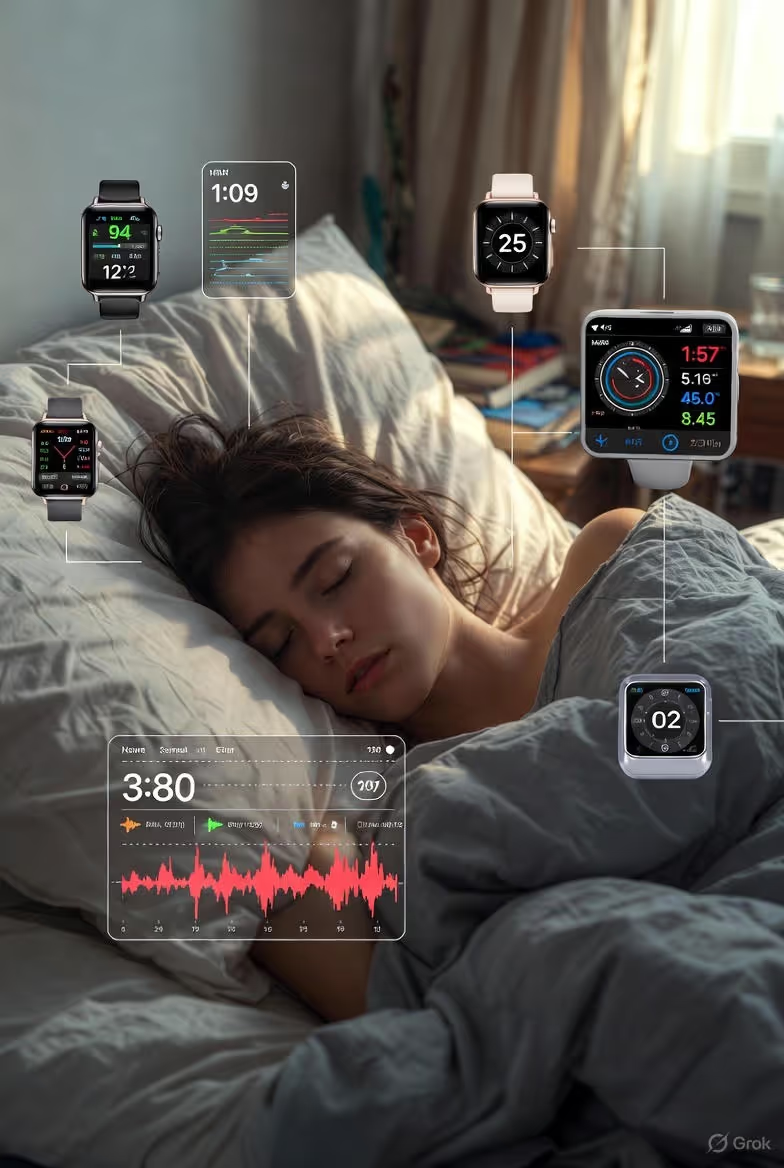
For centuries, humanity has viewed sleep as a mysterious, passive state—a necessary but largely unknowable third of our lives. This changed dramatically in the last fifty years, not through a single eureka moment but through a quiet, relentless technological revolution. Today, we can slip a sleek ring on a finger or glance at a wristwatch to receive a detailed report on the previous night's journey through sleep stages, complete with scores, insights, and personalized advice. This transformation has moved sleep from the realm of subjective feeling into the domain of quantified, actionable data, fundamentally altering our relationship with rest and our understanding of its profound impact on health.
The journey to this point is a story of miniaturization, sensor fusion, and artificial intelligence. It began in clinical laboratories, entangled in wires, and has now arrived unobtrusively in our bedrooms and on our bodies. The modern sleep tracker is more than a gadget; it is a window into our autonomic nervous system, a coach for recovery, and an early warning system for potential health issues. Its evolution reflects a broader societal awakening to sleep as a pillar of holistic wellness—a shift underscored by a sleep economy projected to reach $585 billion. This article explores that remarkable evolution, examining where we are now in the age of intelligent, personalized sleep technology and what it means for our daily pursuit of truly restorative rest.
The Gold Standard: Understanding Polysomnography (PSG) and Its Limitations
To appreciate the convenience of today's wearables, one must first understand the complexity and clinical rigor of the system they aim to approximate. Polysomnography (PSG) is the undisputed gold standard for sleep diagnosis, a comprehensive multi-parameter test conducted in specialized sleep laboratories. Its goal is to paint a complete physiological portrait of a sleeping person by simultaneously recording a suite of biological signals.
A typical in-lab PSG setup involves attaching numerous sensors to the patient's body:
Electroencephalography (EEG) electrodes on the scalp to monitor brain wave activity, which is essential for distinguishing between wakefulness, Non-Rapid Eye Movement (NREM) sleep, and Rapid Eye Movement (REM) sleep.
Electrooculography (EOG) sensors near the eyes to detect the characteristic rapid eye movements of REM sleep.
Electromyography (EMG) sensors, usually on the chin and legs, to measure muscle tone and movement (like the twitches of periodic limb movement disorder).
Electrocardiography (ECG) to track heart rate and rhythm.
Sensors to monitor breathing effort, airflow at the nose and mouth, and blood oxygen saturation (SpO₂)—key for diagnosing sleep apnea.
Additional devices to record body position and snoring sounds.
A trained sleep technician monitors this array of data in real time throughout the night. The subsequent analysis, performed by a sleep specialist, can diagnose a wide range of disorders, from obstructive sleep apnea and narcolepsy to parasomnias like sleepwalking.
However, this gold standard is not without significant tarnish. The limitations of PSG are precisely the problems that modern sleep-tracking technology seeks to solve:
High Cost and Inaccessibility: A single night of in-lab PSG can cost up to $2,000, making it prohibitive for routine or longitudinal monitoring. There is also a limited number of sleep labs and specialists, contributing to the stark statistic that an estimated 80% of people with obstructive sleep apnea remain undiagnosed.
The "First-Night Effect": Sleeping in an unfamiliar clinical environment, covered in wires and adhesives, is inherently disruptive. Studies consistently show this leads to increased sleep latency, decreased sleep efficiency, and reduced REM sleep, meaning the recorded data may not accurately reflect a person's typical sleep at home.
Burden and Discomfort: The process is intrusive and uncomfortable, the antithesis of a natural sleeping condition.
Snapshot, Not a Movie: PSG provides an incredibly detailed look at one or two nights but cannot track sleep patterns over weeks, months, or years to understand daily variability, the impact of lifestyle changes, or long-term trends.
These limitations created a clear mandate: to develop objective, accessible, and comfortable methods for monitoring sleep outside the laboratory. The first successful answer to this call was not a high-tech digital sensor, but a clever application of a simple principle: movement.
The Dawn of Actigraphy: Tracking Sleep Through Motion
The foundational technology that bridged the gap between the sleep lab and the real world is actigraphy. The core premise is elegantly simple: we move more when awake and less when asleep. By continuously measuring motion, a device can make inferences about sleep and wake patterns over extended periods.
The story begins in the early 1970s with researchers like Foster, Kupfer, and Kripke, who first used rudimentary telemetric devices to monitor the mobility of psychiatric patients and correlate it with sleep-wake cycles. Kripke's team was the first to formally call this technique "actigraphy." These early devices used piezoelectric transducers that generated a small electrical charge when physically stressed by movement. The signal was recorded on tape, and analysis was a manual, painstaking process.
The true breakthrough came with the development of automated scoring algorithms. In the 1980s and 1990s, researchers like Webster, Cole, and Sadeh created mathematical models that could take the movement data (or "activity counts") and automatically classify each time interval, or epoch, as "sleep" or "wake". Sadeh's algorithm, in particular, demonstrated over 91% accuracy compared to PSG and was validated in broader populations, including children.
These algorithms powered the first generation of clinical actigraphs—small, wristwatch-like devices worn for weeks at a time. They became invaluable tools for sleep researchers and clinicians studying circadian rhythm disorders (like delayed sleep phase syndrome), insomnia, and the effects of interventions in free-living conditions. They could reliably measure:
Total Sleep Time (TST)
Sleep Latency (time to fall asleep)
Wake After Sleep Onset (WASO)
Sleep Efficiency (percentage of time in bed actually spent sleeping)
However, actigraphy's strength was also its critical weakness. It had high sensitivity (correctly identifying most sleep epochs) but poor specificity (often misclassifying quiet wakefulness as sleep). If you lay still in bed reading a book, the actigraph would likely score it as sleep, leading to an overestimation of total sleep time. It was also, by design, blind to sleep architecture—it couldn't distinguish between light, deep, or REM sleep stages.
This fundamental limitation set the stage for the next evolutionary leap. The question was no longer just "Was the person asleep?" but "What kind of sleep were they having?" Answering that required looking beyond movement and listening to the subtle language of the human body—the rhythm of the heart.
The Heart of the Matter: Photoplethysmography (PPG) and Physiological Tracking
The integration of heart rate monitoring via Photoplethysmography (PPG) marked a paradigm shift in consumer sleep tracking. While actigraphy watched the body from the outside, PPG offered a window to the inside. This optical technique, now ubiquitous in wearables, works by shining a green LED light onto the skin (typically the wrist or finger) and measuring the amount of light reflected back by blood vessels. With each heartbeat, blood volume in the capillaries pulses slightly, creating a rhythmic variation in light absorption that translates into a heart rate (HR) reading.
For sleep science, the treasure lies not just in heart rate itself, but in the subtle fluctuations between beats—a metric known as Heart Rate Variability (HRV). HRV is a powerful proxy for autonomic nervous system (ANS) activity. During deep, restorative sleep, the parasympathetic ("rest-and-digest") branch dominates, leading to higher, more variable HRV. During stress, REM sleep, or wakefulness, the sympathetic ("fight-or-flight") branch increases, resulting in a lower, more regular heart rate.
By fusing accelerometer-based movement data with continuous HR and HRV data, algorithms became far more sophisticated. They could now detect the physiological signatures of different sleep stages:
Deep Sleep (N3): Characterized by very low movement, a slow and steady heart rate, and high HRV.
REM Sleep: Characterized by muscle atonia (no major movement), a faster and more variable heart rate (similar to wakefulness), and rapid eye movements (inferred from subtle physiological cues).
Light Sleep (N1 & N2): A transitional state with lower movement and heart rates that fall between wakefulness and deep sleep.
The addition of PPG sensors in the 2010s, first in chest straps and then in wrist-based fitness trackers from Fitbit, Jawbone, and others, transformed devices from simple motion detectors into physiological sleep stage estimators. For the first time, consumers could see a breakdown of their night not just as "asleep" or "awake," but as a journey through these archetypal stages. This provided insights into sleep quality, not just quantity. Someone could sleep for 8 hours but, due to stress or environment, spend very little time in restorative deep and REM sleep—a nuance completely missed by actigraphy alone.
PPG also enabled the tracking of other key nighttime metrics, such as resting heart rate and, with the addition of red and infrared LEDs, blood oxygen saturation (SpO₂). Monitoring SpO₂ variations overnight became a crucial feature for identifying potential breathing disturbances, a major step toward bringing sleep apnea screening into the home. The era of multi-sensor wearables had begun, setting the foundation for the holistic health monitors we use today.
The Rise of the Smartwatch and Wrist-Based Ecosystem
With the core sensor fusion of accelerometers and PPG established, the wrist emerged as the dominant battlefield for consumer sleep technology. The convergence of the fitness tracker and the smartwatch created a powerful, all-day wearable platform perfectly positioned for 24/7 health monitoring, including sleep.
Companies like Fitbit led the charge by making sleep staging a central, user-friendly feature. Devices like the Fitbit Charge 6 provide users with a visual graph of their sleep stages (light, deep, REM), a Sleep Score (often out of 100) that synthesizes multiple metrics, and trends over time. They also track estimated oxygen variation (EOV) to highlight potential breathing issues.
Apple and Samsung brought immense computational power and seamless ecosystem integration to the wrist. The Apple Watch, through updates to watchOS, now provides detailed sleep stage data, wrist temperature tracking (detecting deviations from baseline), and a Sleep Score based on duration, consistency, and interruptions. With watchOS 26, it introduced metrics for breathing disturbances to help detect signs of sleep apnea. Samsung's Galaxy Watch series offers similar detailed tracking, including snore detection and recording using the paired smartphone's microphone, and features like an AI-powered Sleep Coach that creates personalized checklists for better rest.
The advantages of the wrist-based ecosystem are clear:
Convenience: Most people are already accustomed to wearing a watch or band.
Continuous Data: Worn all day, these devices can correlate daytime activity, stress, and exercise with nighttime sleep quality.
Rich Feature Set: They combine sleep tracking with notifications, fitness apps, music control, and more.
However, significant drawbacks persist for sleep-specific use:
Battery Life: Smartwatches often require daily charging, making it easy to forget or skip wearing them to bed.
Comfort and Size: Some users find larger smartwatches bulky or uncomfortable for sleeping, especially for side sleepers.
Sensor Placement Limitations: The wrist is a suboptimal location for certain biometrics. Movement artifacts are common, and the signal quality for PPG can be lower than at locations closer to the body's core.
These limitations created an opportunity for a new form factor to challenge the wrist's dominance—one that promised greater comfort, better data, and a more discreet design.
A New Form Factor Emerges: The Smart Ring Revolution
As if in direct response to the shortcomings of the wrist, the smart ring emerged as a compelling alternative, with Oura pioneering the category. The premise was revolutionary: move the sophisticated sensor array from the wrist to the finger, a location with several unique advantages for physiological monitoring.
The finger, particularly the base, offers rich vascularity and a good bone connection, which allows for a stronger, cleaner PPG signal for heart rate and HRV measurements with fewer motion artifacts. It is also an excellent site for measuring peripheral skin temperature, a sensitive metric for circadian rhythm shifts, illness onset, and hormonal cycles.
The Oura Ring, now in its fourth generation, demonstrated the power of this form factor. It houses a miniaturized suite of sensors—including infrared PPG, temperature sensors, and a 3D accelerometer—in a sleek, waterproof titanium or ceramic band. Its defining characteristic is a holistic health approach, synthesizing nocturnal data into three simple, powerful scores:
Sleep Score: Assessing the quality and quantity of your rest.
Readiness Score (now Activity Score): Indicating your body's capacity for strain based on recovery.
(Previous) Readiness Score: A holistic measure of recovery.
The ring's week-long battery life and unobtrusive comfort solve the key pain points of smartwatches for sleep tracking. You can wear it 24/7 without noticing it, ensuring no gaps in data. As noted in hands-on testing, users often report they "barely noticed it," which is the ultimate compliment for a wearable designed for constant use.
The success of Oura ignited a competitive market. Today, consumers can choose from rings like the Ultrahuman Ring Air, which tracks unique metrics like caffeine impact and circadian rhythms; the RingConn Gen 2 Air, a budget-friendly option with no subscription fee; and the Samsung Galaxy Ring, which integrates deeply with the Samsung health ecosystem. These devices have solidified the ring as a premier device not just for sleep, but for continuous, minimalist health monitoring. For a deeper look at how different smart rings compare in today's market, you can explore our blog for a detailed analysis of the best smart rings for 2025.
Beyond the Body: Contactless and Environmental Sleep Tech
Not everyone wants to wear a device to bed. Enter contactless sleep tracking, which uses remote sensors to monitor sleep from a short distance. This category proves that effective tracking doesn't require skin contact.
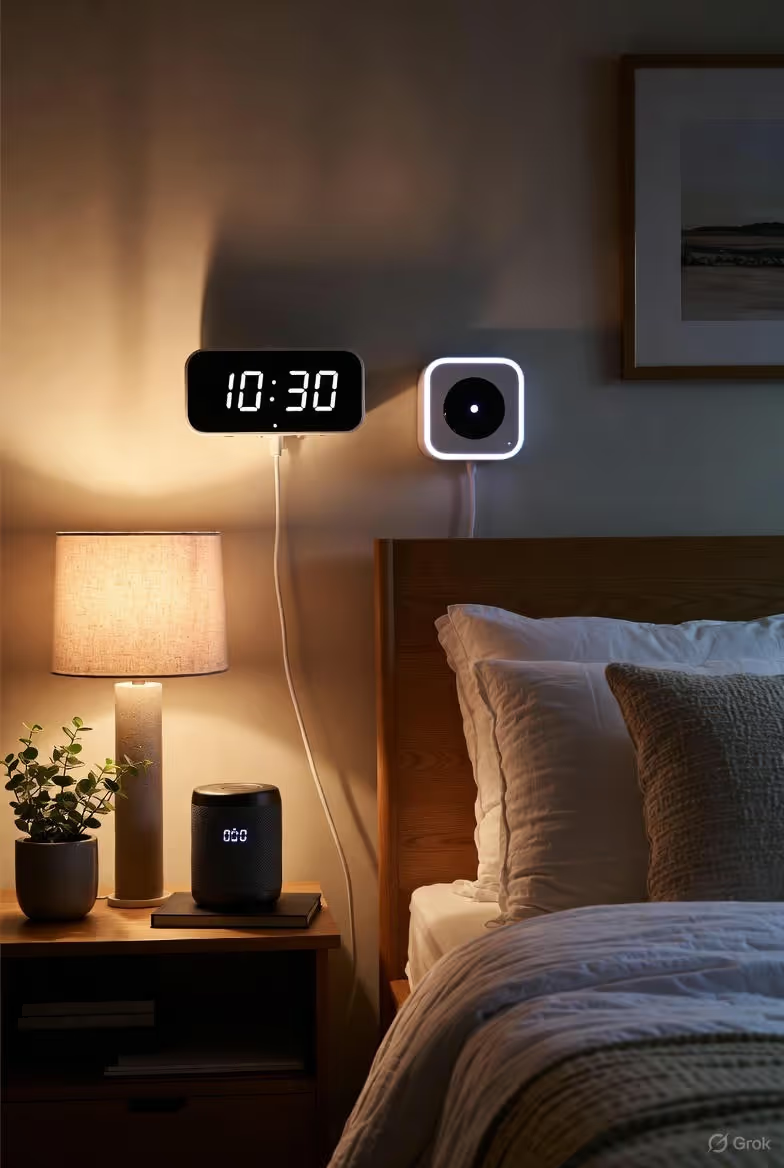
The most prominent example is the Google Nest Hub (2nd Gen), which employs Soli radar technology. This miniature radar chip emits imperceptible electromagnetic waves that reflect off the sleeper's body. By analyzing the microscopic disturbances in the reflected signal, it can detect chest movement for respiration, larger body movements, and even coughs or snores—all without a camera or any physical contact. It provides sleep stage estimates and a Sleep Score directly on the display.
Other contactless solutions include:
Under-Mattress Pads: Devices like the Withings Sleep are thin mats placed under the mattress. Using ballistocardiography (BCG), they sense the minute vibrations caused by the heart's beating and body movement to track heart rate, respiration, and sleep cycles. They can also detect snoring and integrate with smart home systems.
Smart Beds and Toppers: High-end solutions like the Sleep Number 360 i8 Smart Bed have sensors built directly into the mattress. They track sleep, heart rate, and respiration, and can even adjust firmness or use an adjustable base to elevate the head to stop snoring. For those not ready for a whole new bed, smart mattress toppers like the Eight Sleep Pod Pro Cover offer active temperature regulation, cooling or warming each side of the bed to the ideal temperature for sleep.
This category also encompasses environmental controllers, addressing the fact that sleep quality is determined as much by your surroundings as by your physiology. Smart thermostats, humidifiers, and air purifiers can maintain an optimal bedroom climate. Smart light bulbs can simulate sunset with warm, dimming light to encourage melatonin production and a sunrise effect for a gentler wake-up.
The philosophy here is holistic: true sleep tech isn't just about measuring the sleeper; it's about optimizing the entire sleep ecosystem—the bed, the room, and the environment—to create the perfect conditions for restorative rest. It’s a principle that guides the development of integrated wellness systems, much like the vision behind Oxyzen’s approach to holistic health technology.
The AI Inflection Point: From Data to Personalized Insights
The accumulation of sensors created an ocean of data—heart rate, movement, temperature, SpO₂. The next challenge was making sense of it all. This is where Artificial Intelligence (AI) and machine learning have triggered the most significant evolution in recent years: the shift from passive tracking to active coaching.
Early trackers presented data as raw graphs and numbers. The modern sleep tracker uses AI to perform several transformative functions:
Pattern Recognition and Baselines: AI algorithms learn your personal, unique biometric baselines over weeks of data. They can then spot meaningful deviations. For instance, a combined rise in resting heart rate, drop in HRV, and elevated skin temperature might be flagged as a potential illness indicator before symptoms even appear, a feature highlighted in devices like the Oura Ring.
Predictive Analytics and Personalization: Rather than offering generic advice like "sleep more," AI can provide hyper-personalized insights. It can correlate your sleep data with your own logged behaviors (e.g., "On days you had coffee after 3 PM, your deep sleep decreased by 15%") or with external data like weather or moon phase. Samsung's Sleep Coach and Google's Personal Health Coach for Fitbit are examples of systems that create customized, actionable checklists for improving sleep based on your personal patterns.
Advanced Sleep Staging and Disorder Screening: Machine learning models trained on vast datasets of PSG-correlated wearable data have improved the accuracy of sleep stage prediction. Furthermore, FDA-cleared algorithms are now appearing in wearables for sleep apnea detection. The Apple Watch and Samsung Galaxy Watch can look for patterns of breathing disturbances indicative of apnea, while devices like the Sleepon Go2Sleep 3 ring specifically track blood oxygen dips. This represents a monumental step toward democratizing early screening for serious sleep disorders.
Holistic Health Integration: The most advanced systems no longer treat sleep in isolation. They synthesize sleep data with daytime activity, workout strain, and subjective stress logs to generate a unified picture of recovery and readiness. The WHOOP 5.0 strap, for example, is built around this principle, providing daily Recovery and Strain scores to guide training intensity.
The AI-powered tracker is no longer just a reporter; it is becoming a personalized health advisor, identifying what works uniquely for you and nudging you toward better habits. This transition is at the heart of modern wellness technology, a journey of continuous refinement that you can learn more about through Oxyzen's own story of innovation and user-centric design.
Clinical Validation and the FDA: When Consumer Tech Meets Medicine
As consumer wearables have grown more sophisticated, a critical and complex question has emerged: Can data from a consumer device be trusted for meaningful health insights, or even clinical decisions? This has spurred a major push for clinical validation and regulatory clearance, blurring the line between wellness gadgets and medical devices.
The process is rigorous. For a sleep tracking feature to gain credibility, especially for disorder screening, its algorithm must be validated against PSG, the gold standard. Studies, often conducted by the device manufacturers in partnership with academic institutions, compare the wearable's automated scoring with expert-scored PSG results across a diverse population. Metrics like accuracy, sensitivity, specificity, and agreement (often using statistical measures like Cohen's kappa) are reported.
The highest level of endorsement comes from regulatory bodies like the U.S. Food and Drug Administration (FDA). An FDA clearance (like the 510(k) pathway) indicates that the agency has reviewed data and determined the device to be substantially equivalent to a legally marketed predicate device for a specific medical purpose.
2025 was a landmark year in this regard. The FDA cleared several sleep-related wearable technologies, signaling a significant shift. For example, the Happy Ring and PranaQ's TipTraQ received FDA clearances for aspects of sleep monitoring and disorder detection. While major players like Apple and Fitbit have pursued (and in some cases received) FDA clearances for specific features like ECG and sleep apnea algorithms, this wave of approvals for dedicated devices highlights the growing clinical acceptance of wearable data.
This movement has profound implications:
Empowered Consumers: Individuals can now have access to sophisticated screening tools that may prompt earlier conversations with healthcare providers.
Remote Patient Monitoring (RPM): Clinicians can potentially use data from validated wearables to monitor treatment efficacy for conditions like insomnia or sleep apnea outside the clinic.
Democratized Research: The vast, longitudinal datasets generated by millions of users (always anonymized and aggregated) can fuel population-level sleep research, as seen with initiatives like the Sleep Cycle Institute.
However, it is crucial to maintain perspective. No consumer wearable is a substitute for a medical diagnosis. The FDA clearances are typically for screening, not definitive diagnosis. Companies are careful to include disclaimers, such as RingConn's note that its data "are for reference only" and should not replace professional medical advice. The role of these devices is to inform and empower, not to replace the sleep specialist. For users seeking to understand the boundaries and capabilities of this technology, resources like Oxyzen's FA
Q can provide valuable guidance on how to interpret and use this data responsibly.
The Sleep-Tech Ecosystem in 2025: Integration and Holistic Health
Today's state of the art is not defined by a single, superior device, but by a rich and interconnected ecosystem. The focus has expanded from merely measuring sleep to orchestrating an entire sleep-friendly lifestyle. This ecosystem can be visualized as three concentric layers working in harmony.
Layer 1: The Biometric Core (The "What") This is the wearable or contactless tracker—the ring, watch, or bedside device—that collects the foundational physiological data: movement, heart rate, HRV, temperature, SpO₂. It answers the question: "What happened last night?"
Layer 2: The Intelligence and Coaching Layer (The "So What") This is the AI-powered app and cloud platform. It synthesizes biometric data with user-inputted lifestyle logs (caffeine, alcohol, exercise, stress), identifies patterns, and generates personalized scores and actionable insights. It answers: "What does this mean for me, and what should I do about it?"
Layer 3: The Environmental and Behavioral Layer (The "Now What") This is the integrated suite of products and services that act on the insights. It includes:
Smart Bed Environment: Mattresses, toppers, and pads that adjust temperature, firmness, or elevation.
Smart Home Integration: Lights that wind you down, thermostats that cool the room, and sound machines that mask noise.
Wind-Down and Wake-Up Tools: Meditation apps (like those integrated with Headspace), smart alarm clocks that wake you in a light sleep phase, and even wellness travel offerings from hotels focused on sleep hygiene.
Clinical Pathways: Seamless sharing of validated data with healthcare providers and integration with telehealth platforms.
The pinnacle of this ecosystem is the closed-loop system. Imagine a future where your ring detects elevated stress biomarkers at bedtime, prompting your smart lights to extend their sunset routine, your thermostat to drop another degree, and your meditation app to suggest a specific breathing exercise—all automatically. We are seeing the early inklings of this today.
This holistic view reflects a mature understanding that sleep cannot be optimized in a vacuum. It is a pillar of health deeply interconnected with daytime activity, nutrition, mental well-being, and environment. The modern sleep-tech ecosystem, therefore, is fundamentally a holistic health ecosystem, with quality sleep as its primary indicator and goal. This integrated philosophy is core to the mission of companies like Oxyzen, which you can explore further to understand their vision for connected wellness.
Current Limitations and Ethical Considerations
Despite the breathtaking progress, the field of consumer sleep technology is not without its challenges and controversies. As these devices become more influential in people's health decisions, it is essential to critically examine their limitations and the ethical questions they raise.
Technical and Scientific Limitations:
Accuracy Gaps: While validation studies show good agreement with PSG for measures like total sleep time, sleep stage accuracy is still an area of active improvement. Different devices and algorithms can produce varying results for the same night's sleep. The wrist-based PPG signal remains susceptible to motion artifacts and skin tone variations, which can affect data quality.
The "Obsession" Paradox: For some users, particularly those with insomnia or health anxiety, constant monitoring can lead to orthosomnia—a preoccupation with achieving perfect sleep scores, which in itself increases anxiety and worsens sleep. The data, meant to empower, can become a source of stress.
The Algorithmic Black Box: Most companies do not disclose the proprietary algorithms that generate their scores. This lack of transparency makes it difficult for users or independent researchers to fully understand what the scores mean or how they are weighted.
Business Model and Accessibility Concerns:
The Subscription Paywall: A dominant and controversial trend is the shift to subscription models. To access the detailed insights, personalized scores, and long-term trend analysis from devices like Oura or WHOOP, users must pay a recurring monthly or annual fee on top of the high hardware cost. This raises questions about long-term value and accessibility.
Data Privacy and Ownership: These devices collect incredibly intimate biometric data—when you sleep, your heart rhythms, your temperature cycles. Who owns this data? How is it stored, secured, and used? While companies have privacy policies, the aggregation and potential commercialization of this sensitive data is a significant ethical concern.
Clinical and Ethical Considerations:
Over-reliance and Self-Diagnosis: There is a risk that individuals may trust their wearable's data over professional medical advice or attempt to self-diagnose serious conditions based on screening alerts.
Equity and the "Digital Divide": High-end sleep tech is expensive. This risks creating a health information gap where only those who can afford premium devices have access to these detailed insights, potentially exacerbating health disparities.
The path forward requires balanced innovation: continuing to improve sensor and algorithmic accuracy while fostering greater transparency, championing robust data privacy standards, and ensuring these powerful tools enhance, rather than complicate, the user's relationship with sleep and their healthcare provider. Understanding these challenges is part of being an informed user, a topic often addressed in community discussions and resources like Oxyzen's testimonials, where real users share their experiences navigating the benefits and complexities of this technology.
Biosensing Breakthroughs: The Next Generation of Sensors
The foundational metrics of heart rate, movement, and blood oxygen are now table stakes. The next wave of innovation is being driven by new classes of biochemical and electrophysiological sensors that promise a deeper, more nuanced understanding of the body's nocturnal state.
Continuous Biochemical Monitoring: The holy grail is non-invasive, real-time tracking of biomarkers currently only accessible via blood tests. Interstitial fluid (ISF) sensing is leading this charge. Companies like Rockley Photonics have developed a "clinician-on-the-wrist" concept using mid-infrared spectroscopy. Their sensor module shines lasers at the skin to detect the unique spectroscopic signatures of molecules like glucose, lactate, alcohol, and cortisol in the ISF. Imagine a device that could warn you that your cortisol levels remain elevated at bedtime, directly linking stress hormone biology to sleep readiness, or one that shows how a glass of wine disrupts your nighttime glucose metabolism, impacting sleep quality.
Advanced Electrophysiology: While consumer EEG headsets for sleep exist, they are cumbersome. The future lies in miniaturized, comfortable EEG. Innovative form factors are making this possible:
Smart Earphones/IEMs: The ear canal is an excellent site for measuring brainwaves and core body temperature. Projects like Naomi's in-ear device aim to measure sleep stages with clinical-grade EEG accuracy in a package as convenient as earbuds.
Wearable Patches and Textiles: Disposable or reusable flexible electronic patches that adhere to the skin on the forehead or temple can provide high-fidelity EEG and EOG data for multi-night studies at home. Similarly, smart fabrics with conductive fibers woven into pajamas or pillowcases could unobtrusively capture similar signals.
Multi-Modal Sensor Fusion: The true power lies not in any single sensor, but in their AI-driven synthesis. A future device might combine:
An AI could correlate a subtle dip in deep sleep with a spike in evening lactate, suggesting metabolic inefficiency, or link fragmented REM sleep to a specific pattern of nocturnal cortisol fluctuation. This moves analysis from correlation to causation, providing truly root-cause insights.
Predictive Health and Preventive Medicine
Sleep data is poised to become the cornerstone of predictive, preventive healthcare. The night is a prolonged, standardized stress test; our bodies reveal vulnerabilities when the demands of wakefulness are removed. Researchers and companies are mining this data to build early-warning systems for chronic diseases.
Neurological and Cognitive Health: Sleep disturbances are among the earliest markers for neurodegenerative diseases like Alzheimer's and Parkinson's. Researchers are finding that specific, subtle alterations in sleep architecture, REM sleep behavior, and even nighttime vocalizations can precede clinical diagnosis by years. Projects like the "Sleep as a Biomarker" initiative are training AI on large datasets to identify these ultra-early signatures. A consumer wearable, with years of longitudinal baseline data, could one day provide a personalized risk assessment, prompting preventative lifestyle or therapeutic interventions a decade before symptoms appear.
Cardiovascular and Metabolic Risk: We already know that sleep apnea is a major risk factor for hypertension and heart disease. Future algorithms will look beyond apnea. Nocturnal heart rate dynamics, HRV during specific sleep stages, and morning blood pressure surges linked to sleep quality are powerful predictors of cardiovascular risk. Similarly, the interplay between sleep depth, glucose regulation, and metabolic markers in ISF could create a 24-hour metabolic profile, offering unparalleled insights for diabetes prevention and management.
Mental Health Monitoring: The bidirectional link between sleep and mental health is profound. Startups are developing FDA-cleared digital therapeutics that use sleep and circadian rhythm data as a foundation for treating depression and anxiety. By tracking sleep regularity, REM latency, and heart rate patterns, these tools can detect the early signs of a depressive episode or gauge the efficacy of a treatment protocol, enabling dynamic, data-informed mental healthcare.
The implications are staggering. Your sleep tracker could evolve from a wellness tool into a guardian of long-term health, a sentinel that watches for the faintest biological signals of future trouble. This proactive approach aligns with a broader vision of healthcare that prioritizes prevention, a principle explored in depth across resources on our blog dedicated to the future of personalized wellness.
The Fully Integrated, Closed-Loop Sleep Environment
The ultimate expression of sleep tech is the fully autonomous sleep sanctuary: a bedroom environment that senses your physiological state and reacts in real time to optimize it. We are moving from connected devices to a conscious ecosystem.
The Responsive Bed: The bed of the future will be an active sleep platform. It will integrate the sensing capabilities of an under-mattress device with powerful actuation. Using a network of pressure sensors and microphones, it will detect snoring or apnea events and gently adjust the bed's incline or your sleeping position using subtle air chamber adjustments to open the airway—all without waking you. It will pair this with dynamic temperature regulation, perhaps with separate zones that cool or warm based on your real-time core temperature, tracked via a wearable or embedded sensor.
Adaptive Ambient Intelligence: The room itself will become an adaptive partner.
Light: Smart lighting will do more than dim on a schedule. Using ultra-wideband (UWB) or radar presence sensing, it will track your movement in bed. If you're restless, it might initiate a specific, calming light pattern. In the morning, it will time a simulated sunrise to coincide with the end of a sleep cycle, as detected by your wearable.
Sound: Advanced sound systems will move beyond white noise. They will use biometric feedback to modulate soundscapes. If your heart rate remains high during sleep onset, the system might gradually introduce binaural beats at a frequency known to entrain the brain toward relaxation.
Climate: HVAC systems will integrate with sleep data, learning that you sleep best when the room temperature drops to 18°C (64°F) by 3 a.m. and begins to warm by 6:30 a.m.
The Seamless Human-Machine Interface: Interaction with this ecosystem will be largely passive. Low-power, ambient sensing (like radar) will detect when you enter the room and begin the wind-down protocol. Your wearable will provide the real-time biometric stream that drives the adjustments. The goal is zero friction: you experience perfect sleep conditions without ever pressing a button or issuing a command. This vision of seamlessly integrated, responsive technology is central to the next generation of wellness products, reflecting a commitment to enhancing human well-being through intelligent design, a journey you can read about in our story of creating human-centric technology.
Democratization, Accessibility, and the Future of Sleep Equity
For all its promise, the high cost of advanced sleep technology risks creating a "sleep divide"—a gap in health literacy and outcomes between those who can afford these tools and those who cannot. The next phase of evolution must prioritize democratization and accessibility.
The Role of Smartphones and Low-Cost Sensors: The most powerful democratizing tool is already in billions of pockets: the smartphone. Using just the microphone and accelerometer, algorithms can now analyze breathing and movement patterns during sleep with surprising accuracy for basic screening. Camera-based photoplethysmography (using the phone's flash and camera to measure heart rate through a fingertip) offers another low-cost avenue. While not as accurate as dedicated wearables, these solutions can provide vital sleep hygiene education and rudimentary screening to populations currently excluded from the wearable market.
Insurance and Employer Integration: The most significant shift will come when health insurers and employers fully recognize the cost-saving potential of sleep health. We are already seeing:
Insurance Premium Incentives: Providers offering discounts or rewards for members who consistently demonstrate healthy sleep patterns tracked via validated devices.
Employer-Sponsored Wellness Programs: Companies providing smart rings or watches as part of holistic employee health initiatives, aiming to reduce healthcare costs, absenteeism, and improve productivity.
Hospital-At-Home Programs: Health systems prescribing medical-grade wearables for remote patient monitoring of conditions like sleep apnea or post-surgical recovery, with costs covered by insurance.
Global Health Initiatives: On a broader scale, simplified, ultra-low-cost sleep screening tools could have a profound impact on global public health. Sleep apnea is massively undiagnosed in both developed and developing nations. Affordable screening devices could enable large-scale population studies and targeted interventions, improving cardiovascular health outcomes worldwide.
The mission for the next decade is clear: to ensure that the life-changing benefits of sleep insight are not a luxury good, but a foundational component of public health. This requires concerted effort from innovators to create scalable solutions, from policymakers to create supportive frameworks, and from healthcare systems to embrace data from these new tools. For individuals curious about how to start their own journey toward better sleep with today's available tools, our FAQ offers practical guidance on getting the most from sleep tracking technology.
The Ultimate Goal: From Tracking to Transformation
The arc of sleep technology evolution bends toward a single, human-centric outcome: not more data, but better rest, better health, and a better quality of life. As we look beyond the horizon, several philosophical shifts will define success:
The Invisible Guardian: The technology will recede into the background. The perfect sleep device is the one you forget you're wearing; the perfect sleep environment is the one you experience, not operate. The focus will shift from dashboard numbers to lived improvement—waking up refreshed, maintaining energy, and enjoying long-term health.
Hyper-Personalized Sleep Medicine: We will move from generic sleep tips to N-of-1 sleep optimization. AI will understand your unique genetic, lifestyle, and environmental makeup to prescribe a sleep regimen that is effective specifically for you. This could include personalized recommendations for light exposure, meal timing, exercise type and timing, and even digitally-delivered cognitive behavioral therapy for insomnia (CBT-I) modules tailored to your patterns.
Sleep as a Foundational Vital Sign: In the doctor's office of the near future, a review of your long-term sleep health data will be as standard as checking your blood pressure. This longitudinal record, showing trends over years, will be an invaluable diagnostic tool, offering context that a single-night PSG or a subjective report cannot.
The evolution of sleep tracking is, fundamentally, the story of humanity applying its ingenuity to understand one of its most essential biological functions. From the tangled wires of the sleep lab to the silent, intelligent ring on your finger, this journey has been about reclaiming agency over our rest. We are no longer passive subjects of sleep. We are becoming active architects of our own recovery, guided by insights drawn from the silent language of our bodies at night.
The technology is now maturing to a point where its greatest impact lies not in what it tells us about last night, but in how it empowers us to live better tomorrow. This is the true promise of the sleep tech revolution: a future where everyone has the knowledge, tools, and environment to achieve the restorative sleep that is their biological birthright, unlocking their full potential for health, creativity, and well-being. For those inspired to join this journey and experience how personalized data can transform their rest, the first step is to explore what modern, holistic wellness technology can offer.
The Personalization Revolution: Your Unique Sleep Blueprint
The most profound shift in modern sleep technology is the move from generic population-level advice to hyper-personalized insights. For decades, sleep guidance was one-size-fits-all: “Get 8 hours,” “Avoid caffeine,” “Keep a regular schedule.” While sound in principle, this approach ignores a fundamental truth: sleep is as individual as a fingerprint. Your ideal sleep duration, your sensitivity to caffeine, your most restorative sleep stage pattern, and your circadian rhythm are shaped by a complex interplay of genetics, age, lifestyle, environment, and even your gut microbiome.
We are now entering the era of N-of-1 sleep optimization, where technology creates a unique “Sleep Blueprint” for every individual. This revolution is powered by the convergence of three key elements:
1. Longitudinal Biometric Baselines: Unlike a sleep lab’s single-night snapshot, a wearable worn for months or years learns your normal. It establishes personalized baselines for your heart rate, HRV, temperature, and sleep architecture. This allows the device to detect meaningful deviations that would be invisible when comparing you to a population average. A resting heart rate of 55 might be dangerously low for one person but perfectly healthy for another. Your personal baseline is the only meaningful reference point.
2. Lifestyle Integration and Correlation Engine: Modern apps go beyond nighttime data. They allow you to log dozens of potential sleep influencers: diet, exercise, alcohol, medications, stress levels, menstrual cycle, and even subjective mood. Advanced AI then performs a continuous multi-variate analysis, uncovering correlations unique to you. You might discover that your deep sleep plummets not when you drink alcohol, but specifically when you drink red wine, or that a morning workout boosts your sleep efficiency far more than an evening one. The system answers the deeply personal question: “What works for me?”
3. Genomic and Phenotypic Integration: The frontier of personalization lies in integrating wearable data with other biological layers. Some services now combine sleep tracker data with DNA analysis from companies like 23andMe or Ancestry.com. They can identify if you carry genetic variants associated with being a “morning lark” or “night owl” (PER3 gene), have a higher genetic risk for restless legs syndrome, or metabolize caffeine slowly (making you more sensitive to its sleep-disrupting effects). When combined with your real-world phenotypic data from a wearable, this creates a powerful, actionable health profile.
This personalization is transforming sleep from a vague wellness concept into a precise, leveragable component of human performance. Athletes use it to tailor training loads and recovery. Knowledge workers use it to schedule demanding cognitive tasks for their peak alertness times. The goal is no longer to chase an arbitrary “perfect sleep score,” but to understand and work in harmony with your unique chronobiology—your body’s innate timing system. This personalized approach is central to modern wellness philosophies, a topic we explore further in articles about crafting your optimal daily routine on our blog.
The ultimate promise is a shift from reactive sleep tracking (“You slept poorly last night”) to proactive sleep forecasting and prescription. The system could learn that a combination of an afternoon stressful meeting, a late lunch, and a specific weather pattern predicts a restless night for you, and would proactively suggest an optimized wind-down protocol to counteract it. Sleep technology becomes less of a reporter and more of a personal sleep scientist, constantly running experiments on your behalf to refine your unique blueprint for perfect rest.
Navigating the Night: The Impact on Sleep Disorders and Clinical Care
The democratization of sleep data is fundamentally altering the landscape for diagnosing and managing sleep disorders. For the estimated billions worldwide with undiagnosed conditions like sleep apnea, insomnia, or circadian rhythm disorders, consumer technology is becoming a critical first line of defense and a bridge to clinical care.
Transforming the Diagnostic Pathway: The traditional path to a sleep apnea diagnosis is fraught with barriers: patient denial of symptoms (like snoring), lack of awareness, physician time constraints, and the daunting prospect and cost of an in-lab PSG. Consumer wearables with validated apnea screening algorithms are dismantling these barriers.
Awareness and Triage: A user might buy a smart ring for general wellness and be alerted to repeated blood oxygen dips and pulse rate rises indicative of breathing disturbances. This objective data often provides the “aha moment” that motivates them to seek medical help.
Home Sleep Apnea Testing (HSAT) Evolution: The data from a high-fidelity consumer device (like detailed SpO₂, heart rate, and actigraphy) can be formatted into a clinician-readable report. Forward-thinking sleep physicians are beginning to accept these reports as a valid pre-screening tool. This can fast-track patients directly to a formal, simplified home sleep test or even an in-lab study, making the diagnostic process more efficient. Companies like Sleepon and Withings now offer devices that are explicitly designed to provide professional-grade data for this purpose.
Revolutionizing Chronic Condition Management: For those already diagnosed, wearables enable continuous remote patient monitoring (RPM).
A patient with sleep apnea using a CPAP machine can now see not just machine usage data, but the physiological impact of that therapy on their own body—their oxygen levels, sleep quality, and next-day readiness. This closes the feedback loop, improving therapy adherence.
For insomnia sufferers undergoing Cognitive Behavioral Therapy for Insomnia (CBT-I), a wearable provides an objective measure of sleep restriction and consolidation progress, far more reliable than a paper sleep diary. Therapists can review trends remotely, personalizing treatment weekly based on hard data.
Empowering the Patient-Physician Partnership: This technology is fostering a new model of collaborative, data-informed sleep care. Patients arrive at appointments not just with subjective complaints (“I’m tired”), but with longitudinal data charts. This shifts the conversation. The clinician can ask: “I see your sleep latency spiked two months ago; what changed in your life then?” or “Your deep sleep is consistently low, but your sleep apnea is treated; let’s investigate other causes like diet or stress.”
This does not replace the sleep specialist; it empowers them. It turns a 15-minute consultation into a targeted, efficient investigation. The clinician’s role evolves from detective (searching for clues) to interpreter and guide, helping the patient make sense of complex data and navigate treatment options. For anyone beginning this journey of using data to inform a conversation with a healthcare provider, our resource center offers guidance on preparing and presenting your wellness information effectively.
The ethical imperative is clear: as this data becomes more clinically robust, the healthcare system must create formal pathways to integrate it, ensuring it serves to augment professional care, not fragment it. The potential to alleviate the global burden of sleep disorders has never been greater.
The Dark Side of Data: Privacy, Anxiety, and the Quest for "Perfect" Sleep
As sleep technology weaves itself deeper into our lives, it brings a shadow side. The very features that empower—constant monitoring, detailed scoring, and health alerts—can also induce anxiety, breed obsession, and create significant risks regarding our most intimate data.
The Rise of "Orthosomnia" and Sleep Performance Anxiety: Coined by researchers in 2017, orthosomnia is a non-clinical term describing an unhealthy preoccupation with achieving perfect sleep data. Individuals may become so fixated on optimizing their sleep scores that they engage in behaviors that ironically worsen sleep: going to bed too early, lying anxiously awake watching their device’s screen, or altering their life rigidly around tracker data. The tracker, meant to be a tool for better health, becomes a source of performance pressure and nightly judgment. This highlights a critical design challenge: how to present data in a way that informs without judging, and motivates without punishing.
The Algorithmic Black Box and the Meaning of Scores: Most consumers have no idea how their “Sleep Score” of 82 or “Readiness Score” of 71 is calculated. The algorithms are proprietary. This creates a trust gap. If two different devices give vastly different sleep stage breakdowns for the same night (a common occurrence), which one is “right”? Without transparency, users are asked to place blind faith in a score whose derivation and clinical meaning may be unclear. The industry is moving toward greater validation, but the need for algorithmic transparency and educational literacy remains pressing.
The Privacy Abyss: Biometric Data Ownership: The data collected by a sleep tracker is arguably the most intimate possible: a continuous record of your unconscious state, stress levels, potential illness, and lifestyle habits. The privacy policies governing this data are complex and often overlooked. Critical questions include:
Who owns the data? You, or the company?
How is it anonymized and aggregated? It has immense value for pharmaceutical research, insurance modeling, and even advertising.
How is it secured? A database of global sleep patterns is a highly attractive target for malicious actors.
Could it be used against you? While currently prohibited in many places by laws like the Genetic Information Nondiscrimination Act (GINA), the potential for insurance premium adjustment or employer discrimination based on sleep data (e.g., penalizing shift workers for poor sleep scores) is a looming ethical concern that requires proactive legislation.
Navigating the Balance: The path forward requires a multi-stakeholder effort:
For Companies: Design with a “do no harm” ethos. Build in features that discourage obsession, like the ability to hide scores or receive weekly summaries instead of daily judgments. Advocate for and adhere to the highest standards of data minimization, encryption, and user control.
For Users: Cultivate a healthy relationship with data. Use the tracker as a guide, not a gospel. Periodically take a week off from checking scores to reconnect with your subjective feeling of rest. Read privacy policies and adjust data-sharing settings to your comfort level.
For Regulators: Develop clear frameworks for biometric data rights, ensuring individuals retain sovereignty over their biological information.
Sleep technology’s greatest challenge is no longer technical—it is human. Its success will be measured not by the accuracy of its algorithms alone, but by its ability to improve lives without creating new forms of anxiety or eroding personal privacy. Real-world stories from users who have navigated these challenges can be found in our testimonials section, offering perspective on building a balanced relationship with wellness technology.
The Future of Sleep: A Holistic Integration with Waking Life
The ultimate destination for sleep technology is not a better night, but a better life. The artificial boundary between “sleep” and “wakefulness” is dissolving. We are moving toward a model of 24/7 integrated vitality, where sleep data is seamlessly woven into the fabric of our daily decisions, environment, and long-term health planning.
The Circadian Day: From Sleep Tracking to Life Rhythm Optimization: Future systems will view the night not as an isolated event, but as the recovery phase of a circadian cycle. They will optimize the entire 24-hour period to enhance that recovery. Your wearable and its AI coach will make interconnected recommendations:
Morning: Based on the quality of your deep sleep, it might suggest a more vigorous or gentler workout. Using morning light exposure data (from your phone or wearable), it could recommend the optimal time for your first coffee to align with your cortisol rhythm.
Afternoon: Analyzing a dip in your daytime HRV, it might prompt a 10-minute breathing exercise to mitigate stress before it impacts your evening.
Evening: Synthesizing data on your daytime activity, caffeine intake, and evening calendar, it could proactively trigger a personalized wind-down protocol for your smart home: dimming lights earlier, playing a specific calming soundtrack, and adjusting the thermostat.
Sleep as a Foundational Input for AI Health Assistants: Your sleep data stream will become a primary input for the next generation of personal AI health assistants. These large-language model (LLM) based agents will have access to your sleep history, fitness data, nutrition logs, and medical records. You could ask:
“Why did I feel so tired yesterday?”
The AI would analyze: “You had 30% less REM sleep two nights ago after your late business dinner. This is known to impact emotional regulation. Your workout strain was also 15% above average yesterday, compounding fatigue. I recommend prioritizing an earlier bedtime tonight and a focus on protein-rich meals today to support recovery.”
The Long-Term Health Legacy: Imagine a “Sleep Health Record” that begins at age 25 and continues for a lifetime. This longitudinal record would be an invaluable asset, revealing how your sleep architecture changed with life events—parenthood, career changes, menopause, aging. It would provide an objective history to present to any new physician, offering clues no single test ever could. This record could power predictive healthspan models, estimating your risks and resilience based on decades of restorative (or poor) sleep patterns.
The evolution that began with counting movements in a sleep lab is culminating in a comprehensive technology-mediated symbiosis with our own biology. Sleep tracking is evolving into life rhythm optimization. It promises a future where we are no longer struggling against our natural rhythms, but are intelligently and effortlessly supported by our environment and technology to live in harmony with them. This represents the full realization of human-centric wellness technology—a seamless integration of data, design, and daily life that empowers individuals to thrive. To see how this philosophy is being put into practice today, you can explore the vision and values driving companies at the forefront of this integration.
The Ethical Horizon: Navigating Responsibility in a Monitored World
As sleep technology advances from passive tracking to active intervention and deep personalization, it forces us to confront profound ethical questions. We are granting devices and the corporations behind them unprecedented access to our unconscious lives—our biological rhythms, vulnerabilities, and deviations from health. The promise of personalized sleep optimization is immense, but it is inseparable from the perils of data exploitation, algorithmic bias, and the potential erosion of human agency over our own rest.
The Data Sovereignty Imperative: Sleep data is arguably the most sensitive category of personal data imaginable. It is not merely a record of behavior; it is a continuous stream of physiological, psychological, and behavioral insights. A company that knows your sleep patterns knows your stress cycles, your alcohol consumption habits, your potential health diagnoses, and your deviations from "normal" function. The current model, where users trade this data for insights under lengthy, opaque Terms of Service agreements, is increasingly seen as unsustainable.
The future demands a paradigm shift toward true data sovereignty. This could manifest through technologies like personal data vaults—encrypted, user-controlled repositories where your sleep data is stored. You could then grant specific, time-limited, and revocable access to a device company’s algorithm to generate your sleep score, to a researcher for a study you opt into, or to your physician for a consultation. The core principle is: the data is yours. You are its custodian, not a product from which it is extracted. Companies like Oxyzen are beginning to explore models where user privacy and control are foundational, not an afterthought, recognizing that trust is the bedrock of this intimate technology.
Algorithmic Transparency and the "Explainable AI" Challenge: When a wearable tells a user they have a "low readiness score" or flags a "high sleep apnea risk," it is making a decision with potential health and emotional consequences. Yet, these decisions are often made by "black box" algorithms—proprietary neural networks whose reasoning is not easily interpretable, even by their own engineers.
This lack of transparency is ethically fraught. If a user is denied insurance coverage or faces skepticism from a doctor based on device data, they have a right to understand the "why." The field of Explainable AI (XAI) is therefore critical for sleep technology. Future systems may need to provide not just a score, but a plain-language rationale: "Your readiness score is low today primarily because your resting heart rate was 8 BPM above your 90-day baseline last night, and your heart rate variability showed reduced parasympathetic activity, which often follows days of high cognitive strain. This suggests your body is prioritizing recovery."
Furthermore, we must guard against algorithmic bias. If training datasets for sleep stage scoring or apnea detection are over-represented by certain demographics (e.g., young, healthy, male), the algorithms will be less accurate for others (e.g., older adults, women, people of color with different skin tones affecting PPG accuracy). This could lead to misdiagnosis or dismissed symptoms. Ethical development requires diverse, representative datasets and ongoing audits for bias.
The "Right to Disconnect" and Digital Wellbeing: As beds and bedrooms become wired, sensor-rich environments, we risk the colonization of our final sanctuary. The pressure to optimize can turn the bedroom into a quantified performance space. There is a growing movement asserting a "right to digital disconnection" in the bedroom—the freedom to have spaces and times free from monitoring and connectivity.
Future sleep tech must be designed with an "off-ramp." This means features that allow users to easily pause monitoring, view data in weekly aggregates rather than daily judgments, and receive insights that encourage listening to the body's subjective signals. The goal should be to use technology to cultivate internal awareness, not to replace it. The most sophisticated device should ultimately help its user reach a point where they can intuitively feel what the data would tell them, using the technology as a periodic check-in rather than a constant crutch.
The ethical development of sleep technology is not a constraint on innovation; it is the necessary framework for its sustainable and beneficial integration into society. It ensures that the power of this technology amplifies human well-being and autonomy, rather than undermining it in pursuit of data or profit. For companies, this means embedding ethical principles into the design process from day one—a commitment to transparency, user sovereignty, and holistic well-being that is often detailed in their core mission and values.
The Sleep Tech Ecosystem of Tomorrow: Interoperability and Open Health
Today's sleep technology landscape is dominated by walled gardens. Your Oura Ring data lives in the Oura app; your Fitbit data in Google Fit; your Apple Watch data in Apple Health. While these ecosystems are rich, they are siloed. For the user seeking a holistic health picture, this fragmentation is a major obstacle. The future lies not in a single device winning the war, but in an open, interoperable sleep and health ecosystem.
The Rise of the Patient-Generated Health Data (PGHD) Platform: The vision is a user-centric platform—perhaps built on emerging standards like Fast Healthcare Interoperability Resources (FHIR) for consumer data—that can securely ingest data from any source: your smart ring, your CPAP machine, your smart scale, your food-logging app, and your electronic health record. This platform becomes your personal health data hub.
Within this hub, sophisticated analysis tools, potentially from third-party developers or research institutions, could run across your unified dataset. You could, for example, run a report that correlates your sleep depth (from your ring) with your continuous glucose monitor readings and your logged food diary to see exactly how different meals affect your nocturnal rest. You could then grant temporary access to this specific analysis for your nutritionist or sleep doctor.
Decentralized Sleep Science and Citizen-Led Research: Interoperability democratizes research. Imagine a world where a university team studying menopause and sleep could put out a call for participants, and interested individuals could securely donate a subset of their historical sleep and temperature data from their personal hub to the study. This enables research at a scale, speed, and diversity previously impossible, accelerating discoveries for niche conditions and underrepresented populations. It shifts the model from subjects in a study to participants in a collaborative discovery process.
The Clinician's Dashboard: For healthcare providers, interoperability solves a major pain point. Instead of logging into a dozen different patient portals to see data from different devices, a clinician could access a unified dashboard (with patient consent) that presents key, validated sleep metrics alongside other vital signs from various sources. This integrated view—seeing how poor sleep coincides with elevated home blood pressure readings, for example—allows for truly holistic, preventive care.
This open ecosystem requires industry-wide collaboration on data standards, privacy-preserving data exchange protocols, and user consent frameworks. While competitive forces will always drive hardware innovation, the shared value of improved human health must drive cooperation on the data layer. Companies that embrace this openness will be seen as true partners in health, rather than mere vendors of gadgets. For consumers, understanding this evolving landscape is key, and resources like our FAQ can help navigate questions about data portability and integration.
The Uncharted Frontier: Sleep, Consciousness, and Enhancement
Beyond optimization and health monitoring, the most speculative and profound frontier of sleep technology explores the nature of sleep and consciousness itself. Emerging research is investigating whether we can not only measure sleep but influence its content and enhance its restorative functions.
Targeted Memory Reactivation and Cognitive Enhancement: Studies have shown that playing specific sounds associated with a learning task during deep sleep can enhance memory consolidation—a process called Targeted Memory Reactivation (TMR). Future sleep wearables with bone-conduction speakers or smart pillow speakers could operationalize this. Imagine a language learner reviewing vocabulary before bed, and their sleep headband subtly playing the associated foreign words during deep sleep phases to strengthen memory traces.
Modulating Sleep Architecture with Sensory Stimulation: Research into auditory closed-loop stimulation—playing gentle sound pulses in sync with a person’s slow brain waves during deep sleep—has shown promise in increasing the duration and amplitude of deep sleep in older adults and others. Wearable EEG devices could detect these slow waves in real time and deliver precisely timed auditory or even gentle tactile stimuli to prolong this most restorative sleep stage. This isn't science fiction; early consumer devices like the Philips SmartSleep headband were pioneering this space.
Dream Incubation and Lucid Dreaming Tech: The realm of dreams remains one of sleep’s great mysteries. Devices like the iBand+ and various sleep masks attempt to detect REM sleep (when most vivid dreaming occurs) and deliver cues—lights, sounds, or vibrations—to induce lucid dreaming (the awareness that one is dreaming). While still niche and of variable efficacy, this represents an attempt to interact with the subjective, qualitative experience of sleep, moving beyond pure physiology into the domain of consciousness.
The Philosophical and Ethical Quandaries: This territory raises deep questions. If we can engineer our sleep to be more efficient and cognitively enhancing, do we risk losing something fundamentally human about the unoptimized, "natural" sleep process? Does tinkering with memory consolidation during sleep cross a line into cognitive enhancement that could create unfair advantages? The ethical framework for sleep enhancement will be even more complex than for sleep tracking. It will force us to define what we value about sleep itself: Is it purely a biological maintenance function to be optimized, or is it an intrinsic part of the human experience with its own inherent, un-engineered value?
This frontier reminds us that for all our technological sophistication, sleep retains an essential mystery. The final goal of sleep technology should not be to eradicate this mystery, but to deepen our reverence for it—using our tools to protect and nurture this vital one-third of our lives, ensuring it serves the flourishing of the other two-thirds. It is a journey of partnership with our own biology, guided by data but ultimately directed by a desire for holistic well-being, a principle that resonates deeply within the modern wellness community and is reflected in the authentic stories shared by users who have integrated these tools into their lives.



%402x.svg)