


Exercise and Recovery Balance: The Mental Performance Factor
How recovery balance affects mental performance.
How recovery balance affects mental performance.
%402x.svg)
For years, the fitness world has operated under a deceptively simple equation: train harder, get better results. Push through the pain. No days off. The relentless pursuit of more miles, more weight, more reps has been glorified across social media feeds, documentary specials, and locker room walls. But a quiet revolution has been unfolding—one that challenges everything we thought we knew about peak performance.
The truth is far more nuanced, and far more interesting. Elite athletes, military special operators, and high-performing executives have discovered a counterintuitive secret: strategic recovery doesn't just prevent burnout; it actively enhances mental performance in ways that hard training alone never could. The relationship between exercise and recovery isn't a balancing act—it's a symbiotic partnership where each element amplifies the other.
What makes this discovery particularly timely is the convergence of neuroscience, wearable technology, and sports psychology. We now have the tools to measure, track, and optimize the recovery process with unprecedented precision. Devices like the smart ring technology found in modern wellness wearables can detect subtle physiological signals that indicate when an athlete is truly recovered versus when they're simply resting. This data-driven approach has transformed recovery from a vague concept into a measurable science.
The stakes extend far beyond physical performance. Mental clarity, emotional regulation, decision-making speed, and creative problem-solving all depend on the quality of your recovery. When you understand how exercise and recovery balance shapes your cognitive function, you unlock a level of performance that transcends the gym or the playing field. This article explores the intricate dance between training and restoration—and why your brain is the ultimate beneficiary.
The image of the dedicated athlete pushing through exhaustion has become romanticized to the point of danger. We celebrate the runner who finishes the marathon despite feeling lightheaded, the weightlifter who trains through joint pain, the CrossFit enthusiast who attends two-a-days without a single rest day. What these narratives conveniently ignore is the mounting scientific evidence showing that chronic overtraining doesn't just increase injury risk—it systematically degrades cognitive function.
When the body is pushed beyond its recovery capacity, the central nervous system bears the brunt of the damage. A landmark study published in Medicine & Science in Sports & Exercise found that athletes in an overreached state demonstrated significant impairments in executive function, including working memory, cognitive flexibility, and inhibitory control. In plain language: overtraining makes you mentally slower, less adaptable, and more impulsive.
The mechanism involves several interconnected systems. Prolonged intense exercise elevates cortisol levels beyond the body's ability to regulate them. While acute cortisol spikes are normal and even beneficial, chronic elevation triggers a cascade of negative effects: reduced hippocampal volume (the brain region responsible for memory formation), impaired prefrontal cortex activity (critical for decision-making), and disrupted neurotransmitter balance, particularly dopamine and serotonin.
Perhaps the cruelest irony of overtraining is that it creates a state where the athlete feels compelled to train more while their body's ability to benefit from training plummets. This phenomenon, known as overtraining syndrome (OTS), affects approximately 30% of elite endurance athletes at some point in their careers, according to the European College of Sport Science.
Symptoms of OTS extend far beyond physical fatigue:
These cognitive symptoms often appear weeks before physical signs of overtraining become apparent. This means an athlete could be mentally compromised—making poor strategic decisions, misjudging their own effort levels, or failing to execute complex movements—while feeling physically capable of continuing. The disconnect is dangerous.
The cognitive toll of overtraining isn't merely academic. Consider the professional basketball player who shoots 40% from the free-throw line during a playoff game after a week of intense training camps. Or the surgeon who attempts a complex procedure after an ultramarathon training block. Or the parent trying to manage household finances while chronically under-recovered from their fitness regimen.
In each case, the physical capability remains intact—the athlete can still jump, the surgeon's hands are steady, the parent can still lift groceries. But the cognitive processing required to execute those tasks at a high level has been compromised. Our mission at Oxyzen centers on helping people recognize these subtle signs before they escalate into serious problems, using continuous physiological monitoring to detect recovery deficits early.
The emerging consensus among sports scientists is clear: training without adequate recovery isn't discipline—it's a cognitive liability. The athlete who prioritizes recovery isn't taking the easy path; they're making an evidence-based decision to preserve and enhance their mental edge.
To truly grasp why recovery matters for mental performance, you need to understand the conductor of this entire physiological orchestra: the autonomic nervous system (ANS). This remarkable system operates below the level of conscious thought, regulating everything from heart rate and digestion to pupil dilation and sweat production. And it holds the keys to both your physical recovery and your cognitive sharpness.
The ANS consists of two primary branches that function as biological opposites. The sympathetic nervous system (SNS) is your accelerator—the "fight or flight" network that activates during exercise, stress, and excitement. It increases heart rate, diverts blood flow to working muscles, releases glucose for immediate energy, and sharpens certain types of attention at the expense of others.
The parasympathetic nervous system (PNS) is your brake—the "rest and digest" network that dominates during sleep, meditation, and genuine recovery. It slows heart rate, directs blood flow toward digestive and repair processes, and creates the physiological conditions necessary for memory consolidation, emotional processing, and cellular repair.
Neither branch is inherently good or bad. The problem arises when the delicate balance between them is disrupted. Chronic training without adequate recovery creates persistent sympathetic dominance, where the body remains locked in a heightened state of alert even during supposed rest periods.
Heart rate variability (HRV) has emerged as the single most useful metric for understanding ANS balance. Unlike simple heart rate, which tells you how many times your heart beats per minute, HRV measures the tiny variations in time between successive heartbeats. Higher HRV indicates a healthy, responsive nervous system capable of shifting between sympathetic and parasympathetic states as needed. Lower HRV suggests sympathetic dominance and poor recovery.
Research published in Frontiers in Physiology demonstrated that athletes with higher baseline HRV consistently outperformed their low-HRV counterparts in tests of reaction time, situational awareness, and decision-making under pressure. The difference wasn't marginal—low-HRV athletes were approximately 40% slower in complex cognitive tasks following intense training sessions.
This is where wearable technology becomes transformative. Modern recovery trackers can measure HRV with clinical-grade accuracy, providing real-time feedback about your nervous system state. The Oxyzen smart ring continuously monitors HRV throughout sleep and waking hours, alerting users when their sympathetic tone remains elevated and suggesting recovery interventions before cognitive decline sets in.
Understanding your ANS balance changes how you approach both training and recovery. A low HRV reading in the morning doesn't mean you should cancel your workout—it might mean you should adjust the intensity, prioritize mobility work over strength training, or shift your workout to the evening when your nervous system has had more time to regulate.
Conversely, consistently low HRV readings despite adequate sleep and reduced training volume might indicate non-training stressors affecting your recovery: work deadlines, relationship conflicts, financial worries, or even subclinical illness. Your nervous system doesn't distinguish between physical and psychological stress—it responds to the total load.
This integrated perspective transforms recovery from a passive activity (lying on the couch) into an active process of nervous system regulation. The most successful athletes and executives don't just schedule rest days; they actively practice techniques that enhance parasympathetic tone, including:
Each of these interventions has measurable effects on HRV and cognitive performance. The key is treating them with the same intentionality as your training sessions—not as optional extras but as essential components of your performance architecture.
If exercise is the stimulus that drives adaptation, sleep is the factory where that adaptation actually happens. No amount of nutrition optimization, cold plunging, or meditation can compensate for inadequate or poor-quality sleep. The neuroscience is unequivocal: sleep is the most potent recovery tool available to any human being, and its effects on mental performance dwarf those of any supplement or technology.
One of the most significant neuroscientific discoveries of the past decade involves the glymphatic system—a waste clearance pathway that operates almost exclusively during deep sleep. Think of it as your brain's janitorial crew, sweeping away metabolic debris that accumulates during waking hours.
Among the waste products removed during glymphatic activity is beta-amyloid, a protein associated with Alzheimer's disease when it accumulates pathologically. But more immediately relevant to athletes and active individuals are the inflammatory cytokines and metabolic byproducts that impair cognitive function when allowed to persist. A single night of sleep deprivation increases cerebrospinal fluid levels of these neurotoxins by approximately 30%, according to research from the University of Rochester.
The implications for recovery are profound. Even if you sleep eight hours, the distribution of sleep stages matters enormously. Deep non-REM sleep (stages 3 and 4) drives glymphatic clearance, while REM sleep supports emotional regulation and procedural memory consolidation. An athlete who sleeps eight hours but receives insufficient deep sleep will wake physically rested but cognitively compromised—a distinction most people never notice until performance suffers.
Elite athletes demonstrate sleep patterns that differ significantly from the general population. Research on professional basketball players found that those who averaged more than eight hours of sleep per night increased their shooting accuracy by 9% and reduced reaction times by approximately 0.15 seconds—a massive margin in a sport where split-second decisions determine outcomes.
But quantity alone tells only part of the story. The timing of sleep relative to training matters equally. A study from Stanford University divided swimmers into two groups: one that maintained consistent sleep-wake schedules and another that slept the same total hours but with shifting schedules. The consistent-schedule group improved sprint times by 12% over the study period, while the irregular group showed no improvement despite identical training volume.
This finding highlights why recovery tracking has moved beyond simple sleep duration measurements. Modern wearables analyze sleep architecture, detecting time spent in each stage and providing actionable insights about sleep quality. Explore our blog for detailed protocols on optimizing your sleep environment and timing for maximum cognitive recovery.
Improving sleep-based recovery doesn't require expensive equipment or dramatic lifestyle overhauls. The most effective interventions are simple, free, and supported by decades of research:
Temperature Regulation: Your body needs to drop its core temperature by approximately 1-2 degrees Fahrenheit to initiate and maintain sleep. A bedroom temperature between 65-68 degrees Fahrenheit optimizes this process. Conversely, training too close to bedtime elevates core temperature and delays sleep onset.
Light Management: Melatonin production requires darkness extending well beyond the hour before bed. Blue light from screens suppresses melatonin for up to 90 minutes after exposure ends. Wearing blue-blocking glasses or using night-mode settings helps, but the most effective strategy is removing screens from the bedroom entirely.
Consistency Over Catch-Up: Sleeping extra hours on weekends does not repay the cognitive debt accumulated during weekdays. The brain does not bank sleep—each night's recovery stands alone. Maintaining consistent sleep-wake times, even on rest days and weekends, produces better cognitive outcomes than variable schedules with higher total sleep.
Napping Strategy: Short naps (10-20 minutes) enhance alertness and cognitive performance without causing sleep inertia—the groggy feeling that follows longer naps. The optimal window for napping is typically 2-4 PM, when most people experience a natural circadian dip in alertness.
The evidence supporting sleep-based recovery has become so compelling that major sports organizations now employ sleep specialists alongside strength coaches and nutritionists. The San Antonio Spurs, New York Giants, and British cycling team have all reported significant performance improvements following systematic sleep optimization programs. What works for elite athletes works equally well for anyone seeking to maximize their mental performance.
When most people hear "recovery," they picture complete rest—lying on a couch, watching television, doing nothing. While passive recovery certainly has its place, a growing body of research suggests that active recovery—low-intensity movement performed on rest days or immediately after intense training—produces superior cognitive outcomes compared to complete inactivity.
Active recovery works through several distinct physiological mechanisms, each contributing to enhanced neural function. Low-intensity movement increases cerebral blood flow without the inflammatory response triggered by high-intensity exercise. This enhanced circulation delivers oxygen and glucose to neural tissues while simultaneously removing metabolic waste products.
Additionally, active recovery maintains the activity of brain-derived neurotrophic factor (BDNF), a protein that supports the survival of existing neurons and encourages the growth of new ones. High-intensity exercise produces a robust BDNF response, but that response declines rapidly when complete inactivity follows. Active recovery maintains elevated BDNF levels for hours longer than passive rest, extending the neuroplastic window during which your brain is most receptive to learning and adaptation.
Research from the University of British Columbia compared two groups of recreational athletes following identical high-intensity training sessions. One group engaged in 30 minutes of light walking (approximately 30% of maximal heart rate) while the other rested completely. The walking group showed 40% higher BDNF levels at the 6-hour post-exercise mark and performed significantly better on tests of verbal memory and cognitive flexibility.
Not all active recovery produces equivalent cognitive benefits. The intensity, duration, and type of movement all matter:
Low-Intensity Steady State (LISS): Walking, light cycling, or swimming at conversational pace (where you could hold a conversation without breathlessness) for 20-40 minutes. This intensity maximizes cerebral blood flow without triggering sympathetic nervous system activation.
Mobility and Flexibility Work: Gentle stretching, foam rolling, or yoga flows that emphasize slow, controlled movements coordinated with breathing. These activities enhance interoception—your brain's ability to sense internal body states—which correlates strongly with emotional regulation and decision-making quality.
Neuromuscular Re-Education: Exercises that challenge coordination without requiring significant cardiovascular output, such as balance drills, hand-eye coordination tasks, or movement pattern rehearsals at reduced speed. These activities promote cerebellar function and motor learning without adding recovery debt.
Social Active Recovery: Walking with a friend, playing catch at low intensity, or group stretching sessions. Social interaction during active recovery adds a psychological recovery dimension—reducing perceived stress and enhancing mood—that amplifies the physiological benefits.

For all its benefits, active recovery can become counterproductive when misapplied. The most common mistake is intensity creep—starting a recovery session with good intentions, then gradually increasing effort until the session no longer qualifies as recovery. A recovery walk that becomes a power walk, a gentle swim that becomes interval training, or yoga that becomes a vigorous flow all defeat the purpose.
A second mistake is duration extension. Active recovery produces diminishing returns beyond approximately 45 minutes. Longer sessions begin to accumulate fatigue and inflammatory markers, converting what should be restorative movement into additional training stress.
The third mistake is neglecting individual variability. Some athletes respond well to daily active recovery, while others need complete rest days interspersed between active sessions. HRV monitoring provides objective guidance here—if your HRV remains suppressed despite active recovery, you likely need more passive rest.
Real user experiences with recovery tracking consistently highlight the value of distinguishing between active and passive recovery needs. Many users report discovering that their assumed preference for complete rest days actually suppressed their cognitive performance, while others learned that their compulsive need to do something every day prevented them from receiving the deep recovery their nervous systems required.
The optimal approach treats active recovery as a precision tool rather than a daily requirement. On days when your energy is moderate, your HRV is trending upward, and your mental clarity feels sharp, active recovery enhances the recovery process. On days when you feel depleted, your HRV is suppressed, or you're fighting off illness symptoms, passive rest serves you better. Learning to distinguish between these states requires practice and often benefits from objective physiological data.
The connection between physical training and emotional states runs deeper than the familiar concept of "runner's high." Regular exercise undoubtedly improves mood and reduces anxiety in most people. But the relationship is more complex—and more fragile—than popular culture suggests. Imbalanced training that neglects recovery systematically degrades emotional regulation capacity, leaving athletes irritable, emotionally volatile, and paradoxically more susceptible to stress despite their physical fitness.
Cortisol follows a natural daily rhythm, peaking approximately 30 minutes after waking and gradually declining throughout the day until reaching its nadir around midnight. This rhythm supports healthy emotional regulation by ensuring that stress responses are appropriately timed and contained.
Chronic overtraining disrupts this rhythm completely. Instead of a sharp morning peak followed by a gradual decline, overtrained individuals show flattened cortisol patterns with elevated levels throughout the day and impaired nighttime decline. This flattened pattern correlates strongly with emotional dysregulation: increased irritability, reduced frustration tolerance, heightened emotional reactivity, and difficulty recovering from negative emotional experiences.
A study tracking competitive swimmers through an intense training camp found that cortisol rhythm disruption predicted emotional outcomes with remarkable accuracy. Swimmers whose cortisol patterns remained healthy maintained stable mood and reported feeling challenged rather than threatened by training demands. Those whose cortisol patterns flattened showed increasing irritability, reported more conflict with teammates, and described training as overwhelming rather than motivating. Notably, these emotional differences appeared before any objective performance decline—the swimmers were still training at full volume and intensity, but their emotional experience of that training had fundamentally changed.
Beyond cortisol, overtraining affects serotonin synthesis and receptor sensitivity. Serotonin plays a central role in mood regulation, impulse control, and social behavior. When serotonin function is compromised, individuals become more prone to aggression, impulsivity, and emotional outbursts.
The mechanism involves the amino acid tryptophan, which serves as the precursor for serotonin synthesis. Intense exercise increases the uptake of branched-chain amino acids (BCAAs) into muscles. Since BCAAs and tryptophan compete for transport across the blood-brain barrier, elevated BCAA uptake reduces tryptophan availability to the brain. The result: reduced serotonin synthesis precisely when the brain most needs emotional regulation capacity.
This creates a dangerous feedback loop. Reduced serotonin function increases perceived effort and emotional distress during training, which drives athletes to push harder to achieve their expected performance, which further depletes tryptophan availability, which further impairs serotonin function. Breaking this loop requires not just rest but strategic nutritional intervention—specifically, ensuring adequate carbohydrate intake post-exercise, which triggers insulin release that shifts BCAA transport toward muscle tissue and away from the blood-brain barrier competition.
Preserving emotional regulation through balanced training requires more than just taking rest days. The following strategies help maintain emotional stability even during intense training blocks:
Morning HRV Assessment: Check your HRV within 30 minutes of waking. Consistently low readings across multiple days warrant reduced training intensity regardless of how you feel emotionally. Your nervous system is communicating through data even when your subjective experience hasn't yet caught up.
Evening Emotional Check-Ins: Rate your emotional state on a 1-10 scale before bed, noting any triggers for irritability, anxiety, or low mood. Over time, patterns will emerge linking training load to emotional outcomes. Many people discover that their emotional breaking point occurs 48-72 hours after intense training—not immediately afterward.
Carbohydrate Timing: Consume 30-60 grams of easily digestible carbohydrates within 30 minutes of completing intense training sessions. This intervention supports tryptophan transport and serotonin synthesis while also replenishing glycogen stores. The emotional benefits appear within hours.
Social Connection Boundaries: Recognize that your emotional regulation capacity is finite. During periods of high training volume, reduce exposure to emotionally demanding social situations or relationships that require high levels of impulse control. Schedule important conversations and decisions for recovery days when your emotional resources are replenished.
Learn more about how smart ring technology can track these emotional-physiological connections by monitoring HRV, sleep quality, and recovery metrics continuously. Users frequently report that seeing objective data about their recovery state helps them override the "push through" mentality that previously led to emotional breakdowns.
The ability to make good decisions under pressure separates elite performers from everyone else. Whether you're a point guard reading a defense, a surgeon navigating unexpected anatomy, or an executive negotiating a critical deal, your decision-making quality directly determines outcomes. What recent research has made clear is that physical fatigue compromises decision-making long before you feel cognitively impaired.
The prefrontal cortex (PFC)—the brain region responsible for executive functions including planning, reasoning, impulse control, and decision-making—is metabolically expensive. It consumes disproportionate amounts of glucose and oxygen relative to its volume. It's also exquisitely sensitive to fatigue and metabolic stress.
When the body is under-recovered, several factors converge to impair PFC function. Elevated cortisol reduces glucose transport to the PFC, starving the region of its primary fuel. Inflammatory cytokines cross the blood-brain barrier and disrupt neurotransmitter signaling in PFC circuits. And accumulated adenosine (a byproduct of cellular energy consumption) inhibits PFC activity similarly to how caffeine blocks adenosine receptors to promote alertness.
The behavioral consequences are well-documented. A meta-analysis published in Sports Medicine examined 24 studies on fatigue and decision-making in athletes. The pooled results showed that physically fatigued athletes made decisions approximately 15-20% slower than rested counterparts, with no improvement in accuracy to compensate for the slower processing. In other words, fatigue didn't just make athletes slower—it made them slower without any benefit.
Perhaps more concerning than simple slowing is how fatigue distorts risk assessment. Multiple studies have found that fatigued individuals systematically misjudge probabilities, overestimating the likelihood of negative outcomes while underestimating their ability to handle challenges.
This distortion manifests differently depending on personality and context. Some fatigued individuals become hyper-conservative, avoiding necessary risks and missing opportunities because their threat-detection systems are oversensitized. Others become recklessly impulsive, seeking greater stimulation to overcome the dulled sensation of fatigue and making poorly considered choices as a result.
Both patterns appear in athletic contexts. The fatigued basketball player who passes up an open shot (avoidance) and the fatigued climber who attempts a dangerous route despite poor conditions (recklessness) share the same underlying impairment: compromised PFC function that prevents accurate risk calibration.
Research from the University of Zurich used functional near-infrared spectroscopy (fNIRS) to measure PFC activity during decision-making tasks in fatigued and rested athletes. The rested athletes showed bilateral PFC activation appropriate to task demands—activating more brain tissue for difficult decisions and less for easy ones. The fatigued athletes showed unpredictable activation patterns, sometimes failing to activate the PFC sufficiently for challenging decisions and other times exhausting metabolic resources on trivial choices.
Maintaining decision-making capacity requires treating cognitive recovery as seriously as physical recovery. The following evidence-based strategies help preserve PFC function even during demanding training periods:
Strategic Decision Scheduling: Schedule your most important decisions for mornings, when cortisol rhythms naturally support alertness and PFC function. Avoid making significant decisions in the late afternoon or early evening, when circadian factors and accumulated fatigue converge to impair judgment.
Glucose Availability Management: The PFC requires steady glucose availability. Consuming small amounts of carbohydrates (15-30 grams) before important decision-making periods can enhance PFC function even in fatigued states. This is not a license for indiscriminate sugar consumption—strategic timing matters more than total quantity.
Recovery Before Decisions: When facing a critical decision, complete a 10-15 minute active recovery protocol first—gentle walking, light stretching, or slow breathing exercises. This intervention reduces sympathetic tone and enhances PFC blood flow, improving decision quality measurably.
Accountability Systems: Establish decision-making processes that include second opinions or cooling-off periods during training blocks when you know you'll be fatigued. The knowledge that you're impaired doesn't prevent impairment—you need structural safeguards that override your compromised judgment.
The most sophisticated approach integrates continuous physiological monitoring with decision logging. Visit our FAQ section to learn how users track correlations between their recovery metrics and decision quality, identifying personal thresholds beyond which their judgment reliably deteriorates.
Flow—the coveted state of effortless absorption where action and awareness merge, time distorts, and performance feels automatic—represents the pinnacle of human experience in both athletic and creative domains. Athletes chase flow. Artists worship flow. Executives strategize about flow. But there's a paradox at the heart of flow state research that most people miss: flow requires exceptional recovery.
Flow states are associated with a specific neurochemical cocktail: transient increases in dopamine (reward anticipation), norepinephrine (focus and arousal), anandamide (bliss and pain reduction), and endorphins (euphoria and analgesia). Simultaneously, flow involves decreased activity in the prefrontal cortex—specifically, the dorsolateral PFC associated with self-monitoring and inner critical voice.
This combination produces the subjective experience of flow: intense focus without effort, confidence without arrogance, and automatic performance without conscious interference.
The problem is that this neurochemical state requires a well-rested brain. Dopamine synthesis depends on adequate sleep and low inflammation. Norepinephrine sensitivity requires balanced autonomic nervous system function. And the PFC downregulation that enables flow can only occur when the PFC isn't already exhausted from compensating for other deficits.
When you're under-recovered, several barriers to flow emerge. First, your baseline dopamine levels drop, meaning you need a stronger stimulus to achieve the transient increase associated with flow. What might have triggered flow when rested becomes merely mildly interesting when fatigued.
Second, your PFC is less capable of the nuanced regulation required for flow. Instead of smoothly shifting between focused attention and automatic processing, the fatigued PFC tends toward either hypervigilance (constant self-monitoring that blocks flow) or disengagement (inability to maintain the focused attention flow requires).
Third, the subjective experience of effort changes. Flow requires the perception that challenge matches skill—that the task is demanding but achievable. Fatigue systematically distorts this perception, making the same task feel more difficult and less achievable. Athletes describe feeling "heavy" or "sluggish" when attempting to access flow while under-recovered, sensing that the magical effortlessness remains just out of reach.
Research from the Flow Research Collective measured flow states in athletes across training cycles. During periods of adequate recovery, athletes reported flow in approximately 25-30% of training sessions. During periods of accumulated fatigue, flow dropped to less than 5% of sessions—a staggering 80-85% reduction in flow accessibility.
If flow represents your highest performance state, then recovery practices should be evaluated partly by how well they set the stage for flow. The following recovery interventions have demonstrated flow-enhancing effects:
Morning Sunlight Exposure: Ten minutes of morning sunlight within 30 minutes of waking regulates circadian rhythms and supports dopamine synthesis throughout the day. Flow states become more accessible when your underlying neurochemistry is primed.
Strategic Caffeine Timing: Caffeine enhances flow when used sparingly and timed appropriately. Consume caffeine 60-90 minutes before flow-requiring activities, but avoid caffeine within 8-10 hours of bedtime to preserve sleep quality. Tolerance breaks of 1-2 weeks every few months restore caffeine sensitivity.
Pre-Flow Priming Routines: Establish 10-15 minute routines that transition your nervous system into flow-favorable states. These might include rhythmic breathing (4 seconds inhale, 6 seconds exhale), simple movement patterns performed with exaggerated focus, or listening to music with specific tempo characteristics (80-100 BPM often works well).
Recovery Tracking for Flow Prediction: Use physiological data to predict flow accessibility before you attempt important performances. The Oxyzen smart ring's continuous monitoring reveals patterns linking specific recovery metrics (HRV, resting heart rate, sleep quality) to flow probability. Many users discover that their optimal flow window occurs approximately 24-36 hours after a complete rest day—not immediately after resting, but after a brief recovery period that allows neurochemistry to stabilize.
The flow paradox resolves when you recognize that recovery isn't merely the absence of training—it's the active preparation for your highest performance states. The athlete who recovers well doesn't just avoid breakdown; they build the neurochemical platform from which flow can emerge spontaneously.
One of the most persistent misconceptions in fitness culture is the conflation of overtraining with under-recovery. These terms are often used interchangeably, but they describe fundamentally different phenomena with different causes, different manifestations, and different solutions. Understanding the distinction transforms how you approach performance optimization.
Overtraining refers to a training volume and intensity that chronically exceeds the body's adaptive capacity, leading to performance decrements that persist despite extended rest (weeks or months). True overtraining is relatively rare, affecting primarily elite athletes who push the absolute limits of human capacity. It's characterized by profound hormonal disturbances, immune dysfunction, and autonomic nervous system dysregulation that requires medical intervention to reverse.
Under-recovery, by contrast, describes a state where training demands temporarily exceed recovery capacity, producing performance decrements that resolve with adequate rest (days to weeks). Under-recovery is common, affecting virtually every athlete who trains seriously at some point. It's characterized by fatigue, mood disturbances, and performance plateaus or declines that reverse when recovery improves.
The distinction matters because the solutions differ dramatically. Overtraining requires extended complete rest, often with medical monitoring. Under-recovery requires strategic adjustments to training load, recovery practices, or lifestyle factors—not necessarily complete inactivity.

Most active people who feel persistently fatigued are under-recovered, not overtrained. The following signs indicate under-recovery rather than true overtraining:
If you recognize yourself in the under-recovery pattern, the following interventions typically restore balance within 7-10 days:
The 48-Hour Reset: Take two consecutive complete rest days from structured exercise. Light walking, gentle stretching, and normal daily activities are fine, but no training that elevates heart rate above 100 BPM or produces muscle fatigue. Most under-recovered athletes feel significantly better after this reset.
Sleep Extension: Add 60-90 minutes to your nightly sleep for one week. This means going to bed earlier, not just sleeping later (which disrupts circadian rhythms). If your schedule prevents this, add a 30-minute afternoon nap instead.
Nutritional Support: Increase carbohydrate intake to 5-7 grams per kilogram of body weight daily, emphasizing whole food sources. Ensure protein intake of 1.6-2.2 grams per kilogram. Consider supplemental magnesium (300-400 mg before bed) to support muscle relaxation and sleep quality.
Stress Auditing: Identify non-training stressors that may be contributing to your recovery deficit. Common culprits include insufficient daylight exposure, excessive caffeine, alcohol consumption (even moderate amounts impair sleep architecture), and emotionally demanding relationships or work situations.
While true overtraining is rare, it does occur. Seek professional evaluation if you experience:
True overtraining requires medical evaluation and often involves blood work to assess hormonal status, iron levels, and inflammatory markers. Treatment typically includes extended rest (4-12 weeks), nutritional rehabilitation, and gradual return to training under professional supervision.
The vast majority of people who believe they're overtrained are actually under-recovered—which is good news, because under-recovery is far more responsive to intervention. Read our complete guide to distinguishing these conditions and implementing appropriate recovery protocols based on your specific pattern of symptoms and physiological data.
The convergence of miniaturized sensors, machine learning algorithms, and consumer wearable technology has transformed recovery from an art into a science. Where athletes once relied on subjective feelings ("I think I'm recovered") and simple metrics ("my resting heart rate seems high"), modern recovery tracking provides continuous, objective data about physiological status across multiple systems.
Current-generation wearable devices pack an astonishing array of sensors into compact form factors. Optical heart rate sensors use photoplethysmography (PPG)—light-based detection of blood volume changes—to measure heart rate and its variability continuously. Accelerometers detect movement patterns that distinguish different sleep stages. Temperature sensors track skin temperature changes that correlate with inflammation and circadian rhythms. Some devices even include bioimpedance sensors that estimate hydration status and body composition.
The smart ring form factor offers particular advantages for recovery tracking. Unlike wrist-worn devices that move constantly throughout the day, rings maintain consistent contact with the finger's underside, where blood flow patterns are particularly informative. This placement enables more accurate HRV measurement during sleep, when most recovery assessment occurs.
The Oxyzen smart ring represents the current generation of this technology, combining multiple sensor streams with proprietary algorithms trained on thousands of athlete-days of data. Users receive nightly recovery scores that predict next-day performance capacity, individualized readiness recommendations, and trend analysis that reveals recovery patterns across training cycles.
Raw physiological data has limited value without interpretation. Heart rate variability of 65 milliseconds means nothing in isolation—it becomes meaningful only in comparison to your personal baseline, in the context of your training load, and with reference to your subjective experience.
Modern recovery platforms solve this through personalized baselining. During an initial 7-14 day period, the system learns your typical ranges for each metric: your normal HRV, your characteristic heart rate patterns during sleep, your typical movement during different sleep stages. Once this baseline is established, deviations become meaningful signals.
The most sophisticated systems integrate multiple metrics into composite scores that predict performance readiness. A typical recovery score might combine:
Machine learning algorithms identify which combinations of these metrics best predict next-day performance for each individual. For some users, HRV dominates the prediction model. For others, sleep quality or resting heart rate matters more. The system adapts to your unique physiology.
Technology provides data, but humans must translate data into behavior change. The following strategies help you actually use recovery tracking to improve outcomes:
Morning Review Protocol: Spend 90 seconds each morning reviewing your recovery metrics before checking email or social media. Note your recovery score, any alerts about specific metrics, and the system's readiness recommendation. Make one decision based on this data (e.g., "I'll reduce today's training intensity by 20%" or "I'll add an afternoon nap").
Weekly Pattern Analysis: Review weekly recovery trends each Sunday evening. Look for patterns linking training decisions to recovery outcomes. You might discover that evening training sessions consistently impair your sleep quality, or that rest days following specific types of workouts produce the best recovery scores.
Subjective Calibration: Track your subjective recovery perception alongside objective metrics. Rate how recovered you feel each morning on a 1-10 scale before viewing your device data. Over time, note whether your subjective ratings align with objective metrics. Many people systematically overestimate or underestimate their recovery state—the data reveals these blind spots.
Contextual Annotation: When your recovery scores are unexpectedly low or high, add context notes. "Slept poorly because neighbors had a party," "Recovery great after rest day with sauna session," or "Low score but felt fine during workout" all provide valuable calibration data that improves the system's predictions over time.
Despite impressive advances, recovery tracking has real limitations worth acknowledging. No wearable device measures recovery directly—all devices measure correlates of recovery (heart rate, movement, temperature) and infer recovery status from these correlates. The inference is often accurate but never perfect.
Additionally, recovery scores can become sources of anxiety rather than tools for optimization. Some users become obsessed with achieving perfect scores, adjusting behavior in counterproductive ways to chase arbitrary numbers. The goal is better decision-making, not higher scores.
Finally, recovery technology works best as part of a broader wellness strategy, not as a replacement for listening to your body. Our story and approach emphasizes using data to inform intuition, not override it. The most successful users learn to integrate objective metrics with subjective experience, creating a synthesis that's more powerful than either alone.
Periodization—the strategic organization of training into distinct phases that emphasize different qualities—has been a cornerstone of athletic preparation for decades. Traditionally, periodization focused exclusively on physical adaptations: building endurance during base phases, developing strength during intensity phases, and sharpening speed during peaking phases. Modern periodization incorporates cognitive demands equally.
Different training phases impose different cognitive loads and require different recovery strategies:
Base Phase (High Volume, Low Intensity): During base training, cognitive demands are relatively low. The primary challenge is maintaining motivation through repetitive, moderate-effort sessions. Recovery can focus on sleep quality and general stress management. This phase actually improves cognitive function for most people, as the moderate activity level reduces anxiety and enhances mood without overtaxing neural resources.
Build Phase (Moderate Volume, Moderate Intensity): As intensity increases, cognitive demands rise. Athletes must maintain focus during harder intervals, make strategic decisions about effort distribution, and manage increasing physical discomfort. Recovery during build phases should include specific cognitive restoration practices: reducing decision load outside training, scheduling breaks between demanding cognitive tasks, and protecting sleep with particular vigilance.
Peak Phase (Low Volume, High Intensity): The highest cognitive demands occur during peaking phases, when athletes must execute complex skills under maximum intensity while managing pre-competition anxiety. Recovery during peaking phases must prioritize nervous system restoration above all else. This often means reducing non-training cognitive demands dramatically—delaying important decisions, avoiding emotional confrontations, and simplifying daily routines.
Transition Phase (Active Recovery): During planned recovery weeks or off-seasons, cognitive demands drop essentially to zero. This is when the brain performs deep restoration, clearing metabolic debris and replenishing neurotransmitter stores. Attempting to maintain high cognitive output during transition phases defeats the purpose and delays the restoration process.
Just as athletes have different physical strengths and weaknesses, they have different cognitive profiles that affect how training phases impact mental performance:
High-Trait Anxiety Individuals: Those who naturally experience higher anxiety need more conservative training loads during cognitive peak phases. The stress of intense training combines with baseline anxiety to overwhelm recovery capacity more quickly. These athletes benefit from longer transition phases and more aggressive cognitive load reduction during peak weeks.
Low-Interoception Individuals: People who struggle to sense internal body states need more objective data to guide cognitive periodization. Smart ring technology provides particular value for these individuals, offering objective metrics that compensate for reduced subjective awareness of fatigue and recovery status.
High-Sensory-Seeking Individuals: Those who thrive on novelty and intensity may need external constraints to prevent cognitive overload. Their natural tendency to push harder provides advantages during build phases but creates risks during peak phases when cognitive restoration matters most.
Chronotype Considerations: Morning types (larks) and evening types (owls) experience cognitive peaks and troughs at different times. Scheduling cognitively demanding training during your chronotype-appropriate window reduces recovery requirements. A morning person doing high-intensity intervals at 8 AM will recover more completely than the same person doing identical intervals at 8 PM.
Implementing cognitive periodization doesn't require complex planning. The following framework integrates cognitive considerations into standard training periodization:
Weekly Cognitive Load Budget: Estimate your total weekly cognitive demands across training, work, relationships, and other obligations. When training cognitive demands increase (during peak phases), reduce non-training cognitive demands proportionally. This might mean deferring difficult work projects, simplifying meal planning, or reducing social obligations.
Cognitive-Easy Days: Schedule one day weekly with minimal cognitive demands—no important decisions, no complex tasks, no emotionally charged interactions. Use this day for passive recovery and automatic activities only.
Pre-Competition Cognitive Taper: Begin reducing cognitive load 48-72 hours before important performances. This cognitive taper parallels the physical taper, allowing your nervous system to enter competition with full resources. Specific strategies include delegating decisions, preparing meals in advance, and avoiding news or social media that might provoke emotional reactions.
Post-Competition Cognitive Restoration: The 24-48 hours following intense competition or demanding performances should include planned cognitive restoration. This means low-demand activities, reduced screen time, increased sleep opportunity, and intentional disengagement from achievement-oriented thinking.
The athletes and executives who consistently perform at their best don't just train intelligently—they periodize their cognitive demands as carefully as their physical training. They recognize that mental resources are finite and must be allocated strategically, not spent indiscriminately.
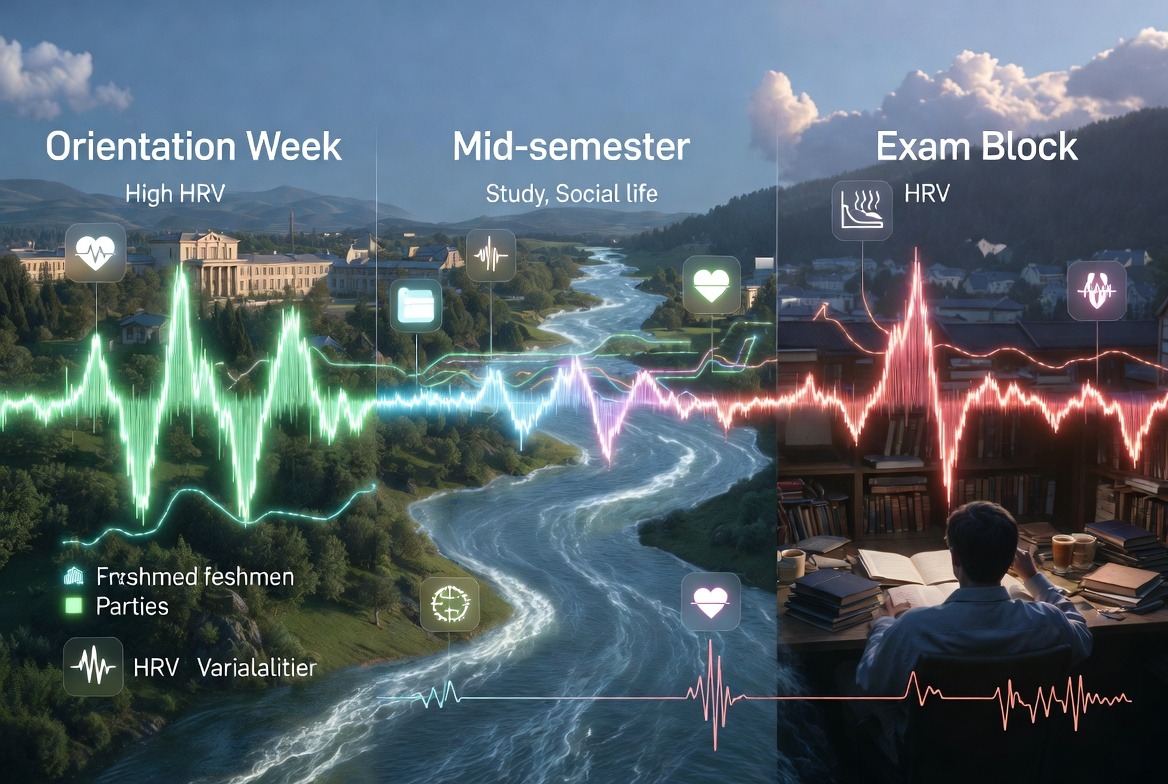
After exploring the science of recovery, the mechanisms of cognitive enhancement, and the role of technology, one question remains: what do you actually do differently starting tomorrow? Building a personalized recovery protocol requires translating general principles into specific actions that fit your unique physiology, schedule, and goals.
Before changing anything, spend 14 days simply observing. Track the following without judgment:
Sleep: Log bedtime, wake time, estimated sleep quality (1-10), and any nighttime awakenings. If using a wearable, record duration in each sleep stage.
Training: Log workout type, duration, perceived exertion (1-10), and how you felt during the session.
Recovery Practices: Note any recovery activities you currently do (stretching, foam rolling, sauna, meditation, etc.) and their duration.
Cognitive Performance: Rate your mental clarity (1-10) at three points daily: morning (upon waking), midday (2-3 PM), and evening (before bed). Also note any important decisions or creative tasks and how they felt.
Subjective Recovery: Rate your overall recovery feeling each morning before checking any data (1 = completely drained, 10 = fully energized).
This baseline period accomplishes two things. First, it establishes your personal norms against which future changes can be measured. Second, it often reveals patterns you weren't previously aware of—like the consistent afternoon cognitive slump that follows low-quality sleep, or the mood improvement that follows even short recovery practices.
The following interventions have the strongest evidence base and apply to virtually everyone. Implement them one at a time, waiting 5-7 days before adding the next:
Sleep Schedule Consistency: Set a fixed bedtime and wake time, including weekends. Aim for 7-9 hours between them. Use alarms for both if needed. Consistency matters more than hitting a specific target duration.
Morning HRV Check: If using a wearable, review your recovery score within 30 minutes of waking. If not using technology, take your resting heart rate before getting out of bed (count pulse for 60 seconds). Elevated resting heart rate suggests incomplete recovery.
The 10-Minute Recovery Window: Immediately after training sessions lasting longer than 60 minutes, spend 10 minutes on recovery: 5 minutes of light walking or cycling (to clear metabolic waste) followed by 5 minutes of deep breathing (4-second inhale, 6-second exhale).
Afternoon Pause: Between 2-4 PM daily, take 15 minutes for complete rest—lying down if possible, or sitting quietly with eyes closed. This natural circadian dip is when rest provides maximum benefit for minimum time investment.
After 4-6 weeks of foundational protocols, add advanced interventions based on your specific needs and constraints:
Temperature Contrast: For those with access to sauna and cold exposure, 15 minutes sauna followed by 2 minutes cold water immersion (50-60°F) produces powerful recovery effects. Start with one cycle, progress to 2-3 cycles as tolerance allows. Do this 3-4 hours before bedtime for optimal sleep benefits.
Breathing Protocols: For those with elevated anxiety or sympathetic tone, specific breathing patterns can shift nervous system balance rapidly. The physiological sigh (two inhales through nose followed by extended exhale through mouth) is particularly effective. Practice for 5 minutes upon waking and before bed.
Light Management: For those with sleep difficulties, implement strict light hygiene: no screens 90 minutes before bed, blue-blocking glasses after sunset, morning sunlight exposure within 30 minutes of waking, and blackout curtains or sleep mask for nighttime.
Nutritional Timing: For those with energy crashes or mood swings, structure eating around training: carbohydrate-rich meal 2-3 hours before training, protein-focused meal within 45 minutes after training, and magnesium-rich foods (dark leafy greens, nuts, seeds, dark chocolate) in the evening.
Your personalized recovery protocol isn't static. As your fitness changes, as life circumstances shift, and as seasons affect your environment, your recovery needs evolve. Review your data weekly, asking:
Use these insights to adjust continuously. Add interventions that appear effective. Remove those that don't move your metrics. Experiment with timing, duration, and combinations.
The most successful recovery protocols share one characteristic: they become automatic. The athletes who recover best don't force themselves to rest—they've internalized recovery as an identity, not an obligation. They think of themselves as people who recover well, just as they think of themselves as people who train consistently.
This identity shift requires exposure to recovery success stories and positive reinforcement from recovery behaviors. Real customer experiences demonstrate how recovery tracking transforms behavior—not through willpower, but through awareness. When you can see that a poor recovery score predicts a bad training session, you stop needing discipline to rest. You rest because the data has shown you it works.
Start where you are. Implement one change from this article tomorrow morning. Track what happens. Add another change next week. Within two months, you'll have built a personalized recovery protocol that supports not just your physical health but your mental performance, emotional regulation, and cognitive capacity. The balance between exercise and recovery isn't a compromise—it's the foundation of everything you want to achieve.
Explore additional resources and in-depth guides to continue optimizing your approach as your understanding deepens and your needs evolve.
The connection between digestive health and mental performance has emerged as one of the most fascinating frontiers in recovery science. What was once dismissed as vague "gut feelings" is now understood as a bidirectional communication superhighway involving millions of neurons, trillions of bacteria, and complex signaling pathways that directly influence how well you recover from both physical and mental stress.
Embedded in the walls of your digestive tract is the enteric nervous system (ENS), a mesh-like network of approximately 500 million neurons—roughly the same number found in the brain of a cat. This "second brain" operates largely independently of your central nervous system, though the two communicate constantly through the vagus nerve and various chemical messengers.
The ENS performs functions that directly impact recovery. It regulates the release of digestive enzymes, controls the rhythmic contractions that move food through your system, and monitors the chemical composition of your gut contents. More importantly for recovery, the ENS produces approximately 95% of your body's serotonin and about 50% of your dopamine—neurotransmitters that regulate mood, motivation, and cognitive function.
When your digestive system is compromised—whether by poor nutrition, chronic stress, or overtraining—the ENS cannot produce these neurotransmitters effectively. The result is a cascade of recovery impairments: reduced motivation to train, blunted mood that makes rest feel non-restorative, and cognitive fog that persists despite adequate sleep.
Your gut houses trillions of microorganisms collectively known as the microbiome. This ecosystem weighs approximately 2-5 pounds—roughly the same as your brain—and contains 150 times more genetic material than your human genome. The composition of your microbiome influences how your body responds to training stress.
Research published in Nutrients examined the microbiomes of endurance athletes during heavy training blocks. Those with greater microbial diversity (more different species of bacteria) showed lower inflammatory markers following intense sessions and reported faster subjective recovery. Those with less diverse microbiomes showed elevated inflammation that persisted for days longer.
The mechanism involves bacterial metabolites—specifically short-chain fatty acids (SCFAs) produced when gut bacteria ferment dietary fiber. SCFAs like butyrate, propionate, and acetate enter the bloodstream and modulate immune function throughout the body. Higher SCFA production correlates with reduced systemic inflammation, which accelerates muscle repair and preserves cognitive function during recovery periods.
Conversely, a disrupted microbiome (dysbiosis) allows pro-inflammatory bacterial species to proliferate. These bacteria produce lipopolysaccharides (LPS) that trigger immune responses even without active infection. Chronic low-grade inflammation from gut dysbiosis creates a recovery deficit that no amount of sleep or active recovery can fully overcome.
Intense exercise affects the gut in ways many athletes don't anticipate. During high-intensity training, blood flow is diverted from the digestive tract toward working muscles. This reduced blood flow can damage the delicate lining of the small intestine, increasing intestinal permeability—often called "leaky gut."
When intestinal permeability increases, partially digested food particles and bacterial byproducts can enter the bloodstream, where they trigger immune responses. Approximately 30-50% of endurance athletes experience some degree of exercise-induced gastrointestinal syndrome during heavy training blocks, with symptoms ranging from bloating and nausea to more serious inflammatory responses.
The cognitive consequences of exercise-induced gut disruption are significant. The same inflammatory signals that cause physical symptoms also affect the brain, triggering what researchers call "sickness behavior"—fatigue, reduced motivation, cognitive slowing, and mood disturbances that mirror clinical depression in symptom profile but resolve when inflammation subsides.
Supporting your gut microbiome enhances recovery across multiple systems. The following evidence-based strategies help maintain digestive health during training:
Fiber Diversity: Different bacterial species feed on different types of fiber. Consuming 25-35 different plant foods weekly—vegetables, fruits, legumes, nuts, seeds, whole grains—promotes microbial diversity better than large quantities of a few sources. Aim for at least 5-7 plant types daily.
Fermented Foods: Regular consumption of fermented foods (yogurt, kefir, sauerkraut, kimchi, kombucha, miso) introduces beneficial bacteria and their metabolites. A Stanford study found that a diet rich in fermented foods increased microbial diversity and reduced inflammatory markers within 10 weeks.
Post-Training Gut Support: Following intense sessions, consume easily digestible carbohydrates and proteins to minimize digestive stress while supporting repair. Avoid high-fat or high-fiber meals immediately post-training, as these require more digestive blood flow during a period when your system is already compromised.
Probiotic Timing: If supplementing with probiotics, take them at least 2-3 hours apart from caffeine, as caffeine can inhibit bacterial survival. Evening administration, 30 minutes before sleep, may improve colonization as digestive activity slows overnight.
Stress Management for Gut Health: The gut-brain axis works in both directions—psychological stress disrupts gut function just as gut disruption affects mood. Incorporating stress reduction practices (meditation, deep breathing, nature exposure) directly supports digestive health and the recovery benefits that depend on it.
For decades, sports science research has been conducted predominantly on male subjects, with findings applied universally across sexes. This approach has systematically overlooked critical differences in how women recover, how hormones affect performance, and how the menstrual cycle interacts with training adaptations. Recent research is finally closing this gap, revealing that optimal recovery for female athletes requires sex-specific considerations.
The menstrual cycle creates predictable fluctuations in hormone levels that affect everything from inflammation response to thermoregulation to cognitive processing. Understanding these fluctuations allows female athletes to periodize both training and recovery around their cycle phases.
Follicular Phase (Days 1-14, approximately): Estrogen rises steadily, peaking just before ovulation. During this phase, women typically experience lower perceived exertion during training, faster recovery between sessions, reduced inflammation following intense exercise, and improved cognitive function including verbal memory and fine motor skills. This phase supports higher training volumes and intensities with shorter recovery needs.
Luteal Phase (Days 15-28, approximately): Progesterone dominates, with estrogen also elevated but with a different ratio. During this phase, women typically experience increased core body temperature (by approximately 0.5-1.0°F), elevated resting heart rate (5-8 beats per minute), reduced HRV indicating higher sympathetic tone, increased perceived exertion at the same absolute workloads, and greater inflammation following intense exercise. This phase requires longer recovery periods and reduced training intensity for equivalent adaptation.
Research from the University of Brighton tracked competitive athletes across multiple menstrual cycles and found that injury rates were significantly higher during the late luteal phase and early follicular phase—the periods surrounding menstruation. The mechanism appears to involve ligament laxity changes influenced by relaxin (a hormone that peaks during this window) and altered neuromuscular control related to progesterone's effects on the central nervous system.
Approximately 60% of female athletes use some form of hormonal contraception, yet the effects of these medications on recovery remain understudied. What research exists suggests that oral contraceptives alter recovery patterns significantly.
Combined oral contraceptives (estrogen and progestin) suppress the natural menstrual cycle, maintaining stable hormone levels throughout the month. This stabilization eliminates cycle phase variations in recovery, which some athletes find beneficial for consistent training. However, research suggests that oral contraceptive users may experience blunted adaptation to training—particularly for strength and power development—possibly due to suppressed free testosterone levels.
The withdrawal bleeding week (placebo pills) creates a different hormonal environment than natural menstruation. During this week, hormone levels drop sharply, which can produce fatigue, reduced recovery capacity, and mood changes that resemble the late luteal phase in naturally cycling women. Many athletes using oral contraceptives benefit from scheduling recovery weeks or reduced training during this withdrawal bleed.
Progestin-only contraceptives (mini-pill, implant, IUD) have different effects that vary by formulation. Some athletes report improved recovery stability; others experience unpredictable bleeding and symptoms that complicate training planning.
Iron deficiency is the most common nutritional deficiency worldwide, and female athletes are at particularly high risk due to menstrual blood loss, foot-strike hemolysis (destruction of red blood cells from running impact), and sweat losses. Even iron deficiency without anemia—low ferritin with normal hemoglobin—significantly impairs both physical and cognitive recovery.
Iron plays critical roles in dopamine synthesis, mitochondrial function, and oxygen transport. When iron status is compromised, several recovery processes suffer. Sleep quality deteriorates, with more frequent awakenings and reduced time in restorative deep sleep. Post-exercise inflammation remains elevated longer, prolonging muscle soreness and cognitive fog. Mental fatigue accumulates more quickly during training, and recovery from cognitive tasks takes longer.
A study in the Journal of Nutrition examined female endurance athletes with ferritin levels below 30 ng/mL (considered deficient for athletes, though normal range extends lower for the general population). After 8 weeks of iron supplementation, these athletes showed not only improved running economy and time trial performance but also significant improvements in cognitive function—specifically attention, memory, and reaction time—compared to placebo controls.
Female athletes should have ferritin checked annually, with targets of at least 40-50 ng/mL for optimal performance and recovery. Supplementation when indicated should be taken with vitamin C (to enhance absorption) and away from calcium, coffee, or tea (which inhibit absorption).
Women typically have a higher surface area-to-mass ratio than men, different body fat distribution, and different sweating thresholds—all of which affect thermoregulation during and after exercise. These differences have recovery implications that are often overlooked.
During the luteal phase, elevated progesterone raises core body temperature set point, meaning women start exercise with a higher baseline temperature. This reduces the thermal buffer before performance is impaired and increases the cooling burden during recovery. Post-exercise cooling strategies (cold packs, cool showers, fans) are particularly important during this phase.
Women also typically have lower plasma volume relative to body size than men, meaning they become dehydrated more quickly during exercise and require more deliberate rehydration for recovery. Dehydration of just 2% body weight significantly impairs both physical recovery and cognitive function, with women showing greater cognitive deficits at the same dehydration level compared to men.
Practical adaptations include scheduling intense training for cooler times of day during the luteal phase, extending cool-down periods with active cooling, and maintaining hydration protocols with electrolyte replacement appropriate for individual sweat rates.
Recovery needs change across the lifespan in ways that training protocols rarely acknowledge. What works for a 22-year-old athlete will fail for a 52-year-old executive and overwhelm a 16-year-old developing athlete. Understanding how recovery requirements evolve with age allows you to maintain cognitive and physical performance across decades rather than peaking briefly and declining prematurely.
Young athletes face unique recovery challenges because their brains and bodies are still developing. The adolescent brain undergoes profound remodeling, including synaptic pruning (eliminating unused connections) and myelination (insulating active connections). This process continues until approximately age 25 and is highly sensitive to both training stress and sleep quality.
Sleep needs during adolescence are actually greater than in adulthood, yet adolescent athletes typically get less sleep due to early school start times, homework demands, social pressures, and biological shifts in circadian rhythms that make falling asleep earlier difficult. The combination of increased sleep needs and reduced sleep opportunity creates a chronic recovery deficit for most young athletes.
The cognitive consequences of this deficit are substantial. Adolescent athletes who are under-recovered show impairments in executive function that resemble those seen in adults with mild traumatic brain injury—specifically in impulse control, emotional regulation, and complex decision-making. These impairments affect not just sports performance but academic achievement, social relationships, and long-term brain development.
Additionally, the adolescent brain is more vulnerable to the effects of repetitive subconcussive impacts—the routine head impacts that occur in many sports without causing diagnosable concussions. Adequate recovery appears to provide protection against accumulating damage from these impacts, while under-recovery leaves the developing brain vulnerable.
Practical recommendations for adolescent athletes include absolute sleep minimums of 9 hours nightly, with 10 hours preferred. Training volumes should not exceed 16-20 hours weekly for most sports, with at least one complete rest day weekly and one month annually of reduced training. Parents and coaches should monitor for signs of under-recovery including mood changes, academic decline, and loss of enthusiasm for previously enjoyable activities.
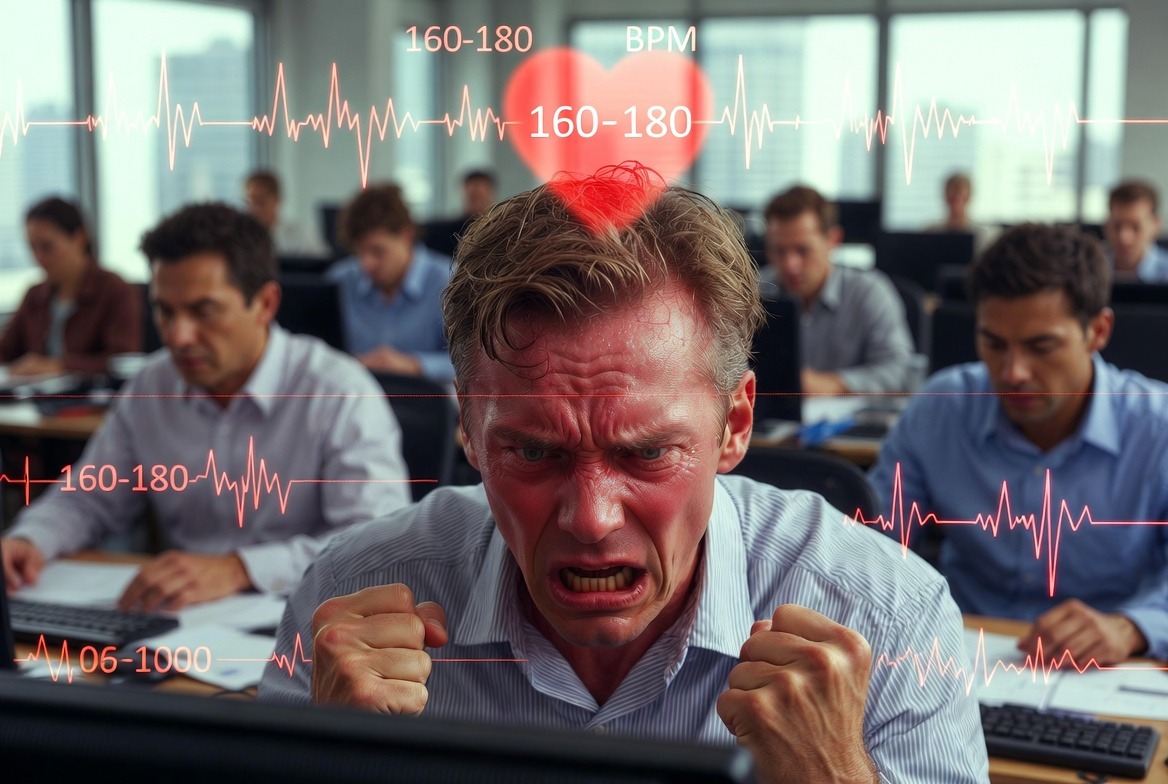
Athletes aged approximately 25-40 typically have the greatest recovery capacity—able to tolerate higher training volumes, recover more quickly from intense sessions, and maintain cognitive performance despite accumulated fatigue. However, this capacity often leads to overtraining as athletes push harder than their actual (still finite) limits.
The key difference for prime-age athletes is not that they can train endlessly—they cannot—but that the window between optimal adaptation and overtraining narrows. Younger athletes often show clear warning signs (mood changes, performance plateaus) early in overtraining development. Prime-age athletes often maintain performance metrics while accumulating internal damage, then crash suddenly when recovery reserves are exhausted.
This phenomenon—sometimes called "overtraining without performance decline"—is particularly dangerous because objective performance looks fine while physiological systems are degrading. Recovery tracking using HRV and other metrics becomes essential during this age period, as subjective feelings become unreliable guides.
Prime-age athletes also face competing demands that younger or older athletes may not: careers, young children, aging parents, financial pressures. Each of these demands adds recovery debt that must be accounted for in training planning. A 35-year-old athlete with two young children and a high-stress job will have substantially different recovery needs than the same athlete in a low-stress period, even with identical training loads.
Athletes over 40—often called masters athletes—represent the fastest-growing segment of competitive sports participation. These individuals have discovered something crucial: with appropriate recovery, performance can be maintained or even improved well into the sixth and seventh decades of life. Without appropriate recovery, age-related declines accelerate dramatically.
Several physiological changes affect recovery in masters athletes. Growth hormone and testosterone production decline, slowing tissue repair. Inflammatory regulation becomes less efficient, with post-exercise inflammation persisting longer. Thermoregulatory capacity decreases, making both overheating and overcooling more likely. Sleep architecture changes, with reduced time in deep sleep and more frequent nighttime awakenings.
However, these changes do not mean masters athletes cannot train hard—they mean recovery must be more intentional and more individualized. The most successful masters athletes train differently than they did at 25: more attention to warm-up and cool-down, more frequent but shorter training sessions rather than fewer long sessions, more emphasis on sleep quality over sleep quantity, and more strategic use of recovery modalities like massage, compression, and contrast therapy.
Cognitive recovery becomes particularly important in masters athletes. Age-related cognitive decline is not inevitable—it is heavily influenced by lifestyle factors including exercise and recovery. Chronic under-recovery accelerates cognitive aging, while balanced training with adequate recovery maintains cognitive function comparable to individuals decades younger.
Research from the Mayo Clinic followed masters athletes for 10 years, comparing those who maintained balanced training with adequate recovery against those who continued high-volume, low-recovery approaches from younger years. The balanced group maintained cognitive function, remained active throughout the study period, and reported high quality of life. The high-volume group showed progressive cognitive decline, higher injury rates, and more than double the attrition from physical activity.
Practical recommendations for masters athletes include extended warm-ups (15-20 minutes minimum), recovery days that are truly restful (not just lighter training), regular use of recovery technologies (compression, massage, contrast therapy), increased protein intake (1.6-2.0 g/kg body weight daily), and annual physiological testing to track age-related changes and adjust training accordingly.
Recovery does not happen in a vacuum. The environment surrounding your training—temperature, humidity, altitude, air quality, noise levels, and even lighting—significantly affects how well your body and brain restore themselves between sessions. Most athletes neglect these factors entirely, focusing only on what they do (training) and what they consume (nutrition) while ignoring the context in which recovery occurs.
Training in hot or humid conditions imposes a recovery tax that many athletes underestimate. Even when you feel you've recovered normally—heart rate returns to baseline, muscle soreness resolves, subjective energy feels adequate—underlying physiological systems may still be depleted from thermoregulatory demands.
The primary hidden cost is plasma volume restoration. When you exercise in heat, your body directs blood flow to the skin for cooling, which reduces blood volume available for working muscles and increases cardiovascular strain. After training, plasma volume must be restored—a process that takes 24-48 hours and requires adequate fluid intake, electrolytes, and protein.
During this restoration period, several recovery processes are compromised. Blood viscosity remains elevated, increasing cardiac workload even at rest. Thermoregulatory set points remain altered, making you more sensitive to temperature changes. Cognitive function, particularly working memory and attention, remains impaired until plasma volume fully normalizes.
Research from the University of Connecticut compared recovery following identical workouts in cool (55°F, 40% humidity) and hot/humid (90°F, 80% humidity) conditions. Despite matching exercise intensity and duration, the hot/humid condition produced:
Practical adaptations for hot/humid training include extending cool-down duration with active cooling (cold towels, fans, cool water immersion), doubling normal fluid intake targets with electrolyte replacement, scheduling recovery days in air-conditioned environments, and reducing training intensity or duration by 20-30% on hot days while maintaining perceived effort.
Training at altitude (typically defined as above 5,000 feet or 1,500 meters) creates unique recovery challenges because oxygen availability is reduced. Even when you feel you've rested adequately, your tissues may be oxygen-deprived enough to impair repair processes.
The primary mechanism involves sleep disruption. At altitude, reduced oxygen saturation triggers periodic breathing patterns that fragment sleep architecture. Even if you sleep the same number of hours, time in deep and REM sleep decreases significantly—by as much as 50% at moderate altitude (8,000 feet) and 75% at high altitude (12,000 feet+).
This sleep disruption directly impairs recovery. Growth hormone secretion, which occurs primarily during deep sleep, is reduced. Memory consolidation, which depends on REM sleep, is impaired. Inflammatory regulation, which requires uninterrupted sleep for proper cytokine signaling, is compromised.
Cognitive effects of altitude recovery deficit are substantial. A study in High Altitude Medicine & Biology tested cognitive function in athletes at sea level and after 1 week at 8,000 feet. Despite identical training and subjective sleep ratings, athletes at altitude showed significant impairments in reaction time, working memory, and decision-making accuracy—deficits that persisted for the entire altitude exposure period.
Practical altitude adaptations include extending sleep duration by 60-90 minutes to compensate for reduced sleep quality, using supplemental oxygen during sleep (if available and appropriate), scheduling the most cognitively demanding activities for the morning when sleep disruption has had least accumulated effect, and planning recovery weeks at lower altitude when possible.
Modern environments are saturated with artificial light at times and intensities that disrupt natural circadian rhythms. This disruption directly impairs recovery by interfering with melatonin production—the hormone that orchestrates sleep architecture and has independent effects on immune function and cellular repair.
Blue wavelengths (440-495 nanometers) are particularly problematic for recovery because they suppress melatonin production most strongly. Most artificial lighting, including LED bulbs, computer screens, smartphones, and televisions, emits high levels of blue light. Evening exposure to these light sources delays melatonin onset by 60-120 minutes, shifting the entire sleep period later and reducing time in early-night deep sleep.
The cognitive consequences of circadian disruption extend beyond sleep quality. Melatonin itself has neuroprotective properties and supports memory consolidation through direct effects on hippocampal function. Reduced melatonin production from light pollution therefore impairs recovery even when total sleep time is maintained.
Research from the University of Colorado compared recovery in athletes who maintained strict light hygiene (dim warm lighting after sunset, no screens 2 hours before bed, blackout curtains) against those with typical light exposure. The light hygiene group showed 25% higher HRV during sleep, 40% more time in deep sleep, and significantly better performance on cognitive testing the following day—despite identical sleep duration.
Practical light management includes using blue-blocking glasses after sunset (tested to block 98%+ of blue wavelengths), installing dim red or amber bulbs in bedrooms and bathrooms, setting devices to night mode beginning 3 hours before bed, and sleeping in complete darkness with blackout curtains or a high-quality sleep mask.
Chronic noise exposure—even at levels below those that cause hearing damage—elevates cortisol and impairs recovery through effects on the autonomic nervous system. Traffic noise, neighbor sounds, HVAC systems, and even background music can prevent the parasympathetic dominance required for deep recovery.
The mechanism involves the acoustic startle reflex, which operates below conscious awareness. Even when you don't notice a sound, your amygdala (threat detection center) registers it and triggers a micro-stress response. During sleep, these micro-responses accumulate without ever waking you fully—you remain asleep, but sleep quality is degraded.
Research using electroencephalography (EEG) has shown that noise-exposed sleepers spend less time in slow-wave (deep) sleep and show more frequent transitions between sleep stages. The result is sleep that feels subjectively adequate but fails to deliver the recovery benefits of truly restorative rest.
Practical noise management includes using white noise or pink noise to mask disruptive sounds (brown noise may be even more effective for traffic noise specifically), sleeping in a room away from noise sources when possible, using high-quality earplugs designed for sleep (not foam earplugs, which can be uncomfortable), and addressing noise sources directly (weatherstripping on windows, white noise machines outside bedroom doors).
What you eat after training affects muscle repair and glycogen replenishment—this much is common knowledge. What's less appreciated is how post-exercise nutrition specifically impacts cognitive recovery. The brain has distinct nutritional requirements that, when met, accelerate the restoration of mental function and enhance the quality of subsequent training sessions.
The first 60 minutes after training—often called the "anabolic window" for muscle recovery—is equally important for cognitive recovery, though for different reasons. During this window, the blood-brain barrier is more permeable, allowing nutrients to reach neural tissues more efficiently. The brain is also metabolically primed to take up glucose and other substrates, having depleted its glycogen stores during intense training.
Research from Bangor University in Wales examined cognitive recovery following exhaustive exercise. Athletes who consumed a specific post-exercise cognitive recovery drink (combining carbohydrates, protein, and specific amino acids) showed 50% faster restoration of reaction time and working memory compared to those consuming an equal-calorie drink without the cognitive-focused formulation.
The mechanism involves several processes. Carbohydrate replenishment restores brain glycogen, which is depleted during intense cognitive activity just as muscle glycogen is depleted during physical activity. Amino acid provision supports neurotransmitter synthesis, replenishing the dopamine, norepinephrine, and serotonin used during training. And specific nutrients like phosphatidylserine and omega-3 fatty acids reduce post-exercise neuroinflammation, accelerating cognitive recovery.
The following nutrients have demonstrated cognitive recovery benefits in peer-reviewed research. Incorporating them into post-exercise nutrition accelerates mental restoration:
Omega-3 Fatty Acids (DHA and EPA): These long-chain fatty acids are structural components of neural membranes and precursors for specialized pro-resolving mediators (SPMs) that actively resolve inflammation. Post-exercise DHA/EPA supplementation has been shown to reduce cognitive fatigue and accelerate restoration of processing speed. Target 1-2 grams combined DHA/EPA daily, with post-exercise consumption being particularly beneficial.
Phosphatidylserine (PS): This phospholipid is concentrated in neural membranes and supports neurotransmitter function. PS supplementation (300-600 mg post-exercise) reduces cortisol response to training stress, improves recovery of HRV following intense sessions, and has been shown in multiple studies to enhance cognitive performance under fatigue. PS is particularly effective when combined with DHA.
Branched-Chain Amino Acids (BCAAs): Leucine, isoleucine, and valine compete with tryptophan for transport across the blood-brain barrier. BCAA supplementation post-exercise reduces the ratio of tryptophan to BCAAs in the brain, limiting serotonin synthesis and thereby reducing perceived fatigue. Research shows BCAA consumption (5-10 grams) following intense training reduces next-day mental fatigue by approximately 30%.
Creatine Monohydrate: While known primarily for physical performance benefits, creatine is also an essential nutrient for brain energy metabolism. The brain synthesizes some creatine but depends largely on dietary intake. Creatine supplementation (5 grams daily) has been shown to improve cognitive performance under conditions of stress and fatigue, including following intense training. Benefits appear most pronounced in vegetarians, who have lower baseline brain creatine levels.
Flavonoids: Found in berries, dark chocolate, tea, and certain other plant foods, flavonoids cross the blood-brain barrier and modulate multiple neural pathways. Post-exercise flavonoid consumption (300-600 mg of anthocyanins from berries or 200-400 mg of epicatechin from dark chocolate) improves cerebral blood flow, reduces neuroinflammation, and enhances memory consolidation during subsequent sleep.
The optimal post-exercise meal for cognitive recovery differs somewhat from the meal optimized for muscle recovery. A combined approach works best: a meal that addresses both physical and cognitive needs simultaneously.
The ideal cognitive recovery meal is consumed within 30-60 minutes post-exercise and contains:
Carbohydrates (1.0-1.5 g/kg body weight): Choose low-glycemic options (sweet potatoes, oats, quinoa, berries) rather than high-glycemic simple sugars, which can cause reactive hypoglycemia and impair cognitive function. The exception is immediately post-exercise (first 15 minutes), when simple sugars may be beneficial for rapid glycogen replenishment.
Protein (0.3-0.5 g/kg): Complete protein sources (whey, eggs, meat, fish, soy) that provide all essential amino acids. Leucine content is particularly important, as leucine directly activates muscle protein synthesis and influences brain neurotransmitter balance.
Fat (0.2-0.3 g/kg): Emphasize omega-3 rich sources (fatty fish, walnuts, flaxseeds) and avoid high saturated fat intake post-exercise, which can impair cerebral blood flow.
Specific Cognitive Nutrients: Incorporate the supplements or foods mentioned above based on individual needs and training demands.
A practical example: For a 70 kg athlete, a cognitive recovery meal might include 70-100 grams carbohydrates from oats and berries, 20-35 grams protein from whey or Greek yogurt, 15-20 grams fat from walnuts and flaxseed, plus omega-3 and creatine supplements.
The brain is approximately 73% water, and even mild dehydration (1-2% body weight loss) significantly impairs cognitive function—particularly attention, working memory, and psychomotor speed. Post-exercise rehydration must therefore be considered a cognitive recovery intervention, not just a physical one.
Research from the University of Connecticut showed that dehydrated athletes (2% body weight loss) took 45 minutes longer to restore baseline cognitive function following training compared to euhydrated controls, even when the dehydration was corrected during that period. The cognitive recovery deficit persisted through the rehydration process, suggesting that prevention of dehydration is more effective than treatment.
Sodium is particularly important for cognitive recovery. The brain is highly sensitive to sodium concentrations, which affect neuron firing thresholds and action potential propagation. Post-exercise sodium replacement (500-1,000 mg per liter of fluid consumed) accelerates cognitive recovery compared to plain water or low-sodium sports drinks.
Practical hydration protocols include weighing before and after training to determine sweat rate (1 lb lost = approximately 16 oz fluid deficit), consuming 150% of measured fluid losses over the 2-3 hours post-exercise, and including sodium in replacement fluids at 500-1,000 mg/L.
In an era of constant connectivity, digital devices have become a significant source of recovery debt that most people never account for. Smartphone notifications, social media scrolling, email responses, and video calls all impose cognitive demands that deplete the same neural resources required for recovery from physical training. Understanding how to mentally recover from digital overload has become as important as understanding how to recover from exercise.
Digital platforms are explicitly designed to exploit dopamine reward pathways. Every notification, like, comment, and message triggers a small dopamine release—the same neurotransmitter involved in motivation, reward anticipation, and reinforcement learning. This design keeps users engaged but comes at a recovery cost.
Dopamine resources are finite. Each small release depletes available dopamine, requiring time and rest to replenish. When digital engagement is constant—as it is for most modern adults—dopamine systems become chronically depleted. The result is a state where genuine rewards (achievement in training, satisfaction from relationships, pleasure from meaningful activities) fail to produce normal dopamine responses because the system is exhausted.
This dopamine depletion directly affects recovery from exercise. The same dopamine systems that regulate motivation to train, that make rest feel rewarding, and that support the positive mood necessary for effective recovery are compromised by excessive digital engagement. You might have recovered physically but remain mentally depleted—and your brain cannot distinguish between these forms of depletion.
Even when you're not actively using digital devices, their presence affects cognitive recovery through a phenomenon called "attention fragmentation." Your brain maintains a background awareness of potential notifications—an "open loop" that consumes cognitive resources even when you're not looking at your phone.
Research from the University of California, Irvine found that the mere presence of a smartphone on a desk (face down, notifications silenced) reduced cognitive performance on complex tasks by approximately 20% compared to having the phone in another room. The effect was mediated by reduced working memory capacity—participants whose phones were present but unused showed poorer ability to hold and manipulate information.
For recovery purposes, attention fragmentation matters because true cognitive restoration requires sustained, uninterrupted focus on low-demand activities. When your attention is fragmented by awareness of potential notifications, you never achieve the cognitive "rest" state that allows neural resources to replenish. You might spend two hours watching television or reading—activities that should be restful—but emerge unrecovered because your brain was constantly monitoring for digital interruptions.
Restoring cognitive function after digital overload requires intentional separation from devices. The following protocols have demonstrated effectiveness in research:
Notification Fasting: Schedule regular periods (4-8 hours weekly, 24 hours monthly, 1 week annually) with all notifications completely disabled. During these periods, check devices only when you consciously choose to, on your schedule rather than in response to alerts. Many people find that notification fasting reduces baseline anxiety and improves recovery quality within days.
The 90-Minute Morning Buffer: Protect the first 90 minutes after waking from digital engagement. No phone checking, no email, no social media. Use this time for morning recovery practices (light exposure, hydration, gentle movement, breakfast). Research shows this buffer improves HRV recovery and reduces cortisol throughout the day.
Phone-Free Recovery Zones: Designate specific locations (bedroom, dining area, training space) as phone-free zones where devices are never present. The bedroom is particularly important—the presence of phones in sleeping spaces correlates with reduced sleep quality even when phones aren't used before bed.
Single-Tasking Recovery: When engaging in recovery activities (eating, stretching, foam rolling, sitting outside), do nothing else. No podcasts during recovery walks. No television during meals. No phone during cooldown. Single-tasking allows the attention system to disengage fully, producing deeper cognitive restoration than multitasking even when total time is identical.
Digital Sunset: Establish a daily "digital sunset" 2-3 hours before bedtime. After this time, no screens (phones, computers, televisions). Use this window for analog recovery activities: reading physical books, conversation, light household tasks, preparation for the next day. The digital sunset improves both sleep quantity and quality independent of total screen time reduction.
Nature exposure appears to be uniquely effective at reversing digital-induced cognitive fatigue. The Attention Restoration Theory (ART) proposes that natural environments engage what's called "soft fascination"—attention that is gently engaged without requiring directed focus. This state allows the directed attention system (depleted by digital engagement) to replenish.
Research comparing nature walks to urban walks found that even 15 minutes in natural settings significantly improved cognitive performance and mood compared to equivalent time in built environments. The effect was strongest for tasks requiring executive function—precisely the cognitive capacities most depleted by digital overload and most important for training recovery.
For athletes seeking cognitive recovery, incorporating nature exposure into rest days and recovery periods enhances the restoration of mental resources. This doesn't require wilderness excursions—urban parks, tree-lined streets, or even views of nature from windows produce measurable benefits compared to purely built environments.
Recovery is often framed as an individual endeavor—your sleep, your nutrition, your stress management. But humans are inherently social creatures, and the quality of your relationships significantly affects how well you recover from training demands. Positive social interactions accelerate recovery; toxic or demanding relationships create recovery debt that rivals physical overtraining.
Positive social touch, supportive conversation, and feelings of belonging trigger the release of oxytocin—a neuropeptide that counteracts stress responses and enhances physiological recovery. Oxytocin reduces cortisol, lowers blood pressure, decreases inflammation, and improves sleep quality. In many ways, oxytocin acts as an endogenous recovery hormone.
Research from the University of North Carolina found that couples who engaged in warm, supportive conversation before a stressful task showed significantly lower cortisol responses compared to those who sat in silence or discussed neutral topics. The effect was mediated by oxytocin release and persisted through the recovery period following the stressor.
For athletes, this means that social support from partners, training partners, and friends directly enhances recovery from training stress. The athlete who returns home to a warm, supportive environment recovers faster—not just psychologically but physiologically—than the athlete who returns to conflict, criticism, or emotional distance.
Conversely, relationship conflict triggers stress responses that impair recovery. Even brief arguments elevate cortisol and sympathetic tone for hours afterward, delaying the parasympathetic activation required for tissue repair and cognitive restoration. Chronic relationship stress produces sustained recovery impairment comparable to adding 50% more training volume.
The relationship between training partners significantly affects recovery between sessions. Positive training relationships—characterized by mutual support, appropriate challenge, and shared goals—enhance recovery through several mechanisms.
First, positive social interaction during training buffers stress responses. The same workout performed with a supportive partner produces lower cortisol elevation than the same workout performed alone or with a critical partner. This reduced stress load means less recovery required afterward.
Second, training partners often provide objective feedback about recovery status. A partner who notices you seem "off" or who comments that you're moving poorly provides information that supplements subjective self-assessment and wearable data. Many athletes report that their training partner notices recovery deficits before they do.
Third, social accountability for recovery practices improves adherence. A training partner who asks about your sleep, who reminds you to stretch, or who models good recovery habits increases the likelihood that you'll maintain your own recovery practices.
However, training relationships can also impair recovery. Partners who push too hard, who normalize overtraining, or who create competitive pressure when you need rest amplify recovery deficits rather than resolving them. The competitive athlete who trains with someone relentlessly positive about "pushing through" may find their recovery needs ignored or minimized.
One of the most underappreciated recovery skills is boundary setting—the ability to protect recovery time and space from relationship demands. Without boundaries, even well-meaning friends and family members can inadvertently sabotage recovery.
Common boundary violations include:
Setting effective boundaries requires communication that is clear, specific, and non-defensive. "I need 30 minutes of complete quiet after training to let my nervous system settle" works better than "Don't talk to me right now." "I have scheduled rest days on Tuesdays and Thursdays when I can't do additional activities" works better than "I'm too tired for that."
Importantly, boundaries are not walls. The goal is not isolation but intentional engagement—protecting recovery so that the time you spend with loved ones is fully present and genuinely restorative rather than drained and resentful.
Creating a social environment that supports recovery involves surrounding yourself with people who understand and respect recovery needs. This may mean:
For many athletes, the most transformative recovery intervention is not a new supplement or technology but a conversation—setting expectations with family, finding a supportive training community, or ending a relationship that consistently undermines recovery efforts. The data from user experiences with Oxyzen frequently highlights how improved recovery tracking led to better boundary setting, which then improved both training outcomes and relationship quality.
Your Trusted Sleep Advocate: Sleep Foundation — https://www.sleepfoundation.org
Discover a digital archive of scholarly articles: NIH — https://www.ncbi.nlm.nih.gov/
39 million citations for biomedical literature :PubMed — https://pubmed.ncbi.nlm.nih.gov/
Experts at Harvard Health Publishing covering a variety of health topics — https://www.health.harvard.edu/blog/
Every life deserves world class care :Cleveland Clinic -
https://my.clevelandclinic.org/health
Wearable technology and the future of predictive health monitoring :MIT Technology Review — https://www.technologyreview.com/
Dedicated to the well-being of all people and guided by science :World Health Organization — https://www.who.int/news-room/
Psychological science and knowledge to benefit society and improve lives. :APA — https://www.apa.org/monitor/
Cutting-edge insights on human longevity and peak performance:
Lifespan Research — https://www.lifespan.io/
Global authority on exercise physiology, sports performance, and human recovery:
American College of Sports Medicine — https://www.acsm.org/
Neuroscience-driven guidance for better focus, sleep, and mental clarity:
Stanford Human Performance Lab — https://humanperformance.stanford.edu/
Evidence-based psychology and mind–body wellness resources:
Mayo Clinic — https://www.mayoclinic.org/healthy-lifestyle/
Data-backed research on emotional wellbeing, stress biology, and resilience:
American Institute of Stress — https://www.stress.org/


