


How Pets and Animals Provide Unique Stress Relief Benefits
Build a customized toolkit by identifying which techniques work best for you in different scenarios (home, work, acute anxiety).
Build a customized toolkit by identifying which techniques work best for you in different scenarios (home, work, acute anxiety).
%402x.svg)
In the frantic, always-on rhythm of modern life, where stress has become a default setting and digital notifications dictate our attention, a quiet revolution in wellness is unfolding. It doesn’t require an app subscription, a monthly fee, or a complicated regimen. Instead, it offers a gentle nudge with a wet nose, a soothing purr, or the calming gaze of a non-judgmental companion. The profound, science-backed power of animals to alleviate human stress is an ancient remedy rediscovered for our contemporary crises. This isn't merely about the joy of pet ownership; it's about understanding a fundamental biological and psychological alliance between species that can lower cortisol, steady heartbeats, and mend fragmented minds.
As we increasingly turn to technology to quantify and manage our well-being—from meditation apps to advanced wearables—the simplest and most organic solution often sits curled at our feet. The data captured by modern wellness tech, like the comprehensive insights from a smart ring that tracks your physiological state, consistently reveals a fascinating truth: our bodies respond with measurable calm in the presence of animals. This article delves deep into the multifaceted ways pets and animals act as unique, potent antidotes to stress, exploring the neuroscience behind the bond, the varied benefits across different species, and how this timeless connection integrates with our understanding of modern wellness. Whether you share your home with a creature or simply find solace in watching birds at a feeder, you are engaging in a form of biophilic healing that is both primal and essential.

The feeling of peace that washes over you when stroking a dog’s fur or listening to a cat purr is not just in your head—it’s being actively orchestrated within it. Modern neuroscience provides a clear map of how interaction with animals creates a cascade of positive neurochemical changes, effectively counteracting the body's stress response.
When we experience stress, our amygdala—the brain’s alarm system—sounds the alert, triggering the hypothalamic-pituitary-adrenal (HPA) axis. This leads to the release of cortisol and adrenaline, priming us for "fight or flight." Chronic activation of this system is linked to a host of health issues, from anxiety and depression to cardiovascular disease. Interactions with friendly animals appear to directly dampen this response. Studies using biomarkers show that just a few minutes of petting a dog or cat can lead to a significant decrease in cortisol levels.
Simultaneously, these interactions boost the production of "feel-good" neurotransmitters:
This isn't just anecdotal. Research in settings from hospitals to universities consistently measures these effects. For instance, a 2019 study found that college students who spent time in animal visitation programs showed markedly reduced cortisol levels and self-reported stress compared to a control group. The brain, it seems, is hardwired to find solace in other living creatures. Understanding this internal shift is the first step to intentionally harnessing it. For those tracking their wellness metrics, observing how your body’s data—like the stress and recovery scores tracked by a device like Oxyzen—changes after time with a pet can be a powerful affirmation of this biological truth.
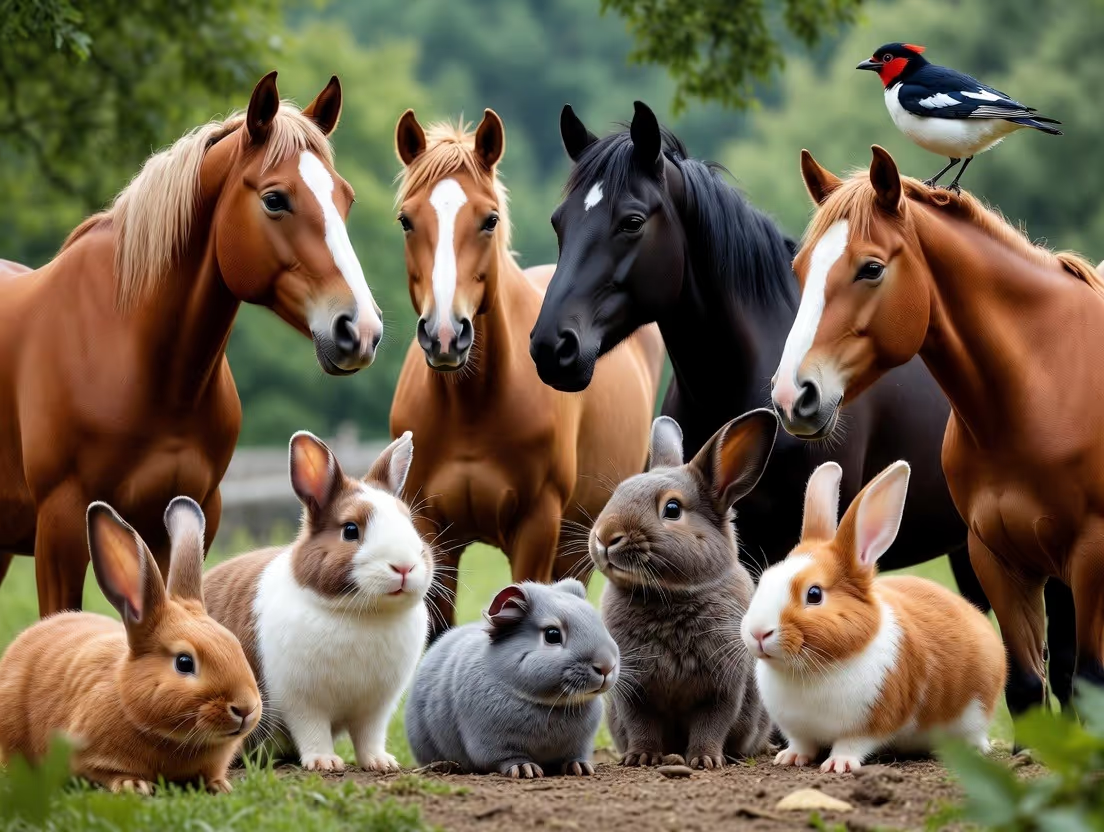
While dogs and cats are the most common companions in animal-assisted therapy, the therapeutic landscape is wonderfully diverse. The unique attributes of other species offer tailored forms of stress relief that can resonate with different individuals.
Equine-Assisted Therapy is a profound modality that goes far beyond riding. Horses are exceptionally sensitive, prey animals that mirror human emotions with startling accuracy. They respond to subtle shifts in a person’s energy, breathing, and body language. For someone dealing with anxiety, PTSD, or emotional burnout, interacting with a horse—through grooming, leading, or simply being present—requires them to practice mindfulness, emotional regulation, and non-verbal communication. The sheer size of a horse commands respect and presence, pulling an individual out of their ruminative thoughts and into the immediate, physical moment. The bond formed with a horse can rebuild trust and confidence in a uniquely powerful way.
Small Mammals like rabbits, guinea pigs, and rats offer a different kind of comfort. Their care is often manageable in settings where larger animals cannot go, such as hospitals, nursing homes, and libraries. The act of gently holding a soft, warm, quiet creature can be immensely grounding for both children and adults. The rhythmic sensation of their breathing and heartbeat can have a meditative, focusing effect, pulling attention away from cyclical worries.
Birds, particularly parrots and cockatiels, offer interactive and intellectual engagement. The focus required to train a bird, the joy of hearing them vocalize or mimic, and the beauty of their care can provide a positive distraction and a sense of purposeful routine. Watching fish in an aquarium, a classic stress-relief tool, has been scientifically validated since the 1980s; studies show it can lower blood pressure and reduce muscle tension, likely due to the hypnotic, predictable flow of their movement.
The key takeaway is that there is no one-size-fits-all "therapy animal." The choice depends on individual temperament, circumstance, and need. Exploring related articles on holistic wellness approaches can offer further insights into how different therapeutic modalities, including animal interaction, fit into a broader personal health strategy.
In a world that often feels chaotic and unpredictable, the structured routine of caring for a pet provides a powerful psychological anchor. This ritualistic aspect of pet ownership is a stealthy, daily anti-stress intervention.
A pet’s needs are simple, non-negotiable, and rooted in the present: they need to be fed, exercised, and tended to at regular intervals. This creates a scaffold for the owner’s day. For someone struggling with depression, where motivation can be elusive, the obligation to get out of bed to feed a dependent creature can be the first positive action of the day. For those working from home or with irregular schedules, the need to walk a dog forces a break, exposure to fresh air, and physical activity—all proven stress reducers in their own right.
The act of care itself is also inherently rewarding. It shifts focus from internal anxieties to external, manageable tasks. Nurturing another being fosters a sense of purpose, competence, and self-efficacy. Psychologists often note that performing small, achievable tasks can help combat feelings of helplessness. The predictable cycle of care—morning feed, evening walk, weekend grooming—imposes a gentle, comforting order on time.
Furthermore, these routines often incorporate other wellness-promoting behaviors:
This symbiotic relationship, where care for another translates into structured self-care, is a cornerstone of the human-animal bond’s therapeutic value. For individuals using technology to build better habits, this natural routine aligns perfectly with the goals of consistent sleep, activity, and mindfulness that devices are designed to support. You can learn more about building sustainable wellness routines through a combination of technology and natural practices.

Perhaps one of the most significant yet understated benefits of animals is their role as social catalysts. In an era marked by a "loneliness epidemic," pets can bridge the gap between isolation and community, reducing the profound stress that comes from feeling disconnected.
Animals serve as instant conversation starters. Walking a dog in a park or neighborhood dramatically increases the frequency of social interactions, from brief greetings to extended conversations with other pet owners. This creates low-pressure, positive social contact that can be especially valuable for people who are shy, elderly, or new to an area. The pet acts as a neutral, shared interest that eases social anxiety.
On a deeper level, pets provide non-judgmental companionship. They offer a consistent, affectionate presence that counters feelings of emptiness. Talking to a pet, while seemingly one-sided, allows for verbal processing of thoughts and emotions without fear of criticism or betrayal. This can be incredibly cathartic and clarifying. For individuals living alone, the simple physical presence of another living being—the sound of paws on the floor, the weight of a cat on the lap—can make a house feel like a home, alleviating the acute stress of solitude.
Animal-centered activities also create communities of belonging. Dog parks, training classes, breed clubs, online forums, and even social media accounts for pets foster connections between people who might not otherwise meet. These communities are built on a foundation of shared passion and concern, providing both practical support and a sense of shared identity.
This social lubrication extends to professional settings, where "bring your pet to work" policies or office animals have been shown to improve morale, collaboration, and reduce tension among colleagues. The animal becomes a shared point of joy and a temporary respite from work-related stress.
The social benefit underscores that animals don't just help us connect with them; they help us reconnect with each other and with ourselves. This multifaceted role is a testament to their unique position in our lives. For a brand that understands the importance of connection to well-being, this aligns with a core mission to foster healthier, more engaged lives.
Animals are innate masters of mindfulness; they exist almost entirely in the present tense. A dog on a walk is fully absorbed in the symphony of scents on the breeze. A cat watching a bird is the epitome of focused attention. By observing and interacting with them, we receive a gentle, continuous tutorial in a skill that eludes most humans: being here, now.
Chronic stress is frequently fueled by "time travel"—reliving past regrets or catastrophizing about future uncertainties. The practice of mindfulness, which involves paying non-judgmental attention to the present moment, is a clinically proven antidote to this pattern. Animals naturally pull us into their present-focused world.
Consider the act of playing fetch with a dog. Your focus narrows to the arc of the ball, the dog’s joyful sprint, the anticipation of the return. Worries about a work deadline or a personal conflict temporarily fade. Petting a cat, you become attuned to the texture of its fur, the rhythm of its purr, the warmth of its body. This is a tactile, sensory meditation. Even the daily routine of feeding becomes an act of mindful attention if we allow it to be.
Animals also model radical acceptance. They do not dwell on yesterday's missed walk or worry about tomorrow's vet appointment. They respond to the current reality with authenticity. This isn't to say they don't have emotions—they clearly do—but they process and release them in the moment, a behavior we would do well to emulate.
By inviting us into their present-moment awareness, animals provide a respite from the cognitive noise that drives stress. They offer a gateway to the state of "flow," where action and awareness merge. This biological encouragement to be present is a gift that keeps giving, training our neural pathways to default less often to anxiety and more often to engaged calm. For the modern professional seeking balance, this animal-taught mindfulness complements the data-driven insights from tools that help track your stress and recovery patterns, creating a holistic picture of mental fitness.
Human beings have a biological need for positive, consensual touch. It’s essential for healthy development in infancy and remains a crucial component of emotional well-being and stress regulation throughout life. Yet, many adults in Western societies experience a "touch deficit" due to cultural norms, living alone, or lack of close relationships. This lack of oxytocin-releasing contact can exacerbate feelings of isolation and stress.
Animals fill this void in a safe, consistent, and culturally acceptable way. The act of touching an animal is a powerful, bidirectional exchange of comfort.
The Physiology of Petting: Running your hand over a dog's or cat's back isn't just pleasant for the owner. The repetitive, rhythmic motion stimulates pressure receptors under the skin, which send signals to the vagus nerve. This nerve is a central component of the parasympathetic nervous system, and its activation slows the heart rate and lowers blood pressure. For the animal, gentle petting is also often pleasurable and calming, creating a positive feedback loop of relaxation.
Unconditional Tactile Acceptance: Unlike human touch, which can be complicated by social nuance or expectation, the touch of a soliciting pet is usually interpreted as straightforward and accepting. There is no performance anxiety. The simple warmth and weight of an animal sleeping on one’s lap or leaning against one’s leg provides deep comfort and a sense of being "grounded." This is particularly valuable for individuals who have experienced trauma or who have conditions like autism spectrum disorder, where human touch can sometimes be overwhelming, but animal touch feels safe.
This tactile dimension explains why therapies like canine cuddle sessions or rabbit-assisted interaction are so effective in clinical settings for reducing anxiety and pain perception. They meet a fundamental sensory-emotional need that words or medication alone cannot address. In a wellness journey that often focuses on metrics and mind-states, the irreplaceable power of touch is a vital reminder of our embodied nature. Real user experiences often highlight how wellness is more than numbers; it's about feeling connected, as echoed in the personal stories shared by our community.
In a social world saturated with evaluation—from performance reviews to social media likes—the non-judgmental presence of an animal offers a sanctuary of psychological safety. This "unconditional positive regard," a term coined by humanist psychologist Carl Rogers, is considered essential for healthy psychological development and healing. Pets are its purest embodiment.
A dog does not care if you failed a project, gained weight, or said something awkward. A cat is not disappointed if you didn't get a promotion. They offer affection and companionship based on who you are, not what you achieve. This creates a relationship space free from the fear of failure, rejection, or inadequacy that is a major source of chronic stress for many people.
This aspect is critical for:
The therapeutic power of this non-judgmental bond is harnessed in settings from psychologist's offices to schools. A therapy dog in a counseling session can make a client feel safer to open up. A reading dog in a library provides a patient, non-critical audience for a struggling child. The animal's presence implicitly communicates: "You are safe here. You are accepted." This foundational security is a direct antidote to the hyper-vigilance and self-criticism that characterize so much of modern stress. It's a principle that aligns with a human-centric approach to wellness technology—creating tools that meet users where they are, without judgment, to support their unique journey. This philosophy is at the heart of our story and vision.
You don't need to own a pet to reap the stress-relieving benefits of animals. Simply observing wildlife—from birds at a feeder to squirrels in a park, or even watching documentaries about nature—can trigger a significant shift in mental state, a concept rooted in biophilia, the hypothesis that humans possess an innate tendency to seek connections with nature and other forms of life.
This "vicarious" interaction works through several mechanisms:
Studies have shown that even brief exposure to green spaces with birdlife can lead to lasting improvements in mental well-being. Setting up a bird feeder outside a window, visiting a pond with ducks, or hiking in a forest are all accessible forms of this passive animal-assisted therapy. It’s a reminder that wellness is not always about active intervention; sometimes, it’s about quiet observation and reconnection. For those interested in exploring more data-driven and observational approaches to personal well-being, our blog offers a wealth of resources on connecting internal metrics with external environmental factors.
The link between physical activity and reduced stress is well-established. Exercise releases endorphins, improves sleep, and enhances self-esteem. Yet, motivation remains a common barrier. Enter the canine personal trainer—the ultimate accountability partner who doesn't take "I'm tired" for an answer.
Dog ownership is correlated with significantly higher levels of physical activity. The obligation to walk a dog, often multiple times a day, ensures consistent, moderate-intensity exercise for the owner. This isn't a chore to be skipped; it's a commitment to a dependent being, which proves to be a more powerful motivator for many people than commitment to themselves alone.
The benefits of this enforced routine extend beyond cardiovascular health:
For non-dog owners, other animals can still encourage activity in different ways. Cleaning a large cage, playing with a cat using chase toys, or even the physical tasks involved in horse care (mucking stalls, carrying hay) provide functional, purposeful movement. The key is that the activity is framed as "care" rather than "exercise," making it feel less like a taxing obligation and more like a natural part of a rewarding relationship. This seamless integration of wellness into daily life is a model for sustainable health, much like the goal of wearable technology that fits effortlessly into your routine to provide insights without becoming a burden. To discover how smart technology can complement an active, pet-friendly lifestyle, exploring the synergies between natural and digital aids is key.
A powerful antidote to the anxiety and rumination that fuels stress is the act of focusing on something outside oneself. Caring for an animal provides a tangible, daily sense of purpose and meaning that can be profoundly grounding.
This transcendence of self works on multiple levels:
In a clinical context, programs that allow hospitalized patients or seniors in care homes to care for a plant or a fish have shown measurable improvements in mood and engagement. The scale of the responsibility is manageable, but the psychological impact is significant. It shifts the identity from "patient" or "burden" to "caregiver."
This externally-focused purpose directly interrupts the inward spiral of stress, which is often characterized by excessive self-focus and worry. By anchoring us in the practical, loving care of another creature, we are reminded of our capacity to contribute positively to the world, no matter how small that world may seem. This journey from self-focused stress to other-focused care is a transformative path that many discover, a narrative that resonates with the broader vision of empowering personal health journeys.
Animals possess an extraordinary, often uncanny ability to sense and respond to human emotional states. This isn't magic; it's acute sensitivity to subtle cues like body language, tone of voice, scent changes (due to hormone fluctuations), and even micro-expressions. This capacity for emotional mirroring and non-verbal communication is a cornerstone of their therapeutic value.
A dog may gently rest its head on the lap of a crying person. A cat may curl up close to someone who is feeling ill or sad. Horses will often match their breathing and energy to a calm handler or become skittish around an anxious one. This responsive behavior serves two vital functions:
This dynamic is especially powerful for children learning to identify and regulate emotions, for individuals with autism, and for those recovering from trauma who may struggle to articulate their feelings. The animal becomes a safe intermediary for exploring emotional states. This silent, empathetic dialogue bypasses the cognitive defenses and language centers that can sometimes hinder traditional therapy, accessing a more primal level of connection and healing. Understanding this deep, non-verbal connection enriches our appreciation for the complex ways wellness is achieved, beyond what can be easily quantified—though seeing its physiological effects through detailed biometric tracking can make the invisible bond visibly powerful.
The structured application of the human-animal bond has evolved into a sophisticated field known as Animal-Assisted Interventions (AAI), which includes Animal-Assisted Therapy (AAT) and Animal-Assisted Activities (AAA). These are not casual interactions but goal-directed, measured approaches that harness the unique benefits of animals for therapeutic gain.
Animal-Assisted Therapy (AAT) is a clinical, goal-oriented process directed by a qualified health or human service professional (e.g., psychologist, occupational therapist, speech-language pathologist). The animal is an integral part of the treatment plan. Examples include:
Progress in AAT is systematically documented and evaluated. The animal’s presence lowers barriers to engagement, reduces anxiety about the therapeutic process itself, and can make challenging emotional work feel safer.
Animal-Assisted Activities (AAA) are more informal, providing motivational, educational, or recreational benefits to enhance quality of life. These are often conducted by trained handlers and their certified animals in settings like hospitals, nursing homes, libraries, and universities. Think of "read to a dog" programs that help children gain confidence in reading, or visitation programs that bring comfort to hospice patients. The primary goal is enjoyment and stress relief, rather than achieving specific clinical benchmarks.
The efficacy of these interventions is now supported by a growing body of rigorous research. For instance, meta-analyses have shown that AAI can significantly reduce self-reported anxiety and pain in hospital settings and decrease symptoms of PTSD in veterans. The key to their success lies in the multi-modal nature of the interaction—it combines tactile stimulation, social support, mindfulness, and non-judgmental companionship into a single, powerful experience. For those interested in the intersection of evidence-based wellness practices and holistic health, exploring our blog can provide further context on how different modalities converge.
The universal benefits of animal interaction are magnified for certain populations facing unique stressors, offering tailored support that human-centric approaches sometimes cannot.
Children and Adolescents: For young people navigating academic pressure, social dynamics, and emotional development, animals provide a stable source of comfort. Pets in the home are linked to higher self-esteem, better cognitive development, and increased empathy in children. For those with Autism Spectrum Disorder (ASD), animals can improve social interaction, reduce sensory overload, and provide a consistent, predictable friend. Studies of equine therapy for teens with behavioral issues show remarkable improvements in responsibility, self-control, and communication.
Older Adults and Seniors: Loneliness and social isolation are critical public health concerns for the elderly, strongly linked to depression, cognitive decline, and increased mortality. Pets combat this directly. The routine of care provides structure, while the companionship wards off emptiness. Furthermore, the sensory act of petting can be soothing for those with dementia, often reaching them when human interaction cannot. Research has found that seniors with pets make fewer visits to the doctor and report better overall well-being.
Individuals with Mental Health Challenges: For those managing conditions like PTSD, anxiety disorders, or depression, animals offer a unique form of support. As discussed, they provide safety for emotional expression and can interrupt panic attacks or depressive episodes through tactile grounding (e.g., the weight and warmth of a service dog performing Deep Pressure Therapy). Psychiatric service dogs are trained to perform specific tasks, such as creating space in a crowd for someone with PTSD, or alerting to rising anxiety before it becomes overwhelming.
Workplaces and Academic Institutions: These high-pressure environments are increasingly recognizing the value of animals. "Bring your dog to work" policies and campus therapy animal visitation days are shown to reduce perceived stress, improve job satisfaction, and foster a more collaborative, positive atmosphere. The animal acts as a shared social resource and a permissible reason for a mental break.
Understanding these specific applications highlights the versatility and depth of the human-animal bond as a therapeutic tool. It’s a reminder that wellness is not one-dimensional and that effective solutions often address emotional and social needs alongside physical ones. The journey to well-being is personal, a truth reflected in the diverse experiences of individuals who find their path through various means, including the companionship of animals.
The stress-relief benefits of animals engage us on a primal, sensory level that goes beyond touch and companionship. The very sounds, sights, and even smells associated with them can trigger a parasympathetic relaxation response.
Auditory Comfort: The sound of a cat's purr is one of the most therapeutic auditory stimuli in nature. Operating at a frequency between 25 and 150 Hertz, these vibrations are within the range that has been shown to promote bone growth and healing, reduce pain, and ease breathing. It’s a naturally engineered healing rhythm. Similarly, the soft, rhythmic chirping of birds (particularly songbirds) is associated with natural environments and safety, lowering stress. Even the gentle snoring of a sleeping dog can provide a sense of peaceful companionship.
Visual Calm: The visual aesthetics of animals and their behaviors are captivating in a way that holds our attention without demanding cognitive strain. Watching fish glide through an aquarium has a documented "hypnotic" effect, reducing muscle tension and lowering blood pressure. Observing the graceful, deliberate movements of a cat or the playful, exuberant antics of a puppy can evoke smiles and laughter, which in itself releases endorphins. The simple act of gazing into the soft, forgiving eyes of a dog can stimulate oxytocin release.
Olfactory Connections: While not all animal smells are pleasant, the familiar scent of one’s own pet—often described as a comforting, earthy smell—can be a powerful anchor and source of comfort. For many, it unconsciously signals "home" and "safety." Furthermore, for dog owners, the complex, information-rich scent environment of a walk engages the animal’s primary sense and, by proxy, can pull the human into a more curious, exploratory state of mind, away from internal worries.
This multi-sensory engagement explains why even indirect contact with animals can be beneficial. Listening to recordings of purring or birdsong, watching nature documentaries, or using visual apps with aquatic life are all forms of "vicarious" animal-assisted stress relief. They tap into our deep-seated biophilic wiring. Integrating these sensory breaks into a busy day is a simple wellness hack, much like using technology to remind you to take a mindful moment. Understanding the full spectrum of how our environment affects us is part of a modern approach to health, something we explore in depth in our resources.
In an age of digital overload, where the blue light of screens follows us from wakefulness to sleep, pets serve as persistent, physical reminders to unplug. They are nature’s original antidote to the anxiety of constant connectivity.
A dog needing a walk forces an owner to leave their phone behind, or at least tuck it away, and engage with the physical environment for 20-30 minutes. This isn't just exercise; it's a mandatory digital recess. A cat batting a toy onto your keyboard is a direct, unignorable interrupt signal from the analog world. The care routines—feeding, grooming, cleaning—require hands-on attention that is incompatible with scrolling through social media.
This enforced break has profound neurological benefits:
Moreover, the interaction with the pet during these breaks is a form of "high-quality" attention. It’s focused, present, and reciprocal in a way that digital interactions rarely are. This contrast helps reset our neural expectations for social reward, moving them away from the variable, dopamine-driven rewards of "likes" and toward the steady, oxytocin-driven rewards of living companionship.
For parents, this is particularly valuable. A family pet encourages children to engage in imaginative, physical play rather than passive screen consumption. The shared responsibility of care also creates tech-free family time. In this sense, pets are not just stress-relievers; they are guardians of our attention and facilitators of a healthier relationship with technology. Balancing our digital and physical lives is a core challenge of modern wellness, a topic we frequently address when discussing how tools like our smart ring technology are designed to enhance awareness, not addiction.
Paradoxically, one of the greatest sources of stress—profound grief and loss—can also be a domain where animals provide unique solace. This applies both to grieving the loss of a human loved one and, inevitably, to grieving the loss of the animal companion itself.
Animals as Mourning Companions: Pets are remarkably attuned to shifts in emotional energy and often become quiet, steadfast companions in times of human grief. They offer silent, physical comfort through touch and presence when words from other humans may feel inadequate or intrusive. Their own continued need for routine can provide a crucial scaffolding of normality when the bereaved person's world has been shattered. For children, explaining death through the lens of a pet’s lifespan can be a gentle, concrete introduction to a difficult concept.
The Loss of a Pet: The death of a beloved animal is a form of disenfranchised grief—often not fully recognized by society, yet deeply devastating for the owner. This grief is valid and profound, stemming from the loss of a primary relationship defined by unconditional love. The process of mourning a pet, however, also encapsulates the full cycle of the human-animal bond. It forces a reckoning with impermanence but also a celebration of the unique stress relief and joy the animal provided. Rituals of remembrance, creating memorials, or even volunteering at an animal shelter can be healing steps.
Rescue and Renewal: For many, welcoming a new animal after a loss is not a "replacement," but an affirmation of life and a testament to the capacity to love again. The act of rescuing an animal from a shelter adds another layer of meaning, creating a narrative of mutual salvation. The new animal brings its own personality and needs, helping to redirect focus toward the future while honoring the memory of the past companion.
This navigation of life’s hardest moments with animals by our side deepens our understanding of resilience. It shows that stress relief isn't just about managing daily anxieties; it's also about having the supportive resources to weather life’s major storms. The compassionate support individuals seek during such times mirrors the supportive role we aim to provide through our customer-focused resources and FAQ, ensuring users feel guided through all phases of their wellness journey.
To fully appreciate the biological mechanics of animal-induced stress relief, we must examine the elegant hormonal dance that occurs between humans and animals. This isn't a one-way street; it’s a synchronized biochemical dialogue.
The Oxytocin Feedback Loop: When a human and a trusted animal interact positively through touch or eye contact, both parties experience a rise in oxytocin. This hormone is the engine of social bonding, reducing fear and anxiety while promoting feelings of trust, calm, and attachment. Remarkable studies have shown that when a dog and its owner gaze into each other's eyes, both experience significant oxytocin surges, mirroring the bond between a human mother and infant. This loop reinforces the relationship: the more positive the interaction, the more oxytocin is released, strengthening the bond and making future stress-buffering interactions more potent.
Cortisol Suppression: Simultaneously, this positive interaction suppresses the production of cortisol, the primary stress hormone. Research measuring salivary cortisol levels before and after animal interaction provides clear evidence. For example, a study with children undergoing stressful medical procedures found that those who had a therapy dog present showed significantly lower cortisol spikes than those who did not. Lower baseline cortisol is associated with better immune function, improved cognitive performance, and reduced risk of chronic disease.
The Bi-Directional Benefit: Crucially, this hormonal harmony benefits the animal as well. A calm, affectionate human handler lowers the stress levels of the therapy dog or pet. This mutual benefit is a key ethical pillar of effective AAI—the animal’s welfare is paramount. The relationship must be consensual and positive for the creature, not merely instrumental. This reciprocity makes the bond authentic and sustainable.
Understanding this hormonal interplay moves us beyond soft sentiment into hard science. It explains why the effect is so immediate and powerful. It’s not "just thinking happy thoughts"; it’s a fundamental recalibration of our endocrine system’s stress response. For the data-driven individual, this biological reality is compelling. It aligns with the philosophy of using measurable insights—like those provided by a comprehensive wellness tracker—to understand and optimize one’s physiological state, recognizing that factors like pet interaction are active, measurable inputs into that system.
For those who cannot own a pet due to allergies, housing restrictions, lifestyle, or financial constraints, the stress-relief benefits of animals are still within reach. Intentional, creative integration can provide many of the same rewards.
Volunteerism: Animal shelters and rescue organizations are perpetually in need of volunteers to walk dogs, socialize cats, or assist with administrative tasks. This provides structured, meaningful time with animals, the purpose-driven activity of care, and the social benefits of being part of a community. For individuals with busy schedules, even a bi-weekly commitment can make a significant difference.
Fostering: Fostering an animal is a temporary commitment that offers the full experience of pet companionship along with the profound satisfaction of preparing a creature for its forever home. It’s a powerful way to make a direct impact while receiving therapeutic benefits.
Animal-Based Ecotherapy: Make wildlife observation a deliberate practice. This can be as simple as:
Technology-Mediated Connections: While not a substitute for live interaction, high-quality nature documentaries, live-streaming webcams of animal habitats (e.g., explore.org), or even apps with calming animal imagery and sounds can provide a cognitive break and stimulate biophilic responses.
Borrow a Pet: Offer to dog-sit for friends or neighbors. Services that connect pet owners with local walkers or sitters (like Rover or BorrowMyDoggy) can facilitate arrangements that benefit the walker, the owner, and the pet.
Advocacy and Support: Supporting animal welfare causes financially or through activism can foster a sense of connection to the animal kingdom and purpose beyond oneself.
The core principle is intentional engagement. By seeking out opportunities for interaction, you actively incorporate this powerful wellness modality into your life. It’s about building a personal ecosystem of health that includes relationships with other species. This proactive approach to well-being is a theme we champion, encouraging exploration of all avenues—from community connections to learning about new wellness technologies—that can enhance quality of life.
As we look forward, the intersection of the ancient human-animal bond and cutting-edge technology creates fascinating possibilities for enhanced stress relief and mutual understanding.
Wearable Tech for Pets and People: The same biometric sensors found in human wellness trackers are now being adapted for pets. Monitoring a dog’s activity, sleep, and even heart rate variability can provide owners with insights into their pet’s stress and health, leading to better care. Furthermore, synchronizing this data with the owner’s own metrics (e.g., from a smart ring) could reveal hidden correlations—showing, for instance, how an owner’s stressful workday affects their dog’s rest, or how joint walks improve both their HRV scores. This quantified relationship could deepen our empathy and highlight the true symbiosis of the bond.
Robotic and Virtual Companions: For settings where live animals are impractical (like certain hospital wards or for individuals with severe allergies), advanced animatronic or AI-driven robotic pets are showing promise in providing comfort, particularly for elderly individuals with dementia. While they lack the full biological reciprocity, studies indicate they can still reduce agitation and provide sensory engagement. Virtual reality experiences that simulate peaceful interactions with animals in nature are another emerging therapeutic tool.
Ethical Considerations and Animal Welfare: As the demand for animal-assisted interventions grows, the ethical imperative to prioritize the animal’s well-being becomes even more critical. This includes proper training, ensuring the animal consents to interactions (through careful observation of its stress signals), providing ample downtime, and avoiding exploitation. The most effective stress relief is founded on a mutually respectful relationship. The future of AAI depends on rigorous standards and certification to protect both human participants and animal partners.
Deepening Our Understanding: Neuroimaging and genomics are helping us understand the bond at even deeper levels. Which specific neural pathways are activated when we stroke an animal? Are there genetic markers in humans that predispose us to form stronger bonds with animals? This research will not only validate the bond but could lead to more personalized and effective therapeutic applications.
This evolving landscape suggests that our relationship with animals will continue to be a cornerstone of human wellness, albeit in new and more informed ways. It’s a partnership that is both timeless and adaptive. Our commitment at Oxyzen is to support this holistic view of health, where tradition and innovation meet, as detailed in our founding story and vision.
While stress relief is a paramount and well-documented benefit, the influence of animals on human well-being extends into a holistic constellation of positive outcomes that collectively build a healthier, more resilient life.
Cardiovascular Health: The American Heart Association has stated that pet ownership, particularly dog ownership, is "probably associated" with a reduced risk of cardiovascular disease. The mechanisms are clear: increased physical activity, lower blood pressure and cholesterol levels, and reduced sympathetic nervous system reactivity to stress all contribute to a healthier heart.
Immune System Function: The "hygiene hypothesis" and ongoing research suggest that early exposure to pets may help train the immune system, potentially reducing the risk of allergies and asthma in children. Furthermore, the stress-reducing effects of pets support immune competence; chronic stress is a known immunosuppressant.
Cognitive Vitality: For older adults, the routine and engagement required by a pet may help maintain cognitive function. The social interaction they facilitate also fights against the cognitive decline associated with isolation. Some studies even point to a slower rate of cognitive decline in pet-owning seniors with mild dementia.
Development of Empathy and Social Skills: Children raised with pets often show higher levels of empathy, compassion, and social confidence. Caring for an animal teaches responsibility, nurturance, and non-verbal communication skills. It also provides a safe context to learn about life cycles, illness, and loss.
Spiritual and Existential Well-being: For many, animals provide a connection to something larger than themselves—the natural world, the cycle of life, or a sense of unconditional love that feels transcendent. This can foster a profound sense of meaning, wonder, and gratitude, which are core components of existential well-being and resilience.
In this light, the animal companion is not merely a stress-relief tool but a co-pilot in a broader journey toward holistic health. They touch our lives physically, emotionally, socially, and existentially. This comprehensive impact is what makes the bond so irreplaceable. It mirrors the goal of advanced wellness technology: to provide a complete, integrated picture of health that empowers individuals to thrive in all aspects of life. To see how others are navigating this journey, you can read real user experiences that often highlight these interconnected facets of well-being.
Understanding the "why" behind the human-animal stress-relief phenomenon is only half the journey. The next step is learning the "how"—how to intentionally cultivate and deepen this bond to maximize its mutual benefits, whether you are a long-time pet owner or someone seeking connection with animals in other ways.
For Pet Owners: From Coexistence to Mindful Partnership
For Non-Pet Owners: Designing an Animal-Enriched Life
By being intentional, we transform random acts of affection into a sustained, therapeutic practice. This proactive approach to relationship-building aligns with the modern ethos of taking charge of one's well-being through informed, consistent actions. For those who use technology as a wellness compass, this intentionality can be tracked and reinforced; noting how your mood and physiological stress markers change after these dedicated interactions can provide powerful positive feedback.
We stand at a unique point in history where we can appreciate the intuitive wisdom of our ancestors—who lived closely with animals—through the precise lens of modern science. This synergy creates a powerful, unified model for holistic wellness that honors both our biological heritage and our technological capabilities.
The data from wearable devices provides objective validation of what we feel subjectively. A smart ring can show the tangible dip in heart rate and the rise in Heart Rate Variability (HRV) as you pet your dog after a stressful work call. It can chart how your sleep scores improve on nights your cat sleeps curled at your feet. This biofeedback is revolutionary; it turns an abstract feeling of "calm" into a measurable physiological state, reinforcing the value of the behavior and encouraging its repetition.
This model positions animal companionship not as an alternative to science-based wellness, but as a core component of it. It fits seamlessly into a regimen that might also include:
In this integrated model, technology serves as the observer and validator, while the animal serves as the facilitator and embodied experience. One provides the map; the other provides the journey. This is the future of personalized wellness: a blend of high-tech insight and high-touch, primal connection. To explore how this integrated approach is being developed and championed, you can delve into our company's mission and foundational principles.
While the benefits are profound, it is crucial to address the realistic challenges and limitations of animal-based stress relief to ensure a balanced and ethical perspective.
Allergies and Asthma: For a significant portion of the population, animal dander is a source of stress, not relief. Solutions can include considering hypoallergenic breeds (like certain poodles or sphynx cats), using high-efficiency air purifiers, creating pet-free zones in the home, or focusing on non-furry companions like fish or reptiles. The key is not to force an interaction that causes physical distress.
Financial and Lifestyle Constraints: Pet ownership is a long-term financial commitment involving food, veterinary care, insurance, and potential emergency costs. It also limits spontaneity in travel and social life. Responsible ownership means honestly assessing these constraints. Alternatives like fostering, pet-sitting, or volunteering provide many benefits without the full long-term burden.
Mismatched Expectations and Pet Stress: Not every human-animal pairing is therapeutic. A high-energy dog in a small apartment with an inactive owner can create stress for both. It's essential to choose a pet whose natural temperament and needs align with your lifestyle. Furthermore, we must be vigilant about the animal's stress. Pushing an unwilling cat to be cuddled or overwhelming a shy dog in social situations is counterproductive and unethical. The bond must be consensual.
The Reality of Grief: As highlighted earlier, the shorter lifespan of most pets means that the deep joy of the bond is inextricably linked with the future pain of loss. This is a real emotional cost that must be acknowledged and prepared for as part of the relationship's cycle.
Acknowledging these challenges isn't a deterrent; it's a guide for creating sustainable, ethical, and mutually beneficial relationships. It ensures that the pursuit of stress relief for humans does not come at the expense of the animal's welfare. For any wellness practice—whether involving technology, relationships, or lifestyle changes—responsible implementation is key, a topic often covered in our comprehensive support and FAQ resources.
The individual stress-relief we derive from animals has ripple effects that extend into our communities and our relationship with the natural world. This bond, when understood deeply, can be a catalyst for broader positive change.
Building Compassionate Communities: Neighborhoods with active pet owners tend to have more "eyes on the street" and higher levels of informal social interaction, increasing collective safety and social cohesion. Programs that bring therapy animals into schools, hospitals, and disaster areas teach empathy on a community scale. They remind us of our capacity for gentle, non-transactional care.
Promoting Environmental Stewardship: A person who feels a bond with a domestic animal is more likely to extend that empathy to wildlife and natural ecosystems. The love for a pet can be the first step toward understanding the interconnectedness of all life, fostering support for conservation efforts, sustainable practices, and animal welfare policies. It bridges the gap between the domestic and the wild.
Informing Public Health and Urban Design: The evidence for pets as public health allies should inform city planning. More dog parks, pet-friendly housing policies, and green spaces designed for wildlife observation are investments in community mental health. Workplace wellness programs should seriously consider the inclusion of animal-assisted activities.
A Counter-Cultural Statement: In a society that often values productivity over presence and digital connection over physical touch, choosing to invest time, money, and love in an animal is a quiet but powerful act of rebellion. It affirms that our well-being is rooted in biological reality, in sensory experience, and in nurturing relationships with other living beings.
By embracing the human-animal bond, we do more than soothe our own nerves; we nurture a more empathetic, connected, and humane world. This expansive view of wellness—one that includes our relationships with other species—is central to a fulfilled life. It's a perspective shared by many in our community, whose stories of holistic health you can discover in their own words.
The story of how pets and animals provide unique stress relief is, ultimately, the story of remembering who we are. We are mammals, wired for connection, attuned to the rhythms of the natural world, and soothed by the presence of other trusting creatures. In our rush toward a sleek, digital future, we risk neglecting these fundamental aspects of our biology—to our own detriment.
The science is unequivocal: from the oxytocin feedback loop to the lowering of cortisol, from the enforced mindfulness to the social catalysis, animals engage with our stress response system in ways that are complex, effective, and deeply natural. They are not a substitute for human connection or professional mental healthcare when needed, but they are a powerful, complementary, and often foundational pillar of a resilient life.
The invitation, then, is to consciously reintegrate this bond into our modern lives. Whether it manifests as adopting a rescue dog, volunteering at a shelter, installing a bird feeder, or simply being more present with the creature already sharing your home, the action is a step toward holistic health. It is a partnership where we give care and receive it in a silent, transformative exchange.
As we continue to develop technologies to quantify and improve our well-being, let us ensure they serve to highlight and enhance these ancient, vital connections, not replace them. Let the data from our devices confirm what our hearts have always known: that in the gentle gaze of an animal, we find a reflection of our own capacity for peace.
For further exploration of how to balance technological insight with timeless wellness practices, we invite you to continue your journey with our curated blog content and resources, where the conversation about integrated, human-centric health continues.
Your Trusted Sleep Advocate: Sleep Foundation — https://www.sleepfoundation.org
Discover a digital archive of scholarly articles: NIH — https://www.ncbi.nlm.nih.gov/
39 million citations for biomedical literature :PubMed — https://pubmed.ncbi.nlm.nih.gov/
Experts at Harvard Health Publishing covering a variety of health topics — https://www.health.harvard.edu/blog/
Every life deserves world class care :Cleveland Clinic - https://my.clevelandclinic.org/health
Wearable technology and the future of predictive health monitoring :MIT Technology Review — https://www.technologyreview.com/
Dedicated to the well-being of all people and guided by science :World Health Organization — https://www.who.int/news-room/
Psychological science and knowledge to benefit society and improve lives. :APA — https://www.apa.org/monitor/
Cutting-edge insights on human longevity and peak performance:
Lifespan Research — https://www.lifespan.io/
Global authority on exercise physiology, sports performance, and human recovery:
American College of Sports Medicine — https://www.acsm.org/
Neuroscience-driven guidance for better focus, sleep, and mental clarity:
Stanford Human Performance Lab — https://humanperformance.stanford.edu/
Evidence-based psychology and mind–body wellness resources:
Mayo Clinic — https://www.mayoclinic.org/healthy-lifestyle/
Data-backed research on emotional wellbeing, stress biology, and resilience:
American Institute of Stress — https://www.stress.org/


