The First 90 Minutes: Why Early Sleep Quality Matters Most
The first 90 minutes of sleep contain the majority of restorative deep sleep, making this period critically important. This guide explains why early sleep quality matters most, how to protect this window, what happens during the initial cycles, and strategies to maximize restoration.
The First 90 Minutes: Why Early Sleep Quality Matters Most
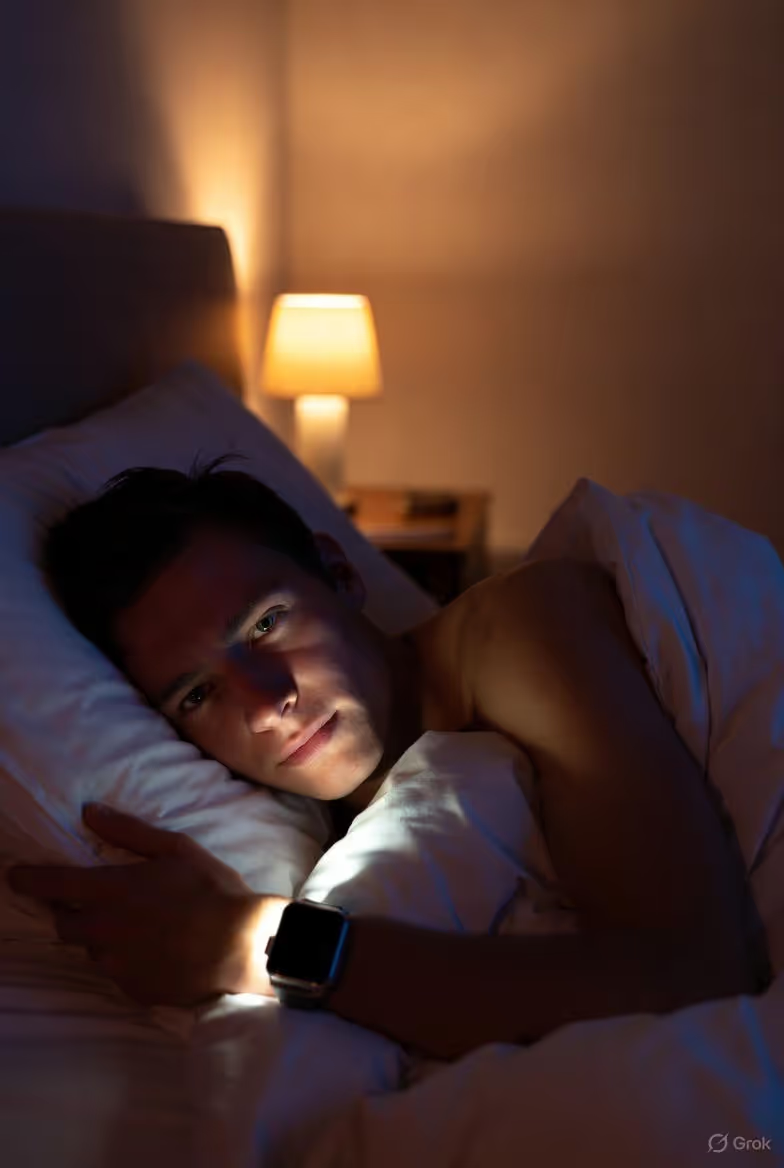
You’ve just drifted off to sleep. The world fades away, the day’s clutter quieting in your mind. For the next 90 minutes, a silent, intricate, and profoundly critical symphony begins within you. This isn’t just the start of your rest—it’s the foundation upon which your entire night, and indeed, your next day, is built.
We obsess over sleep duration, counting hours with religious fervor. We fret over blue light, invest in blackout curtains, and sample sleep supplements. Yet, we consistently overlook the most pivotal phase of our nightly journey: the first sleep cycle. This initial 90-minute window is not created equal to the rest. It is the kingmaker of sleep architecture, the period where deep, restorative sleep is most potent and abundant. Its quality sets a cascading trajectory for everything that follows—from memory consolidation and hormonal regulation to emotional resilience and physical recovery.
Think of it as laying the cornerstone for a building. If that stone is weak or misaligned, the entire structure is compromised, no matter how many perfect bricks you lay afterward. A fractured, shallow, or disrupted first cycle undermines the restorative potential of the entire night, leaving you feeling unrefreshed even after eight hours in bed.
This article is a deep exploration into that crucial first act of the night. We will dissect the neuroscience, the physiology, and the profound real-world implications of what happens in those initial 90 minutes. We will move beyond simplistic sleep tracking to understanding sleep quality at its most granular, actionable level. You’ll learn not only why this phase is non-negotiable but also how to master it, using insights from the latest research and technology, including the advanced biometric tracking offered by modern wellness wearables. The journey to truly restorative sleep doesn’t begin when you close your eyes; it begins with understanding the golden window that follows.
The Architecture of Sleep: Your Nightly Neural Renovation
To grasp why the first 90 minutes are so singularly important, we must first understand the structure of sleep itself. Sleep is not a monolithic state of unconsciousness. It is a dynamically ordered, cyclical process of distinct stages, each with its own unique brainwave patterns and physiological purpose. This structure is known as your "sleep architecture."
A full sleep cycle lasts approximately 90 to 110 minutes and repeats four to six times per night. Each cycle is composed of four stages, grouped into two broad categories:
Non-Rapid Eye Movement (NREM) Sleep:
Stage 1 (N1): The dozing-off phase, lasting several minutes. A light sleep from which you can be easily awakened.
Stage 2 (N2): Light sleep, but you are now fully asleep. Your heart rate slows, body temperature drops, and brain activity shows specific patterns called sleep spindles and K-complexes. This stage prepares the body for deep sleep and acts as a gateway.
Stage 3 (N3): Deep Sleep or Slow-Wave Sleep (SWS). This is the most restorative phase. Brain waves slow dramatically into high-amplitude delta waves. It is very difficult to wake someone from this stage. This is when physical repair, immune system strengthening, and critical restorative processes occur.
Rapid Eye Movement (REM) Sleep:
Stage 4: Often called "paradoxical sleep," the brain becomes highly active, dreaming is vivid, eyes dart rapidly, and the body experiences muscle atonia (temporary paralysis) to prevent you from acting out your dreams. This stage is crucial for memory consolidation, learning, and emotional processing.
The magic—and the key to our discussion—lies in the distribution of these stages across the night. The cycles are not identical. The composition of each 90-minute block changes predictably from evening to morning.
In the first half of the night, particularly the first cycle, NREM deep sleep (Stage 3) dominates. Your brain prioritizes diving into this physically restorative, slow-wave sleep as soon as possible. As the night progresses, the duration of deep sleep within each cycle diminishes. Conversely, REM sleep episodes become longer and more prominent in the second half of the night.
This is the core revelation: The first sleep cycle carries a disproportionately heavy load of deep, slow-wave sleep. If this cycle is fragmented or shallow, you miss your deepest, most physically restorative period. You cannot "make up" this deep sleep later in the night; the architecture doesn't allow it. The later cycles are simply not designed for the same depth of N3 sleep.
Imagine your body has a top-priority "repair and restoration" to-do list. The first 90 minutes is when it tackles the most demanding items. If that time is wasted or interrupted, those critical tasks are left undone, regardless of how much time you spend in bed afterward. Your brain’s renovation project gets off to a failed start, and the rest of the work is compromised. This foundational principle of sleep architecture is why mastering the first cycle is the single most effective strategy for improving overall sleep quality and next-day vitality. For a deeper dive into how technology can map this architecture, you can explore our blog for more on sleep science and biometrics.
The Goldilocks Zone: Why the First Cycle is Uniquely Powerful
We’ve established that the first sleep cycle is architecturally different. But what exactly makes this initial 90-minute "Goldilocks Zone" so powerful? The answer lies in a potent confluence of neurochemical shifts, physiological downshifting, and a privileged position in your body’s circadian rhythm.
The Neurochemical Cocktail of Sleep Onset As you transition from wakefulness into sleep, your brain executes a precise chemical ballet. The alertness-promoting systems (like orexin/hypocretin and histamine) are dialed down. Simultaneously, sleep-promoting neurotransmitters, such as adenosine (which builds up as a "sleep pressure" molecule throughout the day) and GABA, take center stage. This transition is most potent at the beginning of the night. The switch isn’t just flipped; it’s a full-system override designed to plunge you into the deepest possible state as efficiently as possible. This initial plunge creates the ideal conditions for maximal slow-wave activity.
The Primacy of Slow-Wave Sleep (SWS) Slow-wave sleep is the star of the first cycle. Its depth and intensity here are unmatched. During SWS, the brain’s glymphatic system—a recently discovered waste-clearance system—kicks into high gear. Think of it as the brain’s nighttime power-wash. Cerebrospinal fluid flushes through neural tissues, clearing out metabolic debris like beta-amyloid proteins, which are associated with cognitive decline. This cleansing process is most vigorous during the first long period of deep sleep.
Furthermore, SWS is crucial for physical restoration. Growth hormone, essential for tissue repair, muscle growth, and cell regeneration, is predominantly secreted during this first deep sleep period. The body also focuses on strengthening the immune system, regulating glucose metabolism, and repairing the wear and tear of the day. This is why after intense physical activity or illness, the drive for deep sleep is overwhelming—the body is desperate to reach this restorative zone.
Circadian Timing: Riding the Natural Wave Your first cycle doesn’t happen in a vacuum; it occurs at the optimal point in your circadian rhythm. Your core body temperature naturally begins to drop in the evening, reaching its nadir in the middle of the night. This cooling process is a key signal for sleep initiation and maintenance. The first cycle begins on the steepest part of this temperature decline, creating a perfect thermal environment for sustained, unbroken deep sleep.
Similarly, the sleep hormone melatonin peaks in the early part of the night, acting as a powerful synchronizer for this process. Attempting to achieve the same quality of deep sleep outside this natural circadian window (e.g., during a daytime nap) is physiologically challenging. The first night cycle is uniquely positioned by biology to be the most potent.
The Anchoring Effect on Sleep Continuity A strong, consolidated first cycle has a stabilizing effect on the entire night’s sleep. It sets a robust rhythmic pattern for the subsequent cycles. Conversely, a fragmented first cycle often leads to "sleep maintenance insomnia"—frequent awakenings throughout the night. It’s as if the foundation is shaky, so the whole structure is unstable.
In essence, the first 90 minutes are a biological imperative. They represent your body’s prime time for physical restoration, neural cleansing, and setting the stage for cognitive and emotional processing later in the night. Compromising this window isn’t just losing a bit of sleep; it’s forfeiting your best opportunity for holistic recovery. Understanding this principle is at the heart of our mission at Oxyzen, which you can read more about in our company vision and values.
The High Cost of a Poor Start: Consequences of a Fragmented First Cycle
When the cornerstone is cracked, the entire edifice is vulnerable. A disrupted, shallow, or abbreviated first sleep cycle doesn’t just make you a little sleepy—it triggers a cascade of negative effects that permeate your physiology, cognition, and emotional state. The cost is paid in full the next day and can accumulate into long-term health risks.
Next-Day Cognitive Impairment: The Brain Fog Multiplier The most immediate impact is on cognitive function. Because the first cycle is critical for the initial clearance of metabolic waste from the brain, disrupting it leaves behind "neuro-trash." This contributes directly to the feeling of brain fog, mental sluggishness, and impaired attention.
Focus & Attention: Your ability to sustain concentration plummets. Tasks that require continuous focus become arduous.
Working Memory: Holding and manipulating information in your mind (like following complex instructions or mental math) becomes significantly harder.
Executive Function: Decision-making, problem-solving, and cognitive flexibility are impaired. You’re more likely to make errors and struggle with planning.
Emotional Dysregulation: On the Edge of a Knife Sleep and emotional health are inextricably linked, and the first cycle is a key player. The amygdala, the brain’s emotional alarm center, becomes hyperreactive on poor sleep. Research shows that a lack of deep sleep weakens the prefrontal cortex's ability to regulate this amygdala activity. The result?
You become more emotionally volatile, prone to irritability, frustration, and overreaction.
Resilience to stress is lowered; minor setbacks feel like major crises.
The ability to accurately read social cues and facial expressions is diminished, potentially straining personal and professional relationships.
Metabolic and Hormonal Havoc The deep sleep of the first cycle is a master regulator of your endocrine system. Disrupt it, and you throw key hormones into disarray:
Growth Hormone: Secretion is blunted, impairing overnight repair.
Cortisol: The stress hormone may spike earlier and higher in the morning, setting you on an anxious, rushed footing for the day.
Insulin Sensitivity: Reduced deep sleep impairs the body’s ability to manage blood sugar, increasing the risk of insulin resistance over time.
Appetite Hormones: Leptin (satiety signal) decreases, while ghrelin (hunger signal) increases, driving cravings for high-calorie, carbohydrate-rich foods.
Compromised Physical Recovery and Immunity This is the time for tissue repair and immune system modulation. A fragmented first cycle means:
Muscle repair and protein synthesis are less efficient, crucial for athletes or anyone engaged in physical training.
The production of cytokines, proteins that help fight infection and inflammation, is reduced. You become more susceptible to common illnesses and may experience worse inflammatory responses.
The Vicious Cycle of Sleep Fragmentation Perhaps the most insidious consequence is that a poor first cycle begets more poor sleep. The anxiety and discomfort of not sleeping deeply can lead to increased "sleep effort"—trying too hard to sleep, which is, ironically, the surest way to prevent it. You may start clock-watching, which increases stress. This can establish a pattern of psychophysiological insomnia, where the anxiety about sleep itself becomes the primary cause of sleep disruption.
The message is clear: the quality of your sleep onset is a powerful predictor of your next-day reality. It’s not merely about feeling tired; it’s about operating with a brain that is cluttered, a body that is under-repaired, and emotions that are unregulated. This is why moving beyond simply tracking "hours in bed" to understanding sleep cycle quality is the new frontier of wellness. Many users of detailed tracking technology share how this insight changed their approach; you can see real customer experiences with these revelations.
Beyond the Clock: Moving From Sleep Duration to Sleep Quality
For decades, the public health message on sleep has been brilliantly simple and catastrophically incomplete: "Get 7-9 hours." While duration is undeniably important, this singular focus has created a population of people lying in bed for eight hours, fixated on the clock, yet waking up feeling unrefreshed. They’ve hit the target but missed the point. The paradigm must shift from sleep quantity to sleep quality, and the gateway to quality is the first cycle.
The Fallacy of the "Hour Bank" The human body is not a simple hour bank where you can deposit and withdraw sleep at will. You cannot reliably "catch up" on lost deep sleep over the weekend. Sleep is a physiological process, not a time-based commodity. Focusing solely on duration ignores the architecture. It’s like judging the health of a forest only by its acreage, without examining the density, diversity, and age of the trees within it. A person could sleep for 9 hours with a fractured, light-sleep-dominated architecture and be far less restored than someone with a solid 6.5 hours of robust, cyclical sleep.
Key Metrics of Quality Sleep (The New Vital Signs) So, if not just hours, what should we measure? True sleep quality is defined by several interlinked metrics, with the first cycle’s integrity being the master key:
Sleep Onset Latency: The time it takes to fall asleep. Ideally 10-20 minutes. Too short may indicate exhaustion; too long may suggest hyperarousal or poor sleep hygiene.
Sleep Efficiency: The percentage of time in bed actually spent asleep. (e.g., 8 hours in bed, 7.2 hours asleep = 90% efficiency). High efficiency suggests consolidated sleep.
Sleep Architecture: The proportion and distribution of light, deep, and REM sleep across the night. A healthy pattern shows robust deep sleep early, with REM periods lengthening toward morning.
Wake After Sleep Onset (WASO): The total time spent awake after initially falling asleep. Low WASO is critical, especially in the first half of the night.
Heart Rate Variability (HRV) During Sleep: A higher HRV during sleep indicates a resilient nervous system and is correlated with more restorative sleep. It often dips during deep sleep and rises in REM, creating a "curve" that can be analyzed.
Resting Heart Rate (RHR) During Sleep: A dropping RHR during the night is a sign of effective parasympathetic ("rest and digest") nervous system dominance.
The First Cycle as the Quality Diagnostic The state of your first 90-minute cycle is a powerful proxy for overall sleep quality. If you achieve deep, unbroken sleep quickly and sustain it, it’s highly likely your sleep efficiency is high, your WASO is low, and your architecture is sound. Tracking the first cycle gives you an early and accurate diagnosis of your sleep health.
Modern wellness technology has made accessing this data possible beyond the sleep lab. Advanced wearables, like smart rings which are less obtrusive than wrist-based devices, can now provide insights into these nuanced metrics by tracking physiological signals like heart rate, HRV, and temperature throughout the night. This allows you to move from asking "How long did I sleep?" to "How well did I initiate and maintain my sleep architecture last night?" This shift in questioning is transformative for taking actionable steps toward better rest. To understand how such devices capture this data, you can learn more about the technology behind advanced wellness tracking.
The Modern Saboteurs: What’s Disrupting Your Golden Window?
In our hyper-connected, always-on world, the path to a pristine first sleep cycle is strewn with obstacles. Many of our modern habits and environmental factors directly attack the very processes needed to initiate and sustain deep sleep. Identifying these saboteurs is the first step toward reclaiming your golden window.
1. The Blue Light Assault This is the most famous villain, and for good reason. The blue-wavelength light emitted by smartphones, tablets, computers, and LEDs suppresses melatonin production more powerfully than any other wavelength. When you scroll in bed, you’re not just distracting your mind; you’re actively telling your circadian clock, "It’s still daytime! Delay sleep!" This pushes back your sleep onset and can fragment the initial descent into deep sleep.
2. The Cortisol Curve Mishap Cortisol, your primary stress hormone, should follow a smooth, descending curve from morning to night, reaching its lowest point around midnight. Modern stressors—late-night work, anxious thoughts, intense evening workouts, or even gripping, stressful TV shows—can cause an unhelpful late-day cortisol spike. High cortisol is chemically antagonistic to melatonin and the state of relaxation needed for sleep onset. It’s like trying to fall asleep while being chased by a tiger.
3. Thermoregulation Troubles As mentioned, a drop in core body temperature is a key sleep signal. A bedroom that’s too warm, heavy bedding, or even eating a large meal too close to bedtime (which generates heat from digestion) can interfere with this natural cooling process, making it harder to fall and stay deeply asleep in that critical first cycle.
4. Alcohol: The Deceptive Sedative Alcohol may help you fall asleep faster, but it is a potent saboteur of sleep architecture, especially the first cycle. It suppresses REM sleep early in the night and, as it is metabolized, causes withdrawal-like symptoms that lead to fragmented, lighter sleep in the second half. Crucially, it also severely disrupts the quality of deep NREM sleep. You may sleep through the night but wake up feeling unrefreshed because your brain never achieved its needed restorative depth.
5. Inconsistent Sleep Schedule Your circadian rhythm thrives on consistency. Going to bed and waking up at wildly different times each day (a massive "social jetlag" on weekends) confuses your internal clock. This makes it harder for your body to initiate the complex neurochemical sequence for deep sleep at the desired time, weakening the first cycle’s potency.
6. Mental Clutter and Sleep Performance Anxiety The "racing mind" is a classic barrier. Bringing the day’s problems, a tomorrow’s to-do list, or general anxiety to bed activates the very cognitive and emotional networks you need to quiet. Furthermore, the pressure to sleep well ("I must fall asleep now or tomorrow will be ruined!") creates performance anxiety that triggers arousal, directly opposing sleep onset.
7. Undiagnosed Sleep Disorders Conditions like sleep apnea can cause micro-arousals (brief awakenings you may not remember) that consistently fragment sleep, often right as you’re entering deeper stages. Restless Leg Syndrome can create an irresistible urge to move just as you’re trying to relax into sleep. These disorders directly target the integrity of the sleep cycle and require professional diagnosis.
By auditing your evening against this list of saboteurs, you can begin to pinpoint what might be undermining your own golden window. The path to better sleep isn’t about adding more things to your routine; it’s often about strategically removing these interferences. For practical strategies on combating these issues, many find helpful tips and deeper explanations in our curated collection of wellness articles.
The Power of the Prelude: Crafting the Ideal 90-Minute Wind-Down
If the first 90 minutes of sleep are the non-negotiable main event, then the 90 minutes before bed are the essential dress rehearsal. You cannot sprint at full speed and then expect to slam on the brakes and be instantly asleep. The nervous system requires a gradual, intentional transition—a "bridge" from the alertness of the day to the tranquility of sleep. This wind-down period, or "sleep prelude," is your active preparation for the golden window.
Philosophy: Diminishing Stimulation The core principle of an effective wind-down is the systematic reduction of cognitive, emotional, and sensory stimulation. Your goal is to lower your nervous system’s arousal level, quiet the "thinking mind," and align your physiology with sleep cues.
A Sample Science-Backed Wind-Down Routine:
-90 to -60 Minutes: The Digital Sunset & Environmental Shift
Commit to a screens-off time. This is the single most effective wind-down action. Use device settings to enable "Night Shift" or similar filters earlier in the evening, but aim for complete disconnection 90 minutes before bed.
Begin lowering ambient light. Switch bright overhead lights to warm, dim lamps. Consider using amber or red-light bulbs in bedside lamps, as these wavelengths have minimal impact on melatonin.
Set your bedroom temperature. Aim for a cool 65-68°F (18-20°C). This proactively supports your body’s natural thermoregulation.
-60 to -30 Minutes: The Relaxation Response
Engage in calming rituals. This is highly personal. It could be:
Gentle, restorative yoga or stretching (no vigorous exercise).
A mindfulness or guided meditation practice to disengage from ruminative thoughts.
Reading a physical book (fiction is often better for escape than non-fiction).
A warm bath or shower. The rise and subsequent drop in body temperature post-bath is a powerful sleep signal.
Practice gratitude or a "brain dump." Write down 3 things you’re grateful for or jot down all the thoughts/tasks swirling in your head on a notepad. This symbolizes "parking" them until tomorrow, clearing the mental deck.
-30 to -0 Minutes: The Final Descent
Finalize your environment. Ensure the room is dark (use blackout curtains if needed) and quiet (use a white noise machine or earplugs if necessary).
Perform a brief, consistent "anchor" activity. This could be a specific series of stretches, applying a calming balm, or sipping a caffeine-free herbal tea like chamomile. The consistency trains your brain to associate this activity with sleep onset.
Get into bed only when you feel sleepy (eyes heavy, head nodding), not just when it’s "time."
The Role of Consistency Perhaps more important than the specific activities is the consistency of the sequence. Performing the same series of calming actions in the same order each night creates powerful Pavlovian cues for your brain and body. It tells your entire system, "The process of sleep is now beginning." This predictability reduces anxiety and effort, making the transition into sleep smoother and faster—directly strengthening your sleep onset and the first cycle that follows.
This intentional pre-sleep ritual is a form of self-respect. It is the acknowledgment that the quality of your rest is not a passive accident but an active creation. By investing in this prelude, you are laying the track for the sleep train to run smoothly into the deep, restorative tunnels of the night. For those curious about how consistent routines affect measurable biometrics, our FAQ section addresses common questions on data and habits.
Listening to Your Body: Biometric Feedback and the First Cycle
For centuries, understanding sleep was a black box of guesswork based on how we felt in the morning. Today, we have an unprecedented opportunity: to listen to the objective, physiological story our bodies tell each night. Biometric tracking moves us from subjective impression ("I slept okay") to objective insight ("My deep sleep was fragmented, and my resting heart rate was elevated"). This is especially transformative for optimizing the elusive first cycle.
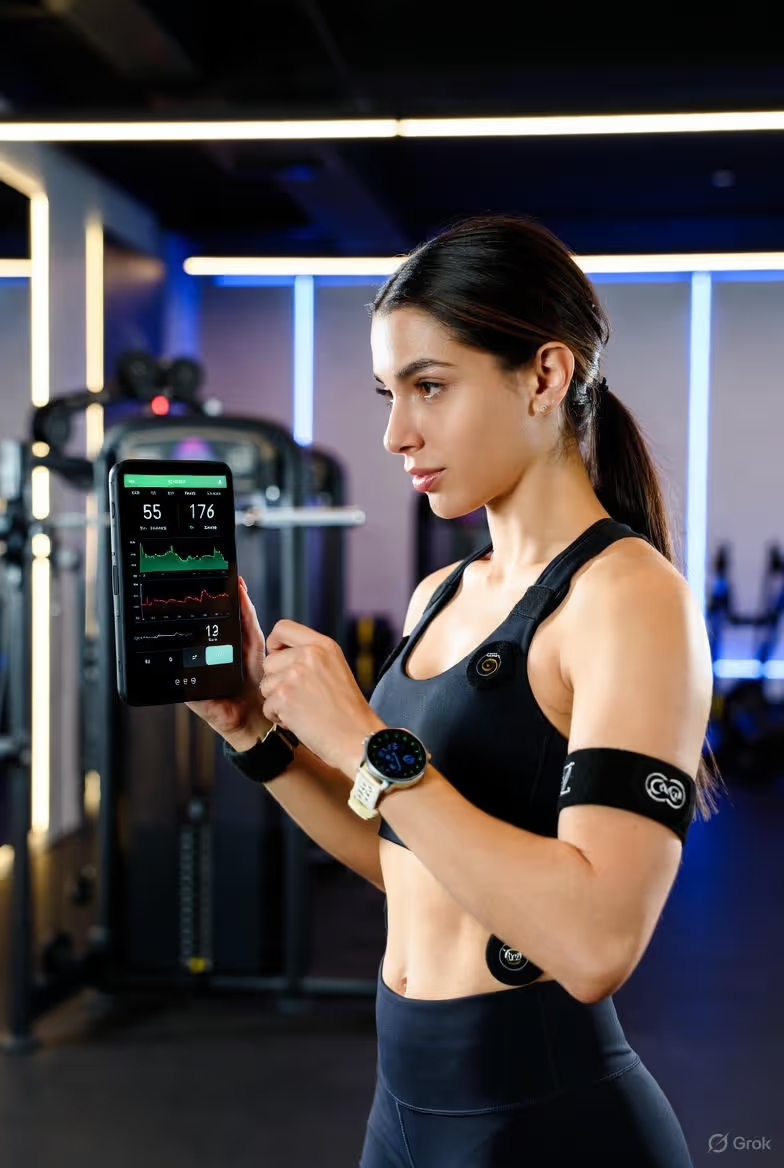
What Can Modern Wearables Actually Measure? Advanced wellness rings and other wearables use a combination of sensors (like photoplethysmography for heart rate, accelerometers for movement, and skin temperature sensors) to infer sleep stages and physiological states. While not medically diagnostic like a polysomnogram, they provide highly accurate trend data for personal use. Key metrics relevant to the first cycle include:
Timing of Deep Sleep Onset: How long after "lights out" did you enter your first significant period of deep sleep? A shorter latency is generally better.
Duration and Consolidation of First Deep Sleep Block: Was it one solid block, or was it interrupted by periods of light sleep or wakefulness?
Heart Rate (HR) and Heart Rate Variability (HRV) Patterns: During deep sleep, HR should reach its lowest point and HRV often dips as the body focuses on restoration. A clear, pronounced dip in the first half of the night is a good sign of deep, restorative sleep.
Sleeping Skin Temperature: A natural drop in distal skin temperature is associated with sleep onset and maintenance. Tracking this can reveal if your environment or habits are interfering with thermoregulation.
How to Use This Data to Audit Your First Cycle
Establish a Baseline: Wear your tracker consistently for at least two weeks without making major changes. This shows you your "normal" first-cycle pattern.
Correlate with Feelings: Each morning, note your subjective energy, mood, and focus before checking your data. Then, look at the data. Do you feel groggy when your first deep sleep block was short or fragmented? Do you feel great when it was long and consolidated? This builds your personal connection between data and feeling.
Run Experiments: This is the most powerful step. Use your wind-down routine as an independent variable.
Experiment 1: Follow your ideal 90-minute wind-down for 3 nights. Note the first-cycle data.
Experiment 2: On a weekend, have two glasses of wine in the evening (if you drink). Compare the data.
Experiment 3: Try lowering your bedroom temperature by 2 degrees.
Experiment 4: Watch an intense thriller right before bed vs. reading a book. Look at the impact on your first cycle metrics. The data will show you, personally and undeniably, what strengthens or weakens your cornerstone sleep.
From Data to Wisdom: Avoiding Obsession The goal of biometric feedback is empowerment, not obsession. The numbers are a guide, not a grade. You are not "failing" at sleep if a metric is low on a given night; you are gathering information. The wisdom lies in spotting trends over time and understanding the cause-and-effect relationship between your lifestyle and your physiology. It turns sleep from a mystery into a manageable, improvable system.
By listening to your body’s biometric story, you can stop guessing what works and start knowing. You can identify your personal saboteurs and confirm your most effective sleep-supporting habits, all with the aim of fortifying that all-important first 90 minutes of the night. This journey of discovery is at the core of what modern wellness technology enables, a principle central to the development of tools like the Oxyzen ring. You can discover more about our approach to personalized biometric insights.
The Daytime Foundation: How Your Waking Hours Build Your Night
A common and critical mistake is to view sleep as an isolated event contained within the hours of darkness. In reality, sleep is the mirror of your day. The quality of your wakefulness profoundly dictates the quality of your sleep, especially the initial plunge into deep sleep. Building a solid daytime foundation is proactive sleep hygiene.
1. Light: The Master Zeitgeber Your circadian rhythm is primarily set by light exposure. Maximizing bright, natural light (especially blue-rich morning light) is the strongest signal for a healthy sleep-wake cycle.
Morning Action: Get outside within 30-60 minutes of waking, even on cloudy days, for at least 15-20 minutes. This firmly anchors your circadian clock, boosting daytime alertness and making the evening melatonin release stronger and more timely.
Daytime Action: Seek bright light throughout the day. This reinforces the "day" signal.
2. Movement & Exercise: Timing is Key Physical activity is a powerful sleep promoter, but its timing matters.
Morning/Afternoon Exercise: Vigorous exercise earlier in the day promotes deeper slow-wave sleep. It increases sleep pressure (adenosine buildup) and helps regulate body temperature rhythms.
Evening Exercise: Gentle movement like walking or yoga is fine. However, intense exercise within 2-3 hours of bedtime can raise core temperature and stimulate cortisol and adrenaline, potentially delaying sleep onset and disrupting the first cycle.
3. Nutrition & Caffeine: Fueling the Rhythm
Caffeine: It has a half-life of 5-6 hours. Consuming caffeine even 6 hours before bed can significantly disrupt sleep quality for some. Consider a "caffeine curfew" at 2 PM.
Food & Alcohol: Avoid large, heavy, or spicy meals close to bedtime. The energy required for digestion can interfere with sleep onset. As discussed, alcohol is a deep sleep disruptor.
Hydration: Stay well-hydrated during the day, but taper off fluid intake 1-2 hours before bed to minimize disruptive nighttime bathroom trips.
4. Stress Management: Lowering the Basement Chronic, unmanaged daytime stress leads to a perpetually elevated baseline of nervous system arousal. This makes it exponentially harder to "downshift" at night.
Integrated Micro-Practices: Incorporate short stress-resiliency practices throughout the day—a 3-minute breathing exercise, a short walk, a moment of mindfulness. This prevents stress from accumulating to a peak by bedtime.
The Power of Outdoor Time: Time in nature, or "forest bathing," has been shown to lower cortisol levels and improve markers of relaxation.
5. The Afternoon Dip: Navigating it Wisely The natural post-lunch dip in alertness (circadian-related) is not a flaw; it’s a feature. Resist the urge to fight it with caffeine or sugar. Instead, if possible, a short 10-20 minute power nap before 3 PM can be refreshing without interfering with nighttime sleep. Naps longer than 30 minutes or taken later can reduce sleep pressure and weaken the drive for deep sleep at night.
By treating your entire 24-hour cycle as an integrated system, you build a daytime environment that naturally culminates in a strong, seamless transition into sleep. You are essentially "earning" your deep sleep through the choices you make from the moment you wake up. This holistic view is essential for sustainable sleep health, a topic we frequently explore in detail within our wellness resources and blog.
When It’s Not Just Habits: Recognizing Sleep Disorders
Despite impeccable sleep hygiene and a perfect wind-down, some individuals will still struggle to achieve or maintain a consolidated first sleep cycle. This is a crucial red flag that the issue may extend beyond habits into the realm of a clinical sleep disorder. Recognizing the signs is vital, as these conditions not only ruin sleep but also pose significant long-term health risks.
Sleep Apnea: The Silent Fragmenter Obstructive Sleep Apnea (OSA) is characterized by repeated collapses of the upper airway during sleep, leading to breathing pauses (apneas) and drops in blood oxygen. Each event triggers a micro-arousal to restart breathing—often so brief the sleeper doesn’t remember waking.
Impact on the First Cycle: These arousals can occur just as the person is descending into deep sleep, preventing them from ever reaching or sustaining it. The first cycle becomes a series of aborted deep sleep attempts.
Key Signs: Loud, chronic snoring (often with gasps or choking sounds), witnessed breathing pauses, excessive daytime sleepiness despite long time in bed, morning headaches, and dry mouth. It is critically under-diagnosed.
Restless Legs Syndrome (RLS): The Unsettling Urge RLS involves an uncomfortable, often irresistible urge to move the legs, accompanied by creepy-crawly or aching sensations. Symptoms are worst in the evening and at rest.
Impact on the First Cycle: The urge peaks just when trying to relax for sleep, dramatically increasing sleep onset latency and preventing the calm transition necessary for deep sleep.
Key Signs: Urge to move legs that is partially or totally relieved by movement, worsening of symptoms in the evening/night, and a strong family history is common.
Insomnia Disorder: The Cycle of Hyperarousal While poor sleep habits can cause insomnia, Chronic Insomnia Disorder is characterized by a state of 24-hour physiological and cognitive hyperarousal. The brain and body are stuck in "fight or flight" mode.
Impact on the First Cycle: This hyperarousal directly blocks the neurochemical transition to sleep. Even if sleep occurs, it is light, fragmented, and lacks deep, restorative quality. The first cycle is often non-existent or severely compromised.
Key Signs: Difficulty falling asleep ( >30 minutes) and/or staying asleep, occurring at least 3 nights per week for 3 months, causing significant daytime distress or impairment.
Circadian Rhythm Disorders Conditions like Delayed Sleep-Wake Phase Disorder (extreme "night owls") or Shift Work Disorder force sleep attempts outside the body’s natural circadian window.
Impact on the First Cycle: The body’s drive for deep sleep is out of sync with the attempted sleep time. When a "night owl" tries to sleep early, their first cycle is weak because their biological night hasn’t started yet.
The Path to Diagnosis: Don’t Hesitate If you consistently cannot achieve deep, restful sleep despite excellent habits, or if you or a partner notice signs of apnea or RLS, consult a healthcare provider. The gold standard for diagnosis is an overnight sleep study (polysomnography). Treatment—whether CPAP for apnea, medication for RLS, or Cognitive Behavioral Therapy for Insomnia (CBT-I)—can be life-changing.
Addressing an underlying disorder is the most profound intervention you can make for your first sleep cycle and your overall health. It removes the hidden barrier preventing your best efforts from paying off. If you have questions about how lifestyle devices relate to medical diagnostics, our FAQ covers this important distinction.
The Athlete’s Edge: How Elite Performance is Forged in the First 90 Minutes
For the elite athlete, the margin between victory and second place is measured in hundredths of a second or a single rep. While training, nutrition, and strategy are meticulously optimized, the most potent performance enhancer is often the most overlooked: the quality of deep sleep in the first cycle. This is where the body executes its most critical physical repairs, making it the true engine of athletic recovery and adaptation.
Deep Sleep: The Anabolic Powerhouse During the deep, slow-wave sleep of the first cycle, the body enters a profoundly anabolic (building-up) state. This is when the magic of adaptation from the day’s training occurs.
Growth Hormone (GH) Surge: The majority of the day’s pulsatile release of growth hormone happens during the first deep sleep period. GH is essential for stimulating muscle growth and repair (via protein synthesis), bone building, and fat metabolism. A fragmented first cycle can blunt this release by up to 70%, severely handicapping recovery.
Cellular Repair and Inflammation Regulation: The inflammatory response caused by intense training is a necessary signal for repair, but it must be resolved. Deep sleep enhances the release of anti-inflammatory cytokines and supports the cleanup of cellular debris. Without it, an athlete may exist in a state of chronic, low-grade inflammation, impairing recovery and increasing injury risk.
Glycogen Restoration: Muscles rely on glycogen for fuel. While initial replenishment happens post-workout with nutrition, the process continues during deep sleep. Disrupted sleep can impair this restoration, leaving an athlete with suboptimal energy stores for the next day’s session.
The Sympathetic Downtime: Nervous System Recovery Training is a massive stressor on the autonomic nervous system (ANS), heavily engaging the sympathetic ("fight or flight") branch. Recovery requires a shift to parasympathetic ("rest and digest") dominance. The first deep sleep cycle is the single most powerful driver of this shift overnight. A consolidated first cycle leads to a pronounced drop in resting heart rate and a favorable heart rate variability (HRV) pattern, indicating a nervous system that is truly recovering. Athletes who track HRV often see a direct correlation between a strong first cycle (with a clear HRV dip) and a high, recovery-positive morning HRV score.
Cognitive and Motor Skill Consolidation Athletic performance is not just physical; it’s neural. The learning and refinement of skills—a golf swing, a free throw, a complex gymnastics routine—requires motor memory consolidation, which occurs during sleep. While REM sleep is crucial for procedural memory, the initial stabilization of these memories is believed to involve NREM deep sleep. A poor first cycle can thus hamper the neurological reinforcement of practiced skills.
Real-World Impact: The Cost of Fragmentation Research and anecdotal evidence from sports science are clear:
Reduced Endurance: Studies show that sleep restriction or fragmentation decreases time to exhaustion and increases perceived exertion.
Decreased Accuracy and Reaction Time: One night of disrupted sleep can slow reaction times and impair accuracy as much as legal alcohol intoxication.
Higher Injury Risk: Adolescent athletes sleeping less than 8 hours are 1.7 times more likely to sustain an injury. The lack of deep restorative sleep is a key component of this risk.
Poor Training Adaptation: An athlete can follow the perfect periodized program, but if deep sleep is inadequate, the body cannot fully adapt to the training stimulus, leading to plateaus.
For the athlete, sleep is not passive rest; it is an active part of the training regimen. Prioritizing the first 90 minutes is akin to prioritizing the most important recovery session of the day. It’s where strength is built, injuries are prevented, and the neural blueprints of skill are etched deeper. This principle applies not just to elites but to anyone seeking to improve their physical performance and recovery, a topic explored in depth by many of the wellness enthusiasts who share their experiences and results with detailed tracking.
The Mind’s Custodian: Emotional Processing and Memory Filing
While the body repairs in the first cycle, the brain begins a different, equally vital task: the initial sorting, processing, and filing of the day’s experiences. Think of the first cycle as the brain’s nightly custodian, working the critical "graveyard shift" to clean up neural clutter and prepare the mind for a new day.
Emotional Detoxification The day is filled with emotional stimuli—frustrations, joys, anxieties, and surprises. The amygdala, our emotional processor, tags these experiences with emotional salience. During the deep sleep of the first cycle, a remarkable dialogue occurs between the amygdala and the prefrontal cortex (PFC), the brain’s rational manager.
The Process: The emotional charge of memories is gradually dialed down while the factual content is preserved. It’s as if the brain reviews the emotional highlights reel and decides, "Keep this memory, but remove the sharp, reactive edges."
The Consequence of Disruption: When the first cycle is fragmented, this emotional detoxification is incomplete. You wake up with the "edges" still sharp. Yesterday’s minor irritation feels freshly annoying. Anxiety from a work problem hasn’t been softened. This is a neurological basis for the link between poor sleep and increased emotional reactivity, anxiety, and vulnerability to stress.
Memory Triaging and Synaptic Pruning The brain is inundated with far more information daily than it can or should store permanently. The first cycle initiates a process of "synaptic homeostasis."
Downscaling: Throughout the day, learning and experiences strengthen synaptic connections, which consumes energy and neural space. Slow-wave sleep acts as a global downscaler, weakening non-essential connections to prevent overload and make room for new learning the next day. It’s a form of neural efficiency optimization.
Filing for Long-Term Storage: Important memories are tagged for transfer from the short-term holding tank (the hippocampus) to the long-term storage vault (the neocortex). The slow, synchronous brainwaves of deep sleep are thought to facilitate this transfer. The first, most intense period of slow-wave sleep likely handles the initial, heavy-lift portion of this filing work.
The Link to Creativity and Problem-Solving This nocturnal processing is why we often "sleep on a problem" and wake with a solution. By detoxifying emotions and reorganizing memories, the brain makes novel connections between disparate ideas. A study from the University of Lübeck provided stunning evidence: they gave participants a number puzzle with a hidden shortcut. Those who slept (and experienced deep sleep) were more than twice as likely to discover the shortcut than those who stayed awake. The first cycle’s deep sleep begins this process of cognitive restructuring.
Protecting Against Cognitive Decline The glymphatic system’s deep-clean of metabolic waste, most active during the first cycle’s deep sleep, has profound long-term implications. The clearance of beta-amyloid protein, in particular, is crucial. When sleep is fragmented, this protein accumulates, forming the plaques associated with Alzheimer’s disease. Consistently strong first cycles, therefore, are not just about tomorrow’s mood; they are an investment in long-term cognitive health, acting as a nightly maintenance ritual for the brain itself.
In essence, the first 90 minutes of sleep are when your brain transforms from a chaotic, emotionally-charged recording studio into a well-organized, calm library. It processes the raw footage of your day into a coherent narrative you can handle. By safeguarding this cycle, you aren’t just preventing grogginess; you are actively curating your emotional resilience and cognitive clarity for the day ahead. For more on the science of sleep and the mind, our blog features ongoing research and insights.
The Hormonal Symphony: Conducting Your Endocrine System
Sleep is the master conductor of your endocrine system, the complex network of glands that release hormones regulating everything from metabolism to mood. The first sleep cycle, with its dominance of slow-wave sleep, is the opening movement of this nightly symphony, setting the tempo for crucial hormonal rhythms that govern your next 24 hours.
The Core Hormones Orchestrated in the First Cycle:
1. Growth Hormone (GH): The Nightly Rejuvenator As highlighted, GH secretion is intimately tied to deep sleep. The first pulse is the largest, accounting for the majority of daily output. This isn't just for athletes; GH is vital for everyone:
Adults: It maintains muscle mass and bone density, promotes fat utilization, and supports skin and organ health. A blunted GH release accelerates age-related decline.
Children & Adolescents: It is, of course, fundamental for growth and development.
2. Cortisol: The Stress Rhythm Setter Cortisol should follow a precise diurnal rhythm: high in the morning to help you wake (the "cortisol awakening response"), gradually declining through the day, and reaching its lowest point around midnight. The quality of the first sleep cycle is both a result and a cause of this rhythm.
Evening Impact: High evening cortisol from stress directly inhibits sleep onset and deep sleep.
Sleep's Impact on Cortisol: A fragmented first cycle can lead to an earlier and sharper cortisol rise in the early morning hours. Instead of a gentle nudge into wakefulness at 6 AM, you might get a stressful jolt at 4 AM, disrupting the later part of your sleep and starting your day in a state of physiological stress.
3. Leptin & Ghrelin: The Appetite Regulators These two hormones control hunger and satiety, and they are exquisitely sensitive to sleep.
Leptin (from fat cells) signals fullness to the brain.
Ghrelin (from the stomach) stimulates appetite. Deep sleep supports healthy leptin levels and suppresses ghrelin. Disrupt the first cycle, and the symphony falls apart: leptin drops, ghrelin rises. The result is increased hunger, particularly for high-calorie, high-carbohydrate "comfort foods," the next day. This is a direct biological pathway linking poor sleep quality to weight gain and difficulty managing body composition.
4. Insulin Sensitivity: The Metabolic Foundation Deep sleep enhances your body's sensitivity to insulin, the hormone that allows cells to take in glucose from the blood. A disrupted first cycle induces a state of temporary insulin resistance by the next morning. Your pancreas has to work harder to produce more insulin to manage blood sugar. Over time, this pattern can contribute to the development of type 2 diabetes and metabolic syndrome.
5. Melatonin: The Conductor's Baton While melatonin secretion begins before sleep, its presence supports the maintenance of sleep, including the deep stages of the first cycle. A strong, dark, quiet first cycle reinforces the melatonin signal, creating a positive feedback loop for sleep maintenance. Light exposure during this cycle (e.g., from a bathroom trip with bright lights) can suppress melatonin and fragment sleep.
The Symphony in Harmony vs. Discord When the first cycle is strong, the hormonal symphony is harmonious:
GH surges for repair.
Cortisol remains suppressed until a healthy morning rise.
Leptin and Ghrelin stay in balance, curbing inappropriate hunger.
Insulin Sensitivity is preserved, supporting metabolic health.
When it's fragmented, the result is endocrine discord: blunted GH, dysregulated cortisol, ravenous hunger, and metabolic strain. This demonstrates that the impact of the first 90 minutes extends far beyond tiredness; it fundamentally influences your metabolism, body weight, stress resilience, and long-term disease risk. Understanding these connections allows you to see sleep not as a luxury, but as a non-negotiable pillar of metabolic health. For those navigating health journeys, finding supportive tools and community can make all the difference.
From Theory to Practice: A 14-Day First Cycle Optimization Challenge
Understanding the "why" is essential, but the transformation happens in the "how." Here is a practical, step-by-step 14-day challenge designed to systematically strengthen your first sleep cycle. This is not about perfection, but about consistent, mindful experimentation.
The Core Principle: One Change at a Time We will focus on layering habits, not overwhelming you. Each phase builds upon the last.
Days 1-3: The Foundation Week – Light & Schedule
Primary Goal: Anchor your circadian rhythm.
Action 1 (Morning): Within 30 minutes of waking, get 15 minutes of outdoor light exposure. No sunglasses if safe. If it's pitch dark, use a bright light therapy lamp.
Action 2 (Evening): Implement a strict "Digital Sunset" 90 minutes before bed. All screens (phones, tablets, TV, laptops) go off or into "Do Not Disturb" mode. Use this time for the actions in the next phase.
Tracking: Simply note your subjective "ease of falling asleep" on a scale of 1-10 and your morning energy level.
Days 4-7: The Wind-Down Ritual – Building Your Prelude
Primary Goal: Create a consistent, relaxing buffer between day and sleep.
Action: Use the 60-90 minutes before bed to engage in a non-screen, calming activity. Choose one or two from this list and do them in the same order each night:
Read a physical book (non-work related).
Take a warm bath or shower.
Practice 10 minutes of gentle stretching or yoga.
Listen to calming music or an audio book.
Practice a gratitude journal or "brain dump" list.
Tracking: Continue noting sleep onset ease. Also, estimate how long it took you to fall asleep.
Days 8-10: The Environment Audit – Optimizing Your Cave
Primary Goal: Make your bedroom a sanctuary for deep sleep.
Action 1 (Darkness): Ensure your room is pitch black. Use blackout curtains, cover or remove LED lights from electronics, and consider an eye mask.
Action 2 (Coolness): Set your bedroom thermostat to 65-68°F (18-20°C). Use lighter bedding if needed.
Action 3 (Quiet): Use earplugs, a white noise machine, or a fan to mask disruptive sounds.
Tracking: Note if you woke up during the night and why (e.g., too hot, noise, light).
Days 11-14: The Daytime Support – Fueling the Night
Primary Goal: Reinforce sleep pressure and manage stress.
Action 1 (Caffeine): Observe a "Caffeine Curfew" at least 8 hours before bedtime. If you sleep at 10:30 PM, no caffeine after 2:30 PM.
Action 2 (Movement): Get at least 30 minutes of moderate activity (brisk walk, cycling) during daylight hours.
Action 3 (Stress Buffer): Introduce one 5-10 minute stress-reduction practice during your day (e.g., lunchtime walk, deep breathing, meditation).
Tracking: Synthesize your observations. How has your morning energy changed? Your mood? Your focus in the early afternoon?
How to "Measure" Success Without Advanced Tech:
The Subjective "Wake-Up Test": The moment you wake up, before you move or check your phone, ask: "Do I feel restored?" Rate it 1-5.
Sleep Onset Latency: Time how long it takes to fall asleep. The target is 10-20 minutes.
Nighttime Awakenings: Can you recall waking up? If so, how many times and for how long?
Next-Day Function: Monitor your energy dip in the mid-afternoon (2-4 PM). Is it less severe?
For those with access to a smart ring or advanced sleep tracker, this challenge becomes even more insightful. You can observe objective changes: a shorter time to first deep sleep, a longer and more consolidated first deep sleep block, a smoother heart rate dip, and an improved HRV recovery score. The correlation between your new habits and your biometric data provides powerful, personalized reinforcement. If you're considering a tool to provide this level of insight, you can learn more about how advanced tracking works.
This 14-day journey is your laboratory. You are the scientist, and your sleep is the experiment. The goal is to discover, through direct experience, which levers have the most powerful effect on your foundational sleep cycle.
Beyond the Individual: The Social and Societal Cost of Poor Sleep Foundations
The ripple effects of disrupted first sleep cycles do not stop at the individual. They extend into our relationships, workplaces, and society at large, carrying a significant economic and social cost. When a population is under-restored, the collective consequences are stark.
The Relational Toll: Emotional Spillover As we've explored, a fragmented first cycle leaves the amygdala reactive and the prefrontal cortex weakened. This neurological state directly translates into interpersonal behavior:
Increased Conflict: Minor disagreements escalate more quickly. The capacity for patience, empathy, and constructive communication is diminished.
Reduced Emotional Attunement: The ability to accurately read a partner's or child's emotional state is impaired, leading to misunderstandings and feelings of disconnect.
Decreased Libido: Chronic sleep deprivation and poor sleep quality are major libido killers, impacting intimate relationships.
Sleep researcher Dr. Matthew Walker aptly calls this "sleep divorce"—not literally, but the emotional distance created by poor sleep. Protecting the first cycle is, in a very real sense, an act of protecting your most important relationships from unnecessary strife.
The Workplace Impact: Productivity, Safety, and Innovation The cognitive deficits from poor sleep quality have a direct bottom-line impact.
Presenteeism: This refers to employees being physically present but mentally impaired. Studies estimate it costs employers far more than absenteeism. A worker with poor sleep may be at their desk for 8 hours but operating at 60% cognitive capacity, making errors, missing details, and struggling with decision-making.
Safety-Critical Errors: From medical professionals to transportation workers, impaired reaction time and focus due to poor sleep are a public safety hazard. Major industrial accidents like Chernobyl, the Exxon Valdez oil spill, and the Space Shuttle Challenger disaster have all been linked, in part, to human error influenced by sleep-related fatigue.
Stifled Creativity and Innovation: The problem-solving and creative insight fostered by deep sleep are the engines of innovation. A team of sleep-deprived employees is a team less likely to find novel solutions or think outside the box.
The Macroeconomic and Healthcare Burden The societal cost is staggering. Research from RAND Europe estimated that sleep loss costs the US economy up to $411 billion annually (about 2.28% of GDP), Japan up to $138 billion (2.92% of GDP), and the UK up to $50 billion (1.86% of GDP). These costs stem from:
Lost Productivity: As outlined above.
Increased Healthcare Utilization: Poor sleep is a risk factor for virtually every major chronic disease—cardiovascular disease, diabetes, obesity, depression, Alzheimer's. This places an immense, preventable burden on healthcare systems.
Mortality Risk: Chronic short sleep (often coupled with poor quality) is associated with a significantly increased all-cause mortality risk.
A Cultural Blind Spot Despite this overwhelming evidence, our culture often glorifies sleep deprivation as a badge of honor—a sign of dedication and hustle. This is a profound and dangerous miscalculation. We would never boast about being chronically malnourished or dehydrated, yet we wear sleeplessness as a trophy. Shifting this cultural narrative to one that values and protects deep, restorative sleep as the foundation of health, wisdom, and performance is a critical public health imperative.
By focusing on the quality of sleep, starting with the first cycle, we can begin to reverse this tide on a personal level, which aggregates to a societal level. It starts with the individual choice to see that initial 90-minute window not as lost time, but as the most valuable investment you can make in every facet of your life. This vision of empowered, data-informed wellness is what drives our broader mission, which you can read more about in our company's story.
The Longitudinal View: How Your First Cycle Changes Across a Lifetime
The architecture of sleep, and the primacy of the first cycle, is not static. It evolves dramatically from infancy through old age. Understanding these lifelong shifts is crucial for setting realistic expectations and tailoring your approach to sleep optimization at every stage of life. The golden window remains critical, but its characteristics and vulnerabilities change.
Infancy & Childhood: The Deep Sleep Dominance In early life, sleep is not just for restoration; it is the primary engine of neurological development.
Newborns: Sleep is polyphasic (multiple periods throughout 24 hours), and they spend about 50% of their sleep in what is considered active or REM-like sleep, crucial for brain maturation. Deep NREM sleep is also abundant.
Childhood: This is the peak of slow-wave sleep (SWS) power. The first cycle is incredibly deep and long, often comprising a massive wave of delta activity. This deep sleep supports the explosive growth, learning, and memory consolidation of childhood. It’s also when sleep disorders like sleepwalking or night terrors—which occur during partial arousals from deep sleep—are most common, precisely because children "get stuck" transitioning out of such intense SWS.
Adolescence: The Circadian Shift and Social Jetlag Puberty brings a well-documented biological shift in circadian timing, pushing the sleep-wake cycle later.
The Delay: The melatonin secretion signal shifts later in the evening, making it physiologically difficult for teens to fall asleep early. However, the need for sleep (including deep sleep) remains high (8-10 hours).
Impact on the First Cycle: When a teen forced to wake early for school finally gets to sleep on a weekend, their first cycle is occurring at a more biologically appropriate time, leading to famously long and deep sleep-ins. The conflict between biology and social schedules often truncates their first cycle on school nights, impairing the deep sleep they need for emotional regulation and learning.
Adulthood: The Gradual Decline From our mid-20s onward, the amplitude and duration of deep sleep begin a slow, steady decline. This is one of the most reliable biomarkers of aging.
Quantitative Loss: By middle age, the amount of time spent in deep sleep may be only half that of childhood. The first cycle still holds the majority of it, but the "delta power" (the intensity of the brainwaves) diminishes.
Increased Fragility: The first cycle becomes more vulnerable to disruption from environmental factors (noise, light, temperature), stress, and lifestyle choices (alcohol, caffeine). Protecting this window becomes an active, conscious pursuit as its natural robustness wanes.
Later Adulthood & Senior Years: Fragmentation and Phase Advance The changes become more pronounced.
Architectural Changes: Deep sleep (Stage N3) decreases further. Sleep becomes more fragmented, with increased awakenings (higher WASO), especially in the later half of the night. The first cycle may still contain the night's best deep sleep, but it is shorter and lighter.
Circadian "Phase Advance": The circadian rhythm often shifts earlier. Older adults may feel sleepy early in the evening and wake very early in the morning. Their first cycle, therefore, might start at 9 PM, and by 4 AM, their sleep drive is largely spent. This is often mistaken for insomnia but is a normal circadian shift.
Health Interactions: Age-related health conditions (pain, sleep apnea, medication side effects, prostate issues causing nocturia) further fragment sleep, often striking directly at the first cycle's integrity.
Implications for Lifelong Sleep Health:
Childhood: Protect sleep duration and consistency to safeguard that precious, development-critical deep sleep.
Adolescence: Advocate for later school start times to align with biology and protect the first cycle.
Adulthood: Prioritize sleep hygiene and environment to defend the gradually weakening first cycle against modern saboteurs.
Senior Years: Focus on sleep consolidation—using all tools (environment, timing, light therapy) to minimize fragmentation and maximize the quality of the first cycle, even if it starts earlier. Managing underlying health issues is paramount.
The takeaway is that while the first cycle's supremacy is a constant, our relationship with it must adapt. Recognizing these normal changes prevents unnecessary anxiety ("Why am I not sleeping like a teenager?") and directs effort toward age-appropriate optimization strategies. For individuals navigating these transitions, especially later in life, finding answers to common questions can provide reassurance and direction.
The Biohacker’s Toolkit: Advanced Strategies for First Cycle Optimization
For those who have mastered the fundamentals of sleep hygiene and seek to push the boundaries of first-cycle quality, a world of nuanced, evidence-informed strategies exists. This "biohacker's toolkit" involves fine-tuning variables based on personalized data to engineer the ideal conditions for deep sleep initiation.
1. Targeted Nutrient Timing Certain nutrients can support the neurochemistry of sleep when timed correctly.
Magnesium Glycinate or Bisglycinate: This form of magnesium acts as a gentle NMDA receptor antagonist and GABA agonist, promoting relaxation. Taken 60-90 minutes before bed, it may help quiet neural excitability and support the descent into deep sleep.
Glycine: This amino acid has been shown in studies to lower core body temperature and improve subjective sleep quality. A dose of 3 grams before bed may aid the thermoregulatory component of sleep onset.
Apigenin: A flavonoid found in chamomile, it acts as a positive allosteric modulator of GABA-A receptors. Chamomile tea in the wind-down routine is a pleasant delivery method.
Important Note: These are supports, not substitutes for foundational habits. Always consult a healthcare provider before starting new supplements.
2. Thermal Loading & Dumping We know a drop in core temperature is key. You can amplify this signal through "thermal loading."
The Protocol: Take a warm bath (approx. 104°F/40°C) for 30-60 minutes before bed. The warm water brings blood to the skin's surface. When you exit, the rapid evaporative and radiative cooling creates an exaggerated drop in core temperature, sending a powerful signal to the sleep systems. Studies show this can significantly increase slow-wave sleep.
3. Neurostimulation & Acoustic Enhancement Emerging technologies use sensory input to gently guide the brain.
Pink Noise or Brown Noise: Unlike white noise (equal energy across frequencies), pink/brown noise has more energy at lower frequencies, which some find more soothing. More intriguingly, some studies suggest that playing pink noise in sync with a person's slow-wave oscillations can enhance the depth and continuity of deep sleep, potentially "boosting" the first cycle. Devices and apps now offer this form of "acoustic stimulation."
Transcranial Direct Current Stimulation (tDCS): While still in the research domain, some protocols applying a very low electrical current to the scalp have shown potential to increase slow-wave activity. This is a highly advanced, non-DIY intervention.
4. HRV-Coached Breathing Heart Rate Variability is a marker of autonomic balance. Coherent breathing (e.g., 5.5 breaths per minute) can increase HRV and promote parasympathetic dominance.
Pre-Bed Practice: A 10-20 minute session of coherent breathing during your wind-down can significantly lower physiological arousal, creating a smoother runway into the first cycle. Use a breath-pacing app or biofeedback device to guide you.
5. Personalized Chronotype Alignment (Beyond Early vs. Late) Tools like the Munich ChronoType Questionnaire can provide a more nuanced view of your natural rhythm than just "morning lark" or "night owl." Aligning your sleep schedule, light exposure, and even your most demanding cognitive work with your precise chronotype minimizes social jetlag and ensures you are attempting your first cycle when your biological drive for deep sleep is strongest.
The Critical Role of Data in Biohacking This is where advanced tracking becomes non-negotiable. Biohacking without data is guesswork. By using a device that tracks HR, HRV, temperature, and sleep stages, you can run controlled n-of-1 experiments.
Test Magnesium: Implement it for 5 nights, look at the trend in your deep sleep duration and sleep onset latency.
Test Thermal Loading: Compare your sleeping skin temperature curve and deep sleep consolidation on bath vs. non-bath nights.
Test Pink Noise: Observe changes in your sleep stage transitions and wake events during the first cycle.
The goal is to move from general advice ("take magnesium") to personalized knowledge ("200mg of magnesium glycinate increases my first-cycle deep sleep by 12% and improves my morning HRV"). This iterative process of hypothesis, experimentation, and data analysis is the essence of modern sleep optimization. For those fascinated by the intersection of data and wellness, our blog delves into the latest in personalized health technology.
The Oura Ring and Beyond: A Case Study in First-Cycle Tracking
To make the concept of biometric sleep tracking concrete, let's examine a popular and effective tool: the Oura Ring (Gen 3). It serves as an excellent case study for how modern technology illuminates the first 90 minutes. While Oura is a specific product, the principles apply to any advanced ring or wearable with similar sensors.
How It Captures the First Cycle: The Oura Ring uses:
Infrared Photoplethysmography (PPG) to measure heart rate and heart rate variability (HRV) from blood flow in the finger arteries.
A 3D Accelerometer to measure movement (for sleep/wake detection and body position).
Negative Temperature Coefficient (NTC) Sensors to measure skin temperature variation. It combines these signals with its proprietary algorithm to estimate sleep stages (Light, Deep, REM, Awake).
Key Metrics for First-Cycle Analysis in the Oura App:
Timeline View: This is where you see it. A consolidated, unbroken block of deep sleep (shown in dark blue) appearing within the first 90-120 minutes of the sleep period is the visual hallmark of a strong first cycle. Fragmentation appears as light blue (light sleep) or red (awake) interruptions in that first dark blue block.
"Deep Sleep" Score & Graph: The app provides a total duration and a percentage of the night. But more importantly, the hourly graph shows where that deep sleep was concentrated. A healthy pattern shows a tall bar in the first third of the night.
Heart Rate & HRV Curves: During deep sleep, heart rate should reach its lowest point ("Nighttime HR"). The HRV curve often shows a dip during deep sleep periods, as the body focuses on restoration over dynamic autonomic flexibility. A pronounced dip in the first half of the night correlates with strong deep sleep. A flat or elevated HRV curve can indicate fragmented or light sleep.
Sleep Latency: The time it takes to fall asleep. A shorter latency (<20 min) suggests good sleep pressure and a calm transition, setting the stage for a strong first cycle.
Sleep Stability (a newer Oura metric): This measures how much you move between sleep stages. High stability in the first half of the night indicates solid, uninterrupted deep sleep.
Interpreting a "Good" vs. "Poor" First Cycle in Data:
Good First Cycle Signature: Sleep latency 15 min. Timeline shows a solid 45-60 minute block of dark blue (deep sleep) starting ~30 mins after sleep begins. Heart rate shows a clear, progressive drop to its minimum during this block. A distinct HRV dip is visible in the first half of the night. Total deep sleep >1 hour, with most in the first two cycles.
Poor First Cycle Signature: Sleep latency 40 min. Timeline shows fragmented sleep for the first 90 minutes—short bursts of light blue (light sleep) punctuated by thin red awake lines. No consolidated dark blue block. Heart rate remains elevated and variable. HRV curve is flat or chaotic. Total deep sleep may be <30 min and scattered.
Actionable Insights from the Data:
If latency is long: Focus on wind-down routines and light exposure. Check the "Daytime Readiness" scores for contributing factors like high daytime stress or late workouts.
If first deep sleep is fragmented: Investigate environmental disruptors (noise, partner movement, temperature), alcohol consumption, or late eating. Look at the "Temperature Deviation" graph; a positive spike might indicate your room was too warm or you digested a late meal.
If total deep sleep is low but first cycle looks okay: The issue may be overall sleep deficiency or extreme stress. Focus on extending total sleep time and managing daytime stress.
The power of a tool like this is in the feedback loop. You try a new habit (e.g., a warm bath), and the next morning, you see the direct impact on the consolidation of that first deep sleep block. This transforms sleep from a passive, mysterious process into an interactive, improvable system. It’s important to remember that while no consumer device is 100% medically accurate, their value lies in revealing trends and the impact of lifestyle changes, a distinction we clarify for those exploring our technology and its purpose.
When to Seek Professional Help: Red Flags and Sleep Medicine
Despite our best efforts with technology and lifestyle changes, some sleep issues are entrenched and require expert intervention. Knowing when to transition from self-optimization to professional help is a critical skill. Persistent problems with the first sleep cycle can be a primary symptom of a treatable disorder.
Bright Red Flags: Time to See a Sleep Specialist Consult a physician or a board-certified sleep medicine specialist if you experience any of the following consistently:
Chronic Insomnia: Difficulty falling asleep (sleep onset latency >30 min) or staying asleep (frequent, prolonged awakenings) at least 3 nights per week for 3 months, despite good sleep hygiene. This often manifests as a complete inability to initiate a solid first cycle due to hyperarousal.
Symptoms of Sleep Apnea:
Loud, chronic snoring, especially with observed pauses in breathing (reported by a partner).
Gasping or choking sounds at night.
Excessive daytime sleepiness (e.g., falling asleep during conversations or while driving).
Waking with a dry mouth or morning headaches.
Hypertension that is difficult to control.
Symptoms of Restless Legs Syndrome (RLS): Uncomfortable urges to move legs at rest in the evening, relieved by movement, significantly delaying sleep onset.
Severe Circadian Rhythm Disorders: A persistent, debilitating mismatch between your natural sleep window and social/work demands (e.g., unable to fall asleep before 3 AM, needing to wake at 7 AM).
Parasomnias Impacting Safety or Sleep Quality: Frequent sleepwalking, night terrors (especially in adults), or REM Sleep Behavior Disorder (acting out dreams, which can be violent).
What to Expect: The Diagnostic Pathway
Clinical Interview: The specialist will take a detailed sleep history, often asking you to keep a sleep diary for two weeks. They will review your lifestyle, medications, and overall health.
Physical Exam: This may include examining the airway (for apnea risk), neurological function, and cardiovascular health.
Home Sleep Apnea Test (HSAT): For suspected moderate-to-severe obstructive sleep apnea, a simpler device you use at home may be prescribed.
In-Lab Polysomnography (PSG): The gold standard. You spend a night in a sleep lab hooked to sensors that measure brain waves (EEG), eye movements (EOG), muscle activity (EMG), heart rhythm (EKG), breathing effort, airflow, and blood oxygen. This provides a definitive diagnosis of sleep stages, apnea events, limb movements, and more. It is the ultimate "first cycle" analysis.
Effective Treatments That Restore the First Cycle:
For Sleep Apnea: Continuous Positive Airway Pressure (CPAP) therapy is the first-line treatment. By keeping the airway open, it eliminates the micro-arousals that fragment deep sleep, often leading to a dramatic rebound in deep, consolidated sleep during the first cycle. Other options include oral appliances or surgical interventions.
For Chronic Insomnia: Cognitive Behavioral Therapy for Insomnia (CBT-I) is the gold standard, more effective and durable than sleep medication. It involves restructuring thoughts about sleep, implementing strict sleep scheduling (sleep restriction/consolidation therapy), and strengthening the bed-sleep connection. It directly targets the hyperarousal that blocks the first cycle.
For RLS: Medications (dopaminergic agents, alpha-2-delta ligands) and iron supplementation (if stores are low) can provide profound relief, allowing for normal sleep onset.
For Circadian Disorders: Timed light therapy and melatonin supplementation can be used strategically to shift the circadian clock back into alignment.
Seeking help is not a failure of self-care; it is the ultimate act of self-care when faced with a physiological barrier. A sleep specialist can provide diagnoses and treatments that no amount of biohacking can replicate, often restoring the foundational first cycle and, with it, overall health. The journey with a professional often complements the data from personal tracking devices, providing a more complete picture, a synergy we support for our users seeking comprehensive wellness. For more on our philosophy of empowering users within a broader healthcare context, you can read about our mission and values.
Creating Your Personalized First Cycle Protocol: A Synthesis
We have journeyed through the science, the saboteurs, the strategies, and the tools. Now, it’s time to synthesize this knowledge into a living, breathing, personalized protocol—a set of rules and routines uniquely designed to defend and optimize your first 90 minutes of sleep. This is not a rigid prescription but a flexible framework you own and adapt.
Step 1: The Audit Phase (1-2 Weeks)
Gather Data: Use a sleep tracker (even a basic app noting sleep/wake times) or go deep with a biometric device. Focus on sleep latency, first deep sleep block consolidation, and nighttime HR.
Journal Subjectively: Each morning, note energy, mood, and focus on a 1-10 scale.
Log Habits: Honestly record evening activities: last meal, alcohol, screen time, wind-down activity, stress level.
Identify Baselines and Patterns: What does a "good" night look like in your data? What does a "bad" night look like? Can you correlate it with any habits (e.g., "wine = fragmented deep sleep")?
Step 2: The Foundation Phase (Permanent) These are your non-negotiables, the bedrock of your protocol.
Light Anchor: 15+ minutes of morning outdoor light.
Digital Sunset: A fixed time 90 minutes before bed when screens end.
Sleep/Wake Schedule: A consistent bedtime and wake time, even on weekends (+/- 30 minutes max).
The Sleep Cave: A dark, cool (65-68°F), and quiet bedroom.
Step 3: The Personalized Wind-Down (30-90 Minutes Pre-Bed) Craft your sequence from the menu of options. Choose what resonates with you.
The Thermal Signal: Warm bath/shower, or simply ensuring the bedroom is cool.
The Mental Unload: Gratitude journal, "brain dump," or planning the next day.
The Relaxation Practice: 10 min of gentle yoga, 20 min of reading fiction, a mindfulness/breathing app session, or listening to calming music/audio.
The Ritual Anchor: A cup of caffeine-free tea, applying a calming scent (lavender), or a specific series of stretches. Do this last, just before lights out.
Step 4: The Daytime Support Structure
Caffeine Curfew: Set it (e.g., 2 PM) and honor it.
Exercise Timing: Schedule vigorous exercise for morning/afternoon. Evening exercise should be gentle.
Stress Buffers: Schedule two 5-minute "breathing breaks" or a midday walk.
Nutritional Support: Consider if a pre-sleep magnesium or glycine supplement is right for you (consult a professional).
Step 5: The Review & Iterate Cycle (Ongoing)
Weekly Check-in: On Sunday, review your tracker's weekly average for deep sleep, latency, and HRV. Compare to your subjective journal. What worked?
The Experiment Mindset: Is there one new thing you want to try next week? (e.g., "Test pink noise," "Try a 5 PM caffeine curfew"). Implement it for 5-7 nights and observe the data trend.
Forgiveness & Flexibility: Life happens. A bad night is data, not a failure. The protocol is a guide, not a law. Return to the foundation after an off-night.
Your Protocol as a Living Document: Write this down—not as a to-do list, but as a personal owner's manual for your sleep. It might look like:
"My Protocol v1.0
Foundation: Up at 6:30, light on balcony. Bed by 10:30, screens off at 9:00. Bedroom 67°, eye mask on.*
Wind-Down (9:00): Make herbal tea. Read fiction book (no thrillers). 10 min of legs-up-the-wall stretch. In bed by 10:15 for 5-min breath focus.*
Day Support: Last coffee at 1 PM. Gym at 5 PM (if PM workout, make it weights, not HIIT). 5-min breathing at 3 PM slump.*
Experiment for Next Week: Add 200mg Magnesium Glycinate at 9:30 and monitor deep sleep block."*
By creating and owning this protocol, you transition from being a passive recipient of sleep to an active architect of your restoration. The ultimate goal is for these habits to become automatic, freeing you from effort and allowing you to simply reap the profound benefits of a fortified first sleep cycle, night after night. For ongoing inspiration and to see how others structure their routines, our community's shared stories and testimonials can be a valuable resource.
The Future of Sleep Optimization: Technology and Personalization
Our understanding and management of the first sleep cycle are on the cusp of a revolution, driven by advances in sensor technology, machine learning, and integrative health platforms. The future points towards hyper-personalized, predictive, and seamlessly integrated sleep ecosystems.
Predictive Analytics and Proactive Coaching Future devices and apps will move beyond describing what happened last night to predicting what will happen tonight and offering pre-emptive guidance.
Algorithmic Integration: By analyzing weeks of your biometric data (sleep, activity, HRV, temperature) alongside logged behaviors (caffeine, alcohol, stress, workout intensity), AI will identify your unique vulnerability patterns. It might send a midday notification: *"Your recovery stress balance is low today. For a stronger first sleep cycle tonight, consider a 20-minute walk this afternoon and limit caffeine after 1 PM."*
Dynamic Wind-Down Suggestions: Your app could curate your evening based on your day's data—suggesting a longer meditation if your stress scores were high, or a thermal loading bath if your temperature trend suggests you need a stronger cooling signal.
Multi-Modal Sensing for Unprecedented Accuracy The fusion of data from multiple, non-obtrusive sensors will create a near-polysomnography picture at home.
EEG-Integrated Headbands/Smart Fabrics: Consumer-grade, comfortable EEG devices will directly measure brainwaves, removing estimation algorithms and providing definitive deep sleep tracking.
Environmental Sensor Integration: Your sleep tracker will communicate with your smart home—automatically dimming lights when your wind-down begins, lowering the thermostat to your ideal sleeping temperature at bedtime, and activating sound masking if it detects disruptive noise during your first cycle.
Biomarker Expansion: Future rings or patches may track nocturnal blood glucose, core body temperature (not just skin), and more advanced markers of inflammation, providing a holistic view of how sleep quality directly impacts metabolic health in real-time.
Closed-Loop Stimulation Systems The research on acoustic and gentle electrical stimulation to enhance deep sleep will mature into consumer products.
Real-Time Feedback: A device (like a headband or pillow) would monitor your brainwaves in real time. Upon detecting the onset of shallow NREM sleep, it would emit a pulse of pink noise or a gentle magnetic field precisely timed to deepen and stabilize the slow-wave oscillations, actively reinforcing the architecture of your first cycle.
Integration with Healthcare and Therapeutics The line between wellness tech and medical tech will blur, with physician oversight.
Digital Therapeutics (DTx): Prescription apps for conditions like insomnia (CBT-I) will integrate directly with biometric data to personalize therapy modules and provide objective progress reports to clinicians.
Remote Patient Monitoring (RPM): For patients with sleep apnea, heart failure, or other conditions, continuous sleep and physiological data from a wearable can be securely monitored by a care team, allowing for early intervention if metrics deteriorate.
The Empowered, Informed Sleeper The endpoint of this technological evolution is not a passive human hooked to machines, but an empowered individual with deep, actionable self-knowledge. You will have a precise, dynamic understanding of the levers that control your personal sleep foundation. The first 90 minutes will cease to be a mysterious black box and will instead be a finely tuned, optimized process that you can trust to set the stage for your health, performance, and well-being every single day. This vision of seamlessly integrated, intelligent wellness is central to the trajectory of companies innovating in this space, including the forward-looking development at Oxyzen, which you can learn more about here.



%402x.svg)