


The Future of Health Tracking Technology: 2025-2030 Predictions
Predictions for how health tracking technology will evolve and improve over the next five years.
Predictions for how health tracking technology will evolve and improve over the next five years.
%402x.svg)
For decades, the quest to quantify our bodies was confined to doctor's offices and annual checkups. We lived in a world of snapshots—a single blood pressure reading, a yearly cholesterol panel, a weight recorded on a mechanical scale. Then, the smartphone revolution birthed the wearable. We strapped gadgets to our wrists to count steps, measure heartbeats, and eventually, gauge our sleep. But this was merely the prologue. As we stand on the precipice of 2025, we are about to leap from a world of basic biometric monitoring into an era of truly intelligent, anticipatory, and intimately integrated health ecosystems. The next five years will not be about more data; they will be about profound, actionable insight, delivered seamlessly through devices that disappear into the fabric of our lives. This journey will redefine our relationship with our own biology, shifting healthcare from a reactive model to a continuous, personalized, and predictive partnership. The age of the smart wearable is over. Welcome to the dawn of ambient, embodied health intelligence.

The trajectory of personal technology has always been one of miniaturization, and health tracking is no exception. The bulky wristbands of the early 2010s, while revolutionary, came with compromises: sleep tracking inaccuracies from wrist movement, occasional skin irritation, and the undeniable aesthetic statement of a tech gadget. The migration of advanced sensors into the form factor of a ring represents the first major evolutionary leap of this decade, solving fundamental problems while unlocking new potential.
A ring on a finger is uniquely positioned for medical-grade accuracy. The vasculature at the base of the finger is richer and closer to the surface than at the wrist, allowing photoplethysmography (PPG) sensors to capture a stronger, cleaner signal for heart rate, heart rate variability (HRV), and blood oxygen saturation (SpO2). This position also minimizes motion noise, especially during sleep, leading to far more reliable insights into sleep architecture. A 2024 study from the Stanford Wearable Health Lab confirmed that finger-worn PPG devices showed a 92% correlation with polysomnography for sleep stage detection, compared to 78% for leading wrist-worn devices. The implications are vast: for the first time, consumers can access near-clinical sleep data nightly, enabling a true longitudinal view of their recovery.
Beyond accuracy, the ring represents a paradigm of “unconscious wearability.” A well-designed ring becomes a piece of jewelry, forgotten until it delivers a needed insight. It doesn’t buzz with social notifications; its purpose is singular and profound—guardian of your physiological well-being. This discreet nature fosters consistent, 24/7 wear, which is the holy grail of health tracking. You cannot build an accurate health baseline with sporadic data. The continuous data stream from a ring paints a complete picture: not just your sleep, but your total body recovery across day and night, revealing how stress, exercise, and nutrition manifest in your nervous system.
Furthermore, the form factor inherently encourages a healthier relationship with data. Unlike a phone or smartwatch screen that constantly demands visual attention, a ring’s primary interface is an app you visit with intention. This design philosophy, championed by companies prioritizing restful living, moves us away from compulsive checking and towards reflective insight. It turns raw data into a weekly report card on your lifestyle, not a minute-by-minute source of anxiety.
The smart ring is more than a smaller wearable; it is the ideal vessel for the next generation of sensors. As we integrate more advanced bioimpedance sensors for continuous core temperature and hydration, or even miniaturized spectrometers for biochemical sensing, the finger—with its unique circulatory and cellular environment—will be the launchpad. The ring is the bridge from today’s activity tracking to tomorrow’s pervasive health sentinel.
If the 2010s were defined by single-sensor dominance (the accelerometer for steps, the optical heart rate sensor), the period from 2025-2030 will be characterized by sensor fusion. The future of personal health insight lies not in one perfect metric, but in the rich, contextual narrative woven by multiple data streams working in concert. This multimodal approach will transform ambiguous signals into clear, actionable health stories.
Core Body Temperature (CBT): The next ubiquitous metric. Continuous, non-invasive core temperature monitoring, likely via a zero-heat-flux sensor or advanced thermal array in a ring or patch, will be a game-changer. It moves beyond detecting a fever. Subtle, circadian variations in CBT are a primary driver of the sleep-wake cycle. By tracking your personal temperature rhythm, devices will not only predict your optimal window for sleep onset but also identify early signs of metabolic shifts, menstrual cycle phases with unprecedented precision, and even the onset of infection days before symptoms appear. Imagine receiving a notification: “Your nighttime temperature rhythm has been elevated for 36 hours, suggesting your body is fighting something. Consider reducing planned high-intensity exercise and prioritizing rest.”
Electrodermal Activity (EDA) & Continuous HRV: While HRV has entered the mainstream lexicon as a stress and recovery metric, its true power is unlocked with continuous measurement and context. Future devices will pair beat-to-beat HRV with EDA (measuring minute changes in skin conductance linked to sympathetic nervous system arousal) to create a real-time “stress signature.” This won’t just tell you you’re stressed; it will identify the type of stress. Was it a sudden, acute spike (a work email) followed by quick recovery, or a slow, chronic ramp-up over two hours (a tedious commute)? This granularity allows for personalized interventions. The device, integrated with your calendar, might learn that back-to-back virtual meetings trigger a specific EDA/HRV pattern and could later suggest implementing micro-recovery throughout the day.
Localized Bioimpedance Spectroscopy: Today’s smart scales use bioimpedance to estimate body composition. Tomorrow’s wearables will use localized, low-current spectroscopy from a ring or watch to track dynamic changes. This could provide real-time estimates of intravascular fluid levels (hydration status), extracellular fluid (potential inflammation), and even muscle glycogen stores post-exercise. For athletes, this means knowing not just if they’re dehydrated, but to what degree and with what electrolyte imbalance profile.
Ambient Context Sensors: The most powerful sensor fusion will incorporate data from the environment. On-device microphones (with strict privacy controls) could analyze ambient noise levels during sleep, correlating disturbances with sleep stage disruptions. Tiny ambient light sensors will measure the color temperature and intensity of light you’re exposed to, providing actionable feedback to protect your circadian rhythm. A device that knows you’ve been in dim, warm light all evening can nudge you more effectively toward a restful evening ritual than one that simply knows the time.
This multimodal tapestry creates a system where the whole is exponentially greater than the sum of its parts. A spike in heart rate is just data. A spike in heart rate coinciding with a drop in HRV, a rise in skin temperature, and an increase in electrodermal activity while you’re sitting at your desk tells a clear story of psychological stress with a physiological toll. This is the foundation for the true AI health coach of the future.
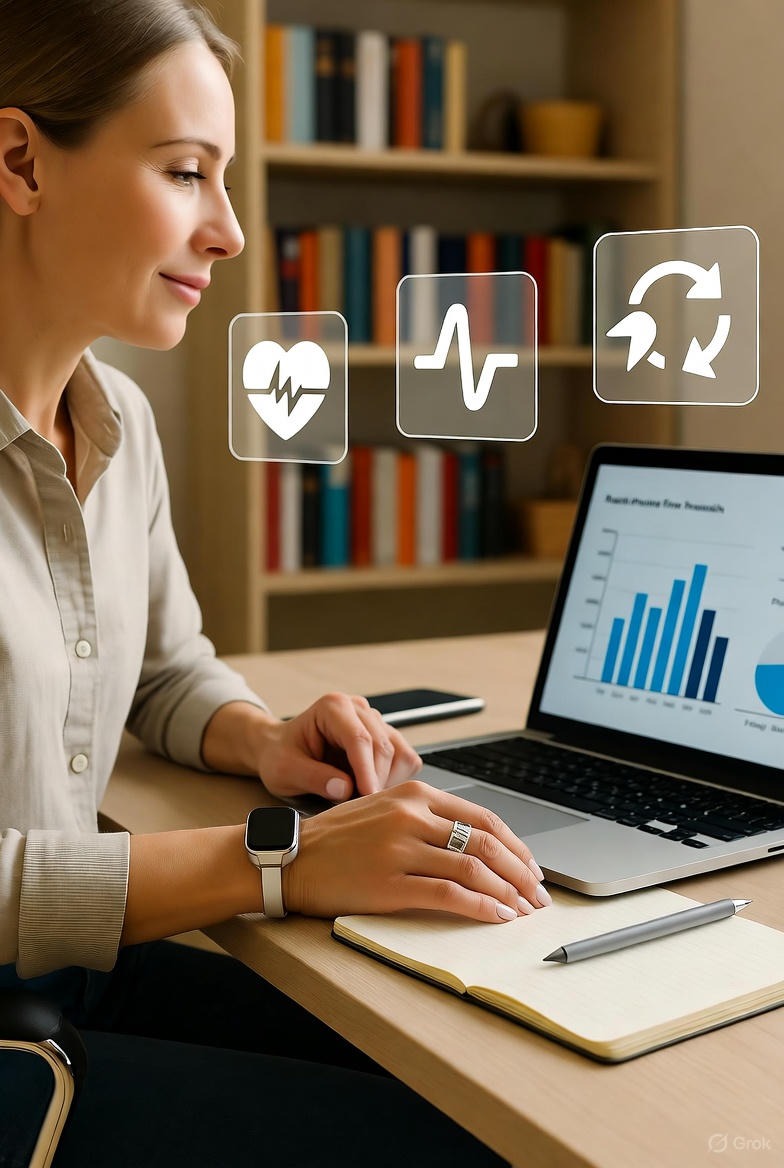
The tsunami of multimodal data is meaningless without sophisticated intelligence to interpret it. The next leap in health technology is not in the hardware, but in the software—specifically, in artificial intelligence and machine learning models that move from descriptive analytics (“you slept poorly”) to diagnostic (“your sleep was fragmented due to late-night blue light exposure and elevated resting heart rate”) and finally to truly predictive and prescriptive insights.
Hyper-Personalized Baselines: Current wearables compare your data to population averages. The AI of 2025-2030 will abandon averages to build a dynamic, living model of you. It will learn your unique circadian typology, your personal HRV response to different types of exercise, your typical temperature fluctuation across your menstrual cycle, and how your metrics deviate when you’re fighting a cold. This “digital twin” will serve as the ultimate reference point. The question will no longer be “Is my sleep score good?” but “How does my sleep score tonight compare to my personal best, and what specific factors drove the difference?”
Pattern Recognition and Early Warning Systems: Machine learning models excel at finding subtle, complex patterns invisible to the human eye. By analyzing longitudinal data, AI will identify prodromal signatures—the early warning patterns that precede a health event. Research is already showing that changes in resting heart rate, HRV, and sleep continuity can signal the onset of illnesses like Lyme disease, the flu, or even metabolic syndrome years before clinical diagnosis. Your device may one day alert you: “We’ve detected a seven-day trend in your cardiopulmonary coupling during sleep that correlates with a 65% higher probability of developing an upper respiratory infection. Suggested action: Increase sleep time by 45 minutes, maintain hydration, and consider a vitamin D supplement.” This shifts healthcare from sick-care to true prevention.
Contextual Behavior Nudging: This is where AI becomes a coach. Using reinforcement learning, the system will test interventions and learn what works for you. It won’t just generically say “reduce stress.” It will learn that a 10-minute audio-guided breathing exercise at 3 PM reliably lowers your EDA for the rest of the workday, while an evening walk is more effective for your partner. It will synthesize data to prescribe hyper-personalized routines. If it sees your sleep latency is long and your deep sleep is low, it might not just suggest a wind-down routine. It might curate one specifically for you: “Based on your response patterns, try this 15-minute sequence of legs-up-the-wall pose followed by the ‘4-7-8’ breathing exercise tonight 30 minutes before bed.” This moves us from data to wisdom, a core tenet of the restful living philosophy.
Predictive Energy and Performance Scheduling: Beyond illness, AI will optimize daily life. By modeling your circadian rhythm, recovery status, and historical performance data, your health AI could integrate with your calendar to suggest the optimal time for creative work, deep-focus tasks, important meetings, and physical training. It could advise: “Reschedule your high-intensity interval training from tomorrow morning to the afternoon. Your recovery metrics indicate a higher injury risk, and your cognitive focus window is predicted to be between 10 AM and 12 PM—ideal for finalizing that presentation.”
The promise here is a health partner that knows you better than you know yourself, not through surveillance, but through benevolent, focused attention on your biological signals, all with the goal of extending your healthspan and optimizing your lived experience.
The dream of non-invasive, continuous blood monitoring has been the “holy grail” of digital health for years. Between 2025 and 2030, this dream will begin materializing in consumer devices, starting with key biomarkers and fundamentally blurring the line between consumer wellness and clinical diagnostics. This revolution will be powered by advanced optical sensing, spectroscopic techniques, and novel biosensors.
Optical Spectroscopy and PPG Evolution: The humble PPG sensor that reads your pulse is being supercharged. Researchers are developing multi-wavelength PPG systems and Raman spectroscopy techniques that can, in theory, identify molecular signatures in the interstitial fluid just beneath the skin. The first targets will be metabolites that have strong optical signatures. Continuous glucose monitoring (CGM) via a non-invasive optical sensor is the most anticipated frontier. Several companies are in late-stage trials with devices that use specific light wavelengths to measure glucose concentration through the skin. Success here would not only be transformative for diabetics but would unlock metabolic insights for millions—revealing personal glycemic responses to different foods, the impact of stress on blood sugar, and the dynamics of energy utilization.
Lactate and Hydration Electrolytes: For athletes and fitness enthusiasts, continuous lactate monitoring is the next prize. This would provide a real-time view of muscular exertion and metabolic threshold, allowing for perfectly personalized training zones. Similarly, monitoring key electrolytes like sodium and potassium through miniaturized ion-selective electrodes in a wearable patch or ring could prevent hyponatremia in endurance athletes and provide precise hydration guidance far beyond simple “drink more water” reminders.
Hormone Trend Tracking: While absolute hormone levels will likely still require lab tests, wearables will begin to track relative trends in hormone-related biomarkers. Cortisol, the primary stress hormone, can be inferred through a combination of HRV, EDA, and sleep data, but direct measurement of its circadian pattern would be revolutionary for managing conditions like burnout and adrenal fatigue. Trends in biomarkers linked to estrogen and progesterone could refine fertility and menstrual cycle tracking to medical-grade accuracy.
The Patch and the Ring as Diagnostic Platforms: To achieve this, form factors will evolve. We’ll see the rise of “smart patches”—disposable, skin-adhesive devices that use microneedles to painlessly access interstitial fluid for direct electrochemical sensing of biomarkers, transmitting data wirelessly to a phone or ring. The smart ring, meanwhile, will evolve into a “reader” device, using advanced optics to gather data from the finger’s rich capillary bed or even from tiny disposable strips on a fingernail.
The societal impact is profound. This technology promises to democratize access to vital health data, moving diagnostics from the clinic to daily life. It enables a shift from episodic blood draws—a single point in time—to a dynamic, flowing movie of your biochemistry. You’ll see how your glucose responds to that afternoon snack, how your electrolyte balance shifts during a long flight, or how your inflammatory markers rise after a poor night’s sleep. This continuous feedback loop is the ultimate tool for personalized nutrition, precision fitness, and proactive health management. It turns abstract health principles into tangible, immediate cause-and-effect relationships you can see and act upon.
In the coming health-tech paradigm, sleep will cease to be viewed as a passive, unproductive state. It will be recognized as the single most critical, active, and modifiable pillar of human health—a nightly therapy session for the brain and body. The technology of 2025-2030 will not just track sleep; it will actively engineer and optimize it. We are moving from sleep measurement to sleep manipulation and enhancement.
Advanced Sleep Staging and Micro-Structure Analysis: Future devices will move beyond the basic four stages (awake, light, deep, REM) to analyze the micro-architecture of sleep. This includes tracking sleep spindles (bursts of brain activity linked to memory consolidation), K-complexes (linked to sensory disconnection), and cardiopulmonary coupling (the interaction between heart rate and breathing linked to sleep stability). By assessing the quality of each stage, not just its duration, we get a true measure of sleep’s restorative power. You’ll have insights like: “Your deep sleep was 20% more efficient last night, correlating with the 30-minute increase in your total body recovery score.”
Sleep Environment Automation and Integration: The wearable will become the command center for your sleep sanctuary. Through partnerships with smart home ecosystems, your ring or bed sensor will automatically trigger a cascade of environmental optimizations: gradually dimming lights to a specific amber hue, lowering the thermostat to your ideal sleeping temperature (likely between 65-68°F), activating white noise or pink noise tailored to mask your specific ambient disturbances, and even signaling your smart mattress to adjust firmness or cooling based on your real-time sleep stage or temperature.
Closed-Loop Sleep Augmentation: This is the cutting edge. Imagine a system that detects you’re stuck in light sleep and struggling to enter deep sleep. It could deploy a gentle, subliminal auditory stimulation—a specific “pink noise” pulse timed to your slow brain waves—to entrain your brain into a deeper state. Studies have already shown this can increase deep sleep duration. Conversely, if it detects an abnormally long REM period linked to intense dreaming and elevated heart rate, it might introduce a subtle, calming scent like lavender via a bedside diffuser to gently modulate the sleep stage. This is not science fiction; early-stage consumer devices using acoustic stimulation are already on the market.
Personalized Sleep Chronotype Adherence: The generic “8 hours of sleep” advice will die. Your AI health coach will pinpoint your genetic and behavioral chronotype with precision and hold you accountable to it. It will analyze your melatonin-onset timing via body temperature and activity data to give you a personalized “sleep window.” It will then guide your daily light exposure—perhaps syncing with smart glasses or room lights to deliver bright blue light in the morning to lock in your rhythm and filter it out in the evening—creating the ideal external conditions for your internal clock. This is the essence of designing a lifestyle for restful living.
Sleep-Disease Pre-Screening: By analyzing breathing patterns, heart rate oscillations, and blood oxygen saturation with high fidelity, wearables will become powerful screening tools for sleep disorders. They will look for signatures of sleep apnea (pauses in breathing), periodic limb movement disorder, and even the early neurological patterns associated with conditions like Parkinson’s disease. This enables earlier intervention and specialist referral, using data collected in the most natural environment possible: your own bed.
In this future, sleep is no longer a mystery or a luxury. It is a core wellness practice, as targeted and optimizable as nutrition or exercise. You will have a “sleep performance” report that guides your next day’s decisions, and a longitudinal view of your sleep journey over months that reveals the profound impact of lifestyle changes. Sleep becomes the foundation upon which all other health is built.
The ultimate goal of technology is to disappear, to become so seamlessly integrated into our lives and bodies that we no longer perceive it as separate. The period up to 2030 will see a decisive shift away from “wearables” and toward “invisibles”—sensors that are ambient in our environment or minimally implanted within us, creating a continuous health monitoring field without any conscious action required.
Ambient Room Sensors: Your living space will become a diagnostic tool. Advanced radar sensors (like ultrawideband radar) embedded in walls, ceilings, or bedside devices will monitor vital signs without any wearables. They can measure heart rate, respiration rate, and even sleep stages by detecting the micromovements of your chest and body with clinical accuracy. In a bathroom, a smart mirror with embedded hyperspectral imaging could assess heart rate variability, skin perfusion, and subtle signs of stress or fatigue during your morning routine. A toilet sensor could perform daily urinalysis, tracking hydration, pH, and key metabolites. These ambient systems provide “ground truth” data that can calibrate and validate personal wearables, creating a redundant, multi-point health sensing network in your home.
Smart Fabrics and Electronic Tattoos: The next generation of clothing will be functional. Smart textiles with woven conductive fibers will monitor EKG, muscle activity (EMG), and respiration. A sports bra could provide a perfect 12-lead EKG during exercise; socks could analyze gait and balance for fall prevention in the elderly. Even more discreet are electronic tattoos—ultra-thin, flexible patches that adhere to the skin like a temporary tattoo. These can house sophisticated sensors for EKG, EMG, temperature, and hydration, lasting for days or weeks before needing replacement. They are the logical endpoint of the minimization trend: zero-bulk, zero-charge (often using energy harvesting), and invisible.
Minimally Invasive and Implantable Microsensors: For the most continuous and accurate internal data, miniature implanted sensors will become a safe, routine option. These are not the bulky medical devices of old. Think of a grain-of-rice-sized sensor injected just under the skin, monitoring core body temperature, interstitial glucose, lactate, or specific ions. It communicates wirelessly with your phone or ring. The procedure is akin to getting a piercing, with the sensor lasting 6-12 months before being bio-resorbed or replaced. This provides a direct chemical window into the body’s processes, free from the noise and lag of external optical sensors.
The Connected Bathroom as a Health Hub: The most private room in the house will become a powerhouse of passive health screening. Beyond the smart toilet, a showerhead could analyze water runoff with micro-sensors to assess skin pH and the presence of certain biomarkers in sweat. A bathroom scale will evolve into a full-body composition and vitals terminal, measuring not just weight and body fat, but EKG, pulse wave velocity (a marker of arterial stiffness), and regional body composition as you stand on it for 20 seconds each morning.
The ethical and privacy implications of this ambient sensing are vast and must be addressed with robust, transparent frameworks. But the benefit is a health model free from user burden. You don’t need to remember to wear a device; your health is simply being monitored as you live. It enables care for vulnerable populations—like the elderly living alone, where ambient sensors can detect a fall, a change in nocturnal bathroom visits, or a decline in movement that signals illness—all without cameras, preserving dignity. This invisible layer of sensing will form the ubiquitous substrate for the AI health coach, feeding it a constant, real-time stream of life data.
The ultimate frontier in health is a model tailored not just to your behavior, but to your unique biology. The convergence of three powerful data streams—genomics, the gut microbiome, and continuous lifestyle/biometric data—will create a hyper-personalized health blueprint unlike anything before. Between 2025 and 2030, the integration of these layers will move from research labs to consumer applications.
Wearable-Enhanced Genomic Insights: Direct-to-consumer genetic testing gave us static probabilities: “You have a 15% higher risk of Type 2 Diabetes.” This is often paralyzingly vague. Future platforms will activate your genetic data by connecting it with your dynamic physiological data. For example, if you have a genetic variant associated with slower caffeine metabolism, your AI health coach won’t just tell you that fact. It will analyze your sleep data, HRV, and resting heart rate to pinpoint your personal caffeine cut-off time. It will run an experiment: “For the next two weeks, let’s move your last coffee to 1 PM and observe the change in your sleep quality.” This turns a static risk into a dynamic, modifiable behavior.
The Gut-Brain-Axis Feedback Loop: The gut microbiome, our “second genome,” is exquisitely sensitive to diet, sleep, and stress. Soon, simple at-home gut microbiome test kits (via stool samples) will become quarterly or biannual check-ins. The results—profiles of your bacterial populations—will be integrated with your wearable data. The AI will look for correlations: “When your Faecalibacterium prausnitzii (an anti-inflammatory bacterium) levels are high, your resting heart rate is consistently 3 BPM lower and your HRV is elevated.” Or conversely: “Periods of high work stress, indicated by elevated nighttime cortisol markers and low HRV, consistently correlate with a decline in microbiome diversity.” This creates a powerful feedback loop. You’re not just eating for weight or energy; you’re eating to cultivate an internal ecosystem that supports mental and physical resilience—a core concept in the science behind restful living.
Nutrigenomics in Action: The merger of genetic data (nutrigenomics) and continuous biomarker monitoring will make personalized nutrition a reality. Your device will know your genetic predispositions for metabolizing fats, carbs, and specific vitamins. Combined with real-time data from a non-invasive glucose or ketone sensor, it can provide meal-specific guidance. After you eat, it might say: “That meal spiked your glucose higher than expected based on your insulin sensitivity genotype. Consider a 10-minute post-meal walk now, and for a similar meal next time, add a side of leafy greens.” This is dietary advice based on your genes and your body’s real-time response.
Pharmacogenomics and Wearable Validation: How you respond to medications, supplements, and even caffeine is heavily influenced by genetics. Future health platforms could integrate your pharmacogenomic data to provide guidance. More powerfully, your wearable becomes the validation tool. If you’re prescribed a new medication, your AI can monitor for expected physiological responses or subtle side effects (changes in sleep, HRV, temperature), providing objective data to share with your doctor for dosage optimization.
Predictive Healthspan Mapping: By combining all these layers—your genetic risks, your microbiome resilience, and your real-time adherence to healthy behaviors—sophisticated models will generate a personalized “healthspan trajectory.” It won’t be a frightening prediction, but a motivational map showing how different lifestyle paths (improving sleep consistency, managing stress, altering diet) can actively modify your trajectory, adding years of healthy life. It makes the abstract concept of “long-term health” tangible and manageable, breaking it down into daily choices informed by your unique biology. This is hyper-personalization at its most powerful: a health strategy built for one—you.
As health technology becomes more intimate, pervasive, and insightful, it generates a dataset of unimaginable sensitivity and value. Your continuous biomarker stream, genetic profile, sleep architecture, and stress patterns form a digital portrait of your biological self. Who owns this portrait? How is it protected? And what is it worth? Navigating the trinity of privacy, security, and economic models will be the defining challenge—and opportunity—of the 2025-2030 era.
The End of the Data Silo: Interoperability and User Sovereignty: The current landscape is a fractured mess of proprietary apps and closed ecosystems. The future demands—and regulations will likely mandate—interoperability. Frameworks like Apple’s HealthKit and Google Health Connect are early steps, but the goal is true user-centric data ownership. Imagine a personal “health data locker,” perhaps built on blockchain or other secure distributed ledger technology, where you—and only you—grant permission for your Oxyzen sleep data, your continuous glucose stream, your latest microbiome report, and your genomic summary to be synthesized by a third-party AI analyst app, or securely shared with your physician. You become the custodian of your complete health record.
Differential Privacy and On-Device AI: The gold standard for privacy will shift from “cloud storage with encryption” to “never leave the device.” Advanced edge computing will allow the most sophisticated AI models to run directly on your ring, phone, or home hub. Raw biometric data is processed locally into high-level insights (“stress elevated,” “sleep efficiency 92%”), and only these anonymized, aggregated insights are synced to the cloud for longitudinal tracking. This minimizes the risk of mass data breaches. Furthermore, techniques like differential privacy will allow companies to train their population-level AI models on crowdsourced data without ever being able to reverse-engineer the information of a single individual.
The New Health Insurance Paradigm: The economic model is ripe for disruption. Today, health insurers have little data on your actual health behaviors, relying on proxies like age and medical history. In the future, we may see the rise of “interactive insurance.” In exchange for voluntarily sharing de-identified or aggregated health data from your wearables (proving you sleep well, exercise, and manage stress), you could receive significant premium discounts, cash-back rewards, or tailored wellness benefits. This “pay-for-prevention” model aligns incentives, rewarding healthy behavior. However, it must be carefully regulated to avoid punishing those who cannot achieve certain metrics due to chronic conditions or socio-economic factors.
Monetization of Anonymized Population Data (for Good): Large, anonymized, and ethically sourced datasets from millions of consenting users will become one of the most valuable resources in medical research. Pharmaceutical companies could run virtual trials, observing how real-world lifestyle factors interact with diseases. Epidemiologists could track the spread of illnesses in real-time via changes in resting heart rate and sleep data. Researchers could discover new biomarkers for mental health conditions by analyzing patterns in HRV and EDA. Users might be given the choice to “donate” their anonymized data streams to science, accelerating discoveries for the common good.
The Rise of the Health Data Broker (and Its Pitfalls): A less optimistic possibility is the emergence of a shadow economy where health data is bought and sold without transparent user consent. The value of knowing someone is pre-diabetic, struggling with sleep, or highly stressed is immense to advertisers of food, supplements, mattresses, and vacation packages. Robust digital privacy laws (extensions of GDPR and CCPA) that specifically classify biometric and health data as uniquely sensitive will be critical to prevent exploitation and manipulation.
Ultimately, the companies that succeed will be those that build unwavering trust. Transparency about data use, giving users clear control, employing state-of-the-art security, and demonstrating tangible value in return for data sharing will be non-negotiable. The health tech of the future must be a fortress for your most personal information, and a key to unlocking a healthier, longer life.

For all its consumer appeal, the true validation and societal impact of advanced health tracking will come from its integration into the formal healthcare system. The gap between the “quantified self” enthusiast and the busy primary care physician has been vast. Between 2025 and 2030, this gap will close, as wearable and ambient data becomes a standardized, trusted component of clinical decision-making, transforming the patient-doctor relationship.
From Patient-Histories to Data-Histories: The traditional medical interview (“How have you been sleeping?” “Any chest pain?”) is subjective and reliant on imperfect memory. The future clinic visit will be preceded by a data download. You will grant your physician temporary access to a relevant snapshot of your wearable data—perhaps the last 30 days of sleep architecture, heart rate trends, and activity levels. Instead of saying “I’ve been tired,” you can show a graph of declining deep sleep and elevated nighttime heart rate. This objective data allows the physician to ask better questions: “I see your sleep became fragmented three weeks ago. Did anything change in your life or medication then?”
Remote Patient Monitoring (RPM) as Standard of Care: For chronic disease management (hypertension, heart failure, diabetes, COPD), continuous remote monitoring will become the norm. A patient post-cardiac event will go home with a connected blood pressure cuff, a smart ring tracking HRV and arrhythmias, and a scale monitoring for sudden weight gain (a sign of fluid retention). Algorithms will flag concerning trends, alerting a nurse care coordinator before a crisis occurs, enabling early intervention. This improves outcomes and reduces costly hospital readmissions. It also empowers patients, giving them a direct view of how daily choices affect their condition.
The “Digital Pill” and Medication Adherence: Sensors embedded in medication (Ingestible Event Markers) will confirm that a patient has taken their pill, sending a signal to a wearable patch. This data, integrated with physiological metrics, can show the drug’s effect. For a hypertension medication, the doctor can see not just that it was taken, but how it correlated with 24-hour blood pressure trends derived from the wearable’s pulse wave analysis.
Pre-Surgical Optimization and Post-Surgical Recovery Tracking: Before elective surgery, patients might be given a wearable and a prescribed “pre-hab” protocol to improve their physiological resilience (sleep, nutrition, stress management). Their data will establish a strong pre-operative baseline. After surgery, continuous monitoring at home will track recovery, detecting signs of infection (via temperature and heart rate) or poor healing earlier than a follow-up appointment could. Physical therapy can be guided by motion data from the wearable, ensuring exercises are done correctly and tracking range-of-motion improvement.
Bridging the Specialist Gap: Access to specialists like sleep neurologists or cardiologists can take months. Wearable data can act as a powerful triage tool. A primary care doctor, reviewing months of sleep data showing hundreds of oxygen desaturations and breathing pauses, can fast-track a sleep study for apnea with high confidence. A cardiologist can review weeks of heart rhythm data captured by a patient’s smart ring after they report palpitations, potentially diagnosing intermittent arrhythmias that a 24-hour Holter monitor might miss.
The New Role of the Physician: Data Interpreter and Coach: This integration will change the doctor’s role. They will spend less time gathering basic information and more time interpreting complex data streams within the context of the whole person. They become health data scientists and behavioral coaches, working with patients to understand the story the data tells and co-creating actionable plans. This fosters a collaborative, continuous-care model, moving away from the brief, episodic encounters of today. It also places a new onus on clinicians to be literate in these new data sources, a skill that will become part of medical education.
The successful integration hinges on standardization (so data from any brand of device is readable in any electronic health record) and clinical validation (proving that consumer-grade data is accurate enough for medical decisions). The path is clear: the hospital and the home are about to become connected nodes in a continuous, data-informed health network.
Historically, wearables have been tools of the physical self—counting steps, measuring heartbeats, tracking sleep. The most profound evolution in the coming years will be their expansion into the realm of the mind. Mental and emotional wellbeing, long considered subjective and intangible, will become quantifiable, trackable, and optimizable through the lens of physiological proxies and behavioral analysis. Technology will become a partner in building not just a healthier body, but a more resilient mind.
From Stress Detection to Stress Typing and Management: As covered in multimodal sensing, future devices won’t just say “you’re stressed.” They will build a stress profile. Was it an acute emotional spike (an argument) marked by a sudden HRV drop and EDA spike? Or was it cognitive fatigue (a long period of focused work) showing as a gradual rise in prefrontal cortex temperature (measured via a headband or glasses) and a decline in heart rate complexity? Each type has a different recovery strategy. The AI coach will prescribe accordingly: “For that acute emotional stress, a 5-minute box-breathing exercise is most effective for you. For cognitive fatigue, a 15-minute walk in nature without your phone is your best reset.” This moves us towards the practice of balancing productivity with restful living.
Objective Markers for Mood and Anxiety Trends: While no wearable can diagnose depression or anxiety, it can track the physiological correlates that often accompany them. Longitudinal trends in resting heart rate, sleep architecture (particularly REM sleep disruption), HRV, and even vocal tone analysis (from smartphone microphone data, with consent) can create an “objective mood footprint.” A user may see a report: “Over the last month, your weekly average resting heart rate has increased by 4 BPM, your deep sleep has decreased by 12%, and your speech pace in phone calls has slowed. These are common physiological patterns associated with low mood. Consider reviewing your recent activities and social connections.” This provides an early, non-stigmatized warning to engage in self-care or seek professional help.
Neurofeedback and Cognitive State Training: Devices will move beyond monitoring to active modulation. Consumer-grade EEG headbands are already available for meditation feedback. Future iterations, perhaps in more discreet form factors like hats or glasses, will provide real-time feedback on brainwave states (alpha for calm, beta for focus, theta for creativity). You could train your brain to enter a focused state on command or use a guided audio session to drive your brain into deep alpha/theta relaxation, a state crucial for reducing chronic stress and burnout.
Digital Phenotyping for Behavioral Health: By analyzing patterns in device usage, location, movement, and communication (with explicit user permission), algorithms can create a “digital phenotype” indicative of mental state. Significant deviations—like not leaving the house, drastic changes in phone usage patterns, or social isolation inferred from a lack of communication—can be gentle prompts for check-ins from the AI or alerts to trusted contacts if the user has opted into such a safety net.
Integration with Therapeutic Practices: Data from wearables will feed directly into therapy and coaching. A therapist treating anxiety could review a patient’s EDA and HRV data around reported panic attacks to identify precise physiological triggers. A coach teaching mindfulness could see how a client’s physiological metrics change during different meditation techniques, tailoring the practice for maximum impact. The wearable becomes a bridge between the therapy session and daily life, providing concrete evidence of progress or challenge areas.
The Quantification of Recovery and Joy: It’s not just about negative states. Technology will learn to recognize the signatures of positive wellbeing and recovery. It will identify the physiological state of “flow” during an activity, the deep relaxation of true leisure, and the positive social engagement signaled by coherent heart rate patterns during a good conversation. It will then encourage you to schedule more of these activities, shifting the focus from fixing problems to cultivating positive states—a cornerstone of the restful living mindset.
The narrative of advanced health technology has, until now, been a story of the affluent West. The latest smart rings, continuous glucose monitors, and AI coaches carry premium price tags, creating a "health tech divide." However, the period from 2025 to 2030 will see a powerful counter-current: the democratization of these technologies. Driven by cost-reduction, simplified form factors, and strategic public-health partnerships, cutting-edge health sensing will expand its reach, potentially impacting global health outcomes on an unprecedented scale.
The Frugal Innovation Wave: The core sensors at the heart of this revolution—optical PPG, MEMS accelerometers, temperature sensors—are following the same cost curve as all semiconductors. They are becoming exponentially cheaper and smaller. This enables the creation of ultra-low-cost, single-purpose devices for mass distribution. Imagine a $5 disposable finger-worn patch that measures SpO2 and pulse for two weeks to screen for sleep apnea or monitor pneumonia recovery in a rural clinic. Or a $10 ring that does nothing but accurately track night-time resting heart rate and sleep/wake patterns for pregnant women in low-resource settings to flag potential complications. These are not full-featured smart rings, but they solve critical, specific problems with clinical-grade accuracy where it's needed most.
The Smartphone as a Universal Health Hub: In regions where a dedicated wearable is unaffordable, the smartphone itself will become a more powerful health tool. Through partnerships with telecom providers, health apps could leverage the phone's existing sensors (camera for pulse, microphone for cough analysis, GPS for activity) combined with ultra-low-cost Bluetooth peripherals (a $1 pulse oximeter clip, a $3 thermometer probe) to create a distributed diagnostic network. AI models, running locally on the phone to preserve privacy and work offline, could analyze this data to provide basic triage and health guidance, filling gaps where medical professionals are scarce.
Public Health and Pandemic Preparedness: The COVID-19 pandemic was a stark lesson in the need for population-level physiological monitoring. Future networks of wearable data, anonymized and aggregated, will serve as an early-warning system for emerging health threats. A regional spike in average resting heart rate and decreased sleep duration across thousands of devices could signal a flu outbreak weeks before hospital admissions rise. Ministries of health could partner with technology providers to distribute subsidized devices to high-risk populations, creating a real-time public health dashboard. This moves epidemiology from reactive to proactive.
Maternal and Infant Health: Some of the most profound impacts will be in reducing maternal and infant mortality. Simple, wearable devices for expecting mothers can monitor for signs of pre-eclampsia (via blood pressure and proteinuria sensors integrated into a patch) or fetal distress. Postpartum, devices can track the mother’s recovery and, through non-contact sensing (like the radar technology mentioned earlier), monitor an infant’s respiration and sleep in a crib, alerting to potential risks of SIDS (Sudden Infant Death Syndrome) in vulnerable households. This technology can provide peace of mind and critical alerts in communities far from a hospital.
Fighting Non-Communicable Diseases (NCDs) Globally: The global rise of hypertension, type 2 diabetes, and cardiovascular disease is crippling healthcare systems in developing nations. Affordable, continuous monitoring is a powerful weapon. A patient with hypertension can have their medication efficacy tracked remotely via a simple cuff or pulse-wave velocity ring, reducing the need for frequent clinic visits. Community health workers armed with tablet-based apps and connected devices can manage larger caseloads more effectively. The continuous feedback loop also empowers individuals, making the connection between lifestyle and biomarkers like blood sugar tangible, driving preventive behavior change at a cultural level.
The Challenge of Equity and Design: True democratization requires intentional design. Devices must be robust, have long battery life, work in low-connectivity environments, and have interfaces that are language-agnostic and culturally appropriate. They cannot assume constant internet access or high literacy levels. Companies and NGOs that succeed here will design for the "next billion users," creating products that are not stripped-down versions of Western gadgets, but purpose-built tools for specific global health challenges.
The Data for Good Imperative: The health data generated in these new markets will be immensely valuable for understanding diseases in diverse genetic and environmental contexts. Ethical frameworks must ensure that this data, if used for research or commercial product development, benefits the communities that generate it. Models could include revenue sharing for public health initiatives or guaranteed low-cost access to any resulting therapies or diagnostics.
The ultimate promise is a world where your chance to understand and manage your health is not determined by your zip code or income. By 2030, the core benefits of continuous, intelligent health tracking—early detection, personalized guidance, and a shift to prevention—could become accessible to a significant portion of the global population, marking one of the most meaningful societal impacts of the technology revolution.
With great data comes great responsibility. As health technology grants us an unprecedented, real-time window into our inner workings, it also presents profound psychological and ethical challenges. The journey to 2030 must be navigated with careful consideration of the human factors, ensuring that these tools empower rather than enslave, illuminate rather than obsess, and include rather than discriminate.
The Quantification Paradox and Health Anxiety: The very act of measuring can pathologize the normal. A user seeing a single night of poor deep sleep score might cancel social plans, fueling anxiety that then guarantees another night of poor sleep—a negative feedback loop. This "orthosomnia" – the pursuit of perfect sleep through data – is an early example of a wider risk. Future devices, with their predictive illness alerts, risk creating a generation of the "worried well," constantly scanning for prodromal signals and experiencing heightened anxiety over normal physiological fluctuations. The design solution is crucial: interfaces must educate on natural variability, present data in ranges and trends rather than absolutes, and emphasize actionable insight over alarming alerts. The AI coach's tone must be that of a calm, reassuring partner, not a critical judge. It should encourage periods of restful living without tracking, where the device goes into a minimal background mode to provide a psychological break.
The Over-Medicalization of Daily Life: When every heartbeat and breath is analyzed, life can start to feel like a continuous medical exam. There's a danger of losing the intuitive, felt sense of our bodies in favor of the digital readout. The joy of a spontaneous run could be dampened by fixating on sub-optimal HRV recovery afterward. Technology must be designed to recede into the background, providing insights at moments of reflection (a weekly digest) rather than constant real-time commentary. It should enhance bodily awareness, not replace it. Features like "recovery nudges" should be opt-in and sensitive, perhaps asking, "You've had a demanding week. Would you like some suggestions for a restful evening ritual?" rather than commanding, "Your stress load is high. You must rest now."
Algorithmic Bias and the Risk of Health Disparities: AI models are trained on data, and if that data is not representative, the outputs will be biased. Most health studies and early wearable user bases have historically been skewed toward white, male, affluent populations. An AI trained on this data might misinterpret physiological signals from women, especially across menstrual cycles, or from people of different ethnic backgrounds whose skin pigmentation can affect optical sensor accuracy. An algorithm for predicting cardiovascular risk might be less accurate for a South Asian user if it wasn't trained on sufficient data from that population. This could lead to missed warnings or inappropriate recommendations, exacerbating existing health disparities. The industry must prioritize diverse training datasets and transparent algorithmic audits. Regulatory bodies may require evidence of algorithmic fairness across demographics before devices can be certified for clinical use.
The Autonomy vs. Paternalism Dilemma: How directive should an AI health coach be? When does a suggestion become a command? If an algorithm, based on your data, strongly believes you are on the cusp of burnout, should it notify your employer (with your consent)? Should it be able to override your smart fridge to limit caffeine purchases? The line between helpful guidance and coercive control is thin. Ethical design must center user autonomy. Recommendations should be framed as choices, with clear explanations of the "why." Users must have ultimate control over what data is shared and with whom, and they should be able to easily disagree with or dismiss AI suggestions without penalty.
The Digital Determinants of Health: Access to this technology itself may become a social determinant of health. If insurance premiums are tied to wearable data, those who cannot afford the device or choose not to participate (due to privacy concerns or discomfort) may face financial penalties. Employers offering "corporate wellness" programs based on wearables could create a two-tiered system of benefits, pressuring employees to surrender personal data. We must guard against a future where optimal healthcare is contingent on opting into continuous surveillance.
The Need for Digital Health Literacy: As with any powerful tool, users need education. Future health curricula, for both the public and medical professionals, must include digital health literacy: understanding what sensors can and cannot measure, interpreting trends versus single data points, and maintaining a critical perspective on algorithmic recommendations. People should be empowered to use these tools as guides, not oracles.
Navigating this ethical landscape is not an obstacle to progress; it is the necessary work to ensure progress is beneficial for all. The companies, regulators, and users who engage thoughtfully with these questions will shape a future where hyper-awareness leads not to anxiety, but to greater agency, compassion, and equitable health for every individual.
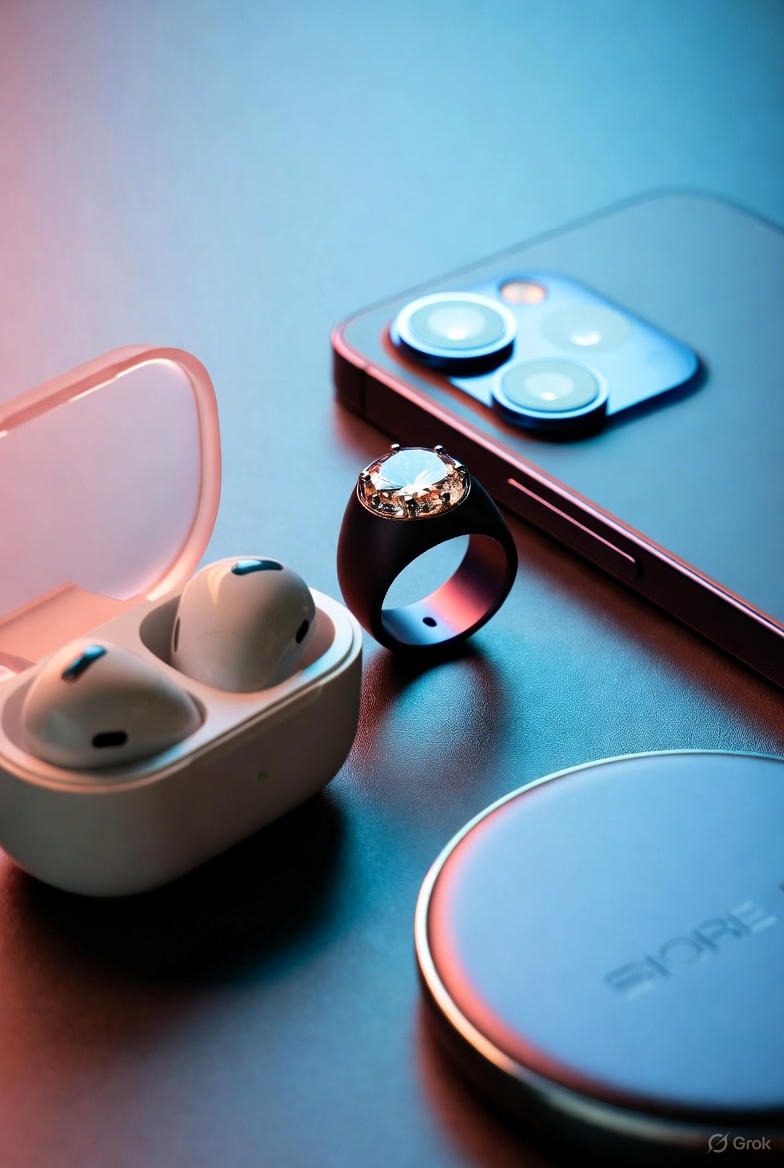
By 2030, the concept of a single health-tracking device will feel as archaic as a standalone MP3 player. The true power of personal health data will be unlocked not by any one gadget, but by its seamless, intelligent flow across a constellation of interconnected devices, platforms, and services. This integrated ecosystem will create a holistic, context-aware health model that understands your life in four dimensions.
The Symphony of Sensors: Your health data will be gathered from a symphony of sources that automatically hand off to one another. Your smart ring captures your sleep and all-day physiological baseline. Your smart mattress pad fine-tunes sleep stage and respiratory analysis. As you get out of bed, your bathroom mirror assesses your facial vascular tone and offers a morning HRV reading. Your smart kitchen scale measures body composition while your connected coffee cup (with biosensors) analyzes cortisol levels in your saliva. Your car’s seatbelt sensor monitors your posture and stress-linked breathing patterns during your commute. Each device plays a part, filling in gaps to create a continuous data narrative without a single point of failure. Your primary wearable—likely a ring or discreet patch—acts as the central authenticator and data hub for it all.
Cross-Platform Intelligence and the Unified Health API: Today, data is trapped in brand-specific silos. Tomorrow, open, standardized Application Programming Interfaces (APIs) will allow your data to flow securely between platforms of your choosing. Your Oura ring data could inform your Headspace meditation app, which then tailors a session based on your previous night’s sleep score and total body recovery metrics. Your Whoop strap’s strain data could automatically adjust your daily macros in MyFitnessPal. Your Apple Health or Google Health Connect profile will evolve from a passive repository into an active “conductor,” using rules you set to orchestrate how data is synthesized and used across your life. This interoperability is the bedrock of true ecosystem integration.
Contextual Awareness from Your Digital Footprint: With explicit user permission, health AI will leverage non-health data to add crucial context. Integrated with your calendar, it will understand that the physiological stress signature on Tuesday at 2 PM was linked to a board presentation. Connected to your smart home system, it will know that the night you slept poorly coincided with your partner coming home late, triggering hallway lights. Linked to weather data, it can correlate changes in barometric pressure with your migraine patterns. This transforms data from a “what” into a “why.” The system won’t just say your HRV dropped; it will say, “Your HRV dropped significantly after your three-hour focus block today, more than usual. Consider scheduling shorter, more frequent deep work sessions.”
Automated Environment and Product Response: The ecosystem won’t just observe; it will act to optimize your environment. Your health AI, detecting rising stress biomarkers as you work, could signal your smart lights to gradually shift to a calming blue-free spectrum and trigger a diffuser to release a lavender scent. If your hydration biomarkers are low, your smart water bottle could light up as a reminder, or your refrigerator might highlight electrolyte-rich foods when you open it. After a workout where your lactate levels indicate deep muscular fatigue, your smart shower could automatically set to a contrast therapy protocol (alternating hot and cold water) to enhance recovery. This creates a living space that is inherently adaptive and therapeutic, a true manifestation of designing a restful living space for calm and restoration.
The Vehicle as a Mobile Health Sanctuary: The car of 2030 will be a premier health-tracking and intervention space. Steering wheels or seats with built-in EKG sensors will monitor for atrial fibrillation during long drives. In-cabin cameras (with privacy-focused, on-device processing) will monitor driver alertness, pupil dilation, and signs of micro-sleep, potentially saving lives. For passengers, the experience will be tailored to wellbeing: seat massage and climate control adjusting to reduce stress, audio systems playing binaural beats to encourage relaxation, and ambient lighting following circadian principles on road trips. The commute transforms from wasted time to a dedicated recovery or mental preparation session.
Challenges of Ecosystem Integration: This seamless future hinges on solving major challenges: Security (a network of devices is a larger attack surface), Privacy (data flowing everywhere requires robust, granular consent controls), and Standardization (competing tech giants must agree on protocols, or regulation must force it). Furthermore, there is a risk of “ecosystem lock-in,” where users feel compelled to buy all devices from one brand to gain functionality. The ideal future is an open, secure, and standardized ecosystem where the best devices from any brand can work together for the user’s benefit, with the individual remaining in sovereign control of their data flow.
In this integrated world, health management ceases to be a separate activity. It becomes a property of your environment, a continuous and ambient support system woven into the fabric of your home, your vehicle, your workplace, and your community. The device disappears, and the benefit remains.
The fitness industry has long worshipped output metrics: steps taken, calories burned, pounds lifted, miles run. The next era, from 2025 onward, will witness a monumental paradigm shift. The new premium metrics will be inputs, not outputs. The ultimate measure of a healthy system is not how hard it can work, but how well it can recover and how resilient it becomes under stress. Technology will pivot to quantify, prioritize, and optimize recovery and resilience as the true foundations of performance and longevity.
Recognition of the Recovery Spectrum: Recovery is not a binary state of “rested” or “tired.” It’s a multidimensional spectrum encompassing physical, mental, emotional, and social domains. Future health platforms will provide a composite “Recovery Index” built from:
Resilience as a Trainable Biomarker: Resilience—the speed and completeness with which your system returns to baseline after a stressor—will become a key quantified metric. Your AI will actively test and measure your resilience. It might note: “After a standardized 30-minute high-intensity workout, your HRV took 36 hours to return to baseline this week, compared to 28 hours last week. This suggests your resilience is lower, potentially due to accumulated sleep debt.” You can then train resilience like a muscle, using prescribed, graduated stressors (physical, cognitive, or thermal) followed by deliberate recovery protocols, tracking how your “bounce-back” time improves. This turns the abstract concept of “toughness” into a programmable adaptation.
The Rise of "Readiness" Scores and Prescriptive Rest: Generic “readiness” scores exist today, but they will evolve into powerful, prescriptive tools. Instead of a simple score of 85/100, you’ll get a breakdown: “Cardiovascular Readiness: High. Metabolic Readiness: Low (fasting glucose elevated). Neural Readiness: Medium (sleep spindle count below personal average).” More importantly, the system will prescribe the type of day you should have. It may advise: “Today is ideal for skill-based learning and social connection. Defer heavy strength training until tomorrow when metabolic markers are predicted to improve.” It champions the philosophy of less hustle, more health, forcing a recalibration of productivity to include recovery as a productive act.
Tracking the Neglected Recovery Activities: Technology will learn to recognize and credit the full range of recovery modalities. Using motion, location, and physiological data, it will identify when you’re engaged in true, non-stimulating leisure: reading a book, gardening, sharing a meal without screens, or practicing micro-recovery throughout the day. It will quantify the physiological shift that occurs during a 20-minute forest walk (a practice shown to support restful living) versus a 20-minute scroll through social media. By giving you “credit” for these activities in your recovery score, it validates their essential role in health, moving beyond the simplistic “more exercise is always better” model.
Chronic Stress Load and Allostatic Load Tracking: The most important recovery metric may be the long-term tracking of “allostatic load”—the cumulative wear and tear on the body from chronic stress. By integrating data on sleep disruption, cortisol patterns (direct or inferred), blood pressure variability, inflammatory markers, and visceral fat (via smart scales), algorithms will generate an allostatic load score. This score acts as a warning gauge for burnout, metabolic syndrome, and accelerated aging. Reducing this load becomes a primary health goal, guiding long-term lifestyle overhauls focused on reducing chronic stress and burnout at a systemic level.
Personalized Recovery Protocols: Just as workouts are personalized, so too will recovery. Your AI will learn what works for you. For one person, a 10-minute ice bath may dramatically improve HRV recovery; for another, it may be counterproductive, and a warm Epsom salt bath is better. The system will test and learn, building a personalized recovery playbook: “For neural fatigue, your top intervention is a 90-minute nap. For metabolic fatigue from overeating, your best response is light walking after meals.” This turns recovery from a guessing game into a precise science.
This shift redefines success. The fittest person in the room is no longer the one who trains the hardest, but the one whose system is most resilient, who recovers the most completely, and who maintains the lowest allostatic load over decades. Technology becomes the coach that teaches us not just how to push, but how to rest—deeply, effectively, and intelligently—for a lifetime of sustainable high performance and health.
Human beings are not isolated biological systems; we are social creatures whose health is profoundly influenced by our connections, communities, and shared behaviors. The most advanced health tracking will remain incomplete if it ignores this social layer. From 2025, we will see the emergence of “social wellness” platforms and features that leverage connectivity to motivate, support, and create positive peer pressure for healthy living, moving the focus from the individual to the collective.
Privacy-First Social Wellness Challenges: The next generation of wellness challenges will move beyond simple step counts. Imagine private, opt-in groups (family, close friends, a sports team) sharing aggregated and anonymized recovery metrics. The challenge isn’t “who works out the most,” but “which team can collectively improve their average sleep score by 10 points this month?” or “which family can maintain the highest group HRV baseline during the stressful holiday season?” This reframes health as a cooperative endeavor, where your good sleep and recovery contribute to your team’s success, leveraging our innate drive for social contribution. These platforms would only share high-level, non-sensitive data (a team score, progress bars) while keeping raw personal data private.
Community Biomarker Benchmarks (Anonymized): Users will be able to anonymously compare their trends against relevant, opt-in communities. A new mother could see how her sleep fragmentation compares to the anonymized average of other mothers with babies aged 3-6 months, providing much-needed normalization and context. A menopausal woman could see how her temperature variability stacks up against a cohort of her peers, helping to distinguish normal transitions from potential issues. This provides the powerful reassurance of “you’re not alone,” reducing anxiety that comes from comparing oneself to a generic, often younger and male, population average.
Shared Experience and Synchronized Biofeedback: Technology will enable shared physiological experiences. Couples could use paired devices and apps to practice synchronized breathing exercises, seeing their real-time heart rate coherence merge on a screen—a powerful tool for connection and conflict resolution. Friends could join a virtual “collective calm” meditation where the group’s average EDA or HRV is displayed as a collective meter, working together to lower it. This turns intangible social bonding into a tangible, physiological co-regulation event.
The “Wellness Reputation” and Positive Peer Accountability: In trusted circles, a form of positive accountability could emerge. With permission, your device could send a gentle, pre-written nudge to your accountability partner: “Alex’s data suggests a high-stress load this week. Send them a funny meme or suggest a walk?” This leverages social connection as a direct health intervention. In workplace wellness (designed with strict ethical guardrails), teams might have access to a dashboard showing whether the team is collectively “in the green” on recovery, encouraging managers to lighten loads or delay deadlines to protect team health—a radical shift towards humane productivity.
Crowdsourced Environmental Insights: Your wearable data, when aggregated with location, can map “health hotspots” and “stress zones” in a city. A community could discover that walking through a particular park reliably lowers average group RHR by 5 beats per minute, or that the noise pollution on a certain commute corridor correlates with a spike in cortisol markers. This data can be used for civic advocacy, pushing for greener spaces, noise barriers, or safer bike lanes, turning personal health data into a tool for urban wellness and community improvement.
The Danger of Social Pressure and Exclusion: This social layer must be handled with extreme care. It could easily create new forms of anxiety, social pressure to share data, or exclusion for those who opt out. Features must be fully opt-in, with multiple privacy tiers. There must be no shaming or punitive elements. The goal is supportive connection, not competitive comparison. The design must foster empathy—seeing a friend’s “low recovery” score should trigger an offer of support, not judgment.
The Long-Term Vision: Health as a Shared Value: Ultimately, this social layer aims to re-normalize health-conscious behaviors. When your close social circle values and visibly practices restful living habits that transform energy, it becomes your new normal. The technology becomes the conduit for creating micro-cultures of wellness, where taking a nap, setting boundaries, or prioritizing sleep is not seen as weak, but as smart and respected. It helps rebuild the social fabric of health that modern, individualistic life has often eroded.
By connecting our inner data to our outer world of relationships, health technology can transcend the individual and become a catalyst for healthier families, teams, and communities. It reminds us that our wellbeing is, and always has been, a collective project.
Your Trusted Sleep Advocate: Sleep Foundation — https://www.sleepfoundation.org
Discover a digital archive of scholarly articles: NIH — https://www.ncbi.nlm.nih.gov/
39 million citations for biomedical literature :PubMed — https://pubmed.ncbi.nlm.nih.gov/
Experts at Harvard Health Publishing covering a variety of health topics — https://www.health.harvard.edu/blog/
Every life deserves world class care :Cleveland Clinic - https://my.clevelandclinic.org/health
Wearable technology and the future of predictive health monitoring :MIT Technology Review — https://www.technologyreview.com/
Dedicated to the well-being of all people and guided by science :World Health Organization — https://www.who.int/news-room/
Psychological science and knowledge to benefit society and improve lives. :APA — https://www.apa.org/monitor/
Cutting-edge insights on human longevity and peak performance:
Lifespan Research — https://www.lifespan.io/
Global authority on exercise physiology, sports performance, and human recovery:
American College of Sports Medicine — https://www.acsm.org/
Neuroscience-driven guidance for better focus, sleep, and mental clarity:
Stanford Human Performance Lab — https://humanperformance.stanford.edu/
Evidence-based psychology and mind–body wellness resources:
Mayo Clinic — https://www.mayoclinic.org/healthy-lifestyle/
Data-backed research on emotional wellbeing, stress biology, and resilience:
American Institute of Stress — https://www.stress.org/


