


Movement and Wellness Across the Lifespan: What Your Ring Shows
The ring reveals how optimal movement patterns change across different stages of life.
The ring reveals how optimal movement patterns change across different stages of life.
%402x.svg)
Our bodies are living archives. In every heartbeat, every step, and every silent, restorative night of sleep, a story is written—a continuous narrative of our health, our habits, and our very journey through life. For generations, this story was locked away, interpreted only through occasional check-ups and vague feelings of vitality or fatigue. We moved through the decades with a general understanding that our needs change, but lacked the precise, personal data to navigate those changes intelligently. Today, a quiet revolution on our fingers is changing that. The unassuming smart ring, like those developed by Oxyzen, is becoming the key to decoding our body’s unique language, transforming subjective feeling into objective insight.
This isn't just about counting steps or tracking sleep cycles in isolation. It’s about understanding the profound, interconnected symphony of movement and wellness that plays out differently in every chapter of our lives. From the boundless energy of youth to the wise pacing of later years, our bodies communicate their needs through rhythms we are now learning to hear. A smart ring acts as a constant, compassionate observer, collecting the data that forms your biological signature. It reveals how your movement fuels your sleep, how your sleep repairs your body, and how stress and recovery dance in a delicate balance that evolves year by year.
In this comprehensive exploration, we will delve deep into what your ring shows you. We’ll move beyond the basic metrics to uncover the rich stories hidden in your data, stories that are specific to your stage of life. Whether you’re an athlete optimizing peak performance, a professional navigating career and family demands, or someone focused on vibrant longevity, the patterns captured by your wearable are a roadmap to a more intentional, healthier you. We’ll connect the dots between daily activity, nocturnal recovery, and long-term vitality, providing you with the knowledge to not just track your life, but actively shape it. The journey of a lifetime, measured one data point at a time, begins here.
Before we can interpret the story, we must understand the alphabet. A modern wellness ring like the OxyZen ring doesn't just offer a single number; it provides a lexicon of biometrics, each a vital signpost on your path to wellness. These are not abstract figures but direct translations of your body's physiological processes.
At the foundation is activity and movement. This goes far beyond a simple step count. Advanced accelerometers and gyroscopes map the intensity, duration, and type of your movement throughout the 24-hour cycle. They distinguish between a leisurely stroll and a heart-pumping run, between typing at a desk and lifting weights. This allows for the calculation of Active Zone Minutes or calories burned with remarkable precision, painting a picture of your metabolic footprint each day. Crucially, it also tracks non-exercise activity thermogenesis (NEAT)—the energy you burn fidgeting, standing, and doing daily chores—which is a massive, often overlooked, component of total daily energy expenditure.
Simultaneously, the ring is listening to your heart. Heart Rate (HR) and Heart Rate Variability (HRV) are the dynamic duo of autonomic nervous system insight. Your resting heart rate is a classic indicator of cardiovascular fitness. More revealing, however, is HRV—the subtle, millisecond variations in the time interval between heartbeats. A higher HRV generally indicates a resilient, adaptable nervous system, one that can smoothly transition from stress (sympathetic "fight or flight" dominance) to recovery (parasympathetic "rest and digest" dominance). Your ring tracks this around the clock, showing your stress load during a difficult work meeting and your recovery depth during meditation. For a deeper dive into how these sensors work together, our blog post on how sleep trackers actually work breaks down the fascinating technology.
Then comes the pillar of recovery: sleep. This is where the ring truly shines as a holistic health tool. It segments your night into the essential stages: light sleep, deep sleep, REM (Rapid Eye Movement) sleep, and wakefulness. Each stage has a distinct purpose. Light sleep acts as a gateway. Deep sleep is the physically restorative phase, crucial for tissue repair, immune function, and memory consolidation. REM sleep is the mental reset, associated with dreaming, emotional processing, and cognitive function. Your ring provides a breakdown of time spent in each stage, your sleep efficiency (time asleep vs. time in bed), and your consistency. Wondering if you're getting enough of the most restorative phase? Our guide on what your deep sleep numbers should look like offers clear benchmarks.
Finally, derived from these core metrics are readiness and recovery scores. These are synthesized, intelligent scores that analyze last night's sleep quality, your recent activity strain, and your current HRV status to answer one simple, critical question: Is my body ready to perform today, or does it need more rest? This is the ultimate tool for preventing overtraining and practicing sustainable wellness. It turns raw data into actionable advice.
Together, these metrics form a continuous feedback loop. Movement influences sleep quality. Sleep quality determines next-day HRV and readiness. Readiness guides your capacity for movement. It's this interconnected dialogue, this silent language, that your ring translates, allowing you to move from guessing about your health to knowing with certainty.
Your 20s are often characterized by a body that feels invincible. Metabolism is high, recovery from intense activity seems swift, and the consequences of a poor night's sleep can be brushed off with an extra coffee. However, this decade is not just a free pass; it is the critical foundation upon which lifelong health is built. The data from your wellness ring during these years serves as both a performance enhancer and a preventative guardrail.
For the active 20-something, the ring is a powerful performance optimization tool. Whether you're training for a marathon, hitting the gym regularly, or exploring high-intensity sports, understanding your biometrics can take your results to the next level. Tracking your HRV trend can indicate if you are adapting positively to your training load or veering into overtraining. A consistently depressed HRV, coupled with a elevated resting heart rate, is a clear signal from your ring to incorporate a rest day or active recovery. You can experiment with how different types of evening activities affect your deep sleep—the phase essential for muscle repair and growth hormone release. Does a late-night heavy lifting session disrupt your sleep architecture? Does post-workout yoga improve your sleep latency? Your ring provides the answers.
Yet, this decade is also rife with lifestyle habits that can quietly undermine this robust biological foundation. The "work hard, play hard" mentality often manifests as inconsistent sleep schedules, excessive alcohol consumption, and high stress. Your ring data doesn't judge; it reveals. You may see that while you can "function" on six hours of sleep, your HRV plummets and your resting heart rate climbs, indicating significant physiological stress. You might notice that a night of social drinking, while resulting in a long sleep duration, shows almost no deep or REM sleep—a night of lost recovery. This is the perfect time to use the ring to establish healthy baselines. What does your HRV look like after a week of consistent 8-hour sleeps and minimal alcohol? This becomes your personal benchmark for "well."
Furthermore, the 20s are a period of major life transitions—starting careers, moving cities, building relationships—all of which are potent stressors. Your ring can help you navigate stress objectively. Seeing a tangible dip in your readiness score during a demanding project at work validates your need for self-care. It can guide you to incorporate mindfulness or breathing exercises, and you can watch in real-time as your HRV responds positively.
The goal in your 20s is not to live like a monk, but to build awareness. Use your ring to discover how your unique body responds to life's adventures and demands. Establish strong baselines for sleep, activity, and nervous system resilience. The habits and understandings you form now, guided by clear data, will pay exponential dividends in the decades to come. It's about leveraging your natural resilience to build a system of health that lasts, not just relying on it until it's gone.
If your 20s are about building a foundation, your 30s and 40s are about fortifying it against an increasingly complex set of demands. This is the era of peak career responsibilities, growing families, and often, the first subtle whispers from your body that it is not endlessly adaptable. The pace is relentless, and time becomes the scarcest resource. Here, a wellness ring transitions from a performance tool to an essential biometric stress manager and efficiency optimizer.
The most common challenge of this life stage is the squeeze on recovery. You may be more committed to fitness than ever, but finding time for adequate sleep and down-regulation becomes a battle. Your ring’s readiness score becomes your daily guide. Pushing through a high-intensity workout when your score is low might do more harm than good, increasing injury risk and prolonging systemic stress. The data empowers you to swap a planned run for a walk or a yoga session—active recovery that supports your nervous system rather than challenging it. This is the essence of training smarter, not just harder.
Sleep, in particular, often becomes fragmented and negotiable. New parents tracking their sleep will see the stark reality of infant-induced cycles, but can also use the data to strategize. When one partner’s data shows they reached a full sleep cycle, they can trade off baby duty. For everyone, sleep consistency becomes paramount. Your ring will likely show that going to bed and waking up at roughly the same time every day, even on weekends, yields better HRV and readiness scores than trying to "catch up" with erratic, long sleeps. This is also the time when you might start to see age-related shifts in sleep architecture, such as a gradual decrease in deep sleep. Proactively using resources like our article on how age affects deep sleep and how to compensate can help you adapt your habits.
Metabolically, this is a pivotal period. The seemingly effortless metabolism of youth often begins to slow. Your ring’s activity tracking becomes crucial for maintaining a healthy body composition. It helps you ensure you’re hitting not just cardio goals but also prioritizing muscle-preserving activities like strength training, which is critical for long-term metabolic health and bone density. Tracking all-day movement (NEAT) is also key; a desk-bound job can crater your daily calorie burn, and seeing a tangible record of sedentary hours can motivate you to take walking meetings or use a standing desk.
Furthermore, the ring acts as an early-warning system for burnout. Chronic stress in this high-responsibility phase can manifest as a steadily declining HRV trend, a creeping rise in resting heart rate, and consistently poor sleep scores—even if you’re “used to” feeling tired. This objective data cuts through denial and provides the impetus to make necessary changes before your health suffers more serious consequences. It allows you to have a data-driven conversation with your healthcare provider if needed.
Ultimately, navigating your 30s and 40s with a smart ring is about making precision adjustments. It’s about using finite time and energy where they will have the greatest impact on your health and resilience, ensuring you can meet your many obligations without sacrificing your own well-being on the altar of productivity.
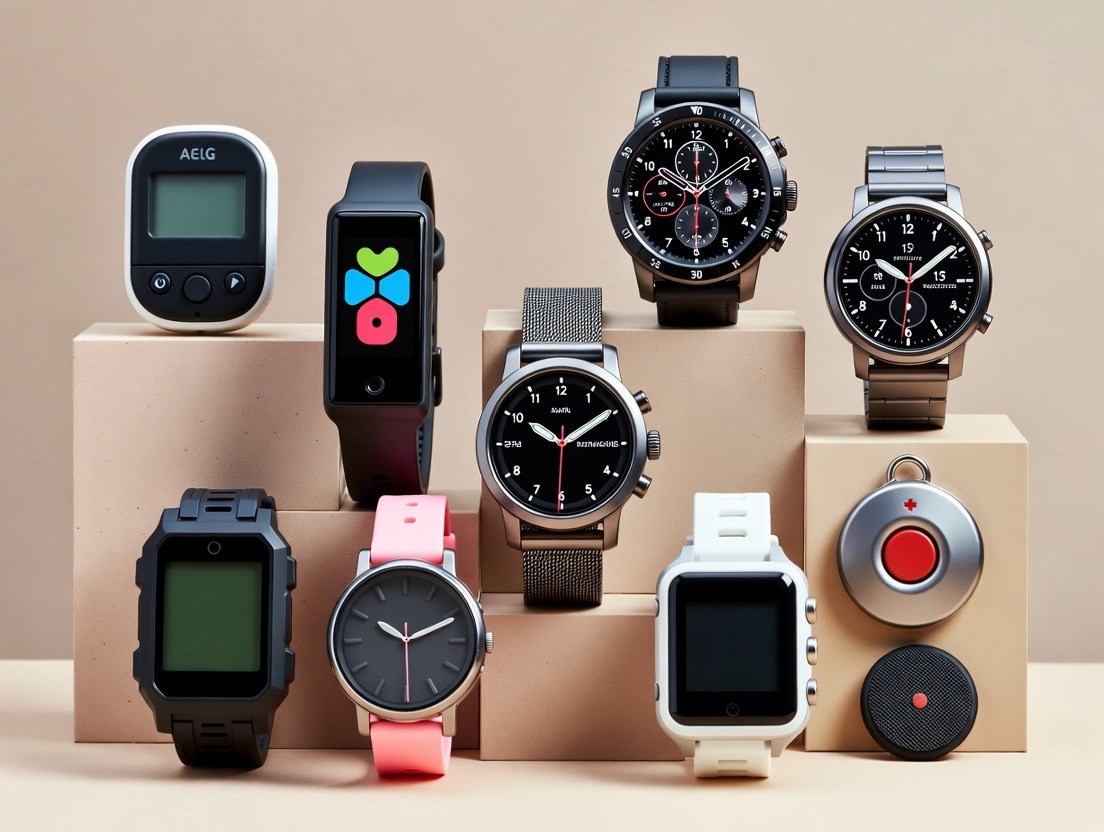
Entering your 50s, 60s, and beyond represents a profound and positive shift in the relationship between movement and wellness. The focus moves decisively from peak performance and intense metrics to sustainability, vitality, and longevity. The data from your ring is no less valuable; in fact, it becomes more personal and instructive than ever, guiding you to honor your body’s wisdom while proactively supporting its changing needs.
A primary shift observable in your data will be in sleep patterns. The architecture of sleep naturally changes with age. You may see a reduction in the percentage of deep sleep and more frequent nighttime awakenings. This isn't necessarily a disorder; it's a common progression. However, it makes sleep quality and consistency non-negotiable. Your ring helps you identify the habits that support your best possible sleep now. Does an earlier, lighter dinner improve your sleep efficiency? Does a 20-minute afternoon walk help you consolidate sleep at night? Tracking these subtle correlations allows for powerful personal optimization. Our resource on the deep sleep sweet spot by age can provide helpful context for what to expect.
Movement philosophy evolves as well. The goal is to maintain functional strength, mobility, and cardiovascular health to support an independent, active life. Your ring encourages a balanced movement profile:
In this stage, the recovery metric is king. Your body’s need for rest between efforts increases. A high readiness score might encourage a brisk hike or a tennis match, while a lower score is a clear message to prioritize gentle movement, stretching, or complete rest. Honoring this data is key to preventing injury and inflammation, allowing you to stay consistently active rather than being sidelined by setbacks.
Perhaps most importantly, the ring becomes a powerful tool for preventive health monitoring. Long-term trends in resting heart rate and HRV can be incredibly insightful. A gradual, unexplained increase in resting heart rate or a sustained drop in HRV can be a signal to consult with a healthcare professional. It provides concrete, longitudinal data that goes beyond how you "feel" in a single doctor's visit. Furthermore, maintaining strong circadian rhythms through consistent sleep/wake times and daily movement is shown to support cognitive health, making your ring a partner in nurturing both body and mind.
This phase of life, illuminated by biometric data, is not about decline. It’s about intelligent adaptation. It’s about listening closely, responding with kindness, and using objective feedback to build a lifestyle of enduring strength, balance, and joy. The ring doesn’t measure you against the standards of a 25-year-old; it helps you be the healthiest, most vibrant version of yourself at your current age.
One of the most powerful revelations from continuous biometric tracking is the undeniable, two-way street between your daytime activities and your nighttime restoration. They are not separate compartments of your health; they are in constant, dynamic conversation. Your smart ring is the interpreter of this dialogue, showing you in clear detail how every action has a reaction in your sleep architecture and nervous system recovery.
Consider the positive feedback loop of consistent, moderate-to-vigorous activity. When you engage in purposeful movement—be it a brisk walk, a cycling session, or a strength workout—you create a healthy "stress" on your body (hormetic stress). This does several things that prime you for better sleep. It increases your sleep drive, or homeostatic sleep pressure, making it easier to fall asleep. It also helps regulate your body's internal clock, or circadian rhythm, especially when done in natural light. In your sleep data, this often translates to shorter sleep latency (time to fall asleep), increased sleep efficiency, and often, a more robust duration of deep sleep. The physical repair facilitated by deep sleep then directly mends the micro-tears in muscle caused by exercise, completing the cycle. For athletes and active individuals, understanding this link is crucial, which is why we explore deep sleep optimization for athletes in detail.
However, the timing, intensity, and type of movement are critical variables that your ring helps you decode. Late-evening high-intensity exercise can be a double-edged sword. While it tires the body, it can also spike core body temperature and stimulate the sympathetic nervous system (stress response) too close to bedtime, leading to fragmented sleep or difficulty falling asleep. Your ring will show this as a low sleep score with reduced deep sleep, despite feeling physically exhausted. Conversely, gentle, restorative movement in the evening—like yoga, stretching, or a leisurely walk—can aid the transition to sleep by promoting parasympathetic activation. You’ll likely see this reflected in improved HRV during sleep and a higher readiness score the next morning.
On the flip side, chronic inactivity creates its own damaging cycle. A sedentary day leads to a lower sleep drive, which can result in more restless, lighter sleep. Poor sleep then leads to next-day fatigue, low motivation, and often, elevated stress hormones like cortisol, which further perpetuates the desire to be sedentary. Your ring makes this vicious cycle visible, showing days of low activity coinciding with poor sleep scores and low HRV.
Then there is the role of non-exercise activity thermogenesis (NEAT). This is the all-day, low-grade movement that keeps your metabolism humming. Your ring tracks this through step counts and general movement minutes. High NEAT days aren't just good for calorie expenditure; they are associated with better mood, lower stress, and significantly, better sleep quality. It’s a reminder that a day spent puttering around the house, gardening, or taking several short walks can be just as beneficial for your overall wellness cycle as a single intense workout.
By observing these patterns over time, you learn your personal formula. You discover the ideal cut-off time for intense exercise, the types of movement that best prepare your nervous system for rest, and the minimum daily activity threshold you need to hit to guarantee a good night's sleep. It turns the abstract advice of "exercise for better sleep" into a personalized, data-driven protocol.
In the quest for wellness, we have long over-indexed on the visible—the steps taken, the miles run, the calories burned. But a significant part of our health, perhaps the most important, operates in the silent, invisible realm of our autonomic nervous system (ANS). This is the control center regulating your heartbeat, digestion, breathing, and stress response. Your smart ring, through metrics like Heart Rate Variability (HRV) and continuous heart rate, provides an unprecedented window into this inner world, shifting the paradigm from "how much did I do?" to "how well did I recover from what I did?"
Heart Rate Variability (HRV) is the North Star of this inner landscape. Contrary to what one might think, a healthy heart is not a metronome; it has subtle, moment-to-moment variations in the time between beats. High HRV indicates a heart that is responsive and adaptable, a sign of a balanced ANS that can efficiently switch between the energy-expending sympathetic state ("fight or flight") and the restorative parasympathetic state ("rest and digest"). Low HRV suggests a nervous system that is stuck on alert, struggling to downshift into recovery mode. It is a powerful predictor of resilience, both physical and mental.
Your ring tracks HRV throughout the day and night, revealing your body's response to life's events. You can see your HRV dip during a stressful work presentation (sympathetic activation) and then observe how quickly—or slowly—it recovers afterward. The most valuable reading is often your nighttime HRV average, captured during sleep when external stimuli are minimized. This is your baseline recovery metric. A trend of rising nighttime HRV suggests you are adapting well to your lifestyle and training load. A declining trend is a clear, objective red flag indicating cumulative stress, potential overtraining, illness onset, or poor recovery habits.
This brings us to the critical concept of "Allostatic Load"—the wear and tear on the body that accumulates when we are repeatedly exposed to chronic stress. It's not the single bad day that harms us, but the relentless drip, drip, drip of unmanaged stress. Your ring makes this load visible. You might be hitting all your activity goals and even sleeping 8 hours, but if your HRV is in a sustained downward trend and your resting heart rate is creeping up, your body is telling you it's under too much strain. The sources could be psychological (work pressure, relationship issues), physical (overtraining, poor nutrition), or environmental (poor sleep hygiene, excessive blue light).
The practical power here is in intervention and correlation. You can use your ring to test what truly helps your nervous system recover. After a week of incorporating 10 minutes of guided breathing before bed, does your average nighttime HRV improve? Does cutting out afternoon caffeine lift your readiness score? Does a difficult conversation with a loved one show up as a tangible physiological stress event? This turns stress management from a vague concept into a tangible science of self.
By paying attention to these deeper biometrics, you learn to respect your body's need for balance. You understand that a day of intense mental focus or emotional labor requires just as much intentional recovery as a day of heavy physical training. It empowers you to schedule downtime, practice mindfulness, and prioritize sleep not as luxuries, but as non-negotiable components of high performance and long-term health. You move from just training your body to training your nervous system for resilience.

We spend roughly one-third of our lives asleep, yet for most of human history, this state was a mysterious black box. The advent of consumer sleep tracking, particularly with the comfortable, continuous form factor of a ring, has democratized access to the secrets of the night. Sleep is not a monolithic state of unconsciousness; it is a highly structured, cyclic process of different stages, each with distinct physiological functions. Understanding what your ring shows you about these stages is perhaps the most direct "biohack" available for improving everything from cognitive function to cellular repair.
The night typically unfolds in 90-minute cycles, each containing four stages:
Stage 1 & 2: Light Sleep. This is the transitional phase into sleep and makes up about 50-60% of your night. It's essential for memory consolidation and cognitive maintenance. Your ring shows this as the bulk of your sleep time. Consistent disruptions (from noise, light, or an uncomfortable environment) can prevent you from progressing past this light sleep, leading to a non-restorative night even with adequate time in bed.
Stage 3: Deep Sleep (Slow-Wave Sleep). This is the most physically restorative phase. During deep sleep, your brain waves slow to their lowest frequency, and the body undertakes critical repair work: releasing growth hormone for tissue repair and muscle growth, clearing metabolic waste from the brain, and bolstering the immune system. It's the foundation of physical recovery. Not getting enough deep sleep, a condition explored in our article on the silent signs of deep sleep deprivation, can leave you feeling physically exhausted, increase injury risk, and weaken your immune response. Your ring tracks the duration and percentage of your night spent in this precious state.
Stage 4: REM (Rapid Eye Movement) Sleep. This is the mentally restorative and emotionally regulatory phase. Your brain is almost as active as when you're awake, your eyes dart back and forth (hence the name), and you experience vivid dreams. REM sleep is crucial for learning, memory integration, emotional processing, and creativity. A lack of REM can contribute to brain fog, difficulty learning new tasks, and emotional volatility.
Your ring’s sleep analysis breaks down your night into these stages, providing a macro view of your sleep architecture. But the true insights come from observing patterns and correlations:
By treating sleep as an active, measurable component of your health—rather than just downtime—you can make precise adjustments. You can align your bedtime to your natural circadian rhythm, optimize your bedroom environment, and adjust evening routines to protect and enhance the quality of each stage. As we detail in our Deep Sleep Formula guide, it's a system of temperature, timing, and habits. When you hack your sleep, you are quite literally hacking your body's most powerful daily renewal program.
In a world obsessed with daily metrics and instant gratification, the most profound wisdom from biometric tracking lies in the long view. A single day's data is a snapshot—potentially skewed by a poor night's sleep, a stressful event, or a celebratory meal. The true story of your health and fitness is written in the trends, averages, and patterns that emerge over weeks and months. Your smart ring’s app isn't just a daily log; it's a personal health dashboard that reveals the direction you're heading, which is far more important than where you are on any given Tuesday.
Focusing solely on daily numbers can lead to unnecessary anxiety and misguided actions. For example:
Conversely, trend analysis provides context and reveals truth. A steadily declining 7-day average HRV, even if each day's number is within a "normal" range, is a clear signal of accumulating fatigue or stress that needs addressing. A consistent, week-over-week increase in your resting heart rate is a more reliable indicator of overreaching or illness than a one-day spike. Observing that your best sleep scores consistently follow days where you finish eating by 7 PM is a powerful, personal discovery that leads to lasting habit change.
This longitudinal view is especially critical for managing training and preventing overtraining. Athletes and fitness enthusiasts can track their acute-to-chronic workload ratio—essentially, how this week's training strain compares to your recent 4-week average. Your ring’s activity and readiness data can help inform this balance. A sharp spike in acute load without adequate recovery (shown by low readiness scores) is a classic recipe for injury. The trend data allows you to periodize your training, building volume and intensity gradually while ensuring recovery trends upward.
Furthermore, consistency is the bedrock of circadian and metabolic health. Your body thrives on rhythm. The ring shows you the power of a consistent sleep-wake schedule through higher sleep efficiency scores and more stable HRV. It demonstrates how regular daily movement (even moderate) leads to more stable energy levels and better sleep than sporadic, intense bouts of exercise followed by sedentary days. The goal shifts from hitting extreme daily targets to building a sustainable, rhythmic lifestyle where healthy habits are the default, not the exception.
By reviewing your weekly and monthly reports, you move from being a reactive score-checker to a strategic health manager. You can identify what's working (e.g., "My sleep score trend improved after I started using blackout curtains") and what's not (e.g., "My resting heart rate trend climbs during periods of work travel"). This empowers you to make incremental, evidence-based adjustments to your lifestyle, leading to compounding benefits over time. It’s the difference between chasing daily victories and winning the long game of lifelong wellness. For more on building these sustainable habits, our blog offers a wealth of ongoing resources and deeper dives.
Collecting data is only the first step. The transformative power of a wellness ring lies in closing the loop—translating the insights on your screen into tangible changes in your daily life. This is the art and science of personalized biohacking. Your data is unique to you; therefore, the actions you take should be uniquely tailored to what your body is communicating. It’s a process of experimentation, observation, and refinement.
Start with one metric at a time. Trying to optimize everything at once is overwhelming and makes it impossible to identify cause and effect. If your overarching goal is to improve recovery, you might first focus on your HRV trend. For 2-3 weeks, simply observe it. Note what a "good" baseline looks like for you. Then, introduce a single intervention. A common and powerful starting point is sleep hygiene. Commit to a consistent bedtime and wake time, ensure your bedroom is cool and dark, and implement a 60-minute screen-free wind-down routine. Observe the impact on your weekly average HRV and your sleep score consistency. Did it move the needle? If so, you’ve found a potent lever. If not, you’ve ruled out a variable and can move on to the next, like nutrition timing or stress-management techniques.
Use your ring to run personal experiments. The framework is simple:
You can apply this to countless questions: Does a 20-minute afternoon walk improve my sleep? Does a high-intensity workout in the evening disrupt my HRV? Does a 10-minute meditation before bed improve my sleep score? This turns self-improvement into a personal science project.
Furthermore, let your readiness score guide your daily decisions. This synthesized metric is designed to be your daily coach. A high readiness score is a green light to tackle a challenging workout, a demanding project, or a busy social calendar. A low or moderate score is a signal to prioritize recovery. This might mean:
This dynamic adjustment prevents the common pitfall of pushing through fatigue, which leads to burnout, injury, or illness. It teaches you to respect your body's current state, leading to more sustainable progress and fewer setbacks. For those curious about the broader value proposition of this technology, our analysis of whether sleep tracking is worth it weighs the pros and cons in modern life.
Ultimately, personalization means moving from generic health advice ("get 8 hours of sleep") to specific, validated protocols for you ("I need to be in bed by 10:30 PM with my phone outside the room to achieve a sleep score above 85 and a high next-day readiness"). It’s a journey of self-discovery, powered by data, that leads to a more attuned, responsive, and healthy way of living.
The journey toward optimal wellness is a three-legged stool supported by movement, recovery, and nutrition. While your smart ring provides unparalleled insight into the first two, its data also serves as a powerful, indirect lens into the effects of your dietary choices. Nutrition is the fuel and the building material; your biometrics are the performance report and repair log. By observing how your body responds to different fueling strategies, you can move beyond generic dietary dogma to a truly personalized nutrition protocol.
The most immediate and visible link is between macronutrient intake and energy availability for movement. Your ring’s activity and readiness scores tell a clear story about fueling. A day following a period of very low carbohydrate intake, for example, may show a depressed readiness score and a perceived higher heart rate during what is normally a moderate-intensity workout. Your body is signaling it's struggling to access efficient fuel. Conversely, consistently hitting your movement goals while maintaining high readiness might indicate your current macronutrient balance is supporting your activity level. It’s not about labeling carbs or fats as "good" or "bad," but about observing what proportion and timing gives your body the sustained, clean energy it needs to perform and recover.
Perhaps the most profound nutritional insights come from the sleep and recovery data. What you eat, and when you eat it, significantly influences your nocturnal restoration. Your ring can help you pinpoint habits that disrupt or enhance your sleep architecture:
Furthermore, your Heart Rate Variability (HRV) is a sensitive barometer of systemic inflammation and digestive stress. Foods that trigger inflammation or sensitivities in an individual can lead to a noticeable dip in next-morning HRV and an elevated resting heart rate, as the body mounts an immune response. This doesn't necessarily mean a food is "unhealthy" in a universal sense, but that your body perceives it as a stressor at that time. By keeping a simple food log alongside your HRV trend, you can begin to identify patterns and personal triggers that no generic elimination diet could provide.
Hydration, too, leaves a biometric signature. Mild dehydration increases heart rate and reduces blood volume, forcing your heart to work harder. This can show up as an unexplained elevation in your resting heart rate and a decrease in HRV. Noticing this pattern can serve as a prompt to assess your fluid intake.
Ultimately, using your ring to guide nutrition is about cultivating a mindset of curiosity and correlation. It moves you away from rigid rules and toward an understanding of food as information that either supports or hinders your physiological goals of movement, recovery, and balance. It empowers you to eat for your unique metabolism and the life you want to lead, with your biometrics providing the faithful feedback.
The wearable technology landscape is vast, dominated by the ubiquitous smartwatch. So, why choose a discreet ring? The decision between a ring and a watch (or chest strap, or armband) is not about which is universally "better," but about which tool is optimal for your specific wellness philosophy and lifestyle. Each form factor has strengths dictated by its design and placement on the body. Understanding these differences is key to selecting the device that will provide you with the most meaningful and actionable data.
The primary advantage of the smart ring lies in its unobtrusive, continuous wearability. A watch is often removed for showers, charging, certain sports, or simply to give the wrist a rest. This creates data gaps, particularly in sleep tracking, where putting on a watch as you're falling asleep is an easy step to forget. A ring, however, is designed to be worn 24/7. It doesn't interfere with typing, sleeping, or most physical activities. This results in truly continuous data collection, which is critical for establishing accurate baselines and trends, especially for metrics like HRV and body temperature that follow delicate circadian rhythms. You get a seamless, unbroken story of your body's rhythms.
This leads to the second key strength: superior sleep and recovery data. The finger is a uniquely advantageous location for photoplethysmography (PPG)—the optical heart rate sensing technology used by most wearables. The vascular structures in the finger (the palmar digital arteries) are rich and close to the surface, often allowing for a stronger and more consistent signal than the wrist, especially during sleep when your hand is stationary. This can translate to more accurate heart rate and, by extension, more reliable HRV readings during sleep, which are the gold standard for assessing recovery. Furthermore, the ring form factor is less likely to cause discomfort or pressure that could disrupt sleep, leading to more natural data. For a comprehensive look at what this technology can reveal about your nights, our Sleep Tracking 101 guide is an excellent resource.
However, the trade-off is in real-time interactivity and granular activity tracking. This is where smartwatches excel. If your primary goal is to actively guide your workouts with live pace, heart rate zones, maps, and rep counting, a watch's screen and GPS are indispensable. A ring is a passive observer; it will accurately record the result of your workout (heart rate, exertion, recovery need) but is not designed as a live coach during it. It's more focused on the outcome and impact of activity on your overall system rather than the minutiae of the activity itself.
Battery life is another differentiator. A smart ring, with its smaller size but lack of energy-hungry screen and GPS, typically achieves 4-7 days of battery life, reducing charging frequency and, again, minimizing data gaps. A multi-function smartwatch often requires daily or every-other-day charging.
So, who is the ring for? It's for the recovery-focused individual, the biohacker, the person who values sleep optimization and understanding their nervous system above all else. It's for those who want deep, continuous insight without the distraction of notifications on their wrist. It’s for professionals, athletes in recovery phases, and anyone who finds a watch cumbersome to wear all day and night. The ring provides a quieter, more intimate, and arguably more holistic view of your body's steady state.
In essence, a smartwatch is an excellent fitness computer and communication device. A smart ring like the OxyZen is a dedicated wellness monitor. It prioritizes depth and continuity in recovery metrics over breadth of features. For a complete understanding of the wearable that aligns with your goals, exploring the Oxyzen shop can help you see how this philosophy is translated into product design. Many dedicated wellness enthusiasts end up using both: a watch for guided training and a ring for 24/7 recovery and sleep tracking, creating the most complete biometric picture possible.

The true transformative potential of wearable biometrics extends far beyond personal curiosity and self-optimization. When anonymized, aggregated, and analyzed at scale, the continuous data streams from millions of devices like smart rings are creating a living, breathing map of human health that is unprecedented in medical history. We are moving from episodic, symptom-driven medicine to a paradigm of continuous, predictive, and preventative healthcare. This shift, powered by the data on our fingers, promises to redefine how we understand wellness, disease, and aging.
One of the most promising frontiers is in early detection and predictive health. By establishing an individual's unique biometric baseline—their personal "normal" for resting heart rate, HRV, sleep patterns, and temperature—deviations from this baseline can serve as early warning signals. Research is actively exploring how wearable data can predict the onset of illnesses like the flu or even COVID-19 before symptoms appear, often through a tell-tale rise in resting heart rate and a change in temperature dynamics. On a longer timeline, subtle, long-term trends in sleep fragmentation, HRV decline, or activity patterns could provide clues about the risk or early stages of chronic conditions like cardiovascular disease, metabolic syndrome, or neurodegenerative disorders. Your ring becomes a sentinel, constantly monitoring for deviations from your healthy norm.
This data is also revolutionizing personalized treatment and rehabilitation. For a patient recovering from surgery or managing a chronic condition like heart failure, continuous monitoring outside the clinic is a game-changer. A physician can review trends in activity, sleep, and heart metrics to objectively assess recovery progress, adjust medications, or identify complications early. In mental health, HRV and sleep data provide objective measures of anxiety or depression states and the effectiveness of therapeutic interventions like medication or cognitive behavioral therapy. This moves treatment from subjective patient reporting ("I feel a bit better") to objective data analysis ("Your weekly average HRV has improved by 15%, and sleep continuity is up 20%").
At a population level, this data is a goldmine for public health and epidemiological research. Imagine being able to study, in real-time, how a community's sleep patterns are affected by a change in daylight saving time, or how collective stress levels (via HRV aggregates) respond to economic or social events. It allows researchers to move beyond infrequent surveys to observe health behaviors and physiological responses as they happen in the real world, leading to more effective public health interventions and policies.
Furthermore, it fosters a new model of the patient-provider partnership. Instead of a 15-minute annual check-up based on a snapshot, you can arrive at your doctor's appointment with weeks or months of personalized health data. This facilitates a more informed, collaborative conversation. You can show exactly how a new exercise regimen impacted your sleep, or how a period of work stress correlated with a measurable physiological downturn. It empowers you to be the expert on your own body, with data to back up your experience. For those curious about how to make the most of their data in health conversations, our FAQ covers common questions about data accuracy and interpretation.
Of course, this future hinges on robust data privacy, security, and ethical frameworks. The sensitivity of this continuous biometric data cannot be overstated. Trustworthy companies must be transparent, employing end-to-end encryption and giving users full control over their data. The goal is not a surveillance state, but an opt-in, user-centric ecosystem where individuals can choose to contribute their data for personal benefit and, if they wish, for the advancement of scientific knowledge.
The ring on your finger is more than a personal gadget; it is a node in a nascent global network of human health intelligence. It represents a shift from healthcare that waits for you to break, to a system that works with you to stay well, informed by the unerring, continuous truth of your own physiology.
With the wellness ring market growing, selecting the right device can feel daunting. It's an investment in your health, and the right choice should align with your goals, lifestyle, and values for the long term. Beyond sleek design and basic features, several critical factors separate a passing novelty from a powerful, reliable health tool. Knowing what to look for will ensure your ring becomes a trusted companion, not a drawer-bound disappointment.
First and foremost, prioritize sensor accuracy and scientific validation. The entire value proposition hinges on reliable data. Look for rings that use medical-grade sensors and have published validation studies conducted by independent research institutions. These studies typically compare the ring's measurements—like heart rate, HRV, and sleep stages—against gold-standard clinical equipment like polysomnography (PSG) for sleep and electrocardiography (ECG) for heart metrics. A company invested in accuracy will transparently share these studies. Don't be swayed by a long list of features if the core biometrics aren't proven to be precise. For an honest look at the capabilities and limitations of this technology, our article on sleep tracking accuracy provides crucial context.
Battery life and charging convenience are paramount for continuous wear. A ring that needs daily charging will inevitably create data gaps, defeating its primary purpose. Aim for a device that offers at least 4-5 days of battery life on a single charge. Equally important is the charging mechanism. A compact, portable charging case (like those for wireless earbuds) is ideal, allowing you to charge on the go without needing a cable and plug. Some rings even offer "fast charge" capabilities, providing a full day's worth of power in just a short time, minimizing downtime.
The companion app and algorithm intelligence are where the raw data becomes insight. The hardware collects signals; the software tells the story. Evaluate the app's user interface—is it clear, intuitive, and educational? Does it provide actionable insights, not just overwhelming charts? Crucially, assess the depth of its analytics. Does it offer a meaningful, scientifically-backed Readiness or Recovery Score that synthesizes multiple data points? Can you track long-term trends easily? Does it offer personalized guidance or prompts based on your data? The app is your daily portal to understanding, so its design and utility are as important as the ring itself.
Consider durability, comfort, and fit. You’ll wear this device every day, in all conditions. It should be made from durable, skin-safe materials like titanium, ceramic, or coated resin. It should have a water and dust resistance rating of at least IP68, meaning it can withstand submersion and is safe for showers, swimming, and intense sweating. Fit is critical for both comfort and sensor accuracy. Most reputable companies offer a detailed sizing kit with multiple plastic sizers to ensure you find the perfect fit—snug enough not to rotate but not so tight as to restrict circulation. A well-fitted ring will feel virtually weightless and become a natural part of you.
Finally, reflect on the company's ethos and long-term vision. You are entering an ecosystem. Research the brand's mission, its commitment to privacy (look for clear, strong data policies), and its roadmap for updates. A company that views its product as a long-term health platform, like Oxyzen, will regularly update its algorithms and app features, adding value over time. Read customer testimonials to understand real-world experiences with customer support and product longevity.
Choosing a wellness ring is a personal decision. By focusing on accuracy, continuity, intelligence, durability, and trust, you can select a device that doesn't just track your life, but genuinely enhances it, providing the clarity and motivation to make lasting positive changes for years to come.
A wealth of biometric data is powerful, but it risks becoming another source of digital noise if not integrated thoughtfully into the larger tapestry of your life. True wellness is not a dashboard; it is a lived experience of balance, purpose, and connection. The goal is to use your ring data not as a tyrant, but as a wise informant—one data point in a holistic practice that also honors intuition, joy, and the aspects of health that can't be quantified.
Start by establishing a mindful review routine. Instead of compulsively checking your scores throughout the day, set aside a specific, calm time—perhaps with your morning coffee or during evening reflection—to review the previous day's data. Look at it with curiosity, not judgment. Ask integrative questions: "How did my feeling of stress during that meeting align with my HRV dip?" or "I felt amazing on my hike yesterday, and my readiness score was high—what contributed to that?" This practice connects the subjective "how I felt" with the objective "what my body showed," deepening your self-awareness.
Use the data to create rituals, not rules. A rule is rigid: "I must get a sleep score of 90." A ritual is a supportive practice: "My data shows I sleep best when I have a wind-down ritual, so I will protect the 30 minutes before bed for reading and light stretching." Let the data inspire positive habits rather than punitive restrictions. If you see that afternoon walks improve your sleep, frame it as a gift to your future self—a chance to move and unwind—rather than a chore mandated by your ring.
Crucially, balance quantitative data with qualitative awareness. Your ring measures physiological stress, but it cannot measure existential joy, creative fulfillment, or the warmth of social connection. There will be days when your readiness score is low because you stayed up late laughing with old friends, and that is not a "failure"—it's a vital part of a rich life. The data should inform your choices, not override them. Use it to ensure you recover from life's joyful expenditures, not to avoid them altogether.
Incorporate your insights into broader wellness modalities. If your ring shows high stress (low HRV), pair that knowledge with a meditation app, a few minutes of box breathing, or a nature walk. If sleep data shows frequent awakenings, consider it alongside other wellness pillars: is your nutrition supporting stable blood sugar overnight? Is your bedroom truly optimized for darkness and coolness? The ring pinpoints the "what," and you bring in the "how" from the full spectrum of wellness knowledge. For those looking to expand their toolkit, our blog is continually updated with research and strategies that complement biometric tracking.
Finally, practice periodic detachment. Consider taking the ring off for a day or a weekend on occasion. This serves two purposes: it prevents an unhealthy obsession with metrics, and it allows you to check in with your innate bodily wisdom without a digital intermediary. Can you sense your energy levels? Can you feel when you need rest? This re-calibrates your internal compass, ensuring the technology remains a tool in your service, not the source of your truth.
By integrating ring data in this conscious, holistic way, you achieve a synergy between technology and self-knowledge. The ring provides the external feedback loop; your mindful practice provides the internal wisdom. Together, they guide you toward a state of wellness that is not just measured, but deeply felt and fully lived—a harmony of data and humanity.
As you live with your wellness ring for months and years, your relationship with the data deepens. The initial phase of discovery gives way to a more nuanced understanding. You'll encounter periods where progress stalls—the dreaded plateau—and days where your biometrics tell a confusing story that doesn't match your perceived experience. Navigating these advanced scenarios is where the true mastery of self-quantification lies, transforming you from a passive data consumer into an expert interpreter of your own physiology.
Understanding and Breaking Through Plateaus are a natural part of any wellness journey. In fitness, you might see your resting heart rate stop declining despite consistent training. In recovery, your HRV might hit a ceiling. This doesn't mean your efforts are failing; it often signals that your body has adapted to your current routine. Your ring provides the clues to break through.
First, use trend data to identify the type of plateau. Is it a performance plateau (activity metrics stalling) or a recovery plateau (HRV/sleep scores stagnant)? For a performance plateau, examine your chronic training load (your 4-week activity average). If it's flat, your body is no longer being challenged to adapt. The solution may be a period of progressive overload—safely increasing intensity, volume, or variety—monitored closely by your readiness scores to avoid overtraining. For a recovery plateau, where your HRV and sleep scores are consistently "good but not great," you may need to introduce more potent recovery modalities. This is where you experiment with advanced techniques: deliberate heat exposure (sauna) followed by cold immersion, focused breathwork protocols, or even consulting your data to schedule a deload week before your scores dip, proactively resetting your system.
Interpreting Anomalies and "Bad Data" Days is equally important. Not every low score is a problem to be solved; sometimes, it's information to be understood. When you see a sharp, unexpected drop in readiness or a terrible sleep score, engage in detective work:
The key mindset shift is to view variability as data, not failure. A perfectly flat line in your biometrics is not the goal; it's a sign of a system not being challenged or a lack of richness in life. The dips and spikes are the story. They tell you when you're growing, when you're stressed, when you're fighting something off, and when you're truly recovering. Your task is to learn the rhythm of your own variability.
Finally, use your historical data for longitudinal pattern analysis. Look back seasonally. Do your sleep scores dip every winter? Perhaps it's a cue to invest in a sunrise alarm clock or optimize your Vitamin D. Do your best activity months align with a particular social or hobby schedule? This macro view helps you design your life and environment to support your wellness year-round, making your ring a tool not just for daily adjustment, but for lifelong design.

In our pursuit of quantified selves, we generate a torrent of intimate data: our sleep habits, our stress responses, our physical whereabouts, and our physiological rhythms. This data is a profound reflection of our inner lives. As such, engaging with wearable technology demands not just enthusiasm but a thoughtful consideration of ethics. Who owns this data? How is it protected? And perhaps most importantly, how do we track our health without letting the tracking harm our well-being? Navigating these questions is essential for a healthy, sustainable relationship with the technology.
At the forefront is the issue of data privacy and security. The companies that manufacture wellness rings are entrusted with a continuous stream of highly sensitive biometric information. It is imperative to choose a brand that is transparent about its data practices. Key questions to ask: Is biometric data stored locally on the device or synced to the cloud? If synced, is it encrypted both in transit and at rest? Does the company have a clear, accessible privacy policy that states it will not sell your personal health data to third parties, such as advertisers or insurers? The gold standard is on-device processing where sensitive data never leaves your ring until anonymized, or the use of end-to-end encryption that makes your data unreadable to anyone but you. Before committing to a device, review the company's security white papers and privacy commitments. A trustworthy brand, like the team behind Oxyzen (whose journey and values you can explore in our story), will prioritize these concerns as core to its mission.
Closely linked is the concept of data ownership and portability. You should own the data you generate. This means having the ability to easily download your raw data in a universal format (like CSV or through a standardized API) so you can analyze it independently, share it with a healthcare provider of your choice, or take it with you if you switch platforms. This prevents "vendor lock-in" and ensures your long-term health history remains under your control. The concept of a personal health repository, owned by the individual, is a growing ideal in digital health, and your choice of wearable can support that vision.
Beyond the corporate policies lies the personal ethical challenge: avoiding orthosomnia and data anxiety. Orthosomnia is a coined term describing an unhealthy preoccupation with achieving perfect sleep data, leading to increased anxiety and ironically, worse sleep. It's a paradox where the tool for better health becomes a source of stress. Signs include compulsive checking of scores, intense frustration over "bad" data, and altering behavior not for wellness but to "game" the algorithm.
To practice mindful tracking:
Ultimately, ethical engagement means using the ring as a tool for empowerment, not for self-surveillance. It should expand your awareness and freedom, not contract it into a cage of numbers. It's about collecting data to inform a richer, more intuitive life, not to replace intuition with analytics. By making conscious choices about privacy and cultivating a balanced internal mindset, we can harness the power of biometrics to enhance our humanity, not diminish it. For ongoing support and community perspectives on balanced use, our blog's community stories often tackle these human-side questions.
The smart ring of today, with its focus on activity, heart rate, HRV, and sleep, is just the opening chapter. The form factor—continuous, unobtrusive, and positioned on a vascular-rich part of the body—makes it an ideal platform for a host of emerging sensors that will further blur the line between consumer wellness and clinical-grade monitoring. The future ring will evolve from a tracker of current state to a predictor of future health, acting as a true early-warning system and a deeply integrated health companion.
One of the most anticipated advancements is the reliable, non-invasive tracking of continuous glucose monitoring (CGM). While currently requiring a subcutaneous sensor, research into optical and spectroscopic methods aims to allow a ring to estimate blood glucose trends through the skin. This would be revolutionary not just for diabetics, but for anyone interested in metabolic health. It would reveal personal glycemic responses to different foods, the impact of meal timing on energy and sleep, and how stress and exercise influence blood sugar stability. Paired with existing activity and sleep data, it would create a complete picture of metabolic wellness.
Continuous core body temperature is another frontier moving beyond nightly averages. Precise, circadian tracking of temperature can provide powerful insights into ovulation (for natural cycle tracking), early signs of infection (fever onset), and the effectiveness of thermal therapies like sauna and cold plunge. It is a direct readout of your metabolic rate and circadian rhythm health.
Further ahead lies the potential for blood pressure monitoring. Using a combination of PPG sensors and new techniques like photoplethysmography (PPG) waveform analysis, future rings may be able to provide estimates of systolic and diastolic blood pressure trends throughout the day and night, capturing nocturnal hypertension—a major risk factor for cardiovascular events that often goes undetected.
Advanced hydration and electrolyte balance sensing is also in development. By analyzing the optical properties of the blood and interstitial fluid, sensors could infer hydration status, potentially alerting users to dehydration before thirst strikes, which is especially valuable for athletes and older adults.
Beyond new sensors, the future lies in predictive analytics and AI-driven insights. The true power will come from algorithms that synthesize all these data streams—heart, sleep, temperature, glucose, activity—into a holistic health model. Imagine your ring not just telling you your sleep was poor, but predicting: "Based on your elevated nighttime heart rate, decreased HRV, and slight temperature elevation, you have a 75% likelihood of coming down with a cold in the next 48 hours. Recommendation: Prioritize rest, increase hydration, and consider reducing social commitments."
Or consider a personalized medication optimizer: For individuals on medications for blood pressure or mood, the ring could track physiological responses and help identify the optimal timing (chronotherapy) for dosing to maximize efficacy and minimize side effects, in consultation with a physician.
This future is one of hyper-personalized, preventative healthcare. Your ring becomes a guardian, learning your unique patterns so intimately that it can spot the subtlest deviations that signal a shift in health. It transitions from answering "How did I sleep?" to answering "Am I well?" and "What might I need tomorrow?" For those fascinated by the rapid evolution of this technology and its implications, staying informed through resources like our blog on the science of sleep and beyond will be key.
The ring will not replace doctors, but it will create a new, data-rich layer of dialogue between patients and clinicians, empowering individuals with unprecedented knowledge about their own bodies and transforming healthcare from a reactive to a proactive partnership. The future of health management is being forged, quietly and continuously, on the most personal piece of wearable real estate: your finger.
While the journey with a wellness ring begins as a profoundly personal exploration, its impact can extend outward, creating ripples of awareness and shared knowledge. When individuals choose to contribute their anonymized, aggregated data to research or simply share their experiences within trusted communities, a powerful collective intelligence emerges. This moves us from isolated self-tracking toward a collaborative model of human health understanding, where our individual data points become pixels in a vast, living portrait of well-being.
The first layer of community is the shared language of biometrics. For the first time, we can describe our internal states with a degree of objectivity. Saying "I'm stressed" is subjective; sharing that "my 7-day average HRV has dropped 20% and my resting heart rate is up 8 BPM" creates a common, precise vocabulary. This allows for more meaningful support within partnerships, families, and teams. Couples can sync their data to understand how their stress and recovery cycles interact, fostering empathy. Parents can better understand the physiological impact of their children's schedules. Athletic teams can use shared readiness metrics to optimize group training loads and reduce injury risk. It turns wellness from a solitary pursuit into a shared project.
On a larger scale, citizen science and participatory research are being revolutionized by wearable data. Academic institutions and health organizations are increasingly launching studies that invite thousands of ring users to contribute their anonymized data. This enables research on questions that were previously impossible or prohibitively expensive:
By opting into such studies, individuals become active contributors to the frontier of human health science, helping to generate discoveries that will benefit everyone. This model democratizes research, moving it out of the sterile lab and into the messy, beautiful reality of everyday life.
Furthermore, community benchmarking (used wisely) can provide helpful context. Seeing how your sleep duration or activity level compares to a demographic peer group (e.g., others of your age and gender) can be motivating or validating. It's important to use this not as a source of competition, but as a lens for self-reflection. If your deep sleep percentage is consistently below the benchmark for your age, it's not a failing grade, but a prompt to explore our resources on how to get more deep sleep or consider discussing it with a healthcare provider. Benchmarks are a starting point for inquiry, not a judgment.
Online forums and social media groups dedicated to specific wearables have also sprung up, creating spaces for users to share personal experiments, troubleshooting tips, and success stories. Seeing how others have interpreted similar data patterns or overcome plateaus can be incredibly educational and supportive. It fosters a sense of shared learning and removes the isolation that can sometimes accompany a deep dive into personal data.
Ultimately, building a community of awareness reminds us that while our biometrics are unique, the quest for understanding and optimization is a universal human endeavor. By sharing our journeys—our data, our struggles, and our insights—we accelerate learning for all. We move from being lone biohackers to being nodes in a network of collective wisdom, all striving toward the same goal: to live healthier, more aware, and more vital lives, guided by the silent, constant feedback from our own bodies. The story your ring tells is yours alone, but it is also part of a much larger, unfolding story of human health in the digital age.
Your Trusted Sleep Advocate (Sleep Foundation — https://www.sleepfoundation.org/)
Discover a digital archive of scholarly articles (NIH — https://www.ncbi.nlm.nih.gov/
39 million citations for biomedical literature (PubMed — https://pubmed.ncbi.nlm.nih.gov/)
experts at Harvard Health Publishing covering a variety of health topics — https://www.health.harvard.edu/blog/)
Every life deserves world class care (Cleveland Clinic -
https://my.clevelandclinic.org/health)
Wearable technology and the future of predictive health monitoring. (MIT Technology Review — https://www.technologyreview.com/)
Dedicated to the well-being of all people and guided by science (World Health Organization — https://www.who.int/news-room/)
Psychological science and knowledge to benefit society and improve lives. (APA — https://www.apa.org/monitor/)
Cutting-edge insights on human longevity and peak performance
(Lifespan Research — https://www.lifespan.io/)
Global authority on exercise physiology, sports performance, and human recovery
(American College of Sports Medicine — https://www.acsm.org/)
Neuroscience-driven guidance for better focus, sleep, and mental clarity
(Stanford Human Performance Lab — https://humanperformance.stanford.edu/)
Evidence-based psychology and mind–body wellness resources
(Mayo Clinic — https://www.mayoclinic.org/healthy-lifestyle/)
Data-backed research on emotional wellbeing, stress biology, and resilience
(American Institute of Stress — https://www.stress.org/)


