


Health Metrics Explained: Blood Oxygen and Wellness Connection
Explaining blood oxygen levels and their connection to wellness.
Explaining blood oxygen levels and their connection to wellness.
%402x.svg)
In an era where data is the new currency of health, we find ourselves surrounded by numbers. Heart rate. Steps. Calories burned. Sleep duration. We track, we analyze, and we strive to optimize, often chasing these metrics like high scores in a game of well-being. Yet, one of the most critical, revealing, and often misunderstood numbers—the very essence of our vitality—flows silently through our veins: blood oxygen saturation (SpO2).
This single percentage, typically hovering between 95-100%, is a fundamental signpost of life itself. It is the silent conductor orchestrating the symphony of our cellular energy, cognitive function, athletic performance, and long-term resilience. For decades, this metric was confined to clinical settings, glimpsed briefly through the cold clamp of a pulse oximeter in a doctor's office. Today, the advent of personal health technology, particularly the discreet power of smart rings, has brought this vital sign from the clinic to our fingertips—or more accurately, to our finger—offering a continuous, intimate window into our body's most basic need.
Understanding your blood oxygen is not about adding another anxiety-inducing number to your dashboard. It's about unlocking a deeper, more intuitive connection with your body's rhythms and needs. It’s about shifting from reactive healthcare to proactive, empowered wellness. Why did you wake up feeling groggy despite eight hours in bed? Why did your afternoon energy plummet? Why did that last workout feel inexplicably harder? The answers often lie in the subtle, nocturnal dips and daily fluctuations of your oxygen levels.
This comprehensive guide is your deep dive into the crimson river of life. We will demystify the science of blood oxygen, explore its profound and multifaceted connection to every aspect of your wellness—from sleep and brain power to fitness and immune defense—and illuminate how modern technology is empowering us to harness this knowledge. This journey is not just about understanding a metric; it's about learning the language of your own vitality. For those ready to translate this data into a more vibrant life, tools like the Oxyzen smart ring are pioneering this accessible, continuous monitoring, transforming a critical health sign into a daily wellness companion. Let's begin by understanding what this vital number truly represents.
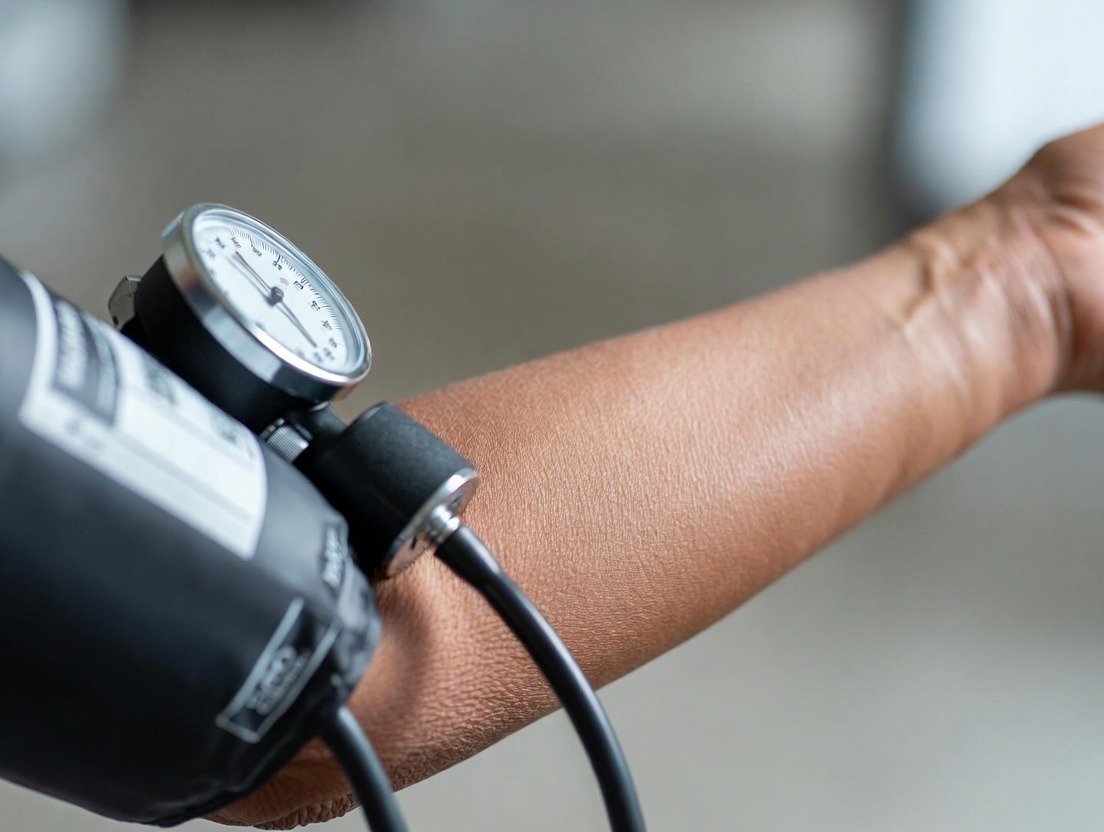
Close your eyes and take a deep, conscious breath. That air you just drew in, about 21% of it is oxygen. It travels down your trachea, branches through the bronchi like an inverted tree, and finally reaches the microscopic air sacs in your lungs called alveoli. Here, across a membrane thinner than tissue paper, a miraculous exchange occurs: oxygen molecules diffuse into your bloodstream. But they don't just float freely. They hitch a ride.
This is where the story of SpO2 begins. Inside your red blood cells are millions of complex protein molecules called hemoglobin. Think of each hemoglobin molecule as a fleet of four tiny taxis, each capable of picking up one passenger—an oxygen molecule. Blood oxygen saturation is simply the percentage of those hemoglobin "taxis" that are occupied with an oxygen passenger at any given moment. If your SpO2 is 98%, it means 98% of the available hemoglobin in the arterial blood at the measurement site is carrying oxygen.
The journey doesn't end there. This oxygen-rich, bright red arterial blood is pumped by the heart through a vast network of vessels, eventually reaching capillaries so narrow that red blood cells must pass through in single file. At this destination, in your muscles, brain, liver, and every other tissue, the oxygen disembarks, fueling the mitochondria—the power plants of your cells—to produce adenosine triphosphate (ATP), the universal currency of energy for every process in your body.
The deoxygenated hemoglobin, now a darker red, returns to the heart and lungs to pick up a new load, completing the cycle. This process happens billions of times a day, largely outside our awareness. Your SpO2 level is the real-time efficiency report of this entire life-sustaining system—your lungs' ability to absorb oxygen, your heart's ability to pump blood, and your blood's capacity to carry it.
A normal, healthy SpO2 level at sea level is generally considered 95% to 100%. Readings consistently below 95% (known as hypoxemia) warrant attention, as they indicate your tissues may not be receiving adequate oxygen. It's crucial to understand that this metric is dynamic, not static. It can dip slightly during sleep, change with altitude, and fluctuate with activity, which is why single-point measurements can be limited. The true power of understanding comes from observing trends over time—seeing your personal baseline and how your body responds to the various demands of your life. For a deeper exploration of how modern devices measure this, our blog features detailed articles on the photoplethysmography (PPG) technology that makes continuous monitoring possible.
If the human body were a vast, complex metropolis, oxygen would be its electricity. Without it, the city grinds to a halt. But its role is far more nuanced than just keeping the lights on. Oxygen is the silent conductor, coordinating the intricate performance of every biological system. To appreciate the wellness connection, we must move beyond the bloodstream and into the cells themselves.
At the cellular level, oxygen's starring role is in cellular respiration, specifically in the final and most productive stage called the electron transport chain, housed within the mitochondria. Here, oxygen acts as the "final electron acceptor," a critical function that allows for the efficient production of a massive amount of ATP. Without sufficient oxygen, cells are forced into inefficient anaerobic respiration, producing lactic acid and a fraction of the energy, leading to fatigue, muscle burn, and cellular stress.
Let's tour the body systems guided by this conductor:
When you view oxygen through this holistic lens, its saturation level transforms from a clinical datum into a master wellness metric. It is a live feed of your body's fundamental operational capacity. Monitoring it isn't about pathology; it's about performance, resilience, and vitality. It answers the question: "Is my body's core infrastructure receiving the fundamental resource it needs to thrive?" As we'll see, disruptions in this supply chain, especially during sleep, have cascading effects. At Oxyzen, we believe that understanding this foundational connection is the first step toward empowered health, which is central to our company's mission of making advanced physiological insights accessible for everyday wellness.

Sleep is not a state of passive rest; it's a period of intense biological activity—repair, consolidation, and regulation. It is also when we are most vulnerable to disturbances in our breathing, making the night a critical window for observing blood oxygen patterns. For many, the story of their daily fatigue, brain fog, or mood swings is written in the invisible ink of nocturnal oxygen dips.
A healthy individual will see a very stable, flat line of SpO2 throughout the night, perhaps with a slight, gradual drop of 1-2% due to reduced respiratory drive. However, significant or frequent dips tell a different story. These are often signatures of Sleep-Disordered Breathing (SDB), a spectrum that ranges from simple snoring to the more serious Obstructive Sleep Apnea (OSA).
Here’s what happens during an apnea event: The muscles in the throat relax excessively during sleep, causing the airway to collapse and block airflow. Breathing stops (apnea) or becomes shallow (hypopnea) for 10 seconds or more, sometimes hundreds of times a night. This leads to a rapid drop in blood oxygen. The brain, sensing the crisis, triggers a micro-arousal—a brief awakening so short you don't remember it—to jerk the body awake enough to restart breathing. Oxygen levels then rebound. This cycle—collapse, desaturation, arousal—repeats, fragmenting the architecture of sleep.
The consequences of this fragmented, oxygen-deprived sleep are profound:
Continuous oxygen monitoring via a wearable like a smart ring can reveal these patterns without the need for an intimidating lab-based sleep study for initial screening. Key metrics to understand include:
By correlating these oxygen patterns with sleep stage data and heart rate, you gain an unprecedented view of your sleep quality that goes far beyond duration. It moves the conversation from "I slept 7 hours" to "My sleep was fragmented by 15 oxygen-dipping events, which explains why I'm exhausted." This insight is the first, crucial step toward seeking solutions, whether they involve lifestyle changes, positional therapy, or consulting a sleep specialist. For users of devices like the Oxyzen ring, this nocturnal report becomes a daily tool for understanding the true quality of their rest.

While sleep apnea is a major cause of nocturnal oxygen desaturation, it is far from the only one. Blood oxygen levels are influenced by a symphony of factors, and understanding this broader context prevents unnecessary alarm and fosters a more nuanced view of your health. Your SpO2 is a dynamic reflection of your environment, physiology, and behaviors.
Recognizing these factors empowers you to be a detective of your own data. Did your ODI spike last night? Check your journal: did you have a glass of wine with dinner? Are you fighting a cold? Did you sleep on your back? This contextual analysis moves you from seeing "bad numbers" to understanding "informed patterns." It turns data into actionable insight. For common questions on how specific activities affect readings, our comprehensive FAQ page offers detailed explanations and guidance.
We’ve touched on the brain's ravenous appetite for oxygen. Now, let's delve into the tangible consequences when that appetite isn't fully satisfied. The brain-oxygen axis is perhaps the most immediate and personal connection we have to our SpO2 levels, influencing how we think, feel, and engage with the world every single day.
Cognitive Performance: The prefrontal cortex, responsible for executive functions like focus, decision-making, and complex planning, is particularly vulnerable to oxygen deprivation. Studies on mild hypoxia (like that experienced at moderate altitudes or from sleep apnea) show clear deficits in:
Mood and Emotional Regulation: The limbic system, the brain's emotional center, is also oxygen-sensitive. Chronic intermittent hypoxia is strongly linked to:
The Morning Fog Phenomenon: This is the classic experience for many with untreated sleep-disordered breathing. You "sleep" for 7-8 hours but wake up feeling like you've been in a fight. Your head is heavy, thinking is muddled, and coffee feels like a life raft. This isn't just poor sleep architecture; it's the direct result of a brain that has been repeatedly starved of oxygen and jolted awake all night. It's a hangover without the drink.
Long-Term Neuroprotection: Beyond daily function, maintaining healthy oxygen saturation during sleep is now seen as a potential factor in long-term brain health. Chronic hypoxia promotes inflammation, oxidative stress, and the accumulation of beta-amyloid proteins—all pathways implicated in neurodegenerative diseases like Alzheimer's.
The empowering flip side of this is that optimizing nocturnal oxygen can lead to dramatic improvements in mental well-being. Users of CPAP machines for sleep apnea often report life-changing reversals of brain fog and depression within weeks. For those with milder fluctuations, identifying and addressing the cause (position, alcohol, allergies) can sharpen your mind, stabilize your mood, and elevate your daily cognitive baseline. It turns out one of the best "nootropics" for your brain might simply be ensuring it gets an uninterrupted supply of its most vital nutrient all night long. Hearing real user experiences from people who've made these discoveries can be profoundly motivating.
For the fitness enthusiast or the competitive athlete, oxygen is the ultimate performance enhancer—and its limitation is the ultimate bottleneck. The entire goal of cardiovascular training is, in essence, to improve the body's oxygen delivery and utilization system. Let's break down how SpO2 and related metrics are the hidden governors of your fitness journey.
1. The Performance Engine: VO2 Max and Efficiency
VO2 Max (maximal oxygen uptake) is the gold standard measure of aerobic fitness. It represents the maximum volume of oxygen your body can consume and use per minute during intense exercise. It's determined by:
While a smart ring doesn't measure VO2 Max in a lab, trends in your SpO2 during activity and recovery, combined with heart rate data, are powerful proxies. During maximal effort, seeing your SpO2 hold steady near your baseline indicates excellent pulmonary and cardiovascular efficiency. A significant drop during intense exercise could suggest a limitation is being reached.
2. The Threshold of Burn: Anaerobic Threshold (AT)
This is the exercise intensity at which your body can no longer meet energy demands with oxygen alone and must supplement with inefficient anaerobic metabolism, producing lactic acid. The higher your AT (often expressed as a percentage of your VO2 Max or a specific heart rate), the harder and longer you can work before fatigue and muscle burn set in. Optimal oxygen delivery delays the onset of this threshold. By monitoring how your heart rate and perceived effort correlate with your activity SpO2, you can begin to identify your personal thresholds.
3. The Recovery Signature
Post-exercise recovery is just as critical as the workout itself. How quickly your SpO2 returns to its resting baseline after a strenuous session is a fascinating indicator of your cardiorespiratory fitness and recovery status.
4. Training at Altitude and Sleep
Athletes use "live high, train low" protocols to stimulate erythropoiesis (increased red blood cell production) via natural altitude-induced hypoxia. A smart ring that tracks nocturnal SpO2 at altitude provides direct feedback on the body's acclimatization process, helping to optimize the timing and intensity of training.
For the everyday athlete, this means your wearable oxygen data can help you:
Understanding the oxygen-performance link transforms training from guesswork to guided science. It allows you to listen to a fundamental signal of your body's readiness and capacity, ensuring you train smarter, not just harder. This philosophy of data-driven, personalized optimization is at the heart of the Oxyzen smart ring's design, built for those who see wellness as an active pursuit.

Our body's state of balance, or homeostasis, is constantly managed by the autonomic nervous system (ANS), which has two main branches: the sympathetic ("fight or flight") and the parasympathetic ("rest and digest"). A key biomarker of ANS balance is Heart Rate Variability (HRV)—the subtle, millisecond variations in time between heartbeats. Higher HRV generally indicates a strong, resilient parasympathetic tone and better stress adaptation. Here’s where it connects to oxygen in a fascinating bidirectional loop.
How Stress Affects Oxygenation:
When the sympathetic nervous system is activated by stress—be it psychological (a work deadline), physical (a hard workout), or environmental (poor sleep)—a cascade follows:
How Oxygenation Affects Stress and Recovery:
Conversely, when blood oxygen is low—such as during frequent sleep apnea events—the body perceives a direct physiological threat.
Breaking the Cycle with Conscious Awareness:
Monitoring both SpO2 and HRV provides a powerful, dual-lens view of your nervous system state.
This data pair is exceptionally valuable for:
By understanding this loop, you can use tools not just for tracking, but for intervention. A few minutes of paced, deep breathing before bed can improve oxygenation and stimulate the vagus nerve, promoting parasympathetic dominance for better sleep and recovery—a simple act with profound biological consequences. This integrated view of interconnected systems is a cornerstone of our approach at Oxyzen, and you can learn more about our philosophy and the science behind these metrics through our resources.
While occasional, situational dips in oxygen are normal, chronic or significantly low oxygenation (chronic hypoxemia) is a slow-burning stressor that insidiously undermines systemic health over years and decades. The wellness conversation must extend beyond daily performance and sleep to encompass the long-term protective benefits of maintaining healthy oxygen saturation. Research paints a compelling picture of oxygen as a guardian of long-term health.
The narrative here is preventative. Monitoring your nocturnal oxygen trends isn't about diagnosing disease; it's about preserving systemic resilience. Stable, healthy oxygen levels during sleep create a calm, restorative internal environment—one that supports healthy blood vessels, balanced metabolism, a regulated immune system, and slower cellular aging. It is a foundational pillar of a longevity-focused lifestyle. In this light, a device that provides this insight becomes less of a fitness gadget and more of a long-term health sentinel. This commitment to preventative, data-informed health is woven into the very fabric of our story at Oxyzen.
For decades, the pulse oximeter was a clunky, tethered device found only in hospitals. The idea of having continuous, comfortable, and accurate oxygen monitoring on your body 24/7 seemed like science fiction. Today, it's a reality, powered by miniaturized sensors and sophisticated algorithms, most elegantly packaged in the form of a smart ring. But how does this sleek piece of jewelry accomplish such a complex medical-grade measurement? The answer lies in a century-old principle of light meeting biology: photoplethysmography (PPG).
The Core Principle: Light Absorption Tells a Story
At the heart of every SpO2-sensing wearable is a PPG sensor. It consists of tiny light-emitting diodes (LEDs) that shine light of specific wavelengths into the skin and a photodetector that measures how much light is absorbed or reflected back.
The key is that oxygenated hemoglobin (HbO2) and deoxygenated hemoglobin (Hb) absorb light differently.
By rapidly alternating the emission of these two wavelengths and measuring the minute differences in how much light passes through your tissue (transmissive PPG, as used in finger-clip devices) or bounces back (reflectance PPG, as used in rings and watches), the sensor can calculate the ratio of oxygenated to total hemoglobin—your SpO2 percentage.
Why the Finger? The Ring's Strategic Advantage
The finger, specifically the base of the finger where a ring sits, is an ideal site for this measurement for several reasons:
From Raw Signal to Insight: The Role of Algorithms
The raw PPG signal is a waveform that corresponds with your heartbeat—it rises with each pulse of blood and falls in between. Embedded within this waveform are subtle variations caused by the changing oxygen content. This is where advanced algorithms come in, performing a multi-step dance:
Beyond SpO2: The Multimodal Advantage of a Ring
A smart ring’s power is magnified because it doesn't measure oxygen in isolation. It simultaneously captures a suite of complementary biomarkers from the same PPG signal and other sensors:
This multimodal sensor fusion is revolutionary. It allows the device to contextualize an oxygen dip. Was it accompanied by a spike in heart rate and movement (likely a sleep arousal)? Did it happen during a period of estimated REM sleep (when muscle atonia makes airway collapse more common)? This layered analysis transforms a simple number into a rich, diagnostic-grade story about your night. To understand how this technology is applied in a specific product, you can discover how the Oxyzen ring's sensor array is designed for this precise, holistic capture.
Accuracy and Limitations: A Balanced View
It’s important to have realistic expectations. Consumer wearable SpO2 is designed for trending and wellness insight, not for medical diagnosis. Regulatory bodies like the FDA clear them for "spot-checking" oxygen levels, not for continuous clinical monitoring. Factors like very cold fingers, poor fit, dark skin pigmentation (which can absorb more light), nail polish, or excessive motion can affect accuracy.
However, for the primary use case of understanding personal baselines, tracking trends over time, and screening for potential issues like significant nocturnal desaturation, the data from advanced smart rings is exceptionally valuable and highly correlated with clinical-grade devices. The goal is not a perfect, clinical-grade reading every second, but a highly reliable pattern over weeks and months that empowers you to take informed action for your health.
With a stream of nightly SpO2 data now available, the most common and crucial question arises: "What does this mean for me?" The answer is not found in comparing your number to a generic "normal" range, but in the deeply personal practice of establishing your own baseline and observing deviations from it. This is the essence of personalized health.
Step 1: Find Your "Normal" – The Personal Baseline
Your healthy baseline is your SpO2 fingerprint. For most people at sea level, this will be a nightly average between 96% and 99%. However, the exact number is less important than its consistency.
Step 2: Learn the Language of Trends – What to Look For
Once your baseline is established, you can start to interpret changes. The real insights are in the patterns, not the single-night outliers.
Step 3: Context is King – The Art of Correlation
A number in isolation is just a data point. A number in context is insight. Always correlate your SpO2 graph with other data your device provides:
Step 4: From Insight to Action – The Response Framework
Remember, you are the world's leading expert on your own body. This data is your tool to become a more informed expert. It demystifies subjective feelings ("I'm always tired") with objective patterns ("My sleep is fragmented by 12 oxygen dips per hour"). For further guidance on making sense of specific data patterns, our blog is a repository of in-depth articles written by health and data experts.
Knowledge is power, but only if it leads to action. Once you understand your oxygen patterns, the next step is to leverage that insight to actively support your body's most fundamental process. Optimizing oxygenation isn't about a single miracle cure; it's about stacking a series of intelligent, daily habits that create the conditions for your respiratory and cardiovascular systems to thrive.
1. The Foundation: Mastering Your Breath (Even When Asleep)
Conscious breathing is the most direct tool you have.
2. Sleep Hygiene for Unobstructed Airways
3. Nutrition and Hydration: Fueling the Cellular Engine
4. Physical Activity: Building a More Efficient System
5. Environmental and Behavioral Tweaks
Track the impact of these changes using your wearable. Implement one new habit for two weeks and observe the trend in your nightly average SpO2 and ODI. This creates a powerful, positive feedback loop: action → data → confirmation → motivation. It turns wellness from a vague concept into a series of validated, personal experiments. For a community of people engaged in similar optimizations, exploring user testimonials can provide both inspiration and practical ideas that have worked for others.
We stand at the precipice of a fundamental shift in healthcare—a move from the reactive, symptom-based model of the past to a proactive, data-driven, and deeply personalized model of the future. At the heart of this revolution is the ability to continuously monitor foundational biomarkers like blood oxygen, moving from episodic check-ups to an always-on understanding of our physiological state. This is not just about more data; it's about a new kind of health intelligence.
From Snapshots to the Movie: The Power of Continuity
A doctor's office SpO2 reading is a snapshot—a single frame. It can miss the entire story that unfolds every night. Continuous monitoring provides the full movie, revealing patterns, trends, and subtle deviations that are invisible in a snapshot. This longitudinal data is the key to:
The Rise of the Digital Biomarker and AI-Driven Insights
The future lies not just in collecting data, but in intelligently interpreting it. This is where artificial intelligence (AI) and machine learning will transform wearables from trackers into true health companions.
Preventative Health as a Way of Life
This technological evolution supports a cultural shift toward true prevention. When people have a clear, real-time window into how their lifestyle choices affect a vital sign like oxygen saturation, it creates powerful intrinsic motivation for positive change. Protecting your nocturnal SpO2 becomes as intuitive as brushing your teeth—a daily practice for long-term health preservation.
Ethical Considerations and the Path Forward
This future is not without its challenges. Data privacy, security, and the potential for health anxiety are real concerns that developers, regulators, and users must navigate together. The goal must always be empowerment, not obsession; insight, not diagnosis. The tools should serve to deepen our connection to and understanding of our bodies, not to make us slaves to every fleeting fluctuation.
The trajectory, however, is clear. The fusion of biometric sensing, data science, and user-centric design is creating a new pillar of wellness. By making critical metrics like blood oxygen accessible, understandable, and actionable, we are putting the individual at the center of their health journey. This is the vision that drives innovation in this space. At Oxyzen, we are committed to being a part of this positive future, which you can read more about in our company's vision and the values that guide our development.
The landscape of personal health monitoring has exploded beyond the clinic, offering consumers a dizzying array of choices. From the ubiquitous smartwatch to clinical-grade patches and the emerging dominance of smart rings, each platform has its own philosophy, strengths, and trade-offs. Understanding this ecosystem is key to choosing the right tool for your wellness journey, especially when your focus is on nuanced, continuous metrics like blood oxygen saturation.
The Form Factor Philosophy: Where You Wear Matters
The fundamental difference between these devices isn't just the sensors—it's where on the body they are placed. This placement dictates the quality of data for specific use cases, particularly during sleep.
The Data Depth vs. Breadth Spectrum
Devices also differ in their focus: depth of insight on core biomarkers versus breadth of features.
The Use Case Decider: Which Tool is For You?
The Synergistic Future
The most informed users often don't choose just one. They might wear a ring 24/7 for core biometrics and recovery, and a watch during the day for fitness GPS and notifications. The future lies in these devices speaking to each other, creating a unified health profile in a secure cloud platform. For example, a ring could provide the foundational sleep and recovery score that contextualizes the daytime activity and workout data from a watch.
The key takeaway is alignment: align the device's design philosophy and strengths with your personal health goals. For the deep, uninterrupted insight into the nocturnal world of blood oxygen and nervous system balance, the smart ring has carved out a definitive and powerful niche. To explore how one company has approached this depth-first philosophy, you can learn about the design and intent behind the Oxyzen ring.
While general wellness is the goal for many, blood oxygen monitoring also provides critical insight into specific health conditions, both chronic and acute. Examining these cases illustrates the profound practical application of this metric, moving from optimization to management and even early warning.
1. Sleep Apnea: The Classic Nocturnal Narrator
As extensively discussed, sleep apnea and SpO2 are intrinsically linked. For someone with undiagnosed OSA, a smart ring’s report can be the first objective evidence of a problem.
2. Respiratory Infections (e.g., COVID-19, Pneumonia): The Silent Hypoxia Monitor
One of the most alarming features of severe COVID-19 was "silent hypoxia"—patients with dangerously low blood oxygen levels who did not feel short of breath. This disconnect made at-home monitoring potentially life-saving.
3. Chronic Obstructive Pulmonary Disease (COPD): Managing a Chronic Condition
For individuals with COPD, maintaining adequate oxygen saturation is a daily challenge. While prescribed medical oxygen is a critical treatment, monitoring offers daily insight.
4. High-Altitude Athletics and Acclimatization
Ascent to altitude presents a direct environmental challenge to oxygenation.
5. Heart Failure: Monitoring Fluid Status
In congestive heart failure, the heart's inability to pump efficiently can lead to fluid buildup in the lungs (pulmonary edema), impairing gas exchange.
The Common Thread: From Reactive to Proactive Management
In each case, the power of continuous SpO2 monitoring is the shift from reacting to a crisis to proactively managing a condition based on trend data. It gives patients a share of the objective data that doctors rely on, fostering a more collaborative and informed healthcare partnership. It turns the patient from a passive recipient of care into an active participant in their own health management. For individuals navigating these or other health journeys, seeing real-world testimonials from others using data for management can be both educational and encouraging.
In the pursuit of fitness and performance, we often focus on the work: the miles run, the weight lifted, the intervals completed. But progress is not made during the stress of training; it's made during the recovery that follows. This is where the body repairs, adapts, and grows stronger. Oxygenation data, particularly from the nocturnal window, provides an unparalleled, objective lens into the quality of that recovery, helping you balance stress and rest to avoid the pitfall of overtraining and maximize adaptation.
Recovery is a Physiological State, Not Just a Day Off
True recovery is measurable. It's characterized by a specific physiological signature: a calm autonomic nervous system (high HRV), low resting heart rate, stable core temperature, and—critically—stable, high blood oxygen saturation during sleep. When these metrics are optimal, it signals that your body has the resources and the calm environment needed to repair tissues, replenish glycogen, and modulate inflammation.
The Overtraining Warning Signs Written in Oxygen
Overtraining syndrome (OTS) occurs when chronic training stress outpaces recovery. It's a state of maladaptation with symptoms like persistent fatigue, decreased performance, mood disturbances, and frequent illness. Your nocturnal SpO2 can serve as an early-warning radar:
Seeing this pattern over several nights, especially when coupled with a feeling of "heavy legs" or declining workout performance, is a clear biological signal to prioritize rest over strain.
The Performance-Enhancing Feedback Loop
Athletes can use this data to create a powerful, personalized feedback loop:
Sleep as the Ultimate Recovery Tool
This framework re-contextualizes sleep. It's not just rest; it's the main daily recovery session. A night of stable, high SpO2 is a successful recovery workout. A fragmented, low-oxygen night is a failed session that leaves you starting the next day in a deficit. By focusing on optimizing the factors that lead to oxygen-stable sleep (position, environment, timing of food/alcohol, wind-down routine), you are directly investing in your body's adaptive capacity.
Beyond Athletics: Recovery from Life Stress
This principle applies universally. A high-pressure work project, emotional stress, or international travel are all forms of "training stress" on your system. Your recovery metrics will reflect that load. Using your SpO2 and HRV data to acknowledge when you are physiologically drained—even if mentally you want to push through—allows you to grant yourself permission for true recovery. This prevents the lifestyle equivalent of overtraining: burnout.
In essence, oxygen data helps you listen to your body's whispers so you don't have to hear its screams. It cultivates a responsive, respectful relationship with your physiology, where rest is not idleness, but the essential, active process of becoming stronger and more resilient. This nuanced understanding of recovery is a topic we frequently explore and expand upon in our dedicated wellness blog.
When an individual tracks their blood oxygen, they gain personal insight. When millions of people anonymously contribute this data to large-scale research, we gain something far greater: a dynamic, real-time map of human health and its interaction with the world. This is the emerging power of the "community of data"—where our personal devices become pixels in a colossal picture that can reveal population-level trends, environmental impacts, and even early warnings of public health events.
From N=1 to N=Millions: The Power of Big Data in Health
Traditional medical research is slow, expensive, and often limited by small, homogenous study groups. Consumer wearables create an unprecedented opportunity for observational research on a massive scale.
Case Study: The Pandemic as an Inflection Point
The COVID-19 pandemic offered a stark, real-world example. Researchers analyzed aggregate, de-identified smartwatch and ring data from thousands of users and found they could detect community-level outbreaks before traditional testing could.
Environmental Health and Personal Physiology
Your SpO2 is not just an internal metric; it's a record of your body's interaction with its environment.
The Ethical Imperative: Privacy, Anonymization, and Informed Consent
This powerful potential comes with profound responsibility. For this research to be ethical and trusted, it must be built on pillars of:
The Future: Personalized Insights from Global Patterns
The ultimate promise is feedback to the individual. Imagine your app notifying you: "Our community data shows that people in your geographic area experienced a 5% increase in sleep disruptions last night, correlating with a spike in local allergen counts. You might consider closing your windows tonight." Or: "Your recovery metrics are lower than typical for someone of your profile who just completed a marathon. Here’s what the data shows helped others rebound faster."
This creates a virtuous cycle: individuals contribute data to learn about their own health in the context of their community, and researchers use that data to generate insights that flow back to improve individual and public health. It democratizes medical discovery. Participating in this community, should you choose to, means your journey toward understanding your own blood oxygen contributes to a broader understanding of human wellness. To understand how one company views its role in this responsible data ecosystem, you can read about our principles and commitment to user privacy.
Your Trusted Sleep Advocate: Sleep Foundation — https://www.sleepfoundation.org
Discover a digital archive of scholarly articles: NIH — https://www.ncbi.nlm.nih.gov/
39 million citations for biomedical literature :PubMed — https://pubmed.ncbi.nlm.nih.gov/
Experts at Harvard Health Publishing covering a variety of health topics — https://www.health.harvard.edu/blog/
Every life deserves world class care :Cleveland Clinic - https://my.clevelandclinic.org/health
Wearable technology and the future of predictive health monitoring :MIT Technology Review — https://www.technologyreview.com/
Dedicated to the well-being of all people and guided by science :World Health Organization — https://www.who.int/news-room/
Psychological science and knowledge to benefit society and improve lives. :APA — https://www.apa.org/monitor/
Cutting-edge insights on human longevity and peak performance:
Lifespan Research — https://www.lifespan.io/
Global authority on exercise physiology, sports performance, and human recovery:
American College of Sports Medicine — https://www.acsm.org/
Neuroscience-driven guidance for better focus, sleep, and mental clarity:
Stanford Human Performance Lab — https://humanperformance.stanford.edu/
Evidence-based psychology and mind–body wellness resources:
Mayo Clinic — https://www.mayoclinic.org/healthy-lifestyle/
Data-backed research on emotional wellbeing, stress biology, and resilience:
American Institute of Stress — https://www.stress.org/


