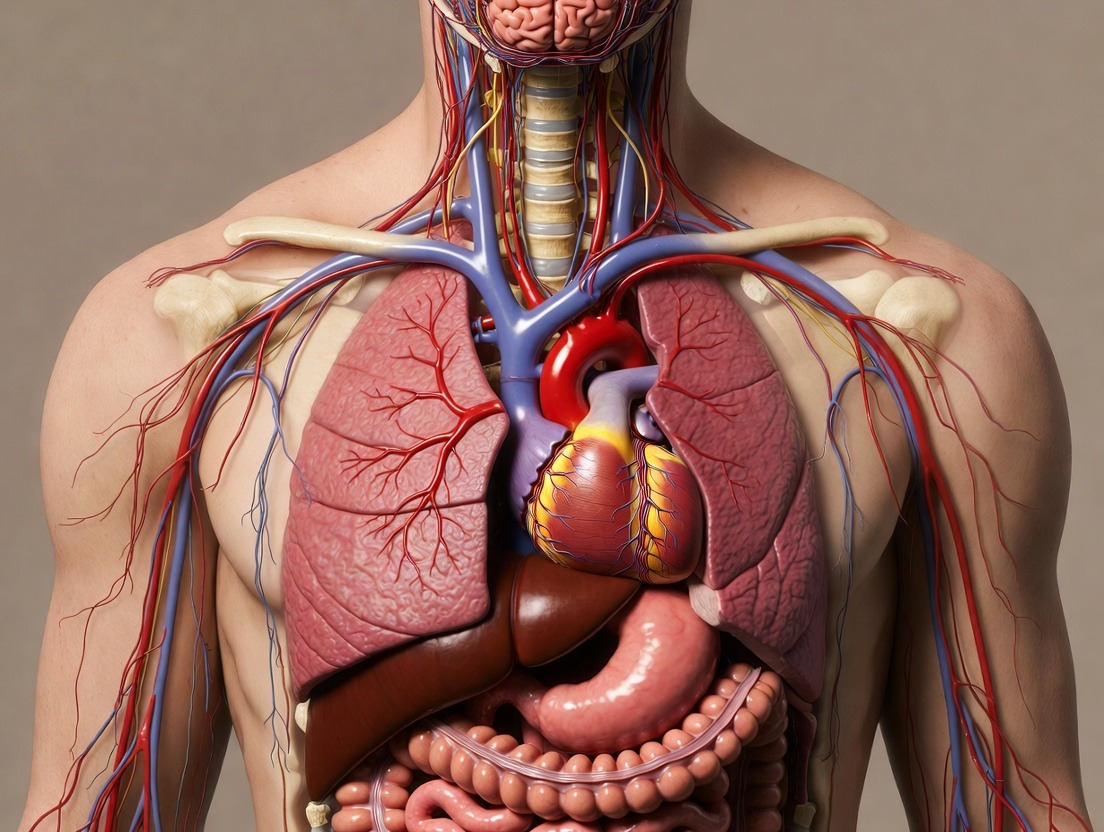
Health Metrics Explained: The Circadian Rhythm Indicators
The metrics that indicate the health of your circadian rhythm.
The Invisible Conductor: How Your Circadian Rhythm Orchestrates Your Health
Have you ever wondered why you naturally wake up just before your alarm on a good day, or why a 3 PM slump feels almost universal? Why is your mind sharpest in the morning, your patience thinnest at night, and your craving for comfort food strongest when the moon is high? The answer lies not in willpower, habit, or coincidence, but in an ancient, internal timekeeper that governs every cell in your body: your circadian rhythm.
This 24-hour biological clock, deeply embedded within the brain's hypothalamus, is the master conductor of your physiological symphony. It cues the release of hormones, regulates body temperature, dictates sleep-wake cycles, and influences everything from cognitive performance to metabolic health. For centuries, this rhythm was a mystery, perceptible only through its effects. We knew the what—feeling tired, hungry, or alert—but not the precise why or how.
Today, the dawn of personal biometrics has changed everything. With the advent of sophisticated, wearable technology like advanced smart rings, we can now move from simply observing the symptoms of our rhythms to decoding their precise language. These devices offer a continuous, non-invasive window into our internal world, translating subtle physiological signals into actionable data about our circadian health.
This article is your definitive guide to understanding these critical health metrics. We will journey deep into the science of circadian rhythms, exploring the specific indicators that modern technology can track, what they reveal about your overall wellness, and how you can use this knowledge to optimize your life. This isn't just about sleeping better; it's about aligning your daily choices with your biology to unlock higher energy, sharper focus, better mood, and long-term vitality. For a deeper dive into the technology that makes this possible, you can always explore how Oxyzen smart rings capture this vital data.
Welcome to the frontier of personalized health, where time itself becomes your most powerful metric.
Your Body's Internal Clock: The Science of Circadian Rhythms Explained
At its core, a circadian rhythm is a roughly 24-hour cycle in the physiological processes of living beings. The term itself is derived from the Latin circa (meaning "around") and diem (meaning "day"). Found in plants, animals, fungi, and even some bacteria, these rhythms are a fundamental adaptation to Earth's rotation, allowing organisms to anticipate and prepare for predictable environmental changes like light and temperature.
The headquarters of this system in humans is the suprachiasmatic nucleus (SCN), a tiny region of about 20,000 neurons in the hypothalamus. Think of the SCN as the "master clock." It receives direct input from specialized cells in the retina, which detect light (specifically blue wavelengths) and signal whether it's day or night. This light signal is the primary "zeitgeber" (German for "time giver") that resets the SCN each morning, syncing our internal clock with the external world.
But the SCN doesn't work alone. It communicates its timing signals to every organ and tissue in the body through neural pathways and hormonal signals, synchronizing a vast network of peripheral clocks. Your liver, heart, pancreas, and even individual fat cells all have their own molecular clocks, oscillating in harmony with the master conductor. This complex system regulates:
Sleep-Wake Cycles: The most obvious rhythm, driven by the interplay of hormones like melatonin (the "darkness hormone") and cortisol (the "wakefulness hormone").
Core Body Temperature: It dips to its lowest point in the early morning hours (around 4-5 AM) and peaks in the late afternoon, influencing alertness and sleep propensity.
Hormone Release: Cortisol surges in the morning to promote alertness, growth hormone is released during deep sleep, and insulin sensitivity varies throughout the day.
Metabolism and Digestion: Enzymatic activity and nutrient processing are timed for optimal efficiency.
Gene Expression: It's estimated that over 40% of our protein-coding genes show circadian oscillation, meaning their activity is timed to specific parts of the day.
When your external behaviors—your sleep schedule, meal timing, and light exposure—are in sync with this internal timing, you experience circadian alignment. This is the state of peak biological efficiency, where systems repair, restore, and function optimally. When these behaviors are misaligned—through irregular sleep, late-night eating, or excessive blue light at night—you experience circadian disruption. Chronic disruption is now linked by a mountain of research to a staggering array of health issues, including insomnia, obesity, type 2 diabetes, cardiovascular disease, depression, and impaired immune function.
Understanding this foundational science is the first step. The next is learning how to measure your personal rhythm. As we'll see, modern wearables track the downstream effects of this master clock, giving us a personalized map of our daily biological landscape. For more foundational wellness insights, our blog features articles on the basics of biometric tracking.
Beyond Sleep Trackers: Why Smart Rings Are the Ideal Circadian Sensor
For years, the wristwatch and wristband have dominated the wearable fitness space. They track steps, heart rate, and even sleep with increasing sophistication. But for capturing the nuanced symphony of circadian rhythms, the finger is a superior vantage point. Here’s why smart rings are emerging as the gold standard for continuous, accurate circadian monitoring.
1. The Anatomical Advantage: A Rich Vascular Highway The finger, particularly the base of the finger, contains dense bundles of capillaries close to the skin's surface. This provides a stronger and more consistent photoplethysmography (PPG) signal—the optical method used to measure blood volume changes. A stronger signal means more reliable data for heart rate, heart rate variability (HRV), and respiratory rate, which are all core circadian indicators. The wrist, by comparison, has more bone, tendon, and less consistent blood flow, making its signal more susceptible to motion artifact and "noise."
2. Unobtrusive and Wearable 24/7 Comfort and consistency are everything in circadian tracking. You need a device that can collect data seamlessly across all activities—sleep, work, exercise, and showering—without inconvenience. A lightweight, water-resistant smart ring fits this bill perfectly. It’s easy to forget you’re wearing it, which leads to higher compliance and more complete data sets. Unlike a watch you might remove for charging or comfort, a ring can stay on for weeks, providing a truly continuous view of your physiology.
3. The Nighttime Data Goldmine Circadian analysis is critically dependent on nocturnal data. This is when your body enters its most distinct physiological states—deep sleep, REM sleep, and the critical restoration period. A ring is inherently less intrusive for sleep. There’s no bulky watch face to press against your wrist, and its consistent placement ensures the sensor maintains optimal skin contact throughout the night's movements. This results in superior sleep staging accuracy and clearer readings of nighttime HRV and body temperature trends, which are vital circadian markers.
4. A Holistic, Multi-Metric Approach Advanced smart rings don’t rely on a single metric. They synthesize data from multiple sensors to create a composite picture of your rhythm. By combining:
Skin Temperature (a primary circadian output)
Heart Rate & HRV (indicators of autonomic nervous system state)
Movement & Activity
Respiratory Rate ...these devices can infer circadian phase, sleep quality, recovery status, and daily readiness with remarkable sophistication. This multi-lens view is far more powerful than any single measurement.
5. Proximity to Core Temperature Regulation While core body temperature (measured internally) is the gold-standard circadian marker, peripheral skin temperature—especially from the finger—provides an excellent and accessible proxy. The blood vessels in your fingers vasodilate (widen) to release heat when your core temperature needs to drop (a signal for sleep onset) and vasoconstrict to conserve heat. A ring tracking finger temperature is therefore directly monitoring a key thermoregulatory process commanded by your circadian clock.
In essence, the smart ring is a discreet, powerful biomonitoring hub placed on one of the body's most vascular and temperature-sensitive appendages. It’s designed not just for fitness, but for continuous physiology. This makes it uniquely suited to answer the complex question: "Is my lifestyle in sync with my biology?" To understand the philosophy behind creating such a purpose-built device, you can read about our story and design ethos.
Core Body Temperature & Its Rhythm: The Prime Circadian Signal
If you could only track one metric to gauge your circadian rhythm, core body temperature (CBT) would be the most telling. It is considered a primary circadian output—a direct, measurable result of the master clock's activity. Unlike sleep, which can be behaviorally manipulated, your CBT rhythm is a robust, endogenous signal that persists even in the absence of external time cues.
The Daily Thermal Wave A healthy circadian rhythm produces a predictable CBT curve:
Late Afternoon Peak: Temperature reaches its highest point, typically between 4 PM and 6 PM. This coincides with peak alertness, reaction time, and muscle strength.
Evening Decline: As bedtime approaches, CBT begins to drop, initiating the cascade of events that lead to sleepiness.
Nocturnal Nadir: Temperature hits its lowest point, usually in the second half of the night (around 4-5 AM), during the core sleep period.
Morning Rise: CBT begins to climb again in the early morning hours, helping to promote wakefulness.
This fluctuation isn't dramatic—usually about 1-2 degrees Fahrenheit (0.5-1 degree Celsius)—but its timing and amplitude are incredibly informative.
What Your Temperature Rhythm Reveals About Your Health
Circadian Phase (Are You a Lark or an Owl?): The timing of your temperature minimum is a key marker. An early temperature minimum (e.g., 3 AM) suggests an earlier circadian preference ("morning lark"). A later minimum (e.g., 6 AM) suggests a later preference ("night owl"). Smart rings that track peripheral temperature can estimate this minimum, helping you understand your natural chronotype.
Sleep Readiness & Onset: The rate of temperature decline in the evening is a physical prerequisite for sleep onset. A blunted or delayed drop is a classic sign of circadian misalignment, often seen in insomnia, shift work, or after late-night screen use. Tracking this can help you identify the ideal window for bedtime.
Metabolic Health: A dampened amplitude (a flatter temperature curve) is associated with poor metabolic function. Research links flattened circadian temperature rhythms to insulin resistance, obesity, and mood disorders. A robust, rhythmic rise and fall is a sign of a healthy, responsive system.
Ovulation Tracking (for Women): The circadian temperature rhythm is overlaid by the menstrual cycle's effect. After ovulation, progesterone causes a sustained rise in basal body temperature. By tracking long-term trends, a smart ring can help identify the biphasic pattern of the cycle, pinpointing ovulation and mapping cycle phases—a powerful integration of circadian and reproductive health.
How Smart Rings Track This Signal While direct CBT requires an internal pill or rectal probe, smart rings accurately measure peripheral skin temperature at the finger. As mentioned, this is an excellent proxy because the blood vessels in the hands and feet are the body's primary thermoregulatory radiators. The ring detects the subtle vasodilation and vasoconstriction that follow the SCN's commands, allowing it to chart your personal thermal rhythm night after night.
Monitoring this prime signal is the cornerstone of circadian-aware living. It provides an objective report card on how well your external life aligns with your internal timing. If your temperature rhythm is consistently irregular, it’s a fundamental sign that your biological clock is under stress.
Heart Rate Variability (HRV): The Window to Your Autonomic Nervous System
While your pulse tells you how often your heart beats, Heart Rate Variability (HRV) measures the tiny variations in time between each heartbeat. These fluctuations, measured in milliseconds, are not a sign of an unhealthy heart; on the contrary, they are a powerful indicator of a robust, responsive, and resilient nervous system. HRV has emerged as one of the most insightful metrics for gauging circadian influence on your physiology.
HRV and the Autonomic Nervous System (ANS) The ANS, which operates largely below conscious level, has two primary branches:
Sympathetic Nervous System (SNS): The "gas pedal." It drives the "fight-or-flight" response, increasing heart rate, blood pressure, and alertness to handle stress.
Parasympathetic Nervous System (PNS): The "brake pedal." It governs the "rest-and-digest" state, promoting recovery, digestion, and relaxation. It slows the heart rate and allows for greater variability between beats.
HRV is the balance between these two forces. A higher HRV generally indicates strong parasympathetic (restorative) tone and good adaptability—your body can efficiently switch between effort and recovery. A lower HRV suggests dominant sympathetic (stress) tone, often signaling fatigue, overtraining, illness, or chronic stress.
The Circadian Rhythm of HRV Your ANS doesn't operate at a constant level all day. It follows a clear circadian pattern orchestrated by the SCN:
During the Day: Sympathetic tone is naturally higher to support activity, focus, and engagement with the world. HRV tends to be lower during waking hours, especially during physical or mental exertion.
During the Night: As you sleep, and particularly during deep non-REM sleep, parasympathetic tone should dominate to facilitate physical restoration. HRV typically reaches its peak during this nighttime recovery period. This nocturnal rise is a critical sign of effective nervous system recovery.
Interpreting Your HRV Data for Circadian Health
Nocturnal HRV Trend: The most important view is the trendline of your nightly average or peak HRV. A consistent, strong rise at night indicates good circadian alignment and effective recovery. A blunted or declining nighttime HRV is a red flag for circadian disruption, accumulated stress, or poor sleep quality.
Morning Baseline: Your HRV upon waking (before coffee, news, or stress) provides a "readiness" score. A higher morning HRV suggests you are well-recovered from the previous day and ready for challenge. A lower than usual score suggests you may need a lighter day.
Day-Night Contrast: A healthy system shows a clear rhythm—lower, more variable HRV during the day, and a distinct, elevated plateau at night. A flattened pattern (similar HRV day and night) can indicate a nervous system stuck in a stressed or exhausted state, unable to shift gears appropriately—a hallmark of circadian misalignment.
Factors Influencing HRV It’s crucial to remember HRV is sensitive to everything:
Negative Influences: Physical or emotional stress, alcohol consumption, late meals, intense evening exercise, illness, and disrupted sleep.
By tracking HRV continuously, a smart ring helps you connect the dots between your daily choices and your nervous system's state. It answers: "Did that late-night work session or extra glass of wine impact my recovery?" It transforms subjective feelings of "tiredness" into objective data, empowering you to make smarter decisions for your circadian health. For practical tips on how to improve your HRV, our blog offers science-backed strategies.
The Sleep-Wake Cycle: Deconstructing Sleep Architecture and Timing
Sleep is the most profound expression of the circadian rhythm. It’s not a uniform state of unconsciousness but a meticulously orchestrated cycle of distinct stages, each with a specific purpose and timing dictated by your internal clock. Understanding your sleep architecture—the structure of your night—is key to assessing circadian health.
The Stages of Sleep: A Nightly Journey A typical night consists of 4-5 cycles, each lasting ~90 minutes and comprising:
NREM Stage 1 (N1): The transition from wakefulness to sleep, lasting several minutes. Muscle activity slows, and you can be easily awakened.
NREM Stage 2 (N2): Light sleep. Heart rate slows, body temperature drops further. This stage comprises the largest portion of adult sleep and is crucial for memory consolidation and metabolic regulation.
NREM Stage 3 (N3): Deep Sleep or Slow-Wave Sleep (SWS). This is the most restorative phase. The body repairs tissues, builds bone and muscle, strengthens the immune system, and clears metabolic waste from the brain. It’s hardest to wake from, and vital for physical recovery.
REM Sleep: Rapid Eye Movement sleep. The brain becomes highly active (dreaming occurs), eyes dart, and muscles are temporarily paralyzed. REM is essential for emotional processing, memory integration, and creativity.
The Circadian Blueprint of Sleep Stages Your clock doesn't just dictate when you sleep, but how you sleep:
Deep Sleep (N3) is prioritized in the first half of the night. This is when growth hormone secretion peaks, tied closely to the circadian temperature drop.
REM Sleep dominates the second half of the night and early morning hours, as your core body temperature begins its ascent towards wakefulness.
A healthy circadian rhythm creates a predictable, balanced architecture: sufficient deep sleep early on, followed by adequate REM sleep later. Disrupting your bedtime—going to bed much later than usual—can truncate the first deep-sleep-rich cycle. Waking up much earlier than usual can cut short your vital REM sleep.
Key Sleep Metrics for Circadian Analysis
Sleep Onset Latency: The time it takes to fall asleep. Consistently short latency (10-20 minutes) suggests good sleep drive aligned with your circadian "sleep window." Consistently long latency may indicate being in bed outside this window (e.g., an "owl" trying to be a "lark") or poor sleep hygiene.
Sleep Efficiency: The percentage of time in bed actually spent asleep. High efficiency (>90%) is a sign of consolidated, quality sleep. Low efficiency with lots of wakefulness can point to circadian disruption, stress, or environmental factors.
Wake After Sleep Onset (WASO): Total time awake during the night after initially falling asleep. Minimal WASO is ideal. Elevated WASO can be linked to circadian rhythm disorders, sleep apnea, or external disturbances.
Stage Distribution: The percentages of NREM and REM sleep. While individual needs vary, significant deviations from typical ranges (e.g., very low deep sleep or REM) can be flags for circadian misalignment, sleep disorders, or other health issues.
Sleep Consistency: Perhaps the most circadian-critical metric of all. Going to bed and waking up at consistent times, even on weekends, is the single most powerful way to strengthen your circadian rhythm. A smart ring vividly shows the impact of weekend "social jetlag" on your sleep quality and next-day readiness.
By moving beyond simple "sleep duration" to analyze the architecture and timing of your sleep, you gain a sophisticated understanding of your clock's health. This data allows you to refine your schedule for optimal restoration. For those struggling with sleep timing, our FAQ section addresses common questions on improving sleep consistency.
Resting Heart Rate (RHR) and Its Nocturnal Dip: A Vital Sign of Recovery
Your Resting Heart Rate (RHR)—the number of times your heart beats per minute while you are at complete rest—is a classic vital sign. But when viewed through a circadian lens, especially its pattern throughout the night, it transforms from a simple number into a dynamic story of cardiovascular health and recovery.
The Physiology of the Nightly Dip In a state of perfect circadian alignment and good health, your RHR doesn't just sit at a low number during sleep; it follows a distinct curve:
Evening Decline: As you relax and prepare for sleep, your heart rate begins to decrease from its daytime active levels.
Nocturnal Nadir: During deep NREM sleep, parasympathetic nervous system activity peaks, and your heart rate reaches its lowest point of the 24-hour cycle, often 20-30 beats per minute lower than your daytime active rate.
Morning Ascent: In the hours before waking, as REM sleep increases and sympathetic tone begins to rise in anticipation of the day, your heart rate gradually increases.
This "dipping" pattern is a sign of a robust and well-regulated cardiovascular system. The depth of the dip is a marker of how effectively your body can decelerate and enter a state of deep restoration.
What Your RHR Rhythm Tells You
Recovery Quality: A deep, predictable dip indicates high-quality recovery during sleep. Your body is efficiently repairing itself. A shallow dip or a high, flat RHR throughout the night suggests your system is still under sympathetic stress—it can't fully "downshift." This can be due to late exercise, alcohol consumption, emotional stress, an underlying infection, or circadian misalignment like shift work.
Cardiovascular Fitness: Generally, a lower RHR is associated with better cardiovascular fitness (a strong heart pumps more blood per beat, so it needs to beat less). Tracking the trend of your sleeping RHR (more stable than daytime RHR) is a great way to monitor fitness improvements or detraining over time.
Early Illness Detection: One of the earliest signs of your body fighting off a pathogen (a cold, flu, or even systemic inflammation) is an elevated resting heart rate, particularly during sleep. Your metabolism increases to fuel the immune response. A smart ring that alerts you to a sustained elevation in your nightly RHR can be an early warning system, prompting you to rest and hydrate.
Chronic Stress or Overtraining: A consistently elevated sleeping RHR with a blunted dip is a classic biomarker of a body under chronic allostatic load. It's a physiological plea for more recovery and a re-evaluation of lifestyle stressors.
The Connection to Circadian Disruption When your sleep-wake cycle is misaligned with your internal clock, the hormonal signals that normally orchestrate the nighttime cardiovascular slowdown become confused. Cortisol may not drop sufficiently, or melatonin's influence may be weakened. The result is a higher, more erratic sleeping heart rate. This is why night shift workers have a markedly higher risk of cardiovascular disease—their hearts are literally working harder during their biological night, never getting the full restorative break they are designed for.
Monitoring your RHR rhythm, therefore, is not just about tracking fitness; it's about listening to one of your body's most fundamental signs of equilibrium or distress. It provides daily, objective feedback on whether your lifestyle supports or hinders your circulatory system's essential repair period.
Activity & Movement Patterns: The Daytime Counterbalance to Nightly Rest
Circadian health is a 24-hour proposition. While recovery happens at night, the quality of that recovery is profoundly shaped by what you do during the day. Your daily activity and movement patterns are powerful "zeitgebers" (time-givers) that reinforce your internal clock, creating a virtuous cycle of alert days and restorative nights. Smart rings track this crucial daytime component, closing the loop on your circadian picture.
Movement as a Circadian Reinforcer Physical activity sends strong signals to your master clock. Exercise, particularly in natural light, helps synchronize peripheral clocks in your muscles and organs, strengthening the overall circadian rhythm. It also has a direct phase-shifting effect:
Morning Exercise: Can help advance your clock, making you feel sleepier earlier in the evening—beneficial for "night owls" trying to shift earlier.
Afternoon/Evening Exercise: Aligns with your natural peak in core body temperature and performance, often yielding the best workouts. However, very intense exercise too close to bedtime (within 1-2 hours) can raise core temperature and stimulate the sympathetic nervous system, potentially interfering with sleep onset for some people.
Key Activity Metrics for Circadian Balance
Daily Activity Level: A consistent baseline of non-exercise activity thermogenesis (NEAT)—walking, standing, daily chores—is foundational. Sedentary days can lead to poorer sleep quality and a flatter circadian temperature rhythm.
Exercise Timing & Intensity: Tracking when you work out and how your body responds (via HRV and RHR recovery) is key. The ring helps you identify if your evening spin class is disrupting your sleep metrics or if morning yoga improves your daytime focus.
Activity-Rest Cycles: The macro pattern of active days and restful nights is essential. The ring can highlight patterns of overreaching—too many high-intensity days without adequate recovery—which inevitably disrupts circadian signals and degrades sleep.
Daytime Sedentary Behavior: Prolonged, unbroken sitting is a modern health scourge. Some devices offer inactivity alerts. Breaking up sedentary periods with light movement every hour reinforces metabolic and circadian health.
The Symmetry of Day and Night A healthy circadian rhythm is characterized by clear, contrasting states: high amplitude. This means:
Active Day: Robust movement, exposure to bright light, social engagement, and food intake.
Quiet Night: True physical rest, darkness, fasting, and parasympathetic dominance.
A smart ring helps you visualize this symmetry. An ideal day shows a clear activity curve that winds down in the evening, leading into a night with deep sleep, a strong HRV rise, and a clear RHR dip. A problematic pattern shows a "blurring" of these states: a sedentary, lethargic day followed by a restless, high-heart-rate night. This blurring is a core feature of circadian disruption seen in depression, chronic fatigue, and metabolic syndrome.
By quantifying your movement, you gain agency. You can experiment: does a 10-minute afternoon walk improve your sleep depth? Does shifting your workout to the morning result in a lower sleeping heart rate? This feedback loop turns daily activity into a precision tool for tuning your biological clock. Reading about real user experiences can show how others have used this data to transform their daily routines.
The Cortisol Awakening Response (CAR) & Daylight Exposure
The transition from sleep to wakefulness is not a passive event; it is a precisely timed hormonal surge designed to launch you into the day. At the center of this is the Cortisol Awakening Response (CAR)—a sharp increase in the stress hormone cortisol that occurs in the first 30-60 minutes after waking. While we cannot directly measure cortisol with a smart ring (yet), we can understand and influence its crucial role, and track the most important factor that regulates it: daylight exposure.
Understanding the Cortisol Awakening Response Cortisol has a bad reputation as a "stress hormone," but in its proper rhythm, it is essential for health. Its daily cycle is a masterclass in circadian timing:
The Morning Surge (CAR): Upon waking, the SCN signals the adrenal glands to release a burst of cortisol. This surge serves vital functions: it helps shake off sleep inertia, boosts blood pressure and blood sugar to fuel the body, enhances alertness, and primes the immune system.
Gradual Decline: Cortisol levels gradually fall throughout the day.
Evening Low: They reach their lowest point in the late evening, allowing melatonin to rise and promote sleepiness.
A robust, well-timed CAR is associated with better energy, focus, and resilience to daytime stress. A blunted or exaggerated CAR is linked to conditions like burnout, depression, and chronic fatigue.
The Critical Role of Morning Light The most powerful regulator of the CAR and your entire circadian phase is light exposure, especially in the morning. Bright morning light (particularly from the blue-rich sky) does two things:
It Suppresses Melatonin: It shuts off the sleep hormone signal from the previous night.
It Reinforces the SCN: It provides the primary "zeitgeber" that tells your master clock, "This is morning. Start the day cycle."
Without adequate morning light, the CAR can be weaker, and your entire clock can drift later, making you feel groggy in the morning and wide-awake at night.
How Smart Rings Inform This Cycle While they don't measure cortisol, smart rings track the physiological outcomes of a healthy CAR and light exposure:
Wake-Up Heart Rate & HRV: A healthy morning often shows a steady rise in heart rate from its nighttime low (reflecting the cortisol and sympathetic nervous system activation) and a corresponding drop in HRV from its nighttime high.
Daytime Activity Readiness: Your "readiness" or "recovery" score upon waking, often derived from HRV, RHR, and sleep quality, indicates whether your body is hormonally and physiologically prepared for the CAR's demands. A low score suggests your system may be too depleted to mount an optimal response.
Indirect Light Tracking: By analyzing your activity (were you outside or moving in the morning?) and combining it with sleep timing, the ring's algorithms can infer the likelihood of sufficient light exposure. Some future devices may integrate ambient light sensors.
Actionable Insights: Harnessing the Morning This knowledge is profoundly actionable. The data underscores the non-negotiable importance of:
Getting Bright Light Within 30-60 Minutes of Waking: Aim for at least 10-15 minutes of outdoor light, or use a bright light therapy lamp if sunrise is late.
Maintaining a Consistent Wake Time: This stabilizes the timing of your CAR.
Avoiding "Snoozing": Fragmented early morning sleep can disrupt the clean execution of the CAR.
By focusing on morning light and routine, you anchor your entire circadian day, setting the stage for better energy, mood, and sleep that night. It’s the most powerful free circadian intervention available.
The Role of Nutrition & Meal Timing: Feeding Your Clock
"You are what you eat" is only half the truth. A more complete adage for circadian health would be: "You are when and what you eat." Every organ involved in digestion—the stomach, liver, pancreas, and intestines—has its own circadian clock. These peripheral clocks anticipate meals to optimize digestion, nutrient absorption, and metabolism. Disregarding this timing is a primary driver of circadian disruption and metabolic disease.
The Circadian Metabolism Cycle
Morning & Daytime (Active Phase): Insulin sensitivity is highest. The body is primed to process food for energy. Cortisol and activity help shuttle glucose into muscles and organs. The liver's clock upregulates enzymes for glucose metabolism and energy production.
Evening & Night (Rest Phase): Insulin sensitivity declines. The body shifts towards fat burning, repair, and detoxification. The liver's clock switches to processes like glycogen storage and cholesterol synthesis. Melatonin rise also directly inhibits insulin release.
Eating late at night sends a conflicting signal: it's like telling your digestive organs to start their morning shift while the rest of your body is trying to sleep. This forces pancreatic beta-cells to work overtime, promotes fat storage (especially visceral fat), and raises blood sugar levels.
Time-Restricted Eating (TRE): Aligning Food with Rhythm This practice, also called circadian fasting, is about consolidating your daily food intake into a window that aligns with your body's metabolic rhythm—typically a shorter window during the daylight/active phase (e.g., 8, 10, or 12 hours). A common pattern is finishing dinner by 7 PM and not eating again until 7 AM or later (a 12-hour fast).
Research on TRE shows benefits including:
Improved insulin sensitivity and blood sugar control
Better weight management and fat loss
Reduced blood pressure and inflammation
Enhanced cellular repair processes (autophagy)
More robust circadian rhythms in the liver and gut
How Smart Rings Provide Feedback on Meal Timing While rings don't track calories, they provide the physiological report card on how your eating patterns affect your clock:
Impact on Sleep: A late, heavy meal will often manifest as a higher resting heart rate and lower HRV during the night, as your body diverts energy to digestion instead of restoration. It can also raise nocturnal skin temperature, disrupting the cooling needed for deep sleep.
Morning Readiness: Waking up with a low HRV score and elevated RHR might be the consequence of a late meal the night before.
Glucose Response Proxy: By tracking heart rate and HRV after meals (a form of "meal reaction" monitoring), some algorithms can infer metabolic stress. A significant, prolonged spike in heart rate after eating may indicate poor metabolic flexibility.
Practical Circadian Nutrition Takeaways
Prioritize a Substantial Breakfast/Lunch: Make your largest, most carbohydrate-rich meal during your active phase when you can best use the energy.
Diminish Dinner: Make your evening meal smaller, earlier, and higher in protein/fiber with fewer refined carbs.
Respect the Nightly Fast: Aim for at least 12-13 hours between your last bite of dinner and first bite of breakfast. This gives your metabolic organs their necessary "downtime."
Be Consistent: Try to eat at similar times each day. Erratic meal patterns are as disruptive to peripheral clocks as erratic sleep is to the master clock.
Your smart ring data helps you move from generic diet advice to personalized meal timing. It answers: "Does my body recover better when I stop eating by 8 PM?" This turns nutrition into a powerful tool for circadian synchronization. For more on integrating these principles, our blog covers the intersection of diet and sleep in detail.
Putting It All Together: Your Personal Circadian Dashboard
By now, you understand the individual players: temperature, HRV, sleep stages, RHR, activity, light, and meal timing. The true magic—and the ultimate power of a sophisticated smart ring—happens when these metrics are synthesized into a cohesive, personalized circadian dashboard. This is where data transforms into wisdom and actionable insight.
The Dashboard View: More Than the Sum of Its Parts A best-in-class circadian analysis doesn't just show you separate graphs for sleep and heart rate. It integrates them to tell a story. Imagine a single daily report that shows:
A timeline where your body temperature drop aligns perfectly with your sleep onset.
Your peak nighttime HRV occurring during your longest period of deep sleep.
A strong RHR dip coinciding with those same phases.
A consistent bedtime and wake time across the week, reinforced by a log of daytime activity and an inferred morning light score.
This integrated view reveals amplitude and phase—the two hallmarks of a strong circadian rhythm. High amplitude means big, healthy swings between day (high temperature, activity, lower HRV) and night (low temperature, rest, high HRV). A stable phase means these swings happen at a consistent time each day.
Key Composite Scores: Your Daily North Star Most platforms distill this complexity into one or two overarching scores:
Readiness/Recovery Score: Calculated from your nighttime physiology (HRV, RHR, sleep quality). It answers: "Is my body prepared for the demands of today, or do I need more recovery?" A low score is a directive to take it easy.
Sleep Score: A comprehensive grade for your night, incorporating duration, consistency, structure, and restoration.
Activity Score: Balancing your movement goals with your recovery needs, ensuring you don't overtrain.
Identifying Patterns and Personal Triggers Over weeks and months, your dashboard becomes a personal science lab. You can observe patterns like:
"My HRV tanks every Sunday night after a weekend of late nights and social drinks."
"My sleep is deepest and my morning readiness highest on days I exercise before 5 PM and eat dinner before 8 PM."
"My temperature rhythm shifts later in winter, suggesting I need a light therapy lamp."
This is the essence of biohacking—using data to run experiments on your own biology. The ring removes the guesswork from questions like, "Does meditation help me?" or "Is my new job schedule affecting my health?"
The Ultimate Goal: From Tracking to Trusting Initially, you may obsess over daily scores. But the long-term goal is to develop an intuitive sense of your body's rhythms. The dashboard serves as a calibration tool. You learn to notice the subtle feeling that precedes a high-readiness day, or the heavy fatigue that correlates with a poor sleep score. The data trains your own interoceptive awareness—your ability to sense what's happening inside.
Your personal circadian dashboard is the command center for your well-being. It doesn't dictate your life, but it provides the feedback necessary to make informed choices that align with your biology, helping you build a life that doesn't just look good on paper, but feels good in your cells. To see how this philosophy is embedded in our product's mission, you can learn more about our company's approach.
Advanced Applications: Chronotypes, Shift Work, and Jet Lag
Understanding your circadian rhythm is one thing; applying that knowledge to navigate the real-world challenges of modern life is another. Our internal clocks often clash with social, professional, and global demands. Here, the data from a smart ring becomes not just insightful, but essential for strategic adaptation and damage control. Let’s explore three critical applications: chronotype alignment, shift work survival, and jet lag mitigation.
Decoding Your Chronotype: More Than Just "Morning" or "Night"
Chronotype is your natural predisposition for sleep and activity times within the 24-hour day. While often simplified to "lark" or "owl," it's a biological spectrum influenced by genetics, age, and environment. Your smart ring data provides the objective evidence to pinpoint your true chronotype, moving beyond self-report.
How Your Ring Identifies Your Chronotype:
Temperature Minimum Timing: As discussed, this is a gold-standard marker. A ring that tracks nocturnal temperature can estimate when your core body temperature reaches its nadir. An early minimum (e.g., 3-4 AM) indicates an early chronotype; a later one (e.g., 6-7 AM) suggests a later chronotype.
Sleep Onset & Wake-Up Ease: Do you fall asleep easily at 10 PM and wake up spontaneously at 6 AM feeling refreshed? Or do you only feel truly alert after 10 AM? Your ring’s sleep latency and consistency data, combined with your subjective "feeling" logs, paint a clear picture.
Performance & Readiness Rhythms: When is your daily readiness score highest? An early type will see peak scores in the early morning, while a late type’s scores may climb through the afternoon.
The Cost of Social Jetlag: This is the misalignment between your biological chronotype and your socially imposed schedule. The late-type student forced to 8 AM classes, or the early-type nurse on night shifts, experiences this chronically. Your ring quantifies this cost. It shows:
Poorer sleep efficiency on work/school nights.
A compensatory, irregular sleep pattern on free days.
A consistently lower readiness score on days you must wake against your natural rhythm. Chronic social jetlag is linked to obesity, depression, and cardiovascular risk—it’s a state of persistent, low-grade circadian disruption.
Strategies for Chronotype Alignment (Not Just Fighting It):
Light Manipulation: Early types should maximize morning light and minimize evening light. Late types can use bright light exposure in the late afternoon to delay their clock slightly, and wear blue-light blocking glasses in the early evening to prevent further delay.
Strategic Meal Timing: Later chronotypes should be especially vigilant about early time-restricted eating. Finishing dinner earlier can help advance their phase.
Negotiating Flexibility: The most powerful intervention is social. Armed with your personal data, you might advocate for slightly later start times, flexible hours, or remote work options. The data makes it a health conversation, not a preference discussion.
The Circadian Challenge of Shift Work
Shift work is a form of extreme and forced circadian misalignment. It asks the body to be awake, active, and fed during its biological night. The health consequences are severe: significantly elevated risks for metabolic syndrome, cardiovascular disease, certain cancers, and mental health issues. For shift workers, a smart ring isn’t a luxury; it’s a critical health-monitoring tool for navigating a hostile physiological environment.
How a Smart Ring Helps Shift Workers Mitigate Risk:
Tracking Adaptation (or Lack Thereof): Does your body ever truly adapt to nights? For most, it doesn't fully. The ring shows if your temperature rhythm ever inverts or if your daytime sleep (your "night") is consistently fragmented and shallow with poor HRV recovery.
Optimizing Sleep Timing: The ring helps find the optimal sleep window after a night shift. Should you sleep immediately (which may align with your declining temperature) or delay sleep slightly? Data on sleep latency and depth provides the answer.
Monitoring Cardiovascular Strain: The elevated sleeping heart rate (during daytime sleep) is a direct metric of cardiovascular stress. Tracking this trend is crucial.
Guiding Light Exposure: This is the most powerful tool. The ring’s activity log can help enforce a strict light-dark protocol: using very bright light (therapy lamps) during the first half of the night shift, and then wearing blue-blocking glasses before and during the commute home to prevent morning sunlight from shutting down melatonin.
Strategic Nutrition for Shift Work:
"Night" Meals: Eat lighter, protein-focused meals during the shift. Avoid heavy, carb-rich meals that will promote sleepiness during the active period and digestive strain during rest.
"Morning" Fasting: After a night shift, try to avoid a large meal before daytime sleep. A small snack is fine. Eat your main "breakfast" upon waking in the afternoon/evening.
The goal for shift workers isn’t perfect alignment—it’s often unattainable—but rather strategic mitigation. The ring provides the feedback loop to find the least harmful routine possible.
Conquering Jet Lag with Data
Jet lag is acute circadian misalignment caused by rapid travel across time zones. Your internal clock is stuck in your departure city while your body is in a new light-dark cycle. The symptoms—fatigue, insomnia, digestive upset, brain fog—are the feeling of your internal clocks desynchronizing from each other and the environment.
Using Your Ring for Proactive Jet Lag Management: Pre-Flight (Phase Shifting):
Determine Direction and Strategy: Flying east is harder (requires advancing your clock). Flying west is easier (requires delaying it).
Use Your Ring’s Baseline: Know your current temperature minimum and sleep window.
Gradually Shift: 3-4 days before travel, gradually shift your bedtime and mealtimes toward the destination schedule. Your ring’s sleep and readiness scores will tell you how well you’re adapting. Use light exposure strategically during this period (seek light to advance, avoid light to delay).
During Flight & Upon Arrival (Resetting the Clock):
Light Exposure is King: The single most important action. Use an app or chart to determine the optimal light and dark windows for your new time zone. Your ring’s activity tracker can remind you to seek or avoid light at critical times.
Hydration & Movement: The ring’s hydration reminder (based on HRV and skin metrics) and activity nudges are crucial. Dehydration and stiffness exacerbate jet lag.
Melatonin Supplementation: If used, take it at the target bedtime of your new time zone to help signal the shift. Your ring’s sleep data will show its effectiveness.
Post-Arrival (Tracking Recovery):
Monitor Re-synchronization: How many days does it take for your nocturnal HRV to recover? For your temperature minimum to shift to the new night? For your sleep efficiency to normalize? Your ring provides an objective recovery timeline, which is often longer than the subjective feeling of adaptation.
Be Patient with Performance: Your readiness score will be low. Honor it. Don’t schedule critical meetings or intense workouts for the first 1-3 days based on your old time zone’s rhythms.
By treating jet lag as a measurable biological challenge rather than an inevitable annoyance, you can cut recovery time in half and maintain well-being during travel. The ring turns you from a passive victim of time zones into an active phase-shifter.
In all these scenarios, the value of continuous biometrics is inescapable. It provides the objective truth of your body’s state amidst conflicting external demands, empowering you to make intelligent, health-preserving choices. For shift workers and frequent travelers seeking community tips, our community FAQ offers shared experiences and strategies.
The Mind-Body Connection: Circadian Rhythms, Mood, and Mental Performance
The symphony of your circadian rhythm doesn’t just play in your organs; it resonates powerfully within your brain. The regulation of mood, cognitive function, emotional resilience, and even the risk of psychiatric disorders is deeply intertwined with the health of your internal clock. Disruption isn’t just a physical stressor; it’s a neurological one.
The Circadian Blueprint of Cognition
Your ability to think, focus, learn, and remember follows a daily rhythm dictated by the SCN’s influence on brain regions like the prefrontal cortex (executive function), hippocampus (memory), and amygdala (emotional processing).
Alertness & Reaction Time: These peak in the late morning, coinciding with the rise in core body temperature and cortisol. This is the best time for analytical work, demanding meetings, or taking tests.
Working Memory & Focus: Also highest in the late morning. The afternoon dip (the "post-lunch dip") is a real biological phenomenon, not just a result of food. It’s a mild circadian lull where vigilance drops.
Creative & Insightful Thinking: Interestingly, some studies suggest that during off-peak times (like the late afternoon for morning types), when inhibitory control is slightly lower, the brain may be better at making distant connections and solving problems with insight.
Memory Consolidation: This occurs primarily during sleep. Different sleep stages play roles: slow-wave sleep is crucial for consolidating factual memories, while REM sleep integrates emotional memories and procedural skills (like learning an instrument).
How Your Ring Tracks Cognitive Readiness: Your "readiness" or "recovery" score is a direct proxy for your brain’s potential performance. A high score, driven by good sleep, strong HRV, and a steady RHR dip, indicates a brain that is well-rested, inflammation is low, and neural resources are replenished. A low score flags a brain that may struggle with focus, emotional regulation, and complex decision-making.
The Circadian Rhythm of Mood and Emotional Regulation
The link between circadian disruption and mood disorders is exceptionally strong. Major Depressive Disorder and Bipolar Disorder are consistently associated with flattened or shifted circadian rhythms in temperature, cortisol, and melatonin.
The Serotonin-Melatonin Link: Serotonin, a key neurotransmitter for mood and well-being, is a precursor to melatonin. The nighttime production of melatonin depends on daytime serotonin activity. Poor daylight exposure and circadian misalignment can disrupt this cascade, impacting both sleep and mood.
Emotional Reactivity: The prefrontal cortex, which helps regulate emotional responses from the amygdala, is highly sensitive to sleep and circadian disruption. When tired and misaligned, we are more prone to emotional volatility, negativity bias, and poor stress coping.
Seasonal Affective Disorder (SAD): This is a quintessential circadian-light disorder. Reduced daylight in winter leads to a delayed or misaligned circadian phase in susceptible individuals, causing depression.
The Ring as an Early-Warning System for Mental Strain: By tracking the foundational pillars of circadian health, a smart ring can reveal patterns that precede or accompany mood changes:
A week of progressively blunted nighttime HRV and elevated sleeping RHR can indicate accumulating stress that may manifest as anxiety or irritability.
A consistently flattened temperature rhythm may be an objective biomarker of a depressive episode, even before self-awareness catches up.
Optimizing Mental Performance and Well-Being
Schedule Intellectually Demanding Tasks: Align your most challenging cognitive work with your personal peak, as indicated by your consistent readiness scores and subjective alertness.
Protect Sleep for Emotional Resilience: Prioritize sleep consistency above almost all else for mood stability. Your ring data shows the direct cost of a late night on next-day emotional balance.
Use Light as a Mood Regulator: Consistent morning light exposure is a potent, free antidepressant and phase-setter. It boosts daytime alertness and reinforces a healthy rhythm.
Recognize the Signs: If your ring shows persistent circadian disruption alongside low mood, it’s a powerful signal to seek help. It provides concrete data to discuss with a healthcare provider, moving the conversation from "I feel bad" to "My physiological rhythms are dysregulated."
In essence, a stable circadian rhythm provides the stable physiological platform upon which a stable mind is built. By nurturing your clock, you are not just investing in physical health, but in cognitive sharpness and emotional fortitude. The data from your wearable makes this mind-body connection tangible and manageable.
Hormonal Harmony: How Your Clock Governs Key Hormones
Your endocrine system is a masterfully timed orchestra, and the circadian rhythm is its conductor. Nearly every hormone in the body exhibits a diurnal pattern of secretion, ensuring that processes like energy metabolism, stress response, reproduction, and growth happen at the optimal time. Disrupting the clock doesn’t just change sleep; it creates hormonal chaos with wide-reaching effects.
Melatonin: The Chemical Expression of Darkness
Often called the "hormone of sleep," melatonin’s role is more precisely as the hormone of darkness and the biological signal for night.
Secretion: Produced by the pineal gland, its release is tightly suppressed by light (especially blue light) hitting the retina. As darkness falls, the SCN signals the pineal gland to release melatonin.
Function: It doesn’t knock you out. Instead, it promotes sleepiness by lowering core body temperature and signaling to peripheral clocks that it’s nighttime. It is a powerful chronobiotic—a substance that can shift the phase of the circadian clock.
Smart Ring Insight: While rings don’t measure melatonin, they track its two primary effects: the evening decline in core body temperature and the onset of sleep. A delayed temperature drop often indicates a delayed or suppressed melatonin onset, typically from evening light exposure.
Cortisol: The Dawn Hormone and Stress Responder
Cortisol’s circadian rhythm is the mirror image of melatonin’s.
The Awakening Surge: As discussed, the CAR is a sharp rise in cortisol in the first hour after waking, priming the body for action.
Daily Decline: It falls throughout the day, reaching its lowest point around midnight.
Function: It mobilizes energy (increases blood sugar), modulates inflammation, and supports alertness and memory formation. In a healthy rhythm, it provides the necessary daytime "tone."
Disruption: Chronic circadian misalignment, poor sleep, and psychological stress can lead to a dysregulated cortisol rhythm: a blunted morning surge (leaving you fatigued) and/or elevated evening cortisol (preventing relaxation and sleep). This pattern is common in burnout.
Smart Ring Insight: The morning rise in heart rate and drop in HRV are proxies for a healthy sympathetic/CAR activation. A flat or erratic pattern can suggest HPA-axis dysfunction. Nighttime metrics (high RHR, low HRV) can indicate improper cortisol decline.
Metabolic Hormones: Insulin, Ghrelin, and Leptin
The timing of eating is so crucial because it interacts directly with circadian-sensitive metabolic hormones.
Insulin: The pancreas’s secretion of insulin and the body’s sensitivity to it are highest in the morning and decrease throughout the day. Eating a large, carb-heavy meal at night when insulin sensitivity is low leads to greater blood sugar spikes and fat storage.
Ghrelin & Leptin (Hunger Hormones): Ghrelin (the "hunger hormone") and leptin (the "satiety hormone") follow circadian patterns. Disrupted sleep and circadian rhythms increase ghrelin and decrease leptin, driving increased appetite and cravings, particularly for high-calorie, sugary foods.
Smart Ring Insight: The impact of meal timing is seen in nocturnal heart rate, HRV, and sleep quality. A late meal disrupts these metrics. Furthermore, a pattern of poor sleep will often correlate with subjective reports of increased hunger, which the ring’s journal feature can help track.
Growth Hormone and Testosterone
Growth Hormone (GH): The majority of GH is released in pulses during deep, slow-wave sleep (NREM Stage 3). This is why deep sleep is so critical for tissue repair, muscle growth, and cellular rejuvenation. Disrupted or insufficient sleep directly cuts into GH secretion.
Testosterone: In men, testosterone secretion follows a circadian pattern, peaking in the morning (linked to the cortisol surge) and reaching its nadir at night. Like GH, its production is also heavily dependent on quality sleep, particularly REM sleep. Chronic sleep restriction lowers testosterone levels.
Smart Ring Insight: This is where sleep stage analysis is critical. The ring quantifies your deep and REM sleep. Consistently low deep sleep means potentially blunted GH release. Consistently fragmented or short sleep will impact the hormonal milieu necessary for testosterone production.
The Takeaway: Hormones Demand Rhythm
You cannot "hack" or supplement your way out of a disrupted circadian rhythm when it comes to hormones. Their delicate balance and timing are exquisitely sensitive to light, sleep, and eating cues. A smart ring provides the systemic view: it shows you when your foundational behaviors are supporting or sabotaging this intricate hormonal dance. By aligning your lifestyle with your clock, you allow these powerful biochemical messengers to work in harmonious rhythm, promoting vitality, body composition, and long-term health. For those navigating specific hormonal challenges, our blog explores these intersections in greater detail.
Circadian Health Through the Lifespan: From Infancy to Golden Years
Our circadian rhythm is not a static entity. It evolves dramatically across the human lifespan, shaping and being shaped by our developmental stages and aging processes. Understanding these natural shifts helps us set realistic expectations and tailor our approach to circadian health at every age.
The Developing Clock: Infancy, Childhood, and Adolescence
Infancy: Babies are not born with a mature circadian rhythm. The SCN is developed, but the connection to melatonin production takes months to establish. This is why newborn sleep is chaotic. The primary zeitgeber is feeding. Around 3-4 months, exposure to robust day/night light cycles and consistent routines helps entrain the clock. Temperature and sleep regularity metrics on a wearable (if designed for infants) would show this gradual consolidation.
Childhood: Children are often natural "larks." Their melatonin rises earlier in the evening, leading to earlier bedtimes. They require more deep sleep for growth and brain development. Consistent, early bedtimes and morning light are crucial for reinforcing a strong rhythm, supporting learning, mood, and physical growth.
Adolescence: A profound biological shift occurs. Puberty triggers a phase delay—melatonin secretion shifts later. This is why teenagers suddenly struggle to fall asleep before 11 PM or midnight and struggle to wake for early school. This is biological, not behavioral laziness. Social jetlag is extreme in this group, with early school start times fighting their innate biology. Consequences include increased risk of depression, poor academic performance, and metabolic issues.
Application: For parents, understanding this biology is key. For teens, a smart ring could objectively demonstrate the impact of late-night screen use (further delaying the clock) versus a weekend camping trip (resetting it with natural light). The data can be a powerful motivator for better habits.
Peak Synchrony: Early to Middle Adulthood
This period (roughly 20s-50s) is when individuals have the most agency to align their lifestyle with their clock—or create profound misalignment. Career demands, social life, parenthood, and personal habits all collide.
The Stability Window: With a mature and (potentially) stable rhythm, this is the time to build strong circadian hygiene. The dividends are immense: peak cognitive and physical performance, resilient mental health, and a strong defense against the onset of chronic diseases.
The Danger Zone: This is also the era of chronic, self-imposed disruption: the "hustle culture" of sleep deprivation, the constant blue light exposure, erratic eating, and high stress. The smart ring serves as a crucial accountability partner and early-detection system, flagging the silent accumulation of allostatic load before it manifests as disease.
The Aging Clock: Circadian Changes in Older Adults
As we age, our circadian system undergoes noticeable changes, often contributing to common complaints:
Phase Advance: The rhythm shifts earlier. Older adults often feel sleepy early in the evening (7-8 PM) and wake very early in the morning (4-5 AM). This is due to an advance in the temperature minimum and an earlier decline in melatonin.
Reduced Amplitude: The peaks and troughs of the rhythm dampen. The nighttime drop in core body temperature and the rise in melatonin are less pronounced. This can lead to more fragmented sleep, less deep sleep, and increased nighttime awakenings.
Weakened Zeitgebers: The aging eye lets in less light, particularly blue light, reducing the strength of the primary time cue. Older adults may also have less social and physical activity, which are secondary zeitgebers.
The Vicious Cycle: These changes can lead to poor sleep, daytime napping, and reduced activity, which further weakens the circadian drive, creating a cycle of decline.
How Technology Can Help: For older adults, a smart ring and its data can be empowering.
Maximizing Light Exposure: Data showing poor sleep can motivate deliberate morning and afternoon light exposure, using brighter indoor lights or light therapy lamps to strengthen the fading signal.
Managing Naps: The ring can help time short, early-afternoon naps that don’t interfere with nighttime sleep pressure.
Encouraging Daily Rhythm: Consistent meal times, social engagement, and daily walks—all trackable—become critical non-pharmacological interventions to strengthen a fading rhythm.
Monitoring for Disorders: Age increases the risk of sleep disorders like insomnia or sleep apnea. Trends in resting heart rate, HRV, and blood oxygen (if available) can provide clues to seek professional evaluation.
The lesson across the lifespan is that the circadian rhythm is a living, changing system. Respecting its natural evolution at each stage, and using data to support it where it weakens, is a powerful strategy for lifelong health. From establishing a child’s first routine to supporting an elder’s quality of life, circadian awareness is a gift at every age.
Troubleshooting Disruption: Interpreting Your Data and Taking Action
Collecting circadian data is only valuable if you can interpret it and act upon it. A dashboard full of red flags or confusing trends can be overwhelming. This section is your practical guide to becoming your own circadian detective—learning to diagnose common patterns of disruption and implement targeted solutions.
Common Problem Patterns and Their Meanings
Pattern 1: The "Flatliner" – Low Amplitude Rhythm
The Data: Minimal day-night variation. Temperature rhythm is dampened. Nighttime HRV rise is small. Sleeping RHR dip is shallow. Sleep stages are fragmented with little deep sleep.
The Likely Causes: Chronic circadian misalignment (shift work, extreme social jetlag), sedentary lifestyle, constant exposure to artificial light (no clear light-dark cycle), chronic inflammation or illness.
Action Plan: The goal is to create stronger contrast.
Enforce a Light-Dark Cycle: Get bright morning light (30 mins) without fail. Dim lights 2 hours before bed. Consider blackout curtains.
Increase Daytime Activity: Incorporate deliberate movement, especially outdoors. Avoid being sedentary for more than an hour.
Strict Time-Restricted Eating: Confine all eating to an 8-10 hour window during the day. Finish eating 3+ hours before bedtime.
Prioritize Sleep Consistency: This is non-negotiable. Use your ring’s alarm for a consistent wake time, even on weekends.
Pattern 2: The "Night Owl Struggling in a Lark's World" – Social Jetlag
The Data: Good sleep and recovery on free days (when you sleep late). Poor sleep efficiency, long sleep latency, and low morning readiness on work/school days. A pronounced difference in sleep midpoint between weekends and weekdays.
The Likely Cause: Your endogenous chronotype is later than your socially required schedule.
Action Plan: You need to gradually advance your phase.
Morning Light Therapy: Use a 10,000-lux light therapy lamp for 20-30 minutes immediately upon waking. This is the most effective tool.
Evening Light Blocking: Wear amber glasses from sunset until bedtime.
Advance Dinner Time: Eat your last meal earlier. Hunger signals can phase-advance peripheral clocks.
Avoid Caffeine After Noon.
Advance Bedtime Gradually: Move it 15 minutes earlier every 3-4 days, supported by light manipulation.
Pattern 3: The "Wired and Tired" – Hyperarousal at Night
The Data: Long sleep onset latency. High resting heart rate and low HRV throughout the night. Elevated skin temperature. Frequent awakenings (high WASO).
The Likely Causes: Chronic stress (cortisol dysregulation), intense exercise or heavy meals too close to bedtime, excessive blue light exposure in the evening, anxiety.
Action Plan: Calm the nervous system before bed.
Create a Digital Sunset: No screens 90 minutes before bed. If necessary, use severe blue-light filters.
Implement a Wind-Down Routine: 60 minutes of calming activities—reading (physical book), gentle stretching, meditation, breathing exercises (like 4-7-8 breathing).
Audit Evening Inputs: Move workouts earlier. Eat dinner earlier and lighter. Limit evening alcohol, which disrupts HRV.
Practice Stress Management: Daily mindfulness or journaling to lower overall allostatic load.
Pattern 4: The "Early Bird Fading Fast" – Afternoon Crash and Early Evening Sleepiness
The Data: Strong morning readiness that plummets by mid-afternoon. Possibly waking up too early (before 5 AM) and unable to fall back asleep.
The Likely Causes: Too early of a phase (extreme lark), insufficient daytime light exposure leading to premature melatonin release, or sleep maintenance insomnia related to aging or other factors.
Action Plan: Stabilize energy and delay premature sleep signals.
Afternoon Light Exposure: Get bright light, especially in the late afternoon (2-4 PM), to provide a phase-delaying signal and boost alertness.
Manage Caffeine: A small amount of caffeine in the early afternoon may help, but avoid it after 2 PM.
Strategic Napping: A short (10-20 minute) power nap before 3 PM can help without disrupting nighttime sleep.
If Waking Too Early: Do not turn on bright lights or start your day. Keep the room dark and practice a relaxation technique to try and fall back asleep.
The Iterative Process of Optimization
Identify ONE Key Metric: Don’t try to fix everything at once. Pick the most pressing issue (e.g., sleep latency, morning fatigue).
Form a Hypothesis: "I think my long sleep latency is due to late-night screen time."
Design a Single Intervention: "I will implement a strict no-screens-after-10 PM rule for two weeks."
Observe the Data: Did sleep latency improve? Did nighttime HRV rise? Did morning readiness get better?
Adjust and Iterate: If it worked, maintain it and tackle the next metric. If it didn’t, form a new hypothesis ("Maybe it's my late dinner time...").
This scientific approach turns self-improvement into a personalized experiment. Your smart ring is the measurement tool. Remember, consistency is key—most interventions take at least a week to show clear results in your physiological data.
For persistent, unexplained disruptions that don’t resolve with lifestyle changes, your ring’s data becomes a valuable record to share with a healthcare provider. It moves the conversation from "I'm tired" to "My data shows poor sleep architecture and a blunted HRV rhythm, which persisted despite improved sleep hygiene." This objective evidence can lead to more targeted investigations for issues like sleep apnea, thyroid disorders, or other medical conditions. If you have specific questions about your data, our FAQ section may have helpful guidance.
Beyond the Ring: Integrating Circadian Wisdom into Your Environment and Lifestyle
While the smart ring is a powerful personal sensor, true circadian health extends beyond the data on your phone. It requires crafting an external environment and daily habits that consistently support your internal clock. This is about creating a circadian-conducive lifestyle where healthy choices become the default.
Crafting a Circadian-Optimized Environment
Your surroundings send constant signals to your clock. Design them to send the right ones.
1. Light: Your Master Zeitgeber
Morning: Seek intensity and blueness. Get outside within 30-60 minutes of waking. If impossible, use a bright white/blue light therapy lamp (10,000 lux) for 20-30 minutes.
Daytime: Work near windows. Use bright, full-spectrum LED bulbs in your workspace. Take walking meetings outside.
Evening: Dim the overhead lights 2-3 hours before bed. Use lamps with warm-white bulbs (2700K or less). Install smart bulbs that automatically shift from cool white to warm white as the sun sets.
Night: Total darkness is ideal. Use blackout shades. Eliminate or cover all standby LEDs (chargers, electronics). Use a red or amber nightlight if needed, as these wavelengths least suppress melatonin.
2. Temperature: The Thermal Lullaby
Sleep Environment: Cool is crucial. Aim for a bedroom temperature between 60-67°F (15.5-19.5°C). This supports the natural drop in core body temperature needed for sleep initiation and maintenance.
Bedding: Use breathable, moisture-wicking materials. Consider a cooling mattress pad or pillow if you sleep hot (a common issue your ring’s skin temp data might reveal).
Evening Routine: A warm bath or shower 1-2 hours before bed is actually beneficial. It raises your skin temperature, but as you cool down afterward, it enhances the core-to-peripheral heat dissipation that promotes sleepiness.
3. Sound and Sanctuary
Noise Control: Minimize unpredictable noise. Use white noise, pink noise, or fan sounds to mask disruptive sounds. Consistency is key.
Mental Association: Make your bedroom a sanctuary for sleep and intimacy only—not work, watching thrilling TV, or stressful conversations. This strengthens the psychological association between bed and rest.
Building Circadian-Smart Daily Habits
1. The Unbreakable Anchor: Consistent Wake Time This is the single most important habit. Waking at the same time every day (within a 30-minute window, even on weekends) anchors your entire rhythm. Use morning light immediately after to solidify the signal.
2. The Power of Routine Perform key activities at consistent times: meals, exercise, work blocks, and your wind-down routine. Regularity itself is a secondary zeitgeber for peripheral clocks.
3. Mindful Consumption
Caffeine: Has a ~6-hour half-life. Establish a firm "caffeine curfew" (e.g., 2 PM) to avoid interfering with adenosine clearance and sleep pressure.
Alcohol: While it may induce sleep onset, it severely fragments the second half of sleep, suppressing REM and destroying HRV. Your ring data will show this clearly. Limit and avoid within 3 hours of bedtime.
Food: Adhere to time-restricted eating. View food not just as fuel, but as a timing signal for your liver and metabolic clocks.
4. Movement as Medicine Incorporate movement throughout the day, not just in one intense burst. Walk after meals. Use a standing desk. The goal is to avoid prolonged sedentary periods, which are associated with flatter circadian rhythms.
The Social and Psychological Layer
Communicate Your Needs: Use your knowledge and data to set boundaries. "I need to leave this event by 10 to protect my sleep schedule," is a health-based statement, not an anti-social one.
Manage Stress Proactively: Chronic psychological stress is a potent circadian disruptor. Build daily stress-resilience practices like mindfulness, gratitude journaling, or time in nature. Your ring’s HRV is the direct feedback loop for their effectiveness.
Embrace Seasonality: Our rhythms are meant to shift slightly with the seasons—sleeping a bit more in winter, being more active in summer. Fighting this entirely is unnatural. Use technology (light therapy in winter) to support, not override, these gentle natural shifts.
Integrating these principles creates a life that doesn’t just track health but embodies it. The smart ring becomes less of a crutch and more of a periodic check-in—a compass ensuring you’re still heading in the right direction as you navigate the complexities of modern life. It’s the synergy between internal data and external design that unlocks sustained well-being. To see how these principles are woven into the fabric of our brand, you can explore our story and mission.



%402x.svg)