


The Sleep Stage That Burns the Most Calories
REM sleep is associated with a higher metabolic rate and may burn slightly more calories than other stages.
REM sleep is associated with a higher metabolic rate and may burn slightly more calories than other stages.
%402x.svg)
You drift off to sleep, and your world goes quiet. But within your body, a silent, metabolic symphony is just beginning. Far from a state of passive shutdown, sleep is a dynamic, energy-intensive process where critical repair, restoration, and yes—calorie burning—occur. For decades, we’ve focused on diet and exercise as the twin pillars of weight management, largely overlooking the one-third of our lives spent in slumber. But what if the secret to a more efficient metabolism wasn’t just what you do while awake, but how you sleep?
Emerging science reveals a compelling truth: not all sleep is created equal when it comes to energy expenditure. While you cycle through light sleep, deep sleep, and REM (Rapid Eye Movement) sleep, your metabolic rate fluctuates dramatically. One stage, in particular, acts as a veritable metabolic furnace, torching calories and optimizing the hormonal environment for fat loss and muscle repair. Understanding this can transform your approach to health, turning your bed into a powerful tool for metabolic optimization.
This is where modern technology, like the advanced sensors in a smart ring from Oxyzen, becomes revolutionary. Moving beyond simple step counting, these devices offer a window into your nocturnal physiology, tracking your sleep architecture with clinical-grade precision. By identifying which sleep stages you’re spending time in—and crucially, which ones you might be missing—you gain actionable data to refine your habits, environment, and recovery. Imagine knowing not just that you slept, but how you slept, and receiving personalized insights to enhance the quality of your most metabolic sleep. To see how this technology personalizes your health journey, you can discover how Oxyzen works.
In this deep dive, we’ll dismantle the myth of sleep as a calorie-burning void. We’ll explore the intricate ballet of brainwaves, hormones, and physiological shifts that define each sleep stage. We’ll pinpoint the champion of nocturnal calorie expenditure, examining the science behind its metabolic magic. Furthermore, we’ll provide a comprehensive guide on how to nurture and prolong this critical stage, leveraging everything from nutrient timing and temperature regulation to stress management and cutting-edge tracking. Prepare to see your nights in a whole new light—as a foundational pillar of your metabolic health.

Before we can crown a calorie-burning champion, we must first understand the stage itself. Sleep is not a monolithic block of unconsciousness. It’s a meticulously organized cycle of distinct neurological and physiological states, each with a unique purpose. We cycle through these stages every 90 to 120 minutes, with each cycle’s composition changing as the night progresses. Think of it as a nightly road trip with four different, recurring landscapes.
Stage 1 (N1): Light Sleep - The Gateway. This is the drowsy, hazy transition from wakefulness to sleep, lasting only a few minutes. Your brain produces alpha and theta waves, your muscles begin to relax, and you can be easily awakened. It’s the shallow end of the sleep pool, where you’re just dipping your toes. Metabolism begins its gentle descent from daytime levels, but the real work hasn’t started.
Stage 2 (N2): Light Sleep - The Foundation. You are now officially asleep. This stage occupies nearly 50% of an adult’s total sleep time and serves as the foundational cement of the sleep architecture. During N2, your brain activity slows further with characteristic “sleep spindles” and “K-complexes”—bursts of activity believed to play a role in memory consolidation and sensory disconnection. Your heart rate slows, and your body temperature drops. This stage is crucial for overall rest and preparing the body for the deeper, more restorative phases to come.
Stage 3 (N3): Deep Sleep (Slow-Wave Sleep) - The Physical Restorer. Often called “slow-wave sleep” due to the dominant low-frequency, high-amplitude delta brainwaves, this is the most physically restorative phase. It’s notoriously difficult to be awakened from deep sleep; if you are, you’ll likely feel groggy and disoriented. This is the prime time for tissue growth and repair, bone and muscle building, and immune system strengthening. The body releases a pulse of growth hormone, essential for recovery. It’s also a period of low metabolic and cardiovascular activity—your breathing is slow and regular, your blood pressure drops. For many years, this was assumed to be the most metabolically quiescent stage.
Stage 4: REM Sleep - The Brain’s Playground. The final act in the cycle is REM sleep, named for the rapid, jerky eye movements behind closed eyelids. Brain activity skyrockets to near-waking levels, your eyes dart back and forth, and you experience vivid dreams. To prevent you from acting out those dreams, your body enters a state of temporary muscle paralysis (atonia). Despite the brain’s frenetic activity, your breathing becomes irregular, and your heart rate increases. REM sleep is paramount for cognitive functions: memory processing, learning, emotional regulation, and creativity. It’s where the mind does its filing, sorting, and emotional housekeeping.
The proportion of these stages shifts throughout the night. Early cycles are rich in deep sleep (N3), as the body prioritizes physical repair. As the night wears on, REM sleep periods lengthen, while deep sleep windows shorten. This architectural flow is non-negotiable for health. Disrupting this progression—through poor sleep hygiene, stress, alcohol, or sleep disorders—impairs every function these stages govern, including the metabolic processes we’re about to explore. Tracking this architecture is key, and many users find that devices like the Oxyzen ring provide the detailed breakdown needed to see these patterns, as shared in real customer reviews and user experiences.

To grasp how sleep burns calories, we must first define our metabolic baseline. Your Basal Metabolic Rate (BMR) is the number of calories your body requires to perform its most basic, life-sustaining functions while at complete rest in a neutrally temperate environment. This includes powering your brain, beating your heart, expanding your lungs, regulating your temperature, and facilitating cellular repair. In essence, it’s the energy cost of simply being alive.
For the average adult, BMR constitutes a staggering 60–70% of total daily energy expenditure. Physical activity (both exercise and non-exercise activity thermogenesis, or NEAT) makes up about 20–30%, and the thermic effect of food (energy used to digest) accounts for the remaining 10%. This makes BMR the single largest component of your daily calorie burn.
Now, enter sleep. During sleep, your voluntary physical activity drops to zero. The thermic effect of food is minimal if you haven’t eaten right before bed. Therefore, the energy you expend while sleeping is primarily a derivation of your BMR, but with a crucial twist: it’s not a flat line. Your BMR during sleep is dynamic, fluctuating in response to the physiological demands of each sleep stage.
Research using indirect calorimetry—a method that measures oxygen consumption and carbon dioxide production to calculate energy expenditure—has consistently shown that metabolic rate decreases as you fall asleep, reaching its lowest point during the deep, slow-wave stages (N3). This makes intuitive sense: deep sleep is a state of profound physical calm. However, as you transition into REM sleep, something fascinating happens. Despite being paralyzed, your brain becomes a hub of intense activity. This neurological fireworks display comes at a high energy cost.
Studies indicate that during REM sleep, brain glucose metabolism can match or even exceed levels seen during wakefulness. This cerebral energy demand pulls the body’s overall metabolic rate back up. While it may not reach the peaks of an intense workout, the metabolic rate in REM sleep is significantly higher than in deep sleep and, in some cases, higher than in light sleep stages. This establishes a fundamental premise: sleep is a state of variable, not reduced, metabolism. The brain, particularly during REM, remains an energy-hungry organ, ensuring that your calorie burn never truly switches off. For a deeper understanding of how tracking these subtle physiological shifts can inform your health, explore our blog for more wellness tips and research.
–––
The stage is set. We have two heavyweight contenders for the title of “Most Metabolic Sleep Stage”: the physically restorative Deep Sleep (N3) and the mentally active REM Sleep. For years, the assumption was that deep sleep, with its ties to growth hormone and physical repair, must be the more energetically costly process. But modern science tells a more nuanced story.
Let’s break down the metabolic profile of each contender.
Deep Sleep (N3): The Efficient Rebuilder.
REM Sleep: The Cognitive Inferno.
The Verdict: While deep sleep is crucial for directing energy toward physical repair, REM sleep appears to be the stage that burns the most calories in terms of immediate energy expenditure. The brain’s intense activity during REM creates a metabolic demand that pulls the body’s overall energy burn upward. It’s the brain’s "night shift," working overtime, and that overtime requires significant fuel.
However, this is not to diminish deep sleep’s role in metabolic health. The repair processes it oversees—particularly the regulation of hormones like growth hormone and the management of cellular sensitivity to insulin—create the conditions for a healthy, efficient metabolism during wakefulness. Without sufficient deep sleep, your daytime metabolic function suffers, which can indirectly affect weight management. They are a symbiotic duo: deep sleep builds and tunes the metabolic engine, while REM sleep revs its neurological control center, burning significant fuel in the process. For those curious about the technology that can distinguish between these subtle stages, you can learn more about smart ring technology and its capabilities.
To understand why REM sleep is such a calorie burner, we need to zoom in on the most complex organ in the human body: the brain. While it represents only about 2% of body weight, the brain is a metabolic kleptomaniac, consuming roughly 20% of the body’s total energy at rest. This demand isn’t constant; it fluctuates with mental activity. And during REM sleep, the brain is throwing a party.
Neurological Fireworks: Neuroimaging studies, such as those using PET scans, reveal that during REM sleep, activity in the limbic system—the brain’s emotional center, including the amygdala—ramps up dramatically. Simultaneously, the visual association cortices and the pontine tegmentum (key for generating REM) are highly active. In contrast, the prefrontal cortex, responsible for logical reasoning and executive control, is relatively quiet. This unique pattern explains the emotionally charged, illogical, and visually vivid nature of dreams. This high-voltage neural activity requires massive amounts of adenosine triphosphate (ATP), the cellular energy currency. To generate this ATP, the brain metabolizes glucose at a ferocious rate.
Memory Consolidation: The High-Cost Filing System: One of REM’s primary functions is procedural and emotional memory consolidation. Think of your hippocampus as a temporary, fast-writing notepad during the day. During REM sleep, the brain replays neural patterns from the day, selectively strengthening important connections and integrating them into the long-term storage of the neocortex. This process of synaptic reinforcement and pruning is not passive. It’s an active, energy-intensive rewriting of neural circuitry, akin to a film editor working through the night to compile and edit raw footage into a coherent story.
Thermoregulation Shutdown: An often-overlooked factor is the body’s suspension of thermoregulation during REM. While in other sleep stages (and while awake), your body actively works to maintain a constant core temperature by shivering or sweating. During REM, this function is largely offline. Some researchers theorize that the energy not spent on thermoregulation may be partially reallocated to fuel the brain’s extravagant activity, further contributing to the net increase in cerebral metabolism.
The Sympathetic Surge: Despite the body being paralyzed, REM sleep is characterized by intermittent bursts of autonomic arousal. Your heart rate can accelerate, and your blood pressure can spike. This "sympathetic nervous system activation in a paralyzed body" creates a state of internal physiological excitement that also contributes to elevated energy expenditure.
In essence, REM sleep is the brain’s "deep work" session. It’s processing, integrating, and emotionally contextualizing a vast amount of data. This cognitive labor is extraordinarily expensive, making REM sleep the undisputed peak of overnight calorie consumption. It’s a profound reminder that thought, even unconscious, dreaming thought, is a physical act with measurable metabolic consequences. Understanding this deep biological connection is part of the vision and values behind holistic health tracking.
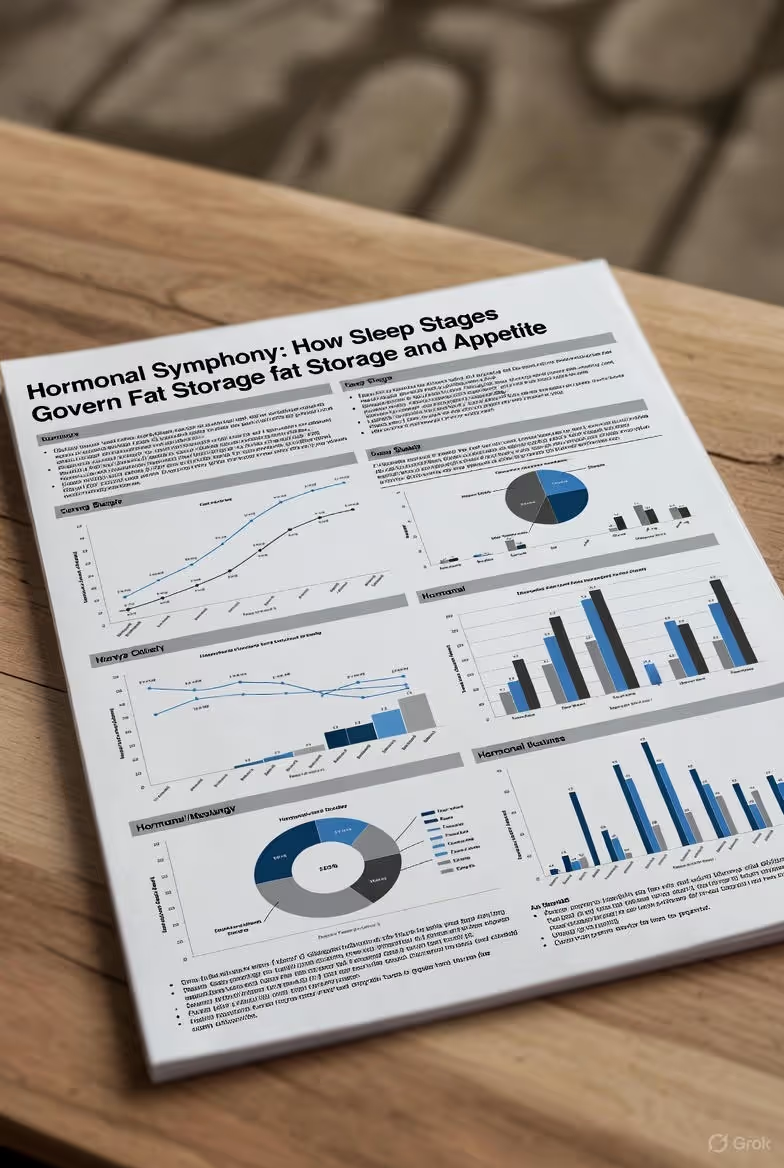
The calorie burn of REM sleep is a direct, immediate effect. But sleep’s influence on your waistline is also powerfully indirect, conducted through a complex symphony of hormones that regulate hunger, satiety, and fat storage. Disrupting your sleep architecture doesn’t just reduce nightly calorie expenditure; it throws this hormonal orchestra into disarray, with consequences that echo throughout your waking day.
Ghrelin & Leptin: The Hunger Hormone Tango.
Ghrelin, produced in the stomach, signals hunger to the brain. Leptin, released from fat cells, signals fullness and sufficiency. Sleep is a key regulator of this balance. Even a single night of short or fragmented sleep has been shown to:
Cortisol: The Stress Connection.
Cortisol, the primary stress hormone, follows a natural diurnal rhythm—highest in the morning to help you wake up, and gradually declining throughout the day to reach a low at night. Poor sleep, especially the loss of deep sleep, can disrupt this rhythm. Elevated evening cortisol is not only antagonistic to sleep onset but also promotes gluconeogenesis (the creation of glucose) and can encourage the body to store visceral fat around the abdomen.
Growth Hormone: The Nightly Repair Pulse.
Secreted primarily during deep sleep (N3), growth hormone is essential for muscle growth, tissue repair, and metabolism. It promotes the use of fat for energy and helps maintain lean muscle mass. Skimping on deep sleep blunts this vital nightly pulse, impairing physical recovery and potentially reducing the proportion of calories burned as fat.
Insulin Sensitivity: The Metabolic Gatekeeper.
Sleep, particularly deep sleep, enhances your body’s sensitivity to insulin, the hormone that allows cells to take in glucose from the bloodstream. Sleep deprivation, including fragmented sleep that disrupts deep and REM stages, leads to insulin resistance. Cells become "numb" to insulin’s signal, forcing the pancreas to produce more. High insulin levels promote fat storage and inhibit fat breakdown, creating a metabolic environment conducive to weight gain and type 2 diabetes.
The takeaway is profound: The sleep stage that burns the most calories (REM) and the stage that directs metabolic repair (Deep) both play non-negotiable roles in regulating the hormones that control your appetite and body composition. Optimizing your sleep isn't just about maximizing a nightly calorie number; it's about setting your entire 24-hour hormonal landscape for metabolic efficiency and healthy weight management. For personalized insights into how your sleep might be affecting these hormonal rhythms, the detailed data from a wellness tracker can be invaluable, as discussed in our comprehensive FAQ on health tracking.
You cannot optimize what you cannot measure. While understanding the theory of sleep stages is essential, applying it to your life requires personal data. This is where wearable technology has revolutionized personal health. Among wearables, the smart ring has emerged as a premier tool for sleep tracking, offering a unique combination of clinical-grade sensors, minimal invasiveness, and continuous wearability.
Why a Ring? The Advantage of the Finger.
Unlike wrist-worn devices, which can be bulky and prone to motion artifact (especially during sleep), a ring worn on the finger provides a superior signal for key physiological metrics. The arteries in your finger are rich and closer to the surface, allowing for highly accurate and consistent readings of:
From Raw Data to Sleep Stages: The Algorithmic Magic.
This constellation of continuous biometric data is fed into sophisticated algorithms, often developed and validated against the gold-standard polysomnography (PSG) conducted in sleep labs. By analyzing the unique signatures of each sleep stage—the stable low HR and high HRV of deep sleep, the elevated HR and brainwave-like patterns inferred from pulse rate variability during REM, the movement signatures of light sleep—the device constructs your personal sleep architecture. It tells you not just total sleep time, but your time in Light, Deep, and REM sleep, your sleep efficiency, and how many times you woke up.
The Oxyzen Difference: From Data to Actionable Insight.
A device like the Oxyzen smart ring takes this a step further. It doesn’t just present charts; it translates them into a personalized recovery score and actionable feedback. By correlating your sleep stage data with lifestyle factors you log (like caffeine intake, workout intensity, or evening stress), it can help you identify what behaviors specifically enhance or detract from your metabolic deep and REM sleep. For instance, you might learn that an afternoon coffee cuts your deep sleep percentage, or that a consistent bedtime routine increases your REM duration. This transforms abstract knowledge into a personalized blueprint for metabolic optimization through sleep. To see how this integration of data and lifestyle works in practice, you can read our complete guide to wellness tracking.
This technology empowers you to move beyond guessing. You can conduct your own experiments: Does a cooler room increase deep sleep? Does avoiding screens for 90 minutes before bed boost REM? The ring provides the objective feedback, turning your sleep into a lab for metabolic self-improvement.
Knowing that REM sleep is a metabolic powerhouse is one thing. Cultivating more of it is another. Your lifestyle choices act as levers, either promoting or sabotaging the quantity and quality of your REM sleep. By intentionally adjusting these levers, you can create an environment and a physiology primed for maximum nightly calorie burn and cognitive restoration.
1. Sleep Duration & Consistency: The Non-Negotiable Foundation.
REM sleep periods lengthen as the night progresses. The final sleep cycles of a 7-9 hour night are predominantly REM-rich. Cutting your sleep short disproportionately robs you of this metabolic and cognitive gold. Furthermore, maintaining a consistent sleep-wake schedule—even on weekends—strengthens your circadian rhythm, making the onset and architecture of your sleep more robust and efficient. Irregular sleep patterns confuse your internal clock, leading to fragmented, shallow sleep with impaired REM.
2. Alcohol: The REM Saboteur.
While alcohol may induce sleepiness, it is a notorious disruptor of sleep architecture. It suppresses REM sleep in the first half of the night, leading to a "REM rebound" in the second half, which is often associated with intense, sometimes disturbing dreams and fragmented sleep. This disruption severely compromises the restorative quality of sleep and its metabolic benefits. For optimal REM, avoid alcohol for at least 3-4 hours before bedtime.
3. Caffeine & Stimulants: The Timing is Everything.
Caffeine has a half-life of 5-6 hours. An afternoon coffee can still be blocking adenosine (a sleep-promoting neurotransmitter) receptors well into the evening, delaying sleep onset and lightening sleep. This can compress the overall sleep period and truncate later, REM-heavy cycles. Establish a "caffeine curfew" by early afternoon.
4. Light Exposure: Programming Your Circadian Clock.
Your circadian rhythm is set by light. Getting bright, natural light exposure first thing in the morning signals your suprachiasmatic nucleus (SCN) to halt melatonin production and promote alertness. Conversely, avoiding blue and bright light in the evening allows melatonin to rise naturally, facilitating the transition into sleep and supporting healthy sleep stage progression. This hormonal precision is key for entering REM cycles efficiently.
5. Stress & Mindfulness: Quieting the Mind for REM.
High levels of psychological stress and anxiety, especially near bedtime, keep the sympathetic nervous system ("fight or flight") activated. This state is antagonistic to the parasympathetic dominance required for deep sleep and can also lead to REM sleep fragmentation, where you dip in and out of REM without sustaining it. Practices like meditation, deep breathing, journaling, or gentle yoga before bed can lower cortisol and ease the mind into a state more conducive to rich, sustained REM sleep. The mission to integrate such holistic practices with data is at the heart of our company's information and mission.
6. Diet & Meal Timing: Fueling the Fire Correctly.
Going to bed overly hungry or overly full can disrupt sleep. A large, heavy meal too close to bedtime forces your digestive system to work, raising core body temperature and potentially causing discomfort. On the other hand, a small snack rich in tryptophan (a precursor to melatonin and serotonin) combined with complex carbohydrates may be beneficial for some. Foods like a banana, a small bowl of oatmeal, or a handful of nuts can provide stable blood sugar through the night without overburdening digestion.
By mastering these lifestyle factors, you aren't just "sleeping better." You are actively engineering your nights to maximize the sleep stage that burns the most calories and secures your cognitive and metabolic health. It’s a nightly investment with compounding returns.

Focusing solely on the calorie burn of REM sleep is like valuing a symphony only for its loudest crescendo. While its metabolic fire is significant, the true value of REM sleep lies in its multifaceted role in overall human health. Optimizing REM is about far more than weight management; it’s about nurturing your brain, balancing your emotions, and fortifying your long-term cognitive resilience.
Cognitive Performance & Memory Mastery: REM sleep is essential for consolidating procedural memory (how to do things) and emotional memory. It’s the phase where skills learned during the day—from playing a piano piece to mastering a new software program—are solidified and integrated. Studies show that people deprived of REM sleep perform worse on creative problem-solving tasks and have impaired ability to form complex associative memories. A night rich in REM is like running a defragmentation and optimization program on your brain’s hard drive.
Emotional Regulation & Mental Health: The link between REM sleep and emotional processing is profound. During REM, the brain reactivates emotional experiences from the day but in a neurochemical environment different from wakefulness—levels of stress-related neurotransmitters like noradrenaline are low. This is thought to allow the brain to process and "file" emotional memories without the intense stress response, effectively taking the sharp edge off difficult experiences. Chronic REM disruption is strongly associated with an increased risk of mood disorders, including depression and anxiety, and can lead to heightened emotional reactivity.
Brain Detoxification & Longevity: Emerging research suggests that the electrical activity and unique fluid dynamics of REM sleep may play a role in the brain’s glymphatic system—a waste-clearance process that flushes out neurotoxic waste products, including beta-amyloid proteins associated with Alzheimer’s disease. By supporting this nightly clean-up, REM sleep may be a critical factor in long-term brain health and neurological resilience.
Creativity & Insight: The illogical, associative nature of REM dreaming is a wellspring of creativity. The brain makes novel connections between seemingly unrelated ideas. History is replete with examples of scientific breakthroughs and artistic inspirations that emerged from dreams or the hypnagogic state adjacent to REM. Nurturing REM sleep can literally expand your creative potential.
When you take steps to enhance your REM sleep, you are investing in a sharper mind, a more stable emotional landscape, a more creative spirit, and a brain protected against age-related decline. The calorie burn is a welcome bonus to this comprehensive suite of benefits that define a vibrant, healthy life. For stories of how focusing on holistic metrics like sleep has transformed lives, the real customer reviews and user experiences offer powerful testimonials.
In our quest to maximize the calorie-burning REM stage, we must avoid a critical mistake: sacrificing deep sleep (N3). The architecture of sleep is hierarchical and interdependent. You cannot simply "skip to the good part." Deep sleep acts as the essential anchor, the physiological groundwork that makes robust, sustained REM sleep possible.
The Homeostatic Pressure of Sleep: Sleep is regulated by two primary processes: the circadian rhythm (Process C) and sleep-wake homeostasis (Process S). Process S is essentially your "sleep pressure"—it builds from the moment you wake up, driven by the accumulation of adenosine in the brain. Deep sleep is the primary responder to this high sleep pressure. In the early cycles of the night, when sleep pressure is at its peak, your brain prioritizes deep sleep to discharge this drive. Only after this initial, intense period of deep sleep does the brain shift its resources toward producing longer periods of REM in later cycles.
A Protective Gatekeeper: Think of deep sleep as a bouncer at an exclusive club (REM). It ensures your body has first achieved a necessary state of physical restoration and autonomic calm before allowing the brain to enter the hyperactive, potentially destabilizing state of REM. This progression is protective. Attempting to force or artificially induce REM without sufficient prior deep sleep can lead to sleep disorders like REM sleep behavior disorder or contribute to fragmented, unrefreshing sleep.
The Hormonal Prelude: The growth hormone pulse released during deep sleep doesn’t just repair muscles. It also contributes to metabolic regulation and tissue health that supports overall systemic stability. This physiological "reset" creates a more resilient platform for the brain’s intense REM activity. Furthermore, the low metabolic state of deep sleep may allow for the conservation and redirection of energy resources that later fuel the REM brain.
The Consequence of Imbalance: When deep sleep is chronically deficient—due to factors like aging, sleep apnea, alcohol use, or extreme stress—the entire sleep architecture becomes unstable. REM sleep may become irregular, intrude into lighter sleep stages, or occur at inappropriate times. This leads to non-restorative sleep, daytime sleepiness, and a loss of the very metabolic and cognitive benefits we seek from REM.
Therefore, the strategy is not to favor REM over deep sleep, but to optimize the entire sleep cycle. By focusing on the lifestyle factors that promote overall sleep quality (consistent schedule, dark/cool/quiet environment, stress management), you naturally create the conditions for both deep and REM sleep to flourish in their proper sequence and proportion. They are partners in the metabolic dance, not rivals. Understanding this intricate partnership is a core part of the educational resources we provide, which you can find by exploring our blog for more wellness tips.
Knowledge is power, but only when applied. This section translates everything we’ve discussed into a concrete, actionable plan. Here is your step-by-step checklist to nurture the sleep stage that burns the most calories and enhance your overall sleep architecture for superior metabolic and cognitive health.
Phase 1: The Evening Wind-Down (90–60 Minutes Before Bed)
Phase 2: The Sleep Sanctuary (Your Bedroom)
Phase 3: The Morning Reset (Upon Waking)
Phase 4: The Daily Habits (All Day Support)
By systematically implementing this checklist, you move from passive sleeper to active architect of your metabolic night. You are not just going to bed; you are curating an environment and a physiology designed to maximize restoration, cognitive function, and yes, efficient calorie burn. The journey to optimal health is a 24-hour endeavor, and it begins the moment you close your eyes.
We’ve built a compelling case for REM sleep as a nightly metabolic furnace and outlined how to stoke its flames. But for millions, this natural process is systematically sabotaged not by poor habits, but by clinical sleep disorders. These conditions don’t just cause fatigue; they directly attack the architecture of sleep, dismantling the stages responsible for calorie burn, hormonal regulation, and cognitive repair. Understanding this intersection is critical, as untreated sleep disorders can render even the most meticulous sleep hygiene practices ineffective.
Sleep Apnea: The Metabolic Saboteur.
Obstructive Sleep Apnea (OSA) is characterized by repeated episodes of complete (apnea) or partial (hypopnea) upper airway collapse during sleep, leading to oxygen desaturations and fragmented sleep. Its impact on sleep stages is devastatingly specific:
Insomnia: The Unending Alertness.
Insomnia, characterized by difficulty falling asleep, staying asleep, or waking too early, often involves a state of hyperarousal—a nervous system that refuses to power down. This has clear stage-specific consequences:
Restless Legs Syndrome (RLS) & Periodic Limb Movement Disorder (PLMD): The Nightly Disruption.
These sensorimotor disorders create an irresistible urge to move the legs (RLS) and/or involuntary limb jerks during sleep (PLMD). Their primary impact is on sleep initiation and maintenance, leading to:
The Imperative of Diagnosis and Treatment. This data makes one thing unequivocally clear: If you suspect a sleep disorder, optimizing lifestyle is only half the battle. Addressing the root cause is non-negotiable. Treatment for sleep apnea (like CPAP therapy) can dramatically restore sleep architecture, allowing for the return of deep and REM sleep, and has been shown to improve insulin sensitivity and reduce cardiovascular risk. Treating insomnia with Cognitive Behavioral Therapy for Insomnia (CBT-I) can lower hyperarousal and rebuild healthy sleep patterns.
If you are diligently following a sleep-optimization protocol but still wake exhausted, experience loud snoring, or have been told you stop breathing in your sleep, consulting a sleep specialist is the most important metabolic health decision you can make. Your efforts to track your sleep with a smart ring can provide valuable preliminary data, such as unusual movement patterns or elevated nighttime heart rate, to discuss with a healthcare provider. For more on the intersection of technology and health conditions, our blog offers additional resources and related articles.
What you consume—and when you consume it—acts as direct biochemical fodder for your sleep machinery. Strategic nutrition can support the production of sleep-regulating neurotransmitters, stabilize blood sugar throughout the night, and provide the raw materials for the repair processes that occur during deep and REM sleep. Let’s explore how to eat for optimal sleep architecture.
Macronutrient Timing: The Evening Plate.
Key Micronutrients and Food Sources:
The "Sleep-Promoting" Snack: If you need a pre-bed snack, the ideal combination includes a complex carb and a source of tryptophan/magnesium. Examples: a small banana with almond butter, a few whole-grain crackers with cheese, or a cup of tart cherry juice (natural source of melatonin).
Supplements: Proceed with Caution and Purpose.
What to Avoid:
By viewing your evening meal as preparation for a night of metabolic and cognitive work, you move from passive eating to active nourishment of your sleep stages. It’s a powerful lever in your optimization toolkit. For personalized insights, many find that tracking their food intake alongside their sleep data from a device like Oxyzen reveals powerful personal correlations, a topic often explored in real customer reviews and user experiences.
Your body’s core temperature is not a constant; it is a core component of your circadian rhythm. The orchestrated drop in core body temperature is one of the most potent physiological signals for sleep onset and maintenance. Mastering your thermal environment is therefore not about comfort alone—it’s a direct intervention into your sleep architecture and metabolic efficiency.
The Circadian Temperature Rhythm.
In the late afternoon/early evening, your core temperature is at its highest point. As bedtime approaches, it begins a deliberate decline, reaching its nadir in the middle of your sleep period. This drop is initiated by increased blood flow to the extremities (hands and feet)—a process called distal vasodilation—which radiates heat away from the core. A faster, more pronounced drop is associated with quicker sleep onset.
Why Cool is Crucial for Sleep Stages.
The Goldilocks Zone: Finding Your Optimal Sleep Temperature.
Extensive research points to a bedroom temperature of approximately 65°F (18.3°C) as optimal for most people, typically within a range of 60-68°F (15.5-20°C). This is cooler than most daytime living environments.
Actionable Strategies for Thermal Optimization:
By actively managing temperature, you are removing a major obstacle to sustained, high-quality sleep. You are allowing your body to execute its natural thermal program unimpeded, paving the way for uninterrupted journeys into deep physical restoration and calorie-burning REM sleep. This focus on the environmental pillars of health is part of our broader company information and mission to enable holistic well-being.
Not everyone’s metabolic furnace ignites at the same hour. Your personal sleep-wake preference, known as your chronotype, is a genetically influenced trait that dictates your ideal timing for sleep, activity, and cognitive performance. Ignoring your chronotype by forcing an incompatible schedule—an "owl" trying to live as a "lark"—can misalign your sleep stages, suppress REM, and blunt your metabolic efficiency.
Understanding the Spectrum: Lions, Bears, Wolves, and Dolphins.
Popularized by sleep specialist Dr. Michael Breus, chronotypes are often categorized into four animal archetypes:
Chronotype’s Impact on Sleep Architecture & Metabolism.
Working With Your Chronotype for Metabolic Gain.
Respecting your chronotype isn’t about being inflexible; it’s about reducing the metabolic tax of social jetlag. It’s about ensuring you have full, unrestricted access to the sleep stages your body is genetically programmed to produce at specific times. By doing so, you allow your nightly calorie burn to reach its full, natural potential. To learn more about how personal data can help you identify your own patterns, you can discover how Oxyzen works with your unique biology.
Physical activity is a dual-phase metabolic optimizer: it burns calories acutely and it is one of the most powerful, evidence-based non-pharmacological tools for enhancing sleep quality and architecture. However, the relationship is nuanced. The type, intensity, and timing of exercise can determine whether it acts as a sleep architect or a sleep disruptor.
The Overall Benefit: Deep Sleep and REM Enhancement.
Regular, moderate-to-vigorous exercise consistently leads to:
The Timing Conundrum: When to Move for Metabolic Sleep.
Exercise Type and Sleep Stage Specifics:
The Overtraining Caveat.
Excessive exercise volume or intensity without adequate recovery can backfire, leading to symptoms of overtraining syndrome, which include:
Personalization is Key. The best advice is to track your own response. Use a device like the Oxyzen ring to observe how different types and timings of exercise affect your Sleep Score, Deep Sleep %, and REM %. You might discover that an evening yoga session boosts your deep sleep, while a late-night spin class destroys it. This data-driven approach turns exercise from a generic health recommendation into a precise tool for sleep architecture engineering. For more on integrating activity and recovery data, explore our blog for more wellness tips.
Your mind is the gatekeeper to your sleep stages. A racing mind, anchored in the anxieties of the past or future, activates the sympathetic nervous system—the very state your body must exit to access deep, restorative sleep and the metabolically active landscape of REM. Therefore, managing psychological stress and cultivating presleep calm is not a "soft" wellness practice; it is a hard requirement for metabolic optimization.
The Physiology of a Worried Mind.
Mindfulness & Relaxation Techniques: Tools for Stage-Specific Access.
These practices work by increasing parasympathetic tone (the "rest and digest" system), lowering cortisol, and shifting brainwave patterns. They are like a manual override for the hyperaroused nervous system.
Creating a "Buffer Zone." The critical practice is to institute a 30-60 minute "wind-down" buffer between your day and your attempted sleep. This is a screen-free period dedicated to one or more of the above techniques. It is the ritual that tells your biology, "The time for doing is over; the time for restoring has begun."
By prioritizing mental decompression, you are not just reducing stress—you are actively removing the primary barrier to entering the most physically restorative and metabolically active phases of sleep. You are clearing the path so your natural sleep architecture can unfold without obstruction. This holistic approach to well-being, integrating mind and body metrics, is central to the vision & values behind our technology.
The nightly calorie burn of REM sleep is an immediate benefit, but the true payoff for nurturing your sleep architecture is measured in decades, not hours. Chronic sleep disruption—specifically the loss of deep and REM sleep—is a foundational driver in the development of the most prevalent and preventable diseases of our time: obesity, type 2 diabetes, and cardiovascular disease. Optimizing your sleep stages is, therefore, a powerful long-term investment in metabolic resilience.
The Pathway to Insulin Resistance and Type 2 Diabetes.
We’ve touched on the acute effects. Chronically, the impact is profound:
Sleep, Appetite, and the Obesity Epidemic.
The hormonal dysregulation of ghrelin and leptin under chronic sleep loss creates a persistent biological drive to overeat, particularly high-calorie, high-carbohydrate "comfort" foods. This isn't a lack of willpower; it's a hijacked hypothalamus. Over years, this sustained positive energy balance, driven by sleep architecture disruption, is a major contributor to weight gain and obesity. Studies show that shortened sleep duration is one of the strongest risk factors for obesity, independent of diet and exercise.
Cardiovascular Consequences: Beyond the Scale.
The Neurodegenerative Link: Protecting the Brain.
The glymphatic system’s waste clearance, which appears linked to deep NREM sleep, is crucial for clearing metabolic debris like beta-amyloid. Chronic deep sleep deprivation may allow for the accumulation of these proteins, potentially increasing the long-term risk for cognitive decline and Alzheimer’s disease. The brain’s metabolic activity during REM also plays a role in synaptic health and neuronal maintenance.
Sleep as Preventive Medicine.
Viewing sleep stage optimization as a preventive health strategy reframes it from a personal preference to a public health imperative. By prioritizing 7-9 hours of quality sleep, rich in deep and REM stages, you are actively:
This long-term perspective makes the effort to cool your bedroom, establish a wind-down routine, and manage stress not just about feeling good tomorrow, but about safeguarding your metabolic health for decades to come. It is the ultimate "compound interest" of the wellness world. For those on this journey, the community and stories found in real customer reviews and user experiences can be a source of inspiration and shared understanding.
The Oxyzen smart ring, or any advanced sleep tracker, is a brilliant compass, but it is not the territory itself. The true power lies not in the data collected, but in the intelligent, holistic integration of that data into a personalized and evolving health plan. The ring tells you the "what" and "when"; your wisdom and broader habits determine the "why" and "how to fix it."
From Metrics to Meaning: The Art of Interpretation.
The Four Pillars of Metabolic Health: A Synergistic Framework.
Your sleep data is one critical pillar. It must be integrated with the other three to build a resilient metabolic foundation:
Creating Your Feedback Loop.
When to Seek Professional Guidance.
Your tracker is a wellness tool, not a medical device. Its data should empower conversations with professionals, not replace them. Key signals to consult a doctor or specialist include:
By placing your detailed sleep stage data within this broader context, you graduate from a passive data collector to an active health scientist, running the ongoing experiment of your own well-being. This journey of personalized discovery is what we are most passionate about, and you can learn more about our story and vision for empowering this very process. For further exploration of these interconnected topics, our blog is a repository of additional resources and related articles.


