


Health Metrics Explained: Movement Intensity and Zones
Explaining movement intensity and heart rate zones.
Explaining movement intensity and heart rate zones.
%402x.svg)
In the quiet hum of modern life, we’ve become masters of measuring the external world. We track our finances to the cent, monitor our home’s energy use, and even know the exact location of a package en route to our door. Yet, when it comes to understanding the most complex and vital system we’ll ever own—our own bodies—we’ve often been left guessing. For decades, wellness was quantified by simple, often misleading metrics: steps taken, calories burned, hours slept. These numbers painted a flat, two-dimensional picture of health, devoid of context, nuance, or true personalization.
But a revolution is underway. We are transitioning from passive counting to dynamic understanding, from what we do to how our bodies respond while doing it. At the heart of this revolution lies a profound, yet often misunderstood, concept: Movement Intensity. This isn’t just about how hard you sweat; it’s the foundational language your cardiovascular, metabolic, and nervous systems use to communicate fitness, fatigue, recovery, and overall vitality.
Imagine your daily movement as a symphony. Steps and minutes are just the notes on the page. Movement intensity is the dynamics—the pianissimo of a gentle walk, the fortissimo of a sprint, the nuanced crescendo of a challenging climb. Learning to read these dynamics unlocks the ability to compose a life of optimized health, performance, and longevity.
This shift is powered by a new generation of intimate technology, like advanced smart rings from innovators such as Oxyzen. Moving beyond the wrist, these devices tap into the rich vascular data of your finger—a key arterial site—to deliver medical-grade, continuous insights into your heart’s response to every moment of your day. They translate the raw physiological signals of effort into a clear, actionable map of intensity zones.
This article is your definitive guide to that map. We will dismantle the one-size-fits-all approach to exercise and explore the sophisticated science of individualized intensity. You will learn not just to move, but to listen. You will discover how to use intensity zones to build resilience, burn fat more efficiently, enhance mental clarity, accelerate recovery, and craft a sustainable, evidence-based path to your wellness goals. This is the knowledge that bridges the gap between activity and true, measurable adaptation. Let’s begin by understanding the very engine that drives it all: your beating heart.
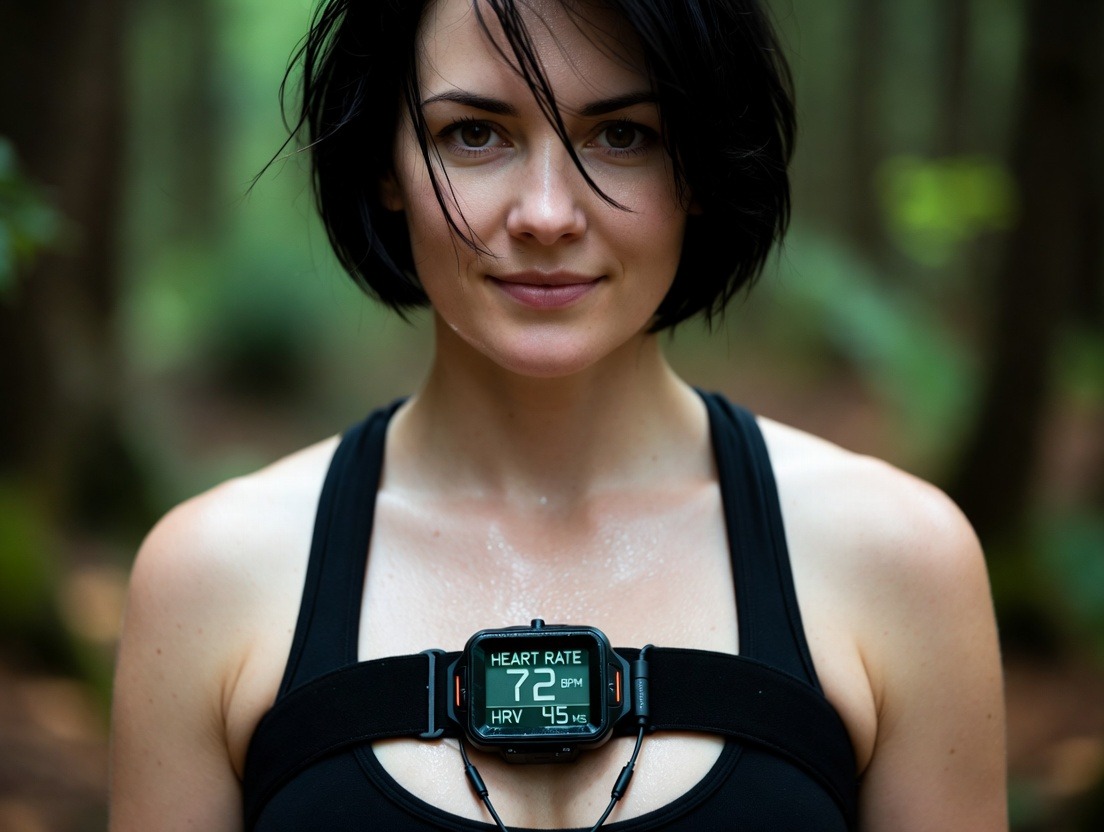
Your heart is far more than a pump; it’s a supremely sensitive real-time reporter on your body’s total state of demand. Every thought, emotion, bite of food, and physical movement sends ripples through your autonomic nervous system, which instantly translates them into adjustments in heart rate. This makes heart rate (HR) the single most direct, personal, and dynamic metric for gauging the true physiological cost and benefit of any activity.
But why is heart rate so superior to simpler measures like speed, weight lifted, or perceived sweat level? The answer lies in individuality. A pace of 6 miles per hour might be a leisurely jog for a seasoned runner (keeping their HR in a comfortable Zone 2) but could be a maximum, breathless sprint for a beginner (pushing them into Zone 5). The external output is identical, but the internal stress—the intensity—is worlds apart. Only heart rate captures this critical difference.
The Physiology of the Beat: A Brief Primer
When you begin to move, your muscles require more oxygen to produce energy (ATP). This demand triggers a cascade of events:
The degree to which your heart rate rises is directly proportional to the oxygen demands of the activity. Therefore, monitoring HR provides a precise window into your metabolic engine: are you working aerobically (with oxygen, sustainable) or tipping into anaerobic territory (without oxygen, limited duration)?
The Advent of Continuous, Compliant Monitoring
Historically, getting accurate heart rate data required cumbersome chest straps or clinical visits. The rise of consumer wearable technology changed access, but wrist-based optical sensors often struggle with "motion artifact"—they can be unreliable during the very movements they’re meant to measure. This is where the paradigm shifts with advanced smart ring technology.
A device like the Oxyzen smart ring, worn on the finger, accesses deeper capillaries and richer blood flow with less movement interference. It provides a compliant, medical-grade photoplethysmogram (PPG) signal 24/7. This means it doesn’t just capture your heart rate during a workout; it establishes your true, dynamic baseline—your resting heart rate during sleep, your nervous system response to stress, and your heart’s unique patterns at complete rest. Understanding this baseline is non-negotiable for defining your personal intensity zones, a topic we will explore in the next section. To appreciate how this technology redefines personal tracking, you can delve into the science and mission behind it on Oxyzen's About Us page.
By anchoring our understanding of intensity in the reliable, individualized language of heart rate, we move from generic advice to personalized prescription. The next step is to translate your unique heart rate data into a practical framework for action: the intensity zones.
Heart rate data in isolation is just a number. Its true power is unlocked when contextualized within a framework that categorizes different levels of effort and their distinct physiological effects. This framework is built on Heart Rate Zones. Think of these not as rigid cages, but as descriptive training “environments,” each with its own purpose, fuel source, and training benefit.
While various models exist (3-zone, 7-zone), the most actionable for comprehensive wellness is a five-zone model, based on percentages of your maximum heart rate (HRmax) or, more accurately, your heart rate reserve (HRR). Here’s a breakdown of each zone, from gentle restoration to maximum effort:
Zone 1: Very Light Recovery (50-60% HRmax)
Zone 2: Light Aerobic Base (60-70% HRmax)
Zone 3: Moderate Aerobic/Tempo (70-80% HRmax)
Zone 4: Hard Anaerobic Threshold (80-90% HRmax)
Zone 5: Maximum Effort (90-100% HRmax)
The critical, and often overlooked, step is personalizing these percentages. Using a generic formula like “220 - age” is notoriously inaccurate. Modern devices help establish your personal ranges through guided tests and analysis of your historical data. For a deeper look at how personalized data translates into user success, real-world experiences can be found in our customer testimonials.
With your personal zones defined, you possess a powerful blueprint. But a blueprint is useless without knowing which tool to use for which job. The next section explores the unique, transformative power of the most underutilized zone: Zone 2.
In a fitness culture often obsessed with “no pain, no gain,” the gentle, conversational pace of Zone 2 training is frequently dismissed as too easy to be effective. This is a catastrophic misunderstanding. Emerging from sports science and longevity research is a powerful consensus: Zone 2 is not just *a* tool for fitness; it is arguably the most important tool for building a resilient, metabolically healthy, and enduring body.
Often called “aerobic base” training, Zone 2 work operates at an intensity where your body can efficiently clear lactate—a byproduct of muscle metabolism—as fast as it is produced. You are exercising at your aerobic maximum, not above it. The benefits of consistently spending time here are profound and wide-ranging:
1. Metabolic Efficiency and Fat Adaptation
In Zone 2, your body optimally uses fat as its primary fuel source. By training your mitochondrial machinery to burn fat efficiently, you improve your metabolic flexibility—your body’s ability to switch seamlessly between fuel sources. This spares precious glycogen (stored carbs) for when you truly need it in higher zones, reduces overall inflammation, and is a cornerstone of weight management and insulin sensitivity.
2. Mitochondrial Biogenesis
Mitochondria are the power plants of your cells. Zone 2 stimulates the creation of new, healthier mitochondria and improves the function of existing ones. More mitochondria mean a greater capacity to produce energy (ATP) from any fuel source, increasing your overall energy levels and reducing fatigue in daily life.
3. Enhanced Cardiovascular and Muscular Efficiency
This zone promotes the growth of new capillaries, the tiny blood vessels that deliver oxygen and nutrients to your muscle fibers. This improved vascular network allows for better oxygen delivery and waste removal at the cellular level, making every system in your body work with less strain. Your heart becomes a more efficient pump, lowering your resting heart rate over time.
4. Sustainable Training with Low Systemic Fatigue
Because Zone 2 training produces minimal metabolic waste and stress hormones like cortisol, it creates very little central nervous system (CNS) fatigue. You can do more total volume of work—more hours of productive training per week—without burning out, getting injured, or compromising your immune system. It’s the ultimate “more is more” zone for building durability.
The Zone 2 “Talk Test” & The Smart Ring Advantage
The classic field test for Zone 2 is the “talk test”: you should be able to hold a complete conversation comfortably, if with slightly fuller breaths. However, our perception can be flawed. You might think you’re in Zone 2 but are actually drifting into Zone 3, accumulating unnecessary fatigue and missing the specific aerobic adaptations.
This is where precise, real-time data is revolutionary. A smart ring continuously monitoring your heart rate provides an objective anchor. You can watch your HR and ensure it stays squarely within your calculated Zone 2 range (typically 60-70% of HRmax). This turns guesswork into precision, allowing you to accumulate the exact, effective dose of this critical stimulus. For more insights on applying this data to your daily routine, our blog is a valuable resource with ongoing deep dives into practical wellness strategies.
Mastering Zone 2 builds the foundation. But a complete fitness structure requires pillars of strength and speed. This brings us to the other critical end of the spectrum: the high-intensity zones where power and performance are forged.

If Zone 2 lays the durable, wide foundation of your fitness pyramid, then Zones 4 and 5 are the sharp, powerful apex. These high-intensity zones represent the realm of anaerobic training—where demand outpaces your body’s ability to supply oxygen. Training here is uncomfortable, demanding, and cannot be sustained for long, but its adaptations are explosive and non-negotiable for peak performance, resilience, and metabolic power.
Zone 4: The Threshold of Transformation
Training at or just above your lactate threshold (LT) – the point where lactate accumulates faster than it can be cleared – is a potent stimulus for change.
Zone 5: Peak Power and Neurological Prowess
Zone 5 is maximal or supra-maximal effort. This is a purely anaerobic, all-out sprint.
The Synergistic Effect: Why You Need Both Base and Peak
The interplay between low and high zones is where magic happens. A strong Zone 2 aerobic base allows for faster recovery between high-intensity intervals, enabling you to complete more high-quality work in a Zone 4 or 5 session. Conversely, high-intensity training improves the efficiency of your cardiovascular system, which actually supports your low-intensity work by lowering your heart rate at any given submaximal pace.
The Critical Role of Accurate Measurement
The margin for error in high-intensity training is small. Going too hard turns a structured Zone 4 interval into a Zone 5 collapse, from which you cannot complete your workout as planned. Not going hard enough means you miss the specific adaptation. Relying on perceived effort alone in these extreme states is highly unreliable.
Continuous heart rate monitoring ensures precision. You can program your workouts based on your personal zones and receive live feedback to stay on target. Post-session, you can analyze exactly how much time you spent in each zone, the integrity of your recovery between intervals, and your heart rate’s behavior at peak effort. This data-driven approach removes the guesswork from the most demanding workouts, making them safer and more effective. For common questions on how technology aids this precision, our FAQ section provides detailed support.
Understanding the purpose of both low and high zones is only half the battle. The art lies in weaving them together into a coherent, periodized plan that drives progress while safeguarding health. This is the science of periodization.
Knowing your zones is like having a palette of colors. The art of sustainable progress lies in knowing which colors to use, in what proportion, and at what time to create the masterpiece—your long-term health and performance. This strategic planning is called periodization. It’s the deliberate variation of training stress (volume and intensity) over time to maximize adaptation while minimizing the risk of overtraining, injury, and burnout.
At its core, periodization alternates phases of stress with phases of recovery, recognizing that adaptation occurs not during the workout itself, but during the repair process that follows. The weekly distribution of intensity zones—your “training mix”—is the primary lever you pull to apply this principle.
The 80/20 Rule: A Evidence-Based Framework
A robust body of research, particularly in endurance sports, supports the 80/20 principle: roughly 80% of your total training time should be at low intensity (Zones 1 & 2), with only 20% at moderate to high intensity (Zones 3, 4, & 5). This distribution is not arbitrary. It balances the profound, low-fatigue adaptations of aerobic base building with the potent, but fatiguing, stimuli of higher zones.
Structuring Your Training Week
A well-periodized week for a general fitness enthusiast might look like this:
The Role of Technology in Intelligent Periodization
Adhering to the 80/20 rule by feel is nearly impossible. We naturally drift toward the middle—Zone 3, the “gray zone”—which is too hard to be easy and too easy to drive significant high-end adaptation. It’s the most common training mistake.
A smart ring becomes your periodization co-pilot. It provides the objective data to hold you accountable:
This intelligent approach, guided by personal data, transforms fitness from a hazy series of workouts into a clear, adaptive roadmap toward your goals. You can learn more about the philosophy behind creating technology that supports this kind of intelligent lifestyle design in our brand story.
But our bodies do not exist in a vacuum. The stress of a workout interacts with every other stress in our lives. To truly master intensity, we must understand its intimate dance with our daily recovery.
Your heart doesn’t differentiate between the stress of a heavy squat and the stress of a heavy work deadline. To your autonomic nervous system, stress is stress. This is a crucial, often devastatingly overlooked, principle: your ability to hit and benefit from specific intensity zones is profoundly affected by your overall life stress and recovery status.
You may have a perfectly periodized plan, but if you slept poorly for three nights, are emotionally drained, or are fighting off a virus, attempting a Zone 4 interval session could be counterproductive—or even harmful. Your body is already operating under a high load; adding more intense physiological stress can push you into overreaching or illness.
Key Lifestyle Factors That Modulate Your Intensity Capacity:
Listening to Your Body’s Signals: The Quantification of Readiness
This is where 24/7 biometric monitoring transitions from a fitness tool to a holistic health system. By tracking markers of recovery, you can adjust your daily intensity before you step into a workout.
Making Data-Driven Decisions: The “Green Light, Yellow Light, Red Light” System
Imagine a system where your wearable advises you daily:
This dynamic, responsive approach—using your life data to modulate your training intensity—is the pinnacle of personalized wellness. It respects the totality of your human experience. For a comprehensive look at how these insights are integrated into a user-friendly system, explore the capabilities on the Oxyzen homepage.
Understanding the daily modulation of intensity leads us to a powerful, universally applicable tool that shapes our very biology from the ground up: the profound impact of low-intensity movement on our most fundamental physical structures.
Our modern, sedentary existence has created a silent epidemic of structural weakness. We sit for hours, then attempt intense bouts of exercise, often overlooking the foundational layer of movement that prepares our bodies for load. This foundational layer is built almost exclusively in Zone 1 and the lower end of Zone 2. It’s not about cardiovascular fitness per se; it’s about structural integrity: building resilient joints, connective tissues, and movement patterns that protect us from injury and support all higher-intensity activities.
Why “Just Walking” is a Superpower
Low-intensity, weight-bearing movement like walking is not merely calorie-burning filler. It is a continuous, low-dose stress that prompts critical adaptations:
The Concept of “Greasing the Groove”
This principle, borrowed from strength training, applies perfectly here. By performing a movement pattern frequently at low intensity (e.g., walking 30 minutes daily), you improve the neurological efficiency of that pattern. The movement becomes more fluid, requires less conscious effort, and places less strain on your system. This is the bedrock upon which running, jumping, and lifting are safely built.
Low-Intensity Movement as Active Recovery
After a high-intensity session, blood is pooled in your muscles with metabolic byproducts. A gentle Zone 1 walk or cycle the next day—active recovery—increases circulation without adding significant new stress. This enhanced blood flow acts like a delivery and waste-removal service, accelerating the repair process far more effectively than complete inactivity.
How a Smart Ring Guides Foundational Work
A smart ring ensures this critical work stays truly low-intensity. It’s easy for a “recovery walk” to creep into Zone 2 or even Zone 3 if you’re listening to an upbeat podcast or walking uphill. By monitoring your heart rate in real-time, you can consciously slow your pace or breathing to keep your HR in the desired recovery range (Zone 1). This ensures you get the structural and recovery benefits without accidentally adding training stress that could impede your overall plan. For more ideas on integrating this foundational work into a busy life, our blog offers numerous practical guides.
With a solid structural foundation, we can safely explore how intensity can be harnessed for a very specific and common goal: body composition change. The relationship between intensity zones and fat loss is nuanced and often counterintuitive.

The pursuit of fat loss has long been mired in the simplistic mantra of “burn more calories.” This leads many to gravitate toward grueling, high-intensity workouts, chasing the “afterburn” effect (Excess Post-exercise Oxygen Consumption, or EPOC). While this approach has merit, it’s only one piece of a much larger, more complex metabolic puzzle. The truth is, different intensity zones contribute to fat loss and metabolic health in profoundly different, complementary ways.
The High-Intensity Argument (Zones 4 & 5):
The Low-Intensity Powerhouse (Zone 2):
The Optimal Strategy: A Synergistic Blend
The most effective approach for sustainable fat loss and metabolic health is not an either/or but a both/and:
The Data-Driven Advantage for Fat Loss
Using a smart ring transforms this from theory to practice. You can:
This holistic, zone-aware approach moves fat loss from a punishing calorie war to a strategic, physiological remodeling project. As we refine our physical health, we discover that the benefits of mastering intensity extend far beyond the body, directly into the realm of the mind.
The ancient Roman poet Juvenal coined the phrase “mens sana in corpore sano” – a sound mind in a sound body. Modern neuroscience and psychology have proven this to be more than a proverb; it’s a physiological reality. The intensity of our movement acts as a direct dial, tuning brain chemistry, neuroplasticity, and emotional regulation in distinct and powerful ways.
The Neurochemical Spectrum of Intensity
Different zones trigger different cascades of neurotransmitters and hormones, each with unique effects on our mental state:
Applying the Right “Dose” for Mental Well-being
Just as you would not take a strong stimulant to sleep, you shouldn’t always use high-intensity exercise to manage anxiety. Understanding this spectrum allows you to prescribe movement for your mind:
Quantifying the Mental Benefit
While we can’t directly measure BDNF levels with a smart ring, we can track powerful proxies. Heart Rate Variability (HRV) is a direct window into your autonomic nervous system balance. A rising HRV trend correlates with better stress resilience and emotional regulation. Monitoring how your resting heart rate and sleep patterns respond to different types of movement can also inform you about what your nervous system needs to thrive. Seeing this data can be profoundly motivating, proving that your effort is strengthening not just your body, but your mind. To see how others have experienced this holistic benefit, you can read their stories in our user testimonials.
Having explored the vast landscape of intensity—from cellular metabolism to cognitive function—we arrive at the most personalized application of all: using this knowledge to craft a lifelong strategy for healthspan and longevity.
The ultimate goal of understanding movement intensity is not to run a faster 5K or lose 10 pounds (though those can be worthy milestones). The transcendent aim is to extend our healthspan—the number of years we live in good health, free from chronic disease and functional decline. Remarkably, the strategic application of intensity zones provides one of the most powerful, accessible levers we have to pull for longevity.
The Longevity Signatures of Different Zones
Research into centenarians and “super-agers” consistently points not to extreme athleticism, but to consistent, moderate physical activity as a common thread. The zones contribute to longevity in a synergistic manner:
The Longevity “Prescription”: A Lifelong Practice
The evidence suggests the ideal longevity exercise regimen mirrors the 80/20 principle but framed over a lifetime:
The Role of Data in a Longevity Strategy
A longevity mindset is measured in decades, not days. This is where continuous monitoring becomes an invaluable lifelong companion. It provides the objective feedback to stay on course:
This journey from understanding a single heartbeat to mapping a strategy for a longer, healthier life underscores the transformative power of this knowledge. It moves exercise from a chore to a purposeful, data-informed practice of self-care and future-proofing. As we conclude this portion of our exploration, we turn our gaze forward, to the horizon where this personal data revolution is leading us.
We stand at a remarkable inflection point in human health. For the first time in history, we have the tools to move beyond generic population-level advice and listen to the unique, real-time language of our individual physiology. The journey through the science of movement intensity and heart rate zones isn't merely an academic exercise—it’s the foundation for a new, proactive, and deeply personal relationship with our well-being. This knowledge transforms us from passive passengers in our health journey to skilled pilots, equipped with a detailed dashboard.
The true power of understanding your intensity zones is unlocked not in isolation, but through integration. It’s about weaving this data into the fabric of your daily decisions, your training philosophy, and your long-term vision for vitality. In this next section, we move from theory to applied strategy, exploring how to use this knowledge to navigate common goals, avoid pitfalls, and harness the full potential of modern technology to craft a resilient, energized, and thriving life.
Armed with your personal heart rate zones and an understanding of what each zone achieves, the next step is architectural: building a sustainable, effective weekly schedule. A one-size-fits-all plan is a recipe for frustration or plateaus. Your plan must respect your current fitness level, recovery capacity, lifestyle demands, and specific goals. Let’s construct a playbook based on common objectives.
Goal 1: Building General Fitness & Metabolic Health (The Foundation)
Goal 2: Fat Loss & Body Recomposition
Goal 3: Endurance Performance (e.g., Running a 10K, Cycling Event)
The Golden Rule: Adaptability
These templates are starting points. Your readiness data—HRV, resting HR, sleep quality—must dictate daily adjustments. A “yellow light” day should prompt you to turn a Zone 4 day into a Zone 2 day. This intelligent flexibility is what prevents overtraining and leads to consistent, long-term progress. For more nuanced guidance on adapting plans, our comprehensive FAQ section addresses many common programming questions.
With a plan in place, the focus shifts to execution. And the single greatest threat to effective execution is a subtle, pervasive trap that ensnares most well-intentioned fitness enthusiasts: the dreaded “Gray Zone.”
In the landscape of heart rate zones, there exists a seductive but treacherous territory: the upper end of Zone 3, often bleeding into the lower end of Zone 4 (approximately 77-85% of HRmax). This is the Gray Zone. It feels like “good, hard work”—you’re breathing heavily, you’re sweating, and you finish feeling legitimately fatigued. It satisfies the psychological need to feel you’ve pushed yourself. Unfortunately, from a physiological adaptation standpoint, it is often the least productive place to train for extended periods.
Why the Gray Zone is a Fitness Dead End:
Escaping the Trap: Polarization is the Key
The antidote to Gray Zone training is polarization—the deliberate separation of your training into distinct low-intensity and high-intensity blocks, with minimal time in the moderate middle. This is the practical application of the 80/20 rule.
How Technology Enforces Polarization
A smart ring is your Gray Zone guardian. It provides the objective truth your perception might mask. Seeing your HR displayed in real-time during a “recovery run” that’s crept into Zone 3 gives you the feedback needed to pull back. Reviewing your weekly zone distribution chart holds you accountable to the 80/20 principle. It turns a conceptual best practice into an enforceable daily habit, ensuring every minute of your effort is driving a specific, desired adaptation. You can explore user stories of how data helped them break through plateaus in our testimonials section.
Escaping the Gray Zone clears the path for effective progress. But progress itself must be measured. In the age of data, we must become discerning about which numbers truly matter and which are mere vanity metrics.

The fitness industry has long been obsessed with oversimplified, output-focused metrics: steps, total calories burned, miles run. While these can be motivating entry points, they are shallow indicators of true physiological progress. They tell you what you did, but not how your body adapted to it. To gauge real improvement in health, fitness, and resilience, we must look deeper at responsive, input-focused metrics.
The Foundational Biomarkers (Your Body’s Report Card):
The Pitfall of “More is Better” Mentality
Chasing higher step counts or more calories burned can easily lead to Gray Zone training, excessive fatigue, and injury. It promotes a mindset of constant doing, ignoring the critical role of recovery and adaptation. What good is burning 800 calories in a workout if it wrecks your sleep, spikes your cortisol, and leaves you sedentary for the next two days?
Creating a Holistic Dashboard
Instead of a single number, cultivate a dashboard view of your health:
This multifaceted view, centered on how your body responds rather than just what you do, is the essence of intelligent training. It’s the philosophy that guides the development of systems at Oxyzen, where the goal is to provide this holistic dashboard in a clear, actionable format.
With the right metrics guiding us, we can now tackle one of the most complex and individual aspects of fitness: understanding and optimizing the unique physiological differences between men and women, which have profound implications for training with intensity zones.
For decades, exercise science used a default male template, treating the female body as a smaller, hormonally static version of the male. This was a significant oversight. Women’s physiology, governed by the ebb and flow of the menstrual cycle (and later, perimenopause and menopause), is dynamic. Hormones like estrogen and progesterone don’t just regulate reproduction; they dramatically influence energy metabolism, substrate utilization, recovery capacity, and even injury risk. To train effectively and sustainably, women must learn to harmonize their intensity zones with their hormonal landscape.
The Menstrual Cycle as a Training Cycle
A typical 28-day cycle can be viewed in two main phases, each with distinct implications for intensity:
Menopause & Beyond: A New Baseline
The transition through perimenopause and into menopause brings a decline in estrogen, leading to changes that affect training:
The Critical Role of Data in Cycle-Aware Training
For women, subjective perception of effort (“Rate of Perceived Exertion” or RPE) can be especially volatile across the cycle. A heart rate monitor and readiness metrics become indispensable, objective guides.
This nuanced, physiology-first approach empowers women to work with their bodies, turning what was once seen as a hindrance into a strategic advantage. It prevents burnout, reduces injury risk, and aligns effort with biological readiness. To see how personalized data can support unique physiological journeys, the stories shared on our About Us page reflect this commitment to individual understanding.
Just as our biological sex influences our response to intensity, so too does our stage in life. The principles of intensity must adapt and evolve gracefully as we age.
The passage of time is not an enemy to fitness, but a parameter that requires intelligent adjustment. The “train hard, play hard” ethos of our 20s must evolve into a more sophisticated, recovery-focused, and sustainable practice in our 30s, 40s, 50s, and beyond. The goal shifts from peak performance to vitality, independence, and healthspan. Fortunately, the framework of heart rate zones is perfectly suited to guide this lifelong adaptation.
Key Physiological Shifts with Age:
Adapting the Intensity Strategy by Decade:
30s & 40s (The Foundation Fortifiers):
50s & 60s (The Vitality Preservers):
70s and Beyond (The Independence Engineers):
The Constant: The Role of Data
Across all decades, personalized data is the compass. Your heart rate zones will need recalculating occasionally. Your HRV will give you even more critical feedback on recovery needs. A device that tracks your movement and vital signs provides the objective evidence that you are maintaining—or even improving—your physiological age, regardless of the calendar. For insights on building lasting habits at any age, our blog offers a wealth of practical advice.
As we tailor intensity to our life stage, we must also consider the environment in which we move. From mountain trails to humid gyms, external factors exert a powerful influence on our internal metrics.
Your heart rate is a faithful reporter of total physiological stress. While exercise intensity is a primary driver, it is not the only one. A host of external and internal factors can cause your heart rate to elevate at a given workload, making it appear you are in a higher zone than you “should” be. Understanding these factors is crucial to correctly interpreting your data and avoiding the frustration of misdiagnosed effort.
1. Heat and Humidity: The Cardiovascular Tax
2. Altitude: The Oxygen Debt
3. Dehydration and Fueling Status
4. Caffeine and Stimulants
5. Emotional and Mental Stress
The Art of Interpretation: Context is King
The advanced athlete or health enthusiast doesn’t just see a heart rate number; they see a heart rate number in context. Before analyzing a workout, ask:
This contextual awareness prevents you from mislabeling a environmentally-stressed workout as a “bad fitness day” or forcing high intensity when your body is asking for recovery. It’s a cornerstone of the intelligent, responsive approach to health that modern technology enables. For support in interpreting your own data patterns, our FAQ can help navigate common questions.
Having mastered the interpretation of data in context, we arrive at the pinnacle of personalization: using your unique physiological signature not just to guide workouts, but to solve specific, nagging health and performance puzzles.
Heart rate zone data is a diagnostic tool. When you hit a plateau, feel chronically fatigued, or suffer recurring injuries, the patterns in your intensity distribution and physiological responses often hold the key. Let’s apply our knowledge to solve some of the most common fitness puzzles.
Puzzle 1: The Endurance Plateau – “I run the same routes, but I’m not getting faster.”
Puzzle 2: Chronic Fatigue & Overtraining – “I’m always tired, my sleep is poor, and I’m getting sick often.”
Puzzle 3: Inefficient Fat Loss – “I work out hard but can’t seem to lose body fat.”
Puzzle 4: Poor Race/Event Performance – “I train well but bonk or fade in the actual event.”
By treating your body as a system that provides feedback, these puzzles become solvable equations. The story of your health is written in your data, and learning to read it is the ultimate skill. For real-world examples of how people have solved their own health puzzles, the journeys documented in our testimonials can be both instructive and inspiring.
As we solve individual puzzles, we must also look at the bigger picture: how this personalized, data-driven approach integrates seamlessly into the cutting edge of preventative healthcare, shifting the focus from treating sickness to sustaining wellness.
We are witnessing the convergence of fitness tracking and digital health. The data generated by understanding movement intensity—especially when combined with 24/7 monitoring of vital signs—is transcending the realm of athletic performance and becoming a cornerstone of predictive and preventative healthcare. This isn’t about optimizing a marathon time; it’s about preventing a heart attack, managing metabolic syndrome, and extending quality of life.
From Fitness Metrics to Clinical Biomarkers:
The metrics we’ve discussed are gaining clinical validation:
The Rise of the Digital Biomarker:
A “digital biomarker” is a physiological or behavioral measure collected via digital devices (like a smart ring) that can explain, influence, or predict health outcomes. Your weekly distribution of intensity zones, your sleep consistency, and your HRV trend are all digital biomarkers. In the future, this data could:
The Role of Advanced Wearables (Like Smart Rings):
For this future to be realized, data must be accurate, continuous, and comfortable. The finger, as a primary arterial site, offers a superior signal for cardiac rhythm and blood flow compared to the wrist. A smart ring that can provide medical-grade PPG data, temperature, and movement, 24/7, becomes a powerful health sentinel.
This is the frontier where companies like Oxyzen are pioneering. It’s not just about creating a better fitness tracker, but about building a personal health intelligence platform that empowers individuals to take ownership of their health trajectory, in partnership with healthcare providers. You can learn more about this vision on our company’s story page.
This journey from a single heartbeat to a lifelong health strategy culminates in a fundamental shift in mindset. It’s time to move beyond the noise and build a practice rooted in the timeless signal of our own biology.
Our exploration has traversed a vast landscape—from the cellular mechanics of mitochondria to the hormonal tides of the menstrual cycle, from the pitfalls of the Gray Zone to the promise of digital biomarkers. Through it all, one central theme emerges: the path to true, sustainable health and performance is not found in following the loudest, most extreme trends, but in learning to listen to the subtle, consistent language of your own body.
We have debunked the myth that harder is always better. We have seen how the gentle, consistent pressure of Zone 2 work builds a resilient foundation that supports everything else. We have learned that the brutal, focused bursts of Zones 4 and 5 are essential tools, but only when applied with precision and adequate recovery. Most importantly, we have discovered that these concepts are not static rules, but dynamic principles that must be personalized through data and adapted to the context of our lives, our stress, our environment, and our age.
The Paradigm Shift: From External Validation to Internal Wisdom
This knowledge facilitates a profound shift:
Your heart rate and its response to intensity is the most accessible, real-time portal you have into this internal wisdom. By understanding your zones, you gain the vocabulary. By using technology to measure them accurately, you gain the translation. And by applying this knowledge with consistency and curiosity, you gain the ability to compose a life of enduring vitality.
This first portion of our guide has laid the scientific and strategic foundation. The journey continues. In the next section, we will dive into the practical mastery of this system: how to conduct a self-test to establish your zones without expensive lab equipment, how to integrate zone training with strength and flexibility work, how to use your data to navigate specific life challenges like travel and desk jobs, and finally, how to build a lifelong community and mindset around intelligent movement. The goal is no less than to equip you with everything you need to not just understand your health metrics, but to live by them.


