


The Critical Sleep Stage for Immune System Function
Deep sleep is critical for a well-functioning immune system, as it supports the release of immune-boosting proteins.
Deep sleep is critical for a well-functioning immune system, as it supports the release of immune-boosting proteins.
%402x.svg)
Every night, as you drift into sleep, your body embarks on an intricate journey of restoration. But not all sleep is created equal for your immune defense. While you peacefully slumber, a specific biological process becomes your body's prime opportunity to strengthen its defenses, producing specialized cells that patrol for invaders and repairing tissues that have endured daily wear and tear. This hidden connection between your sleep architecture and immune resilience represents one of the most fascinating discoveries in modern health science—and understanding it could transform how you approach wellness, recovery, and longevity.
Many of us recognize the general importance of sleep, yet we remain unaware of the precise biological mechanisms that make it indispensable to our health. We know we feel better after a good night's rest, but the intricate cellular processes that occur during specific sleep stages remain a mystery to most. This knowledge gap has real consequences—when we sacrifice sleep for productivity or entertainment, we're unknowingly compromising our body's natural defense systems at their most critical rebuilding period.
Emerging from advanced sleep research is a compelling revelation: the majority of your body's immune memory consolidation and cellular repair occurs during one particular sleep stage, a phase when your brain waves slow dramatically and your body enters its deepest restorative mode. During this window, your immune system performs functions it cannot adequately accomplish during wakefulness—processing the day's immunological encounters, strengthening defenses against remembered pathogens, and distributing protective cells throughout your body.
This article will explore this critical connection in comprehensive detail, examining exactly which sleep stage serves as the immune system's primary maintenance window and why this particular phase is so biologically significant. We'll trace the evolutionary origins of this connection, examine the specific cellular processes that occur during this stage, and investigate what happens when this sleep is disrupted or deficient. Most importantly, we'll provide practical strategies to optimize this crucial aspect of your sleep architecture using modern tracking technology like the Oxyzen wellness ring, which can help you monitor whether you're obtaining sufficient amounts of this vital sleep stage.
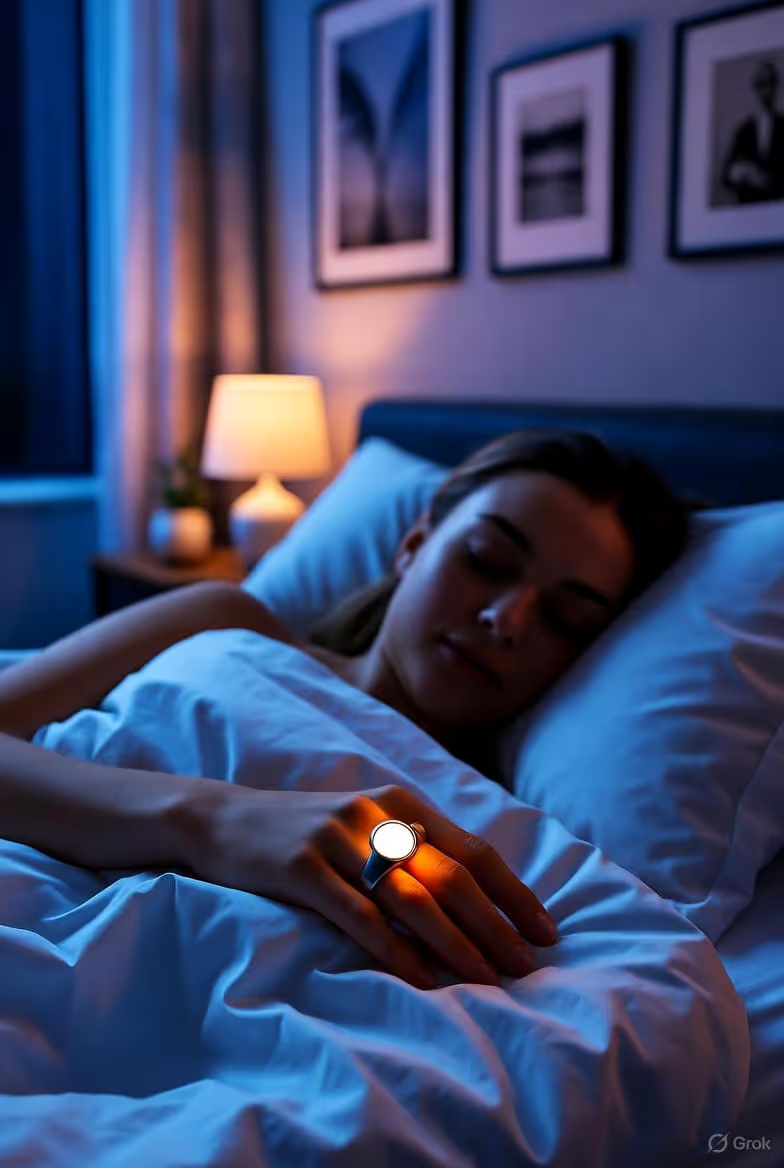
The relationship between sleep and immune function represents one of the most well-established connections in human physiology. Historical observations dating back centuries noted that people who slept poorly seemed more susceptible to illness, but only in recent decades have scientists unraveled the precise biological mechanisms underlying this connection. We now understand that sleep doesn't merely coincide with immune activity—it actively directs and enhances it through a series of coordinated biological processes that occur preferentially during specific sleep stages.
The immune system is remarkably dynamic, with different components activating and deactivating in precise rhythms throughout the 24-hour day. This circadian regulation ensures that immune defenses are primed at times of greatest vulnerability and that energy-intensive immune processes occur when other bodily demands are minimal. The synchronization between your sleep-wake cycle and immune activity is no accident—it's the result of millions of years of evolutionary fine-tuning that has linked restorative processes with periods of behavioral quiescence.
During sleep, your body undergoes significant hormonal shifts that create an ideal environment for immune processes. Growth hormone, prolactin, and melatonin—all of which rise during sleep—have immunomodulatory properties that enhance various aspects of immune function. Simultaneously, stress hormones like cortisol reach their lowest circadian levels during the early sleep phases, removing an immunosuppressive influence that can inhibit certain immune activities during waking hours. This hormonal milieu essentially creates a "maintenance window" where immune cells can perform their functions with minimal metabolic competition from other bodily systems.
Sleep's impact on immunity extends beyond just creating favorable conditions—it actively enhances specific immune capabilities. Research has demonstrated that even a single night of partial sleep deprivation can reduce natural killer cell activity by up to 30%, decrease antibody production following vaccination, and increase inflammatory markers like C-reactive protein and interleukin-6. These effects aren't merely transient; chronic sleep disruption creates a persistent state of low-grade inflammation and immune dysregulation that contributes to numerous health conditions, from increased infection susceptibility to heightened risk for autoimmune disorders and even certain cancers.
Perhaps most fascinating is the bidirectional nature of the sleep-immune relationship. Just as sleep enhances immune function, immune activation conversely affects sleep architecture. When your body is fighting an infection, immune cells release cytokines like interleukin-1 and tumor necrosis factor-alpha, which promote sleepiness and increase time spent in specific sleep stages. This creates a self-reinforcing cycle where illness induces the very sleep patterns that best support recovery—a elegant biological feedback loop that highlights how intrinsically these systems are linked.
Within the architecture of human sleep, one particular stage emerges as disproportionately important for immune function: deep sleep, also known as slow-wave sleep or Stage N3 sleep. This phase typically occurs in longer periods during the first half of the night and is characterized by synchronized, high-amplitude brain waves called delta waves. During deep sleep, your body enters its most profound state of physical restoration—a condition that creates the ideal environment for critical immune processes that cannot be efficiently accomplished during wakefulness or lighter sleep stages.
Deep sleep serves as the primary period for memory consolidation within the immune system—a process formally known as immunological memory formation. During this stage, your body "reviews" the immunological encounters of the day, strengthening defenses against pathogens it has previously encountered. This is when your adaptive immune system essentially files away blueprints for antibodies and immune cells that recognize specific threats, ensuring faster and more effective responses if those same pathogens are encountered again. Without sufficient deep sleep, this critical memory consolidation process becomes fragmented and inefficient, leaving you more vulnerable to recurrent infections.
The cellular processes that occur during deep sleep are nothing short of remarkable. Research using advanced monitoring techniques has revealed that during this sleep stage:
These coordinated activities create what sleep researchers describe as an "immune system update window"—a period when your body downloads, processes, and integrates the immunological information gathered throughout the day. Just as computer systems perform essential maintenance and updates during off-peak hours when system demands are lowest, your body reserves these energy-intensive immune processes for deep sleep when other physiological demands are minimal.
The connection between deep sleep and immune function is supported by compelling clinical observations. Studies have shown that people who obtain more deep sleep following vaccination develop stronger and more durable antibody responses. Conversely, individuals with conditions that impair deep sleep—such as sleep apnea or insomnia—demonstrate compromised immune responses and increased susceptibility to infections. This relationship extends beyond just fighting pathogens; deep sleep also plays a crucial role in cancer surveillance, with research indicating that sufficient deep sleep enhances the activity of natural killer cells that identify and eliminate cancerous cells before they can establish themselves.
What makes deep sleep uniquely suited for these immune functions? The answer lies in the distinctive physiological state this sleep stage creates. During deep sleep, your metabolic rate reaches its lowest point, energy conservation is maximized, and anabolic processes dominate over catabolic ones. This metabolic environment allows your body to divert resources toward immune maintenance without competing demands from conscious activities, digestion, or movement. Additionally, the synchronized brain activity characteristic of deep sleep appears to coordinate hormonal releases and autonomic nervous system shifts that create the precise conditions immune cells need to perform their maintenance functions most efficiently.
The immune-enhancing effects of deep sleep are orchestrated by a sophisticated interplay of hormones and signaling molecules that reach optimal concentrations during this specific sleep stage. This hormonal symphony creates the precise biochemical environment that enables your immune system to perform its nightly maintenance with maximum efficiency. Understanding these hormonal fluctuations provides insight into why sleep timing, duration, and quality all profoundly impact immune resilience.
Growth hormone represents perhaps the most significant hormonal contributor to the immune-deep sleep connection. Secreted primarily during deep sleep stages, growth hormone stimulates the production and differentiation of immune cells in bone marrow, enhances the cytotoxic activity of natural killer cells, and promotes the regeneration of thymic tissue where T-cells mature. This hormone essentially serves as a "rebuild and replenish" signal to your immune system, directing resources toward strengthening defensive capabilities during the overnight restoration period. Research indicates that growth hormone secretion during deep sleep can be up to five times greater than during waking hours—a dramatic surge that underscores the biological priority placed on immune maintenance during this specific window.
Melatonin, often called the "sleep hormone," plays a dual role in regulating both sleep architecture and immune function. Beyond its well-known effects on sleep initiation, melatonin possesses potent immunomodulatory properties, enhancing both innate and adaptive immune responses. During deep sleep, when melatonin levels peak, this hormone increases the production of interleukin-2 (which stimulates T-cell proliferation) while simultaneously reducing production of pro-inflammatory cytokines that could potentially damage healthy tissues. This balanced immunomodulation creates conditions ideal for immune memory formation without excessive inflammation—a delicate equilibrium that is difficult to maintain during waking hours when metabolic and environmental demands constantly shift.
The cortisol diurnal rhythm also plays a crucial supporting role in creating the deep sleep immune window. Cortisol, a steroid hormone with immunosuppressive properties, follows a distinct circadian pattern with highest levels in the morning and lowest levels around midnight. This nadir coincides with the period of maximum deep sleep, effectively removing a biological brake on certain immune processes. The temporary reduction in cortisol during early sleep phases allows for heightened immune activity that might otherwise be suppressed. This carefully timed hormonal withdrawal is essential for proper immune function, as demonstrated by research showing that disruptions to normal cortisol rhythms—such as those experienced by shift workers—correlate with both reduced deep sleep and compromised immune responses.
Other hormones contributing to this nightly immune symphony include:
This hormonal orchestra doesn't merely create favorable conditions for immune function—it actively directs the specific immunological processes that occur during different sleep stages. The precise timing and amplitude of these hormonal releases appear to be evolutionarily tuned to maximize immune efficiency during periods of behavioral inactivity. When sleep becomes fragmented or shortened, this hormonal symphony becomes disrupted, with consequent impairments to the immune processes these hormones regulate.
Modern tracking technology like the Oxyzen wellness ring allows individuals to monitor how lifestyle factors affect these hormonal rhythms indirectly through their impact on sleep architecture. By tracking deep sleep patterns and correlating them with next-day energy levels and illness frequency, users can develop personalized insights into their own sleep-immune connection. For more detailed information on how such technology works, you can explore the comprehensive resources available on the Oxyzen blog.
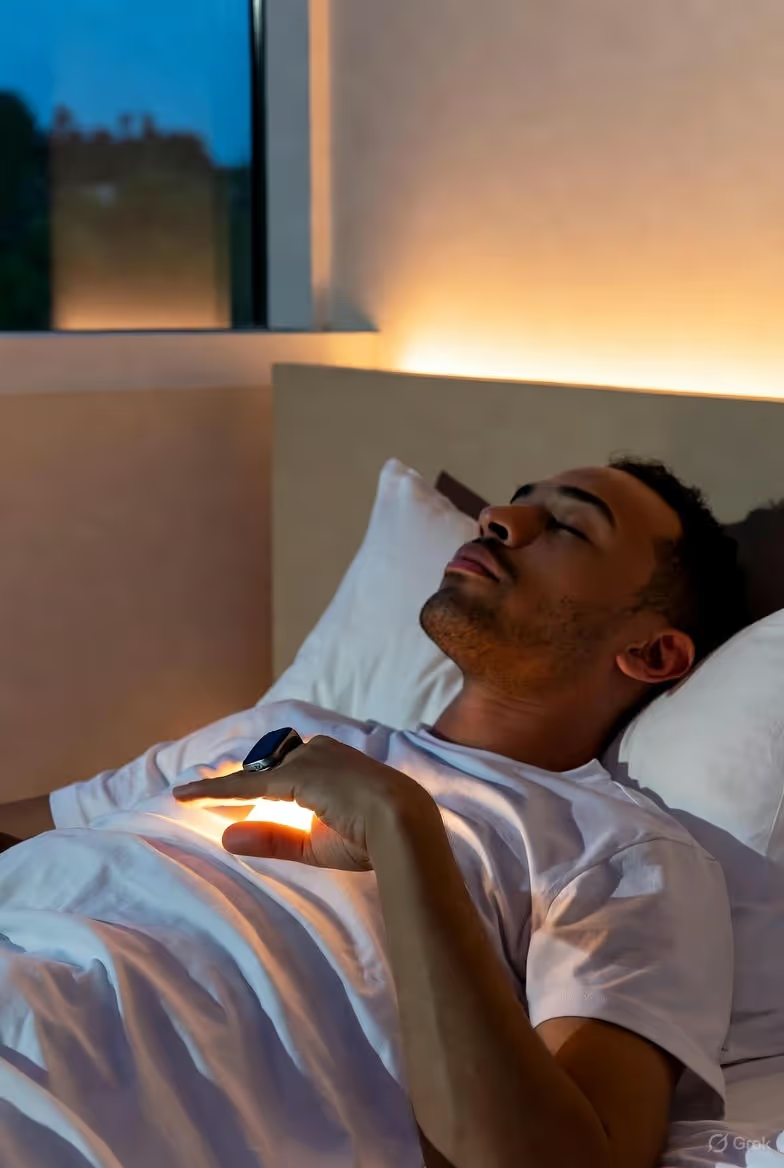
At the cellular level, deep sleep orchestrates a sophisticated series of immune activities that collectively strengthen your body's defenses. These processes represent some of the most energy-intensive functions your immune system performs, which is precisely why they're reserved for the metabolic conservation state of deep sleep. Understanding these microscopic activities reveals why sacrificing deep sleep has such profound consequences for immune resilience.
One of the most critical processes occurring during deep sleep is immunological memory consolidation. Your adaptive immune system—comprising B-cells and T-cells—encounters fragments of pathogens throughout the day. During deep sleep, these immune cells undergo a process called clonal selection and expansion, where the cells with receptors best suited to recognize specific threats are selected for proliferation. This essentially "saves" the most effective immune responses to particular pathogens, creating a cellular memory that enables faster and more targeted responses upon future exposures. Research using advanced imaging techniques has shown that immune cells in lymph nodes become significantly more active during deep sleep, engaging in the cellular interactions necessary for this memory formation.
Simultaneously, deep sleep facilitates enhanced immune cell trafficking—the movement of immune cells between different bodily compartments. During this sleep stage, certain adhesion molecules on blood vessel walls increase their expression, creating "exit ramps" that allow immune cells like monocytes and T-cells to leave circulation and enter tissues where they can perform surveillance functions. This redistribution ensures that immune defenses are optimally positioned throughout your body by morning. Studies have demonstrated that sleep deprivation disrupts this carefully choreographed cellular movement, leaving some tissues under-protected while immune cells accumulate in others inefficiently.
The glymphatic system—a recently discovered waste clearance system in the brain—also reaches peak activity during deep sleep. This system uses cerebrospinal fluid to flush metabolic waste products, including potentially inflammatory proteins like beta-amyloid, from brain tissue. By clearing these compounds, the glymphatic system reduces neuroinflammation that could otherwise trigger broader immune activation. This process illustrates how deep sleep supports immune function not just through direct immune cell enhancement but also by reducing the inflammatory burden that constantly challenges your immune system.
Additional cellular processes optimized during deep sleep include:
The coordinated timing of these diverse processes suggests an evolutionary optimization that reserves the most metabolically demanding immune activities for when energy can be diverted from other functions. During waking hours, your immune system prioritizes surveillance and immediate response capabilities—functions that require less sustained energy investment. Deep sleep provides the extended uninterrupted period necessary for the more complex, energy-intensive immune maintenance that forms the foundation of long-term immunological resilience.
What's particularly fascinating is that these processes appear to be regulated not just by systemic hormones but also by local signaling within immune tissues themselves. Research indicates that immune organs like the spleen and lymph nodes may have their own circadian clocks that synchronize with the central brain clock to time these immune activities optimally. This distributed timing system ensures that different components of your immune defense become active precisely when they're most needed and can perform their functions most efficiently.
When deep sleep becomes compromised—whether through voluntary restriction, sleep disorders, or lifestyle factors—the consequences for immune function are both immediate and profound. The immune system's reliance on this specific sleep stage means that deficiencies in deep sleep create vulnerabilities that extend far beyond mere daytime fatigue. Understanding these consequences provides compelling motivation to prioritize and protect this critical aspect of sleep architecture.
Perhaps the most immediate effect of deep sleep deprivation is reduced vaccination efficacy. Multiple studies have demonstrated that people who obtain insufficient deep sleep in the days surrounding vaccination develop significantly weaker antibody responses. For example, research on hepatitis A vaccination showed that participants restricted to four hours of sleep per night for six nights produced less than half the antibodies of well-rested participants when measured several weeks later. This diminished response isn't merely a laboratory curiosity—it has real-world implications for how effectively vaccines protect against diseases like influenza, hepatitis, and potentially even novel pathogens.
Deep sleep deficiency also increases susceptibility to common infections. In a landmark study published in the Archives of Internal Medicine, researchers tracked the sleep habits of 153 healthy men and women for two weeks before exposing them to rhinovirus (the common cold virus). Participants who averaged less than seven hours of sleep were nearly three times more likely to develop cold symptoms than those who averaged eight hours or more. Even more tellingly, sleep efficiency (the percentage of time in bed actually spent sleeping) proved to be an even stronger predictor of susceptibility than total sleep time—highlighting the particular importance of uninterrupted sleep that allows for sufficient deep sleep cycles.
Beyond acute infections, chronic deep sleep deprivation contributes to a persistent state of low-grade inflammation that underlies numerous chronic health conditions. When the anti-inflammatory and repair processes normally occurring during deep sleep become compromised, pro-inflammatory cytokines like interleukin-6 and tumor necrosis factor-alpha remain elevated. This systemic inflammation represents a constant burden on the immune system, diverting resources from defensive functions and gradually damaging healthy tissues. Over time, this inflammatory state increases risk for conditions ranging from cardiovascular disease and diabetes to certain autoimmune disorders and neurodegenerative conditions.
The consequences extend even further to impaired cancer surveillance. Natural killer cells—a critical component of your immune system's ability to identify and eliminate cancerous cells—demonstrate reduced activity following even modest sleep restriction. Research has shown that a single night of four hours of sleep can reduce natural killer cell activity by up to 70% compared to a full night's rest. Given that microscopic cancers form regularly in all of us but are typically eliminated by immune surveillance before they establish themselves, this reduction in natural killer cell activity represents a significant vulnerability that accumulates over years of insufficient deep sleep.
Additional immunological consequences of deep sleep deprivation include:
What makes these consequences particularly concerning is their insidious nature. Unlike the immediate cognitive impairments caused by sleep deprivation, the immunological effects often develop gradually and may not become apparent until significant damage has accumulated. This delayed manifestation means that people can compromise their deep sleep for extended periods without recognizing the immunological price they're paying—until they face an unusual infection susceptibility, slower recovery from illness, or diagnosis of a chronic condition with inflammatory components.

Several common sleep disorders directly interfere with the architecture of sleep, particularly targeting the deep sleep stages essential for optimal immune function. Understanding these disorders and their specific impacts on sleep stages provides insight into why individuals with certain sleep conditions often experience compromised immunity and increased susceptibility to various health challenges.
Sleep apnea, particularly obstructive sleep apnea (OSA), represents one of the most significant disruptors of deep sleep and consequently of immune function. In OSA, repeated pauses in breathing throughout the night trigger micro-arousals—brief awakenings that fragment sleep architecture and prevent sustained periods of deep sleep. These respiratory events also create intermittent hypoxia (oxygen deprivation) that triggers systemic inflammation and oxidative stress, further taxing the immune system. Research has consistently shown that individuals with untreated sleep apnea have elevated markers of systemic inflammation, reduced immune cell function, and increased susceptibility to infections. Even more concerning, the inflammation caused by sleep apnea creates a vicious cycle where immune dysfunction further exacerbates sleep disruption, creating a downward spiral of deteriorating health.
Insomnia, characterized by difficulty falling asleep, staying asleep, or experiencing non-restorative sleep, similarly disrupts the deep sleep essential for immune maintenance. While insomnia doesn't specifically target deep sleep in the way sleep apnea does, the overall reduction in total sleep time and increased sleep fragmentation inevitably reduces the time available for deep sleep stages. Additionally, the hyperarousal state characteristic of insomnia—where the nervous system remains in a heightened state of alertness even during attempted sleep—creates a physiological environment fundamentally incompatible with the metabolic state required for deep sleep. This helps explain why individuals with chronic insomnia demonstrate immune profiles similar to those of people experiencing significant stress, with elevated inflammatory markers and altered immune cell distributions.
Restless Legs Syndrome (RLS) and Periodic Limb Movement Disorder (PLMD) represent another category of sleep disorders that fragment sleep architecture through involuntary movements. These conditions prevent sustained periods of uninterrupted sleep, making it difficult to progress through complete sleep cycles with adequate deep sleep. While the movements themselves may seem minor, their timing often coincides precisely with transitions into deeper sleep stages, effectively preventing the immune system from entering its essential maintenance window. Research indicates that individuals with RLS/PLMD have altered cytokine profiles and increased systemic inflammation, even when their conscious experience of sleep disruption seems relatively mild.
Less commonly recognized sleep disorders that impact immune function include:
What's particularly important to recognize about these disorders is that their impact on immunity often extends beyond what would be predicted from sleep duration alone. The specific architecture disruption—particularly the loss of sustained deep sleep—creates immunological consequences disproportionate to the mere reduction in total sleep time. This explains why treating these sleep disorders often produces immunological benefits that exceed what would be expected from simply increasing time in bed.
Diagnosing and addressing these disorders is crucial not just for improving daytime function but for restoring the nightly immune maintenance window. Modern sleep tracking technology like the Oxyzen wellness ring can help individuals identify potential sleep disruptions by monitoring sleep architecture, movement patterns, and physiological indicators throughout the night. For those experiencing persistent sleep issues, this data can provide valuable insights to discuss with healthcare providers. If you're curious about how others have used such technology to improve their sleep and wellbeing, you might find inspiration in the real customer experiences shared on Oxyzen's testimonials page.
While sleep disorders represent significant disruptors of deep sleep, numerous lifestyle factors within our daily control also profoundly influence the quality and quantity of this critical sleep stage. These modifiable behaviors create either favorable or hostile environments for deep sleep, with corresponding impacts on immune function. Understanding these factors empowers individuals to make conscious choices that support rather than undermine their nightly immune maintenance window.
Exercise timing and intensity represent one of the most significant lifestyle influences on deep sleep. Regular moderate exercise consistently increases both deep sleep duration and quality, likely through multiple mechanisms including temperature regulation, adenosine accumulation, and stress reduction. However, timing matters considerably—vigorous exercise within three hours of bedtime can elevate core body temperature and stimulate the nervous system in ways that interfere with deep sleep initiation. The optimal approach appears to be consistent daily exercise completed at least three to four hours before bedtime, creating physiological conditions ideal for extended deep sleep periods during the first half of the night.
Dietary patterns similarly influence deep sleep architecture. Certain nutrients particularly support deep sleep, including:
Conversely, dietary factors that inhibit deep sleep include excessive sugar consumption (which can cause nighttime blood sugar fluctuations), high-fat meals close to bedtime (delaying digestion), and alcohol consumption (which may help with sleep initiation but dramatically reduces deep sleep during the second half of the night as alcohol metabolites disrupt sleep architecture).
Light exposure patterns throughout the day and evening powerfully influence deep sleep through their effects on circadian rhythms. Morning bright light exposure strengthens circadian signals that promote consolidated nighttime sleep with robust deep sleep phases. Evening light exposure—particularly to blue wavelengths from electronic devices—suppresses melatonin production and delays circadian timing, making deep sleep less likely during the early part of the night. Managing light exposure represents one of the most effective strategies for enhancing deep sleep, with simple interventions like morning sunlight viewing and blue light reduction in the evening producing measurable improvements in sleep architecture.
Additional lifestyle factors influencing deep sleep include:
What's particularly fascinating about these lifestyle factors is their potential for cumulative impact. While each factor alone may produce modest effects on deep sleep, their combination creates synergistic benefits that substantially enhance both deep sleep quantity and the immune processes dependent on it. This multiplicative effect explains why comprehensive lifestyle approaches to sleep improvement often produce results disproportionate to any single intervention.
Equally important is recognizing that lifestyle factors don't operate in isolation—they interact with individual biological differences to produce personalized effects. Genetic variations influence how people respond to factors like caffeine timing, exercise intensity, and even light exposure. This variability underscores the value of personalized monitoring to understand how specific lifestyle choices affect your unique sleep architecture. Technology like the Oxyzen wellness ring enables this personalized insight by tracking how different behaviors correlate with deep sleep patterns and next-day recovery metrics, creating a feedback loop for lifestyle optimization.
In our modern world filled with sleep disruptors, intentionally cultivating sufficient deep sleep requires both awareness and strategy. Fortunately, advancements in sleep tracking technology now make it possible to monitor sleep architecture with unprecedented detail, providing the feedback necessary to optimize this critical aspect of health. By understanding your personal deep sleep patterns and how they respond to various interventions, you can take targeted actions to enhance your nightly immune maintenance window.
Modern sleep tracking technology has evolved significantly from simple movement detectors to sophisticated multi-sensor systems that can estimate sleep stages with reasonable accuracy. Advanced wearables like the Oxyzen wellness ring use combinations of heart rate variability, movement patterns, and sometimes temperature or blood oxygen saturation to differentiate between light sleep, deep sleep, and REM sleep. While these consumer devices don't provide medical-grade polysomnography, they offer valuable trend data that reveals how lifestyle factors, stress, and habits influence your sleep architecture over time. This longitudinal perspective is particularly valuable for understanding deep sleep patterns, as single-night measurements can be misleading due to natural night-to-night variability.
When interpreting deep sleep data from tracking devices, several key principles enhance their utility:
Sleep environment optimization represents one of the most direct approaches to enhancing deep sleep. Key environmental factors include:
Behavioral strategies specifically targeting deep sleep enhancement include:
For those interested in more advanced optimization, technology-assisted approaches can provide additional support:
Perhaps the most powerful approach combines tracking with personalized experimentation. By systematically testing one variable at a time—such as adjusting bedtime by 30 minutes, eliminating evening screen time, or changing exercise timing—and observing the effects on deep sleep metrics, individuals can develop customized strategies that work for their unique physiology and lifestyle. This data-driven self-experimentation moves beyond generic sleep advice to create truly personalized optimization.
The relationship between deep sleep and immune function creates a compelling motivation for this optimization effort. When you can observe how lifestyle changes not only affect your sleep architecture but also correlate with next-day energy, illness frequency, and recovery from physical exertion, the value of protecting your deep sleep becomes immediately apparent rather than abstract. This tangible feedback transforms sleep from a passive biological requirement to an active component of health maintenance that you can intentionally cultivate and refine.
The intricate relationship between deep sleep and immune function didn't emerge by accident—it represents an evolutionary adaptation refined over millions of years. Understanding why this connection developed provides fascinating insights into human biology and underscores why this relationship remains essential to health despite modern lifestyle changes that often disrupt natural sleep patterns.
From an evolutionary perspective, the immune system faces a fundamental energy allocation problem. Immune processes—particularly the development of immunological memory, tissue repair, and immune cell production—are extraordinarily energy-intensive. During waking hours, when energy must be allocated to foraging, threat avoidance, social interactions, and other survival activities, dedicating substantial resources to immune maintenance would create dangerous trade-offs. Sleep, particularly deep sleep when movement and consciousness are minimal, provides an evolutionary solution to this allocation problem by creating a protected time window when energy can be diverted to these crucial maintenance functions without compromising immediate survival needs.
The timing of deep sleep—concentrated in the first half of the night—may reflect additional evolutionary pressures. In natural environments without artificial light, humans typically sleep soon after darkness falls and experience their longest deep sleep periods during the initial hours of sleep. This timing coincides with the period when hunting and gathering are least feasible and threat detection is most challenging due to limited visibility. By consolidating the most metabolically reduced state (deep sleep) during this period of naturally reduced activity, our ancestors minimized vulnerability while maximizing the restorative benefits of this sleep stage.
The bidirectional relationship between sleep and immune function likely developed as an adaptive response to infection. When pathogens are detected, immune cells release sleep-promoting substances like interleukin-1 and tumor necrosis factor-alpha. This creates a self-reinforcing cycle where infection induces the very sleep patterns that best support immune defense—an elegant feedback mechanism that ensures the body receives the restorative sleep it needs during illness. In ancestral environments where medical interventions were unavailable, this automatic prioritization of sleep during infection would have significantly improved survival odds.
Several additional evolutionary considerations help explain the deep sleep-immune connection:
Interestingly, comparative studies across species reveal that the relationship between sleep and immune function isn't unique to humans but appears across mammals and even in simpler organisms. Animals with greater infection risk or more complex immune systems tend to have more developed sleep patterns, suggesting that sleep and immunity co-evolved as complementary systems for maintaining organismal integrity. This phylogenetic perspective underscores how fundamental this connection is to biological functioning, not merely a secondary association.
The evolutionary perspective also helps explain why modern lifestyle factors so easily disrupt this carefully tuned system. Artificial light, temperature control, caffeine, and sedentary behaviors all represent relatively recent developments in human history that interact with ancient biological systems in ways our evolution didn't prepare us for. Understanding the evolutionary origins of the sleep-immune connection highlights why intentional management of sleep—rather than relying on natural environmental cues—has become necessary in modern environments that constantly challenge our biological rhythms.
The growing understanding of the relationship between deep sleep and immune function is opening exciting new frontiers in both research and practical health optimization. As technology advances and scientific insights deepen, we're moving toward increasingly personalized approaches to enhancing this critical biological connection. These developments promise to transform how we understand, monitor, and optimize the nightly immune maintenance window.
Advanced sleep staging technology represents one of the most immediate areas of progress. Next-generation wearables are incorporating additional sensors like skin temperature, galvanic skin response, and advanced photoplethysmography to improve sleep stage detection accuracy. Some emerging devices even use low-power radar or ultrasonic technology to monitor sleep without physical contact, potentially providing more natural measurements. As these technologies evolve, they'll offer increasingly precise insights into deep sleep patterns and their relationship to immune markers, creating more reliable feedback for lifestyle optimization.
Multi-omics approaches to sleep-immune research are revealing previously unrecognized connections between these systems. By examining how sleep influences gene expression (transcriptomics), protein production (proteomics), metabolic byproducts (metabolomics), and even epigenetic modifications, researchers are discovering subtle but profound ways that sleep architecture regulates immune function. These insights are identifying novel biomarkers that may eventually allow for highly personalized sleep recommendations based on individual biological profiles rather than population averages.
Personalized sleep chronotypes represent another promising direction. Research increasingly recognizes that individuals differ not just in how much sleep they need but in when their biology is optimally prepared for deep sleep. Genetic variations in circadian clock genes, along with individual differences in melatonin rhythms and temperature cycles, create distinct chronotypes that influence when people are biologically prepared for their most restorative sleep. Understanding these individual differences allows for sleep scheduling that aligns with natural biological predispositions rather than fighting against them, potentially enhancing both deep sleep quantity and the immune processes dependent on it.
Additional promising research directions include:
The practical application of these research advances is moving toward truly personalized sleep medicine. Imagine a future where your wearable device not only tracks your sleep but analyzes your unique physiological patterns to provide customized recommendations for optimizing your deep sleep based on your genetics, lifestyle, and current health status. This might include personalized timing recommendations for sleep, exercise, and meals; customized environmental adjustments; and even targeted supplementation or behavioral interventions based on your specific sleep architecture patterns and immune markers.
Companies at the forefront of wellness technology are already integrating these principles into their product development. The story behind Oxyzen's development reflects this personalized approach to health optimization, with its origins in recognizing individual variability in sleep and recovery needs. As these technologies evolve, they'll increasingly bridge the gap between scientific understanding and practical daily application, making sophisticated sleep optimization accessible beyond research laboratories and sleep clinics.
This personalized future recognizes that while the deep sleep-immune connection represents a universal biological principle, its optimal expression varies significantly between individuals based on genetics, lifestyle, environment, and health status. The next frontier in sleep health moves beyond one-size-fits-all recommendations toward tailored approaches that respect this biological diversity while leveraging our growing understanding of the fundamental processes that link sleep architecture to immune resilience.
The discovery that deep sleep serves as the immune system's primary maintenance window represents one of the most significant advances in our understanding of human health. This biological connection explains why sleep quality proves so fundamental to immune resilience, why sleep deprivation leaves us vulnerable to infections, and why numerous chronic health conditions correlate with sleep disturbances. More than merely an interesting scientific finding, this relationship has profound practical implications for how we approach health maintenance in our daily lives.
As we've explored throughout this examination, the deep sleep-immune connection operates through multiple integrated mechanisms—hormonal regulation, cellular processes, inflammatory modulation, and memory consolidation. These coordinated activities transform the overnight period from mere rest to active immune maintenance, with consequences that extend to every aspect of health from acute infection resistance to chronic disease prevention. Recognizing this transforms our relationship with sleep from passive necessity to active health investment.
The challenges of modern life—artificial light, constant connectivity, shifting work schedules, and pervasive stress—all conspire against the deep sleep our immune systems require. Yet understanding these challenges also reveals opportunities for intervention. Through lifestyle adjustments, environmental optimization, sleep disorder management, and potentially technology-assisted tracking and enhancement, we can take proactive steps to protect and enhance this critical biological process.
Perhaps most encouraging is the growing accessibility of tools and knowledge that make sleep optimization achievable. From consumer sleep trackers that provide insights into sleep architecture to evidence-based strategies for enhancing sleep quality, individuals now have more resources than ever to understand and improve their sleep. This democratization of sleep science empowers people to take control of this fundamental aspect of health in ways that were previously impossible.
As research continues to unravel the complexities of the sleep-immune relationship, one principle remains clear: prioritizing deep sleep represents one of the most effective investments we can make in our long-term health and resilience. In a world filled with health advice and wellness trends, this biological truth stands on solid scientific ground with implications that extend from daily wellbeing to lifelong vitality.
The journey toward optimizing this critical connection begins with awareness, continues with personalized understanding, and culminates in daily practices that honor the profound biological wisdom linking our sleep patterns to our immune defense. By respecting this relationship, we don't just sleep better—we build stronger foundations for health that support every aspect of our waking lives.
The relationship between deep sleep and immune function doesn't exist in isolation—it's intricately woven into the broader tapestry of your circadian biology. Your body's 24-hour internal clock doesn't merely dictate when you feel sleepy or alert; it precisely times immune cell production, migration, and activity to align with your sleep-wake cycles. This circadian orchestration creates predictable daily patterns in immune function, with profound implications for how you respond to pathogens, vaccinations, and inflammation throughout the day and night.
At the core of this timing system are circadian clock genes present in virtually every cell of your body, including immune cells. These molecular timekeepers regulate approximately 10-15% of your genome, including numerous genes involved in immune responses. In immune organs like the spleen, lymph nodes, and bone marrow, these clocks coordinate the production and release of immune cells, ensuring they're available when most needed. For instance, monocytes—key first responders to infection—peak in circulation during the evening, while certain T-cell subsets reach their maximum numbers in the early morning hours. This isn't random timing but evolutionary optimization, positioning immune defenses strategically throughout the 24-hour cycle.
The suprachiasmatic nucleus (SCN) of your hypothalamus serves as the master conductor of this circadian symphony. This tiny region, no larger than a grain of rice, receives direct input about environmental light through specialized cells in your retina, then synchronizes peripheral clocks throughout your body via neural and hormonal signals. The SCN's influence extends to your immune system through multiple pathways:
This centralized timing creates the predictable daily rhythms in immune parameters that researchers can measure. Your inflammatory responses, for instance, follow a clear circadian pattern, with pro-inflammatory cytokines like interleukin-6 typically peaking in the late afternoon and early evening. This timing may have evolved to prepare your body for potential injuries during active hours. Conversely, anti-inflammatory signals often strengthen during the night, creating a recovery period that prevents chronic inflammation from developing.
The practical implications of this circadian immune timing are significant:
When your circadian rhythms become disrupted—through shift work, jet lag, or irregular sleep patterns—this careful immune timing falls into disarray. Immune cells may be produced or released at suboptimal times, inflammatory regulation becomes imbalanced, and the coordination between different immune components breaks down. This circadian misalignment helps explain why shift workers show increased susceptibility to infections, poorer vaccine responses, and higher rates of inflammatory conditions.
Understanding this circadian dimension adds crucial context to the deep sleep-immune relationship. Deep sleep doesn't merely happen at any time—it's positioned within your circadian cycle when conditions are optimal for its immune-enhancing effects. The hormonal milieu of the early night (low cortisol, high melatonin and growth hormone) creates the perfect biochemical environment for the immune maintenance occurring during deep sleep. This timing synergy means that both sufficient deep sleep and proper circadian alignment are necessary for optimal immune function—neither alone is sufficient.
Just as your immune system follows daily rhythms, it also responds to seasonal changes that influence both sleep patterns and immune resilience. The interplay between changing daylight hours, temperature fluctuations, and seasonal pathogen patterns creates a complex relationship between season, sleep architecture, and immune function that we're only beginning to understand fully.
Photoperiod changes—the variation in daylight hours across seasons—represent one of the most significant seasonal influences on both sleep and immunity. As days shorten in winter, reduced sunlight exposure affects circadian rhythms through multiple mechanisms:
These photoperiod effects aren't merely theoretical—they correlate with measurable changes in immune parameters. Research has documented seasonal variations in:
Temperature fluctuations across seasons also influence the sleep-immune relationship. Both ambient temperature and core body temperature regulation affect sleep architecture, particularly deep sleep. The thermoregulatory challenges of sleeping in warmer conditions can reduce deep sleep quantity and quality, potentially compromising the immune processes dependent on this sleep stage. Conversely, the energy demands of maintaining body temperature in colder environments might redirect resources away from immune maintenance during sleep, creating different seasonal challenges for immune resilience.
Seasonal variations in pathogen prevalence create an additional layer of complexity. Many viruses, including influenza and common cold coronaviruses, show distinct seasonal patterns, typically peaking in winter months in temperate regions. This seasonality isn't merely due to indoor crowding but involves complex interactions between:
The human immune system appears to adapt to these seasonal pathogen patterns, with some research suggesting anticipatory immunological changes that prepare for expected seasonal challenges. These adaptations may include:
Sleep architecture itself shows seasonal variations that may represent adaptive responses to changing environmental conditions and immune demands. Research indicates potential changes in:
These seasonal sleep changes interact with immune function in bidirectional ways. Altered sleep patterns may affect immune resilience, while seasonal immune demands might conversely influence sleep architecture—potentially explaining why we often feel the need for more sleep during illness or recovery periods.
Modern lifestyle factors have complicated these natural seasonal adaptations. Artificial lighting, climate control, and global travel disconnect us from natural seasonal cues, potentially creating mismatches between our physiological state and environmental conditions. This "seasonal dysregulation" may contribute to increased vulnerability during seasonal transitions or reduced ability to mount optimal immune responses to seasonal pathogens.
Understanding these seasonal patterns offers practical implications for health optimization:
As we continue to unravel the complexities of seasonal biology, we gain increasingly sophisticated tools for aligning our health practices with natural rhythms rather than fighting against them. This seasonal perspective reminds us that the sleep-immune relationship isn't static but dynamically adjusts to changing environmental conditions—a flexibility that represents both a challenge and an opportunity for health optimization throughout the year.
The relationship between sleep and immune function undergoes significant transformations across the human lifespan, creating distinct challenges and considerations at different life stages. From the extensive deep sleep of infancy to the fragmented sleep patterns of older adulthood, age-related changes in sleep architecture parallel—and likely influence—the evolution of immune function from development through senescence.
Infancy and childhood represent periods of extraordinary sleep need and rapid immune system development. Newborns spend approximately 50% of their sleep time in what resembles deep sleep (though measured differently in infants), decreasing to about 20-25% by adolescence. This abundant deep sleep coincides with critical periods of:
The sleep patterns of early life appear to support these developmental processes. Research suggests that sleep enhances the consolidation of immune memories following vaccinations in children, with better sleep correlating with stronger and more durable antibody responses. Additionally, the abundant growth hormone secretion during deep sleep in childhood supports the development of immune organs like the thymus, which reaches its maximum size in early adolescence before gradually involuting.
Adolescence brings dramatic shifts in both sleep patterns and immune function. The biological delay in circadian timing common during puberty creates a natural tendency toward later sleep schedules, often conflicting with early school start times. This circadian misalignment, combined with frequent sleep restriction, coincides with a period of:
The sleep deficiencies common in adolescence may have particularly significant implications during this transitional immune period. Research indicates that adolescents who obtain insufficient sleep show:
Adulthood typically brings greater sleep stability but also the gradual emergence of age-related changes in both sleep architecture and immune function. The most notable change is the reduction in deep sleep quantity and quality, with slow-wave sleep decreasing by approximately 2% per decade after age 30. This decline coincides with the well-documented phenomenon of immunosenescence—the gradual deterioration of immune function with age characterized by:
The parallel timing of deep sleep reduction and immunosenescence raises intriguing questions about potential causal relationships. Could age-related deep sleep loss contribute to immune aging by depriving the immune system of its essential maintenance window? Emerging research suggests several mechanisms by which sleep changes might accelerate immunosenescence:
Older adulthood presents the most pronounced challenges to the sleep-immune relationship. Beyond deep sleep reduction, older adults often experience:
These sleep changes occur alongside the most advanced stages of immunosenescence, creating a "perfect storm" of vulnerability. The consequences are measurable and significant:
Understanding these age-related patterns has important implications for health optimization across the lifespan:
The life course perspective reminds us that the sleep-immune relationship isn't fixed but evolves alongside our developing and aging biology. This dynamic quality means that strategies to optimize this connection must themselves be adaptable, responding to the changing needs and challenges of different life stages. By recognizing these developmental and age-related patterns, we can create more targeted, effective approaches to supporting immune health through sleep optimization at every age.
The relationship between sleep and immune function manifests differently across genders, reflecting the complex interplay between biological sex differences, hormonal influences, and gendered social factors. Understanding these variations provides crucial insights for personalized approaches to sleep optimization and immune support, moving beyond one-size-fits-all recommendations to strategies that respect biological diversity.
Biological sex differences in sleep architecture emerge early in development and persist throughout the lifespan. Women generally demonstrate:
These sleep differences coincide with notable variations in immune function between biological sexes. The female immune system typically shows:
The hormonal fluctuations of the menstrual cycle create additional layers of complexity in the sleep-immune relationship for premenopausal women. Estrogen and progesterone levels that cycle across the month influence both sleep architecture and immune parameters:
These cyclical patterns mean that the sleep-immune relationship isn't static for approximately half the population but follows a monthly rhythm with potential implications for infection susceptibility, vaccine timing, and inflammatory regulation. Some research suggests that women may mount stronger immune responses to vaccinations administered during follicular phases of their cycles, though findings remain preliminary.
Pregnancy represents a period of extraordinary transformation in both sleep patterns and immune function. The physiological demands of supporting fetal development while maintaining maternal health require precise immune adaptations, including:
Sleep architecture undergoes parallel transformations during pregnancy:
The interaction between these sleep changes and immune adaptations has significant implications for maternal and fetal health. Research indicates that poor sleep during pregnancy associates with:
Menopause brings another significant transition in the sleep-immune relationship for women. The decline in estrogen and progesterone production affects both sleep architecture and immune function:
These menopausal changes create distinct challenges for maintaining immune resilience during a life stage when immunosenescence also accelerates. The convergence of hormonal changes, sleep disturbances, and age-related immune decline may partially explain the increased vulnerability to certain health conditions in postmenopausal women.
Social and behavioral factors further complicate gender differences in the sleep-immune relationship. Gendered patterns in:
These social dimensions interact with biological factors to create complex, multi-layered gender differences that resist simple explanations. For instance, women report more sleep disturbances than men despite often having objectively better sleep architecture—a paradox highlighting how subjective sleep experience may differ from physiological measures.
Understanding these gender differences has practical implications for health optimization:
The gender perspective reminds us that biological diversity matters in the sleep-immune relationship. What optimizes immune function through sleep for one person may differ substantially for another based on sex, hormonal status, and life stage. This complexity underscores the value of personalized approaches that respect individual biological and social contexts rather than applying uniform recommendations across diverse populations.
The foods we consume don't merely fuel our waking activities—they provide the raw materials for sleep regulation and immune processes, creating a nutritional bridge between these two essential aspects of health. Specific nutrients influence sleep architecture, particularly deep sleep, while simultaneously supporting immune function through multiple biochemical pathways. Understanding these nutritional connections offers practical strategies for enhancing both sleep quality and immune resilience through targeted dietary choices.
Macronutrient composition and timing significantly influence sleep architecture, with implications for the immune processes dependent on specific sleep stages. The balance between carbohydrates, proteins, and fats affects:
Research indicates several macronutrient patterns that typically support robust deep sleep:
Specific micronutrients play direct roles in both sleep regulation and immune function, creating synergistic benefits when consumed in adequate amounts:
The timing of food intake represents another crucial dimension of the nutrition-sleep-immune connection. Your body's circadian rhythms create optimal windows for nutrient absorption and utilization that align with sleep-wake cycles. Considerations include:
Dietary patterns that support both sleep and immune function share several common characteristics:
The gut microbiome represents a fascinating intersection of nutrition, sleep, and immunity. Your intestinal bacteria produce numerous metabolites that influence both sleep architecture and immune function, including:
Dietary patterns that support a diverse, balanced gut microbiome—typically rich in varied fibers and fermented foods—may thereby indirectly support both robust deep sleep and optimal immune function through these microbial metabolites.
Nutritional considerations for specific populations acknowledge that optimal nutritional support for the sleep-immune relationship may differ based on individual factors:
Practical applications of these nutritional principles include:
The nutritional dimension of the sleep-immune relationship empowers individuals with daily opportunities to support both systems through intentional food choices. Unlike many health interventions that require special equipment or significant time commitments, nutritional strategies integrate seamlessly into existing routines, creating sustainable pathways to enhanced sleep quality and immune resilience. This accessibility makes nutritional approaches particularly valuable for long-term health maintenance, complementing other lifestyle strategies for optimizing the critical connection between deep sleep and immune function.
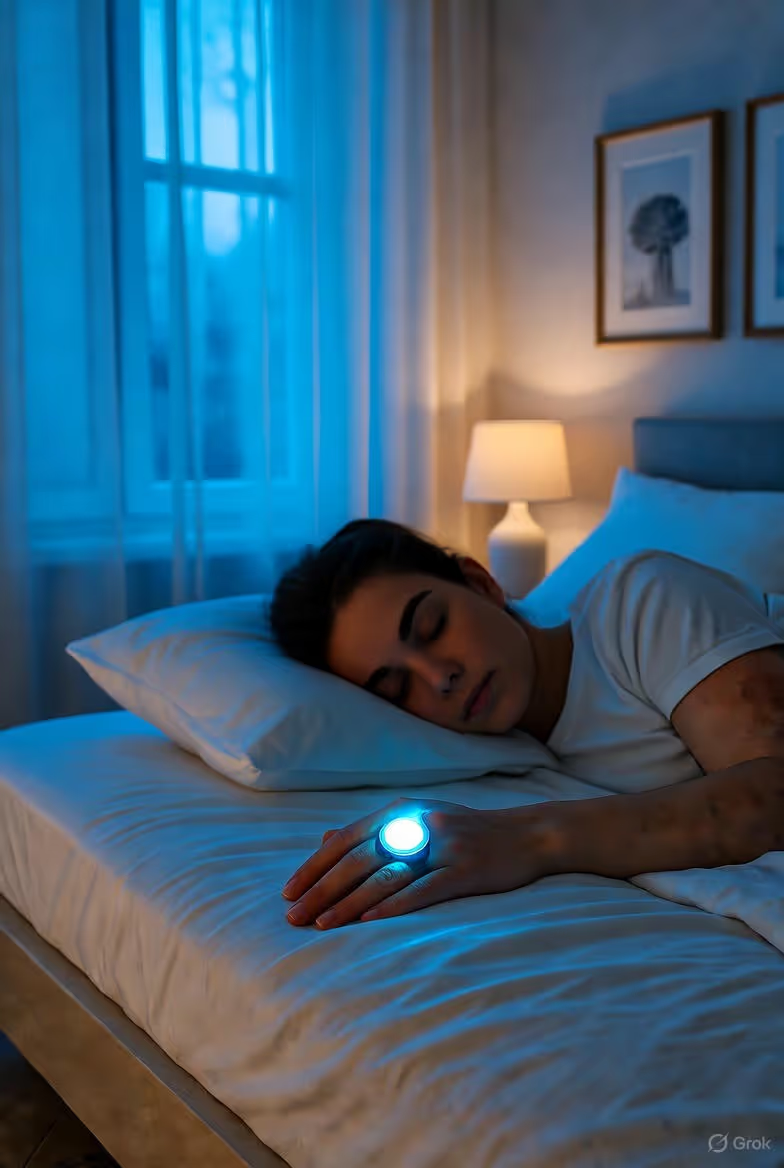
Our increasingly technological world presents both challenges and opportunities for the sleep-immune relationship. From sleep-disrupting devices to sleep-enhancing applications, modern technology influences how we sleep and consequently how our immune systems function. Understanding these technological impacts allows us to navigate the digital landscape more intentionally, minimizing harm while harnessing tools that might support better sleep and stronger immunity.
Artificial light exposure, particularly in the evening hours, represents one of technology's most significant impacts on sleep and circadian rhythms. The blue wavelengths abundant in LED screens, smartphones, and tablets powerfully suppress melatonin production, delaying circadian timing and reducing sleep propensity. This artificial light exposure:
The consequences extend beyond sleep timing to affect immune parameters. Research indicates that evening light exposure:
Electromagnetic fields (EMFs) from various devices represent another technological factor with potential sleep and immune implications. While research remains mixed, some studies suggest that EMF exposure might:
The practical implications of these findings remain debated, but prudent approaches might include:
Sleep tracking technology itself represents a double-edged sword in the sleep-immune relationship. On one hand, devices like the Oxyzen wellness ring provide valuable insights into sleep patterns that correlate with immune function. Benefits include:
Potential drawbacks of sleep tracking include:
Digital entertainment and information consumption before bedtime presents additional challenges:
These psychological impacts matter for immune function since stress and emotional states influence both sleep architecture and immune parameters. The combination of cognitive arousal, circadian disruption, and sleep displacement creates a "perfect storm" for compromising the deep sleep essential for immune maintenance.
Despite these challenges, technology also offers solutions and supports for better sleep:
Emerging sleep technology promises increasingly sophisticated approaches to sleep enhancement:
The challenge lies in navigating this technological landscape intentionally rather than passively accepting whatever sleep-disrupting features become normative. Strategies for technological harmony include:
The relationship between technology and the sleep-immune connection reflects a broader pattern in modern health: tools that offer potential benefits often come with unintended consequences that require mindful management. By understanding both the disruptive potential and supportive possibilities of technology, we can make more informed choices about how we integrate devices into our lives in ways that protect rather than compromise the deep sleep essential for immune resilience. This balanced approach acknowledges technology's role in modern life while asserting the priority of biological needs that have evolved over millennia.
Your Trusted Sleep Advocate: Sleep Foundation — https://www.sleepfoundation.org
Discover a digital archive of scholarly articles: NIH — https://www.ncbi.nlm.nih.gov/
39 million citations for biomedical literature :PubMed — https://pubmed.ncbi.nlm.nih.gov/
Experts at Harvard Health Publishing covering a variety of health topics — https://www.health.harvard.edu/blog/
Every life deserves world class care :Cleveland Clinic - https://my.clevelandclinic.org/health
Wearable technology and the future of predictive health monitoring :MIT Technology Review — https://www.technologyreview.com/
Dedicated to the well-being of all people and guided by science :World Health Organization — https://www.who.int/news-room/
Psychological science and knowledge to benefit society and improve lives. :APA — https://www.apa.org/monitor/
Cutting-edge insights on human longevity and peak performance:
Lifespan Research — https://www.lifespan.io/
Global authority on exercise physiology, sports performance, and human recovery:
American College of Sports Medicine — https://www.acsm.org/
Neuroscience-driven guidance for better focus, sleep, and mental clarity:
Stanford Human Performance Lab — https://humanperformance.stanford.edu/
Evidence-based psychology and mind–body wellness resources:
Mayo Clinic — https://www.mayoclinic.org/healthy-lifestyle/
Data-backed research on emotional wellbeing, stress biology, and resilience:
American Institute of Stress — https://www.stress.org/


