Health Metrics Explained: Respiration Rate and Health
Explaining respiration rate and its connection to health.
The Unseen Rhythm of Life: How Your Breath Holds the Key to True Wellness
In the quiet hum of a resting body, beneath the familiar cadence of the heartbeat, lies a vital sign so fundamental we often forget to measure it: your breath. Not just the conscious, deep inhales of a meditation session, but the unconscious, automatic rhythm that sustains you every minute of every day—your respiration rate. This single metric, the number of breaths you take each minute, is a profound window into your overall health, fitness, and nervous system state. Yet, for most, it remains a mystery, an unseen rhythm in the symphony of the self.
Welcome to a deep exploration of one of your body’s most telling signals. In an era where we track steps, monitor heart rates, and analyze sleep cycles, respiration rate has emerged from the shadows as a cornerstone of holistic health understanding. It’s not just a number for doctors in clinical settings; it’s a daily, real-time indicator of your stress levels, recovery status, metabolic efficiency, and even early signs of illness.
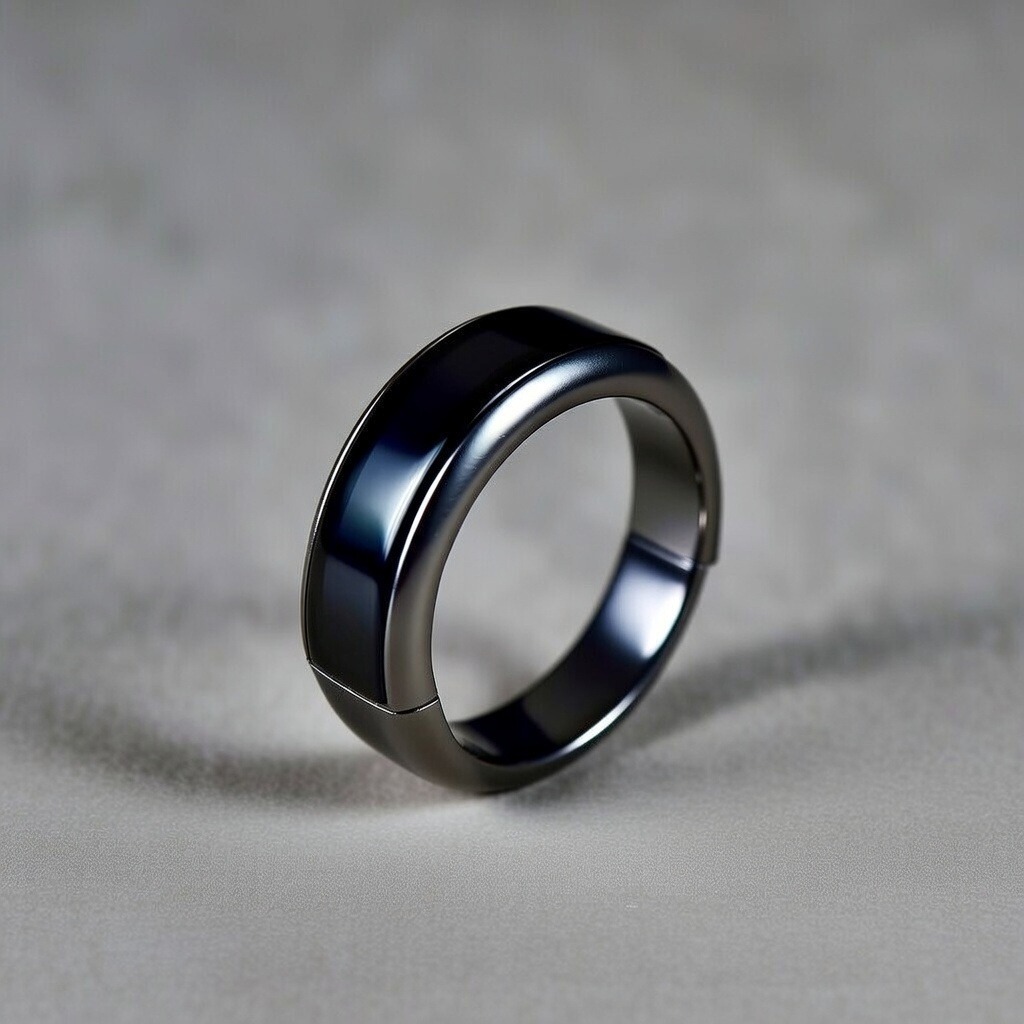
Modern technology, particularly the advent of minimalist, always-on wearable devices like advanced smart rings, has democratized access to this data. No longer confined to the hospital, continuous respiration rate monitoring is now a personal wellness tool, offering insights that can transform your approach to health. As we embark on this comprehensive guide, we’ll unravel the science, significance, and practical application of understanding your breath. We’ll move from the basic biology of your lungs to the cutting-edge tech that captures their rhythm while you sleep, and explore what those numbers are truly telling you about your body’s inner state.
This is more than a physiology lesson; it’s a journey toward a more attuned and responsive way of living. By learning the language of your respiration, you gain a powerful ally in your quest for peak performance, deep recovery, and long-term vitality. Let’s take that first, informed breath together.
What is Respiration Rate? Beyond the Simple Inhale and Exhale
At its most basic, respiration rate (RR), also known as breathing rate or pulmonary ventilation rate, is defined as the number of breaths a person takes per minute. One breath comprises a full cycle of inhalation (drawing air into the lungs) and exhalation (expelling air from the lungs). For the average healthy adult at rest, this rate typically falls between 12 and 20 breaths per minute. However, this simple definition belies a complex, elegant physiological process that is the very essence of life.
To truly appreciate respiration rate, we must distinguish it from the act of breathing itself. Breathing is the mechanical process—the movement of the diaphragm and intercostal muscles that changes lung volume. Respiration, in the broader physiological sense, is a multi-system affair. It encompasses:
External Respiration: The exchange of oxygen and carbon dioxide between the lungs and the blood.
Internal Respiration: The exchange of these gases between the blood and the body’s tissues.
Cellular Respiration: The biochemical process within cells where oxygen is used to produce energy (ATP), releasing carbon dioxide as a waste product.
Your respiration rate is the master regulator and visible output of this entire cascade. It is controlled not by conscious thought, but by the autonomic nervous system—specifically, the respiratory centers in your brainstem. These centers constantly monitor the levels of carbon dioxide (CO2), oxygen (O2), and the pH (acidity) of your blood. When CO2 levels rise (as they do during exercise or stress), these centers signal your respiratory muscles to contract more frequently and forcefully, increasing your respiration rate to expel the excess CO2.
This is a crucial point: The primary driver for your breathing rate is not low oxygen, but high carbon dioxide. Your body is exquisitely sensitive to CO2 buildup, which makes blood more acidic. Your breath is, therefore, a direct reflection of your body’s metabolic activity and acid-base balance.
Understanding this depth transforms respiration rate from a mere number into a story. A rate of 14 breaths per minute at rest tells a story of metabolic calm and balance. A spike to 24 breaths per minute while sitting at your desk tells a story of an activated stress response, even if you aren't consciously aware of it. By tracking this metric, especially with seamless devices like the Oxyzen smart ring, you begin to read your body’s narrative in real-time, a narrative written in the silent language of breath. For a deeper look at how modern technology interprets these signals, our blog features ongoing analysis of the latest wellness tracking insights.
The Vital Sign Often Ignored: Why Respiration Rate Matters More Than You Think
For over a century, the classic "vital signs" have been taught as a quartet: body temperature, pulse rate, blood pressure, and respiration rate. In practice, however, the first three often steal the spotlight. A nurse might diligently record temperature, pulse, and blood pressure, only to estimate respiration rate with a fleeting glance. This historical oversight is a critical mistake in both clinical and personal health contexts, because respiration rate is frequently the first and most sensitive indicator of physiological distress.
Research has consistently shown that an elevated respiration rate is one of the earliest harbingers of significant health events. A seminal study published in The BMJ highlighted that in hospital settings, changes in respiration rate were a more reliable predictor of catastrophic events like cardiac arrest than changes in pulse or blood pressure. Why is it such a potent canary in the coal mine?
1. It’s a Direct Mirror of Metabolic Demand: Every cell in your body requires energy and produces CO2. When your body is fighting an infection (like pneumonia or sepsis), metabolism increases, producing more CO2. Your respiration rate rises to compensate. Similarly, during exercise, your working muscles generate a tidal wave of CO2, demanding a proportional increase in breath.
2. It Reflects Acid-Base Status: As mentioned, CO2 dissolved in blood forms carbonic acid. Your respiration rate is the body’s primary, rapid-response mechanism for regulating blood pH. If metabolic processes are creating too much acid (as in diabetic ketoacidosis) or if the lungs are not effectively removing CO2 (as in COPD), the respiration rate will change dramatically to attempt correction.
3. It’s a Window to the Autonomic Nervous System (ANS): Your ANS has two primary branches: the sympathetic ("fight-or-flight") and the parasympathetic ("rest-and-digest"). Stress, anxiety, and pain activate the sympathetic system, leading to faster, shallower breathing. Calm, meditation, and sleep engage the parasympathetic system, promoting slower, deeper breaths. Your respiration rate is a direct, quantifiable readout of which system is in the driver’s seat.
4. It’s Hard to Voluntarily Control Long-Term: Unlike heart rate, which can be consciously influenced to some degree through biofeedback, your resting respiration rate is largely under autonomic control. You can hold your breath or hyperventilate for a short period, but your brainstem will eventually override you to maintain homeostasis. This makes it a less manipulable and often more honest metric.
For the individual focused on proactive wellness, this transforms respiration rate from a clinical curiosity into a daily management tool. It can signal:
Overtraining: An elevated resting respiration rate, especially in the morning, can indicate your body is still under stress from inadequate recovery.
Hidden Stress: A high daytime resting rate can reveal subconscious anxiety or tension you’ve learned to ignore.
Oncoming Illness: A creeping increase in your nightly resting respiration rate is often a very early sign of a cold, flu, or other infection, sometimes before you feel any symptoms.
Sleep Quality: Respiration rate patterns during sleep are intimately tied to sleep stages and disturbances like sleep apnea.
By elevating respiration rate in your personal health dashboard, you empower yourself with a truly vital sign. It’s the reason why at Oxyzen, we’ve prioritized continuous, accurate respiration rate monitoring as a core pillar of our smart ring’s health insights, helping users tune into their body’s earliest whispers before they become shouts.
The Biology of Breath: How Your Body Controls the Rhythm
To leverage respiration rate as a tool, it helps to understand the magnificent biological machinery behind it. This isn’t just lung function; it’s a coordinated concert involving the brain, nerves, muscles, blood, and chemoreceptors.
The Central Command: The Brainstem Deep within your brain, in the medulla oblongata and pons, lie the respiratory centers. These clusters of neurons are the pacemakers of your breath.
The medullary rhythmicity area sets the basic rhythm, initiating inhalation signals.
The pontine respiratory group fine-tunes this rhythm, smoothing the transition between inhalation and exhalation, and is particularly important during speech, sleep, and exercise.
These centers generate automatic, rhythmic nerve impulses that travel down your spinal cord.
The Messengers: The Nerves The primary nerve carrying the "breathe!" command is the phrenic nerve. It originates in the neck (C3-C5) and innervates the diaphragm, your main breathing muscle. Other nerves, like the intercostal nerves, control the intercostal muscles between your ribs. When these nerves fire, the muscles contract.
The Muscles: The Engines of Inspiration
The Diaphragm: This large, dome-shaped muscle sheet beneath your lungs is the workhorse. When it contracts, it flattens and moves downward, increasing the volume of the chest cavity and drawing air in.
External Intercostal Muscles: These muscles between the ribs contract to lift the ribcage up and out, further expanding the chest. Exhalation at rest is typically a passive process. As the diaphragm and intercostals relax, the elastic recoil of the lungs and chest wall pushes air out. During exercise or forced breathing, "accessory muscles" like those in the abdomen and neck kick in to assist.
The Feedback Loop: The Chemoreceptors This is where the system gets intelligent. The respiratory centers don’t operate in a vacuum. They are constantly informed by specialized sensors called chemoreceptors.
Central Chemoreceptors: Located in the medulla, they are exquisitely sensitive to the pH of the cerebrospinal fluid (which reflects blood CO2 levels). A slight rise in CO2 (lowering pH) triggers an immediate increase in respiration rate and depth.
Peripheral Chemoreceptors: Found in the carotid arteries and aorta, these respond primarily to low oxygen levels (hypoxia), but also to high CO2 and low pH. They become major drivers for breathing in severe situations like COPD.
This entire system—brain, nerves, muscles, sensors—operates in a flawless, continuous feedback loop to maintain the precise levels of O2 and CO2 your body needs at any given moment. It adapts seamlessly from deep sleep to sprinting. When you see your respiration rate change on your wellness tracker, you are seeing the output of this magnificent, life-sustaining control system in action. Understanding this biology is the first step to interpreting its messages, a journey we document and explore in our ongoing mission to democratize advanced health insights.
The textbook answer of 12-20 breaths per minute for adults is a useful starting point, but it’s a broad generalization. A "normal" and, more importantly, a healthy respiration rate is influenced by a tapestry of factors. Understanding where you personally fit within the spectrum is key to using the data effectively.
Age: The Defining Factor Respiratory physiology changes dramatically over a lifetime.
Newborns (0-12 months): 30-60 breaths per minute. Their high metabolic rate and small lung capacity demand a rapid rate.
Toddlers (1-3 years): 24-40 bpm.
Preschoolers (4-5 years): 22-34 bpm.
School-age Children (6-12 years): 18-30 bpm.
Adolescents (13-18 years) & Adults: 12-20 bpm.
Older Adults (65+): May see a slight increase from the adult norm due to age-related changes in lung elasticity and chest wall compliance.
Activity Level: The Immediate Modifier This is the most obvious influencer. Respiration rate is designed to scale with metabolic demand.
Rest/Sleep: 12-20 bpm (with rates often dipping to their lowest in deep sleep).
Maximum Exertion: Can reach 40-50+ bpm in trained athletes.
Fitness: The Long-Term Adaptor Aerobic fitness doesn’t just change your heart; it changes your breath. Well-trained individuals often have a lower resting respiration rate. This is because their bodies become more efficient at oxygen utilization (extracting more O2 per breath) and CO2 clearance. Their respiratory muscles are also stronger, allowing for greater tidal volume (air per breath), so they need fewer breaths per minute to meet resting demands. A resting rate in the low teens (12-14 bpm) is common among fit individuals.
Other Influencing Factors:
Body Position: Lying down can slightly slow the rate compared to sitting or standing.
Emotional State: Anxiety, excitement, and anger can all cause rapid, shallow breathing.
Medications: Opioids and sedatives can depress respiration, while certain asthma medications or stimulants may increase it.
Altitude: Higher altitudes with lower oxygen pressure trigger an increased rate as the body attempts to capture more O2 molecules.
The Gold Standard: Your Personal Baseline This is the most critical concept in personal respiration rate tracking. Rather than obsessing over hitting a universal "perfect" number, the goal is to establish your own personalized baseline during periods of known good health, low stress, and adequate recovery.
Using a device that tracks respiration rate continuously, like a smart ring, allows you to find this baseline, typically identified during deep, undisturbed sleep when external influences are minimized. Once you know your personal normal—say, 14 bpm at night—you can identify meaningful deviations. A consistent nighttime rate of 17 bpm could be a significant signal worth investigating.
This personalized approach moves you from chasing generic norms to understanding your unique physiology. It empowers you to ask the right questions, whether you're reviewing your own data or discussing trends with a healthcare professional. For common questions on establishing baselines and interpreting data, our comprehensive resource center provides detailed guidance.
Respiration Rate and Sleep: Decoding Your Nocturnal Breathing Patterns
Sleep is when your body repairs, restores, and consolidates memory. It’s also when your respiration rate tells one of its most revealing stories. Monitoring your breath throughout the night provides unparalleled insight into sleep quality, architecture, and potential disorders. This is where continuous, comfortable wearable tracking shines, as it captures data in the most natural state possible: while you are unaware.
The Symphony of Sleep Stages and Breath As you cycle through sleep stages, your breathing pattern changes in a predictable, healthy rhythm:
Wake & NREM Stage 1 (Light Sleep): Breathing is irregular and similar to the resting awake state.
NREM Stage 2 (Light Sleep): Breathing becomes more regular, and heart rate begins to slow. This is where you spend about 50% of the night.
NREM Stage 3 (Deep Sleep or Slow-Wave Sleep): This is the most restorative phase. Breathing is at its slowest, deepest, and most regular. Your respiration rate may drop 1-2 breaths per minute below your waking resting rate. The body focuses on physical repair, immune function, and growth hormone release.
REM Sleep (Dream Sleep): The brain is highly active, and breathing becomes irregular, faster, and shallower—similar to wakefulness. It can even include brief pauses. This stage is crucial for cognitive function and emotional processing.
A healthy sleep tracker will show a gentle, wave-like pattern of respiration rate throughout the night, dipping in deep sleep and peaking in REM.
The Red Flags: When Nighttime Breathing Signals Distress Deviations from this healthy pattern are highly informative:
Consistently High Sleep Respiration Rate: If your average nightly rate is significantly above your personal baseline, it can be a sign of:
Undetected Infection or Illness: The body’s increased metabolic demand raises CO2 production.
Chronic Stress or Anxiety: An overactive sympathetic nervous system doesn't fully power down at night.
Poor Recovery from Exercise: The body is still in a heightened state of repair.
Sleep Apnea (in some forms): While apnea is characterized by pauses, the effort to breathe against a closed airway can drive up the overall respiratory effort and rate upon resumption of breath.
High Variability and Irregularity: While some variability is normal, extreme irregularity with frequent spikes can indicate:
Obstructive Sleep Apnea (OSA): This is characterized by repeated episodes of apneas (complete pauses in breathing for 10+ seconds) and hypopneas (shallow breathing with significant oxygen desaturation). After each event, the brain triggers a micro-arousal (often unnoticed by the sleeper) and a gasp or snort as breathing resumes, causing a spike in respiration rate. This creates a "sawtooth" pattern of repeated pauses and spikes throughout the night, severely fragmenting sleep.
Central Sleep Apnea (CSA): Less common, this involves pauses because the brain fails to send the "breathe" signal. It’s often seen in conjunction with heart failure or opioid use.
Periodic Limb Movement Disorder or Other Disruptions: Any event that causes micro-arousals can jolt the breathing pattern.
The Power of Nightly Averages One of the most practical uses of sleep respiration rate tracking is monitoring your average nightly rate over time. This trend line is incredibly stable in healthy individuals. A sustained upward drift over several nights is one of the earliest and most objective indicators that something is amiss—be it an oncoming cold, escalating stress, or worsening sleep hygiene.
By paying attention to your nocturnal breath, you gain a objective, quantitative measure of sleep quality that goes far beyond simply "how long you were in bed." It transforms sleep from a mysterious black box into a data-rich period of insight, helping you connect the dots between your daytime activities and your nighttime restoration. As many users have shared in their personal testimonials, observing these patterns has been the key to identifying previously unnoticed sleep disruptions and taking steps to achieve truly restorative rest.
Respiration Rate and Stress: The Direct Link to Your Nervous System
If sleep shows the recovery side of the equation, daytime respiration rate is a live dashboard for your stress and emotional load. The connection between breath and the autonomic nervous system (ANS) is intimate and immediate, making respiration rate a powerful, real-time biomarker for your psychological and physiological stress state.
The Physiology of the Stress Breath When you perceive a threat—be it a looming deadline, an argument, or an actual physical danger—your sympathetic nervous system (SNS) activates. This "fight-or-flight" response triggers a cascade:
The release of stress hormones like cortisol and adrenaline.
Increased heart rate and blood pressure.
A shift in breathing pattern: To prepare for action, your breath becomes faster (tachypnea) and shallower (moving from the chest rather than the diaphragm). This is efficient for rapid gas exchange in a perceived emergency but inefficient for long-term homeostasis.
This shallow, rapid breathing can actually become a feedback loop. It can lead to blowing off too much CO2 (hypocapnia), which alters blood pH and can cause symptoms like dizziness, tingling, and increased anxiety—further fueling the stress response.
Tracking the Invisible Stress Response Many daily stressors are chronic and low-grade: a demanding inbox, financial worries, relationship tensions. You may become so accustomed to this background hum that you no longer consciously register it as "stress." However, your body does. A persistently elevated daytime resting respiration rate is your body’s objective report card, telling you that your SNS is chronically engaged, even if your mind has tuned it out.
For example, you might be working at your computer, feeling "fine," but your smart ring shows a resting respiration rate of 19 bpm. Later, after a walk in nature or a meditation session, you check again and it’s down to 15 bpm. That 4-breath difference is a quantifiable measure of your nervous system state shift.
Using Respiration Rate for Stress Management and Biofeedback This is where knowledge becomes empowerment. By using respiration rate as a feedback signal, you can actively engage in practices to stimulate the parasympathetic nervous system (PNS), the "rest-and-digest" counterpart to the SNS.
Coherent or Resonance Breathing: This technique involves breathing at a specific, slow rate (often 5-6 breaths per minute, or 5-second inhale, 5-second exhale). Studies show this pace can optimize heart rate variability (HRV) and synchronize respiratory and cardiovascular systems, promoting calm. You can use your real-time respiration rate display to pace yourself to this rhythm.
Diaphragmatic (Belly) Breathing: Focusing on deep, slow breaths that engage the diaphragm directly counters the shallow chest breathing of stress. Watching your rate slow as you practice provides immediate positive reinforcement.
Mindfulness & Meditation: These practices naturally slow the breath. Tracking your pre- and post-meditation respiration rate offers concrete evidence of their physiological impact.
By integrating respiration rate awareness into your day, you move from being a passive recipient of stress to an active manager of your nervous system. It turns an abstract feeling of "being stressed" into a concrete metric you can observe and influence. This practical application of biometrics is at the heart of the modern wellness movement, and exploring related techniques and findings on our blog can provide further strategies for mastery.
Respiration Rate and Fitness: A Metric for Performance and Recovery
For athletes and fitness enthusiasts, data is king. While heart rate zones and power output have long been staples, respiration rate is emerging as a crucial, though underutilized, metric for optimizing both performance and recovery. It provides a unique lens on efficiency, endurance, and how well your body is adapting to training loads.
The Performance Indicator: Ventilatory Thresholds During incremental exercise (like increasing the speed on a treadmill), your respiration rate doesn't increase linearly. It has distinct inflection points that correlate with important physiological thresholds:
VT1 (First Ventilatory Threshold): This is the point where breathing first begins to increase disproportionately to workload. It roughly corresponds to the transition from purely aerobic metabolism to a mix where lactate begins to accumulate but is still cleared. It’s a sustainable, "conversational" pace for endurance training.
VT2 (Second Ventilatory Threshold/Respiratory Compensation Point): This is where breathing becomes rapid and labored. Lactate accumulates rapidly, and you are operating in a predominantly anaerobic zone. This is near maximal effort, sustainable only for short periods.
Training based on these respiratory markers can be more individualized and effective than using generic heart rate zones, as they directly reflect your body’s metabolic and gas exchange realities. By noticing the pace or power at which your breathing rhythm fundamentally changes, you can tailor training zones with precision.
The Efficiency Metric: Economy of Motion Elite athletes in endurance sports aren’t just physically strong; they are efficient. They move more air with fewer breaths. A lower respiration rate at a given submaximal workload (e.g., while running a 9-minute mile pace) is a sign of improved fitness and economy. It means your cardiovascular system is delivering oxygen more effectively, your muscles are utilizing it better, and your biomechanics are optimized. Tracking how this rate changes over a training block provides direct feedback on the efficacy of your program.
The Recovery Sentinel: Resting Respiratory Rate (RRR) This is perhaps the most valuable application for the everyday athlete. Your morning resting respiration rate (measured ideally upon waking, while still in bed) is a superb indicator of recovery status and readiness to train.
Well-Recovered: Your RRR should be at or near your personal baseline.
Fatigued or Overtrained: Your RRR may be elevated by 2-5 breaths per minute or more. This indicates your body is still under stress—it could be from a hard training session, inadequate sleep, dehydration, or emotional stress. Training hard in this state risks diminishing returns and injury.
Oncoming Illness: As with sleep, a creeping elevation in RRR can be an early warning of an impending cold or infection, allowing you to pivot to restorative activities instead of breaking yourself down further.
Integrating a simple check of your morning respiration rate into your routine provides a piece of objective data to balance against subjective feelings of fatigue. It helps answer the critical question: "Should I push hard today, or should I prioritize recovery?"
By embracing respiration rate as part of your fitness toolkit, you gain a deeper, more nuanced understanding of your body’s response to training. It bridges the gap between external performance and internal physiology, guiding you toward smarter, more sustainable progress. This holistic approach to athlete well-being reflects our core vision and values at Oxyzen, where we believe technology should enhance human potential, not just quantify it.
When Breathing Speaks of Illness: Respiration Rate as an Early Warning System
Beyond fitness and daily stress, respiration rate holds a sobering but vital role as a sentinel for acute and chronic health conditions. Its sensitivity to metabolic and pulmonary disturbances makes it a leading indicator, often changing before other symptoms become noticeable or before more traditional vital signs like heart rate show significant alteration.
The Early Infection Detectives Viral and bacterial infections trigger an immune response that increases metabolism and body temperature. This elevated metabolic rate produces more carbon dioxide. Consequently, your body increases respiration rate to expel the excess CO2. This often happens 24-48 hours before the onset of noticeable symptoms like a sore throat, cough, or significant fever. A consistent, unexplained rise in your resting (especially nighttime) respiration rate can be your body’s first whisper that it’s mounting a defense. In a post-pandemic world, this kind of proactive self-awareness has taken on new significance.
Chronic Respiratory Conditions For conditions like Asthma and Chronic Obstructive Pulmonary Disease (COPD), respiration rate is a core part of the disease picture.
Asthma: During an exacerbation, airway inflammation and constriction make breathing difficult. The rate often increases as the person works harder to move air. Monitoring trends can help in recognizing early signs of worsening control.
COPD: This is characterized by chronically elevated respiration rates due to reduced lung efficiency. Patients often have a resting rate above 20 bpm. Acute flare-ups (often due to infection) cause further significant increases, which is why tracking is a key part of management plans.
Cardiovascular Connections The heart and lungs are a coupled system. In conditions like Heart Failure, the lungs can become congested with fluid (pulmonary edema). This impairs gas exchange and stimulates faster, often shallower breathing as the body tries to get enough oxygen. An increasing respiration rate, particularly when associated with difficulty breathing while lying down (orthopnea), is a classic and serious sign of worsening heart failure that requires immediate medical attention.
Metabolic and Other Disorders
Diabetic Ketoacidosis (DKA): A life-threatening complication of diabetes where the blood becomes highly acidic from ketones. The body attempts to blow off acid in the form of CO2 through deep, rapid breathing known as Kussmaul respirations.
Pain: Significant acute or chronic pain activates the sympathetic nervous system, leading to an increased respiration rate.
Anemia: With reduced oxygen-carrying capacity in the blood, respiration rate may increase to try to compensate, especially during activity.
The Power of Trend Monitoring The key for personal health monitoring is not to diagnose based on a single data point, but to observe trends and deviations from your personal baseline. A smart ring or other continuous tracker is ideal for this, as it establishes what "normal" looks like for you. When the algorithm detects a sustained, statistically significant increase—like your 7-day average nighttime rate climbing from 14.1 to 16.8 bpm—it’s not diagnosing the flu, but it is giving you a high-confidence alert that your physiology has meaningfully shifted.
This transforms you from a passive patient to an engaged participant in your health. It provides concrete, objective data you can share with a healthcare provider: "My resting respiration trend has been up for three days, and now I’m starting to feel a scratchy throat." This early warning can lead to earlier intervention, better management of chronic conditions, and a deeper partnership in your own care. For any questions on how this data should be used in concert with professional medical advice, our support resources are always available.
How Smart Rings Measure Respiration Rate: The Technology Behind the Insight
For a metric so important, accurate and comfortable measurement is paramount. This is where the evolution of wearable technology, particularly the smart ring, has been a game-changer. Unlike chest straps or occasional manual counts, a ring like Oxyzen offers continuous, passive monitoring in a form factor you can forget you’re wearing. But how can a device on your finger possibly know how many times your lungs expand per minute? The science is ingenious.
The Primary Method: Photoplethysmography (PPG) This is the core technology used by most optical health sensors. It works by shining LED light (typically green and/or red) into the skin and measuring the amount of light reflected back to a photodetector. Blood absorbs light more than surrounding tissue, and with each heartbeat, blood volume in the capillaries pulses slightly.
The Cardiac Connection: The primary PPG signal is your pulse wave—the heartbeat.
The Respiratory Signal: Embedded within this pulse wave signal is a slower, rhythmic modulation caused by breathing. How?
Respiratory-Induced Intensity Variation (RIIV): Changes in intrathoracic pressure during breathing slightly affect venous blood return to the heart, which in turn modulates the blood volume in the periphery (like your finger).
Respiratory-Induced Frequency Variation (RIFV): Breathing causes a slight, rhythmic change in heart rate known as Respiratory Sinus Arrhythmia (RSA)—your heart rate naturally increases a tiny bit on inhalation and decreases on exhalation. This frequency modulation is extracted from the heart rate data.
Respiratory-Induced Amplitude Variation (RIAV): The changing pressure also affects the amplitude of the pulse wave itself.
Advanced signal processing algorithms are the unsung heroes here. They take the raw PPG data, isolate these subtle respiratory modulations from the larger cardiac signal and from motion noise, and reconstruct a clean, accurate respiration rate waveform. This is calculated continuously, often reported as a breaths-per-minute value every few seconds or as a nightly average.
Secondary Methods & Sensor Fusion The best devices use sensor fusion to improve accuracy and reliability:
Accelerometer Data: A 3-axis accelerometer detects micro-movements of the chest and body that occur with each breath. By analyzing the precise rhythmic pattern of these movements (especially during sleep when motion is minimal), the device can cross-validate the PPG-derived respiration rate. This is particularly useful if the PPG signal is temporarily obscured.
Heart Rate & HRV Data: As mentioned, the RSA link between breath and heart rate provides another data stream to compute respiration.
Why the Finger? Advantages of the Ring Form Factor The finger, specifically the base of the finger, is an ideal site for this measurement:
Consistent Contact: A well-fitted ring maintains consistent sensor-skin contact with minimal shift, which is harder to achieve with a wrist-based device that can move around.
Rich Perfusion: The finger has a dense network of capillaries, providing a strong PPG signal.
Proximal to the Core: While not as central as the chest, the finger is more proximal and less subject to temperature extremes and motion artifacts than the wrist during many activities (like typing or sleeping).
Continuous Wearability: Its small, unobtrusive design means people are more likely to wear it 24/7, enabling the crucial continuous data collection needed for baseline establishment and trend analysis.
This sophisticated yet seamless technology demystifies the process. It’s not magic; it’s applied physiology and advanced engineering working together to give you a silent, constant insight into one of your most vital processes. Understanding the "how" builds trust in the data, allowing you to focus on what it means for your life. To delve deeper into the specifics of our approach and sensor technology, you can learn more about how Oxyzen works.
How to Improve and Optimize Your Respiration Rate
Tracking your respiration rate is insightful, but the ultimate goal is to use that insight to cultivate a healthier, more resilient physiology. A lower, more stable resting respiration rate is a hallmark of fitness, calm, and efficient autonomic function. Here are evidence-based strategies to positively influence this key metric.
1. Prioritize Consistent Aerobic Exercise ("Cardio") This is the most direct way to improve the efficiency of your respiratory and cardiovascular systems. Regular aerobic training:
Strengthens the diaphragm and intercostal muscles.
Improves the elasticity of lung tissue and chest wall.
Enhances the body's ability to extract and utilize oxygen (VO2 max).
Increases stroke volume (blood pumped per heartbeat), so the heart doesn’t need to beat as often, and by extension, the lungs don’t need to breathe as often for the same oxygen delivery. Action: Aim for 150+ minutes of moderate-intensity (where you can talk but not sing) or 75 minutes of vigorous-intensity exercise per week.
2. Practice Diaphragmatic Breathing Daily Re-train your body to default to deep, efficient breathing rather than shallow, stress-induced chest breathing.
Technique: Lie on your back or sit comfortably. Place one hand on your chest and the other on your belly. Inhale slowly through your nose, aiming to make the belly hand rise while the chest hand stays relatively still. Exhale slowly through pursed lips, feeling the belly fall.
Benefit: Engages the diaphragm fully, improves ventilation in the lower lobes of the lungs, and stimulates the vagus nerve (a key parasympathetic pathway). Action: Start with 5-10 minutes daily. Use a biofeedback device to watch your rate slow in real-time.
3. Integrate Breathwork and Coherent Breathing Structured breathing practices have profound effects on ANS balance.
Coherent/Resonance Breathing: Breathe at a pace of 5-6 breaths per minute (e.g., inhale 5 seconds, exhale 5 seconds). This pace has been shown to maximize Heart Rate Variability (HRV) and promote a state of calm alertness.
Box Breathing (4-4-4-4): Inhale for 4, hold for 4, exhale for 4, hold for 4. Used by Navy SEALs to induce calm under pressure. Action: Incorporate a 5-10 minute session into your morning routine or use as a stress-reset tool during the day.
4. Optimize Your Sleep Hygiene Since your lowest, most stable rate occurs in deep sleep, improving sleep quality directly improves your respiration rate baseline.
Maintain a cool, dark, and quiet sleep environment.
Establish a consistent sleep-wake schedule, even on weekends.
Limit screen time and stimulants (caffeine, nicotine) close to bedtime. Action: Use your smart ring data to identify what behaviors (early dinner, no alcohol, meditation) correlate with your best sleep and lowest respiration rates.
5. Actively Manage Stress Chronic psychological stress keeps your SNS activated and your breath rate elevated.
Mindfulness & Meditation: These practices directly engage the PNS and slow respiratory drive.
Spend Time in Nature: "Forest bathing" and green space exposure have been shown to lower cortisol and promote slower breathing.
Digital Detox: Constant notifications create micro-stresses that can elevate sympathetic tone. Action: Schedule daily "stress-buffer" activities and monitor their impact on your daytime resting respiration rate.
6. Maintain a Healthy Weight Excess weight, particularly around the abdomen, can physically restrict diaphragm movement and increase the work of breathing, both during waking and sleep (increasing risk of sleep apnea). Action: A combination of balanced nutrition and regular exercise supports a healthy weight and easier breathing.
7. Stay Hydrated The mucosal linings in your respiratory tract need adequate hydration to function optimally. Dehydration can make these linings sticky and inefficient. Action: Drink water consistently throughout the day.
Improving your respiration rate is not about quick fixes; it’s about adopting a lifestyle that supports autonomic balance and physiological efficiency. By implementing these strategies and observing their impact on your personal data, you embark on a powerful journey of biofeedback-driven self-improvement. For more tailored strategies and user experiences on making these changes, the community stories and guides shared in our testimonials section can be a great source of inspiration and practical ideas.
Beyond the Number: Integrating Respiration Rate with Other Health Data
A single health metric, no matter how powerful, tells only part of the story. The true magic of modern wellness technology lies in data synergy—the way different metrics interact and contextualize each other to paint a complete, dynamic picture of your health. Respiration rate is a star player, but its meaning is amplified when viewed alongside its physiological teammates.
The Core Triad: RRR, HRV, and Resting Heart Rate These three metrics form the foundational triangle of autonomic nervous system (ANS) status and recovery.
Resting Respiration Rate (RRR) & Heart Rate Variability (HRV): This is a deeply connected relationship. High HRV (a sign of good adaptability and parasympathetic tone) is often associated with a lower, more stable RRR. Conversely, when you are stressed or fatigued, HRV typically drops and RRR rises. Seeing both move in these opposite directions provides high-confidence confirmation that your body is under strain. For instance, if your morning RRR is elevated but your HRV looks "good" in isolation, it might prompt you to check for other causes, like allergies or a stuffy nose.
Resting Respiration Rate & Resting Heart Rate (RHR): Both are elevated by sympathetic activation (stress, illness, poor recovery). A simultaneous rise in both your RHR and RRR is a strong, dual-signal that your body is working harder than it should be at rest. As fitness improves, both numbers often trend downward together.
The Sleep Quartet: Respiration, HR, HRV, and Movement Nighttime data is where integration becomes exceptionally insightful for assessing sleep quality.
Respiration Rate & Sleep Stages: As discussed, a slow, regular rate correlates with deep sleep, while a faster, irregular rate aligns with REM. By syncing respiration data with accelerometer-based sleep stage detection, you can validate the accuracy of your sleep profile.
Respiration Rate Spikes & Oxygen Saturation (SpO2): A sudden spike in respiration rate followed by a dip in SpO2 is the classic signature of an obstructive sleep apnea event. The airway closes (causing oxygen to drop), the brain arouses slightly (causing a gasp or snort and a respiration spike), and the cycle repeats. Seeing these two metrics in tandem is far more revealing than either alone.
Respiration Rate & Nighttime HRV/HR: A calm nervous system during sleep should show a lower average heart rate and higher HRV, paired with a low, steady respiration rate. If your heart rate is elevated and your respiration is jagged and high, even if you don’t remember waking, it points to disturbed, non-restorative sleep.
The Activity Context: Respiration, Heart Rate, and Exertion During exercise, respiration rate validates and refines your heart rate data.
Cardio Efficiency: At the same running pace or power output, a lower respiration rate and heart rate indicate improved fitness and economy.
Understanding Perceived Effort: You might feel a workout was "hard," and your heart rate data agrees. But if your respiration rate was exceptionally high for that heart rate zone, it could point to other factors: dehydration, heat stress, poor sleep, or even the onset of asthma. The breath tells the "why" behind the heart's effort.
The Holistic Dashboard: Putting It All Together Imagine a Monday morning after a weekend of poor sleep and social stress. Your wellness dashboard might show:
Resting Respiration Rate: +3 bpm above your baseline.
Resting Heart Rate: +8 bpm above your baseline.
HRV: -15% from your baseline.
Sleep Respiration: High and variable, with correlated SpO2 dips.
Body Battery/Recovery Score: Low.
This isn't just a collection of numbers; it’s a coherent story. Your ANS is saying, "I am stressed and unrecovered." The congruence of the data gives you the confidence to act—perhaps by prioritizing a light day, a mindfulness session, or an early bedtime.
By learning to read respiration rate not in isolation, but as part of this interconnected physiological language, you graduate from data collection to true body literacy. This integrated approach is the future of personalized wellness, and it’s the philosophy behind designing a device that captures this symphony of signals seamlessly. For a deeper exploration of how these metrics interact in real-world scenarios, our blog is a continually updated resource with case studies and analysis.
The Future of Breath: Emerging Research and the Horizon of Respiratory Monitoring
The science of respiration rate is not static. As technology advances and research delves deeper, our understanding of this vital sign is expanding beyond simple counts per minute into a rich domain of diagnostic and predictive potential. The future of respiratory monitoring is poised to unlock even more profound insights into our health.
The Next Frontier: Respiratory Dynamics and Pattern Analysis Future algorithms will move beyond rate to analyze the pattern, depth, and symmetry of breathing.
Tidal Volume Estimation: Combining PPG with advanced accelerometer and biometric impedance signals could allow wearables to estimate the volume of air moved per breath. The ratio of rate to volume (minute ventilation) is a far more precise measure of respiratory effort and metabolic state.
Flow Shape Analysis: The waveform of a breath—how quickly it rises during inhalation, the shape of the peak, the slope of exhalation—can reveal subtle obstructions or muscular weaknesses. For example, a "sawtooth" pattern on inhalation can suggest upper airway resistance, even in the absence of full-blown apnea.
Chest vs. Abdominal Dominance: Assessing which compartment leads the breath (via sophisticated motion analysis) can continuously indicate stress levels (chest-dominant) versus relaxation (abdominal-dominant).
Predictive Health and Early Disease Detection Large-scale, longitudinal studies using continuous respiration data from wearables are opening new doors for population health.
Pre-Symptomatic Illness Detection: Research is validating that sustained increases in resting respiration rate can predict the onset of community-acquired infections like influenza or even COVID-19, potentially days before symptom onset. This could lead to personalized, early-warning systems.
Chronic Disease Management: For conditions like heart failure, COPD, and asthma, continuous home monitoring of respiration trends could provide doctors with objective, real-world data to tailor treatments, predict exacerbations, and reduce hospital readmissions. A gradual creep in nighttime respiration rate in a heart failure patient could signal fluid retention long before it becomes an emergency.
Mental Health Biomarkers: The clear link between respiration patterns and anxiety, PTSD, and panic disorders is being quantified. Specific, identifiable breathing patterns may serve as objective biomarkers for certain states, and biofeedback targeting those patterns could become a core component of digital therapeutics.
Integration with Environmental and Lifestyle Data The most powerful insights will come from correlating respiration data with external context.
Air Quality & Allergens: Imagine your device noting that your nighttime respiration becomes more erratic and your morning rate elevates specifically on high-pollen days or when you’ve spent time in a moldy building, even before you feel congested.
Altitude & Climate: Automated adjustments for altitude-induced changes in respiration, or correlations between respiratory efficiency and humidity/temperature.
Nutrition & Digestion: Exploring links between meal composition, timing, and post-prandial respiration rate as a marker of metabolic processing and even food sensitivities.
The Role of AI and Personalized Baselines Artificial intelligence will move from tracking to coaching. Future systems will:
Learn your ultra-personalized baseline patterns across seasons, activities, and life stages.
Discern between a "good" high respiration rate (post-exercise recovery) and a "bad" one (stress-induced).
Provide contextualized nudges: *"Your respiration rate is elevated for your current activity level. Consider a 2-minute breathing exercise to down-regulate."* or "Your sleep respiration trend has been rising for two nights. Prioritizing recovery tonight is advised."
This evolving landscape turns the smart ring or wearable from a passive recorder into an active health guardian. By choosing a platform committed to innovation, like Oxyzen, you align yourself with this future—a future where your breath is not just monitored, but deeply understood, offering a continuous stream of actionable intelligence for a healthier life. This commitment to pioneering this future is rooted in our foundational vision and company journey. As we continue, we will address the practical aspects of using this powerful tool in your daily life, from choosing the right device to applying the data for meaningful change.
Putting Knowledge into Practice: Your Action Plan for Respiratory Awareness
Understanding the "why" and "how" of respiration rate is only half the journey. The true value is unlocked when you translate that knowledge into daily habits and informed decisions. This section provides a concrete, step-by-step action plan to integrate respiratory awareness into your modern wellness routine, transforming data into tangible health dividends.
Step 1: Establish Your Personal Baseline (The Observation Phase)
Before you can interpret changes, you must know your normal. This requires consistent, passive monitoring over a period of relative stability—ideally 2-4 weeks when you are not acutely ill, overly stressed, or in a demanding training block.
The Gold Standard: Nightly Average. Your most reliable baseline is your average respiration rate during sleep, as it’s free from conscious control and behavioral variability. Use a device like a smart ring to track this for at least two weeks. Note the average range (e.g., 13.5 - 15.2 breaths per minute).
Secondary Baseline: Morning Resting Rate. Upon waking, before getting out of bed or checking your phone, note your resting respiration rate (many devices provide a "morning report"). This captures your body’s state after a night of recovery.
Record Context: In a journal or app notes, log relevant lifestyle factors during this period: average sleep duration, stress levels, exercise routine, and diet. This creates a holistic picture of your "healthy baseline" lifestyle.
Step 2: Learn the Language of Fluctuations (The Interpretation Phase)
Once your baseline is established, begin observing daily and weekly deviations. Ask the right questions:
Is it an Acute Spike or a Sustained Trend? A single night with a higher rate after a late, heavy meal or an intense evening workout is normal. A 5-day gradual climb is more significant.
Is it Isolated or Correlated? Cross-reference with other data.
RRR up + HRV down + RHR up = Strong indication of systemic stress or insufficient recovery. Action: Prioritize rest, hydration, light movement, and stress management.
RRR up (especially at night) + SpO2 dips = Potential sign of sleep-disordered breathing. Action: Consider sleep position, alcohol intake, or consult a specialist.
RRR up + Feeling fine otherwise = Could be very early immune response or unnoticed low-grade stress. Action: Monitor closely, support your immune system with sleep and nutrition.
What’s the Context? Did the change coincide with:
A new training program?
A work deadline?
Travel or change in time zone?
Exposure to allergens or sick people?
Step 3: Implement Targeted Interventions (The Action Phase)
Use your insights to guide proactive interventions.
For Elevated Resting Rates (Stress/Recovery Focus):
Daily Breathwork: Schedule 5-10 minutes of diaphragmatic or coherent breathing. Use the real-time respiration display on your device as biofeedback to slow your pace.
Sleep Hygiene Audit: If nighttime rate is high, enforce a digital sunset, cool your bedroom, and ensure total darkness.
Active Recovery: Swap a planned high-intensity workout for gentle yoga, walking, or mobility work.
Hydration & Nutrition: Ensure adequate water intake and focus on anti-inflammatory, nutrient-dense foods.
For Optimizing Fitness & Performance:
Use RRR as a Readiness Metric: Make it part of your morning checklist. If your RRR is elevated beyond a certain threshold (e.g., >10% above baseline), consider adjusting your training intensity.
Practice Nasal Breathing: During low-to-moderate intensity cardio, focus on inhaling and exhaling through your nose. This naturally slows respiration, improves CO2 tolerance, and increases breathing efficiency.
Post-Workout Respiration Recovery: After a session, note how long it takes for your respiration rate to return to your pre-exercise resting level. As fitness improves, this recovery time will shorten.
Step 4: Build a Feedback Loop (The Refinement Phase)
Wellness is not set-and-forget. Regularly review your data trends—weekly and monthly.
Weekly Check-in: Each Sunday, review your weekly averages for sleep respiration, morning RRR, and their correlation with your HRV and sleep scores. What patterns do you see?
Monthly Review: Look at the broader trends. Has your average nightly respiration rate decreased since you started daily meditation? Did it increase during a particularly stressful month?
Iterate: Use these reviews to refine your habits. If evening screen time correlates with higher sleep respiration, institute a stricter cutoff. If afternoon walks correlate with lower evening rates, make them non-negotiable.
This cyclical process of Observe → Interpret → Act → Refine turns respiration rate from abstract data into a core component of your health intuition. It empowers you to make micro-adjustments that compound into significant long-term benefits for resilience, performance, and well-being. For practical examples of how others have implemented these plans, the real-world experiences shared by our community can be a valuable guide.
Choosing Your Tool: A Guide to Respiration Rate Tracking Devices
With the importance of respiration rate firmly established, selecting the right tool for continuous, accurate monitoring is a critical decision. The market offers various options, each with strengths and limitations. This guide will help you navigate the landscape to find the device that best fits your lifestyle and health goals.
How they work: Primarily heart rate monitors that use advanced algorithms to derive respiration rate from heart rate variability (RSA) and/or built-in accelerometers to detect chest movement.
Pros: Very accurate for activity-based respiration rate, especially during exercise. Good for sport-specific training.
Cons: Can be uncomfortable for all-day wear, less practical for sleep, require a paired device (watch/phone), battery life can be limited.
Best for: Athletes focused on optimizing performance and training zones.
3. Smartwatches & Fitness Bands (e.g., Apple Watch, Fitbit, Garmin)
How they work: Primarily use optical PPG sensors on the wrist, analyzing pulse wave modulations. Some may incorporate accelerometer data.
Pros: Convenient, multi-functional, good for all-day heart rate and activity tracking.
Cons: Wrist-based respiration rate tracking is often less accurate and consistent, especially for resting and sleep metrics. The wrist is a suboptimal site for PPG—it’s distal, has less consistent blood flow, and is prone to motion artifacts from hand movement. Many watches only measure respiration rate during mindfulness sessions or sleep, not 24/7.
Best for: General wellness users who want a good overview and prioritize other smart features.
4. Smart Rings (e.g., Oura, Ultrahuman, Oxyzen)
How they work: Use medical-grade PPG sensors from the finger base (a richer vascular bed) combined with 3D accelerometers. Advanced algorithms extract respiration rate from pulse wave modulations (RIIV, RIFV, RIAV) and micro-movements.
Pros:
Superior Site: The finger provides a stronger, more stable PPG signal for cardiopulmonary metrics.
Continuous & Passive: Designed for 24/7 wear, capturing data effortlessly during sleep, work, and exercise.
Comfort & Forgetability: Low profile means you can wear it always, ensuring no gaps in your baseline data.
Sleep-Optimized: The form factor is inherently less disruptive for sleep tracking than a wrist device.
Cons: Smaller form factor limits screen-based interactions (a companion app is essential). Can be less ideal for measuring respiration during very high-intensity, grip-heavy exercises where hand motion is extreme.
Best for: The wellness-focused individual or biohacker who prioritizes accurate, continuous recovery, sleep, and ANS metrics above all else. It’s the tool for establishing a true physiological baseline.
Key Selection Criteria: What to Look For
When evaluating a device for respiration rate tracking, consider these factors:
Measurement Method & Validation: Does the company disclose how it measures respiration rate? Has its methodology been validated in peer-reviewed studies? Look for devices that use multi-modal sensing (PPG + accelerometer) and are transparent about their algorithms.
Continuity of Data: Does it measure 24/7, or only during specific sessions (sleep, meditation)? Continuous data is vital for trend analysis and early warning.
Data Presentation & Insights: Does the app show you raw nightly averages, trends over time, and correlations with other metrics? Can you easily export your data?
Battery Life & Wearability: A device you have to charge daily is more likely to create data gaps. Look for 4+ days of battery life and a design you’ll comfortably wear to bed.
Ecosystem & Privacy: Who owns your sensitive health data? What is the company’s privacy policy? Does the device work within an ecosystem that provides actionable insights, not just raw numbers?
For the individual serious about leveraging respiration rate as a core wellness metric, the smart ring currently represents the optimal balance of accuracy, comfort, and continuous wearability. It is purpose-built for the task of understanding your body’s unconscious rhythms. To explore the specific approach and technology behind one such device, you can discover how Oxyzen is engineered for this purpose.
Common Myths and Misconceptions About Respiration Rate
As with any health metric entering the mainstream, respiration rate is subject to oversimplification and misunderstanding. Clearing up these myths is essential for using the data wisely and avoiding unnecessary anxiety.
Myth 1: "Slower is Always Better."
Reality: While a very low resting rate (e.g., 8-10 bpm) can be a sign of elite aerobic fitness in a healthy individual, it is not a universal goal. An abnormally low rate (bradypnea) can be a sign of underlying issues, such as hypothyroidism, certain medications (like opioids), or electrolyte imbalances. The goal is not an arbitrarily low number, but a rate that is appropriate and efficient for your body's needs. Focus on being within a healthy range and observing your personal trends, not chasing an extreme.
Myth 2: "I Can Control It, So It's Not a True Vital Sign."
Reality: While you can consciously alter your breathing temporarily, your autonomic, resting respiration rate is under tight control by your brainstem. You cannot will yourself to maintain a rate of 6 breaths per minute indefinitely; your chemoreceptors will force you to breathe. This underlying, unconscious rhythm is the true vital sign. The fact that you can influence it with practice (e.g., meditation) is a feature, not a bug—it’s what makes it a powerful tool for biofeedback and stress management.
Myth 3: "If My Respiration Rate is Normal, My Lungs are Healthy."
Reality: Respiration rate is a systemic metric, not just a lung metric. It can be normal in the face of early lung disease if the body is still compensating. Conversely, it can be elevated due to problems far from the lungs, like heart failure, anemia, or metabolic acidosis. A normal rate is reassuring but doesn't rule out all respiratory or cardiopulmonary issues. It should be considered alongside other symptoms and data, like SpO2, cough, or exercise tolerance.
Myth 4: "A High Respiration Rate During Sleep Always Means Sleep Apnea."
Reality: Sleep apnea is characterized by pauses (apneas) or significant reductions (hypopneas) in breathing, followed by arousals and gasps. This often creates a variable and erratic pattern with spikes, not just a uniformly high rate. A consistently high but steady sleep respiration rate is more likely linked to other factors: allergies, asthma, acid reflux, a stuffy nose, or even sleeping in a hot room. Context from SpO2 and audio (snoring) data is crucial for distinguishing causes.
Myth 5: "The Number on My Device is 100% Medically Accurate."
Reality: Consumer wearables are engineered for trend tracking and wellness insight, not medical diagnosis. While advanced devices are highly accurate for detecting relative changes and trends (e.g., your rate is up 15% from baseline), the absolute number may have a margin of error compared to a clinical gold standard. This is why the trend is king. A device consistently reading 14 bpm that jumps to a consistent 18 bpm is providing extremely valuable information, even if the true clinical values are 16 and 20 bpm. The direction and magnitude of change are what matter most for personal use.
Myth 6: "I Don't Need to Track It Because I'm Not an Athlete or Sick."
Reality: Respiration rate is perhaps most valuable for the "worried well" and those navigating the stresses of modern life. It is the earliest and most sensitive metric for subclinical stress—the kind that doesn't land you in the doctor's office but slowly erodes resilience, sleep, and immune function. It’s a proactive tool for prevention, helping you identify and mitigate stress and poor recovery before they manifest as more serious problems.
By dispelling these myths, you can approach your respiration rate data with a balanced, informed perspective. It is a powerful guide, not an oracle. It empowers you to ask better questions about your health, rather than providing absolute answers on its own. For further clarification on how to interpret your specific data, our comprehensive FAQ resource addresses many common user questions and concerns.
Case Studies: Real-World Stories of Respiratory Insight
Theory and data come alive through story. Here are anonymized, composite case studies that illustrate how monitoring respiration rate has provided crucial insights and driven positive change for individuals across different lifestyles.
Case Study 1: The Stressed Executive (Uncovering Hidden Anxiety)
Profile: David, 42, tech manager. Feels "constantly busy but fine." Tracks steps and sleep hours, which seem adequate.
Data Pattern: His Oura/Oxyzen ring data showed a consistent pattern: a resting daytime respiration rate often between 19-22 bpm while at his desk, even when he felt calm. His sleep respiration average was a high 17.5 bpm with noticeable variability. His HRV was chronically low.
Insight: The data objectively revealed a state of chronic sympathetic activation ("fight-or-flight") that David had mentally normalized. The high sleep rate indicated his nervous system wasn't fully powering down at night.
Action: David started a 10-minute evening meditation practice using the ring's real-time respiration as feedback. He instituted a strict 9:30 PM phone curfew.
Result: Within three weeks, his average sleep respiration rate dropped to 15.2 bpm, his HRV increased by 25%, and he reported significantly improved mood and focus. The data gave him the objective proof he needed to prioritize nervous system recovery.
Case Study 2: The Dedicated Runner (Preventing Overtraining)
Profile: Maria, 35, amateur marathoner increasing her mileage for a race.
Data Pattern: Two months into her training plan, her morning resting respiration rate (RRR) began a steady climb from her baseline of 13.5 bpm to 16.8 bpm. Her HRV trended down, but she felt "tired but tough," attributing it to hard training.
Insight: The sustained elevation in RRR was a classic sign of accumulating fatigue and insufficient recovery—a precursor to overtraining syndrome. Her body was signaling distress before her performance plateaued or she got injured.
Action: Maria used the data to convince herself to insert an unplanned "recovery week," reducing mileage by 60% and focusing on sleep and nutrition.
Result: After five days, her RRR returned to baseline. She resumed training feeling stronger and later achieved a personal best, crediting the respiratory data for helping her time her deload perfectly.
Case Study 3: The Health-Conscious Parent (Early Illness Detection)
Profile: Ben, 38, father of two young children.
Data Pattern: Ben noticed his nightly respiration rate, typically a rock-steady 14.3 bpm, had crept up to 15.8 bpm over two nights. He felt completely fine—no sore throat, no fatigue. On the third morning, his rate was 16.2 bpm, and he woke with a slight tickle in his throat.
Insight: The sustained increase in sleep respiration rate was an early-warning signal of his body fighting an infection, likely picked up from his kids, well before classic symptoms appeared.
Action: Upon seeing the initial trend, Ben proactively increased his vitamin C intake, hydrated aggressively, and ensured he got 8+ hours of sleep. When the sore throat arrived, he was already in a better position to fight it.
Result: The illness was notably milder and shorter in duration than previous ones. Ben felt empowered by catching it "in the prodromal phase" and supporting his immune system early.
Case Study 4: The Snoring Spouse (Unmasking Sleep Disruption)
Profile: Linda, 56, known to snore. Told she "sometimes stops breathing" by her partner. Always feels tired.
Data Pattern: Her sleep respiration graph was a dramatic "sawtooth" pattern—frequent pauses followed by sharp spikes into the high 20s. Her blood oxygen (SpO2) graph showed corresponding repetitive dips. Her average sleep respiration rate was an elevated 19 bpm.
Insight: The combined data was textbook for moderate-to-severe Obstructive Sleep Apnea (OSA). The high average rate wasn't from steady breathing, but from the recovery gasps after each apnea event.
Action: Armed with concrete, nightly data, Linda sought a sleep study. She was diagnosed with OSA and prescribed a CPAP machine.
Result: With treatment, her sleep respiration graph smoothed out, her average rate dropped to 14 bpm, and her SpO2 remained stable. Her daytime energy levels improved dramatically. She stated, "The ring data gave me the evidence I needed to take it seriously."
These stories demonstrate that respiration rate is not an abstract number. It is a deeply personal narrative of stress, effort, defense, and restoration. By learning to read your own story, you gain agency over your health journey. You can find more such transformative experiences documented in the words of users who have shared their journeys.



%402x.svg)