


The Health Metrics That Reveal Cardiovascular Health
The metrics that reveal the state of your cardiovascular health.
The metrics that reveal the state of your cardiovascular health.
%402x.svg)
The human heart beats roughly 100,000 times a day, a relentless rhythm that powers every dream, every step, and every moment of our lives. Yet, for many of us, the intricate symphony of our cardiovascular system remains a mystery until something goes wrong. What if you could listen to that symphony every day, understanding not just the melody of your heartbeat, but the harmony of dozens of interconnected metrics that reveal your true heart health? No longer confined to the annual check-up, a new era of proactive, personalized cardiovascular insight is here, powered by technology that fits on your finger.
For decades, we’ve relied on snapshots: a blood pressure reading at the doctor’s office, a once-a-year cholesterol panel. These are vital, but they’re static pictures in a dynamic, moving story. True cardiovascular health is a 24/7 narrative, written in the language of heart rate variability during a stressful meeting, blood oxygen levels during a night’s sleep, and subtle changes in skin temperature that hint at circulation. This story unfolds in real-time, influenced by sleep, stress, activity, and recovery.
Modern wearable technology, particularly the advanced smart ring, has emerged as the perfect narrator for this story. By moving beyond the wrist to the finger—a location rich with vascular access—these devices provide a continuous, clinical-grade window into the metrics that matter most. This isn't just about counting steps; it's about decoding the fundamental biomarkers of resilience, risk, and vitality.
In this comprehensive exploration, we will journey deep into the core metrics that serve as the most revealing signposts of cardiovascular health. We’ll move beyond the basics to understand the interconnected dialogue between your nervous system, your blood vessels, your sleep, and your stress. This knowledge is power—the power to prevent, to optimize, and to take conscious control of the engine that drives your life. As we delve into each metric, we’ll uncover not only what it means but how you can influence it, turning data into actionable wisdom for a longer, healthier, and more vibrant life.

Your heart is not a metronome. The healthy rhythm of a resilient heart is one of elegant, subtle irregularity—the beat-to-beat changes in time between successive heartbeats, known as Heart Rate Variability (HRV). Think of it not as an inconsistency, but as a sophisticated conversation. In this dialogue, one "voice" is your sympathetic nervous system, your "gas pedal," which accelerates your heart rate to prepare for action, stress, or a challenge. The other is your parasympathetic nervous system, your "brake," which slows the heart, promoting rest, digestion, and recovery. HRV is the measure of the balance and flexibility of this conversation.
A high HRV indicates a robust, adaptable system. It means your body can swiftly shift gears: revving up to meet a deadline or a physical challenge, and then smoothly downshifting into a state of calm and repair. It’s a hallmark of cardiovascular fitness, strong stress resilience, and healthy autonomic function. Conversely, a consistently low HRV is a powerful warning signal. It suggests your system is stuck in a state of high alert, with the sympathetic tone dominating. This chronic stress state is linked to inflammation, hypertension, a heightened risk of cardiovascular events, burnout, and poor recovery.
Unlike a simple heart rate reading, HRV is profoundly sensitive to your entire lifestyle. It is your body’s honest, unfiltered feedback system. A night of poor sleep, an intense workout, an emotional conflict, or even dehydration will manifest as a dip in your HRV the next morning. Tracking it over time—especially upon waking, in a consistent manner—provides an unparalleled dashboard of your internal readiness and recovery. For anyone serious about optimizing performance, managing stress, or safeguarding long-term heart health, HRV is the foundational metric. It answers the critical question: "Is my body in a state of growth and repair, or in a state of survival and depletion?"
Modern wellness technology has made accessing this deep biomarker remarkably simple. At Oxyzen.ai, our mission is built on delivering this kind of meaningful, actionable insight. By wearing a smart ring, you gain a continuous, nocturnal reading of HRV without lifting a finger, offering a clear, daily report card on your nervous system balance and cardiovascular resilience. This data, when tracked over weeks and months, can reveal patterns and triggers, empowering you to make informed decisions about training, rest, and lifestyle. To explore how this technology translates complex physiology into simple guidance, our blog offers deep dives into personal data stories and practical application tips.
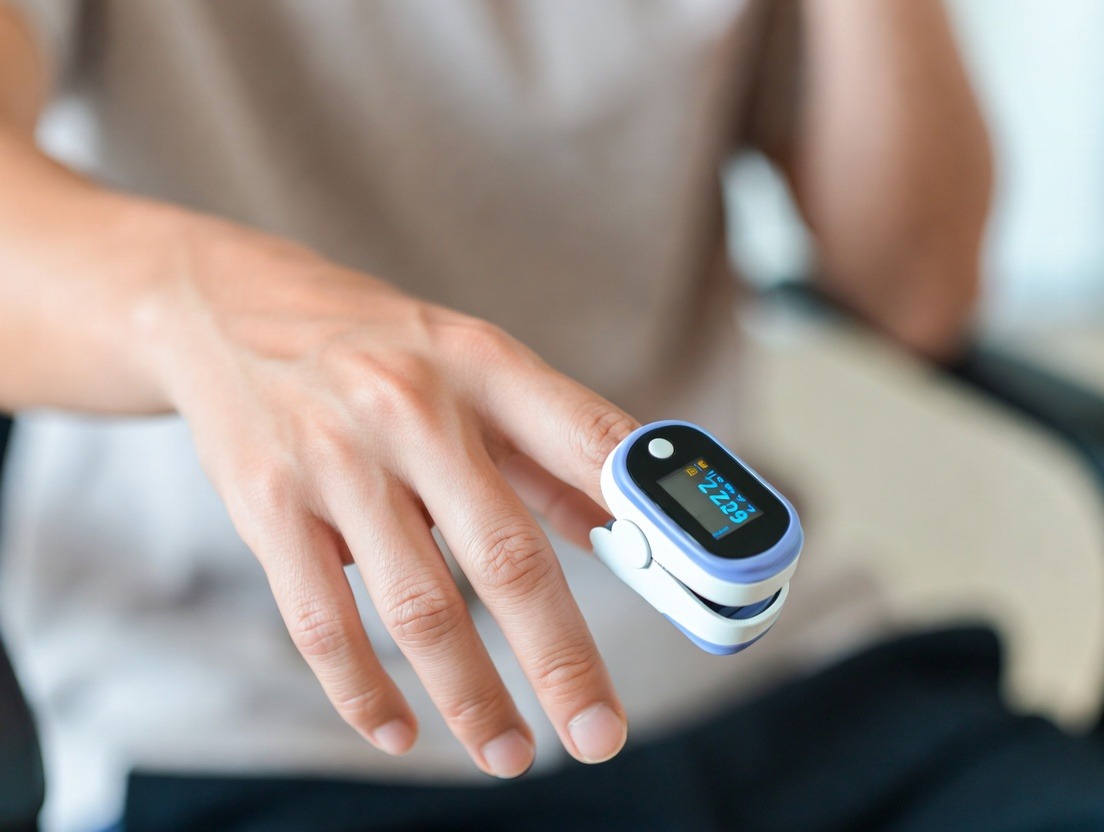
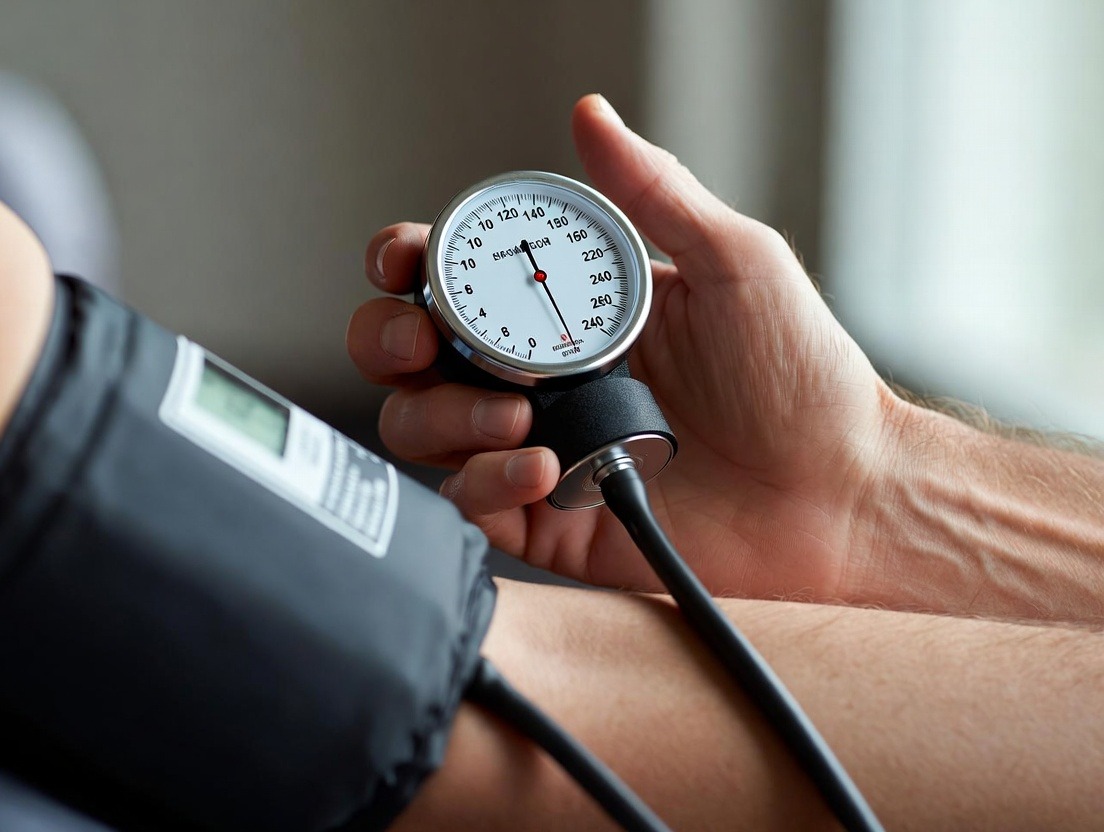
Blood pressure is the fundamental force that moves life-giving oxygen and nutrients through your vast network of arteries and capillaries. The classic "120 over 80" reading tells a two-part story: systolic pressure (the higher number) is the force when your heart contracts and pushes blood out, while diastolic pressure (the lower number) is the pressure in the arteries when the heart rests between beats. While this snapshot is crucial, it paints an incomplete picture. True cardiovascular risk and health are better understood through the dynamics of blood pressure—how it behaves over 24 hours and in response to your life.
The concept of "nocturnal dipping" is a prime example. In a healthy individual, blood pressure should naturally fall by 10-20% during sleep. This dip is a critical period of respite for your heart and blood vessels. "Non-dipping," where nighttime pressure remains high, is a silent but potent risk factor independently linked to a greater chance of heart attack, stroke, and kidney damage. It’s a pattern almost impossible to detect with occasional daytime checks, revealing the critical need for more comprehensive monitoring.
Then there is blood pressure variability—the degree to which your pressure fluctuates throughout the day. Excessive variability, with dramatic spikes and drops, is now recognized as just as damaging as sustained high pressure. These surges create sheer stress on arterial walls, accelerating wear and tear and the formation of plaque. What triggers these surges? Often, it’s stress—the mental and emotional kind. A stressful email, a tense conversation, or chronic anxiety can cause acute blood pressure spikes that, over time, inflict cumulative damage.
This is where the paradigm shifts from reactive to proactive management. Instead of waiting for a diagnosis of hypertension, continuous monitoring helps identify your personal triggers, the effectiveness of lifestyle interventions (like meditation or walking), and whether your body is getting that essential nocturnal reprieve. Understanding your personal blood pressure narrative allows you to work with your physiology. For those navigating questions about how wearable data complements traditional medical care, our FAQ page provides clear, detailed answers on data accuracy and health insights.
Blood Oxygen Saturation, or SpO2, is the percentage of hemoglobin in your bloodstream that is carrying oxygen. For a healthy individual at sea level, this typically sits comfortably between 95% and 100%. It’s a vital sign of how efficiently your lungs are oxygenating your blood and how effectively your heart and circulatory system are delivering that oxygen to the far reaches of your body. While a stable, normal daytime SpO2 is expected, the most revealing story often unfolds while you sleep.
Nocturnal SpO2 is a critical window into respiratory and cardiovascular health. Brief, periodic dips during sleep can be normal, but sustained or frequent desaturations are a red flag. They are the hallmark of sleep-disordered breathing, most commonly obstructive sleep apnea (OSA). In OSA, the airway collapses, breathing stops, and oxygen levels fall—sometimes dramatically—triggering a stress response that jolts the brain awake to restart breathing. This cycle can repeat hundreds of times a night, fragmenting sleep and, most dangerously, placing immense strain on the cardiovascular system.
Each oxygen drop causes a spike in blood pressure and heart rate, promotes systemic inflammation, and stresses the heart muscle. Over time, this dramatically increases the risk of hypertension, atrial fibrillation, heart failure, and stroke. The insidious part? Many people with significant sleep apnea are completely unaware, attributing their daytime fatigue to stress or aging. Continuous SpO2 monitoring from a device worn through the night acts as a powerful screening tool, uncovering these hidden, dangerous patterns that a one-night sleep study might miss if not ordered.
Beyond spotting apnea, SpO2 trends offer broader insights. Consistently lower-than-baseline saturation can indicate respiratory issues like asthma or COPD, or reflect problems with circulatory efficiency. During the day, observing how quickly your SpO2 recovers after intense exercise is a great indicator of your cardiovascular fitness. The journey of oxygen from air to muscle is the core mission of your cardiorespiratory system, and tracking SpO2 gives you a direct readout of its performance. For real-world examples of how users have uncovered hidden health patterns, the stories shared on our testimonials page highlight the profound impact of this continuous awareness.
Your resting heart rate (RHR)—the number of times your heart beats per minute while you are completely at rest—is one of the most fundamental and telling vital signs. It’s the idle speed of your engine. For most adults, a RHR between 60 and 100 bpm is considered normal, but the optimal zone for cardiovascular health and fitness is often lower. A well-conditioned athlete might have a RHR in the 40s, reflecting a powerful, efficient heart muscle that can pump more blood with fewer beats.
A low RHR is generally a badge of fitness, but context is everything. A sudden, unexplained drop in RHR, especially accompanied by symptoms like fatigue, could indicate a medical issue. More commonly, a rising trend in RHR is the early warning signal to heed. When your RHR creeps up over days or weeks, it’s often your body’s first whisper of distress. It can be a sign of escalating stress, impending illness (like a cold or flu), overtraining, dehydration, or poor sleep quality. It’s a systemic signal that your body is working harder just to maintain baseline function.
The true power of RHR, however, is unlocked when you observe it in concert with other metrics and across different states. For instance, your sleeping heart rate is often your truest "resting" rate and is a purer metric than a daytime reading. Analyzing the trend of your sleeping heart rate over months can reveal the impact of lifestyle changes or aging. Furthermore, your heart rate’s behavior during sleep is telling: a healthy pattern shows a steady decline as you fall asleep, a low, stable plateau through the night, and a natural rise toward morning. A jagged, erratic pattern or an elevated nightly average points to disrupted sleep and potential stress on the system.
Daytime heart rate trends are equally informative. How high does your heart rate spike during routine physical activity? How quickly does it recover after you stop? A slow heart rate recovery—where your heart rate remains elevated for minutes after exercise ceases—is a recognized predictor of mortality risk. It indicates poor autonomic nervous system regulation and cardiovascular inefficiency. By tracking these trends passively, you move from knowing a single number to understanding the story of your heart’s responsiveness and resilience throughout the entire arc of your day and night. The vision for creating this kind of holistic health narrative is rooted in our story, which details our commitment to moving beyond simple tracking to meaningful physiological insight.

At first glance, skin temperature might seem like a superficial metric. In reality, it is a sophisticated proxy for core physiological processes, particularly peripheral circulation and metabolic health. The temperature of your fingers and toes is governed by a delicate dance of blood flow, regulated by your autonomic nervous system. When you are warm, relaxed, and safe, blood vessels near the skin’s surface (peripheral vasodilation) widen to release heat, warming your skin. When you are cold, stressed, or in "fight or flight" mode, these vessels constrict to conserve heat and direct blood to core organs, cooling your extremities.
Nocturnal skin temperature, therefore, is a brilliant, non-invasive window into your autonomic balance and circadian rhythm. To fall and stay asleep, your core body temperature needs to drop slightly, facilitated by the release of heat through the skin. A smart ring tracking finger temperature can detect this critical decline. A disrupted pattern—like a failure to drop or significant spikes during the night—can signal poor sleep initiation, inflammatory processes (as the body fights infection), hormonal fluctuations (like those during menopause), or significant stress response.
Long-term trends in baseline skin temperature are even more revealing. Consistently cool extremities can indicate poor peripheral circulation, a common issue in conditions like diabetes or cardiovascular disease, where blood vessel health is compromised. It can also be a sign of an underactive thyroid (hypothyroidism), which slows metabolism and heat production. Conversely, a chronic elevation might point to an overactive thyroid or low-grade, systemic inflammation.
By correlating skin temperature with HRV and heart rate, you get a multi-dimensional picture of your nervous system’s state. A night showing high HRV, low heart rate, and a perfect temperature drop is a portrait of perfect recovery. A night with low HRV, elevated heart rate, and a flat or spiky temperature curve paints a clear picture of physiological stress. This interconnected view allows you to pinpoint potential triggers—was it that late meal, the intense evening workout, or the unresolved work anxiety? Understanding these subtle signals empowers you to become an expert on your own body’s unique language of health and imbalance.
Sleep is not a passive state of unconsciousness; it is an active, vital period of physiological repair, and the heart is one of its primary beneficiaries. The architecture of sleep—composed of light sleep, deep sleep (Slow-Wave Sleep), and REM (Rapid Eye Movement) sleep—plays distinct, critical roles in cardiovascular maintenance. Disrupting this architecture doesn’t just make you tired; it directly undermines your heart’s health.
Deep sleep is the cornerstone of physical restoration. During this stage, growth hormone is released, facilitating tissue repair and muscle growth. For the cardiovascular system, this is when the heart gets its most profound rest. Heart rate and blood pressure reach their lowest points of the 24-hour cycle, and the nervous system is dominated by calming parasympathetic activity. This period of low cardiovascular stress is essential for healing the micro-tears and inflammation of daily life. Consistently shortchanging deep sleep deprives your heart and vessels of this essential maintenance window.
REM sleep, often associated with dreaming, is equally crucial but presents a paradox. During REM, your brain is highly active, and your body experiences temporary muscle paralysis. However, your heart rate and blood pressure can become variable and even spike, similar to waking states. This stage is believed to be important for emotional and cognitive processing. A healthy balance of REM is necessary, but an excess or intrusion of REM-like activity into other stages can indicate fragmented sleep and stress.
The balance and continuity of these stages matter more than just total sleep time. Frequent awakenings (arousals) shatter the natural progression of sleep cycles, preventing you from spending sufficient, uninterrupted time in the reparative deep and REM stages. This fragmentation is often caused by sleep apnea, environmental noise, pain, or stress, and it leads to a cascade of negative effects: elevated nighttime blood pressure, increased sympathetic nervous system activity, and systemic inflammation.
By tracking sleep stages, you move beyond simply knowing you slept for 7 hours to understanding the quality of that repair period. Did you cycle smoothly through stages? Did you get sufficient deep sleep? Was your sleep fragmented? This data provides a direct line of sight into one of the most powerful levers of cardiovascular health. Making changes to prioritize sleep hygiene—based on your personal data—can yield more significant benefits for your heart than many medications. For a deeper understanding of how we translate complex biometrics into actionable sleep insights, you can learn more about our approach and the science behind our analysis.
Inflammation is the body’s fundamental healing response to injury or infection—a necessary and lifesaving process. However, when inflammation becomes chronic, low-grade, and systemic, it transforms from a repair mechanism into a silent arsonist, slowly damaging the inner lining of your blood vessels. This endothelial injury is the foundational event in atherosclerosis, the process of plaque buildup that leads to heart attacks and strokes.
While direct markers of inflammation like C-reactive protein (CRP) require a blood test, several physiological metrics accessible through continuous monitoring serve as powerful proxies for inflammatory activity. One of the most telling is elevated resting heart rate. As mentioned, a sustained upward trend in RHR often signals that the body is under a systemic burden, with inflammation being a prime culprit. The inflammatory cytokines released in this state directly stimulate the heart to beat faster.
Another key proxy is nocturnal skin temperature. A low-grade fever is a classic sign of infection-driven inflammation. Similarly, a subtle but persistent elevation in nighttime skin temperature, especially when not linked to environmental factors, can indicate systemic inflammatory activity. This could be related to chronic conditions, dietary triggers, autoimmune issues, or poor recovery from exercise.
Perhaps the most significant inflammatory metric is disrupted sleep architecture. Chronic inflammation and poor sleep exist in a vicious cycle. Inflammatory cytokines can disrupt the brain’s sleep-regulating centers, leading to fragmented, non-restorative sleep. In turn, poor sleep further ramps up inflammatory pathways. Seeing a pattern of frequent awakenings, reduced deep sleep, and elevated nighttime heart rate can be the first clue that this damaging cycle is in play.
By monitoring these interconnected signals—RHR trends, skin temperature, and sleep quality—you gain a functional picture of your body’s inflammatory tone. This awareness allows for proactive intervention through anti-inflammatory lifestyle choices: optimizing sleep, managing stress, incorporating anti-inflammatory foods (like omega-3s and antioxidants), and engaging in regular, moderate exercise. Taming this invisible fire is one of the most impactful things you can do for long-term vascular health, and continuous data provides the feedback loop to know if your strategies are working.

While stress feels psychological, its most damaging effects are physiological, and they leave a clear signature on your cardiovascular system. One of the most direct ways to measure the body’s acute stress response is through Galvanic Skin Response (GSR), also known as Electrodermal Activity (EDA). GSR measures tiny, fleeting changes in the electrical conductivity of your skin, which is controlled by the sweat glands. These glands are exclusively innervated by your sympathetic nervous system—your "fight or flight" wiring.
When you experience stress, excitement, or anxiety, your sympathetic nervous system activates, prompting these sweat glands to produce minute amounts of sweat, even if you don’t feel damp. This changes the skin’s conductivity, creating a measurable GSR peak. Therefore, GSR is a direct, real-time readout of your sympathetic nervous system arousal. In the context of cardiovascular health, chronic sympathetic activation is a known driver of hypertension, arterial stiffness, and inflammation.
Tracking GSR, particularly during sleep, is revelatory. A calm, restorative night should show minimal GSR activity, indicating your body is truly in a state of parasympathetic-dominant rest. Frequent GSR peaks during sleep, however, are like silent alarm bells going off in your nervous system. They can be triggered by nightmares, sleep apnea events (where the brain is jolted awake by oxygen drops), pain, or even noise pollution. This "sympathetic sleep" is the antithesis of recovery and places a repeated strain on the heart.
Beyond sleep, understanding your daily stress signature allows you to identify invisible triggers. That seemingly calm hour of scrolling through news or social media might be generating repeated micro-stress spikes visible in your GSR data. A tense work meeting, a difficult commute, or even certain foods can elicit a sympathetic response. By correlating these events with the objective data from your body, you move from a vague sense of being "stressed" to knowing exactly what triggers your physiological stress response and how intense it is.
This knowledge is transformative. It enables you to practice and validate stress-reduction techniques. Does a 10-minute meditation session actually lower your sympathetic tone? Does a walk in nature have a measurable calming effect? GSR data provides the objective proof, turning mindfulness from an abstract concept into a quantifiable skill for safeguarding your heart. For individuals curious about how this technology fits into a holistic wellness journey, exploring our blog provides user-centric perspectives and practical integration guides.
Respiratory rate—the number of breaths you take per minute—is a vital sign often overlooked in favor of its flashier cousins, heart rate and blood pressure. Yet, this simple metric is a profound storyteller, intimately linked to your metabolic state, nervous system balance, and cardiovascular efficiency. A typical adult at rest breathes 12 to 20 times per minute. Like heart rate, slower resting respiration is generally a sign of fitness and efficient autonomic function, often seen in trained meditators and athletes.
Respiratory rate is governed by a complex interplay between the brainstem and feedback from blood gases (oxygen and carbon dioxide). Because of this, it serves as a sensitive early warning system. An unexplained increase in your baseline respiratory rate can be one of the first signs of a physiological issue, such as a pulmonary problem (like early-stage infection or fluid buildup), cardiac stress (where the heart isn’t pumping efficiently, leading to subtle oxygen deficits), metabolic acidosis, or even significant anxiety.
During sleep, respiratory rate becomes even more critical. It should be stable and regular. The presence of periodic, irregular breathing patterns—such as clusters of breaths followed by pauses (Cheyne-Stokes respiration) or the classic pauses of apnea—are major red flags for underlying cardiovascular or neurological conditions. Continuous monitoring can detect these patterns long before symptoms become severe, prompting earlier medical consultation.
Perhaps the most elegant connection is between breathing and heart rate, known as Respiratory Sinus Arrhythmia (RSA). In a healthy system, your heart rate naturally speeds up slightly as you inhale and slows down as you exhale. This rhythmic variation is a sign of a strong, healthy vagal tone (parasympathetic activity) and optimal heart-lung coordination. A weak or absent RSA is associated with poor cardiovascular fitness and autonomic dysfunction. By observing the relationship between your breath and your heartbeat, you gain insight into the very efficiency of your body’s core rhythm section.
Monitoring respiratory rate empowers you to use your breath as a direct tool for cardiovascular health. Practices like coherent breathing (aiming for 5-6 breaths per minute) have been shown to increase HRV, enhance RSA, and promote a calm, balanced nervous system state. Your data can show you, in real time, the direct cardiovascular benefits of intentional breathing, turning an ancient wellness practice into a precision tool for modern heart health.
Your cardiovascular system does not operate on a static, 24/7 setting. It follows a potent, innate daily rhythm—your circadian rhythm. This internal clock, governed by a master pacemaker in the brain and synchronized by light, dictates the ebb and flow of nearly every physiological process, including blood pressure, heart rate, hormone release (like cortisol and melatonin), and even the propensity for blood clotting. Aligning your life with this rhythm is protective; disrupting it is profoundly damaging to your heart.
A healthy circadian rhythm shows clear, predictable patterns in your biometrics. Blood pressure and heart rate should peak during the active daytime hours and reach their nadir during the middle of the night. Core body temperature should drop in the evening to initiate sleep and rise in the morning to promote wakefulness. Cortisol should spike in the early morning to fuel your day and fall to low levels at night. When these rhythms are flattened, phase-shifted, or chaotic, it’s a state known as circadian disruption, and it’s a significant, independent risk factor for cardiovascular disease.
What causes circadian disruption? Modern life is a perfect storm: exposure to blue light from screens at night (which suppresses melatonin), irregular sleep/wake schedules, shift work, late-night eating, and chronic stress. The consequences are systemic. Night-shift workers, for example, have a well-documented 20-40% increased risk of heart disease. Disrupted rhythms lead to sustained higher nighttime blood pressure, impaired glucose metabolism, increased inflammation, and endothelial dysfunction.
Continuous biometric tracking provides the ultimate feedback on your circadian health. It answers key questions: Is my heart rate dipping adequately at night? Is my sleep onset aligned with my body temperature drop? Are my daily activity and rest periods in sync with my physiological peaks and troughs? By observing these patterns, you can take concrete steps to reinforce your rhythm: enforcing consistent sleep and wake times, maximizing morning light exposure, minimizing evening light, and timing meals and exercise to support, rather than fight, your internal clock. Honoring this clock is not just about feeling alert; it’s a foundational strategy for long-term cardiovascular resilience. The dedication to helping users harmonize with their biology is central to our mission, which focuses on empowering this deep level of physiological awareness.
Individually, each of these metrics tells a compelling story about a specific facet of your cardiovascular health. But their true, transformative power is unlocked in their integration. The human body is a complex, interconnected system, not a collection of isolated gauges. A spike in nighttime heart rate might be meaningless alone, but when paired with a simultaneous drop in blood oxygen (SpO2), it clearly points to a sleep apnea event. A low HRV reading is concerning, but when you see it alongside elevated skin temperature and disrupted deep sleep, it paints a definitive picture of systemic stress or illness.
This holistic, multi-parameter analysis is the cornerstone of proactive health management. It moves you from reactive problem-solving ("My blood pressure is high, I need a pill") to proactive system optimization ("My data shows my blood pressure spikes with stress and doesn't dip at night; I will focus on evening meditation and consistent sleep hygiene"). It allows for personalized experimentation. If you change your diet, does your inflammatory proxy (skin temp) go down and your HRV go up? If you start a new workout regimen, does your resting heart rate drop and your heart rate recovery improve?
The ultimate goal is to build your own personal baseline—a dynamic, multi-dimensional picture of what "healthy" looks like for you. From this baseline, you can detect meaningful deviations early. This integrated approach also provides a powerful communication tool for healthcare providers. Instead of reporting vague symptoms like "I'm tired," you can present data showing chronic sleep fragmentation, elevated nocturnal heart rate, and poor HRV, guiding a more targeted and effective clinical investigation.
The journey to optimal cardiovascular health is a lifelong one, paved with daily choices. In the next portion of this guide, we will delve into the actionable strategies derived from this data: how to interpret trends, set meaningful goals, and implement lifestyle interventions that directly and positively move these critical metrics. We will explore targeted protocols for sleep optimization, stress resilience, exercise programming, and nutritional support—all informed by the continuous feedback loop that modern technology now provides. This is the future of health: not guessing, but knowing; not hoping, but optimizing. To see how others have begun this journey of integration and discovery, the real-life experiences documented in our testimonials offer powerful inspiration and proof of concept.
The most potent environmental cue for your cardiovascular system isn’t food or exercise—it’s light. Your circadian rhythm, the internal 24-hour clock governing everything from hormone release to blood pressure, is exquisitely tuned to the solar cycle. Modern life, with its artificial lighting and screen-filled evenings, has effectively thrown this ancient timekeeper into disarray—a state known as circadian disruption. This misalignment is not a minor inconvenience; it’s a direct driver of hypertension, impaired glucose metabolism, inflammation, and an overall increased risk of cardiovascular disease. Chrono-optimization is the practice of deliberately using light and darkness to reset and reinforce your natural rhythms, thereby protecting your heart.
The mechanism is rooted in biology. Morning sunlight, rich in blue wavelengths, hits specialized cells in your eyes, sending a direct signal to your brain’s suprachiasmatic nucleus (SCN)—the master clock. This signal halts the production of the sleep hormone melatonin and triggers a cascade: cortisol rises (the healthy, alerting kind), core body temperature begins to climb, and sympathetic tone gently increases to prepare you for the day. Critically, this morning signal sets the timer for when melatonin will be released approximately 14 hours later. A strong morning signal leads to a robust, well-timed evening melatonin surge, which lowers blood pressure and body temperature, ushering in restorative sleep.
The cardiovascular benefits of getting this sequence right are profound. A strong, stable circadian rhythm ensures the crucial nocturnal dipping of blood pressure, gives the heart a predictable, extended period of low-stress rest, and optimizes the timing of repair processes. Disruption, conversely, flattens these rhythms. Studies of shift workers—the ultimate model of circadian misalignment—show a 20-40% higher incidence of coronary heart disease.
Here is your chrono-optimization protocol, designed to move your metrics:
By tracking your sleep consistency, resting heart rate trend, and HRV, you will see the tangible results of chrono-optimization: a lower, more stable morning heart rate, higher HRV, and smoother sleep-stage transitions. It is the foundational practice upon which all other interventions are built. For more on building a lifestyle that honors your biology, the resources on our blog regularly explore the intersection of ancient rhythm and modern technology.
If you could take a single, immediate action to lower your blood pressure, calm your nervous system, and strengthen your heart’s resilience in under five minutes, would you? That action is conscious breathing. Breathing is unique among autonomic functions—it happens automatically, but we can also take direct, voluntary control over it. This gives us a powerful "remote access" tool to influence our parasympathetic ("rest and digest") nervous system, primarily via the vagus nerve. The state of your vagal tone is directly reflected in your Heart Rate Variability (HRV). High vagal tone equals high HRV, which equals superior cardiovascular adaptability and stress resilience.
The link is Respiratory Sinus Arrhythmia (RSA). In a healthy system, your heart rate naturally increases slightly on the inhale (sympathetic nudge) and decreases on the exhale (parasympathetic, vagal brake). Deep, slow, and particularly elongated exhalations maximize this effect, stimulating the vagus nerve and signaling the brain that the body is safe. This instantly shifts the nervous system balance away from stress and toward recovery. Over time, practicing these techniques strengthens vagal tone, just like a muscle, leading to a higher baseline HRV.
Here are the most effective evidence-based breathing protocols for cardiovascular optimization:
The beauty of these practices is that their efficacy is directly measurable. After a session of coherent breathing, you can see a real-time increase in HRV and a decrease in resting heart rate on your biometric device. This biofeedback loop is incredibly motivating. It transforms an abstract mindfulness exercise into a concrete, physiological skill for managing stress and protecting your heart. It is the quickest way to take the driver’s seat of your own nervous system. For those new to this concept, our FAQ includes guidance on how our technology helps users track the impact of such mindfulness practices.
Sleep is the cornerstone of cardiovascular repair, and your body temperature is the key that unlocks its deepest, most restorative stages. The relationship is precise: to initiate and maintain sleep, your core body temperature must drop by about 1-2 degrees Fahrenheit (0.5-1 degree Celsius). This drop is facilitated by a biological process called vasodilation—the widening of blood vessels in your skin, particularly in your hands and feet—to release heat. Your nocturnal skin temperature, as measured on your finger, is a direct proxy for this critical process. By strategically managing your thermal environment, you can engineer conditions for optimal sleep, thereby maximizing your heart’s nightly repair window.
The goal is to support your body’s natural temperature rhythm, not fight it. An elevated core or skin temperature during the sleep period is a primary cause of fragmented sleep, reduced deep sleep, and frequent awakenings—all of which sabotage cardiovascular recovery. Here’s how to use temperature as a tool:
The data tells the story. After implementing these thermal strategies, you should see clearer, more pronounced dips in your nocturnal skin temperature graph, correlating with longer, more consolidated periods of deep sleep (Slow-Wave Sleep). This is the state where growth hormone is released, cellular repair is prioritized, and your heart rate and blood pressure reach their lowest, most restful point of the day. Optimizing sleep through thermal regulation is not about comfort alone; it’s a direct investment in the long-term health of your cardiovascular system. Understanding these subtle biological levers is central to the philosophy behind our technology, a topic explored in depth in our story.
Every meal is a conversation with your cardiovascular system. Food provides more than calories; it contains information that can either fan the flames of inflammation and oxidative stress or douse them, while directly supporting the health of your endothelium—the single-cell-thick lining of your entire circulatory system. This endothelium is not a passive pipe; it is a dynamic organ that regulates blood pressure, clotting, and immune function. When inflamed or damaged, it becomes dysfunctional, the critical first step in atherosclerosis. Nutritional biomodulation is the practice of using food choices to positively influence the biomarkers we track: reducing inflammatory proxies (elevated skin temp, low HRV), improving vascular reactivity, and promoting metabolic efficiency.
The following dietary principles are designed to support cardiovascular metrics:
Track the impact of these nutritional shifts by observing trends in your morning resting heart rate, HRV, and sleeping skin temperature. A less inflamed, well-nourished system will show a lower, more stable RHR, a rising HRV trend, and a cleaner temperature-drop profile at night. Food is not just fuel; it is the most frequent and potent modulator of your cardiovascular environment.
Exercise is the most potent deliberate stressor we can apply to our cardiovascular system—and when applied correctly, it triggers profound, positive adaptation. The goal is not simply to "burn calories," but to provide the specific stimuli that train the heart to be more efficient, the blood vessels to be more elastic, and the autonomic nervous system to be more resilient. Different forms of exercise move our key metrics in different ways, and a balanced regimen is essential for comprehensive cardiovascular health.
The overarching principle is balance and recovery. Use your HRV and resting heart rate as your guide. A successful training block will show a gradual lowering of RHR and a gradual rise in baseline HRV. A failed one, or overtraining, will show the opposite. True fitness is not built in the gym; it’s built in the recovery afterward. Smart training means listening to the data your body provides and respecting its need for repair. To see how athletes and active individuals use data to fine-tune their training, the experiences shared on our testimonials page provide valuable real-world insights.
We live in an age of chronic, low-grade stress—a state that our nervous system interprets not as a temporary threat, but as a persistent siege. This sustained sympathetic ("fight or flight") activation is catastrophic for cardiovascular health, driving hypertension, inflammation, and plaque instability. The first step to managing stress is not just generic relaxation; it is specific identification. Most of us are subject to "invisible" stressors—thought patterns, environmental cues, or subtle interactions that trigger a physiological cascade without our conscious awareness. This is where biometric feedback becomes a revolutionary tool for self-knowledge.
Galvanic Skin Response (GSR) is your direct lie detector for stress. It measures sympathetic nervous system arousal via minute sweat gland activity. By wearing a device that tracks GSR throughout the day and during sleep, you can start to deconstruct your personal stress signature.
Armed with this specific intelligence, you can move from victim to architect of your nervous system environment.
By deconstructing your stress with data, you reclaim agency. You learn to manage your nervous system state proactively, protecting your heart from the corrosive effects of chronic sympathetic dominance. This journey of self-discovery through data is a core part of the user experience we strive to enable, a principle detailed in our about page.
Hydration status is a fundamental, often overlooked, modulator of nearly every cardiovascular metric. Blood is approximately 92% water. When you are even mildly dehydrated, blood volume decreases, blood becomes more viscous, and the heart must work harder to pump it, leading to an elevated resting heart rate and lower HRV. Dehydration also impairs thermoregulation, potentially disrupting sleep, and can cause electrolyte imbalances that affect heart rhythm and nerve function. However, optimal cardiovascular function isn't just about drinking water; it's about maintaining a delicate balance of fluids and key electrolytes—sodium, potassium, magnesium, and calcium—that govern electrical conduction, muscle contraction (including the heart), and blood pressure.
Monitoring your trends can reveal dehydration patterns. A pattern of higher-than-normal morning resting heart rate, coupled with low HRV, might point to chronic under-hydration or electrolyte imbalance. Proper fluid and mineral balance is the silent, essential foundation upon which all other cardiovascular optimization strategies rest.
In our performance-obsessed culture, recovery is often seen as passive—the absence of work. In truth, from a physiological standpoint, recovery is an active, constructive process where the real adaptation occurs. It is when your heart muscle repairs, your nervous system resets, and your metabolic machinery is replenished. Ignoring recovery doesn't just stall progress; it actively pushes you toward a state of overtraining, burnout, and heightened cardiovascular risk. This is where a data-informed approach transforms recovery from a guess into a disciplined science.
Overtraining Syndrome (OTS) is a state of prolonged maladaptation characterized by a persistent performance decline, chronic fatigue, mood disturbances, and—critically—a sustained disturbance in key biometrics. Your body broadcasts the signals of insufficient recovery loud and clear through your wearable data.
The Biometric Red Flags of Inadequate Recovery:
Implementing a Data-Driven Recovery Protocol:
Recovery is not for the weak; it is the strategic work that separates long-term, sustainable health from short-term burnout. By listening to the biometric signals of recovery, you engage in a collaborative dialogue with your body, ensuring that your drive for performance never comes at the expense of your foundational cardiovascular health. For more insights on balancing activity with recovery, our blog offers numerous guides and user stories on this critical topic.
We have journeyed through the landscape of individual metrics and the specific interventions that move them. Now, we arrive at the highest level of insight: synthesis. The ultimate goal is not to obsess over a single night's HRV dip or a single morning's elevated heart rate. It is to weave these individual data points into a coherent, longitudinal Personal Health Narrative. This narrative reveals the overarching themes of your physiology: your unique stress response, your optimal sleep requirements, your individual triggers for inflammation, and your perfect recipe for recovery. It turns a dashboard of numbers into the story of you.
This narrative is built by observing patterns and correlations over weeks, months, and seasons.
Building this narrative requires a commitment to consistent tracking and periodic review. Set aside time each week to glance at trends, and each month to do a deeper review. Look not for perfection, but for understanding. The narrative that emerges is your most valuable health asset—a living document that guides you toward better decisions, provides early warning of deviations, and celebrates the positive trends that result from your dedicated efforts. This journey of personalized discovery is at the very heart of what we do, a vision that began with our founding story and continues to evolve with every user's experience.
We began this journey by learning to listen to the silent language of our hearts—the variability between beats, the oxygen in our blood, the temperature of our skin. We learned that these are not mere numbers, but the vital signs of a complex, intelligent system communicating its state of resilience, stress, and repair. We then equipped ourselves with powerful, evidence-based levers—light, breath, temperature, food, movement, and recovery—to consciously influence that communication, shifting our physiology toward greater health and away from hidden risk.
Finally, we looked outward, to the integration of this personal knowledge with the wider world of medicine and technology. We discussed becoming collaborative partners with healthcare providers, avoiding the pitfalls of data obsession, and embracing a future where artificial intelligence helps us not just understand our present, but forecast and protect our future.
This journey reframes our entire relationship with health. You are no longer a passive patient, waiting for symptoms to signal a problem, then seeking a cure. You are an active participant, a steward of your own well-being. Your wearable device and the data it provides are your tools for stewardship—a continuous feedback loop that turns daily choices into a long-term investment in vitality.
The path forward is one of curiosity over anxiety, of partnership over passivity, of prevention over prescription. It requires viewing your body not as a machine that occasionally breaks, but as a garden you tend daily. Some days require more water (hydration), others need pruning (recovery), and all days benefit from good light (circadian rhythm) and fertile soil (nutrient-dense food).
Your cardiovascular health is the bedrock of your entire lived experience. It determines your energy, your clarity, your resilience to life's challenges, and your capacity for joy. By committing to this practice of informed, attentive care—using the metrics as your guide—you claim authorship over your health narrative. You are not just adding years to your life, but life to your years.
This is the promise of modern wellness technology: not a guarantee of immortality, but the empowerment to live every heartbeat to its fullest potential. The data is there. The insights are clear. The power to act is, and has always been, in your hands.
Your Trusted Sleep Advocate: Sleep Foundation — https://www.sleepfoundation.org
Discover a digital archive of scholarly articles: NIH — https://www.ncbi.nlm.nih.gov/
39 million citations for biomedical literature :PubMed — https://pubmed.ncbi.nlm.nih.gov/
Experts at Harvard Health Publishing covering a variety of health topics — https://www.health.harvard.edu/blog/
Every life deserves world class care :Cleveland Clinic - https://my.clevelandclinic.org/health
Wearable technology and the future of predictive health monitoring :MIT Technology Review — https://www.technologyreview.com/
Dedicated to the well-being of all people and guided by science :World Health Organization — https://www.who.int/news-room/
Psychological science and knowledge to benefit society and improve lives. :APA — https://www.apa.org/monitor/
Cutting-edge insights on human longevity and peak performance:
Lifespan Research — https://www.lifespan.io/
Global authority on exercise physiology, sports performance, and human recovery:
American College of Sports Medicine — https://www.acsm.org/
Neuroscience-driven guidance for better focus, sleep, and mental clarity:
Stanford Human Performance Lab — https://humanperformance.stanford.edu/
Evidence-based psychology and mind–body wellness resources:
Mayo Clinic — https://www.mayoclinic.org/healthy-lifestyle/
Data-backed research on emotional wellbeing, stress biology, and resilience:
American Institute of Stress — https://www.stress.org/


