


How to Use Your Smart Ring Data to Test HRV Improvement Methods
How to use your smart ring data to test which HRV improvement methods work for you.
How to use your smart ring data to test which HRV improvement methods work for you.
%402x.svg)
You wake up feeling a bit off. Not sick, exactly, but drained. The coffee isn’t hitting the same, your focus is scattered, and a low-grade stress hums in the background. You wonder: Is this just a bad day, or is my body trying to tell me something? For decades, the only metrics we had for our health were reactive—a fever, a high cholesterol reading, a doctor’s diagnosis after something went wrong. But what if you could get a daily, objective readout of your body’s most fundamental state: its readiness, resilience, and capacity to handle stress?
This is the promise of Heart Rate Variability (HRV). Far from being just another wellness buzzword, HRV is a profound, data-rich window into your autonomic nervous system—the silent conductor of your heartbeat, digestion, breathing, and stress response. A higher HRV generally signals a resilient, adaptable body that can smoothly switch between intense activity and deep rest. A lower HRV can be a red flag, indicating your system is stuck in overdrive, worn down, and vulnerable.
But knowing your HRV number is just the beginning. The real magic—and the real challenge—lies in knowing what to do about it. Does meditation move the needle? What about cold plunges, tweaking your workout timing, or prioritizing an extra hour of sleep? This is where guesswork ends and precision begins, thanks to a powerful tool now sitting on your finger: the smart ring.
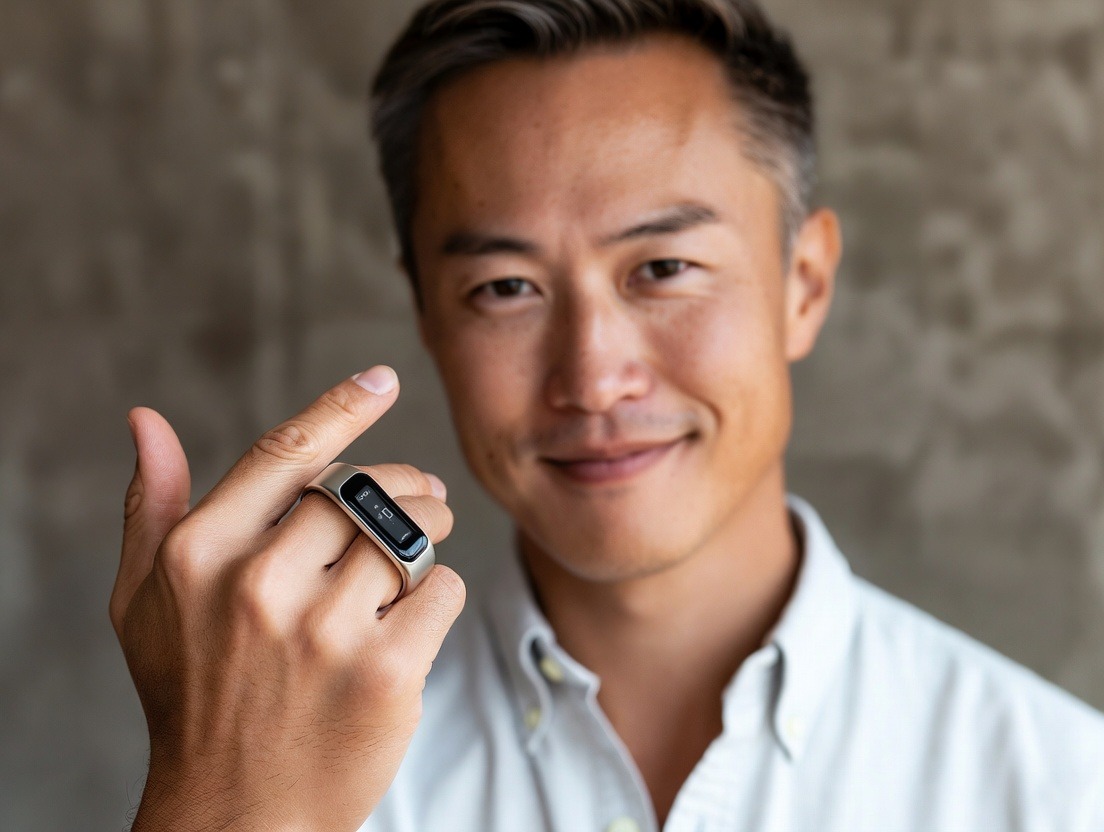
Unlike watches that can slide around your wrist or phones you leave behind, a smart ring like Oura, Ultrahuman, or the innovative Oxyzen Ring provides continuous, medical-grade physiological data from the most consistent point on your body. It’s a 24/7 personal biolab, quietly collecting the clues you need to become the lead scientist in your own well-being.
This comprehensive guide is your master blueprint. We will move beyond simply tracking HRV to actively experimenting with it. You will learn how to transform your smart ring from a passive observer into an active partner in discovery. We’ll demystify the science, establish a rigorous testing methodology, and dive deep into the most potent HRV improvement methods, teaching you how to measure their true impact with the confidence of a researcher. Your journey to quantified resilience starts here.
Why This Method Matters Now
We live in an age of relentless stimulation and constant performance pressure. Burnout is endemic, and generic advice is abundant. "Get more sleep," "manage stress," "exercise regularly"—these are well-intentioned platitudes, but they lack personalization. Your body is unique. What stresses one person energizes another. The only way to cut through the noise is with personal data. Your HRV, as tracked by your smart ring, provides that unfiltered truth. By learning to test interventions against this data, you stop following trends and start building a lifestyle authentically engineered for your resilience.
To master HRV improvement, you must first speak its language. At its core, Heart Rate Variability is a measure of the subtle variations in time between each heartbeat. Contrary to what you might assume, a healthy heart does not beat with the monotonous regularity of a metronome. If your ECG readout looked like a perfect, evenly-spaced line, it would actually be a sign of severe distress or pathology.
A healthy, resilient heart is constantly receiving signals from the two branches of your autonomic nervous system (ANS):
These two systems are in a continuous, delicate tug-of-war, sending opposing signals to your heart's pacemaker. It is this dynamic interplay that creates the millisecond variations between beats—your HRV. A high HRV indicates a strong, flexible ANS that can swiftly respond to life's demands and then efficiently return to a state of calm. A low HRV suggests an ANS that is fatigued, overwhelmed, or stuck in a dominant state (often sympathetic overdrive), leaving you with less capacity to adapt.
This is where the engineering marvel of your smart ring comes in. Using a technology called photoplethysmography (PPG), tiny sensors on the inner band of the ring emit light into the capillaries in your finger. By measuring minute changes in blood volume with each pulse wave, the ring’s algorithms can pinpoint the precise timing of each heartbeat, calculating the R-R intervals (the time between beats) from which HRV is derived.
The ring's form factor is its secret weapon. The finger provides a rich vascular signal with less motion artifact than the wrist, especially during sleep. This allows for the gold standard of HRV measurement: your nightly, averaged HRV. While spot-check HRV readings taken during the day can be useful, they are highly susceptible to immediate stimuli—a stressful email, a cup of coffee, standing up. During deep sleep, however, external variables are minimized, offering a pristine, consistent view of your foundational recovery state. This is the number you will learn to trust and test against.
It’s easy to confuse HRV with resting heart rate (RHR), but they tell complementary yet distinct stories. Think of it this way:
You can have a low RHR (a good sign) but also a low HRV (a bad sign), indicating an efficient yet potentially overtaxed system with little reserve. Tracking both together, as your smart ring does automatically, gives you a far more complete picture of your cardiovascular and nervous system health. For a deeper dive into the core metrics tracked by modern wearables, you can explore our blog for more foundational guides on biometrics.
The Personal Baseline: Your North Star
Before you change a single habit, you must establish your baseline. Your HRV is deeply personal. Comparing your 45 ms to someone else’s 80 ms is meaningless and counterproductive. Genetics, age, fitness level, and even past experiences all play a role. For the next two weeks, let your goal simply be observation. Wear your ring consistently, especially at night. Use your companion app (like the Oxyzen app) to note your average nightly HRV and RHR. Observe the natural fluctuations. Does it dip after a heavy training day? Rise after a relaxing weekend? This baseline period isn't passive; it's the essential groundwork that will make your experimental data meaningful. Remember, the goal is not to chase an arbitrary high number, but to understand and expand your own unique range of resilience.

You’ve established your baseline. Now, to run effective experiments, you need the right laboratory equipment. While chest straps offer clinical accuracy for short durations and wrist-worn devices provide convenience, the modern smart ring stands alone as the ideal platform for long-term, lifestyle-focused HRV research. Here’s why.
The core tenet of good science is controlling variables. In HRV tracking, one of the biggest confounding variables is measurement inconsistency. A wrist-based device can shift position, be worn too loose or tight, or suffer from "wrist tattoos" where hair or bone structure interferes with the sensor. This introduces noise into your data.
A smart ring, once properly sized, sits on a finger—a location with consistent blood flow and minimal morphological changes. It doesn’t get in the way during daily tasks or most sports. Most importantly, it’s always on you during the single most important biometric event: your sleep. You might take off a watch to charge it or because it’s uncomfortable in bed. A well-designed ring is unobtrusive, leading to near-100% wear compliance during sleep. This gives you an unbroken, apples-to-apples comparison of your nightly recovery data, which is the bedrock of any longitudinal experiment.
An HRV number in isolation is a curious datapoint. An HRV number surrounded by context is a story. Your smart ring doesn’t just measure HRV; it builds a rich, correlative dataset that explains the why behind the number. When testing an intervention, you must consider these co-factors:
This multi-layered data allows you to move beyond simplistic "HRV up = good" thinking. It lets you ask sophisticated questions: "Did my new evening yoga routine improve my HRV by increasing deep sleep, or by lowering my nocturnal heart rate?" This level of insight is what transforms random habit changes into a precise wellness protocol. For those curious about how this technology integrates into a holistic system, you can discover how Oxyzen’s ecosystem is designed for this purpose.
Most people use wearables as dashboards—they glance at the data and accept it as fate. You are about to become an active experimenter. Your smart ring app is not just a report; it’s your lab notebook. The key is learning to use its tagging, journaling, or note features.
Before you begin any intervention, formulate a hypothesis. For example: *"Hypothesis: Performing a 10-minute guided breathing exercise at 9 PM will increase my average nightly HRV by at least 5% over a two-week period by enhancing parasympathetic activation before sleep."*
Then, use your app’s tools. Every night you do the breathing, tag it. If your app has a journal, make a quick note. If you’re testing dietary changes, log your meal times. This creates a clean, timestamped record you can later correlate with your HRV, sleep, and other data trends. This simple practice of annotation is what separates a casual user from a biohacker. It’s the method behind the insight that has helped many users, as you can see in their real-world experiences and testimonials.
Armed with knowledge and the right tool, it’s time to build your experimental framework. Haphazardly trying a cold shower one day, meditation the next, and a new supplement the day after will yield nothing but confusing, unusable data. You must adopt the discipline of the single-variable test.
This is the most critical, and most often broken, rule in personal biometric experimentation. The human body is a complex, interdependent system. If you start taking magnesium, begin morning runs, and cut out caffeine all in the same week, you will have absolutely no idea which variable (or combination) caused any change in your HRV. Was the spike due to the magnesium, the exercise-induced adaptation, or the removal of caffeine’s stimulant effect? You cannot know.
Therefore, you must isolate a single intervention for a predetermined testing period. This requires patience, but it is the only path to reliable, actionable knowledge. All other major lifestyle factors should be held as constant as possible during this period.
A well-structured test has clear parameters:
During your test, consistently apply your protocol and tag it. At the end of the period, step back and analyze the trendlines, not the daily dots. Did the trend of your weekly average HRV move upward? Did your RHR trend downward? Use the app’s graphs to visualize this.
Beware of Confounders: Life happens. A stressful work project, a minor illness, a poor night’s sleep due to noise—these are confounders. If a major, unexpected life event occurs during your test, note it in your journal. It may be wise to pause and restart the test later. This rigorous approach is at the heart of moving from anecdote to evidence, a philosophy central to our mission and vision at Oxyzen.
What Constitutes a "Significant" Result?
Don’t chase daily fluctuations. A successful experiment should show a sustained shift in your baseline. If your pre-test average HRV was 50 ms and your two-week experimental average is 55 ms, that’s a meaningful 10% improvement. If it’s 51 ms, it’s likely noise. Look for a change that is greater than your normal day-to-day variability. Once you have a validated "win," you can lock that intervention into your lifestyle and consider testing another variable, building your resilience protocol layer by layer.
If you could only choose one area to optimize for HRV, sleep should be it. The relationship is symbiotic and profound: high HRV facilitates deep, restorative sleep, and deep, restorative sleep is the primary driver of high HRV. It is the ultimate positive feedback loop for health. Your smart ring’s sleep data is the master key to unlocking it.
While sleep duration is important, your ring’s advanced staging reveals that sleep quality and architecture are paramount for HRV. During non-REM (NREM) deep sleep (Stages 3 & 4), your body enters its most potent state of physical repair and parasympathetic dominance. This is when HRV typically reaches its highest nocturnal levels. Disrupted or insufficient deep sleep directly truncates this recovery window, leading to a lower average HRV.
Your experiment here is not simply "go to bed earlier." It’s about engineering the conditions for uninterrupted, high-quality sleep architecture.
Look for coupling. Did the increase in deep sleep minutes directly correlate with the rise in HRV? Did fewer wake-up events lead to a higher, more stable HRV trace throughout the night? Often, improving sleep is the highest-leverage action you can take, creating a rising tide that lifts all other recovery boats. For more nuanced strategies on sleep optimization beyond the basics, our blog is a repository of advanced techniques and insights.
When stress becomes chronic, the sympathetic nervous system’s "gas pedal" gets stuck. This suppresses the parasympathetic "brake," leading to a suppressed HRV. The direct path to re-engaging the brake is through practices that stimulate the vagus nerve—the main conduit of the parasympathetic system. Breathwork and meditation are the most accessible and measurable tools for this.
Breathing is unique—it’s an automatic function that you can also consciously control. By taking charge of your breath, you send direct signals to your brainstem to shift ANS balance. Slow, deep, diaphragmatic breathing, especially with an extended exhale, is a potent vagus nerve stimulant. It can trigger an almost immediate, measurable increase in HRV during the practice itself (acute effect) and, with consistent practice, raise your baseline HRV over time (chronic adaptation).
The beauty of testing these practices with your ring is that it transforms them from "woo-woo" to empirical. You no longer have to wonder if meditation "works." Your HRV data will show you, objectively, if your nervous system is responding. This evidence can be the ultimate motivator to maintain a consistent practice. If you encounter questions about how to best leverage your device for these tests, our comprehensive FAQ section offers detailed support.
Exercise is a paradoxical stressor: the right dose builds resilience and boosts HRV; the wrong dose (too much, too intense, too little recovery) breaks you down and crushes HRV. Your smart ring’s recovery metrics are the perfect guide to navigating this paradox and finding your personal training sweet spot.
The relationship between exercise load and HRV often follows a "J-curve." Moderate, consistent training typically leads to a gradual rise in baseline HRV as your cardiovascular system becomes more efficient and your ANS more resilient. However, intense training sessions—especially endurance work or heavy strength training—create a significant sympathetic load and micro-tears in muscle. This causes an acute dip in HRV for 24-72 hours post-exercise. This is normal and a sign of a proper training stimulus. Problems arise when you don’t allow for full recovery before the next hard session, leading to a chronically suppressed HRV and a state of non-functional overreaching or overtraining.
Your ring turns subjective feelings of fatigue into objective data. That "heavy legs" feeling will often correlate with a lower readiness score and suppressed HRV. By using this data to plan your training intensity, you move from guessing to periodization—intelligently alternating stress and recovery to promote supercompensation and avoid burnout. This data-driven approach to wellness is a core part of the Oxyzen story and our vision for personalized health.
The adage "you are what you eat" holds profound truth for your autonomic nervous system. Every meal and sip of fluid sends biochemical signals that either promote inflammation and stress or support repair and calm. Your smart ring, particularly through its nocturnal HRV and body temperature data, can become a powerful lie detector for your diet, revealing how different foods and hydration strategies truly affect your foundational recovery.
Your gut is often called your "second brain," and it’s in constant communication with your primary brain via the vagus nerve. Inflammatory foods, blood sugar roller coasters, and digestive distress can activate the sympathetic nervous system, triggering a stress response that lasts for hours and dampens HRV. Conversely, stable blood glucose, anti-inflammatory nutrients, and a healthy gut microbiome support parasympathetic tone. Your ring measures the downstream effect of this conversation each night.
These experiments move you far beyond calorie counting. You’re seeking signals of systemic inflammation (elevated RHR), metabolic stress (poor sleep, high temp), and nervous system strain (low HRV). A "healthy" food that causes a personal inflammatory response will be revealed not by your scale, but by your recovery metrics. This personalized nutritional insight is a cornerstone of moving from generic dieting to true nourishment, a principle we explore in depth in our resources on holistic wellness strategies.
Hormesis is the biological principle where a small, acute dose of a "stress" stimulates an adaptive over-correction, making the organism stronger. Purposeful exposure to cold and heat are classic hormetic stressors that, when applied correctly, can powerfully train your autonomic nervous system and boost HRV over time.
The key with hormetic stress is the "acute dose." Too much, too often, becomes chronic stress and will devastate your HRV. Your ring is your dose-meter. If your readiness score crashes or your HRV plummets for multiple days after a cold plunge, you’re overdoing it. The goal is to see the stressor create a dip, followed by a robust supercompensatory rebound to a higher level. This fine-tuning transforms a brutal practice into a precise recovery tool.
Your body runs on a 24-hour internal clock known as your circadian rhythm. This rhythm governs everything from hormone release (cortisol, melatonin) to core body temperature and, critically, the balance of your autonomic nervous system. Disrupted rhythms are a direct path to low HRV. Natural light is the most powerful signal to keep this clock in sync.
Light entering your eyes, specifically blue-wavelength light, tells your brain’s suprachiasmatic nucleus (SCN) what time it is. Morning sunlight suppresses melatonin and signals a healthy cortisol awakening response, setting a strong, alert tone for the day. This sets in motion a cascade that leads to a timely melatonin release in the evening, promoting deep sleep and parasympathetic dominance at night—the perfect environment for high HRV. Artificial light at night confuses this system, delaying melatonin and disrupting the entire cycle.
When your external habits are in sync with the solar day, your internal systems hum in harmony. Your cortisol and melatonin are released at optimal times, your body temperature curve is robust, and your nervous system can confidently switch between energetic daytime sympathetic tone and restorative nighttime parasympathetic tone. This rhythmic stability is the bedrock of a high, resilient HRV. It’s a timeless principle integrated into the modern, data-driven approach of the Oxyzen philosophy.
While we often think of health in purely physical terms, your emotional and social world is inextricably linked to your physiology through neurochemical pathways. Loneliness, unresolved anger, and chronic worry are potent sympathetic stimulants. Conversely, genuine connection, gratitude, and a sense of purpose are powerful vagus nerve tonics.
Positive social interactions and feelings of love/connection trigger the release of oxytocin. This hormone directly dampens amygdala activity (the brain’s fear center) and stimulates the parasympathetic nervous system, creating a state of "social calm" that should be reflected in a higher HRV. Similarly, practices like gratitude journaling actively shift cognitive focus away from threat and lack (sympathetic) and toward safety and abundance (parasympathetic).
This area of experimentation is perhaps the most profound. It allows you to see the direct physiological cost of emotional strain and the tangible benefit of emotional nourishment. When you see a night of high HRV after an evening spent laughing with loved ones, or a suppressed HRV after a day of conflict and isolation, it validates the need to prioritize your psychological well-being as a non-negotiable component of your physical health. Many users have shared how this data-driven insight into the mind-body connection has transformed their approach to relationships, as seen in some of our most compelling user testimonials and experiences.
You’ve conducted rigorous, single-variable tests. Your lab notebook (your smart ring app) is now filled with insights: *Evening breathwork boosts my early-sleep HRV by 12%. A 3-hour eating window before bed adds 15 minutes of deep sleep. That post-workout sauna ritual reliably drops my next-day RHR.* This is invaluable data, but it exists in fragments. The final, and most rewarding, phase of your journey is synthesis—weaving these individual threads into a personalized, resilient lifestyle fabric.
"Stacking" refers to intentionally combining multiple validated interventions into a daily or weekly routine. The key is to stack for synergy, not for stress. You are building a pyramid of recovery, not piling on random tasks.
Once you implement a protocol, your smart ring’s role shifts from an experimental tool to a monitoring system. You are no longer testing "if" something works, but ensuring your entire system is balanced.
For a practical look at how others have built and refined their personal stacks, our blog features case studies and advanced user guides that can provide inspiration and structure.
Emerging research points to a fascinating bidirectional relationship between your gut and your body's thermostat. The digestive system is not just a passive processor of food; it's an active endocrine and immune organ that communicates directly with the brain, including the hypothalamus (the body's thermostat). Optimizing gut health may be a missing piece in resolving stubborn thermal dysregulation.
Digestive Heat and Circadian Timing
As covered, the thermic effect of food is substantial. However, the health of your gut influences how efficiently this process occurs. An inflamed or imbalanced gut may produce excessive heat through immune activation or inefficient fermentation.
The Microbiome as a Metabolic Organ
Your gut bacteria produce a wide array of metabolites, including short-chain fatty acids (SCFAs) like butyrate. These SCFAs are not only fuel for your colon cells but also influence systemic metabolism and inflammation.
Meal Composition and Nocturnal Thermoregulation
The macronutrient profile of your last meal can influence nighttime temperature stability via gut-based mechanisms.
The Vagus Nerve: The Gut-Brain-Temperature Highway
The vagus nerve, our parasympathetic hero, is the primary communication line between the gut and the brain. A healthy, calm gut sends "all is well" signals up the vagus nerve to the brain, promoting a parasympathetic, "cool" state. An irritated, inflamed gut can send stress signals, promoting sympathetic "heat."
Addressing gut health is a deep, often long-term process, but for those who have mastered the external habits of temperature optimization without full resolution of their data, the gut may be the next frontier. It underscores a core philosophy: true recovery is systemic. You can learn more about this integrative approach to well-being through the lens of our company's mission and values.

Our modern environment is saturated with synthetic chemicals that can interfere with our endocrine (hormone) systems. Given that our body temperature is governed by a hormonal symphony—thyroid hormones, progesterone, estrogen, cortisol—these endocrine-disrupting chemicals (EDCs) can act as silent saboteurs of our thermal rhythm, often in ways that are subtle and cumulative.
Common EDCs and Their Potential Thermal Impact
How These Disruptors Create "Thermal Noise"
EDCs don't typically cause an acute fever. Instead, they create a background of hormonal dysregulation that:
A Practical Detoxification Protocol for Thermal Health
While complete avoidance is impossible, reducing your body's burden can support a cleaner, more robust temperature rhythm.
The impact of this "toxic load" on HRV and sleep is an emerging area of study, but the physiological link is clear: a body burdened with inflammatory chemicals is a body under constant, low-grade stress. Reducing this burden removes an invisible obstacle, allowing your natural, healthy thermal rhythm to express itself more fully. For individuals who feel they are "doing everything right" but still see poor data, this environmental audit can be a revealing next step. Navigating these complex health layers is part of the journey we support, as you can see in our community's shared stories and challenges.
The Temperature Optimization Method sits at the fascinating intersection of hard physiology and potent psychology. The beliefs and rituals you build around this practice are not incidental; they are active components of its efficacy. Harnessing the power of your mind can amplify the biological signals you're working to create.
The Ritual as a Conditioned Cue
Human brains are pattern-recognition machines that thrive on ritual. When you consistently pair a specific sequence of actions (e.g., dimming lights, drinking herbal tea, taking a warm bath, doing breathwork) with the outcome of sleep, you are engaging in classical conditioning. Over time, the ritual itself becomes a powerful cue that initiates the psychophysiological cascade of relaxation and cooling.
The "Placebo of Cool" and Perceived Control
The placebo effect is a real neurobiological phenomenon. Believing that an action will help you can trigger the release of endogenous opioids and other compounds that actually produce the desired effect.
Reframing "Feeling Cold" as "Success"
A common mental hurdle occurs when people first lower their bedroom temperature. The initial sensation of coolness can be interpreted as discomfort, triggering a stress response.
Mindful Thermoception
"Thermoception" is your sense of temperature. Most of us are largely unaware of our thermal state unless it's extreme.
Embracing the Journey, Not Just the Data
It's easy to become a slave to the numbers—obsessing over a single night's HRV dip or a temperature spike. This mindset is counterproductive, creating the very stress that harms your metrics.
By marrying the physiological protocols with a supportive psychological framework, you create a self-reinforcing cycle. The rituals improve your biology, and the improved biology (better sleep, higher HRV) reinforces your belief in the rituals, leading to greater consistency and even better results.
Even with a flawless protocol, you will encounter setbacks. Travel, illness, stress, and hormonal shifts are part of life. Furthermore, after an initial period of improvement, progress may stall. This is not a sign that the method has failed, but an invitation to deepen your detective work. Here is a systematic guide to troubleshooting persistent issues.
Step 1: Return to the Fundamentals (The "Hard Reset")
When things go off the rails, the first step is always to strip it back to basics. For 3-5 days, commit ruthlessly to:
Step 2: Analyze the Data Signature
If problems persist, become a forensic analyst of your own graphs. Compare a "good" night with a "bad" night. Look for these specific signatures:
Step 3: The Controlled Experiment
Once you have a hypothesis, test it in isolation. For example:
Step 4: When to Seek Professional Help
The Temperature Optimization Method is powerful, but it is not a substitute for medical care. Consult a healthcare provider if:
Plateaus are a normal part of any optimization process. They indicate that your body has adapted to the current stimulus. This is when you can consider introducing an advanced or cycled stimulus, like periodic sauna use or adjusting your exercise regimen, to provoke a new adaptive response. The key is persistent, curious, and data-informed experimentation. For ongoing support and to see how others have overcome similar hurdles, our FAQ and community resources are always available.

The path to optimal HRV is not a linear ascent. It is a series of peaks, valleys, and plateaus. How you interpret and respond to these phases is critical for long-term success.
A plateau in your HRV baseline after months of improvement is normal and even healthy. It may indicate you’ve reached a new, stable set-point of resilience given your current lifestyle envelope.
A sharp, sustained drop in HRV is a clear signal. Your job is to play detective, not to panic.
The appropriate response is almost always radical compassion and a return to basics: prioritize sleep, nourishing food, gentle movement, and stress-modulating practices. Your ring provides the early warning; your wisdom chooses the nurturing response.
This is the most crucial meta-skill in biohacking: knowing when to look and when to live. Obsessive daily checking of HRV can create "performance anxiety" around your own physiology, which ironically lowers HRV.
Your journey with HRV is just the gateway. The field of physiological monitoring is advancing at a breathtaking pace, and the smart ring is poised to be the central hub for a vast array of personal health data.
Soon, the singular focus on HRV will expand to a symphony of biomarkers, providing an even richer picture:
The power won't be in any one metric, but in the algorithmic synthesis of them all—your ring’s AI not just telling you your HRV is low, but hypothesizing: *"Your HRV dropped 22%, correlated with a 3am glucose spike and elevated nocturnal temperature. This pattern is 80% correlated with your dairy consumption. Suggest a 7-day elimination to confirm."*
The next generation of companion apps will move from data dashboards to AI health coaches. They will:
This is the future of proactive, participatory medicine—where your wearable provides the deep, longitudinal data, and intelligent software helps you and your healthcare provider make profoundly personalized decisions. This vision of seamless, intelligent health guidance is at the core of Oxyzen's mission to advance personal wellness technology.
We began with a simple question: How can you move from guessing to knowing what truly improves your health? The answer lies in the methodical, curious, and compassionate use of your smart ring data. You have learned that HRV is not just a number, but the fluent language of your nervous system. You have transformed your wearable from a tracker into a lab partner, capable of running rigorous, single-variable experiments on sleep, breath, exercise, nutrition, temperature, light, and connection.
The greatest outcome of this journey is not necessarily a higher HRV score—though that is a likely byproduct. The greatest outcome is agency. You are no longer a passive recipient of health advice or a victim of unexplained fatigue. You are an active investigator, equipped with objective feedback. You have the tools to separate fads from fundamentals, for your unique biology.
You now understand that resilience is not a static trait you're born with, but a capacity you build. It is built in the consistency of your sleep, the calm of your breath, the nourishment of your food, the strength of your body, the warmth of your connections, and the rhythm of your days. Your smart ring provides the mirror, showing you the physiological reflection of these life choices.
Let this data empower you, not enslave you. Build your protocol, trust in the trends, navigate the setbacks with grace, and always remember that the ultimate metric is a life lived with vitality, purpose, and peace. The data is a guide, but you are the author. Your story of resilience starts with a single beat, and now, you have the tools to listen to its every variation and write the next chapter.
Ready to continue your journey? For deeper dives into specific methods, community discussions, and the latest insights on turning data into actionable wisdom, explore our comprehensive resource library on the Oxyzen blog. And if you're just beginning to consider how a smart ring can fit into your life, learn about the story and vision behind creating technology that empowers this very journey.
Your Trusted Sleep Advocate (Sleep Foundation — https://www.sleepfoundation.org/)
Discover a digital archive of scholarly articles (NIH — https://www.ncbi.nlm.nih.gov/
39 million citations for biomedical literature (PubMed — https://pubmed.ncbi.nlm.nih.gov/)
experts at Harvard Health Publishing covering a variety of health topics — https://www.health.harvard.edu/blog/)
Every life deserves world class care (Cleveland Clinic -
https://my.clevelandclinic.org/health)
Wearable technology and the future of predictive health monitoring. (MIT Technology Review — https://www.technologyreview.com/)
Dedicated to the well-being of all people and guided by science (World Health Organization — https://www.who.int/news-room/)
Psychological science and knowledge to benefit society and improve lives. (APA — https://www.apa.org/monitor/)
Cutting-edge insights on human longevity and peak performance
(Lifespan Research — https://www.lifespan.io/)
Global authority on exercise physiology, sports performance, and human recovery
(American College of Sports Medicine — https://www.acsm.org/)
Neuroscience-driven guidance for better focus, sleep, and mental clarity
(Stanford Human Performance Lab — https://humanperformance.stanford.edu/)
Evidence-based psychology and mind–body wellness resources
(Mayo Clinic — https://www.mayoclinic.org/healthy-lifestyle/)
Data-backed research on emotional wellbeing, stress biology, and resilience
(American Institute of Stress — https://www.stress.org/)


