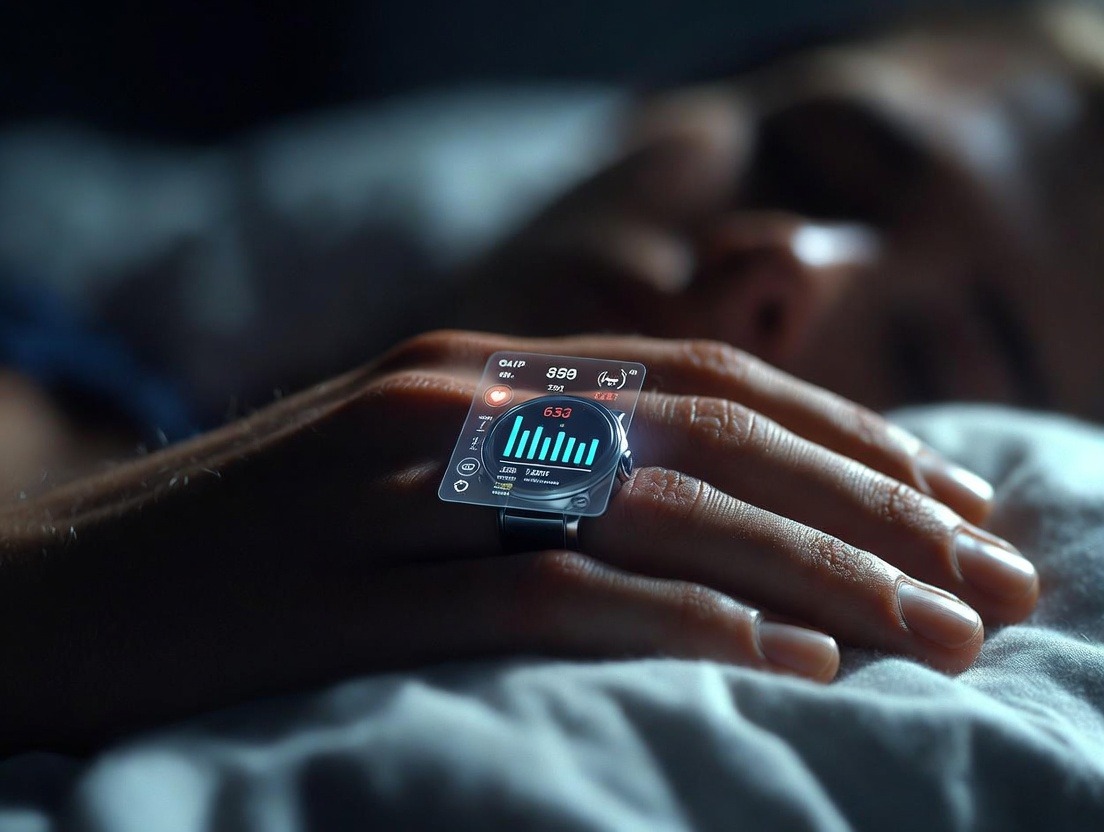
The Beginner-Friendly Guide to Competition Preparation: Ring-Guided Tapering
A beginner's guide to preparing for competition with ring-guided tapering.
The Beginner-Friendly Guide to Competition Preparation: Ring-Guided Tapering
You’ve logged the miles, crushed the workouts, and dedicated months to your training. Race day is on the horizon, glowing with promise. Yet, a familiar, gnawing anxiety sets in for many first-time competitors: “Did I do enough? Should I cram in one more long run? What if I lose all my fitness by resting?” This final stretch before a competition is where well-laid plans often unravel, not from a lack of effort, but from a misunderstanding of one of sport’s most powerful yet counterintuitive principles: the taper.
For decades, tapering was an art form shrouded in bro-science and guesswork. Athletes reduced volume, hoped for the best, and often stumbled into race day feeling flat, sluggish, or still fatigued. They were flying blind through the most critical phase of their preparation. But what if you didn't have to guess? What if you had a personal, 24/7 physiological consultant on your finger, offering real-time, objective feedback on how your body is truly adapting to reduced training load?
Enter the era of the smart wellness ring. This unobtrusive device moves beyond counting steps and tracking sleep. For the modern competitor—whether you’re preparing for a marathon, a powerlifting meet, a triathlon, or a esports tournament—it provides the data-driven clarity to master your taper. It transforms the delicate art of reducing load into a precise science, guiding you to the start line not just rested, but supremely ready.
This guide is your roadmap. We will demystify the tapering process and show you how to leverage the continuous biometric feedback from a wellness ring to execute a perfect, personalized peak. No more flying blind. Just a confident, data-backed journey to your personal best.
What is Tapering? (And Why Your Intuition About It Is Probably Wrong)
At its core, tapering is the strategic reduction of training load during the final days or weeks before a competition to eliminate residual fatigue, optimize physiological adaptations, and maximize performance. Think of it not as stopping training, but as sharpening the blade you’ve been forging for months.
The common beginner’s mistake is viewing this period as “doing nothing” or, conversely, being unable to shake the fear of detraining and thus under-tapering. Both paths lead to suboptimal performance. Science gives us a clearer picture: a well-executed taper can improve performance by an average of 2-3%, which in endurance events can translate to minutes shaved off a time, and in strength or precision sports, can mean the difference between a personal record and a near-miss.
But why does reducing work make us stronger? During intense training, we create micro-tears, deplete energy stores, and accumulate systemic fatigue. The body’s adaptive resources are split between repairing daily damage and building long-term capacity. The taper shifts this balance. By significantly reducing the volume of training (the primary driver of fatigue), while maintaining intensity (the primary driver of fitness signals), we allow the body to:
Fully Replenish Glycogen Stores: Your muscles' primary fuel tank tops up, often beyond pre-training levels—a phenomenon known as supercompensation.
Complete Muscular Repair & Strengthening: Those micro-tears finally heal completely, leaving the muscle fibers stronger.
Optimize Neuromuscular Coordination: Your brain and muscles “practice” race pace and effort with fresh legs, improving efficiency and power output.
Boost Blood Volume & Cardiovascular Function: Red blood cell count and plasma volume increase, enhancing oxygen delivery.
Regulate Hormones: Cortisol (stress hormone) levels drop, while testosterone and other anabolic hormones stabilize, creating an optimal internal environment for peak performance.
The traditional approach prescribes a one-size-fits-all formula, like reducing volume by 60% over two weeks. But humans aren’t formulas. Your recovery rate, stress levels, and sleep quality are unique. A prescribed 60% drop might be too much for you, leaving you feeling lethargic, or too little, leaving you fatigued. This is where generic plans fail and personalized data succeeds.
A wellness ring, tracking metrics like Heart Rate Variability (HRV), resting heart rate (RHR), respiratory rate, and sleep architecture, gives you a direct line to your body’s recovery status. It answers the crucial question: “Is my taper working for me?” Instead of blindly following a calendar, you can adjust based on physiological feedback. Did your HRV dip after a final sharp workout? The ring will show you, suggesting you need a lighter day. Is your sleep score consistently high and your RHR trending downward? These are objective green lights that your body is absorbing the training and priming for peak output.
Mastering your taper begins with understanding that it’s an active, responsive process. It’s the final, critical adaptation. To build a foundational understanding of how health metrics directly influence performance outcomes, our complete beginner-friendly guide to peak performance using ring data explores this symbiotic relationship in depth. Now, let’s meet the tool that will personalize this entire journey.
Meet Your 24/7 Tapering Coach: The Smart Wellness Ring Explained
Forget clunky wristbands or phones you leave in another room. The smart wellness ring represents the pinnacle of unobtrusive, continuous biometric monitoring. Worn on your finger, it leverages the rich vascularity there to provide clinical-grade data while you sleep, train, and live. During a taper, this constant stream of information becomes your most trusted coach.
What exactly is it measuring, and why do these metrics matter so much for your final preparation?
Heart Rate Variability (HRV): Your Nervous System’s Bullseye. HRV is the single most important metric for guiding your taper. It measures the subtle variations in time between each heartbeat. A higher HRV generally indicates a relaxed, recovered state where your parasympathetic (“rest-and-digest”) nervous system is dominant. A lower HRV suggests stress, fatigue, or that your sympathetic (“fight-or-flight”) system is working overtime. During a taper, you want to see your HRV trend upward and stabilize at a higher baseline. This is a clear sign your body is recovering from months of cumulative stress and is readying for a supreme effort. A sudden dip can warn of impending illness, poor recovery, or that your taper is too aggressive or not aggressive enough.
Resting Heart Rate (RHR): The Engine’s Idle Speed. Your RHR is a classic, straightforward metric. As your cardiovascular fitness improves and your body recovers during a taper, your RHR will often trend downward. A elevated RHR, especially upon waking, can be an early sign of overreaching, dehydration, or insufficient recovery. Tracking this trend alongside HRV gives you a powerful one-two punch of insight.
Sleep Quality & Architecture: The Foundation of Repair. Tapering isn’t just about training less; it’s about recovering more. Sleep is where 90% of the magic happens. A wellness ring doesn’t just track duration; it analyzes sleep stages (light, deep, REM), disturbances, and latency. During an effective taper, you should see improvements in sleep efficiency and deep sleep duration. Deep sleep is crucial for physical repair and hormone release. If your ring shows fragmented sleep despite reduced training, it might point to taper-induced anxiety or lifestyle stress that needs managing—a critical insight you’d otherwise miss.
Respiratory Rate: The Silent Messenger. Your breathing rate at rest is a remarkably stable yet informative metric. A significant increase can be a very early sign of physiological stress, infection, or that your body is working harder to maintain homeostasis. A stable or slightly decreasing respiratory rate during your taper is a good sign of systemic calm.
Body Temperature (Trends): The Internal Thermostat. Many rings track skin temperature trends. Deviations from your personal norm can indicate the onset of illness, menstrual cycle phases, or incomplete recovery. Spotting a rising trend early can allow you to double down on rest and hydration to head off a disaster before race day.
The genius of the ring is in the synthesis. It doesn’t just give you numbers; it provides a Readiness or Recovery Score. This composite score, derived from HRV, RHR, sleep, and temperature data, gives you a single, easy-to-understand metric each morning: “How prepared is my body for stress today?” During your taper, this score becomes your daily north star. It moves the question from “What does my plan say to do today?” to “What does my body need today to be ready on race day?”
This shift from external scheduling to internal listening is the cornerstone of modern performance. For a deeper dive into how this recovery-based approach fundamentally changes planning, our guide on recovery-based productivity planning outlines the philosophy, which applies perfectly to athletic peaking. Now, let’s establish where you’re starting from.
The Pre-Taper Audit: Establishing Your Biometric Baseline
You cannot intelligently navigate where you’re going if you don’t know where you started. Beginning your taper without a baseline is like trying to follow a treasure map with no “X” to mark your starting point. The two to three weeks before your official taper begins are critical for establishing this personal physiological fingerprint.
This period is not for testing your limits. It should represent your final block of consistent, hard training. Your goal here is twofold: 1) complete your final key workouts, and 2) collect robust baseline data from your wellness ring. This baseline will be the reference point against which all your taper changes will be measured.
Here’s your pre-taper audit protocol:
Wear Your Ring Consistently: This is non-negotiable. For at least 14-21 days before your taper, wear your ring every night. Consistent data is clean data. Avoid taking nights off.
Observe Your Normal “Stressed” State: During this final training push, your body is under load. Note your average HRV, RHR, and sleep scores. Understand what “fatigued but training” looks like for you. Is your average HRV 45 ms? Is your RHR typically 48 BPM after a hard week? Write these numbers down.
Identify Your Personal Patterns: How does a very hard training day affect your scores two days later (this is often when the deepest fatigue appears)? How does poor sleep one night impact your readiness score the next day? The ring will reveal your personal recovery lag times.
Note Lifestyle Impact: Go beyond training. How does a late meal, alcohol, a stressful workday, or poor hydration reflect in your data? This teaches you what “non-training stress” looks like in your metrics, which is vital during the taper when training stress is low, but race nerves are high.
Establish “Green Zone” Ranges: From this data, define your personal “recovered” ranges. For example: “When my HRV is above 55 ms, my RHR is below 46 BPM, and my sleep score is >85, I feel and perform amazingly.” This is your target state for race day.
This audit transforms abstract data into a personal language. You’ll learn that a specific HRV dip paired with a temperature rise is your body’s early warning for a cold. You’ll see that your best workouts consistently happen when your readiness score is above 80. This self-knowledge is power.
The principle of using data to establish a personal baseline isn't limited to sports. Anyone looking to optimize their output, whether in work or life, can benefit from this approach. For a broader look at how to establish and use these personal metrics, explore our article on productivity health metrics every smart ring user should track together. With your baseline locked in, we can build your taper framework.
The Pillars of a Smart Ring-Optimized Taper: Volume, Intensity, Frequency
With your baseline established, you can now craft a taper that responds to you. Traditional tapers manipulate three key variables: Volume (how much), Intensity (how hard), and Frequency (how often). The general scientific consensus is to sharply reduce Volume, maintain or slightly reduce Intensity, and moderately reduce Frequency. Your wellness ring will help you customize this template.
Volume (The Big Drop): This is the primary lever. Reduce your weekly training volume by 40-60% over the taper period. The biggest drop comes in the first half of the taper. For example, if you run 50 miles per week, your first taper week might be 30 miles, and your final race week might be 15-20 miles. Your ring’s recovery metrics, especially HRV, will confirm this drop is sufficient. If volume drops but HRV doesn’t rise, it may indicate other life stressors are at play.
Intensity (The Secret Keeper): This is where beginners panic. “If I run slow, I’ll become slow!” Not true. Maintaining intensity—through short intervals at race pace or goal power—preserves neuromuscular pathways and cardiovascular fitness without creating significant fatigue or muscle damage. You might do 6 x 400m at 5K pace instead of 12 x 400m. The ring is crucial here. On a day scheduled for intensity, check your morning readiness score. If it’s low (e.g., a red or amber score), you have objective data to pivot: turn that session into a lighter, technique-focused drill or an extra rest day. This prevents digging a hole.
Frequency (The Fine-Tuner): You may reduce the number of sessions slightly. A runner going from 6 days/week to 5 or 4 days/week is common. The ring can guide this. If after two days off your readiness skyrockets, you might keep the third day very light or as active recovery. If you feel “flat” from too much rest, a short, sharp session can often boost readiness by stimulating the system—something your ring can confirm post-session.
The Ring Feedback Loop: This creates a dynamic system. Your prescribed plan provides the structure, but your daily readiness score provides the permission to adapt.
Plan: Tuesday = Intensity Session. Morning Data: Readiness Score = 72 (Amber). HRV dipped 8% from baseline. Smart Decision: Modify session. Reduce reps by 30%, focus on form, or move it to tomorrow. Result: You avoid overstressing a fatigued system, allowing recovery to continue its upward trend.
This responsive approach ensures you are an active participant in your taper, not a slave to a static calendar. It’s the ultimate application of listening to your body, but with data doing the listening for you, removing guesswork and emotion. This concept of dynamic scheduling based on physiological readiness is a game-changer for any performance domain, as discussed in our guide on work timing based on ring metrics. Next, we’ll decode the daily language of your most important metric.
Decoding Your Daily Readiness Score: The Taper’s North Star
Each morning, as you sip your water and prepare for the day, your wellness ring delivers its most vital piece of intelligence: the Readiness or Recovery Score. This single number (often on a 0-100 scale) is a sophisticated algorithm’s interpretation of your overnight biometric data. During your taper, this score transitions from interesting information to your primary decision-making tool.
Think of it as your body’s “Yes,” “Maybe,” or “No” for the day’s planned stress.
High Readiness Score (e.g., 85-100 / Green Zone): Your body is singing. HRV is high, RHR is low, sleep was great. This is the ideal state you are cultivating for race day. On a high-readiness day during your taper:
If you have an intensity session planned: Execute it with confidence. Your body is primed to handle the stimulus and recover quickly.
If you have a rest day planned: Enjoy it. You can engage in light, enjoyable activity (a walk, gentle mobility) but trust that the rest is working. High readiness doesn’t always mean “go hard”; it can mean “your recovery is optimal.”
This is a green light confirming your taper is on track.
Moderate Readiness Score (e.g., 70-84 / Amber Zone): Proceed with caution. Your body is under some strain—perhaps from a previous workout, life stress, or suboptimal sleep. This is a critical decision point.
The Rule of Modification: Do not skip your session entirely (unless score is very low), but modify it. Reduce volume, lower intensity, or shorten duration. A planned 5-mile run with intervals becomes a 3-mile easy jog. A strength session focuses on technique with lighter weights.
Listen to the Sub-metrics: Dive into the app. Is HRV low? Focus on parasympathetic activity (easy breathing, walking). Is sleep the culprit? Prioritize nap or early bed tonight.
This is a yellow light, urging you to adapt.
Low Readiness Score (e.g., <70 / Red Zone): Your body is waving a red flag. It is stressed, fatigued, and possibly fighting something. This is a non-negotiable signal.
The Rule of Rest: Your planned training is cancelled. Replace it with genuine rest, hydration, nutrition, and stress management. A walk in nature is fine; anything more is counterproductive.
Investigate: Is this an isolated dip (one bad night) or a trend? An isolated dip might just need a day off. A downward trend could indicate illness or that your taper structure is wrong.
This is a red light, commanding you to stop and recover.
During your taper, your goal is to see a gradual, upward trend in your average daily readiness score, culminating in a peak (or near-peak) score on race-day morning. The ring makes this trend visible. You’re not just hoping you feel good; you’re watching the quantitative evidence build.
This process of using a daily metric to guide action is the essence of biofeedback-driven living. For a parallel look at how this applies to cognitive and creative work, see our guide on creative work under optimal conditions per ring data. Now, let’s pair this daily score with the crown jewel of recovery data: your sleep.
Sleep: The Non-Negotiable Foundation of Peak Performance
If tapering is the sharpening process, then sleep is the whetstone. There is no more powerful recovery tool available to you. During the taper, your focus on sleep should become obsessive, but intelligently so, guided by your ring’s detailed analysis. More hours in bed ≠ better sleep. You need high-quality, architecturally sound sleep.
Your wellness ring breaks sleep down into components that matter:
Sleep Duration: Aim for 7-9 hours consistently. The taper is the time to prioritize this, not fight it. Your ring tracks time in bed vs. actual sleep time.
Sleep Efficiency: This is (Time Asleep / Time in Bed) x 100. Target >90%. A low score means you’re tossing and turning or awake in bed. This data can prompt you to get out of bed if you can’t sleep after 20 minutes, breaking the frustration cycle.
Deep Sleep (N3): The physical restoration phase. This is when growth hormone is released, tissues are repaired, and immune function is bolstered. During an effective taper, you should see your deep sleep duration increase or become more consistent. If it’s not, it’s a sign your nervous system may still be too aroused.
REM Sleep: The cognitive restoration phase. Vital for memory consolidation, learning motor skills, and emotional regulation. Your taper might involve visualizing the race course or reviewing strategy—REM sleep helps cement this.
Sleep Latency & Awakenings: How long it takes to fall asleep and how many times you wake up. Taper anxiety can wreck these metrics. Your ring will show you if this is happening, allowing you to implement countermeasures (e.g., meditation, no screens before bed).
Actionable Sleep Tips for Your Taper, Informed by Your Ring:
Establish a “Taper Bedtime”: Move your bedtime 30-60 minutes earlier than during heavy training. Use the ring to see if this increases your deep sleep.
Create a Pre-Sleep Ritual: Your ring’s HRV tracking can prove the effectiveness of this. 60 minutes before bed: dim lights, no screens, try light reading, meditation, or gentle breathing exercises. Watch how this ritual improves your sleep latency and overall score over the taper.
Optimize Your Environment: Cool (65-68°F), dark, and quiet. Your ring’s temperature sensor might even show you how room temperature affects your sleep stages.
The Nap Strategy: If your ring shows poor sleep one night, a 20-30 minute power nap before 3 PM can be a fantastic tool to boost afternoon alertness and aid recovery without disrupting the next night’s sleep. The ring can track this nap and show its impact on your afternoon readiness.
The undeniable link between sleep and next-day capacity is not just for athletes. The foundational research behind this is explored in our article on how wellness rings' sleep score impacts next-day productivity. With sleep optimized, we must address the silent saboteur that often peaks during the taper: stress.
Taper Tantrums & Mental Fog: Using Data to Manage Psycho-Emotional Stress
“Taper tantrums.” It’s a real phenomenon. As training volume plummets, many athletes experience unexpected irritability, anxiety, restlessness, and a pervasive feeling of “I’m losing my fitness.” Coupled with this can be a sense of mental fog or lethargy. Your body is used to a daily dose of endorphins and the structure of hard training. Suddenly removing that can create a psychological vacuum.
This is where your wellness ring proves its worth beyond pure physiology. It provides objective evidence that you are not, in fact, falling apart. When anxiety whispers, “You’re getting slow and fat,” you can look at your data and reply: “My HRV has risen 15%. My RHR is at its lowest in months. My deep sleep is up. My body is demonstrating supercompensation. This is the plan working.”
Strategies to Manage Taper Mindset with Your Ring:
Trust the Numbers, Not the Feelings: Feelings are fickle. Data is objective. Make a habit of checking your readiness score and key metrics before assessing your mood. Let the data guide your belief.
Redirect Nervous Energy: Use the time you’ve freed up from training for positive, race-prep activities that don’t stress the body: organizing gear, planning logistics, reviewing race nutrition, gentle mobility, or visualization.
Practice Race-Day Routines: Do a few short sessions at your goal race pace or effort. Your ring will show you that you can still hit the numbers without fatigue, building confidence.
Mindfulness & Breathwork: Anxiety elevates RHR and lowers HRV. You can see this in real-time. Use the ring’s HRV tracking during a 5-minute breathing exercise (e.g., 4-7-8 breathing). Seeing your HRV rise during the exercise is powerful biofeedback, teaching you that you can directly control your nervous system state. This practice is invaluable for race-morning nerves.
Embrace the “Flat” Feeling: Sometimes, reduced glycogen stores and fluid shifts early in the taper can cause a temporary flat or heavy feeling. This is normal. Your ring data will often still show positive recovery trends despite this sensation, reassuring you it’s a phase, not a failure.
The ring acts as an anchor, grounding you in the physiological reality of recovery when your mind is tempted to spiral. This principle of using data to manage performance anxiety and stress is universally applicable, as detailed in our beginner’s guide to stress management for better performance. Now, let’s fuel this finely tuned machine.
Nutrition & Hydration: Fine-Tuning the Engine with Biofeedback
Tapering requires a nutritional pivot. Your energy expenditure is decreasing, but your need for high-quality building blocks for repair and glycogen storage remains high. It’s a delicate balance: eat enough to recover and fuel up, but not so much that you gain undesired weight or feel sluggish. Your biometrics can offer subtle clues.
Nutritional Priorities for the Taper:
Maintain Protein Intake: Crucial for ongoing muscle repair. Keep protein consistent with your training phase.
Carbohydrate Periodization: This is key. In the final 2-3 days before competition, you may engage in carb-loading. However, in the early part of the taper, as volume drops, you may slightly reduce carbohydrate intake to match reduced expenditure, focusing on fruits, vegetables, and whole grains. Then, strategically increase them later. How do you know if it’s working? Your energy levels and—indirectly—your sleep and recovery scores. Poor nutrition can disrupt sleep and delay recovery.
Focus on Micronutrients & Anti-Inflammatories: Emphasize colorful fruits and vegetables, healthy fats (omega-3s), and spices like turmeric. They support immune function and reduce systemic inflammation, aiding the recovery process.
Don’t Experiment: Now is not the time for new foods, supplements, or exotic meals. Stick to familiar, easily digestible foods.
Hydration: The Silent Performance Enhancer
Dehydration, even at a mild 2% level, can significantly impair performance and hinder recovery. During the taper, hydration should be constant and proactive.
Monitor for Signs: Your ring can help. A sudden, unexplained increase in RHR or a drop in HRV can sometimes be linked to dehydration. A higher nighttime respiratory rate can also be a clue.
The Urine Test: The classic, low-tech method is still gold-standard: aim for pale yellow urine.
Electrolyte Balance: As you carb-load, your body stores water with glycogen (1g of glycogen binds with 3-4g of water). Ensure adequate sodium and potassium intake to maintain fluid balance and avoid hyponatremia (diluted sodium).
The Ring’s Role: While it won’t measure hydration directly, it monitors the downstream effects. Consistently excellent recovery scores are your sign that your nutritional and hydration strategies are supporting—not hindering—your taper. If scores stagnate or fall despite good sleep and low training load, reviewing your food and fluid intake is the next logical step.
This holistic view of fueling performance is part of a larger conversation about sustainable achievement. For a comprehensive look at building lasting success through health fundamentals, our guide to sustainable high performance provides a valuable framework. As we approach the final days, our attention turns to the smallest details that make the biggest difference.
The Final 72 Hours: Your Ring-Guided Race-Week Protocol
The hard work is done. The hay is in the barn. The final three days are about precise execution, minimizing stress, and aligning every action towards the start line. This is where your wellness ring transitions from a guide to a guardian, ensuring you stick the landing.
A Day-by-Day Framework (Adjust Based on Readiness):
-72 to -48 Hours (e.g., Wednesday/Thursday before a Saturday race):
Training: Very short, sharp "activation" session. 15-20 minutes with a few short bursts at race pace. Goal: stimulate the system, boost confidence, promote blood flow.
Ring Focus: Post-session, your HRV might dip slightly. That’s fine. Your goal is to see it rebound fully by the next morning. This confirms your recovery capacity is primed.
Nutrition: Begin strategic carb-loading if your event demands it. Increase carb intake while keeping fats moderate and protein steady.
Sleep: Prioritize. Use your pre-sleep ritual. Target 8+ hours.
-48 to -24 Hours (e.g., Thursday/Friday):
Training: Complete rest or 20 minutes of absurdly easy movement (walking, gentle cycling). The goal is freshness.
Ring Focus: This is a critical reading. You want to see your HRV at or near its personal peak, RHR at its personal low, and a high sleep score. This is the "supercompensation" signal. Your readiness score should be green and high.
Preparation: Pack your bag, attach your bib, review your plan. Get all logistics out of your head and onto paper to reduce cognitive load.
Training: Optional 10-minute shakeout with 2-3 strides. Many skip it. Do what feels right, but keep it trivial.
Ring Focus (Race Eve Sleep): This is the most important night of sleep, but paradoxically, it’s often the worst due to nerves. Do not panic. Research shows the sleep you get two nights before the race is more impactful for performance. Your ring will track this. If you sleep poorly, your readiness score might be lower. Trust your taper. You have weeks of recovery banked.
Race Morning: Put on your ring. Check your readiness score. It is what it is. Use it as information, not judgment. A slightly lower score due to poor sleep is okay. A high score is a bonus. Do your normal warm-up. Your body is ready.
This protocol removes the guesswork and anxiety from the final days. You have a plan, and you have data to confirm you’re on track. The synergy between strategic planning and physiological feedback in high-pressure periods is a skill that transcends sport, as explored in our article on productivity health synergy during high-pressure periods. Finally, let’s talk about the event itself.
Race Day Execution: Interpreting Live Data & Post-Event Analysis
Should you wear your ring during the competition? For many sports (running, cycling, weightlifting), it’s safe and can provide fascinating data. For contact sports, it’s not advisable. If you do wear it, understand its role: it’s for post-race analysis, not live pacing.
What to Look For After the Race:
Heart Rate Data: Review your average and max HR. Did you start too fast (HR spiked early and never came down)? Was your HR drift (the gradual rise at a steady pace) minimal, indicating good hydration and fitness?
Estimated Caloric Burn & Effort: While not perfect, it gives a sense of the total physiological stress of the event.
The Most Important Metric: Post-Race Recovery Data. The days following the race are where the ring shines. It quantifies the damage and guides your return to training.
Expect a crash. Your HRV will plummet. Your RHR will be elevated. Your sleep may be disturbed despite fatigue.
This is normal. The magnitude and duration of this crash are directly related to the race’s intensity and your preparedness.
Use this data to guide your off-season or reverse taper. Don’t start running again just because you feel okay. Wait until your HRV returns to its pre-taper baseline and your readiness score is consistently green. This data-driven approach prevents post-race burnout and injury, setting you up for a healthy next season.
Your ring completes the journey: from establishing a baseline, to guiding the taper, to quantifying the race effort, and finally, to managing the recovery. It turns the entire competitive cycle into a continuous learning loop. This process of achievement, analysis, and integrated recovery is the path to true performance longevity through health.
The Art of the Micro-Taper: Adjusting Weekly & Daily Based on Trends
A perfect taper plan on paper is a static snapshot. Your body is a dynamic, living system. The true power of biometric monitoring is the ability to move from a macro-taper (a 2- or 3-week block) to a responsive micro-taper, making subtle adjustments week-to-week and even day-to-day based on trend analysis.
This requires looking beyond your single morning score and observing the trajectory of your key metrics.
How to Analyze Trends for Micro-Adjustments:
The 3-Day Rolling Average: Don’t overreact to a single day’s data. Instead, focus on the 3-day rolling average of your HRV and RHR. Is the line on the graph steadily climbing? That’s ideal. Is it flatlining or dipping? That’s your signal to investigate and potentially adjust.
The Stress/Recovery Balance: Your ring’s app likely shows daily strain or stress scores alongside recovery. During the taper, you want to see these two lines diverge: Recovery climbing, Strain plummeting. If they are parallel or, worse, converging (strain rising, recovery falling), you are not tapering effectively. This could mean life stress is sabotaging your plan, necessitating a greater reduction in training or a focus on stress-management techniques.
The “Unexpected Dip” Protocol: Even with perfect execution, you might see an unexpected drop in HRV or spike in RHR. Your systematic response is key:
Step 1: Correlate. Check your sleep data from the previous night. Poor sleep is the most common culprit.
Step 2: Investigate Lifestyle. Did you have alcohol? A late, heavy meal? An unusually stressful workday? Travel? Your ring doesn’t lie—these inputs create outputs.
Step 3: Respond, Don’t React. If the cause is identifiable and non-recurring (e.g., one bad night), stick to your plan but perhaps shift an intensity session by a day. If the dip is unexplained or part of a downward trend, enact your “Low Readiness” protocol immediately: convert training to rest.
Step 4: Monitor the Rebound. The most important data point after a dip is the speed and magnitude of the rebound. A quick rebound to a higher baseline is a sign of great resilience. A slow rebound suggests deeper fatigue.
Example of a Micro-Adjustment:
Plan: Week 2 of taper: Monday (Rest), Tuesday (Intensity), Wednesday (Easy), Thursday (Intensity), Friday (Rest), Saturday (Easy), Sunday (Race). Data Trend: Your 3-day HRV average plateaus Monday-Tuesday, and Wednesday morning shows a slight dip instead of the expected rise after an easy day. Smart Micro-Adjustment: Swap Thursday’s intensity session with Saturday’s easy day. Give your body two easy/rest days (Wed, Thurs) to catalyze the rebound. Do your final sharp session on Saturday (now very short), keeping Friday as rest. This 48-hour shift, informed by trend data, could be the difference between feeling flat and feeling explosive on race day.
This philosophy of dynamic adjustment based on continuous physiological feedback is the core of modern self-optimization. For a detailed exploration of how to identify and schedule work around your natural energy peaks, which follows the same principle of trend analysis, see our guide on scheduling based on energy peaks from ring data. Next, let’s examine the different tapering needs across the athletic spectrum.
Sport-Specific Tapering: Adjusting for Endurance, Strength, and Skill
While the core principles of reduced volume, maintained intensity, and enhanced recovery are universal, the optimal taper structure varies significantly based on the primary demands of your sport. Your wellness ring is the constant, but the training stress it’s monitoring differs.
1. For Endurance Athletes (Runners, Cyclists, Triathletes):
Primary Focus: Maximizing aerobic capacity, efficiency, and glycogen storage.
Taper Structure: Longer taper (10-21 days) due to the deep systemic fatigue accumulated. Volume drops precipitously (up to 60-70%), but key sessions maintain race-pace efforts. The final week might include short intervals at goal pace to reinforce neuromuscular patterning.
Ring Data Cues:
HRV: Should show a strong, steady upward trend as cardiovascular and autonomic stress dissipates.
RHR: A clear downward trend is one of the best indicators of recovered cardiovascular function.
Sleep & Recovery Scores: Critical. The correlation between deep sleep increase and performance in endurance sports is very high.
Watch For: A rising RHR despite reduced load can indicate overtraining syndrome or illness—a major red flag.
2. For Strength & Power Athletes (Powerlifters, Weightlifters, Sprinters):
Primary Focus: Peak neural drive, maximal force production, and complete musculoskeletal repair.
Taper Structure: Shorter, sharper taper (7-14 days). Volume drops significantly, but intensity (weight on the bar, power output) remains very high, often peaking at 90-95% of 1RM in the final days before competition to prime the nervous system. Frequency may reduce slightly.
Ring Data Cues:
HRV: An upward trend is still desired, but strength athletes often operate with a lower baseline HRV. Look for relative improvements from your personal norm.
RHR: Less dramatic drops than in endurance, but a lowering trend is still positive.
Key Metric: Sleep & HRV Response to Heavy Sessions. After your final heavy singles, how quickly does your HRV recover? A rapid rebound indicates good neural recovery. Persistent suppression suggests you may have gone too heavy or too close to the meet.
Watch For: Elevated resting heart rate and poor sleep after peak intensity sessions, which could signal excessive inflammatory response.
3. For Skill & Precision Athletes (Golfers, Shooters, Esports Athletes):
Primary Focus: Mental freshness, fine motor coordination, reaction time, and cognitive sharpness.
Taper Structure: The “taper” is often more about reducing physical fatigue from practice and maintaining sharp, focused, high-quality skill sessions. Volume of repetitive practice drops, but deliberate, mentally engaged practice is maintained.
Ring Data Cues:
HRV & RHR: Vital indicators of autonomic balance. High HRV is strongly correlated with better emotional regulation, focus, and decision-making under pressure.
Sleep (Especially REM): REM sleep is crucial for procedural memory and skill consolidation. Ensuring excellent sleep quality is non-negotiable.
Readiness Score: Your best predictor of a “good brain day.” A high readiness score suggests optimal conditions for focused practice or competition.
Watch For: Mental stress from travel or pressure manifesting as poor sleep scores and low HRV, requiring active relaxation techniques.
Regardless of your sport, the unifying thread is the need to listen to your body’s signals to find the perfect balance between maintaining fitness and achieving freshness. This balance between stress and recovery is the very essence of sustainable performance, a topic thoroughly examined in our resource on preventing productivity burnout through health insights. Now, let’s address the common pitfalls that can derail even the most data-informed taper.
Common Taper Pitfalls & How Your Ring Helps You Avoid Them
Knowledge of the ideal path is one thing; navigating the real-world obstacles is another. Here are the most frequent taper mistakes and how your ring provides the tools to steer clear of them.
Pitfall 1: The “Just One More” Hard Session.
The Trap: Anxiety about fitness loss leads you to add an extra hard workout, often too close to race day, digging a fatigue hole you can’t climb out of.
The Ring Solution: Your recovery metrics provide objective proof of fitness. A rising HRV and lowering RHR are biological evidence of improving readiness, not losing fitness. Trust the data, not the fear. If you feel compelled to train, let your readiness score be the gatekeeper: only proceed if it’s in the green, and even then, keep it very short and sharp.
Pitfall 2: Becoming a Couch Potato.
The Trap: Interpreting “reduce volume” as “become completely sedentary.” This can lead to stiffness, lethargy, and a feeling of flatness as circulation slows and muscles lose their pop.
The Ring Solution: Use your ring to guide active recovery. On rest days, a short, very easy walk or mobility session that elevates your heart rate slightly for 20-30 minutes can actually improve your HRV and sleep score. The ring will show you the positive effect of this light activity versus complete stagnation.
Pitfall 3: Neglecting Non-Training Stress.
The Trap: Meticulously managing workout load while ignoring massive stress from work, family, travel, or poor nutrition. Your autonomic nervous system doesn’t differentiate between training stress and life stress.
The Ring Solution: The ring is your impartial auditor. It will clearly show you when a stressful workday crashes your HRV or a poor night’s sleep elevates your RHR. This data forces you to acknowledge and address these “silent saboteurs.” It makes the case for prioritizing sleep, saying no to extra commitments, and practicing stress reduction as seriously as you do your training.
The Trap: As volume drops, some athletes panic about weight gain and unnecessarily restrict calories, undermining glycogen storage and recovery.
The Ring Solution: Your performance is not defined by scale weight this week. Focus on the metrics that matter: recovery scores and energy levels. If you are eating nutritiously and your recovery scores are excellent, trust the process. A slight weight gain is often increased water weight bound to glycogen—this is fuel, not fat.
Pitfall 5: Data Obsession and Paralyzing Over-Analysis.
The Trap: Checking your app 20 times a day, fretting over every 1ms HRV fluctuation, and letting the data become a new source of anxiety.
The Ring Solution: Establish a sane ritual. Check your morning readiness score once. Note it, and let it guide your day’s broad intention (green=execute, amber=modify, red=rest). Avoid constantly refreshing the app. The trend over days is what matters, not the minute-by-minute noise. The ring is a tool for confidence, not crippling doubt.
Learning to work with your body’s signals, rather than fighting or ignoring them, is a skill that prevents errors in any demanding endeavor. For a look at common mistakes revealed by data in a professional context, our article on 8 productivity mistakes smart ring data reveals offers a compelling parallel. Having navigated the pitfalls, let’s ensure your body’s hardware is as ready as its software.
Mobility, Flexibility & Neural Priming: The Often-Forgotten Elements
A taper focused solely on metabolic and cardiovascular recovery misses a key component: the musculoskeletal and nervous systems. Your ring tracks systemic readiness, but you must actively address stiffness, mobility restrictions, and neural activation.
Why This Matters: Reduced training volume can lead to tightened muscles and stiff joints. Furthermore, the nervous system can become “quiet” without its regular intense signals. Your goal is to arrive at the start line feeling loose, powerful, and electrically connected.
Integrating These Elements with Ring Guidance:
Daily Mobility & Foam Rolling (10-15 minutes): This is not stretching to the point of strain. It’s gentle, focused work on areas of chronic tightness (hips, calves, thoracic spine for runners; shoulders, hips for lifters). Do this on rest days and after easy sessions. How does it relate to your ring? This practice promotes parasympathetic activation. You can often see a direct, positive effect on your overnight HRV after a session of gentle mobility paired with diaphragmatic breathing.
Neural Priming Sessions: These are the short, high-intensity sessions you maintain during the taper. Their purpose is twofold: 1) to signal the body to maintain fitness pathways, and 2) to “wake up” the nervous system and create a feeling of potency. Examples: short hill sprints, heavy but low-rep lifts, race-pace intervals.
Ring Feedback Loop: Perform these only on high-readiness mornings. After the session, note how you feel and how your data responds. A good priming session should leave you feeling energized, not drained, and your HRV should recover quickly (within 24 hours).
Race-Specific Drills & Form Focus: Use some of your newfound time and energy to drill perfect technique. For a runner, this could be 100m strides focusing on cadence and posture. For a lifter, it’s practicing the competition lifts with an empty bar or light weight, emphasizing speed and precision. This reinforces the neuromuscular patterns you’ll need under pressure.
The synergy between physical preparation and systemic health is what creates a resilient, adaptable performer. This holistic approach is explored in the context of cognitive performance in our guide to cognitive performance through health optimization. Now, let’s prepare for the variable you can’t control but must master: the environment.
Environmental & Travel Considerations: Tapering on the Road
For many, competition involves travel—a significant stressor that can undo a perfect taper if mismanaged. Jet lag, unfamiliar beds, different foods, and disrupted routines are landmines. Your wellness ring becomes your essential travel companion, helping you navigate these challenges.
Pre-Travel Preparation (The Week Before):
Start Adjusting Early: If crossing multiple time zones, gradually shift your sleep/wake and meal times 60-90 minutes per day toward the destination schedule in the days before travel.
Ring Baseline: Ensure you have a solid baseline of good data before you leave. This is your “home” reference point.
During Travel:
Hydration is King: Air travel is brutally dehydrating. Drink water consistently before, during, and after the flight. Your ring may show a higher RHR and lower HRV post-flight—hydration is the first step to mitigating this.
Use Light Strategically: Upon arrival, get daylight exposure according to the local schedule to reset your circadian rhythm. Morning light is especially powerful.
Stick to Rituals: Maintain as much of your pre-sleep ritual as possible (e.g., meditation, reading). Bring earplugs, an eye mask, and maybe a small travel white noise machine.
On-Site with Your Ring:
Patience with Data: Your first night’s sleep data will likely be poor. Do not panic. This is normal. Focus on the trend over the first 48-72 hours. Are your scores improving toward your baseline? That’s the goal.
The “Two-Night Rule:” As with race eve, remember that the sleep you get two nights before the competition is most impactful. Do everything you can to optimize that night. Use your ring to confirm it was effective.
Food & Water: Eat simple, familiar foods. Avoid heavy, spicy, or exotic meals. Continue to prioritize hydration. Your ring’s RHR can be a good proxy for hydration status in this unfamiliar environment.
Heat & Altitude Acclimation: If racing in a hot or high-altitude environment, this must be part of your taper timeline, not an afterthought. Arrive with enough time to acclimatize (often 7-14 days for altitude). Your ring is invaluable here:
At Altitude: Expect an initial spike in RHR and a drop in HRV as your body struggles with lower oxygen. As you acclimatize, you should see your RHR gradually lower and your HRV rise back toward baseline. This is your objective sign that acclimation is occurring.
In Heat: Your RHR may be elevated, and nighttime HRV might be lower due to the cardiovascular strain of cooling. Your ring helps you monitor your body’s adaptation to this stress and ensures you don’t mistake heat fatigue for poor taper execution.
The ability to maintain high performance while adapting to external stressors is a hallmark of elite performers in all fields. For strategies on optimizing performance during different life stages and conditions, our article on morning routines during different life stages provides adaptable insights. As we near the culmination, let’s talk about the final piece of the puzzle: your mind.
The Mental Taper: Cultivating the Champion Mindset with Biofeedback
The final days are as much a mental game as a physical one. Doubt, fear, and over-excitement can all waste precious energy and disrupt focus. Your ring can be a powerful tool not just for physical biofeedback, but for mental and emotional biofeedback.
Using Your Ring for Mental Mastery:
Quantify Calm: Practice your pre-race mental routines (visualization, positive self-talk, breathing) while wearing your ring. Do a 10-minute visualization of a perfect race. Afterward, check your HRV in the moment. Did it increase? This gives you quantitative proof that your mental practice is physiologically calming. It builds confidence in your tools.
Expose Anxiety’s Physical Footprint: When you feel race anxiety bubbling up, put your hand on your chest, feel your heart, and then open your ring app. Seeing your elevated RHR and suppressed HRV in real-time demystifies anxiety. It’s not some mystical monster; it’s a physiological state you can measure and, therefore, manage. This objectivity is empowering.
The “Control the Controllables” Dashboard: Race week anxiety often stems from feeling out of control. Reframe your ring’s metrics as your “Controllables Dashboard.” You may not control the weather or other competitors, but you have direct influence over:
Sleep Quality (via your ritual)
Hydration (via your water bottle)
Nutrition (via your food choices)
Nervous System State (via your breathing) Seeing positive trends on this dashboard builds a sense of agency and calm.
Developing a Race-Morning Routine: Your race-morning routine should be an extension of your taper—calm, deliberate, and focused on execution, not outcome.
Wake Up, Check In, Let Go: Check your readiness score. Accept it without judgment. It is information, not an omen. A lower-than-hoped score due to poor sleep simply means you’ll rely on your banked fitness—which is substantial.
Stick to the Script: Have a written list for the morning: eat this, drink this, do this mobility, review race plan here. This prevents decision fatigue.
Use Biofeedback to Settle Nerves: In the final hour, if anxiety spikes, use a breathing exercise (e.g., box breathing) for 2-3 minutes. You may not see your HRV change on the app in that noisy environment, but you’ve trained this response. Trust it.
The mind-body connection is undeniable in peak performance. Learning to manage your state through intention and evidence is a critical skill, detailed further in our guide on decision-making quality based on ring metrics. Finally, we look beyond the finish line.
The Reverse Taper & Long-Term Analysis: Building on Your Success
The race is over. You’ve crossed the line. The taper’s job is done, but your ring’s role enters a new, equally important phase: guiding your recovery and providing a goldmine of data for future planning. Ignoring this phase is a classic error that leads to burnout, injury, and lost learning.
Phase 1: The Immediate Crash & Active Recovery (1-7 Days Post-Event)
Expect Catastrophic Data: Your HRV will be in the gutter. Your RHR will be elevated. Your sleep may be disturbed despite crushing fatigue. This is the objective measure of the hole you dug. This is normal and good. It means you left it all out there.
Ring-Guided Protocol: Do NOT resume training based on feel. “Feeling okay” is deceptive. Wait until your HRV has returned to your pre-taper baseline and your readiness score is consistently green. This may take 3-7 days for a half-marathon, or 1-3 weeks for an ultramarathon or ironman.
Active Recovery: Gentle walking, swimming, or cycling at a laughably easy pace can promote blood flow and aid recovery. Your ring will often show a better sleep score after this versus complete couch time.
Phase 2: The Reverse Taper & Rebuilding (1-4 Weeks)
Concept: Just as you systematically reduced load to peak, you must systematically increase load to rebuild. Start at 20-30% of your pre-taper volume, with very low intensity. Increase volume by no more than 10-15% per week.
Ring as Gatekeeper: Your weekly readiness average and HRV trend are your guides. If you increase load and your HRV trend turns negative, you’ve increased too much. Hold steady or even reduce for a week.
Phase 3: The Long-Term Analysis (Your Performance Blueprint) This is where you become your own expert coach. Go back through your ring data for the entire training cycle, especially the taper.
Correlate Data with Performance: What was your readiness score on race morning? What was your HRV trend in the final 72 hours? How did your sleep scores correlate with your best/worst training sessions during the cycle?
Answer Key Questions:
Did my taper length seem right? (Did I peak too early or too late?)
Was my volume drop sufficient? (Did my metrics show a clear recovery trend?)
How did travel affect me, and how can I better manage it next time?
What lifestyle factors (sleep, stress, nutrition) had the biggest impact on my readiness scores?
Create Your Personal Taper Template: Using this analysis, you can write your own, personalized taper plan for next time. “For a goal marathon, I need a 16-day taper. I respond best when I cut volume by 65%. My HRV typically peaks 48 hours out. I need to be especially strict about sleep 4 days before travel.”
This process of achievement, analysis, and integrated recovery is the path to true, sustainable improvement. It closes the loop, turning every competition, successful or not, into a data point that makes you smarter, stronger, and more prepared for the next challenge. This philosophy of learning and adapting from cycles is at the heart of our guide to performance cycles that ring data tracks.
Case Studies in Ring-Guided Tapering: From Marathoner to Powerlifter
Seeing the principles in action cements understanding. Here are three anonymized, real-world inspired case studies showing how biometric data guides pivotal decisions.
Case Study 1: The Anxious Marathoner (Sarah)
Goal: Sub-3:30 marathon.
Traditional Plan: 14-day taper, linear volume reduction.
The Ring Narrative: Sarah’s HRV baseline during peak training was 52ms. In Week 1 of the taper, volume dropped 40%, but her HRV only rose to 55ms and her sleep remained fragmented. Her readiness scores hovered in the low 70s (Amber). Anxiety was high.
Data-Driven Pivot: Instead of proceeding to Week 2’s scheduled intensity, Sarah (guided by the stagnant data) took two consecutive full rest days, focusing on meditation and walking. She saw her HRV jump to 65ms and sleep score hit 90. Then she performed her final sharp session (4x1km at goal pace), which felt effortless. Her readiness score the next morning was 88 (Green). She executed a near-perfect race, hitting 3:28.
The Lesson: The ring revealed her nervous system needed a deeper initial shock of rest than the generic plan provided. The data gave her permission to rest more, which unlocked the supercompensation.
Case Study 2: The Overtrained Powerlifter (Mark)
Goal: Peak for a national meet.
Traditional Plan: 10-day taper, hitting 95%+ singles close to the meet.
The Ring Narrative: Mark’s baseline RHR was 58. After his final heavy triple at 90% 1RM, 8 days out, his RHR spiked to 66 and his HRV crashed 25%. It had not recovered after 48 hours.
Data-Driven Pivot: Recognizing a severe recovery deficit, Mark scrapped his planned 95% single 5 days out. He replaced it with speed work with 50% and focused entirely on sleep and nutrition. His RHR slowly descended, and his HRV rebounded to baseline by the day before the meet. He opened with conservative attempts, felt great, and finished with a personal record on his third deadlift.
The Lesson: The temptation to test heavy weight is strong, but the ring provided objective evidence of systemic fatigue that would have made that session detrimental. He prioritized healing over signaling, which paid off on the platform.
Case Study 3: The Traveling Triathlete (James)
Goal: Half-Ironman in a different time zone.
Traditional Plan: Travel 2 days before, hope for the best.
The Ring Narrative: James traveled 3 time zones east. His ring data showed the expected crash: high RHR, low HRV, terrible sleep efficiency the first night. However, by using light exposure and hydration strategies, his data on the second night (the night before the race) showed a remarkable rebound—his HRV was actually 5% above his home baseline.
Data-Driven Outcome: Seeing this “super-rebound” on his readiness score (92) gave James immense confidence. He knew his body had not just adapted but thrived. He raced aggressively from the start, trusting his physiology, and set a massive personal best.
The Lesson: The ring transformed travel from a scary unknown into a measurable adaptation process. The positive data quelled anxiety and provided a powerful psychological edge.
These cases illustrate the core tenet: Your biometric data is the truth of your recovery. The plan is a suggestion. Learning to let the data guide micro-adjustments is the ultimate competitive advantage. This principle of trusting objective feedback over subjective plans is crucial in any performance domain, as explored in our analysis of the true relationship between health and output. Now, let's expand your toolkit.
Beyond the Ring: Integrating Other Data & Tools for a Holistic Picture
Your wellness ring is the cornerstone of your tapering biometrics, but it’s not the only tool. A holistic approach integrates its data with other sources to create a complete picture of readiness.
1. Subjective Feelings (The “How Do I Feel?” Score):
Tool: A simple 1-10 daily journal entry for energy, mood, motivation, and muscle soreness.
Integration: Correlate this with your ring’s readiness score. Do they align? A high readiness score with low subjective energy might indicate psychological flatness, which a short, sharp session can fix. A low readiness score with high subjective energy is a classic danger sign of “false energy” often preceding illness or overreaching—a clear signal to rest.
2. Performance Metrics (The “Can I Hit the Numbers?” Test):
Tool: Data from your sports watch (running power, cycling watts), gym app (bar speed, weight lifted), or even simple perceived exertion on standard routes.
Integration: During your maintained intensity sessions, are you hitting the same power/pace with less effort (lower heart rate)? This is a key fitness sign. Your ring’s post-session HRV recovery will tell you if that session was productive or too stressful. This creates a powerful feedback loop: Performance metrics show fitness, ring metrics show the cost.
3. Hydration & Nutrition Tracking:
Tool: Simple awareness, urine color, or a basic food log.
Integration: When you see an unexplained dip in HRV or rise in RHR, your food and fluid log is the first place to look. Did you skip electrolytes on a hot day? Have a salty meal? Not drink enough? The ring flags the physiological disturbance; your log helps identify the likely cause.
4. Heart Rate During Exercise:
Tool: Chest strap or optical heart rate monitor during training.
Integration: Analyze your heart rate drift (how much your HR climbs at a steady pace) and recovery (how quickly it drops after intervals). During a successful taper, you should see faster HR recovery and less drift at the same paces/powers. This external performance data perfectly complements the internal state data from your ring.
The Synthesis: Your morning ritual becomes a holistic check-in:
Look at your Ring: Readiness Score, HRV trend.
Check your subjective feeling: Energy out of 10?
Review yesterday’s performance data: How did that pace feel?
Make your decision: This triangulation of data (internal state, subjective feel, external performance) removes all guesswork.
This integrated, multi-metric approach to personal optimization is the future of performance, whether athletic or professional. For a deep dive into how professionals use this synthesis for strategic planning, see our article on using smart ring data for strategic planning. With our toolkit complete, let’s address the most common questions.
Frequently Asked Questions (FAQs) About Ring-Guided Tapering
Q1: My HRV is all over the place during the taper. Some days up, some days down. Is this normal? A: Yes, to a degree. HRV is a sensitive metric. A single low day isn’t a crisis. Focus on the 3-5 day rolling average trend. The overall direction should be upward as you approach race day. Daily fluctuations can be caused by sleep quality, meal timing, stress, or hormonal cycles. Look for the forest, not just the trees.
Q2: Should I wear my ring during the actual competition? A: It depends on the sport and the ring’s design.
Yes (for data): Running, cycling, weightlifting (if it doesn’t interfere with the bar). Great for post-race analysis of heart rate zones and exertion.
No (for safety & rules): Contact sports (rugby, basketball), swimming (unless specifically waterproof), or sports where a ring could be a safety hazard or against competition rules.
Pro Tip: If you do wear it, do not look at the data live. This is for post-race analysis only. Racing is about feel and execution, not staring at a screen.
Q3: What if my readiness score is low on race morning? A: First, don’t panic. You have months of fitness in the bank. A single morning does not erase that.
Assess why: Did you sleep poorly? Are you dehydrated? Just nervous?
Trust your taper: Your body is ready, even if your autonomic nervous system is jazzed up. Stick to your warm-up plan. Often, the act of warming up and the adrenaline of the event will bring your systems online. Many have raced brilliantly with a “low” morning score due to pre-race nerves.
Q4: How do I differentiate between “taper flatness” and actually getting sick? A: This is a crucial distinction. Your ring is your best tool here.
Taper Flatness: Often feels like heavy legs, low motivation. Your ring data, however, should still be good or improving. HRV stable or rising, RHR stable or falling, no temperature spike.
Getting Sick: Often starts with a scratchy throat, unusual fatigue. Your ring data will show clear anomalies: a sudden, sustained drop in HRV, a sharp rise in RHR (especially overnight), and often a noticeable rise in your baseline skin temperature. This combination is your cue to double down on rest, hydration, and vitamin C, and consider adjusting race goals.
Q5: I’m not a “data person.” Isn’t this all overcomplicating things? A: The ring actually simplifies the most complicated part: listening to your body. You don’t need to be a data scientist. You just need to understand three simple signals: Green (go), Amber (caution/modify), Red (rest). The ring does the complex analysis in the background and gives you a simple, actionable output. It’s a translator for your body’s language.
Q6: How long should my taper be? A: The ring helps you answer this for next time. Generally:
1-3 days for a 5K or local competition.
7-10 days for a half-marathon or similar.
14-21 days for a marathon, ironman, or major championship. Post-race, analyze: Did my metrics peak right on race day? If they peaked a week early, shorten the taper next time. If they were still climbing, lengthen it.
Building Your Personalized Taper Blueprint: A Step-by-Step Checklist
Use this checklist to create your own, ring-informed taper plan for your next “A” priority competition.
8+ Weeks Out:
Acquire & Baseline: Get your wellness ring. Wear it consistently for at least 4 weeks of hard training to establish your personal “stressed” baselines for HRV, RHR, and sleep.
4 Weeks Out:
Define Taper Length: Based on your event and past experience, pencil in your taper duration (e.g., 16 days).
Draft Your Taper Plan: Outline the reduction in volume, key intensity sessions, and frequency. Use the principles from Sections 4 & 5.
2 Weeks Out (Start of Taper):
Activate Ring Alerts: Ensure notifications for low readiness or significant metric changes are on.
Begin Volume Reduction: Execute the first major drop in training volume.
Monitor Initial Response: Watch your 3-day HRV average. Does it begin to trend upward within 3-4 days?
Daily During the Taper:
Morning Ritual: Check your readiness score and HRV/RHR trend.
Make the Daily Decision: Green = Execute plan. Amber = Modify (reduce volume/intensity). Red = Rest.
Evening Wind-Down: Prioritize your sleep ritual. Put the ring on to track.
Final 72 Hours:
Follow Race-Week Protocol: (From Section 9). Stick to the schedule for activation, rest, and nutrition.
Pack Your Ring: Ensure it’s charged if you plan to wear it for travel/race.
Race Day:
Check, Don’t Obsess: Note your readiness score. Accept it.
Execute Your Routine: Trust your plan and your banked fitness.
Race by Feel.
Post-Race:
Wear the Ring: Let it quantify your recovery crash.
Initiate Reverse Taper: Do not resume training until HRV returns to baseline.
Conduct Your Analysis: Answer the key questions from Section 11. Save notes for next time.
This blueprint turns the entire process into a systematic, repeatable, and improvable operation. For a complementary blueprint on building foundational daily habits that support such peak performance, our guide to building the perfect morning routine using your wellness ring is an essential companion. Now, for our final thoughts.
Conclusion: The New Paradigm of Competition Preparation
The journey to a personal best is no longer a mystery shrouded in pain and hope. The era of “no pain, no gain” is giving way to the era of “smart strain, supreme gain.” The smart wellness ring is the icon of this shift—a device that champions the profound truth that peak performance is born not from relentless punishment, but from the intelligent balance of stress and recovery.
This guide has equipped you with more than a set of instructions. It has provided a new lens through which to view your own physiology. You are no longer guessing if you’re tired; you are measuring your recovery. You are no longer hoping you tapered correctly; you are watching the evidence accumulate in your trending HRV. You are no longer a slave to a rigid plan; you are a conductor, using real-time biometric feedback to orchestrate your peak.
Tapering is the ultimate test of patience and trust. The ring builds that trust by providing an objective, unfiltered dialogue with your body. It turns anxiety into assurance, and hope into expectation.
Whether your finish line is a marathon ribbon, a lifted bar, a lowered handicap, or a victorious screen, the path to it is the same: train smart, recover harder, and let data light the way. Your ring is your companion, your coach, and your confidant on that path. Put it on, tune in, and step up to your next start line with the quiet confidence of someone who knows, with scientific certainty, that they are ready.
Conclusion : Your Data-Backed Path to the Start Line
The fear of the taper is born from uncertainty. We fear losing what we’ve worked so hard to gain. The smart wellness ring annihilates that uncertainty. It replaces fear with knowledge, guesswork with guidance, and hope with evidence.
You are no longer a passive passenger hoping your body arrives at the start line ready. You are the pilot, with a full dashboard of biometric instruments, actively navigating the final, crucial approach. You will know—not just think, but know—that you have done everything correctly to unlock your peak performance.
The journey to any meaningful finish line begins long before the starting gun. It begins in the quiet consistency of training, and it is perfected in the intelligent, responsive calm of the taper. With your ring on your finger and this guide in your mind, you are equipped to master that final, decisive phase. Step to the line with the confidence that comes not from blind optimism, but from data-backed certainty.



%402x.svg)