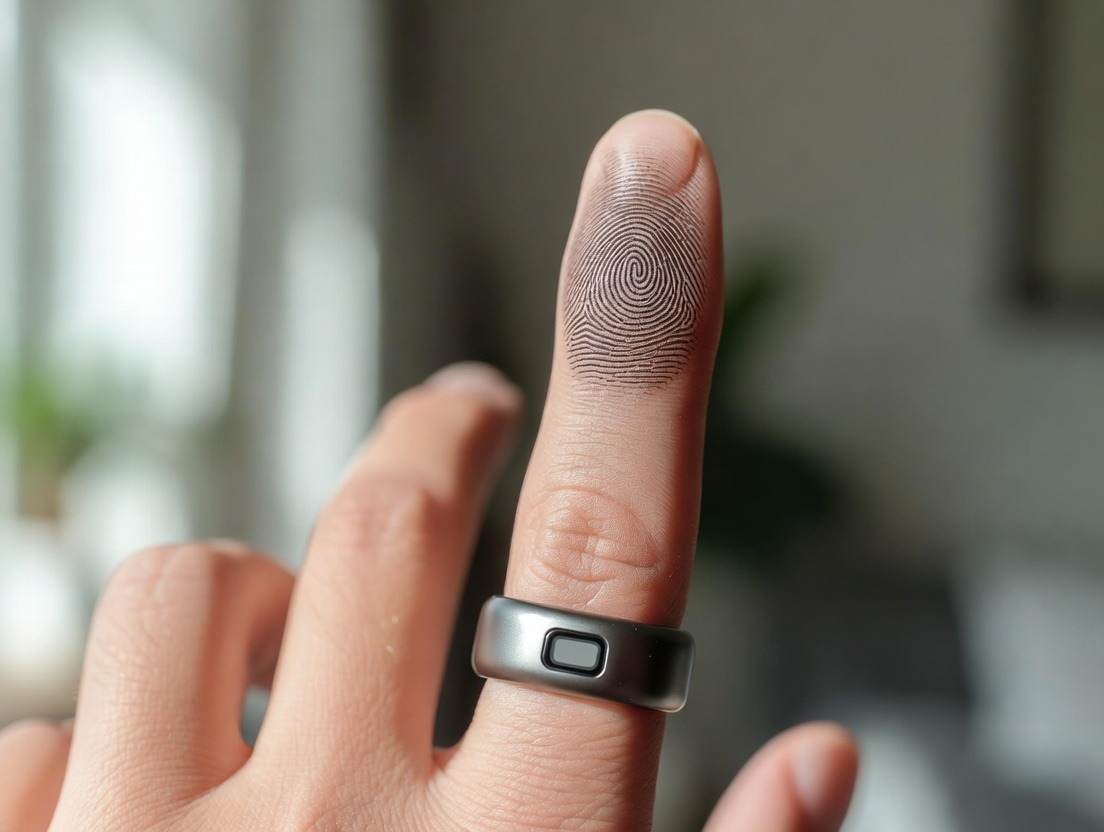
The Beginner-Friendly Guide to Caffeine Timing: Using Your Smart Ring Wisely
A beginner's guide to finding your optimal caffeine timing using sleep and recovery data from your ring.
The Beginner-Friendly Guide to Caffeine Timing: Using Your Smart Ring Wisely
It begins with a jolt. A hiss of steam, the ritualistic grind of beans, the first bitter-sweet sip that promises to transform a foggy morning into a day of focus. Caffeine isn’t just a beverage; for billions, it’s the essential fuel for modern life. Yet, for something so ubiquitous, most of us get it profoundly wrong. We chase alertness with afternoon lattes that steal our sleep. We crash by mid-morning, wondering why our “magic potion” failed. We exist in a cycle of self-imposed highs and lows, treating our central nervous system like a gas pedal we can stomp on indefinitely without consequences.
What if there was a better way? Not just random tips from a blog, but a precise, personalized strategy for caffeine that actually aligns with your body’s unique biology? This is where ancient ritual meets modern technology. Enter the smart ring—a sleek, unassuming piece of wearable tech, like those from Oura, Circular, or Ultrahuman, that is revolutionizing our approach to wellness. By tracking your physiological signals 24/7, it doesn’t just suggest you might be tired; it knows your sleep architecture, your resting heart rate variability (HRV), your core temperature dip, and your readiness for stress.
This guide isn’t about demonizing your daily cup. It’s about elevating it to a strategic tool. We’ll move beyond the one-size-fits-all advice and into the world of bio-hacking for beginners. You’ll learn how to use the data from your smart ring—your personal, continuous biometric feed—to master the art and science of caffeine timing. We’ll decode why that 3 p.m. coffee is a silent sleep saboteur, how to leverage caffeine for peak cognitive performance without the crash, and how to align your intake with your body’s natural cortisol rhythm for sustained, clean energy. This is about transforming caffeine from a crutch into a calibrated component of a high-performance life, guided by the most intimate data you’ve ever had about yourself: the story your body tells while you sleep, move, and live.
Your Body on Caffeine: The Unseen Biometric Battle
To master caffeine timing, you must first understand the invisible war it wages within you. Caffeine’s primary mechanism is one of elegant deception. Your brain naturally produces a neurotransmitter called adenosine throughout the day. As adenosine binds to its receptors, it signals drowsiness, telling your body it’s time to wind down—this is the biological pressure for sleep. Caffeine, being structurally similar to adenosine, fits into these receptors like a key into a lock, but it doesn’t turn. It simply blocks adenosine from binding. The result? The sleep signal is muted. You feel alert.
But here’s the critical part: the adenosine doesn’t disappear. It continues to accumulate in the background. When the caffeine finally metabolizes and clears from the receptors, you experience the infamous “caffeine crash”—a flood of pent-up adenosine hits all at once, often leading to profound fatigue, brain fog, and irritability. This isn’t a character flaw; it’s basic pharmacology.
This is where your smart ring transitions from a neat gadget to an essential interpreter. The battle between caffeine and adenosine directly impacts the core metrics your ring tracks:
Heart Rate (HR) and Heart Rate Variability (HRV): Caffeine is a stimulant. It activates your sympathetic nervous system (your “fight or flight” system), which can elevate your resting heart rate and lower your HRV—a key marker of your body’s resilience and recovery status. A smart ring tracking your overnight HRV can tell you if yesterday’s caffeine habits left your nervous system stressed and less recovered by morning.
Sleep Architecture: Caffeine’s half-life (the time it takes for your body to eliminate half of it) is about 5-6 hours on average. But its effects can linger for much longer, subtly disrupting the progression into deep (Stage 3) and REM sleep. Your smart ring’s sleep stage analysis is the ultimate truth-teller. You might think you slept fine after an afternoon coffee, but if your ring consistently shows reduced deep sleep or restless light sleep, caffeine timing is your prime suspect.
Body Temperature: Your core body temperature follows a circadian rhythm, dipping at night to initiate sleep. Caffeine can interfere with vasodilation (the widening of blood vessels), potentially affecting this natural cooling process. Some advanced smart rings track temperature trends, offering another data point on how substances disrupt your natural cycles.
Understanding this internal battle reframes caffeine from a simple pick-me-up to a powerful compound that directly negotiates with your sleep and recovery systems. By learning its language, you can begin to negotiate better terms. As you build a deeper understanding of your own brain chemistry of mental wellness, you’ll see how external substances like caffeine play a pivotal role in your daily cognitive and emotional state.
Why "When" Matters More Than "How Much": The Cortisol Connection
Most caffeine conversations start and end with dosage. “I only have two cups a day,” we say, as if volume alone tells the whole story. But timing is the secret maestro conducting the symphony of your energy. And to understand optimal timing, you must meet cortisol, your body’s natural alertness hormone.
Cortisol follows a robust daily pattern known as the Cortisol Awakening Response (CAR). In a healthy rhythm, it peaks about 30-45 minutes after you wake up (providing a natural energy boost), gradually declines throughout the day, and reaches its lowest point around midnight to facilitate sleep. This is your innate, drug-free energy wave.
Here lies the most common and catastrophic caffeine mistake: drinking coffee first thing in the morning, during your natural cortisol peak. When you ingest caffeine during this window (roughly 8-9 a.m. for most people who wake at 7), you are essentially adding a stimulant on top of a stimulant. This creates three major problems:
It Diminishes Caffeine's Effect: You get less of a perceived "boost" because you're already peaking naturally. You're wasting your chemical leverage.
It Builds Tolerance Faster: Your body adapts to the combined stimulant effect, requiring more caffeine over time to achieve the same result.
It Can Flatten Your Cortisol Curve: Over time, this practice can blunt your natural cortisol rhythm, making you more reliant on external stimulants for energy throughout the day and potentially harming your body's stress response system.
Your smart ring provides the crucial data to identify your personal rhythm. By correlating your energy and readiness scores with your sleep and wake times, you can start to map your likely cortisol windows. The golden rule of caffeine timing becomes: Wait 90-120 minutes after waking before your first sip. This allows your natural cortisol wave to crest and begin its descent. Introducing caffeine then provides a smooth, extended lift that carries you through the late morning, aligning with—rather than fighting against—your biology.
This principle of syncing with your internal rhythms is a cornerstone of a preventive approach to mental wellness, where small, data-informed adjustments prevent larger energy crashes and burnout down the line.
The Smart Ring as Your Caffeine Lab: Key Metrics to Watch
Your smart ring is a non-stop biometric laboratory on your finger. To wield it for caffeine mastery, you need to know which dials to watch. Forget generic step counts; we’re diving into the metrics that tell the true story of caffeine’s impact.
1. Sleep Score & Breakdown: The Ultimate Verdict This is your nightly report card. After experimenting with caffeine timing, your sleep data is the judge and jury. Don’t just look at the total score or duration. Drill down:
Deep Sleep (Slow-Wave Sleep): This is physically restorative sleep. Caffeine too late can significantly suppress deep sleep. If this metric drops, your caffeine cut-off time is likely too late.
REM Sleep: This is mentally restorative sleep, crucial for memory and emotion processing. It can also be fragmented by caffeine. Watch for reductions or increased latency (time to first REM period).
Restfulness: Measured by periods of awake time or movement during the night. A spike in restlessness can be a direct signal of caffeine-induced sleep disruption, even if you don’t remember waking up.
2. Readiness Score (or Recovery Score): The Morning Forecast This composite score (often derived from HRV, resting heart rate, sleep, and temperature) tells you how prepared your body is for the day’s stress. If you consistently see lower readiness scores on mornings after afternoon caffeine, you have a clear, data-driven reason to move your cut-off earlier. It’s your body saying, “That 4 p.m. espresso made my recovery work much harder.”
3. Resting Heart Rate (RHR) & Heart Rate Variability (HRV): The Nervous System Telegraph
RHR: A elevated overnight or morning RHR can indicate your body is under stress—and caffeine is a physiological stressor. Track if your RHR trends upward on days following caffeine consumption.
HRV: This is the star metric for recovery. A higher HRV generally indicates a resilient, recovered nervous system (parasympathetic dominance). Caffeine, especially in high doses or late timing, can lower HRV by stimulating the sympathetic system. A consistent dip in your nightly or morning HRV is a strong sign to reassess your caffeine strategy.
4. Body Temperature: The Subtle Rhythm Some rings track nightly temperature deviation. A consistent elevation in your sleep temperature could indicate your body is working harder to metabolize substances or that your circadian cooling process is impaired—both potential side effects of mistimed caffeine.
By learning to read this biometric language, you move from guessing to knowing. You’re no longer just avoiding caffeine “after 2 p.m.” because a magazine said so; you’re avoiding it after your personal data shows it impacts your sleep. This level of personalized insight is what makes a smart ring an invaluable tool for building daily practices that support mental wellness long-term, with caffeine management being a prime example.
The 90-Minute Rule: Strategically Timing Your First Dose
Armed with the knowledge of your cortisol rhythm, we now apply the first major tactical rule: delaying your first caffeine dose. This isn’t about deprivation; it’s about strategic patience for a greater payoff.
The Protocol: Upon waking, consciously avoid caffeine for the first 90 to 120 minutes. Use this window for other morning rituals that support your natural energy rise.
What to Do in the Caffeine-Free Window:
Hydrate: Drink a large glass of water (possibly with electrolytes). Overnight, you become mildly dehydrated, which exacerbates fatigue. Rehydrating is often enough to clear morning fog.
Get Sunlight: View bright, natural light within the first hour of waking. This is the strongest signal to your circadian clock, reinforcing the cortisol peak and suppressing melatonin, making you more alert.
Move Gently: A short walk, some light stretching, or mobility work. This further stimulates circulation and cortisol release in a healthy way.
Eat a Protein-Rich Breakfast: If you eat in the morning, prioritize protein. It provides steady tyrosine, an amino acid precursor to dopamine and norepinephrine, supporting focus without the spike and crash.
The Payoff: When you finally have your coffee or tea after this window, you’ll notice the effect is cleaner and more sustained. You’ve allowed your body’s natural chemistry to do its job first, then used caffeine as a strategic extension of that energy wave, rather than a harsh override. This leads to a more stable mood, better focus, and less likelihood of a mid-morning crash.
How Your Smart Ring Validates This: After a week of practicing the 90-minute rule, check your data trends. You may see:
A more stable energy level in your subjective logs (if your app has them).
Possibly a slight improvement in sleep scores, as better-timed caffeine may clear your system more effectively by bedtime.
A more distinct and predictable pattern in your daily readiness metrics.
This practice aligns perfectly with the concept of building mental wellness habits that last a lifetime. It’s a small, sustainable habit change, validated by personal data, that compounds into significantly better daily energy management.
Finding Your Personal Caffeine Cut-Off: The Data-Driven Deadline
The second most critical rule of caffeine timing is knowing when to stop. The old adage “no caffeine after 2 p.m.” is a decent starting point, but it’s a population average, not a personal prescription. Your ideal cut-off time is unique, influenced by your genetics (how fast you metabolize caffeine), your sleep chronotype (night owl vs. early bird), and your daily habits.
This is where your smart ring shines as a personal scientist. You can run a simple, safe experiment to find your true deadline.
The Self-Experiment:
Establish a Baseline: For 3-4 days, keep your caffeine timing, type, and amount completely consistent. Note your sleep and readiness scores each morning.
Introduce a Variable: Choose one day to have your last caffeine dose 1 hour later than your usual cut-off. Keep everything else (diet, exercise, stress) as similar as possible.
Observe the Data: The next morning, analyze your smart ring data. Pay special attention to:
Sleep latency (did it take you longer to fall asleep?)
Deep and REM sleep percentages.
Restlessness.
Your morning readiness score.
Iterate and Confirm: On another day, try moving your last dose 1 hour earlier. Compare the data. The goal is to find the latest time you can consume caffeine without seeing a statistically meaningful negative impact on your recovery metrics.
Factors That Influence Your Cut-Off:
Genetics: Variations in the CYP1A2 gene determine if you’re a fast or slow caffeine metabolizer. Slow metabolizers feel effects longer and need an earlier cut-off.
Amount & Type: A double espresso contains more caffeine than a cup of green tea. The dose matters.
Food Intake: Consuming caffeine with food can slow its absorption, potentially pushing its effects later.
Your ring removes the guesswork. You might be a slow metabolizer who needs a 12 p.m. cut-off, or a fast metabolizer who can handle a 4 p.m. cold brew without issue. The data doesn’t lie. This process of self-experimentation and adjustment is a powerful exercise in assessing your current mental wellness level through tangible, physiological markers.
Caffeine Types & Smart Ring Signatures: Espresso vs. Green Tea
Not all caffeine sources are created equal. The delivery vehicle—be it a potent espresso, a slow-brewed coffee, a black tea, or a matcha—carries other compounds that modify caffeine’s effects. Your smart ring can help you discern these subtle differences.
Coffee (Filter, Espresso, Cold Brew): Delivers caffeine rapidly, leading to a sharper peak. The chlorogenic acids can sometimes affect digestion and, for some, stress markers. Watch your ring for a sharper HRV dip or elevated RHR after high-dose coffee compared to other sources.
Black Tea: Contains caffeine alongside L-theanine, an amino acid that promotes relaxation and alpha brain waves. This combination often creates a more “calm alert” feeling, which may result in a less pronounced stress response on your HRV and a smoother decline in energy.
Green Tea & Matcha: Similar to black tea with L-theanine, but typically with less caffeine per serving. Matcha, being whole-leaf powder, also provides antioxidants. This is often a sustainable, low-jitter source. Your ring data might show better sleep maintenance after green tea caffeine compared to an equivalent coffee dose.
Yerba Mate: Contains caffeine along with theobromine (also found in chocolate) and other compounds. Users often report a smooth, focused energy without severe crashes—a profile worth testing against your biometrics.
Energy Drinks & Sodas: These are the worst offenders for smart ring metrics. They combine rapid-release caffeine with high sugar loads, leading to an insulin spike and crash, compounded by the caffeine crash. The sugar and additives can also provoke an inflammatory response and significantly disrupt sleep architecture. Expect to see clear negative signatures in restfulness, RHR, and readiness.
Actionable Step: For one week, stick to a single caffeine type and source, keeping timing and amount consistent. Note your biometric trends. The next week, switch to a different source (e.g., from coffee to black tea). Compare the data. You may discover that your body “prefers” one source, showing higher HRV and better sleep scores, allowing you to make an informed swap for better long-term recovery. This exploration of how different inputs affect your system is a key part of understanding the gut-brain axis and mental wellness, as these beverages directly interact with your digestive and nervous systems.
Syncing Caffeine with Your Activity: Workouts, Focus Sessions & Downtime
Caffeine shouldn’t be on autopilot. Its strategic value skyrockets when you align it with specific activities, and your smart ring’s activity and recovery metrics can guide this alignment.
1. For Physical Performance (The Pre-Workout Boost):
Timing: Consume caffeine ~60 minutes before exercise for peak blood concentration. For endurance or strength training, this can enhance performance, reduce perceived effort, and increase focus.
Smart Ring Guidance: Only do this if your Readiness Score is high. Using caffeine to fuel a workout when your body is under-recovered (low HRV, high RHR) is like using nitrous oxide in a car with engine problems. It stresses an already stressed system. Let your ring’s readiness score be your gatekeeper. A high readiness score + pre-workout caffeine = synergistic performance. A low score + caffeine = digging a deeper recovery hole.
2. For Cognitive Performance (Deep Work Sessions):
Timing: Schedule your caffeine to peak during your most important mental work. Using the 90-minute rule, this often means your first cup will support late morning focus blocks.
Smart Ring Insight: Pair caffeine with your natural ultradian rhythms. The brain can focus intensely for roughly 90-minute cycles. Use caffeine at the start of such a cycle, then take a true break (no caffeine) before the next one. Your ring’s activity tracking can remind you to take these breaks to avoid burnout.
3. For Social or Creative Engagements:
A smaller dose of a L-theanine-paired source (like tea) before a social event or brainstorming session can promote relaxed alertness and verbal fluency without anxiety.
4. The Absolute No-Caffeine Zones:
Within 90 minutes of bedtime: This is non-negotiable. Let your ring’s sleep data prove why.
During periods of high life stress: If your ring shows a sustained period of low HRV and high RHR due to work deadlines or personal stress, adding a strong stimulant is pouring gasoline on a fire. Consider reducing dose or switching to decaf to support your nervous system. This is a critical skill for learning how to maintain mental wellness during chronic illness or prolonged stress, where managing external stimulants becomes part of the healing protocol.
Decaf, Tolerance Breaks, and Biometric Resets
Mastery isn’t just about optimal use; it’s also about knowing when to step back. Regular caffeine consumption builds tolerance, diminishing its benefits and tightening its grip. Your smart ring is the perfect tool to guide deliberate resets.
Why Consider a Reset?
Reduced Efficacy: You need more caffeine for the same effect.
Interference with Natural Energy: You feel you “need” caffeine to function normally.
Biometric Drift: You may notice a gradual creep upward in your resting heart rate or downward in your HRV over months of consistent use.
The Smart Ring-Guided Tolerance Break:
Plan: Choose a 1-2 week period that is relatively low-stress (e.g., not during a major work project). Your ring’s trend data can help you identify a calmer window.
Taper or Go Cold Turkey: If your intake is high (>300mg daily), taper down over a few days to avoid severe headaches. If moderate, you may choose to stop abruptly.
Observe the Withdrawal Phase (Days 1-5): Your ring will likely tell a clear story. Expect to see:
Potential sleep improvement: As receptors clear, you may fall asleep faster and get more deep sleep early in the break.
Initial dip in readiness: Headaches, fatigue, and irritability may manifest as a lower readiness score due to higher RHR and lower HRV. This is temporary.
Subjective logs: Use your app’s journal feature to note mood and energy.
The Re-Sensitization Phase (Day 6+): Your adenosine receptors are resetting. You’ll start to feel more alert naturally. Your biometrics should stabilize and often improve beyond your pre-break baseline, showing a more resilient, less stimulated nervous system.
Reintroduce Strategically: After the break, reintroduce caffeine with the 90-minute rule and a much lower dose. You’ll be amazed at how potent half a cup feels. Let your ring data guide you to a new, lower maintenance dose.
The Role of Decaf: High-quality decaf coffee or tea can be a psychological bridge during breaks or a way to enjoy the ritual in the evening without the stimulant. It satisfies the habit without affecting your sleep metrics.
This practice of periodic resets is a profound exercise in self-regulation and directly supports the foundational science of mental wellness, demonstrating how we can actively manage our neurochemistry for long-term balance.
Beyond the Ring: Hydration, Nutrition, and the Caffeine Context
Your smart ring provides the output data, but the inputs matter immensely. Caffeine doesn’t operate in a vacuum. Its effects are dramatically modulated by what else you do—or don’t—put into your body.
Hydration: The Non-Negotiable Partner Caffeine is a mild diuretic. Chronic consumption without adequate water intake can lead to low-grade dehydration, which manifests as fatigue, headache, and poor concentration—symptoms often mistakenly blamed on needing more caffeine. Dehydration also stresses the body, potentially elevating your RHR and lowering your HRV, muddying your data.
Rule: For every cup of coffee, drink at least an equal amount of water. Your ring’s recovery metrics will thank you.
Nutrition: The Sustained Energy Foundation Consuming caffeine on an empty stomach accelerates its absorption, leading to a sharper, more anxious spike and a harder crash. It can also irritate the gut lining for some individuals.
Strategy: Pair your caffeine with food, ideally containing protein, healthy fats, or fiber. This slows the release, smoothing out the energy curve. A stable blood sugar level, supported by good nutrition, works synergistically with well-timed caffeine for all-day focus without dips. The profound link between what you eat and your mental state cannot be overstated, and caffeine is a key player in this dynamic.
Sleep Debt: The Inescapable Truth No amount of caffeine timing can overcome chronic sleep deprivation. Caffeine masks sleep pressure; it doesn’t eliminate the physiological need for sleep. If you are consistently burning the candle at both ends, your smart ring will show poor sleep scores and low readiness, no matter how expertly you time your espresso.
Facing Reality: Use your ring’s sleep data as the bedrock truth. If your scores are chronically low, focus on improving sleep hygiene and duration first. Caffeine optimization is a fine-tuning tool for an already healthy foundation, not a substitute for sleep itself. Understanding that sleep forms the foundation of mental wellness is the first step toward any sustainable energy management strategy.
Creating Your Personal Caffeine Protocol: A 7-Day Starter Plan
Theory is essential, but action creates change. Here is a practical, beginner-friendly 7-day plan to leverage your smart ring and build a personalized caffeine protocol. Think of it as a week of conscious experimentation.
Day 1-2: The Baseline Audit
Action: Drink caffeine as you normally would. Don’t change a thing.
Tracking: Log every source, time, and approximate dose in your smart ring app’s journal/note feature. Pay no attention to trying to “look good” for the ring.
Goal: To capture an honest baseline of your current habits and their biometric impact. Wake up on Days 2 and 3 and record your Sleep Score, Readiness Score, RHR, and HRV without judgment.
Day 3-4: Implement the 90-Minute Rule
Action: Delay your first caffeine dose by at least 90 minutes after waking. Hydrate, get light, move gently first. Keep your total daily amount and your usual cut-off time the same.
Tracking: Continue logging. Notice any difference in how the caffeine feels. Check your morning data. Is there any subtle shift in sleep or readiness?
Day 5-6: Adjust the Cut-Off Time
Action: Maintain the 90-minute rule. Now, move your final caffeine dose one hour earlier than your historical average from Days 1-2.
Tracking: Log meticulously. The key comparison is the morning data on Days 6 and 7 versus your baseline. Did moving the cut-off improve your deep sleep or readiness?
Day 7: Review, Reflect, and Iterate
Action: Have a caffeine-free day, or stick to your new, improved schedule from Day 6.
Tracking: Review your week’s data. Look for correlations:
Did later first doses correlate with better focus?
Did earlier cut-offs correlate with higher readiness scores?
Was there a specific source (e.g., tea vs. coffee) that seemed to result in better biometrics?
Goal: Form one or two specific, data-backed hypotheses for the following week. E.g., “My data suggests I sleep better when I cut off caffeine by 3 p.m. instead of 5 p.m. I will make 3 p.m. my new rule.”
This structured self-experimentation is the essence of creating a mental wellness plan that fits your life. It’s personalized, iterative, and grounded in your own biological truth, not generic advice.
Troubleshooting: When the Data Confuses You
Biometric data is powerful, but it’s not always perfectly clear. Life is messy. Here’s how to troubleshoot common confusing scenarios with your smart ring and caffeine.
Scenario 1: "I had caffeine late and still got a great Sleep Score."
Possible Explanations:
You're a Fast Metabolizer: Your genetics allow you to clear caffeine quickly.
The Dose Was Small: A single cup of tea has much less impact than a large coffee.
Other Factors Overpowered It: Perhaps you were extremely sleep-deprived (leading to high "sleep drive"), had an excellent workout, or managed stress superbly that day, all of which positively impacted sleep and masked caffeine's subtle effect.
Look Deeper: Check your sleep breakdown. Even with a good overall score, you might see reduced REM or more restlessness. One night is also not a trend. Try the same late dose three times in a week and see if a pattern emerges.
Scenario 2: "I avoided caffeine all day but my HRV is still low and my RHR is high."
Possible Explanations:
Non-Caffeine Stressors: Intense exercise, emotional stress, alcohol consumption, large meals late at night, illness, or seasonal patterns can all suppress HRV.
Caffeine Withdrawal: If you suddenly stopped after habitual use, the withdrawal process itself is a stressor.
Action: Use your app’s tags or journal to log these other variables. Caffeine is one lever among many. Learning to recognize mental wellness red flags early means looking at the whole picture of your life, not just one substance.
Scenario 3: "My data is all over the place. I can't see a pattern."
Possible Explanations:
Too Many Variables: You’re changing timing, dose, type, sleep schedule, and exercise all at once. The signal is lost in the noise.
Action: Embrace the scientific method. Change only one thing at a time for at least 3-4 days while holding others constant. Isolate the variable (e.g., only change cut-off time) to see its true effect.
The Golden Rule of Biometric Interpretation: Look for trends, not single data points. Your body’s signals are a weekly or monthly conversation, not a daily headline. Overreacting to one night’s poor score can lead to unnecessary restriction. Use the data to gently guide your habits, not to tyrannize your choices. This balanced, informed approach is key to a sustainable, positive relationship with both your technology and your body, helping you talk about mental wellness without stigma, even in the private conversation between you and your data.
The Chronotype Factor: Are You a Lion, Bear, Wolf, or Dolphin?
The 90-minute rule and the 2 p.m. cut-off are useful averages, but they fail a huge portion of the population: those whose internal clocks don’t align with a standard 9-to-5 schedule. Your chronotype—your genetically influenced propensity to sleep and be active at certain times—is perhaps the most critical personal variable in caffeine timing. Using a smart ring to track your natural sleep-wake patterns can help you identify your chronotype and customize your caffeine protocol accordingly.
Popularized by sleep expert Dr. Michael Breus, the four main chronotypes use animal metaphors:
The Lion (The Early Riser): Wakes up early, full of energy. Peak productivity is before noon. Energy fades early evening. Caffeine Strategy: Lions can benefit from the classic 90-minute rule, using caffeine to extend their natural morning peak. Their cut-off should be early, likely by 1 or 2 p.m., as their system winds down sooner.
The Bear (The Sun-Follower): The most common type. Sleeps and wakes with the sun. Peak productivity is mid-morning to early afternoon. Caffeine Strategy: The standard advice fits Bears well. A 90-minute delay and a 2-3 p.m. cut-off are excellent starting points. Their smart ring data will be the clearest indicator of whether they need to adjust earlier or later.
The Wolf (The Night Owl): Struggles to wake early, hits stride in the late afternoon and evening. Naturally alert at night. Caffeine Strategy: Wolves are most harmed by generic advice. Forcing coffee at 7 a.m. during their biological "night" is counterproductive. They should wait even longer after waking—perhaps 2-3 hours—for their first dose. Their cut-off can be later, perhaps 4-6 p.m., but this must be validated by sleep data. A Wolf’s ring will mercilessly show if a 5 p.m. coffee destroys their ability to fall asleep at 1 a.m.
The Dolphin (The Light, Anxious Sleeper): Often light sleepers with variable sleep patterns. Easily woken, prone to insomnia. They are sensitive. Caffeine Strategy: Dolphins need the most conservative approach. They likely benefit from a very low dose (tea over coffee) and the strictest cut-off, possibly before noon. Their smart ring HRV and sleep restlessness scores are especially sensitive to stimulants.
How Your Smart Ring Identifies Your Chronotype: You don’t need a quiz; your data reveals it. Look at your long-term trends (monthly view):
Natural Sleep Onset & Wake Time: When do you naturally fall asleep and wake up on free days (weekends/vacation) without alarms? Your ring shows this.
Sleep Consistency: Lions and Bears often have more consistent sleep times. Wolves and Dolphins show more variability.
Daily Activity Patterns: Some rings show your movement/activity heatmap. When are you naturally most active?
Once you identify your type, you can stop fighting your biology and start fueling it strategically. A Wolf using caffeine to power through an unnatural morning schedule is a recipe for burnout, poor sleep, and reliance on the very substance that’s undermining their health. This personalized alignment is a powerful step in building mental wellness on a tight budget, as it uses free insight to maximize the efficiency of a low-cost tool (caffeine).
Stress Stacking: When to Skip the Cup (Even in the Morning)
Life stress and physiological stress are additive. This concept, known as “allostatic load,” means your body doesn’t distinguish between a work deadline, a tough workout, an argument, or a chemical stimulant—it all contributes to the total burden on your nervous system. Your smart ring’s HRV and RHR are direct proxies for this load.
There will be days when the smartest caffeine move is to skip it altogether or drastically reduce it. This is advanced, context-aware biohacking.
Read the Red Flags (Your Ring’s "Skip Caffeine" Alerts):
A Severely Depleted Readiness Score: If your readiness/recovery score is in the red or significantly lower than your baseline (e.g., below 70 on a 0-100 scale), your nervous system is begging for rest, not stimulation. Adding caffeine is like yelling at an exhausted employee to work faster.
High Resting Heart Rate & Low HRV: A morning RHR that’s 5-10+ BPM above your weekly average and/or an HRV that’s 20-30%+ below your average is a clear signal of systemic stress. This could be from poor sleep, an intense previous day’s workout, an illness coming on, or emotional strain.
You Feel "Wired and Tired": Subjectively, you feel anxious but drained. Your ring data will likely confirm this with the metrics above.
The Protocol for High-Stress Days:
Option 1: Go Decaf. Enjoy the ritual and placebo effect without the biochemical stress.
Option 2: Halve Your Dose. Have one small cup instead of two large ones.
Option 3: Delay Indefinitely. Wait until you feel a genuine, natural energy lift (often mid-morning for Bears). You might find you don’t need it at all.
Focus on Recovery Promoters: Use the time and energy you’d spend on coffee to engage in parasympathetic (rest-and-digest) activities: slow breathing, a gentle walk, hydration, and nutrient-dense food.
By learning to let your biometrics veto your habit, you build resilience. You teach your body that you listen to its signals. This practice of mindful subtraction, rather than constant additive optimization, is a profound component of mental wellness and work-life balance. It’s about sustainable energy management, not just peak performance at all costs.
Caffeine and Sleep Hygiene: The Non-Negotiable Foundation
All the clever caffeine timing in the world is built on a foundation of solid sleep hygiene. Think of sleep hygiene as the bedrock, and caffeine timing as the fine-tuning dial on the structure built upon it. If the bedrock is cracked (poor sleep habits), turning the dial won’t prevent a collapse.
Your smart ring is the ultimate auditor of your sleep hygiene. It shows you the consequences of your evening choices in cold, hard data. Here’s how to align your pre-bed routine with your caffeine strategy for compound benefits.
The Smart Ring’s Sleep Hygiene Audit: Your ring tracks the outcomes. Correlate them with these common pre-sleep inputs:
Light Exposure: Late-night screen time (blue light) suppresses melatonin. Does your ring show longer sleep latency (time to fall asleep) on nights you scrolled in bed?
Food & Alcohol: A large, heavy meal or alcohol within 3 hours of bed can increase restlessness and suppress REM sleep. Your ring’s “restfulness” metric and sleep stage breakdown will reveal this.
Stress & Rumination: Anxious thoughts before bed elevate cortisol and body temperature. This often manifests as a higher sleeping heart rate and lower HRV.
Temperature & Environment: Is your room cool enough? A hot room can fragment sleep. Some rings track ambient temperature or your personal temperature deviation.
The Integrated Caffeine + Sleep Hygiene Protocol:
Set a Caffeine Curfew: Based on your personal cut-off experiment, make this a firm rule.
Establish a Digital Sunset: 60 minutes before bed, eliminate screens. Use this time for reading, light stretching, or conversation.
Optimize Your Environment: Cool, dark, and quiet. Use your ring to test the ideal temperature for you.
The Wind-Down Ritual: A consistent 20-30 minute routine (e.g., tea, reading, journaling) signals to your nervous system that it’s safe to sleep. Important: If your tea is caffeinated, it violates Rule #1. Choose herbal (chamomile, valerian, passionflower).
Consistency is King: Go to bed and wake up at roughly the same time, even on weekends. Your ring’s “Sleep Consistency” score is a direct measure of this.
When you combine a disciplined caffeine cut-off with strong sleep hygiene, the effects are synergistic. You fall asleep faster, achieve more deep and REM sleep, and wake with higher readiness—which, in turn, reduces your need for caffeine the next day. It’s a virtuous cycle. This foundational work is non-negotiable, as sleep forms the foundation of mental wellness in the most direct way possible.
The Long Game: Tracking Biometric Trends Over Weeks and Months
Daily scores are for tactics. Long-term trends are for strategy. The real power of a smart ring for caffeine optimization isn’t in judging each day, but in observing the subtle shifts over weeks and months. This is where you see the cumulative impact of your habits and make lasting changes.
What to Look For in Your Trends (Monthly View):
HRV Trendline: Is it gently sloping upward (improving resilience), holding steady, or drifting downward? A sustained downward drift, despite good sleep, could indicate chronic stress, overtraining, or a caffeine intake that’s too high or too late for your system to fully recover from.
Resting Heart Rate Baseline: Has your average morning RHR crept up by a few beats over a month? This can be a sign of increased allostatic load, of which caffeine is a component.
Sleep Score Consistency: Are you seeing more “green” nights over time? Or has your sleep become more variable? Correlate this with periods where you experimented with later cut-offs or different sources.
Readiness Score Average: Is your average readiness improving? This composite metric is the ultimate bottom-line indicator of whether your overall lifestyle (including caffeine strategy) is working.
How to Act on Long-Term Trends:
If Trends Are Positive (HRV up, RHR down, Sleep stable): Your current caffeine protocol is likely sustainable. Stay the course.
If Trends Are Neutral or Negative: Don’t panic. Use it as a prompt for investigation.
Isolate Variables: Have you started a new workout regimen? Has work stress increased? Has your caffeine intake crept up in volume?
Run a Focused Experiment: If you suspect caffeine, commit to a strict 2-week protocol: enforce your cut-off, measure your doses, stick to one source. See if the trend line begins to bend back in the right direction.
This long-view approach prevents you from being a slave to daily fluctuations and helps you build a lifestyle. It shifts the focus from “How can I get through today?” to “How can I build a system that supports my energy and health for years?” This strategic, data-informed perspective is crucial for understanding mental wellness across the lifespan, as our sensitivity to stimulants like caffeine and our recovery capacity naturally evolve over time.
Advanced Hacks: Pairing Caffeine with Naps, Light, and Nutrients
Once you’ve mastered the fundamentals of timing and cut-off, you can explore advanced synergies that turn caffeine from a simple stimulant into a precision cognitive enhancer. These “hacks” use caffeine’s pharmacokinetics in concert with other biological levers.
1. The NASA Nap (Caffeine + Power Nap): This is a legendary protocol for combating the post-lunch dip.
The Science: Caffeine takes about 20-25 minutes to reach significant levels in your bloodstream and start blocking adenosine receptors.
The Protocol: Drink a cup of coffee quickly, then immediately take a 20-minute nap. Set an alarm for 25 minutes. During your nap, your brain naturally clears some adenosine. You wake up just as the caffeine is kicking in, having reduced the adenosine load and blocked the receptors. The combined effect is a dramatic surge in alertness and cognitive function far greater than either nap or caffeine alone.
Smart Ring Note: This is best done when your readiness score is moderate, not severely depleted. The nap itself may register as a period of “rest” on your ring, which is beneficial.
2. The Caffeine + Light Synergy:
The Science: Bright light, especially blue-spectrum light, is a strong signal to suppress melatonin and promote alertness. It works via different pathways than caffeine.
The Protocol: When you take your strategically timed caffeine (e.g., after the 90-minute morning delay), do so in a brightly lit environment, ideally with natural sunlight or a bright artificial light (like a daylight lamp). The combined neurological signals (adenosine blockade + circadian alerting) create a powerful, clean feeling of wakefulness.
3. Nutrient Co-Factors for Clean Energy: Pairing your caffeine with specific nutrients can modulate its effects and support the biochemistry of energy production.
L-Theanine: As found naturally in tea. If you drink coffee, consider a 100-200mg L-theanine supplement with your cup. It promotes alpha brain waves (calm focus) and can take the “edge” off caffeine’s jittery side effects. Your ring might show a less pronounced HRV dip with this combination.
Water & Electrolytes: As mentioned, non-negotiable for mitigating dehydration stress.
Tyrosine-Rich Foods: Pair your morning caffeine with eggs, meat, nuts, or dairy. Tyrosine is the precursor to dopamine and norepinephrine, supporting the very neurotransmitters caffeine indirectly influences.
These advanced tactics allow you to become a conductor of your own energy symphony, using multiple instruments in harmony rather than just hammering the caffeine drum. It’s a practice rooted in a deep understanding of the brain chemistry of mental wellness, applying that knowledge for tangible daily benefit.
Common Pitfalls and How Your Smart Ring Helps You Avoid Them
Even with the best intentions, it’s easy to fall into traps. Here are the most common caffeine pitfalls and how your smart ring’s objective data acts as a guardrail.
Pitfall 1: The "I Don't Feel It, So It's Fine" Fallacy.
The Trap: You have a coffee at 7 p.m. while working late. You fall asleep without issue and conclude caffeine doesn’t affect your sleep.
The Smart Ring Truth: Your sleep architecture is likely compromised. You might be missing deep sleep cycles or experiencing micro-awakenings you’re not conscious of. Your ring will show reduced deep/REM sleep or increased restlessness, proving the subjective feeling wrong. Trust the objective data over subjective perception.
Pitfall 2: The Weekend Compensation Cycle.
The Trap: You’re exhausted from a week of early mornings. On Saturday, you sleep in, then have a huge latte at 11 a.m. and another at 3 p.m. to power through chores. You stay up late, sleep in again Sunday, repeating the pattern.
The Smart Ring Truth: This destroys your circadian rhythm consistency. Your ring’s “Sleep Consistency” score will plummet. Come Monday morning, your readiness will be low, and you’ll need even more caffeine to combat the “social jetlag” you’ve created. The ring shows the direct line from weekend habits to Monday misery.
Pitfall 3: Mistaking Dehydration or Hunger for Low Energy.
The Trap: You hit a 3 p.m. slump and reach for a coffee. But the slump was caused by not drinking water or eating lunch.
The Smart Ring Prevention: Before you brew, do a quick check-in. Drink a full glass of water and have a healthy snack (e.g., an apple with nuts). Wait 20 minutes. If you still need caffeine, then have it. Your ring data will be cleaner, and you’ll often find you need less. This builds interoceptive awareness—the ability to sense what your body actually needs.
Pitfall 4: Using Caffeine to Mask Chronic Sleep Deprivation.
The Trap: This is the granddaddy of all pitfalls. Using caffeine as a tool to consistently get by on 5-6 hours of sleep.
The Smart Ring Intervention: The ring doesn’t lie. It will show chronically low sleep scores, low HRV, and high RHR. It provides the undeniable evidence that you are running a massive sleep debt. The solution isn’t better caffeine timing; it’s more sleep. This data can be the wake-up call (literally) needed to reprioritize rest, a key step in preventive mental wellness before a crisis hits.
From Data to Wisdom: Building a Sustainable, Intuitive Relationship with Caffeine
The ultimate goal of this entire journey is not to become a slave to your smart ring data, but to use the data to cultivate intuition. The ring is a teacher. Over weeks and months of observation, you begin to internalize the lessons. You start to feel when your body is too stressed for a second cup. You develop a visceral sense of your ideal cut-off time. The data informs a new, wiser relationship with both the substance and your own body.
The Evolution of a Caffeine User:
Stage 1: Unconscious Incompetence. Drinking caffeine randomly, with negative side effects (jitters, crashes, poor sleep), unaware of the cause.
Stage 2: Conscious Incompetence. (You are here, reading this guide.) Learning the science and seeing via your ring data how caffeine impacts you, but still needing rules and reminders.
Stage 3: Conscious Competence. Successfully implementing the protocols—the 90-minute rule, the personal cut-off, the stress-aware skips. Your biometric data improves consistently. You are in control, but it requires conscious effort.
Stage 4: Unconscious Competence. This is the wisdom stage. Your optimal habits have become second nature. You can occasionally deviate (a late-night espresso on a special occasion) and intuitively know how to compensate (maybe with an earlier cut-off the next day). You listen to your body first and use the ring data for periodic check-ins, not daily micromanagement.
How to Use Your Ring to Foster This Intuition:
Periodic Check-Ins, Not Daily Obsession: Once your protocol is stable, stop analyzing every morning. Instead, do a weekly 10-minute review of your trends.
Correlate Sensation with Data: When you feel particularly good or bad, open your app. What does the data say? Over time, you’ll learn the bodily sensations that correspond to high HRV (calm, resilient feeling) or low readiness (heavy, foggy feeling).
Embrace the Experiment Mindset: Always be curious. “What happens if I try matcha instead of coffee for a week?” Let the data satisfy your curiosity.
This journey—from blind consumption to data-informed strategy to intuitive wisdom—is a microcosm of modern, empowered self-care. It’s about taking a ubiquitous, often-misused substance and transforming it into a tool for enhanced living, guided by your personal biology. It exemplifies the powerful, inseparable connection between mental wellness and physical health](https://oxyzen.ai/blog/mental-wellness-and-physical-health-inseparable-connection), showing how a simple dietary choice, when intelligently managed, can support cognitive clarity, emotional stability, and overall resilience.
Conclusion of This Section: Your Personalized Caffeine Blueprint
You’ve now moved from seeing caffeine as a simple beverage to understanding it as a complex psychoactive compound that engages in a delicate dance with your sleep, stress, and circadian biology. You’ve learned how the continuous biometric feedback from a smart ring—tracking your HRV, RHR, sleep stages, and readiness—translates the hidden effects of this dance into a language you can understand and act upon.
The core principles are your compass:
Respect the Cortisol Curve: Wait 90-120 minutes after waking.
Find Your Personal Cut-Off: Use self-experimentation guided by sleep data.
Choose Your Source Wisely: Consider L-theanine pairing for smoother effects.
Let Stress Be Your Guide: Use readiness scores to know when to skip.
Build on a Sleep Hygiene Foundation: Caffeine timing fine-tunes good sleep, it doesn’t replace it.
The path forward is one of personalized experimentation. Start with the 7-Day Starter Plan. Let your smart ring be your impartial lab partner. Observe, adjust, and iterate. The reward is not just better sleep and more stable energy, but a profound sense of agency over your own well-being. You are no longer passively consuming; you are strategically fueling.
In the next portion of this guide, we will dive even deeper into the nuances. We’ll explore the intersection of caffeine with menstrual cycles and hormonal fluctuations, its role in specific diets and fasting protocols, how to manage caffeine when traveling across time zones, and we’ll debunk the most persistent myths about this world’s most popular stimulant. We’ll also look at the future of smart ring technology and how emerging biomarkers will make this personalization even more precise.
Your journey to becoming a master of your own energy, guided by data and grounded in biology, has just begun.
Hormones & High-Octane: Navigating Caffeine Through Menstrual Cycles, Menopause, and Androgen Rhythms
Your hormones are the master conductors of your energy, mood, and metabolism. Caffeine doesn’t play in a hormonal vacuum; it interacts with estrogen, progesterone, cortisol, and insulin in complex ways that change throughout the month and across a lifespan. For anyone who menstruates, is perimenopausal, or is managing androgen levels, a static caffeine protocol is insufficient. Your smart ring, by tracking core body temperature and heart rate variability (HRV) trends, becomes an essential decoder of these hormonal shifts, allowing for dynamic, phase-aware caffeine adjustments.
The Menstrual Cycle: A Four-Phase Caffeine Strategy
A typical cycle can be broken into four phases, each with distinct hormonal profiles and corresponding biometric signatures your smart ring can detect.
Phase 1: Menstruation (Days 1-5)
Hormonal Landscape: Estrogen and progesterone are at their lowest. Iron levels may drop. Energy is often lower, and the body is focused on repair.
Smart Ring Clues: You may see a slightly elevated resting heart rate (RHR) and lower HRV due to inflammation and blood loss. Core body temperature (if tracked) is at its lowest point in the cycle.
Caffeine Protocol: Be Gentle. This is a time for recovery. Consider reducing your total caffeine intake by 25-50%. Prioritize L-theanine-paired sources (tea, matcha) to avoid adding to potential anxiety or jitters. Ensure you pair caffeine with iron-rich foods (if needed) and plenty of hydration. This is a prime time to practice letting your daily practices that support mental wellness long-term be about nourishment, not pushing.
Phase 2: Follicular Phase (Days 6-14)
Hormonal Landscape: Estrogen rises steadily, leading up to ovulation. Energy, motivation, and insulin sensitivity often increase. This is a "springtime" for the body.
Smart Ring Clues: HRV often improves, and RHR may lower as energy returns. Body temperature begins a slow, steady rise.
Caffeine Protocol: Strategic Performance. This is your window for optimal caffeine efficacy. Your body can likely handle and benefit from its stimulant effects. This is the ideal time for that pre-workout coffee or using caffeine to power a deep work session. The standard rules (90-minute delay, personal cut-off) apply beautifully here.
Phase 3: Ovulation (~Day 14)
Hormonal Landscape: Estrogen peaks, then drops abruptly after the egg is released. Testosterone and luteinizing hormone (LH) surge. Energy can be high but may feel volatile.
Smart Ring Clues: A distinct, sharp rise in resting core body temperature (a key marker of ovulation confirmation). You might see a brief, slight dip in HRV around the ovulation event itself due to the hormonal flux.
Caffeine Protocol: Observe and Adapt. If you feel energetic and stable, your standard protocol is fine. If you feel anxious or irritable, consider scaling back slightly. Let your subjective feeling, cross-referenced with your ring’s stress metrics (HRV/RHR), guide you.
Phase 4: Luteal Phase (Days 15-28)
Hormonal Landscape: Progesterone rises and dominates. Estrogen rises again, then falls if no pregnancy occurs. Core body temperature remains elevated. Insulin sensitivity decreases, and the body is more prone to storing glycogen. PMS symptoms (if any) emerge in the late luteal phase.
Smart Ring Clues: Sustained elevated basal body temperature is the hallmark. HRV often trends downward in the second half of this phase, and RHR can creep up by 3-8 BPM in the days leading to menstruation. Sleep may be more fragmented.
Caffeine Protocol: The Most Critical Adjustment Period.
Tolerance Shifts: Progesterone competes with caffeine for the same liver enzymes (CYP1A2). This means caffeine is metabolized more slowly, staying in your system longer. Your usual 3 p.m. coffee could now feel like a 6 p.m. coffee.
Action: Move your caffeine cut-off 2-3 hours earlier. If your cut-off is normally 2 p.m., shift it to 11 a.m. or noon during your luteal phase.
Dose Consideration: You may also benefit from a slightly lower dose to counteract the slower clearance and heightened sensitivity to cortisol (caffeine can exacerbate anxiety in this phase).
Sleep Priority: With already compromised sleep potential, protecting sleep by aggressively limiting caffeine is non-negotiable. This phase powerfully illustrates why a one-size-fits-all cut-off is ineffective and how sleep forms the foundation of mental wellness in a rhythm, not a straight line.
Perimenopause & Menopause: The hormonal rollercoaster of perimenopause and the stable-but-low state of menopause bring new rules. Hot flashes, night sweats, and sleep fragmentation are common.
Smart Ring Clues: Erratic temperature spikes (both waking and sleeping), highly variable sleep scores, and unpredictable HRV.
Caffeine Protocol: Caffeine can be a potent trigger for hot flashes and anxiety in this life stage. A radical experiment is warranted: try moving to only decaf or a single, early-morning, small dose of tea for a month. Use your ring to track the impact on sleep restlessness (night sweats) and morning readiness. The data may make a compelling case for a major reduction. This is a key part of learning to maintain mental wellness during chronic illness or physiological transition.
Androgen Rhythms (For All Genders): Testosterone follows a circadian rhythm, peaking in the morning. Caffeine can acutely increase testosterone release slightly, but chronic overuse that disrupts sleep will severely depress it long-term.
Smart Ring Insight: Consistently poor sleep (shown by your ring) from late caffeine is a direct pathway to lowering your vital anabolic hormones. For athletic performance or general vitality, protecting deep sleep via an early caffeine curfew is more important than any acute pre-workout boost.
By syncing your caffeine intake with your hormonal cadence, you work with your body’s natural power grid, not against it. This represents the pinnacle of personalized biohacking.
Fasting, Feasting, and Focus: Caffeine Timing in Keto, Intermittent Fasting, and Other Nutritional Protocols
Your nutritional state dramatically alters caffeine’s effects. Whether you practice intermittent fasting, follow a ketogenic diet, or eat frequent meals, understanding this interaction is crucial to avoid unwanted side effects like jitters, anxiety, or crashing energy.
Caffeine on an Empty Stomach (Common in Intermittent Fasting):
The Accelerated Effect: Without food, caffeine is absorbed more rapidly, leading to a sharper spike in blood concentration and a more intense, but often shorter-lived, stimulant effect. This can heighten anxiety and the "caffeine jitters."
The Cortisol Complication: Consuming caffeine while in a fasted state, especially in the morning, can cause a more pronounced cortisol spike. For some, this is desirable for fat burning and alertness. For others, particularly those with HPA axis dysregulation (adrenal fatigue), it can be overly stressful.
Smart Ring & Strategic Protocol: If you fast and drink black coffee/tea in the morning:
Absolutely adhere to the 90-minute rule to avoid stacking on your natural cortisol peak.
Watch your HRV/RHR stress signals closely. If you see a pattern of depressed HRV on fasting + caffeine days, it’s a sign the combination is too stressful for your system. Consider breaking your fast earlier with a small protein/fat snack with your coffee, or switch to green tea.
Hydrate aggressively. Add a pinch of salt to your water to support electrolytes, as caffeine’s diuretic effect is more pronounced in a fasted state.
Caffeine in a Ketogenic State:
The Altered Sensitivity: On a strict keto diet, some individuals report becoming more sensitive to caffeine, possibly due to changes in adenosine receptor sensitivity or overall hydration/electrolyte status.
The Energy Synergy: When adapted, the brain efficiently uses ketones for fuel. Caffeine’s alertness effect can combine with ketones' steady energy for remarkable mental clarity. However, the diuretic effect of both keto and caffeine can be a dangerous combination for dehydration.
Smart Ring & Strategic Protocol: Electrolytes are non-negotiable. Your ring will show the stress of dehydration and electrolyte imbalance through elevated RHR and low HRV. If you’re keto, consider having your caffeine with an electrolyte-rich beverage or with your keto-friendly meal/fat (e.g., bulletproof-style coffee with MCT oil). Monitor your sleep data; the combined stimulant effect of ketones and caffeine can, for some, delay sleep onset if timed too late.
Caffeine with Carbohydrate-Based Diets:
The Blood Sugar Roller Coaster: The most common pitfall. Consuming a high-sugar pastry or cereal with your coffee leads to an insulin spike, followed by a crash a few hours later. The caffeine crash then compounds the sugar crash, creating a severe mid-morning or afternoon energy disaster.
Smart Ring & Strategic Protocol: Your ring’s readiness score will be low on days of combined sugar/caffeine crashes. Always pair caffeine with protein, fiber, or healthy fats. An example: coffee with eggs and avocado, or tea with a handful of almonds. This provides sustained energy, smooths the caffeine curve, and will reflect in more stable biometrics. This habit is a direct application of principles from the gut-brain axis and mental wellness, ensuring your fuel supports both your brain and your body’s stress response.
The key takeaway is that caffeine is not an isolated agent. Its impact is contextualized by what is—or isn’t—in your stomach. Your smart ring’s recovery metrics provide the feedback loop to find the synergistic combination for your chosen dietary lifestyle.
Jet Lag, Shift Work, and Circadian Resets: Caffeine as a Strategic Tool
When your external environment forcibly misaligns with your internal clock—through crossing time zones or working night shifts—your standard caffeine protocol becomes not just ineffective, but potentially harmful. In these scenarios, caffeine must be used with surgical precision, not as a blanket stimulant. Your smart ring, tracking your displaced sleep and erratic biomarkers, is your mission control.
Strategic Caffeine Use for Jet Lag (Eastward Travel):
The Goal: To help you stay awake until the local evening in your new time zone, thereby pulling your circadian rhythm forward.
The Protocol:
Upon Arrival (Morning Local Time): If you land in the morning after a red-eye, you will be exhausted. Wait. Do not drink caffeine immediately. First, get bright sunlight exposure for at least 20-30 minutes. This is the strongest circadian signal.
Strategic Morning Dose: After the sunlight, if you need it, have a single caffeine dose to help you stay awake through the local morning. Adhere to a local cut-off time (e.g., if new time zone is +6 hours, you must still cut off caffeine 8-10 hours before your target local bedtime).
The Critical Afternoon: The post-lunch slump will be severe. This is where caffeine is most dangerous. A 3 p.m. coffee in the new time zone might feel necessary, but it could easily prevent you from falling asleep at 9 p.m. local time, perpetuating jet lag. Consider a "NASA Nap" (coffee then 20-min nap) instead, or power through with bright light and no caffeine.
Smart Ring Guidance: Your ring will show disastrous sleep scores for the first few nights. Use caffeine only to enforce wakefulness during the new daytime. Let the ring’s sleep data show you when your rhythm is beginning to stabilize, and then gently re-implement your normal caffeine rules in the new time zone.
Strategic Caffeine Use for Jet Lag (Westward Travel):
The Goal: To help you wake up at a reasonable local time when your body thinks it’s earlier.
The Protocol: Westward travel is easier, but morning awakening can be hard. Use caffeine after the 90-minute rule on the first few mornings to help drag your wake time forward to the new local standard.
Caffeine for Shift Work (The Night Shift): This is an extreme circadian challenge. The goal is to promote alertness during the biological night and sleep during the biological day.
The Strategic Protocol (for a typical 10 p.m.-6 a.m. shift):
Evening (Before Shift): Have a single, moderate caffeine dose at the start of your shift (e.g., 10 p.m.). This mimics a "morning dose" for your shifted schedule.
Mid-Shift (The Witching Hour): The period between 3 a.m. and 5 a.m. is when circadian alertness hits its absolute nadir. A small, strategic caffeine dose around 2-3 a.m. can be crucial for safety and alertness. This is the exception to the "never late" rule—it’s your "shift-work morning."
The Absolute Rule: CEASE ALL CAFFEINE at least 6 hours before your target sleep time. If you plan to sleep at 8 a.m., no caffeine after 2 a.m. This is non-negotiable for protecting daytime sleep.
Smart Ring as Essential Equipment: For shift workers, a smart ring is invaluable. It will show the profound impact of this lifestyle on your HRV and sleep quality. Use it to:
Optimize Sleep Environment: Blackout curtains, white noise, cool temperature. Your ring will show you what works.
Validate Your Caffeine Cut-Off: If your daytime sleep is consistently fragmented and short, your caffeine cut-off is likely too late. Move it earlier, even if it means suffering through the last hours of your shift.
Monitor Long-Term Health: Chronic low HRV and poor sleep are occupational hazards. The ring provides the data to know when you need to prioritize recovery or discuss schedule changes. It’s a tool for managing the intense mental wellness and work-life balance challenge that shift work presents.
In these disordered-time scenarios, caffeine is a powerful but double-edged sword. Used with precise timing aligned to your desired schedule (not your current feeling), it can be a reset tool. Used indiscriminately, it will deepen the disruption. Your smart ring is the objective logbook that keeps your strategy honest.
Debunking the Myths: Caffeine Science vs. Pop Culture Folklore
The world of caffeine is rife with misinformation. Let’s use evidence and smart ring logic to dismantle the most persistent myths, freeing you to make decisions based on biology, not buzz.
Myth 1: "Decaf has no caffeine."
The Truth: Decaffeinated coffee typically contains 2-15 mg of caffeine per 8-ounce cup (compared to 80-100mg in regular). For a highly caffeine-sensitive person or someone trying to eliminate it completely (e.g., for a tolerance break or during pregnancy), this small amount can still have a pharmacological effect, especially if consuming multiple cups.
Smart Ring Test: If you’ve switched to decaf but your sleep scores haven’t improved as expected, this residual caffeine could be the culprit. Try a week of completely caffeine-free herbal tea in the evening and compare the data.
Myth 2: "Coffee dehydrates you."
The Truth: While caffeine is a mild diuretic, the water content in coffee or tea far outweighs this effect for habitual consumers. Your body develops a tolerance to the diuretic effect. Coffee contributes to your daily fluid intake, though plain water and electrolytes are still essential.
Smart Ring Insight: Acute dehydration shows as a spike in RHR and a drop in HRV. If your RHR is consistently elevated and you’re a heavy coffee drinker with low water intake, try a week of matching each cup with a glass of water. Watch if your baseline RHR trends downward.
Myth 3: "Espresso has more caffeine than drip coffee."
The Truth: By volume, yes—a shot (1 oz) has ~64mg vs. drip coffee (~12mg/oz). But by serving, a typical 12-oz drip coffee (~140mg) has significantly more caffeine than a single espresso shot. The myth persists because espresso’s concentrated delivery leads to a faster, sharper absorption and a more intense perceived effect.
Strategic Implication: If you’re switching from large Americanos to single espresso shots, you may be significantly reducing your total intake without realizing it, which could lead to withdrawal headaches. Your smart ring might show improved sleep scores from the lower total dose, even if the drink feels "stronger."
Myth 4: "Caffeine sobers you up."
The Truth: This is a dangerous and false myth. Caffeine is a stimulant; alcohol is a depressant. Caffeine can make a drunk person feel more alert, but it does not reduce blood alcohol concentration or improve motor coordination, reaction time, or judgment. It creates "wide-awake drunk" individuals who are dangerously overconfident.
Smart Ring Evidence: Look at your sleep data after a night of alcohol, with or without coffee at the end. Both will show terrible sleep (alcohol suppresses REM), but the caffeine+alcohol combination might show even higher heart rates and lower HRV due to the combined stress on your nervous system. Understanding the relationship between mental wellness and substance use means recognizing these dangerous interactions.
Myth 5: "You must quit caffeine to be healthy."
The Truth: For the majority of people, moderate caffeine intake (up to 400mg daily, about 4 cups of coffee) is associated with neutral to positive health outcomes, including reduced risk of Parkinson’s, type 2 diabetes, and certain cancers. The problem is rarely caffeine itself, but the dose, timing, and context (e.g., loading it with sugar, using it to replace sleep).
Smart Ring Philosophy: Your ring provides the personalized answer. If your biometrics (HRV, RHR, Sleep) are strong and your energy is stable, your current caffeine habit is likely fine. If they’re poor, caffeine is a prime suspect for optimization, not necessarily elimination. It’s about a sustainable, intelligent relationship.
By grounding your habits in science and personal data, you move beyond fear-based or fad-based rules into a state of empowered, personalized choice.
The Next Frontier: AI, Predictive Analytics, and the Future of Smart Ring Caffeine Guidance
Today’s smart rings are brilliant data collectors. Tomorrow’s will be predictive health partners. The future of caffeine timing lies in proactive, AI-driven recommendations based on your past data, current state, and even your calendar.
From Descriptive to Predictive:
Current State (Descriptive): Your ring shows you that last night’s sleep was poor after a 4 p.m. latte.
Near Future (Predictive): Your ring’s AI, analyzing months of your data, knows that when your HRV dips below a certain threshold and you have a late meeting on your calendar, you are 85% likely to have a late caffeine. At 2 p.m., it sends a gentle notification: "Based on your current recovery and your schedule, consider making your next drink decaf to protect tonight's sleep."
Integrative Biometric Forecasting: Future algorithms won’t look at caffeine in isolation. They will model:
Training Load + Caffeine: “You had a high-strain workout today. Your nervous system is stressed. A late caffeine dose will significantly impede recovery. Suggested cut-off: 1 p.m.”
Menstrual Cycle Phase + Caffeine: The app will know your cycle phase (via temperature logging) and automatically adjust its suggested caffeine cut-off times in the luteal phase.
Social Calendar + Sleep Debt: “You have a social dinner scheduled for 8 p.m. tomorrow. To be at your best, prioritize sleep tonight. Avoid caffeine after noon tomorrow.”
Passive Caffeine Quantification: Emerging research in photoplethysmography (PPG)—the light-based heart rate sensing in your ring—may one day allow for the passive estimation of caffeine blood concentration in real-time by analyzing subtle changes in heart rate patterns, pulse wave velocity, or heart rate variability. Your ring could literally tell you, “Caffeine from your 10 a.m. coffee is now cleared. Your alertness is likely declining.”
Personalized Genetic Integration: Imagine inputting your genetic data (from services like 23andMe) into your smart ring app. Knowing you are a slow metabolizer (CYP1A2 gene variant) would allow the AI to automatically set more conservative default cut-offs and lower dose suggestions, all reflected in your daily guidance.
This future turns your smart ring from a dashboard into a co-pilot for cognitive and metabolic health. It embodies the ultimate goal: using technology not to create more data, but to create more freedom—the freedom from guessing, the freedom from rigid rules, and the freedom to make informed choices that seamlessly support your well-being. This evolution is at the heart of a mental wellness in the digital age, where technology serves as a mindful enhancer of human health, not a distraction from it.



%402x.svg)