


The Health Tracking Technology Behind Recovery Algorithms
Breaks down the algorithms that analyze data from multiple sources to determine your body's recovery state.
Breaks down the algorithms that analyze data from multiple sources to determine your body's recovery state.
%402x.svg)
You wake up feeling… off. Not sick, not injured, just somehow less. Your morning coffee doesn’t spark its usual fire, your workout feels like wading through mud, and your focus scatters like leaves in the wind. Yesterday, you were a powerhouse; today, you’re running on empty. What changed? The answer lies not in your conscious mind, but in the silent, complex symphony of your autonomic nervous system—a symphony that, until recently, we could only guess was playing.
For decades, we chased fitness with a simple, brutal calculus: more effort, more results. We glorified the grind, celebrated the burnout, and treated recovery as passive downtime. But what if recovery isn’t the absence of work, but an active, measurable, and intelligible state? What if you could receive a daily, personalized blueprint telling you precisely what your body needs—to push, to rest, to sleep, to eat?
This is no longer the realm of science fiction. It’s the reality crafted by advanced health tracking technology and the sophisticated recovery algorithms it powers. At the forefront of this revolution are devices like the Oxyzen smart ring, which act as continuous, non-invasive biosenors, gathering the raw data of your life. But the true magic—the transformation of that data into actionable wisdom—happens in the algorithmic engine room.
This article is your deep dive into that engine room. We will pull back the curtain on the cutting-edge sensors, the physiological metrics they capture, and the complex mathematical models that synthesize this information into a clear recovery score and tailored guidance. This isn't just about what your device shows you; it's about the profound science behind how it knows you. We’ll explore how photoplethysmography (PPG) sensors read your blood flow, how accelerometers decode your movement, and how temperature sensors monitor your subtle thermal shifts. More crucially, we'll illuminate how algorithms interpret the interplay of Heart Rate Variability (HRV), resting heart rate, respiratory rate, and sleep architecture to assess your nervous system's balance.
Understanding this technology is to reclaim agency over your well-being. It moves you from guessing to knowing, from generic advice to hyper-personalized strategy. It’s the difference between training hard and training smart. So, let’s begin by exploring the most foundational metric in the recovery lexicon: Heart Rate Variability. It’s not your heart rate, and understanding why it matters is the first step to unlocking a new dimension of self-knowledge.
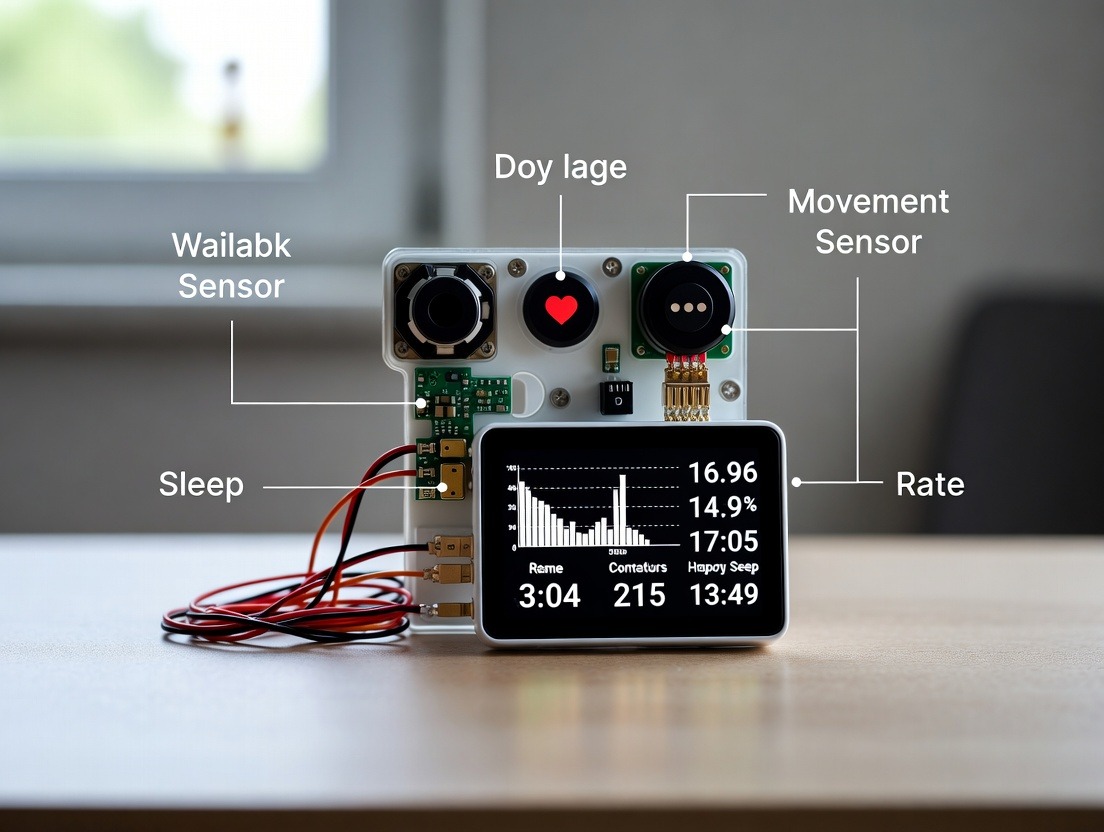
If you were to listen to your heartbeat, you’d likely perceive a steady, metronomic lub-dub, lub-dub. This perception is an illusion of scale. Zoom in with precision timing, and you discover a fascinating truth: the intervals between each heartbeat are constantly fluctuating, differing by milliseconds. This beat-to-beat variation is your Heart Rate Variability, and it is arguably the single most informative non-invasive metric we have for assessing the state of your autonomic nervous system (ANS).
Your ANS is the master regulator of your involuntary bodily functions—the control system for your stress response, digestion, respiration, and, crucially, recovery. It has two primary branches engaged in a constant, delicate tug-of-war: the sympathetic ("fight-or-flight") and the parasympathetic ("rest-and-digest"). HRV is the scorecard for this battle.
A high HRV (greater variability between beats) generally indicates strong parasympathetic activity and a resilient, adaptable nervous system. Your body is in a state where it can effectively recover, repair tissues, consolidate memory, and regulate inflammation. It’s a sign of good fitness, effective stress management, and overall health readiness.
A low HRV (more rigid, regular heartbeats) suggests sympathetic dominance. Your body is under stress—whether from physical training, psychological anxiety, poor sleep, illness, or dehydration. The system is less adaptable, more taxed, and signaling a need for rest and recuperation.
But how does a sleek device like a smart ring measure these microscopic fluctuations? The primary technology is Photoplethysmography (PPG). A small LED light on the inner surface of the ring shines into the capillaries of your finger. As your heart pumps, blood volume in these vessels increases with each pulse, absorbing more light. Between beats, blood volume decreases, and more light is reflected back to a photodetector. This creates a waveform—a pulse wave—that is exquisitely detailed. Advanced signal processing algorithms then pinpoint the exact peak of each pulse wave, calculating the time difference between them to derive the inter-beat intervals (IBIs) that form the basis of HRV.
It’s vital to note that HRV is highly personal. Comparing your number to someone else’s is meaningless. A 45 ms RMSSD (a common time-domain measure of HRV) might be excellent for one person and low for another. The power lies in tracking your own trends over time. Modern recovery algorithms don’t just take a single morning reading; they establish a personalized baseline. When your HRV dips significantly below your baseline, it’s a robust, data-driven flag that your system is strained. When it trends upward, it’s a sign of improving fitness and adaptation.
For those looking to dive deeper into the science of HRV and how to apply it, our blog features comprehensive guides that break down the methodologies and meaning behind the numbers. Understanding HRV is the cornerstone of interpreting everything a modern recovery algorithm tells you, as it directly informs the other critical metrics in the recovery puzzle.
While HRV reveals the nuanced conversation within your nervous system, two other metrics serve as its clear, declarative statements: Resting Heart Rate (RHR) and Respiratory Rate (RR). Tracked simultaneously by the same PPG sensor technology, they provide context and confirmation to the HRV story, creating a multi-dimensional picture of your physiological state.
Resting Heart Rate: The Body’s Baseline Engine Speed
Your RHR is precisely what it sounds like: the number of times your heart beats per minute when you are truly at rest, typically captured during deep sleep or the quiet moments upon waking. It’s a fundamental indicator of cardiovascular fitness and metabolic load. A well-conditioned heart muscle can pump more blood with each contraction (higher stroke volume), requiring fewer beats per minute to sustain the body. Therefore, a downward trend in RHR over weeks and months is a classic sign of improving aerobic fitness.
However, in the context of daily recovery algorithms, acute changes in RHR are more telling. An elevated morning RHR—5-10+ beats above your personal rolling average—is one of the oldest and most reliable signs of physiological stress. This stress can be positive (like adaptive recovery from a hard training session) or negative (like the onset of illness, dehydration, or excessive life stress). Your body is essentially revving its engine higher to meet perceived demands. By monitoring this each morning, a smart recovery system provides an early warning system, prompting you to ask, "What caused this spike?" Was it that extra glass of wine? A late-night work session? An impending cold? This simple metric becomes a powerful tool for behavioral awareness.
Respiratory Rate: The Unsung Herald of Autonomic Tone
Often overlooked, Respiratory Rate is a stealthily insightful metric. While we can consciously control our breathing, during sleep it is governed entirely by the autonomic nervous system. Your nightly Respiratory Rate, usually measured in breaths per minute, is a direct window into your parasympathetic activity.
A lower, stable respiratory rate during sleep is associated with greater relaxation and recovery efficiency. Conversely, an elevated respiratory rate can indicate physical strain (your body working harder to oxygenate tissues), respiratory issues, or even heightened mental stress and anxiety manifesting physically. Advanced algorithms analyze not just the rate, but the coherence and regularity of your breathing patterns throughout the night. Disruptions here often correlate with disturbances in sleep stages, which we will explore in more depth later.
The synergy of these three metrics—HRV, RHR, and RR—forms the primary triad of daytime readiness scores. An algorithm doesn't view them in isolation. It weighs them against each other and against your historical data. For instance, a slightly elevated RHR coupled with a maintained or high HRV might indicate positive training adaptation. The same elevated RHR with a plummeting HRV and quicker breath rate paints a picture of systemic stress requiring caution. This layered analysis is what transforms raw data into intelligent insight, moving beyond simple fitness tracking to true physiological monitoring.
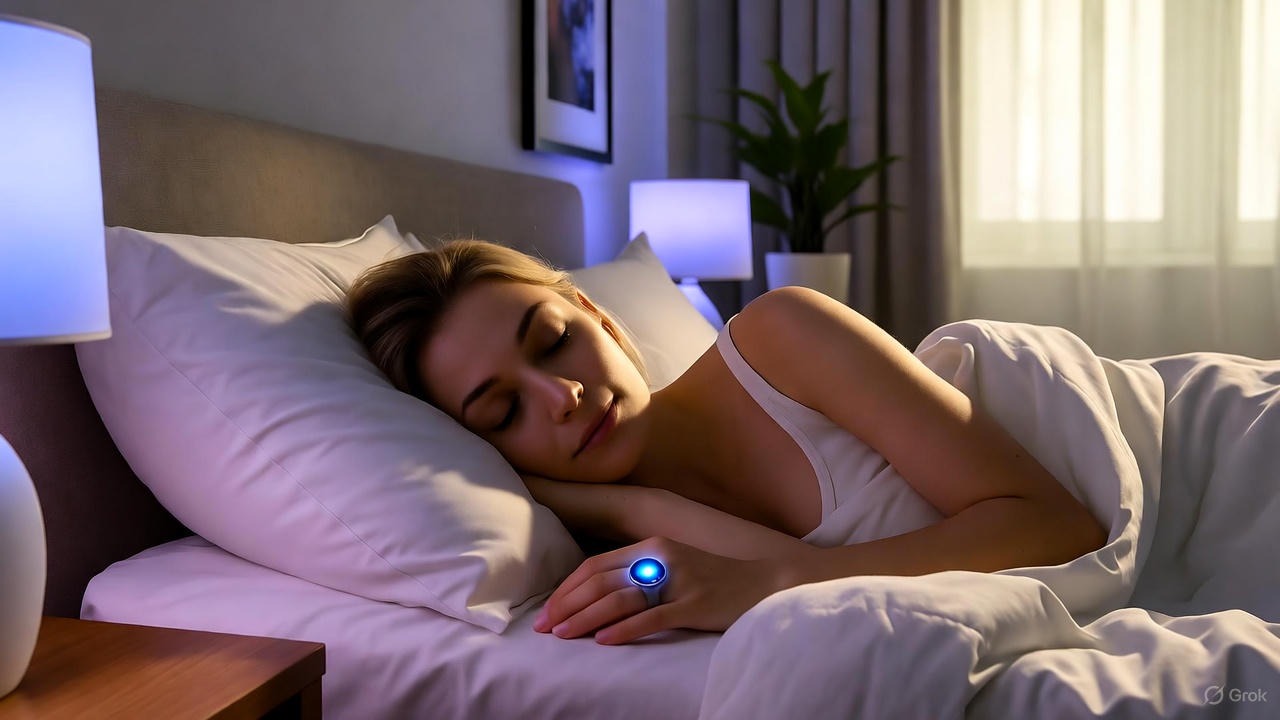
Sleep is not a monolithic state of unconsciousness. It is a dynamically structured, highly active repair and regulatory process composed of cyclical stages. The quality of this "sleep architecture" is more critical to recovery than mere duration. Modern health technology uses a combination of accelerometry (for movement) and PPG (for heart rate and pulse wave timing) to perform actigraphy and cardiopulmonary coupling, effectively staging your sleep with clinical-grade accuracy.
The goal is to map your journey through four key stages each night:
A sophisticated recovery algorithm doesn't just tally your minutes in each stage; it analyzes the proportions, timing, and continuity. For example, most deep sleep occurs in the first half of the night, while REM periods lengthen toward morning. An algorithm looks for this healthy pattern.
It identifies critical issues like:
By quantifying your sleep structure, the algorithm can attribute causes to your daytime readiness score. A low recovery score might be explicitly linked to "Low Deep Sleep" or "Frequent Nighttime Awakenings," moving you from feeling groggy to understanding why. This empowers targeted interventions—like adjusting room temperature, managing blue light exposure, or refining your bedtime routine—to architect a better night's sleep. For a deeper exploration of optimizing these stages, our blog offers a wealth of research-backed strategies for sleep enhancement.
Core body temperature is a master regulator of human physiology, following a delicate circadian rhythm that influences everything from sleep onset to immune function, metabolism, and hormonal secretion. A deviation from your personal temperature norm is one of the earliest and most sensitive indicators of physiological change. Until recently, continuous core temperature monitoring was impractical outside clinical settings. Wearable technology, especially smart rings worn on the finger, has revolutionized this by providing a reliable proxy for nocturnal temperature trends.
The Oxyzen ring and similar advanced devices use a high-precision, medical-grade skin temperature sensor. While not measuring core temperature directly, the temperature at the finger’s vasculature closely reflects core temperature changes, particularly during the thermally stable period of sleep. This data is invaluable for two primary aspects of recovery:
1. Circadian Rhythm Alignment: Your body temperature naturally dips to its lowest point in the second half of your sleep cycle (typically in the early morning hours) and then begins to rise, acting as a biological alarm clock to promote wakefulness. A stable, predictable nocturnal temperature curve is a hallmark of a robust circadian rhythm. Disruptions to this curve—a flatter rhythm or mistimed dips—can signal circadian misalignment, such as jet lag or social jet lag from inconsistent bedtimes, which profoundly impacts recovery.
2. Early Health Signatures: A sustained elevation in your nocturnal temperature trend is a primary biomarker of oncoming illness, such as a viral or bacterial infection. It can also indicate states of heightened inflammation, overtraining syndrome in athletes, or hormonal fluctuations. Because this shift often occurs 12-24 hours before you feel overt symptoms, it serves as a powerful pre-symptomatic alert. A recovery algorithm that spots this rising trend can immediately adjust your readiness score, advising rest and hydration, potentially helping you mitigate the severity or duration of an illness.
Furthermore, for women, tracking basal body temperature (BBT) trends is key for understanding menstrual cycle phases and hormonal health. The algorithm can learn an individual’s cycle patterns, providing context for fluctuations in other metrics like HRV or RHR that may be cycle-dependent, not stress-related. This creates a truly personalized and holistic health picture, acknowledging that the female physiology follows a powerful infradian rhythm alongside the circadian one.
Recovery is meaningless without context. To understand if your body is recovering well, you must first understand what it is recovering from. This is where activity and strain measurement comes in. Using a 3-axis accelerometer and gyroscope (the same fundamental technology in your smartphone), your device captures the intensity, duration, and type of your movement throughout the day.
But modern algorithms go far beyond simple step counts. They calculate a composite Strain or Activity Score that quantifies the physiological load you’ve placed on your body. This score is often derived from your heart rate data (both absolute heart rate and its reserve) and movement data, creating an estimate of total cardiovascular and muscular work.
The algorithm performs critical classifications:
This strain metric is the crucial counterbalance to all the restorative metrics (HRV, sleep, etc.). The recovery algorithm’s primary job is to balance the equation of stress and recovery. It compares yesterday’s strain against last night’s sleep quality and this morning’s physiological markers. Did you adequately recover from the load you applied? If your strain was high but your recovery metrics remain strong, the system will recognize your fitness and resilience. If a moderate strain day is followed by a crash in HRV and poor sleep, it reveals a potential vulnerability—perhaps you were already fighting off a bug or were emotionally drained.
This feedback loop transforms the device from a passive tracker to an active coach. It can advise, “Based on your high strain yesterday and low recovery score today, consider a light active recovery walk instead of your planned intense interval training.” This personalized guidance helps you avoid the trap of chronic under-recovery, which leads to plateaus, injury, and burnout.
We’ve now toured the sensory suite: the PPG, the accelerometer, the temperature sensor. Each generates a torrent of raw, timestamped data—millions of data points per day. This is where the true intelligence resides: in the recovery algorithm, a sophisticated software model that acts as the interpretive brain. Its task is Herculean: to filter noise, find signals, synthesize disparate data streams, and output a simple, actionable metric—your Recovery Score or Readiness Score.
This process involves several layers of computational artistry:
1. Signal Processing & Noise Reduction: The raw PPG signal is messy. It’s affected by motion artifacts (the ring moving on your finger), ambient light, and physiological "noise." The first step is using advanced digital filters and machine learning models to clean the signal, isolating the true cardiac pulse wave from the interference. This is why not all PPG devices are created equal; the quality of this first step dictates the accuracy of all subsequent data.
2. Feature Extraction: From the cleaned data, the algorithm extracts the specific "features" or metrics we’ve discussed: HRV (using time-domain, frequency-domain, and non-linear analyses), RHR, RR, sleep stage durations, temperature minima, and activity levels. Each is calculated with precise timestamps.
3. Normalization & Personal Baselines: This is the core of personalization. The algorithm doesn't use population averages. It learns you. Over an initial period (typically 1-4 weeks), it observes your rhythms under various conditions to establish your personal baselines and ranges for each metric. What is your normal HRV? What does your optimal sleep look like? Your 100% Recovery Score is calibrated to your own physiology.
4. Multivariate Modeling: Now, the algorithm brings everything together. It uses statistical models (like multivariate regression) and increasingly, machine learning models (like gradient boosting or neural networks), to weigh the contribution of each input metric to your overall recovery state. This model understands interactions: for example, how a poor night of sleep amplifies the impact of a high-strain day on your HRV.
5. Scoring & Contextualization: The final output is a score, often on a 0-100 scale or a simple "Poor, Fair, Good, Excellent" scale. But the best systems don't stop at a number. They provide contextual attribution. They tell you, "Your score is 72 (Good). Positively influenced by excellent deep sleep. Negatively influenced by elevated resting heart rate, potentially due to high strain yesterday." This turns a score into a story you can act upon.
The companies at the forefront of this field, like Oxyzen, invest immensely in the continuous refinement of these proprietary algorithms. They are validated against clinical gold-standard equipment and updated as new physiological research emerges. To understand the philosophy and rigorous science driving this approach, you can explore Oxyzen's mission and development journey.
A static algorithm applying the same rules to every human being would be, at best, moderately useful and, at worst, dangerously misleading. The true transformative power of this technology lies in its capacity for continuous personalization and adaptive learning. Your device is not a doctor issuing a one-size-fits-all prescription; it is a digital twin, learning the unique patterns of your biology and lifestyle.
This learning happens in several key ways:
Establishing the Dynamic Baseline: Your initial baseline is just a starting point. A sophisticated system continuously updates this baseline using a rolling window of data (e.g., the last 30-60 days). This accounts for fitness progression. As you get fitter, your baseline HRV may rise, and your baseline RHR may fall. The algorithm adapts, so a score of 80 today represents a higher absolute level of readiness than a score of 80 did three months ago. It raises the bar as you improve.
Contextual Awareness & Tagging: Many platforms allow you to add "tags" or "notes" to your day—"Intense Leg Day," "Drank Alcohol," "Work Stress," "Started a New Supplement," "Felt Onset of Cold." When you log these behaviors, you are directly teaching the algorithm about cause and effect. Over time, it can start to identify patterns even without manual input. It might learn that for you, late meals consistently correlate with reduced deep sleep, or that a particular type of workout always leads to a specific HRV response 36 hours later.
Identifying Unique Response Patterns: Everyone recovers differently. Some people are "high responders" to strength training, showing significant strain in their metrics, while others are more resilient. Some see their HRV plummet with poor sleep, while others are more affected by dietary choices. The adaptive algorithm moves beyond group averages to map your individual response profiles. This allows it to give you increasingly precise predictions and recommendations. It can effectively say, "Based on your past responses, if you complete this planned workout today, your predicted recovery tomorrow will drop to 65%. Consider shortening the cooldown period to mitigate this."
This creates a virtuous cycle: You provide behavioral context, the algorithm provides physiological feedback, you adjust your behavior based on the feedback, and the algorithm learns from that adjustment. It’s a partnership. For new users curious about how to start this feedback loop effectively, our FAQ section provides excellent guidance on best practices for tagging and interacting with your data.

To view HRV, sleep, temperature, and activity as separate dials on a dashboard is to miss the profound symphony they create together. The most advanced recovery models are built on the scientific understanding of physiological interconnections—the causal and correlative links between systems. The algorithm’s intelligence is largely in modeling these relationships.
Let’s trace a classic recovery story through these interconnected systems:
The Cascade of Strain:
The Cascade of Distress:
By mapping these pathways, the technology does more than report symptoms; it helps you identify the root cause of your recovery state. This systems-level understanding is what empowers truly intelligent health decisions.
A number on your screen is inert without interpretation. The final and most user-critical function of the recovery ecosystem is to bridge the gap between insight and action. The best platforms provide clear, personalized guidance that answers the simple question: "What should I do today?"
This guidance typically manifests in several forms:
1. Readiness-Based Workout Recommendations: This is the most direct application. Instead of blindly following a pre-written training plan, your daily recommendations are dynamic. The algorithm might adjust:
2. Lifestyle & Behavioral Nudges: Recovery isn't just about exercise modification. The guidance extends to holistic habits:
3. Longitudinal Trend Analysis & Reports: Beyond the daily view, weekly and monthly reports highlight long-term trends. Are you consistently under-recovering on Tuesdays? Is your deep sleep trending downward over the last month? This macro-view helps you spot chronic issues and make larger lifestyle adjustments.
The ultimate goal is to foster autonomous, informed self-regulation. The technology acts as a coach, providing objective feedback, but the user learns to listen to their body through the data. They begin to internally correlate the feeling of "heavy legs" with a low score, or the feeling of "spring in their step" with a high HRV. This biofeedback loop cultivates a deeper, more intuitive connection with one's own physiology. Reading about real user experiences and transformations can powerfully illustrate this journey from data confusion to actionable self-knowledge.
In a market flooded with wellness gadgets, a critical question arises: How do we know this isn't just sophisticated guesswork? The credibility of recovery algorithms rests on a foundation of rigorous scientific validation. This involves multiple layers of evidence, from engineering benchmarks to clinical studies.
1. Sensor Validation Against Gold Standards: The first step is proving that the wearable's sensors can accurately capture the raw data. PPG-derived heart rate and HRV are typically validated against an electrocardiogram (ECG), the clinical gold standard. This is done in controlled lab settings, with subjects at rest and during various activity protocols, to establish correlation coefficients (e.g., a 99% correlation with ECG at rest). Similarly, sleep staging algorithms are validated against polysomnography (PSG), the full clinical sleep study involving EEG, EMG, and EOG. A valid algorithm will show high agreement with PSG on distinguishing wake, light, deep, and REM sleep.
2. Algorithmic Outcome Validation: It's not enough for the sensor to read heartbeats accurately; the final Recovery Score itself must be valid. This is tested by seeing if it correlates with real-world, meaningful physiological outcomes. For instance:
3. Peer-Reviewed Research & Independent Studies: The most credible companies engage with the scientific community. They publish their validation studies in peer-reviewed journals and partner with universities and sports teams for independent research. This external scrutiny is essential. It moves claims from marketing language to scientific discourse. When a company like Oxyzen invests in this level of transparency, it builds trust that their system is built on physiology, not just plausibility.
For the end-user, this validation means confidence. It means you can trust that a "Low Recovery" alert is a meaningful signal from your body, not a random software glitch. It empowers you to make decisions with the assurance that the data guiding you is rooted in empirical science. The story of how this science is integrated into a consumer product is often a fascinating one, reflecting a brand's core values; Oxyzen's story delves into this journey of bridging cutting-edge research with accessible design.
The current state of recovery technology is diagnostic and reactive: it tells you what has happened to your body and what you should do now. The frontier, already being breached, is predictive and proactive health. Powered by more sophisticated machine learning models and ever-larger, anonymized datasets, the next generation of algorithms will shift from reporting your present state to forecasting your future one.
This evolution will manifest in several transformative ways:
1. Predictive Illness Alerts: By analyzing subtle, pre-symptomatic shifts in the constellation of metrics—a slight upward temperature trend coupled with a specific HRV signature and elevated nighttime heart rate—algorithms will move from indicating "you seem to be fighting something" to predicting "you have an 85% likelihood of developing cold symptoms in 24-48 hours." This allows for truly proactive intervention: rest, immune-supportive nutrition, and hydration to potentially avert the illness altogether.
2. Injury Risk Forecasting: For athletes, the holy grail is preventing injury. By modeling an individual's response to load, tracking asymmetries in movement (from connected shoe pods or other wearables), and monitoring metrics of systemic fatigue, algorithms could identify periods of high vulnerability. The recommendation could be as specific as, "Your load versus recovery balance and left-leg mobility pattern indicates a 30% elevated risk for a hamstring strain this week. Prioritize eccentric strengthening and reduce sprint volume by 40%."
3. Personalized Chronobiology Optimization: Future systems will not just report on your circadian rhythm; they will actively help you optimize it. By learning your personal chronotype and its interaction with your schedule, the algorithm could provide dynamic daily schedules: "Your predicted cognitive peak is between 10 AM and 12 PM today—schedule your most demanding mental work then." Or, "To shift your sleep window earlier for an upcoming early meeting, seek bright light at 7:15 AM and avoid blue light after 8:45 PM for the next three days."
4. Integrated Ecosystems and Holistic Views: The smart ring or watch will become the central hub in a connected health ecosystem. It will seamlessly integrate data from smart scales (body composition), continuous glucose monitors (metabolic response), blood pressure cuffs, and even environmental sensors (air quality, pollen count). The recovery algorithm will synthesize this holistic data view, providing insights like: "Your high glucose variability after lunch is correlating with an afternoon dip in HRV. Try adjusting your meal composition."
This future points toward a paradigm of truly personalized, preventative healthcare. It empowers individuals with a continuous, low-cost health monitoring system that can provide early warnings and personalized lifestyle prescriptions, potentially reducing the burden on reactive medical systems. It represents the culmination of the journey from tracking steps to managing our complex human biology in partnership with intelligent technology.
The theoretical framework of sensors and algorithms is impressive, but its true value is proven in the mud, sweat, and quiet moments of daily life. How does this technology translate from the cloud to the concrete decisions of a marathon runner, a CEO navigating back-to-back meetings, or a parent managing family and fitness? The application is as varied as the users themselves, yet the core principle remains: using objective physiological feedback to override subjective feeling and societal "shoulds."
For the Endurance Athlete: Precision Periodization and Tapering
For runners, cyclists, and triathletes, the classic training dilemma is balancing sufficient load to drive adaptation with avoiding overtraining. Traditional plans are based on calendars, not biology. A recovery algorithm changes the game.
Consider a marathoner in peak training. Their plan calls for a 20-mile long run on Sunday. They wake up Saturday with a recovery score of 42 (Poor), attributed to low HRV and elevated RHR. The subjective feeling? "A bit tired, but I can push through." The old paradigm would see them force the run, risking injury or a prolonged recovery hole. The new paradigm, informed by data, prompts a pivot: they swap the long run for a 45-minute zone 1 recovery spin and prioritize sleep and nutrition.
The real magic comes during the taper—the critical 2-3 weeks before race day where the body supercompensates from weeks of training. An athlete’s subjective feeling during a taper is notoriously unreliable, often marked by phantom pains and anxiety ("detraining"). A recovery algorithm provides objective assurance. Watching their HRV climb, RHR drop, and sleep quality solidify offers concrete proof that the taper is working, boosting mental confidence as much as physical readiness. Post-race, the algorithm guides the often-neglected recovery period, telling them exactly when their system has fully rebounded and is ready for light training again, preventing the post-marathon slump.
For the Strength & Power Athlete: Managing Systemic Fatigue and CNS Load
For weightlifters, CrossFit athletes, and team-sport players, the primary strain is on the musculoskeletal and central nervous system (CNS). While heart rate-based strain is part of the picture, these athletes benefit immensely from the HRV and sleep data as a proxy for CNS fatigue.
An algorithm can reveal that high-volume, high-intensity metcon workouts consistently crush their HRV for 48 hours, while heavy, low-rep squat sessions have a less dramatic impact. This allows for intelligent program design: placing technique-focused or active recovery days after the most neurologically taxing sessions. It also helps identify individuals who are "high responders" to certain stimuli, requiring more granular recovery periods. For an athlete juggling multiple training modalities—strength, conditioning, skill work—the recovery score acts as the ultimate arbiter for daily intensity, ensuring the CNS is primed for quality work, not just exhausted work.
For the High-Performing Professional: Managing the Invisible Stress Load
For an executive, lawyer, or entrepreneur, the primary "strain" isn't physical; it’s cognitive and emotional. This psychological stress activates the sympathetic nervous system just as effectively as a heavy squat. A recovery algorithm becomes a stress buffer management system.
A user might see a low recovery score on the morning of a major board presentation, despite perfect sleep and no exercise. The attribution? "Elevated resting heart rate and low HRV correlate with reported high stress." This data serves two powerful purposes:
Over time, these professionals learn which activities are most restorative for them. Does a social dinner recharge or deplete them? Does their HRV respond better to morning meditation or an evening yoga session? This turns well-being from a vague concept into an optimized, personal operating system. Many of our users share how this data-driven awareness has transformed their approach to work-life balance, which you can explore in their own words.
For the Everyday Wellness Seeker: Building Sustainable Habits and Autonomy
This technology isn't exclusive to elite performers. For someone focused on general health, weight management, or simply feeling more energetic, it provides a powerful feedback loop that generic advice cannot.
A user trying to improve sleep might experiment with different interventions: no caffeine after 2 PM, a consistent bedtime, a cool room, magnesium supplementation. Instead of relying on a vague sense of "I slept better," they can see the direct impact on their Sleep Score, deep sleep percentage, and morning HRV. This turns habit formation into a validated experiment, reinforcing positive behaviors.
Similarly, for someone managing a chronic condition like anxiety or hypertension, tracking HRV and resting heart rate provides tangible evidence of how lifestyle interventions—like daily walks, meditation, or dietary changes—are positively affecting their autonomic nervous system, far beyond what they can feel subjectively. It empowers them to become the expert on their own body, working in tandem with healthcare providers. For more ideas on starting this journey of self-discovery, our blog is a constant resource for evidence-based wellness strategies.
In all these cases, the technology’s role is not to dictate life, but to inform it. It provides the "why" behind the "what," turning daily choices into intentional acts of self-care, supported by the unarguable language of your own physiology.
To move from abstract application to tangible narrative, let's follow a hypothetical but data-realistic case study: Alex, a 38-year-old amateur triathlete and project manager. We'll track key metrics and decisions across a month that includes a training block, a business trip, and a minor illness.
Week 1: Baseline & Building Load
Week 2: Peak Load & First Signs of Strain
Week 3: Disruption – The Business Trip
Week 4: Illness Intervention and Rebound
Month-End Analysis:
Alex reviews his monthly report. The insights are profound:
This case study illustrates the system's full value: not in avoiding all stress (impossible), but in navigating it intelligently, minimizing negative outcomes, and accelerating the return to baseline. It turns life's inevitable disruptions from setbacks into managed events.
At its most profound level, advanced health tracking creates a closed-loop system between the body and the mind, leveraging principles of behavioral psychology to drive sustainable change. This is where quantified self meets cognitive behavioral therapy.
The Reinforcement Engine:
The daily act of checking a recovery score operates on a variable positive reinforcement schedule—one of the most powerful motivators in behavioral science. Some days you get a high score (positive reward), some days you get a low score with insightful feedback (informative "punishment" that guides correction). The unpredictability and personal relevance make the engagement sticky. You're not chasing an abstract goal like "be healthier"; you're chasing the concrete, rewarding experience of seeing your body respond positively to your choices.
Cognitive Reframing Through Data:
This technology directly challenges cognitive distortions. Consider the thought, "I'm lazy for needing a rest day." The algorithm reframes this with data: "Your HRV is 30% below baseline, indicating high autonomic stress. A rest day is a strategic investment in future performance." It replaces guilt with strategy. Similarly, the thought "This meditation isn't doing anything" is challenged when you see a direct, measurable bump in your evening HRV following a session. This evidence strengthens commitment to the practice.
Building Self-Efficacy:
Self-efficacy—the belief in one's ability to influence outcomes—is a cornerstone of lasting behavior change. When a user makes a change (e.g., improves sleep hygiene) and sees a corresponding, objective improvement in their recovery metrics, their self-efficacy skyrockets. They think, "My actions directly control my physiology." This empowerment is transformative, moving them from a passive recipient of health advice to an active architect of their well-being.
The Hawthorne Effect on Steroids:
The simple act of being observed changes behavior (the Hawthorne Effect). When you know your sleep, heart rate, and activity are being monitored, you are naturally nudged toward better choices—you might take the stairs, put the phone away before bed, or opt for a second glass of water instead of wine. The wearable makes you the subject of your own benevolent experiment, fostering mindfulness.
This powerful feedback loop is what separates a fleeting gadget fascination from a lasting lifestyle integration. The device becomes a mirror reflecting not just your physiology, but the consequences of your choices, creating a powerful and personalized curriculum for well-being.

As with any powerful technology, a clear-eyed view requires acknowledging its limitations and the ethical landscape it inhabits. Enthusiasm for data-driven health must be tempered with responsibility and critical thinking.
Technical and Physiological Limitations:
Psychological and Behavioral Risks:
Ethical and Privacy Imperatives:
Navigating these limitations requires a partnership of intelligent technology and an intelligent, critical user. Responsible companies address these concerns head-on, providing clear guidelines and support, as detailed in resources like our FAQ, ensuring the technology remains a tool for liberation, not a source of new anxieties.
The ultimate validation and frontier for this technology is its integration into the formal healthcare ecosystem. The line between consumer wellness and clinical-grade monitoring is blurring, creating opportunities for preventative care, remote patient monitoring, and enhanced patient-provider partnerships.
The Proactive Primary Care Tool:
Imagine a primary care physician (PCP) who, instead of relying solely on annual check-ups and patient recall, can review a year's worth of a patient's de-identified trend data. They could see:
This objective, longitudinal data transforms the 15-minute appointment. The PCP can ask targeted questions, moving past "How have you been sleeping?" to "I see your deep sleep has declined 20% over the last three months; let's explore why." It makes preventative counseling data-driven and specific.
Remote Patient Monitoring (RPM) and Chronic Disease Management:
For conditions like hypertension, heart failure, or metabolic syndrome, continuous monitoring is a game-changer. With patient consent, key metrics could be shared securely with a care team.
Mental Health and Neurology Applications:
The autonomic nervous system is the physical substrate of mental state. Therapists are beginning to use HRV data as a biofeedback tool for patients with anxiety, PTSD, and depression. Patients can literally see how a panic attack crushes their HRV, and conversely, see how a therapeutic breathing exercise can restore it, providing tangible evidence of self-regulation skill acquisition. In neurology, sleep and circadian rhythm monitoring can be crucial for managing conditions like epilepsy or Parkinson's disease.
Challenges to Integration:
This integration is not without hurdles. Healthcare systems move slowly, require rigorous clinical trial evidence for reimbursement, and have stringent data security requirements (like HIPAA compliance in the US). The burden is on technology companies to:
The potential, however, is staggering: a shift from a reactive, episodic sick-care model to a continuous, participatory health-care model. It empowers patients to be engaged stakeholders and provides clinicians with a richer, more continuous picture of health than has ever been possible. The story of how a wellness device evolves to meet these clinical needs is often rooted in a company's foundational vision, a journey you can learn more about in our company's narrative.
Not all recovery algorithms are created equal. The market features a spectrum of devices—smart rings, watches, armbands, and even smart clothing—each with different sensor arrays, algorithmic philosophies, and target audiences. Understanding the landscape helps contextualize the capabilities of advanced systems.
The Wristwatch Dominants (Apple, Garmin, Whoop, Fitbit):
The Rise of the Smart Ring (Oura, Oxyzen, Circular):
The Future: Multi-Sensor Fusion and Specialized Devices
The future lies not in one device to rule them all, but in seamless data fusion. The ideal recovery algorithm of tomorrow might pull data from:
An AI-powered platform would synthesize this into a unified, hyper-accurate recovery and health model. The competition will shift from hardware to algorithmic intelligence and ecosystem integration.
For the consumer, the choice comes down to priorities: Is 24/7 comfort for sleep data most important (ring)? Do you need robust activity tracking for 50+ sports (watch)? Is a simple, motivational nudge enough (basic tracker)? For those whose primary focus is optimizing recovery through precision sleep and nervous system insights, the smart ring category, with its biomechanical advantages, represents the cutting edge.
The most sophisticated algorithm is useless if the user doesn't engage with it correctly or consistently. Successful integration is less about tech literacy and more about behavioral scaffolding. Here’s a roadmap for going from unboxing to ingrained habit.
Phase 1: The Observation Period (Weeks 1-4)
Phase 2: The Experimentation Phase (Months 2-3)
Phase 3: The Integration & Autonomy Phase (Months 4+)
Common Pitfalls and Solutions:
Successful onboarding is a journey from external data to internal wisdom. The companies that facilitate this journey best are those that provide not just a device, but an education. They offer resources, community support, and clear frameworks for experimentation. Our blog is dedicated to guiding users through every step of this process, from initial setup to advanced interpretation.
We have journeyed from the microscopic flicker of light in a PPG sensor to the vast, predictive models of machine learning; from the cellular repair of deep sleep to the boardroom stress that disrupts it; from the athlete's peak performance to the everyday seeker's quest for sustainable energy. The through-line is clear: We are entering an era of unprecedented self-knowledge.
The health tracking technology behind recovery algorithms represents more than a quantitative leap in data collection; it is a qualitative shift in our relationship with our own bodies. It demystifies the invisible processes that govern our energy, our resilience, and our health. It translates the silent language of the autonomic nervous system into a dashboard we can understand and, ultimately, influence.
This is not about outsourcing our intuition to a machine. It is the opposite. It is about augmenting our intuition with evidence. It is about creating a feedback loop so precise and personal that it accelerates our learning about ourselves. We move from generic prescriptions ("get 8 hours of sleep") to personalized prescriptions ("for you, prioritizing sleep before 11 PM increases deep sleep by 22%").
The ethical use of this technology demands that we remember its purpose: to serve human flourishing. It must be wielded with an awareness of its limitations, a fierce protection of privacy, and a commitment to preventing new anxieties like orthosomnia. The score is a servant, not a master.
As we look ahead, the convergence of this continuous physiological monitoring with advancements in genomics, gut microbiome analysis, and digital therapeutics points toward a future of truly holistic, personalized, and preventative health. The recovery algorithm is the first, foundational layer of that future—a constant, gentle dialogue between you and the deepest rhythms of your life.
The journey continues. In the next portion of this exploration, we will delve into the frontier: exploring the intersection of this data with nutrition, the emerging science of HRV biofeedback training, the role of community and coaching, and the long-term vision for how this personal data can contribute to a larger understanding of human health. The story of recovery technology is still being written, and you are both its subject and its author.
Your Trusted Sleep Advocate: Sleep Foundation — https://www.sleepfoundation.org
Discover a digital archive of scholarly articles: NIH — https://www.ncbi.nlm.nih.gov/
39 million citations for biomedical literature :PubMed — https://pubmed.ncbi.nlm.nih.gov/
Experts at Harvard Health Publishing covering a variety of health topics — https://www.health.harvard.edu/blog/
Every life deserves world class care :Cleveland Clinic - https://my.clevelandclinic.org/health
Wearable technology and the future of predictive health monitoring :MIT Technology Review — https://www.technologyreview.com/
Dedicated to the well-being of all people and guided by science :World Health Organization — https://www.who.int/news-room/
Psychological science and knowledge to benefit society and improve lives. :APA — https://www.apa.org/monitor/
Cutting-edge insights on human longevity and peak performance:
Lifespan Research — https://www.lifespan.io/
Global authority on exercise physiology, sports performance, and human recovery:
American College of Sports Medicine — https://www.acsm.org/
Neuroscience-driven guidance for better focus, sleep, and mental clarity:
Stanford Human Performance Lab — https://humanperformance.stanford.edu/
Evidence-based psychology and mind–body wellness resources:
Mayo Clinic — https://www.mayoclinic.org/healthy-lifestyle/
Data-backed research on emotional wellbeing, stress biology, and resilience:
American Institute of Stress — https://www.stress.org/


