


Health Tracking Technology: Clinical Validation and Research
Discusses the importance of scientific studies and clinical trials in validating the data from consumer devices.
Discusses the importance of scientific studies and clinical trials in validating the data from consumer devices.
%402x.svg)
In the quiet hours of the night, as the world sleeps, a silent revolution pulses on millions of wrists and fingers. Health tracking technology, once a niche fascination for quantified-self enthusiasts, has exploded into the mainstream consciousness. From counting our steps to plotting the intricate architecture of our sleep, from monitoring our heart’s rhythm to estimating our body’s stress, these devices promise a window into our most intimate biological processes. But as we entrust more of our personal health data to sleek wearables and discreet smart rings, a critical question emerges from the noise: Can we truly trust the numbers they provide?
The gap between consumer fascination and clinical confidence is the new frontier in digital health. A fitness tracker might motivate you to move, but can its sleep stage data inform a conversation with your doctor about insomnia? A smart ring might warn you of an elevated resting heart rate, but is that information precise enough to be meaningful? The answer lies not in marketing claims or sleek design, but in the rigorous, often unglamorous, world of clinical validation and scientific research. This is where consumer gadgets are transformed into credible health tools, and where the future of proactive, personalized wellness is being written.
This deep dive explores the vital bridge being built between the consumer wellness market and the established pillars of medical science. We will unravel what clinical validation truly means, why it matters more than ever, and how emerging research is beginning to confirm—and sometimes contradict—the promises of health wearables. For brands committed to truth in data, like those pioneering the smart ring category, this journey through laboratories, peer-reviewed journals, and real-world studies isn't just an option; it's the foundation of trust and utility. The story of health tracking is no longer just about features; it's about proof. And that story begins with understanding the gold standard.
Before we can trust a device with our health, we must understand the benchmark against which it is measured. Clinical validation is the systematic process of evaluating a medical device or health technology to ensure it is safe, accurate, reliable, and effective for its intended use. It’s the difference between an indication of something and a diagnosis of something. In the context of consumer health trackers, validation determines whether the data you see in your app is a useful estimate or a clinically-relevant measurement.
The process is far from simple. It typically involves comparative studies where the new device is tested against a “gold standard” reference method in a controlled setting. For example, a wearable claiming to measure blood oxygen saturation (SpO2) would be tested against a medical-grade pulse oximeter used in hospitals, often with simultaneous measurements taken under various conditions (rest, motion, low perfusion). These studies are conducted with representative participant groups, overseen by clinical researchers, and are designed to quantify key metrics of performance:
Why does this rigorous, academic process matter to the average person looking to improve their sleep or fitness? The answer is rooted in consequence. Unvalidated data can lead to “the worry of the well”—unnecessary anxiety over an inaccurate reading. More seriously, it could provide a false sense of security, causing someone to ignore genuine symptoms because their device reported everything was “normal.” Validated data, conversely, empowers. It turns a sleep score into a potential conversation starter with a healthcare provider. It transforms a heart rate variability (HRV) trend into a credible signal of your body’s recovery status. It elevates a device from a lifestyle accessory to a wellness tool.
For companies building these technologies, the commitment to validation is a commitment to integrity. It’s a declaration that user trust is paramount. At Oxyzen.ai, we believe transparency begins here, by investing in the research that separates hope from reality. You can learn more about our approach to data integrity on our about page. The journey from a sensor reading to a trustworthy metric is paved with clinical evidence, and it’s this evidence that forms the bedrock of the next generation of health technology.
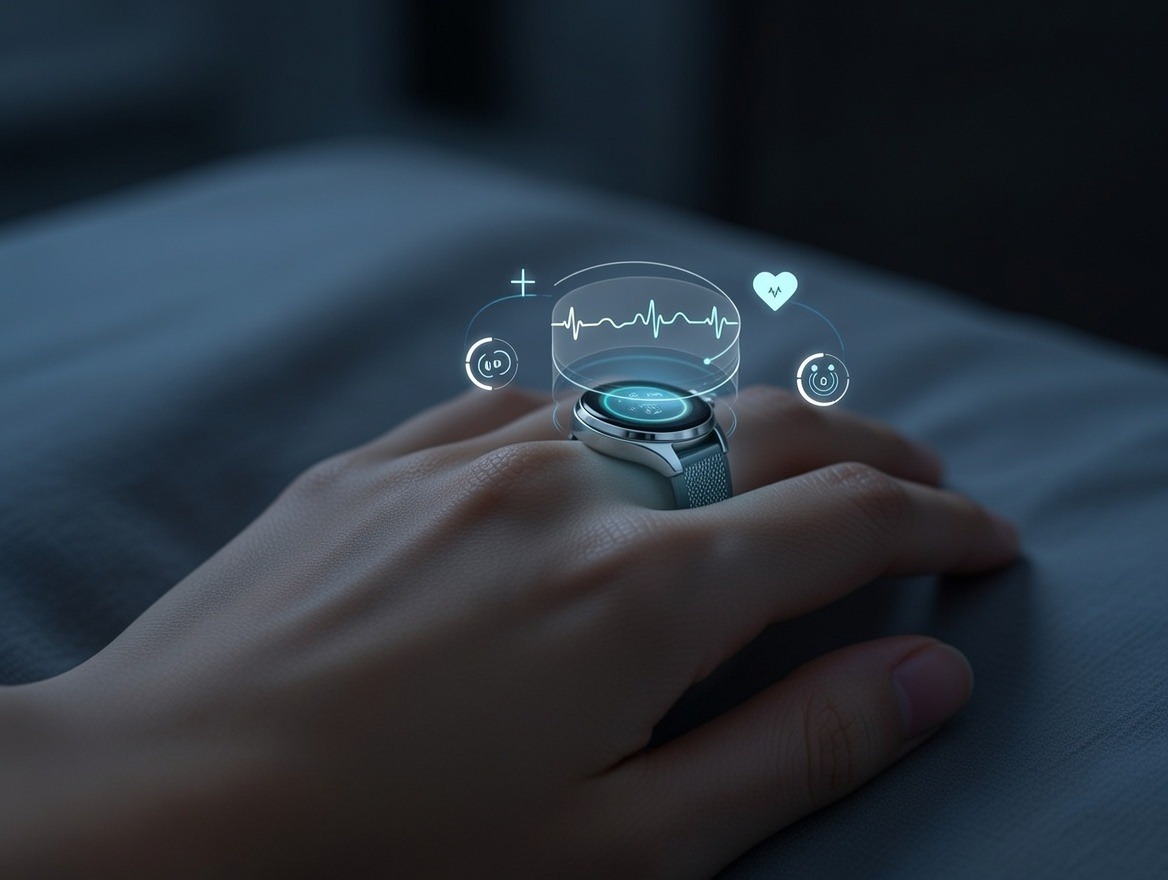
To appreciate the current validation imperative, we must look at the remarkable journey of health tracking itself. The story begins not with silicon and LEDs, but with simple mechanics. The first pedometers, inspired by Leonardo da Vinci’s designs for a device to measure distance, were mechanical clickers that tallied steps based on the hip’s pendulum motion. For decades, this was the ceiling of personal quantification: a step count.
The digital revolution of the late 20th century introduced accelerometers and basic heart rate monitors, primarily in the domain of elite athletes. The real paradigm shift, however, arrived with the smartphone and the subsequent wearable boom of the 2010s. Suddenly, a fusion of miniaturized sensors—optical heart rate, GPS, gyroscopes—and constant connectivity put continuous tracking in the palms and on the wrists of millions. The focus was overwhelmingly on fitness: steps, active minutes, calories burned.
But a quiet expansion was underway. Sensing technology advanced, and algorithms grew more sophisticated. The frontier moved from activity to state—specifically, the body’s passive, autonomic state. Sleep tracking evolved from crude movement detection to multi-parameter analysis using heart rate, heart rate variability, and movement. Stress tracking emerged through HRV and skin temperature metrics. The wearable became less of a coach and more of a biometrical witness.
This shift in capability triggered a shift in responsibility. A miscounted step is inconsequential. An incorrectly classified sleep stage might be a curiosity. But a misreported heart rhythm or an erroneous blood oxygen reading carries weight. As devices began to encroach on domains traditionally guarded by medical equipment, the call for validation grew louder from both the medical community and informed consumers.
The smart ring, a relatively recent entrant like the Oura Ring and others, represents a fascinating evolution in this narrative. By moving to the finger, these devices capitalize on a location rich in vascularity, often allowing for strong, consistent physiological signals for parameters like heart rate and temperature. Their form factor also solves the “wearability” problem for 24/7 tracking, especially during sleep, where watches can be intrusive. This positions them uniquely for longitudinal studies of recovery, sleep quality, and circadian rhythm—areas of intense research interest.
The trajectory is clear: health tracking is undergoing a metamorphosis from fitness and wellness gadgets into potential health-signaling tools. Each step forward in capability demands a parallel step forward in verification. The history of these devices is no longer just a timeline of new features; it is increasingly a timeline of published studies, cleared claims, and a growing dialogue with the medical establishment.
Today’s advanced wearables and smart rings are data factories, quietly compiling a nightly and daily report on your physiology. But what exactly are they measuring, and what do these biomarkers actually signify? Understanding the “what” and the “why” behind the metrics is crucial for interpreting their value, especially in light of clinical validation.
1. Heart Rate (HR): The most fundamental cardiovascular metric. While simple in concept, its patterns are rich with information. Resting Heart Rate (RHR) is a well-established indicator of cardiovascular fitness and overall health—a lower RHR typically suggests more efficient heart function. Continuous HR monitoring allows for the observation of trends, exercise intensity (heart rate zones), and abnormal tachycardic or bradycardic episodes that may warrant investigation.
2. Heart Rate Variability (HRV): This is the nuanced star of the autonomic nervous system (ANS) dashboard. HRV measures the subtle variations in time between each heartbeat. Contrary to intuition, a higher HRV (more variability) is generally associated with better health, resilience, and recovery, as it indicates a robust and adaptable ANS. A stressed, tired, or sick body often shows a lowered HRV as the sympathetic (“fight-or-flight”) system dominates, creating a more rigid, metronomic heart rhythm. It’s a powerful, non-invasive window into your body’s stress and recovery balance.
3. Sleep Staging & Quality: Modern devices go far beyond “asleep” or “awake.” Using a combination of movement (actigraphy), heart rate, and HRV, they algorithmically estimate periods of light sleep, deep sleep (slow-wave sleep), REM sleep, and wakefulness. Each stage plays a critical role in physical restoration, memory consolidation, and cognitive function. Tracking these patterns over time can reveal the impact of lifestyle choices, stress, and environment on sleep architecture—a key pillar of health. For a deeper exploration of how technology interprets your sleep, our blog features ongoing analysis of sleep science.
4. Respiratory Rate: The number of breaths per minute, often measured during sleep. An elevated nocturnal respiratory rate can be an early, subtle sign of physiological stress, illness, or sleep-disordered breathing like apnea. Its passive monitoring is a significant advantage over manual measurement.
5. Skin Temperature: Continuous peripheral temperature sensing, usually from the wrist or finger, tracks circadian rhythms and can detect deviations from your personal baseline. A sustained elevation in nocturnal skin temperature can often signal the onset of illness, inflammation, or, for women, indicate phases of the menstrual cycle.
6. Blood Oxygen Saturation (SpO2): A measure of how much oxygen your red blood cells are carrying. While medical-grade diagnosis requires precise equipment, wearable trends in nocturnal SpO2 can help identify potential periods of breath-holding or desaturation during sleep, which may be relevant for discussions about sleep apnea.
7. Activity & Movement: Beyond step count, this includes metrics like active energy expenditure, sedentary alerts, and detailed workout tracking. It forms the cornerstone of the energy balance equation and cardiovascular health.
The magic—and the challenge—lies not in sensing these individual metrics, but in synthesizing them. A single night of low HRV might mean nothing. But a night of low HRV, elevated resting heart rate, high respiratory rate, and disturbed sleep, all viewed against your personal baseline, creates a compelling multi-parameter picture of your body struggling—perhaps fighting an infection or overwhelmed by stress. This holistic interpretation is where the future of personalized health insights lies, and it is entirely dependent on the accuracy of each underlying data stream. Each of these biomarkers has a rich history of clinical study, which provides the essential framework for validating the devices that now measure them outside the lab.
To judge the accuracy of a consumer health tracker, we must first understand the pinnacle it aspires to: the validated medical device. The pathway for a medical-grade pulse oximeter, ECG monitor, or polysomnography (PSG) sleep lab system to market is paved with regulatory rigor. This process sets the “gold standard” against which all consumer approximations are measured.
In the United States, the Food and Drug Administration (FDA) is the primary regulatory body. For a device to make a medical claim (e.g., “diagnoses atrial fibrillation” or “monitors for hypoxemia”), it typically requires FDA clearance or approval. This is a formal process where the manufacturer must submit extensive evidence, including results from clinical investigations, to demonstrate the device is safe and effective for its intended use. The evidence must show that the device provides clinically accurate information that a healthcare professional can rely on for making decisions.
The validation studies for medical devices are characterized by their controlled design and statistical rigor.
This process results in a clear understanding of the device’s performance and its limitations. A medical-grade device comes with a known margin of error.
Consumer health wearables and smart rings occupy a different regulatory category. Most are marketed under “general wellness” claims, which do not require FDA review. They are intended to promote a healthy lifestyle and are not meant to diagnose, treat, cure, or prevent any disease. This is a crucial legal and functional distinction.
However, the line is blurring. Some wearable companies have pursued FDA clearance for specific, discrete features—like the ECG app on certain smartwatches for AFib detection. This represents a hybrid model: a consumer device with a subset of medically-validated functions. For the majority of features on most wearables (sleep staging, HRV, stress scores), the onus is on the manufacturer to conduct and publish their own validation research, inviting scrutiny from the scientific community. This is where the modern battleground for credibility is fought: not in regulatory submissions alone, but in the public domain of peer-reviewed science. Understanding this gold standard framework allows us to critically evaluate the research on consumer devices, which we will explore next.
Of all the promises made by modern health trackers, sleep analysis is perhaps the most complex and most scrutinized. Translating the faint biological signals of a sleeping body into accurate sleep stages is a monumental algorithmic challenge. Consequently, it has become a primary focus for validation research. The question is straightforward: Can a wearable or smart ring, with its limited sensors, reliably replicate the results of a multi-thousand-dollar, in-lab polysomnogram?
Polysomnography (PSG) is the undisputed gold standard. It involves an overnight stay in a sleep lab, wired with electrodes to measure brain activity (EEG), eye movement (EOG), muscle activity (EMG), heart rhythm (ECG), breathing effort, airflow, and blood oxygen. From this rich data tapestry, a sleep technician scores each 30-second “epoch” of the night as Wake, Light Sleep (N1/N2), Deep Sleep (N3), or REM sleep, following strict rules from the American Academy of Sleep Medicine.
Consumer devices take a radically different approach. They use actigraphy (movement) combined with optical photoplethysmography (PPG) to measure heart rate and its variability. Algorithms are trained on large datasets—sometimes including simultaneous PSG recordings—to find patterns that correlate with the sleep stages defined by PSG. For instance, the transition to deep sleep is often accompanied by a lowered, steady heart rate and very low movement. REM sleep is characterized by faster heart rate, increased HRV, and, paradoxically, muscle atonia (no movement) despite a brain that is highly active.
So, what does the research say? The landscape is mixed but evolving rapidly.
The consensus from the research is that no consumer device is a replacement for a diagnostic PSG. However, for the purpose of longitudinal, at-home monitoring of sleep patterns and trends—a previously impossible feat outside a research setting—validated devices provide powerful, actionable insights. They transform sleep from a subjective feeling into an objective, trackable pillar of health. For users curious about how these insights translate into real-world routines, our FAQ addresses common questions on interpreting sleep data.

If sleep tracking is about interpreting the brain’s quiet symphony, then heart rate (HR) and heart rate variability (HRV) monitoring is about decoding the heart’s nuanced conversation with the nervous system. These metrics have moved from the cardiology clinic to the consumer’s wrist and finger, but their journey requires careful validation, as their interpretation is highly sensitive to measurement accuracy.
Heart Rate Validation:
At rest, optical heart rate sensors (PPG) in modern wearables have been shown to be highly accurate, often within 1-2 beats per minute of an ECG chest strap, which is the gold standard for continuous heart rate monitoring. The challenge arises during high-intensity exercise, where motion artifact can cause significant “noise” in the PPG signal, leading to dropped data or inaccuracies. Studies show that wrist-based optical HR can struggle with rapid changes in heart rate and high-intensity interval training. Interestingly, the finger—the location of smart rings—can offer a more stable vascular bed, potentially reducing motion artifact during certain types of movement and providing exceptionally stable readings during sleep and rest. The key takeaway from research is that for resting heart rate, daily averages, and nocturnal heart rate, quality devices are very reliable. For precise, beat-to-beat tracking during vigorous, dynamic exercise, a chest-strap ECG is still superior.
Heart Rate Variability Validation:
HRV is a tougher nut to crack. It’s not a raw sensor measurement but a calculated metric derived from the time intervals between heartbeats (RR intervals). The gold standard for HRV is derived from a clean ECG signal. Consumer devices must first accurately detect each heartbeat from the PPG pulse wave (a harder task than just counting pulses for heart rate), then precisely timestamp each pulse, and finally apply mathematical calculations (like rMSSD or SDNN) to derive HRV.
Research reveals a nuanced picture:
The clinical validation of HRV is therefore a validation of trend fidelity, not just absolute accuracy. It confirms that these devices are capable of detecting the meaningful physiological signals they claim to detect: the ebb and flow of your body’s stress and recovery state. For athletes, biohackers, and anyone managing stress, this trend data is immensely valuable. It turns an abstract concept of “recovery” into a daily, actionable metric. Understanding your personal trends is a journey, and many users share their experiences navigating this data on our testimonials page.
The quest for a single, holistic “readiness” or “recovery” score represents the apex of consumer health tracking’s ambition. It’s an attempt to synthesize multiple, complex biomarkers into one intuitive number that tells you whether you’re primed for performance or in need of rest. At the core of many of these advanced algorithms lies a deceptively simple metric: body temperature.
The Significance of Body Temperature:
Core body temperature follows a strict circadian rhythm, typically lowest in the early morning and highest in the late afternoon. It is also exquisitely sensitive to disturbances. Infection triggers a fever. The luteal phase of the menstrual cycle causes a sustained biphasic shift. Intense exercise, dehydration, and even significant psychological stress can cause fluctuations. Peripheral skin temperature, which is what wearables and rings measure, is an indirect but valuable proxy for these internal shifts. It’s more volatile to environmental changes (a cold room, heavy blankets) but, when measured consistently from the same location (like the finger, which has a strong pulse and consistent placement), it can reveal powerful trends in circadian alignment and physiological strain.
Validating Temperature for Readiness:
Research into the predictive power of wearable temperature is growing. Studies have shown that:
The validation of readiness indicators is less about pinpoint accuracy of a single number and more about demonstrating that the algorithm’s “advice” is physiologically sound. Does it correctly identify when the body is under strain? This represents a shift from pure measurement to interpretation—a field known as digital phenotyping. It’s where the device acts not just as a sensor, but as an intelligent system, synthesizing data into actionable wisdom. The story of how companies arrive at these sophisticated algorithms is often rooted in a deep-seated mission, something we’ve detailed in our own founding journey and vision.
In a market dominated by wrist-worn devices, the emergence of the smart ring as a serious health tracking platform is more than a novelty—it’s a biomechanical and signal-processing advantage. The choice to move sensors from the wrist to the finger is driven by fundamental principles of physiology and physics, offering unique benefits that are now being borne out in research.
1. Superior Vascular Access: The finger, particularly the base of the finger, is rich with capillaries and has a strong, consistent arterial pulse. This provides an optically “cleaner” signal for photoplethysmography (PPG) compared to the wrist, where bones, tendons, and a more variable vascular network can interfere. This often translates to more reliable heart rate and, crucially, more precise pulse waveform detection for calculating HRV, especially during sleep when the hand is still.
2. Reduced Motion Artifact: While not immune to movement, the finger experiences different types of motion than the wrist. During activities like typing or walking, the wrist and hand move extensively, but the finger’s relationship to the hand is relatively stable. More importantly, during sleep—the critical period for recovery data—the finger is often held still, whereas the wrist can flop and turn, causing signal dropout. This makes the ring form factor exceptionally well-suited for capturing high-fidelity nocturnal data, the cornerstone of trend-based health insights.
3. Consistent Sensor Placement: A watch can shift and slide on the wrist, changing the pressure and alignment of its optical sensors. A properly fitted ring maintains consistent contact and pressure with the skin, ensuring the sensor is always in the optimal position. This consistency reduces day-to-day measurement noise, making longitudinal trends clearer and more meaningful.
4. 24/7 Wearability & Compliance: The ultimate goal of health tracking is continuous, passive monitoring. A ring is socially unobtrusive, comfortable to sleep in, and can be worn in situations where a watch might be removed (during sports like basketball, swimming with water-resistant models, or formal events). This leads to higher user compliance, meaning fewer gaps in the data and a more complete picture of the user’s physiological baseline.
Research is beginning to quantify this advantage. Studies comparing simultaneous finger-based PPG (like that from a ring) to wrist-based PPG and ECG references show that the finger can provide a stronger, less noisy signal at rest. For metrics like HRV, which are extremely sensitive to precise pulse timing, this signal quality is paramount. It suggests that for the primary use case of tracking recovery, stress, and sleep trends, the ring form factor is not just an alternative, but potentially an optimal form factor.
This inherent advantage allows companies focused on the ring format to concentrate on refining algorithms and user insights, building on a foundation of strong raw data. It’s a reminder that in health technology, design is not just about aesthetics; it is a fundamental determinant of function and fidelity. For those interested in the technical specifics of how this design translates into daily insights, our main product page offers a detailed look.
Despite exciting advances, the path to fully validated consumer health technology is strewn with significant, ongoing challenges. Acknowledging these limitations is not a mark against the industry, but a necessary step for building realistic user expectations and guiding future innovation. Both researchers and conscientious manufacturers are grappling with these core issues.
1. The “One-Size-Fits-All” Algorithm Problem: Most validation studies are conducted on limited, often homogeneous populations (e.g., healthy, middle-aged adults). Algorithms trained on this data may perform less accurately on individuals with different physiologies: those with darker skin tones (where melanin can absorb the green LED light used by PPG sensors), the elderly, people with arrhythmias, or those with very high or low body fat percentages. True validation requires diverse, representative participant pools across age, sex, skin tone, and health status—a costly and complex endeavor.
2. The Black Box of Proprietary Algorithms: Companies guard their algorithms as core intellectual property. While they may publish summary results (“our device showed 95% agreement with PSG for sleep-wake detection”), the inner workings—the exact weights given to heart rate, movement, and HRV for sleep staging—are secret. This makes independent replication and scrutiny difficult. The scientific community must often take the company’s published data at face value or conduct their own independent, expensive validation studies.
3. The Difference Between Correlation and Diagnosis: This is the most critical distinction for users to understand. A smart ring might detect a pattern of nocturnal heart rate and movement highly correlated with sleep apnea events. It can flag a “potential disturbance” and encourage you to see a doctor. It does not, and cannot, diagnose sleep apnea. That requires a medical PSG. The device is a screening and awareness tool, not a clinic. Over-reliance on consumer data for self-diagnosis is a real danger.
4. Dynamic Environments vs. Static Labs: Validation studies occur in controlled settings. Real life is messy. Factors like a too-loose ring, very cold hands, tattoos, or even certain medications can affect sensor performance in ways not captured in initial studies. Longitudinal real-world performance is harder to quantify than single-study accuracy.
5. Psychological Impact & Data Anxiety: An unvalidated or poorly understood metric can cause “cyberchondria” or obsessive monitoring. A user might see a natural dip in HRV and interpret it as a health crisis. Validation includes not just technical accuracy, but also providing appropriate context, education, and guidance to users to prevent data from becoming a source of stress—a principle known as “ethical design.”
Confronting these challenges head-on is what separates a responsible health tech company from a gadget peddler. It requires ongoing investment in research, transparency about limitations, and a commitment to user education. The goal is not perfection, but progressive improvement and unwavering honesty about what the technology can and cannot do. This commitment to responsible innovation is a core part of our company’s mission and values.
The validation story does not end with a single published paper. For health tracking technology to earn lasting trust and become integrated into broader healthcare systems, validation must become a continuous, adaptive process. This is where artificial intelligence (AI) and machine learning (ML) are poised to play a transformative dual role: as both the subject of validation and the engine for its evolution.
AI as the Innovator (Subject to Validation):
Next-generation health insights will come from AI models that find subtle, multivariate patterns in sensor data that humans cannot perceive. Imagine an algorithm that doesn’t just report sleep stages, but predicts next-day cognitive performance based on your sleep physiology, or one that identifies a unique combination of HRV, temperature, and activity patterns that signals an elevated risk for a specific type of migraine. These AI-powered “digital biomarkers” will be revolutionary, but each new claim will require a new cycle of rigorous clinical validation to prove its predictive power and clinical utility.
AI as the Validator (Engine for Improvement):
AI can also supercharge the validation process itself. Traditionally, validating a sleep algorithm requires manually scoring hundreds of hours of PSG data—a painstaking task. AI can assist in automating parts of this analysis. More powerfully, with user consent and robust privacy safeguards, anonymized data from millions of devices in the real world can be aggregated to create “real-world evidence” (RWE) studies. AI can analyze this massive dataset to see how device metrics correlate with health outcomes reported by users or linked to electronic health records. This creates a feedback loop: the device generates data, the data trains and validates better algorithms, and the improved algorithms provide better insights to the user.
The Path to Personalized Baselines:
The future of validation is personalization. Instead of just comparing your HRV to a population average, AI will establish your own dynamic, ever-learning baseline. It will know what “normal” looks like for you across seasons, life stages, and training cycles. Validation will then focus on the AI’s ability to correctly identify meaningful deviations from your normal, which is far more clinically relevant than comparing you to a generic average.
This AI-driven future promises a shift from reactive healthcare to truly proactive and personalized wellness. It turns the wearable from a report card into a forecasting tool. However, it also raises critical questions about data privacy, algorithmic bias, and regulatory oversight that must be addressed in parallel. The companies that will lead will be those that combine cutting-edge AI with an unwavering commitment to clinical rigor and ethical data stewardship. For a glimpse into the kind of forward-looking discussions this future inspires, our blog regularly explores the intersection of AI and personalized health.

The ultimate test for any health technology is not just consumer adoption, but integration into the formal systems of care. The journey from a wellness tracker to a tool in a clinician’s toolkit is a steep climb, fraught with skepticism, regulatory hurdles, and fundamental differences in culture. Yet, the potential reward—a future of preventative, data-informed medicine—is driving a concerted effort to build this bridge.
For decades, the clinic has operated on episodic, point-in-time data: a blood pressure reading during an annual physical, an ECG during a complaint of palpitations. Consumer wearables introduce a radical alternative: continuous, longitudinal data collected in a patient’s natural environment. This "life-as-a-lab" data stream can reveal trends and transient events invisible in a 15-minute appointment. A cardiologist can see not just a patient’s resting heart rate, but its nightly trend over three months. A sleep specialist can review months of sleep architecture and oxygen variation instead of relying solely on a one-night lab study and patient recall, which is often flawed.
However, for this data to be clinically useful, it must be actionable, interpretable, and trustworthy. A clinician cannot act on a vague "readiness score" or an unvalidated sleep stage percentage. They need specific, reliable metrics presented in a context they understand. This is why the validation research discussed earlier is non-negotiable. It’s the currency of trust in medicine.
We are seeing several pathways for adoption emerge:
The barriers remain significant: data overload for already-busy clinicians, lack of reimbursement for reviewing wearable data, concerns about liability, and interoperability issues where wearable data cannot easily flow into Electronic Health Records (EHRs). Overcoming these requires not just better technology, but new clinical workflows, billing codes, and education.
The companies that will succeed in this space are those that speak the language of clinicians—providing clear, validated data summaries, not raw data dumps. They will focus on clinical utility: "Does this information help make a better decision?" The story of a brand’s commitment to this path often starts with a vision to serve this greater purpose, a narrative we’ve shared in our story about why we entered this space. This bridge is under construction, and every rigorously validated metric is a stone in its foundation.
As the power of personal health data grows, so does the responsibility of the person wearing the device. Clinical validation gives us tools of unprecedented sensitivity, but a tool is only as wise as the hand that wields it. The era of passive data consumption is over; we are now active participants in a data-informed health journey, which requires a new literacy and a cautious, ethical approach to self-interpretation.
Understanding the "Trend, Not a Truth" Mantra: This is the single most important principle for users to internalize. No single data point from a consumer device is a definitive diagnosis. A high stress score today is not a panic attack; it’s a signal to reflect on your day. A single night of poor deep sleep is not a disorder; it’s a point on a graph. The profound power of this technology lies in patterns over time—the baseline you establish and the meaningful deviations from it. Obsessing over daily fluctuations leads to anxiety and misinterpretation.
The Pitfalls of Self-Diagnosis and "Dr. Google": It is dangerously easy to take a week of elevated resting heart rate data, search symptoms online, and spiral into anxiety about a serious cardiac condition, ignoring more likely explanations like dehydration, intense training, or even a brewing cold. Consumer devices are designed for awareness and lifestyle insight, not for differential diagnosis. Their proper role is to equip you with objective information to have a more informed conversation with a healthcare professional, not to replace that professional.
Context is King: Data without context is noise. Your device doesn’t know you had three cups of coffee, an argument with your partner, or a late-night work deadline. It only sees the physiological fallout: elevated HR, low HRV, and restless sleep. Ethical interpretation requires you to be the contextual layer. Keeping a simple note of lifestyle factors (alcohol, caffeine, stress, workout intensity) allows you to correlate them with your biometric data, transforming mysterious dips and spikes into understandable cause-and-effect stories. This turns data into genuine self-knowledge.
The Ethical Duty of Companies: With this user responsibility comes a reciprocal duty for companies. They must design apps and reports that:
This shared responsibility creates a healthy partnership. The device provides the unbiased physiological signal; the user provides the life context; together, they create a holistic picture of well-being. For users navigating this balance for the first time, our FAQ section is dedicated to answering common questions on responsible data use. The goal is empowerment, not anxiety—using data to tune into your body, not become a slave to a screen.
In a crowded and fast-growing market, claims of accuracy and advanced features are ubiquitous. For the discerning consumer, cutting through the marketing requires examining not just what a company claims, but how they substantiate those claims. The approach to clinical validation has become a key differentiator, separating brands built on hype from those built on evidence. Let’s examine the spectrum of strategies employed by leading players in the wearable and smart ring space.
1. The "Peer-Review and Publish" Approach:
This is the gold standard for scientific credibility. Companies actively partner with universities and research institutions to conduct independent or collaborative studies, which are then submitted to reputable scientific journals. The peer-review process involves scrutiny by anonymous experts in the field, ensuring the methodology and conclusions are sound. Brands that consistently publish in journals like Sleep, The Journal of the American Medical Association (JAMA), or Nature digital medicine journals are investing significant resources to build a fortress of evidence around their technology. This approach is slow and expensive but yields the highest level of trust within both the academic and informed consumer communities.
2. The "White Paper & Internal Study" Strategy:
Many companies conduct their own validation studies and publish the results as white papers or technical reports on their websites. While this lacks the external scrutiny of peer review, it can still provide valuable transparency if the methodology is clearly detailed (sample size, reference device, statistical results). The credibility here hinges on the rigor of the disclosed methods. Some brands use this as a stepping stone to later peer-reviewed publication.
3. The "FDA Clearance for Specific Features" Path:
As mentioned earlier, some companies pursue FDA clearance for discrete functions. This is a powerful signal, as it means the device has met regulatory standards for safety and efficacy for a specific medical purpose (e.g., AFib detection, fertility awareness). It’s important to note that clearance is typically for one feature, not the entire device’s suite of metrics. A watch with an FDA-cleared ECG does not mean its sleep tracking or SpO2 are also medically validated.
4. The "Athlete & Celebrity Endorsement" Focus:
Some brands heavily leverage endorsements from elite athletes or celebrities. While this drives awareness and can speak to performance or desirability, it is not a form of clinical validation. An athlete’s testimonial about recovery is anecdotal evidence, not scientific proof of accuracy. This approach often targets a different consumer segment, one motivated by inspiration and community rather than clinical-grade data.
5. The "Silent" or "Opaque" Approach:
A concerning number of devices, particularly newer entrants or lower-cost options, provide little to no public validation data. Accuracy claims are made in marketing copy without supporting evidence. For the critical consumer, this is a major red flag. In health technology, where data guides decisions, a lack of transparency about accuracy is a significant deficiency.
For a brand like Oura or Whoop, their deep library of published and ongoing research is a core pillar of their identity. It allows them to speak with authority about what their data means. It also creates a barrier to entry for competitors who cannot match that depth of evidence. When evaluating any device, the savvy user should ask: "Where is the proof?" and look for it in the form of published research, detailed white papers, or regulatory clearances. The commitment to this proof is what ultimately defines a brand’s integrity and the utility of its product. For those comparing options, exploring independent reviews and user experiences can provide additional context.
The true potential of health tracking is not unlocked by a single device, no matter how accurate. It is realized when that device becomes a node in a broader, personalized health ecosystem. The future lies not in isolated apps, but in integrated systems that connect biometric data with other digital health tools, professional guidance, and community support, creating a cohesive and actionable health narrative.
The Data Silo Problem: Today, most wearable data lives in a proprietary app—a "silo." Your sleep data is in one app, your nutrition in MyFitnessPal, your workouts in Strava, and your meditation in Calm. Your doctor’s records are in yet another inaccessible system. This fragmentation limits insight. The real magic happens when these data streams can talk to each other. For example, seeing how your daily calorie intake and macronutrients correlate with your HRV recovery score, or how your mindfulness practice directly impacts your sleep depth.
Interoperability and Open APIs: The solution lies in interoperability—the technical ability for different systems to exchange and make use of data. Leading health tech companies are increasingly offering open Application Programming Interfaces (APIs) that allow users to securely send their data to other platforms they choose. This enables:
The Rise of the Digital Health Coach (AI & Human): An ecosystem is useless without interpretation. This is where AI and human expertise combine. An AI can constantly monitor your streams of data, notice that a combination of declining sleep quality, rising RHR, and increased stress score often precedes a migraine for you, and send an early alert. A human health coach can then take that data, discuss your life context, and help you implement lifestyle changes to break the pattern. The device provides the signal; the ecosystem provides the meaning and the action plan.
Community and Shared Experiences: Humans are motivated by community. Ecosystems that include social features—where users can anonymously compare trends, share challenges, or participate in group challenges—add a powerful layer of behavioral psychology to the raw data. Knowing you’re not alone in struggling with sleep or seeing how others successfully improved their HRV can be profoundly motivating.
Building this ecosystem requires a platform mindset, not just a product mindset. It’s about creating value through connections. For users, the choice of a device should increasingly consider: "What can I connect this to? How will this data help me build a richer picture of my health?" The most forward-thinking brands are building not just rings or watches, but the connective tissue for a smarter, more integrated approach to well-being. You can discover how we envision this connected future on our main platform page.
As health trackers collect increasingly intimate data—not just how you move, but how you sleep, how your heart beats at night, your temperature cycles—the questions of data privacy, security, and ownership move from the fine print to the forefront. This biometric data is uniquely sensitive. It cannot be changed like a password, and it can reveal profoundly personal information about your health, habits, and even identity. How companies handle this data is a fundamental measure of their ethics and user trust.
The Data Lifecycle: Collection to Monetization: It’s crucial to understand what happens to your data. Upon collection, it is transmitted, processed, stored, and potentially shared or sold.
Security as a Non-Negotiable: Biometric data is a high-value target for cybercriminals. Security cannot be an afterthought. Users should look for evidence of strong security practices: data encryption both in transit (to the cloud) and at rest (in storage), regular security audits, compliance with standards like HIPAA (even if not legally required, it shows a commitment to medical-grade security), and transparent breach notification policies.
Ownership and Portability: Who owns your data? You should. Ethical companies affirm that you own your personal health data. This ownership should come with the right to access it, download it in a usable format (like CSV), and delete it entirely if you choose to stop using the service—a concept known as the "right to be forgotten." Data portability, the ability to easily take your data to another service, is a key aspect of true ownership and prevents "lock-in."
User Control and Consent: Settings should provide granular control. Can you opt out of data aggregation for research? Can you choose which data is processed locally on your device versus in the cloud? Is consent for data use explicitly asked for and easy to withdraw? A user-centric platform puts these controls in the user’s hands, not buried in legalese.
For the conscious consumer, evaluating a health tech company’s privacy and security stance is as important as evaluating its sensor accuracy. It involves reading privacy policies, looking for independent security certifications, and choosing brands that are vocal and transparent about their commitment to data stewardship. In an industry built on trust, protecting user data is the most important validation of all. We believe this transparency is part of our core commitment, detailed in our company principles and practices.
We have traversed a substantial landscape—from the controlled environments of clinical labs to the algorithms decoding our sleep, from the unique advantages of the smart ring form factor to the ethical imperative of data privacy. This exploration underscores a central thesis: the revolution in personal health technology is maturing from an era of fascination to an era of validation and integration.
The promise is no longer speculative. Rigorous research is steadily building a body of evidence that supports the use of certain consumer devices for tracking trends in key physiological metrics. We have seen that for sleep-wake detection, nocturnal heart rate and HRV trends, and shifts in peripheral temperature, validated devices can provide reliable, meaningful insights that were once the exclusive domain of medical institutions. They offer a continuous, longitudinal perspective on health that is fundamentally new and powerful.
Yet, this power is tempered by crucial limitations. No consumer device is a diagnostic tool. The mantra "trend, not a truth" must guide our interpretation. The data is a compass, not a map; it points to directions for inquiry and lifestyle adjustment, but does not chart the entire medical journey. The most effective users of this technology are those who become partners in their own health—curious, context-aware, and using data to fuel better conversations with healthcare professionals, not to bypass them.
The competitive landscape is separating into tiers defined by their commitment to evidence. The leading brands are those investing in peer-reviewed science, pursuing regulatory clearances where appropriate, and building ecosystems that turn data into actionable wisdom. They understand that trust is built on transparency, validation, and an unwavering commitment to user privacy.
As we stand at this inflection point, the future is one of convergence. The line between consumer wellness and clinical health tools will continue to blur, driven by AI, continuous validation, and a growing demand for proactive, personalized care. The device on your finger or wrist is becoming a portal to a deeper understanding of your body’s unique language.
The journey ahead is about integration—of data streams, of insights, and of this technology into a holistic vision of well-being that respects both the precision of science and the complexity of human life. It is an exciting, responsible, and ultimately human-centric endeavor. To continue exploring the practical application of these insights and the stories of those using them, we invite you to dive deeper into resources and community experiences on our blog.
We have established that modern health wearables and smart rings can accurately track our present and recent past. But what if the true value of this continuous data stream lies not in reporting what has happened, but in predicting what will happen? This is the tantalizing frontier of predictive health—a shift from reactive and even proactive care to prescient care. It represents the ultimate promise of clinically validated, longitudinal biometrics.
The human body is a system of systems, constantly sending out signals before it breaks down. Illness, burnout, and metabolic shifts rarely happen instantaneously. They are often preceded by a cascade of subtle, measurable changes in our autonomic nervous system, circadian rhythms, and inflammatory markers. For centuries, we’ve been deaf to this pre-symptomatic chorus. Now, with sensors worn 24/7, we have the potential to listen.
Longitudinal data—data collected consistently over months and years—is the key that unlocks this predictive potential. A single elevated resting heart rate is noise. But a resting heart rate that trends upward by 5-7 beats per minute over two weeks, deviating from your well-established personal baseline, is a signal. When combined with a concurrent downward trend in heart rate variability and a slight elevation in skin temperature, it forms a multi-parameter signature of physiological stress that may predict a nascent infection, impending overtraining syndrome, or a period of significant mental strain.
This is not science fiction. Peer-reviewed research is already demonstrating proof of concept:
The predictive model is simple in theory but complex in execution: First, establish a deep, multi-month personal baseline for a suite of biomarkers. Then, use machine learning to identify subtle, multivariate deviations from that baseline that are statistically correlated with future adverse (or positive) health events. The validation of such models requires massive, long-term datasets and rigorous event-confirmation—a task now possible through partnerships between tech companies and large-scale academic cohorts.
This evolution turns the wearable from a dashboard into an early-warning system. The goal is no longer just to tell you you had a bad night’s sleep, but to alert you that your body is showing patterns consistent with the precursors of a bad week, allowing you to intervene with rest, hydration, or a consultation with your doctor. It is the culmination of clinical validation: using proven measurements not just to describe, but to foresee.
The concept of a "personal baseline" is the cornerstone of meaningful health tracking. It is the antithesis of comparing yourself to population averages, which are often clinically useless and sometimes demotivating. Your baseline is your body’s unique fingerprint of normalcy—the range within which your biomarkers naturally fluctuate when you are healthy, rested, and in balance. Without it, data is just a collection of numbers. With it, data becomes a story about you.
The process of building a robust baseline is not instantaneous. It requires consistency and patience, typically a minimum of 90 days. This period allows the algorithms—and you—to account for natural cycles (menstrual, seasonal), varying stress loads, different training blocks, and the simple day-to-day noise of life. Here’s how to approach this critical foundational phase:
1. Commit to Consistent Wear: The single most important rule. For devices like smart rings, this means wearing it 24/7, only removing it for charging. Inconsistent wear creates data gaps that skew averages and mask trends. The goal is to capture your body’s complete rhythm, especially during the biologically rich period of sleep.
2. Observe, Don’t Obsess: For the first month, resist the urge to analyze daily numbers. Your job is simply to collect data while living your normal life. Check the app maybe once a week to ensure the device is syncing, but avoid drawing conclusions from daily fluctuations. This helps prevent early "data anxiety."
3. Log Contextual Markers: While you shouldn’t stress over daily scores, do keep a simple journal or use in-app tagging features to note obvious high-impact events:
4. Let Patterns Emerge: After 30-45 days, you can begin to look for patterns. Don’t look at absolute numbers; look at the connection between your lifestyle logs and your biometric charts. Do you see a predictable dip in HRV and spike in resting heart rate after heavy leg day? Does a single glass of wine in the evening reliably fragment your deep sleep? This is where you start learning your body’s unique language.
5. Establish Your "Green Zone": By day 90, you and the device’s algorithm should have a clear picture of your personal ranges. What is your typical resting heart rate range (e.g., 48-55 bpm)? What is your normal HRV range (e.g., 35-65 ms)? What does your temperature curve look like across your cycle? This becomes your "green zone" of homeostasis.
6. Trust the Trends, Not the Dips: Once your baseline is set, the real utility begins. A single bad score is irrelevant. But a trend—for example, HRV trending down and resting heart rate trending up over five consecutive days, despite normal training—is a meaningful signal from your body that something is off. It’s your cue to investigate context (are you stressed?) and perhaps implement a recovery protocol.
Building a baseline is an act of self-discovery. It moves you from asking "Is this number good?" to asking "What is this number telling me about my body today?" This personalized framework is what makes clinically validated data truly transformative. For practical guidance on navigating this initial phase, many users find helpful tips and community advice in our FAQ and support resources.
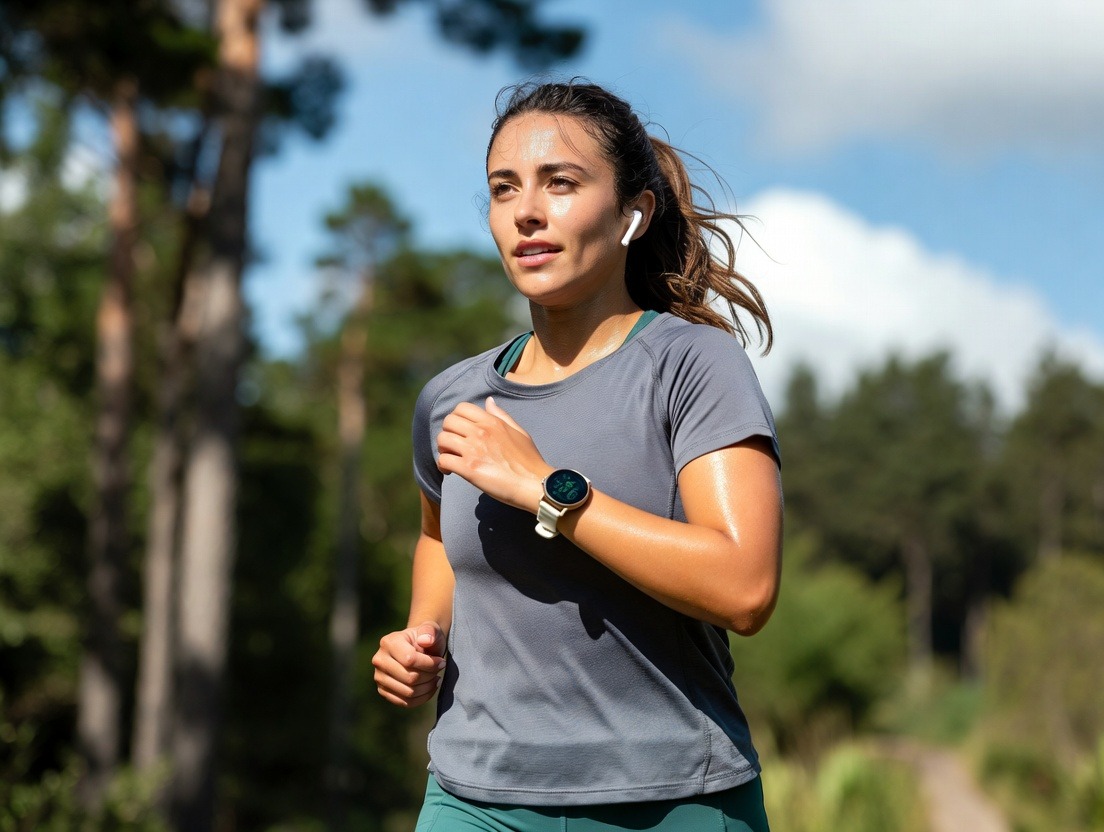
For the serious athlete or dedicated fitness enthusiast, the line between optimal training and counterproductive overreaching is perilously thin. Overtraining Syndrome (OTS) is a condition of prolonged maladaptation, characterized by a persistent performance plateau or decline, profound fatigue, mood disturbances, and increased susceptibility to illness and injury. Diagnosing it has traditionally been subjective and retrospective. Here, the confluence of clinical validation and longitudinal biometrics shines as a powerful preventive tool.
OTS doesn’t strike suddenly. It’s the result of a chronic imbalance where recovery cannot match accumulated training stress. This imbalance telegraphs its arrival through the autonomic nervous system long before performance crashes. Validated wearables, particularly those excelling in nocturnal HRV and resting heart rate (RHR) measurement, can detect these telegraphs.
The Biometric Signature of Overtraining:
Research in sports science has consistently shown that the early stages of non-functional overreaching (the precursor to OTS) present a specific pattern:
A Practical Scenario:
Imagine a marathon runner in a heavy training block. Her baseline RHR is 50, her HRV averages 70ms. Over three weeks of increasing mileage, her data shows:
This objective data provides a critical intervention point. Instead of pushing through on grit alone and risking a full-blown overtraining syndrome that could sideline her for months, she and her coach can see the undeniable trend. The decision becomes data-driven: implement a "deload" recovery week, prioritize sleep nutrition, and perhaps incorporate mindfulness to lower nervous system arousal.
Validation in Action: This use case is supported by a wealth of sports science literature validating HRV-guided training. Studies show that athletes who adjust their training intensity based on daily HRV readings (training harder when HRV is high, easing off when it’s low) achieve greater performance improvements with a lower incidence of illness and overtraining than those following a rigid, pre-set plan.
For the athlete, a validated wearable transforms from a simple workout tracker into an essential part of their coaching team—an unbiased, 24/7 biofeedback monitor that helps optimize the delicate balance between stress and adaptation. It embodies the principle that the best training is not always about doing more, but about doing what your body is prepared to absorb. This athlete-centric focus on optimization and recovery is often rooted in a brand’s foundational philosophy, something we delve into in our story about performance and well-being.
While athletes battle physical overtraining, the modern professional and caregiver faces an epidemic of chronic psychological stress and burnout. The World Health Organization classifies burnout as an occupational phenomenon characterized by feelings of energy depletion, increased mental distance from one’s job, and reduced professional efficacy. Like OTS, burnout is a process, not an event. And similarly, its roots are deeply embedded in the autonomic nervous system (ANS), making it highly visible to validated health tracking technology.
Chronic stress dysregulates the ANS, leading to a state of sympathetic dominance—a constant, low-grade "fight-or-flight" response. This has direct, measurable physiological consequences that persist even during sleep, the body’s primary recovery period. A wearable or smart ring tracking validated metrics becomes a mirror to this internal state, often revealing the severity of stress before our conscious mind admits it.
The Biometric Signature of Chronic Stress and Burnout Risk:
From Data to Intervention:
The power here is in breaking the invisible cycle. An individual might feel "tired but wired," believing they are coping. Their wearable data, however, tells a stark story of a nervous system under siege. Seeing this objective evidence can be the catalyst for change.
The Clinical Connection: Therapists and coaches are beginning to use this data as a biofeedback tool in treating anxiety and burnout. It helps clients connect mind and body, and provides a tangible metric to track progress in therapy beyond subjective mood reports.
This case study demonstrates that clinical validation extends beyond physical health into mental and emotional well-being. By giving us a dashboard for our nervous system, these tools empower us to manage stress not as an abstract concept, but as a physiological process we can observe and influence. It’s a powerful step towards building resilience in a demanding world. For narratives on how individuals have used these insights to reclaim their balance, our testimonials page shares real user journeys.
To ground our understanding in the realities of academic research, let’s step into the world of a scientist who validates these technologies. The following is a synthesized perspective based on interviews with leading researchers in sleep and circadian science.
Q: From your vantage point, what is the single biggest misconception consumers have about wearable sleep tracking?
A: "The biggest misconception is that it is a miniaturized sleep lab. People often expect it to be 100% accurate on a night-by-night basis for sleep staging, and they get frustrated or distrustful when it’s not. The public needs to understand that even in a clinical sleep lab, there is scorer variability. Two technicians might disagree on the scoring of a particular epoch. So, expecting perfection from a device using heart rate and movement on your wrist or finger is unrealistic. The value is not in the absolute truth of a single night’s '22% deep sleep' figure. The value is in the trend over time. If your device consistently shows you get 20-25% deep sleep, and then for two weeks it drops to 10-12%, that is a real and meaningful change, even if the absolute percentages have a margin of error."
Q: How has the quality of data from consumer devices changed the scope of your research?
A: "It’s been revolutionary, but with caveats. Previously, to study sleep in the real world over more than a night or two, we used actigraphy watches, which are really just sophisticated motion detectors. They tell us sleep vs. wake reasonably well but almost nothing about sleep quality. Now, with PPG-based devices, we can collect estimates of sleep stages, heart rate dynamics, and oxygen saturation longitudinally, in people’s homes, for months. This allows us to study how sleep interacts with real-life variables—shift work, parenting, stress—in ways that were previously impossible. The caveat is that we must always validate the specific device and metric we are using for our research question. We can’t assume a ‘sleep score’ from Brand A means the same thing as one from Brand B."
Q: What gives you confidence in a particular device or metric?
A: "First and foremost, a published, peer-reviewed validation study against polysomnography in a reputable journal. The study should be transparent about its limitations—the population tested, the conditions. Second, I look at the collaboration. Is the company working openly with academic institutions, or is it a black box? Third, I consider the physiological plausibility of the sensor placement and the metric. For instance, the finger is a strong location for vascular signals, which gives me more initial confidence in nocturnal heart rate and HRV data from a ring versus a wrist in some scenarios."
Q: Where do you see the most exciting potential for this technology in the next 5 years?
A: "I see two parallel paths. First, in public health research. Deploying these devices in large, population-level cohorts can help us understand the real-world determinants of sleep health and circadian disruption on a scale never before possible. Second, in personalized medicine. The future is not just tracking, but prediction and personalization. Can we develop algorithms that, based on your unique sleep and physiological data, predict your optimal chronotype for medication timing (chronotherapy), or your individualized risk for a sleep disorder? That’s where we’re headed, but it will require even more rigorous validation and a focus on ethical AI."
This researcher’s perspective underscores the balanced view held by the scientific community: cautious optimism rooted in evidence. It reinforces that for consumers, choosing a device backed by this caliber of open scientific partnership is choosing a tool that is part of an evolving, evidence-based conversation about health. To stay abreast of these evolving conversations, our blog often features summaries and discussions of the latest research.
For nearly half the population, a critical layer of physiological context is rhythmically cyclical: the hormonal menstrual cycle. Yet, for decades, health tracking and even clinical medicine have often treated the female body as a steady-state model, ignoring the profound monthly fluctuations in core temperature, metabolism, sleep architecture, and nervous system regulation driven by estrogen and progesterone. Validated wearable technology is now pioneering a more nuanced, cycle-aware approach to health.
The menstrual cycle is divided into two main phases, each with distinct hormonal profiles and physiological effects:
How Validated Tracking Captures This:
Clinical and Personal Utility:
This case study exemplifies the power of personalized baselines. A woman’s "normal" is not a single point but a rhythmic wave. Validated tracking allows her to sync with her biology, not fight against it. It validates her subjective experience with objective data and provides a framework for optimizing health, performance, and well-being throughout her cycle, not in spite of it. Understanding these unique physiological journeys is part of our commitment to inclusive health tracking, a topic we explore further in our company’s approach to product development.
We stand on the precipice of a new era in health management, one that moves beyond tracking and even beyond interpretation, into the realm of prediction. This future is being built on three converging pillars: the continuous, validated data streams from wearables, advanced artificial intelligence (AI), and the emerging science of digital biomarkers.
Digital Biomarkers Defined: These are objective, quantifiable physiological and behavioral data collected and measured by digital devices (like smart rings). They are not simply digital readings of traditional biomarkers (like heart rate), but often complex, algorithmically derived patterns that serve as indicators of normal biological processes, pathogenic processes, or responses to an intervention. Think of them as your body’s digital exhaust, revealing its inner state.
The AI Engine: AI, particularly machine learning, is the tool that finds meaning in this exhaust. It can analyze petabytes of multi-parameter data (HR, HRV, temperature, movement, sleep) across millions of users to discover subtle, multivariate patterns that precede specific health events. For example, an AI might learn that for a certain demographic, the specific combination of a 10% reduction in HRV, a 3% rise in nocturnal respiratory rate, and a flattened temperature curve over four days has an 85% probability of predicting a depressive episode in the following week.
The Predictive Health Workflow of the Near Future:
Implications for Chronic Disease Management: For conditions like Type 2 diabetes, congestive heart failure, or hypertension, predictive algorithms could forecast exacerbation events (hyperglycemic episodes, fluid retention, hypertensive crises) based on physiological precursors, allowing for early medication adjustment or a telehealth check-in, potentially preventing hospitalizations.
The Validation Challenge Intensifies: Predictive AI models will require a new, even more rigorous level of validation. It’s not enough to show the device measures heart rate accurately. Companies must prove their predictive algorithm has high specificity (to avoid causing panic with false alarms) and clinical utility (does acting on the prediction actually improve outcomes?). This will likely require randomized controlled trials (RCTs), the highest standard of clinical evidence.
This future transforms the wearable from a passive recorder to an active health guardian. It promises a shift from a healthcare system that waits for you to break to one that helps you stay intact. It is the ultimate destination of the clinical validation journey: using proven data not just to understand your present health, but to safeguard your future well-being. To see how we’re thinking about this future, you can explore our vision for connected, intelligent health on our main platform.
Data is only as valuable as the action it inspires. After building a baseline and learning to interpret trends, the final and most important step is to develop a personal protocol—a set of rules and responses based on your unique biometric feedback. This moves you from being a passive observer to an active participant in a biofeedback loop. Here is a framework for creating your own data-informed health protocol.
Step 1: Define Your "North Star" Metrics.
You cannot optimize everything at once. Choose 1-2 primary biomarkers that align with your top health goal.
Step 2: Establish Your "Action Thresholds."
Based on your 90-day baseline, set clear, personal rules for when to intervene.
**Step 3: Create a "Toolkit" of Interventions.
Have pre-tested, go-to actions for when you hit your thresholds. Categorize them:
Step 4: Implement, Observe, and Iterate.
This is the biofeedback loop. You see a negative trend (low HRV), you implement tools from your toolkit (daily meditation, reduced training), and you observe the data response over the next 3-5 days. Did the trend reverse? If yes, you’ve found an effective intervention for your body. If not, try another tool. Your protocol becomes a living document, refined by your personal data.
Step 5: Integrate, Don't Isolate.
Your wearable data should inform other health choices. Share relevant trends with your doctor, therapist, or coach. Use your readiness score to decide on workout intensity. Let your temperature curve guide your nutrition and training plan across your menstrual cycle.
The goal is to create a virtuous cycle: Data → Insight → Action → Improved Data. This protocol turns abstract wellness advice into a personalized, responsive system. It empowers you to become the expert on your own body, using clinically-validated technology as your guide. For ongoing support and ideas as you build your protocol, a wealth of community-driven tips and strategies can be found on our blog dedicated to practical wellness applications.
Our exploration has taken us from the fundamental principles of clinical validation to the visionary frontier of predictive health. We have seen how the rigorous science of the lab is converging with the intimate, continuous data of daily life, creating a new paradigm for understanding our bodies. This is not about replacing the profound wisdom of medicine with the cold logic of algorithms; it is about augmenting human intuition with objective, personalized data to create a more complete picture of health.
The journey we’ve outlined underscores several immutable truths:
The result of this revolution is the rise of the empowered, data-literate individual. This is a person who no longer flies blind through their own health journey. They have a dashboard for their nervous system, a readout of their recovery, and an early-warning system for imbalance. They partner with healthcare professionals from a position of knowledge, bringing objective data to subjective conversations.
This empowerment carries responsibility—to seek validated tools, to learn the language of one’s own body, to act on insights with balance, and to fiercely protect one’s biometric privacy. It is a partnership between human and machine, between intuition and information.
As this field accelerates, driven by AI and an ever-deepening pool of research, our potential to live not just longer, but with greater vitality and resilience, expands. The quiet device on your finger or wrist is more than a piece of technology; it is a key to a more informed, proactive, and personalized relationship with the single greatest asset you will ever have: your own health. The story continues to unfold, and we are all both its authors and its beneficiaries.
Your Trusted Sleep Advocate: Sleep Foundation — https://www.sleepfoundation.org
Discover a digital archive of scholarly articles: NIH — https://www.ncbi.nlm.nih.gov/
39 million citations for biomedical literature :PubMed — https://pubmed.ncbi.nlm.nih.gov/
Experts at Harvard Health Publishing covering a variety of health topics — https://www.health.harvard.edu/blog/
Every life deserves world class care :Cleveland Clinic - https://my.clevelandclinic.org/health
Wearable technology and the future of predictive health monitoring :MIT Technology Review — https://www.technologyreview.com/
Dedicated to the well-being of all people and guided by science :World Health Organization — https://www.who.int/news-room/
Psychological science and knowledge to benefit society and improve lives. :APA — https://www.apa.org/monitor/
Cutting-edge insights on human longevity and peak performance:
Lifespan Research — https://www.lifespan.io/
Global authority on exercise physiology, sports performance, and human recovery:
American College of Sports Medicine — https://www.acsm.org/
Neuroscience-driven guidance for better focus, sleep, and mental clarity:
Stanford Human Performance Lab — https://humanperformance.stanford.edu/
Evidence-based psychology and mind–body wellness resources:
Mayo Clinic — https://www.mayoclinic.org/healthy-lifestyle/
Data-backed research on emotional wellbeing, stress biology, and resilience:
American Institute of Stress — https://www.stress.org/


