


The Health Tracking Technology That Detects Disease Early
Explores the potential for wearables to identify early signs of illness through subtle physiological changes.
Explores the potential for wearables to identify early signs of illness through subtle physiological changes.
%402x.svg)
Imagine a future where your first warning of a serious illness isn’t a debilitating symptom or an alarming test result in a doctor’s office, but a gentle, proactive notification from a device you wear every day. A future where conditions like atrial fibrillation, sleep apnea, Lyme disease, or even the earliest signs of a metabolic disorder are caught in their nascent stages, turning what could have been a medical crisis into a manageable, early intervention. This is not science fiction. We are standing at the precipice of a revolutionary shift in healthcare, moving from a reactive model—treating sickness after it manifests—to a predictive and preventative one. The catalyst? The unprecedented fusion of biometric sensor technology, artificial intelligence, and continuous, unobtrusive health monitoring, all condensed into a device as simple as a ring.
For decades, our primary health data came from episodic snapshots: the annual physical, the occasional blood pressure check, the rare ECG. These moments in time, while valuable, often miss the subtle, continuous narrative of our body’s function. Health is a dynamic, 24/7 state, influenced by sleep, stress, activity, and recovery. The new generation of health tracking technology, particularly sophisticated smart rings, is designed to read this continuous story. By collecting vast streams of physiological data—from heart rate variability and skin temperature to blood oxygen saturation and detailed sleep architecture—these devices create a comprehensive, personalized health baseline. Advanced algorithms then analyze this data in real-time, searching for deviations, patterns, and anomalies that signal potential health issues long before you feel unwell.
This article will delve deep into the groundbreaking technology powering this early detection revolution. We will explore the specific sensors and biomarkers that serve as our body’s early warning systems, examine the real-world clinical evidence supporting their use, and navigate the crucial balance between empowering consumer health tools and validated medical-grade insights. From detecting silent arrhythmias during sleep to spotting the inflammatory signature of an oncoming infection, we are on the cusp of making personalized, preventative health intelligence an accessible part of daily life. The journey toward this future begins with understanding the profound potential of the data we can now collect, and how it is transforming us from passengers to pilots of our own long-term health. To see how this technology is being applied today, you can discover how Oxyzen works to provide these insights.

The journey of wearable technology began with a simple step—literally. Pedometers and early fitness trackers introduced us to the concept of quantifying our daily movement, turning abstract goals into concrete step counts. This was the era of activity tracking. The focus was on output: calories burned, distance traveled, floors climbed. While motivating, this data painted a limited, one-dimensional picture of our health. The next evolution brought us wellness monitoring. Devices added heart rate sensors, basic sleep staging, and GPS. The narrative expanded from “what you did” to include “how your body responded,” touching on recovery and stress through metrics like resting heart rate.
Today, we are in the midst of a third, and far more profound, evolution: the shift to predictive health intelligence. This paradigm is not about summarizing the past 24 hours, but about analyzing continuous physiological streams to forecast potential future states. The key differentiator is the move from descriptive analytics (“You slept poorly last night”) to diagnostic (“Your deep sleep was fragmented due to repeated oxygen desaturations”) and ultimately predictive insights (“Your heart rate variability trend and elevated nocturnal skin temperature suggest your body is fighting something; consider rest and hydration”).
This revolution is powered by three concurrent advancements:
This transition transforms the wearable from a passive recorder to an active health guardian. The goal is no longer just to inform, but to alert and recommend. It’s the difference between a dashboard and a check-engine light that illuminate before the engine fails. As this technology continues to evolve, the line between consumer wellness and clinical-grade diagnostics will blur, empowering individuals with knowledge that was once only accessible through institutional medical testing. For a deeper dive into the science behind these metrics, explore our blog for more wellness tips and detailed breakdowns.
To understand how early detection works, we must become familiar with the language our bodies speak—a language of rhythms, temperatures, and electrical impulses. These are biomarkers, objective measures of biological processes. When tracked continuously, they form a symphony of data where dissonance can signal an underlying issue. Let’s decode the most critical biomarkers monitored by advanced health technology.
Heart Rate Variability (HRV): The Master Metric of Resilience
HRV is not your heart rate. While heart rate measures the average beats per minute, HRV measures the precise, millisecond variations in the time intervals between each heartbeat. It is a direct window into your autonomic nervous system (ANS)—the control center for unconscious functions. A high, robust HRV indicates a healthy, adaptable ANS, capable of smoothly shifting between the stress-driven “sympathetic” state and the rest-and-digest “parasympathetic” state. A declining HRV trend is one of the most sensitive early warning signs of overtraining, chronic stress, impending illness, or poor recovery. It’s often the first biomarker to dip before you feel any symptoms.
Nocturnal Skin Temperature: The Body’s Silent Alarm
Core body temperature is a crude metric, often only rising noticeably during a full-blown fever. Nocturnal skin temperature, measured continuously from the finger (an excellent site due to rich blood flow), is far more nuanced. A sustained elevation of just 0.5 to 1 degree Celsius above your personal baseline can indicate:
Blood Oxygen Saturation (SpO2): The Breath of Life, Measured Continuously
SpO2 measures the percentage of hemoglobin in your blood that is carrying oxygen. In-clinic, it’s a spot check. During sleep, continuous SpO2 monitoring is revolutionary for spotting sleep-disordered breathing like apnea. Repeated, cyclical dips in SpO2 (desaturations) are a key diagnostic criterion for sleep apnea, a condition linked to hypertension, heart disease, and stroke. Furthermore, unusual SpO2 trends while awake can sometimes signal respiratory or circulatory issues.
Resting Heart Rate (RHR): The Engine’s Idle Speed
Your heart rate at complete rest is a fundamental indicator of cardiovascular fitness and overall strain. A sudden, unexplained increase in your baseline RHR can be a sign of dehydration, acute stress, lack of recovery, or the beginning of an illness. Like HRV, it’s a simple metric with profound implications when viewed through the lens of your personal history.
Respiratory Rate: The Overlooked Vital Sign
Often neglected in traditional check-ups, the number of breaths you take per minute is a critical vital sign. An elevated respiratory rate, especially during sleep, can be a marker for cardiac stress, respiratory infection, anxiety, or metabolic acidosis. Continuous tracking allows for the detection of subtle but meaningful shifts.
Sleep Architecture: The Foundation of Health
It’s not just about “8 hours.” The structure of your sleep—the cyclical journey through light, deep, and REM stages—is where restoration occurs. Disruptions in this architecture are early warnings:
By weaving these biomarkers together into a cohesive timeline, advanced algorithms can detect patterns invisible to the naked eye. This multi-parameter approach is what transforms raw data into actionable, predictive health intelligence. For real-world examples of how users have interpreted these signals, consider the real customer reviews and experiences shared by our community.
The promise of early disease detection via wearables is compelling, but it must be grounded in rigorous science. The question is no longer if these devices can detect meaningful signals, but how accurately and for which conditions the data correlates with clinical gold standards. A growing body of peer-reviewed research is building a robust bridge between consumer technology and medical diagnostics.
Cardiac Arrhythmias and Atrial Fibrillation (AFib):
This is one of the most validated use cases. Large-scale studies, such as the Apple Heart Study and the Huawei Heart Study, have demonstrated that PPG-based irregular rhythm notifications from smartwatches can successfully identify potential AFib, which is often asymptomatic and a major risk factor for stroke. Participants who received an alert were subsequently given an ECG patch for confirmation, and a significant percentage were found to have verified AFib. Smart rings, with their stable, overnight position on the finger—a superior site for PPG signal quality during sleep—are particularly well-suited for detecting nocturnal arrhythmias that might be missed during daytime spot checks.
Sleep Apnea Detection:
Polysomnography (PSG) in a sleep lab is the diagnostic standard, but it is expensive and inconvenient. Research is consistently showing that wearable-derived metrics—specifically combinations of SpO2 desaturation patterns, heart rate variability, pulse rate rises, and movement arousals—can effectively screen for moderate to severe sleep apnea. A 2023 study in the Journal of Clinical Sleep Medicine found that a wrist-worn device using PPG and accelerometry showed high agreement with PSG for detecting apnea events. Rings, which directly measure blood oxygen at the fingertip (the clinical standard site), are poised to make reliable, at-home sleep apnea screening accessible.
Infectious Disease Prediction:
Perhaps one of the most striking demonstrations of predictive power came during the COVID-19 pandemic. Pioneering studies from institutions like Stanford and Mount Sinai showed that wearable data could predict the onset of COVID-19 symptoms—and even positive test results—before individuals felt sick. The predictive model relied on deviations from baseline in resting heart rate, heart rate variability, and skin temperature. This proved that the body’s autonomic response to infection begins long before cough or fever, and that wearables can serve as a personalized early warning system.
Metabolic and Chronic Disease Trends:
Longitudinal data is opening new frontiers for chronic condition management. Researchers are investigating correlations between:
The clinical validation journey involves two key steps: analytical validation (does the device measure the biomarker accurately against a gold standard?) and clinical validation (does the measurement correlate with a meaningful health outcome?). For conditions like AFib and sleep apnea, the evidence is already strong and growing. For others, the continuous, real-world data collected by wearables is itself becoming a valuable resource for medical research, helping to define new digital biomarkers for diseases we are only beginning to understand predictively. To learn more about the research-driven mission behind this technology, visit our page on the company's mission and information.

In the wearable landscape, smart rings are emerging as a uniquely powerful form factor for health intelligence, particularly for early detection. While smartwatches dominate the wrist, the finger offers distinct physiological and practical benefits that make it an ideal site for continuous, clinical-grade monitoring.
Optimal Vascular Access for Superior Signal Quality:
The finger, specifically the base of the finger where a ring sits, is rich with capillaries and peripheral blood vessels. This provides an exceptionally strong and clear signal for optical sensors like PPG. Unlike the wrist, which has bones, tendons, and less-dense vasculature, the finger offers a more direct path for light-based measurements. This translates to:
Unobtrusive, Always-On Wearability:
The key to establishing a true personal baseline is 24/7 wear. A ring is lightweight, lacks a bulky screen, and doesn’t require nightly charging that interrupts sleep tracking. It can be worn during all activities—sleeping, swimming, typing, exercising—without interference. This seamless integration leads to complete data sets, eliminating the gaps that can occur when users remove a watch for charging or comfort.
The Power of Nocturnal Data:
Sleep is when the body repairs, restores, and reveals. It is also when we are still, providing the perfect conditions for clean, motion-artifact-free data collection. A smart ring is uniquely comfortable to sleep in, turning the night into a profound diagnostic window. Most critical early warning signs—subtle arrhythmias, breathing disturbances, inflammatory temperature rises—are most detectable during this period of autonomic regulation. The ring becomes a dedicated sleep lab on your finger, night after night.
Cross-Validation Through Multi-Sensor Fusion:
Advanced rings don’t rely on a single sensor. They combine data streams in a process called sensor fusion. For example:
This multi-parameter approach, housed in a form factor designed for constant wear, reduces false positives and increases the specificity of alerts. It moves the device from a general tracker to a precise health observatory. The ring’s design philosophy aligns perfectly with the goal of predictive health: silent, continuous, and insightful, working in the background to keep you informed about your body’s deepest rhythms. For a detailed look at the technology specifications and how it all comes together, you can always read our complete guide on device functionality and data interpretation.
The most powerful feature of continuous health monitoring is not a single data point, but the creation of a personalized biometric baseline. This is your body’s unique fingerprint of health—a dynamic range of normal for all your key biomarkers. It is the critical context that turns raw numbers into meaningful insight. Without a baseline, an elevated resting heart rate of 75 bpm might be meaningless; but if your established baseline is 55 bpm, that same 75 bpm is a significant 36% increase and a clear alert that something has changed.
How Your Baseline is Established:
Advanced algorithms don’t jump to conclusions on day one. Over an initial period—typically 7 to 14 days of continuous wear—the system learns your rhythms. It observes:
This learning period accounts for your lifestyle, fitness level, age, and biological sex. The output is not a single number, but a personalized range or zone for each metric.
Why the Baseline is Revolutionary for Early Detection:
Medicine has long relied on population-wide reference ranges. For example, a “normal” SpO2 is considered 95-100%. But what if your personal, healthy baseline is consistently 98.5%? A drop to 96%,
while still within the “normal” population range, is a major deviation for you and could be the earliest sign of a respiratory issue. Continuous monitoring identifies these subclinical deviations—changes that occur beneath the surface of symptoms and outside the bounds of broad laboratory ranges.
Examples of Baseline-Driven Insights:
This personalized framework moves health management from generic advice (“get more sleep”) to precise, actionable feedback (“your recovery metrics are 40% below your baseline, indicating you are not ready for high-intensity training today”). It empowers you to understand your body’s specific language. Establishing and trusting this baseline is the first, most crucial step in harnessing the power of predictive health technology. If you have questions about how long it takes to establish a baseline or how to interpret changes, our support and FAQ page offers detailed guidance.
Sleep is not a passive state; it is an active, complex physiological process essential for nearly every system in the body. Consequently, disruptions in sleep are often the first and most sensitive indicators of underlying health issues. Advanced health tracking technology turns the night into a rich diagnostic session, uncovering risks that daylight hours conceal.
Sleep Apnea and Hypopnea: The Silent Cardiovascular Strain
Obstructive Sleep Apnea (OSA) is notoriously under-diagnosed, affecting millions who may only experience non-specific symptoms like daytime fatigue. Continuous monitoring provides a compelling screening tool by tracking:
Early detection of sleep-disordered breathing is critical, as untreated OSA is a major risk factor for hypertension, atrial fibrillation, heart failure, stroke, and type 2 diabetes.
Autonomic Nervous System (ANS) Balance During Sleep:
High-quality sleep should be dominated by parasympathetic (“rest and digest”) activity, reflected in a lower heart rate and higher, stable HRV. Persistent sympathetic (“fight or flight”) dominance during sleep, shown by an elevated nighttime heart rate and low HRV, is a red flag. It can indicate:
Nocturnal Bradycardia and Tachycardia:
While asleep, it’s normal for heart rate to drop significantly. However, extremely low heart rates (severe bradycardia) or unexplained spikes (tachycardia) during sleep can be signs of cardiac electrical issues. Continuous monitoring can capture these events, which might be absent during a brief daytime ECG.
Circadian Rhythm and Temperature Dysregulation:
Your core body temperature should naturally drop to its lowest point in the early morning hours to facilitate deep sleep. A flattened or erratic nocturnal skin temperature curve can signal:
The Composite Picture:
The true power lies in synthesis. A health intelligence platform doesn’t just report “light sleep increased.” It might correlate that increase with a timeline showing elevated respiratory rate and slight SpO2 instability, pointing toward a mild, undiagnosed upper airway resistance syndrome. Or, it might link poor sleep scores with a week-long trend of declining HRV, suggesting systemic strain rather than a single bad night.
By treating sleep as a vital sign and analyzing its complex architecture, we gain a non-invasive, powerful window into cardiovascular, respiratory, metabolic, and neurological health. It is during these quiet hours that our bodies most clearly reveal the whispers of potential future illness.
Inflammation is the body’s fundamental response to threat—be it an injury, an infection, or a chronic irritant. While acute inflammation is necessary for healing, chronic, low-grade systemic inflammation is a silent driver of nearly every major disease, from diabetes and heart disease to cancer and Alzheimer’s. The challenge has been detecting this silent fire before it causes significant damage. Enter the dynamic duo of continuous biomarkers: Skin Temperature and Heart Rate Variability.
Skin Temperature: The Body’s Thermal Signature of Inflammation
When inflammation flares, the body releases cytokines—chemical messengers that, among other things, can alter the temperature set-point in the hypothalamus, leading to fever. Long before a full-blown fever, local and systemic inflammation can cause subtle, sustained increases in peripheral skin temperature.
Heart Rate Variability: The Autonomic Mirror of Immune Activity
The immune system and the autonomic nervous system are in constant, bidirectional communication—the neuro-immune axis. When the immune system is activated (e.g., by an infection or an inflammatory meal), it signals the brain, which in turn shifts the ANS toward a sympathetic-dominant state to marshal resources for the “fight.” This shift is instantly visible in HRV: it drops.
The Synergy for Early Detection and Management:
By monitoring these two metrics together, you gain a powerful lens on your immune and inflammatory status.
This capability transforms a health tracker from a fitness device into an inflammation detective. It provides objective feedback on how your lifestyle choices either fan or quell the flames of inflammation, empowering you to make daily decisions that support long-term health resilience. For stories of how individuals have used these insights to manage chronic issues, explore the brand journey and user experiences that inspire our development.
This is the most critical and nuanced frontier in predictive health technology. As devices provide increasingly sophisticated data and alerts—like “Possible sign of atrial fibrillation” or “Significant sleep disturbances detected”—a vital question arises: What is the user’s responsibility, and what remains the domain of a licensed medical professional? Understanding this distinction is paramount for safe and effective use.
The Device as a Powerful Screening and Awareness Tool:
Advanced health wearables are best understood as screening and phenotyping tools. They are exceptional at:
Their core value is in raising awareness and enabling earlier conversations with your doctor. A notification of repeated nocturnal heart rhythm irregularities doesn’t diagnose AFib, but it is a powerful piece of evidence to bring to a cardiologist, who can then order confirmatory tests like a Holter monitor or implantable loop recorder.
The Irreplaceable Role of Clinical Diagnosis and Context:
A device algorithm cannot and should not:
The Responsible Pathway: From Alert to Action
A robust and ethical health technology platform will have clear protocols guiding users on what to do with the insights:
The Future: Connected Care and the Clinician’s Dashboard
The most promising evolution is the integration of this data into formal healthcare systems. Imagine a future where, with your consent, your continuous health data stream is securely shared with your doctor’s electronic health record. Your physician could see a 30-day trend of your sleeping HRV, nocturnal SpO2, and temperature alongside your blood pressure logs. This provides context far beyond the snapshot of an office visit, enabling truly proactive, personalized care. Companies are already developing clinician portals where doctors can view aggregated, analyzed patient data from wearables to monitor chronic conditions or post-operative recovery remotely.
By embracing its role as a partner in health—not a replacement for professional care—this technology can bridge the gap between daily life and the clinical setting, creating a more informed, collaborative, and ultimately more effective healthcare journey for everyone.

Theory and data are compelling, but nothing illustrates the transformative power of this technology like real-world scenarios. These are not hypotheticals; they are patterns increasingly reported by users of advanced health monitoring systems. They showcase how subtle, continuous data can intercept the path of a developing illness.
Case Study 1: The Silent Arrhythmia
*David, 48, is a fit, health-conscious executive. He uses his smart ring primarily for sleep and recovery tracking. Over two weeks, he notices his "Readiness Score" is consistently low despite good sleep. Drilling down, he sees a trend: his resting heart rate during sleep has crept up from his baseline of 52 bpm to an average of 61 bpm. More importantly, the app's "Health Timeline" flags several periods of "heightened nighttime heart rate variability" followed by brief dips—a pattern sometimes associated with cardiac arrhythmias. While he feels fine, he exports a 30-day report and mentions it at his annual physical. His doctor, intrigued, orders a two-week Holter monitor. The results confirm episodes of paroxysmal atrial fibrillation (AFib), a condition that significantly increases stroke risk but is often symptomless. David is started on anticoagulant therapy. The ring’s data provided the critical, early clue that led to a preventative intervention, potentially averting a devastating stroke.*
Case Study 2: The Unexplained Fatigue
*Maria, 36, has been struggling with profound daytime fatigue and brain fog for months. Her primary care doctor ran standard blood tests, which came back normal. She was told it was likely stress. Wearing a smart ring, she decides to investigate her sleep quality. The data reveals a shocking pattern: her blood oxygen saturation drops below 90% over 20 times per hour, with each dip accompanied by a heart rate spike and a micro-arousal. Her deep sleep is virtually nonexistent. The data strongly suggests moderate-to-severe Obstructive Sleep Apnea. Armed with this detailed report, she sees a sleep specialist who orders an in-lab study, which confirms the diagnosis. Maria begins CPAP therapy. Within weeks, her fatigue lifts, her energy returns, and her long-term cardiovascular risk profile improves dramatically. The continuous data provided the objective evidence needed to pursue the correct diagnosis.*
Case Study 3: The Immune System's Whisper
*Alex, 29, is training for a marathon. His ring data shows excellent recovery metrics and a steady HRV baseline in the mid-70s (ms). On a Tuesday, his overnight report shows his skin temperature is 0.8°C above his personal baseline and his HRV has plummeted to 42ms. He feels completely normal. The app provides a gentle alert: "Biomarkers indicate your body may be under physiological stress. Consider prioritizing rest and hydration." He listens, swapping his intense Wednesday track workout for light stretching and extra sleep. By Thursday morning, he wakes with a slight sore throat and mild fatigue—the beginnings of a common cold. Because his body's early warning system (detected by the ring) gave him a 36-hour head start, he was able to intervene early. The illness remains mild, and he recovers fully within a few days, avoiding a major setback in his training.*
Case Study 4: The Metabolic Shift
*Priya, 52, is pre-diabetic and working on lifestyle changes. She tracks her food, exercise, and sleep with her wearable. Over six months, she notices a clear, data-driven correlation: on days after she consumes a high-glycemic index meal, her nocturnal heart rate is elevated by 5-7 bpm and her HRV is suppressed for the entire following night. Furthermore, her weekly average HRV shows a slow but steady upward trend as she adopts a lower-carbohydrate diet and consistent aerobic exercise. This real-time feedback loop reinforces her positive choices. When she shares her longitudinal HRV and RHR trends with her endocrinologist, the doctor notes that this improving autonomic tone is an excellent prognostic sign for her metabolic health, likely correlating with improved insulin sensitivity.*
These cases underscore a common theme: the power of contextual, longitudinal data. In each instance, a single data point was meaningless. It was the trend, the deviation from personal normal, and the correlation between multiple biomarkers that created a actionable insight. This transforms healthcare from a mystery to be solved during a crisis into a narrative to be understood and optimized every day.
The promise of continuous health monitoring extends far beyond individual users. When aggregated and anonymized, this data forms a real-world evidence (RWE) goldmine that can revolutionize our understanding of disease, wellness, and public health. This is the macro view of the micro-sensor revolution.
Creating Dynamic Disease Baselines and Outbreak Detection:
Imagine a scenario where, in a specific geographic region, tens of thousands of wearable users show a statistically significant, synchronized uptick in resting heart rate and skin temperature, coupled with a drop in HRV. This population-level biomarker shift could serve as an early warning system for community-wide illness outbreaks, like influenza or novel viruses, potentially weeks before traditional syndromic surveillance (reports of doctor visits) picks up the trend. Researchers could identify hotspots and monitor the spread in near real-time.
Discovering New Digital Phenotypes:
In medicine, a "phenotype" is the observable expression of a disease. By analyzing massive datasets, AI can identify new digital phenotypes—unique patterns of wearable data that correlate with specific conditions.
Accelerating Clinical Trials and Treatment Personalization:
Pharmaceutical and medical device trials are expensive and slow, often relying on infrequent clinic visits for data collection. Wearables can provide continuous, objective endpoint data from participants' real lives.
Addressing Health Disparities with Accessible Data:
Advanced health monitoring has the potential to democratize access to high-quality health insight. While not a replacement for equitable access to care, it can provide individuals in underserved or remote areas with sophisticated health tracking that was previously only available in specialized clinics. The data can facilitate telehealth consultations, making remote patient monitoring more robust and empowering individuals to be more informed participants in their care, regardless of location.
The Critical Imperative: Privacy, Security, and Ethical Data Use
This big data future hinges on one non-negotiable foundation: trust. Users must have absolute confidence that their intimate physiological data is secure, anonymized when used for research, and never sold without explicit, informed consent. Responsible companies must adhere to principles of:
The aggregation of this data, handled ethically, offers an unprecedented opportunity to move from treating sickness to understanding and fostering wellness at a societal level. It turns each of us into a citizen-scientist, contributing to a collective understanding of human health that could benefit generations to come.
The most advanced algorithm is useless if the human using it becomes overwhelmed, obsessed, or dismissive. The successful integration of predictive health technology into daily life requires careful consideration of the psychological interface—the space where data meets mindset.
From Obsession to Empowerment: Navigating Data Anxiety
A common pitfall, especially for those new to deep health data, is orthosomnia—a paradoxical preoccupation with achieving perfect sleep or health metrics, which in itself creates stress and worsens outcomes. Constantly checking your HRV, fretting over a single night of poor sleep, or becoming anxious over a minor biomarker fluctuation can activate the very stress response (lowering HRV, raising RHR) that the device is measuring.
The Catalyst for Sustainable Behavior Change
When used wisely, this data is a unparalleled catalyst for change. It turns abstract health advice into personal, immediate feedback—a concept known as biofeedback on a grand scale.
Building a Partnership with Your Device
The ideal relationship is a collaborative partnership. The device is a trusted advisor, not a judge.
Fostering a Proactive vs. Reactive Mindset
Ultimately, this technology's greatest psychological gift may be the cultivation of a proactive health mindset. Instead of waiting for pain, illness, or a bad lab result to act, you are empowered by a continuous stream of information that encourages small, daily investments in resilience. You learn to listen to the whispers of your body, as translated by data, and respond with nurturing choices. This shifts your identity from a passive patient to an active steward of your own well-being.
For those seeking support in interpreting their data or connecting with others on a similar journey, our community and additional resources on our blog offer shared experiences and practical advice for maintaining a healthy, balanced relationship with health technology.
The magic of predictive health doesn't happen in the cloud; it begins on your finger. The leap from basic step counting to potential disease detection is powered by a quiet revolution in microsensor technology and materials science. These are not just smaller versions of old sensors; they are smarter, more efficient, and often multi-modal, designed to extract clinical-grade signals from the noisy environment of daily life.
Photoplethysmography (PPG): The Heart of the Matter (Literally)
PPG is the foundational optical technology. It works by shining light (typically green, red, and infrared LEDs) into the skin and measuring the amount of light reflected back by blood vessels. With each heartbeat, blood volume in the capillaries changes minutely, altering the light absorption.
Bio-Impedance Sensors: Measuring the Body's Electrical Landscape
This technology sends a tiny, imperceptible alternating current between two electrodes on the ring's interior. By measuring the opposition to this current (impedance), it can derive several key metrics:
The Accelerometer and Gyroscope: The Context Engines
While not direct health sensors, these inertial measurement units are indispensable for contextualizing physiological data.
Thermopile Sensors: The Next Frontier in Precision Temperature
Some next-generation devices are exploring non-contact thermopile sensors. These measure infrared heat radiation from the skin's surface without needing direct electrical contact, potentially allowing for even more precise and stable longitudinal temperature tracking, a critical biomarker for inflammation and infection prediction.
Sensor Fusion: The Whole is Greater Than the Sum of Its Parts
Individually, each sensor provides a data stream. Together, fused by machine learning, they create a diagnosis-grade picture. This is sensor fusion:
The Challenge of Power and Form Factor
The ultimate engineering challenge is packing this sophisticated sensor suite into a device small enough to be worn 24/7, with a battery life measured in days, not hours. This drives innovation in:
This hardware revolution, happening at microscopic scale, is what makes the grand vision of early disease detection not just a concept, but a tangible, wearable reality. It’s the indispensable physical layer upon which all algorithms and insights are built.
If sensors are the senses, then Artificial Intelligence (AI) and Machine Learning (ML) are the brain of a modern health monitoring system. This is where terabytes of raw signal become a coherent, predictive narrative about your health. The process is a multi-layered journey from noise to knowledge.
Step 1: Signal Cleaning and Feature Extraction
The first job of ML is to act as a supreme filter. Raw data from the PPG, accelerometer, and bio-impedance sensors is inundated with "noise": the jostle of walking, the pressure of a hand on a desk, the shift of the ring during sleep. Algorithms are trained to recognize the unique signature of this noise and subtract it, isolating the clean physiological signal. From this clean signal, the system extracts features—quantifiable metrics. From a PPG waveform, features include not just heart rate, but the shape of the pulse wave, the timing between specific peaks, and variability measures.
Step 2: Personal Baseline Modeling
Before any prediction can happen, the system must learn "normal" for you. This is where unsupervised and semi-supervised learning comes into play. Over the initial period, the AI clusters your data, identifying your typical nightly heart rate minimum, your circadian temperature curve, your sleep cycle durations, and your HRV response to different activity levels. It builds a complex, multi-dimensional model of your baseline. Crucially, this model is dynamic; it updates over time as your fitness changes, you age, or your lifestyle shifts.
Step 3: Anomaly Detection and Pattern Recognition
This is the core of early detection. The AI continuously compares incoming data against your personal baseline model, looking for statistically significant deviations. But it's not looking for spikes in single metrics in isolation. It's trained on massive datasets to recognize multi-parameter patterns that correlate with health events.
Step 4: Predictive Modeling and Risk Stratification
The most advanced systems move beyond detecting present anomalies to forecasting future risk. Using longitudinal data from vast user populations (always anonymized), ML models can identify precursor patterns that, over time, correlate with higher probabilities of developing certain conditions. For example, a model might learn that a specific, persistent dysregulation in nocturnal autonomic balance (derived from HRV and heart rate), when combined with certain activity and recovery metrics, places a user in a higher statistical risk category for metabolic syndrome. This isn't a diagnosis; it's a personalized risk insight, empowering proactive lifestyle intervention.
Types of Machine Learning in Play:
The Human-in-the-Loop: Clinical Validation and Continuous Learning
AI is not set in stone. The best systems employ a human-in-the-loop validation process. When an algorithm flags a potential AFib episode, for example, the event can be reviewed by cardiologists to confirm or refute the finding. This feedback is then used to retrain and improve the algorithm. This creates a virtuous cycle: more data and expert validation lead to smarter, more accurate AI.
The AI layer is what transforms a data-logging gadget into an intelligent health partner. It is the sophisticated interpreter that listens to the whispers of your physiology and translates them into clear, actionable insights, turning the promise of predictive health into a daily, operational reality.
For consumers embarking on their predictive health journey, the array of options can be confusing. Understanding the distinct roles, strengths, and limitations of each form factor—smart rings, smartwatches, and prescribed medical devices—is crucial for setting the right expectations and choosing the tool that aligns with your goals.
Smart Rings: The Specialized Health Sentinel
Primary Strengths:
Considerations:
Smartwatches: The Connected Health Hub
Primary Strengths:
Considerations:
Prescribed Medical Devices: The Diagnostic Gold Standard
Primary Strengths:
Considerations:
The Converging Landscape and Choosing Your Tool
The lines are blurring. Smart rings are incorporating more medical-grade validation. Smartwatches are adding more advanced sensors and continuous monitoring features. The key is to match the device to your primary objective:
Increasingly, the most informed users are adopting a hybrid approach. They might wear a smart ring 24/7 for continuous baseline and recovery data, and use a smartwatch for daytime connectivity, workouts, and on-demand ECG. The data from both can sometimes be integrated in third-party health platforms, providing a tremendously comprehensive picture. The future lies in interoperability, where data from these various streams flows seamlessly to you and, with your consent, to your healthcare provider, creating a holistic, continuous health record. To understand how one smart ring platform approaches this integrated philosophy, you can learn more about Oxyzen's holistic approach.
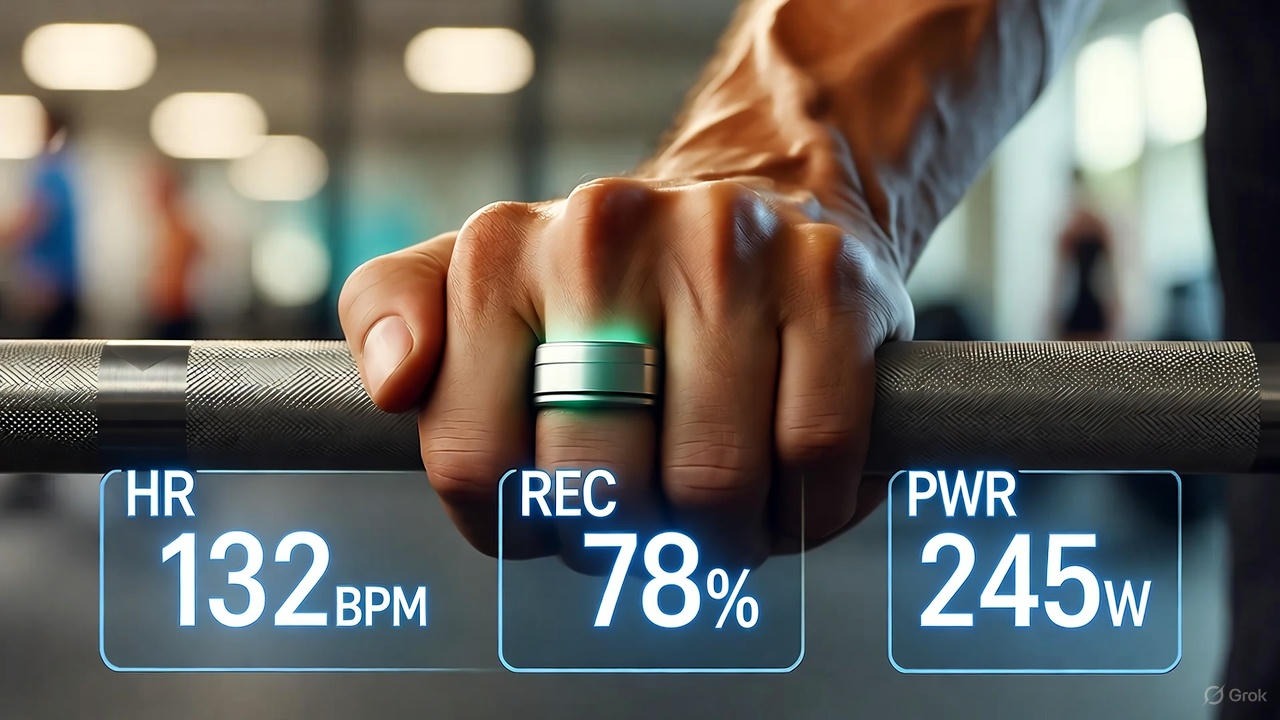
In the wearable landscape, smart rings are emerging as a uniquely powerful form factor for health intelligence, particularly for early detection. While smartwatches dominate the wrist, the finger offers distinct physiological and practical benefits that make it an ideal site for continuous, clinical-grade monitoring.
Optimal Vascular Access for Superior Signal Quality:
The finger, specifically the base of the finger where a ring sits, is rich with capillaries and peripheral blood vessels. This provides an exceptionally strong and clear signal for optical sensors like PPG. Unlike the wrist, which has bones, tendons, and less-dense vasculature, the finger offers a more direct path for light-based measurements. This translates to:
Unobtrusive, Always-On Wearability:
The key to establishing a true personal baseline is 24/7 wear. A ring is lightweight, lacks a bulky screen, and doesn’t require nightly charging that interrupts sleep tracking. It can be worn during all activities—sleeping, swimming, typing, exercising—without interference. This seamless integration leads to complete data sets, eliminating the gaps that can occur when users remove a watch for charging or comfort.
The Power of Nocturnal Data:
Sleep is when the body repairs, restores, and reveals. It is also when we are still, providing the perfect conditions for clean, motion-artifact-free data collection. A smart ring is uniquely comfortable to sleep in, turning the night into a profound diagnostic window. Most critical early warning signs—subtle arrhythmias, breathing disturbances, inflammatory temperature rises—are most detectable during this period of autonomic regulation. The ring becomes a dedicated sleep lab on your finger, night after night.
Cross-Validation Through Multi-Sensor Fusion:
Advanced rings don’t rely on a single sensor. They combine data streams in a process called sensor fusion. For example:
This multi-parameter approach, housed in a form factor designed for constant wear, reduces false positives and increases the specificity of alerts. It moves the device from a general tracker to a precise health observatory. The ring’s design philosophy aligns perfectly with the goal of predictive health: silent, continuous, and insightful, working in the background to keep you informed about your body’s deepest rhythms. For a detailed look at the technology specifications and how it all comes together, you can always read our complete guide on device functionality and data interpretation.
The most powerful feature of continuous health monitoring is not a single data point, but the creation of a personalized biometric baseline. This is your body’s unique fingerprint of health—a dynamic range of normal for all your key biomarkers. It is the critical context that turns raw numbers into meaningful insight. Without a baseline, an elevated resting heart rate of 75 bpm might be meaningless; but if your established baseline is 55 bpm, that same 75 bpm is a significant 36% increase and a clear alert that something has changed.
How Your Baseline is Established:
Advanced algorithms don’t jump to conclusions on day one. Over an initial period—typically 7 to 14 days of continuous wear—the system learns your rhythms. It observes:
This learning period accounts for your lifestyle, fitness level, age, and biological sex. The output is not a single number, but a personalized range or zone for each metric.
Why the Baseline is Revolutionary for Early Detection:
Medicine has long relied on population-wide reference ranges. For example, a “normal” SpO2 is considered 95-100%. But what if your personal, healthy baseline is consistently 98.5%? A drop to 96%,
while still within the “normal” population range, is a major deviation for you and could be the earliest sign of a respiratory issue. Continuous monitoring identifies these subclinical deviations—changes that occur beneath the surface of symptoms and outside the bounds of broad laboratory ranges.
Examples of Baseline-Driven Insights:
This personalized framework moves health management from generic advice (“get more sleep”) to precise, actionable feedback (“your recovery metrics are 40% below your baseline, indicating you are not ready for high-intensity training today”). It empowers you to understand your body’s specific language. Establishing and trusting this baseline is the first, most crucial step in harnessing the power of predictive health technology. If you have questions about how long it takes to establish a baseline or how to interpret changes, our support and FAQ page offers detailed guidance.
Sleep is not a passive state; it is an active, complex physiological process essential for nearly every system in the body. Consequently, disruptions in sleep are often the first and most sensitive indicators of underlying health issues. Advanced health tracking technology turns the night into a rich diagnostic session, uncovering risks that daylight hours conceal.
Sleep Apnea and Hypopnea: The Silent Cardiovascular Strain
Obstructive Sleep Apnea (OSA) is notoriously under-diagnosed, affecting millions who may only experience non-specific symptoms like daytime fatigue. Continuous monitoring provides a compelling screening tool by tracking:
Early detection of sleep-disordered breathing is critical, as untreated OSA is a major risk factor for hypertension, atrial fibrillation, heart failure, stroke, and type 2 diabetes.
Autonomic Nervous System (ANS) Balance During Sleep:
High-quality sleep should be dominated by parasympathetic (“rest and digest”) activity, reflected in a lower heart rate and higher, stable HRV. Persistent sympathetic (“fight or flight”) dominance during sleep, shown by an elevated nighttime heart rate and low HRV, is a red flag. It can indicate:
Nocturnal Bradycardia and Tachycardia:
While asleep, it’s normal for heart rate to drop significantly. However, extremely low heart rates (severe bradycardia) or unexplained spikes (tachycardia) during sleep can be signs of cardiac electrical issues. Continuous monitoring can capture these events, which might be absent during a brief daytime ECG.
Circadian Rhythm and Temperature Dysregulation:
Your core body temperature should naturally drop to its lowest point in the early morning hours to facilitate deep sleep. A flattened or erratic nocturnal skin temperature curve can signal:
The Composite Picture:
The true power lies in synthesis. A health intelligence platform doesn’t just report “light sleep increased.” It might correlate that increase with a timeline showing elevated respiratory rate and slight SpO2 instability, pointing toward a mild, undiagnosed upper airway resistance syndrome. Or, it might link poor sleep scores with a week-long trend of declining HRV, suggesting systemic strain rather than a single bad night.
By treating sleep as a vital sign and analyzing its complex architecture, we gain a non-invasive, powerful window into cardiovascular, respiratory, metabolic, and neurological health. It is during these quiet hours that our bodies most clearly reveal the whispers of potential future illness.
Inflammation is the body’s fundamental response to threat—be it an injury, an infection, or a chronic irritant. While acute inflammation is necessary for healing, chronic, low-grade systemic inflammation is a silent driver of nearly every major disease, from diabetes and heart disease to cancer and Alzheimer’s. The challenge has been detecting this silent fire before it causes significant damage. Enter the dynamic duo of continuous biomarkers: Skin Temperature and Heart Rate Variability.
Skin Temperature: The Body’s Thermal Signature of Inflammation
When inflammation flares, the body releases cytokines—chemical messengers that, among other things, can alter the temperature set-point in the hypothalamus, leading to fever. Long before a full-blown fever, local and systemic inflammation can cause subtle, sustained increases in peripheral skin temperature.
Heart Rate Variability: The Autonomic Mirror of Immune Activity
The immune system and the autonomic nervous system are in constant, bidirectional communication—the neuro-immune axis. When the immune system is activated (e.g., by an infection or an inflammatory meal), it signals the brain, which in turn shifts the ANS toward a sympathetic-dominant state to marshal resources for the “fight.” This shift is instantly visible in HRV: it drops.
The Synergy for Early Detection and Management:
By monitoring these two metrics together, you gain a powerful lens on your immune and inflammatory status.
This capability transforms a health tracker from a fitness device into an inflammation detective. It provides objective feedback on how your lifestyle choices either fan or quell the flames of inflammation, empowering you to make daily decisions that support long-term health resilience. For stories of how individuals have used these insights to manage chronic issues, explore the brand journey and user experiences that inspire our development.
Your Trusted Sleep Advocate: Sleep Foundation — https://www.sleepfoundation.org
Discover a digital archive of scholarly articles: NIH — https://www.ncbi.nlm.nih.gov/
39 million citations for biomedical literature :PubMed — https://pubmed.ncbi.nlm.nih.gov/
Experts at Harvard Health Publishing covering a variety of health topics — https://www.health.harvard.edu/blog/
Every life deserves world class care :Cleveland Clinic - https://my.clevelandclinic.org/health
Wearable technology and the future of predictive health monitoring :MIT Technology Review — https://www.technologyreview.com/
Dedicated to the well-being of all people and guided by science :World Health Organization — https://www.who.int/news-room/
Psychological science and knowledge to benefit society and improve lives. :APA — https://www.apa.org/monitor/
Cutting-edge insights on human longevity and peak performance:
Lifespan Research — https://www.lifespan.io/
Global authority on exercise physiology, sports performance, and human recovery:
American College of Sports Medicine — https://www.acsm.org/
Neuroscience-driven guidance for better focus, sleep, and mental clarity:
Stanford Human Performance Lab — https://humanperformance.stanford.edu/
Evidence-based psychology and mind–body wellness resources:
Mayo Clinic — https://www.mayoclinic.org/healthy-lifestyle/
Data-backed research on emotional wellbeing, stress biology, and resilience:
American Institute of Stress — https://www.stress.org/


