


Health Tracking Technology Mastery: Understanding What Powers Your Ring
A comprehensive resource to understand all the technological components that power a smart ring.
A comprehensive resource to understand all the technological components that power a smart ring.
%402x.svg)
In the quiet hum of modern life, a revolution is happening not on our screens, but on our fingers. The smart ring, a minimalist band of metal or ceramic, has emerged as the most personal of all wearable computers. It promises a future where understanding our health is as effortless as glancing at our hand. But beneath its sleek exterior lies a universe of complex technology, a silent symphony of sensors, algorithms, and data science working tirelessly to decode the language of your body.
This is more than just counting steps or tracking sleep. This is about translating the subtle whispers of your physiology into actionable wisdom. It’s about understanding your readiness for the day before your first cup of coffee, grasping the quality of your rest on a molecular level, and receiving a nudge when your nervous system is pleading for a break. To truly master your wellness, you must first understand the remarkable technology that makes it all possible. This isn't just about wearing a device; it's about forming a partnership with a profound piece of engineering designed to illuminate the path to a healthier, more balanced you. Let’s pull back the curtain and explore the precise, powerful technology that powers your ring.
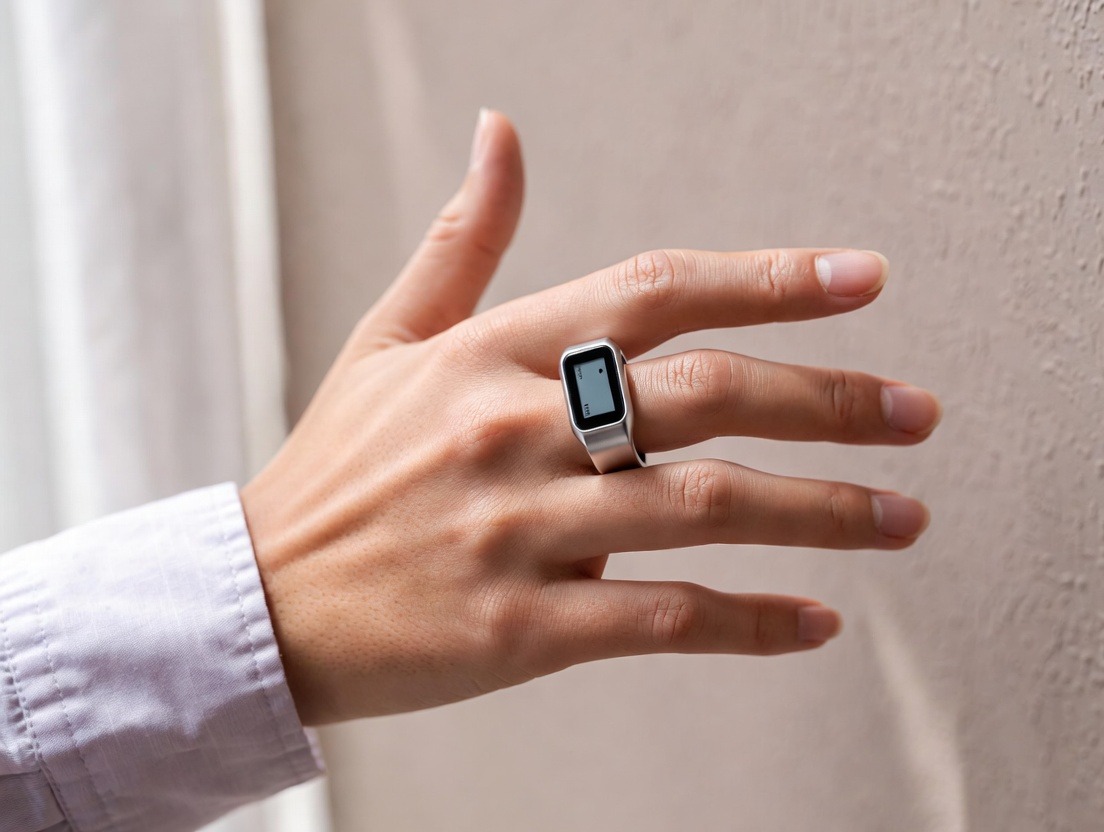
The most immediate challenge for any smart ring is one of physics: how to pack the sensing power of a clinical lab into a form factor designed for comfort and style. This is the triumph of miniaturization. The journey begins with the evolution of semiconductor technology, where components have shrunk from the size of a room to smaller than a grain of sand. This allows ring manufacturers to integrate a sophisticated System-on-a-Chip (SoC), the ring’s “brain,” which coordinates all sensing, processing, and wireless communication, all while sipping power to ensure days of battery life from a cell smaller than a watch battery.
Surrounding this brain is the sensor array—the ring’s sensory organs. The cornerstone is the optical photoplethysmography (PPG) sensor. This consists of incredibly small light-emitting diodes (LEDs) that shine green, red, and often infrared light into the capillary-rich tissue on the palm-side of your finger. A photosensor opposite measures how much light is absorbed or reflected back. Because blood absorbs light differently than surrounding tissue, these minute fluctuations in light create a waveform—your photoplethysmogram—that is a direct window into your cardiovascular system. It’s a stethoscope and pulse oximeter, invisibly built into your jewelry.
But the ring doesn’t stop at blood flow. A 3-axis accelerometer and gyroscope, so tiny they are measured in millimeters, track the most subtle movements and rotations. This inertial measurement unit (IMU) distinguishes between the macro-movements of walking and the micro-movements of sleep phases. Furthermore, a skin temperature sensor, often a minuscule negative temperature coefficient (NTC) thermistor, maintains constant contact to detect the most delicate shifts in your baseline—a key biomarker for illness, stress, ovulation, and sleep quality. Some advanced rings even incorporate bioimpedance sensors, using tiny electrodes to measure the body's resistance to a harmless electrical signal, which can infer metrics like respiration rate and stress through galvanic skin response.
The final piece of the miniaturization puzzle is the battery and antenna. Flexible, printed batteries conform to the ring’s curvature, while micro-antenna designs enable robust Bluetooth connectivity without compromising the structural integrity or aesthetic of the band. This seamless integration of disparate technologies into a unified, wearable whole is not just engineering; it’s an art form. It’s what allows you to forget you’re wearing a powerful health monitor, enabling the uninterrupted, restful living through the seasons that is foundational to sustainable wellness, as the technology adapts silently alongside you.
At first glance, the flickering light of a PPG sensor seems simple—it tracks your pulse. But the data contained within that light signal is astonishingly rich, a biological Rosetta Stone waiting to be decoded. The primary waveform corresponds to your heartbeat, allowing for continuous heart rate monitoring. But the real magic lies in the spaces between the beats.
This is the domain of Heart Rate Variability (HRV), one of the most critical and insightful metrics your ring provides. HRV is not your heart rate; it is the variation in time between consecutive heartbeats, measured in milliseconds. A healthy, resilient nervous system has a high, variable HRV—it can rapidly adapt to stress and then recover. A low, consistent HRV often indicates a stressed, fatigued, or unbalanced system stuck in "fight-or-flight" mode. Your ring’s PPG sensor, with its high sampling rate, captures these millisecond intervals. Advanced algorithms then filter out motion noise (a significant challenge on the finger) and analyze the data, often using a method called RMSSD or frequency domain analysis, to present you with a clear HRV score. This single number is a profound window into your autonomic nervous system balance, recovery status, and overall stress resilience. For those seeking to optimize performance, understanding HRV is non-negotiable, a direct line to knowing when to push and when to prioritize restful living for high achievers to sustain long-term success.
Furthermore, by analyzing the specific light absorption of oxygenated (red) and deoxygenated (blue-ish) hemoglobin using red and infrared LEDs, the PPG sensor performs continuous peripheral capillary oxygen saturation (SpO2) monitoring. This is not just for detecting sleep apnea (though it is powerful for that); it’s a view into your respiratory efficiency and how well your body is oxygenating itself during sleep, at altitude, or during illness. The latest algorithms can even extract respiration rate from the subtle amplitude modulations of the PPG signal, all without needing a separate sensor.
Finally, by examining the morphology—the shape and amplitude—of the PPG waveform itself, researchers are unlocking possibilities for estimating blood pressure trends, arterial stiffness, and other cardiovascular insights. Your ring’s tiny light is, in effect, conducting a non-stop, gentle cardiovascular exam, transforming a simple optical signal into a deep narrative of your internal state.
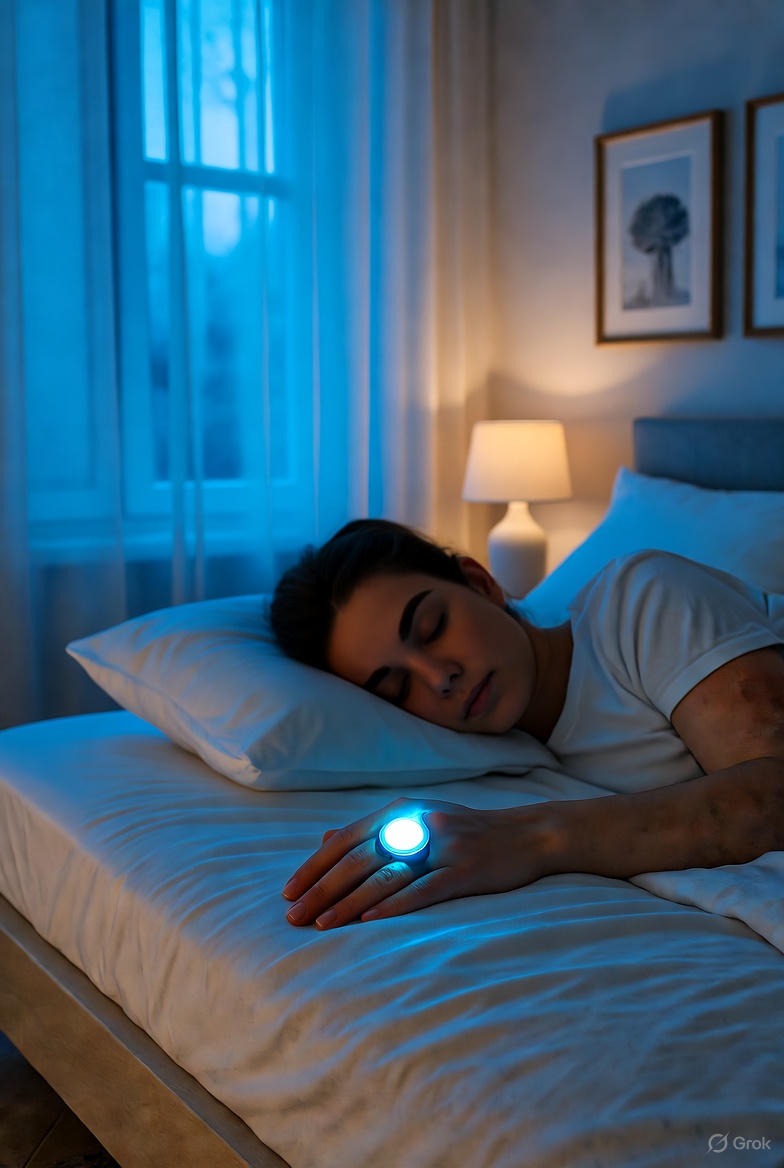
Gone are the days of crude sleep tracking that only knew if you were "asleep" or "awake." The modern smart ring, worn on the finger—one of the body’s most permeable sites for physiological signals—acts as a personal polysomnography device. It synthesizes data from all its sensors to paint a detailed picture of your sleep architecture, the cyclical pattern of sleep stages that is crucial for physical and cognitive restoration.
The process begins with the accelerometer and gyroscope detecting the onset of sleep through prolonged inactivity and a specific resting posture. Once sleep is identified, the multi-sensor fusion begins. The PPG sensor’s heart rate and HRV data are crucial. As you descend into deep sleep (N3), your heart rate reaches its lowest, most regular point, and HRV often increases. During REM (Rapid Eye Movement) sleep, your heart rate becomes variable and can spike, resembling wakefulness, while your body is paralyzed (a state known as atonia). The ring’s IMU confirms this absence of major movement. The temperature sensor provides another critical layer: your core body temperature naturally dips during the night, reaching its nadir in the early morning hours. The ring’s skin temperature proxy tracks this reliable circadian rhythm, and deviations can signal poor sleep quality, the onset of illness, or hormonal changes.
Advanced algorithms, often powered by machine learning models trained on thousands of hours of clinical sleep data, weigh these concurrent signals—heart rate patterns, movement, and temperature—to assign each minute of the night to Wake, Light Sleep (N1/N2), Deep Sleep (N3), or REM sleep. The result is a hypnogram: a visual map of your night. You can see how you cycled through stages, how much restorative deep and REM sleep you achieved, and how often you experienced disruptions.
This insight is transformative. It moves you from knowing you "slept poorly" to understanding why. Was it a lack of deep sleep, preventing physical recovery? Was it fragmented REM, impacting memory consolidation and mood? This data empowers you to experiment with lifestyle changes, to see how an earlier dinner, a cooler room, or a digital detox enhances restful living and directly improves your sleep graph. By turning the mystery of sleep into a measurable science, the ring gives you the tools to truly master this foundational pillar of health.
For centuries, fever has been a primary sign of illness, but this sporadic, acute measurement barely scratches the surface of what temperature can tell us. Your smart ring’s continuous skin temperature monitoring unlocks a dynamic, ongoing story of your metabolic and circadian health. Unlike a single-point thermometer, the ring establishes a personalized baseline over weeks of wear. It’s the deviations from this baseline—sometimes as subtle as 0.5 degrees Celsius—that hold profound meaning.
The most well-understood pattern is the circadian temperature rhythm. In harmony with your internal clock, your body temperature naturally falls in the evening to initiate sleep, reaches its lowest point in the early morning (around 4-5 AM), and then rises to help you awaken and maintain alertness throughout the day. A robust, clear rhythm is a hallmark of a healthy, well-regulated circadian system. A flattened or erratic rhythm can signal circadian misalignment from shift work, late-night screen exposure, or irregular sleep schedules.
For women, temperature tracking provides clear insights into the menstrual cycle. Following ovulation, the hormone progesterone causes a sustained rise in basal body temperature (BBT) that lasts until the next period. A ring can detect this shift with passive precision, identifying the fertile window and confirming ovulation—a significant advantage over manual, wake-up BBT tracking.
Perhaps most powerful is temperature’s role as an early warning system. A sustained elevation above your personal baseline is one of the earliest and most reliable indicators of oncoming illness, infection, or systemic inflammation, often appearing before you feel any symptoms. Conversely, a lower-than-average nighttime temperature can correlate with poor sleep quality or a sluggish metabolism. In the context of stress, a sharp dip followed by a rise can be part of the body’s stress response. By making you aware of these subtle shifts, the ring encourages proactive care, whether that means prioritizing rest, adjusting your environment, or exploring how the restful living diet can help calm an inflamed system.
While the PPG and temperature sensors listen to your body’s internal whispers, the inertial measurement unit (IMU)—the accelerometer and gyroscope—observes its external language of movement. But this isn’t just about counting steps. On the finger, these sensors perform a delicate ballet of interpretation, separating meaningful activity from the countless minor motions of daily life.
The accelerometer, which measures proper acceleration (the rate of change of velocity), is the workhorse for activity tracking. It detects the specific, rhythmic oscillation pattern of walking or running, translating it into step counts and estimating calorie expenditure. But its sophistication lies in pattern recognition. The signature of typing on a keyboard is distinct from washing dishes, which is distinct from weightlifting. Advanced algorithms classify these activities, helping to paint a more accurate picture of your non-exercise activity thermogenesis (NEAT), a major component of daily energy expenditure.
During sleep, the accelerometer’s role shifts from macro to micro. It detects gross body movements, which are predominant during wake periods and light sleep stages, and their near-absence during deep and REM sleep. This movement data is cross-referenced with heart rate data to refine sleep stage scoring. The gyroscope, which measures orientation and rotational velocity, adds a crucial layer of context. It helps determine the body’s position (e.g., supine vs. on your side) and can detect the subtle, rapid twitches characteristic of REM sleep, further cementing sleep stage identification.
Beyond activity and sleep, the IMU is key to detecting specific, high-impact events. A hard fall generates a unique, high-force acceleration signature that some rings can detect to trigger fall alerts. It can also recognize periods of prolonged stillness, prompting gentle reminders to move if you’ve been sedentary too long. This constant, contextual awareness of your physical state allows the ring to bridge the gap between your intentional exercise and your all-day movement patterns, encouraging a holistic approach to physical wellness that complements internal biomarkers. It’s a tool not just for athletes, but for anyone seeking to build more mindful movement into their day, creating the kinetic foundation for a more restful living at work by balancing sedentary time with restorative activity.
The raw data from the sensors is a torrent of numbers—light values, acceleration vectors, temperature points. Transforming this into the clean, insightful metrics on your app is the task of the ring’s onboard intelligence. This is where the true "smart" in smart ring comes to life, through a combination of embedded algorithms and, increasingly, on-device artificial intelligence (AI).
Early wearables relied heavily on "cloud processing," sending all raw data to remote servers for analysis. This created latency, drained battery, and raised privacy concerns. The modern trend is towards edge computing: performing as much processing as possible directly on the ring’s microchip. This requires incredibly efficient algorithms designed to run on ultra-low-power processors. These algorithms perform the initial heavy lifting: filtering out noise (like motion artifact from the PPG signal), extracting basic features (like heartbeat peaks), and performing preliminary calculations.
The frontier, however, is on-device machine learning (ML). TinyML is a field dedicated to running sophisticated ML models on resource-constrained hardware. A ring might have a model trained to recognize specific sleep stages directly on the chip, analyzing the fused sensor data in real-time without ever leaving the device. This enables faster results, greater privacy (as your raw physiological data never transmits), and functionality even when the ring isn’t connected to your phone.
This local intelligence is also what powers personalization. Over time, the ring’s algorithms learn your normal. What is a typical resting heart rate for you? What does your unique sleep architecture look like? What is your baseline temperature? By establishing these personalized ranges, the ring moves from providing generic population data to offering truly individualized insights. It can alert you when your HRV is significantly lower than your normal, indicating poorer recovery, or when your nighttime heart rate is higher than your typical range, suggesting potential illness or overtraining.
This shift from a passive sensor to an active, intelligent analyst is pivotal. It means the technology is adapting to you, not the other way around. It creates a feedback loop where the device gets smarter the longer you wear it, providing ever-more relevant and accurate guidance for your unique physiology and lifestyle. This intelligent processing is the unseen engine that turns data into wisdom, helping you build a weekly restful living plan that is dynamically informed by your own body’s signals.
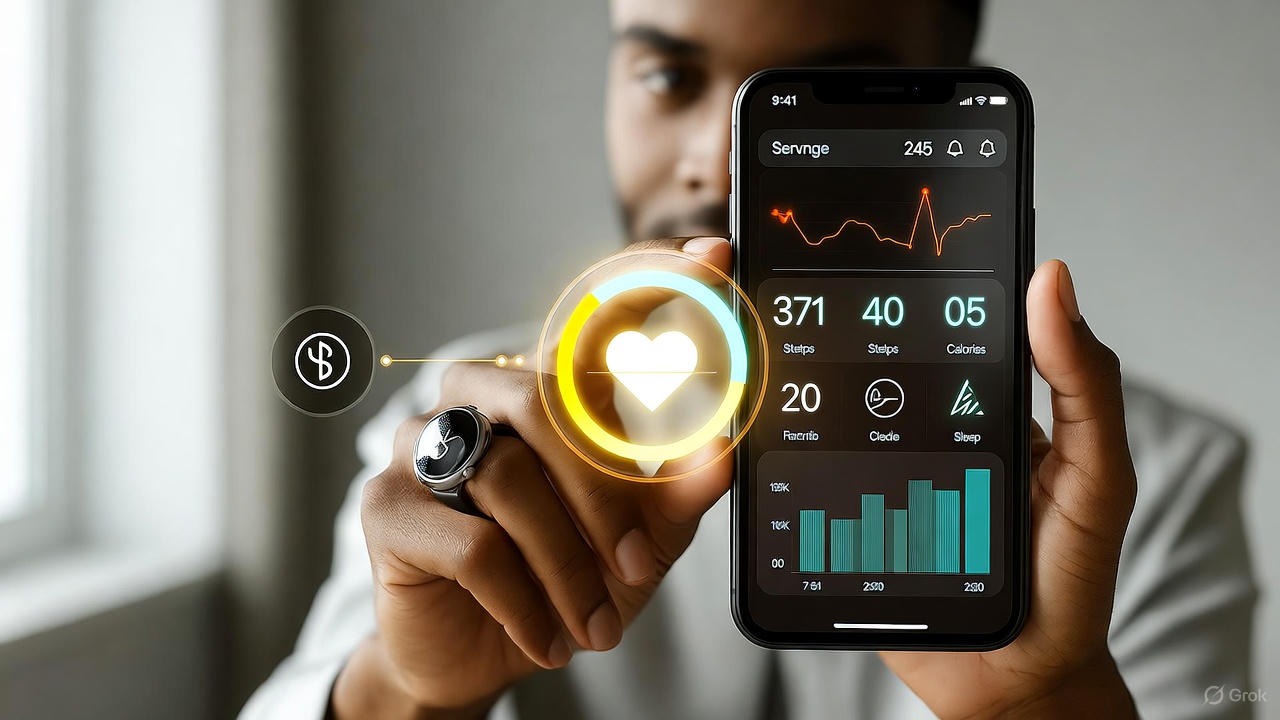
For a device meant to be worn 24/7, battery life is not a feature; it is a foundational requirement. The challenge is immense: power multiple active sensors, a processor, and a wireless radio from a battery that must be small, safe, and flexible enough to fit inside a ring. The solutions are a masterclass in energy optimization across hardware, software, and industrial design.
The hardware starts with the battery cell itself. Most smart rings use custom lithium-polymer batteries that are thin, flexible, and shaped to fit the ring’s curvature, maximizing the volume within the limited space. Battery chemistry and management systems are tuned for safety and longevity, prioritizing stable discharge over peak power to ensure both device safety and multi-year lifespan before capacity degradation.
The real magic, however, happens in the software and system architecture. This is a world of extreme power frugality. The ring’s operating system and firmware are designed for a "sleep-most-of-the-time" paradigm. The high-power components like the Bluetooth radio and the main processor core are in a deep sleep state for the vast majority of each second. They are awakened in precise, timed bursts by ultra-low-power secondary circuits.
Consider the PPG sensor. It doesn’t shine its bright LEDs continuously. Instead, it might take a reading once every few seconds during the day for heart rate, and then switch to a much higher frequency (but still pulsed) mode during sleep for detailed HRV and SpO2 analysis. The accelerometer may run constantly but on a very low-power mode, only waking the main system when it detects a pattern suggestive of walking or sleep onset. This sensor fusion strategy is key—using the low-power IMU to gate when the higher-power PPG needs to activate.
Furthermore, data is often processed in batches and stored locally, with Bluetooth syncing scheduled for specific, infrequent intervals rather than a constant, battery-draining connection. Charging systems, too, are optimized, often using proprietary docks that align perfectly with the ring’s charging pins to maximize efficiency. The result of this holistic engineering effort is a device that can monitor your health relentlessly for 5-7 days or more on a single charge, becoming a truly seamless part of your life. This reliability is essential for the kind of continuous, stress-free monitoring that supports a lifestyle of restful living boundaries, where the tool itself doesn’t become a source of charging anxiety or data interruption.
You don’t see the raw PPG waveform or the millivolt output of the temperature sensor. What you see are clean, intuitive scores: a Sleep Score of 85, a Readiness Score of 72, a Stress Level of "Elevated." These composite metrics are the ultimate product of your ring’s technology, synthesized by sophisticated algorithms that weigh and interpret multiple data streams to tell a cohesive story.
These algorithms are typically proprietary stacks developed from clinical research and vast datasets. Let’s deconstruct a common one: the Readiness or Recovery Score. This single number is designed to answer a simple but critical question: "How prepared is my body for stress today?" To answer it, the algorithm consults multiple inputs, often including:
Each of these inputs is normalized, weighted based on its predictive importance for next-day performance and resilience, and then combined into a single score. The algorithm may also incorporate activity data from the previous day to account for training load. The process for a Sleep Score is similar, weighing factors like total sleep time, efficiency (time asleep vs. time in bed), the amount of deep and REM sleep, and nighttime disturbances.
These scores are powerful because they do the cognitive work for you. They integrate complex, sometimes conflicting signals (e.g., you slept a long time but your HRV is low) into a clear, actionable recommendation. They are designed to cut through the noise and provide a "north star" for daily decision-making. Should you tackle that intense workout or opt for active recovery? Is today a day to push a big project or to protect your energy? This algorithmic guidance helps you align your actions with your body’s actual state, fostering a more intuitive and responsive relationship with your health. It’s a technological partner that helps you practice restful living for improved relationships and mood by ensuring you are not chronically overextending yourself.
Individually, each sensor in your smart ring tells an interesting, but limited, story. The PPG talks about your heart. The temperature sensor talks about your metabolism. The accelerometer talks about your movement. The true technological mastery emerges when these data streams are fused together in real-time, creating a holistic, multi-dimensional model of your physiology that is greater than the sum of its parts. This is sensor fusion, and it’s what elevates a smart ring from a collection of trackers to an integrated health monitor.
Consider the challenge of accurately detecting sleep stages using only one sensor. An accelerometer alone would confuse quiet wakefulness with sleep. PPG-derived heart rate alone might mistake the elevated heart rate of REM sleep for wakefulness. But by fusing the two—observing low movement concurrently with a heart rate pattern characteristic of deep sleep—the algorithm can assign that period to deep sleep with high confidence. The temperature sensor adds a third, confirming axis: is the body in its expected cooling phase?
This fusion is critical for accuracy, especially in challenging scenarios. During exercise, motion artifact can overwhelm the PPG signal, making heart rate tracking difficult. The IMU data can be used to inform noise-canceling algorithms, or even to predict heart rate based on movement intensity when the optical signal is temporarily unreliable. In detecting sickness, a single elevated temperature reading might be a fluke. But a sustained temperature rise combined with an elevated resting heart rate and a decreased HRV presents a far more compelling picture of the body fighting an infection.
This synergistic approach also enables the detection of phenomena that no single sensor could perceive. For example, the onset of a stress response might involve a slight increase in heart rate (PPG), a change in skin conductance (bioimpedance, if available), and subtle, restless movements (IMU). The convergence of these signals allows the ring to prompt a mindfulness or breathing exercise, acting as a real-time biofeedback tool. This interconnected view mirrors the interconnected nature of our own wellness, where stress impacts sleep, sleep impacts recovery, and recovery impacts performance. By modeling this synergy, the ring helps you see and respect these connections, much like adopting a philosophy of minimalism enables restful living by reducing external clutter to reveal the essential connections in your internal world.
The data collected by your smart ring is arguably the most personal digital information you can generate. It’s not just what you do; it’s a continuous biological broadcast of your state of being—your sleep patterns, stress levels, and physiological rhythms. Therefore, the technology that powers the ring must be built on an uncompromising foundation of privacy and security by design. This responsibility is addressed in layers, from the silicon to the cloud.
The first line of defense is on-device processing. As discussed, the trend toward edge computing means sensitive raw data (the precise PPG waveform, your exact minute-by-minute movement) can be processed directly on the ring into abstracted metrics (like "20 minutes of deep sleep"). This raw data never needs to leave the device, dramatically reducing the privacy surface area.
When data is transmitted, it is done so over encrypted Bluetooth Low Energy connections to your paired phone. From there, data sent to company servers for backup, longitudinal analysis, and cross-device syncing must be protected in transit and at rest. Reputable companies employ end-to-end encryption (E2EE), meaning your data is encrypted on your phone and can only be decrypted by your authenticated devices. Not even the company’s engineers can view your personal biometric data in plain text.
User control is paramount. A trustworthy platform provides clear, granular privacy settings. You should be able to choose what data is collected, how it is used for product improvement (e.g., anonymous, aggregated research), and whether it is ever shared with third parties. The principle of data minimization should be evident—collecting only what is necessary to provide the service.
Finally, transparency is key. A clear, understandable privacy policy that explains data practices in plain language is a minimum standard. The best companies go further, publishing detailed security white papers and undergoing independent audits to verify their practices. As you integrate this powerful technology into your life, understanding these protections allows you to do so with confidence. It enables you to focus on the insights for maintaining calm on the go, knowing that the intimate details of your health are guarded with the highest standards of digital stewardship, allowing you to explore your own wellness journey with peace of mind.
The ultimate goal of any wellness technology should be to enhance your life, not complicate it. The most profound feature of a modern smart ring is its ability to become a "silent partner"—an ever-present observer that gathers deep, continuous data without ever demanding your attention, vibrating on your finger, or lighting up your night. This seamless, unobtrusive operation is not a happy accident; it is the culmination of deliberate design choices in power management, sensor duty cycling, and user experience philosophy.
Unlike a smartwatch that may buzz with notifications or require frequent charging that interrupts wear, the ring’s form factor is inherently passive. It has no screen to glance at, which eliminates the temptation for constant checking that can fuel anxiety. Its notifications, if it offers them, are typically limited to subtle, haptic alerts for critical items like movement reminders or abnormal heart rate detection during rest—alerts you can often customize or disable entirely. This design intentionally minimizes digital intrusion, creating a space for you to live your life without a constant stream of biometric feedback. This aligns perfectly with principles of how digital detox enhances restful living, where the ring acts as a tool for insight, not another source of digital noise.
The technical magic enabling this silence is in the sensor scheduling, or "duty cycling." The ring’s firmware is a master of timing. It knows when to deploy its high-power sensors and when to let them rest. During the active day, the PPG sensor may sample heart rate for 10 seconds every 5 minutes, while the accelerometer runs in a low-power mode to log general activity. As the ring’s algorithms detect the onset of sleep (via prolonged inactivity and circadian timing), it shifts into its high-fidelity nighttime mode. The PPG sampling rate increases dramatically to capture detailed HRV and SpO2, and the temperature sensor polls frequently to map the circadian dip. All of this happens automatically, in the background.
This 24/7 operation is psychologically transformative. It eliminates the "white coat syndrome" of biometrics—the phenomenon where consciously measuring something (like taking your own pulse) changes the result. Because you are largely unaware of the moment-to-moment data collection, the insights reflect your authentic, unstressed physiology. You get a true baseline, not a measurement skewed by observation. This passive collection builds a comprehensive, longitudinal dataset that reveals patterns invisible in spot checks: the slow weekly trend of improving HRV, the subtle temperature shift indicating a change in metabolic health, the impact of a stressful project on your sleep architecture over a month. The ring becomes a trusted confidant for your body, listening always but only speaking when you ask or when it detects something truly important. This fosters a relationship based on trust and holistic awareness, rather than compulsive tracking.
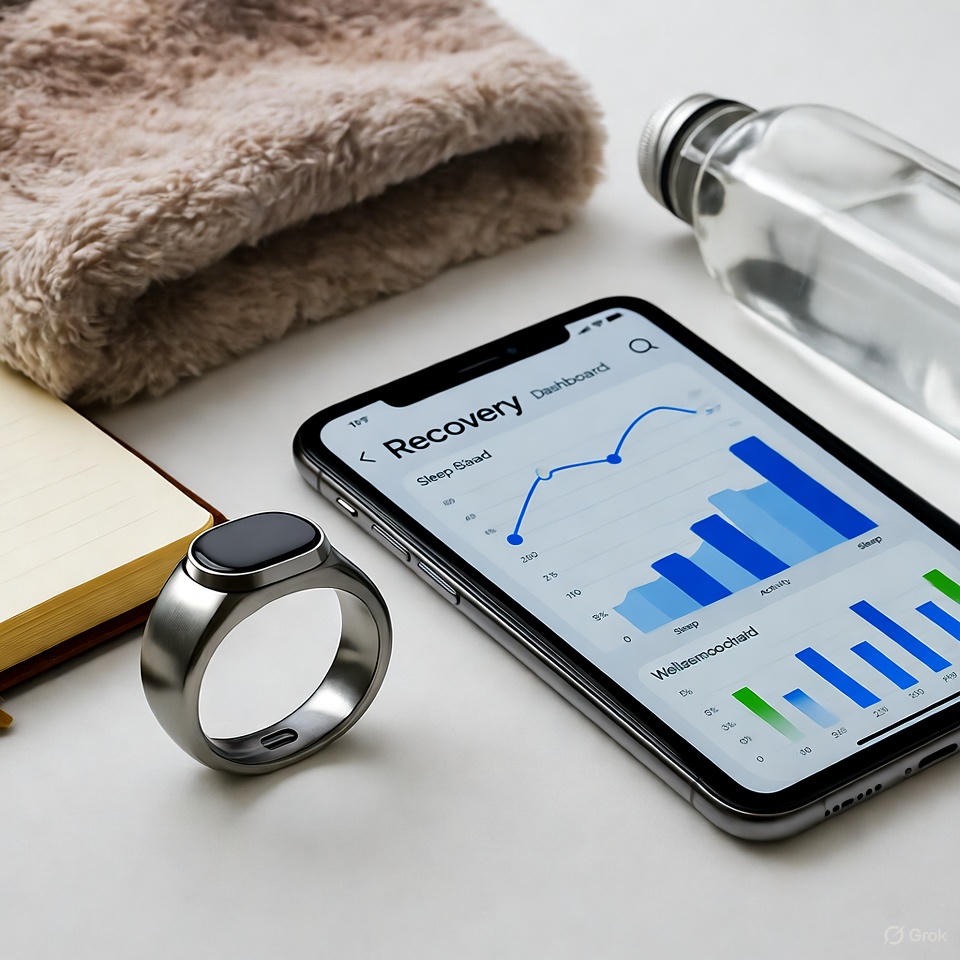
The smart ring is the data gatherer, but the companion smartphone application is the translator, the coach, and the library. This ecosystem is where the river of raw biometric data meets the human need for meaning, context, and action. A powerful, intuitive app doesn’t just display numbers; it weaves them into a narrative about your health and provides the tools to write a better next chapter.
The dashboard of a best-in-class app is a model of clarity. It presents your key composite scores (Readiness, Sleep, Activity) prominently, acting as a daily at-a-glance summary. Tapping into each reveals the layers beneath: your Sleep Score breaks down into duration, efficiency, and stages; your Readiness Score shows the contribution of sleep, HRV, and temperature. This hierarchical presentation respects both the casual user who wants a simple score and the data enthusiast who wants to dive deep into their nightly heart rate graph or minute-by-minute temperature curve.
But visualization is just the start. The app’s true value is in contextualization and personalization. It learns your lifestyle. You can log behaviors like caffeine intake, alcohol consumption, strenuous workouts, or meditation sessions. Over time, the app can correlate these logs with your biometric data, showing you, for instance, that an evening glass of wine correlates with a 15% reduction in your deep sleep, or that your afternoon meditation consistently boosts your next-morning HRV by 8%. This turns the app into a personal laboratory for wellness experimentation.
Furthermore, the app provides educational content directly alongside your data. A low HRV score isn’t just presented as a number; it’s accompanied by an explanation of what HRV means and actionable suggestions: “Consider a light walk instead of intense training today,” or “You might benefit from an earlier bedtime.” This bridges the gap between data and practical lifestyle medicine. Some platforms integrate guided content directly, offering breathing exercises when stress is detected, or wind-down routines when it’s time to prepare for sleep. For those seeking structured guidance, this can be foundational for building a weekly restful living plan for structure and sustainability, where the app’s insights directly inform your weekly rhythm of activity, rest, and recovery.
Finally, the app serves as the secure vault for your longitudinal health journey. Viewing trends over weeks, months, and years can be incredibly motivating. Seeing a clear upward trend in your average sleep score after implementing a new bedtime ritual, or observing your resting heart rate gradually decline as your cardiovascular fitness improves, provides tangible proof that your efforts are working. This long-term view transforms the ring from a gadget into a lifelong health companion.
Beyond health tracking, the technology inside your smart ring is unlocking a fascinating frontier in personal security: passive, continuous biometric authentication. Your unique physiological patterns—the way your heart beats, the specific structure of the blood vessels in your finger, even your unique cadence of movement—can serve as an unbreakable password, turning your ring into a seamless key for your digital and physical world.
The foundational technology for this is already present in the PPG sensor. When you place your finger on a smartphone’s optical fingerprint scanner, it’s taking a single, static image of your capillary pattern. A smart ring’s PPG sensor, however, is reading a dynamic, pulsatile map of that same vascular network 24/7. Advanced signal processing can extract a unique "vascular signature" from this data—a signature that is extremely difficult to spoof because it relies on living tissue with blood flow. This could be used for continuous authentication on your paired phone or laptop: the device remains locked unless it detects the authorized ring (and by extension, you) is nearby and on your finger. If you remove the ring or it senses an abnormal physiological state suggesting it’s no longer on you, access is automatically revoked.
The potential extends further. Research is exploring the use of electrocardiogram (ECG) patterns for authentication. While most rings don’t yet have medical-grade ECG sensors, the PPG waveform contains similar, unique cardiac information. Your heartbeat’s morphology is as distinctive as your fingerprint. An algorithm could learn this pattern, creating a cardiac ID that authenticates you simply by wearing the device.
This application represents a shift from "something you know" (a password) or "something you have" (a key fob) to "something you are," continuously and passively. It could streamline logging into computers, authorizing payments, accessing secure buildings, or starting your car—all without a single PIN, tap, or conscious action. Your authenticated presence becomes the key.
Of course, this raises important questions about privacy and data usage that reputable companies must address with absolute transparency. The biometric template used for authentication would need to be stored and processed with even higher security standards than health data, ideally in a secure enclave on the device itself. But the promise is profound: a world where security is effortless and intrinsic, freeing you from the burden of passwords and allowing you to move through your digital life with fluidity and assurance, a state that naturally contributes to a more restful living through calm and protected energy.
Today’s smart rings are exceptional diagnostic tools, telling you what is or was happening with your body. The next evolutionary leap, already beginning, is toward prediction—using the continuous stream of biometrics to build models that can forecast potential health events before they become fully manifest. This transforms the ring from a historian into a guardian, leveraging its unique position as an always-on biosensor.
The most immediate and proven predictive application is in illness detection. As noted, a sustained elevation in resting heart rate and skin temperature, coupled with a decrease in HRV, is a highly reliable harbinger of infection, from the common cold to more serious conditions. By establishing your precise baseline, the ring’s algorithms can detect these anomalies earlier and with more sensitivity than your own subjective feelings. You might receive an alert noting "Elevated biomarkers detected. Prioritizing rest and hydration is recommended," a full 12-24 hours before you feel a sore throat or fatigue. This allows for proactive self-care, potentially shortening illness duration and severity.
Looking further, the longitudinal data collected holds immense potential for chronic condition management and risk stratification. For example:
This predictive future relies on advanced machine learning models trained on massive, anonymized datasets to find subtle, pre-symptomatic patterns. It requires a robust ethical framework and clear regulatory pathways, as it edges into the domain of medical-grade insights. However, the core promise is to empower individuals with foresight, shifting healthcare from reactive to preventive and truly personalized. This aligns with a proactive philosophy of wellness, where you use tools not just to track problems, but to build a resilient system that avoids them, much like adopting foods that calm your nervous system as a preventive strategy for maintaining equilibrium.
No single device provides a complete picture of health. Your ring excels at continuous, passive biometrics. A smart scale measures body composition. A connected blood glucose monitor tracks metabolic response. A fitness tracker might excel at GPS-based workout metrics. The true power of personal health technology is unlocked when these devices speak the same language, allowing your smart ring to act as the central hub for your connected health ecosystem.
This is the promise of interoperability—the seamless exchange of data between different systems and applications. Key to this is support for open standards like Google’s Health Connect on Android or Apple’s HealthKit on iOS. These platforms act as neutral data brokers. Your ring can write its sleep, activity, heart rate, and temperature data into your phone’s health repository. Then, with your permission, other apps can read that data. Your fitness app can use your ring’s resting heart rate to adjust your training zones. Your meditation app can see your pre-session stress levels and your post-session HRV improvement. Your nutrition app could correlate your meal logs with your post-meal energy levels and sleep quality.
Conversely, your ring’s app can import data from other sources. It can pull your weight and body fat percentage from your smart scale to provide more context for your metabolic trends. It can import your calendar to see how busy days impact your stress scores, or import your workout data from a GPS watch to better understand your recovery needs. This creates a holistic, multi-instrument dashboard of your wellbeing.
Looking forward, the most impactful connection is between consumer wearables and the professional healthcare system. Imagine a future where, with your explicit consent, you can securely share relevant longitudinal data—weeks of sleep, HRV, and temperature trends—with your physician before an annual check-up. This provides objective, quantitative context that far surpasses the typical "How have you been sleeping?" question. For patients managing chronic conditions like hypertension, diabetes, or sleep apnea, this continuous at-home data can be invaluable for monitoring treatment efficacy and catching deviations early.
This interconnected future positions the smart ring not as a siloed gadget, but as the core biometric sensor in a personalized web of wellness tools. It acknowledges that health is multifaceted and that mastery comes from integrating insights from all aspects of your life. This ecosystem approach supports a comprehensive strategy for wellbeing, where technology works in concert to support goals like how breathwork supports restful living daily, by providing the biofeedback to perfect the practice and track its tangible effects on your nervous system.
The final, and perhaps most human, layer of technology in your smart ring is its capacity to gently guide behavior. By understanding your patterns, it can deliver timely, contextual "nudges"—small, actionable suggestions that help you make better choices in alignment with your health goals. This moves the device from a reporter to a coach, integrating wellness into the fabric of your daily life without being intrusive.
These nudges are intelligent because they are based on your actual data, not random reminders. For example:
The genius of effective behavioral nudges lies in their timing, relevance, and tone. They must feel helpful, not harassing. The best systems allow you to customize which nudges you receive and when, putting you in control. The goal is to cultivate mindfulness and intentionality, using data as a mirror rather than a whip. Over time, these small, data-informed suggestions can help rewire habits, fostering an intuitive connection between how you feel and the choices you make. This is the essence of living in tune with your body, a practice that strengthens your ability to set restful living boundaries by giving you the objective data to confidently say "no" to overextension and "yes" to necessary recovery.
All the advanced sensors and sophisticated algorithms in the world are useless if the ring is uncomfortable to wear. The final, critical piece of technology powering your ring is not digital, but physical: the material science and ergonomic design that make 24/7 wear not just possible, but pleasant. This involves a careful balancing act between durability, biocompatibility, sensor functionality, and aesthetic appeal.
The choice of material directly impacts both user experience and sensor performance. Titanium is a industry favorite for its exceptional strength-to-weight ratio, hypoallergenic properties, and corrosion resistance. It’s lightweight yet incredibly durable, making it ideal for a device that must withstand daily knocks and exposure to water, sweat, and lotions. Ceramic, often zirconia, is another premium choice. It is highly scratch-resistant, hypoallergenic, and offers a distinctive, elegant feel. Some rings use cobalt chrome or surgical-grade stainless steel for a balance of strength and cost.
However, the material cannot be a perfect Faraday cage; it must allow radio waves (Bluetooth) to pass through for connectivity. This requires precise engineering of the antenna, often integrated into a non-metallic inner liner or a segmented band design. Furthermore, the sensor module on the inner curve must maintain consistent skin contact. This area is often made from a medical-grade polymer or ceramic that is smooth, easy to clean, and non-irritating. The design must account for minor finger swelling that can occur during sleep, exercise, or temperature changes, often through a gently tapered interior or a slightly flexible inner band.
The fit is paramount. A ring that is too tight can be uncomfortable and may even affect circulation, skewing sensor readings. A ring that is too loose will shift, breaking the critical skin contact for the PPG and temperature sensors, leading to data gaps. This is why the sizing process is so crucial, often involving detailed physical sizing kits or printable guides. The goal is a "snug but comfortable" fit that stays in place during hand movements and sleep.
This focus on physical comfort and seamless integration is what allows the technology to fade into the background. You forget you’re wearing a powerful biosensor, which is exactly the point. It becomes a natural extension of yourself, enabling the continuous, high-fidelity data collection that powers all other insights. This effortless wearability is the bedrock upon which the entire system is built, supporting a lifestyle where health monitoring is a quiet, constant background process, freeing you to focus on living well. It facilitates that state of restful living through minimalism—where your tools are few, elegant, and deeply integrated, removing clutter and complexity from your pursuit of wellness.
Out of the box, a smart ring operates on generalized algorithms based on population averages. But within days and weeks, it undergoes a silent, crucial process: it learns you. This calibration and personalization phase is what transforms a mass-produced device into your unique health companion, ensuring its insights are relevant and accurate for your individual physiology and lifestyle.
The process begins with baseline establishment. Over the first week or two of continuous wear, the ring’s algorithms are not just collecting data; they are calculating your personal norms. What is your average resting heart rate? What is your normal range for nighttime heart rate? What does your typical sleep architecture look like? Where does your skin temperature baseline sit, and what is its normal circadian swing? This period is often called "learning mode," and it’s why initial scores and insights may be labeled as provisional or may fluctuate more until a stable pattern is identified.
This personalization goes beyond simple averages. Advanced systems account for your chronotype—whether you are naturally a night owl or an early bird. It learns your activity patterns: what constitutes a "workout" for you versus daily movement. For women, it can learn the distinctive patterns of their menstrual cycle, adjusting expectations for metrics like resting heart rate and basal body temperature across different phases.
Perhaps the most sophisticated form of personalization is in the composite scores. The algorithm learns how different inputs weight for you personally. For one person, sleep duration might be the strongest predictor of next-day readiness. For another, HRV might be the dominant signal. The machine learning models can adjust these weightings over time to improve the predictive accuracy of your Readiness or Sleep Score for your subjective feeling of energy and recovery.
This learning process is never truly "finished." Your body changes—with fitness, age, stress, and seasons. The ring’s algorithms continue to adapt, though typically using a rolling baseline (e.g., the last 30-60 days) to ensure it is always comparing you to your recent self, not to who you were a year ago. This creates a dynamic, evolving partnership. It ensures the guidance remains relevant, whether you’re training for a marathon, navigating a stressful period at work, or adapting your routine for restful living through the seasons. The ring isn’t judging you against an idealized standard; it’s helping you understand your current reality, providing a personalized map for your ever-changing journey.
As we embrace devices that know our bodies intimately, we must confront the profound ethical questions they raise with clarity and intention. The technology that powers your ring grants unprecedented self-knowledge, but it also generates a detailed digital twin of your physiology. Navigating this new territory requires a strong ethical compass from manufacturers and informed vigilance from users, centered on the principles of data ownership, meaningful consent, and beneficence.
At the core is the question: Who owns your data? The unequivocal ethical answer must be: you do. A trustworthy company acts as a steward, not an owner, of your biometric information. This means you should have the right to access all your raw and processed data, to download it for your own records or to share with a healthcare provider, and to delete it permanently from company servers if you choose to stop using the service. This is often called data portability and the right to be forgotten, and it should be a cornerstone of any wearable’s privacy policy.
Informed consent must be ongoing and granular. The initial agreement during setup should not be a monolithic "I agree" to a lengthy terms of service. It should be a clear, layered series of choices. Do you consent to your anonymized, aggregated data being used for research to improve algorithms? Do you consent to sharing specific data types with third-party apps? These choices should be easy to find, understand, and change at any time in the settings. Consent is not a one-time transaction but a continuous relationship.
Furthermore, we must guard against biometric determinism—the fallacy that our data defines us or predicts our destiny with absolute certainty. A low HRV score indicates a stressed nervous system; it does not diagnose anxiety disorder. A change in temperature trend suggests a metabolic shift; it is not a medical diagnosis. Companies have an ethical responsibility to present data as insightful indicators and guides, not as clinical verdicts. They should encourage users to consult healthcare professionals for medical concerns and avoid language that could induce anxiety or self-diagnosis.
Finally, as algorithms become more predictive, we enter the realm of algorithmic bias and fairness. The models are only as good as the data they are trained on. If training datasets are not diverse across ages, ethnicities, genders, and body types, the algorithms may be less accurate for populations not well-represented in the data. Ethical development requires actively building diverse datasets and testing for disparate impacts.
Engaging with this technology consciously means choosing partners who are transparent about these issues, who design with privacy from the ground up, and who view their role as empowering you, not exploiting you. It allows you to harness the power of the ring to build a life of greater balance and awareness, using data not as a source of external judgment, but as a tool for internal improving relationships and mood through self-understanding and proactive self-care. In mastering the technology, we must also master the wisdom to use it well.
With a solid grasp of the technology humming quietly on your finger, we now pivot from the how to the so what. Data in a vacuum is merely noise. The true mastery of health tracking technology lies in the artful translation of these biometric insights into tangible, daily actions that compound into transformative well-being. This is where your ring transitions from a fascinating gadget to an indispensable life coach. It’s about building a responsive, dynamic partnership where the ring provides the objective feedback, and you implement the wisdom.
This section is your playbook for optimization. We will explore how to use your unique data to engineer better sleep, build resilience against stress, fine-tune your fitness, and align your daily habits with your body’s innate rhythms. This is not about chasing arbitrary scores, but about using those scores as guideposts toward feeling more energized, focused, and balanced. It’s the process of closing the loop: from measurement, to understanding, to intervention, and back to measurement. Let’s begin with the foundational pillar that influences every other aspect of health: restorative sleep.
Your sleep data is the richest report card on your lifestyle. A poor Sleep Score isn’t a condemnation; it’s a diagnostic tool pointing to specific leaks in your sleep hygiene that you can now patch with precision. Generic advice like "sleep more" is replaced with personalized protocols derived from your own nightly graphs.
Deep Sleep Deficiency: If your data consistently shows low deep sleep (N3), focus on physical recovery and circadian timing. This stage is crucial for tissue repair, growth hormone release, and immune function. Actionable Steps: Prioritize resistance training or strenuous physical activity earlier in the day (but not within 3 hours of bedtime). Ensure your last meal is finished 2-3 hours before sleep to allow core body temperature to drop naturally. Experiment with a slightly cooler bedroom (65-68°F or 18-20°C) and consider a warm bath 1-2 hours before bed; the subsequent cooldown mimics the natural temperature drop and can promote deep sleep. Minimize alcohol, as it is a notorious suppressor of deep sleep, a fact your ring will likely corroborate.
REM Sleep Shortfall: REM sleep is essential for emotional processing, memory consolidation, and creativity. Low REM can manifest as brain fog, emotional reactivity, and poor memory. Actionable Steps: Protect your sleep duration first, as REM periods lengthen in the later cycles of the night. Sleeping less than 7 hours directly robs you of REM. Manage stress and anxiety proactively through daytime practices, as mental chatter can invade REM. Review medications (e.g., some antidepressants) with your doctor, as they can impact REM. Ensure your sleep environment is completely dark and free from early-morning light interruptions, which can truncate your final, REM-rich cycle.
Sleep Latency & Fragmentation: If your ring shows it takes you a long time to fall asleep or you have frequent awakenings, your wind-down routine and sleep environment need attention. Actionable Steps: Implement a strict digital sunset 60 minutes before bed. The blue light from screens suppresses melatonin and the content stimulates the mind. Use your ring’s data to find your ideal, consistent bedtime by noting when you naturally fall asleep fastest on relaxed evenings. Address environmental disruptors: use blackout curtains, a white noise machine, and ensure your mattress and pillows are supportive. For a comprehensive approach to unwinding, explore strategies for restful living at work to prevent bringing the day’s stress into your bedroom.
Circadian Misalignment: If your temperature rhythm is flat or shifted, your internal clock is out of sync with your life. Actionable Steps: Seek bright, natural light exposure within 30 minutes of waking. This is the most powerful signal to anchor your circadian rhythm. Conversely, dim lights in the evening. Maintain a consistent sleep and wake time, even on weekends, within a 60-minute window. Avoid caffeine after 2 PM, as its half-life can extend into your sleep window. By methodically testing these interventions and observing the results in your sleep architecture, you move from guessing to knowing what truly works for your biology.
Heart Rate Variability is the single most insightful metric for gauging your nervous system’s balance and adaptive capacity. It is your internal resilience score. A high HRV indicates a agile, healthy system that can respond to stress and recover effectively. A low HRV suggests your system is overloaded, fatigued, or stuck in a sympathetic (fight-or-flight) dominant state. The goal isn’t to maximize HRV at all times, but to understand its trends and use it to guide your daily choices.
Interpreting Daily HRV: Don’t obsess over single-day dips. Look at the trend over weeks. A sustained downward trend is a clear signal from your body to pull back. Actionable Steps: On a morning when your HRV is significantly below your baseline, treat it as a directive for recovery. Swap an intense workout for gentle movement like walking, yoga, or stretching. Prioritize hydration, nutrient-dense foods, and perhaps an earlier bedtime. Practice saying "no" to non-essential demands to protect your energy—a practical application of restful living boundaries.
Using HRV for Training Optimization: For athletes and fitness enthusiasts, HRV is the gold standard for personalized training. The principle of "train the athlete, not the plan" comes alive. Actionable Steps: Follow a simple rule: if your morning HRV is within or above your normal range, proceed with your planned training. If it’s significantly depressed (often guided by a 7-day rolling average), switch to a recovery or technique-focused session. This data-driven approach prevents overtraining, reduces injury risk, and leads to better performance gains by ensuring you’re training when your body is truly prepared to adapt.
Active Stress Management with Biofeedback: Your ring can turn stress management from an abstract concept into a tangible, measurable practice. Actionable Steps: When you feel stressed, open your app and observe your real-time heart rate and HRV. Then, perform a 5-minute guided breathing exercise (e.g., 4-7-8 breathing or box breathing). Watch the metrics respond in real-time as your parasympathetic nervous system engages. This biofeedback loop is powerfully motivating; it proves you can control your physiology. Regularly practicing techniques like how breathwork supports restful living daily directly trains your nervous system to recover faster, raising your resilience baseline over time.
Lifestyle Correlations: Use your app’s tagging feature to discover what moves your HRV. Tag days with heavy work meetings, social events, poor nutrition, or excellent workouts. Over a month, you may find that while intense exercise temporarily lowers HRV (a normal acute response), consistent training raises your baseline. You might discover that certain social interactions drain you while others nourish you, all reflected in your next-morning HRV. This turns your life into an ongoing experiment in sustainable vitality.
Your continuous temperature data is a slow-moving, highly reliable signal amidst the faster noise of heart rate and activity. It provides a deeper layer of context for everything else you see, offering clues about your metabolic health, immune function, and hormonal balance.
The Illness Early-Warning System: This is one of the most valuable applications. A sustained elevation of 0.5°C or more above your personal baseline, especially when combined with elevated resting heart rate, is a red flag. Actionable Steps: At the first sign of this pattern, go into proactive recovery mode. Hydrate aggressively, prioritize sleep (even napping if possible), reduce physical and mental stress, and consider immune-supporting nutrients like zinc and vitamin C. This proactive response, guided by data, can often blunt the severity or even prevent the full onset of an illness.
Cycle Syncing for Women: For women not on hormonal birth control that suppresses ovulation, temperature tracking provides effortless, passive cycle insight. Actionable Steps: Observe the biphasic pattern: lower temperatures in the follicular phase, a rise after ovulation, and sustained higher temperatures in the luteal phase. Use this knowledge to sync your activities. Plan intense workouts, social events, and creative projects for the higher-energy follicular phase. Schedule more restorative exercise, administrative tasks, and self-care during the luteal phase. This biohack aligns your lifestyle with your hormonal reality, reducing friction and enhancing well-being.
Metabolic and Recovery Insights: A consistently low or sluggish temperature rhythm can indicate a sluggish metabolism, thyroid issues, or chronic under-recovery. Actionable Steps: If you see a flattened circadian temperature rhythm, double down on circadian hygiene (light exposure, consistent meals and sleep). Ensure you are eating enough, particularly if you are active, as chronic under-eating lowers core temperature. If temperatures are consistently low and you feel fatigued, it may be valuable data to bring to a healthcare provider for further investigation.
Assessing Lifestyle Interventions: Use temperature to gauge the impact of big changes. Starting a new diet, a fasting protocol, or a intense training block? Watch your temperature trends. A severe or prolonged drop might signal the intervention is too stressful for your body. A stable or improving rhythm suggests good adaptation. It’s a vital sign of your systemic balance.
The accelerometer and gyroscope in your ring move far beyond simple step counts. They provide context for your activity, helping you balance exertion with recovery and understand the qualitative impact of different movement types on your physiology.
Non-Exercise Activity Thermogenesis (NEAT): This is the calories you burn from everything that isn’t sleeping, eating, or sports. It’s fidgeting, walking to the printer, standing, and chores. NEAT is a huge variable in metabolic health. Actionable Steps: Use your ring’s activity data to boost your NEAT consciously. Set a movement reminder not just to "stand," but to take a 2-3 minute walk every hour. Park farther away, take walking meetings, do a 5-minute tidying burst. Observe how these small changes affect your daily activity graph and, over time, your resting metabolic indicators.
Recovery-Based Movement: Rest days don’t have to be sedentary days. Active recovery—light movement that promotes blood flow without stress—is key. Actionable Steps: On low-readiness days, use your ring to guide your movement. A gentle 30-minute walk should keep your heart rate in a low, comfortable zone. Monitor your heart rate during yoga or stretching; it should stay low and stable. The goal is to move without spiking cortisol or creating metabolic strain, aiding the repair process.
Workout Effectiveness & Form: While rings aren’t perfect for tracking specific workout metrics like pace or lift weight, they excel at measuring physiological cost and recovery. Actionable Steps: After a workout, note your heart rate during and how long it takes to return to baseline (heart rate recovery). Fast recovery is a sign of good fitness. Observe your sleep and readiness scores the next day. A good workout should challenge you but not crater your recovery metrics. If it does, the volume or intensity may be too high. This helps you periodize your training effectively, balancing hard days with easy days.
Detecting Overuse and Imbalance: Asymmetrical movement patterns or unexplained increases in resting heart rate after specific activities can be early warnings. Actionable Steps: If you consistently see poor sleep after a particular activity (e.g., late-evening workouts), reschedule it. If a new exercise causes a prolonged elevation in resting metrics, you may need more recovery or to adjust your form. Your ring provides the systemic feedback that your local muscles might not.
Food is information that directly alters your internal state. Your smart ring provides a powerful feedback loop to understand how different foods and eating patterns affect your energy, recovery, and sleep. This moves nutrition from dogma ("carbs are bad") to personalized experimentation ("how do I respond to this?").
The Meal Logging Experiment: For a 2-4 week period, diligently log your meals and snacks in your ring’s app or a connected nutrition app. Pay particular attention to timing and composition. Actionable Correlations: Look for patterns:
Fasting and Time-Restricted Eating (TRE): If you experiment with intermittent fasting, your ring is an essential monitor. Actionable Monitoring: Watch your energy levels (via activity and heart rate patterns) during the fast. Does your mental clarity improve? Does your body temperature drop slightly, indicating a metabolic shift? Most importantly, how is your sleep? For some, TRE improves sleep; for others, going to bed hungry disrupts it. Let your recovery metrics guide the length and timing of your eating window. This personalized approach aligns with finding foods that calm your nervous system and eating them at times that support, rather than disrupt, your circadian biology.
Caffeine and Alcohol: Two of the most powerful psychoactive substances we consume regularly have clear biometric signatures. Actionable Insights: Tag days with afternoon caffeine or evening alcohol. You will likely see the data confirm what you suspect: late caffeine can delay sleep onset and reduce deep sleep. Even one glass of wine can suppress deep sleep, increase nighttime heart rate, and lower HRV. The objective data provides a powerful incentive to moderate consumption and optimize timing (e.g., caffeine before 10 AM, alcohol limited and never close to bedtime).
Our mental and physical states are inseparable. Stress, anxiety, and mood are not just "in your head"; they have direct physiological correlates that your ring measures. This allows you to manage your mental well-being with the same objective feedback you use for physical training.
Objective Stress Tracking: Subjectively, you might "feel fine," but your nervous system may tell a different story. Actionable Awareness: Use your daily stress score or HRV trend as an objective check-in. If you see a period of sustained high stress or low HRV, pause. What is happening in your life? Can you identify the sources—work deadlines, relationship tension, poor sleep? The data makes the intangible tangible, prompting you to take action before burnout manifests as exhaustion or illness. It’s a call to implement restful living for high achievers strategies before you crash.
Meditation and Mindfulness Efficacy: Does meditation actually work for you? Your ring can prove it. Actionable Biofeedback: Perform your regular meditation or mindfulness practice. Before and after, check your heart rate and HRV (many apps have a "session" feature for this). Observe the acute calming effect—the heart rate dropping, HRV rising. Over weeks of consistent practice, watch your baseline HRV improve. This turns a "woo-woo" practice into a concrete, measurable skill for nervous system regulation.
Emotional Mapping: Intense emotions leave a biometric signature. Actionable Reflection: After a stressful argument, a joyful social gathering, or a sad event, glance at your heart rate graph for that period. You’ll see the spikes and dips. Later, you can reflect: "My heart rate was elevated for two hours after that meeting." This creates space between feeling and reaction, helping you process emotions more effectively and understand their true physical cost. This awareness is foundational for how restful living improves relationships and mood, as you learn to manage your physiological reactions.
Digital Detox Validation: Feeling overwhelmed by technology? Run an experiment. Actionable Protocol: For one weekend, implement a strict digital detox—no social media, minimal screen time. Tag it in your app. Compare your sleep scores, HRV, and resting heart rate to a typical weekend. The improvements are often dramatic, providing hard data to motivate more regular disconnection, reinforcing the principles of how digital detox enhances restful living.
The most profound value of your smart ring may reveal itself not day-to-day, but year-over-year. It creates a longitudinal health record, a moving picture of your healthspan—the period of life spent in good health. This shifts your focus from acute wellness hacks to chronic, proactive health stewardship.
Establishing Your True Baselines: Over the first year of wear, you move from population averages to your personal, age-adjusted norms. You know what a "good" resting heart rate is for you at age 35, 40, or 50. Actionable Insight: This is invaluable for detecting subtle, age-related changes. A gradual, year-over-year creep in your resting heart rate might signal declining cardiovascular fitness, prompting you to recommit to consistent cardio. A slow decline in your average deep sleep percentage might highlight the need for better sleep hygiene as you age.
Seasonal Adaptation Patterns: Your body changes with the seasons. Winter often brings slightly higher resting heart rates and different sleep needs than summer. Actionable Adaptation: By observing these patterns, you can gracefully adapt your routines instead of fighting your biology. You might accept a slightly lower activity level in deep winter, prioritizing sleep and recovery, as explored in restful living through the seasons. You can adjust your training and nutrition to align with your body’s natural rhythms.
Preventive Health Dialogue with Providers: Imagine walking into your doctor’s office with a 12-month report of your sleep architecture, resting heart rate trends, and temperature rhythms. Actionable Preparation: This data provides context far beyond "I'm tired." You can say, "Over the past three months, my resting heart rate has trended up by 5 BPM and my deep sleep has decreased by 15%, despite good sleep hygiene." This objective, quantitative information can guide more productive conversations and investigations, moving healthcare toward true prevention.
Lifestyle Intervention Trials: Considering a major change—going vegetarian, starting a meditation teacher training, changing jobs? Use your long-term data to assess the impact. Actionable Analysis: Look at your key biomarkers for the 3 months before and after the change. Did your HRV baseline improve? Did your sleep become more stable? Did your activity patterns change? This turns life decisions into evidence-based choices for your well-being.
Travel—whether for work or pleasure—is a massive disruptor of routine and a stress test for your physiology. Jet lag, unfamiliar food, irregular schedules, and time zone changes can wreak havoc. Your ring becomes an essential travel companion, helping you navigate disruption and recover faster.
Combating Jet Lag with Data: Jet lag is fundamentally a mismatch between your internal circadian clock and the external environment. Your ring’s temperature and sleep data are your best tools to measure it and fight it. Actionable Protocol: Before you travel: In the days leading up to an eastward trip, try to go to bed and wake up 15-30 minutes earlier each day. During travel: Use light exposure strategically. Seek bright morning light at your destination to reset your clock. Use your ring to monitor your temperature rhythm; it will show the shift as you adapt. Recovery Focus: For the first 1-3 days, prioritize sleep over sightseeing or meetings. Let your readiness score guide your activity level. You’ll see in your data exactly how long it takes your body to synchronize.
The "Travel Readiness" Score: Create your own metric. Actionable Monitoring: Note your baseline metrics before you leave. While traveling, watch for key danger signs: a consistently elevated resting heart rate (from dehydration, stress, or alcohol), a plummeting HRV, and poor sleep scores. Let this data dictate your pace. If your scores are poor, schedule a down day, prioritize hydration, and choose familiar, simple foods. This is the essence of the restful living travel guide—using data to make conscious choices that protect your energy abroad.
Sleep Optimization in Hotels: Hotel rooms are designed for aesthetics, not sleep. Actionable Fixes: Use your ring to prove what works. Pack a portable white noise machine or use a phone app to drown out hallway noise. Bring painter’s tape to cover blinding LED lights from electronics. Use the "Do Not Disturb" sign religiously. If your ring shows poor sleep due to temperature, don’t hesitate to adjust the thermostat or request extra blankets. You are the engineer of your sleep environment, data is your blueprint.
Returning to Routine: The recovery from a trip is as important as the trip itself. Actionable Re-entry: Don’t jump back into a full schedule immediately. Give yourself 1-2 days of buffer. Use your ring’s data to see when your biomarkers have returned to pre-travel baselines. This disciplined re-entry prevents the post-vacation crash and protects your long-term health capital.
The social features of some wellness platforms allow you to share scores or compete with friends. This can be a powerful motivator but also a source of anxiety and misunderstanding. Using social comparison healthily requires a mindset shift.
Comparing to Yourself, Not Others: This is the cardinal rule. Biometrics are deeply individual. A friend’s Sleep Score of 90 is meaningless to your biology; your own score of 85 compared to your average of 78 is everything. Actionable Mindset: Use the community for accountability and inspiration, not competition. Celebrate a friend’s consistency, not their absolute numbers. Share tips on what works for you, but frame it as "this improved my deep sleep," not "this will work for you."
Healthy Accountability Partnerships: Find a like-minded friend who also wears a tracker. Actionable Practice: Instead of comparing scores, set process-based goals together. "Let’s both aim for a 7-day streak of getting to bed before 11 PM," or "Let’s both log 150 minutes of zone 2 cardio this week." Your rings will verify your compliance, and you can encourage each other based on effort, not genetics.
Avoiding Biometric Anxiety: It’s possible to become overly attached to scores, checking them compulsively and feeling defeated by a bad day. Actionable Detox: Schedule specific times to check your data (e.g., morning and evening only). Turn off non-essential notifications. Remember, the data serves you, not the other way around. If tracking is causing stress, take a week off from looking at the app, but keep wearing the ring. The data will be there when you return, refreshed and ready to engage with curiosity rather than fear.
The "Why" Behind the Numbers: When you see someone with exceptional scores, get curious, not jealous. Actionable Inquiry: Ask about their lifestyle, not their device. "What’s your wind-down routine like?" "How do you manage work stress?" The insights come from their behaviors, which you can adapt and test in your own life, observing the effect through your own unique biometric lens.
For those who love to dive deep, your smart ring is a gateway to sophisticated self-experimentation. By exporting data and using third-party platforms, you can perform advanced correlations and build a truly customized health operating system.
Data Export and Third-Party Analysis: Most reputable platforms allow you to export your raw or aggregated data. Actionable Exploration: Services like Exist.io, Gyroscope, or even your own spreadsheet can correlate your ring data with data from other sources: weather, pollen count, stock market performance, your menstrual cycle, or your personal journal entries. You might discover your HRV dips on high-pollen days or your sleep improves when you journal before bed.
Creating Custom Metrics: Go beyond the provided scores. Actionable Calculation: Calculate your own "Stress-Recovery Balance" for the week: (Average Daily Stress Score) / (Average Morning HRV). Track the ratio. Or, calculate your "Sleep Consistency" by measuring the standard deviation of your bedtime over 30 days. These custom metrics can be more meaningful to you than the generic ones.
The N=1 Experiment Protocol: Approach changes with scientific rigor. Actionable Method:
Integrating with Smart Home/Office: The future of biohacking is responsive environments. Actionable Setup: Using platforms like IFTTT or Apple Shortcuts, you can create automations. For example: "When my ring detects I’ve been in deep sleep for less than 1 hour by 2 AM, turn on the humidifier and play brown noise." Or, "When my daytime stress score goes above 80, dim the office lights and turn on a calming playlist." This creates a world that adapts to your real-time physiology.
Your relationship with your smart ring is not static. As you move through different chapters of life—from intense career-building, to starting a family, to navigating perimenopause, to active retirement—your health priorities and the insights you seek will evolve. The ring’s constancy provides a stable thread of self-knowledge through all of it.
The Performance Phase (20s-40s): Here, the focus is often on optimization—sleep for cognitive performance, HRV for training, readiness for peak output. Actionable Focus: Use the data to balance intense work and fitness goals with adequate recovery. Prevent burnout by heeding the signs of chronic stress. This is the time to build robust health habits that the data validates.
The Balance Phase (Family, Career Peak): Life becomes more complex, with competing demands. Time is scarce. Actionable Focus: Use the ring for efficiency and protection. Let it guide you to the most impactful, time-efficient health practices. Use stress data to enforce boundaries. Use sleep data to defend your rest as a non-negotiable amidst chaos. It becomes a tool for sustainability, helping you implement a weekly restful living plan for structure in an unstructured time.
The Transition Phase (Perimenopause, Andropause, Lifestyle Shift): Hormonal changes bring new physiological rules. Actionable Focus: Temperature tracking becomes critical for women. Watch for changing sleep patterns and metabolic shifts. Use data to advocate for yourself with healthcare providers. Experiment with new forms of exercise and dietary adjustments, using biomarkers to see what helps stabilize energy and mood during this transition.
The Healthspan Phase (50s+): The focus shifts firmly to longevity, vitality, and preventing age-related decline. Actionable Focus: Longitudinal trends are everything. Monitoring for gradual changes in resting heart rate, HRV, and sleep quality becomes a form of preventive screening. The data supports maintaining muscle mass (via activity tracking), cognitive health (via sleep quality), and metabolic health. It’s about compressing morbidity and enjoying a high-quality, active life.
Through all these stages, the ring remains a faithful witness and guide. It doesn’t judge your changing priorities; it adapts to them, providing the relevant feedback you need to thrive in each chapter. Mastering this technology means growing with it, allowing it to illuminate the path to well-being for the entirety of your life’s journey.
Your Trusted Sleep Advocate: Sleep Foundation — https://www.sleepfoundation.org
Discover a digital archive of scholarly articles: NIH — https://www.ncbi.nlm.nih.gov/
39 million citations for biomedical literature :PubMed — https://pubmed.ncbi.nlm.nih.gov/
Experts at Harvard Health Publishing covering a variety of health topics — https://www.health.harvard.edu/blog/
Every life deserves world class care :Cleveland Clinic - https://my.clevelandclinic.org/health
Wearable technology and the future of predictive health monitoring :MIT Technology Review — https://www.technologyreview.com/
Dedicated to the well-being of all people and guided by science :World Health Organization — https://www.who.int/news-room/
Psychological science and knowledge to benefit society and improve lives. :APA — https://www.apa.org/monitor/
Cutting-edge insights on human longevity and peak performance:
Lifespan Research — https://www.lifespan.io/
Global authority on exercise physiology, sports performance, and human recovery:
American College of Sports Medicine — https://www.acsm.org/
Neuroscience-driven guidance for better focus, sleep, and mental clarity:
Stanford Human Performance Lab — https://humanperformance.stanford.edu/
Evidence-based psychology and mind–body wellness resources:
Mayo Clinic — https://www.mayoclinic.org/healthy-lifestyle/
Data-backed research on emotional wellbeing, stress biology, and resilience:
American Institute of Stress — https://www.stress.org/


